
AI |ML |Data | MLOPs | CloudOps
Joined August 2013
- Tweets 978
- Following 446
- Followers 289
- Likes 1,443
49 Photos and videos




Pinned Tweet

15 Mar 2023
Machine Learning Models in Production degrade over time, a concept In ML circles known as the Data Drift.
Now that's where ML Ops comes in
1
5
487
Mandee Bot retweeted

Jun 5
🚨 JUST IN: History vindicates the brave. A video from 2020 has resurfaced showing former CBN Deputy Governor Dr. Obadiah Mailafia exposing the roots of Nigeria's insecurity.
⚠️ He boldly warned us six years ago about how bandits transport weapons and alleged that a northern governor was named as a Boko Haram commander.
The evidence is staring us in the face. Watch and retweet this to expose the wicked politicians sponsoring this crisis!
72
1,595
1,907
285,043
May 25
RT @Tripleace_Ade: I am Nigerian, and right now my dream is bigger than me.
Only about 1% of global electronics manufacturing happens in A…
1,596
Mandee Bot retweeted

May 23
🇳🇬NIGERIA
“The killer of my dad… the abductors of our wives, our children, our sisters are being paid off by the tax payers money”
This is why good men must act.
@ChidiOdinkalu @USinNigeria @FoxNews @StateDept @DeleFarotimi @BOGbadams @SamAmadi
136
1,087
1,453
26,133
Mandee Bot retweeted

May 23
Backend Engineers throw Kafka into every architecture nowadays like it’s a compulsory tech stack.
Meanwhile, many applications genuinely do not need Kafka at all.
So, when exactly should Kafka actually be used?
27
19
273
41,248
Mandee Bot retweeted

May 23
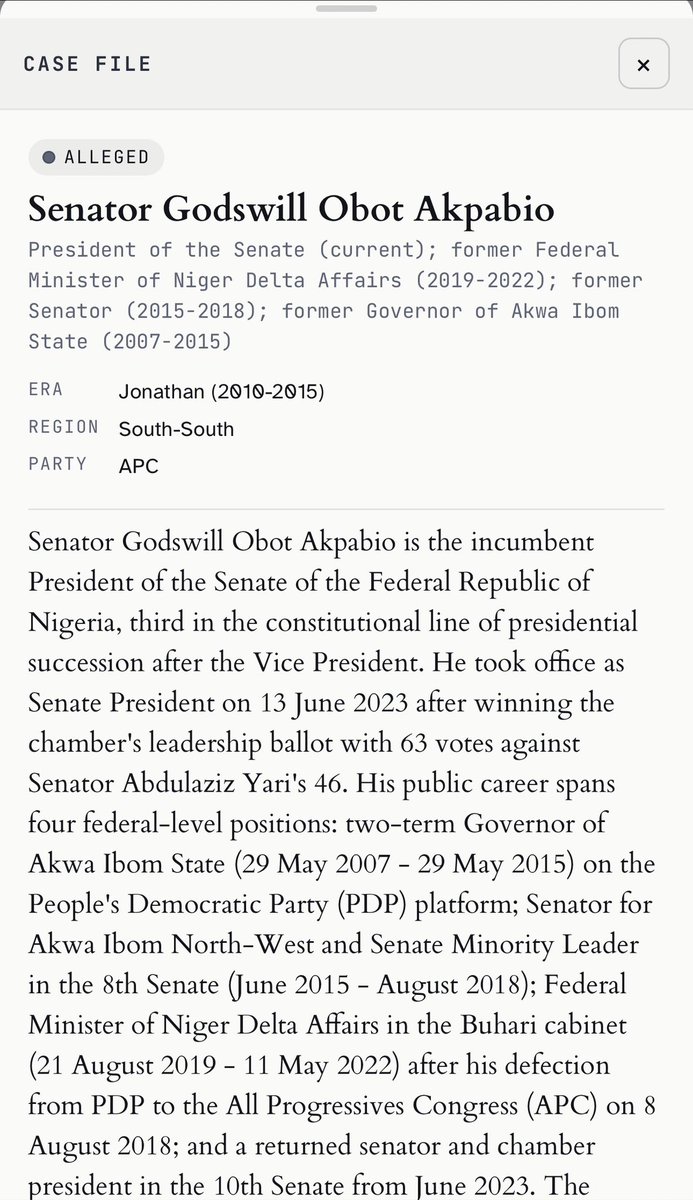
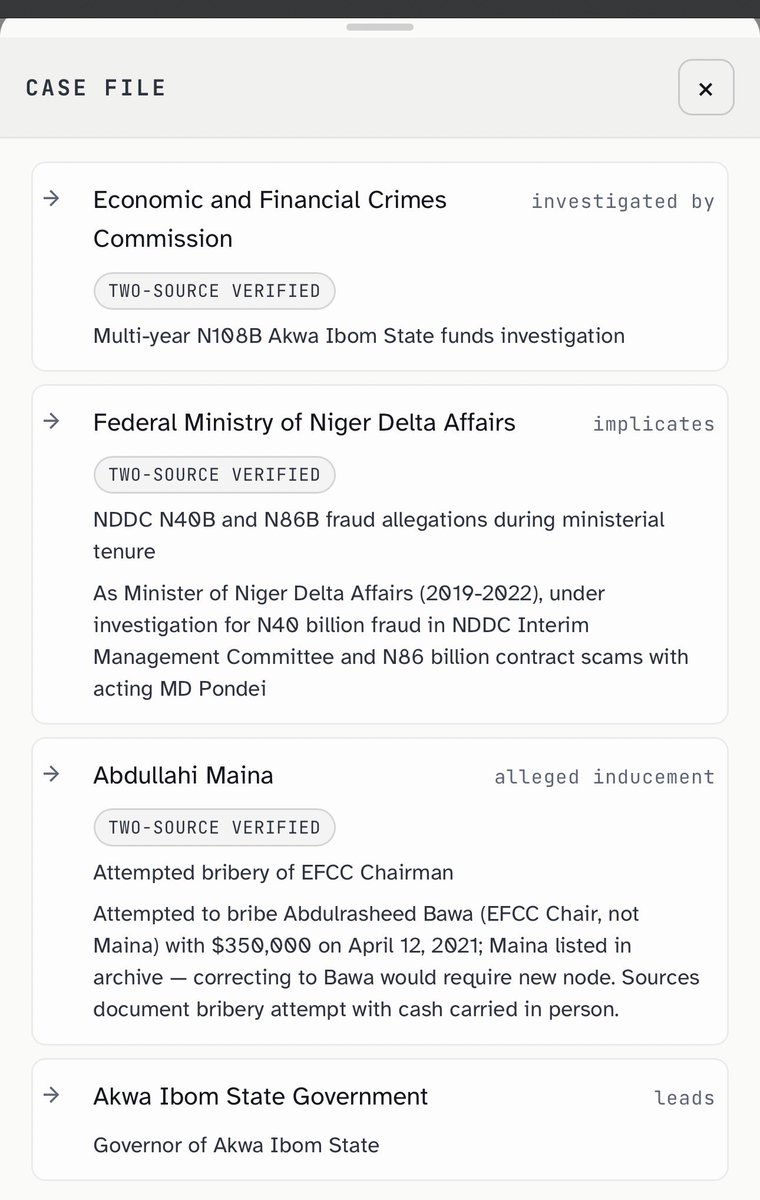
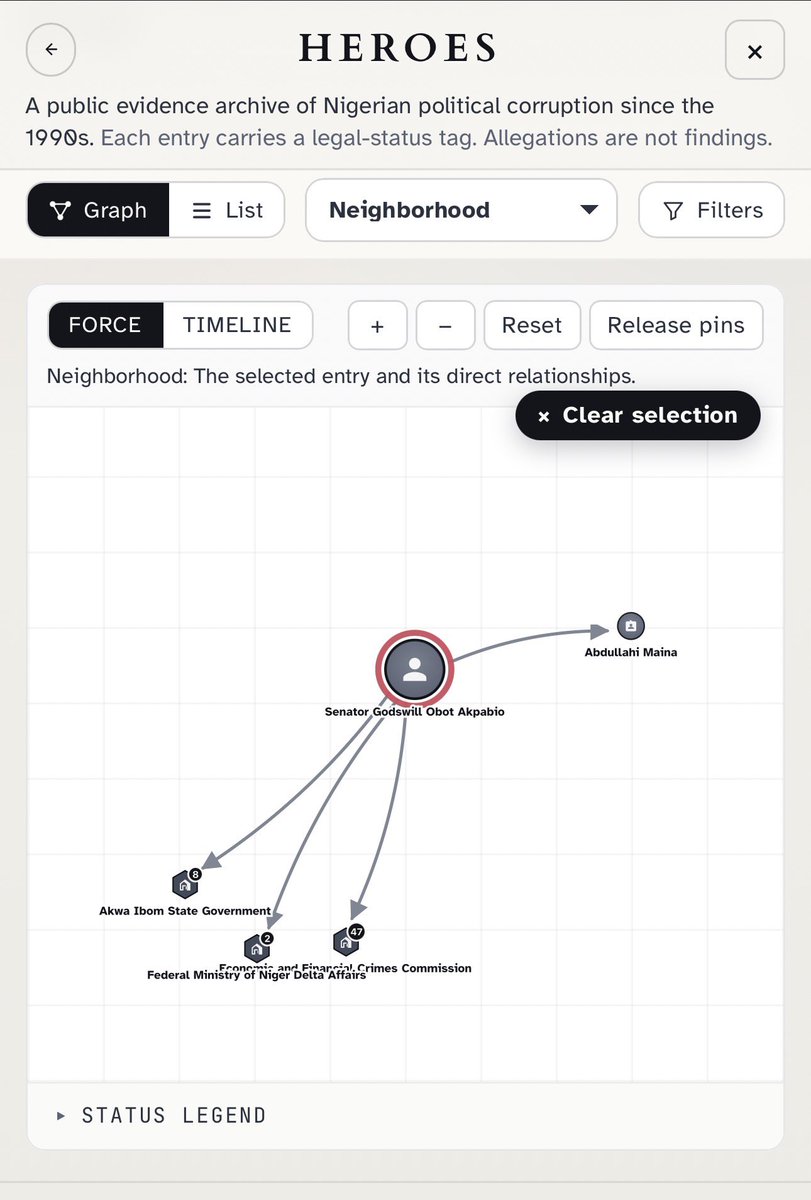
The current President of the Senate, Godswill Akpabio:
1. Investigated for 108B Akwa Ibom fund
2. Implicated in a 40B & 86B NDDC fund
3. Alleged to have tried bribing EFCC boss Bawa with $350k
4. Currently leads the most corrupt senate in the history of Nigerian democracy
May 19

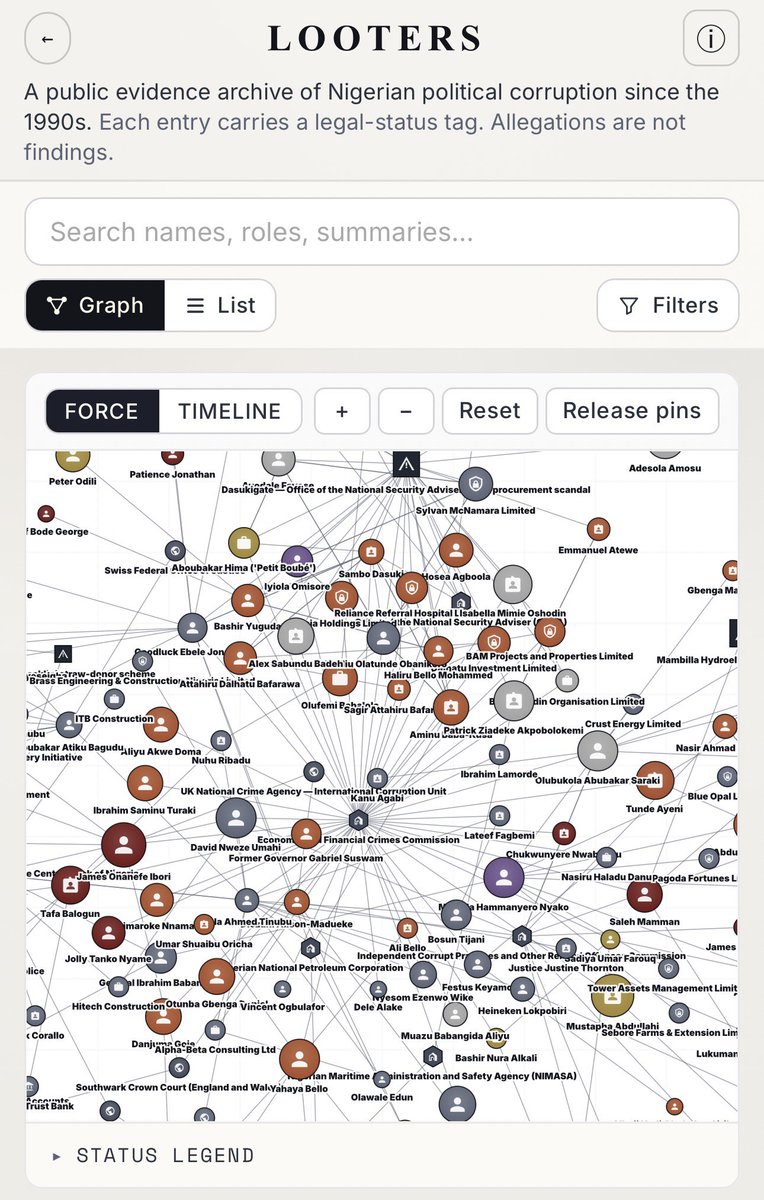
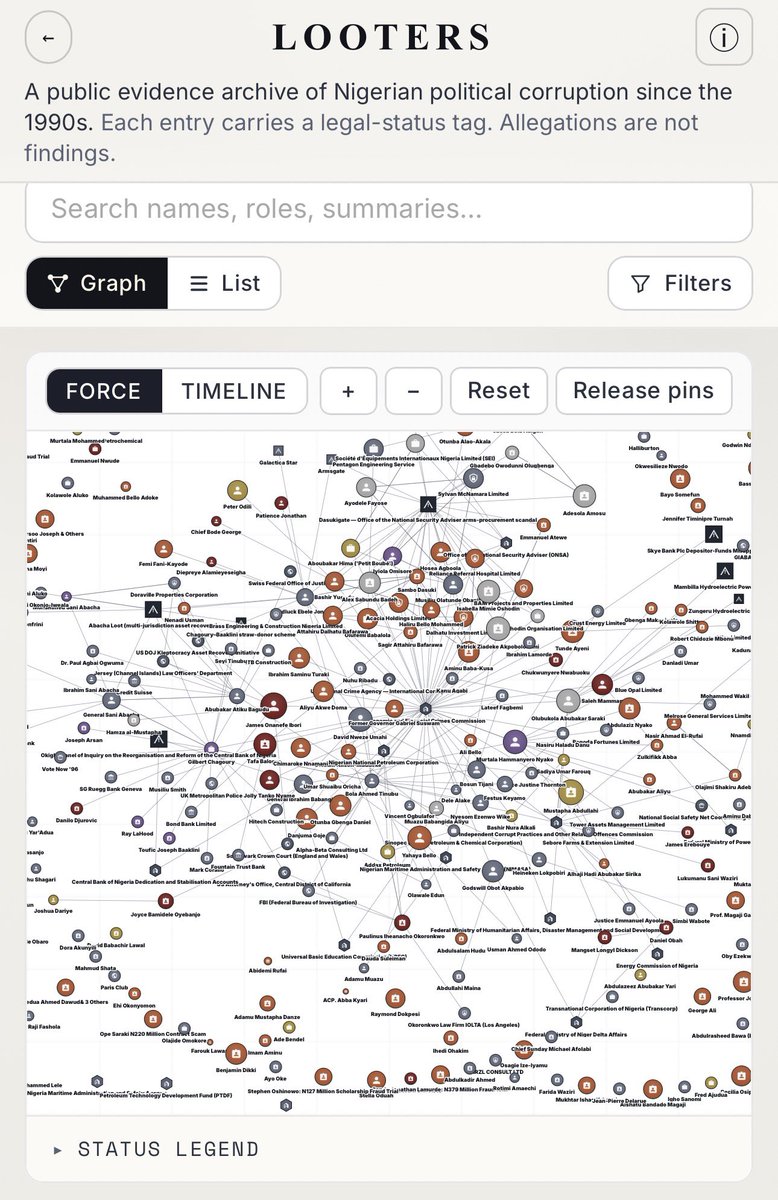
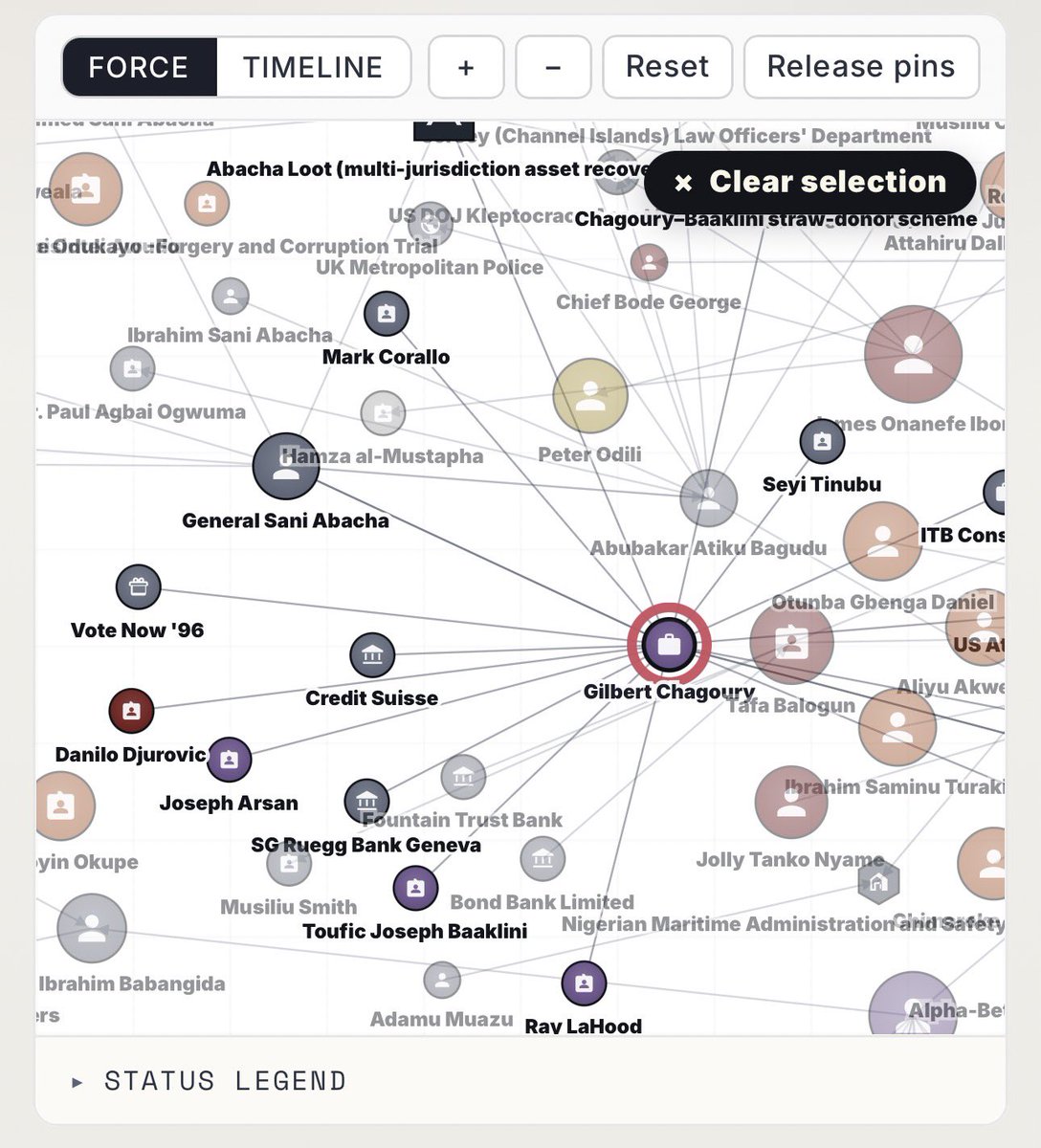
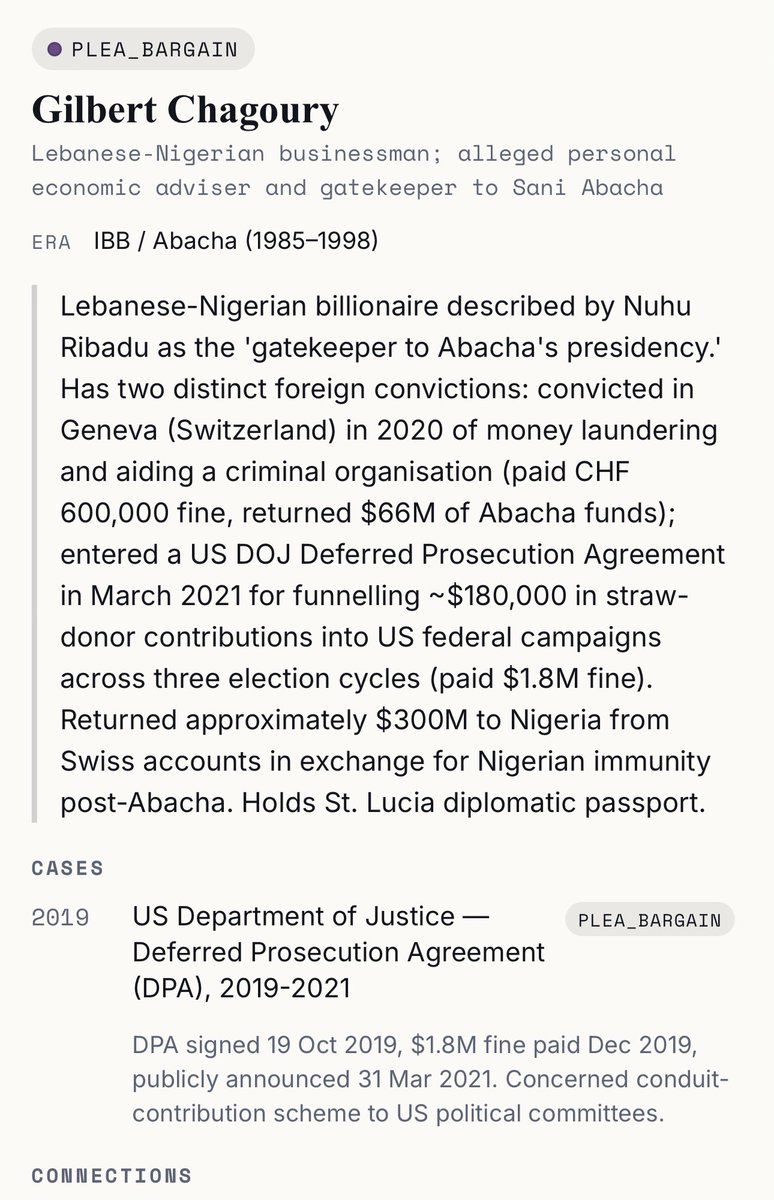
I’ve spent the past couple of weeks building Looters: a public archive of Nigerian political corruption since the 1990s.
Governors, ministers, shell companies, Swiss accounts, the Jersey trusts, — one searchable graph.
You too can connect the dots: 1000reasons.vote/looters
80
5,376
7,242
146,825
Mandee Bot retweeted
May 16
Let’s purge the system by allowing revolutionary youths come in.
Let’s channel our resources to identifying and sponsoring capable youths who, other than financial restraints, are ready to drive our country to greatness.
SERVICE TO THE PEOPLE!
@NigeriaNDCHQ @iamHSDickson @UtomiPat @OselokaHObaze @NewsCentralTV @ParallelFacts
7
245
512
5,074
Mandee Bot retweeted

While others debate the future of Nigerian defense tech, we're building it.
Indigenous tactical attack drones—designed, developed, and demonstrated at a secured military facility.
Not theory. Not someday. Now.
7
33
205
237,444
Mandee Bot retweeted

Enough Mosques in the North. Lets channel our energy to schools, skill acquisition centers, health care centers, clean water projects and so on!!
49
491
1,118
33,220

Mandee Bot retweeted

Apr 10
Nigeria Must Not Swallow the World Bank's Petroleum Pill Whole.
The World Bank is at it again. Its’ April 2026 Nigeria Development Update recommends reopening the premium motor spirit market to competition, essentially nudging Nigeria back toward dependence on petroleum imports. The argument sounds reasonable on the surface - more competition, lower prices, less reliance on a single refinery - but scratch beneath that surface and you find a recommendation that could hollow out Nigeria's hard-won energy future.
Let us be clear about what "liberalising the market" often means in the Nigerian context. It means handing import licences to well-connected individuals who will use the arbitrage between landing costs and pump prices to enrich themselves, not to serve Nigerians. We have lived that story before, the era of fuel subsidies and import-dependent downstream sector was not a golden age of affordability. It was a golden age of corruption, round-tripping, and phantom petrol shipments. Opening that door again under the banner of "boosting competition" risks repeating one of Nigeria's most expensive economic sins.
More critically, this recommendation arrives precisely at the moment Nigeria has something genuinely worth protecting, the Dangote Refinery. Africa's largest refinery represents not just an industrial achievement but a structural shift in Nigeria's energy sovereignty. It creates jobs, retains value within the economy, and reduces the chronic foreign exchange haemorrhage that petrol imports have always caused. To flood the market with cheap imports now is to starve that refinery of the commercial oxygen it needs to survive its early and most vulnerable years.
No serious industrial nation built its energy security by outsourcing it. The World Bank's models are not always wrong, but they are not always right for every context either. Nigeria must engage these recommendations critically, not obediently. Protect the refinery, protect the jobs, protect the future.
44
224
526
21,139
Mandee Bot retweeted

2 Dec 2025
THE PETITION IS OUT.
Nigerian football deserves better, and we’re done keeping quiet.
The petition to REFORM the NFF and her electoral system is now up on Change.org and ready for every Nigerian to sign.
This is our chance to demand transparency, accountability, and a football system that truly serves the people.
#savenigerianfootball
148
1,956
3,862
104,909
Mandee Bot retweeted

27 Nov 2025
There is a lead poisoning crisis happening right now in Ogijo and many families are in serious danger.
This is a call for Ogun State Government @OGSG_Official, and the Federal Government @NigeriaGov to step in urgently!
The safety of every Nigerian is your responsibility.
160
3,465
5,062
398,687
Mandee Bot retweeted

26 Nov 2025
THE NAKED TRUTH: No lies dictated.
33
1,002
1,922
40,529

Mandee Bot retweeted

21 Nov 2025
I just dropped a full breakdown showing how Nigerians can legally pay 0% tax... even if you earn from freelancing, crypto, YouTube, affiliate marketing, or online business.
This SHORT guide reveals:
- The new 2026 FIRS digital monitoring system
- Why freelancers will start paying 7–24% automatically
- How to switch from Personal Income Tax to 0% Company Income Tax
- The exact CAC structure that makes your income legally tax-free
The step-by-step method to protect your bank inflows from heavy tax deductions
All you need is a phone or laptop.
Like, RT reply “TAX GUIDE” and I’ll DM you the full document (must be following)
20 Nov 2025

If you earn more than ₦800,000/year or plan to grow your income beyond ₦25M turnover, register a Limited Liability Company (LLC) before 2026.
7,851
4,191
12,599
1,407,903
Mandee Bot retweeted
25 Oct 2025
Together we can #SAVENIGERIANFOOTBALL the one sports that gives us joy!!
Let’s trend #SaveNigerianfootball , I believe our voices together can bring a massive change in the sports we all love so much.
It’s not a one person thing, it’s our thing 🙏🏽❤️
Look around you, you see the dreams that die everyday and the Talents that are wasting around.
DO IT FOR THEM 🙏🏽
136
2,841
4,697
113,772
Mandee Bot retweeted
24 Oct 2025
Explanations, no Evidence!!!
Azamen glasshouse @thenff please Nigerians need actual answers !!!
#SAVENIGERIANFOOTBALL
783
7,004
15,186
992,344
Mandee Bot retweeted
22 Oct 2025
This is no longer corruption but outright wickedness… Azamen of the glasshouse please enough is enough, our football is laying lifeless already… SAVE NIGERIAN FOOTBALL!!!!
307
3,248
6,716
394,942