
Joined December 2016
- Tweets 21,940
- Following 398
- Followers 555
- Likes 8,976
1,192 Photos and videos




Pinned Tweet

I was on a podcast last week.
The thing I kept coming back to: the entry-level collapse isn't the story. The story is what happens to mid-level in 5 years when there's nobody below them who knows how to do anything.
The pipeline is already broken. The talent shortage is just on a delay.
open.substack.com/pub/thinkf…
2
1
3
360
UK announced an AI tax consultation last week.
The companies that will spend the most lobbying against it are the same ones that cited AI efficiency in their last round of layoff announcements.
Watch who shows up in the consultation responses.
3
A lot of you have been sending versions of the same question.
Not "will I lose my job." More like: "I'm still employed but I can feel the role changing underneath me and I don't know if I'm adapting or just surviving."
That's the more honest version of the problem.
1
16
New issue just dropped.
A senior engineer spent two years building the tooling that made his role redundant. His company called it a productivity win.
The AI taxation debate is the wrong conversation. Who captures the output is the right one.
Link in bio.
11
Every government talking about taxing AI right now is writing legislation for 2023.
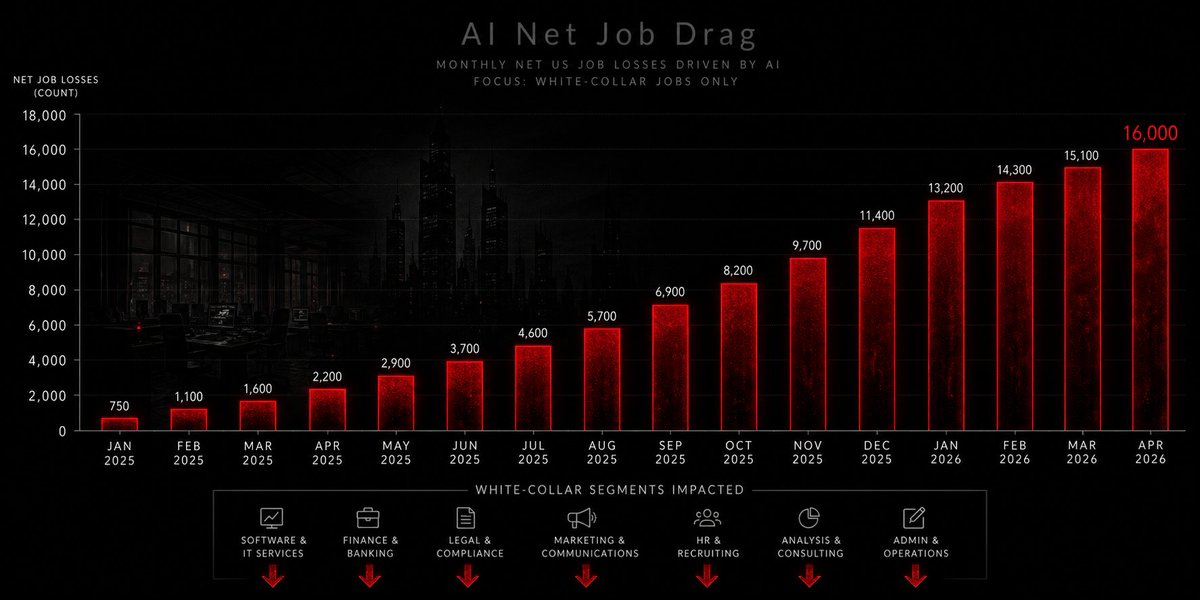
The second wave of cuts is already scheduled for late 2026. The policy response lands in 2029 at the earliest.
That gap is where most of the damage happens.
1
1
18
Samsung's workers had to threaten a strike to get a share of the upside written into a contract. That took months of standoff. Policy takes years. The person reading this doesn't have either timeline.
14
You didn't get slower.
The bar moved and nobody told you officially.
That's a different problem than most career advice is designed for.
12
Everyone's talking about taxing AI.
The companies building it are lobbying against it while announcing AI is replacing their workers in the same quarter.
That gap is not accidental.
1
18
The GM earnings call is the cleanest version of this.
Beat estimates by 40%.
Cut another 500 IT workers the same quarter.
Nobody asked them to reconcile those two things.
16
The hardest part of the current tech market is the silence.
Your company isn't doing massive, sudden layoffs that make the news.
They are just quietly choosing not to backfill the person who left last month.
They are combining two product lines under one director.
They are letting the contracts expire.
It makes you feel like you are gaslighting yourself until you realize everyone else is quietly doing the math too.
1
16
The shadow attrition is real.
It keeps the public numbers clean but the internal pressure keeps compounding.
If you are doing the work of two people and waiting for help to arrive, understand that help isn't coming.
The current layout is the permanent layout.
11
It is incredibly exhausting to look at your calendar, see eight hours of meetings, and realize none of them produced a physical artifact.
A lot of mid level tech workers are realizing their entire career was built on optimizing a corporate machine that no longer needs them to turn the gears.
That realization hurts. It feels like an identity crisis because it is one.
You are not crazy for noticing that the vibe changed completely.
1
13
We spent a decade believing that coordination was a permanent skill. It wasn't. It was just a placeholder until the translation layer got fast enough.
Acknowledging that is the first step toward building something that actually belongs to you.
10
Every entry level job deleted this year creates a middle management crisis three years from now.
Who are you going to manage when the work of five juniors is handled by one senior with an abstraction layer.
The corporate ladder didn't lose its top rungs.
It lost its base.
If you are currently a mid level manager, look at what is happening beneath you. T
he pipeline is gone.
1
13
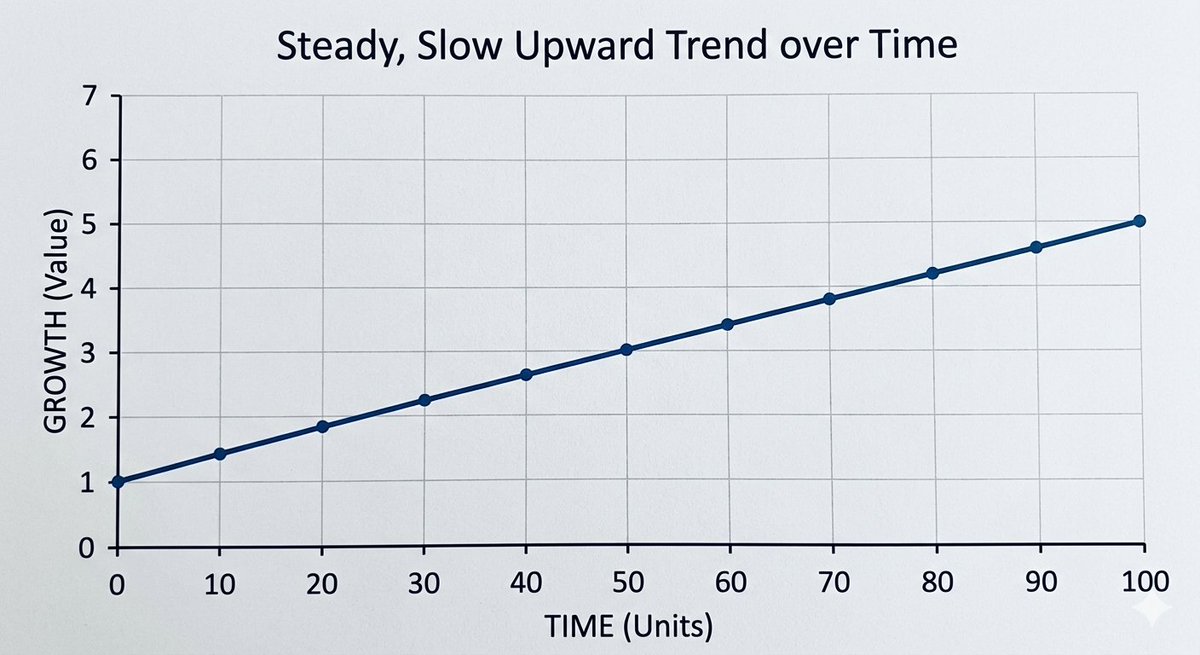
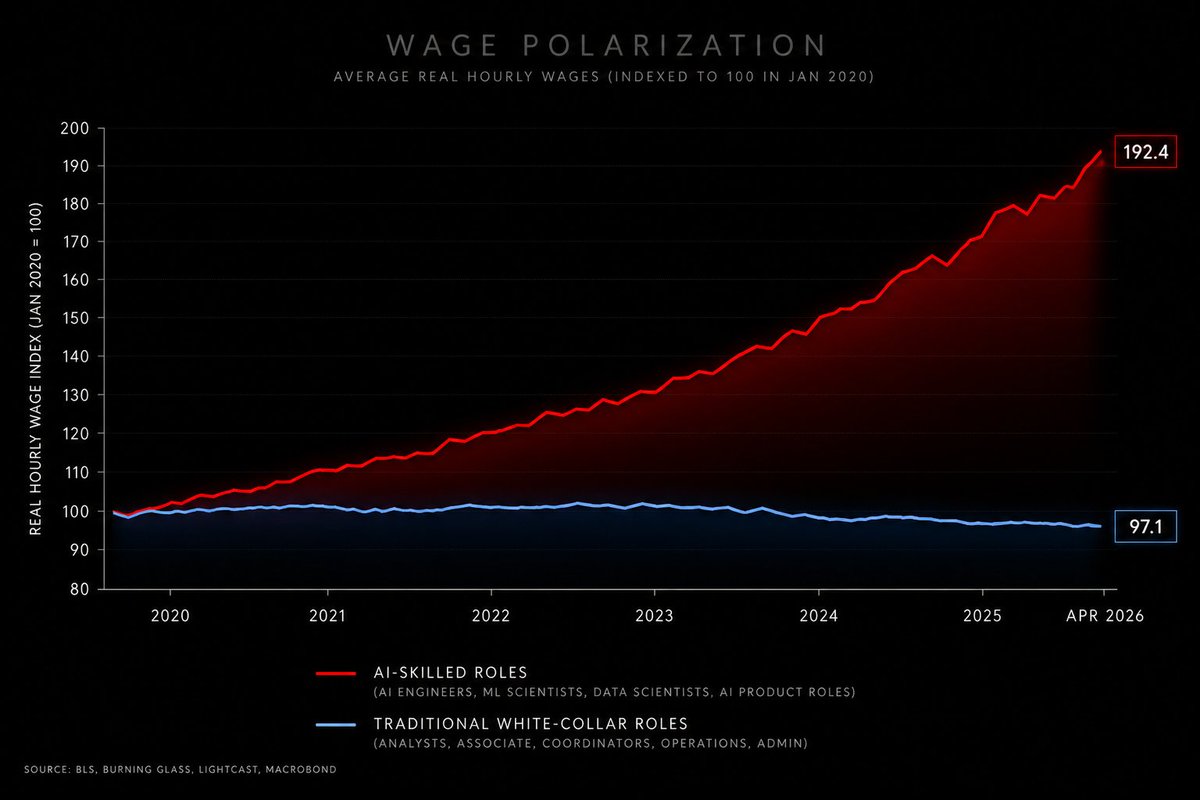
The data shows headcount shrinking while output holds steady.
That isn't efficiency.
It is the permanent removal of the learning layer.
If you aren't actively repositioning as an individual driver who owns outcomes, you are managing an empty room.
10
It is incredibly exhausting to look at your calendar, see eight hours of meetings, and realize none of them produced a physical artifact.
A lot of mid level tech workers are realizing their entire career was built on optimizing a corporate machine that no longer needs them to turn the gears.
That realization hurts. It feels like an identity crisis because it is one.
You are not crazy for noticing that the vibe changed completely.
6
The absolute worst career move right now is trying to become more technical if your core job is strategy.
If you are a product manager, do not go spend three weeks learning python.
The junior engineers who write python all day are the ones currently exposed.
Your leverage is context. You need to become the person who translates messy operational reality into tight specs.
The machine handles the code. You handle the liability.
6
Just read a thread about how "the best engineers love vibe coding because it removes the boring parts."
The boring parts are often where the judgment lives.
Debugging a weird edge case at 2am is how you learn what the system actually does vs what the docs say it does.
1
3
Speed through the hard parts isn't always a shortcut. Sometimes it's a debt that lands on the next engineer.
3
The next round of cuts won't be announced as AI cuts.
They'll be announced as "efficiency improvements" in Q3 planning.
The engineers who spent 2026 learning every new tool will look identical on a spreadsheet to the ones who didn't. The metric that saves jobs isn't tool adoption. It's outcome ownership.
1
6
The companies that announced AI restructuring without finishing deployment — watch Q3 and Q4. That's where the second wave shows up.
4