Restoring mangroves for people and planet
Joined November 2009
- Tweets 4,959
- Following 4,394
- Followers 6,759
- Likes 2,513
1,654 Photos and videos
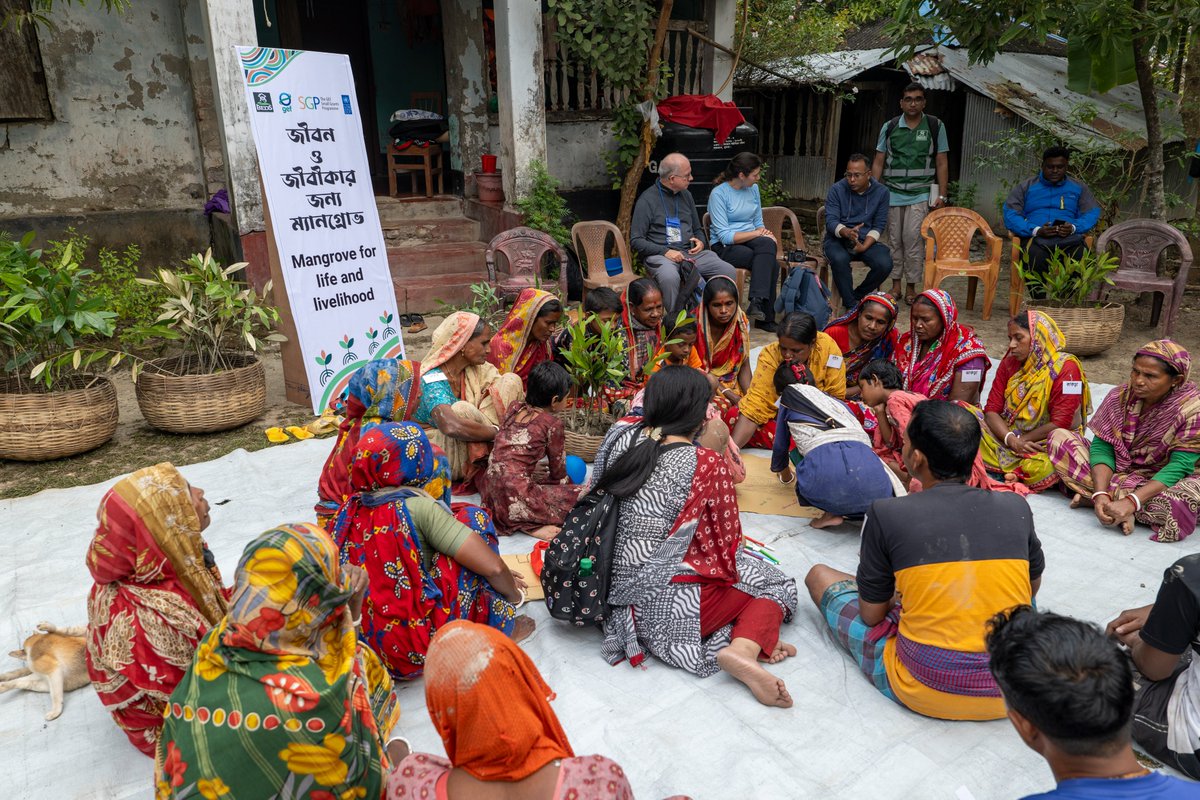
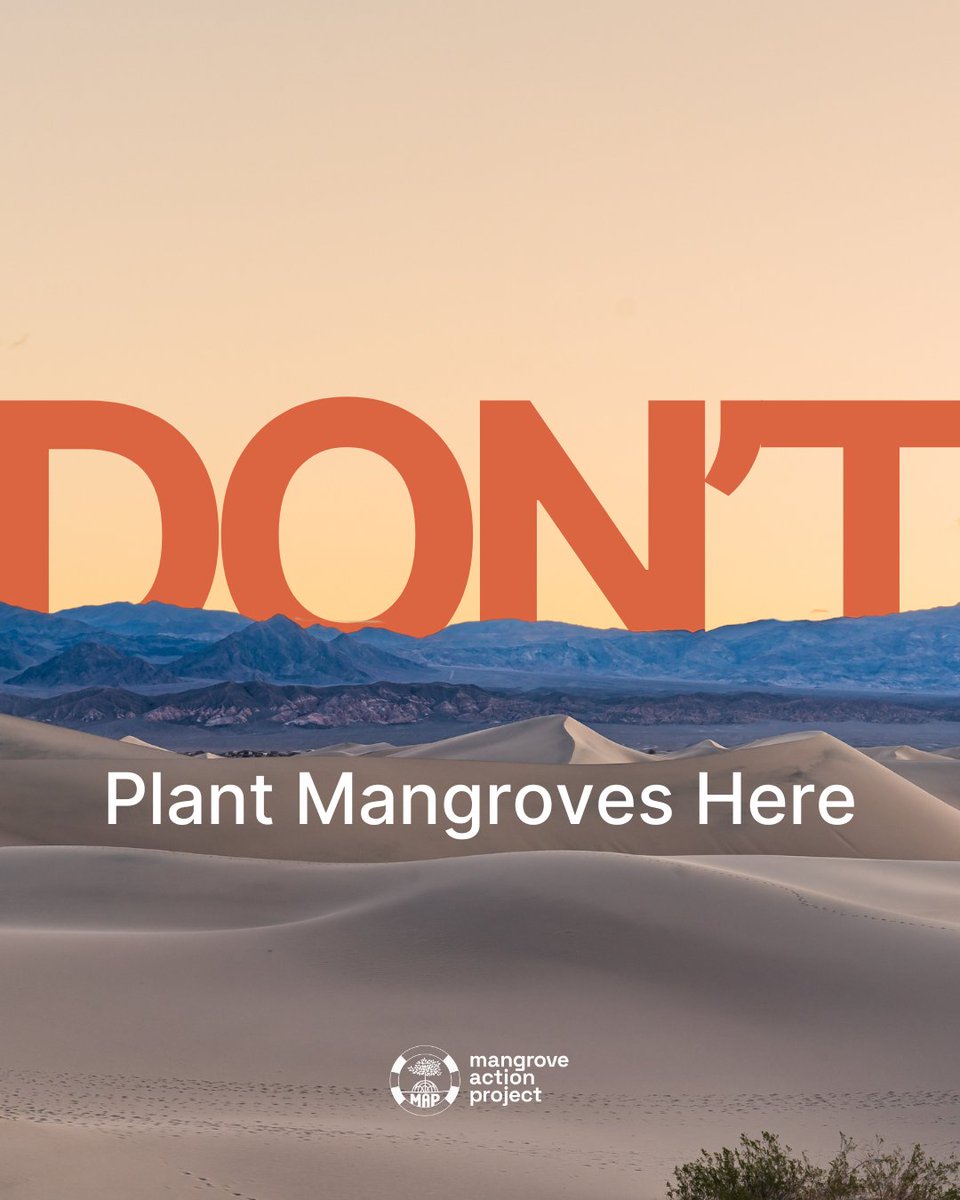
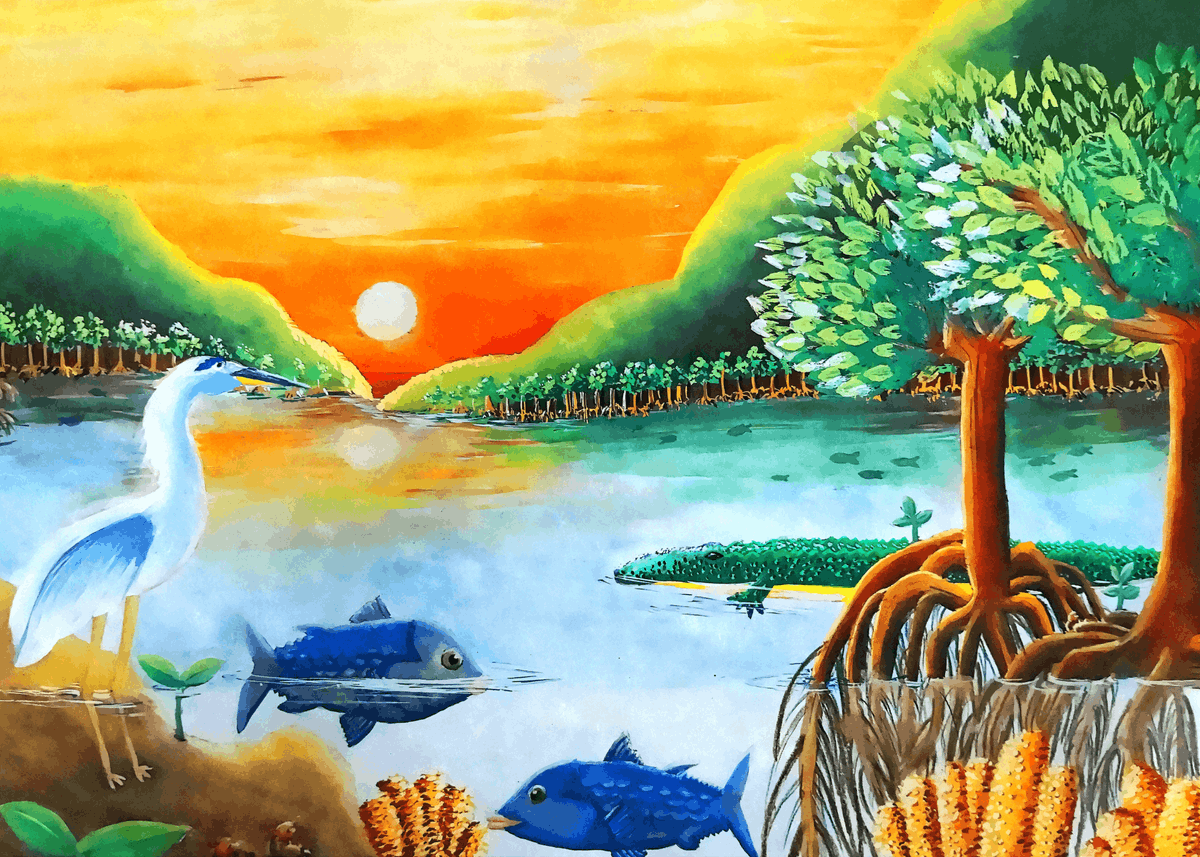
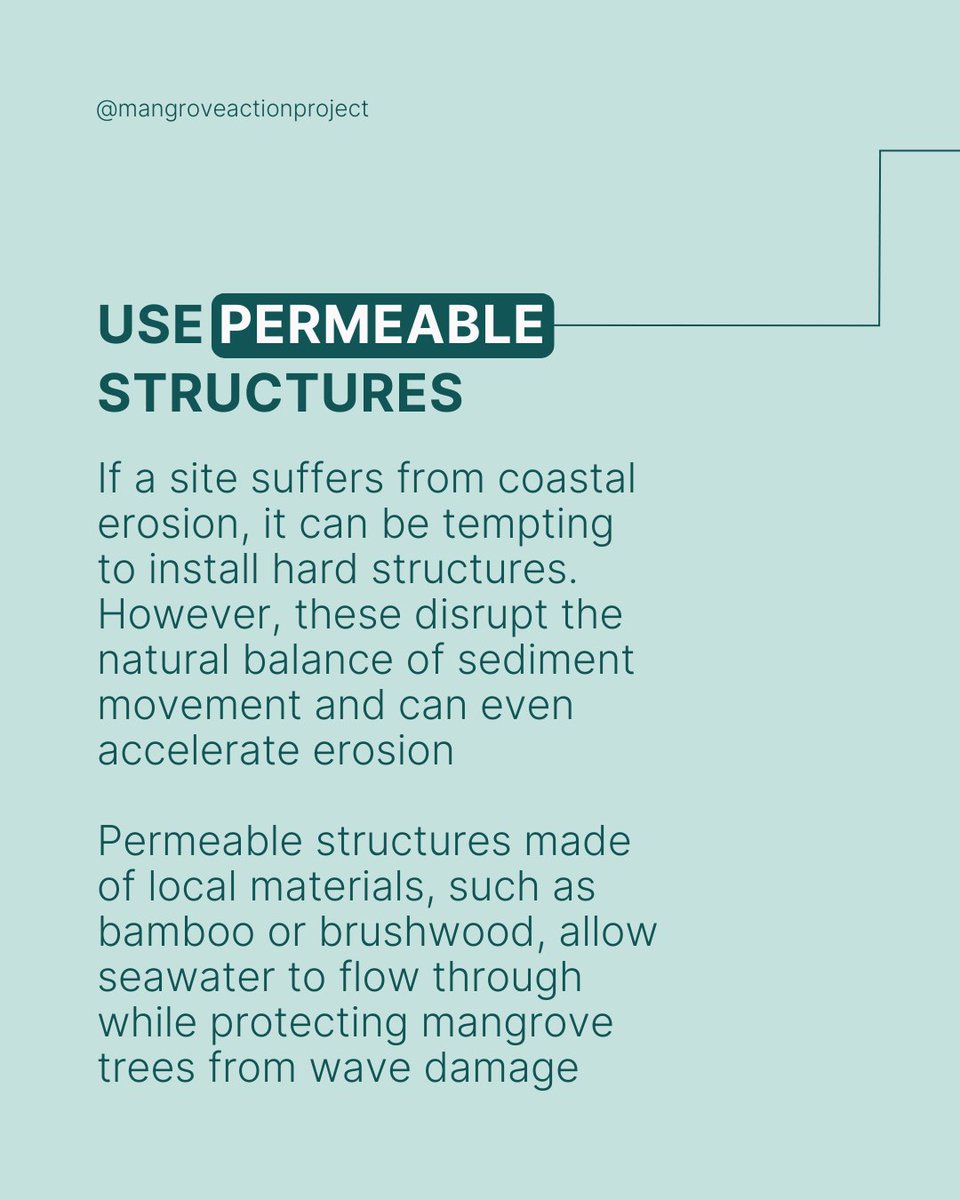
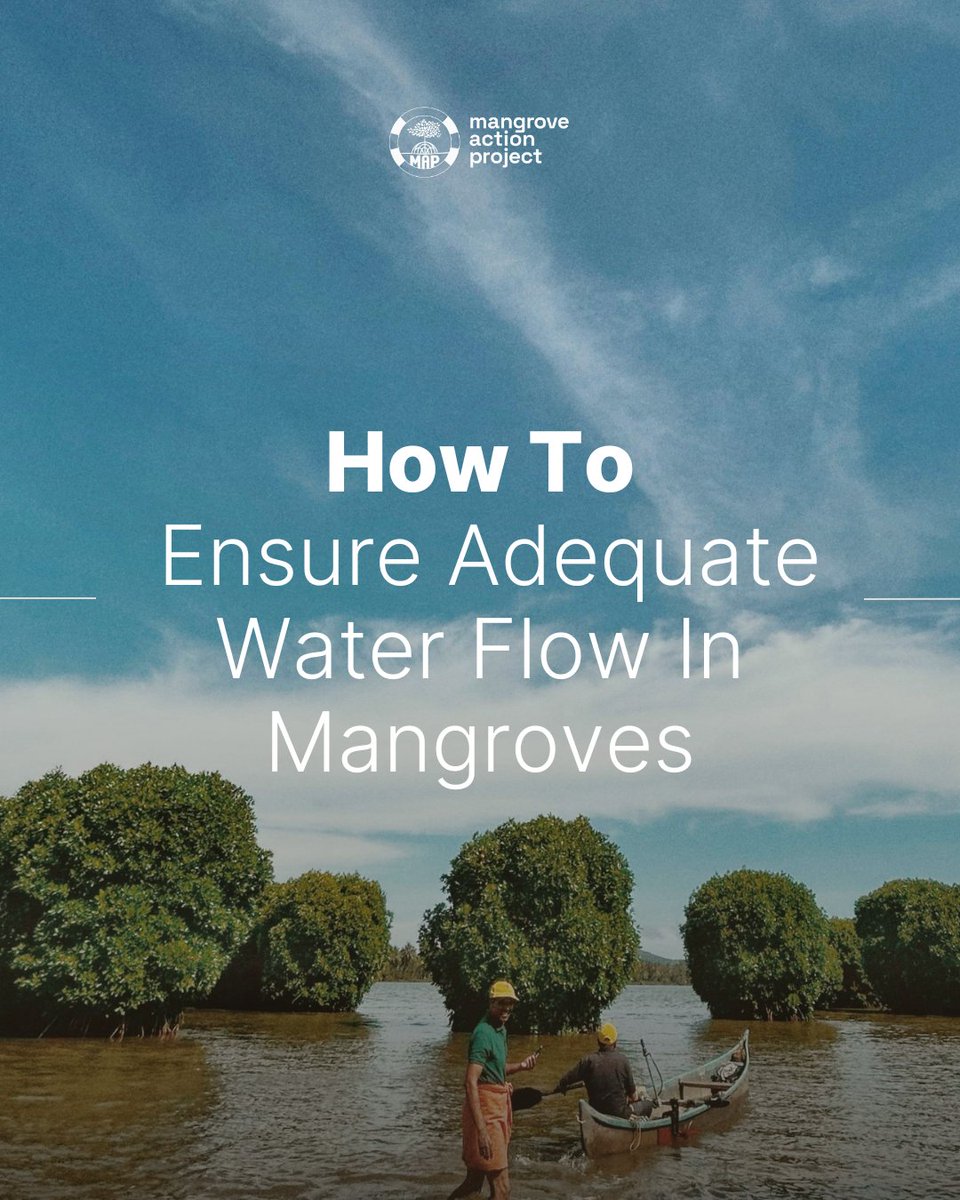
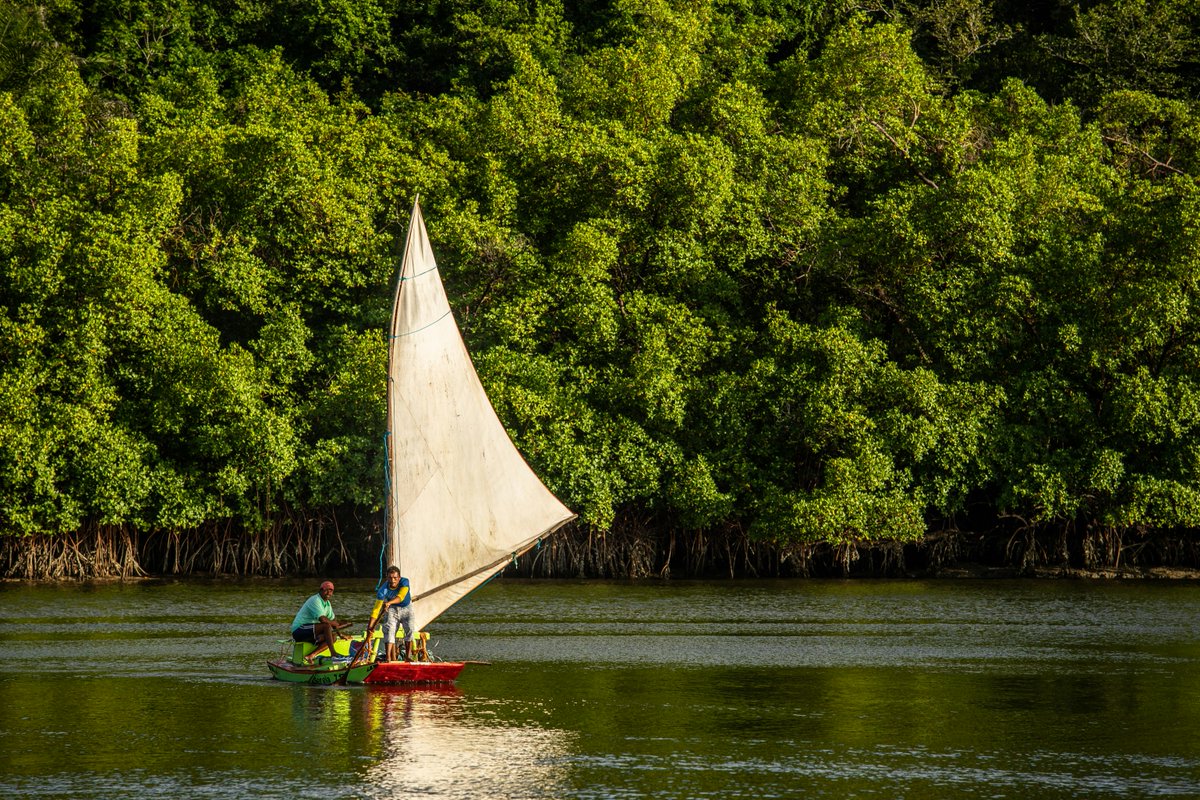

7 Nov 2024
After careful consideration, we have decided to stop posting on X.
Recent platform changes have reduced our ability to effectively share evidence-based science and engage in meaningful dialogue.
Follow us on Threads for ongoing updates 👉threads.net/@mangroveactionp…
2
465
5 Nov 2024
💡 Why is ecological mangrove restoration the best approach?
Ecological restoration = holistic
🌳 It’s about ensuring you create the best conditions for natural regeneration, leading to long-term benefits for both nature and communities.
Learn more ➡️ youtube.com/watch?v=Ic3p7BsS…
2
3
14
927
4 Nov 2024
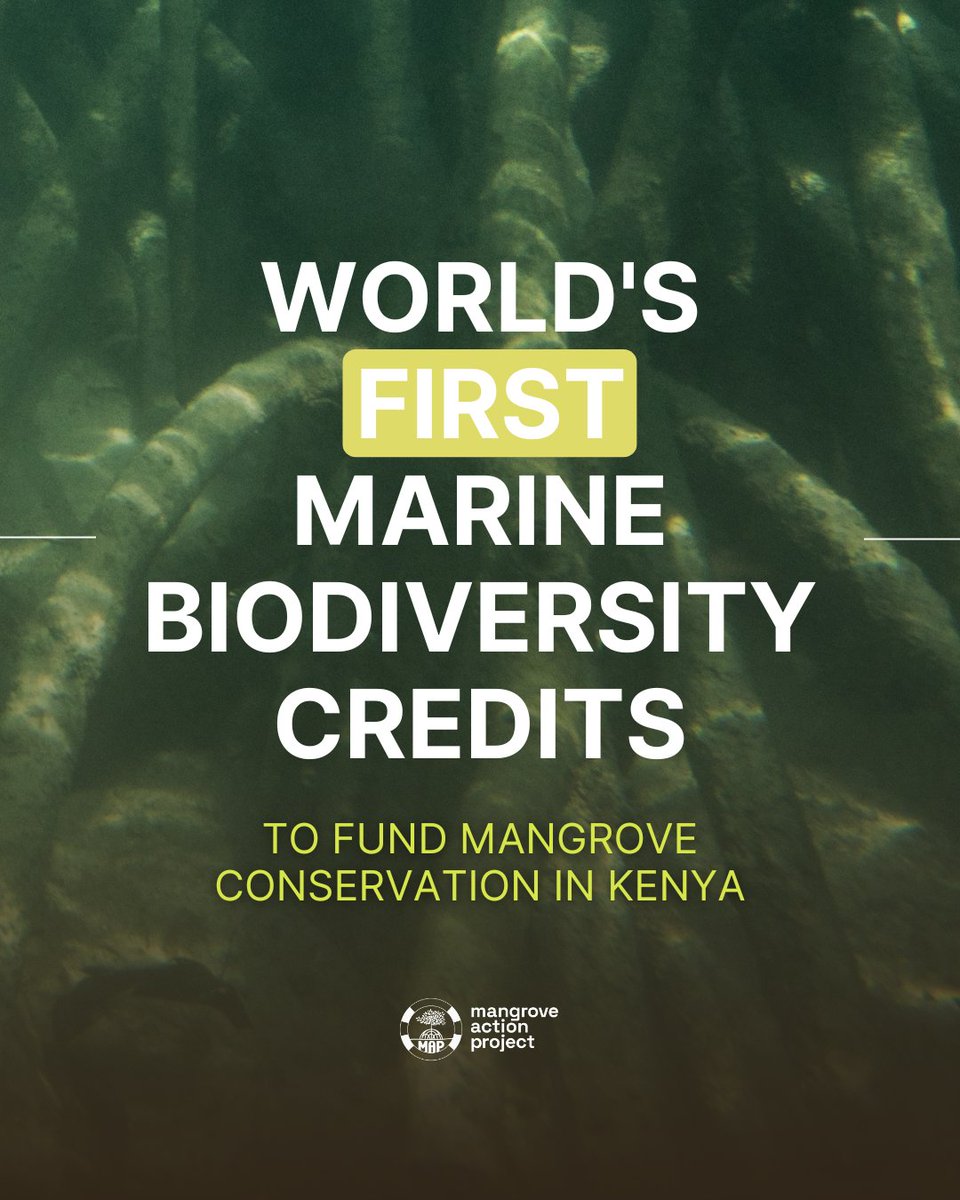
‼️ Only 4% of #conservation funding goes toward marine ecosystems.
@sustainsurf hopes to change that with the launch of the world’s first #marine #biodiversity #credits, announced at the #COP16 Biodiversity Conference.
Read more ➡️ environmentenergyleader.com/…
#COP16Colombia
1
6
335
1 Nov 2024
⚠️Are your planting efforts failing again and again?
Here are a few potential causes.
🔍Need additional support? MAP's methods are rooted in #science, driven by the #community, and deliver #sustainable results.
Let’s work together 👉 mangroveactionproject.org/re…
2
5
334
31 Oct 2024
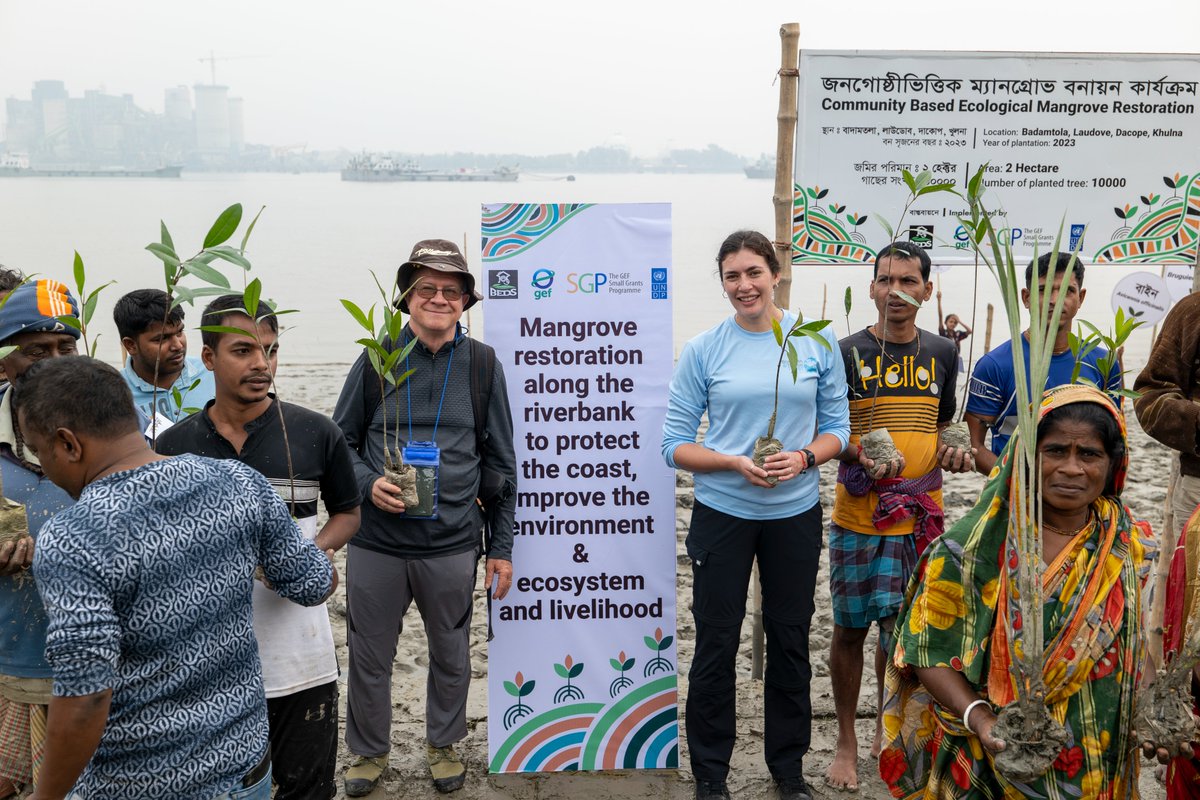
📣 We’re thrilled to hear that @BEDS15 has been awarded the #EquatorPrize 2024 from @equatorinit.
We’ve worked with BEDS for many years and are always inspired by their dedication to #mangrove #conservation, #education, and awareness.
🏆 Congratulations from all of us at MAP!
3
6
290
30 Oct 2024
⚠️ 80% of mangrove planting projects fail!
In the second part of their #MangroveRestoration video series, @WetlandsInt and @Mangroves explore reasons why, as well as ways to ensure your restoration efforts are successful.
Watch here 👉 youtube.com/watch?v=eYd1_RxV…
1
5
216
28 Oct 2024
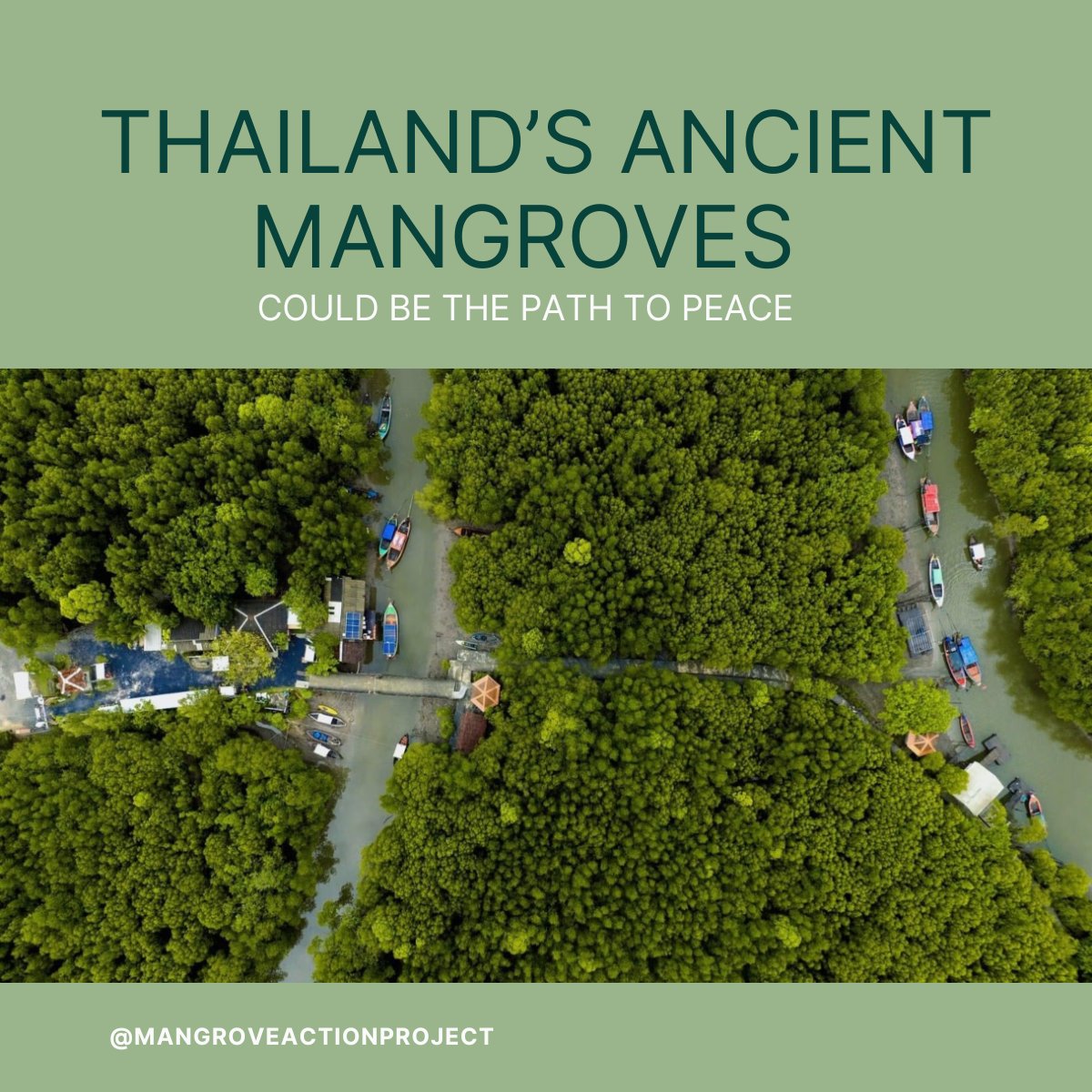
🇹🇭This group in Tung Yee Peng, Thailand is the ultimate example of why we must empower local #communities to protect mangroves.
When the practice of harvesting #mangrove trees was banned, villagers came up with an innovative alternative.
Read more 👉 independent.co.uk/travel/asi…
4
190
25 Oct 2024
🐊 From drone pilots navigating dense forests to #researchers braving wildlife encounters, protecting #mangroves isn't easy.
But it's inspiring to see #conservationists using cutting-edge tech and old-fashioned grit to monitor critical habitats.
👉 bbc.co.uk/news/articles/crrl…
4
235
25 Oct 2024
🎥 We’re proud to collaborate with @WetlandsInt and @Mangroves to produce a series of videos highlighting #mangrove #restoration best practices.
Videos are available in English, French, Bahasa, Portuguese, and Spanish.
Start here 👉 youtube.com/watch?v=UycA58X2…
2
5
722
23 Oct 2024
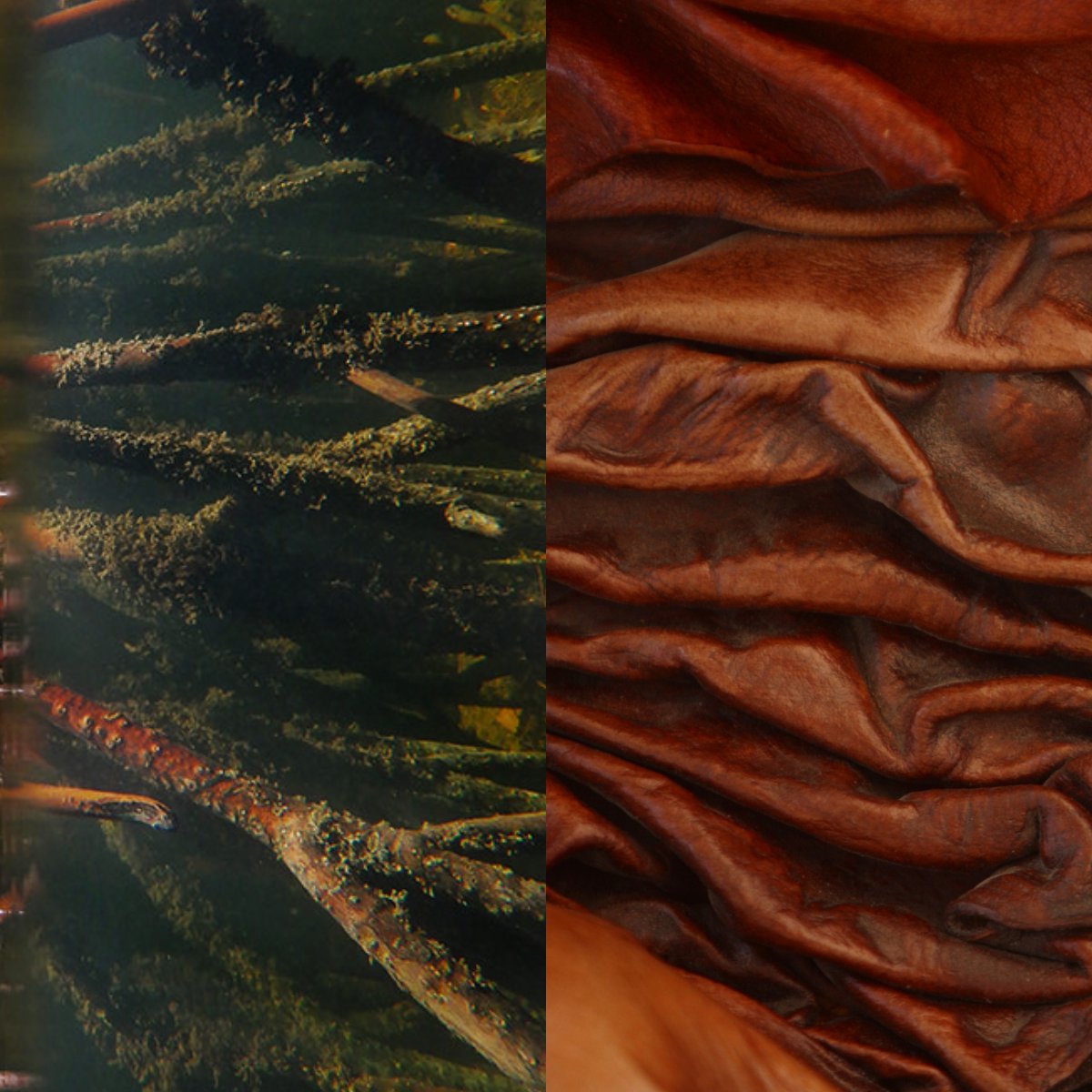
🧥 Did you know the fascinating link between #mangroves & #fashion?
Before synthetic alternatives, mangrove bark was a prized source of tannins for #leather production.
1
2
5
235
23 Oct 2024
👀 Today we appreciate mangrove tannins for their role in protecting trees from bacteria and fungi.
Still, this shows just how long humans have been harvesting mangroves for #commercial use and why we should keep an eye out for new, potentially destructive, ways of doing so.
2
81
21 Oct 2024
🗞️ Let’s start the week with some #PositiveNews coming out of #mangrove #communities around the world. 👇
1
1
6
255
21 Oct 2024
Want more good mangrove news?
Sign up to our newsletter for updates 👉 mangroveactionproject.org/#:…!
81
18 Oct 2024
These habitats support a high diversity of #species, many of which are threatened or endemic.
🪿 They’re also valuable breeding and feeding sites for billions of migrating birds.
Planting on these internationally important sites could contribute to their further decline.
105
17 Oct 2024
🎨 Engaging youth in #mangrove conservation isn't just about facts and figures—it's about inspiring #creativity!
This is why at MAP we love using #art as an educational tool:
1
9
302