
👉👉A GAMER AND TRAVELER
Joined October 2025
- Tweets 4,126
- Following 97
- Followers 107
- Likes 3,012
75 Photos and videos











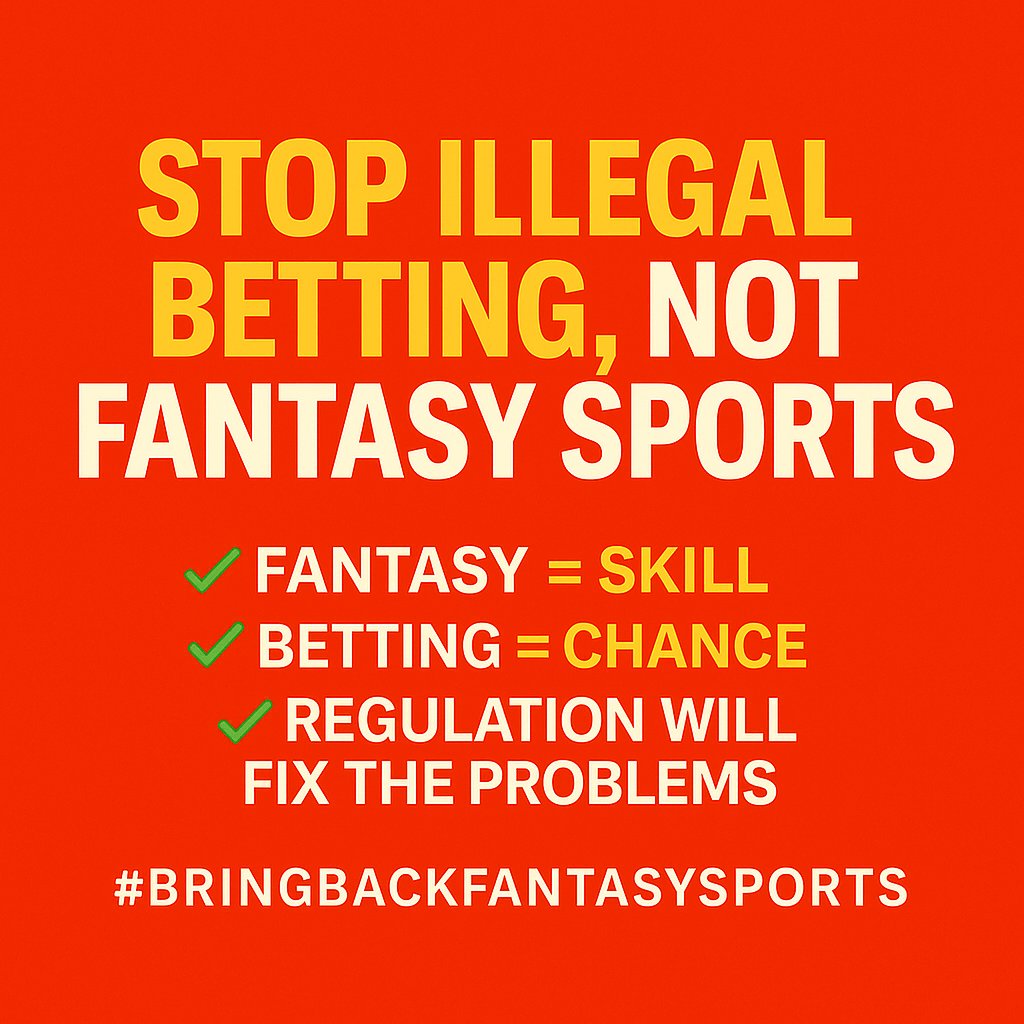

Apr 21
Hlo piyush sir maine jumbo pe pridicto khel raha tha lekin maine match me Surya Kumar wicket pe out ke bad not pe swipe kiya lekin glitch yes swipe ho gya uske pehle bhi 1 2 bar alag match me event me hua tha but maine jumbo ke team se bola wo log man nahi rehe @cric11forecast
108
Feb 23
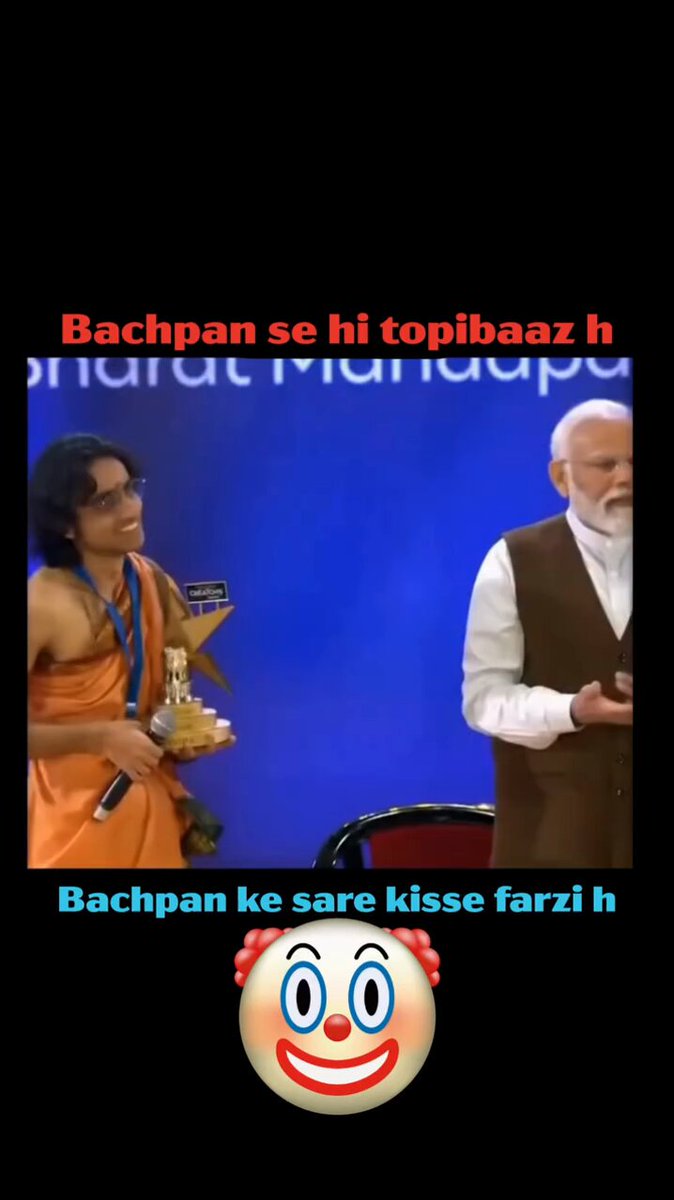
Yea toh bachpan me bhi topibaaz tha
Abhi toh jumla karega hi 🤣🤣🤣
2
2
171
Manish kuiry retweeted

@AshwiniVaishnaw 15 days have already passed, PROGA Rules R still pending. Stakeholders,users,& the industry all need clarity & transparency. Requesting the Government and the #Meity to release the PROGA Rules at the earliest. Delay only increases uncertainty #PROGA #OnlineGaming
9
37
56
2,797
Manish kuiry retweeted
talkesport.com/news/india-go…
If 80–85% revenue comes from Real Money Gaming, how can a ban even be realistic? Growth projection itself shows regulation—not prohibition—is the real plan. 🤔
#OnlineGaming #RMG #GamingIndustry #IndiaTech #DigitalEconomy #PolicyWatch
8
25
67
3,318
Feb 21
Ager ap desh ke netao question pucho toh ap desh drohi ho 🥲🙂🙂
4
77
Feb 20
350 cr ka investment hai re baba
Mera Desh badal raha hai 🫡🫡
#AISummit
#galgotiaunivercity
1
1
4
76
Manish kuiry retweeted

6
8
47
5,188
Feb 19
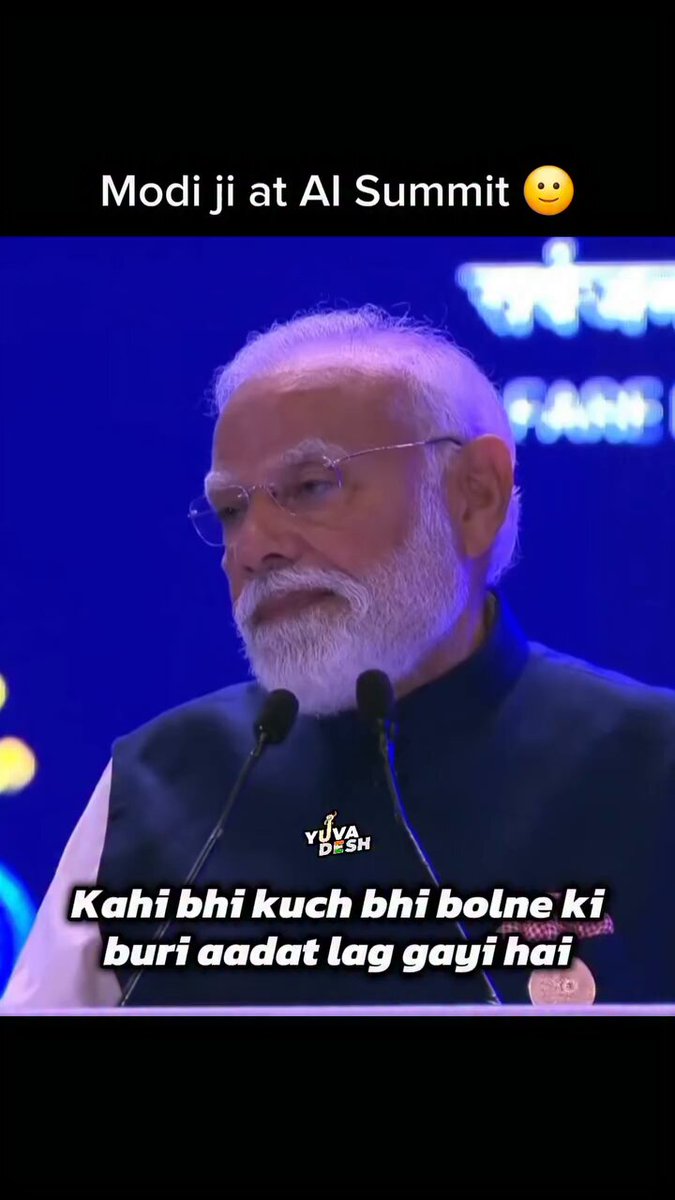
Kuch bhi bolne ki adat lag gayi hai
Aap kaha the Gyani Baba
🫡🫡🫡
58
Feb 19
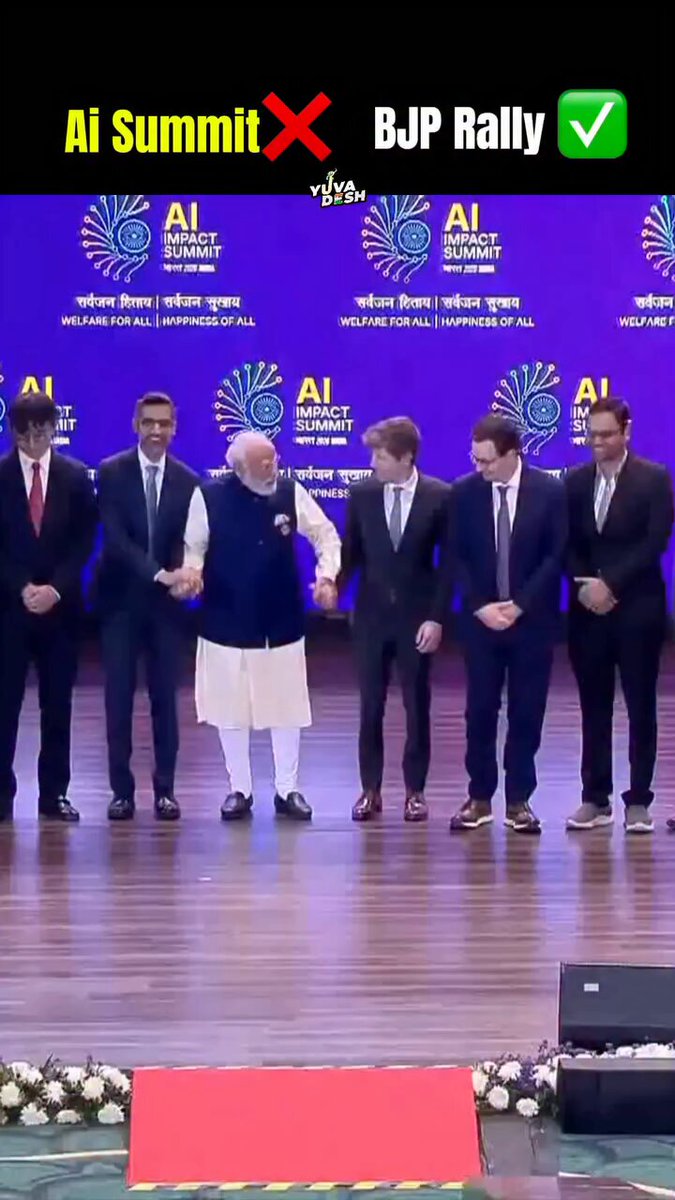
Lagta hai BIG BOSS ka winner announced karne ja raha
International bejjati karwna koi sikhe inse 😂😂😂😂😂
5
58
Feb 15
Dube 💥👏✅

131

Manish kuiry retweeted

Feb 15
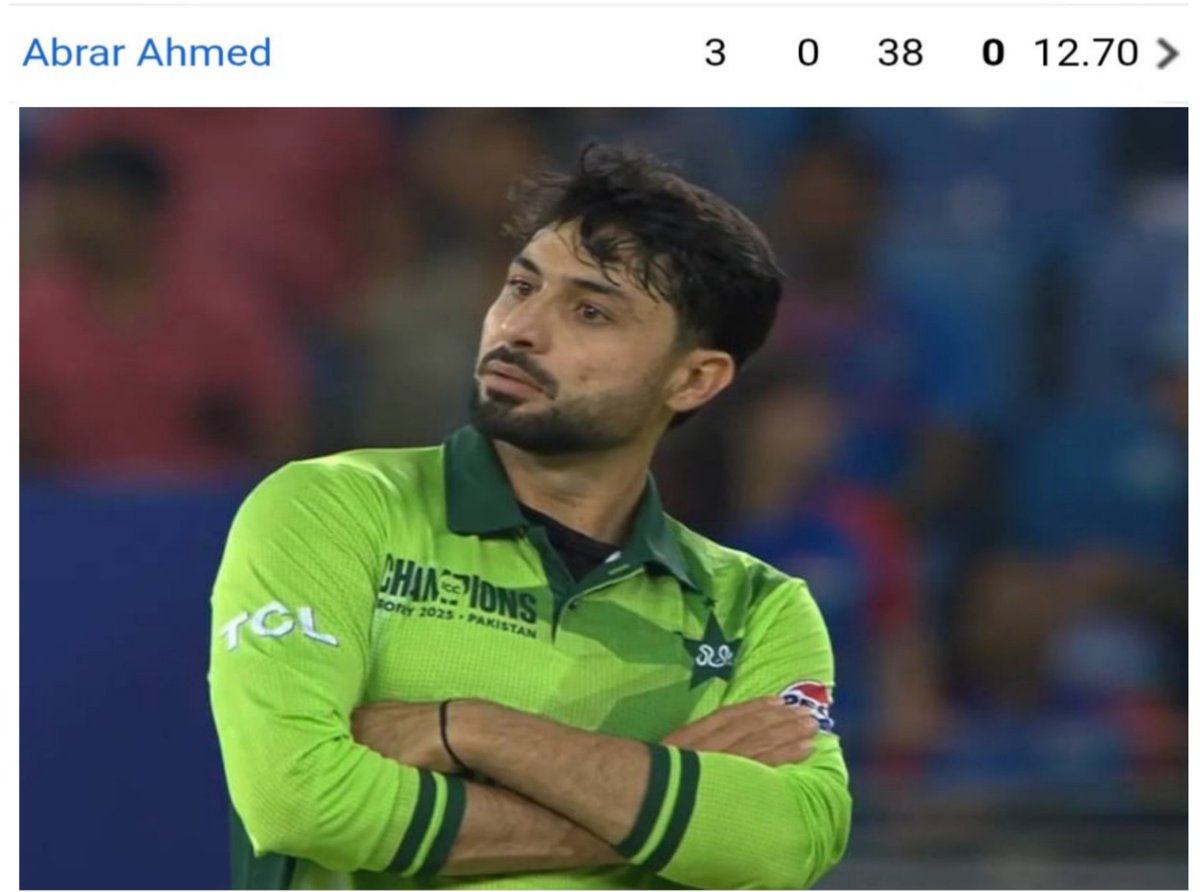
Iske Neck ka ilaaj achche se ho gayi hai. Ab isko baar baar neck ko idhar udhar karne ki jarurat nahi padegi.
#INDvsPAK
#T20WorldCup2026
#IshanKishan
#TeamIndia
#Bumrah
5
4
13
583
Manish kuiry retweeted

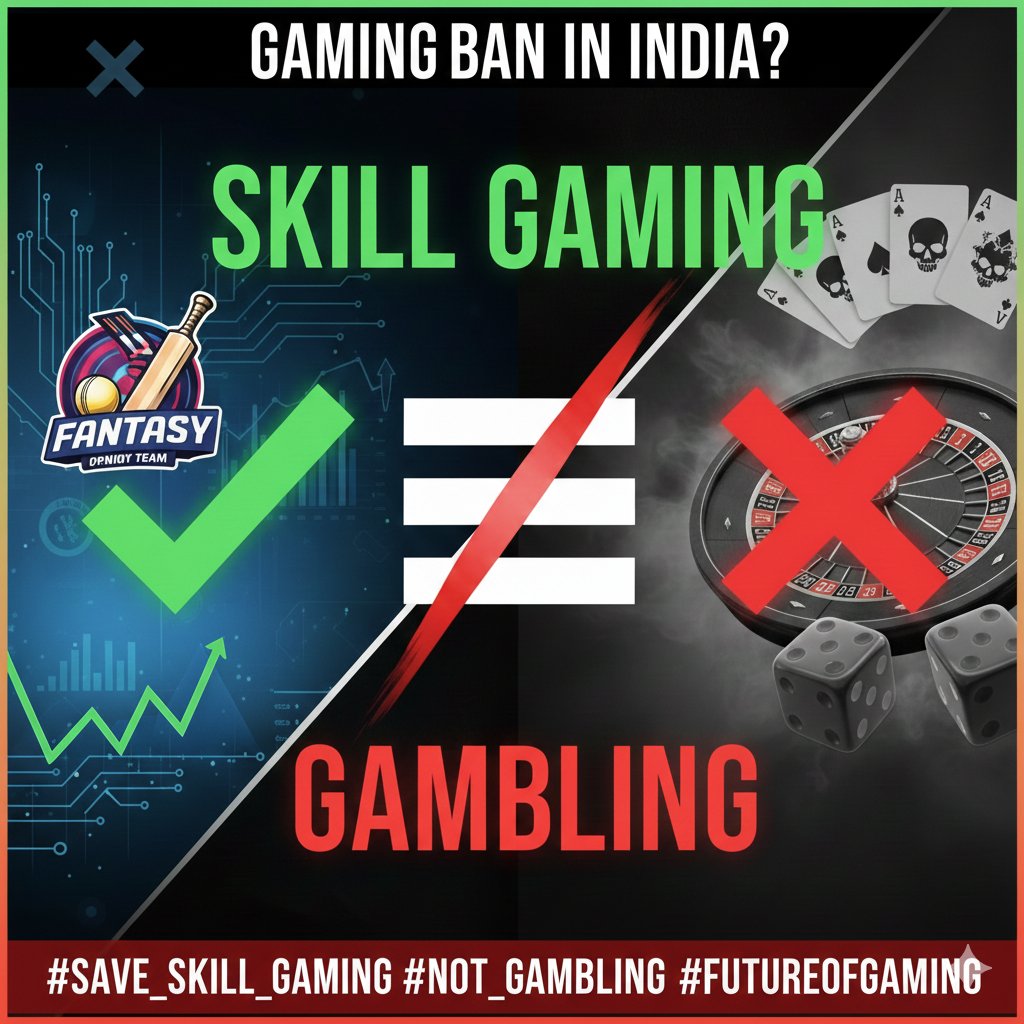
India’s IT Rules on Online Gaming (2021, amended 2026): Regulation, Constitutionality & Industry Survival.
The Information Technology (Intermediary Guidelines and Digital Media Ethics Code) Rules, 2021, as amended up to February 2026, mark a fundamental shift in how online gaming—especially real money gaming and fantasy sports—is regulated in India.
What the Rules are saying:
The Rules do not declare fantasy sports or skill-based games illegal. Instead, they replace the long-standing judicial test of “predominance of skill vs chance” with a new administrative filter: whether a real money game involves “wagering on any outcome” and whether it is verified as permissible by a Government-designated self-regulatory body (SRB).
Until such verification is granted, the game is treated as non-permissible, its hosting becomes unlawful for intermediaries, and its advertising or promotion is prohibited.
In effect, legality now flows not from court precedents but from prior executive-approved verification.
Constitutional assessment:
From a constitutional perspective, the framework raises serious concerns.
First, under Article 19(1)(g), the freedom to carry on trade can be restricted only by reasonable restrictions. Making an otherwise lawful business contingent on prior executive verification—without clear statutory standards for concepts like “wagering” or “user harm”—pushes the restriction beyond reasonableness.
Second, Article 14 is implicated because the Rules confer wide, unguided discretion on regulatory bodies without objective criteria, inviting arbitrariness.
Third, there is a separation-of-powers issue. Courts have repeatedly held that fantasy sports are games of skill. The Rules do not overturn those judgments, but they render them operationally irrelevant by shifting legality determinations from the judiciary to executive-controlled bodies. Regulation is permissible; judicial bypass is not.
What the real money gaming industry must do to revive:
To operate under the current regime, platforms must structurally realign. This includes obtaining SRB verification for each real money game format, redesigning games to clearly avoid outcome-based wagering characteristics, implementing stringent KYC, user-harm safeguards, deposit protection mechanisms, and accepting continuous government-supervised compliance.
Business models based on “launch first, litigate later” are no longer viable.
At the same time, the industry must seriously consider a coordinated constitutional challenge. The issues of excessive delegation, arbitrariness, and executive overreach are not marginal—they go to the core of regulatory legitimacy.
Which games are likely to survive:
Games with demonstrable, continuous skill application—such as chess-based formats, skill-dominant card games, and limited, carefully structured fantasy sports—have a pathway to survival if they secure verification.
Prediction-heavy formats, outcome-linked games, and casino-style RNG games are unlikely to pass scrutiny. Fantasy sports may survive, but in narrower, more tightly controlled forms, with reduced format diversity and innovation.
#FantasySports #PROGA2025 #proga #OnlineGaming #RMG
14
24
70
7,847