
Dallasite, Paleoherpetologist, Longhorn, Hokie, Gator. I like long walks in Wyoming deserts, and I always brake for lizards, dead or alive.
Joined October 2019
- Tweets 23
- Following 51
- Followers 70
- Likes 35
1 Photos and videos
Mitchell Riegler retweeted

31 Jan 2025
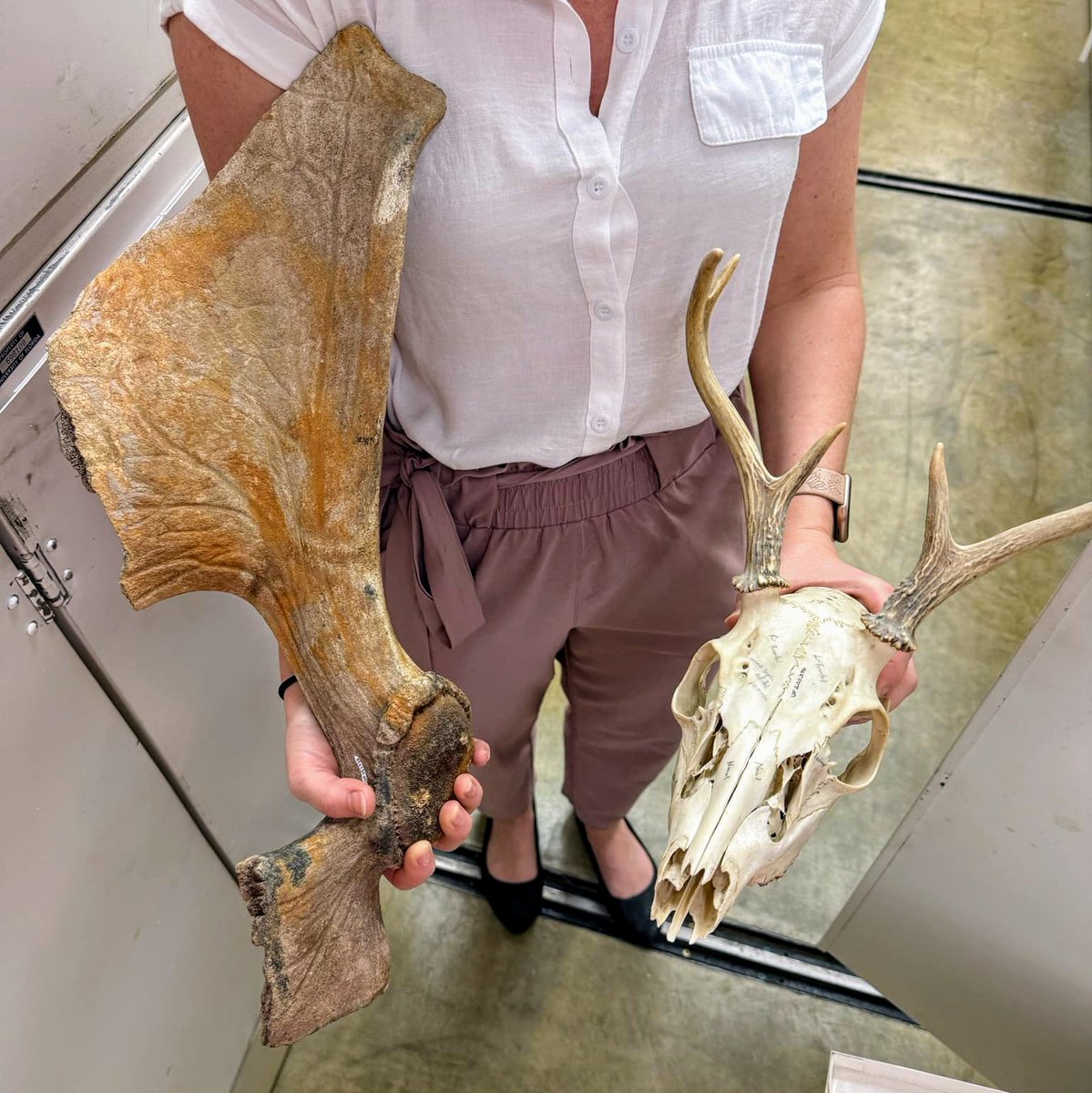
A single partial antler shed of an extinct Irish elk is larger than the entire skull plus antlers of a white-tailed deer. While @FloridaMuseum vert paleo mostly houses FL fossils, we also acquire donations, including this one collected from the Netherlands #FossilFriday
8
26
1,078

31 Jan 2025
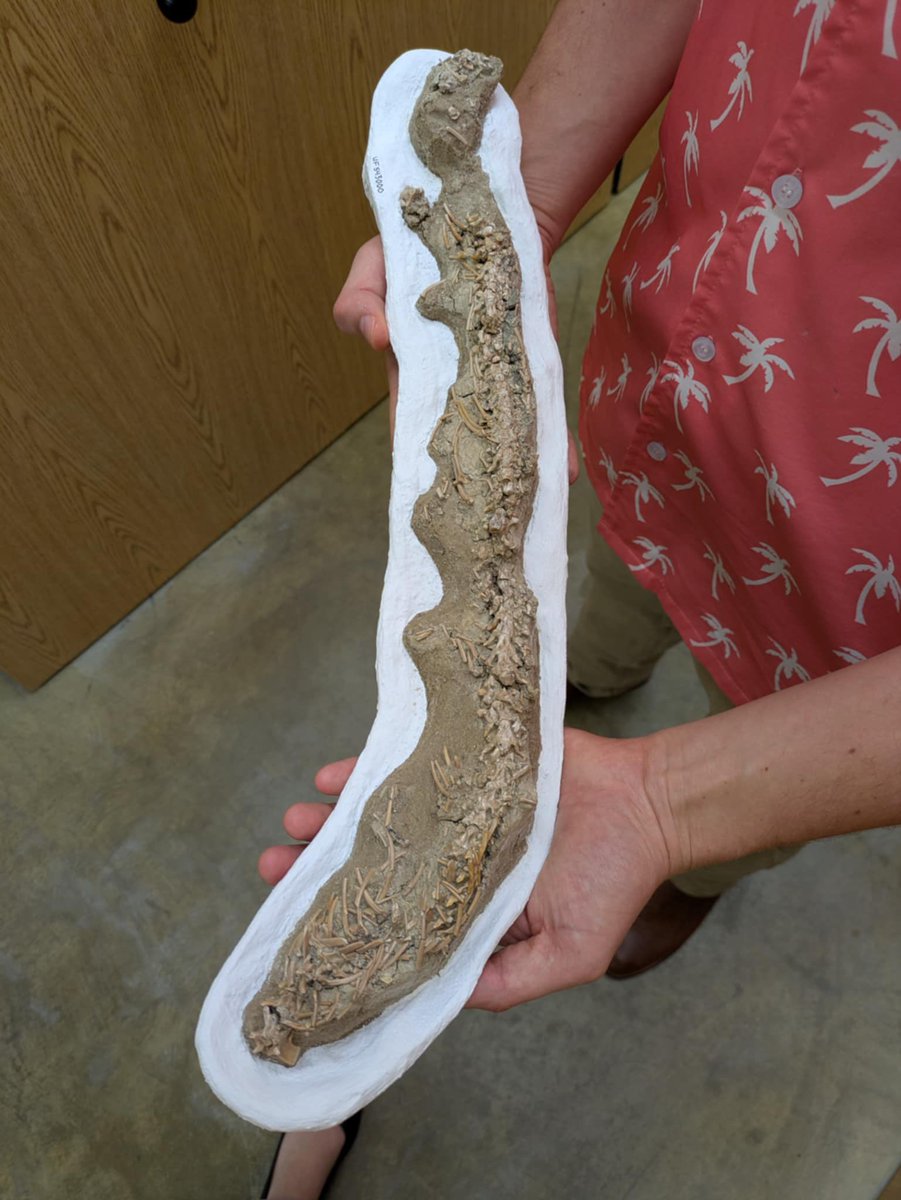
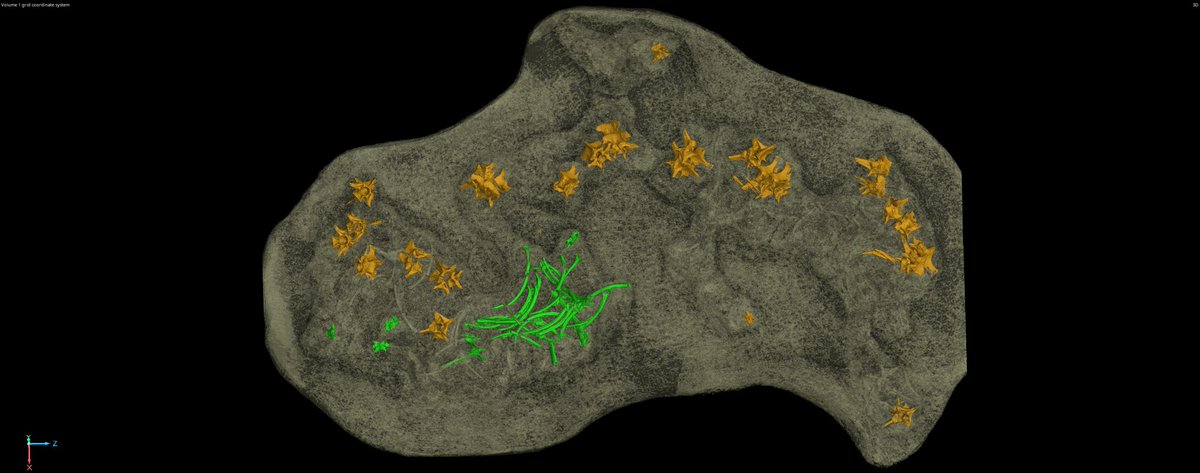
The snake fossil record usually only includes vertebrae, but the @floridamuseum haile site of central Florida has produced several articulated colubrid vertebrae, such as the column in my hands. Another was just CT scanned. Can you guess why there are two colors? #FossilFriday
3
4
430
Mitchell Riegler retweeted

13 Oct 2020
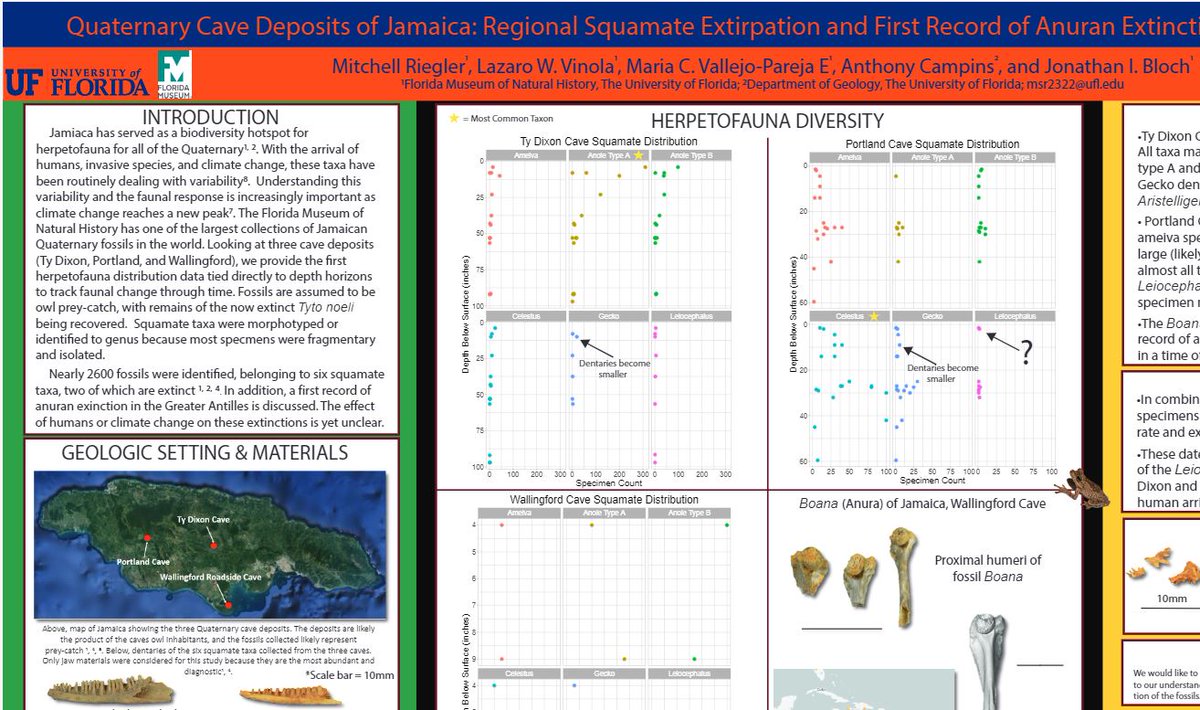
Check out @ManyTinyTeeth Mitchell Riegler's #2020SVP poster on Quaternary Cave Deposits of Jamaica: Regional Squamate Extirpation and First Record of Anuran Extinction in the Greater Antilles. Can you guess the fossils from the 'Guess Who' box in the poster?!
2
7
Mitchell Riegler retweeted

17 Mar 2020
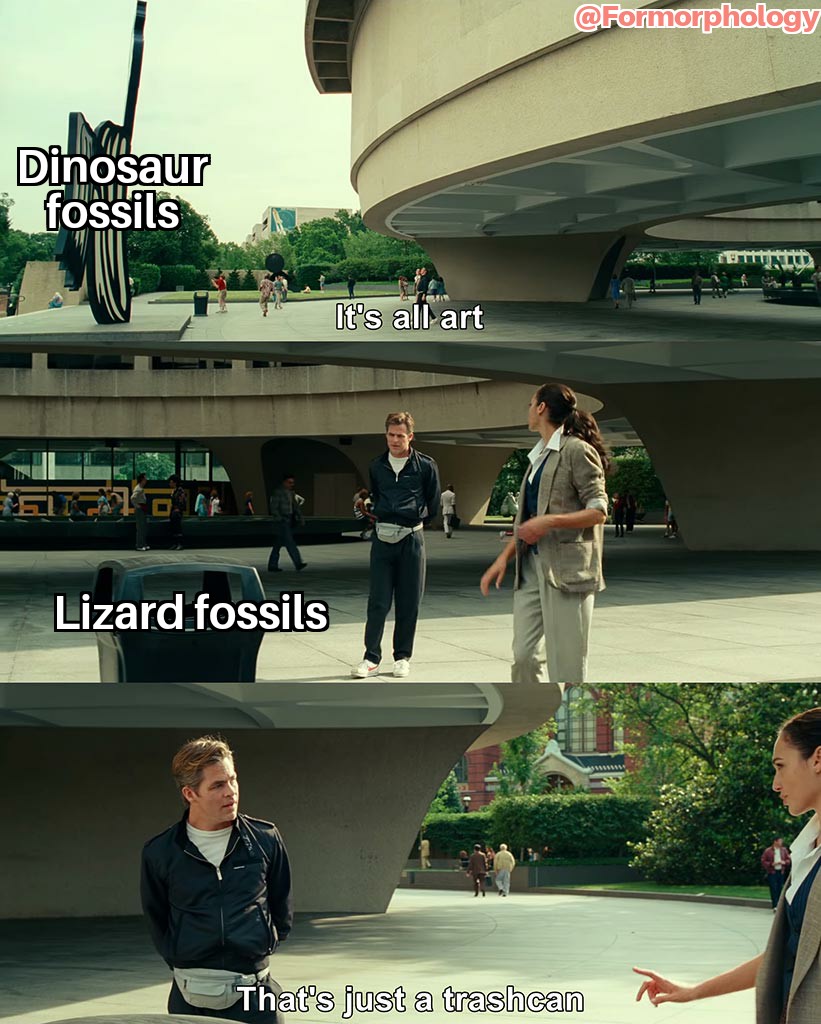
People are always like: "Ugghh, just another lizard fossil."
Hurts me, my dudes. 😔
5
6
80
Mitchell Riegler retweeted
6 Mar 2020
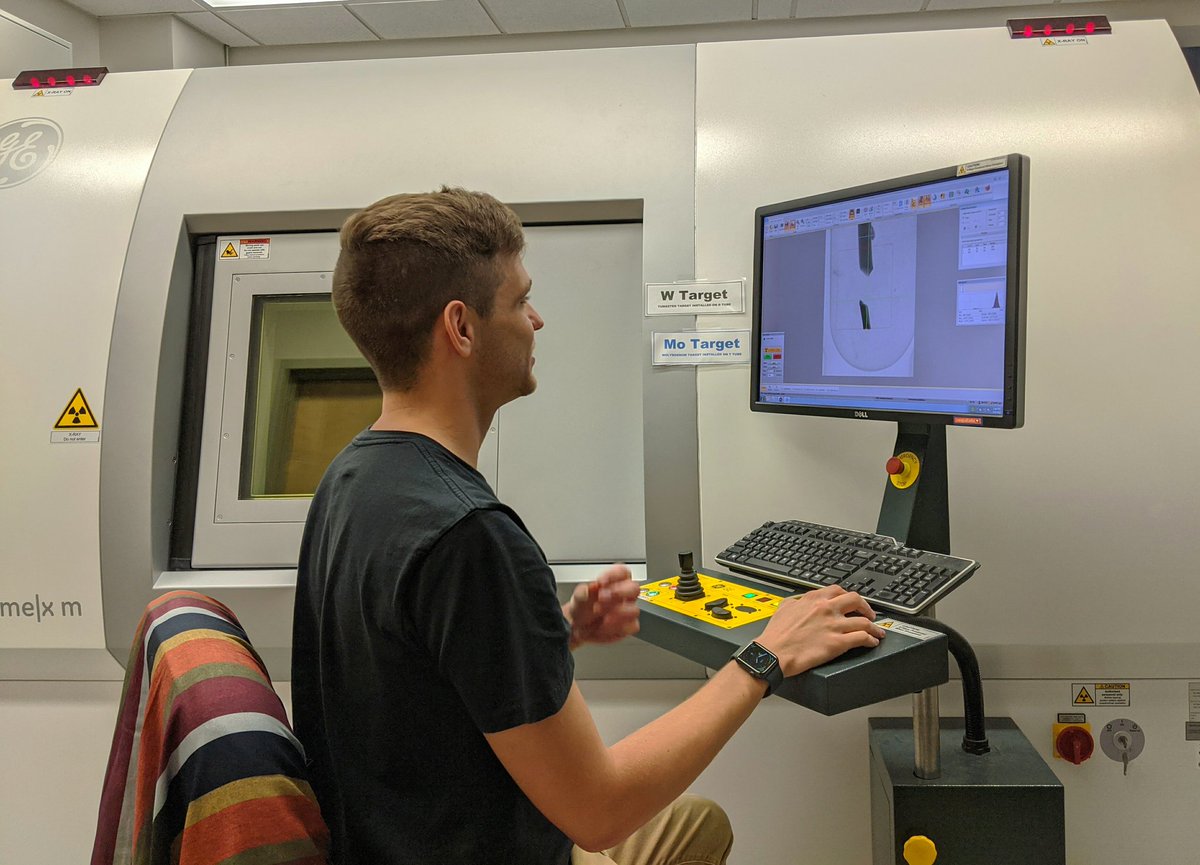
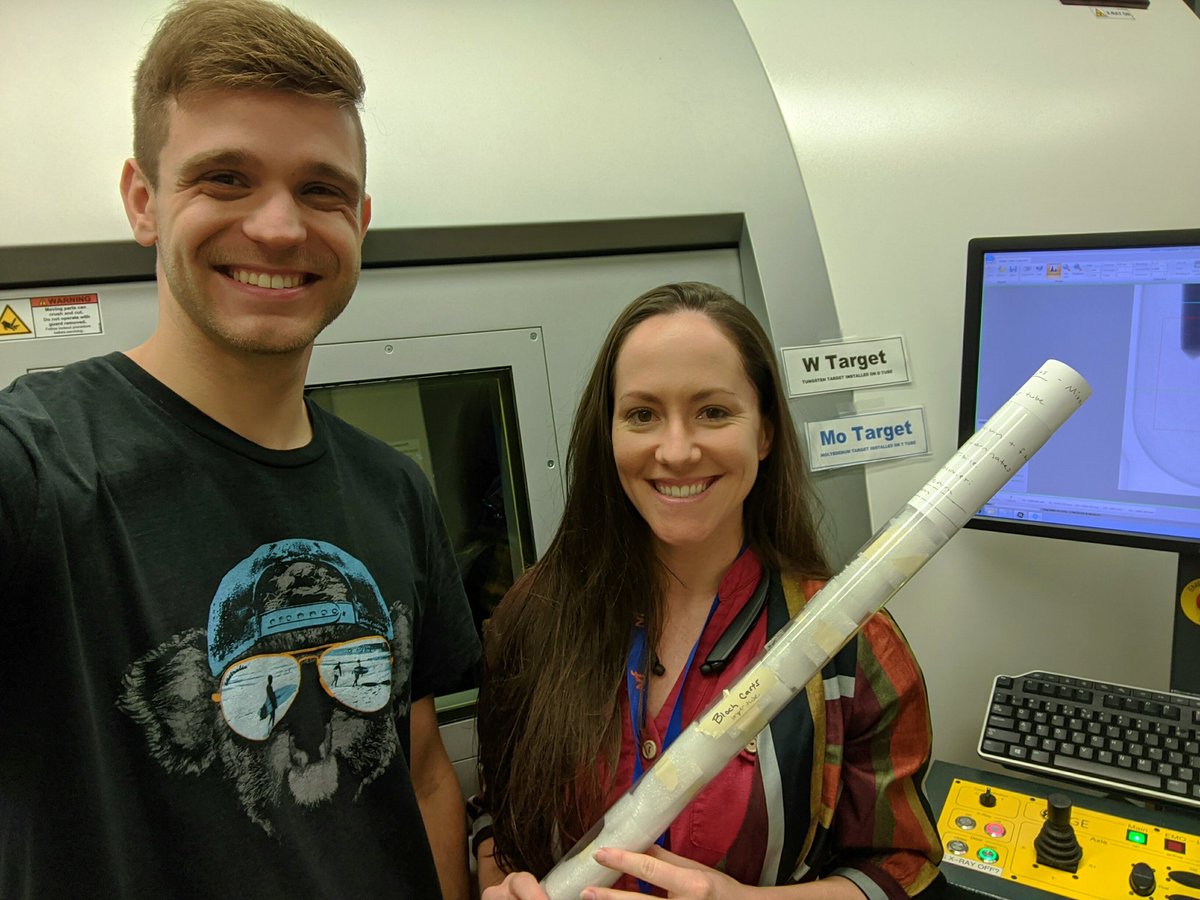
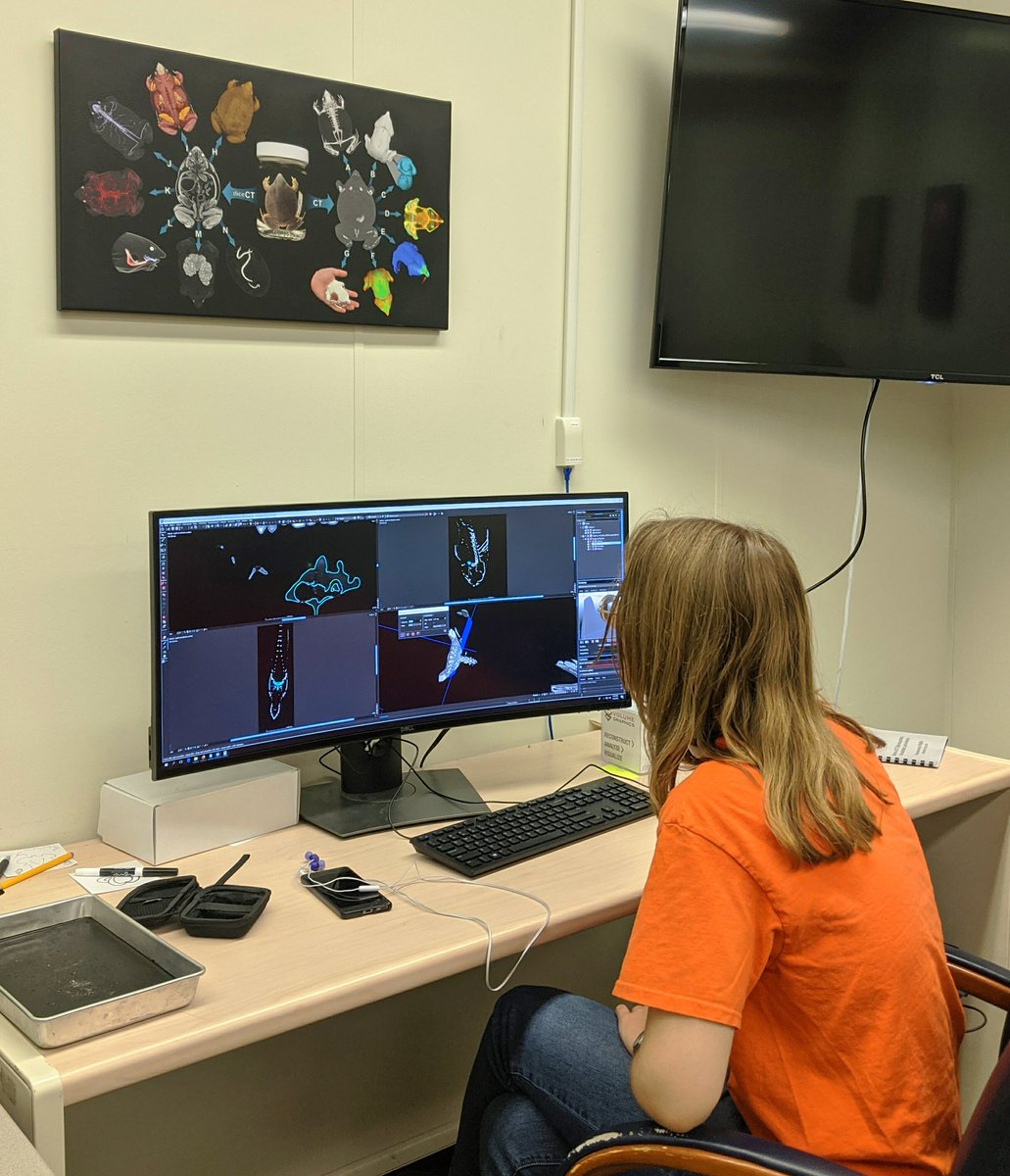
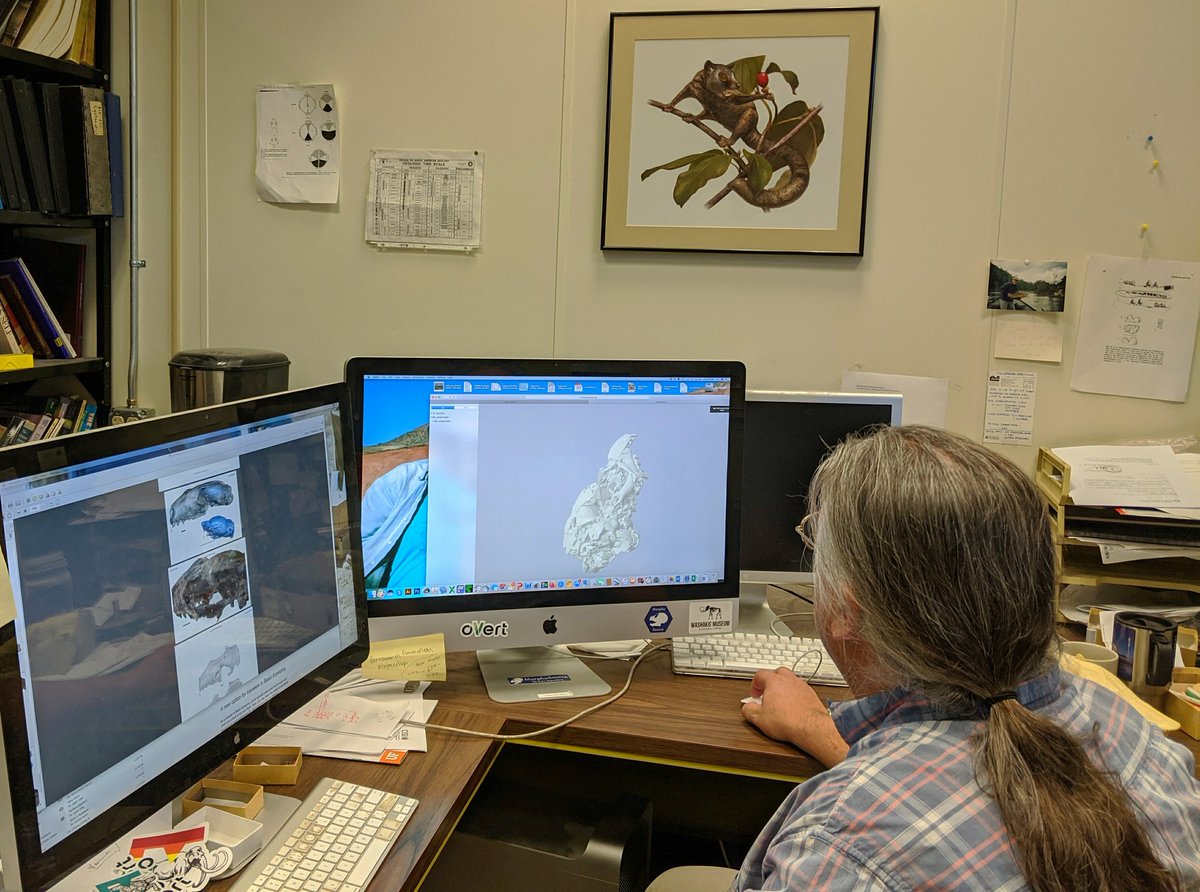
The Bloch Lab hard at work CT scanning, post-processing, and studying scanned fossil specimens on this lovely #FossilFriday @jibloch @renarducci @ManyTinyTeeth
4
15
Mitchell Riegler retweeted
3 Mar 2020
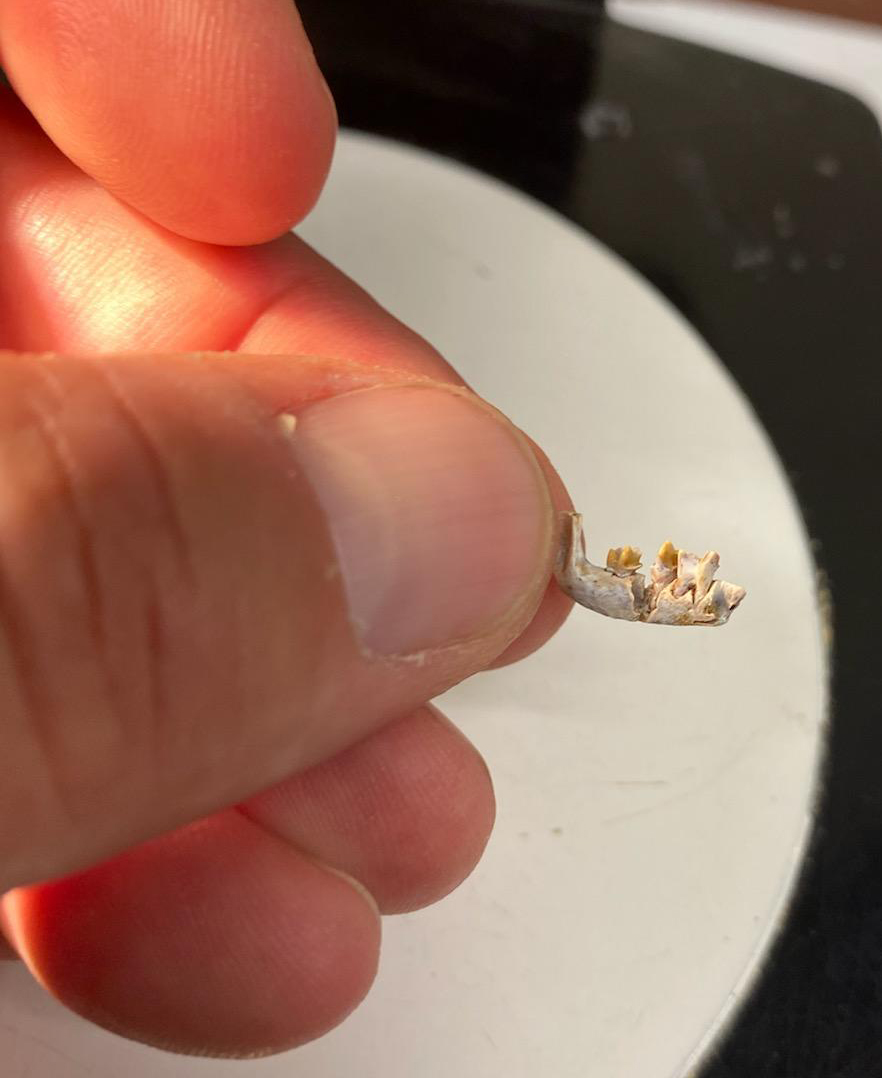
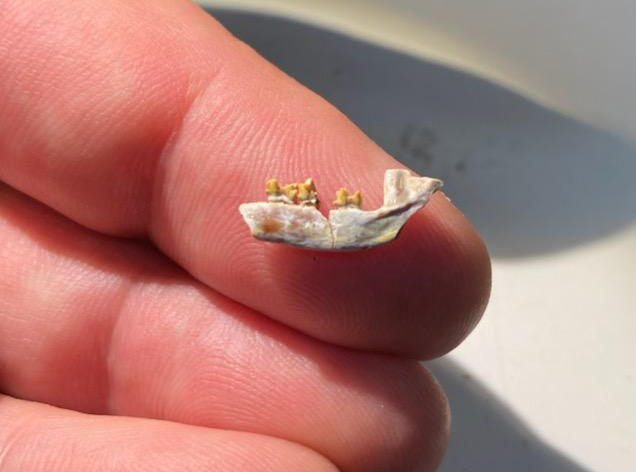
Guess what we found buried at Montbrook?! A mole! This right jaw with 3 pretty worn molars was found following the screenwashing and picking process but was originally collected in a matrix bag by volunteer, Dean Warner.
2
6
28
Mitchell Riegler retweeted
12 Feb 2020
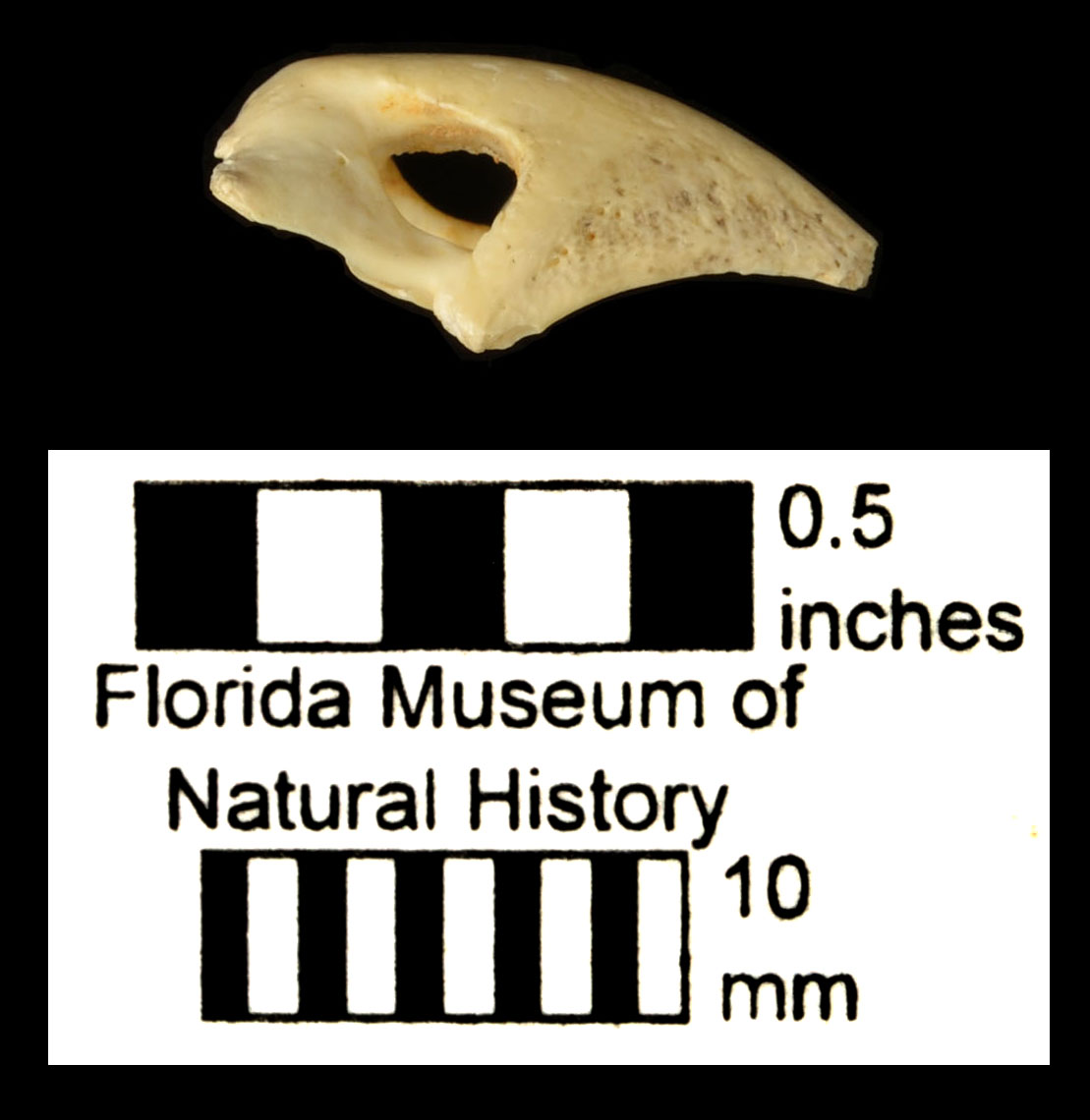
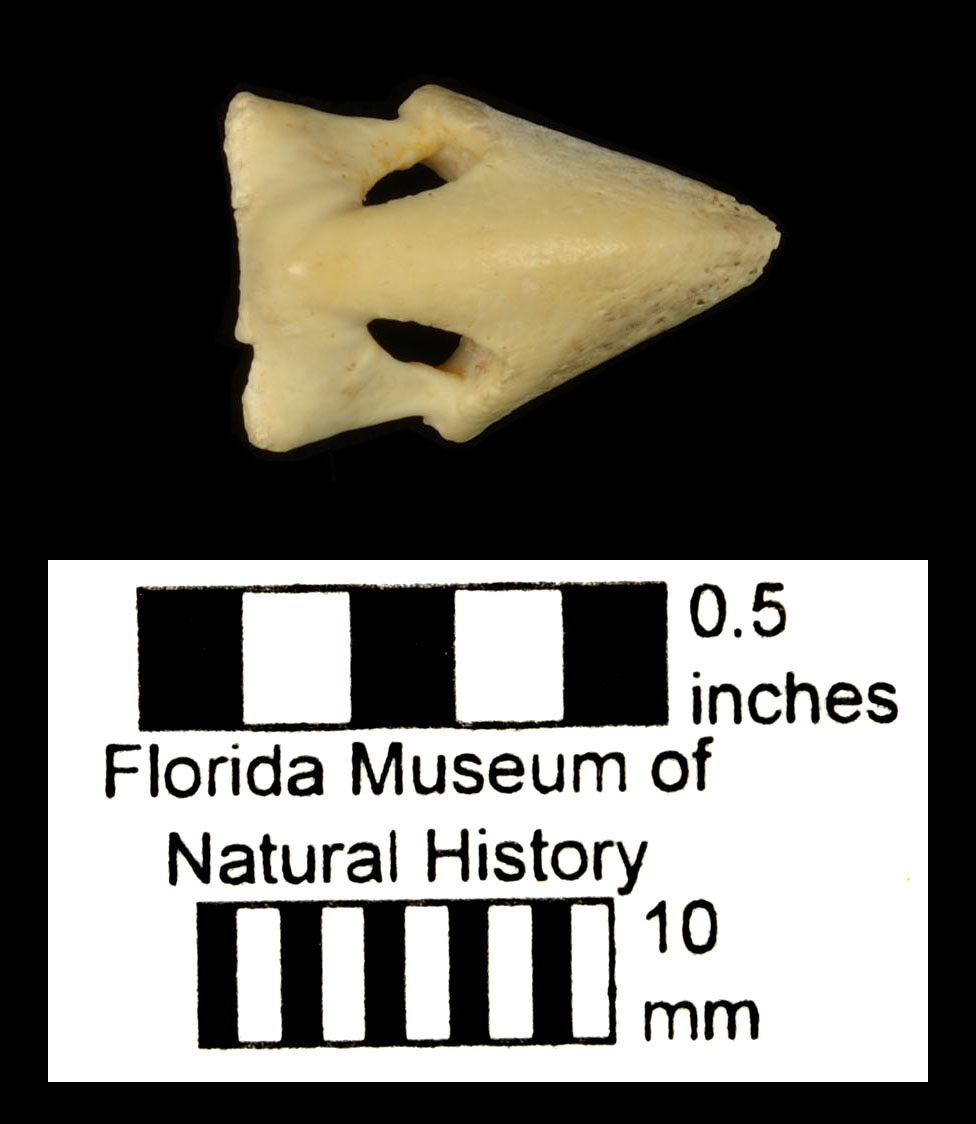
In celebration of #DarwinDay, here is a rostrum of the bullfinch, Melopyrrha sp., collected in 1965 from late Pleistocene deposits in the Cayman Islands. These finches are endemic to the Caribbean and feed mostly on seeds, small fruits, flower nectar, and insects. @FloridaMuseum
1
8
23
Mitchell Riegler retweeted
7 Feb 2020
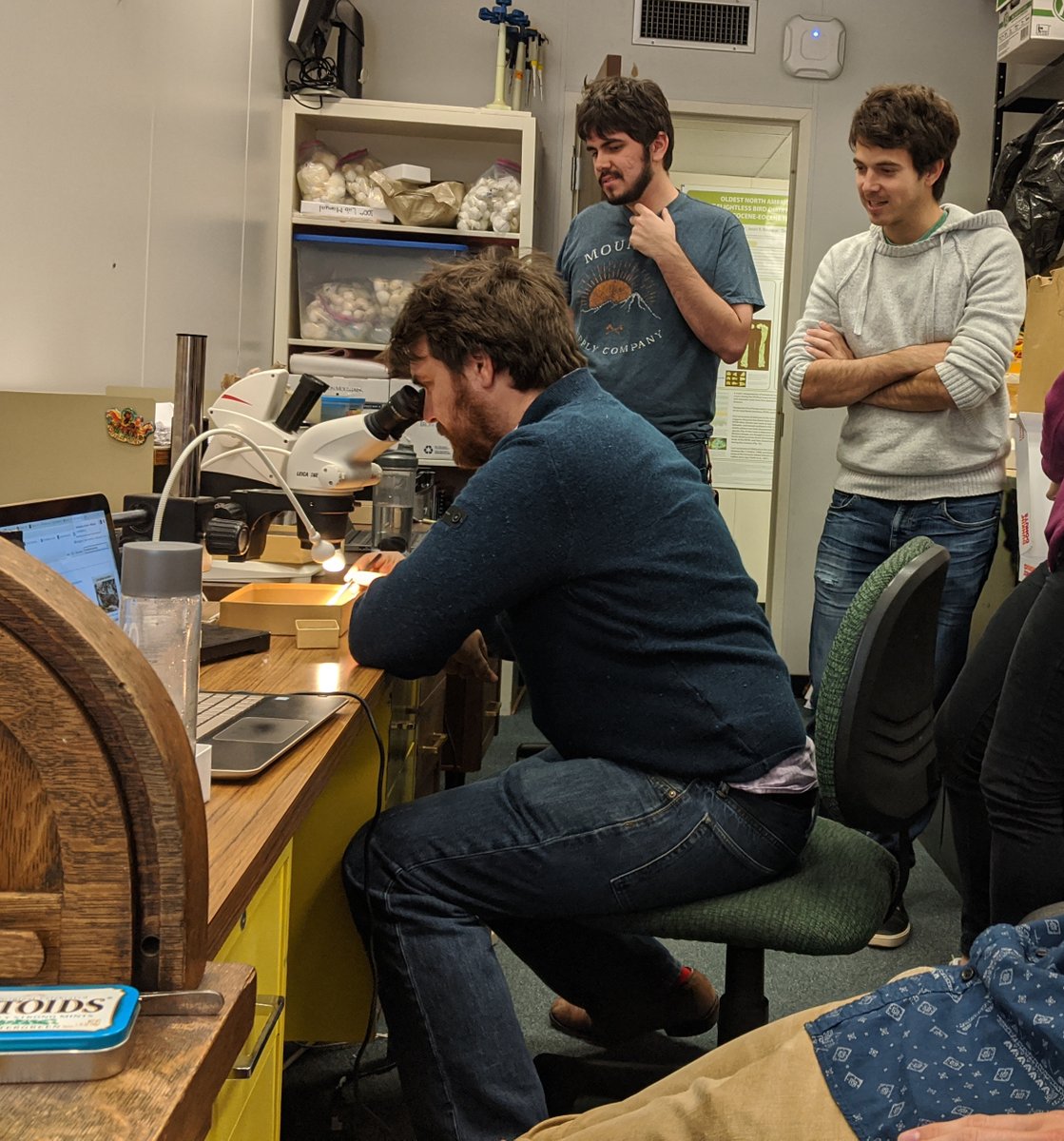
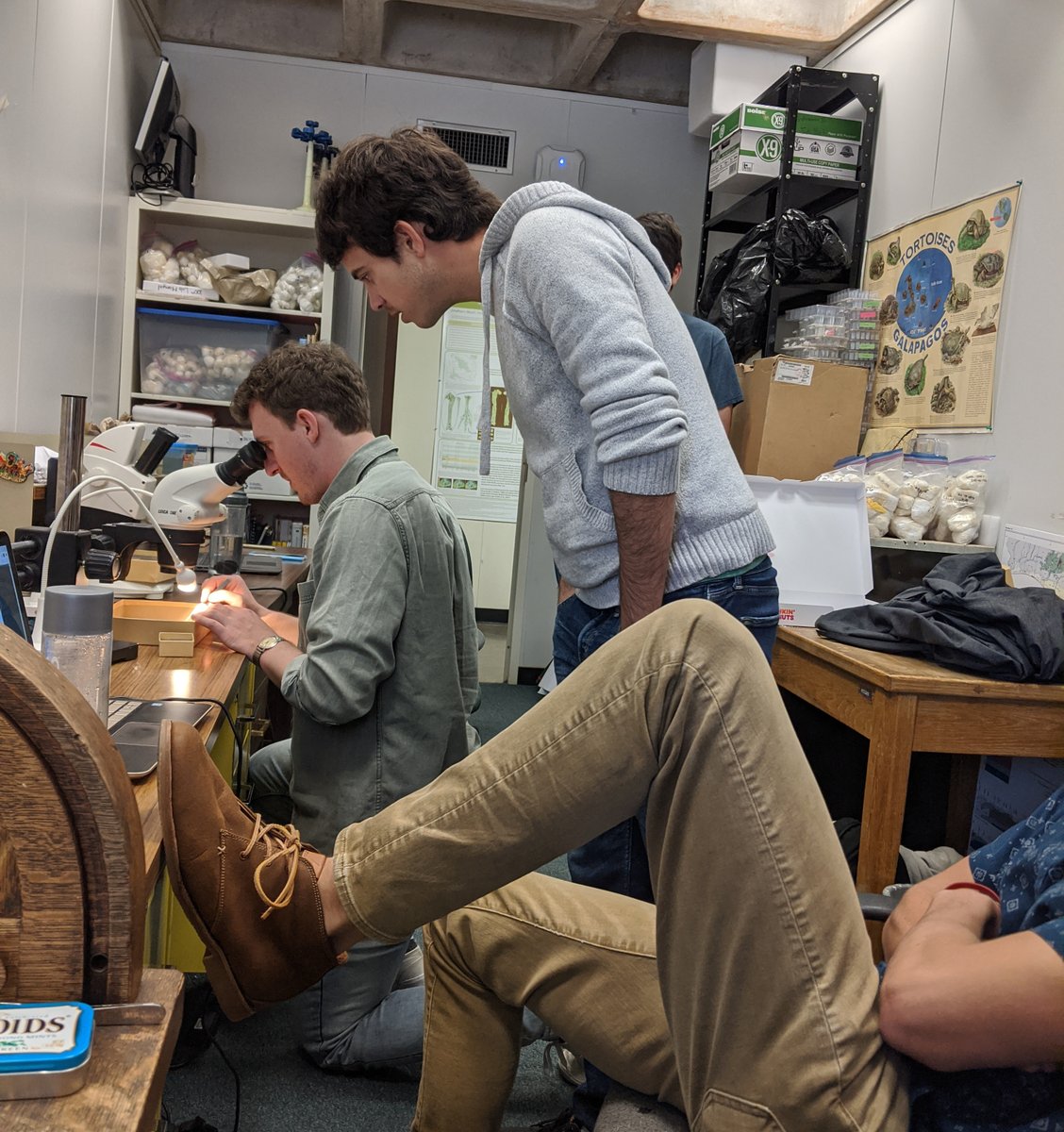
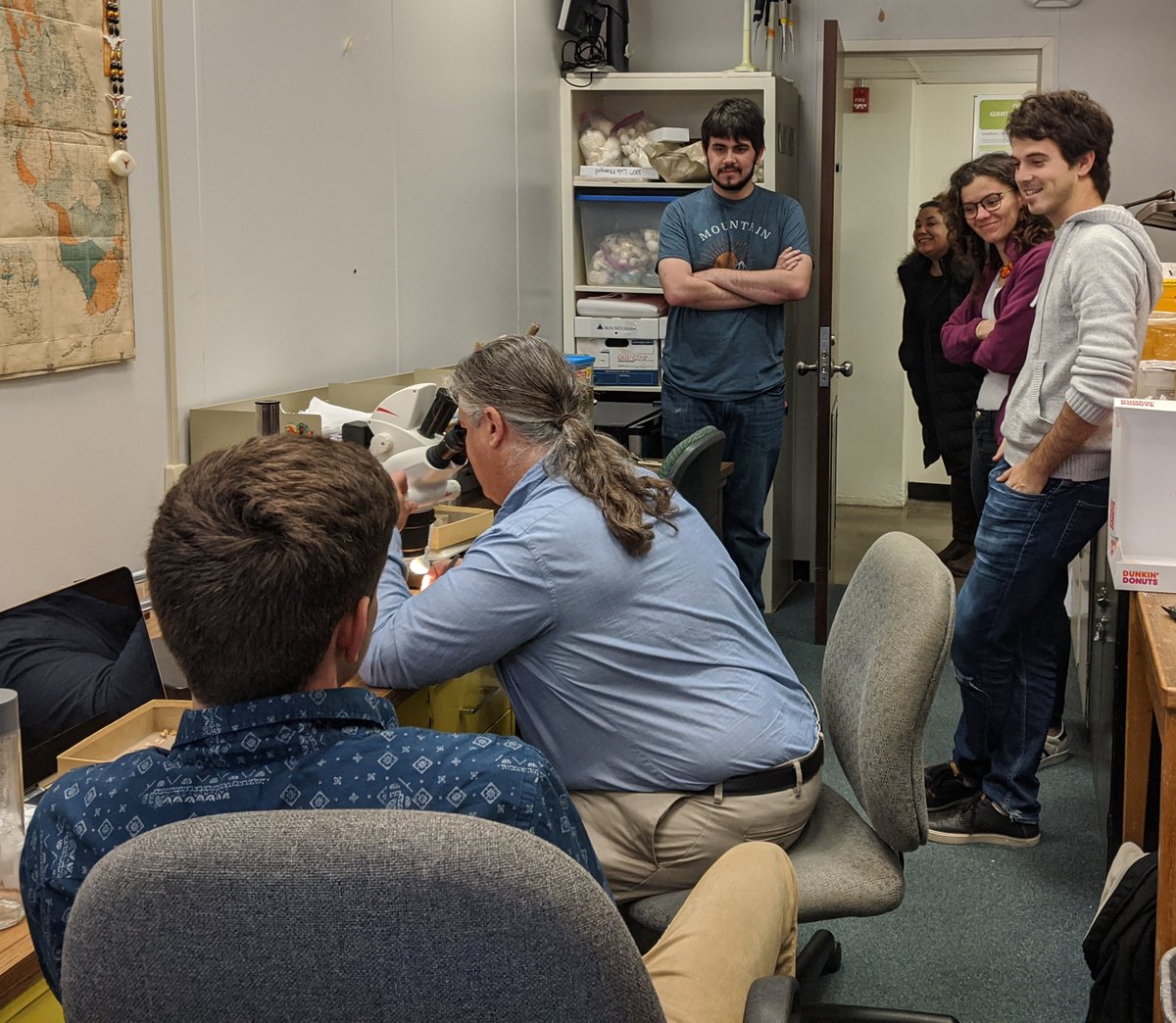
A #FossilFriday mystery story… “What is this fossil?”, asked an unassuming undergrad picking through microvertebrates from Jamaica today. Everyone got a look through the scope and many ideas were thrown around. Fossil empanada?
1
7
20
Mitchell Riegler retweeted
7 Feb 2020
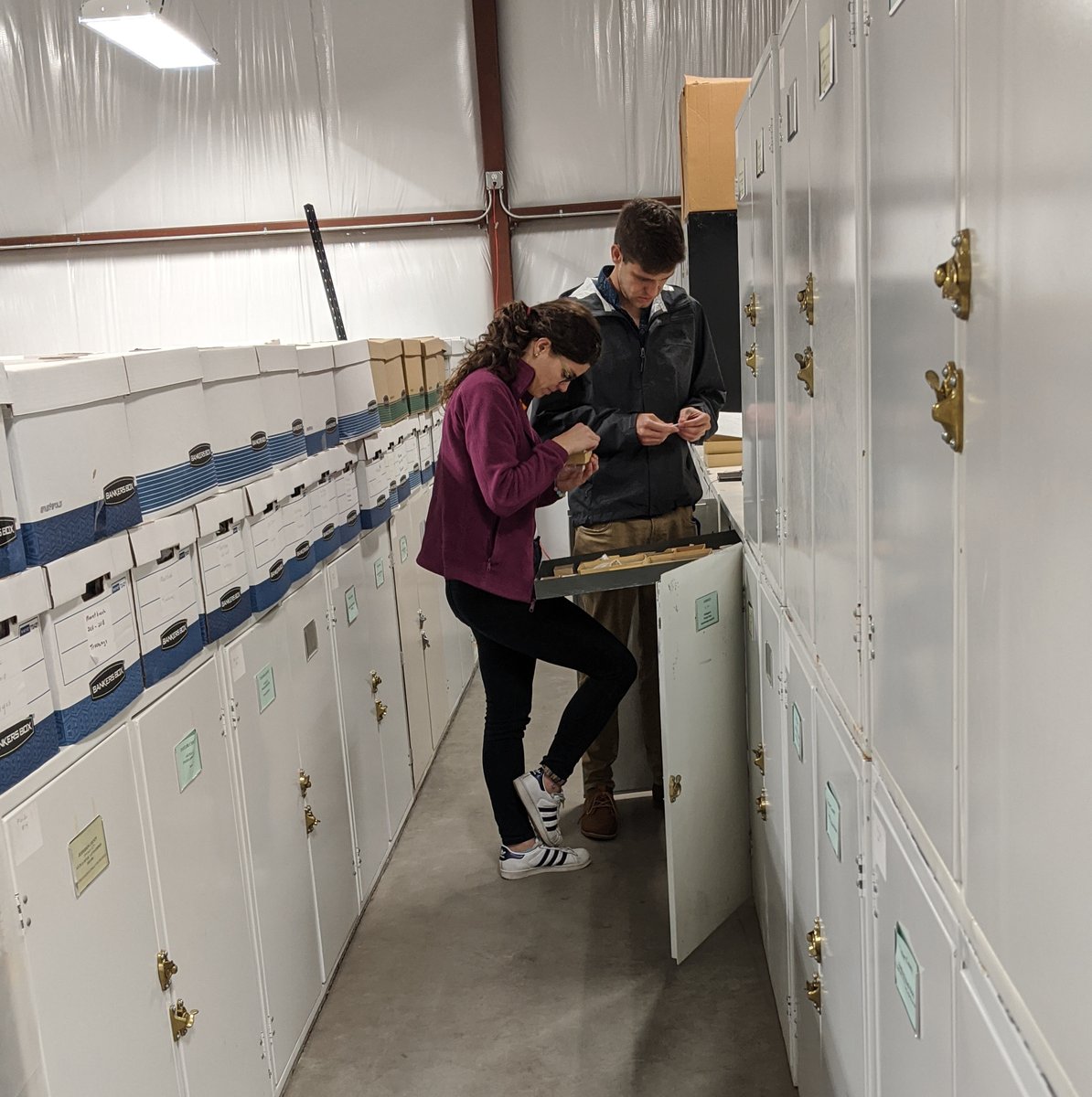
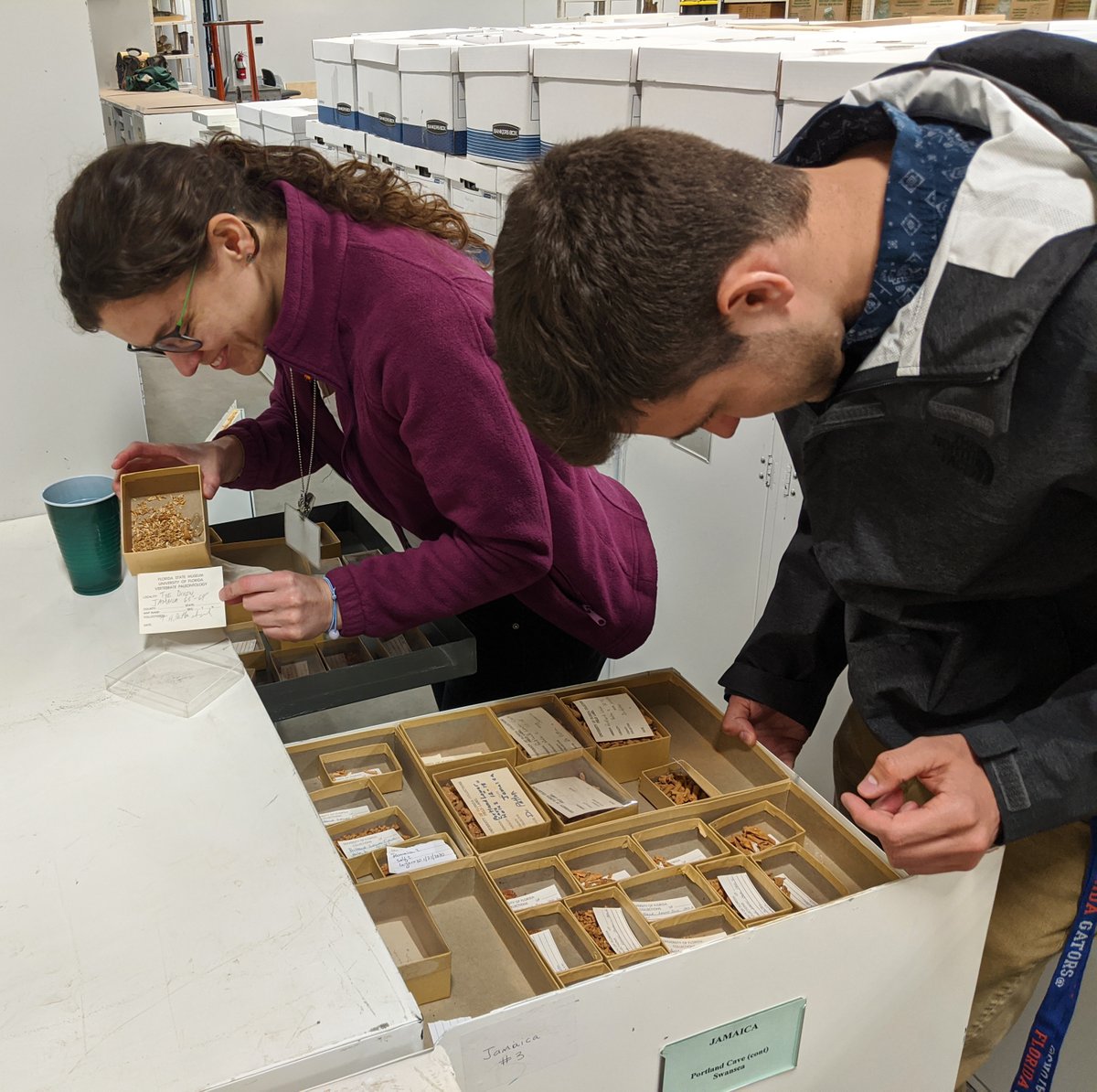
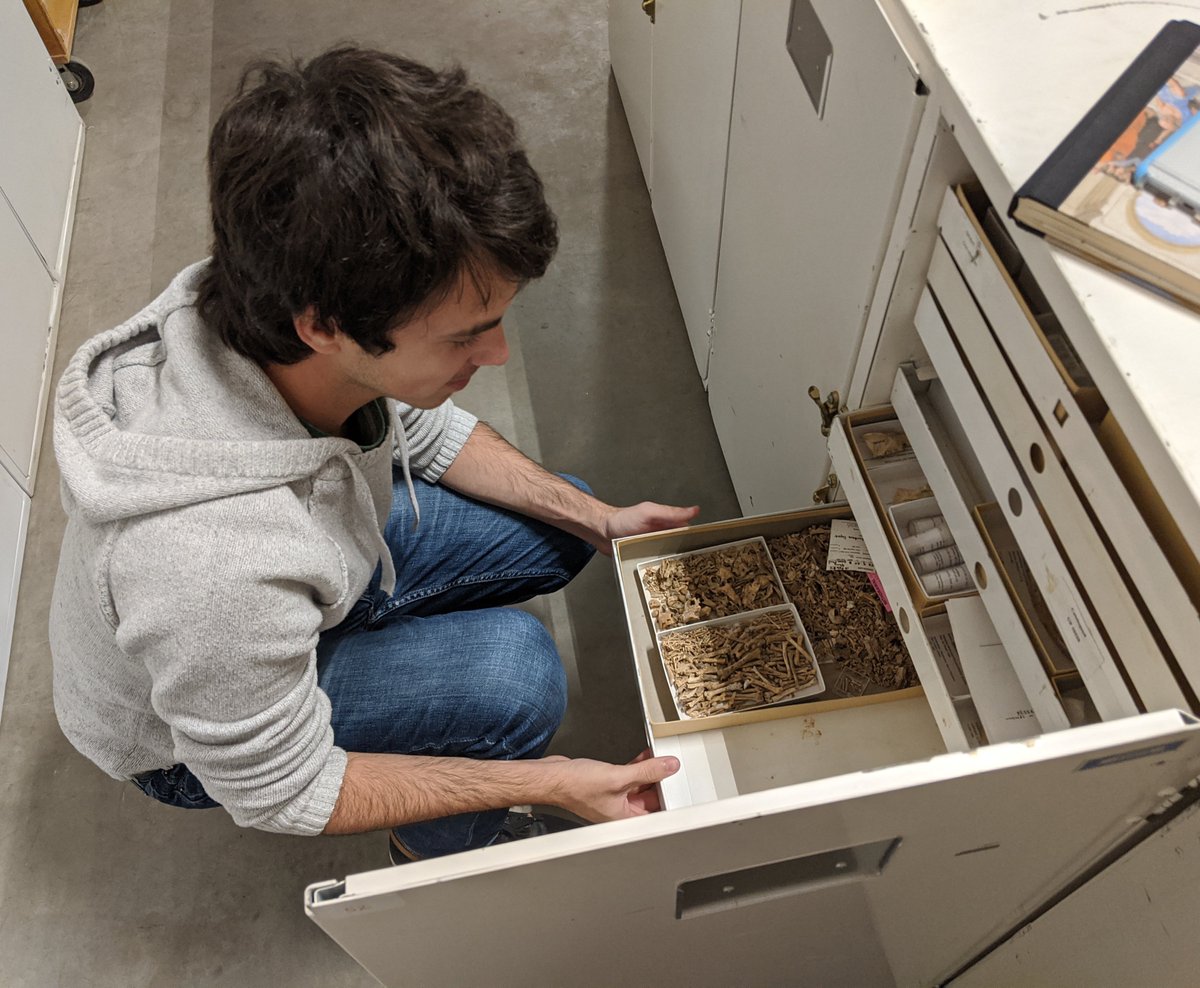
We jumped in the van and raced to the offsite storage. We began looking earnestly through Jamaican specimen cabinets until… “We found it” from team frog.
1
2
7
Mitchell Riegler retweeted
7 Feb 2020
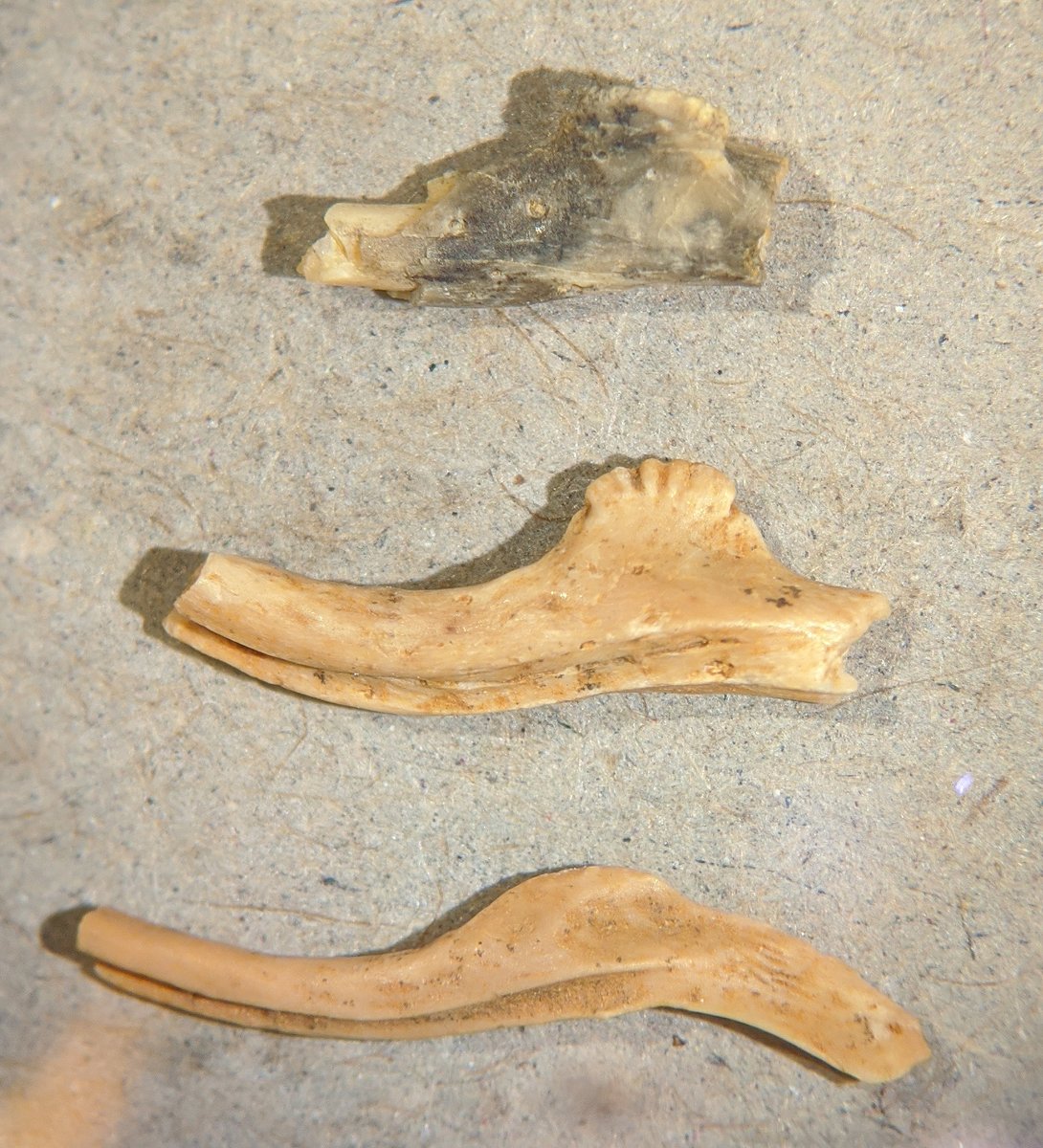
It’s a partial angulosplenial (upper) of the tree frog, Osteopilus, compared to a more complete one (middle) from the same locality in Jamaica. Those empanada look-alikes are compared to a more typical angulosplenial (lower) of the rain frog, Eleutherodactylus. #FossilFriday

1
3
11
Mitchell Riegler retweeted
24 Jan 2020
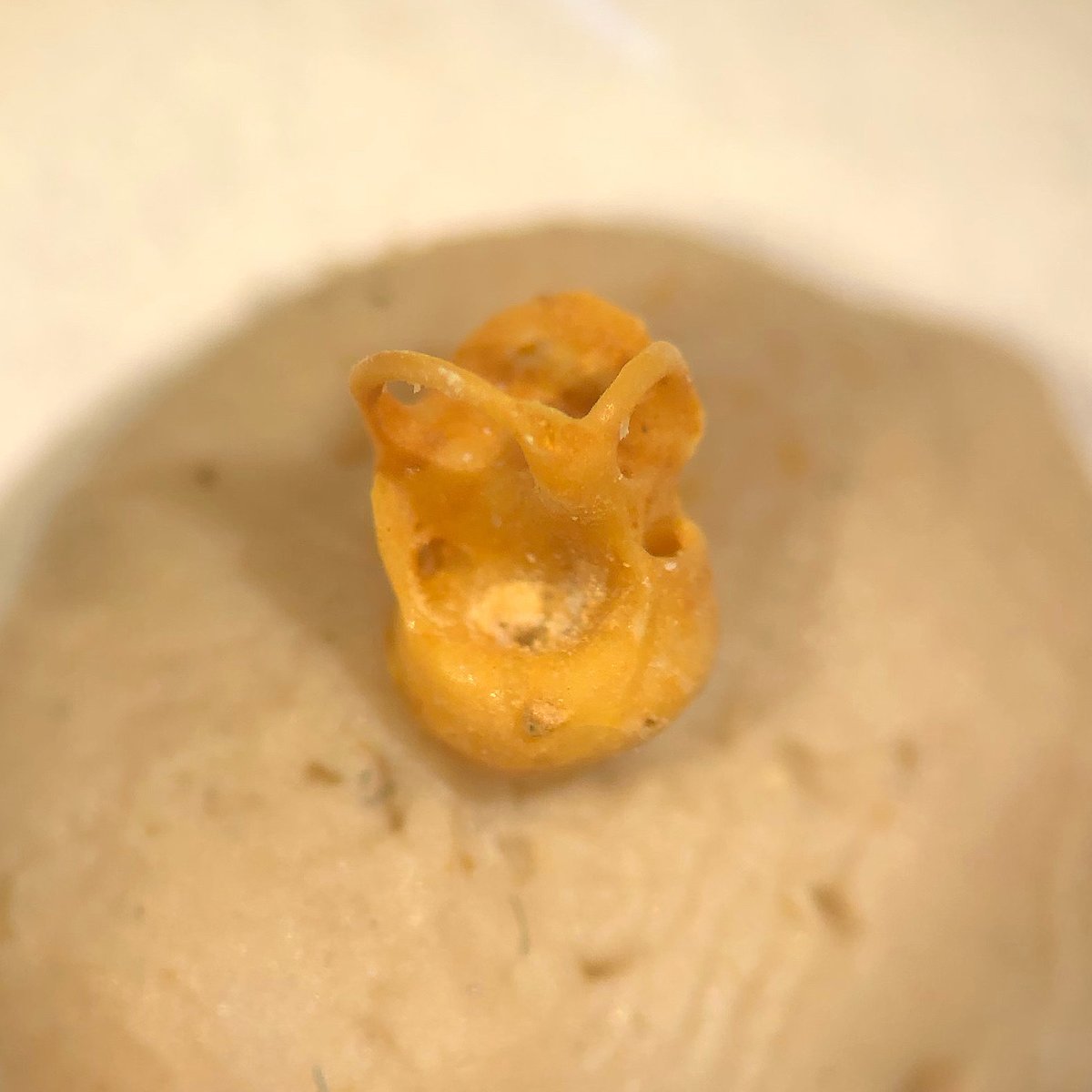
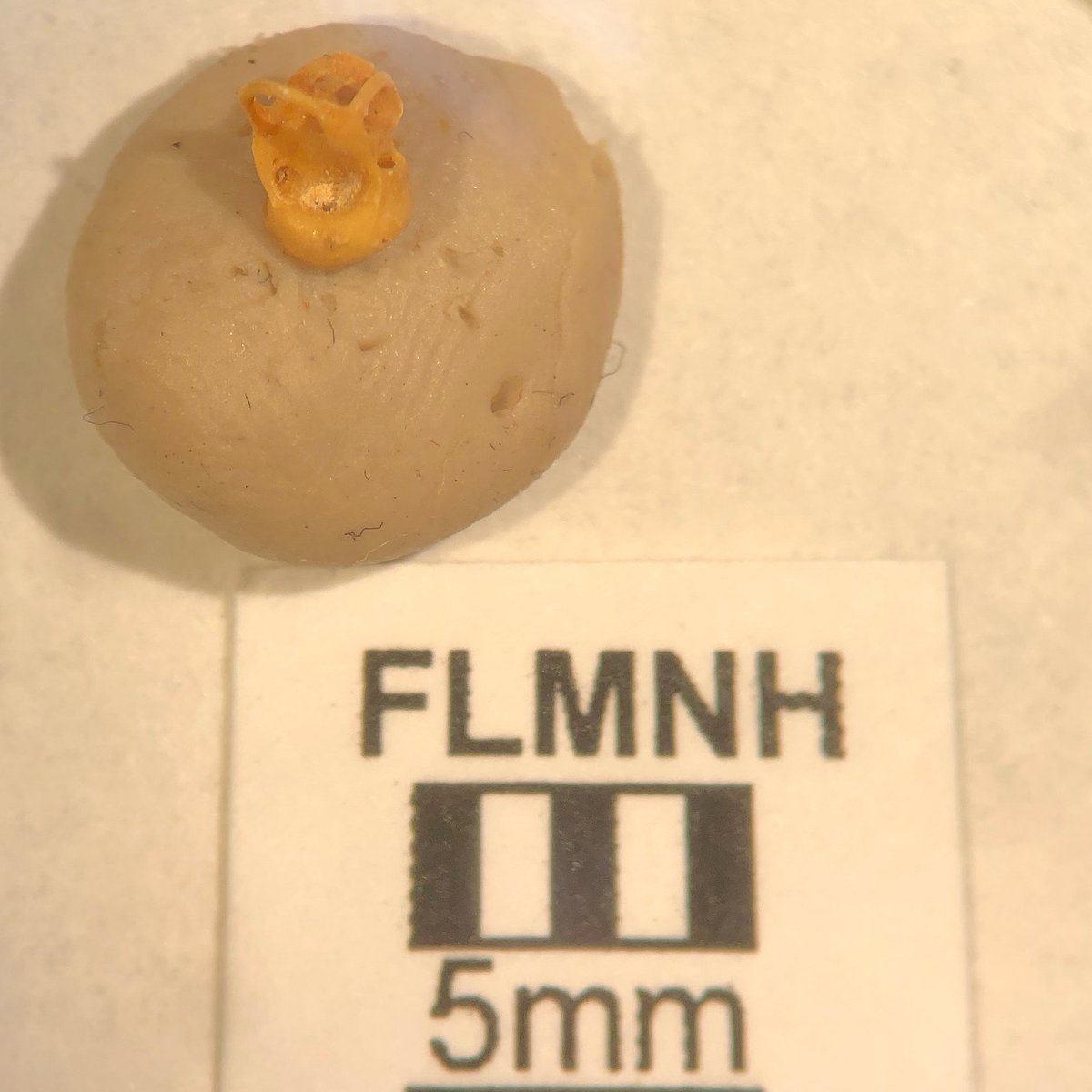
This bat petrosal (inner ear bone) was just discovered while sorting through fossil owl pellet matrix from Portland Cave, Jamaica (originally collected in 1953). Check out the exceptional 3D preservation of the semicircular canals! #FossilFriday @FloridaMuseum
1
10
39
Mitchell Riegler retweeted
17 Jan 2020
Mastodon (cone-shaped cusps for crushing vegetation) vs. mammoth (flat teeth for grazing/grinding grasses) #FossilFriday @FloridaMuseum more info > twilightbeasts.org/2014/07/1… @TwilightBeasts
29
139
Mitchell Riegler retweeted
15 Jan 2020
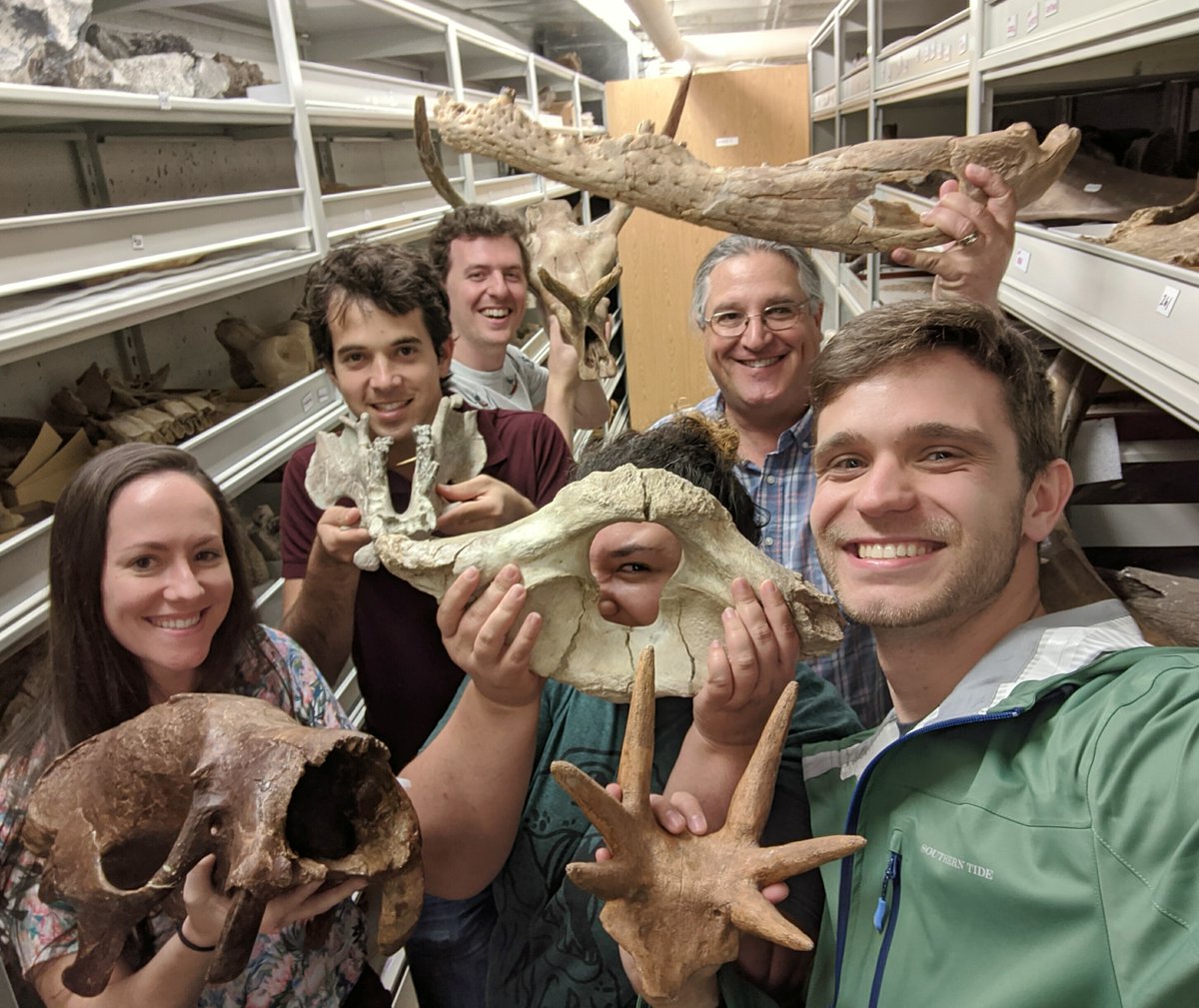
Happy #MuseumSelfieDay from Vertebrate Paleontology @FloridaMuseum and the mylodont ground sloth, hell pig, gomphothere, 6-horned pronghorn, sling-shot horn protoceratid>bit.ly/2TnqKxT, and the American alligator>bit.ly/2RxoRMD
9
58
Mitchell Riegler retweeted
10 Jan 2020
Astragalus of the giant ground sloth, Eremotherium (left, bit.ly/2NeUJEq), compared to that of the shovel-tusked elephant-relative, Amebelodon (right, bit.ly/2tRTBiT) @FloridaMuseum #FossilFriday
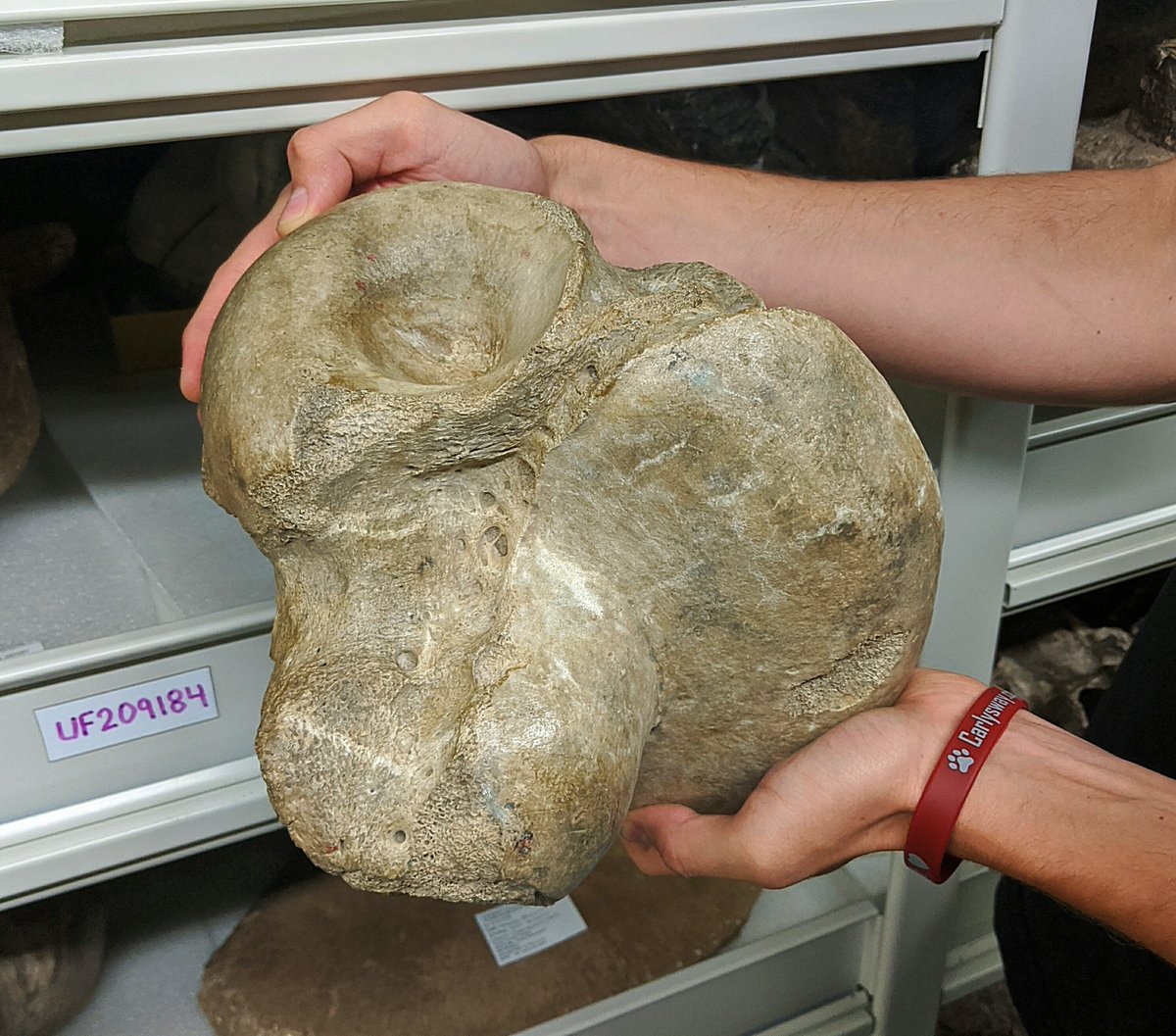
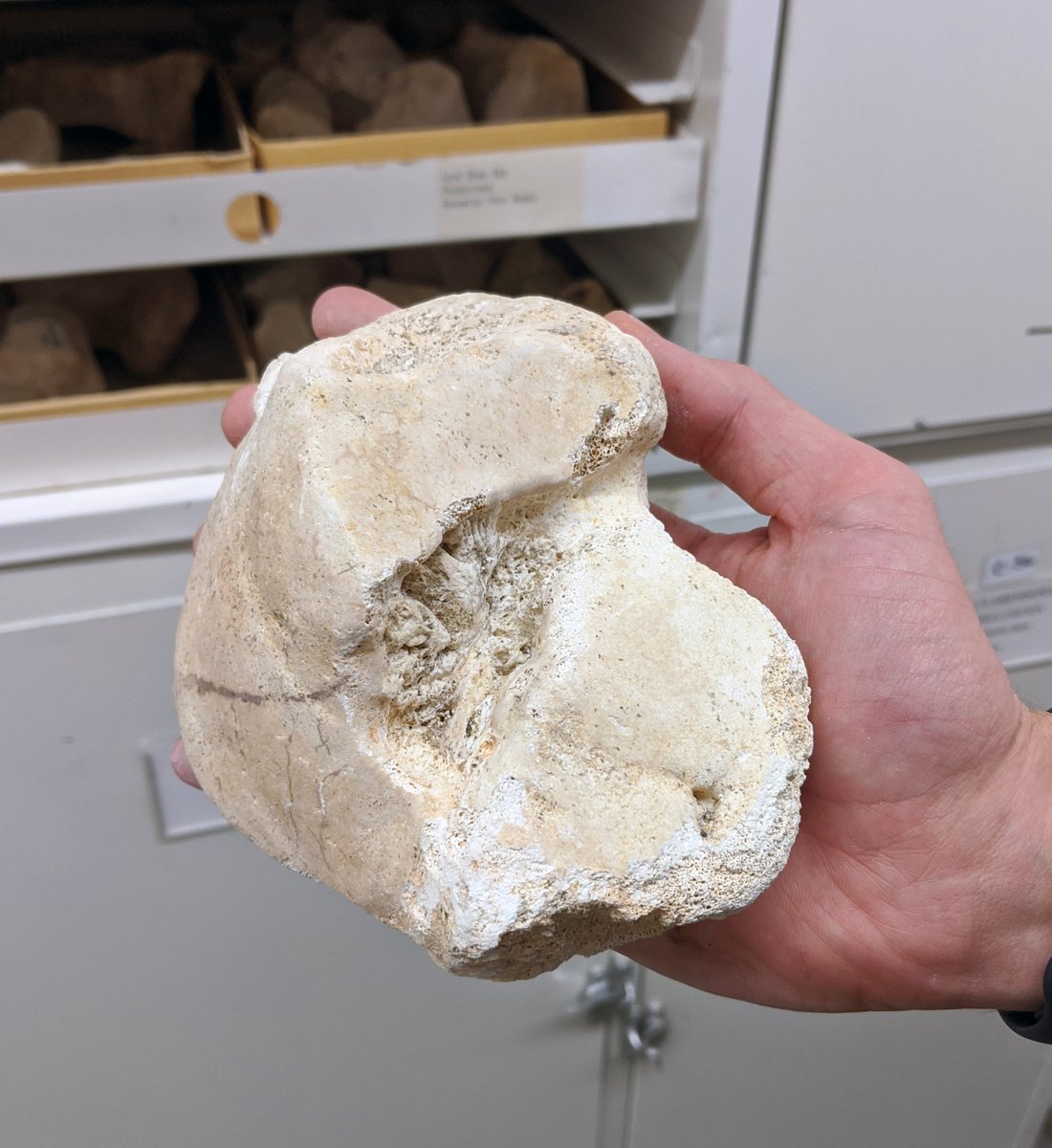
13
38
Mitchell Riegler retweeted

3 Jan 2020
It's #FossilFriday and we're looking back at the Vero Canal Site discovered in 1913 near Vero Beach, #Florida. Many exciting #fossils were found at this site, including the holotype skulls of Tapirus veroensis & Canis dirus. But there's more:
floridamuseum.ufl.edu/florid…
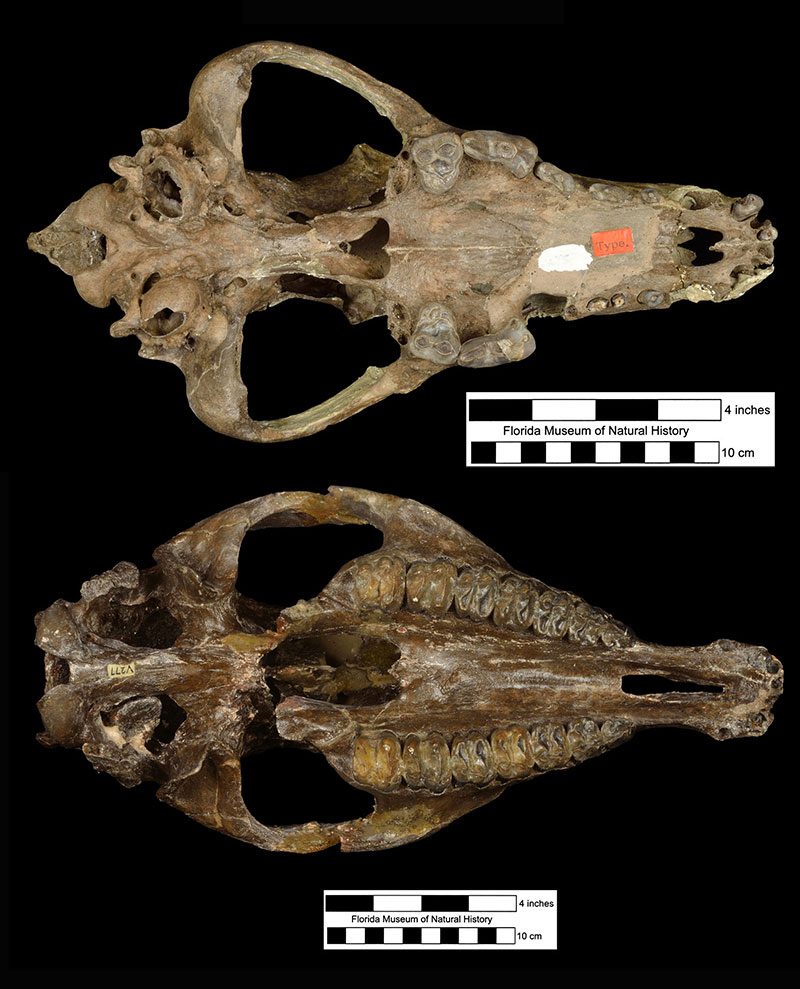
ALT the undersides of two fossil skulls from a museum collection
10
18
Mitchell Riegler retweeted
3 Jan 2020
Happy New Year! @FloridaMuseum #FossilFriday #Specimen2020 is a 4-5 Ma partial dental plate of the large eagle ray, Aetomylaeus. Collected in 1955 from Bone Valley Fm tinyurl.com/wr23rmt UF-VP specimen numbers will soon exceed 485000!
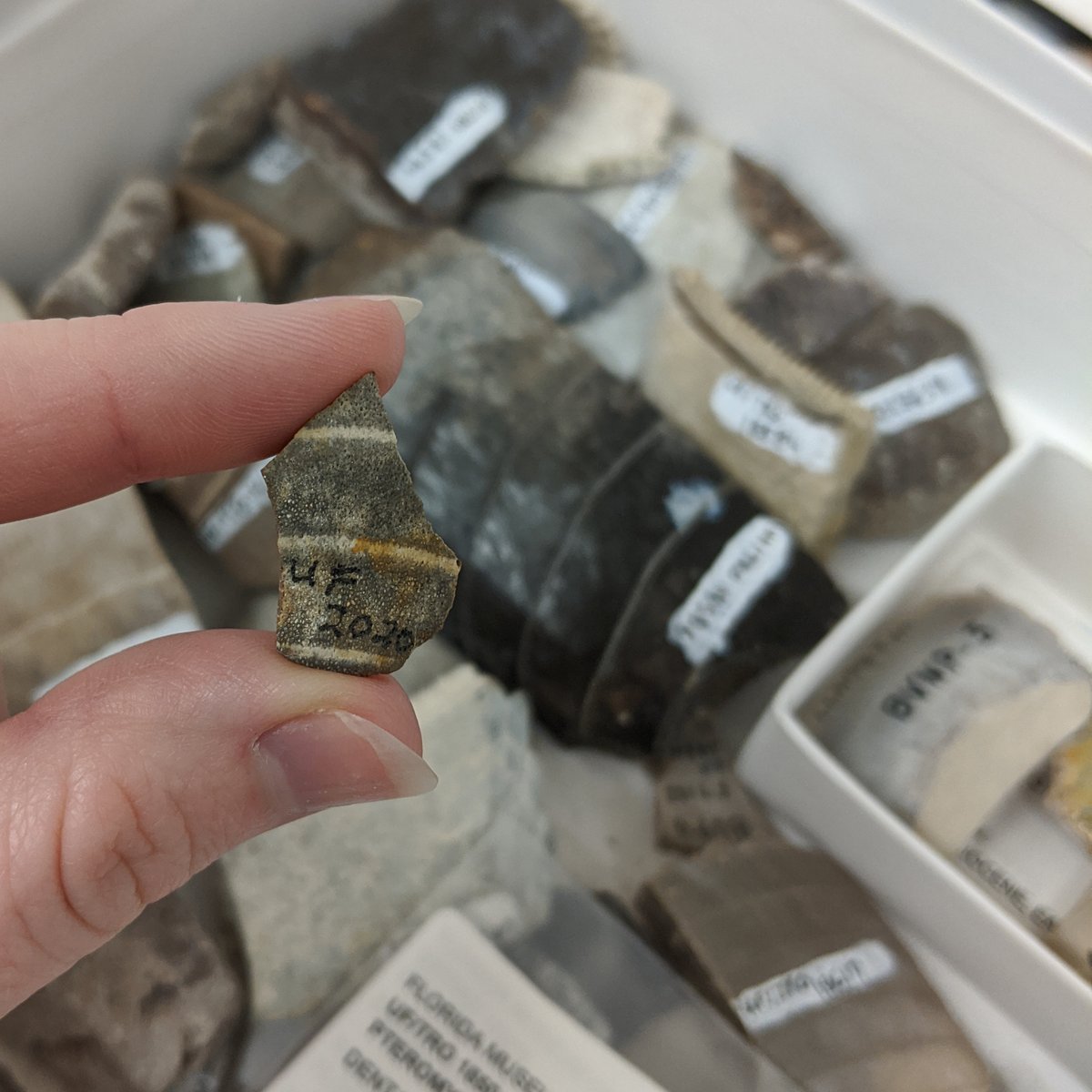
3 Jan 2020

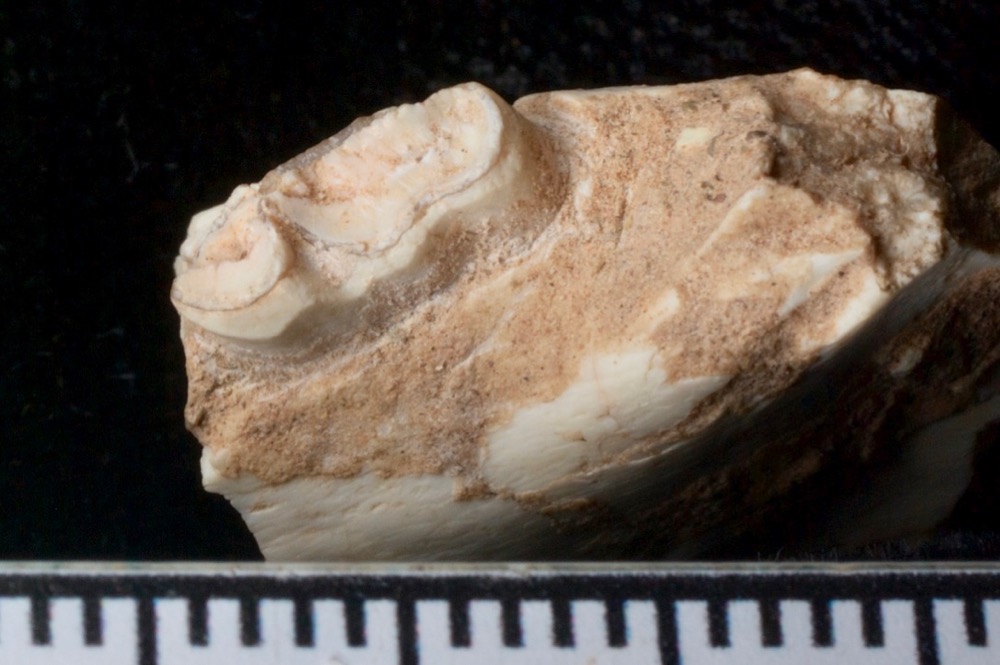
#FossilFriday What is your #Specimen2020? 🇧🇴This is UATF-V-002020: a ~15 million-year-old #notoungulate jaw from #Bolivia with one small #tooth. The thick later of cement on the outside (also found in #horses) strengthened and supported this herbivore's ever-growing molars.
5
13
Mitchell Riegler retweeted

31 Dec 2019
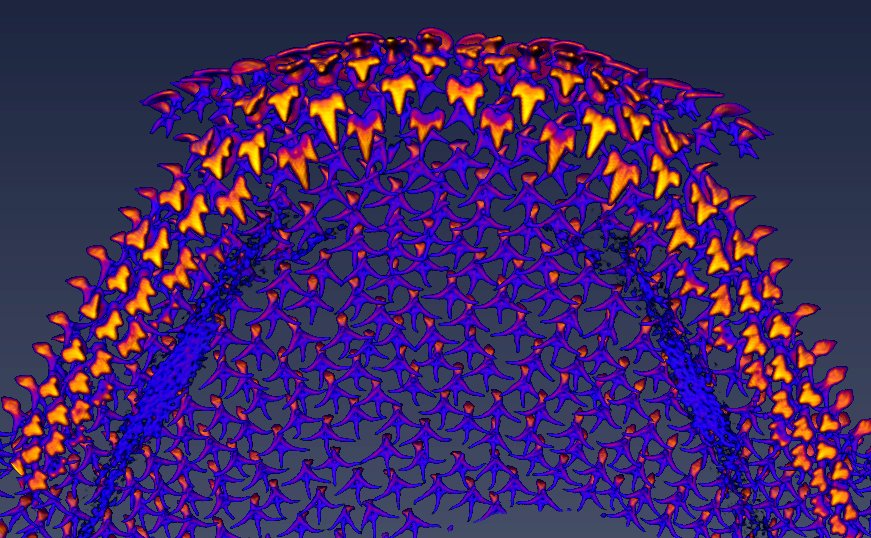
Excited for #SICB2020 in Austin? Come and check out our tooth-inspired Symposium (S3) Biology at the Cusp: Teeth as a Model Phenotype for Integrating Developmental Genomics, Biomechanics, and Ecology. Saturday 4th Jan, 8am - 330pm.🦷🔬 🦈🦖🐁🦎🦇🐡@SICBtweets @aigverte
11
48
Mitchell Riegler retweeted
17 Dec 2019
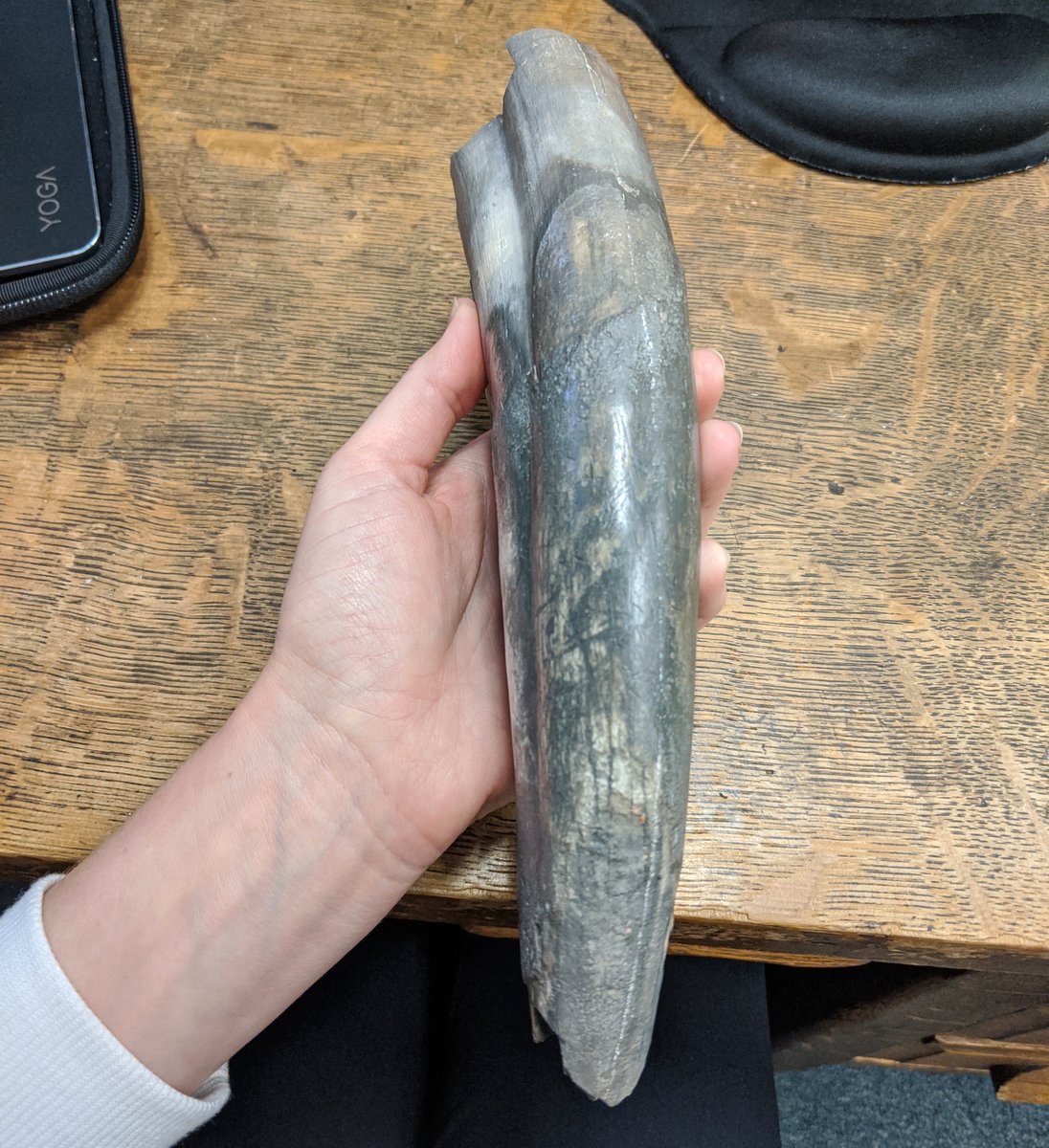
Walruses in Florida?! 5 mya this freaking huge tusk belonged to the walrus, Ontocetus emmonsi. The tusk is an ever-growing modified upper canine #ToothTuesday Check out the species description of this now-extinct walrus bit.ly/2YY2fYC written by @swidlansky
2
11
32
Mitchell Riegler retweeted
13 Dec 2019
Body armor from a giant armadillo-like pampathere who lived in Florida ~2 million yrs ago. They had 3 bands of overlapping osteoderms which made the shell flexible. @FloridaMuseum @BlochLab #FossilFriday
2
36
140
Mitchell Riegler retweeted

16 Nov 2019
The Sungazer (Smaug giganteus) is objectively one of the worlds coolest lizards: it has crazy amounts armor, a spiky club tail and sharp head spikes that help it anchor itself into its burrow when attacked. skfb.ly/6OMKI
4
14