Yeah, you’re mad. I am a Southern nationalist conservative, pro-Southern, pro-2A, secure borders, low taxes, small government, pro-history, etc.
Joined June 2022
- Tweets 7,760
- Following 134
- Followers 1,425
- Likes 1,326
2,064 Photos and videos
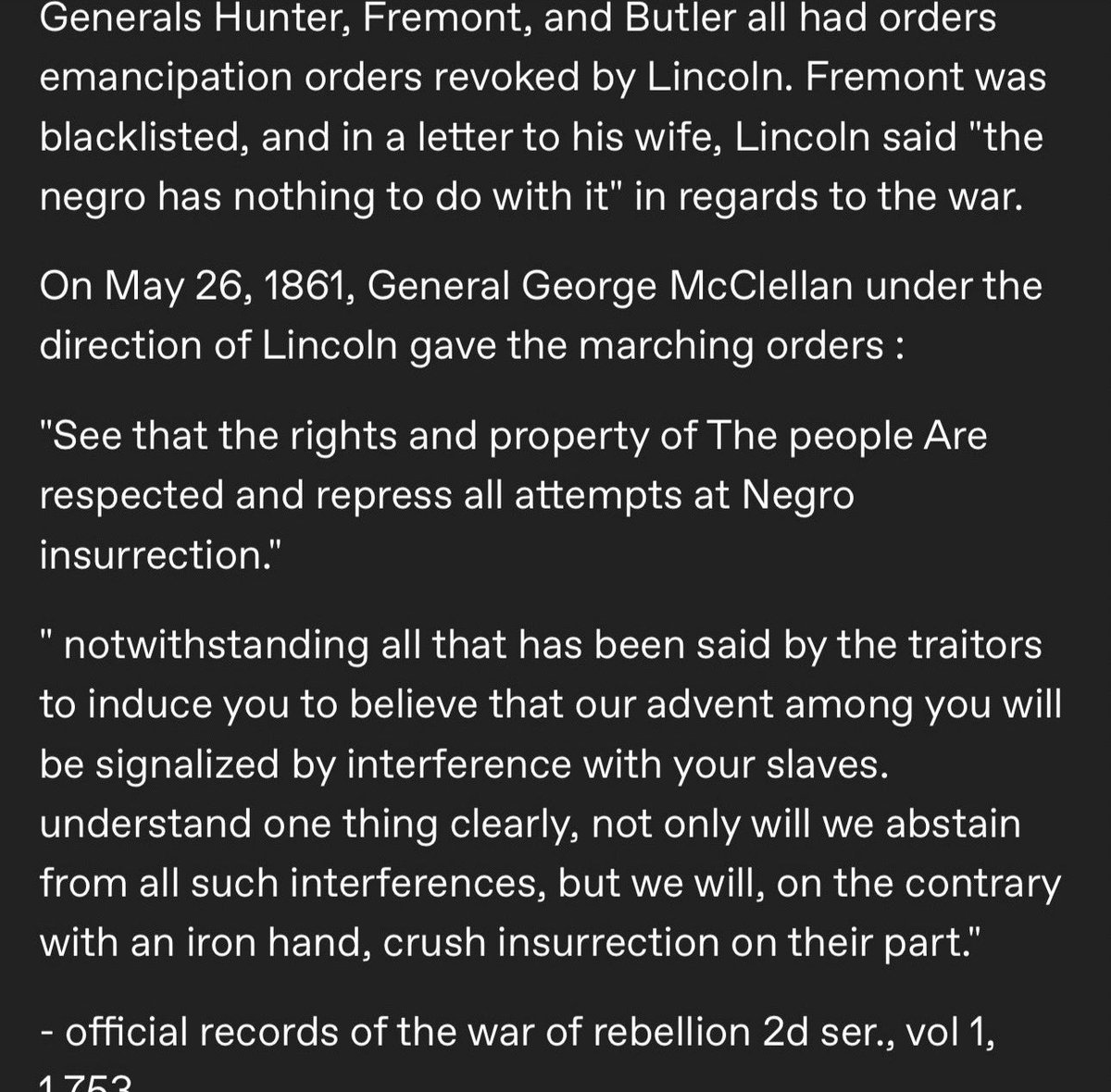
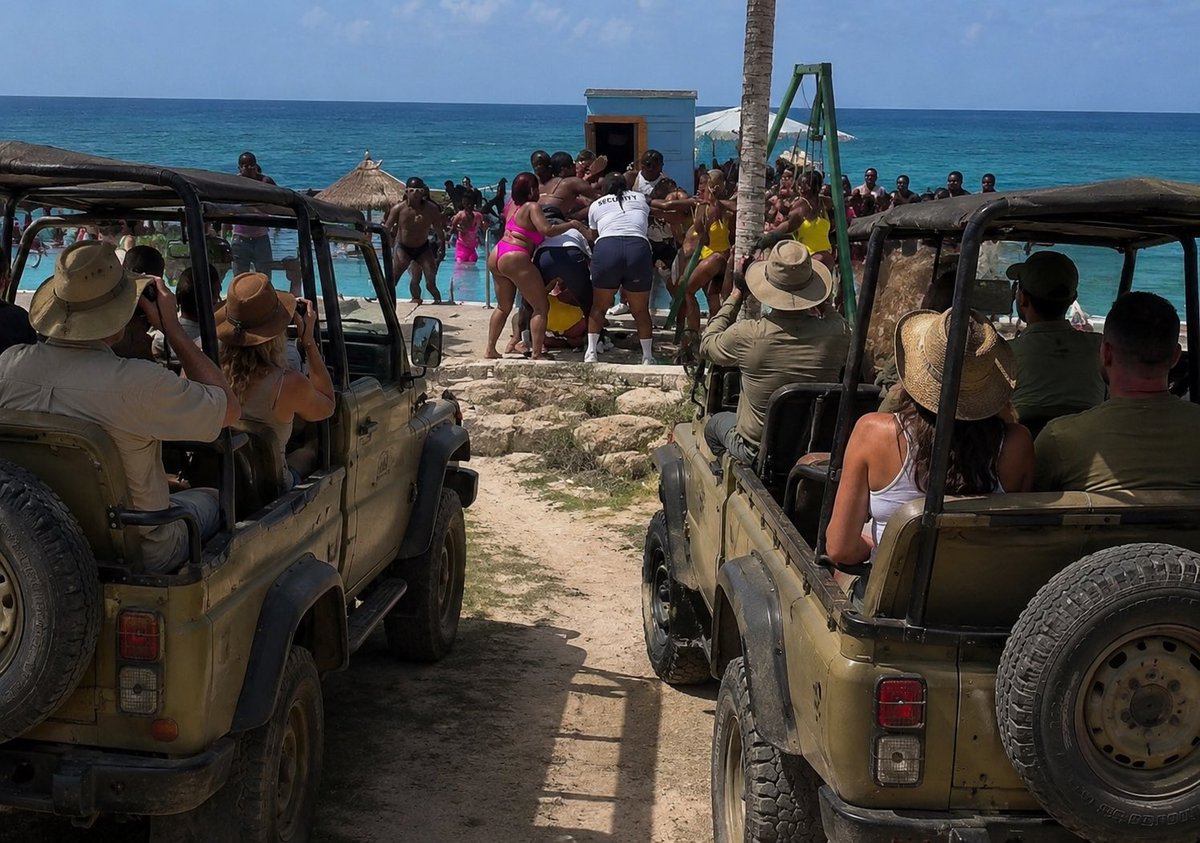
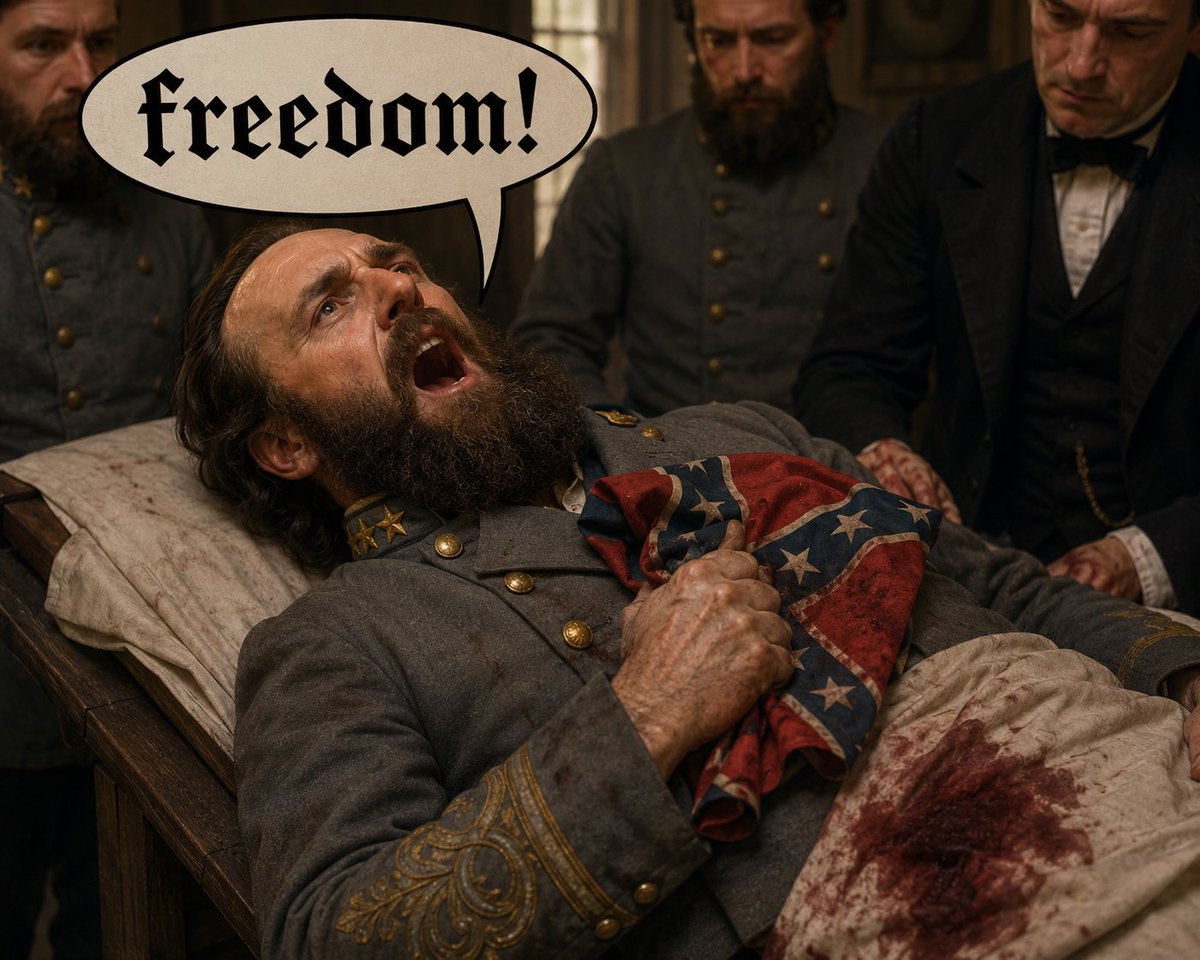
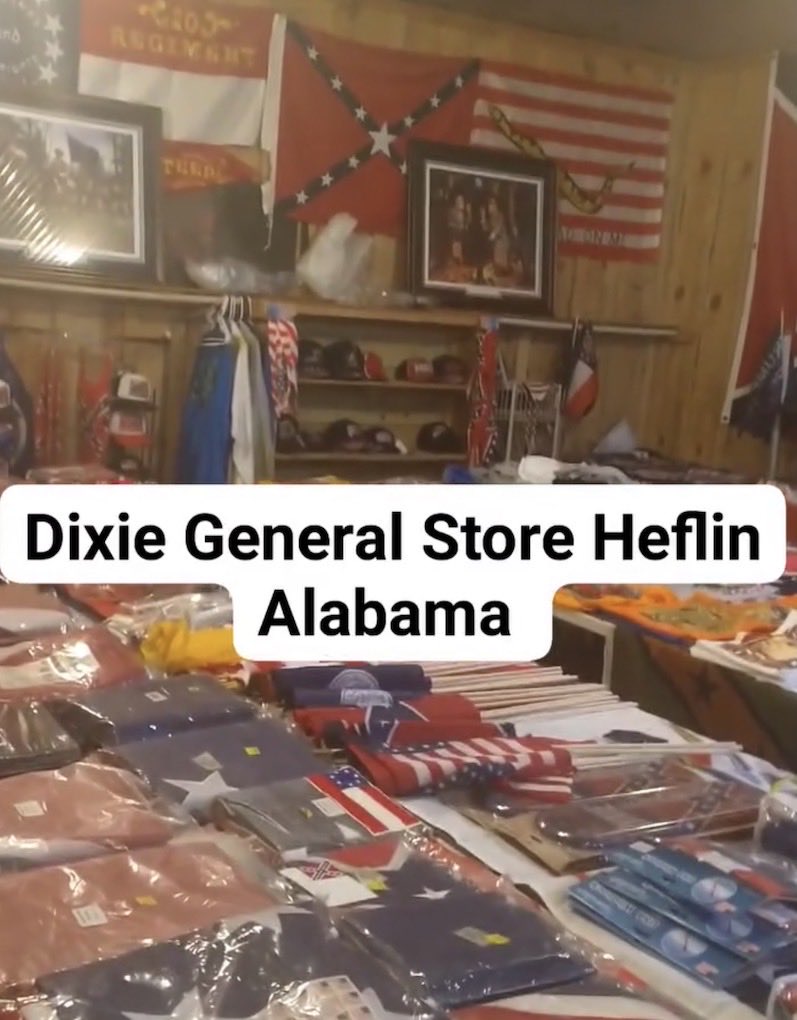


Why don’t we buy them a bigger a flag?

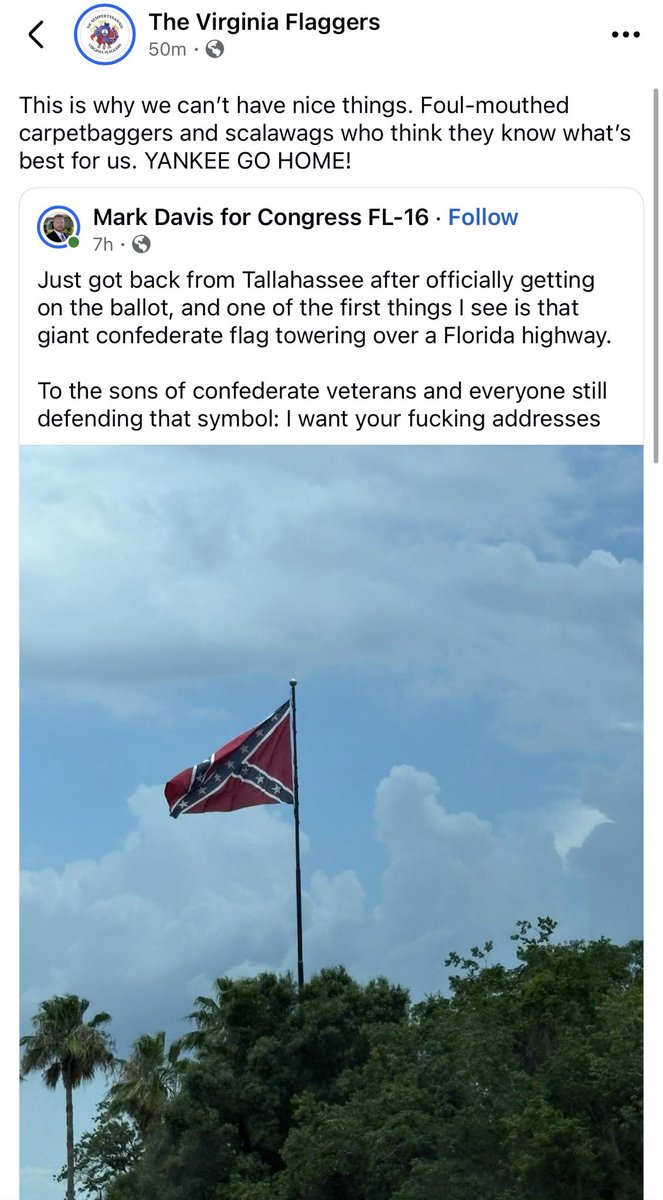
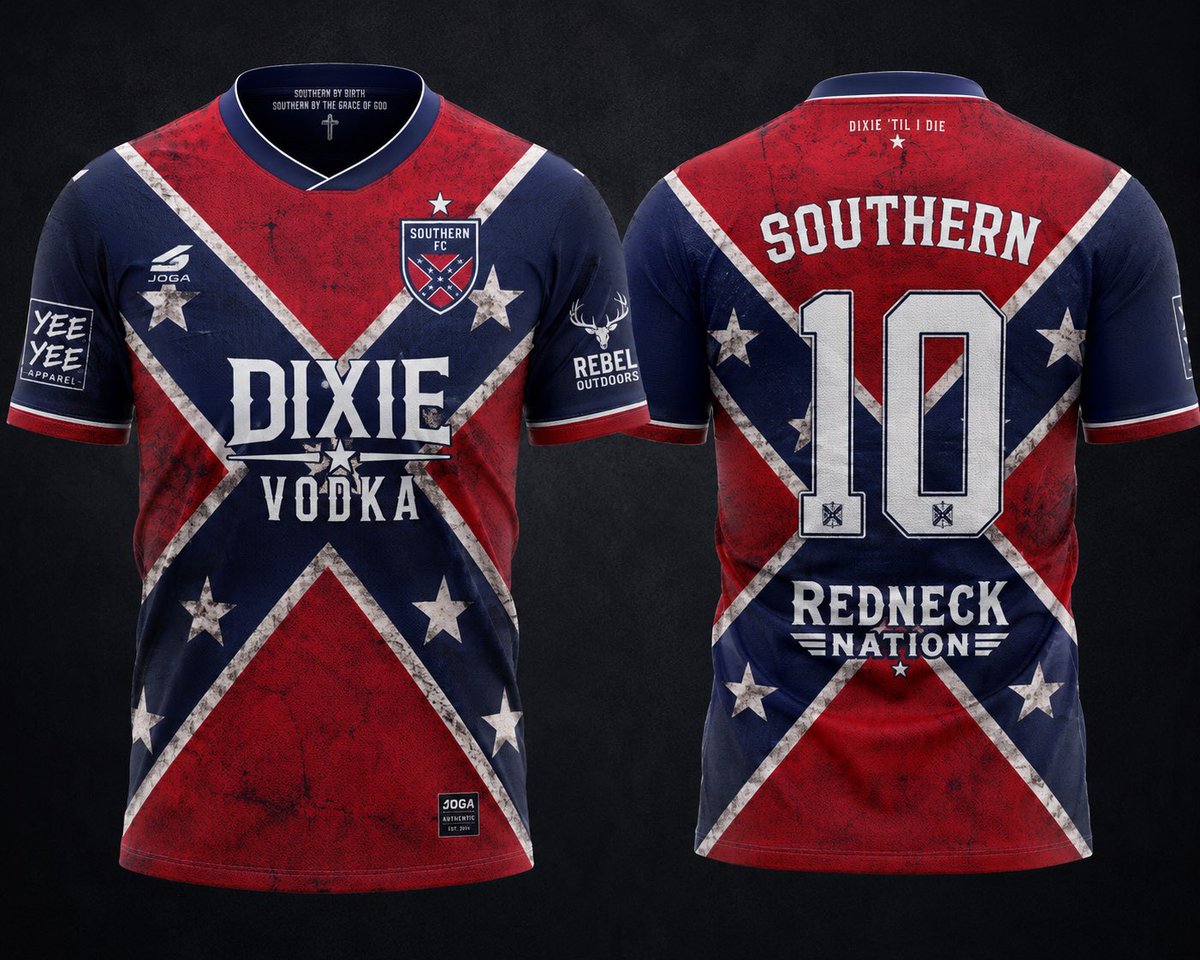
I checked with my friends, and yes, this is their flag.
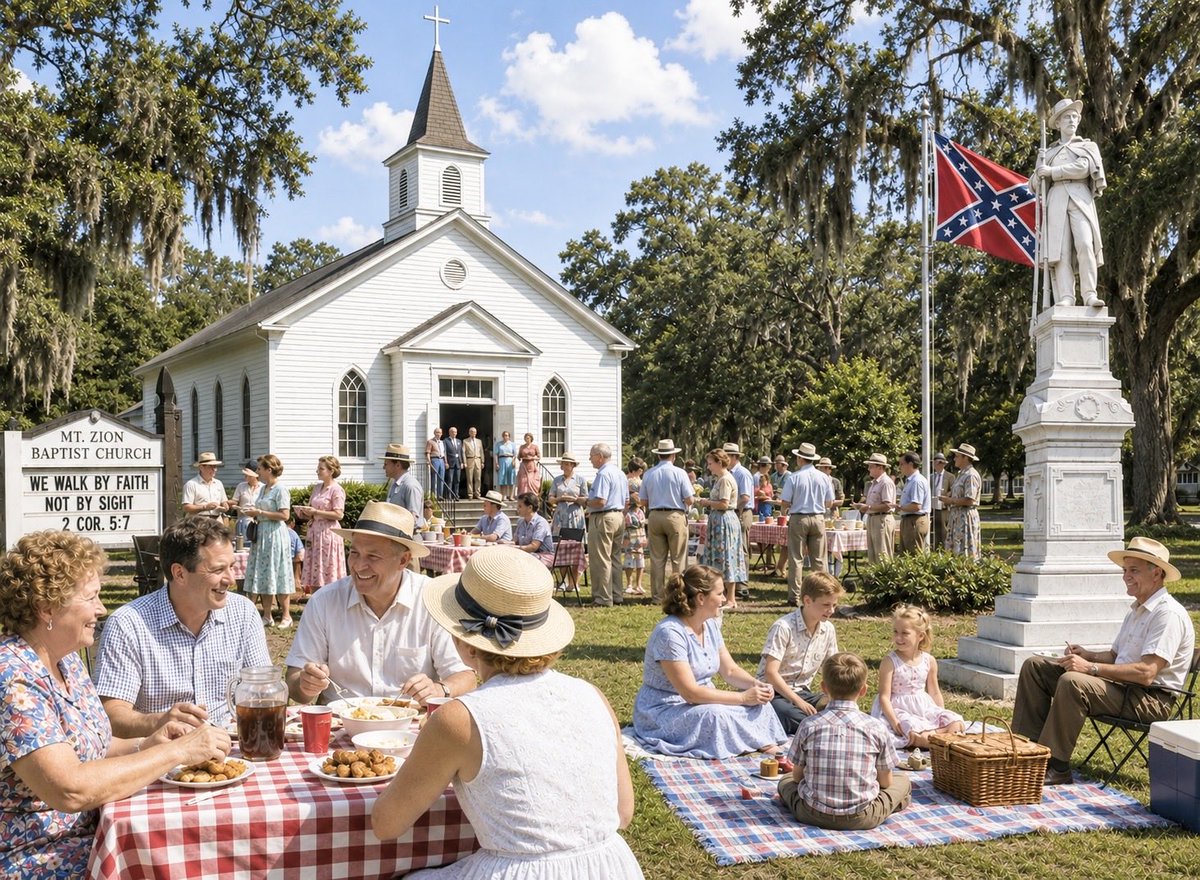
It's the Confederate battle flag that you can see from the highway.
I believe this flag is on private property. The problem is that "Mark Davis for Congress" believes it should not be visible as he doesn't want to see it.
1
1
1
65
Ask them them if it’s possible. If so, we need to have people contribute to it.
2
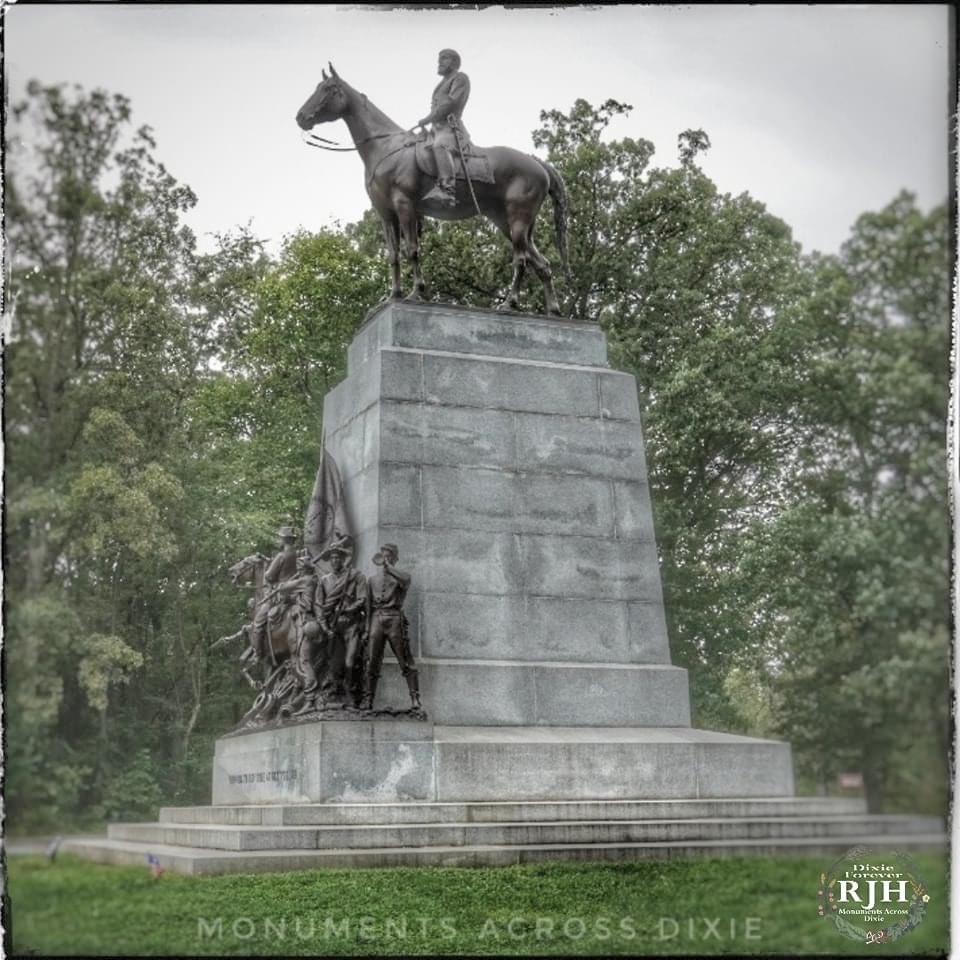
One of the lesser known, but highly effective generals. His drinking and quarrelsome nature, unfortunately, kept him off the battlefield when his services were needed tbe most.
en.wikipedia.org/wiki/Nathan…
4
16 June 1862. The battle of Secessionville
en.wikipedia.org/wiki/Battle…
14
To all the Marxist trolls who celebrate and defend the South being forced back into the union at gunpoint; the South is now what is stopping your Marxists dreams from becoming a reality. Oh, the irony.
3
23
230
2,339
Jun 15

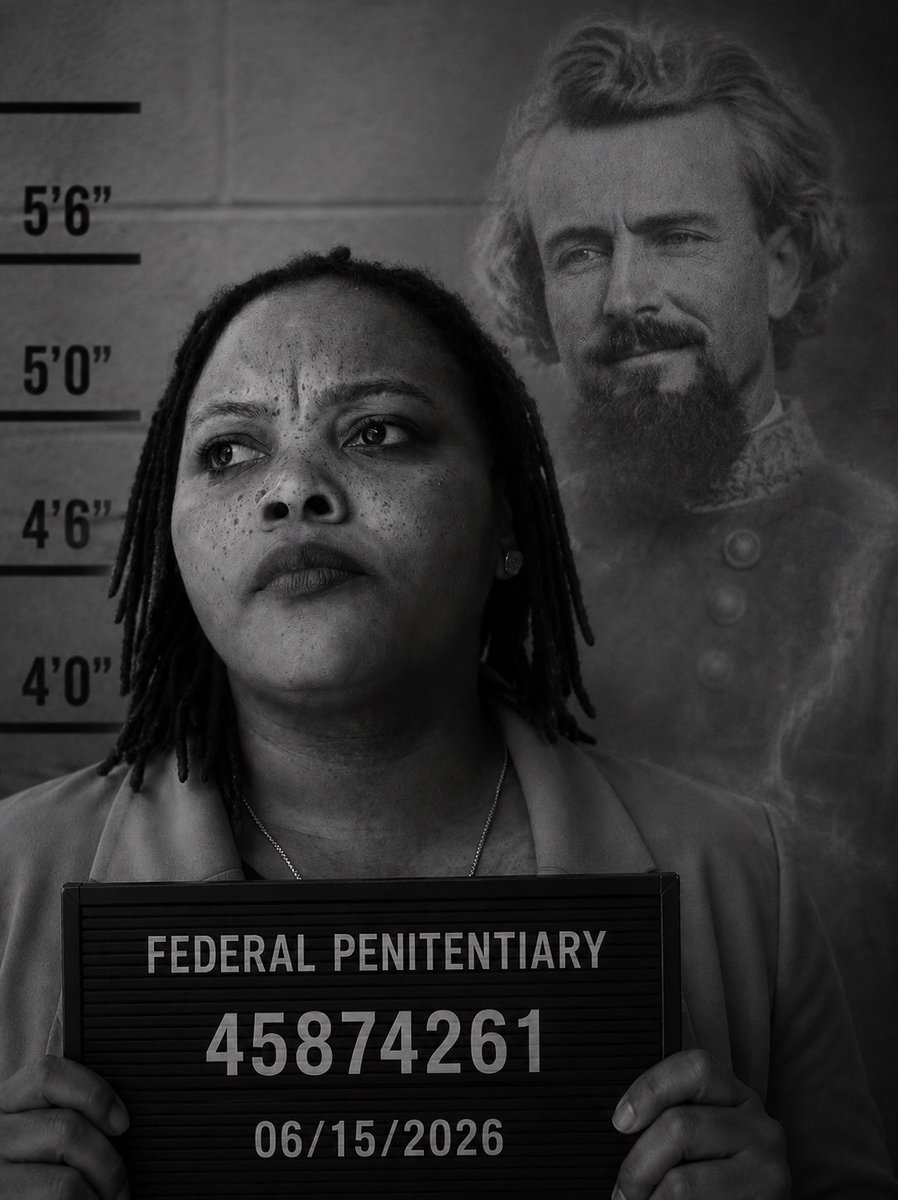
‼️ UPDATE ‼️ on BLM leader Tami Sawyer. From @Mighty990KWAM
“THERE IS NO PAROLE IN THE FEDERAL SYSTEM”
BULLETIN: A federal grand jury has returned a six-count indictment in a significant public corruption case against Shelby County General Sessions Court Clerk Tamara Sawyer. United States Attorney D. Michael Dunavant, of the Western District of Tennessee, announced the indictment today.
Tamara (“Tami”) Sawyer was sworn into office on August 29, 2024. As alleged in the indictment, between that date and June 22, 2025, Sawyer embezzled, stole, and knowingly converted $44,607.35 in public funds to her own use. She carried out the scheme by using procurement cards issued to other county employees, a county travel card, and by obtaining travel advances.
The indictment alleges that Sawyer used these cards to pay for a wide range of personal expenses for herself and others, including alcohol, food and goods ordered through web‑based delivery services such as Uber Eats and Instacart, as well as charges at bars, hotels, restaurants, the Memphis Tigers, FedEx Forum, Turo, local fundraisers, and payments to various PayPal accounts—including her own. Many of these transactions occurred on weekends or holidays when the clerk’s office was closed.
Although Sawyer claimed the expenses were for official business, the investigation determined they were personal in nature.
The indictment further alleges that Sawyer also used the procurement cards as part of a money‑laundering scheme. She transferred stolen funds to a PayPal account controlled by a friend, who kept a small portion and returned the remainder to Sawyer through CashApp.
Sawyer has been charged in the six-count indictment with the federal offenses of Conspiracy to Commit Honest Services Wire Fraud, Conspiracy to Commit Money Laundering, Theft Concerning Programs Receiving Federal Funds, Honest Services Wire Fraud, Money Laundering, and Interstate Travel in Aid of Racketeering Enterprises.
If convicted of all charges, the maximum possible punishment for these offenses is imprisonment for up to 20 years, a fine of up to $500,000.00 or both, and a term of supervised release of up to 3 years. There is no parole in the federal system.
U.S. Attorney D. Michael Dunavant said: "Protection of local government programs receiving federal funds against public corruption, theft, fraud, waste, and abuse is a top priority of this office and the Department of Justice. We commend the FBI for their diligent and thorough investigation in this case."
"Public servants are entrusted by all of us to act in the best interests of the public they serve," said Special Agent in Charge Terence G. Reilly of the FBI Nashville Field Office. "As alleged, the defendant brazenly abused her authority as a General Sessions Court Clerk to steal taxpayer dollars to serve herself. The FBI is committed to working with our partners to combat public corruption and aggressively pursue those who betray public trust."
This case was investigated by the Federal Bureau of Investigation (FBI).
Assistant U.S. Attorney J. William Crow is prosecuting this case on behalf of the United States Government.
1
4
26
427

Unapologetic and Unreconstructed retweeted

Jun 14
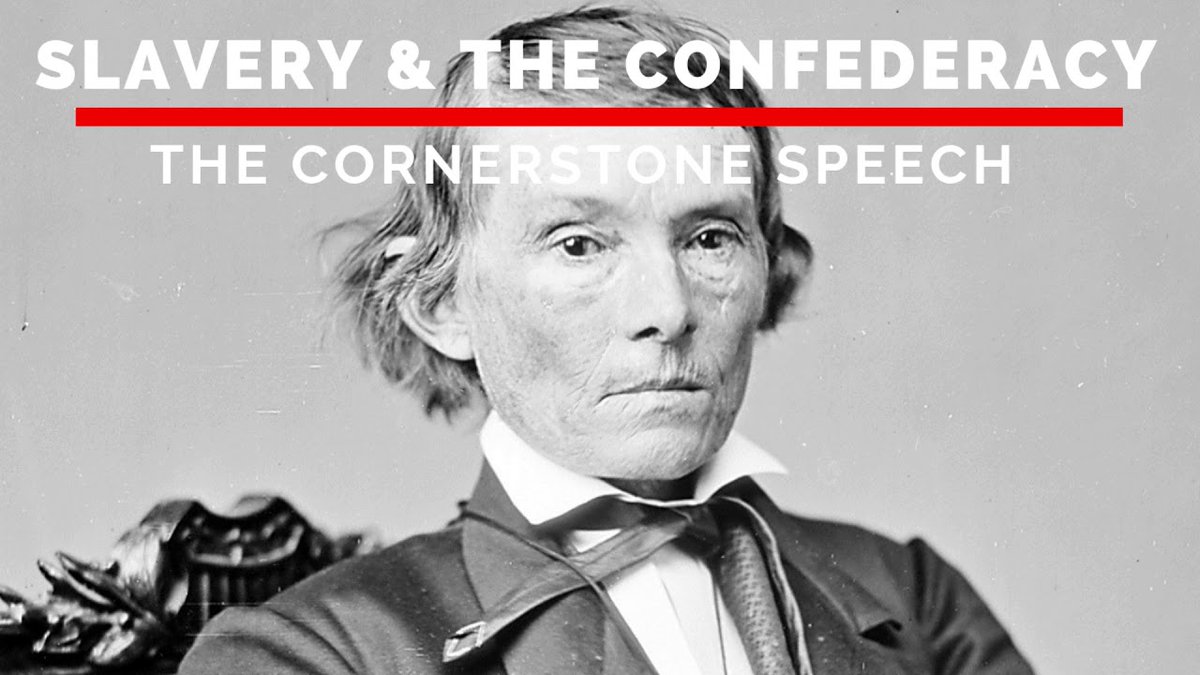
1. What is the “Cornerstone Speech”?
The Cornerstone Speech was a name that political agitators gave to an impromptu address by Alexander H Stephens, Vice President of the CSA, on March 21, 1861, in Savannah, Georgia.
The speech was approximately 4,000 words long with only a small portion addressing racial hierarchy and slavery.
3 Aug 2025

FAQ: The so-called Cornerstone Speech (15 Q & A's)
1. What is the “Cornerstone Speech”?
The Cornerstone Speech was a name that political agitators gave to an impromptu address by Alexander H Stephens, Vice President of the CSA, on March 21, 1861, in Savannah, Georgia. It explained the new Confederate government's formation and compared it favorably to the U.S. Constitution, arguing that it resolved long-standing disputes like tariffs while preserving core American principles of liberty and equality among citizens. The speech was approximately 4,000 words long and covered topics such as religious liberty, economic policy, and foreign relations, with only a small portion addressing racial hierarchy and slavery.
2. Who delivered the speech, and what was his role?
Alexander H. Stephens, a former U.S. Congressman from Georgia, delivered the speech shortly after being elected Vice President of the Confederacy. However, the vice-presidential position in the Confederate government—like in the federal structure—was largely insignificant, with minimal influence over policy or secession decisions. Reliance on a single remark from this low-impact official's speech to claim slavery as the war's primary cause underscores how scant the evidence is for that narrative, as major Confederate leaders like Jefferson Davis emphasized states' rights and tariffs in official declarations.
3. Why is it called the 'Cornerstone Speech'?
The name "Cornerstone Speech" was not original to Stephens; it was coined later by abolitionists and some historians to spotlight one phrase in the address. In the speech, Stephens used the term "corner-stone" once to describe the foundation of the new government as the recognition of racial inequality between whites and blacks, not slavery itself. The framing helped abolitionists early in the war to misrepresent the Confederacy's motives.
4. Was the speech primarily about slavery?
No, slavery is not the focus of the speech. Out of roughly 4,000 words only a few paragraphs discuss slavery, framing it as a domestic institution already protected under both the U.S. and Confederate constitutions. The majority addresses broader issues like the failures of the old Union, economic equality among whites, the superiority of the new protective tariff-free system, and the potential for peace with the North. In fact, Stephens spends time explaining that the North will not give up slavery, undermining the abolitionist interpretation of the speech.
5. What does Stephens say is the 'corner-stone' of the new government?
Stephens states that the "corner-stone" rests on "the great truth that the negro is not equal to the white man; that slavery—subordination to the superior race—is his natural and normal condition." He explicitly ties this to the inferiority of blacks, concluding that slavery was the best arrangement for blacks already in America, as it aligned with natural hierarchy. He does not say slavery itself is the cornerstone; it's the racial subordination, which was a widely held belief at the time and even shared by Abraham Lincoln. Lincoln, however, preferred colonization as a solution to the problem.
6. Does Stephens claim slavery is the corner-stone?
No, Stephens never directly says slavery is the corner-stone. He identifies the foundational principle as the inequality of the races, with slavery as a consequence—a "proper status" for the negro in civilization. Abolitionists often ignore this distinction to exaggerate the speech's emphasis on slavery expansion. The CSA did not make a single person a slave when it seceded that was not already a slave in the USA.
7. Did Stephens oppose secession?
Yes, Stephens was a staunch Unionist who opposed secession. He believed the Lincoln administration would protect slavery within the Union, as the U.S. Supreme Court had consistently upheld slaveholders' rights. His eventual support for the Confederacy came reluctantly, viewing it as a defensive measure against Northern economic domination, not aggression. On July 10th, 1860 he said "In point to merit as a man I have no doubt Lincoln is just as good as Mr. Buchanan & would administer the Government as far as he is individually concerned just as safely for the South & as honestly & faithfully in every particular." In the speech itself, he notes that the old Constitution "secured every essential guarantee to the institution," and he criticized secessionists for overreacting to perceived threats. This contradicts the abolitionist narrative that Southerners seceded to preserve a doomed slavery system.
8. What does the speech say about the North's views on slavery?
Stephens argues that the North would not give up slavery, as most Northerners rejected abolitionism and clung to the same racial premises as the South. In the speech, he stated: "They were ready to fight on the accession of TX, & are equally ready to fight now on her secession. Why is this?....they are disinclined to give up the benefits they derive from slave labor. Their philanthropy yields to their interest." The Lincoln administration repeatedly affirmed the war aimed to restore the Union under the pro-slavery Constitution, not free slaves. Abolitionists needed to sway public opinion to make slavery an issue in the war. Distorting Stephens's words was part of this political act.
9. How does the Confederate Constitution compare to the U.S. Constitution on slavery?
The two constitutions are nearly identical on slavery: both apportion representation by adding three-fifths of slaves to white populations, require the return of fugitive slaves, and allow military suppression of slave rebellions. The Confederate version explicitly prohibits the African slave trade (which the U.S. could reopen) and codifies transit rights for slaves, already upheld by U.S. courts.
10. Why do abolitionists emphasize this speech in their narrative?
Abolitionists highlight the speech to frame the war as a moral battle over slavery from the beginning, distorting Stephens' words to suggest the Confederacy was uniquely pro-slavery. This reliance reveals the weakness of their evidence, as the speech shows constitutional continuity with the U.S., not radical change. It was part of early war propaganda to justify the Northern invasion by portraying secession as a slavery plot.
11. Did Lincoln accept the principle of black inferiority that Stephens outlined?
Yes, Lincoln publicly accepted that blacks were unequal to whites. In his 1858 debates with Stephen Douglas, he stated, "I am not, nor ever have been, in favor of bringing about in any way the social and political equality of the white and black races." He viewed blacks as inferior and opposed their voting, jury service, or intermarriage with whites, aligning with Stephens' racial hierarchy premise. He believed that colonization was an appropriate remedy for this problem and actively experimented with it during the war.
12. What were Lincoln's colonization schemes?
During the war, Lincoln pushed voluntary colonization of blacks to Africa or Central America, believing racial coexistence was impossible due to inequality. In 1862, he told black leaders, "You and we are different races... It is better for us both to be separated." He allocated funds for schemes like the Chiriqui project, which failed, but this shows he saw slavery as manageable within America, not requiring war for abolition, contradicting the idea that the Union fought for equality.
13. How does the speech address the causes of the 'rupture'?
Stephens identifies "agitating questions relating to our peculiar institution" as the immediate cause, but frames it as Northern violation of constitutional balances, like tariffs harming the South. He praises the new constitution for banning protective tariffs and ensuring economic equality, suggesting secession was about fair governance, not slavery perpetuation alone. The speech minimizes slavery as a resolved issue under the new system. The idea that the war (or even secession) is a post-war mythology is directly contradicted by the speech. Selective quoting creates the confusion.
14. Are there contemporary commentaries that discredit the abolitionist construction of the speech?
Yes. The great inventor Samuel Morse debunked the abolitionist construction during the war. Also, an English Newspaper, the Observer, said that there was "no aim to force slavery over the whole American continent." The Observer emphasized that slavery is no more a cornerstone in the Confederate Constitution than in the U.S. one, with the South seceding for self-government while Lincoln's government vowed to uphold slavery in the Union. This exposes the abolitionist narrative as wartime framing to mask aggressive Northern sectionalism.
15. If we accept the abolitionist construction of the speech, would that prove that slavery caused the war?
No, besides the obvious fact that Stephens is giving his own opinion and that he opposed secession, the date would also disprove the theory. Just a couple of weeks after Stephens gave his speech, VA voted down secession on April 4, 1861. Almost half of the free-white population lived in the four border states that were yet to align with the CSA. It was Lincoln's coercion that changed their position, not the Stephens speech.
#history #slavery #ushistory
2
4
32
1,017
That POS carpetbagger needs to forcibly removed and banned from the South. Yankee, go home!
Jun 15
Mark Davis for Congress, and he's threatening to "doxx" Southerners for raising their flag in their own land.
Is it 1865 all over again, Florida?
The enemy occupiers who won't let you fly your own flag in your own land are BACK?
1
2
19
297
He asks for addresses, and then whines when confronted. What a fag.
5
73
Oh, look, another fruitcake carpetbagger. We need more flags!

22
32
1,000
31,090
Most of the time, they look something like this.
34
489
Lincoln jailed the grandson of Francis Scott Key because he opposed Lincoln. Southerners are the real Americans.

1
218
1
2
14
259
Hell, yeah
Jun 13

JUST IN: President Trump announces that the United States has carried out a lethal kinetic strike, taking out Tren De Aragua leader Niño Guerrero.
“At my direction, the United States Southern Command delivered a swift and lethal kinetic strike to successfully execute Niño Guerrero, the infamous leader of Tren De Aragua, one of the most bloodthirsty Terrorist Organizations on Planet Earth,” President Trump announced on Truth.
“….Tren de Aragua terrorists no longer have safe haven in Venezuela or anywhere else and, under my leadership, we will find these vicious murderers and drugs lords anytime, anyplace, and send them to the depths of hell where they belong. GOD BLESS AMERICA! President DONALD J. TRUMP.”
2
153