Modeller, epidemiologist, economist at @LSHTM, visiting prof at @HKUniversity, previously at Public Health England. Interested in vaccines, infectious diseases.
Joined March 2009
- Tweets 112
- Following 159
- Followers 1,046
- Likes 217
Photos and videos
Mark Jit retweeted

24 Apr 2024
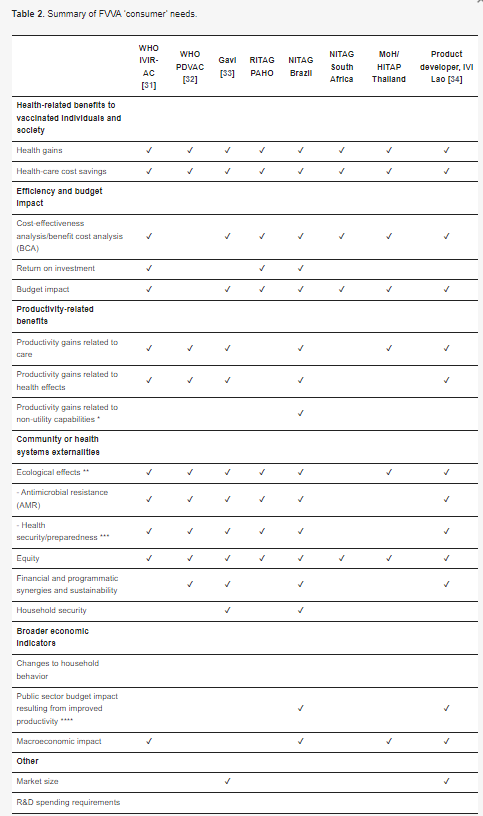
We asked a range of key decision-makers what they need to know to about potential new vaccines
The results were..... Alot, and WHO's Full Value of Vaccine Assessments framework helps
But FVVAs could be even more useful
Our new paper gives 3 ways FVVAs could be even better:
1
6
10
1,259
Mark Jit retweeted

Vaccines saved 154 million lives over past 50 years study in @TheLancet by @WHO & LSHTM experts estimates.
@MarkJit comments on the global success of the Expanded Programme on #Immunization (EPI) 🌍💉
More 👉bit.ly/4dzKt46
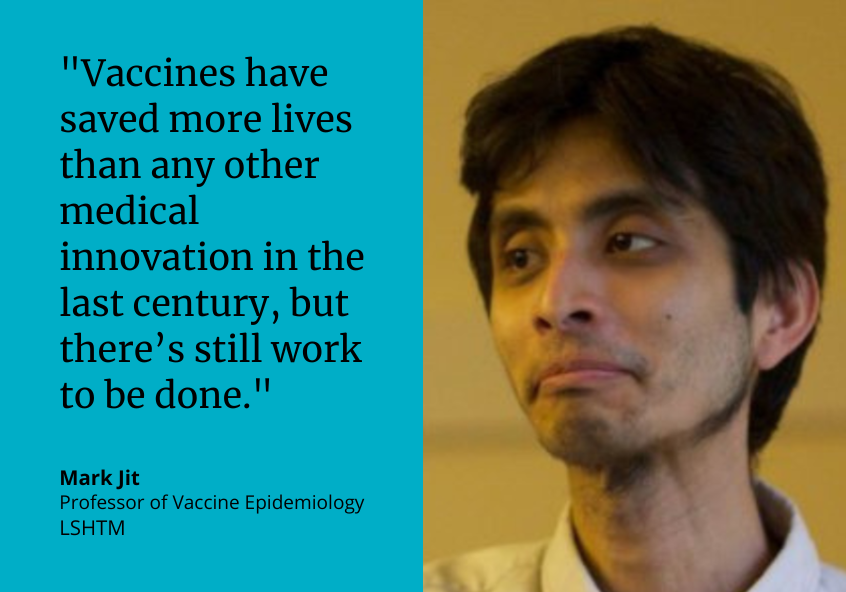
ALT "Vaccines have saved more lives than any other medical innovation in the last century, but there's still work to be done." Mark Jit, Professor of Vaccine Epidemiology, LSHTM
37
93
6,655
Mark Jit retweeted

18 Dec 2023
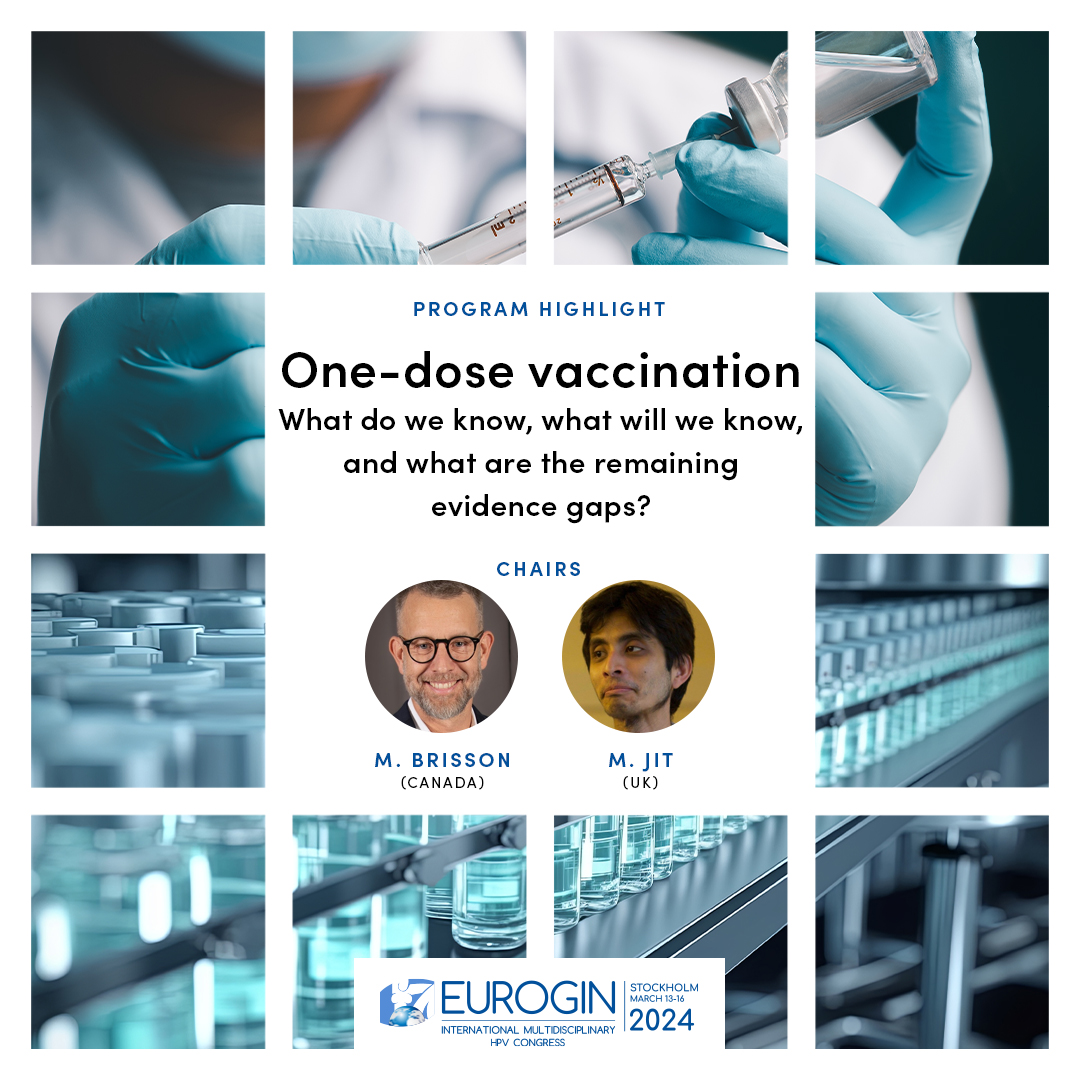
Join #EUROGIN2024 for a pivotal session on 'One-Dose Vaccination: Evidence Gaps & Global Experiences' 💉Discuss dosing plans & advances in #hpvvaccine. with @markjit & @brisson__marc
ow.ly/gvIX50Qj7Zx
#hpvvirus #hpvcongress #hpvawareness #cervicalcancerawareness #Eurogin
2
4
529

(1/2) 15 modellers in 7 countries from projects Epipose and @ESCAPEpandemics reflect on lessons learnt from modelling the COVID-19 pandemic, in the specal COVID-19 issue from @Health_Affairs.
healthaffairs.org/doi/full/1…
2
25
55
16,199
Mark Jit retweeted

15 Nov 2023
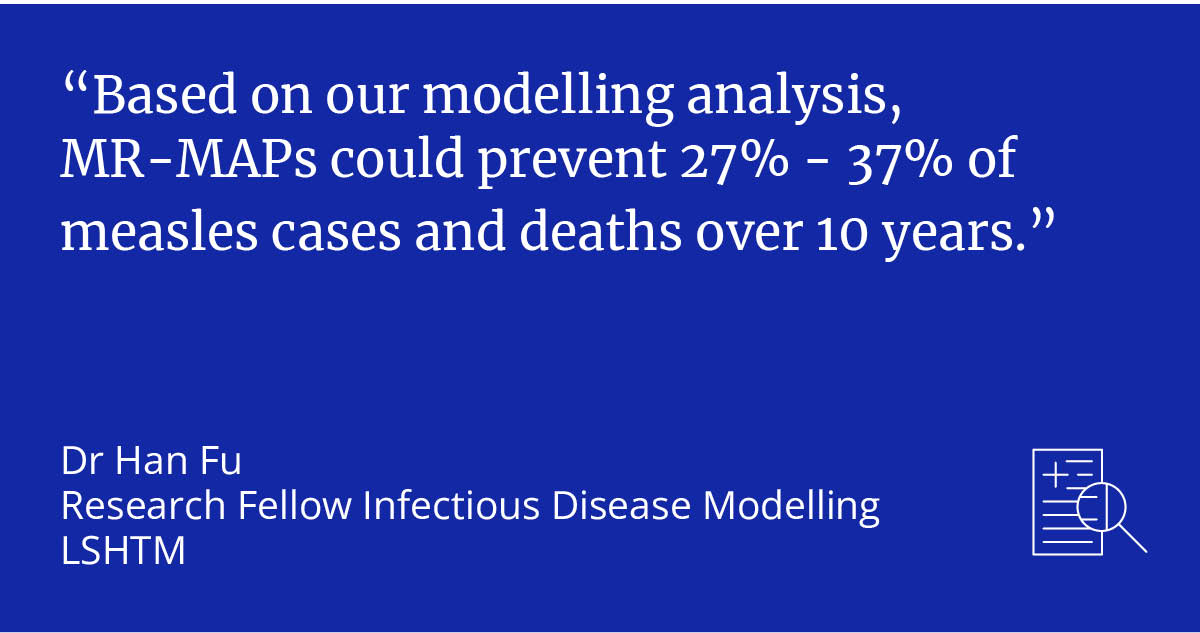
🆕 study in @GlobalHealthBMJ suggests introducing microarray patches into #immunisation programmes in LMICs could ⬇️ decrease #measles burden & prevent high treatment costs.
Find out more 👇
bit.ly/3SENs32
9
9
2,467
Mark Jit retweeted

1 Sep 2023
Thanks to co-authors @mert0248, Edwin van Leeuwen, @VetSree, @markjit and @rozeggo!
Also for a fuller understanding of the cost-effectiveness of such vaccines check out our other paper, answering similar questions in a completely different setting! bmcmedicine.biomedcentral.co…
1
2
566
We are still far from reaching WHO's target of bringing HPV vaccines to 90% of girls before age 15. Excited by opportunities that 1-dose vaccine schedules offer to help bring HPV vaccines to more people. This paper led by @kiesha_prem is a key piece of evidence to inform this.
30 Aug 2023

Our recently published global impact and cost-effectiveness employed comparative modelling to evaluate outcomes of 1-dose vs 2-dose HPV vaccination schedules @BMCMedicine doi.org/10.1186/s12916-023-0…
✨@EmilyAnnika @jflaprise @hadley_liza @AllisonPortnoy @markjit @cmmid_lshtm ✨
9
1,360
SIAs reach more unvaccinated children but MCV2 is more efficient per dose at preventing measles cases. New @vaccineimpact DynaMICE measles modelling paper in @LancetGH from Megan Auzenbergs, Han Fu and others in @cmmid exploring optimal vaccine strategies: sciencedirect.com/science/ar…
2
4
1,863
Great that WHO's Full Value of Vaccines Assessment framework is now published in @BMCMedicine . This has been used by WHO collaborators to assess many recent vaccines in development.
rdcu.be/df00V
5
11
1,146
Fantastic that @TheEconomist are highlighting the global disparities around HPV vaccine uptake as well as the opportunity we have to end cervical cancer as public health problem.

In 2020 cervical cancer killed 342,000 women 🌍
95% of cervical #cancer cases are caused by #HPV
@TheEconomist uses model by Kaja Abbas & @markjit to estimate successful global HPV #vaccine initiative could reduce cervical cancer deaths by 2.65m by 2030💉📉👇
6
17
15,110
I'm delighted and humbled by this news. The award is really a testament to the dedication of my colleagues at LSHTM and around the world. I am so grateful for your support, encouragement and inspiration throughout my journey. Thank you!
18 May 2023
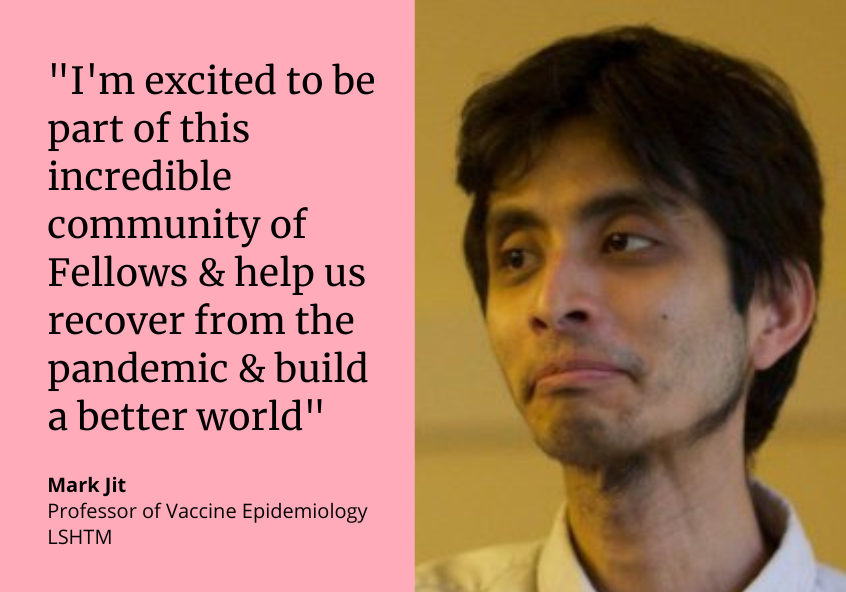
Congratulations to LSHTM’s @markjit for being elected a Fellow of @acmedsci 🎉
Mark joins 59 influential scientists from UK institutions awarded the prestigious fellowship this year, for helping advance biomedical & health science.🔬#AMSFellows2023
👉bit.ly/43bIRHP
21
3
128
12,497
Mark Jit retweeted

15 May 2023
1) In our recent review we introduce what are economic costs and why they are used in health economic studies
@Downey1L @AnnaVassall @HITAP_Thailand @markjit
resource-allocation.biomedce…
1
7
22
1,897
This new collection we put together shows most RSV burden is in very young infants in KE and ZA. So new RSV vaccines and mAbs could be even more cost-effective in some LMICs than recognised. Results of tremendous work by @nicd_sa @KEMRI_Kenya @PATHtweets @LSHTM investigators.
15 May 2023

Underlining the collections' findings on RSV burden @PSrikantiah and @findingpneumo discuss the data included in the collection and the scale of RSV burden. @gatesfoundation
bmcmedicine.biomedcentral.co…
2
8
884
Mark Jit retweeted

23 Mar 2023
Research by Waterlow et al. finds that next-generation vaccines may offer a cost-effective intervention to reduce influenza burden in low-income countries with year-round seasonality.
@LSHTM @N_R_Waterlow
Read more about this modelling study here:
bmcmedicine.biomedcentral.co…
2
12
1,475
Mark Jit retweeted

15 Mar 2023
The first paper for my PhD thesis is now available at @LancetGH! 🎉
Our modelling shows that introducing new #TB #vaccines are likely to have a substantial health impact in LMICs 🗺️🦠💉
From @lshtm_tbmod @LSHTM_TB @LSHTM_Vaccines @cmmid_lshtm @LSHTM
thelancet.com/journals/langl…
4
27
130
15,367
A successful GBS vaccine could create billions of $ in value and save 10,000s of lives each year, if prices allow equitable global access.
14 Mar 2023

Simon R Procter and colleagues explore the global health impact and cost-effectiveness of maternal immunisation against Group B Streptococcus. doi.org/10.1371/journal.pmed… @mert0248 @markjit @joylawn @LSHTM_GHECO @MARCH_LSHTM

1
3
536
Really important initiative by a brilliant group of modellers and other academics.
8 Mar 2023

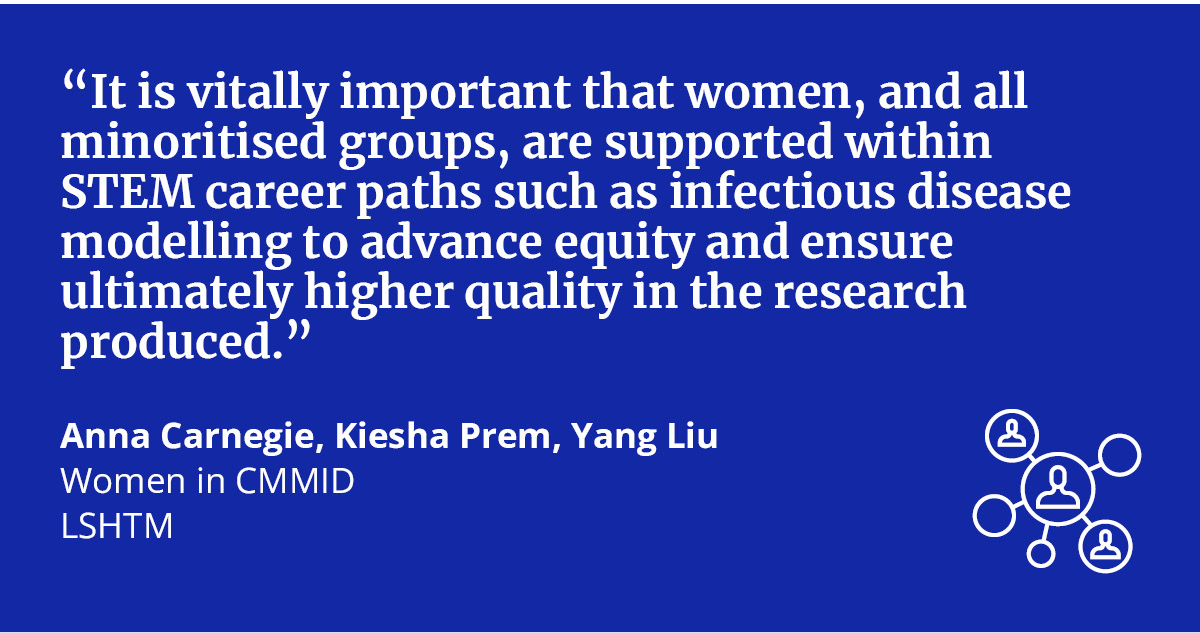
🔦Spotlight on the @cmmid_lshtm @gatesfoundation grant to support “Women in Modelling at LSHTM”
💪Giving us a deeper understanding of the barriers for women in infectious disease mathematical modelling so that we can work to address them.
👇
bit.ly/3ylBW1b
#IWD2023
7
611
Really important study looking at what-if scenarios about COVID-19 vaccination in Africa led by @yangliubeijing with great input from Africa CDC and other colleagues!
8 Mar 2023
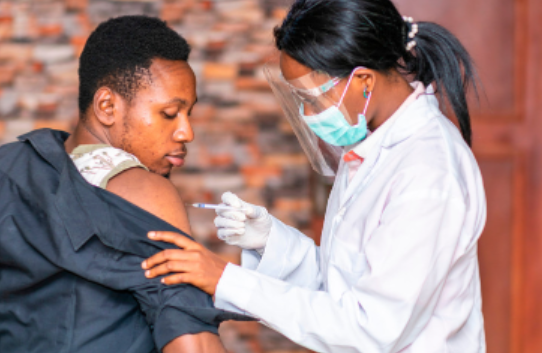
Modelling collaboration from @markjit @LSHTM @rozeggo @cmmid_lshtm @just_nonvignon @AfricaCDC @AnnaVassall @cap1024 et al. Assessing the impacts of COVID-19 vaccination programmes in 27 African countries: bmcmedicine.biomedcentral.co…
2
6
970
Mark Jit retweeted

1 Mar 2023
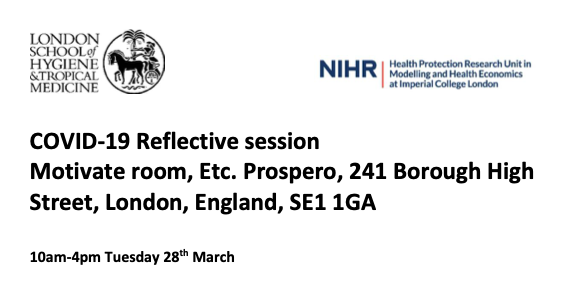
@Anna_Carnegie and I are running a COVID-19 reflective session on the 28th of March for those involved in the UK modelling response.
We hope to provide a neutral space for participants to reflect on their experiences and make suggestions to improve future outbreak responses.
1
11
14
2,920