
Emerging Markets Investor and Book Author
Joined February 2018
- Tweets 513
- Following 84
- Followers 20,290
- Likes 51
204 Photos and videos






Apr 16
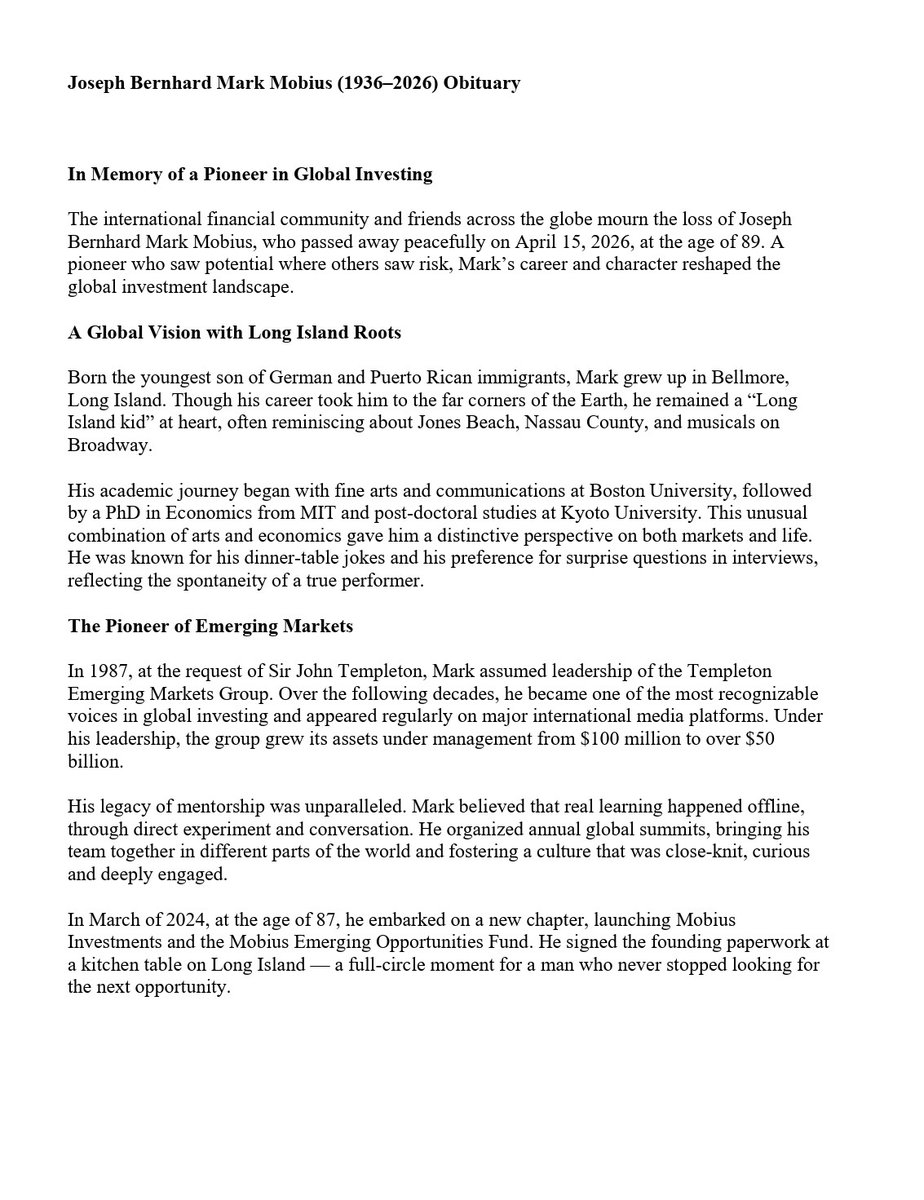
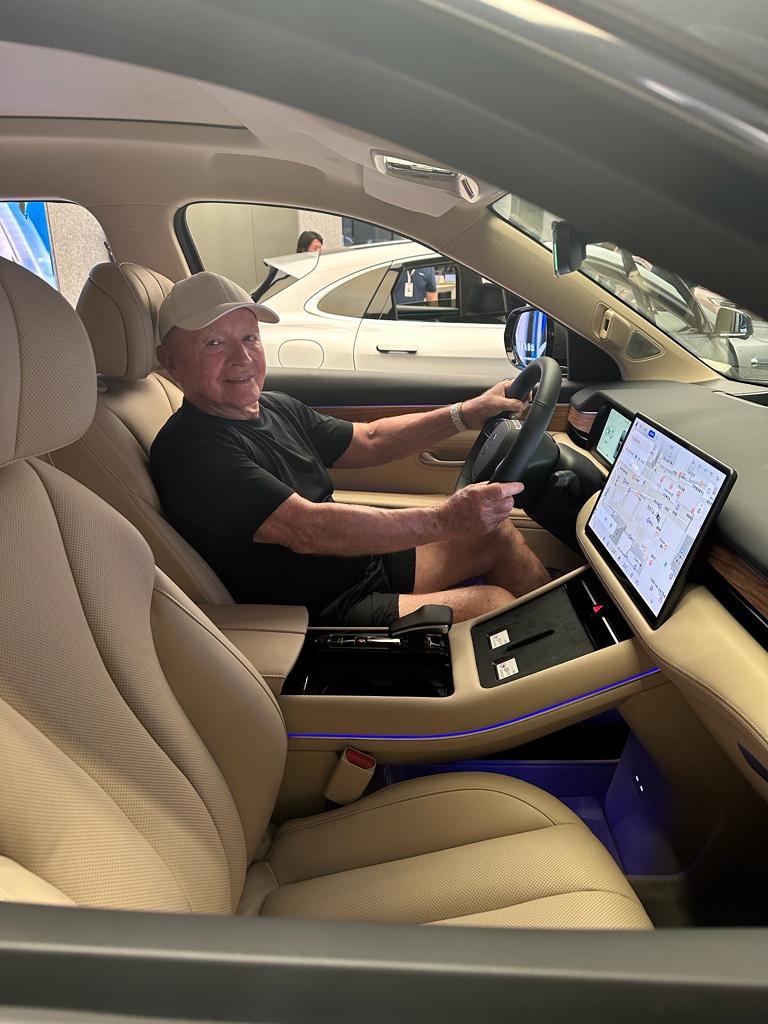
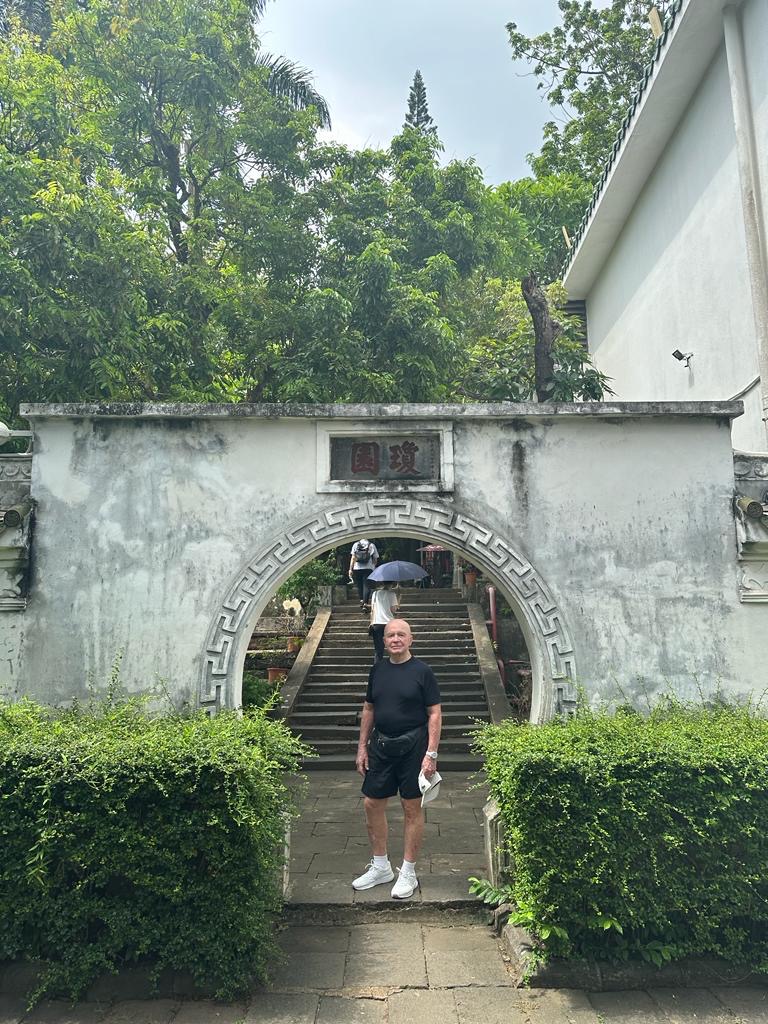
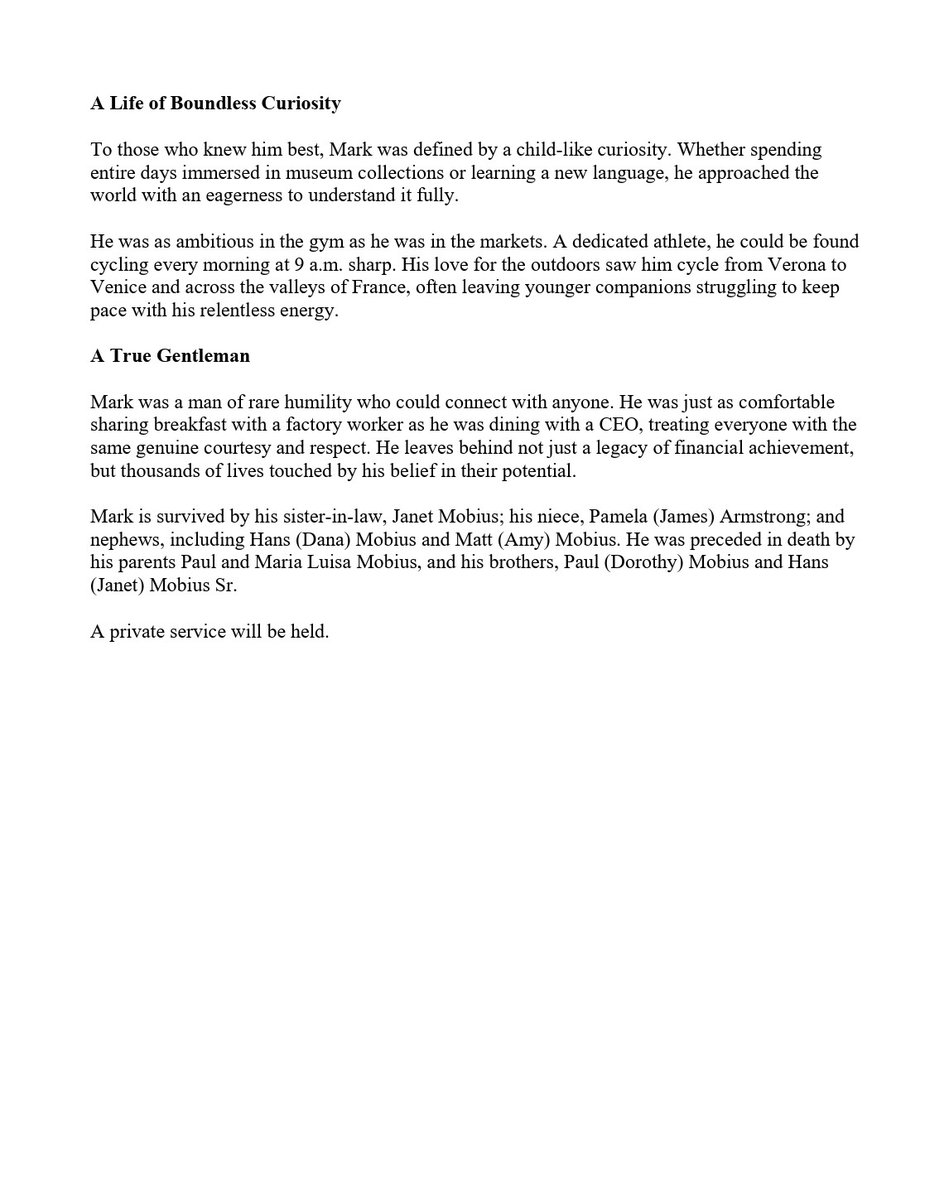
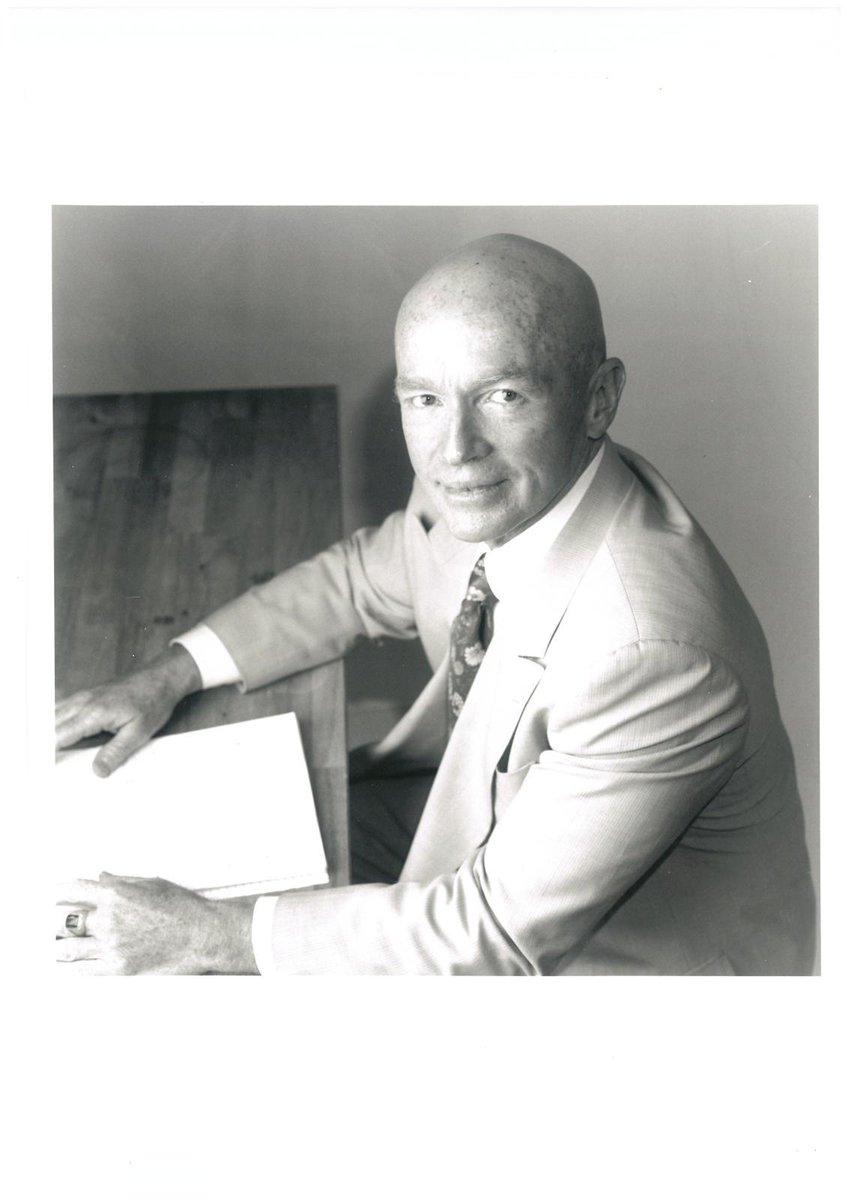
Joseph Bernhard Mark Mobius (1936–2026) Obituary
markmobius.com/news-events/j…
17
24
73
7,962
Mar 3
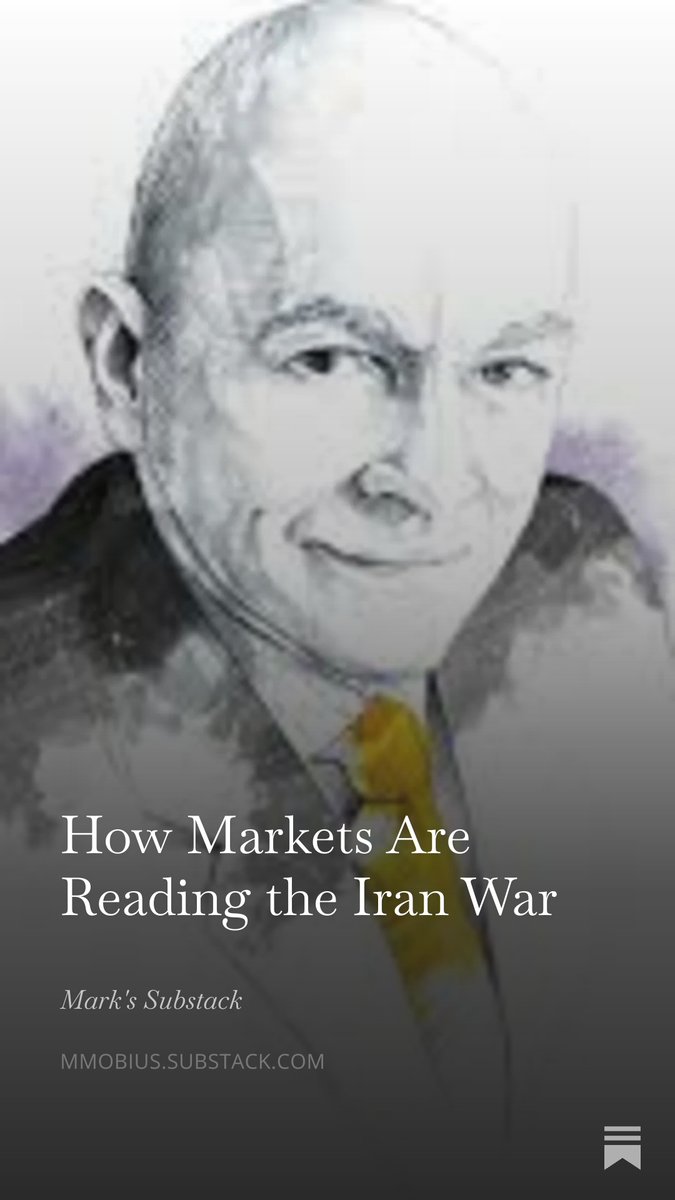
From a market perspective, geopolitical risk has increased but remains contained for now. U.S. equity markets have experienced some volatility, though nothing disorderly. Investors appear to be pricing in a scenario where military objectives are limited and the U.S. will avoid prolonged ground conflict. Historically, markets tend to stabilize once the scope and likely duration of military operations become clearer.
More of my thoughts on the Iran war are on Substack:
open.substack.com/pub/mmobiu…
2
2
12
3,852
Feb 27
In this recent Cornell webinar, my co-authors and I talk about why we decided to write The Digital Currency Revolution, and what we’re seeing in digital currencies, payments and the broader monetary system.
If you’re interested in how money may change over the coming years, you might find the conversation useful.
Watch it on Youtube: youtube.com/watch?v=hwPV1JZx…
1
2
13
2,440
Feb 23
If you had simply invested in the S&P 500 over the past three years, you would have done remarkably well. And that makes you wonder, why commit so much capital to illiquid strategies that require a decade of patience? In my latest Substack post, I explore what this means for investors who have built large private equity allocations, and whether the timing still works in their favor.
Read it here: open.substack.com/pub/mmobiu…
1
13
3,329
Feb 9
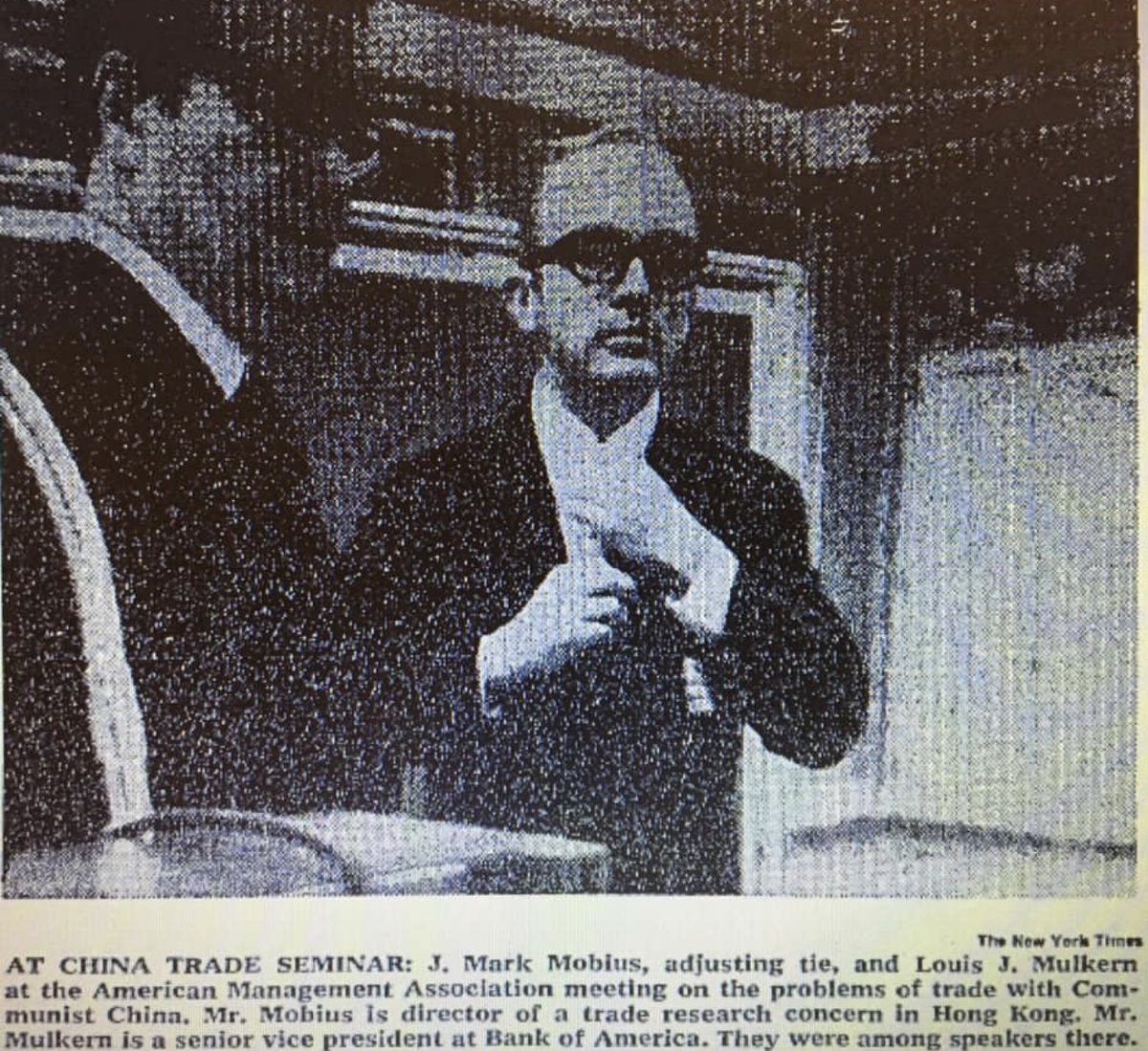
In 1972, I co-authored a book forecasting China’s trade growth. We projected that total trade might reach US$5.5 billion by 1980.
It reached US$38 billion instead.
In my latest Substack article, I look back at those early years and share what they taught me about making forecasts.
(Photo taken at a China trade seminar in New York, 1971.)
Read it here: open.substack.com/pub/mmobiu…
3
11
2,709
Feb 2
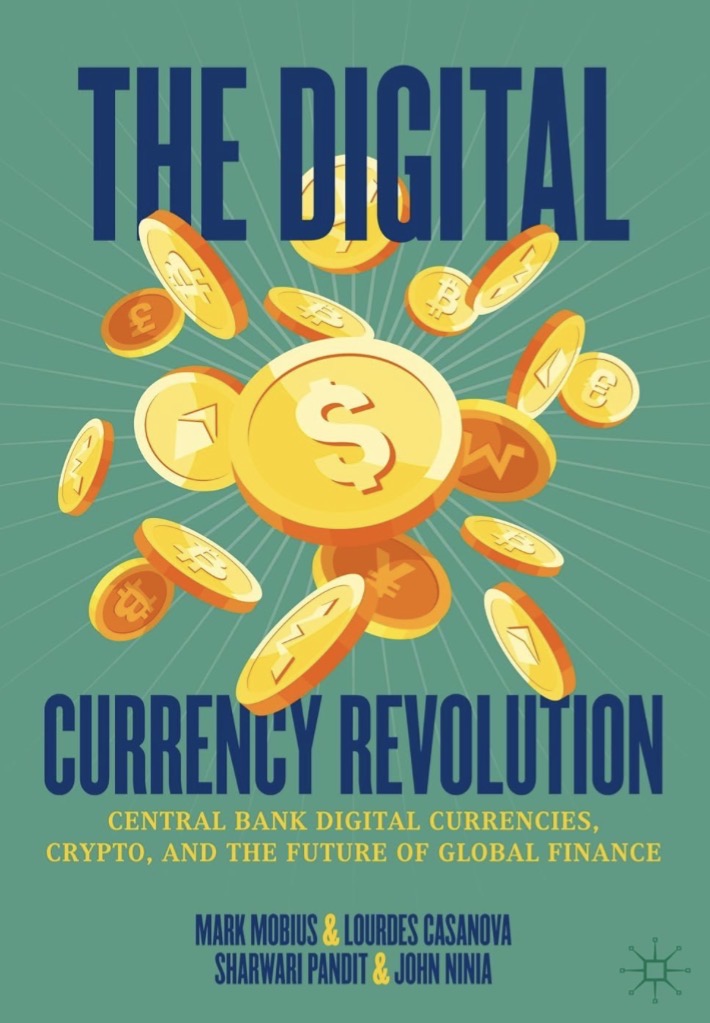
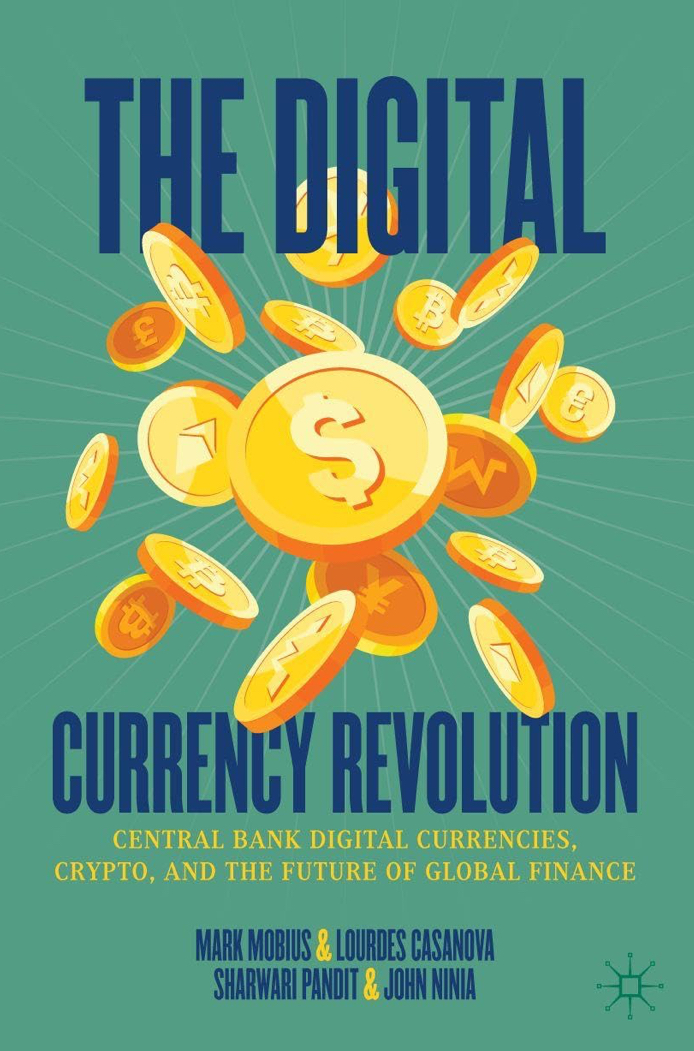
For many years, the world has been dominated by the US Dollar, and it has played a central role in the global currency system, influencing trade, finance and capital flows worldwide. I explore how this system is changing in my new book, The Digital Currency Revolution, written with Lourdes Casanova, John Ninia and Sharwari Pandit.
Today, we’re moving into a very different era, as digital money, sanctions risk, de-dollarization pressures, and the growing role of emerging markets begin to alter how currencies are used and understood. Currencies are no longer just a background factor in the global economy. They have become a major source of both opportunity and risk.
Inflation, geopolitical fragmentation, higher interest rates and new digital payment systems have changed how payments are made and even how people choose to keep their wealth. For a long time, the world ran on a fairly fixed set of expectations about currencies. Those expectations are now changing. Central banks are experimenting. Governments are using financial systems as strategic tools. And technology is creating real alternatives to traditional money. Emerging markets have lived with currency volatility for decades. Now, the developed world is experiencing it too.
We wrote this book to explain the new developments in currencies, including central bank digital currencies (CBDCs), cryptocurrencies and the wide range of payment systems that are now emerging. The global currency system is being reshaped in real time, and understanding these changes is essential to protecting wealth and spotting investment opportunities.
Read more about the book: mmobius.substack.com/p/the-d…
Pick up a copy: link.springer.com/book/10.10…
amazon.com/Digital-Currency-…
2
1
7
2,544
Jan 26
A note on Greenland
President Trump is underlining the word “reciprocity” in big letters. He is essentially arguing that if Russia can attack Ukraine, a sovereign state, and if China can threaten Taiwan, then there is no reason why the United States can’t take over Greenland, even if only through diplomatic and strategic leverage rather than force.
I’ve shared more of my thoughts on this topic on Substack. Read it here: mmobius.substack.com/p/a-not…
2
17
3,624
Jan 19
Venezuela: A Market Worth Watching Again
President Trump is rearranging the global order with his moves in Venezuela, and the implications for investors are significant. Many years ago we were invested in Venezuelan company shares but we exited as soon as Chávez announced plans to nationalize companies. Since then, Venezuela has been a no-go zone. Now, with Maduro’s exit, we may see a new political and economic order and the country could be reopening to investors.
I’ve shared more thoughts on Substack. Read it here: open.substack.com/pub/mmobiu…
2
16
3,097
19 Dec 2025
The Elusive Chinese Consumer
Much has been said about China’s weak consumer demand. Less attention is paid to where Chinese spending is actually going. The Chinese consumer may be elusive, but its global impact is very real.
My latest Substack article looks at why weak consumer demand in China does not tell the full story.
Read it here: open.substack.com/pub/mmobiu…
13
3,054
16 Dec 2025
Investing or Gambling?
Is modern investing starting to look more like gambling? From zero-day options to prediction markets now embedded in brokerage accounts, the line between investing and speculation is becoming increasingly blurred. In my latest Substack piece, I look at how technology, leverage and regulation are changing the way risk is taken in markets.
Have a read: open.substack.com/pub/mmobiu…
3
12
2,965
10 Dec 2025
I’m happy to share that my new book, The Digital Currency Revolution, co-authored with Lourdes Casanova, Sharwari Pandit and John Ninia, is now out. We look at how digital payments, cryptocurrencies and central bank digital currencies have taken shape around the world, and how different countries, especially in emerging markets, are experimenting with these new systems in their own way. The book includes case studies that explore the local economic and social stories behind these changes.
Here’s an excerpt from the book on Substack, I hope you enjoy the preview: open.substack.com/pub/mmobiu…
2
5
14
23,012
1 Dec 2025
Argentina’s stock market has been a happy playground for speculators. For those with a strong stomach, lots of money can be made. But while it may be a trader’s paradise, that kind of volatility makes long-term investing far less predictable.
I’ve shared more of my thoughts on Argentina on Substack: mmobius.substack.com/p/argen…
5
13
2,464
18 Nov 2025
Japan has had an unusually turbulent week. Beijing’s travel advisory and the market’s reaction made headlines, but the bigger picture is far more interesting. The long-term outlook, in my view, is still very much intact.
I’ve shared more of my thoughts on Substack: open.substack.com/pub/mmobiu…
2
8
1,197
11 Nov 2025
How News Headlines Can Steer Investors Off Course
I’ve seen many cases where news headlines point investors in the wrong direction.
I recently came across a Wall Street Journal article claiming that the world is turning away from electric vehicles (EVs) with the headline reading: “The Rest of the World is Following America’s Retreat on EVs.” That headline certainly grabs attention, but the numbers don’t fully support it.
In my latest Substack article I discuss why you shouldn’t let news headlines dictate your investment decisions and whether EVs make good investments right now.
Have a read: mmobius.substack.com/p/how-n…
2
6
17
4,277
4 Nov 2025
Why I’m Turning Bullish on China
I’ve been feeling more optimistic about China in recent months, not because its economy has suddenly bounced back, but because something fundamental seems to be changing inside Beijing’s halls of power.
For years, China looked like it was tilting toward tighter state control and assertive nationalism. Now, it feels like the pendulum is swinging back toward pragmatism.
I’ve shared more thoughts in my latest piece on Substack: open.substack.com/pub/mmobiu…
3
1
17
1,695
30 Oct 2025
Why I Don’t Care If Gold Prices Skyrocket
Gold has been making headlines lately, and even after a brief pullback, prices are still near record highs. You probably don’t need yet another doomsday-style article warning that investors are running for cover from the credit and inflation situation in the US or losing faith in the dollar. Instead of instilling fear, I’d like to get one simple message across. It is that investing — whether in gold, stocks, property, or anything else — shouldn’t feel like a daily source of stress.
I’ve shared more of my thoughts on gold in my first Substack post. Read it here: mmobius.substack.com/p/why-i…
1
3
9
1,679
27 Aug 2025
They said a mega earthquake might hit Japan last month, but I decided to go anyway and I’m so glad I did. For over a month, I’ve been traveling across this beautiful country, and it has been a remarkable experience. Along the way, I’ve learned many lessons that can be applied to both investing and life.
One highlight was visiting a sumo school in Osaka to watch how the wrestlers train. What struck me most was how incredibly dedicated the wrestlers are. If someone approached their investment portfolio with the same level of focus and discipline as those sumo wrestlers have for their training, I’m sure they’d make the returns they deserve.
Read my latest blog post: lnkd.in/g-hBEZsS

4
5
16
2,969
15 May 2025
People often ask how I time the market. The simple answer is, I don’t. I’ve never believed in timing the market. Trying to guess which way the wind will blow tomorrow is a fool’s game. Markets rise and fall for reasons that don’t always make sense. Those who spend their time predicting daily market swings tend to spend a lot of time being wrong.
Read my latest blogpost: bit.ly/4j65uVE

3
13
54
6,939
15 Apr 2025
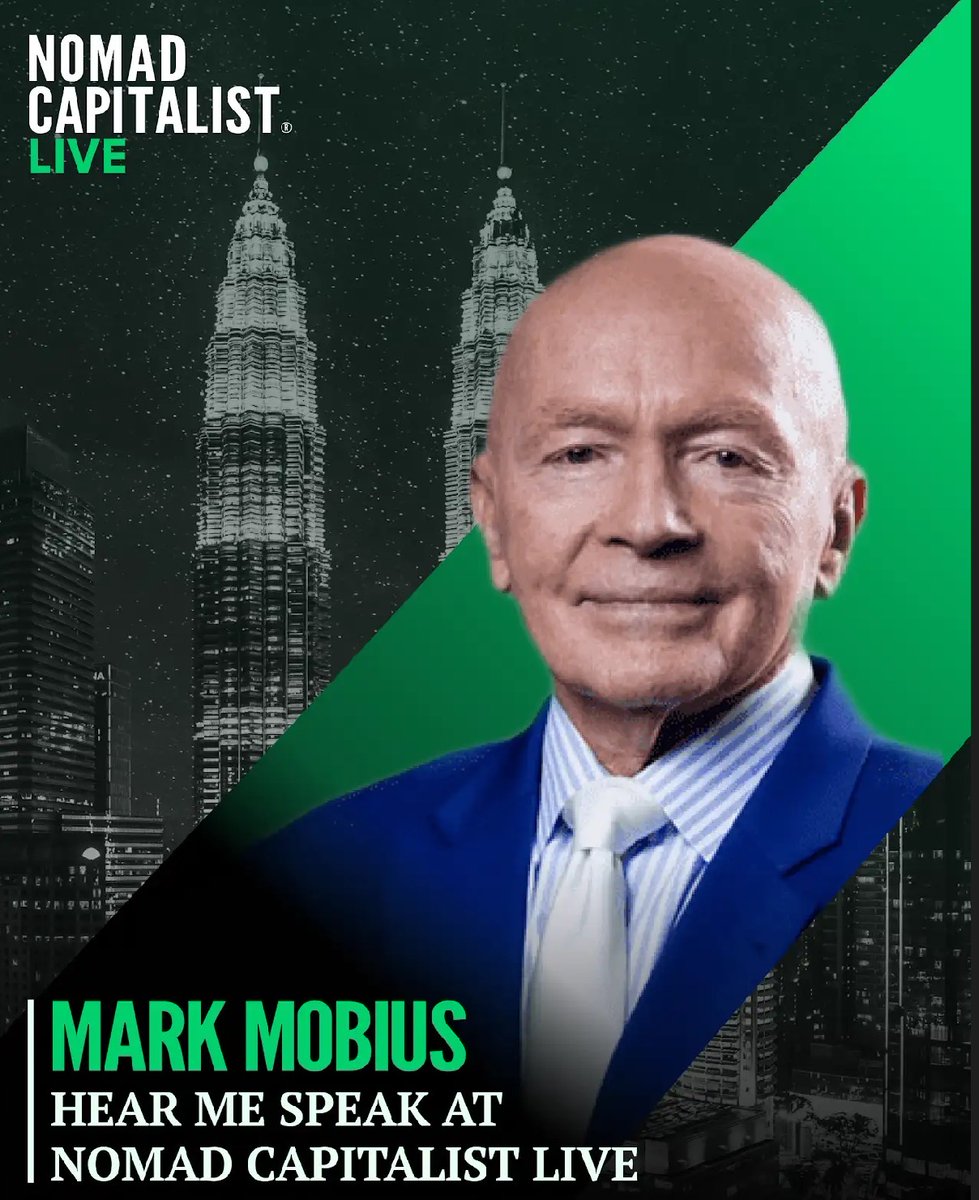
I’m looking forward to speaking at this year’s Nomad Capitalist Live, to be held 17–20 September 2025 in Kuala Lumpur.
I’ll be joining Steve Wozniak, co-founder of Apple, along with a great group of entrepreneurs, investors and thought leaders to talk about how to protect your wealth and stay ahead in today’s uncertain world.
More details here: nomadcapitalist.com/live/
5
5
19
4,504