
Joined December 2009
- Tweets 5,698
- Following 234
- Followers 1,903
- Likes 1,175
508 Photos and videos
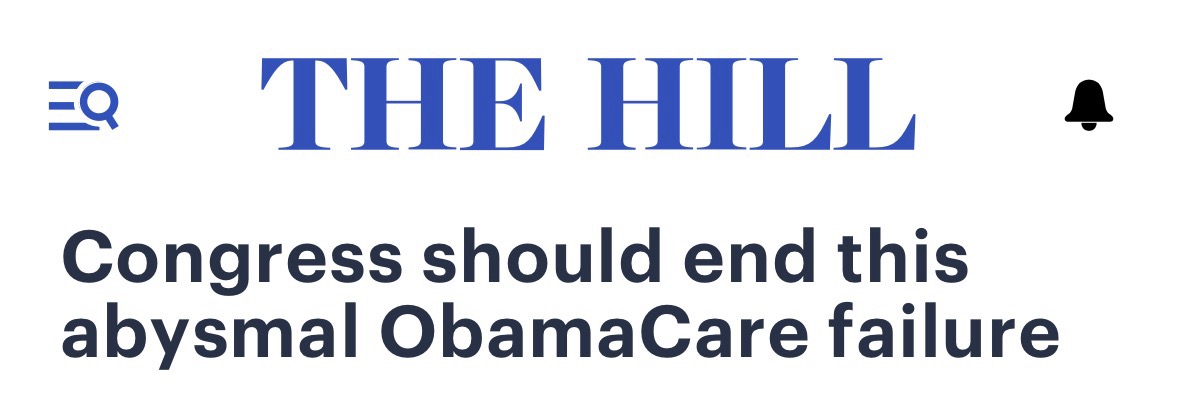


ObamaCare’s CMMI has spent 15 years piling costly experiments and burdensome mandates onto doctors, providers, and small health care businesses.
The result? Billions in losses, more red tape, and less certainty for patients.
Congress should end this failed experiment.
1
21
15
For years, antitrust enforcement drifted toward regulating entire industries. FTC Chair Andrew Ferguson's Senate testimony suggests a different path: enforce the law, protect consumers, and allow beneficial mergers to proceed when concerns can be addressed through targeted settlements.
realclearmarkets.com/article…
21
The Market Institute retweeted

Jun 10
The debate over the Railway Safety Act shouldn't be framed as "for safety" or "against safety."
The real question is whether one-size-fits-all federal mandates will improve outcomes or simply raise costs, reduce flexibility, and slow innovation across the rail network.
youtu.be/oaIk7TD5Yjg
1
1
26,726
Every major technological advance has sparked fears about jobs. Every major technological advance has also created new jobs and new opportunities.
The AI economy will be no different.

Meta Platforms is offering free training for people to work in its data centers and guaranteeing them a job in a skilled trade after completing a five-week course. cbsn.ws/4vEA4fI
1
26
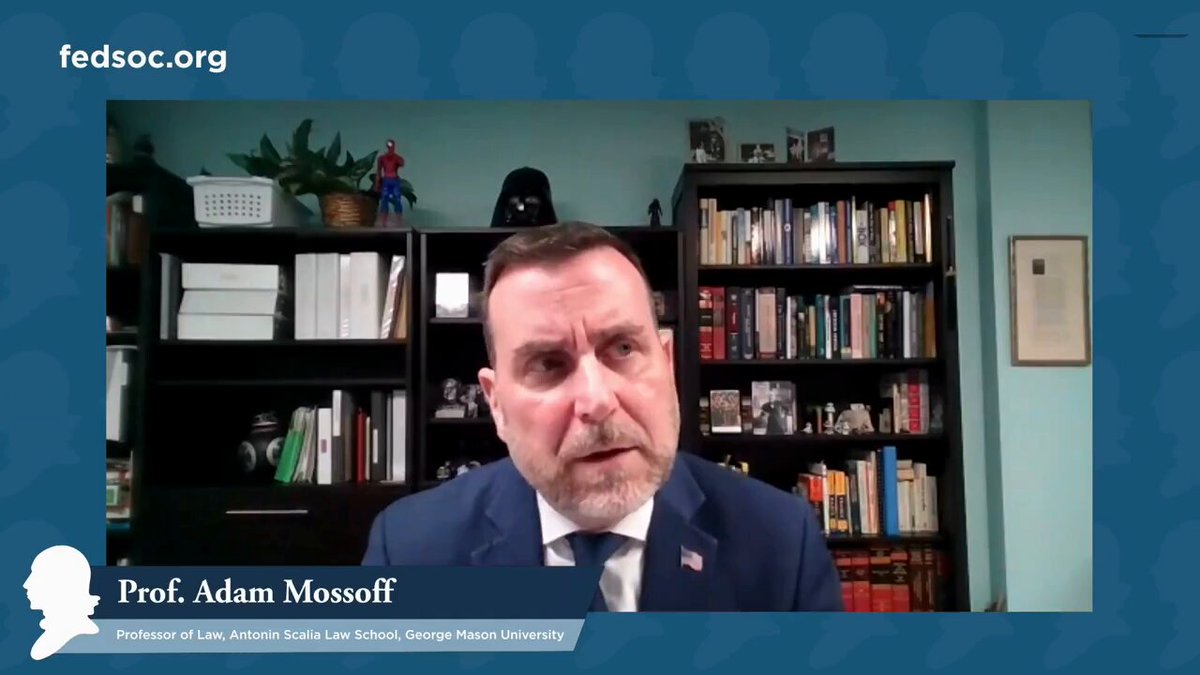
.@AdamMossoff is right: patents are “an exclusive right, which is a property right.”
That means inventors must have a real ability to stop ongoing, willful infringement — not just collect damages after the fact.
Restore injunctions. Protect property rights. Defend American innovation.
1
1
171
The Trump Administration has spent months pushing back against the EU's Digital Markets Act and similar regulations around the world.
Now Congress is considering AICOA—a bill that mirrors many of the DMA's worst ideas.
America should lead on innovation, not copy Europe's regulatory mistakes.
Jun 10

New - @SenAmyKlobuchar and @ChuckGrassley have reintroduced their re-worked American Innovation and Choice Online Act tonight.
1
1
171
Does adding more rail regulations automatically make railroads safer?
Not necessarily.
Every new mandate adds costs, delays, and compliance burdens that can reduce investment and slow innovation.
Jun 10

The debate over the Railway Safety Act shouldn't be framed as "for safety" or "against safety."
The real question is whether one-size-fits-all federal mandates will improve outcomes or simply raise costs, reduce flexibility, and slow innovation across the rail network.
youtu.be/oaIk7TD5Yjg
1
45
China is already stealing American IP at staggering levels.
The last thing Washington should do is make it harder for small inventors to fight back.
Strong patents protect American entrepreneurs, American innovation, and America’s competitive edge.

Chinese firms steal up to $600 billion worth of US intellectual property each year. Making it harder for small American inventors to fund their cases against behemoth Chinese companies gives foreign patent infringers carte blanche to rob hard-working American entrepreneurs. inventorsdefense.org/wp-cont…
1
40
Washington should not be playing venture capitalist with America’s AI future.
Government stakes in private AI labs would invite bureaucracy, political interference, censorship, and cronyism.
America wins the AI race by unleashing innovators — not nationalizing them.

1
7
861
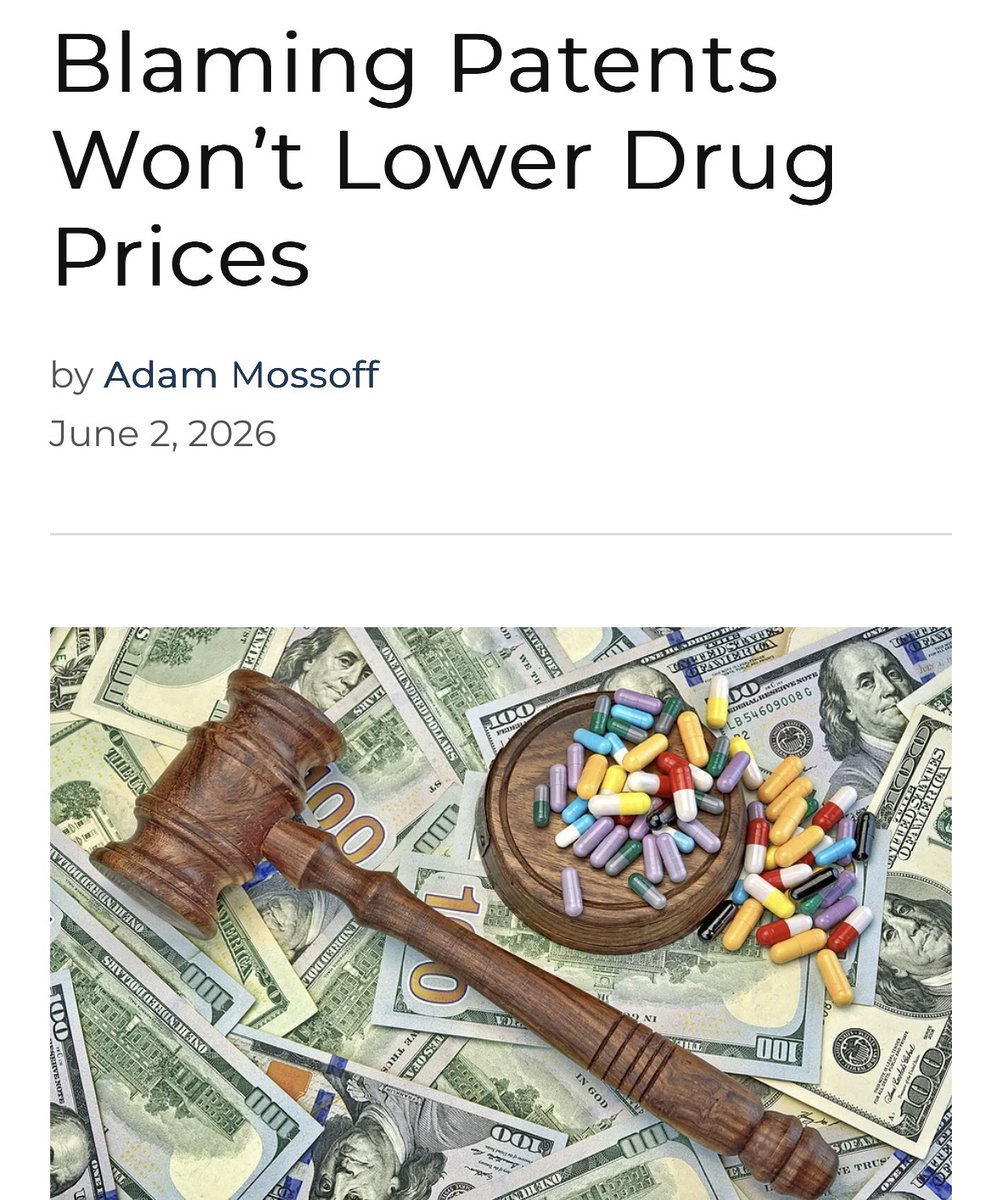
The problem with high drug prices isn't patents—it's a regulatory system that makes it harder and more expensive to bring new treatments to market.
Strong patent protections encourage innovation. Smarter regulation can improve affordability without undermining the next generation of medical breakthroughs.
realclearmarkets.com/article…
36
The EU’s playbook is obvious: regulate what it can’t build and fine what it can’t beat.
America’s tech leaders create jobs, drive innovation, and deliver products consumers choose every day.
Washington should defend them from foreign regulatory shakedowns.
1
46
The U.S. may have copper reserves comparable to Canada and Australia, yet we produce far less.
Why? A permitting system that can delay projects for decades.
Congress should move forward with commonsense reforms that unlock American resources and strengthen economic growth.

Imagine you had invested in a mine company in 1997, the days of dial-up internet, brick sized portable phones, and “be kind rewind” before returning your rental tape to Blockbuster. dailyfreeman.com/2026/06/07/…
1
29
The Market Institute retweeted

Jun 5
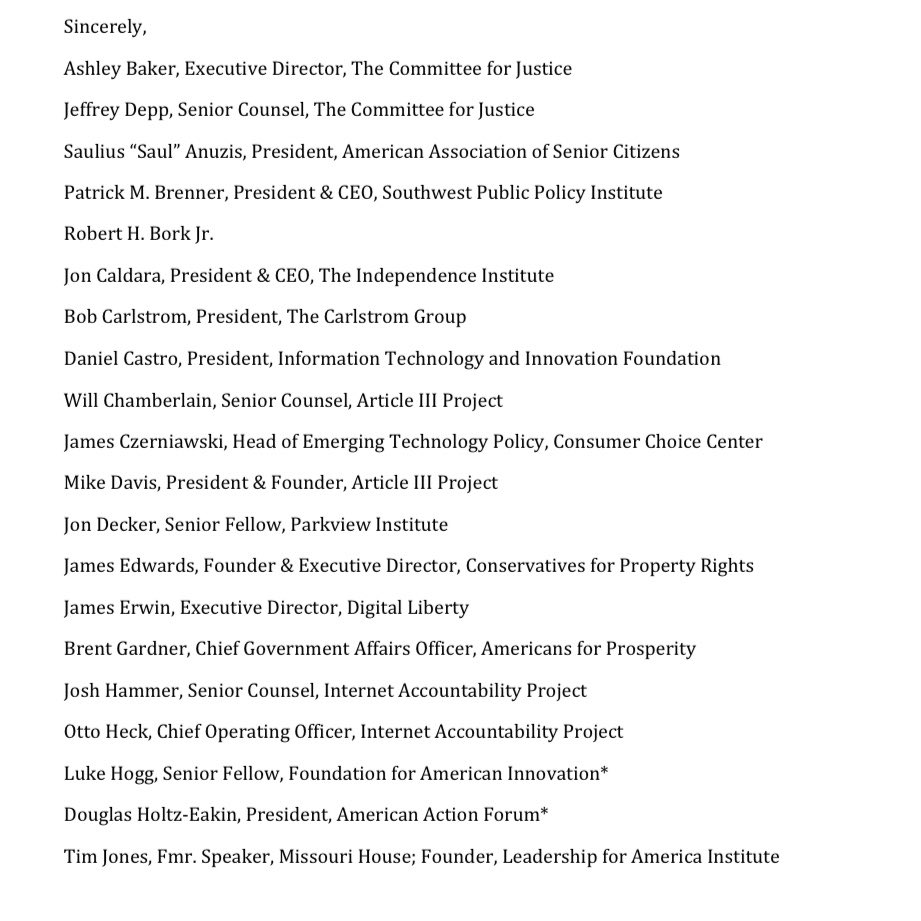
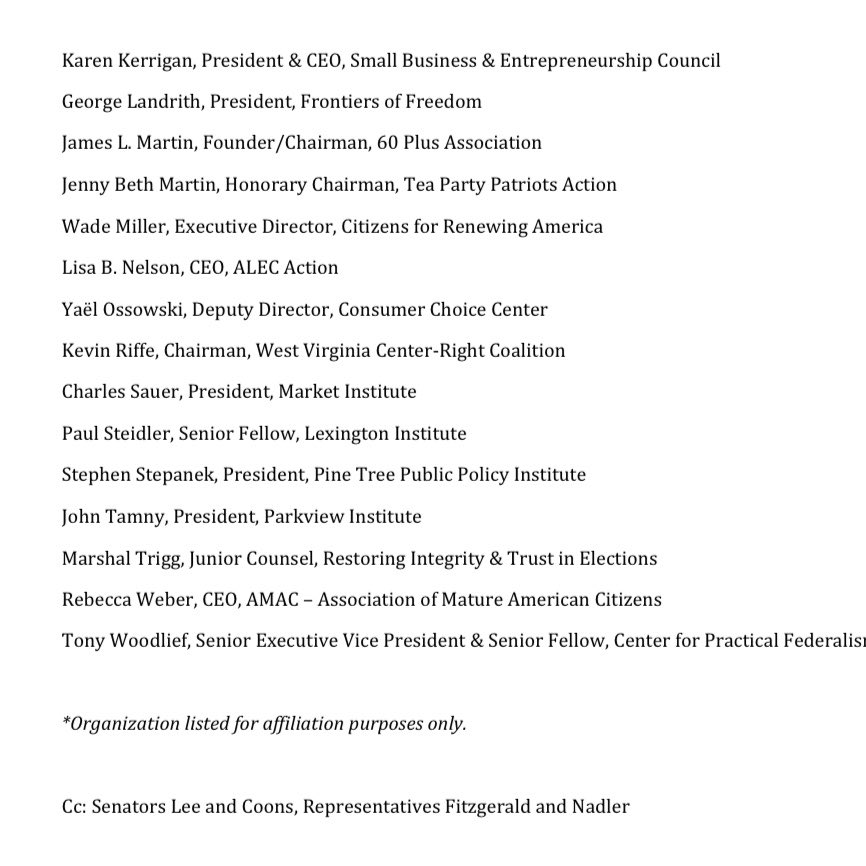
Today, a coalition of 30 organizations and individuals led by @CmteForJustice sent Congress a letter in support of the NDO Fairness Act, which would ensure nondisclosure orders are subject to judicial review and cannot be used to obtain personal data without notification. 1/x
1
11
19
4,135
Exactly right, @sallypipes.
California doesn’t need a government-run drug label. It needs more competition, fewer bureaucratic distortions, and strong patent protections that reward real innovation.
Patients benefit when IP is protected and competition is allowed to work.
Jun 5

CalRx's problem isn't patents. Strong IP protections drive medical breakthroughs.
The real mistake is believing government can lower drug prices better than competition. Markets — not bureaucrats — reduce costs.
1
2
169
The Market Institute retweeted

Behind every breakthrough medicine is a patent system worth defending.
Today’s @JudiciaryGOP hearing made that case.
Failing to protect IP rights cedes America’s biotech edge to foreign competitors and leaves patients without access to the medicines they depend on.
judiciary.house.gov/committe…
1
1
69
Patients don’t need Washington deciding what medical information they’re allowed to see.
DTC ads empower patients, spark doctor conversations, and help newer treatments compete.
Don’t keep patients in the dark.

Banning these advertisements outright - or regulating them into oblivion - would crush competition and keep patients in the dark. Consumers do not need
government bureaucrats gate-keeping medical information. CEI joins a coalition with @taxreformer, @AmerComm @CFEconomy @CFIFonline @CASE_forAmerica @GovWaste @60PlusAssoc
@citizenoutreach
39
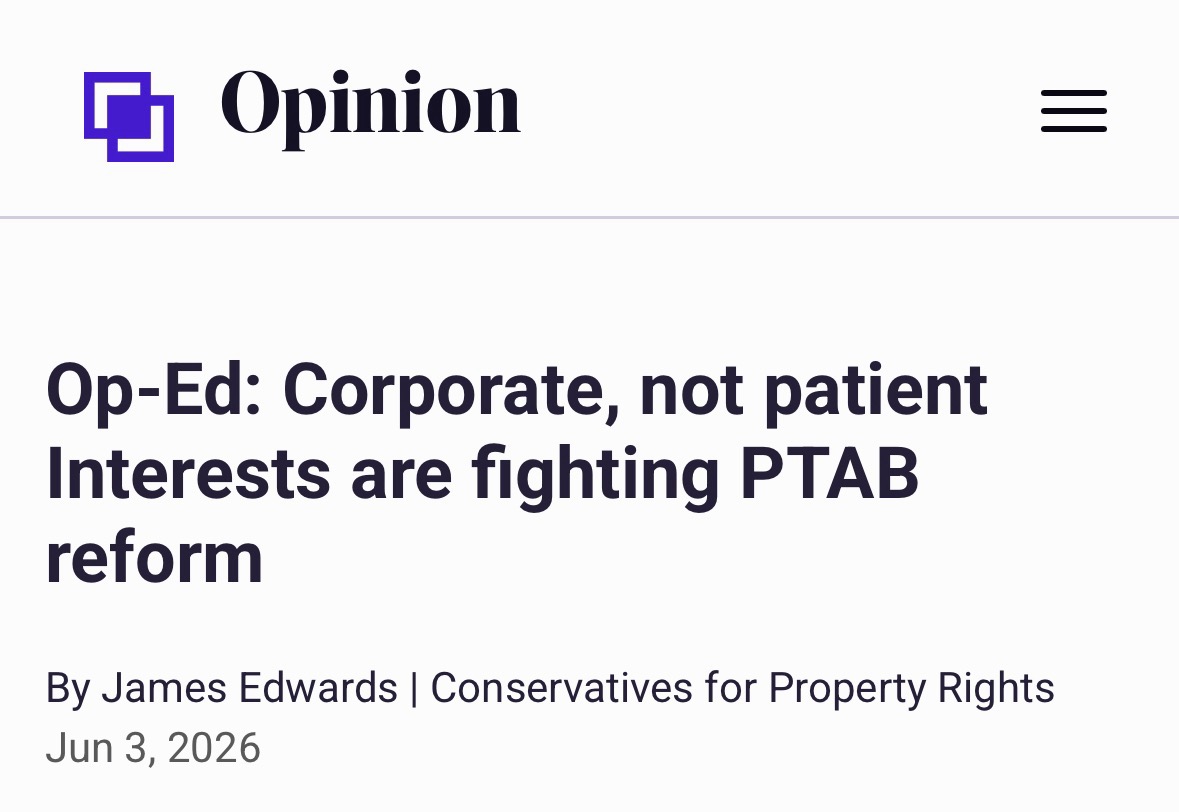
PTAB was supposed to weed out bad patents.
Instead, it became a weapon for deep-pocketed corporations to attack innovators again and again. Hatch-Waxman already gives generic manufacturers a proven pathway to challenge patents and bring lower-cost medicines to market.
Serial PTAB challenges should not be used to drain innovators and weaken American medical progress.
1
52
37