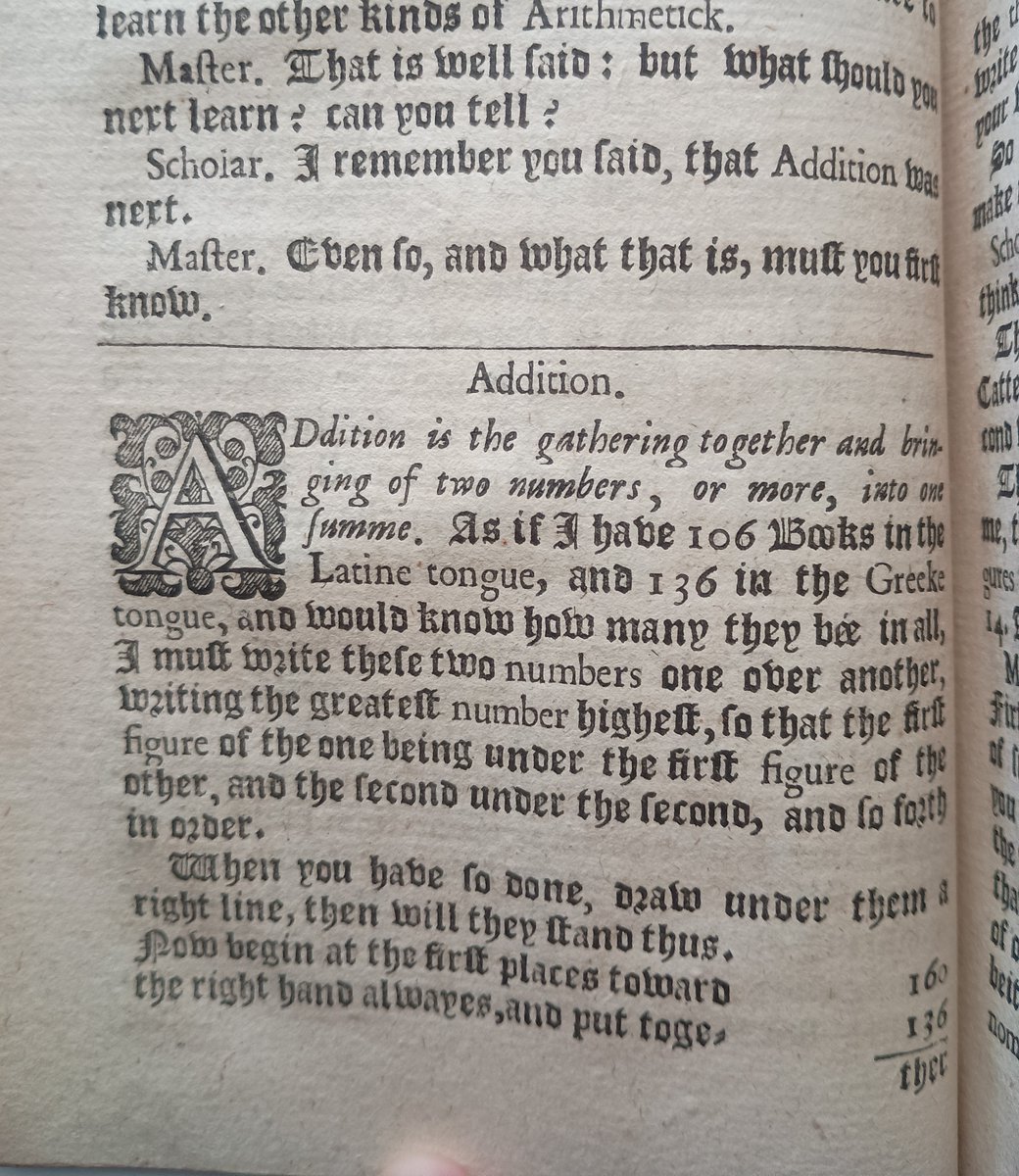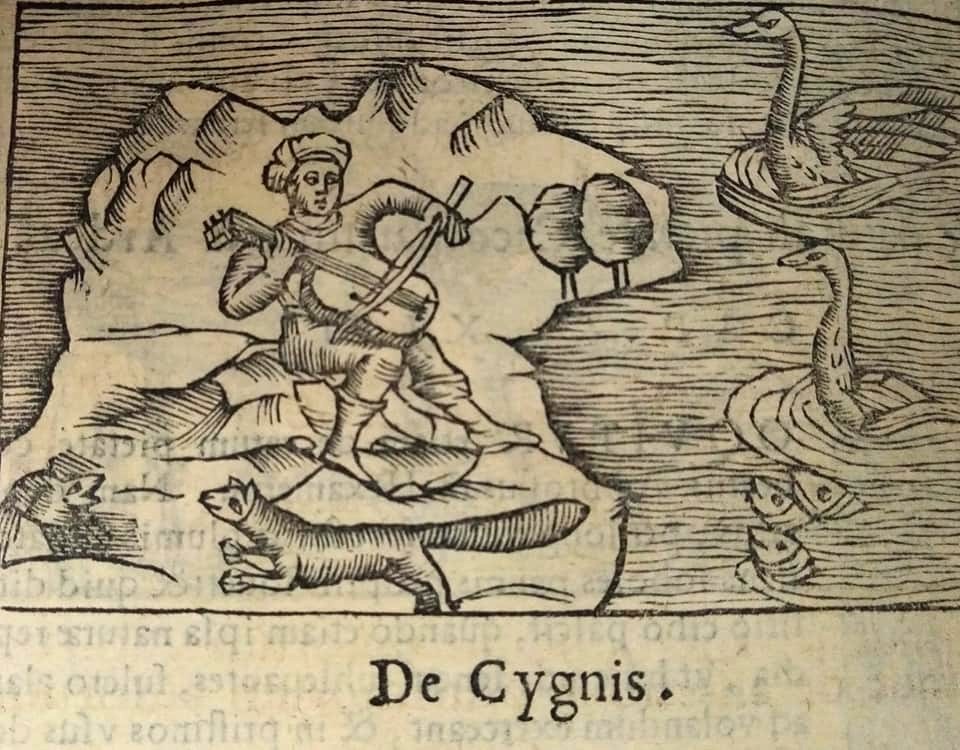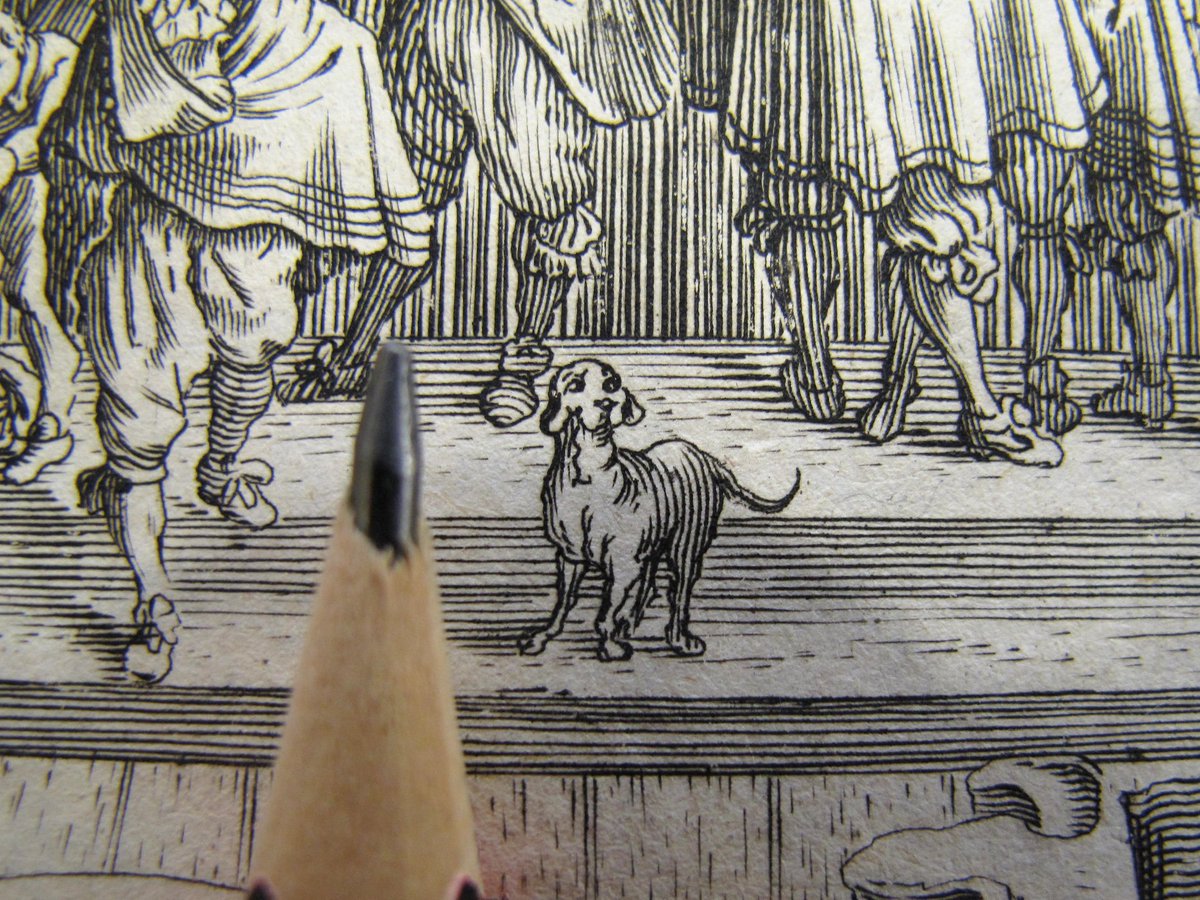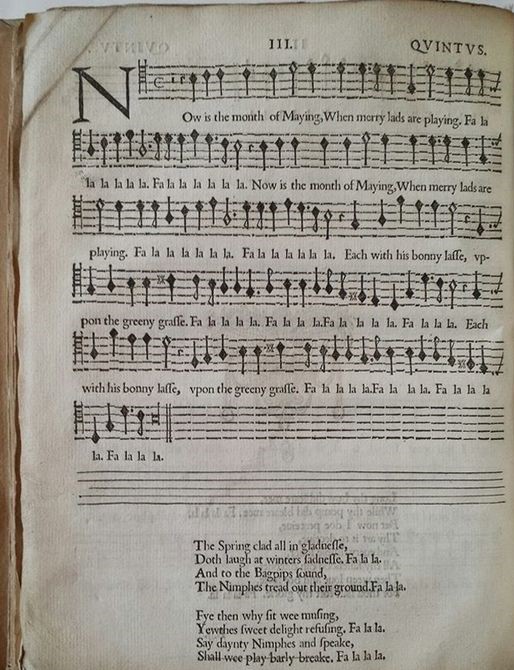
Good luck to everyone starting their leaving cert today! A little bit of addition to warm the brain, from 'Records Arithmetick', a manual to teach simple & practical maths.
ALT Part of a printed page from a 17th century book in English
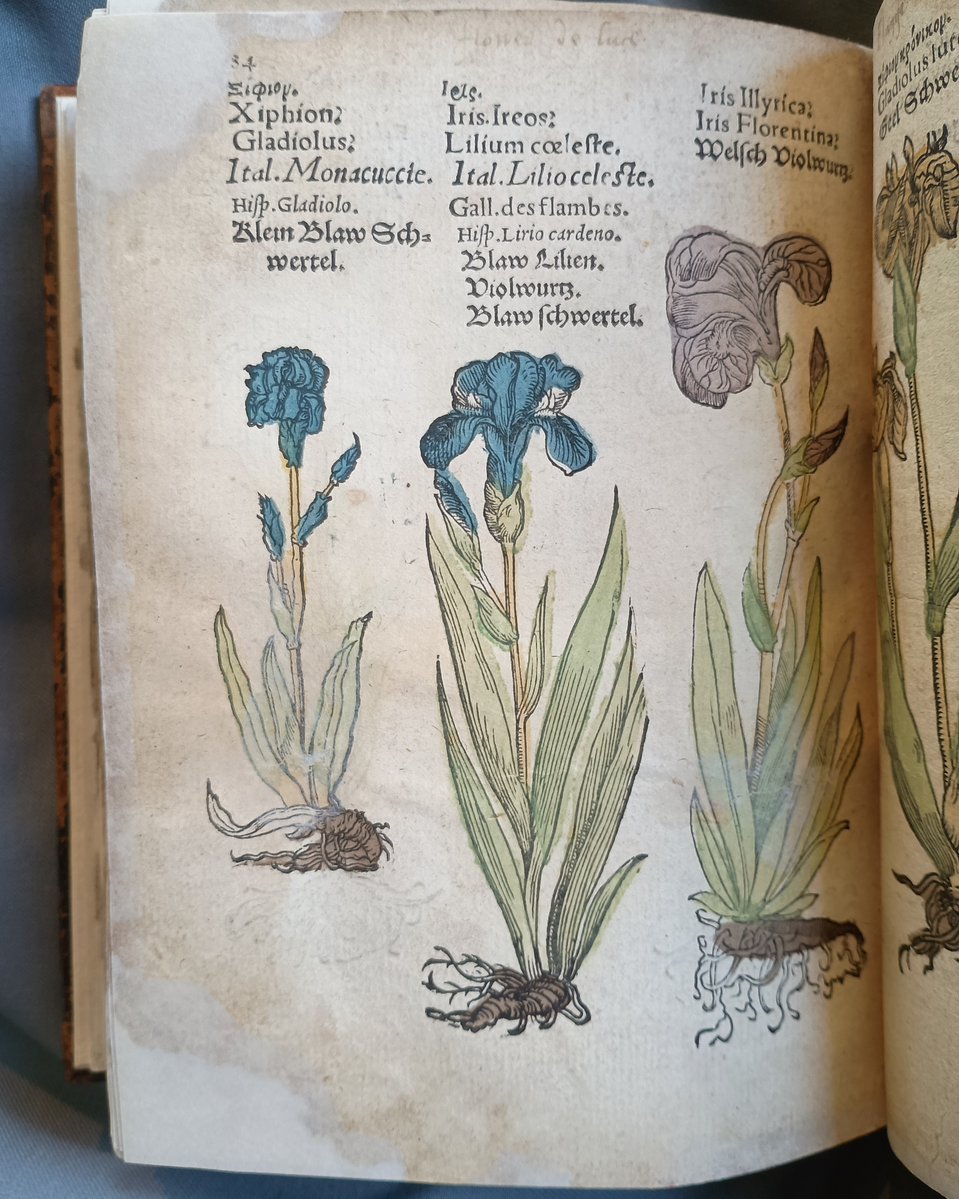
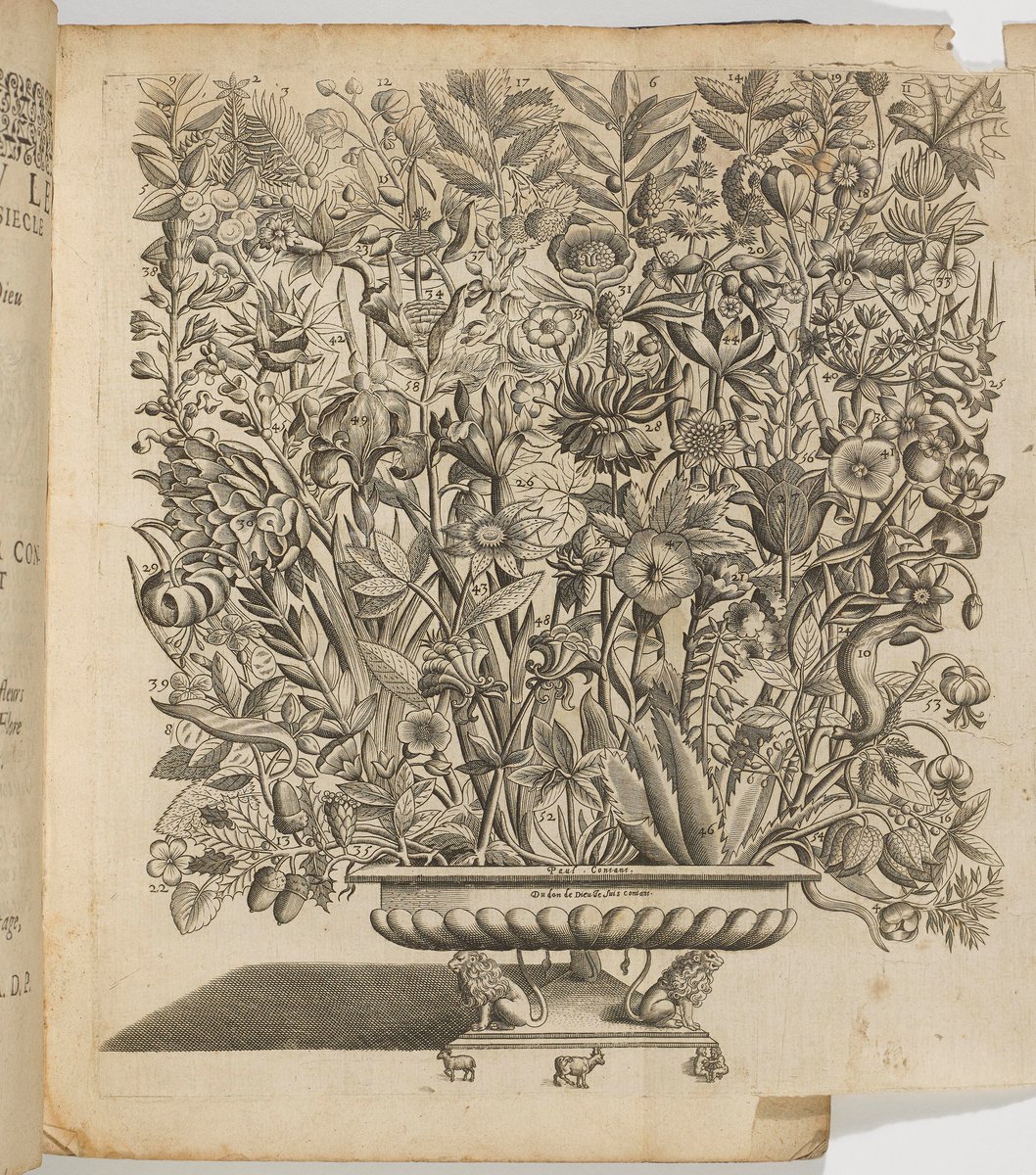
It's very lovely to see all the irises in bloom around Dublin 8 at the moment. These lovely hand-coloured ones are from a mid-16th century herbal.
ALT Page from a 16th century herbal showing woodcuts of a gladiolus and two irises. The names of the flowers are printed above the illustrations in several European languages
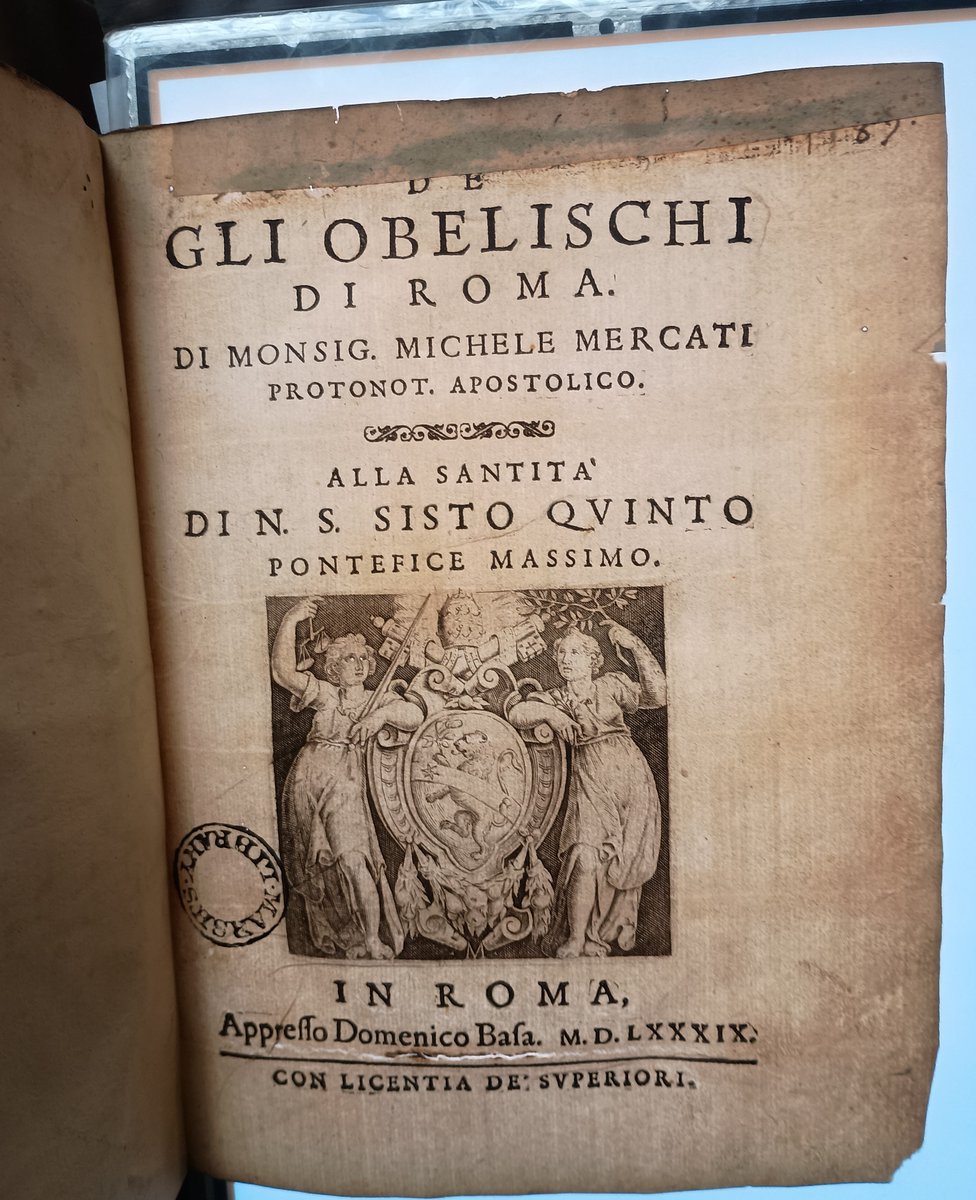
Somebody went to real efforts to erase what was written on the title page of this work on Roman obelisks from 1589. They scribbled out the inscription and pasted a slip of paper over it. Must've been scandalous!
ALT Title page of De gli obelischi di Roma, by Michele Mercati (Rome, 1589)
In our latest blog post, recent Maddock Fellow Dr Joe Borsato @TheEcoAlchemyst looks at how Indigenous peoples shaped Huguenot colonization in the seventeenth century.
marshlibrary.ie/the-indigeno…
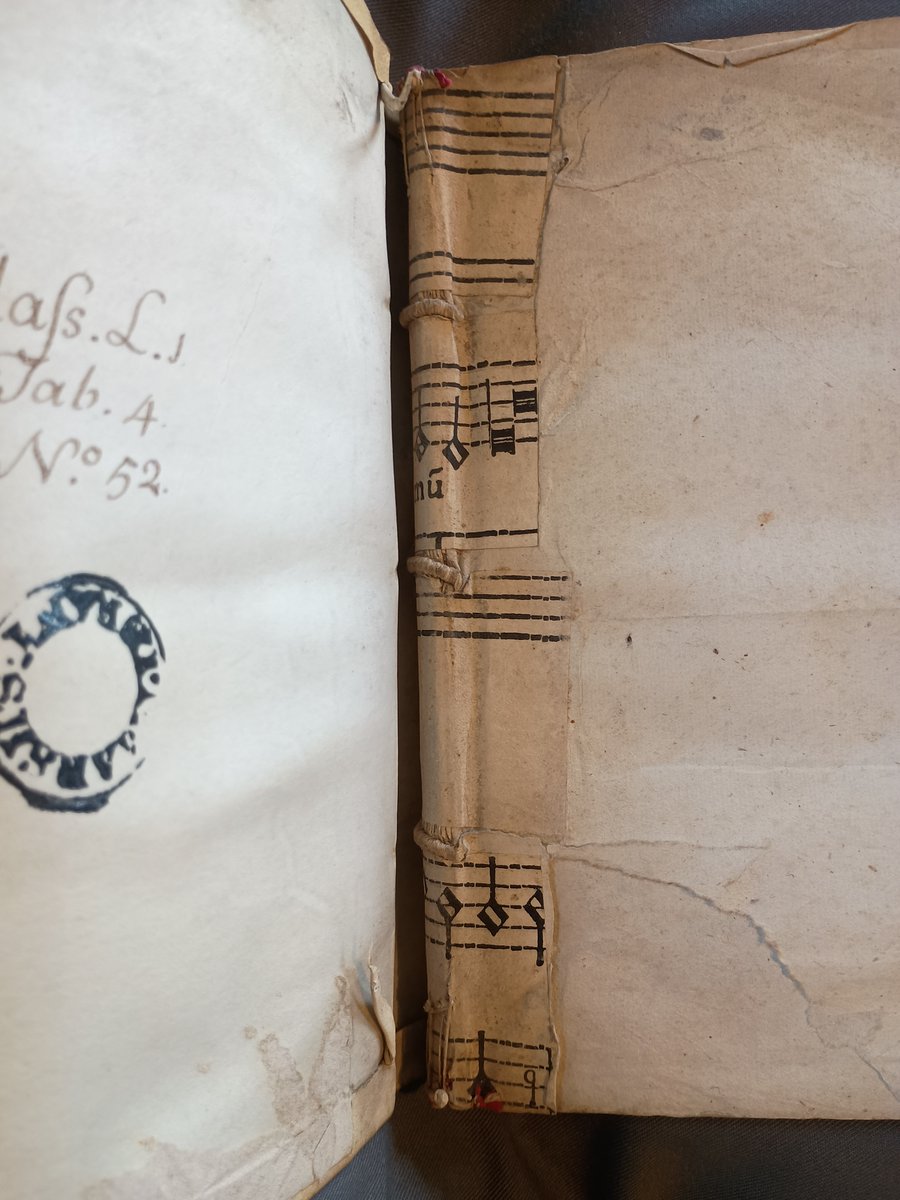
The binder used a fragment of printed music to line the spine of the letters of Aldo Manuzio the younger, from 1592. Music was tricky to print & the page may have had an error, or perhaps it didn't sell. Whatever the reason, it ended up in the waste pile #Fragments#Bindings
ALT Photo showing of the inside cover, spine lining and flyleaf of Lettere volgari di Aldo Manucci (Roma, 1592), the letters of Aldus Manutius teh younger.
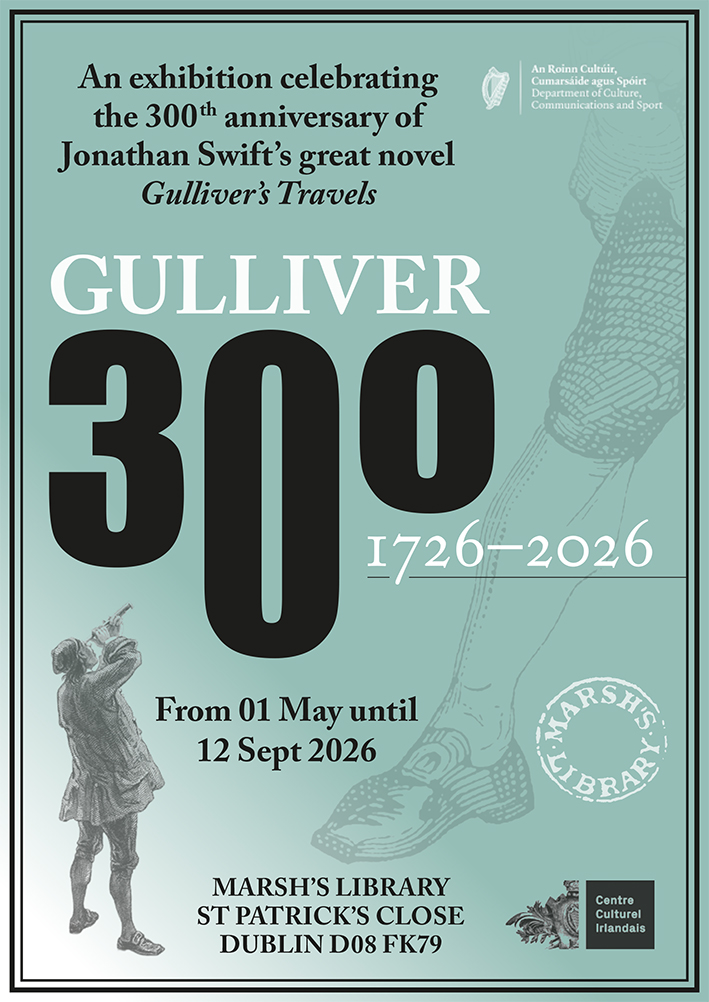
On Newstalk's Talking History, Marsh's Director Dr Jason McElligott joined Prof Daniel Cook, Prof David Kenny & Dr Clíona Ó Gallchoir to talk about the continuing impact of Gulliver's Travels. You can listen back here: newstalk.com/podcasts/highli…
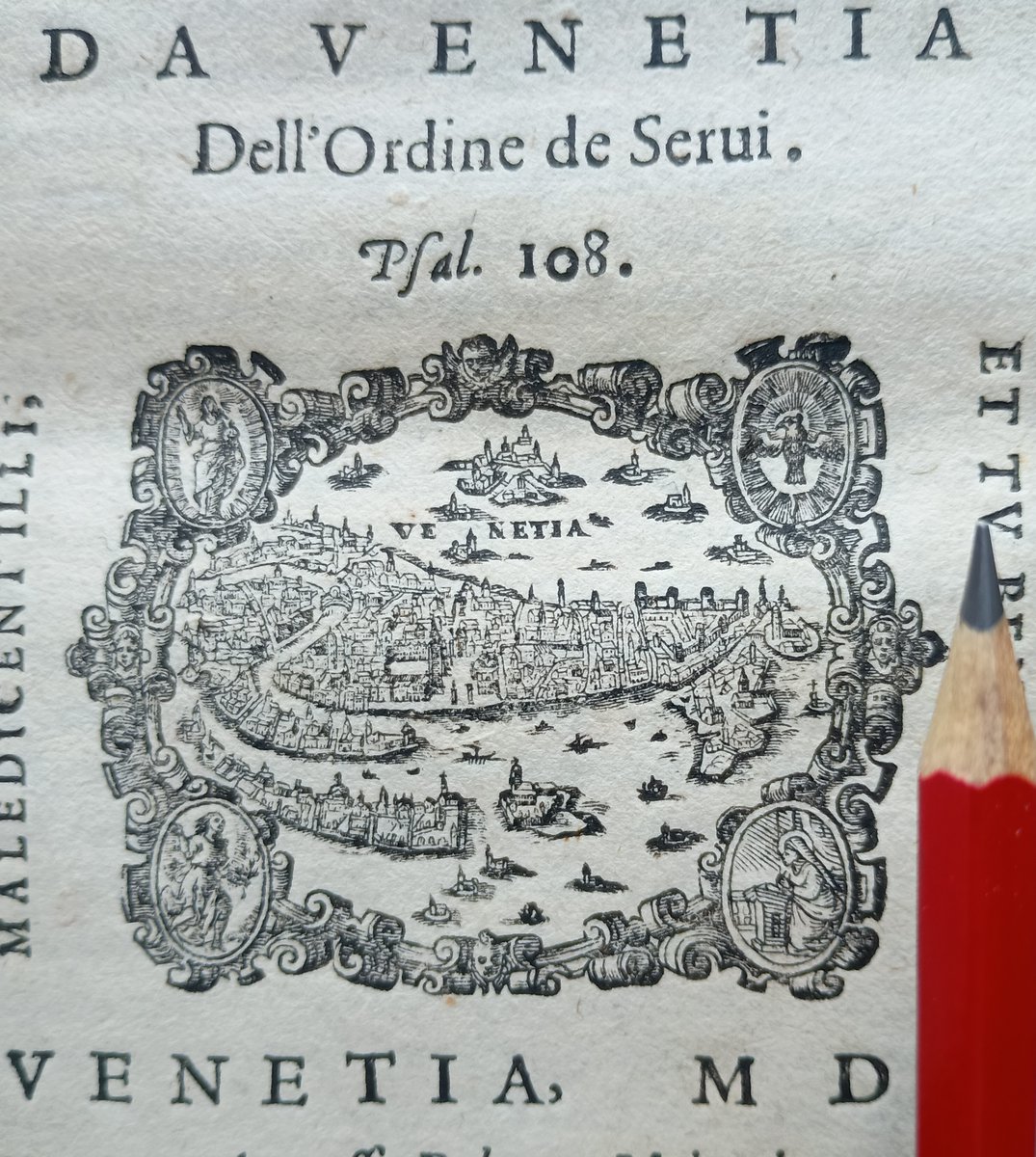
The pamphlet was printed during the Venetian Interdict of 1606-7, a quarrel between the Roman Church & Venice which led to a temporary excommunication of Venetian Catholics.
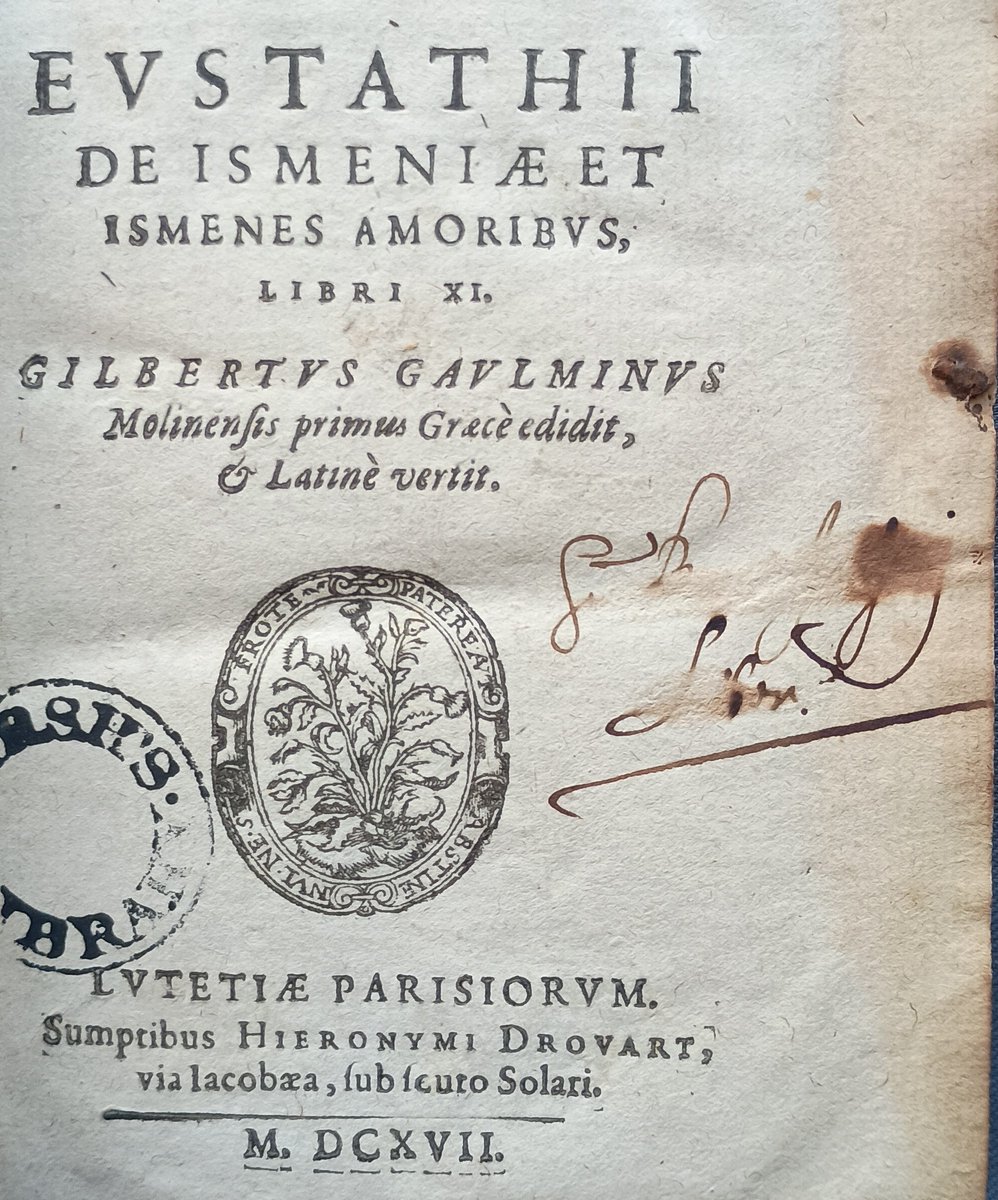
A later owner tried to wash out a scribble on the title page of this Byzantine novel, but still the ownership inscription remains. A good thing too, as it tells us the book belonged to poet & playwright Ben Jonson.
ALT Title page of the novel 'De Ismeniae et Ismenes amoribus', Lyon, 1617
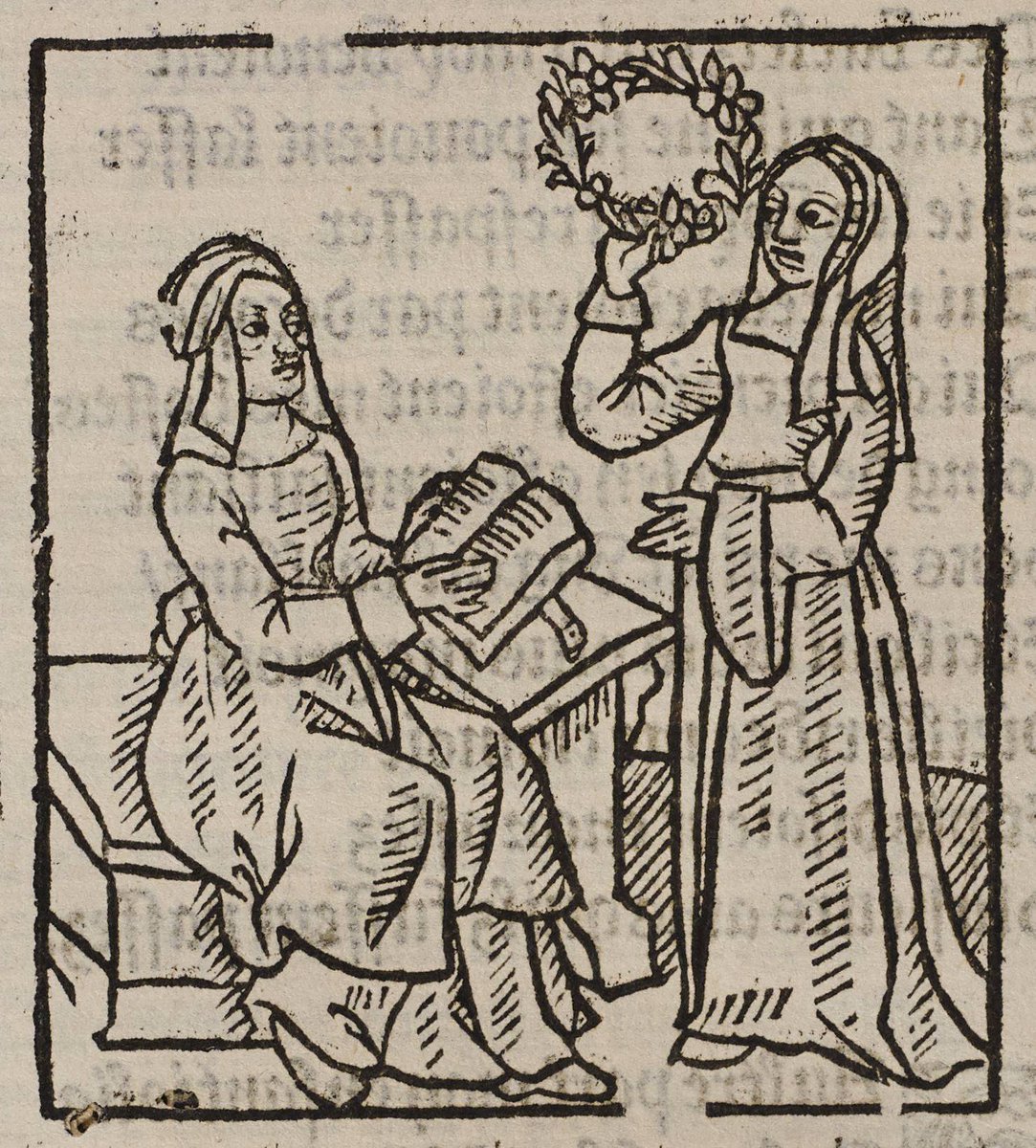
A very relatable look of 'can I just get five minutes peace with my book'. From Le Rommant de la Rose, a hugely popular Medieval poem, printed in Paris, 500 years ago.
ALT Woodcut showing a woman reading from Le rommant de la rose (Paris, 1526)
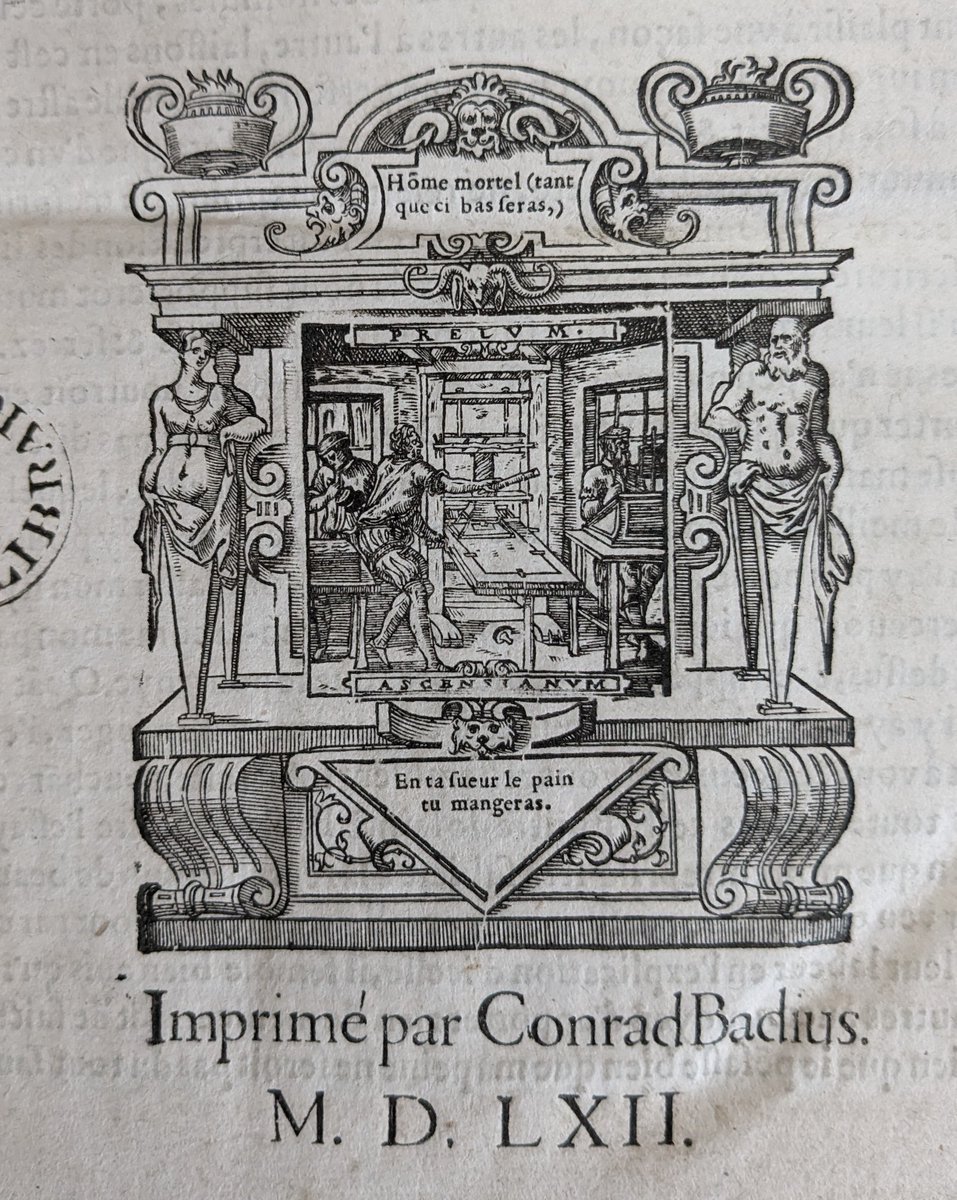
The printer's mark of Huguenot printer Conrad Badius from 1562 showing a printing press and a quote from Genesis 3:19 reminding us that to labour is the lot of mortal humans: 'by the sweat of your brow you will eat'. A fitting sentiment after the bank holiday!
ALT Detail of printer's mark from the title page of Commentaires sur les Epistres de l'Apostre S. Paul by Jean Calvin