Father of Lilith, Cecilia & Arabella
Joined November 2008
- Tweets 12,114
- Following 468
- Followers 1,869
- Likes 6,526
1,222 Photos and videos




Pinned Tweet

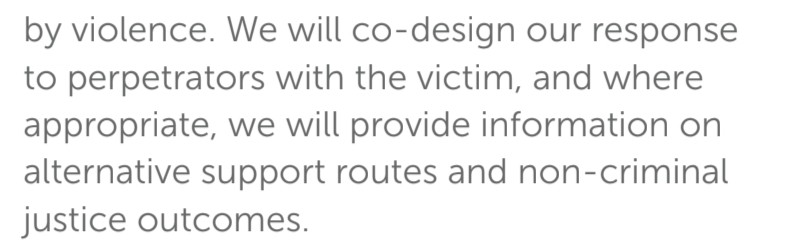
When a woman makes a false allegation of domestic abuse in order to gain leverage in Family Court, @PoliceScotland operates under these protocols:
Complainer = presumptive "victim"
Accused = presumptive "perpetrator"
Response = "co-designed with victim"
scotland.police.uk/spa-media…
1
365
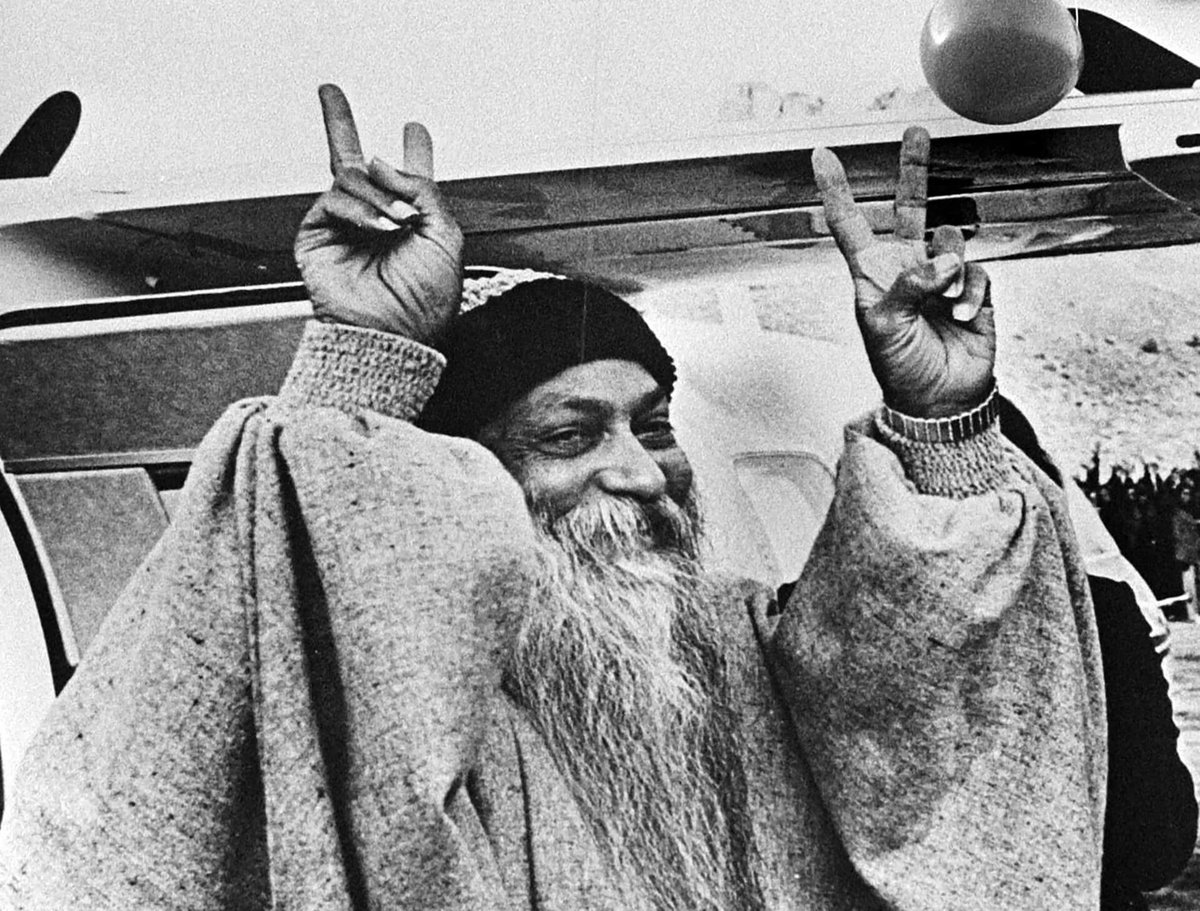
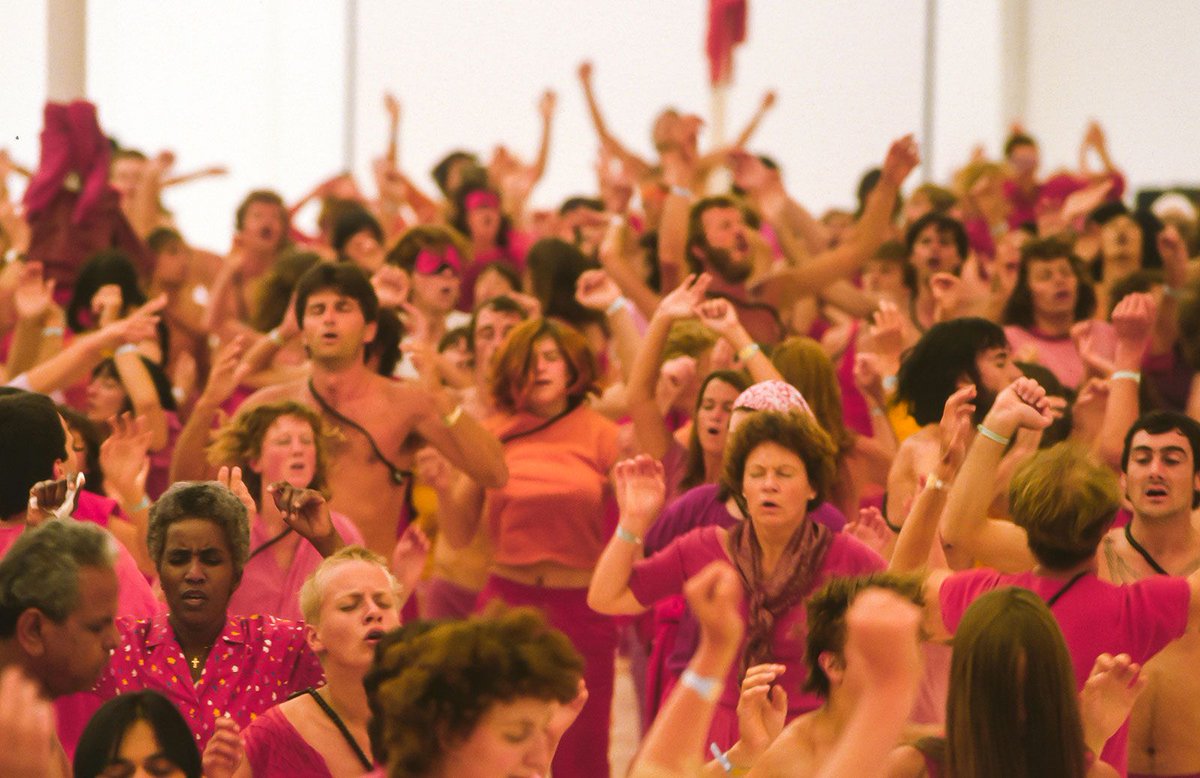
In the 1980s, an Indian cult based in the US State of Oregon built its own airport & launched an airline
A literal cult
en.wikipedia.org/wiki/Air_Ra…

19
Martin Leo Rivers retweeted

Our final speaker at the JIMS Scotland protest was Wayne, who bravely shared his personal experience of being falsely accused of sexual offences.
Although Wayne was ultimately acquitted by a jury, that verdict came only after he had spent 12 months on remand in prison awaiting trial. No not guilty verdict can return the precious time he lost with his children, his partner, family and friends.
Many of our followers have already read Wayne's story. Now it's time to hear it directly from him.
Wayne's speech was a powerful reminder that behind every statistic is a real person whose life has been turned upside down. He speaks candidly about the impact of the accusation, the long wait for justice, and the lasting consequences that remain even after an acquittal.
We would like to thank Wayne for having the courage to stand before the crowd and share such a personal and difficult experience. By speaking out, he is helping to raise awareness of the human cost of wrongful allegations and the importance of fair trials.
Please take a few minutes to watch Wayne's speech and let us know your thoughts in the comments.
#JusticeForInnocentMenScotland #JIMS #FairTrials #PresumptionOfInnocence #JusticeMatters
3
18
34
708
Martin Leo Rivers retweeted

Jun 10
I suspect either a tray table was down, or one of the window blinds was still half open.
Jun 10

United Airlines B767 Landing Goes Wrong at Zurich Airport
What went wrong here?
1,181
7,352
167,008
8,239,949
Jun 11

The UK government spyware demand means that the government decides exactly what should be censored on every mobile device. They say they will start with nude pictures (if you don’t identify yourself as an adult). But it could at any time be expanded to anything the government disapproves of. Today, 30 people are arrested every day in the United Kingdom for writing something online that the government classifies as "grossly offensive". It is obvious that they will use this tool to restrict free speech.
Currently, there appears to be no requirement to report findings outside the device. However, with both legal and technological decision-making power taken away from individuals and transferred to the government, that is only a pen stroke away.
This means that the government could also use this system for total mass surveillance.
And they can do so in secret.
The government recently, in secret, tried to pressure Apple (which is now agreeing to client-side scanning) to build backdoors into its end-to-end encrypted cloud service. They can do this under the Investigatory Powers Act 2016, also known as the "Snoopers' Charter" – a law that makes it illegal for tech companies to disclose secret demands from the government.
1
51
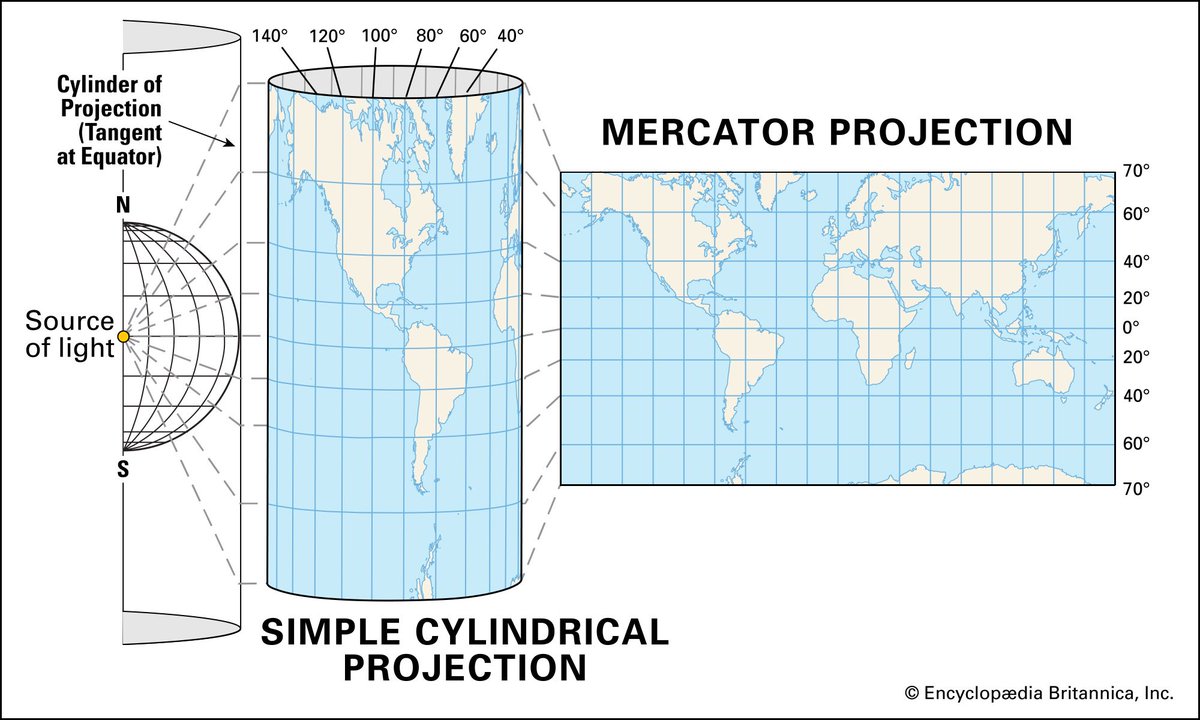
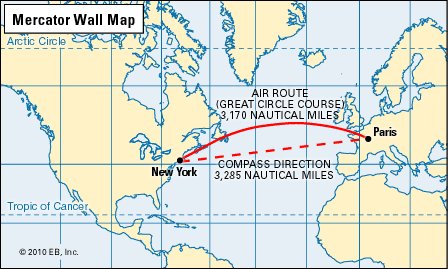
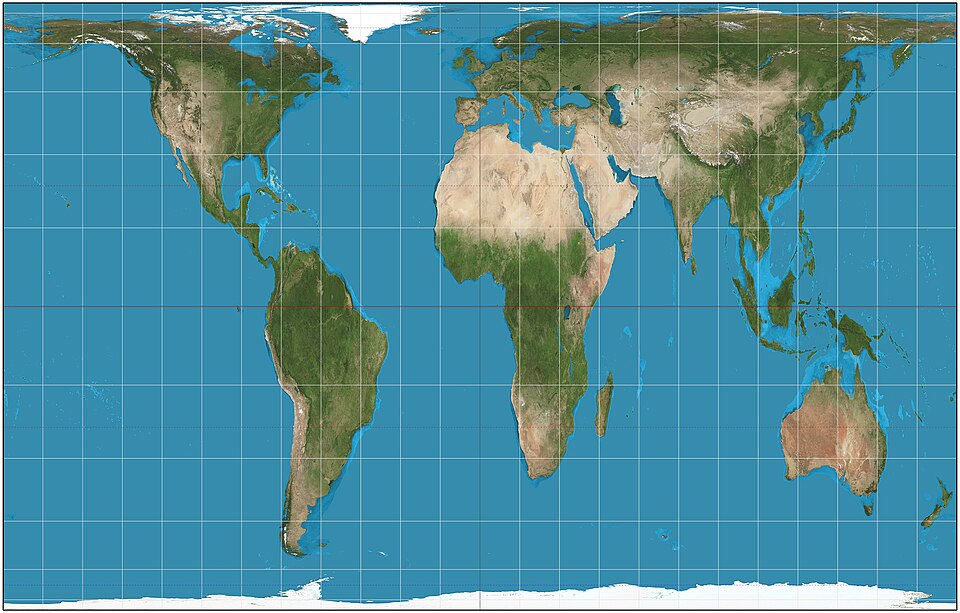
The 1569 Mercator (standard) world map turns Earth into an unrolled cylinder, distorting sizes but maintaining shapes. It was adopted because it enabled straight-line compass navigation by sailors
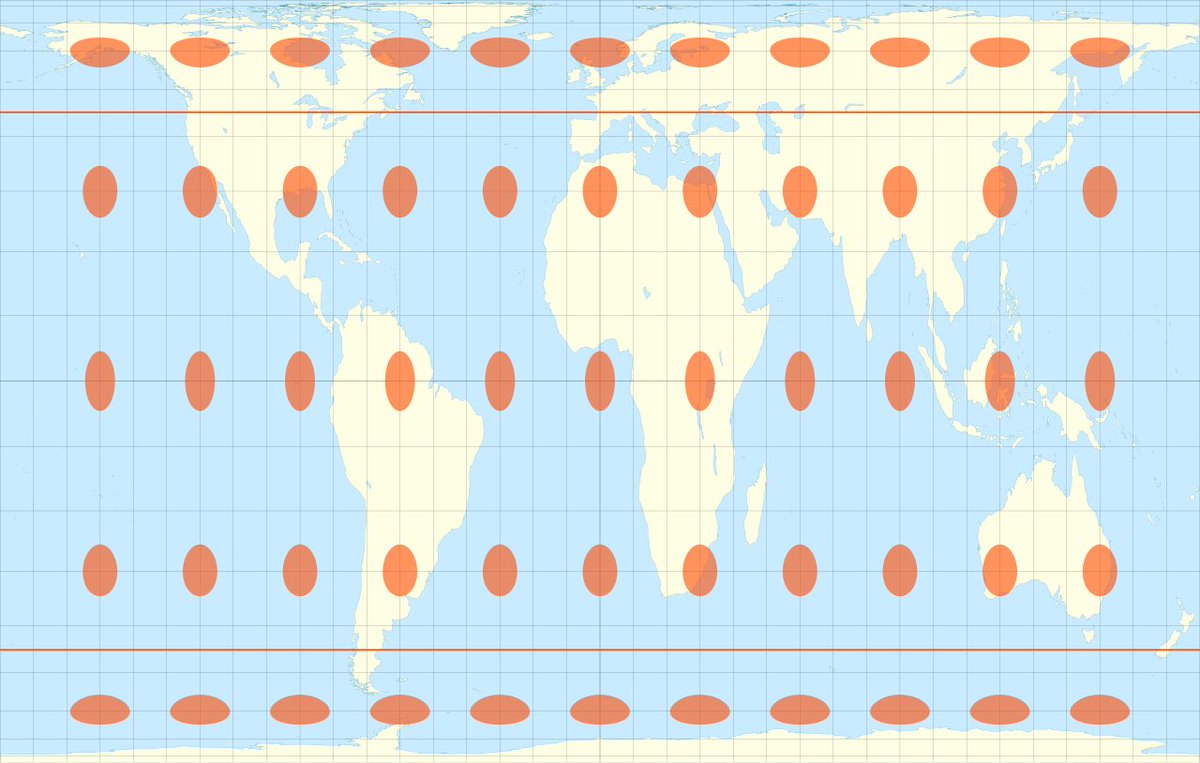
The 1855 Gall-Peters map distorts shapes but maintains sizes
2D always lies!
40
Martin Leo Rivers retweeted

Jun 8
Our statement on the UK government’s demand that all content on all devices sold or used in the country be scanned, on the presumption of nudity, using a dystopian combination of age verification and content scanning. This proposal will not safeguard children. It endangers us all.
signal.org/blog/pdfs/2026-06…
738
8,545
41,313
2,722,959
Martin Leo Rivers retweeted

Jun 7
Bro said take me to your leader 🦈
701
672
5,983
1,430,363
Martin Leo Rivers retweeted

Jun 8
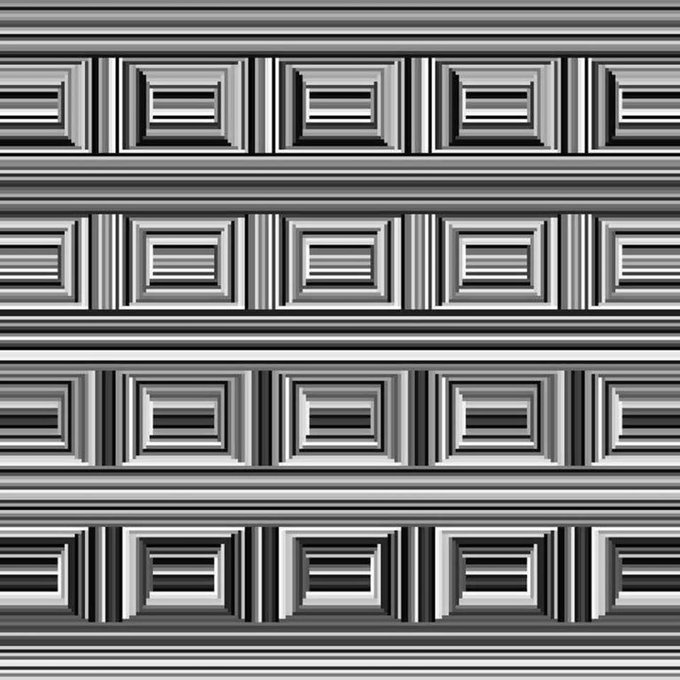
This is called the Coffer illusion.
In this image there are 16 circles.
Can you find them?
190
400
2,873
369,571
Martin Leo Rivers retweeted

Jun 7
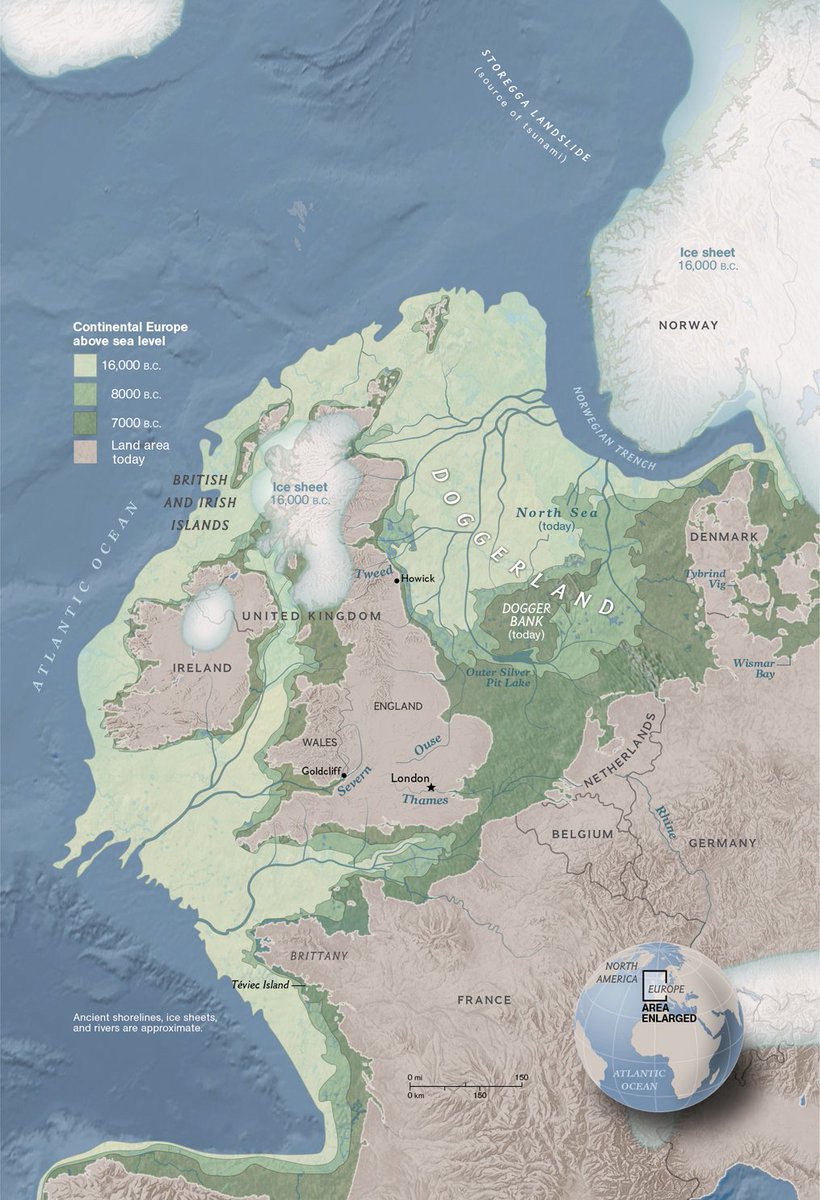
There is a drowned country under the North Sea, and the fishing boats keep pulling bits of it up in their nets.
It is called Doggerland. Ten thousand years ago you could have walked from Norfolk to the Netherlands across it without getting your feet wet. Think rivers and reed beds, wooded valleys, marsh and lagoon, and probably the richest hunting ground in the whole of Europe. Red deer. Wild boar. And aurochs, the great wild cattle, moving across the lowland the way game does where nobody has ever hunted it hard.
People lived there. Thousands of them, following the herds, building camps on the high ground where the animals came to drink. For a mobile hunting people it was close to paradise. Endless meat, endless fresh water, and not one reason on earth to plant a seed.
Then the ice that had been holding the sea back finished melting. The water came up slowly, year on year, taking the low ground first. A vast landslide off the Norwegian coast sent a tsunami tearing through what was left. The sea did the rest, and the best hunting country in Europe went under and stayed there.
We only know any of this because of the fishermen. In 1931 a trawler called the Colinda, working the sea off Norfolk, dredged up a lump of ancient peat, and inside it was a barbed harpoon point carved from antler, around nine thousand years old, dropped on dry land by a hunter who had no idea the sea was coming for him. Since then the nets have brought up mammoth tusks, the bones of woolly rhino, reindeer, wolf and bear, and a pick carved from the leg bone of an aurochs. Early trawler crews used to fling the bones back overboard so they would not foul the gear.
Sit with the picture for a moment. Britain spent the deepest, longest stretch of its human story not as a nation of farmers but as a hunting ground, and the people who lived here did it on meat, in a landscape so generous that agriculture would have looked like a downgrade. The grain came later, with the rising water and the shrinking land, when there was no longer room to simply follow the herd.
We did not give up being hunters because we found something better. We did it because the finest larder we ever had drowned, and we have been improvising ever since.
The harpoon sits in the castle museum in Norwich. The country it was lost in is forty metres down off the Dogger Bank, where the wind farms are going up now.
64
426
2,351
113,997
"Trust the experts" is one of the most dangerous phrases in the English language
Economists, scientists, doctors... all experts, all too often pompous, prone to misjudging the boundaries of their knowledge. Especially doctors
Do not "trust the experts". Hear them out, but DYOR
Jun 6

In 1995, something happened in the neonatal intensive care unit at Memorial Hospital in Massachusetts that was small enough to fit inside an incubator.
And yet it was so significant that it changed the way medicine viewed the power of human touch.
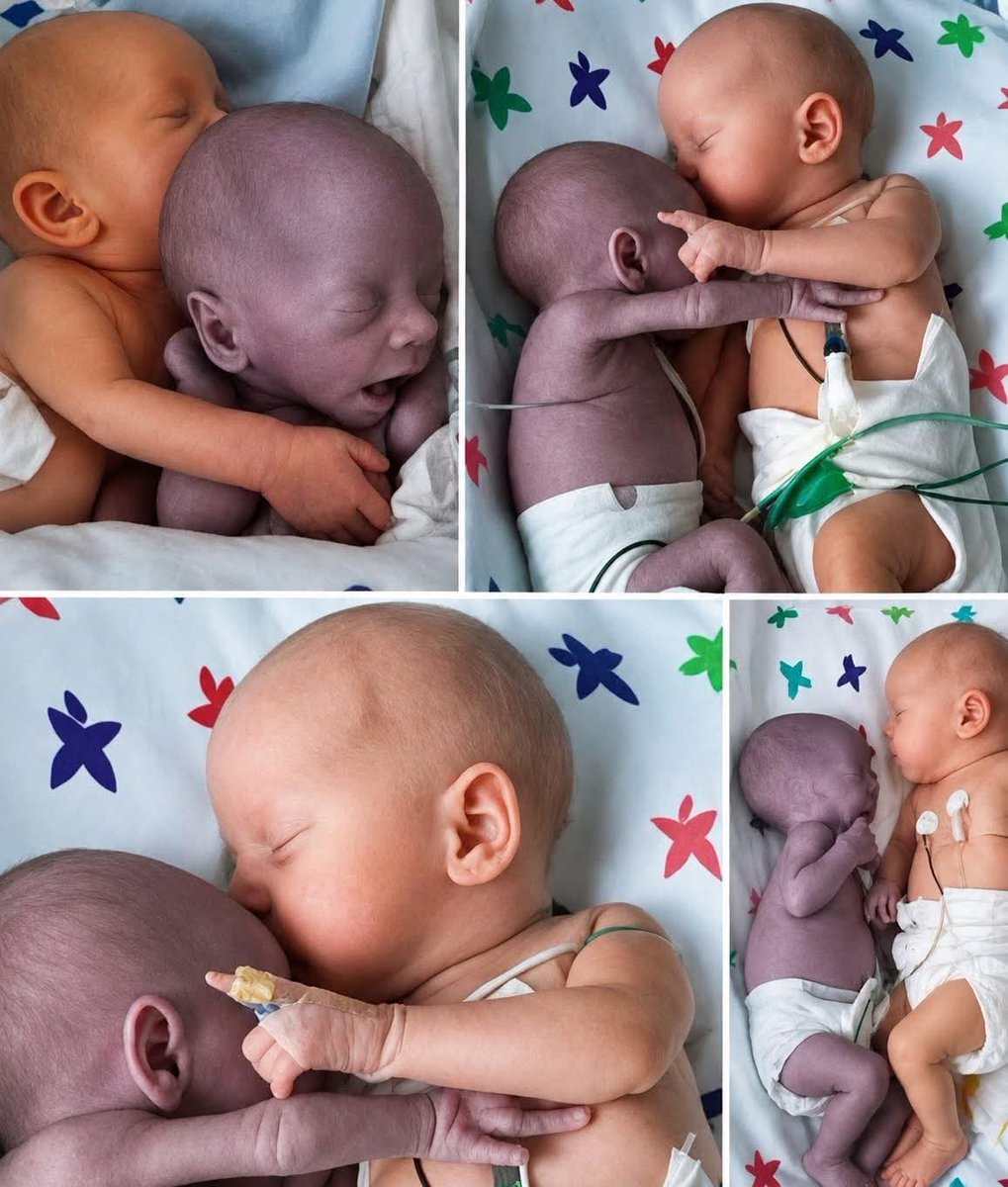
Twin sisters Kyrie and Brielle Jackson were born prematurely.
Too early. Too tiny. Too fragile for a world that was already asking them to fight for survival.
They were placed in separate incubators, following standard medical practice. Around them were wires, sensors, tubes, flashing screens, and the cold sound of monitors tracking every breath and heartbeat.
Kyrie was doing relatively well.
Brielle was not.
Her skin turned blue. Her breathing became irregular. Her heartbeat was unstable. The medical staff did everything they could, following science, experience, and protocol.
But her condition did not improve.
Then nurse Gayle Kasparian made a decision that went against standard practice.
She placed the twins together in the same incubator.
It may sound simple. Just two babies lying side by side.
But at the time, hospitals generally kept premature twins apart for safety and monitoring purposes.
Gayle trusted something older than any protocol:
Connection.
Kyrie was placed next to her sister.
And then something happened that would later be seen around the world.
The stronger twin slowly moved closer and placed her tiny arm across Brielle’s chest.
As if she were hugging her.
As if she were saying:
“I’m here. Hold on.”
Within seconds, the monitors began to change.
Brielle’s heartbeat stabilized.
Her breathing became deeper and more regular.
Color returned to her skin.
What had seemed like life slipping away suddenly became a return to life.
The image became famous worldwide and came to be known as the “Rescuing Hug.”
But the most important part was not the photograph itself.
It was the lesson it reminded medicine of:
A human being is more than numbers on a screen.
More than body temperature, pulse, or oxygen levels.
From the very first moments of life, people need connection.
Warmth.
Presence.
Touch.
In the years that followed, research increasingly confirmed what appeared to happen in that incubator. Skin-to-skin contact can help newborns regulate body temperature, heart rate, breathing, and stress levels. These findings became part of what is now widely known as Kangaroo Care.
After the story of Kyrie and Brielle, hospitals in many countries began paying closer attention to the benefits of keeping premature twins together whenever possible.
What had once been viewed primarily as a risk gradually came to be seen as a potential part of healing.
Not a replacement for medicine.
But an extension of it.
Because this was not magic.
It was biology.
It was connection.
It was the power of human presence—something the body can often recognize before words ever exist.
Medicine advances through technology, research, medications, and precise protocols.
But sometimes it advances because someone has the courage to see a patient not merely as a case.
But as a person.
Even if that person weighs only a few pounds.
Even if that person cannot yet speak.
Even if all they need in that moment is their sister beside them.
Sometimes life depends on more than tubes and monitors.
Sometimes it depends on a tiny hand resting on a tiny chest.
On warmth.
On closeness.
On an embrace that arrives before words exist.
Some gestures do more than comfort.
They bring people back to life.
37
nytimes.com/2025/08/13/arts/…
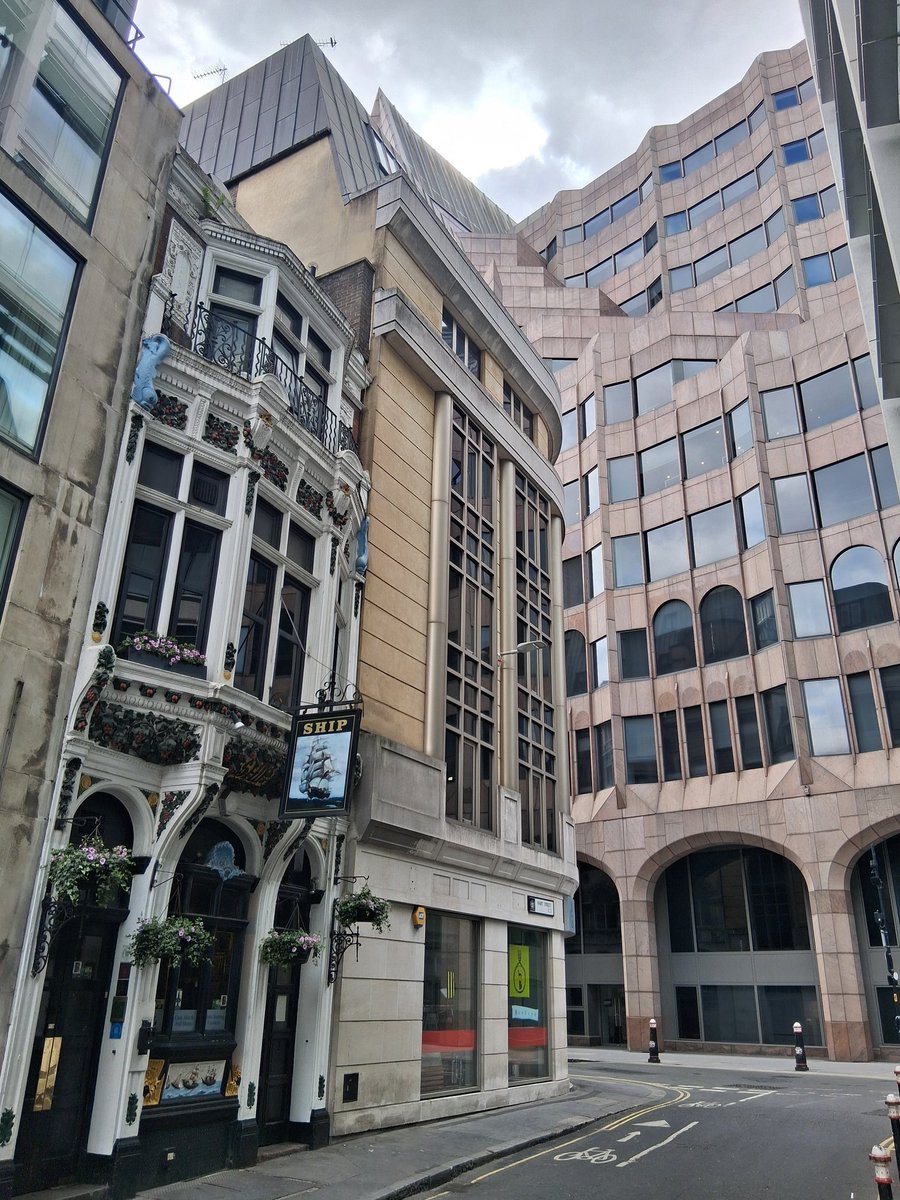
If you think bodega ramps are beautiful, you've fully succumbed to the modernist assault on aestheticism
There's nothing beautiful about bodged architecture. The Victorians would have blended these features into the facade and capped them with a cornice
1
95
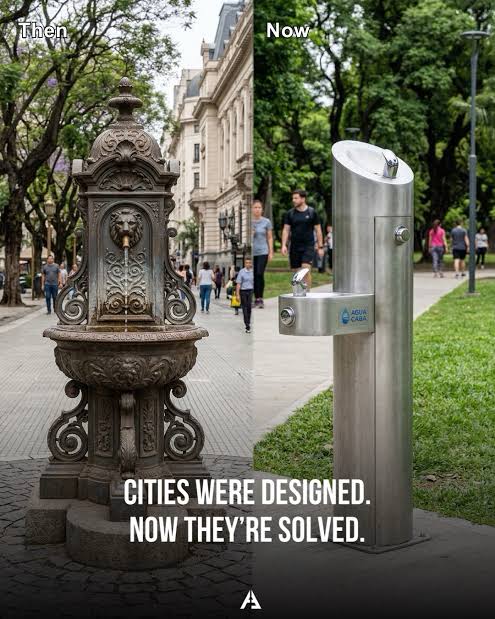
Respectfully, fuck your modernist street furniture. It's ruined everything

46
Never give up!
Jun 4

A Nepali Sherpa has been found alive on the slopes of Mount Everest after missing for six days without food or oxygen. Dawa Sherpa was reunited with his family, who had already begun funeral rituals.
46
Intelligence: do you judge it by academic achievement, job title, appearance, performance, or something else altogether?
youtu.be/M68GeL8PafE?si=lttK…
97
The nod after "hot" 🤣
Should be mandatory viewing for prospective parents
Jun 5

Before ending your unborn baby’s life due to down syndrome like the couple below did, watch the video on top in full 💜 x.com/CollinRugg/status/2062…
69