
A program by Inuka Kenya Ni Sisi! Leveraging online & offline spaces to drive civic action. Informed activated citizens = transformation.
Joined April 2013
- Tweets 183,909
- Following 5,120
- Followers 50,315
- Likes 43,033
8,645 Photos and videos
Pinned Tweet

Jun 12
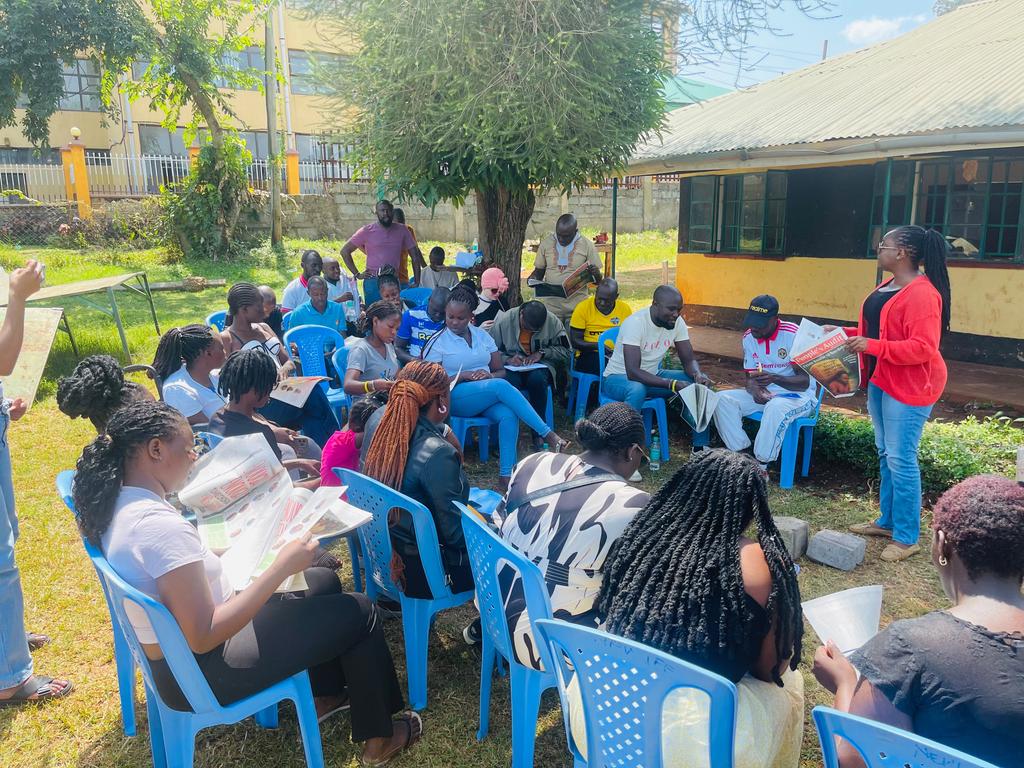
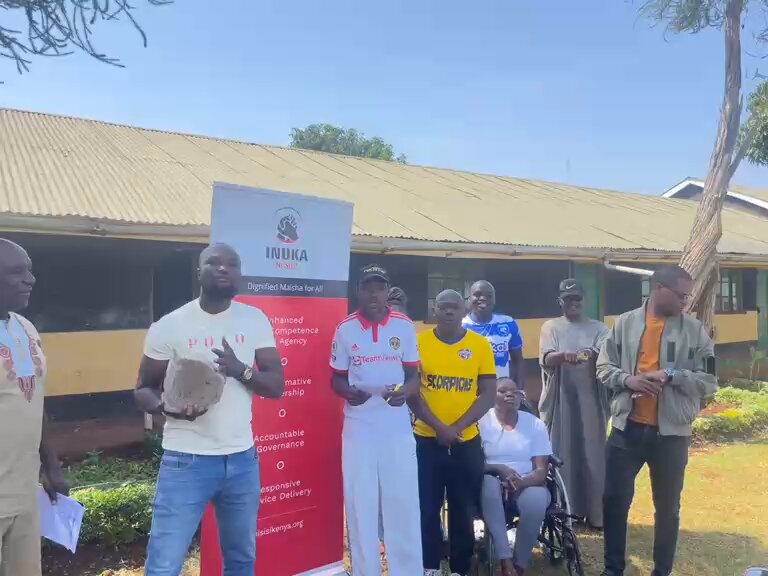
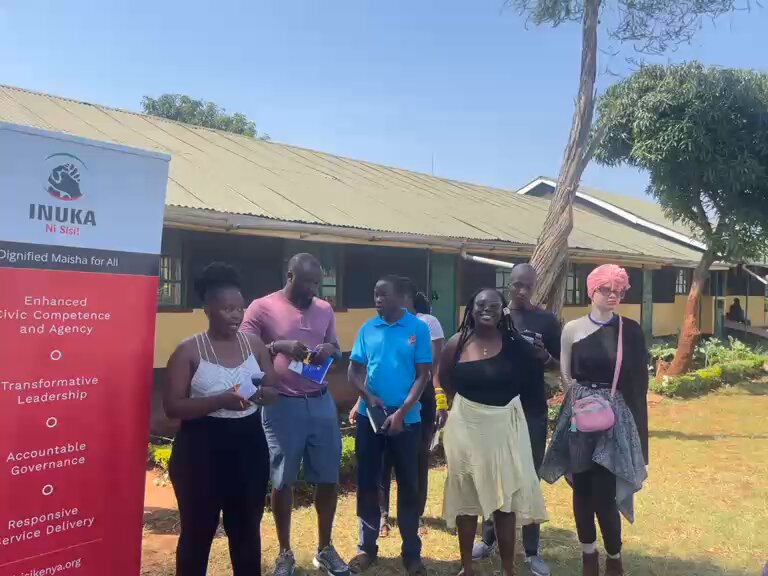
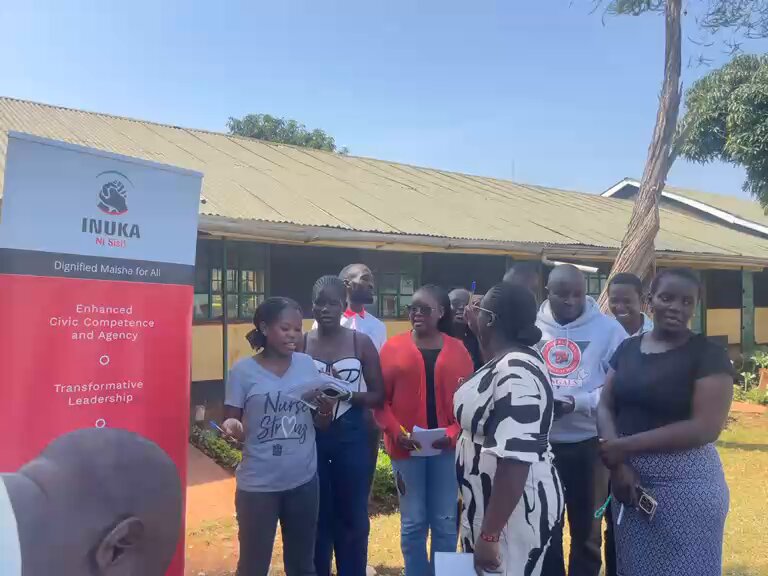
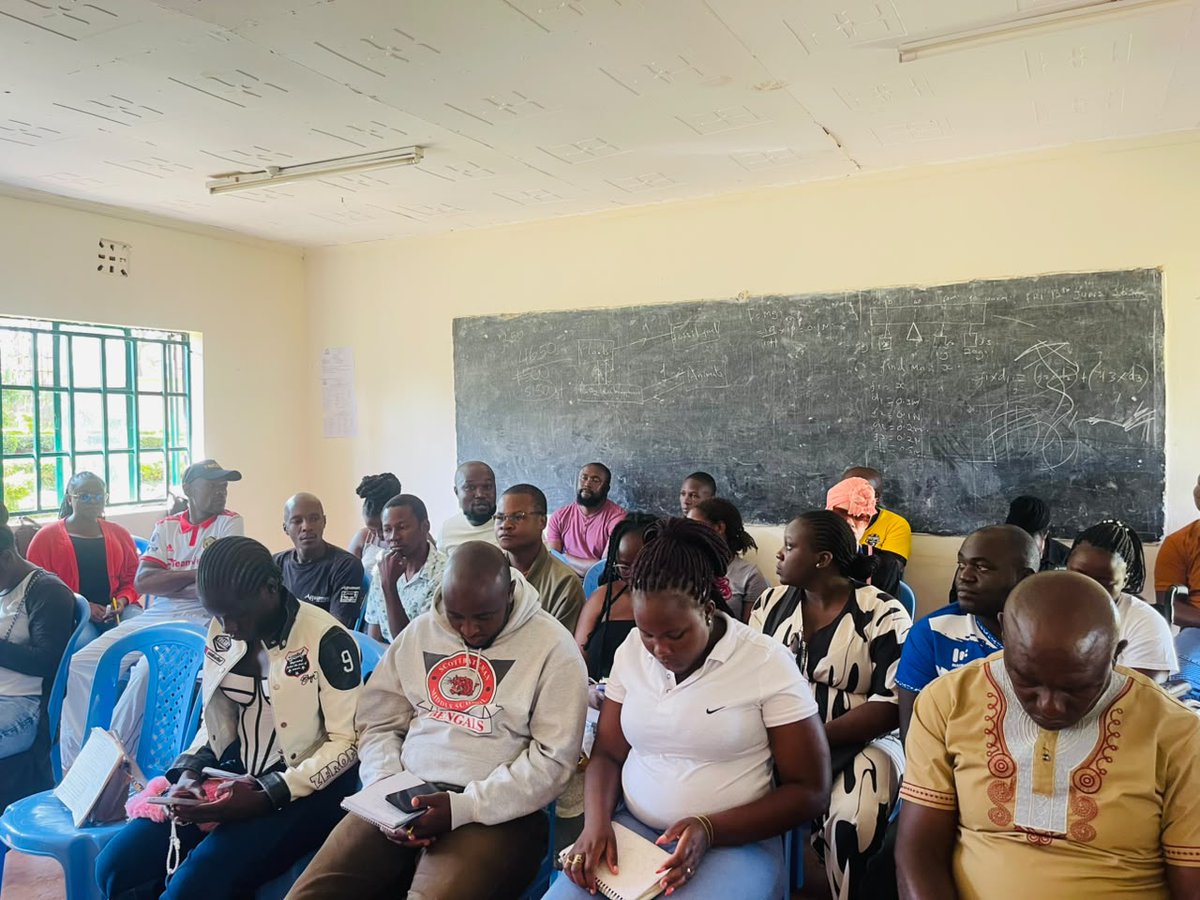
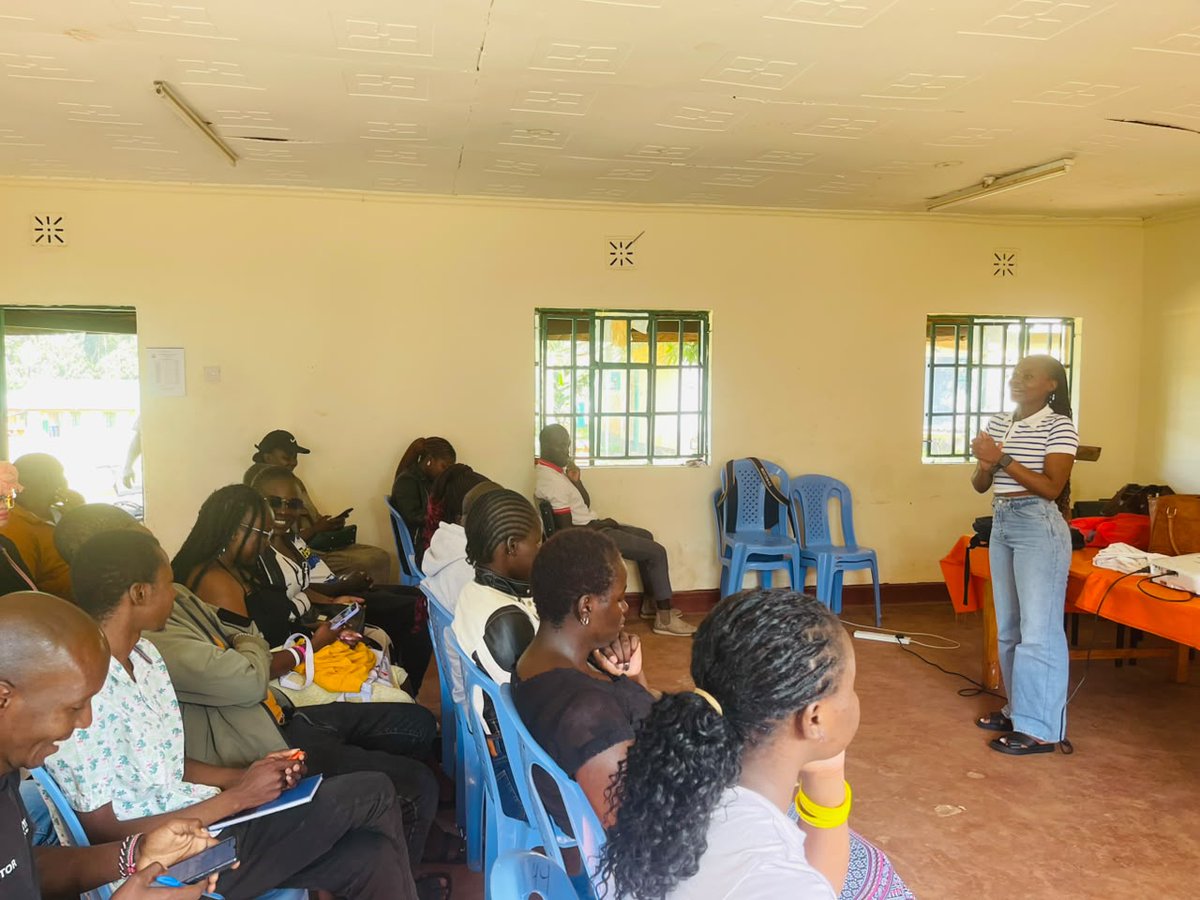
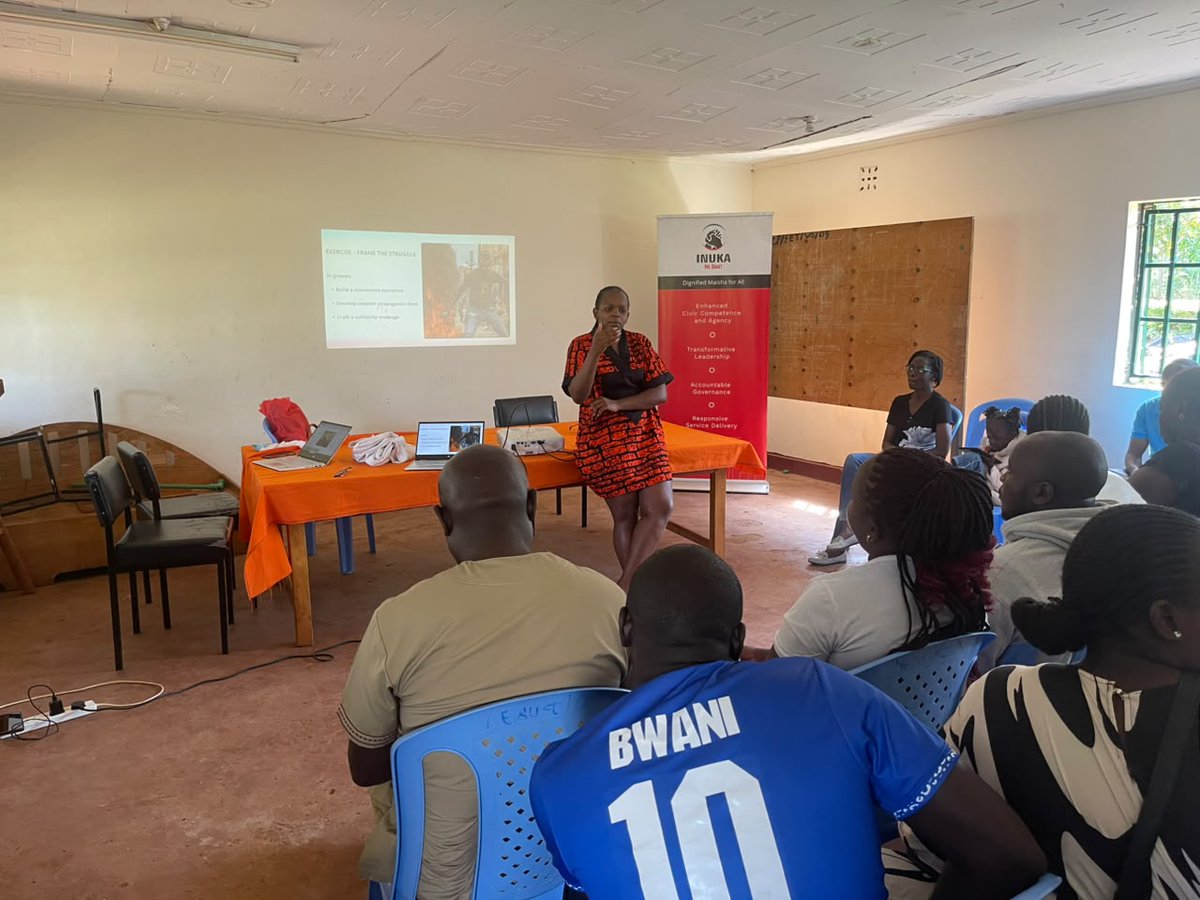
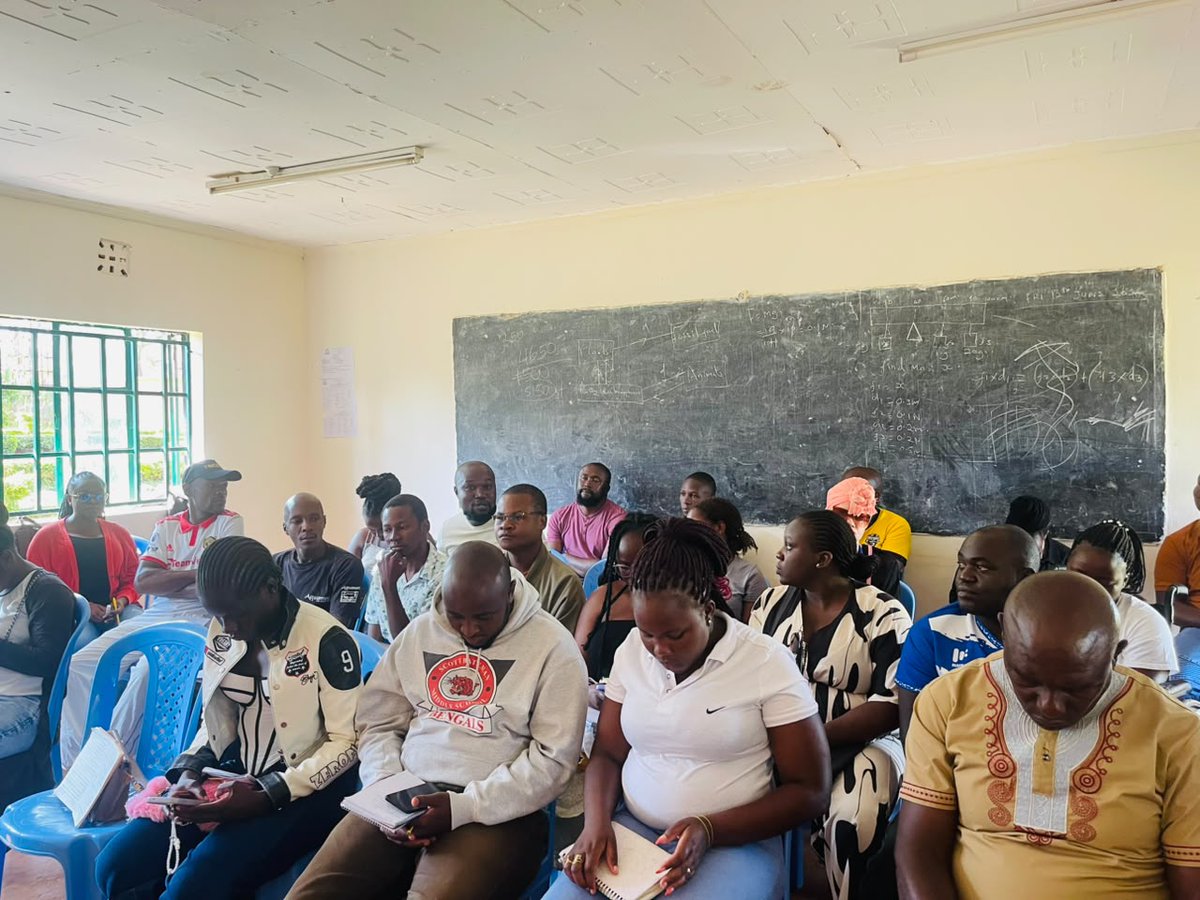
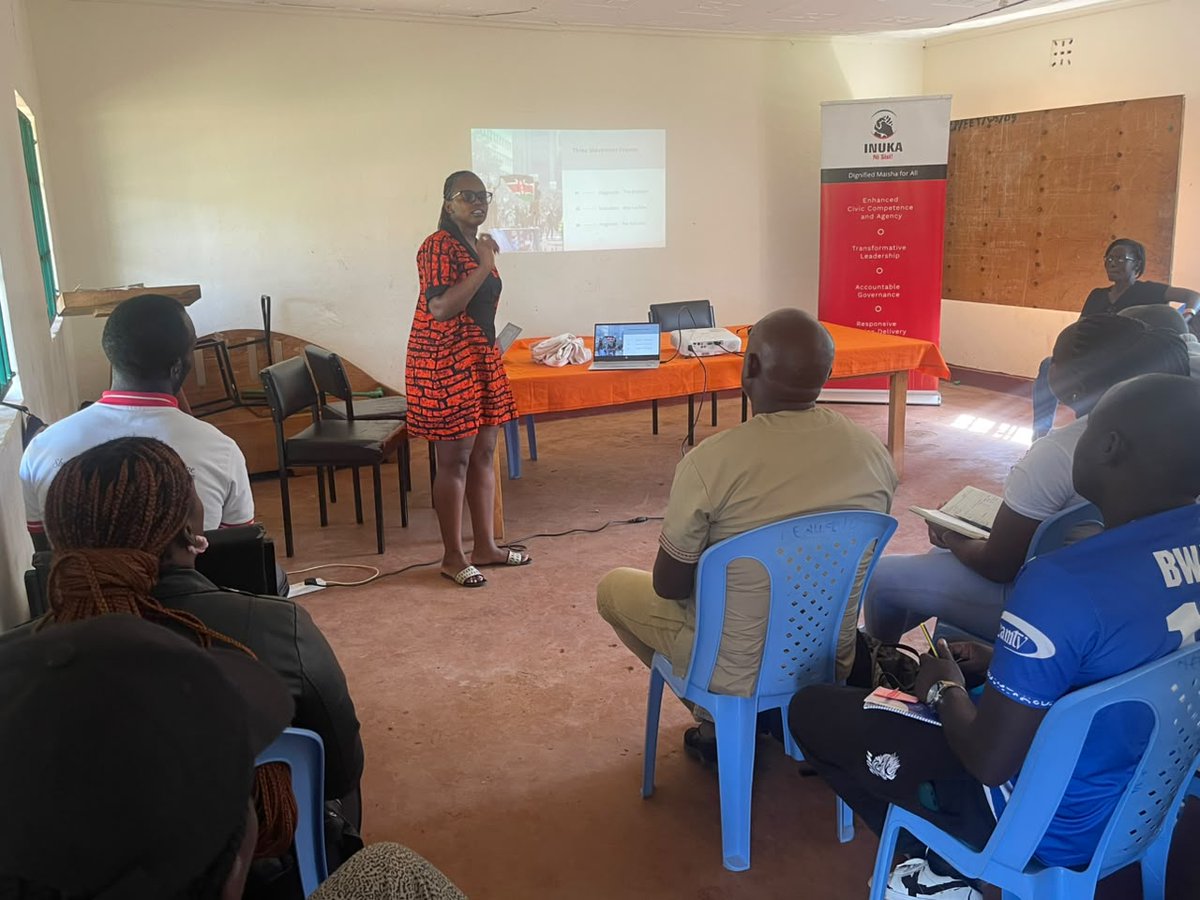
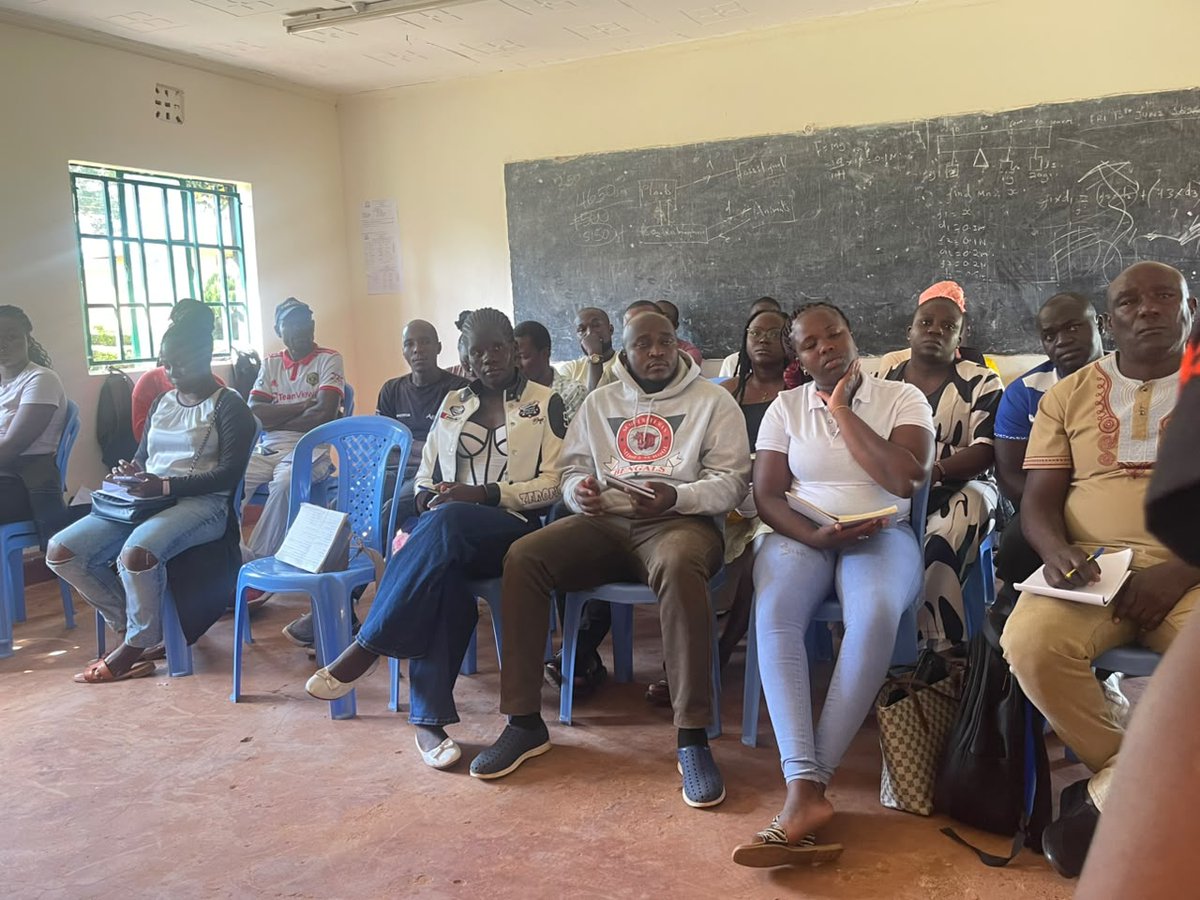
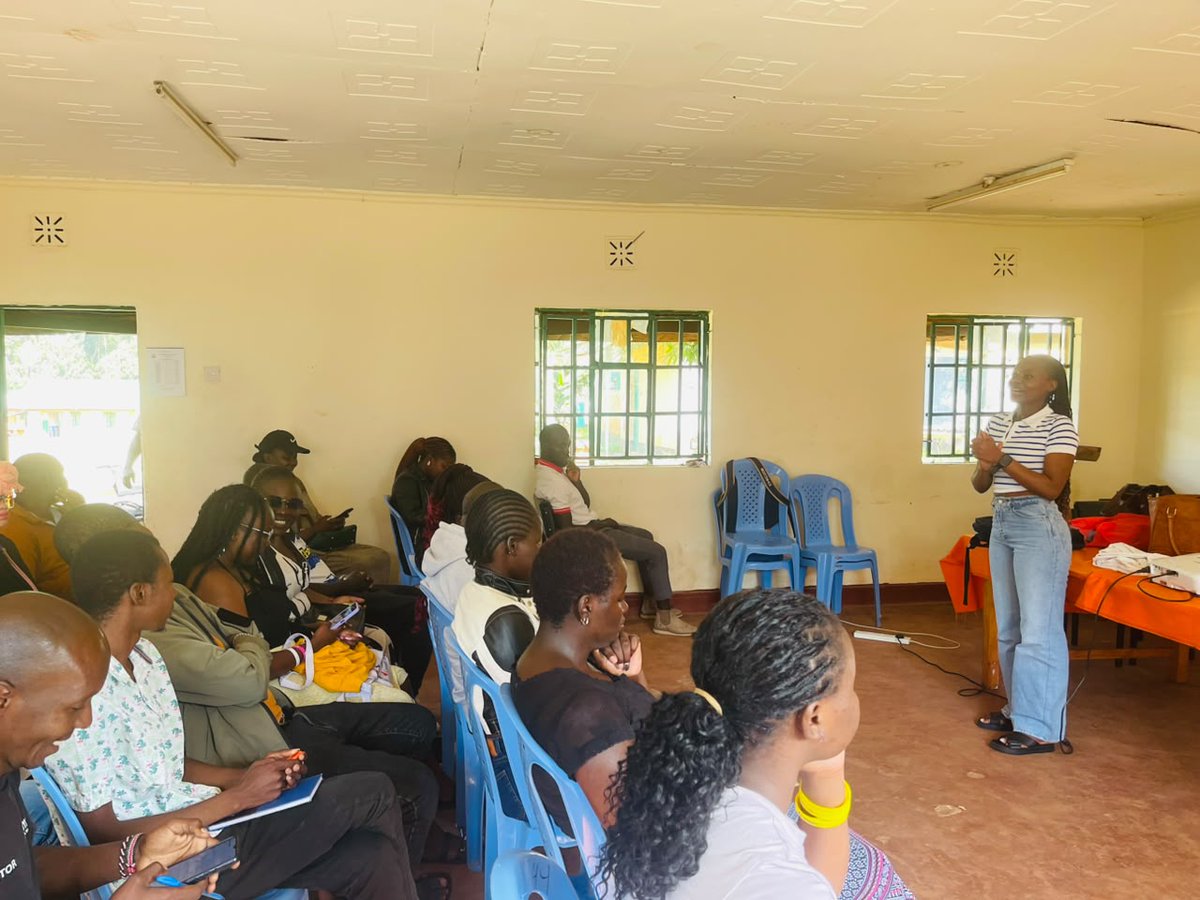
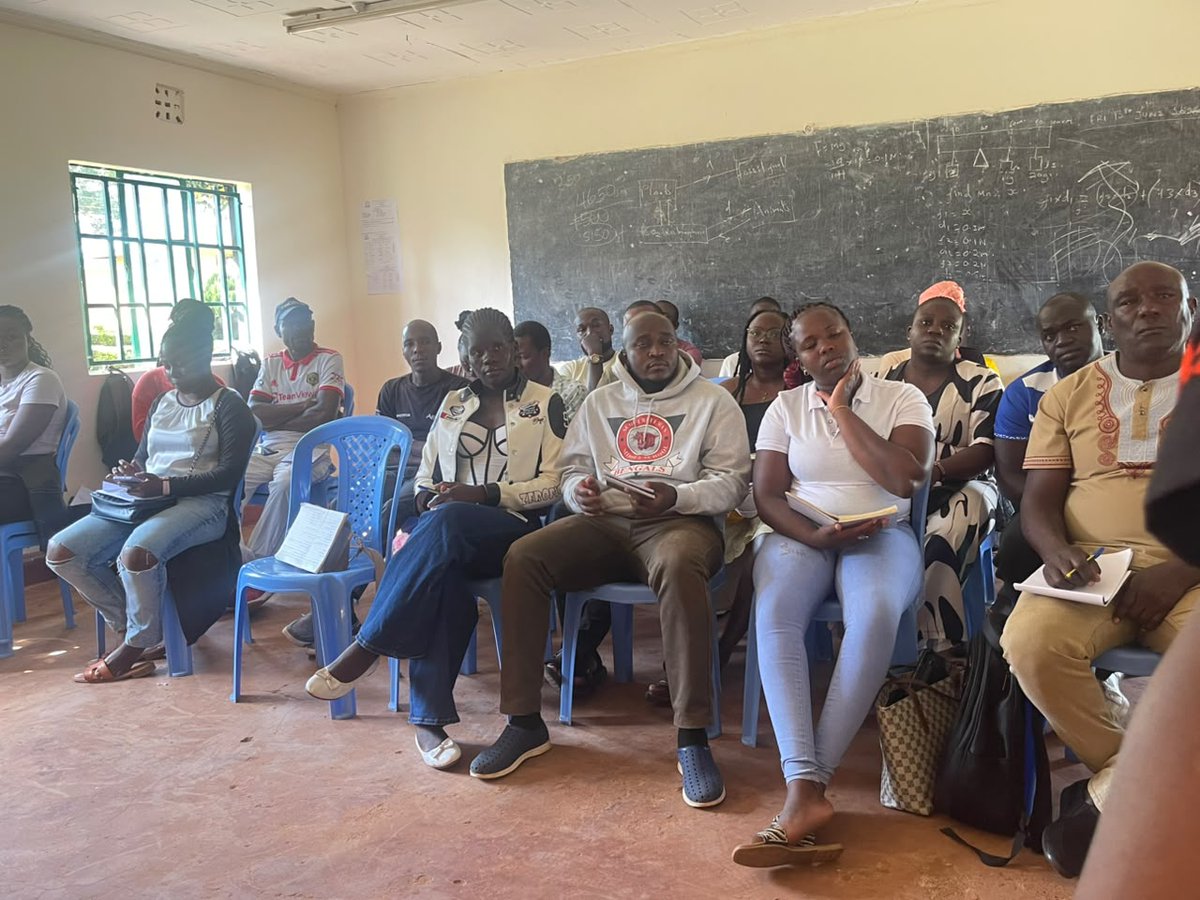
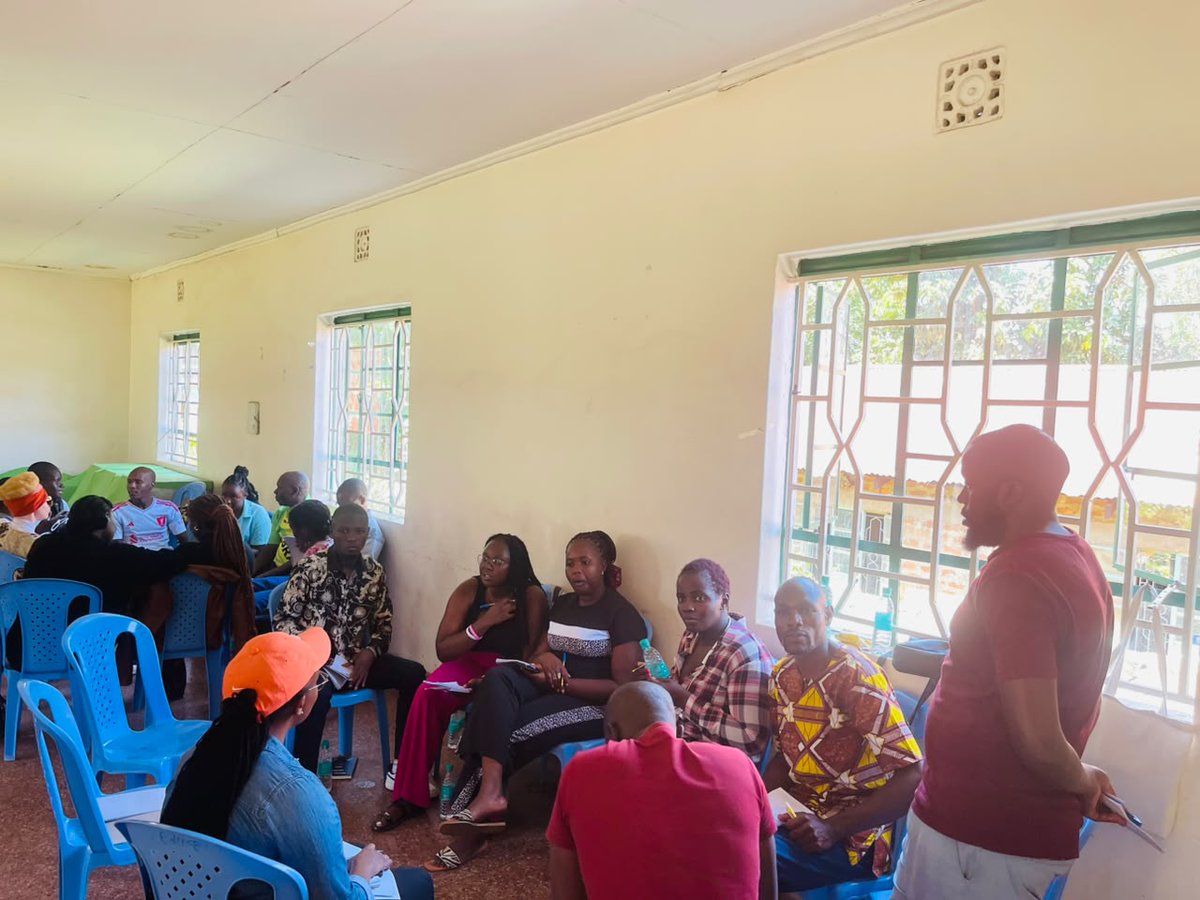
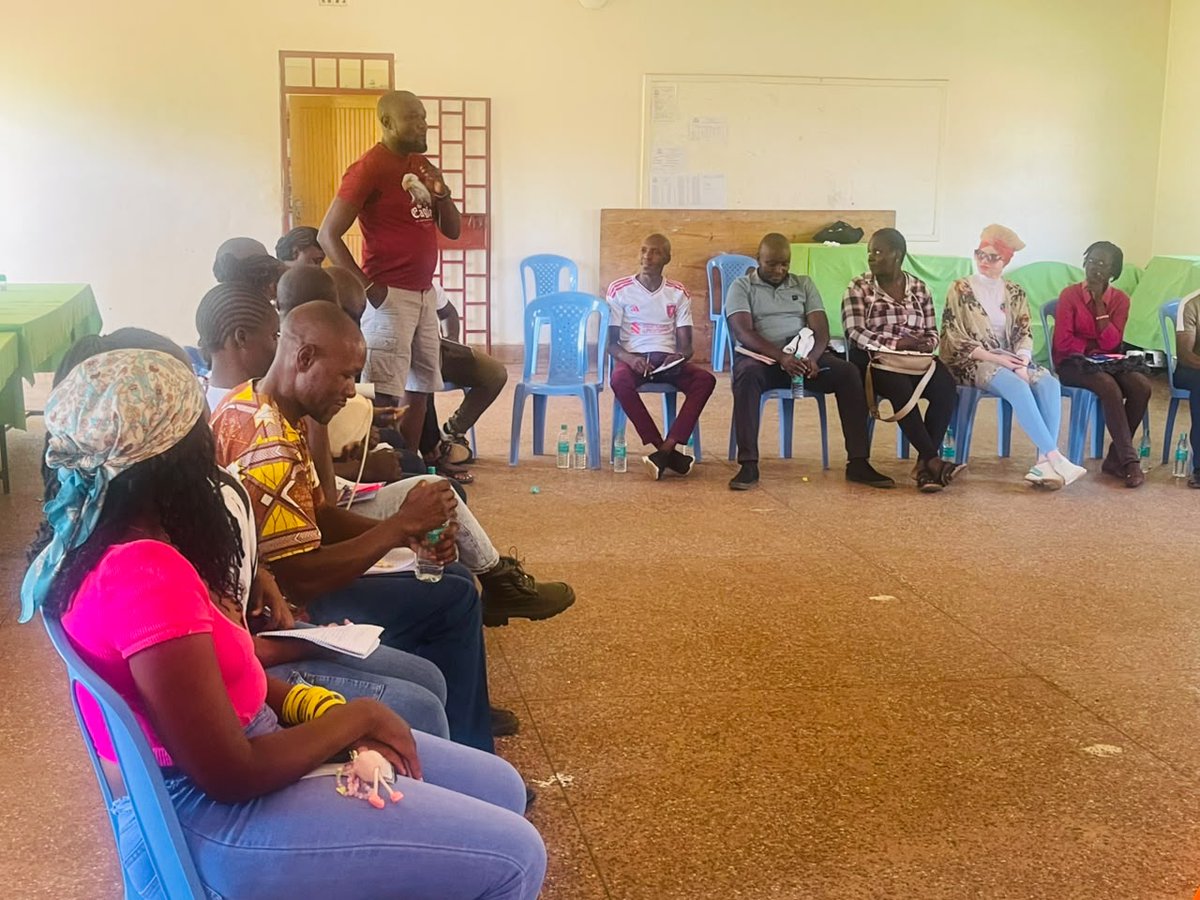
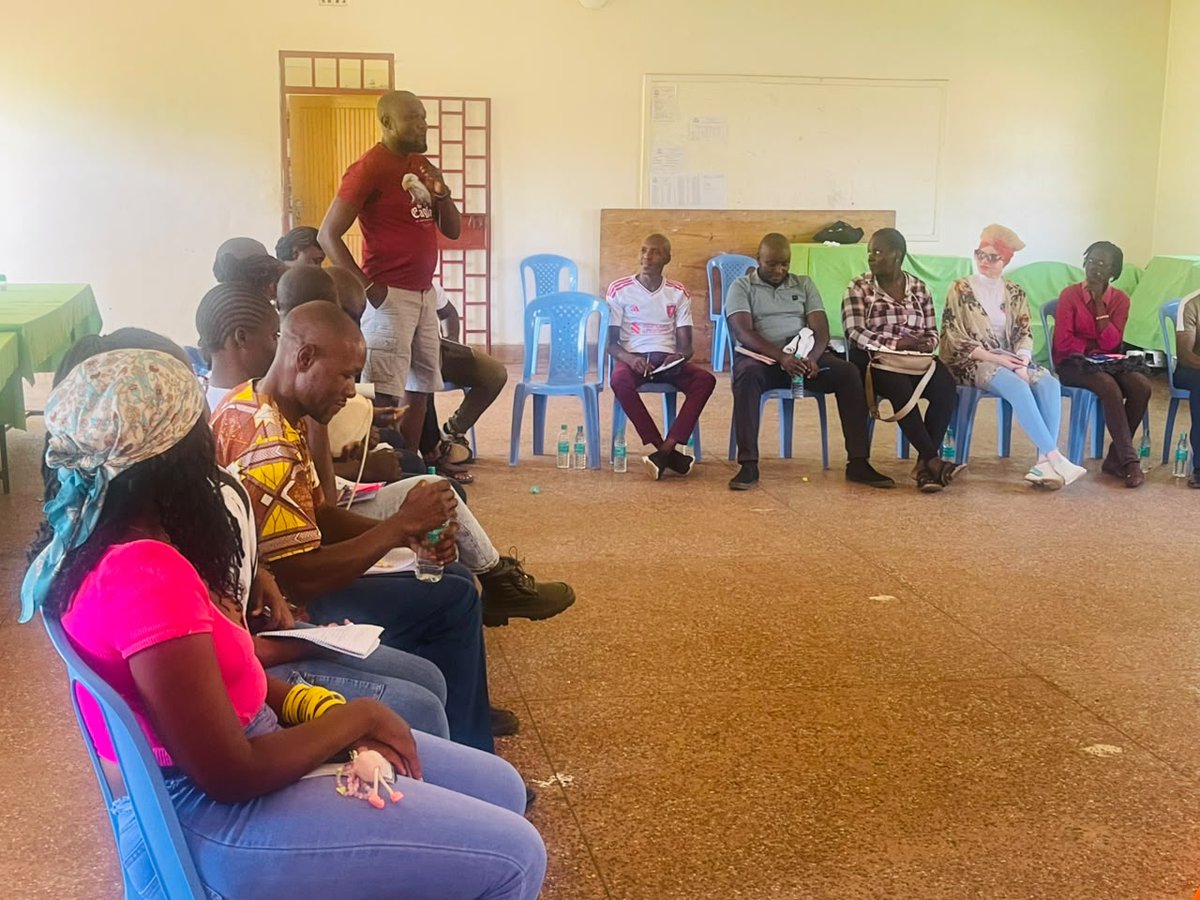
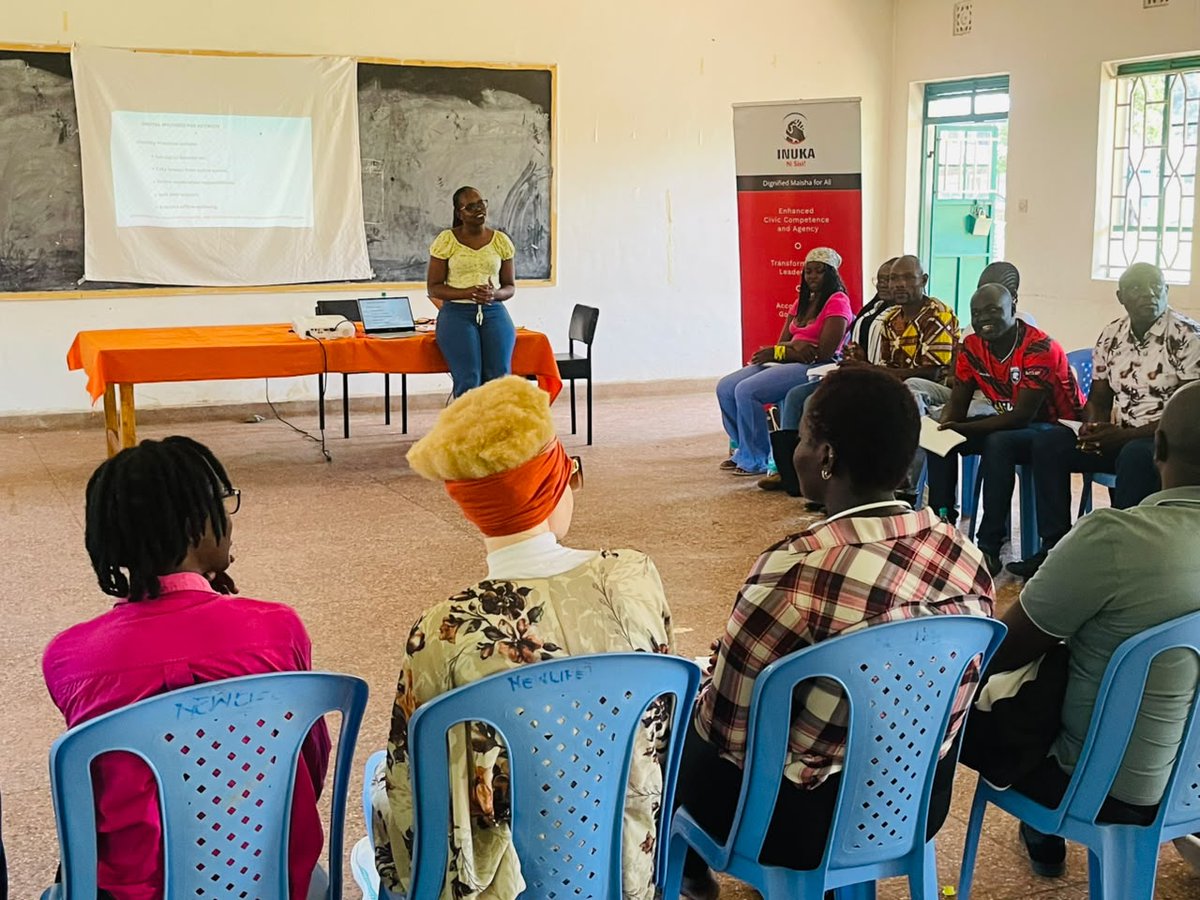
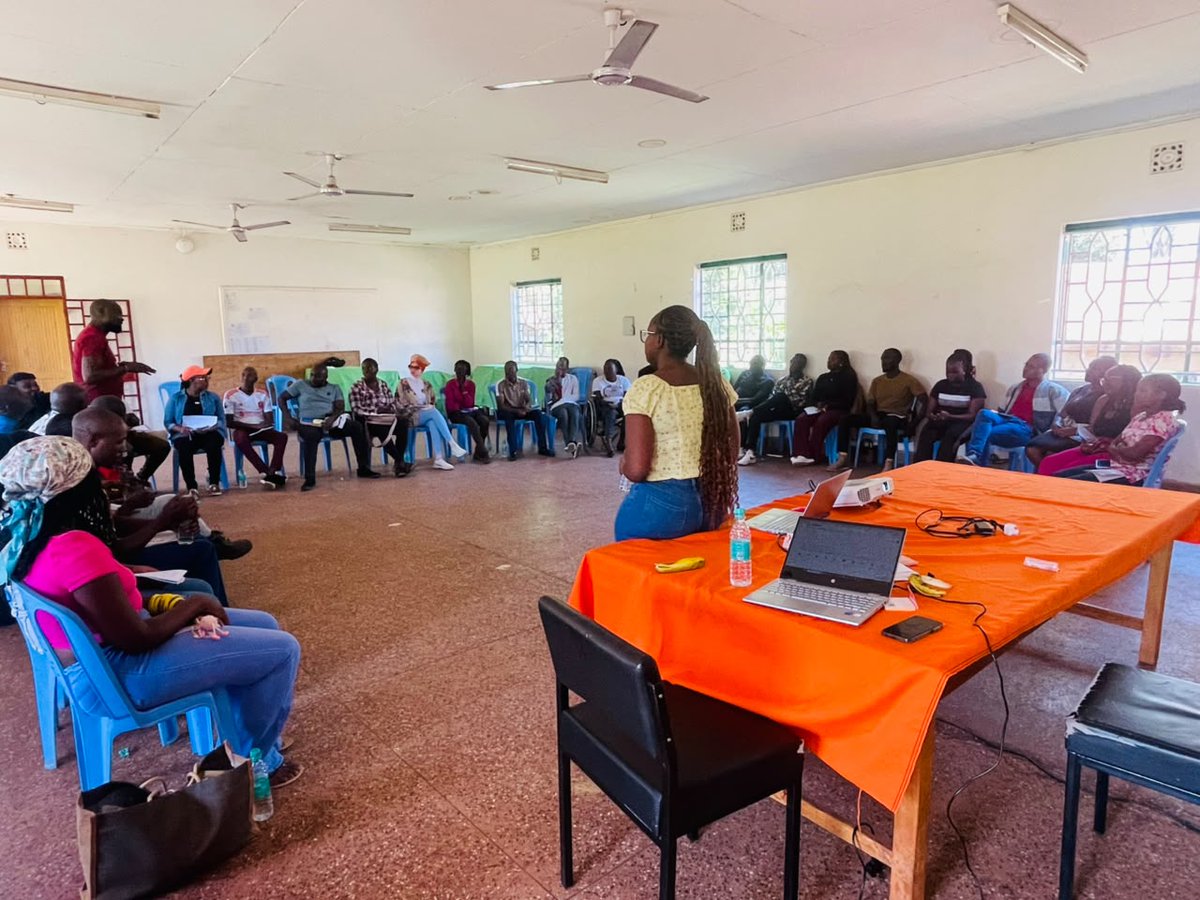
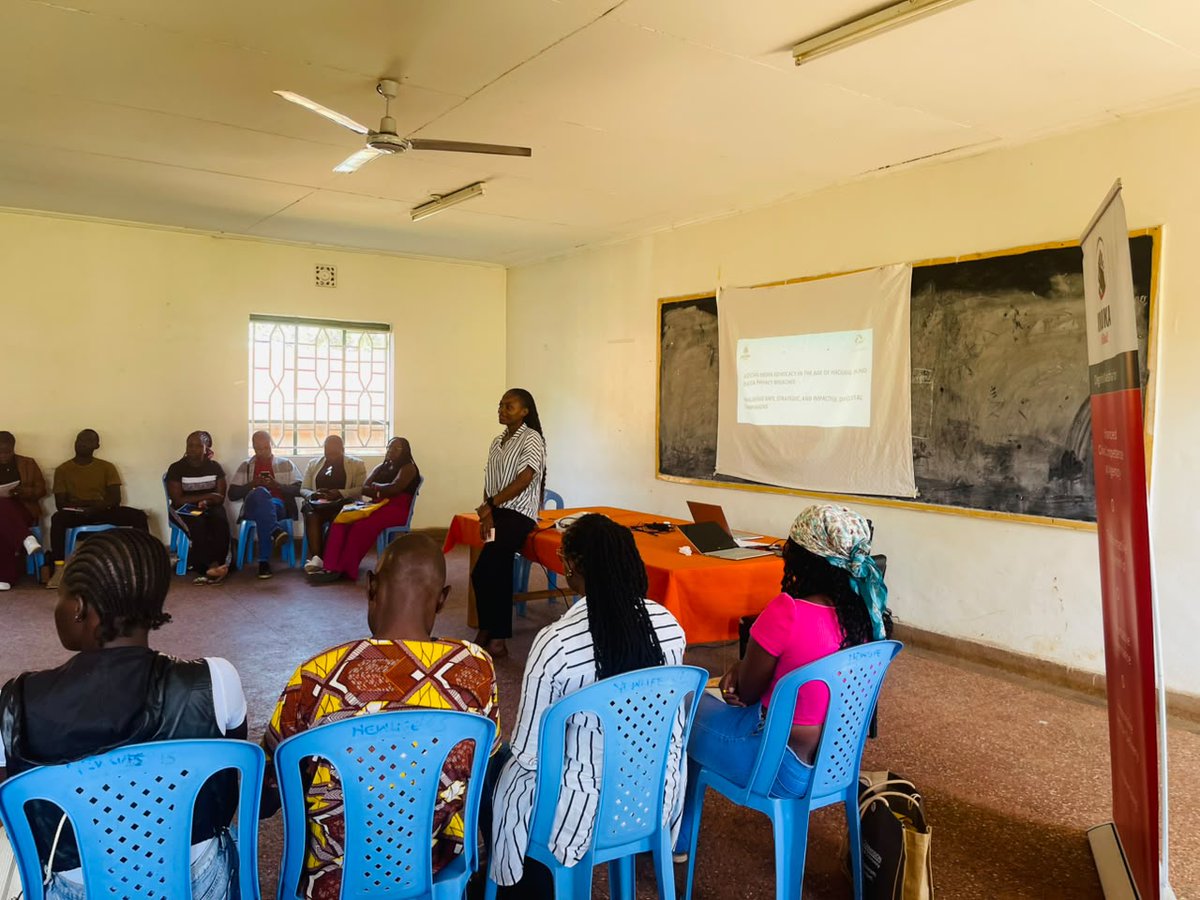
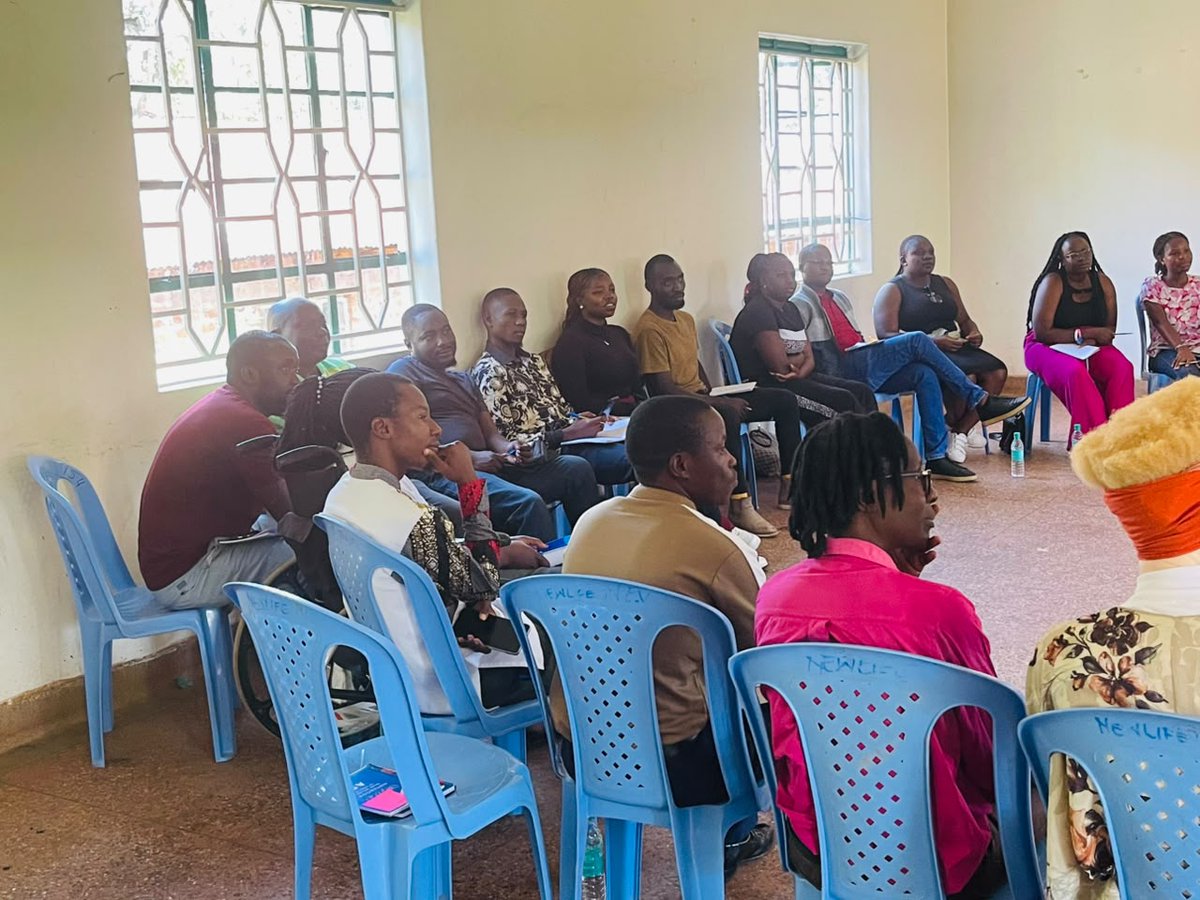
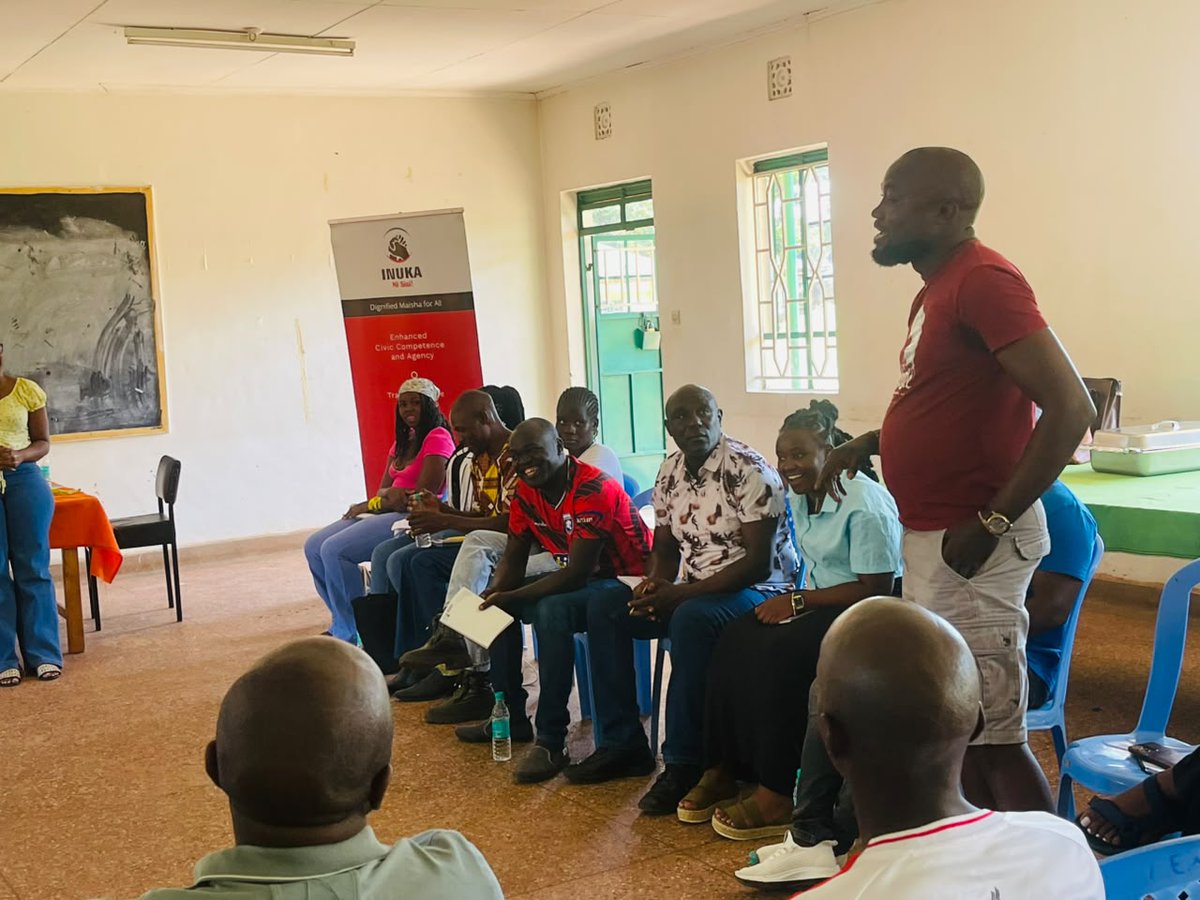
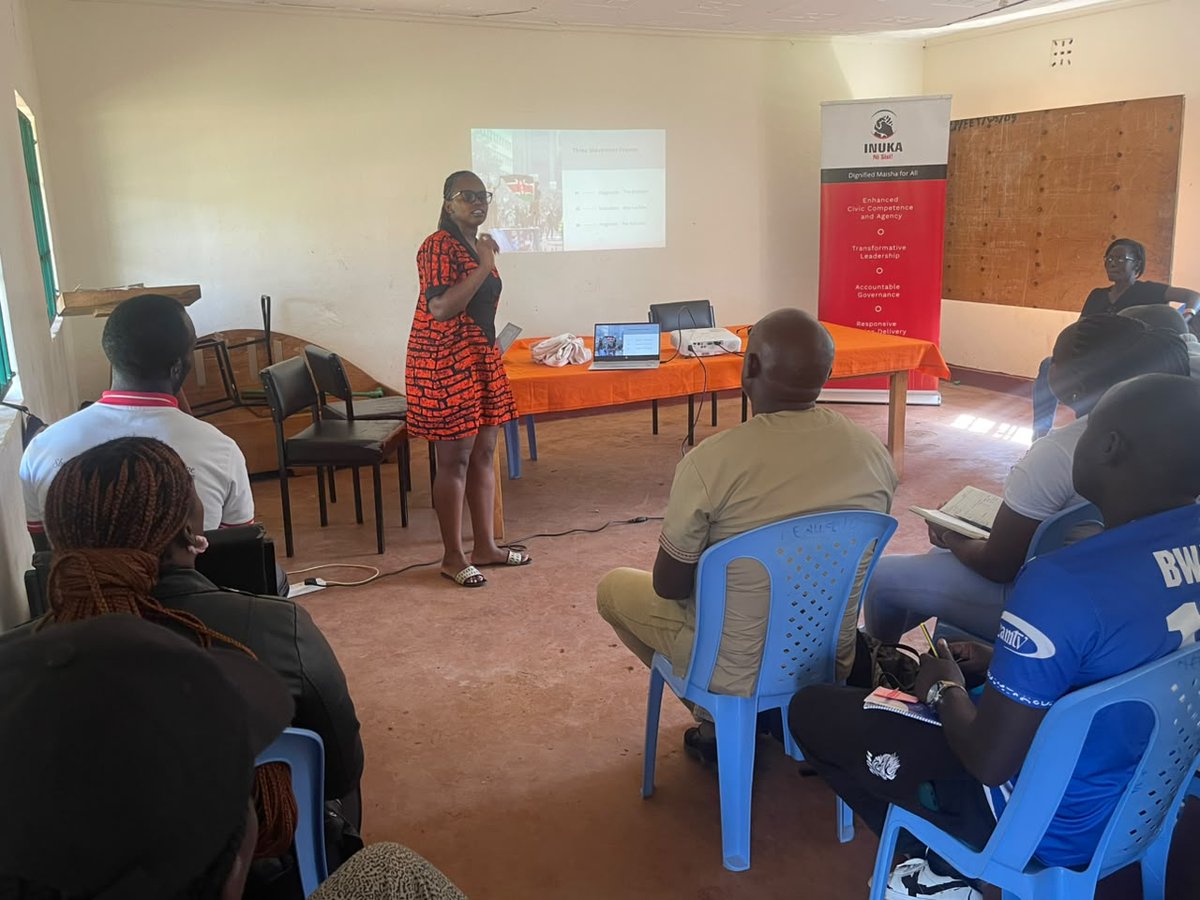
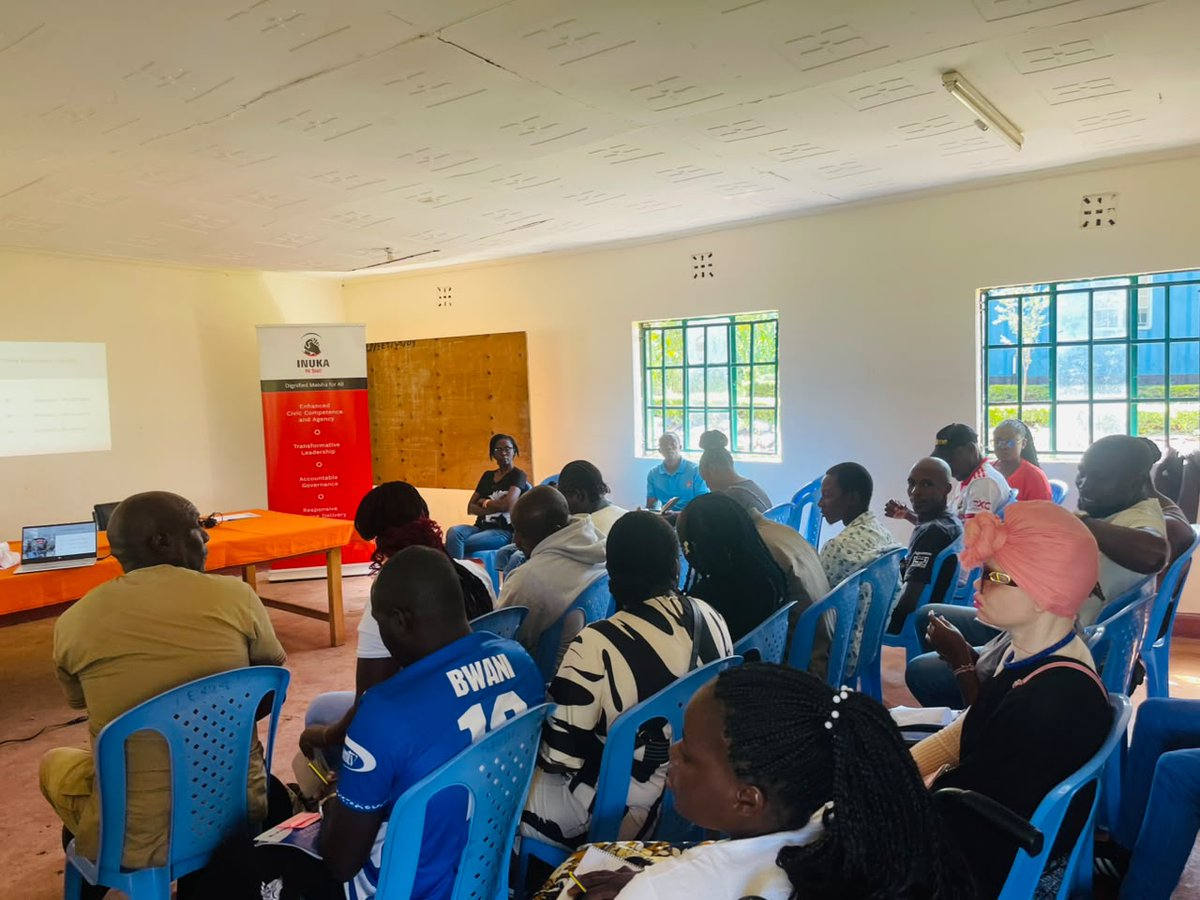
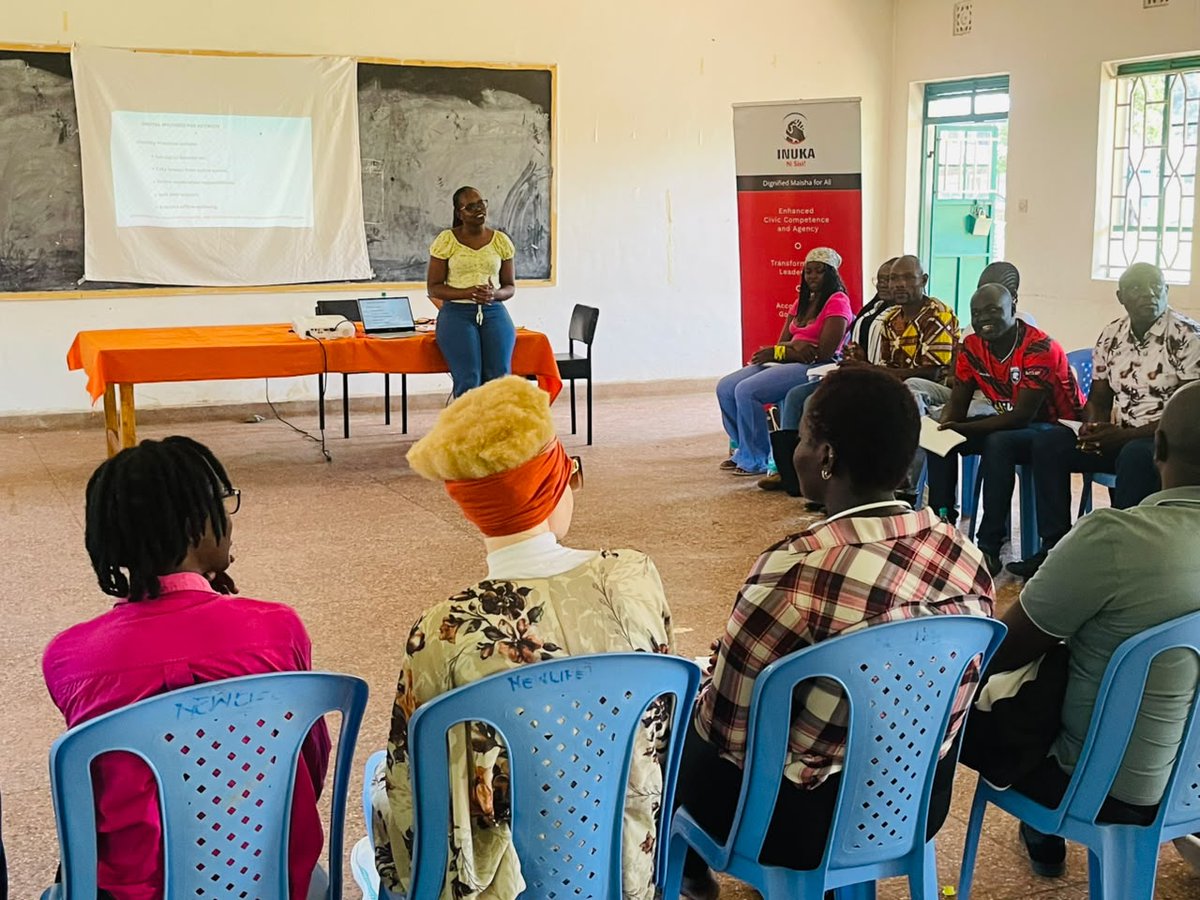
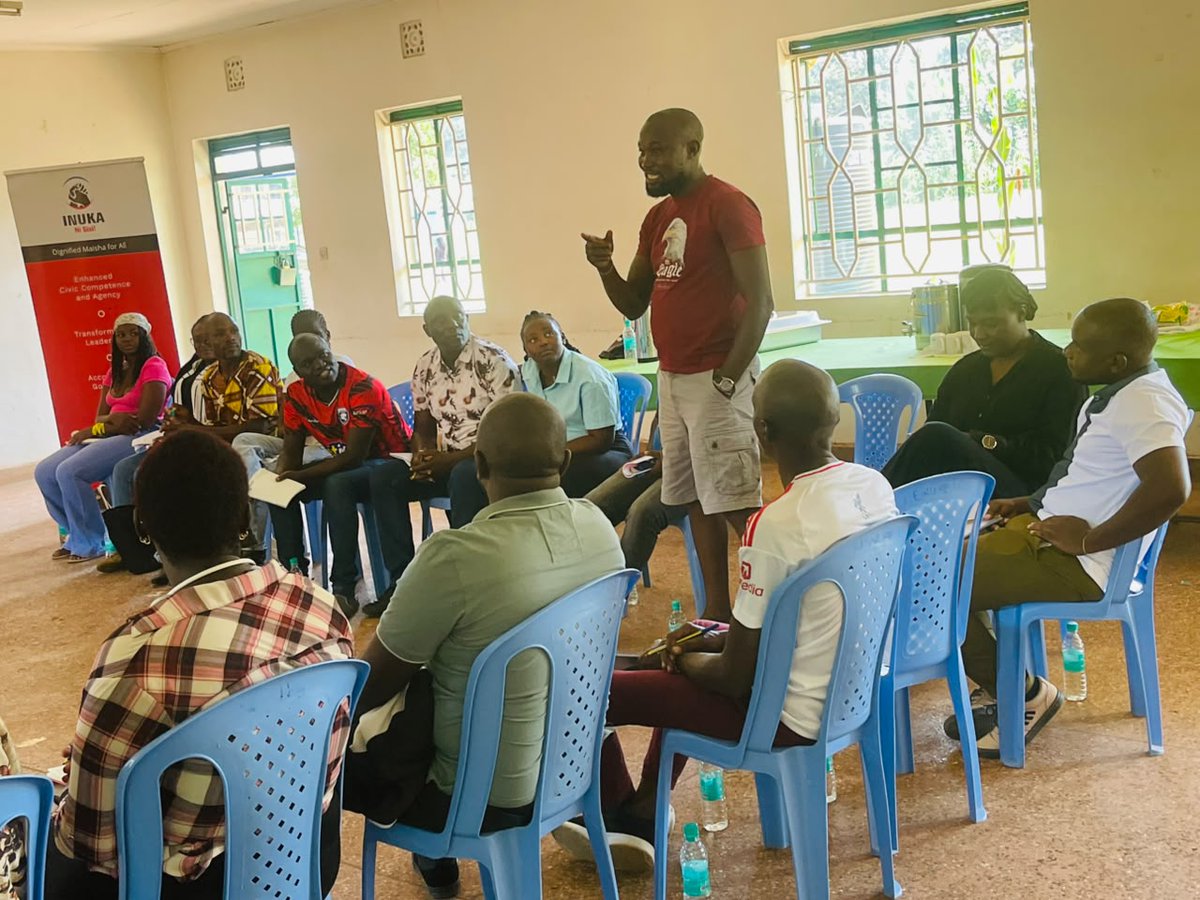
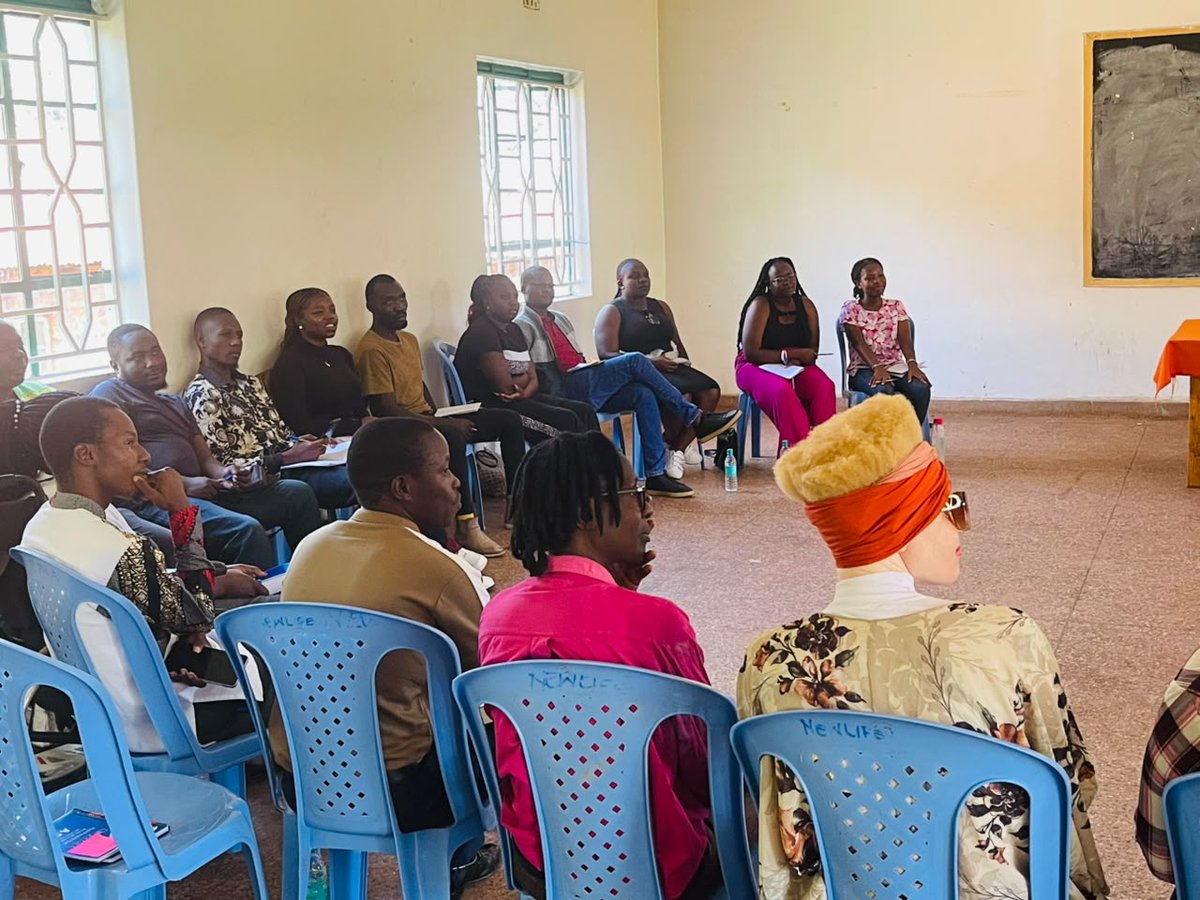
Maskani Ya Taifa has kicked off a transformative 3-day training in Kakamega County aimed at strengthening digital advocacy skills among young people in Kakamega.
The training will equip participants with practical skills on Social Media for Advocacy, empowering them to amplify community voices, drive civic engagement, promote accountability, and influence conversations that shape governance and social change.
In today's digital age, advocacy extends beyond physical spaces. Social media has become a powerful tool for mobilization, public participation, and shaping narratives that matter. Through this training, youth from various wards across Kakamega County will learn how to strategically and responsibly use digital platforms to create impact within their communities and beyond.
By strengthening their digital advocacy skills, participants will be better equipped to champion issues affecting their communities and contribute to meaningful social change.
#MaskaniKakamega
24
21
28
1,462
Jun 12
Maskani Ya Taifa has kicked off a transformative 3-day training in Kakamega County aimed at strengthening digital advocacy skills among young people in Kakamega.
The training will equip participants with practical skills on Social Media for Advocacy, empowering them to amplify community voices, drive civic engagement, promote accountability, and influence conversations that shape governance and social change.
In today's digital age, advocacy extends beyond physical spaces. Social media has become a powerful tool for mobilization, public participation, and shaping narratives that matter. Through this training, youth from various wards across Kakamega County will learn how to strategically and responsibly use digital platforms to create impact within their communities and beyond.
By strengthening their digital advocacy skills, participants will be better equipped to champion issues affecting their communities and contribute to meaningful social change.
#MaskaniKakamega
24
21
28
1,462
Jun 13
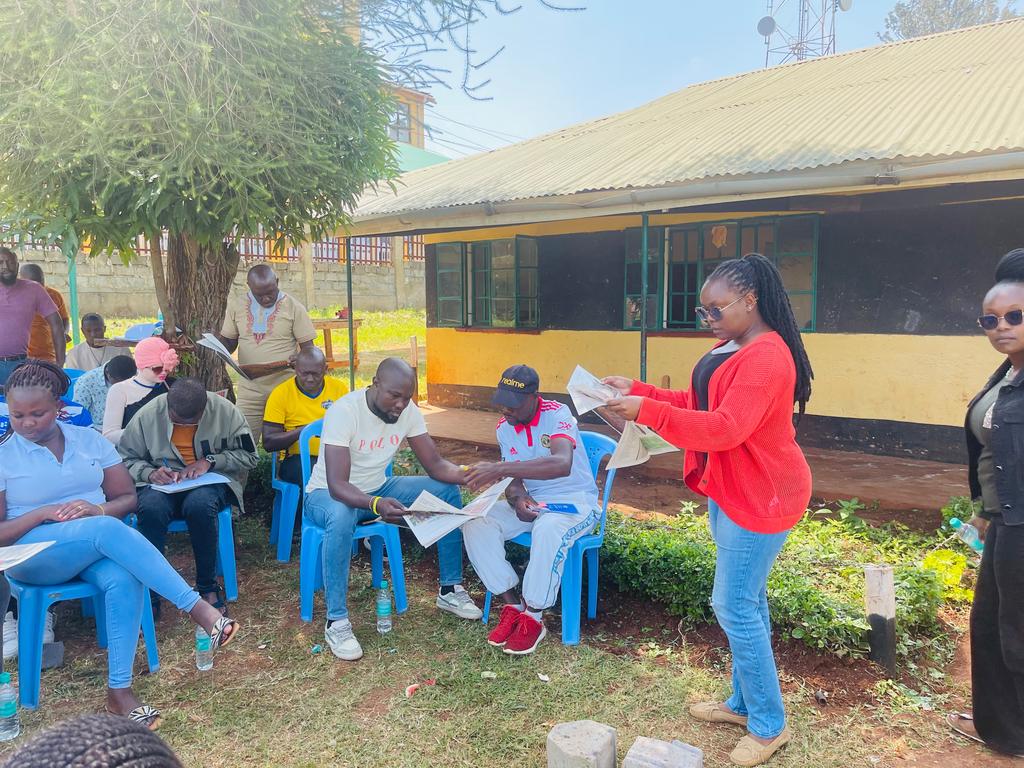
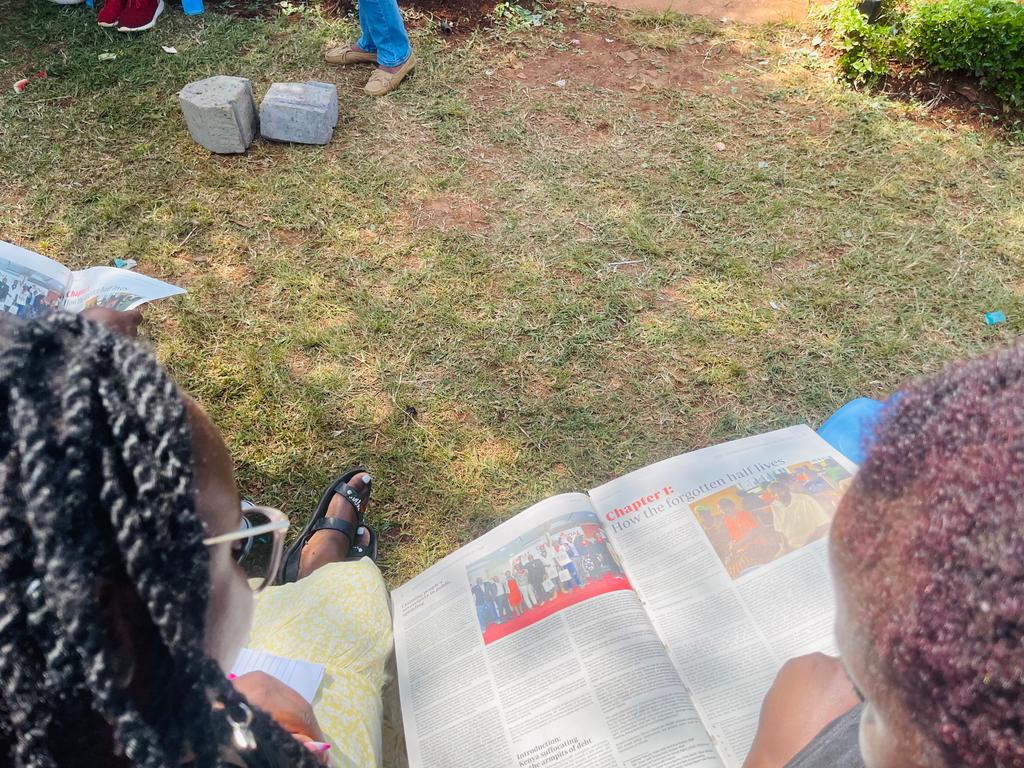
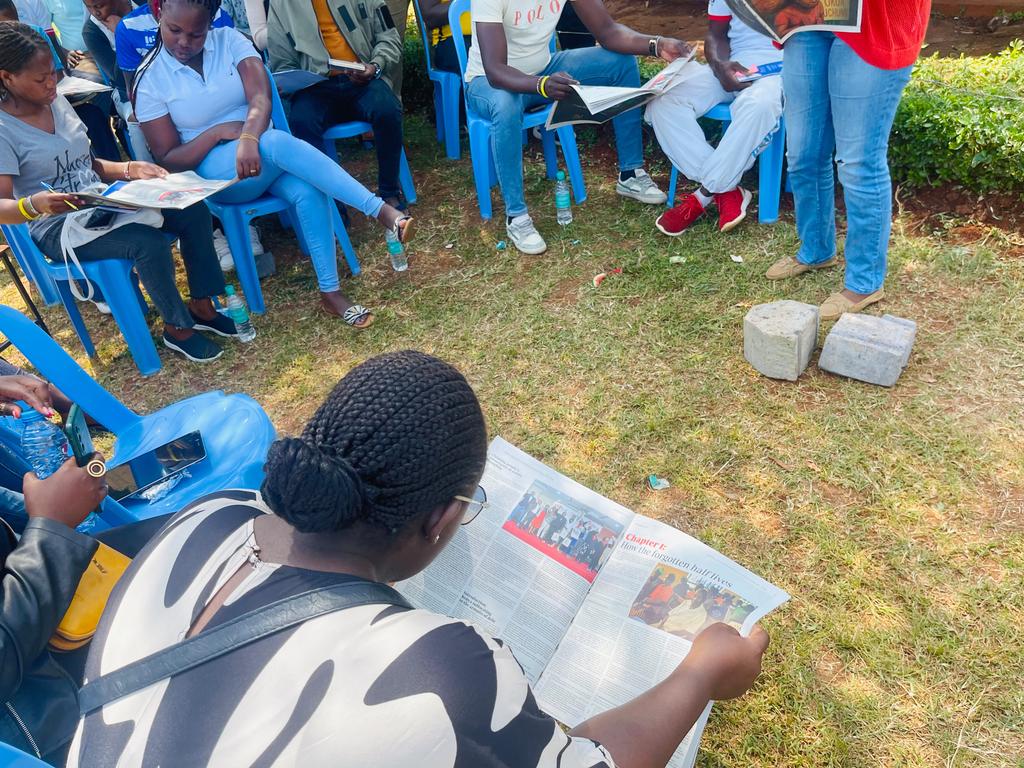
We have completed Day 2 of the #MaskaniKakamega training, closing the session with a participant-led analysis of the People’s Audit Report.
Participants reviewed key findings, identified gaps in service delivery, and reflected on how public resources are being utilized at the county level. The discussion focused on accountability, citizen voice, and the role of young people in pushing for transparency and improved service delivery.
The session strengthened shared understanding that public information is a tool for action, not just reporting.
#MaskaniKakamega
5
11
243
Jun 13
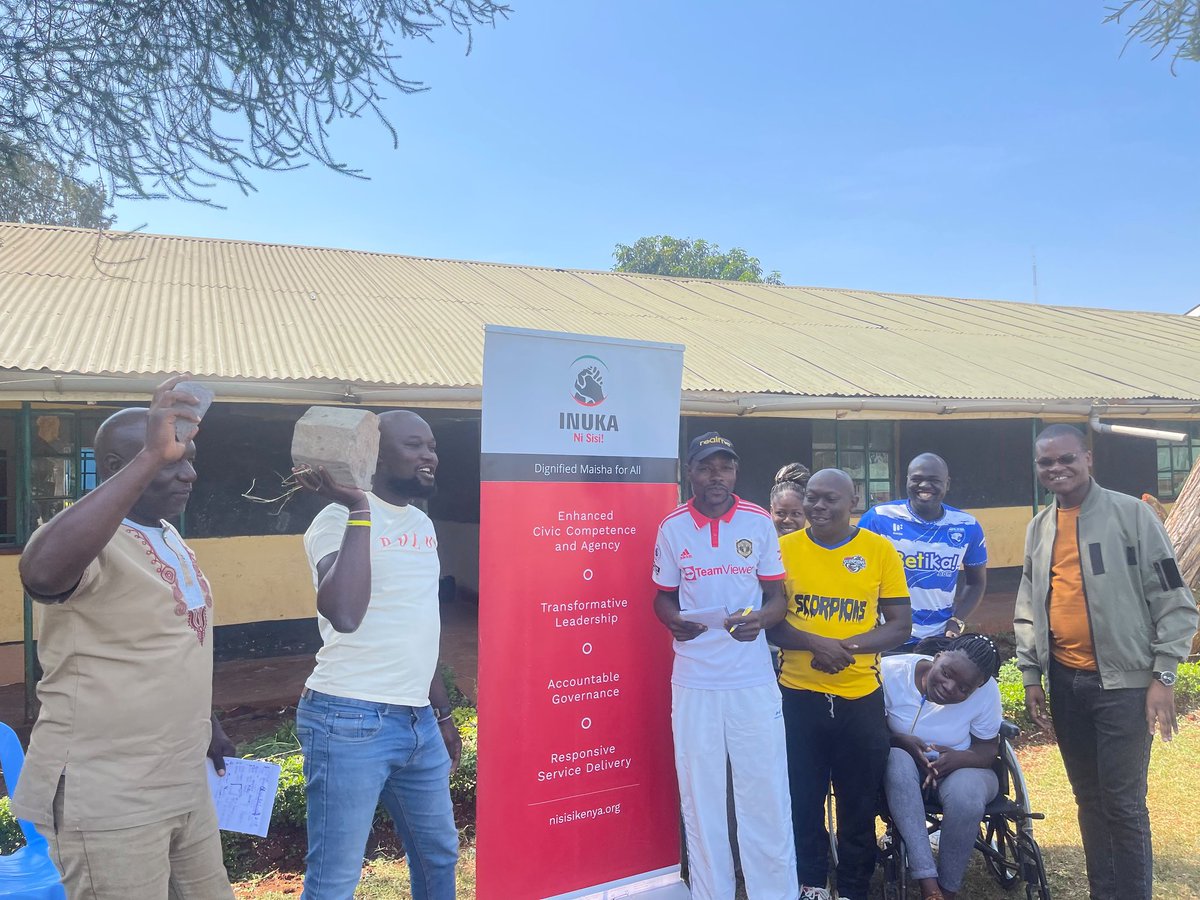
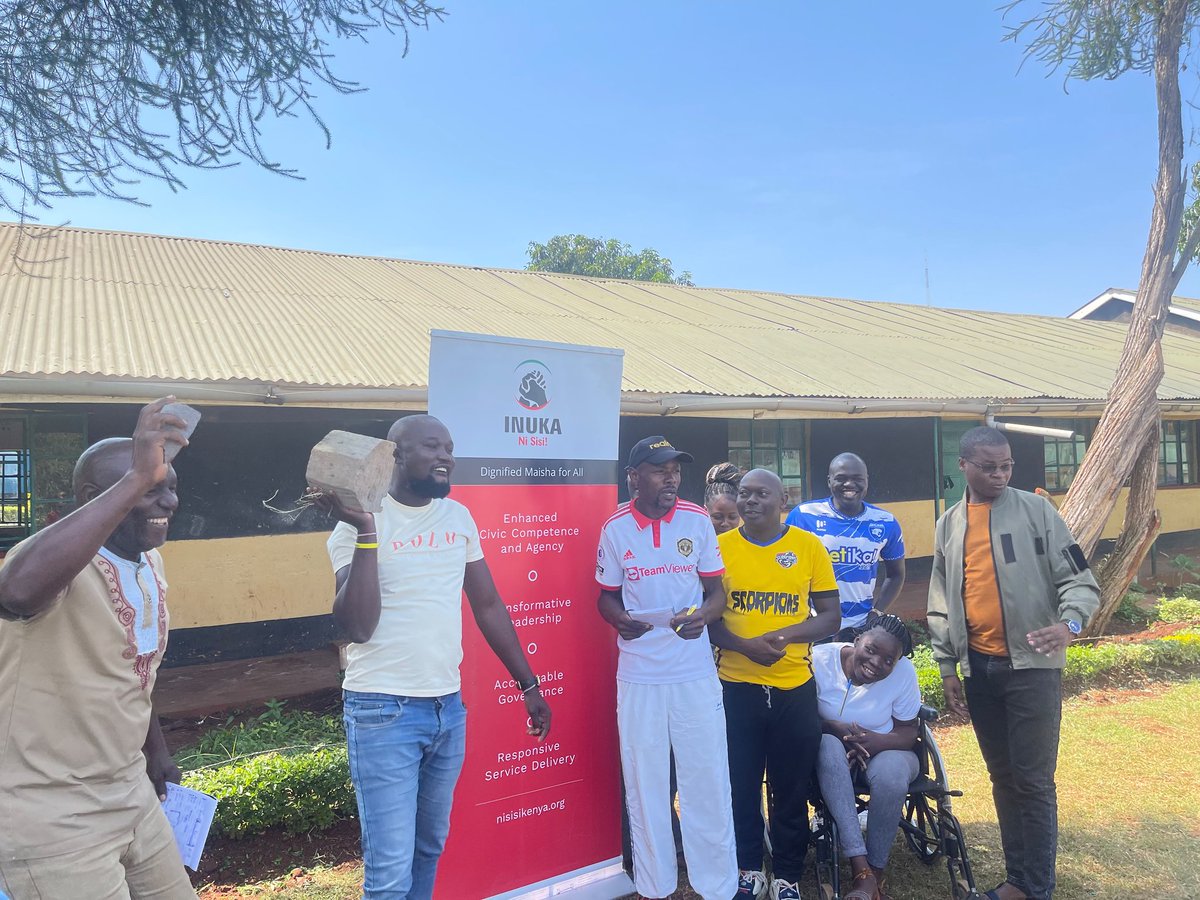
Group Two (Kaende Kaende) discussion in narrative framing at #MaskaniKakamega is examining challenges within the health sector, focusing on stalled development of a health facility projects.
. #MaskaniKakamega team have highlighted that despite allocation of land and the initiation of construction works aimed at improving healthcare services, the project remains incomplete. This raises questions of accountability and trust in public service delivery, especially where citizens continue to pay taxes but do not receive expected services.
The discussion identifies possible causes of the stalled project, including corruption, weak oversight mechanisms, and limited accountability from both community structures and county leadership, including oversight bodies.
Responsibility is seen as shared among community stakeholders, leaders, civil society organisations (CSOs), and relevant oversight committees such as the Public Accounts Committee (PAC), all of whom play a role in monitoring and ensuring project completion.
They are calling for the use of development tracking tools, auditing of financial allocations since the 2016 financial year, and publication of audit findings to improve transparency and accountability in public projects.
They also analyse narratives and misinformation surrounding the project, including claims about technical site errors and political interference linked to competition between leaders. These narratives are being critically examined to separate fact from politically motivated framing.
A counter-narrative emerging from the discussion is that stalled public projects should be completed regardless of political competition, with leadership held accountable for continuity of development.
The solidarity message reinforces that when development projects stall, community wellbeing is affected, emphasising that “when the project stops, our lives are affected.”
#MaskaniKakamega
1
3
8
69
Jun 13
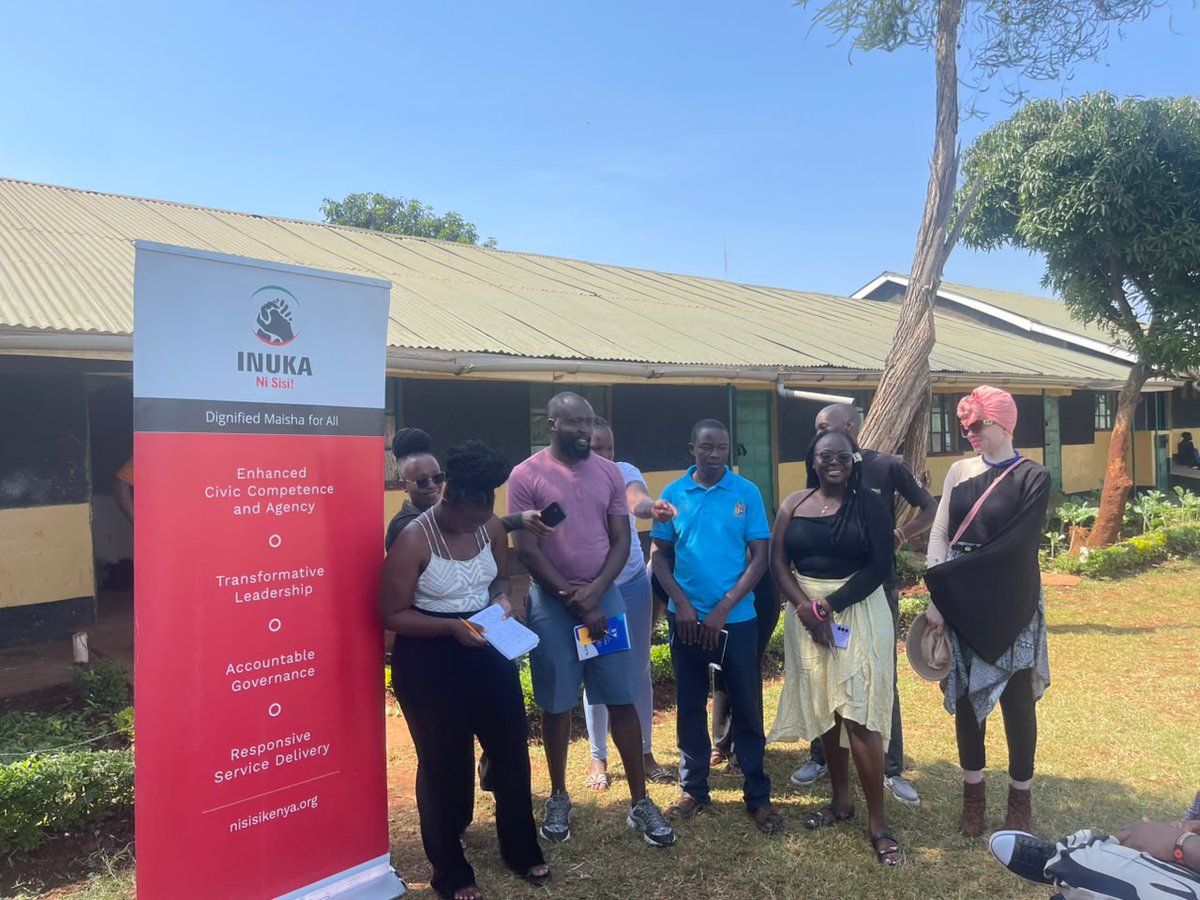
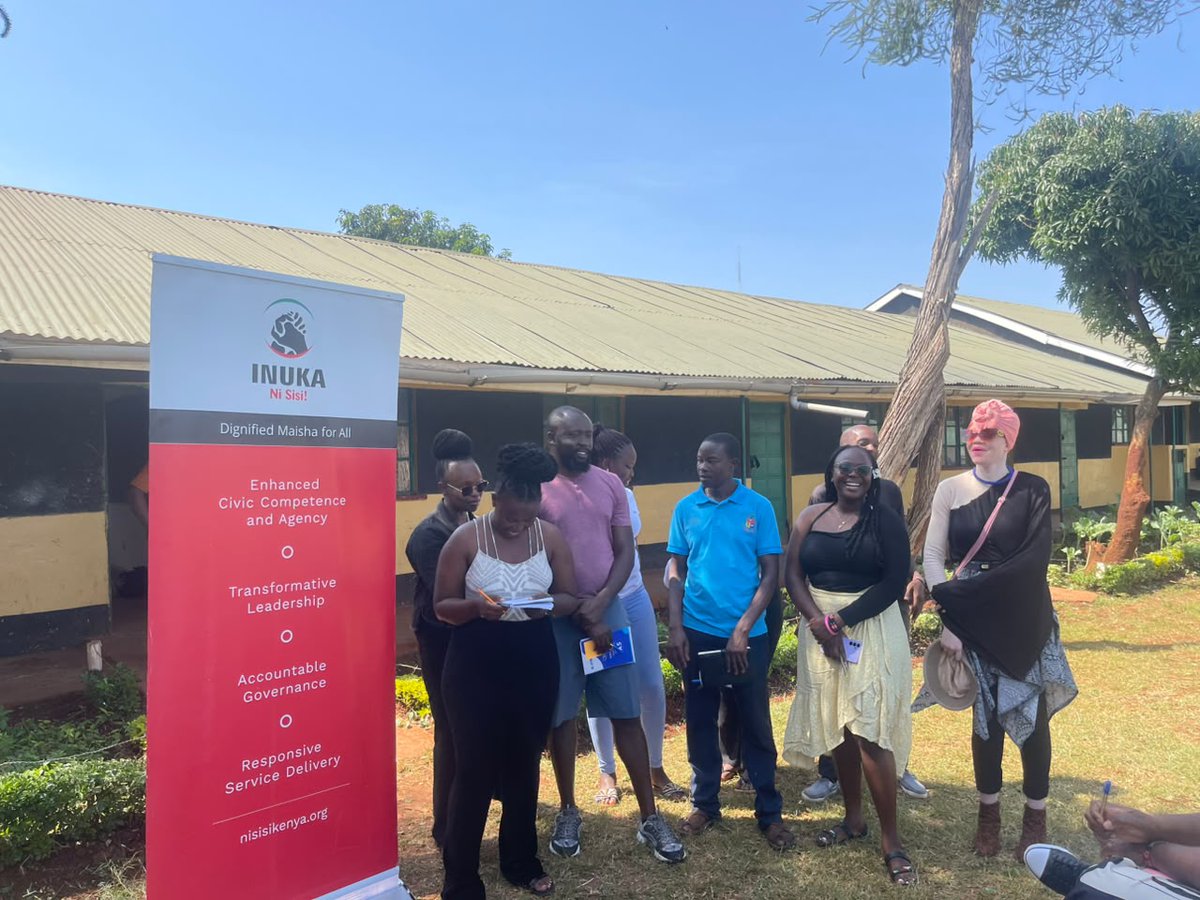
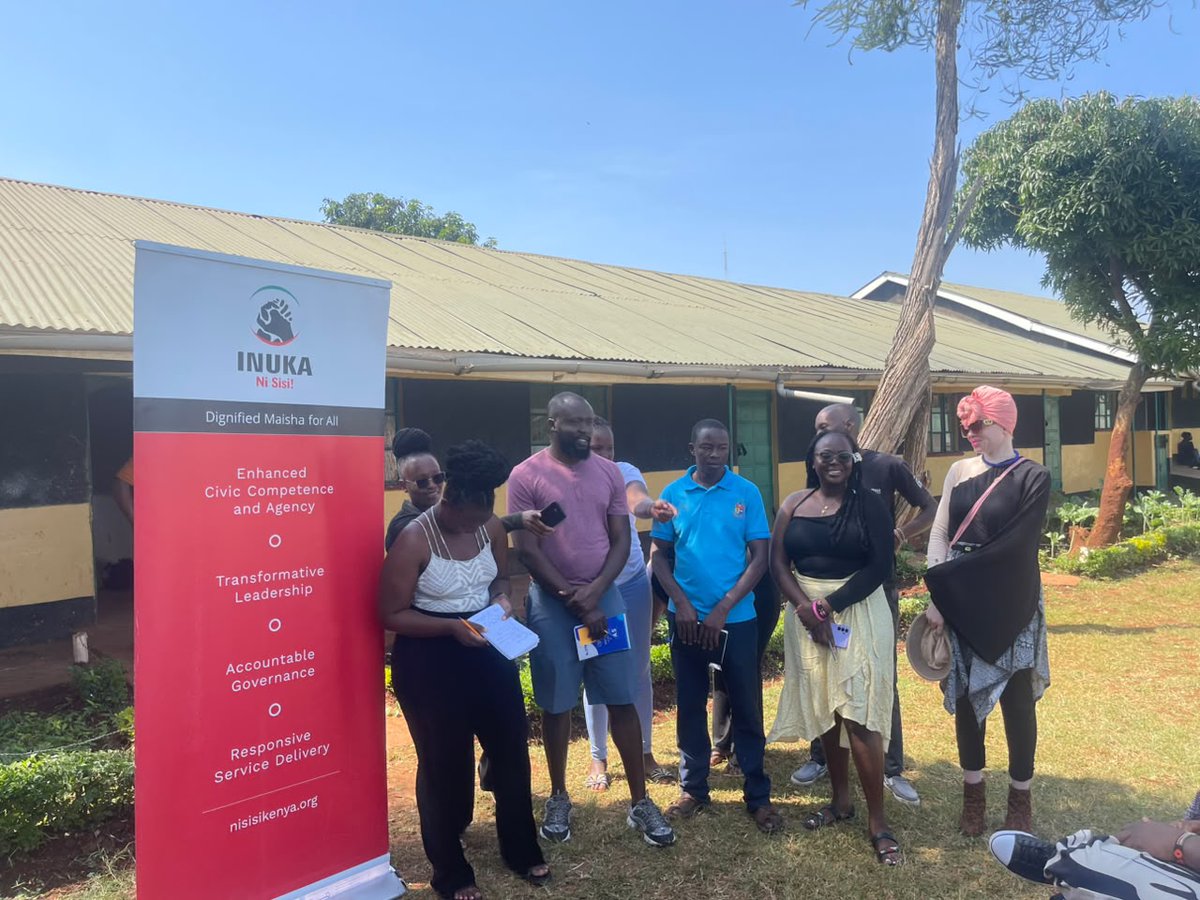
Group Two discussion in narrative framing at #MaskaniKakamega is examining the challenge of waste management within town areas, where litter, poor drainage maintenance, and environmental neglect are affecting cleanliness and public health.
#MaskaniKakamega have observed that although waste collection services exist, there are gaps in implementation, with some service providers only partially carrying out their duties while leaving other areas unattended. Concerns are also raised about contractors prioritising profit over quality service delivery, alongside growing public negligence where residents are not consistently taking responsibility for proper waste disposal.
They have identified key responsibility holders, including the Department of Sanitation, the Ministry of Environment, Water and Natural Resources, contracted waste management agencies, and residents who all play a role in ensuring a clean environment.
They are calling for the strengthening of collective responsibility, improving accountability of service providers, and ensuring proper vetting, monitoring, and enforcement of waste management contracts to guarantee quality service delivery. Participants also emphasise the need for community awareness to promote responsible disposal practices.
Their key message is that cleanliness is a shared responsibility, requiring both accountable institutions and active citizen participation to maintain a clean and healthy town, and that communities must work together to ensure proper waste disposal and a cleaner environment.
#MaskaniKakamega
5
8
123
Jun 13
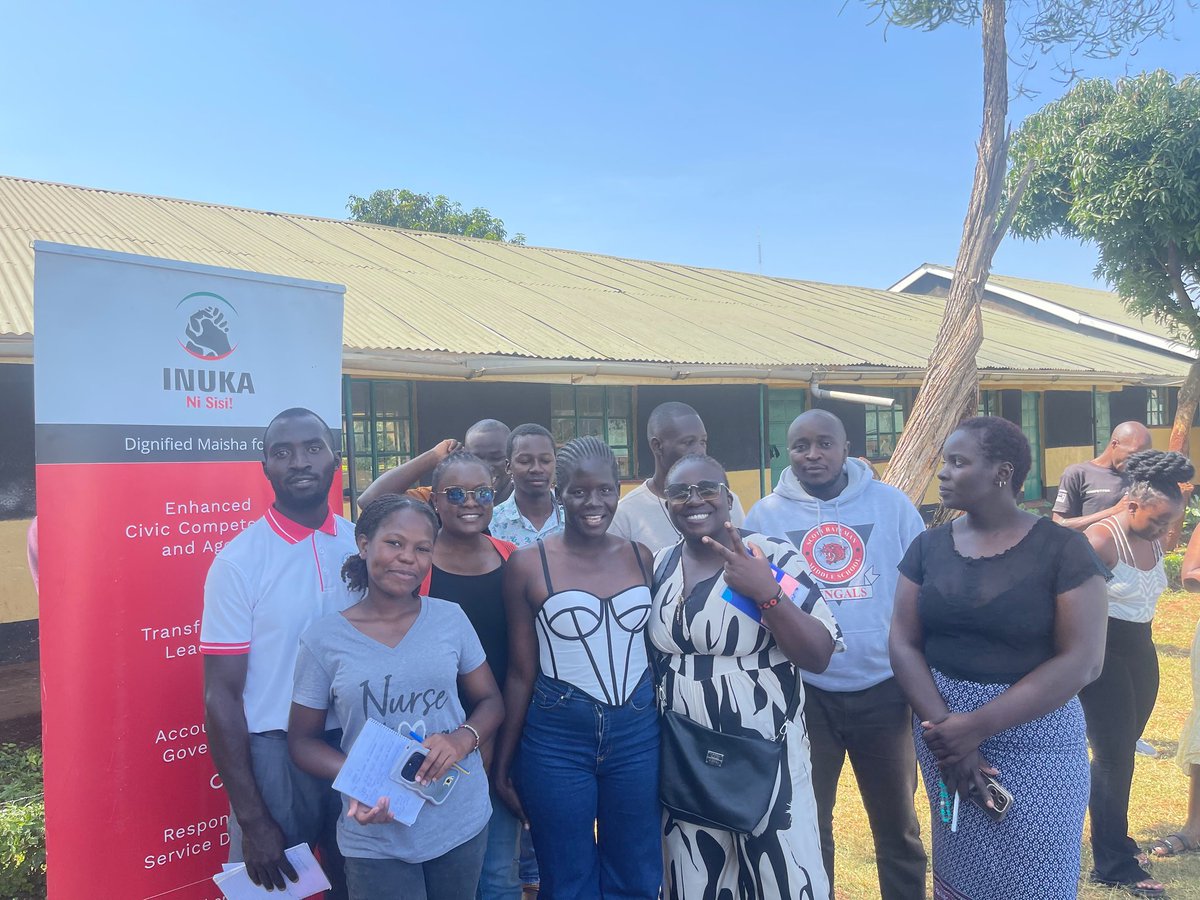
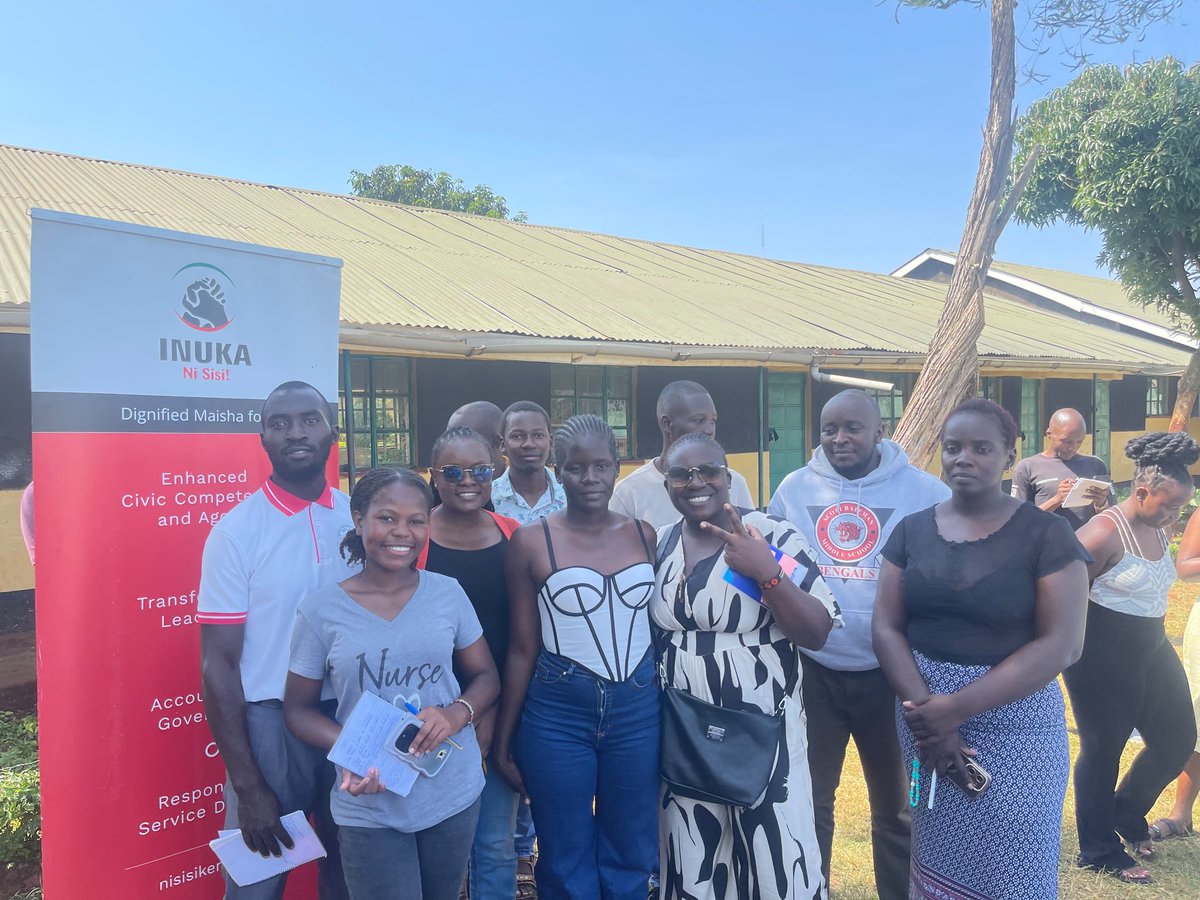
Group 1 discussion on narrative framing at #MaskaniKakamega is examining real community concerns around stalled school projects and incomplete infrastructure works across different schools.
Participants note that while some projects have been completed, many remain unfinished, raising questions about delays in implementation and gaps in service delivery. The discussion points to possible causes such as delayed disbursement of funds and misaligned priorities in how resources are allocated and spent.
#MaskaniKakamega have analysed the responsibility across key actors, including school boards, the county education department, and oversight structures within the county assembly that are mandated to ensure accountability and proper execution of education projects.
They are calling for the clear solutions includeing: clearing pending bills, strengthening oversight and transparency in fund allocation, and ensuring timely implementation of approved projects. They also emphasize peaceful civic engagement as a way of demanding accountability where challenges persist.
The message from #MaskaniKakamega is clear allocations must translate into implementation,development commitments should be visible, completed, and impactful on the ground.
#MaskaniKakamega
5
6
106
Jun 13
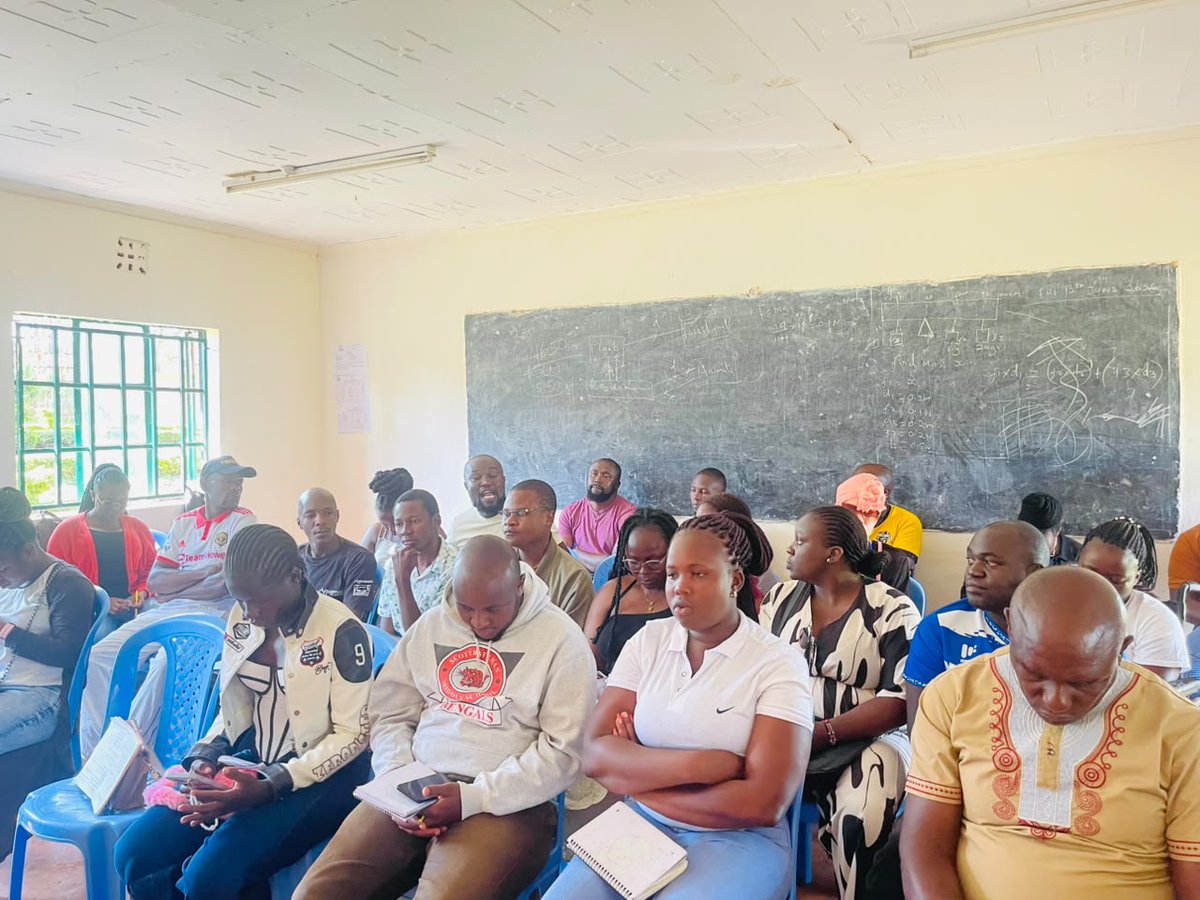
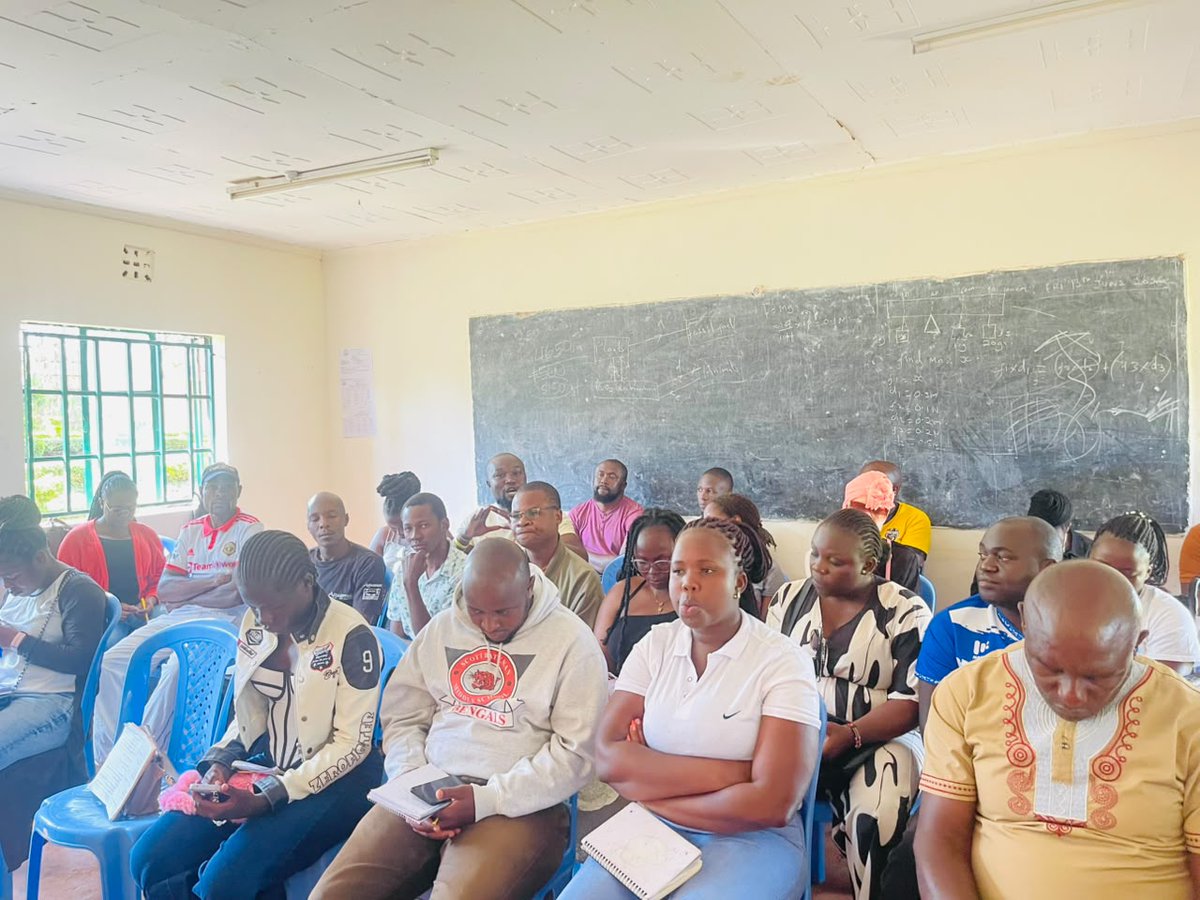
Narrative framing shapes what people see as truth, what they prioritise, and how they respond to public issues. In digital spaces, the same facts can lead to very different conclusions depending on how the story is told.
At #MaskaniKakamega, young people are learning how to build and challenge narratives that influence civic conversations, moving beyond noise to structured, issue-based communication that promotes accountability, clarity, and informed public engagement.
When narratives are intentional and grounded in reality, they become tools for shaping better decisions, stronger communities, and more responsible leadership.
#MaskaniKakamega
4
5
63
Jun 13
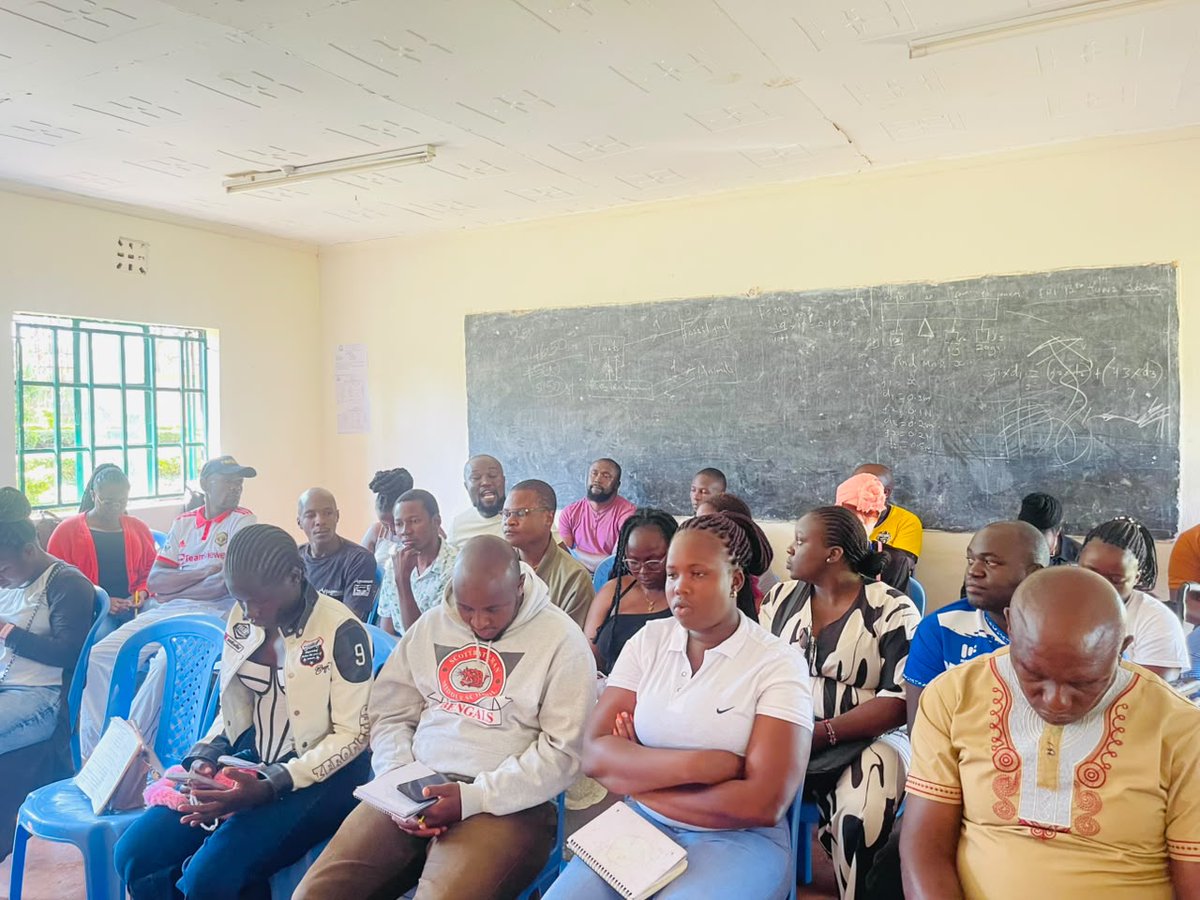
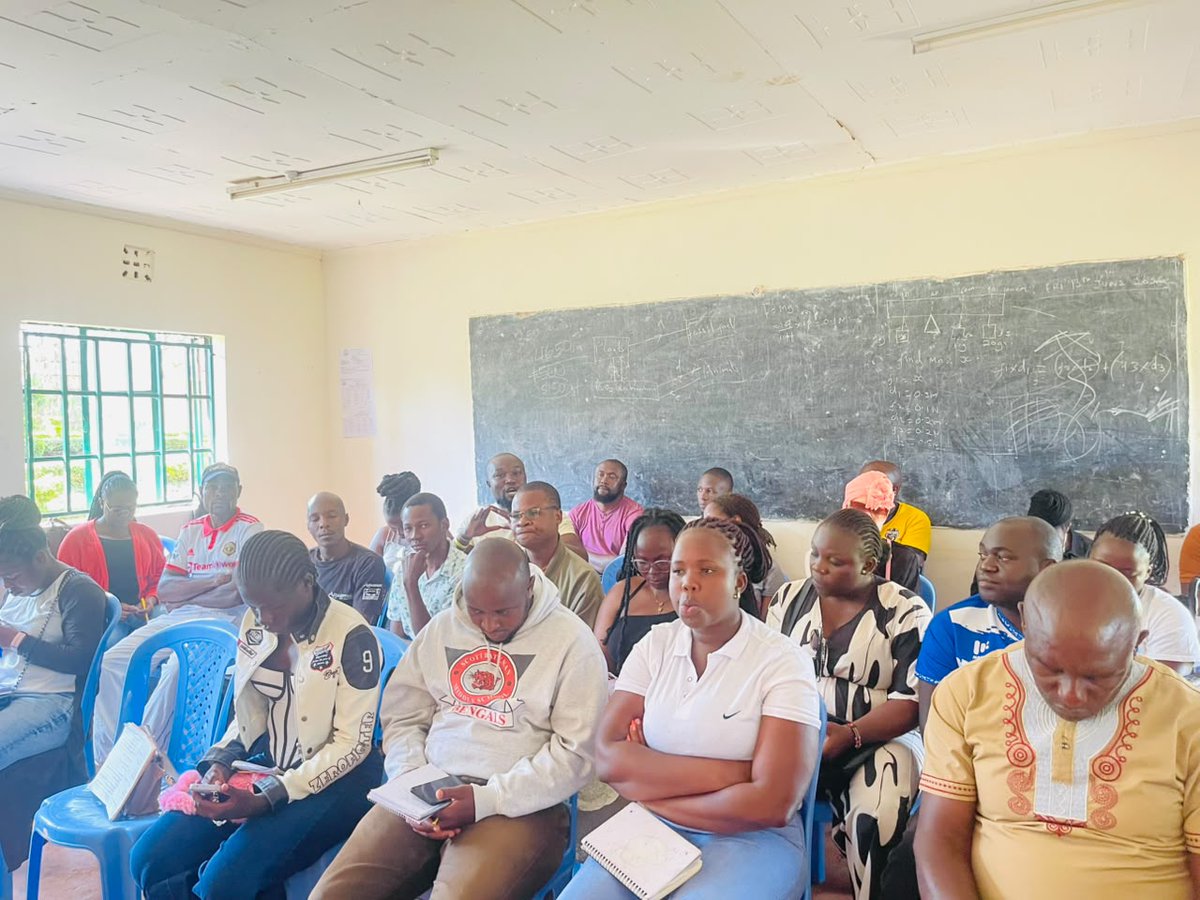
Day Two of #MaskaniKakamega is focused on Narrative Framing, Communication, and Advocacy Tactics, equipping young leaders with practical skills to understand, construct, and challenge narratives in digital and civic spaces.
Participants are exploring how narratives shape public discourse, influence perceptions, mobilise communities, and drive conversations around governance, accountability, and social change. They are also examining how harmful propaganda and misleading narratives can distort public understanding and weaken meaningful civic engagement.
Through practical discussions and exercises, participants are strengthening their ability to craft people-centred messages, communicate strategically, and build compelling narratives grounded in evidence and community realities.
By enhancing these skills, young people are better equipped to use digital platforms to organise, advocate, influence conversations, and advance accountability and democratic participation.
#MaskaniKakamega
4
5
83
Jun 13
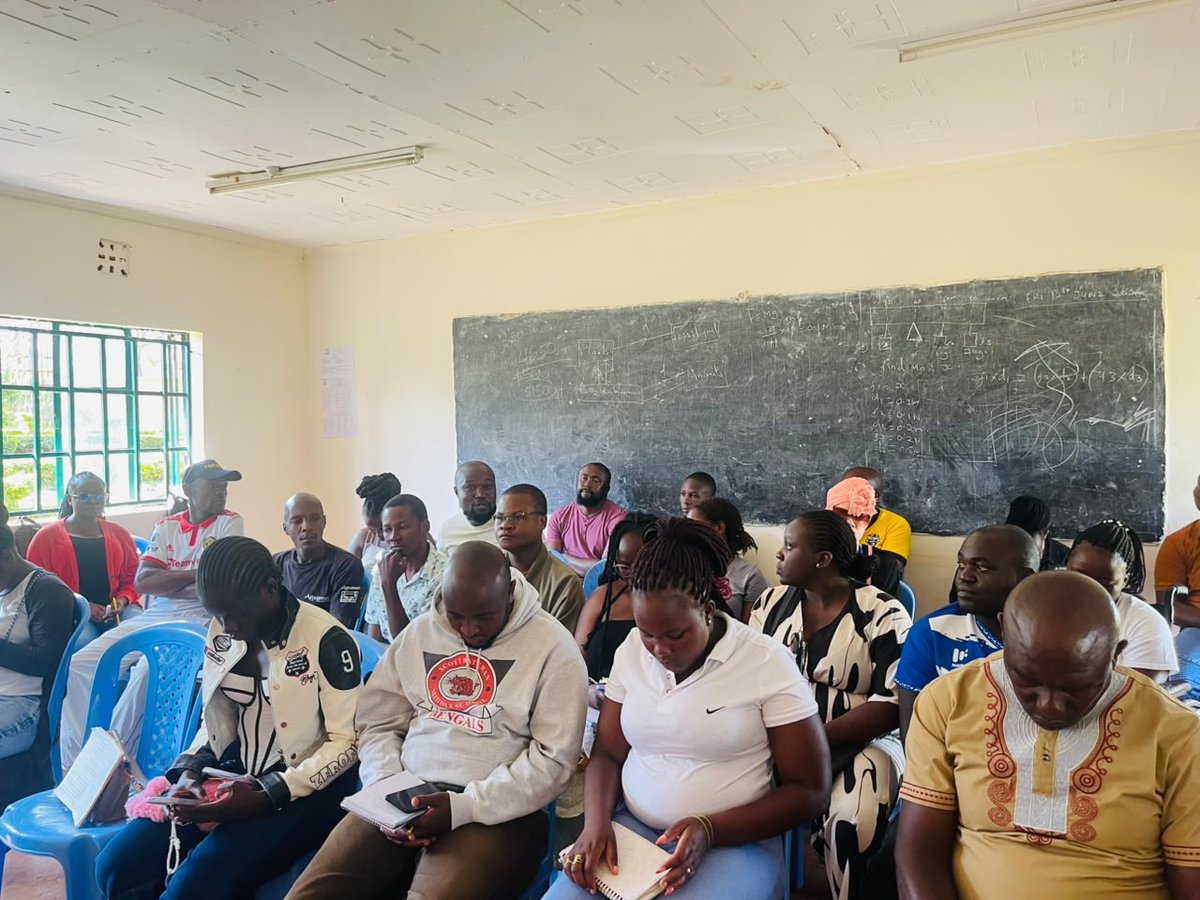
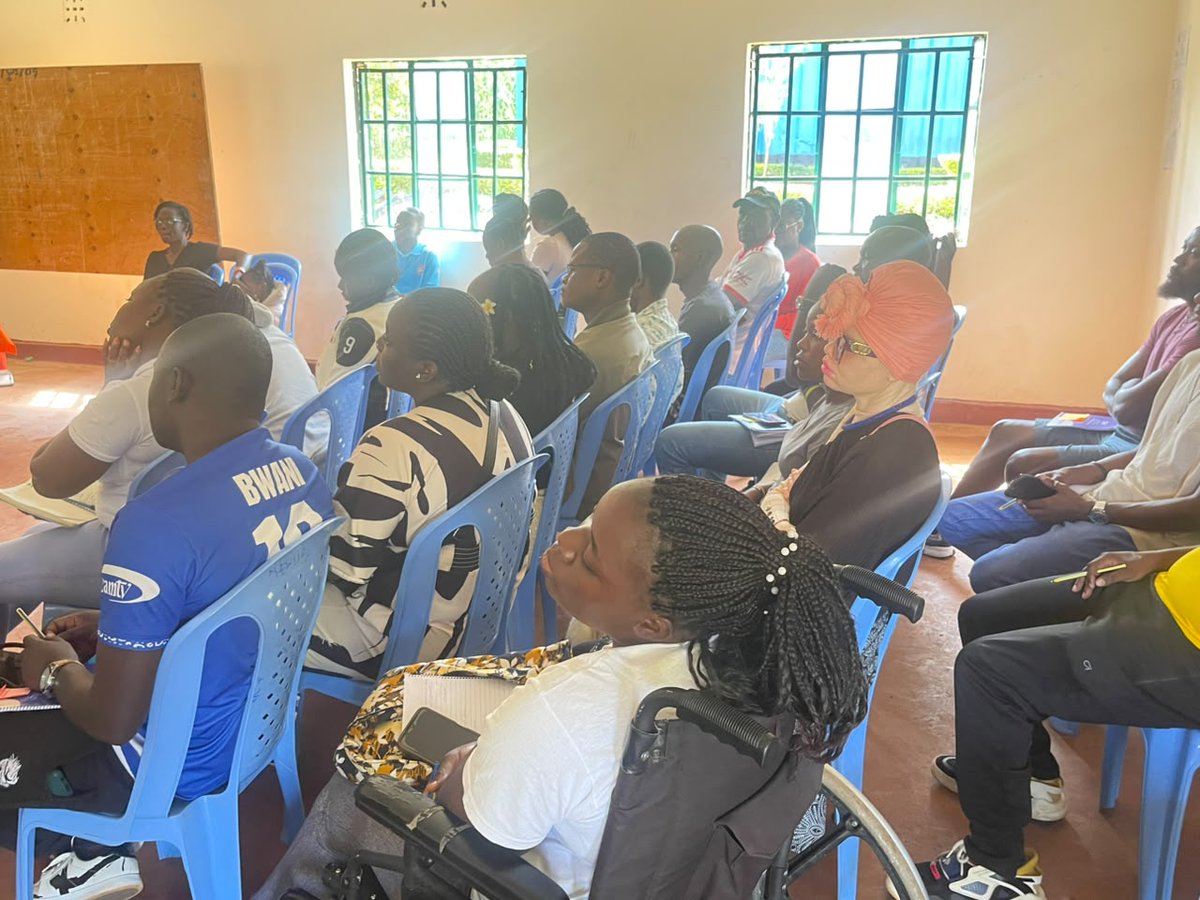
Strong and lasting movements are built when narratives are clearly framed,defining the issue, pointing toward solutions, and motivating people to take collective action. In this sense, narratives go beyond reflecting what people think; they actively shape how societies think and respond.
At #MaskaniKakamega, participants are reflecting on how well-structured, issue-based communication can strengthen civic engagement and improve the quality of public participation, especially during election periods.
Youth-led digital spaces continue to show the growing influence of young people in national discourse. When narratives are organised and focused on real community concerns, they help promote accountability, encourage responsible engagement, and keep public conversations grounded in development priorities.
#MaskaniKakamega
4
6
54
Jun 13
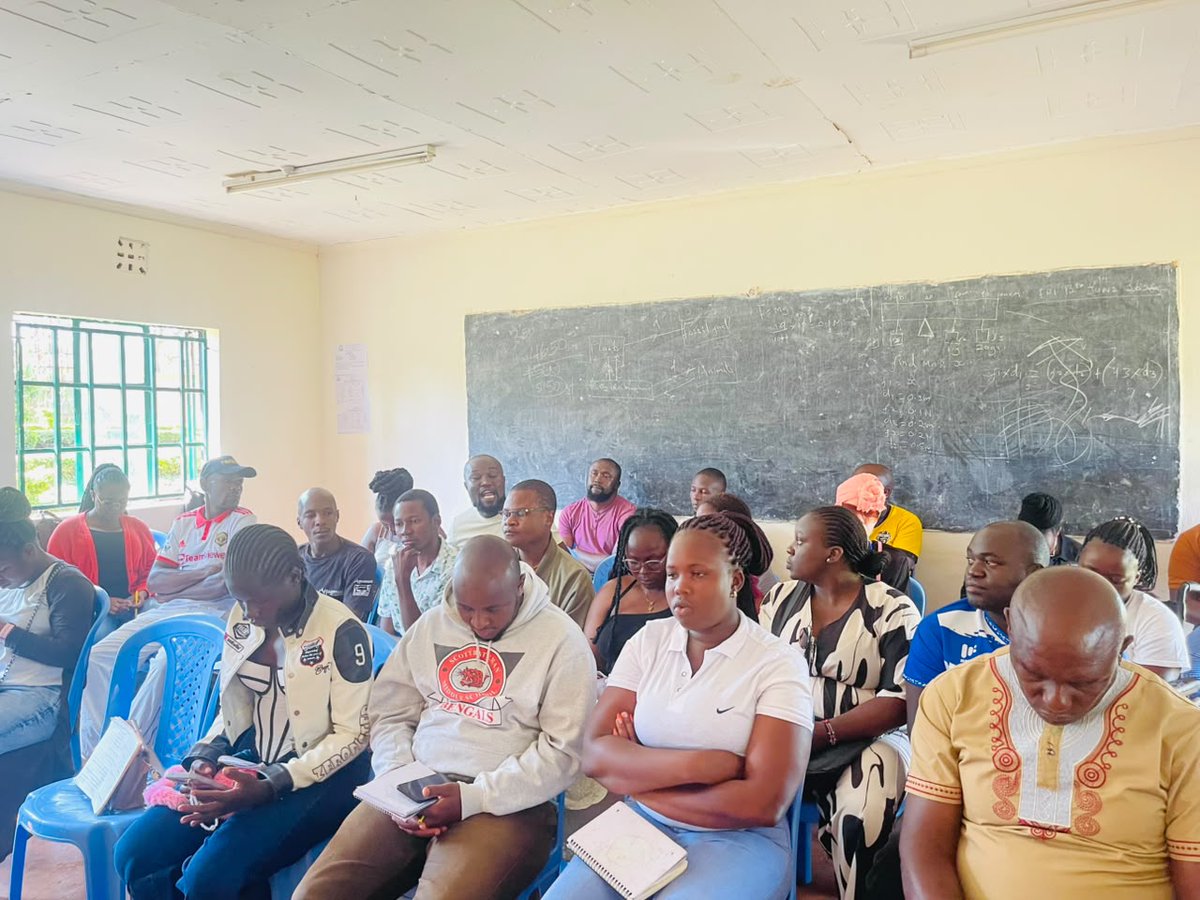
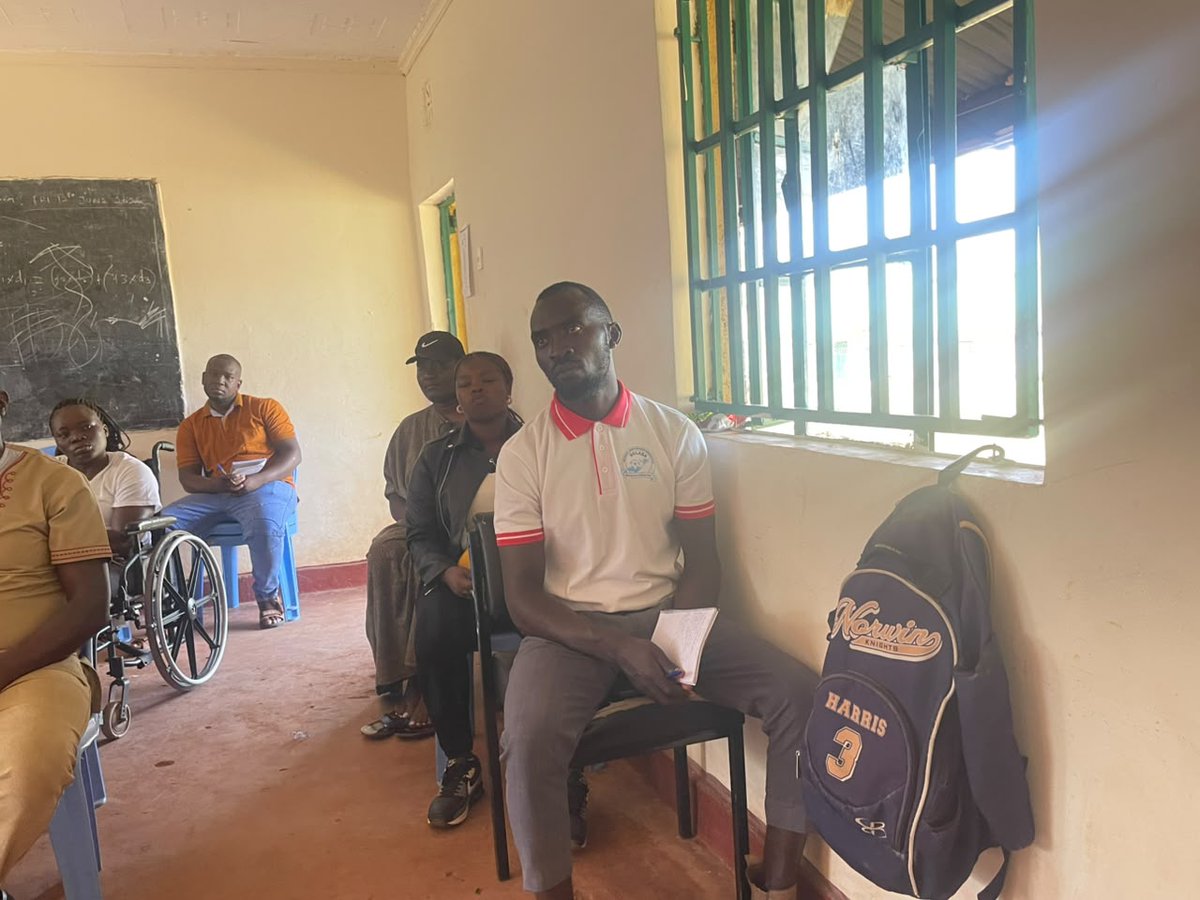
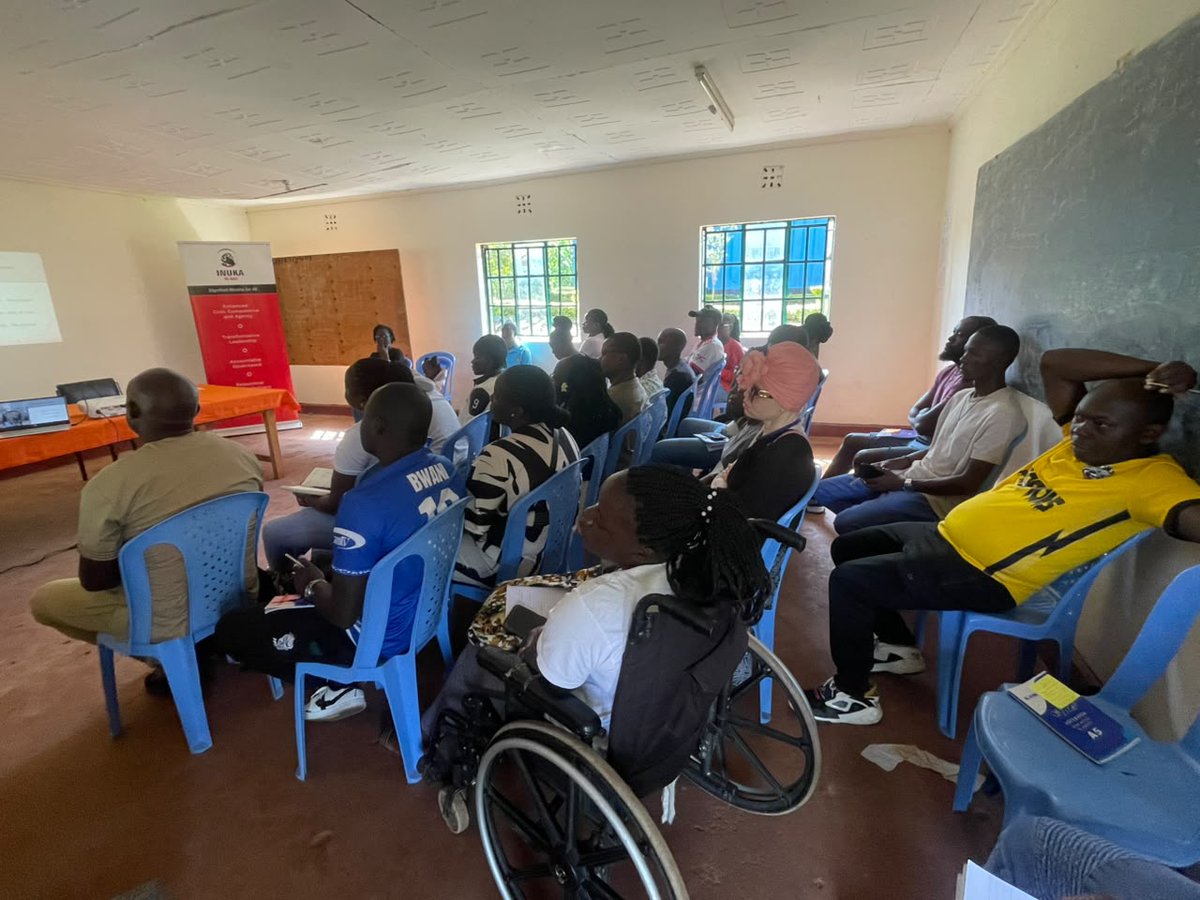
Narratives have long played a major role in shaping Kenya’s political landscape, often influencing how communities interpret politics and how electoral choices are made. In many instances, identity-based messaging has been used to steer public opinion, sometimes shifting attention away from issues of governance and development.
At #MaskaniKakamega, participants are examining how narrative framing can be used differently,to redirect public conversation toward accountability, service delivery, and national priorities rather than ethnic division politics.
Where issue-based leadership is weak, political messaging can easily lean on identity and loyalty narratives that limit critical debate. Young people are therefore encouraged to consciously challenge such framing by promoting alternative narratives centred on transparency, performance, and leadership integrity.
As elections approach, the emphasis is on strengthening narratives that reflect constitutional values, particularly Chapter Six, which calls for leaders who demonstrate accountability, honesty, and responsibility in public service.
This shift is about moving public discourse beyond identity politics and reinforcing messages that support maendeleo, unity, and leadership that serves citizens fairly.
#MaskaniKakamega
4
6
40
Jun 13
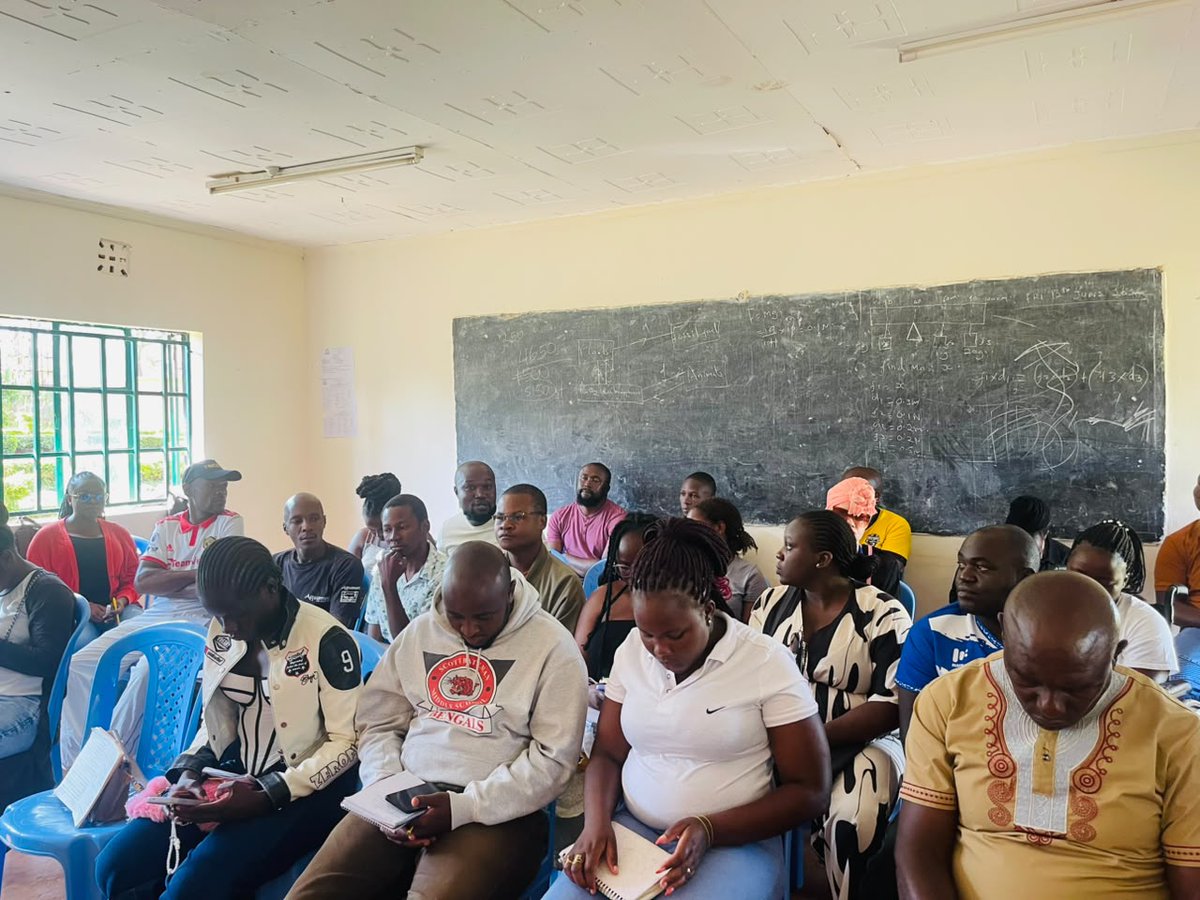
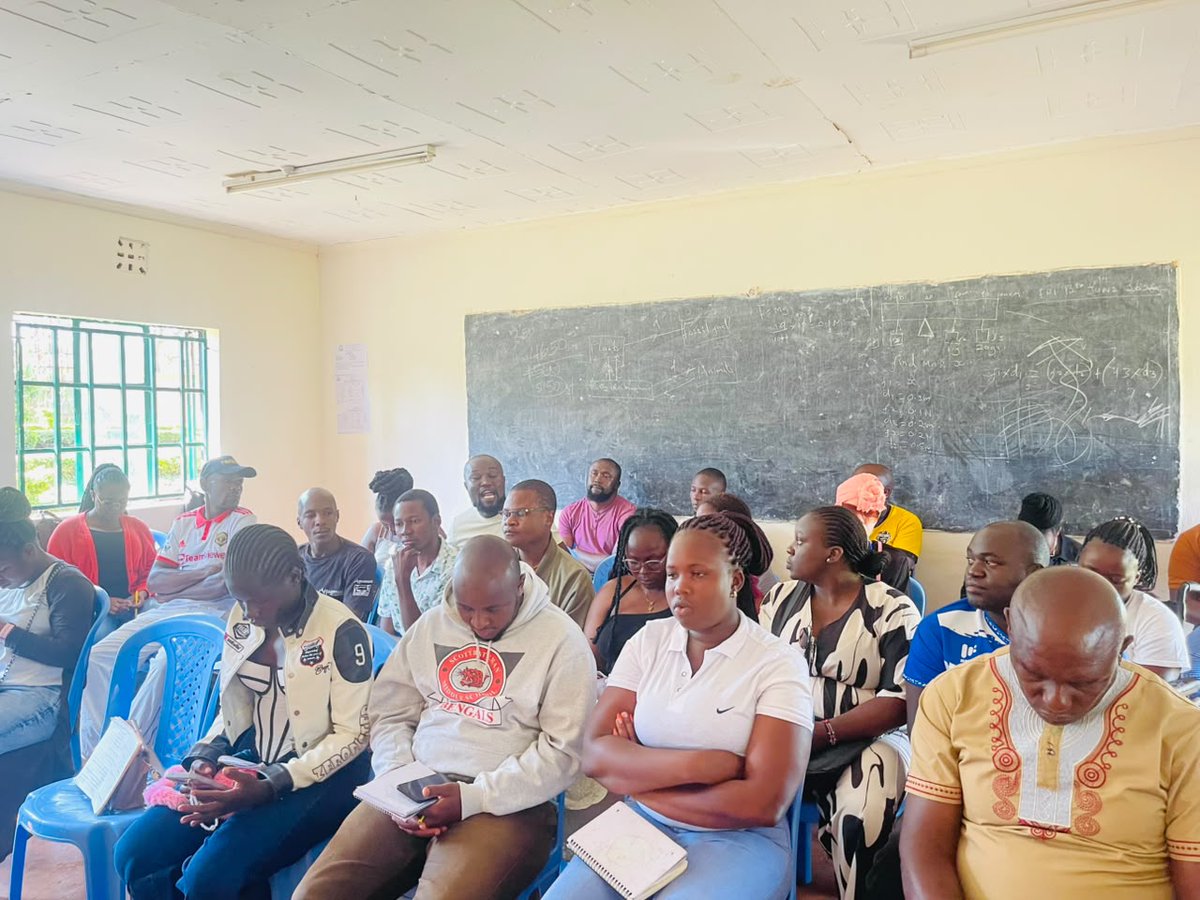
As Kenya moves closer to the elections, narratives continue to play a central role in shaping how citizens interpret issues, evaluate leadership, and participate in democratic processes, especially within digital spaces.
At #MaskaniKakamega, participants are reflecting on how narratives have historically influenced political outcomes in the country, including major political messaging such as the “Hustler Narrative” and the “Bottom-Up Economic Agenda,” which have helped shape voter perceptions.
The discussions emphasize the importance of young people being intentional about the narratives they engage with and amplify. Without critical reflection, narratives can be used to influence emotions, distort priorities, or manipulate public opinion for political gain.
Participants are encouraged to ensure that the narratives they share promote accountability, civic awareness, and informed decision-making around leadership and governance,rather than being used to advance personal or elite interests.
Strong movements are built through clear framing that defines problems, proposes solutions, and inspires collective action. In this way, narratives do not just reflect public opinion, they actively shape it.
Youth-led digital engagement continues to demonstrate the power of organised, issue-based storytelling in strengthening civic participation and responsible engagement as elections approach.
#MaskaniKakamega
5
8
61
Jun 13
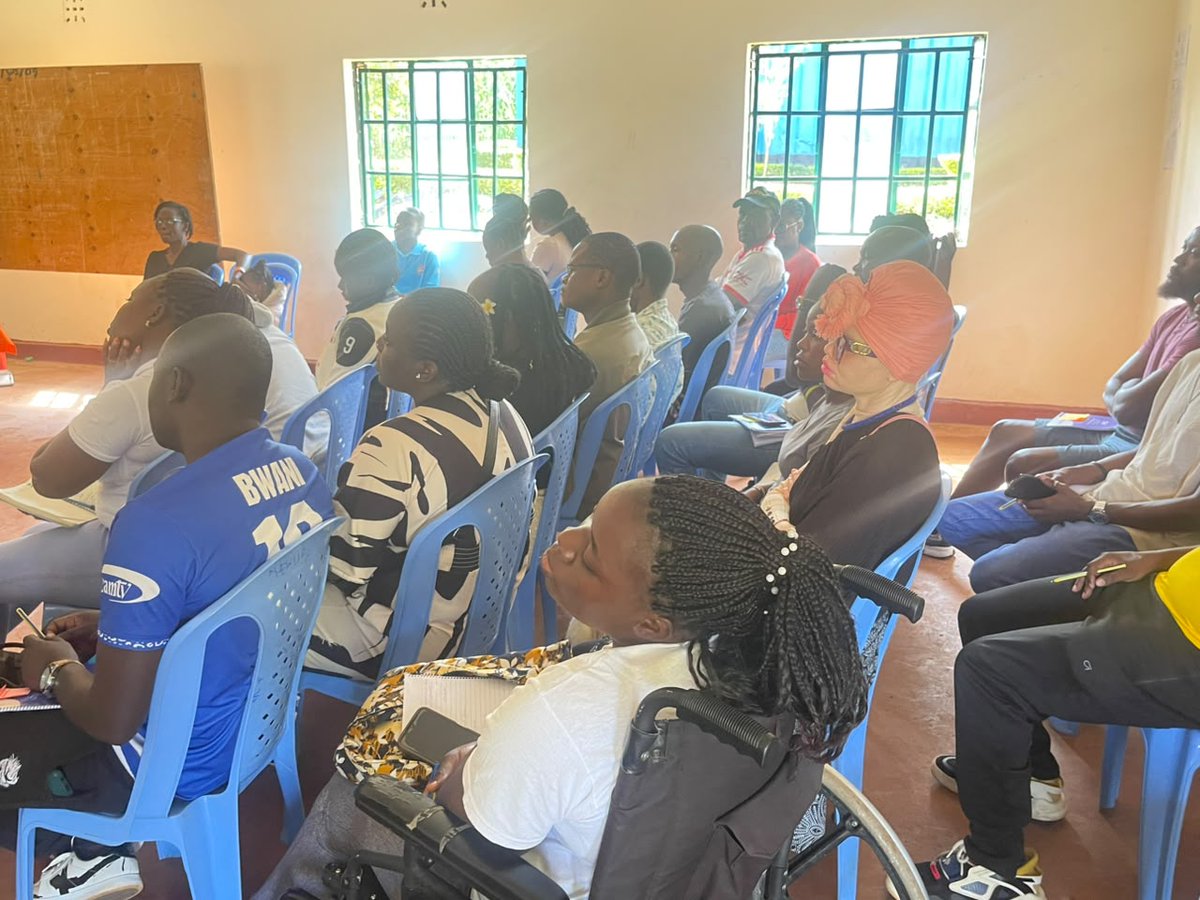
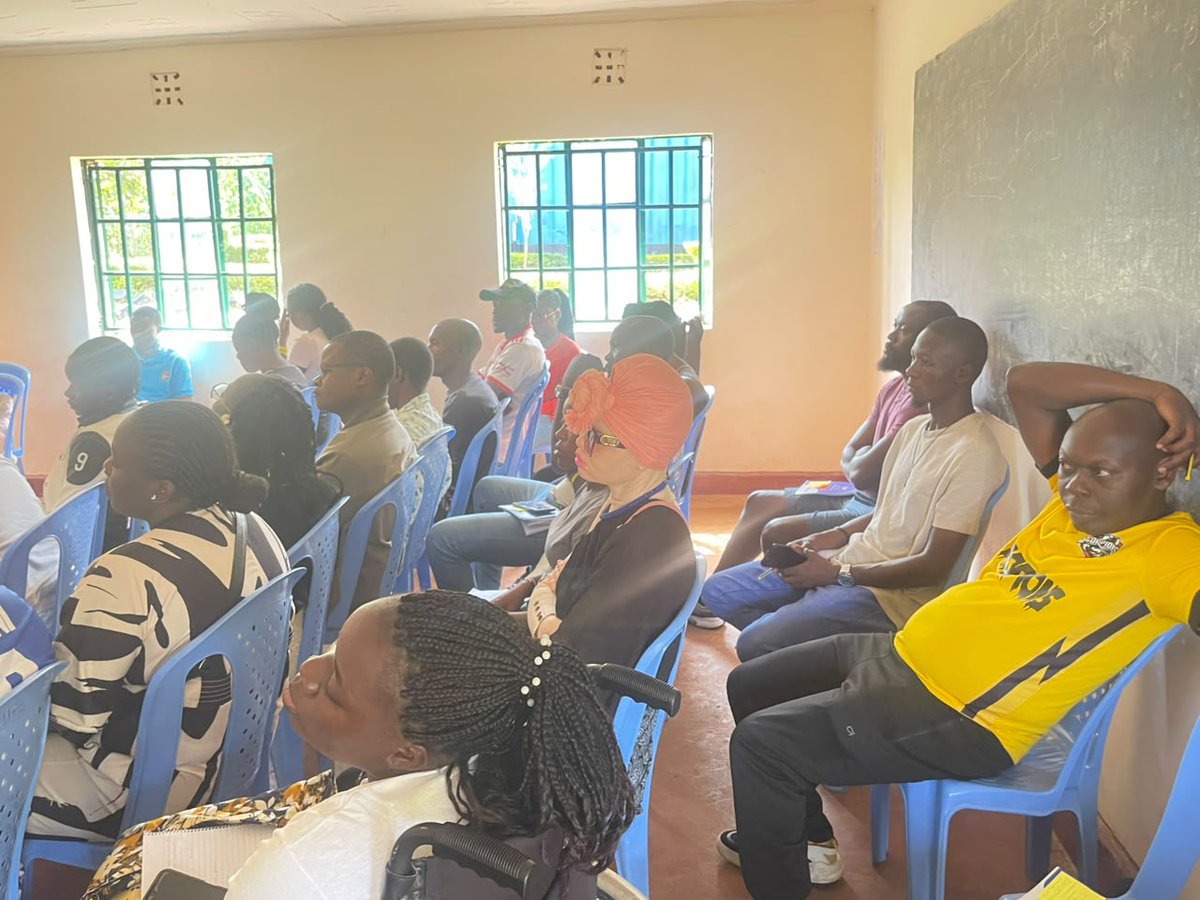
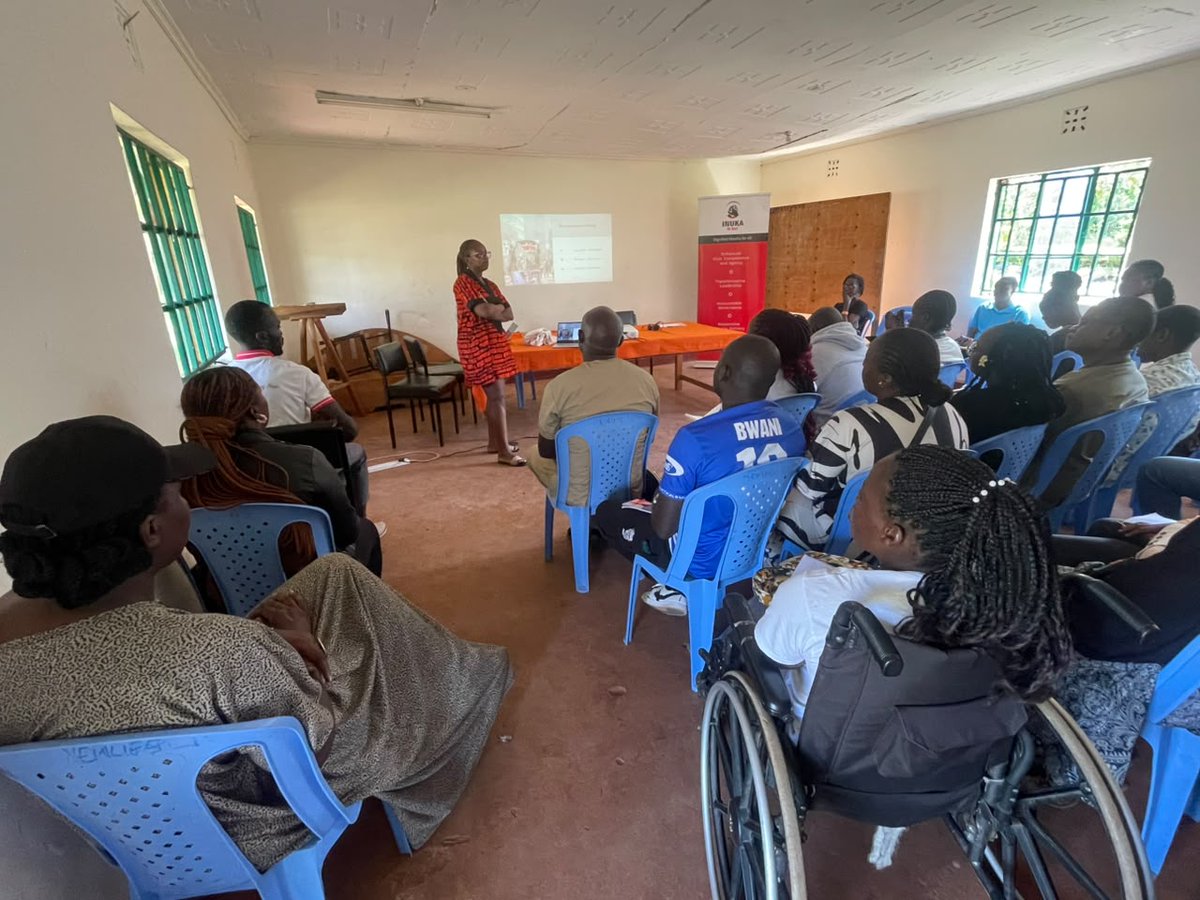
Narratives are a key driver of how propaganda is created, circulated, and challenged, especially during sensitive political periods such as elections. They influence how people interpret events, what they believe, and which issues dominate public attention.
At #MaskaniKakamega, participants are examining how harmful narratives can be countered through truth-based communication, responsibility, and verification. This involves resisting the spread of misinformation, relying on credible sources, and intentionally building alternative narratives that inform, empower, and support constructive civic participation.
The discussions also explore how narratives shape public opinion, set agendas, and influence the direction of civic and political conversations within communities.
Young people are therefore positioned as key actors in the digital space, using platforms like X to challenge manipulation, elevate trusted community voices, and promote accountability, transparency, and justice. In this space, social media becomes more than a tool for communication, it becomes a space for organising, coordination, solidarity, and civic action.
#MaskaniKakamega
5
6
43
Jun 13
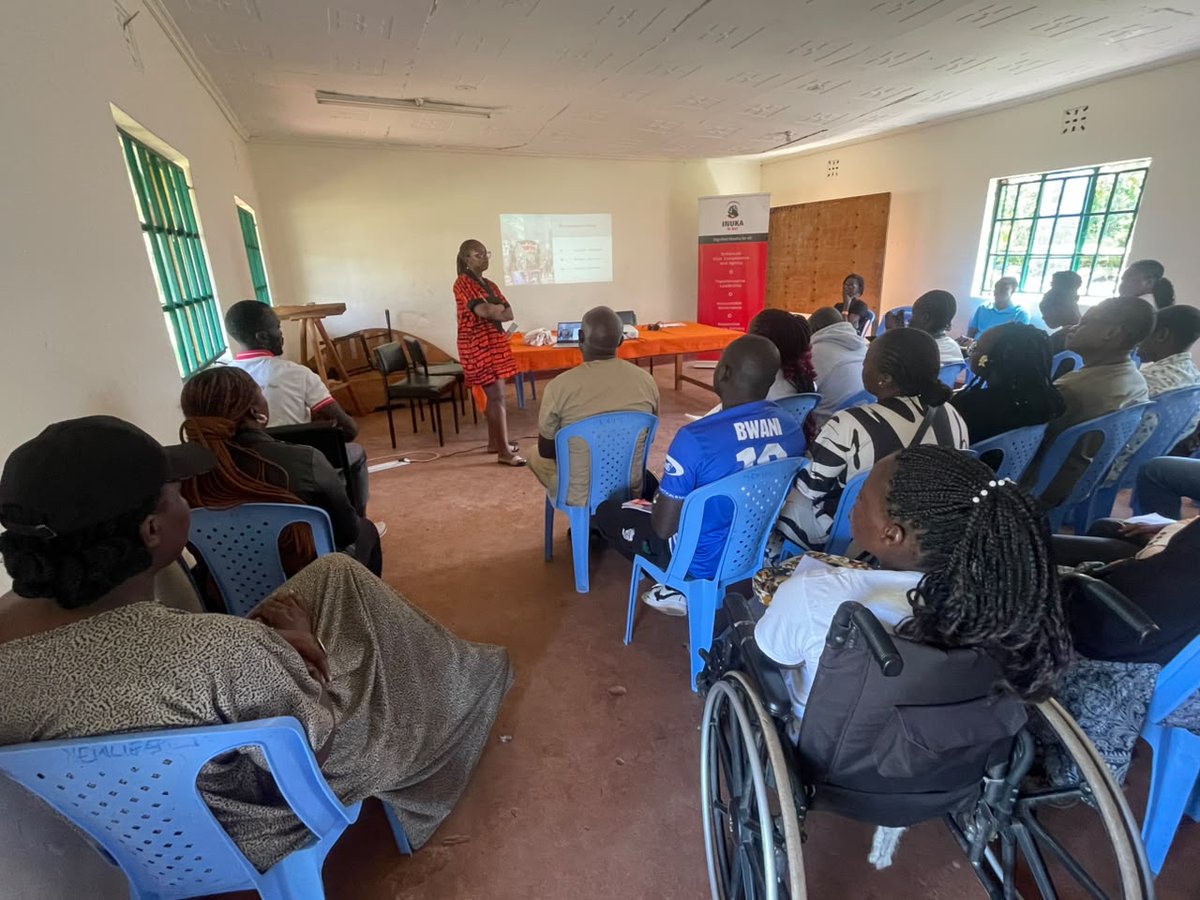
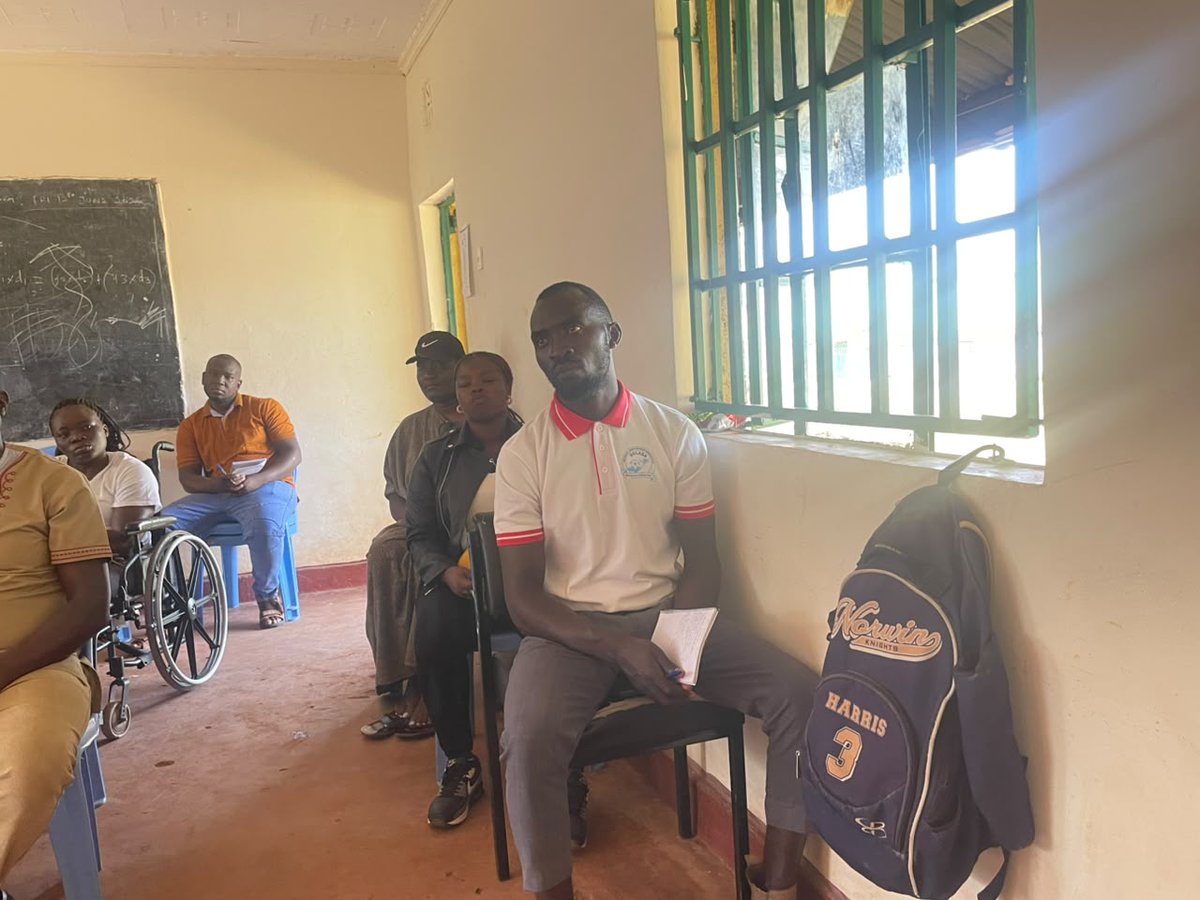
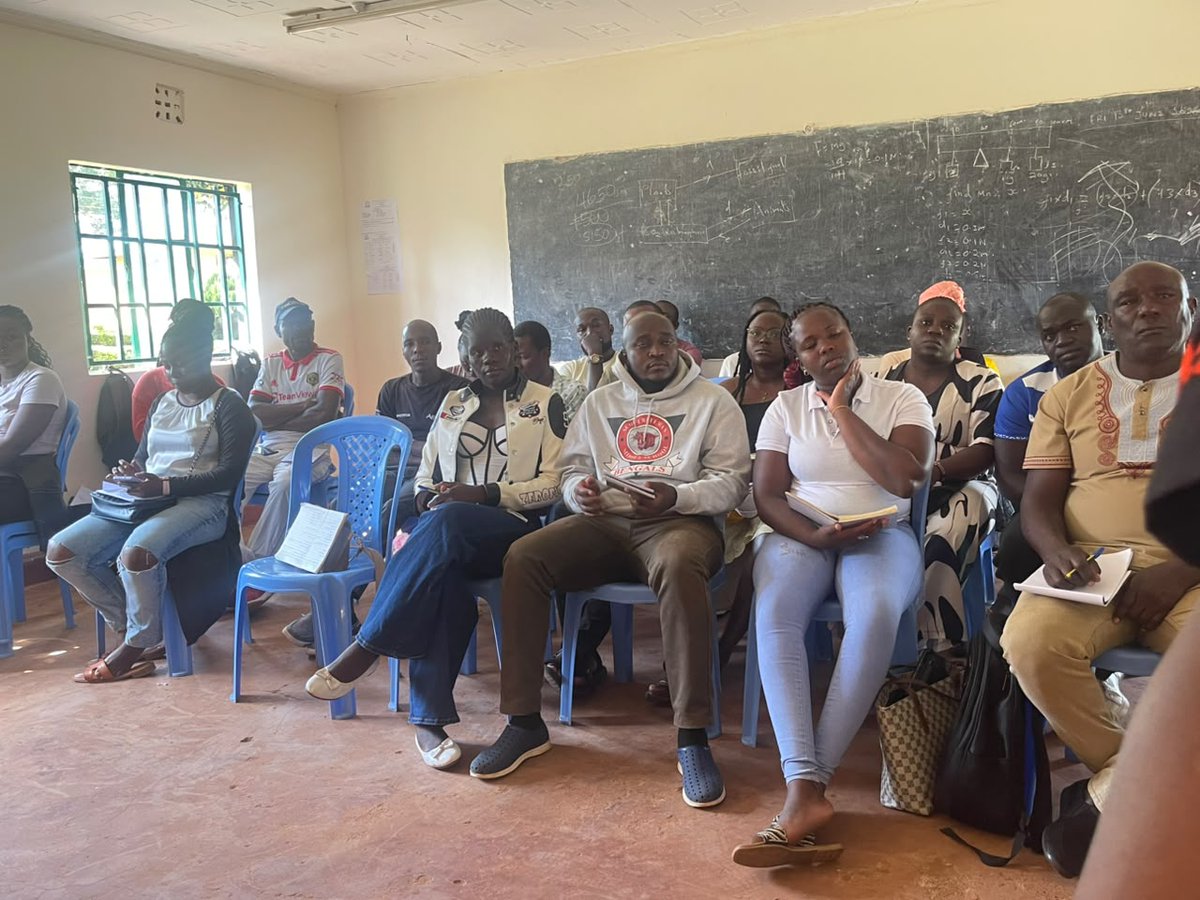
Narratives have played a significant role in shaping Kenya’s political history, influencing public opinion, building trust, mobilising communities, and defining how key national issues are understood.
At #MaskaniKakamega, participants are exploring how narratives continue to shape politics, governance, and civic engagement, and how young people can use platforms such as X to challenge misinformation, amplify credible community voices, and promote conversations on accountability, inclusion, and justice.
The session highlights the power of strategic communication in shaping public discourse and influencing positive social change. When used responsibly, social media becomes more than a platform for expression, it becomes a powerful tool for mobilising communities, advancing civic participation, and strengthening democratic engagement.
#MaskaniKakamega
4
6
44
Jun 13
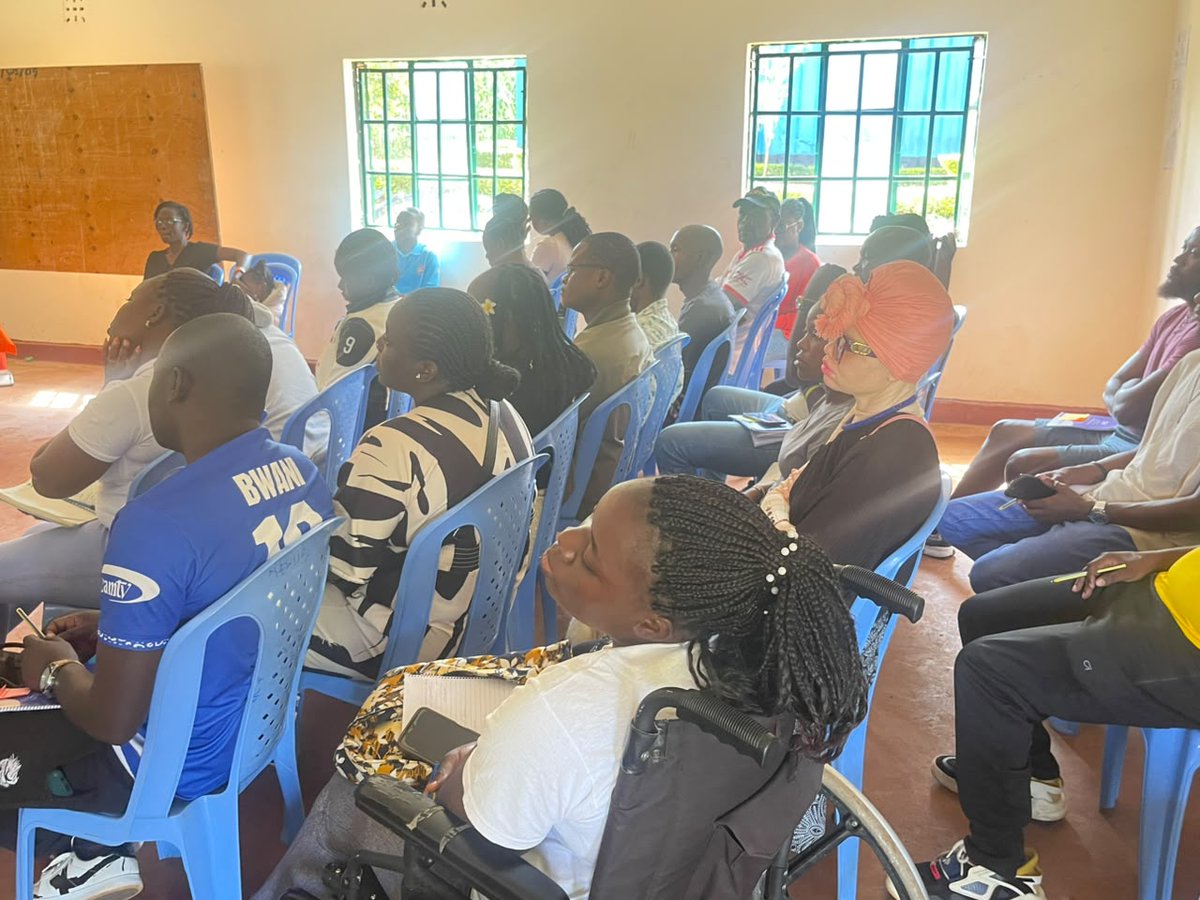
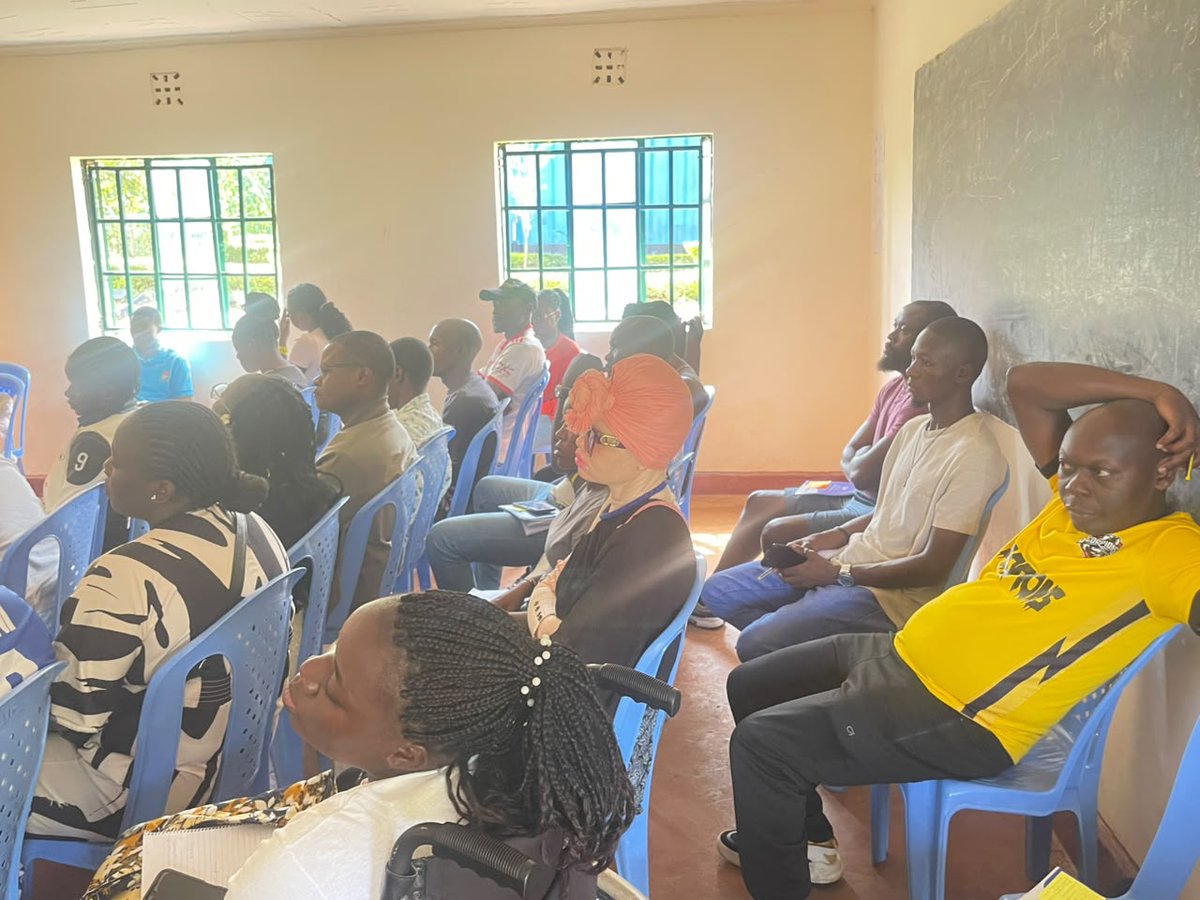
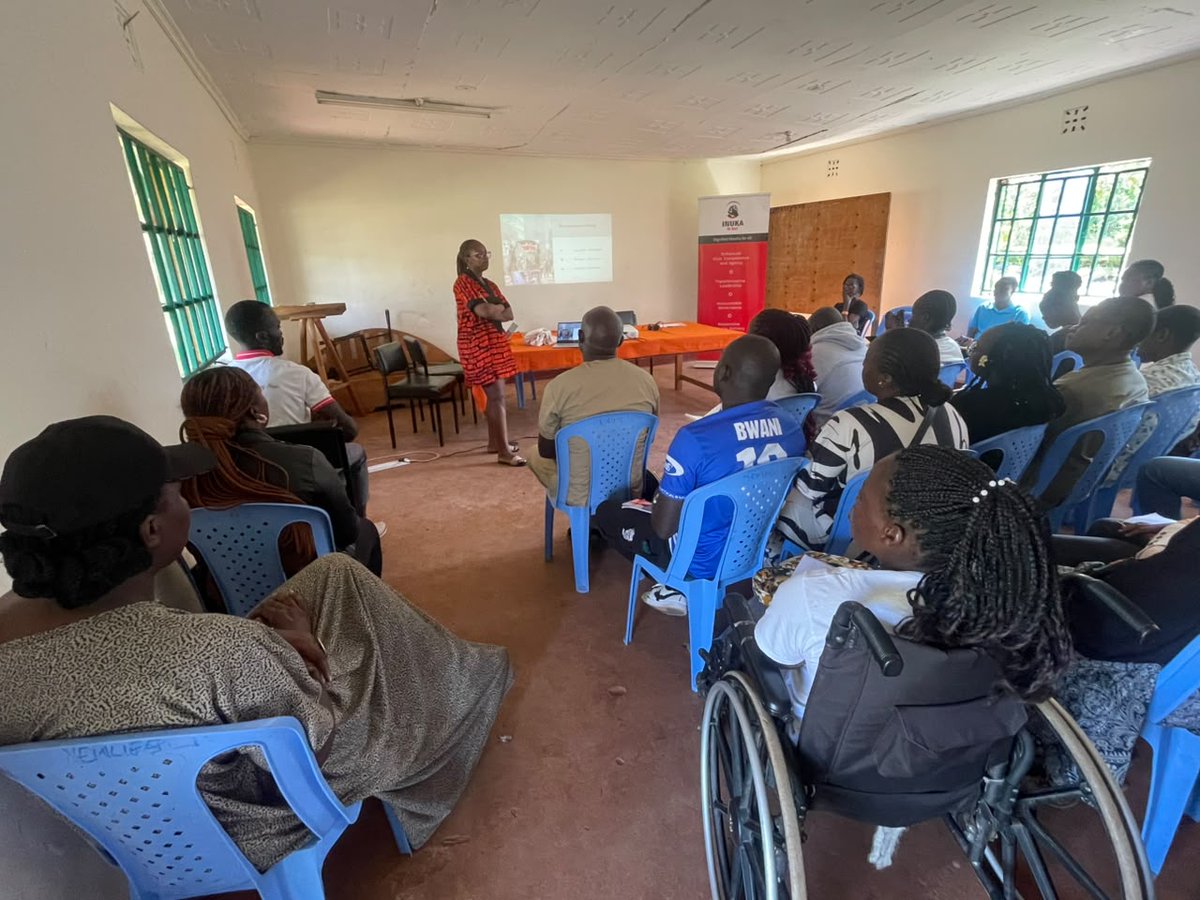
How can young people use social media to shape the narratives that influence politics, public opinion, and civic engagement?
At #MaskaniKakamega, participants are exploring how narratives shape public understanding, influence trust, and determine which issues receive attention in public discourse.
Through platforms such as X, young people have the opportunity to challenge misinformation, amplify verified community voices, and frame conversations around accountability, justice, and inclusion.
When used strategically and responsibly, social media becomes more than a space for expression. It becomes a powerful tool for influencing discourse, mobilising communities, and driving meaningful social change.
#MaskaniKakamega
4
6
64
Maskani Ya Taifa 🇰🇪 retweeted

Jun 12
Kenya’s history is marked by the scars of disputed elections from the turmoil of 2007 to the annulled results of 2017. As much as much of taxpayers money is used to budget for elections, citizens often feel their voices are silenced by obvious electoral manipulation and opaque processes. As @johngithongo highlights, despite immense frustration with flawed civilian leadership, history across Africa is clear: military takeovers are never the answer. Kenya’s rejection of junta rule especially after the failed 1982 coup signals that military regimes only bring brutality and corruption.
Join Conversation
Video - youtu.be/IgThJVO9tT4
Spotify- open.spotify.com/episode/4iu…
@Maskani254 @nisisikenya @civicVoiceInt
1
15
30
2,996
Jun 12
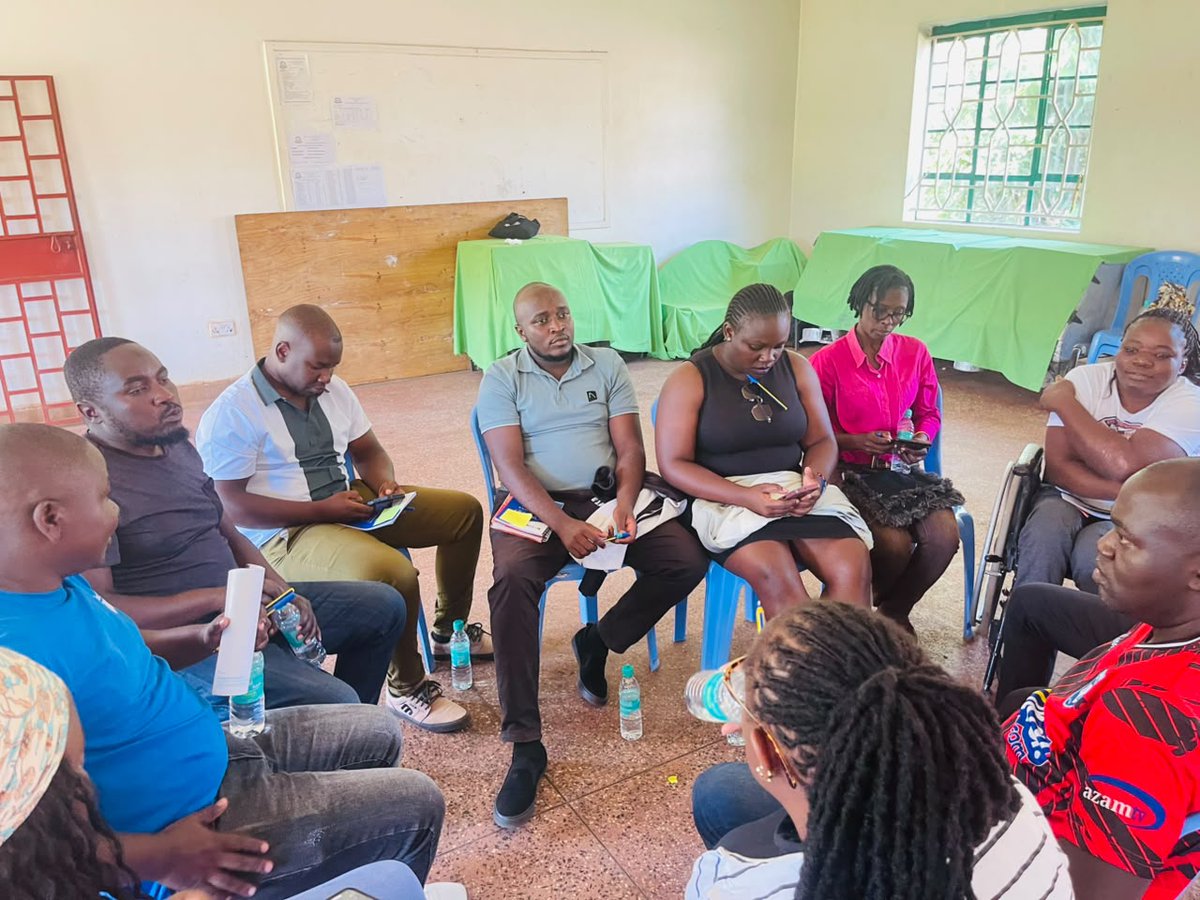
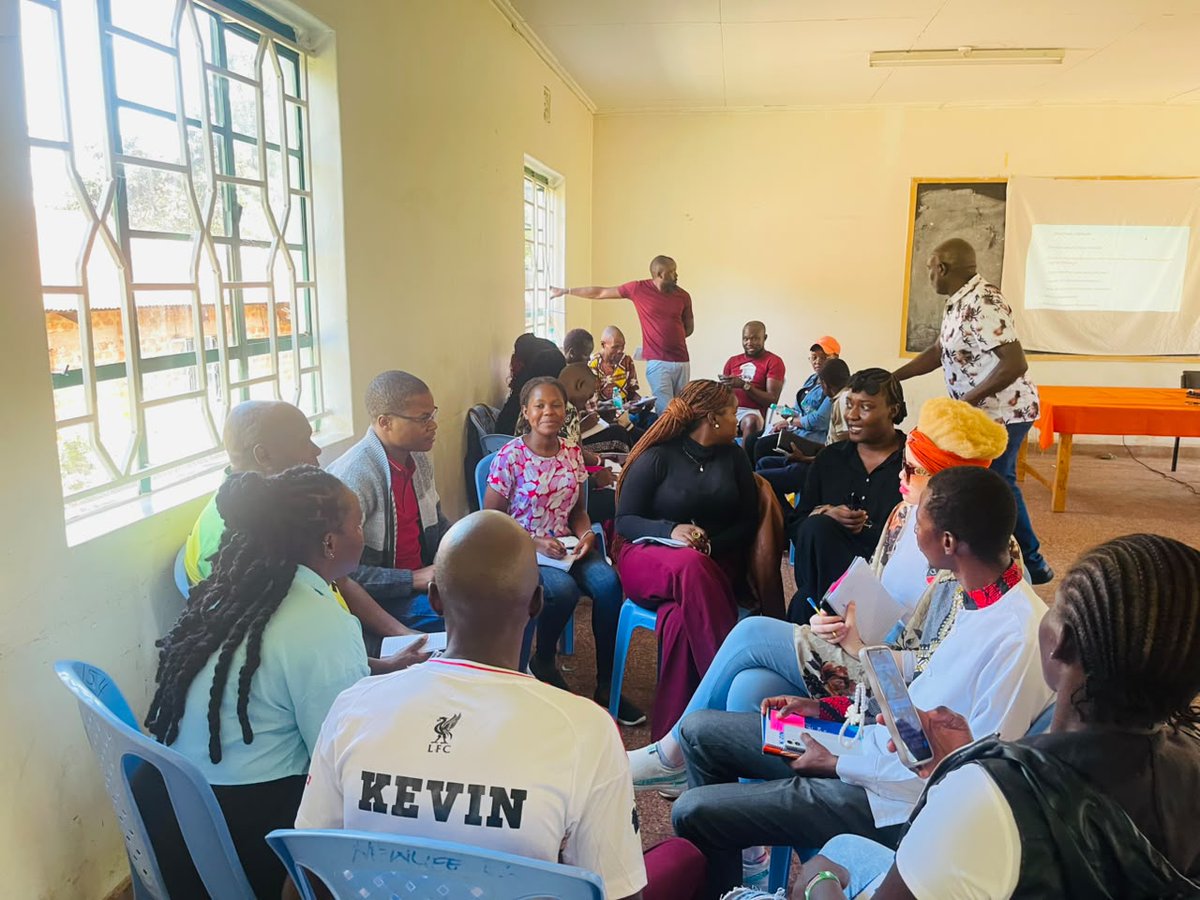
Group discussion at #MaskaniKakamega are exploring a scenario where an organisation’s social media account is hacked during an ongoing activism campaign.
Participants are reflecting on the immediate steps needed to regain control and secure connected platforms, how to communicate publicly to maintain trust and prevent misinformation, and how to protect community members who rely on these channels for updates and mobilisation.
The discussion also connects this to digital activism by examining what systems failed, the vulnerabilities that made the campaign space unsafe, and how such breaches can disrupt advocacy work, silence voices, and derail ongoing civic action.
Finally, they are considering long-term measures to strengthen digital security and ensure that online activism remains safe, resilient, and trustworthy.
#MaskaniKakamega
1
6
11
122
Jun 12
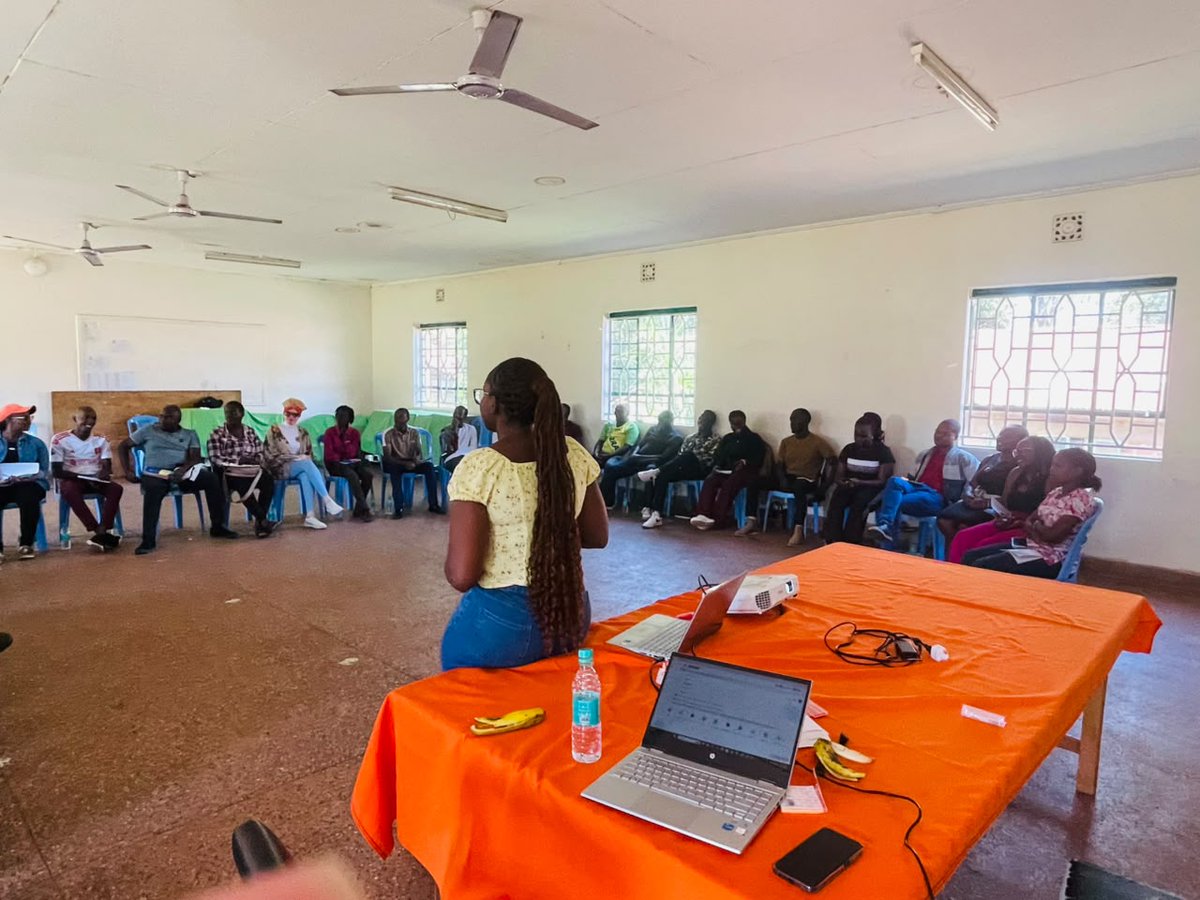
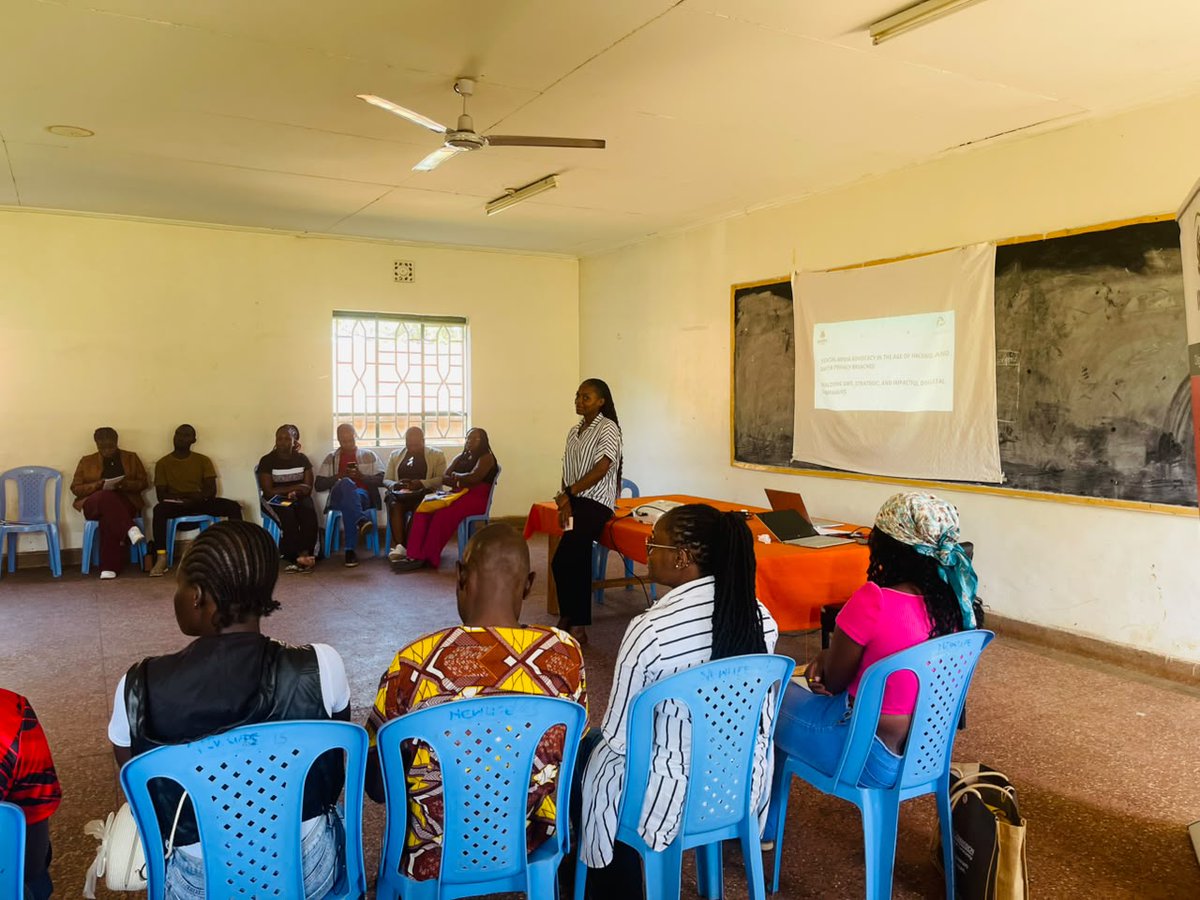
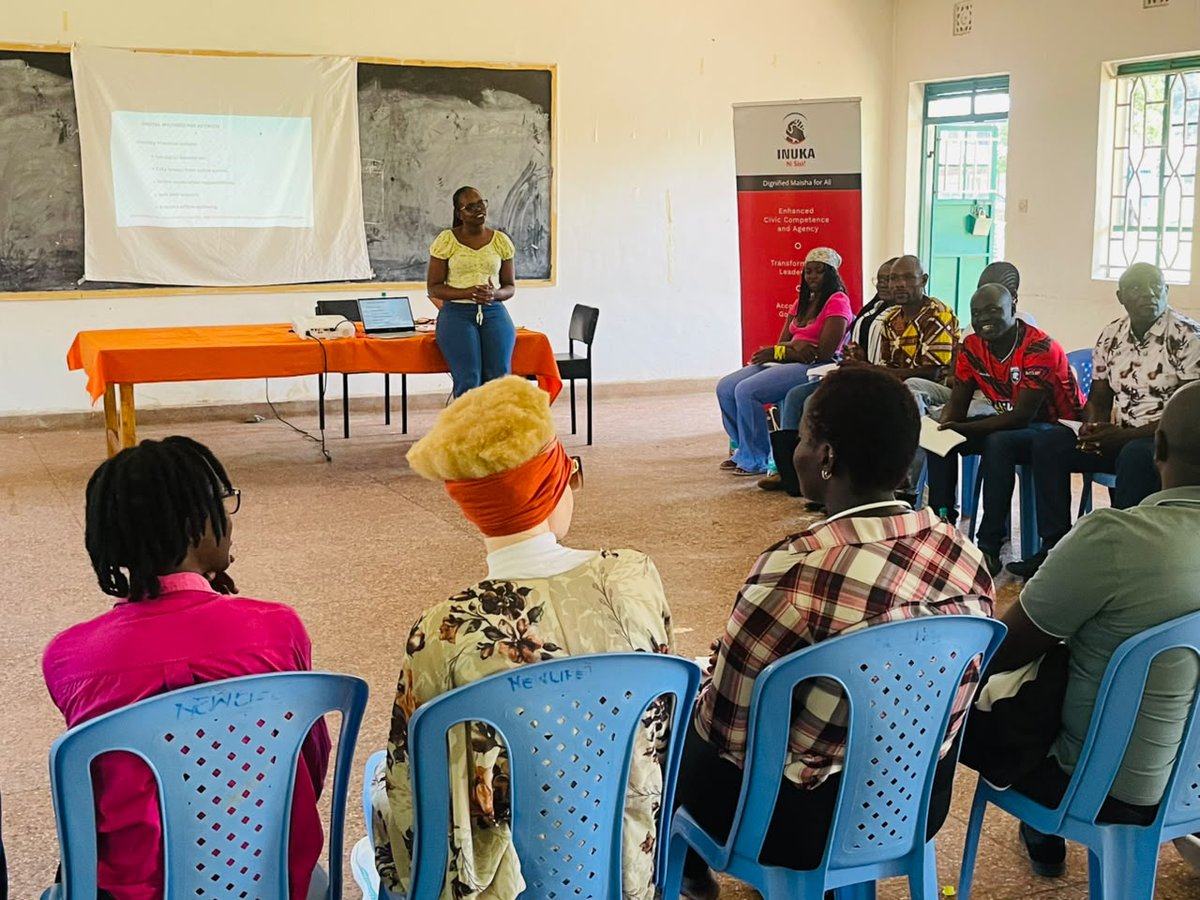
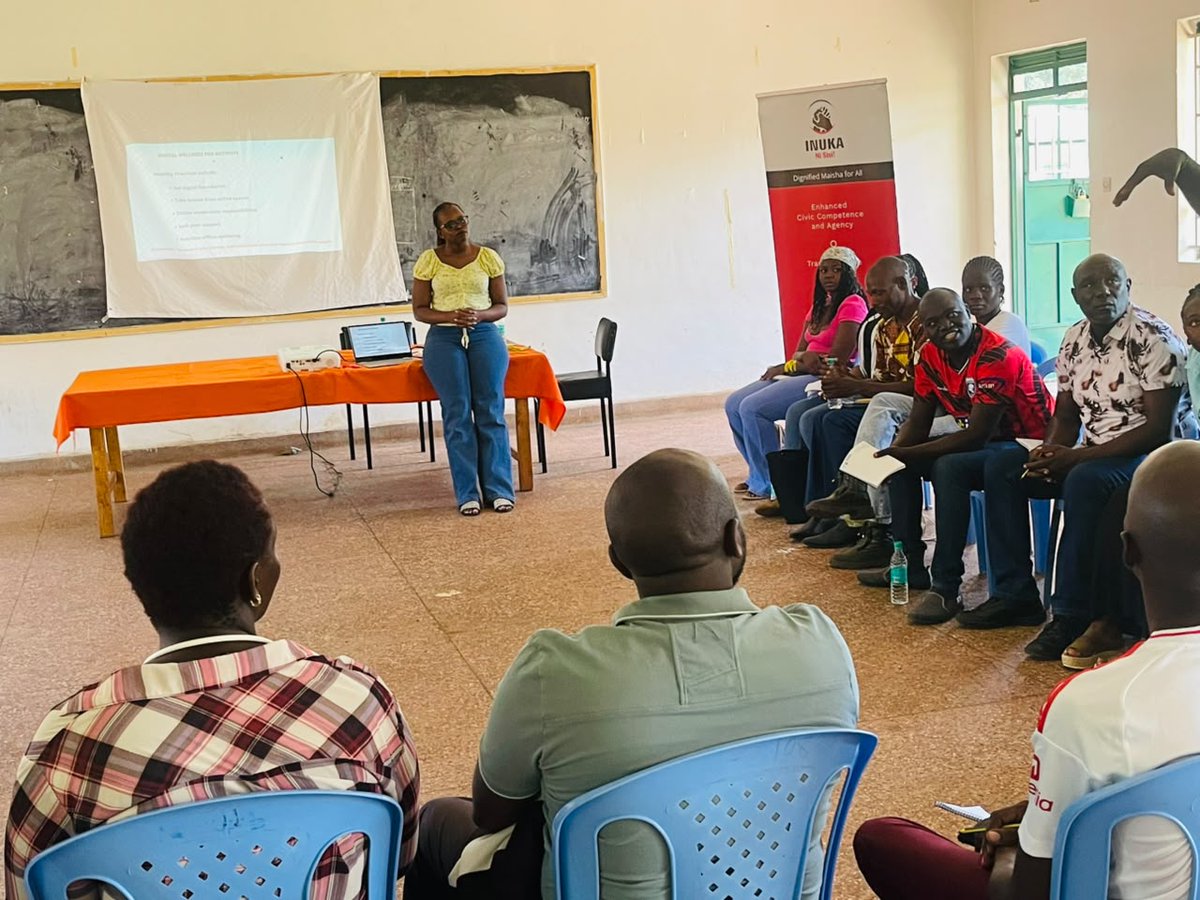
Digital wellness is a crucial part of sustaining effective activism in today’s always-connected digital spaces. Continuous online engagement requires intentional balance, focus, and mental resilience.
Healthy digital habits include setting clear boundaries on online activity, taking regular breaks from social media, and sharing responsibilities within teams to prevent burnout. It also means seeking support from peers when overwhelmed and prioritising offline wellbeing to protect mental and emotional health.
Sustainable advocacy is only possible when advocates take care of themselves first.
#MaskaniKakamega
6
9
120
Jun 12
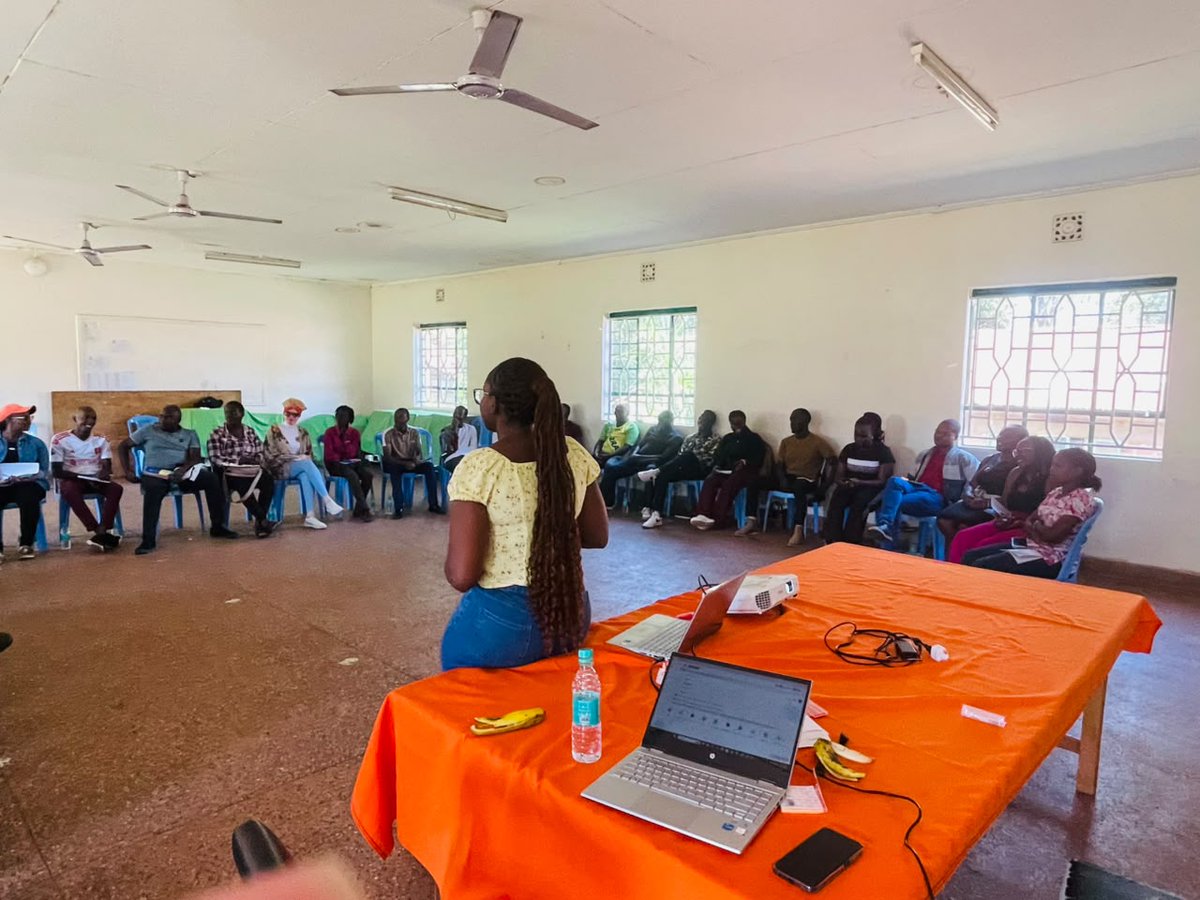
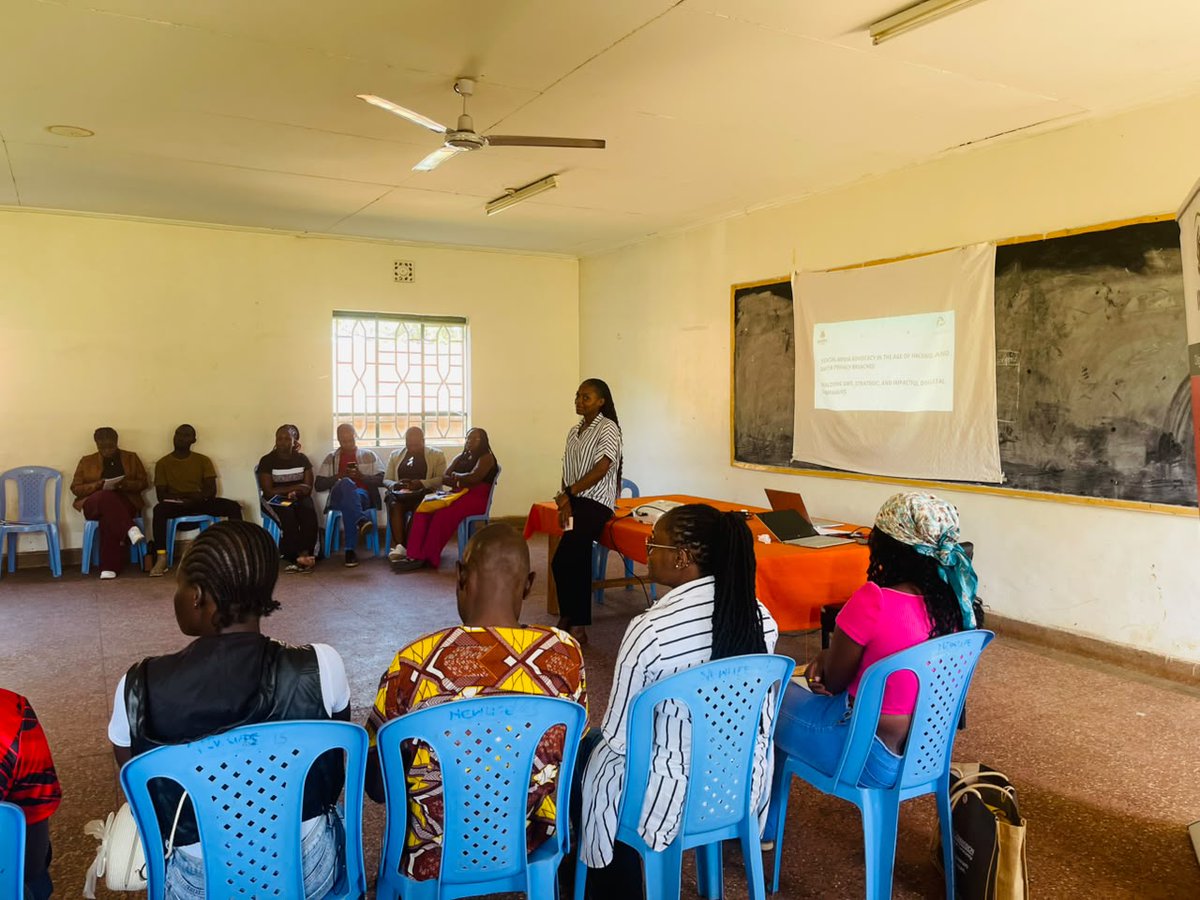
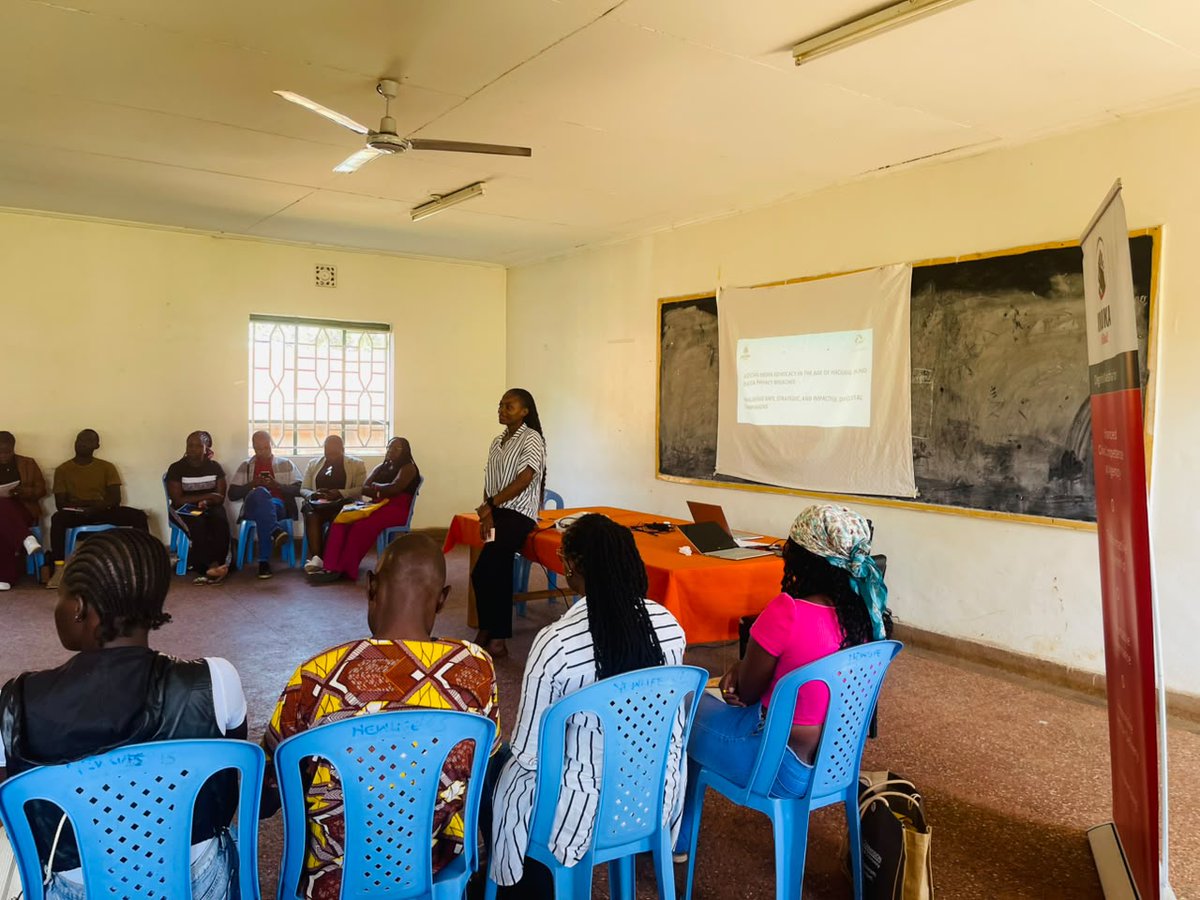
Credibility is a key foundation in effective advocacy, shaping both how messages are received and the level of trust they attract in digital spaces. Trust is built through consistent practices such as fact-checking before sharing content, openly acknowledging and correcting errors, and communicating in a balanced, responsible manner rather than relying on sensational claims.
Effective advocates also safeguard the confidentiality of their sources and communities, ground their work in evidence, and prioritise accuracy over the urgency to post.
In digital advocacy, maintaining credibility not only strengthens influence but also protects integrity and ensures that messages for change remain respected and impactful.#MaskaniKakamega
1
8
11
83
Jun 12
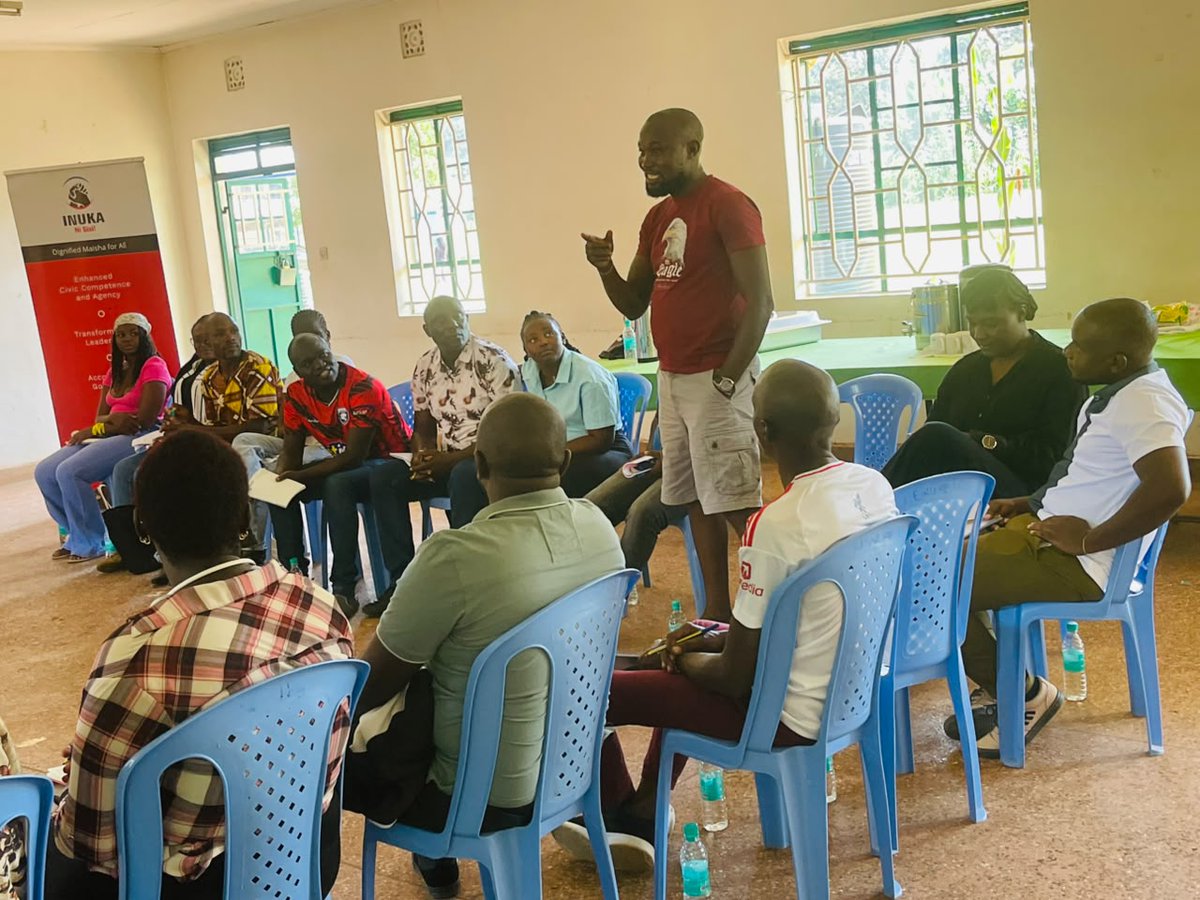
In political and public discourse, false or manipulated information is often used to influence opinions, discredit voices, and steer narratives, especially during periods of heightened political activity.
For young people, building strong verification habits is key: questioning sources, checking context, confirming dates and images, and avoiding the rapid sharing of unverified content helps protect the integrity of online spaces.
Through #MaskaniKakamega, participants are strengthening their ability to identify manipulation, verify information, and engage responsibly in digital and civic discussions.
#MaskaniKakamega
7
11
73
Jun 12
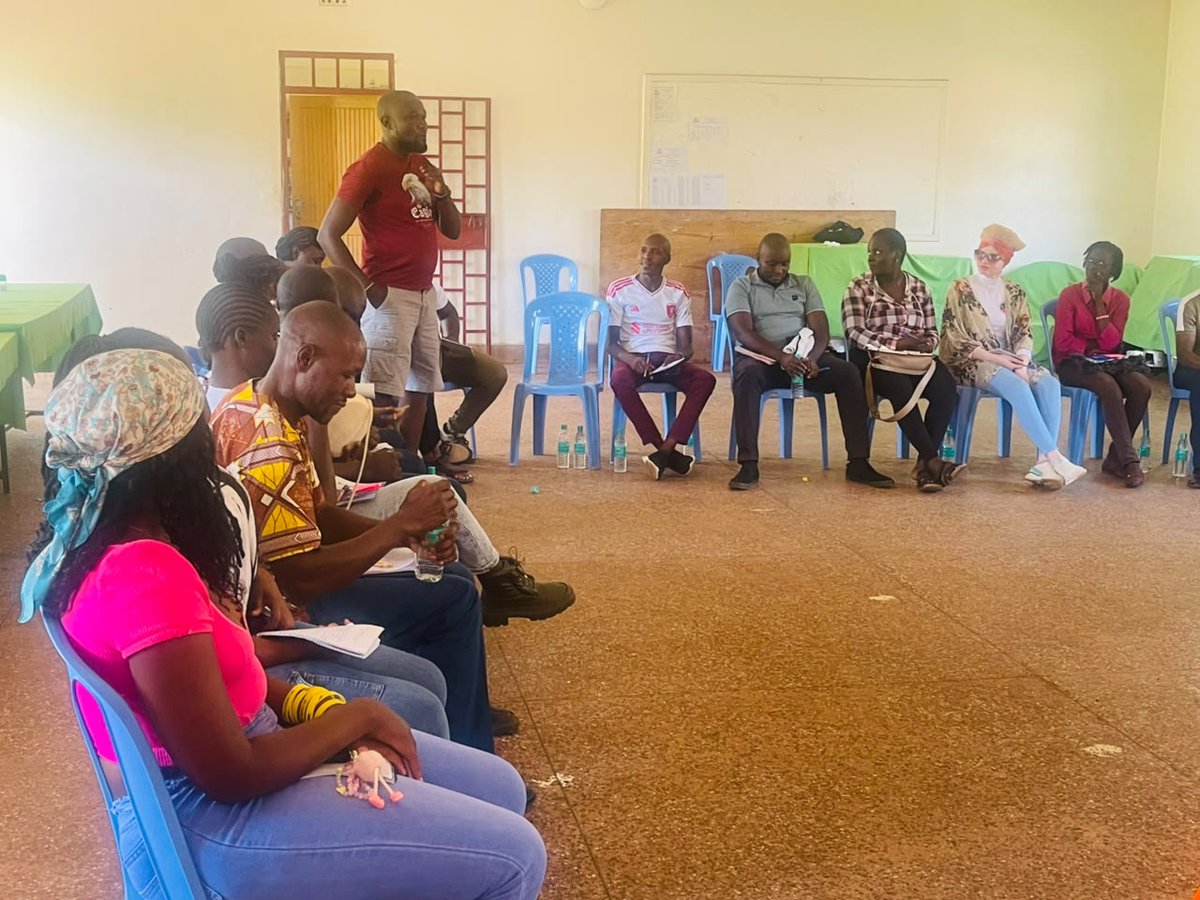
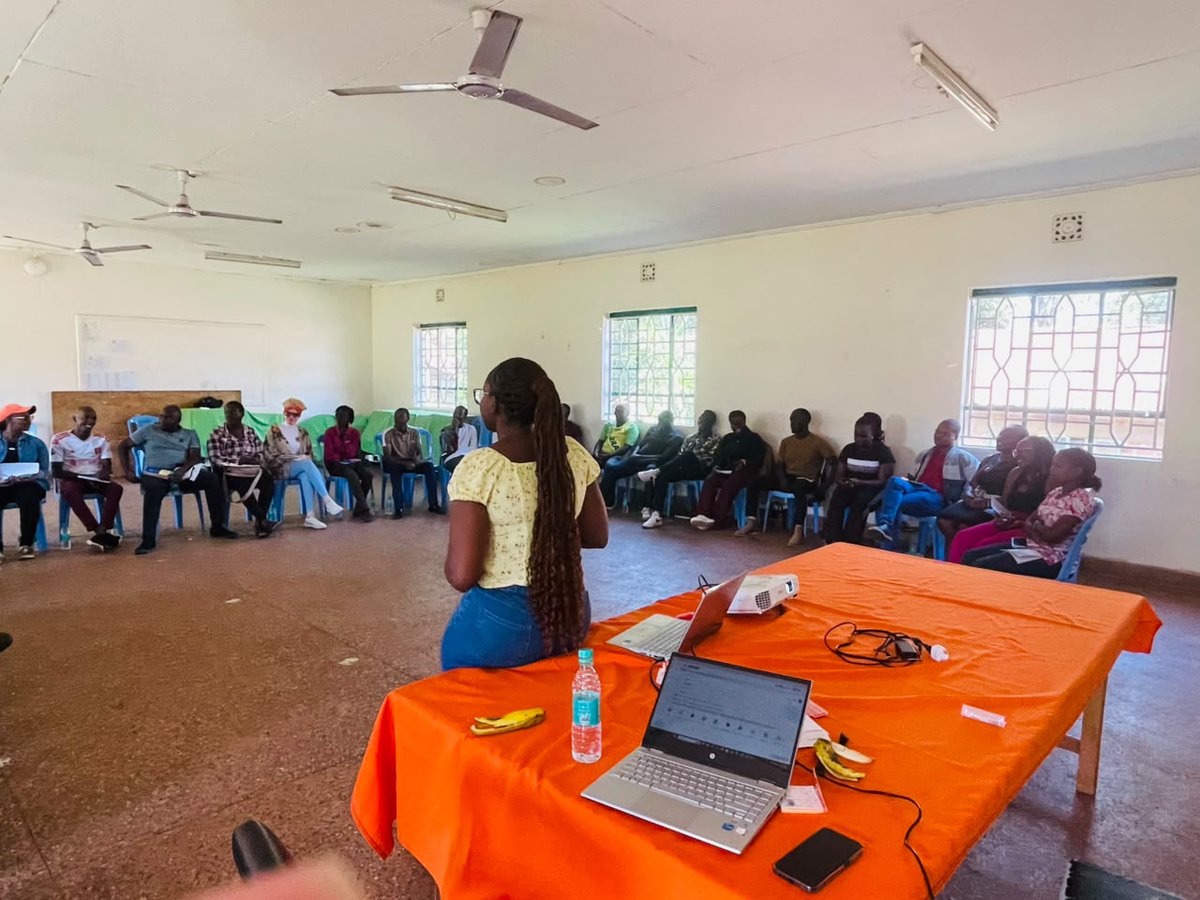
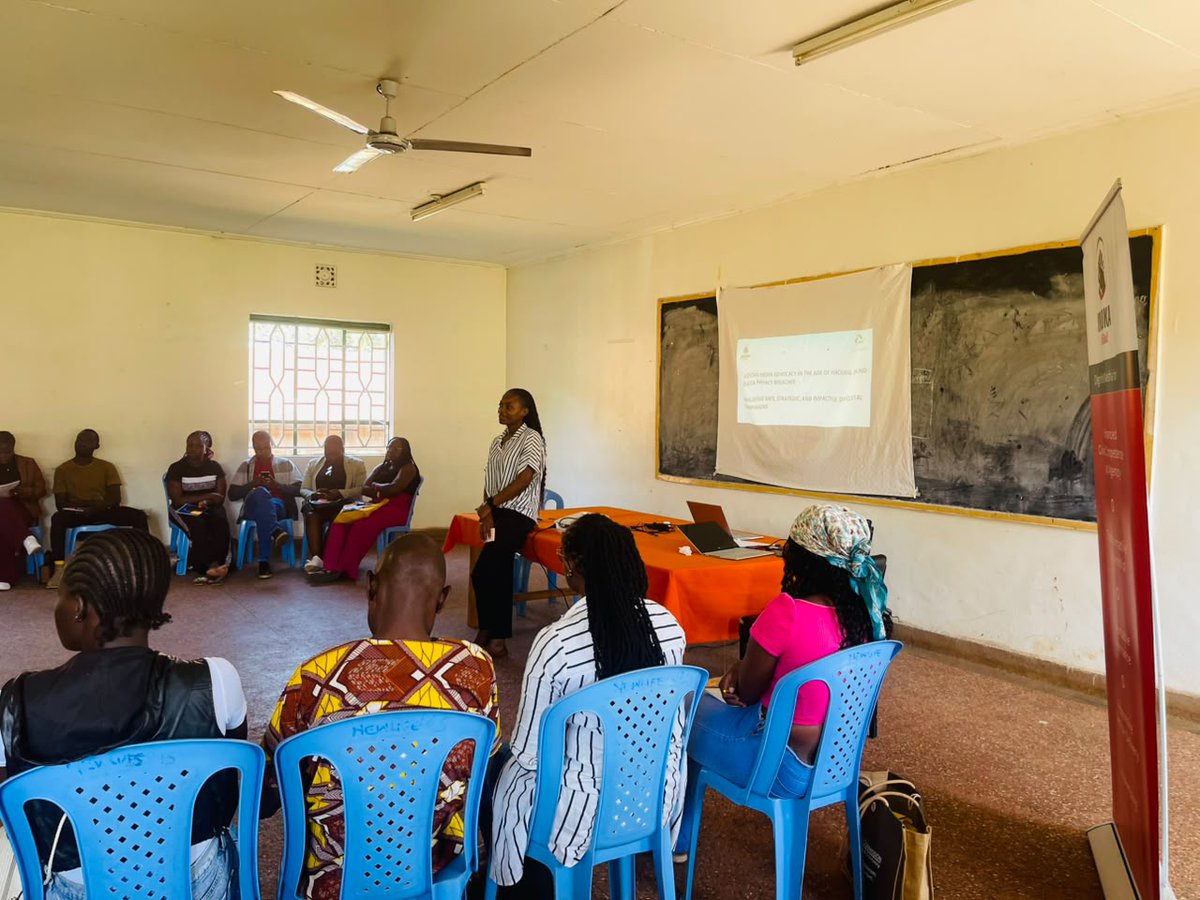
In today’s digital environment, information spreads rapidly, but not all of it is accurate. Misinformation refers to false or misleading content shared without harmful intent, while disinformation is deliberately crafted to deceive and influence public perception. Both continue to shape how people engage with civic and political conversations.
At #MaskaniKakamega, participants are exploring how these information challenges emerge online, especially through manipulated media, fake accounts, and emotionally charged content that can easily go viral before verification.
#MaskaniKakamega
7
9
126
Jun 12
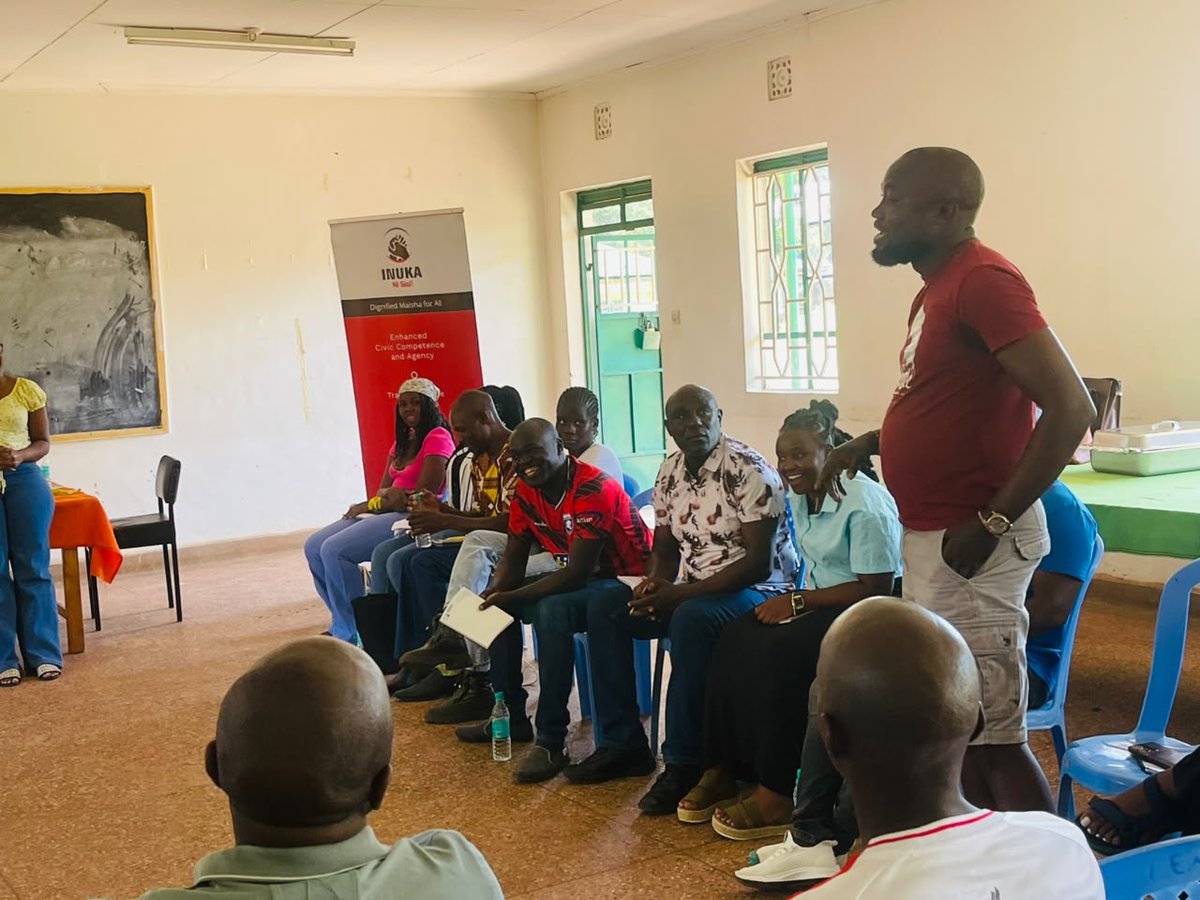
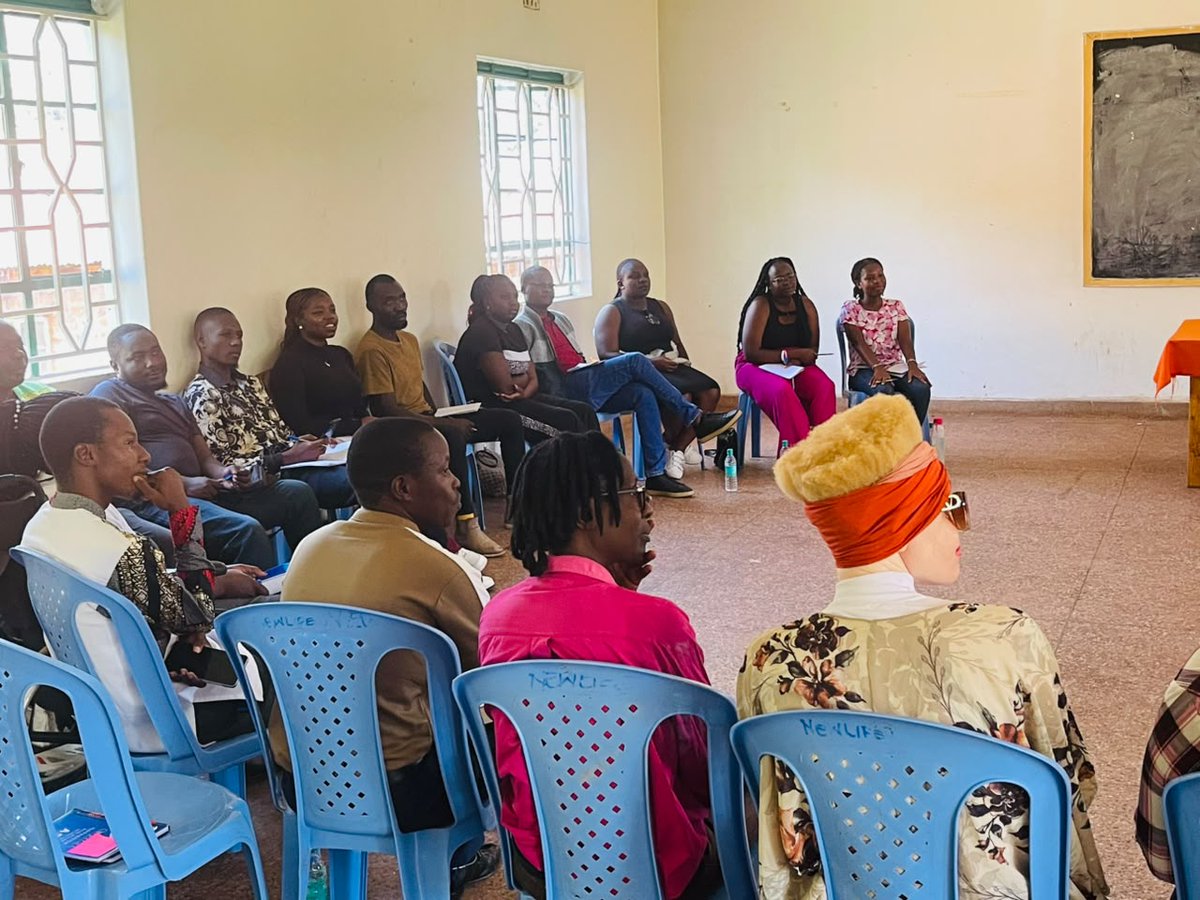
The ongoing #MaskaniKakamega training continues to strengthen participants’ understanding of strategic digital advocacy and the responsible use of social media platforms for civic engagement.
Social media, particularly X, has transformed how citizens engage with governance, accountability, and social change. It now serves as a space for amplifying community voices, mobilizing collective action, shaping public discourse, and promoting accountability in real time.
The training is equipping participants in #MaskaniKakamega to use these platforms for issue-based advocacy, campaign building, and developing counter-narratives that support informed and meaningful civic participation.
By strengthening these skills, #MaskaniKakamega young people are moving from passive information consumption to active participation in shaping democratic conversations and social change.
#MaskaniKakamega
9
11
110
Jun 12
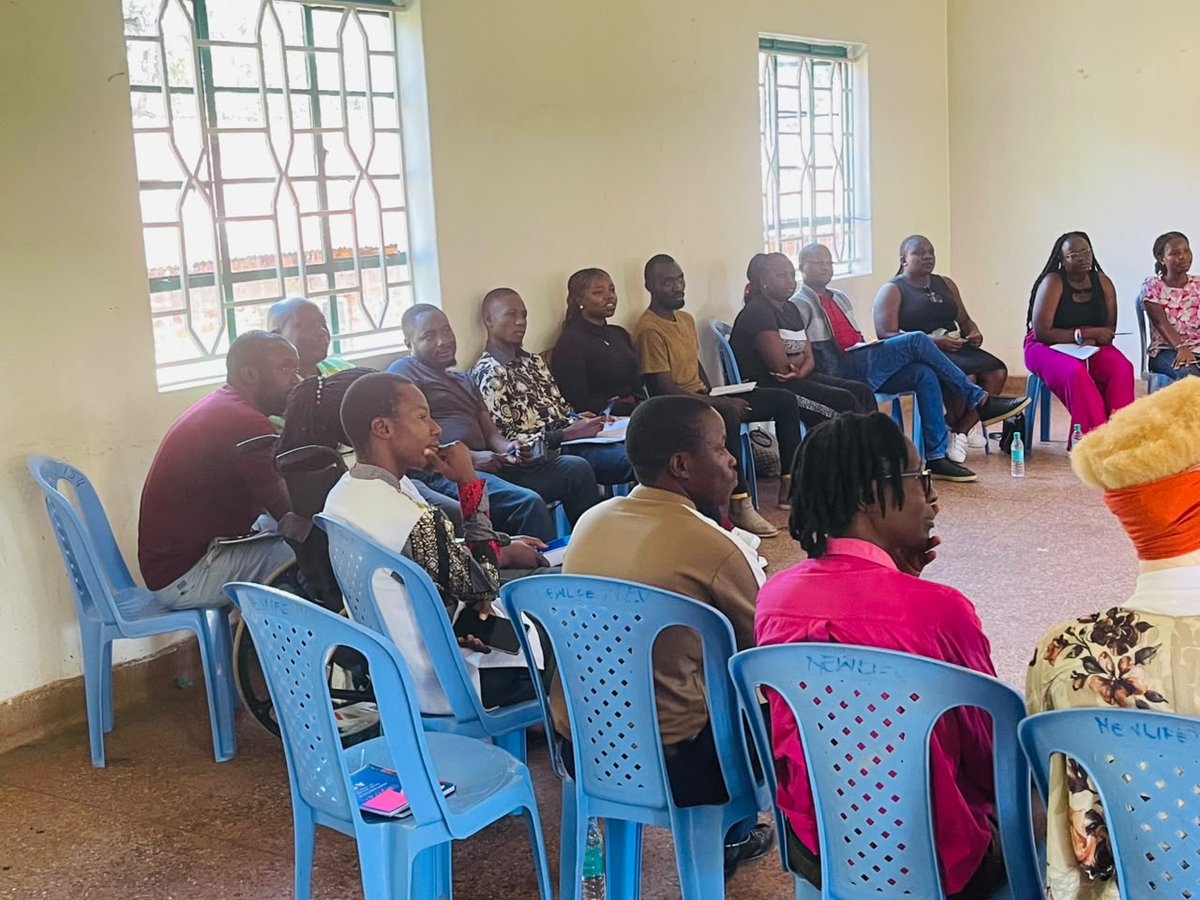
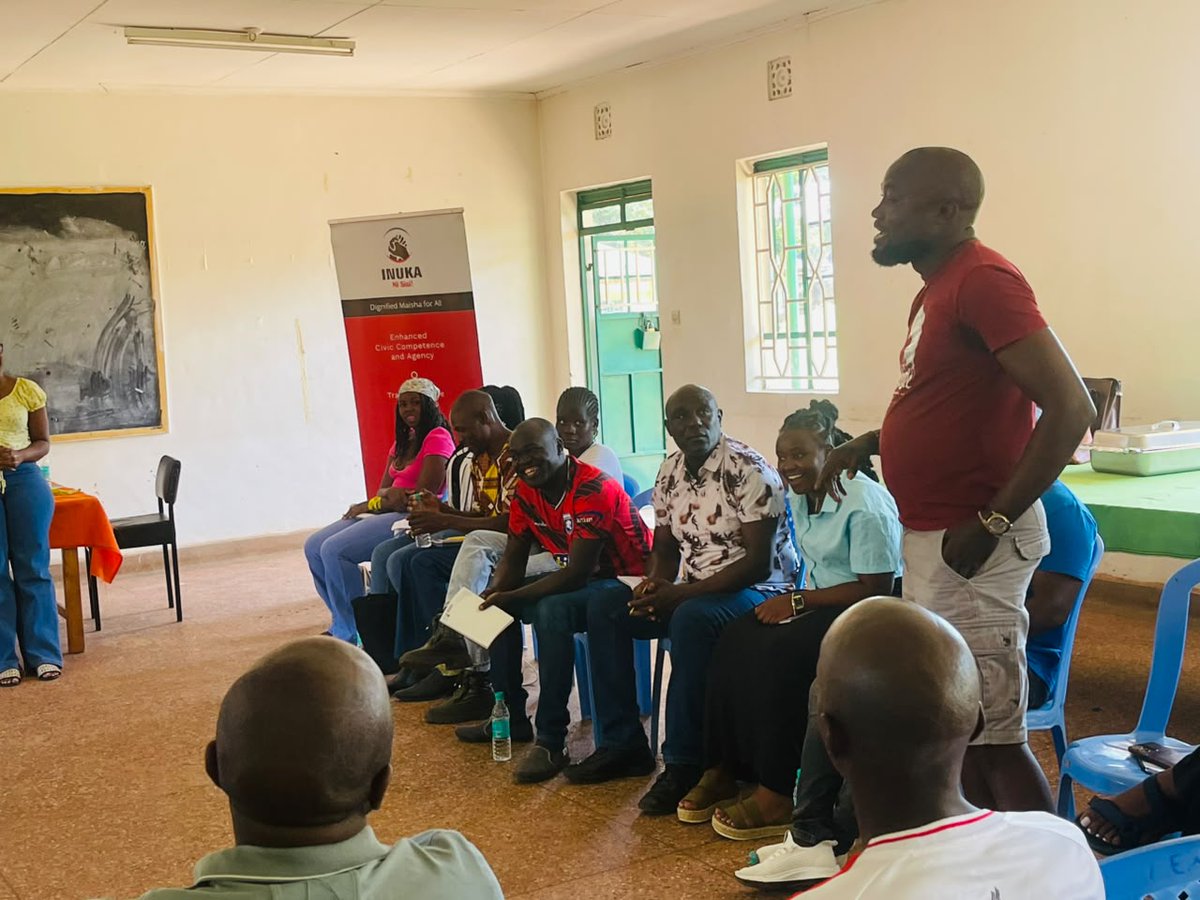
The #MaskaniKakamega training is reinforcing the importance of strong verification practices in digital advocacy and public communication.
Participants in #MaskaniKakamega are learning how false and manipulated information is used to shape opinions, discredit individuals or groups, and influence public narratives, especially during politically sensitive periods.
The training emphasizes practical verification habits, including checking the credibility of sources, confirming context, verifying dates and visuals, and avoiding the rapid spread of unverified content.
Through these practices, #MaskaniKakamega youth are strengthening their ability to detect manipulation, engage responsibly in digital and civic discussions, and contribute to more informed public discourse.
#MaskaniKakamega
7
9
174