Physics | Mathematics | Astronomy
Joined October 2022
- Tweets 8,506
- Following 488
- Followers 13,245
- Likes 18,131
3,025 Photos and videos


Pinned Tweet

May 13
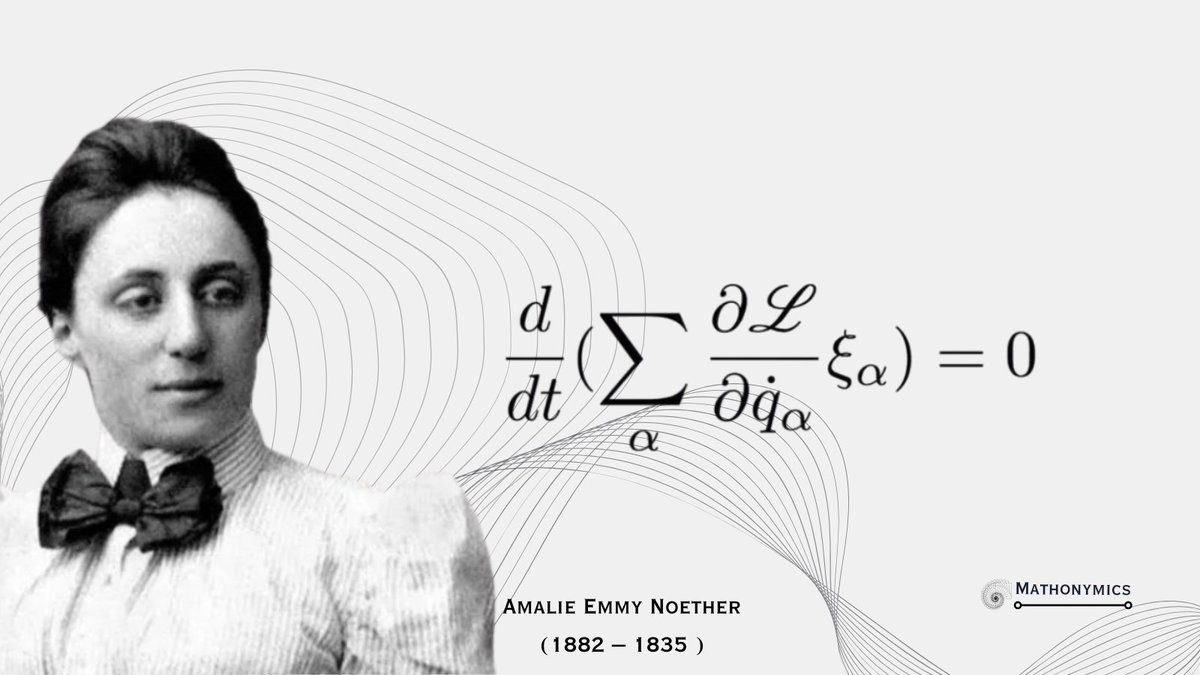
Mathematician Emmy Noether in 1918 published a fundamental pillar of modern theoretical physics that bridges the gap between symmetry and conservation laws.
It establishes that every continuous symmetry of a physical system corresponds to a conserved quantity, and vice versa.
> If a system remains unchanged (invariant) under a continuous transformation, a corresponding quantity remains constant over time (conserved).
> These are transformations that can be applied in small, gradual steps, such as rotating an object or moving it through space, which do not change the underlying physical laws.
>The theorem is usually expressed using Lagrangian mechanics, specifically looking at the action integral of a physical system
2
2
24
1,199
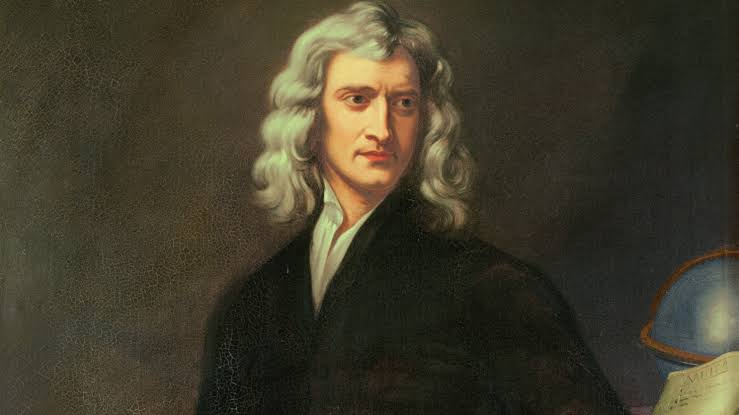
“No great discovery was ever made without a bold guess.”
― Isaac Newton
3
12
76
2,753
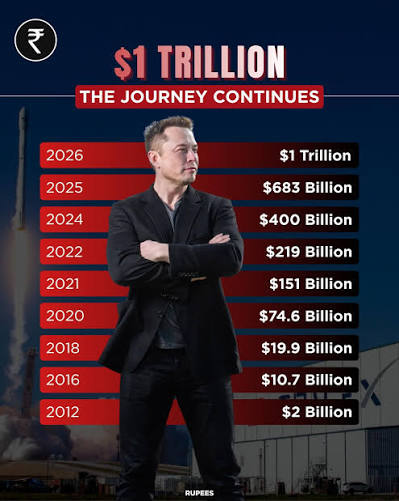
If you make $1 every second, it will take you nearly 32,000 years to reach $1 trillion and As of now Elon musk holds much more wealth than that
1
154
Jun 8
“Physicists are made of atoms. A physicist is an attempt by an atom to understand itself.”
― Michio Kaku in his book "Parallel Worlds"
1
13
355
Jun 8
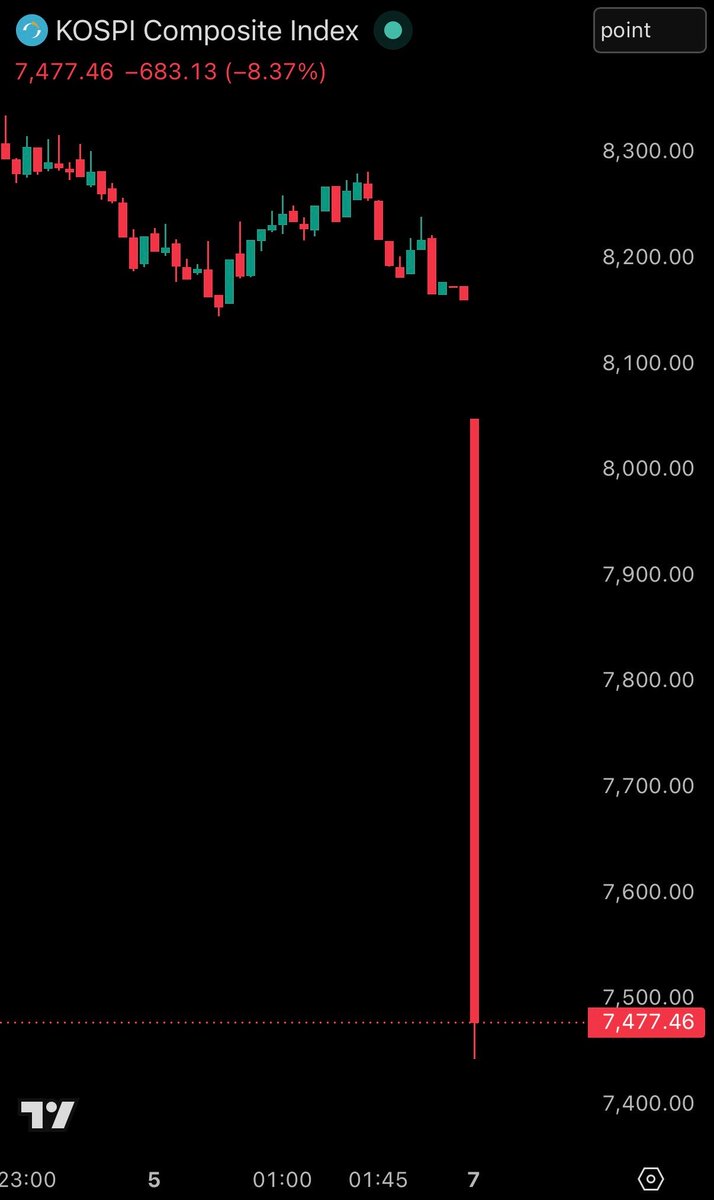
South Korea's stock market KOSPI is worst market imo
Samsung accounts for nearly 30% of their stock market creating such wild volatility.
KOSPI falling or gaining 8-10% seems very common where as it would be considered as a black swan even if same things happened to other index like NASDAQ or NIFTY

BREAKING: South Korea’s stock market has been halted after falling -8.4% at the open.
4
359
Jun 7
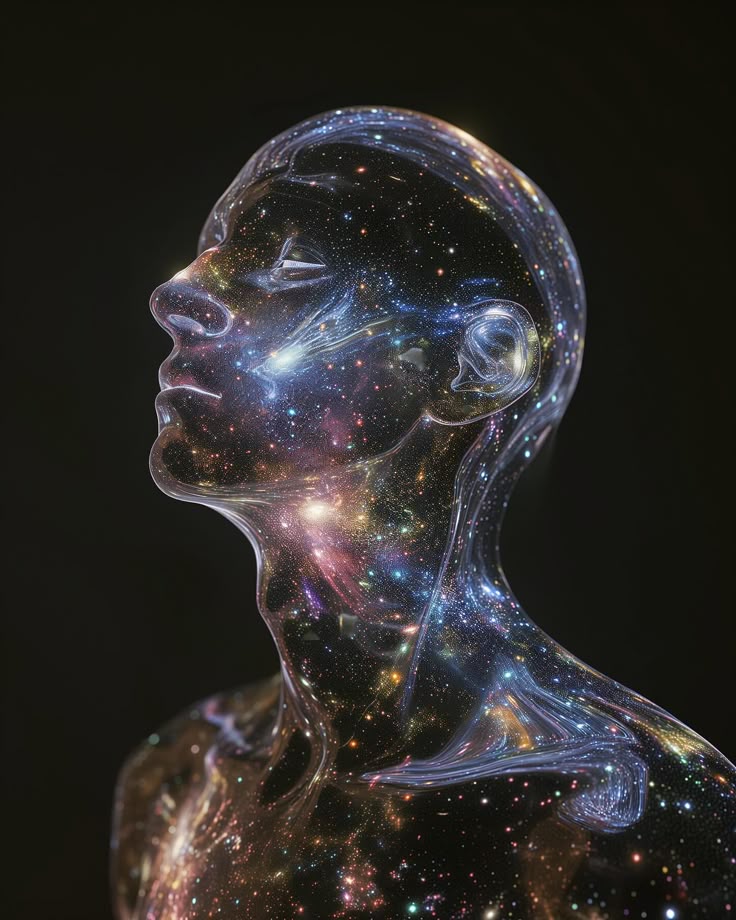
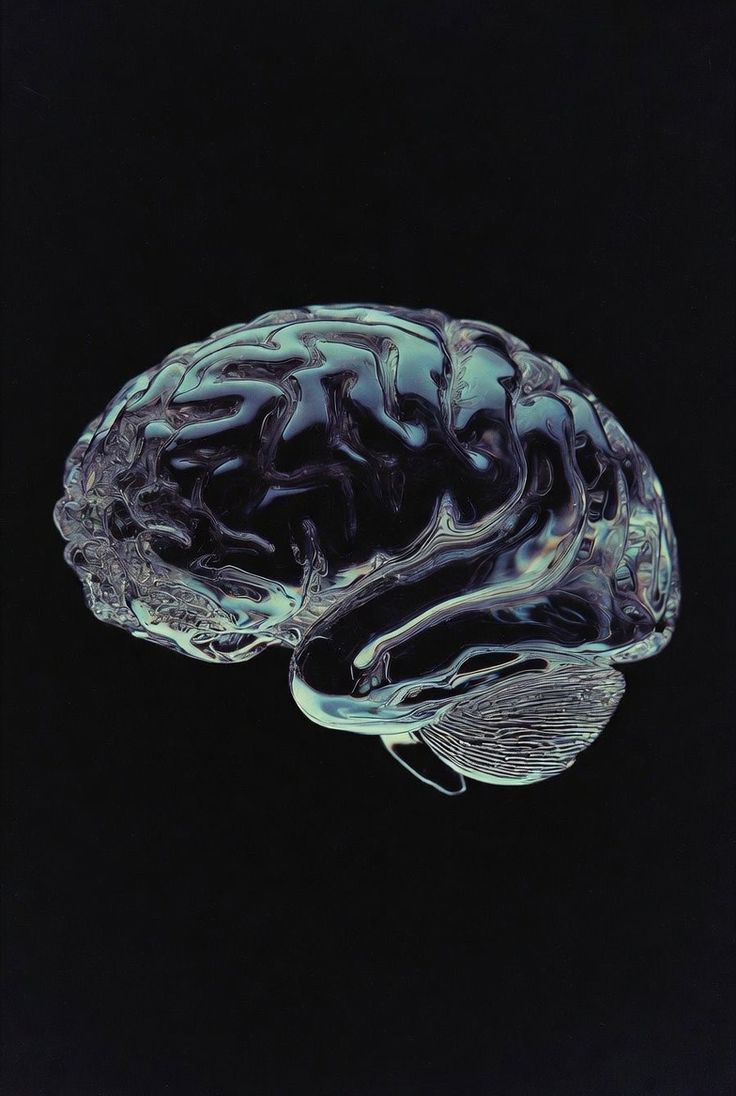
Most of the people are not ready for how consciousness actually works

🚨: Your consciousness emerges from a vast ‘Invisible’ network, a breakthrough study reveals
2
1
5
431
Jun 4
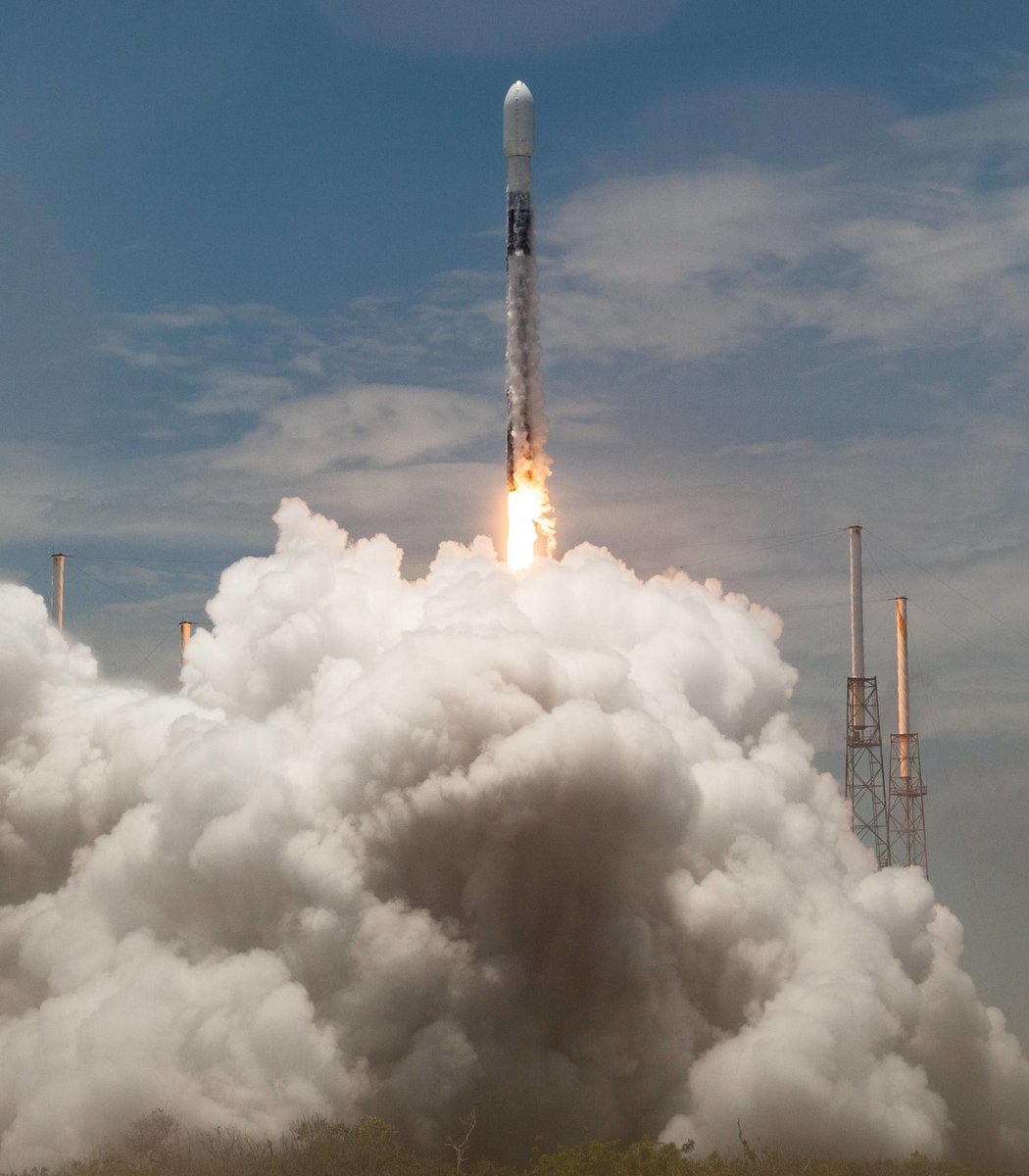
dose anyone how much pollution will it cause to launch soo many rockets into space?
and is it even a good alternative compared to the Data Centers we have on Earth?

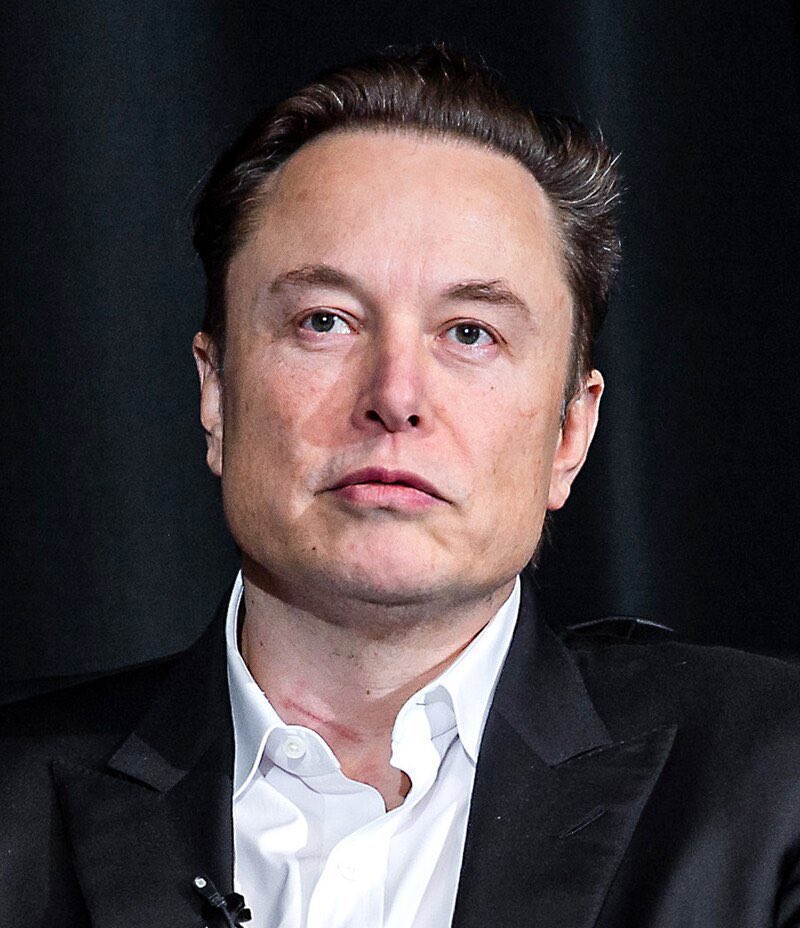
Elon Musk is planning to launch up to a million satellites into Earth's atmosphere to form a massive data center network.
Putting all those satellites in space could cost upwards of $2,000,000,000,000.
2
220
Jun 4
As per the new UN report AI data centres will consume water equal to the needs of 1.3 billion people by 2030.
4
142
Jun 3
These Red sprites are bursts of lights in the upper atmosphere resembling gigantic jellyfish
Its a type of Transient Luminous Event that appear as bright, reddish-orange flashes or tendrils above thunderstorms.
They are triggered by positive lightning discharges within thunderstorms, occurring in mesosphere (~60km above), and are incredibly fast,lasting only a millisecond or two
Most of them are difficult to observe from Earth, especially during the day, and they are often best seen from space.
One unusual feature of sprites is that they are relatively cold. They operate more like long fluorescent light tubes than hot compact light bulbs.
x.com/RT_com/status/20617393…
1
6
275
Jun 2
Neuralink is working on problems that may sound impossible to solve

Neuralink is testing a device to help restore vision in people born blind
Early human trials are expected late 2026


2
4
18
1,264
Jun 2
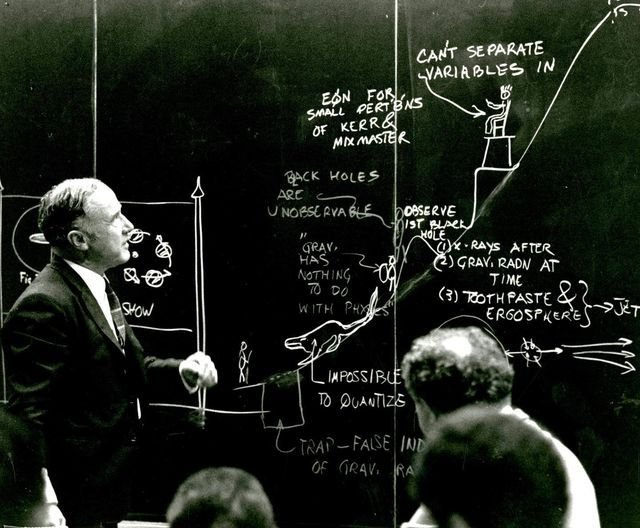
John Archibald Wheeler lecturing at Princeton University in 1971.
2
3
17
1,011
Jun 2
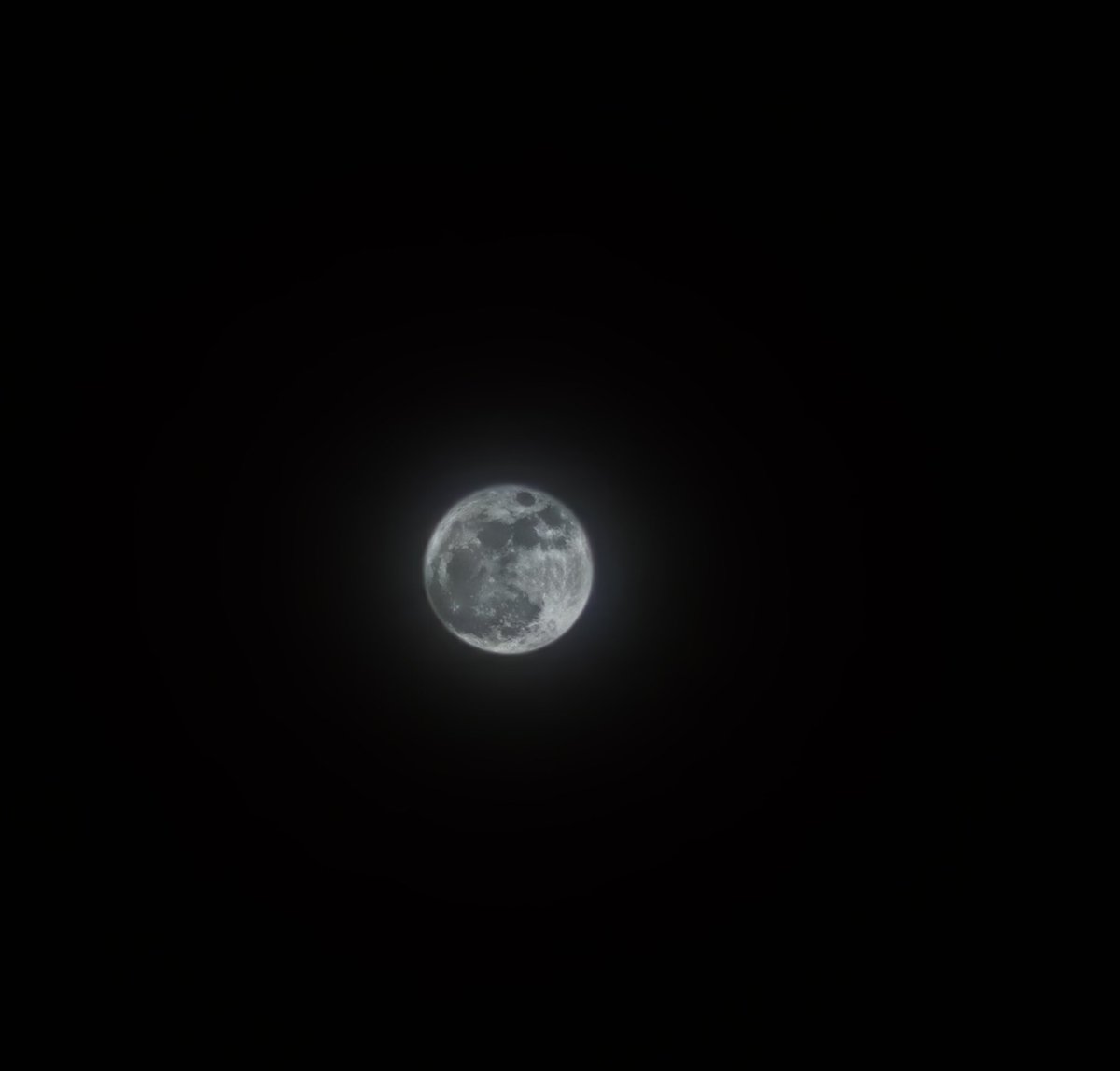
An insane correlation between the Phases of Moon and the Stock Market.
1
1
4
260
Mathonymics retweeted
Jun 1
Einstein believed quantum mechanics was incomplete, as per him if two particles were entangled, they must carry a hidden variables which is pre-determined instruction sets that tell them how to behave when measured.
Coming to 1964, John Bell devised a mathematical way to test this. He showed that if Einstein were right (if local hidden variables existed), there would be a strict limit on how correlated the measurements of two distant particles could be. This limit is known as Bell’s inequality.
Quantum mechanics predicted that entangled particles would be more strongly correlated than any local theory could allow, thus violating Bell’s inequality.
Starting with John Clauser in 1972 and followed by Alain Aspect in 1982, experiments have consistently shown that nature violates Bell’s inequality.
This experimental confirmation led to the 2022 Nobel Prize in Physics for Alain Aspect, John Clauser, and Anton Zeilinger.
11
34
119
6,241
Jun 1
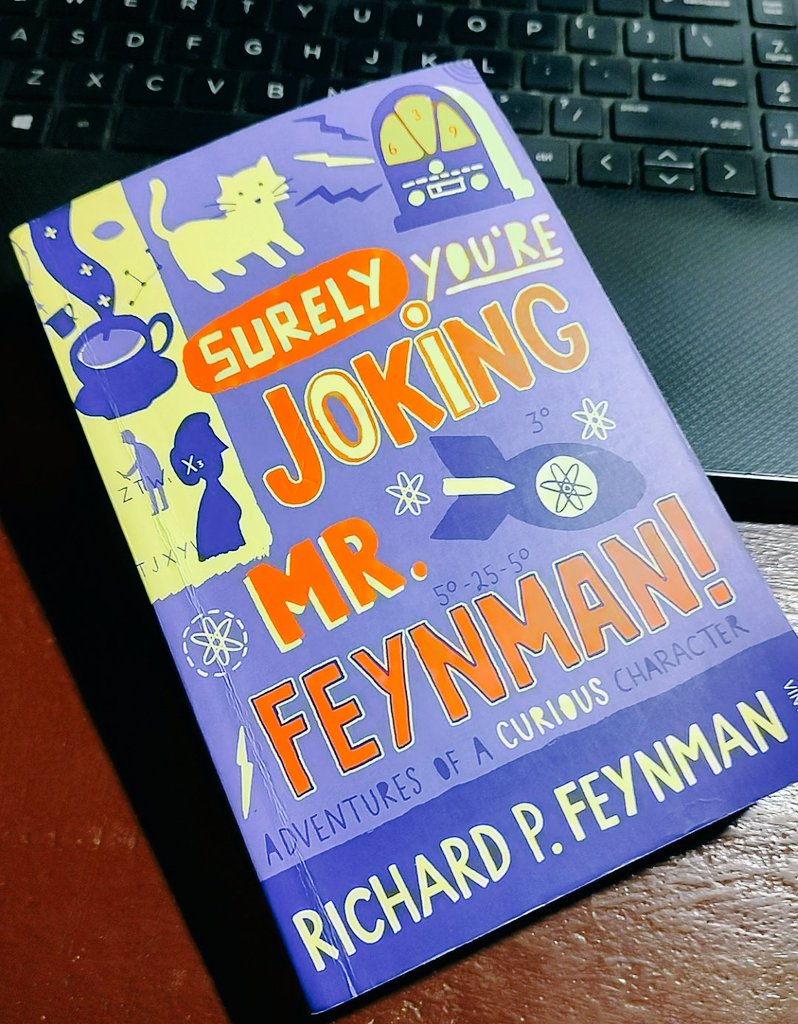
Surely You’re Joking, Mr. Feynman - Adventures of a curious character
by Richard P. Feynman✍️
1
8
392
Jun 1
A breakthrough has been achieved when Scientist, for the first time, have recorded the moment when both Hydrogen and Oxygen atoms combine at nanoscale to form water molecules
4
24
104
8,242