- Tweets 113,648
- Following 5,906
- Followers 2,544
- Likes 135,694
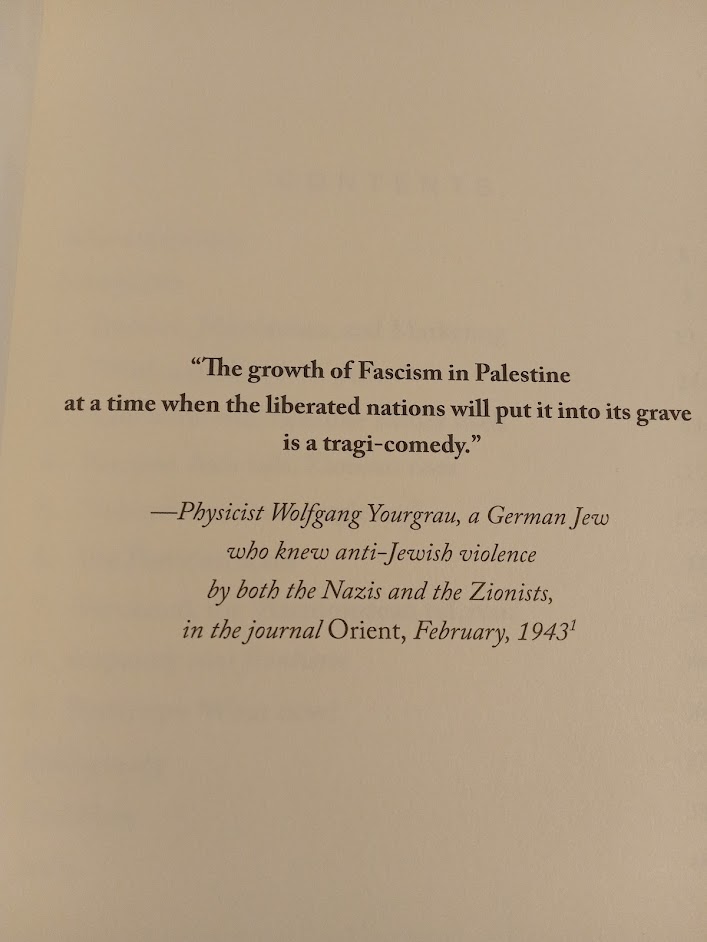

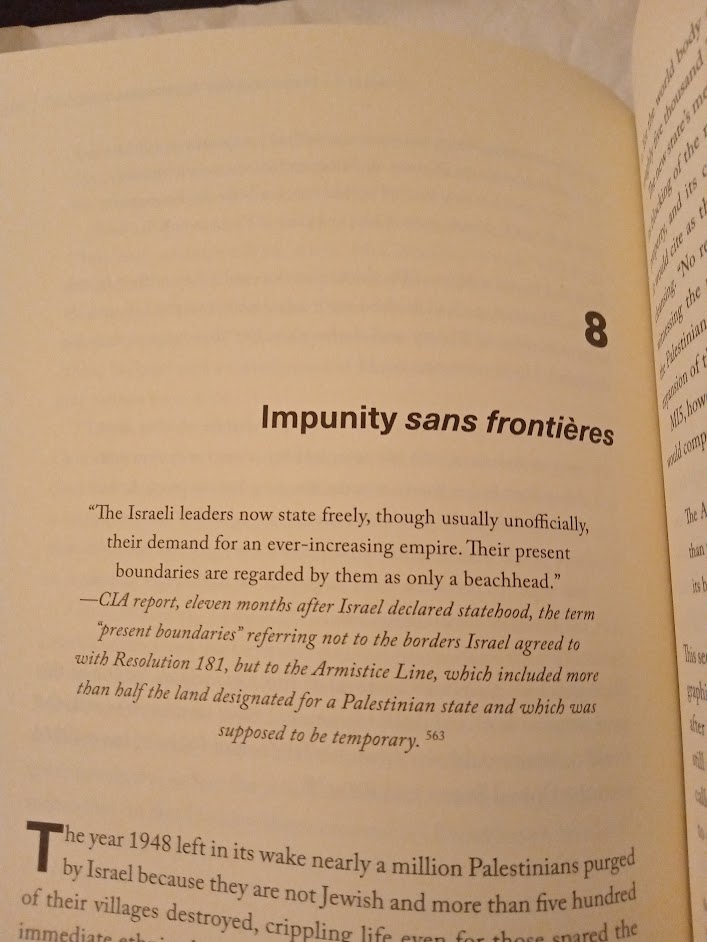

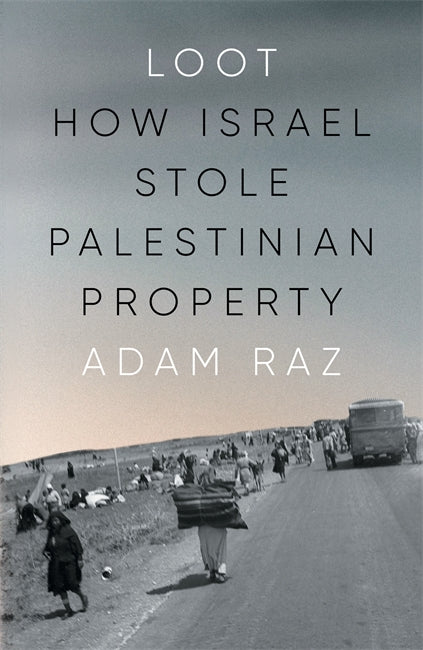





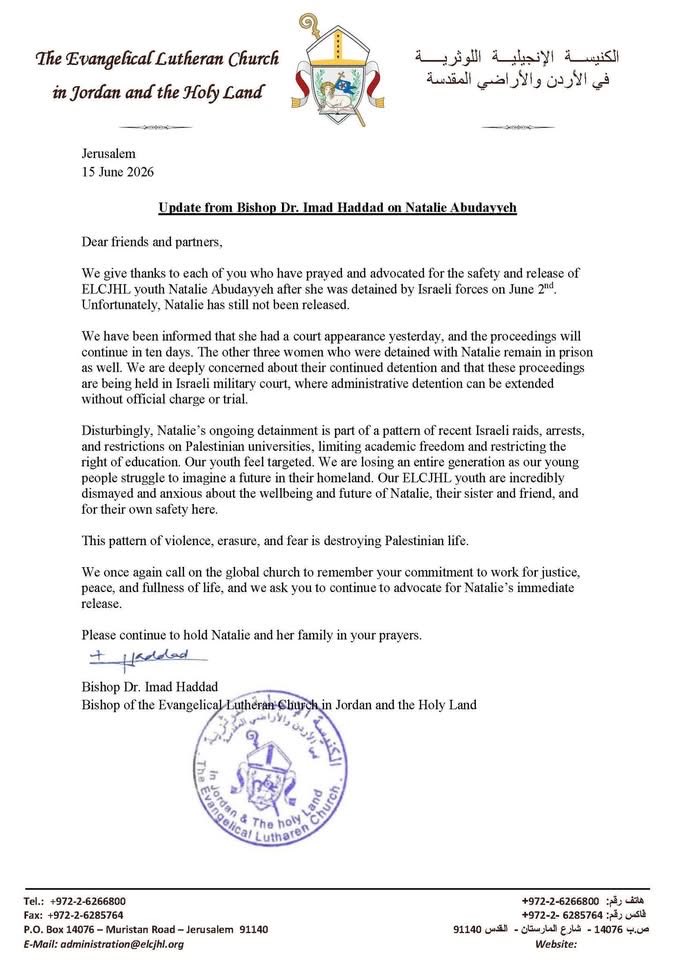


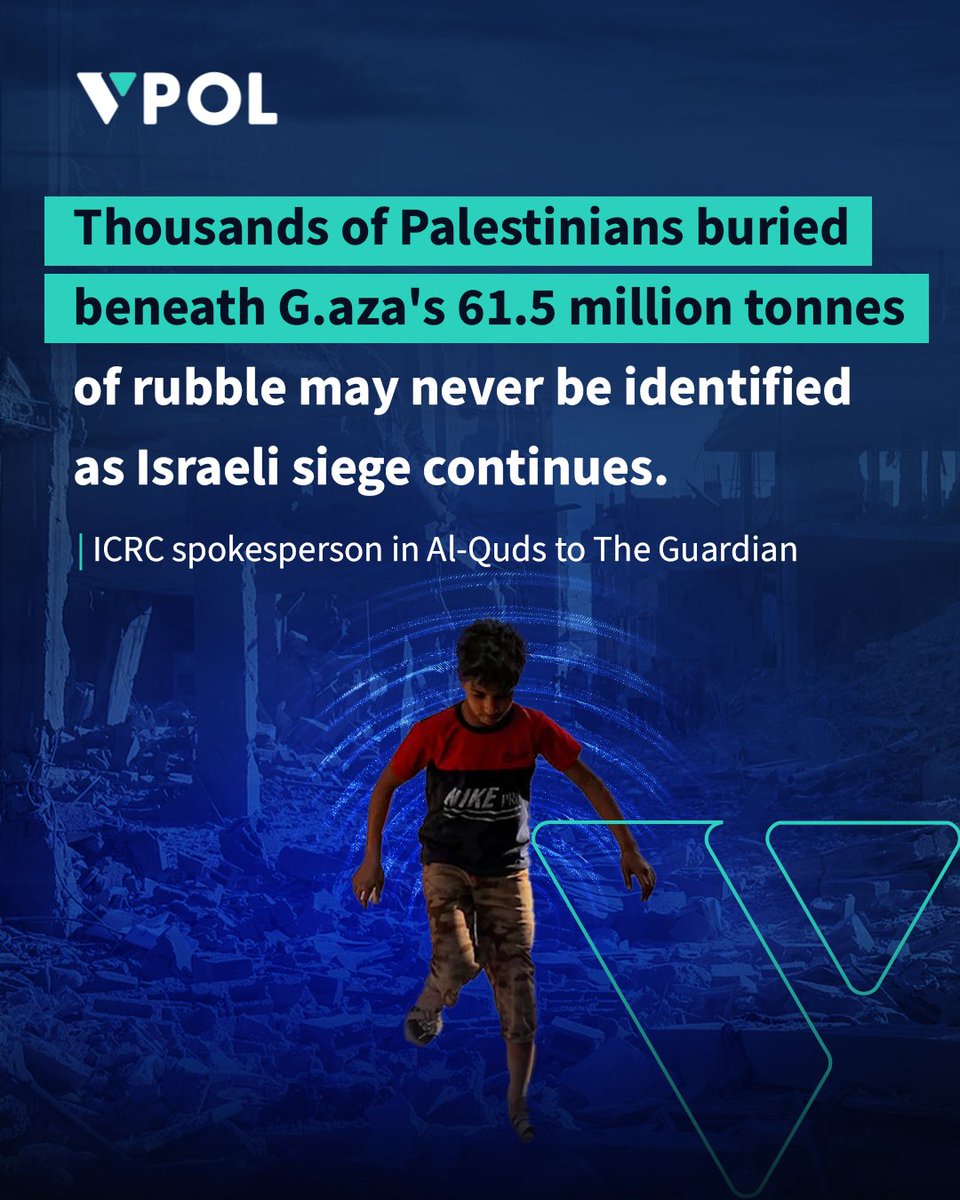


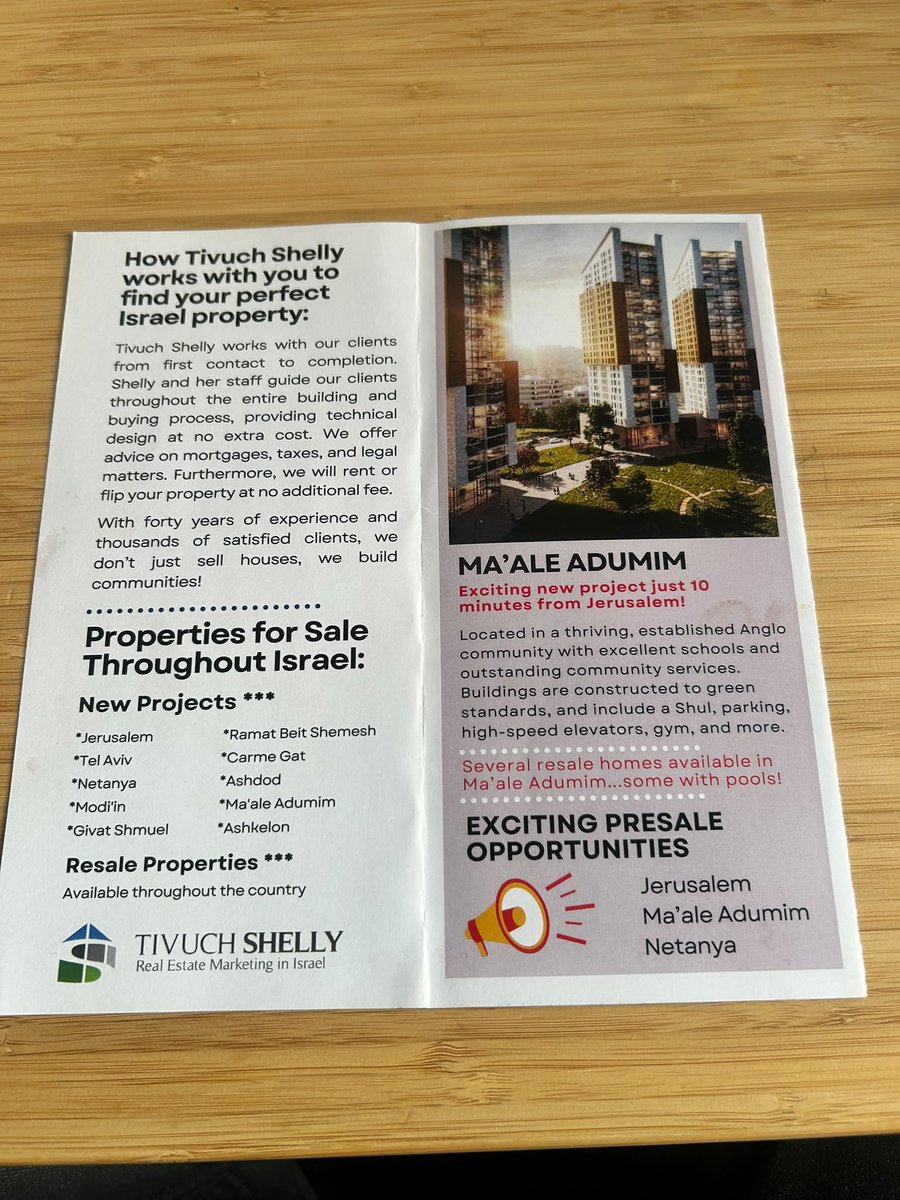
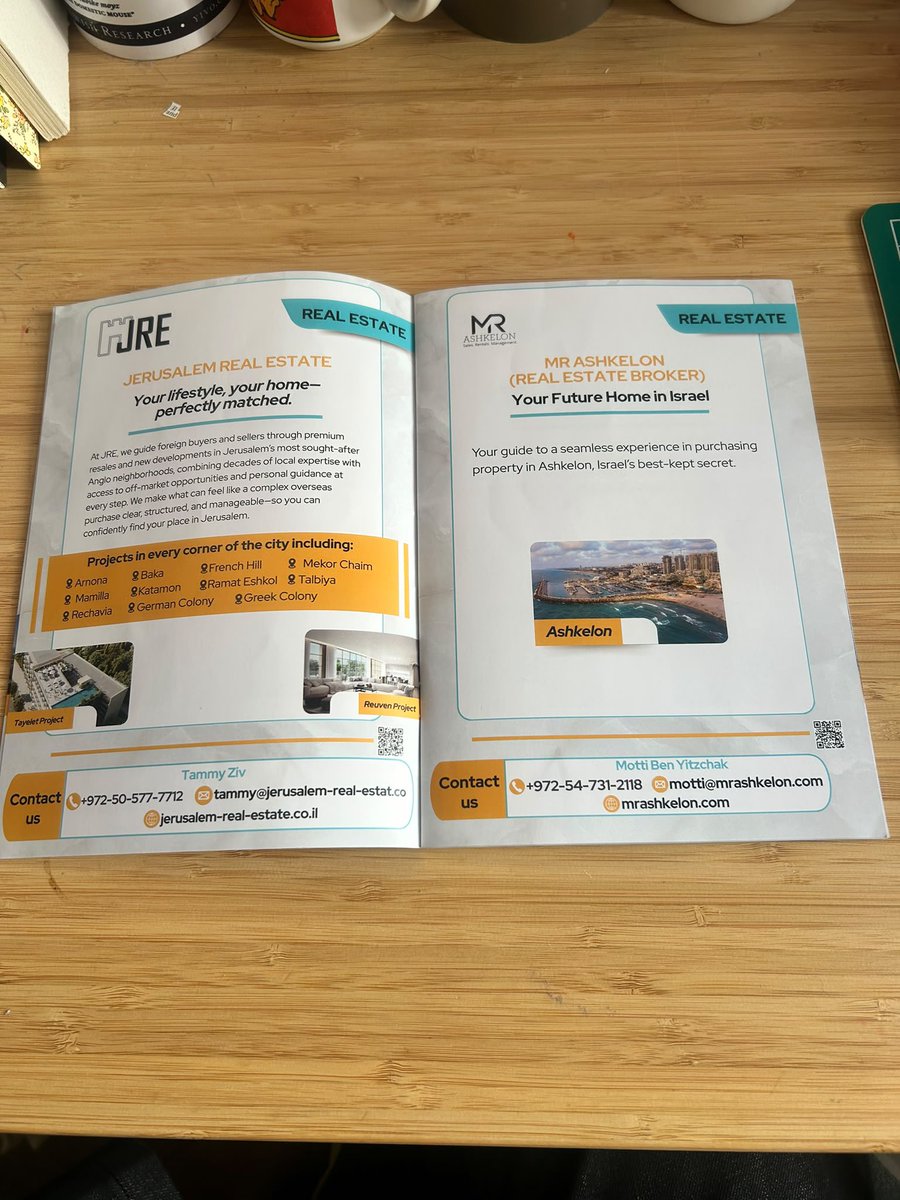
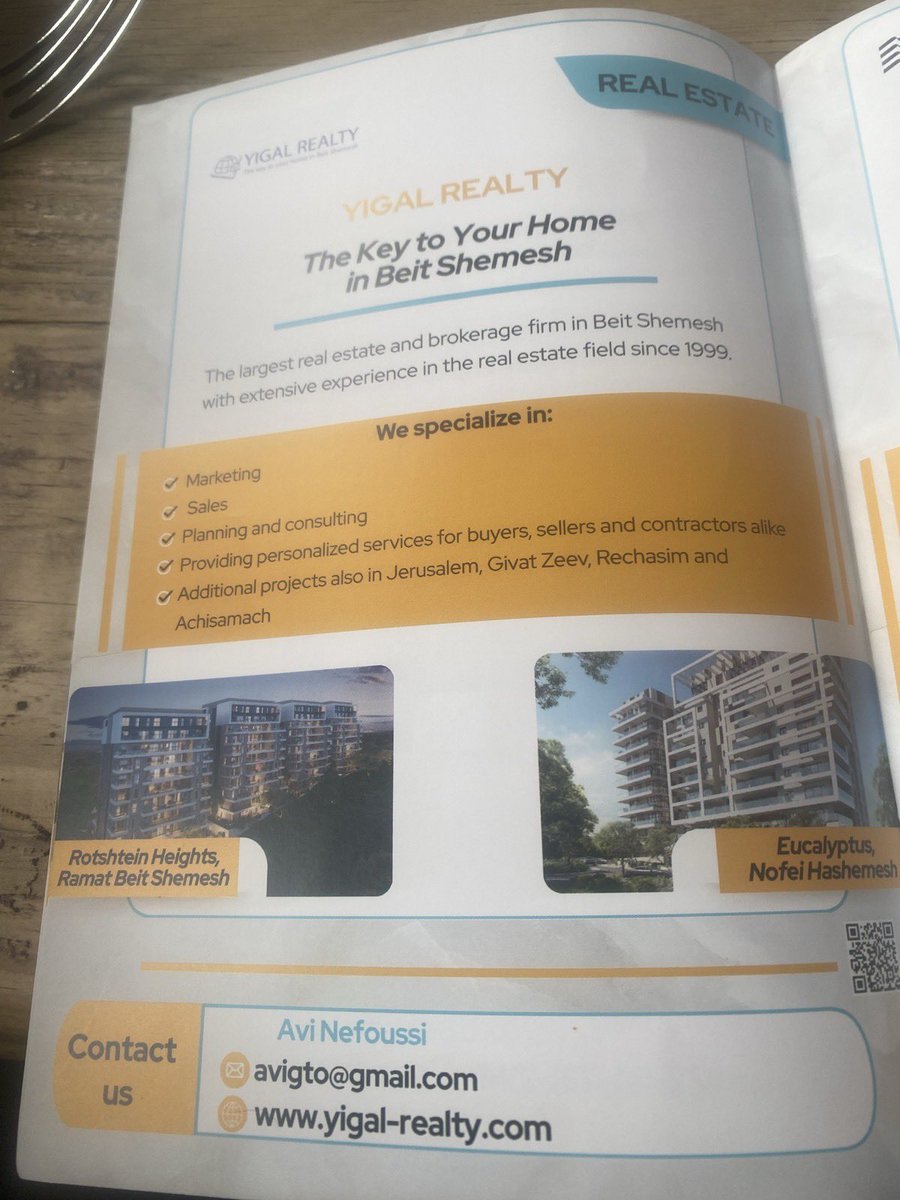

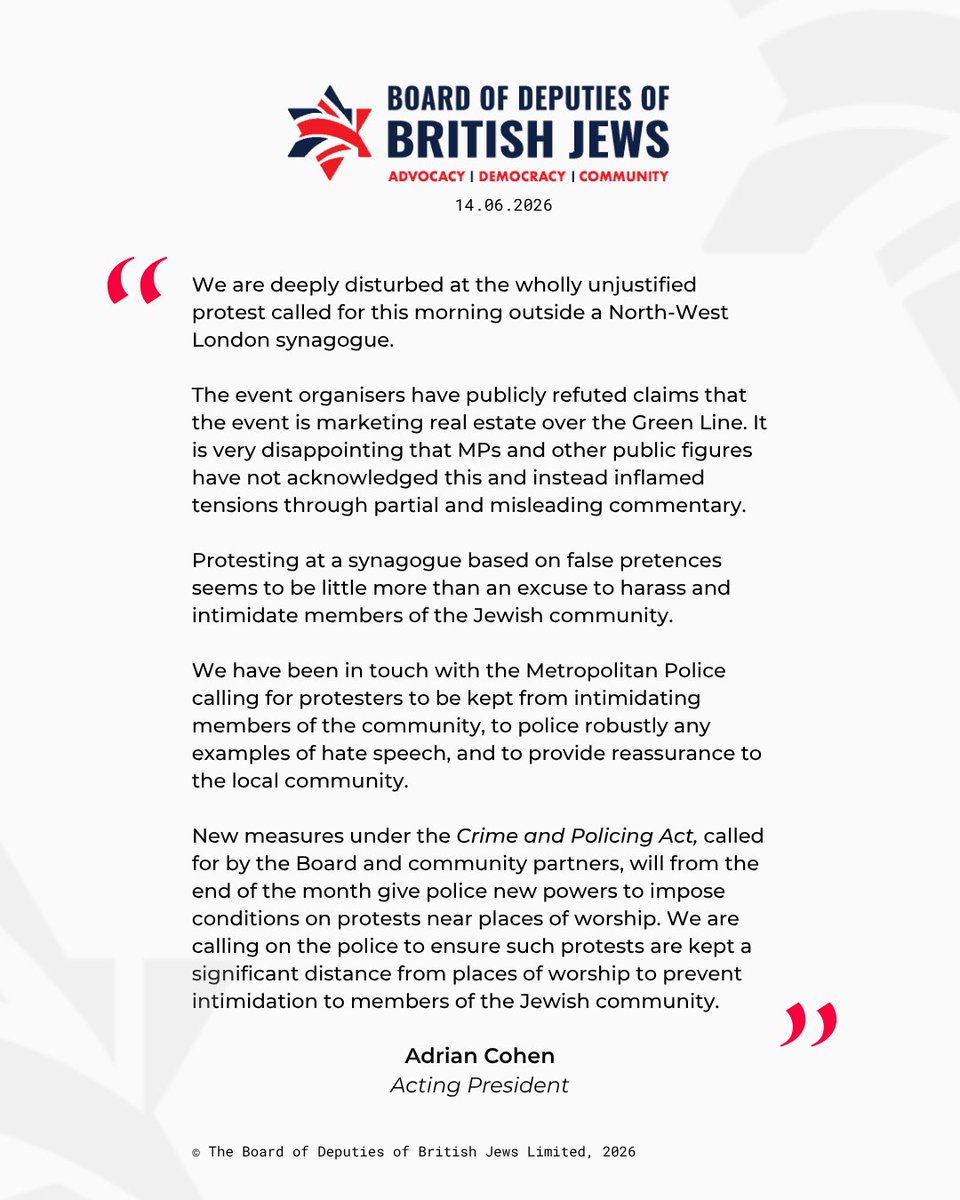
ALT "We are deeply disturbed at the wholly unjustified protest called for this morning outside a North-West London synagogue. The event organisers have publicly refuted claims that the event is marketing real estate over the Green Line. It is very disappointing that MPs and other public figures have not acknowledged this and instead inflamed tensions through partial and misleading commentary. Protesting at a synagogue based on false pretences seems to be little more than an excuse to harass and intimidate members of the Jewish community. We have been in touch with the Metropolitan Police calling for protesters to be kept from intimidating members of the community, to police robustly any examples of hate speech, and to provide reassurance to the local community. New measures under the Crime and Policing Act, called for by the Board and community partners, will from the end of the month give police new powers to impose conditions on protests near places of worship. We are calling on t


