Building @M_T_collection 𓀡 Previously:@knownorigin_io
Joined June 2021
- Tweets 15,567
- Following 2,774
- Followers 2,577
- Likes 62,645
631 Photos and videos



Pinned Tweet

Apr 1
I spoke with Benji's family this morning and I know a few people already received the news but we lost a really great last week.
Benji Connell @_concreteclouds passed away last week of a previously undiagnosed heart condition.
He was one of the great hallmark artists of our community and has many great collectors. Much of his work was on Known Origin (and a few on superare) as he mostly called KO his home. He found his footing there and the rest is history.
Over the next few days, I am going to be posting my favorite works that he has done within my collection.
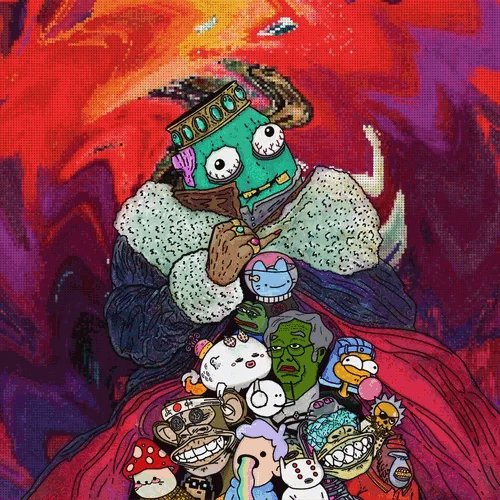
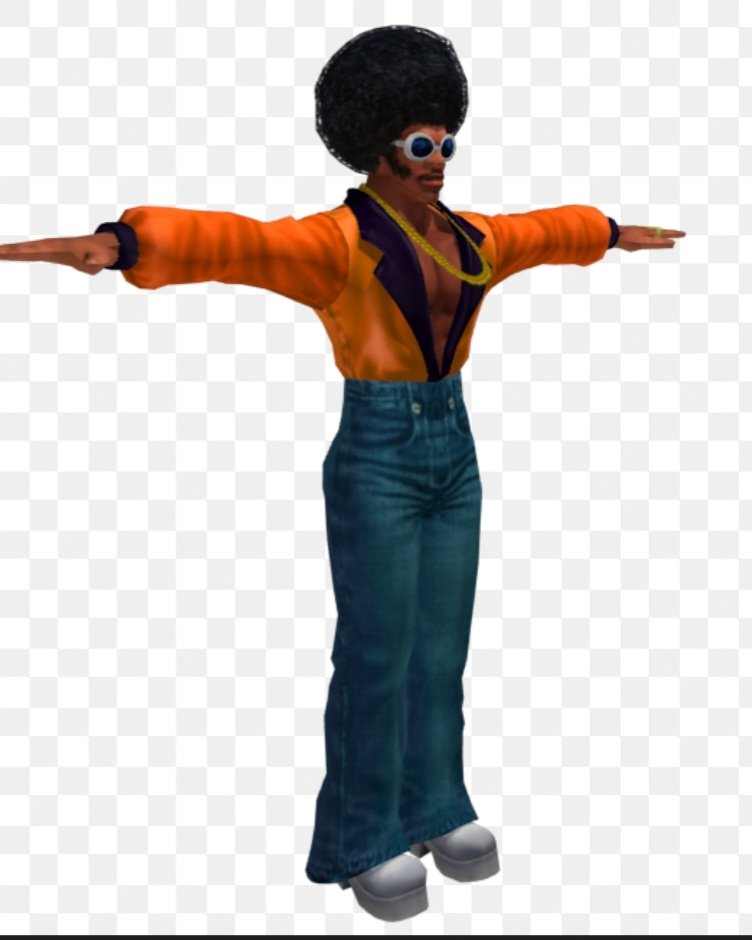
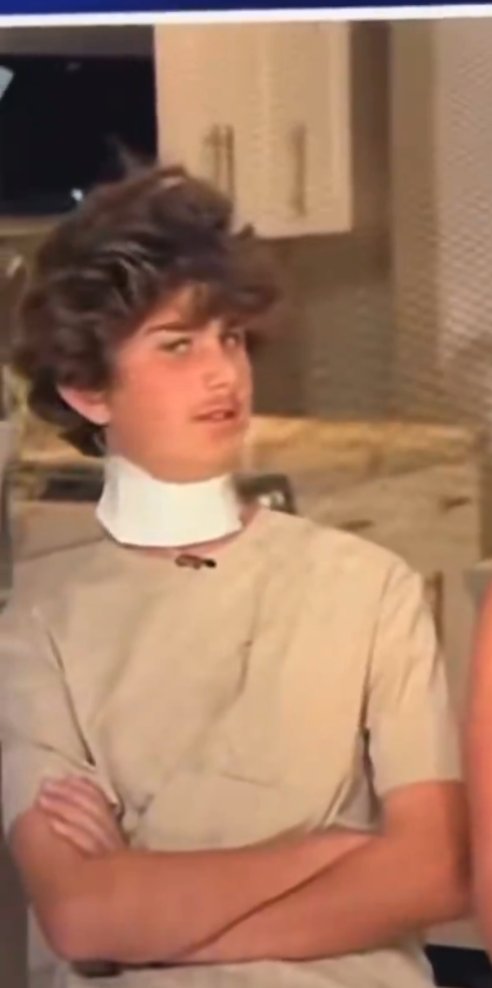
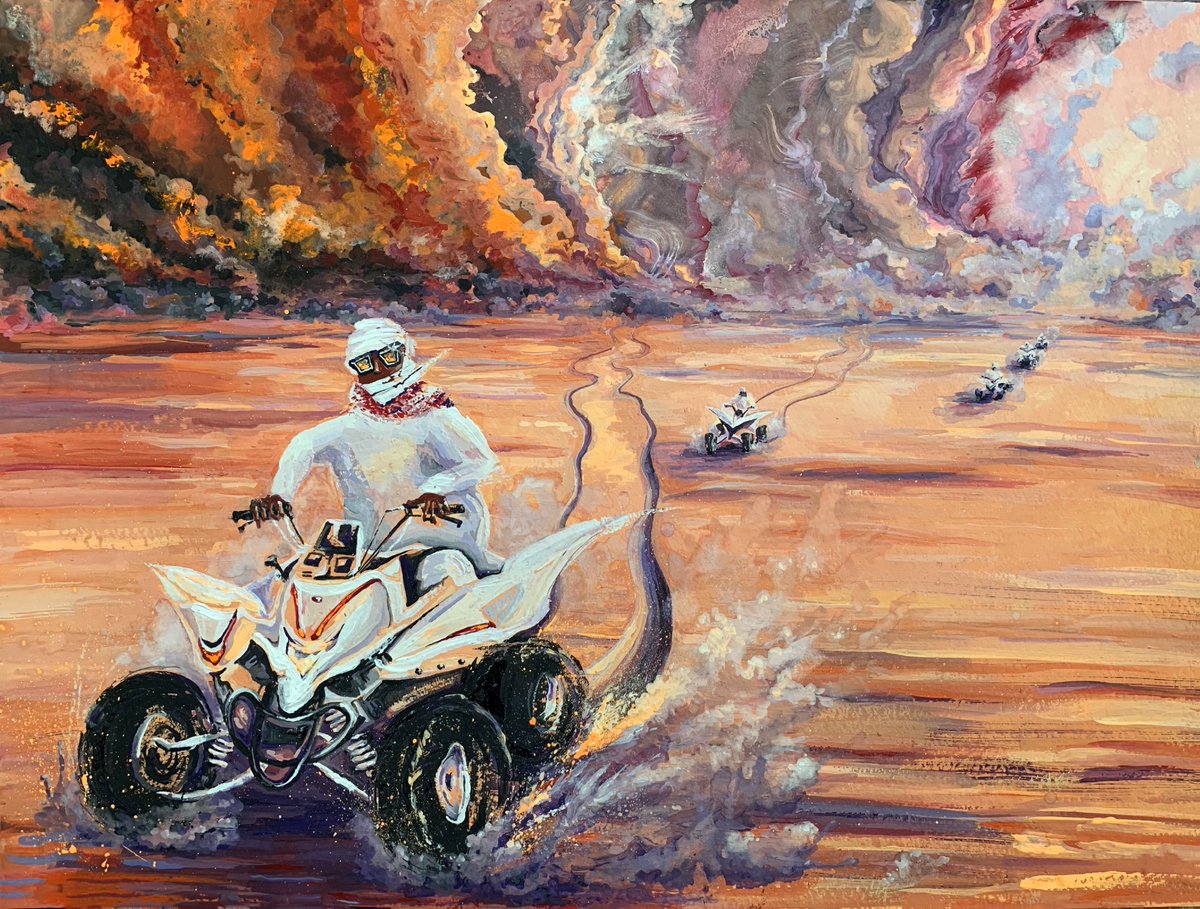
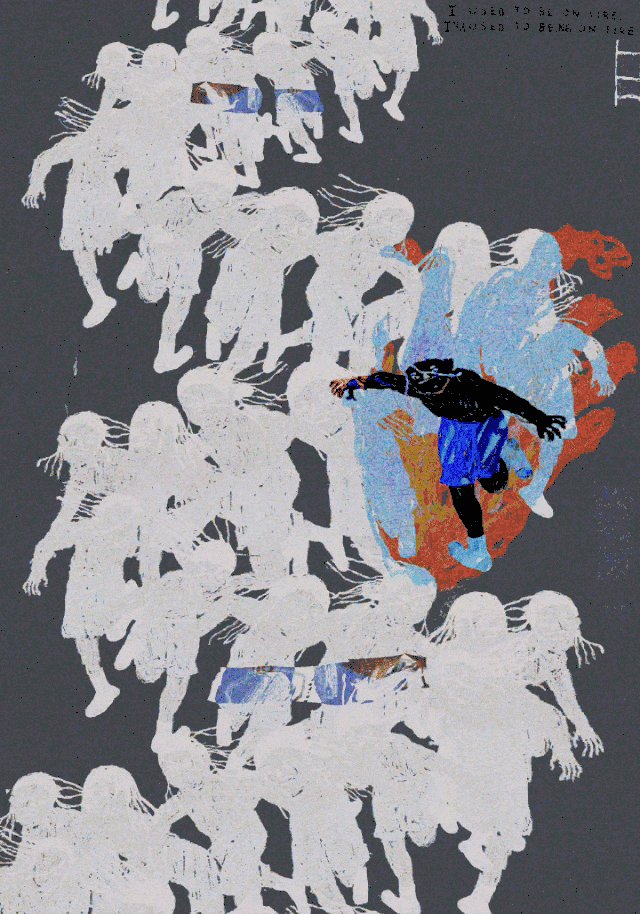
Before KO closed down, he gifted me this work he made of himself (with a bear suit on) riding off into the sunset on his chopper with his bag of mints. I thought it would be fitting to post this one first.
Love you Benji.
6
10
44
3,970

Mattey nice retweeted

May 27
In conversation with Kevin McCoy for SLEEK
What happened to NFTs?
AM When we first met a few years ago, I told you that you had changed my life, and I was not happy about it. (laughs) Because suddenly, being a curator in digital art became tied to the expectation of selling work. Curation was no longer primarily about creating context, but increasingly about selecting artists who performed well in the market.
KMC We saw those dynamics play out: curation becoming tied to sales and digital art becoming increasingly centred around ownership and wallets. To go back to Vuk Ćosić’s conversation with you, one of the key figures of the 1990s net.art movement, he said: we had the browser, NFTs got the wallet. He meant it critically, in the sense that the artwork became reduced to the wallet. And that is true.
As an artist, especially in that early Ethereum moment, producing work that ultimately ended up in a wallet did not feel great. It did not feel like making work had felt before. When you make work for a gallery exhibition, people experience it together. There is a social dimension and a physical presence to it. Doing a drop on a platform and having the work end up in people’s wallets was not the same experience.
6
19
84
2,908
Mattey nice retweeted

May 26
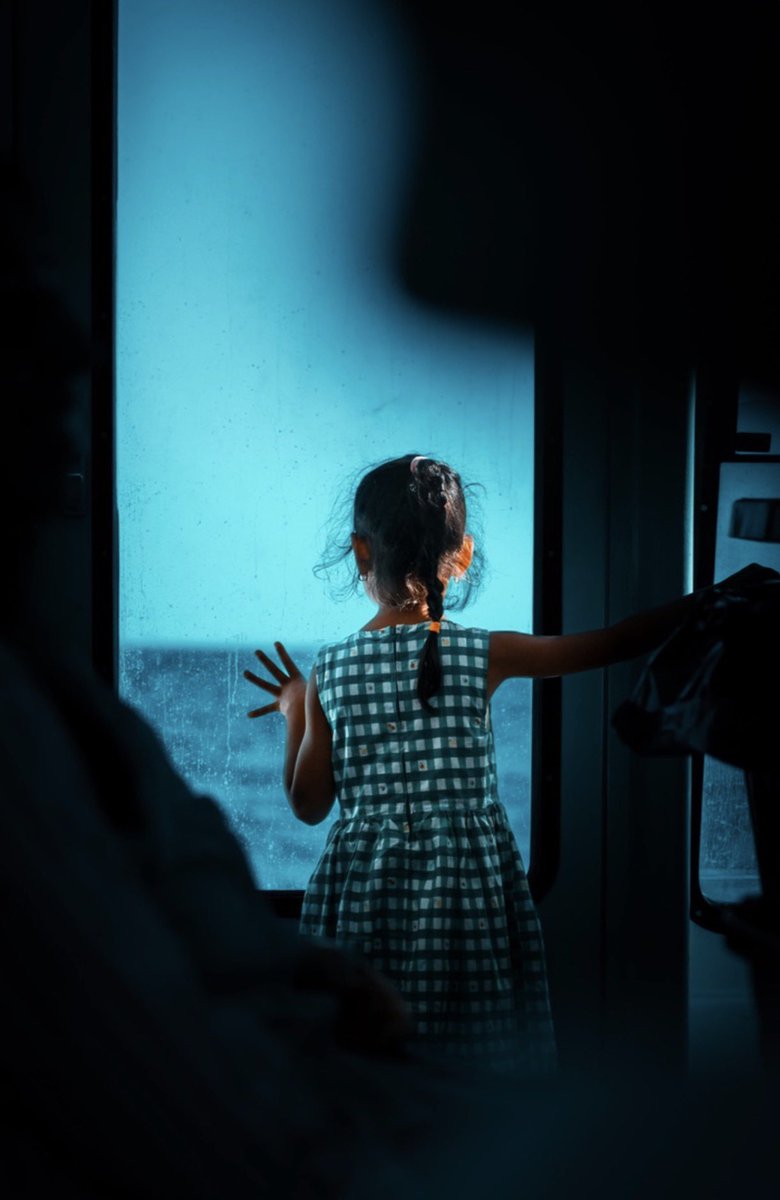
Huge Friday upcoming on Verse!
@nuclearsamurai, Brainrot - 10k works
@madam_selkie, Eigenfolds - 9.6k works, presented by @hash_gallery
@natybtw, On the Outside Looking In (Chapter 2) - 3 works with accompanying physicals, presented by @ColonnaContempo
@erikswahn, Situations - 88 works, presented by @solos_gallery
7
12
63
4,839
Mattey nice retweeted

May 22
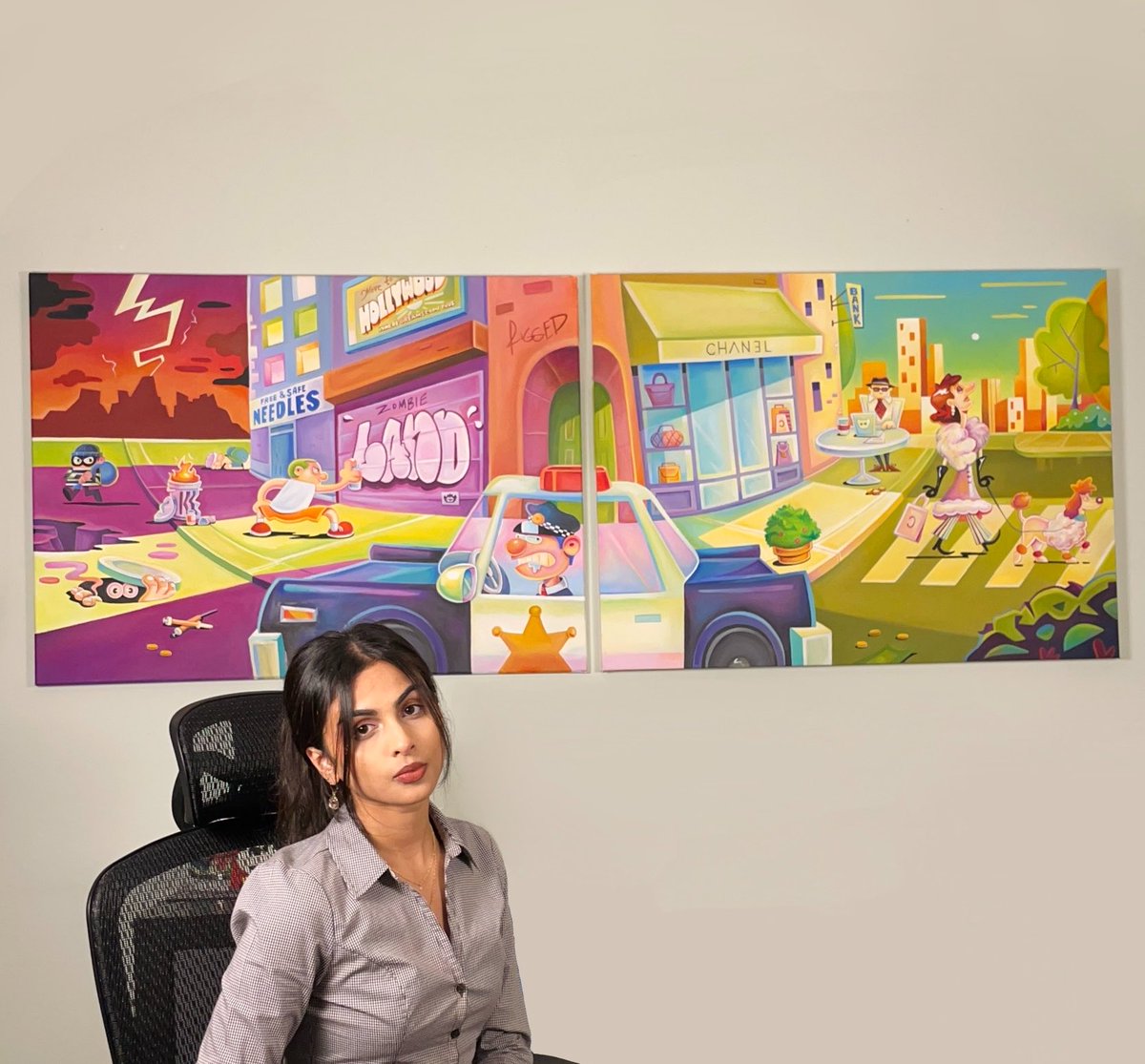
A Tale of Two Cities.
30” x 80” Oil on canvas.
Examining how wealth and poverty exist side by side—separated not by distance, but by access, resources and power.
Neighboring communities living in entirely different realities.
3
9
32
1,520
May 12
There are only two names in hip hop production that were able to transcend hip hop in an extremely large way through their production styles.
Timbo and Pharell.
May 11

Which producer(s) sound has had the biggest impact on Hip Hop?🎛️🎚️
75
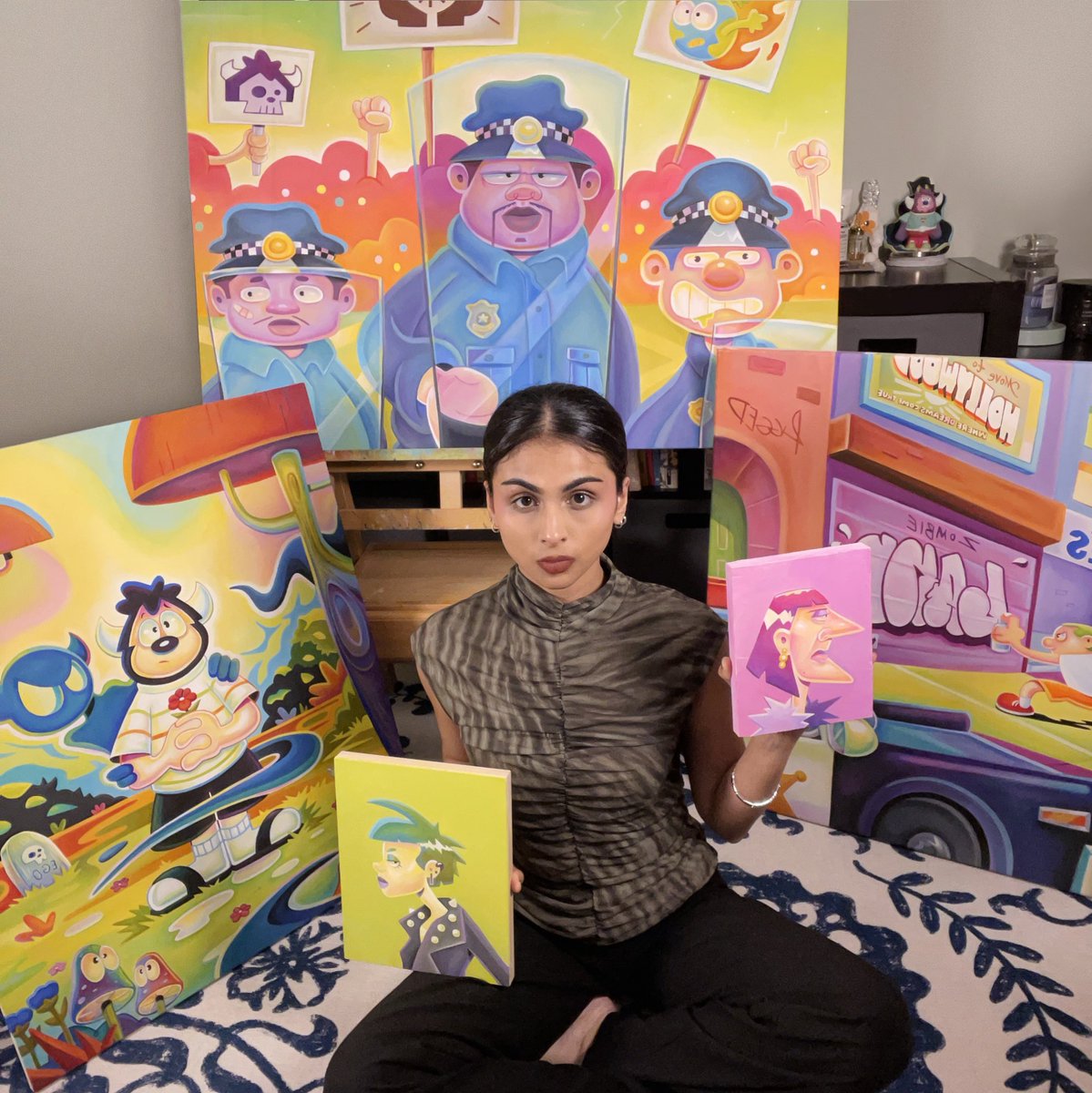

'New Bad Image' is live....
Group Exhibition feat. Parker Ito, Maya Man & Ann Hirsch, Terrorism, Tojiba Brand Manager, Evil Biscuit, Petra Cortright, Mifella, Luhhfella.
verse.works/exhibitions/new-…
Please join us in the spaces/opening with many of the artists. link below.
3
22
90
9,280

Apr 28
This is a fantastic selection of artists tbh

May 4th: 'New Bad Image'
A Group show exploring how online culture reshapes identity through endless circulation.
Parker Ito
Petra Cortright
Evil Biscuit
Mifella
Maya Man & Ann Hirsch
Luhhfella
Tojiba
Terrorism
Curated @sssluke1 Presented @verse_works
Design @andreasgysin
5
172
May 4th: 'New Bad Image'
A Group show exploring how online culture reshapes identity through endless circulation.
Parker Ito
Petra Cortright
Evil Biscuit
Mifella
Maya Man & Ann Hirsch
Luhhfella
Tojiba
Terrorism
Curated @sssluke1 Presented @verse_works
Design @andreasgysin
28
49
259
21,921
Apr 16
A great resource since Foundation will be shutting down. This will help you understand how to run your own IPFS node.
31 Jul 2024

So you want to learn how to run an IPFS Node and locally pin files under 32GB using the IPFS Desktop GUI. It's actually very simple! 🧵
Start by download IPFS Desktop here:
github.com/ipfs/ipfs-desktop…
look for .dmg is for Mac and .exe is for Windows.
1
139
Apr 6
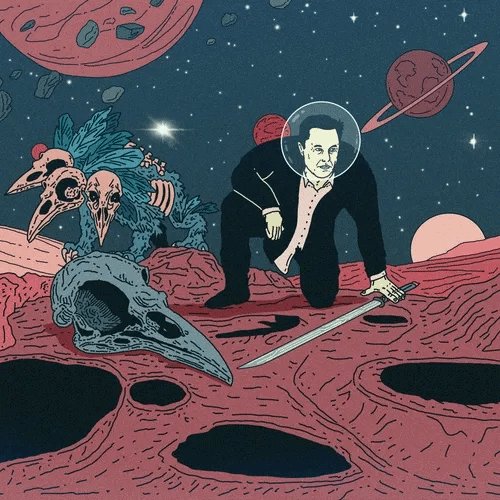
Elon was front and center for the "Space Karen saga" which saw Benji creating multiple episodes of a science fiction story with Elon as the main character fighting of Karens of the world.
"Space Karen saga: Episodes II, III and IV"
Apr 1

I spoke with Benji's family this morning and I know a few people already received the news but we lost a really great last week.
Benji Connell @_concreteclouds passed away last week of a previously undiagnosed heart condition.
He was one of the great hallmark artists of our community and has many great collectors. Much of his work was on Known Origin (and a few on superare) as he mostly called KO his home. He found his footing there and the rest is history.
Over the next few days, I am going to be posting my favorite works that he has done within my collection.
Before KO closed down, he gifted me this work he made of himself (with a bear suit on) riding off into the sunset on his chopper with his bag of mints. I thought it would be fitting to post this one first.
Love you Benji.
2
8
183
Mattey nice retweeted

Apr 4
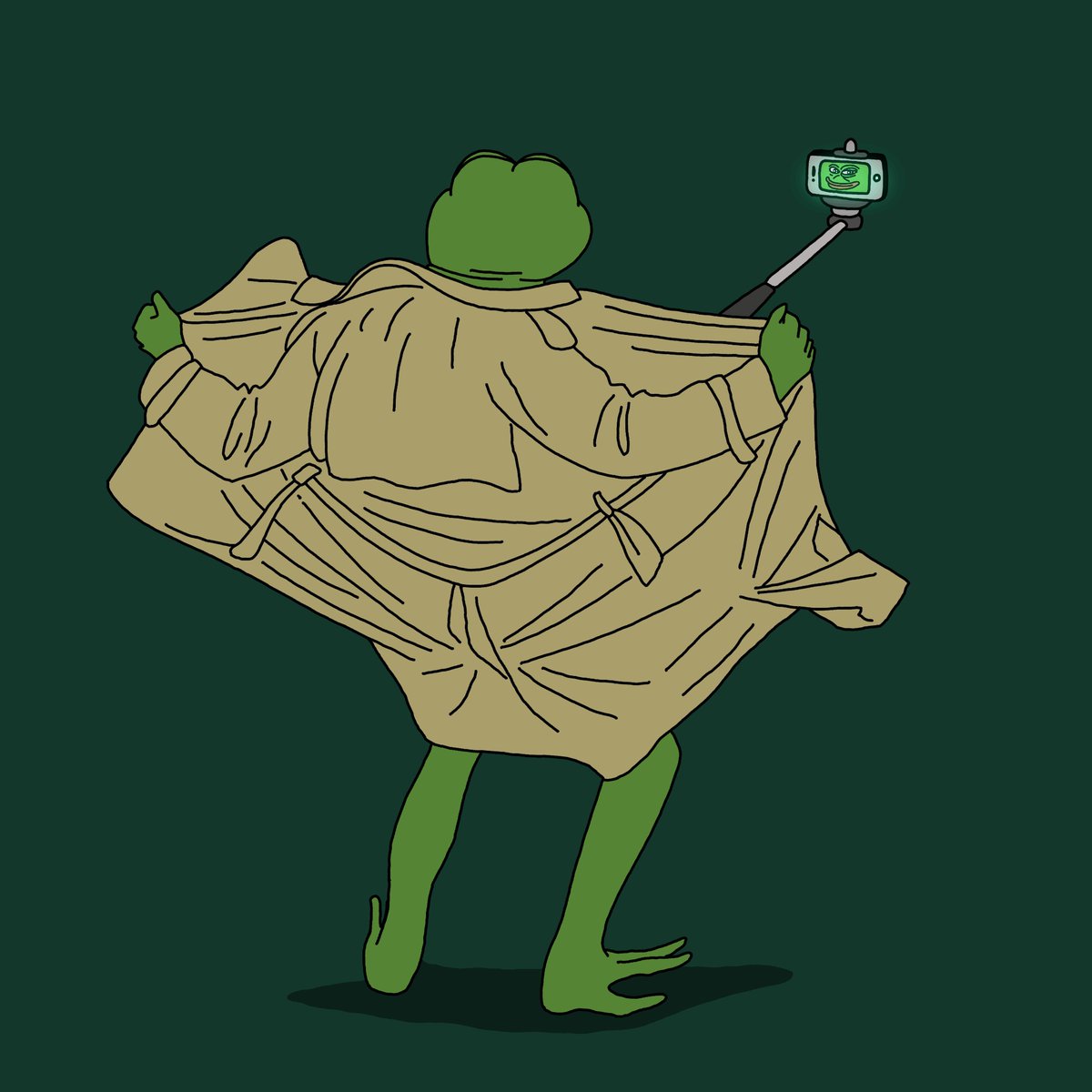
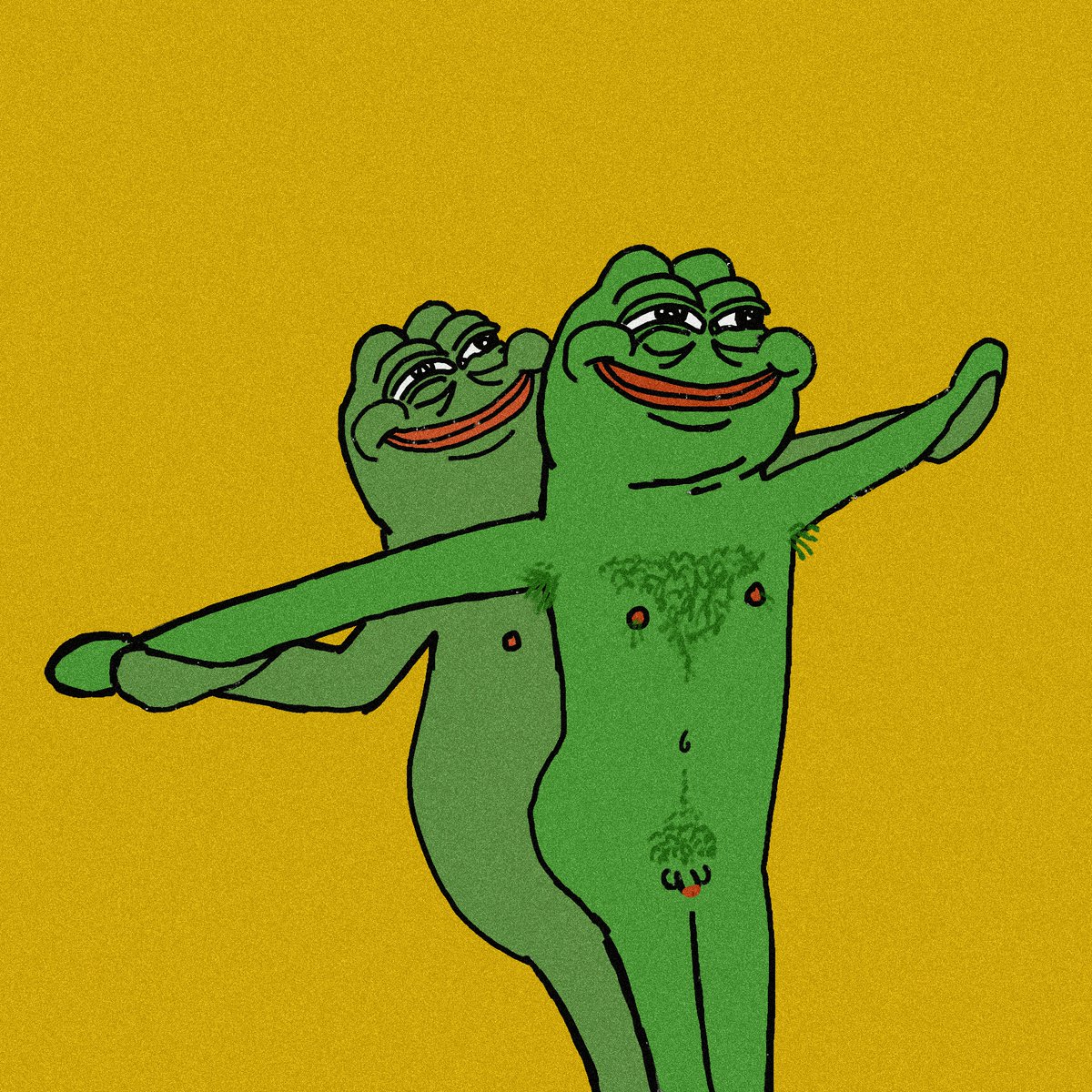
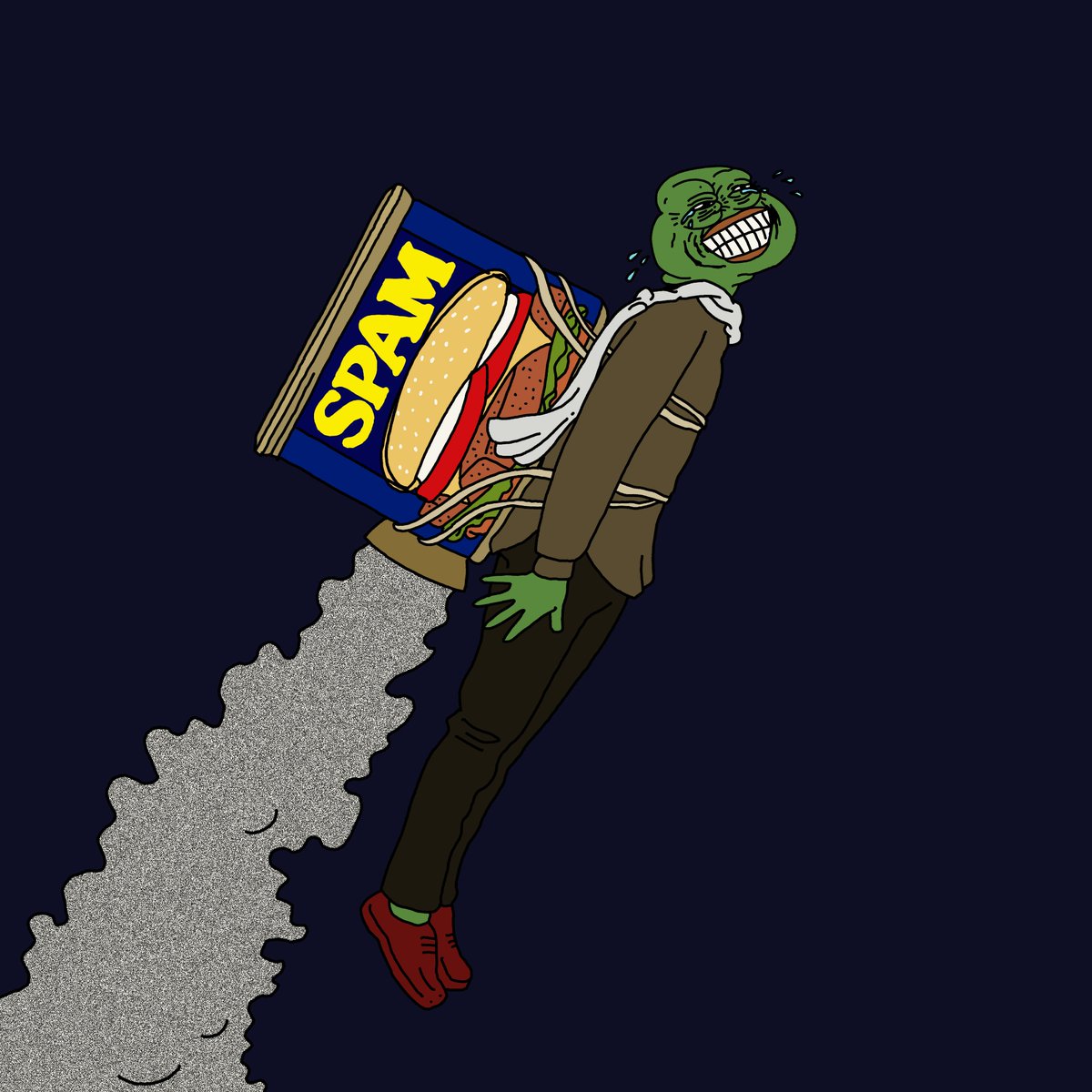
Some PEPE gold by Benji Connell @_concreteclouds
RIP my dear friend
7
3
21
268
Apr 3
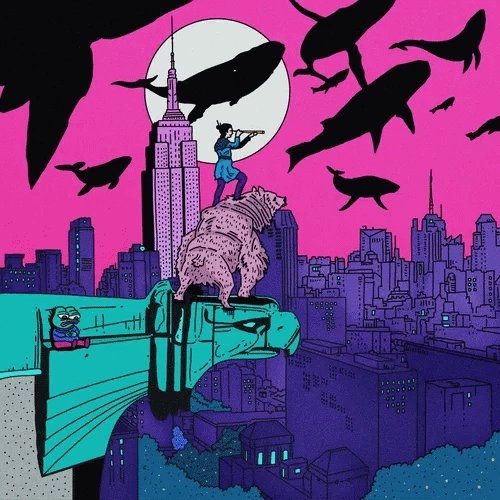
During NFTNYC 2022 Benji did a few works that really solidified his style and humor within the ecosystem.
(From left to right)
"The Whale Watch"
"DEATH of the Whale"
"U ♡ NYC"
Rest easy Benji ❤️
Apr 1
I spoke with Benji's family this morning and I know a few people already received the news but we lost a really great last week.
Benji Connell @_concreteclouds passed away last week of a previously undiagnosed heart condition.
He was one of the great hallmark artists of our community and has many great collectors. Much of his work was on Known Origin (and a few on superare) as he mostly called KO his home. He found his footing there and the rest is history.
Over the next few days, I am going to be posting my favorite works that he has done within my collection.
Before KO closed down, he gifted me this work he made of himself (with a bear suit on) riding off into the sunset on his chopper with his bag of mints. I thought it would be fitting to post this one first.
Love you Benji.
1
2
10
358
Mattey nice retweeted
Apr 1
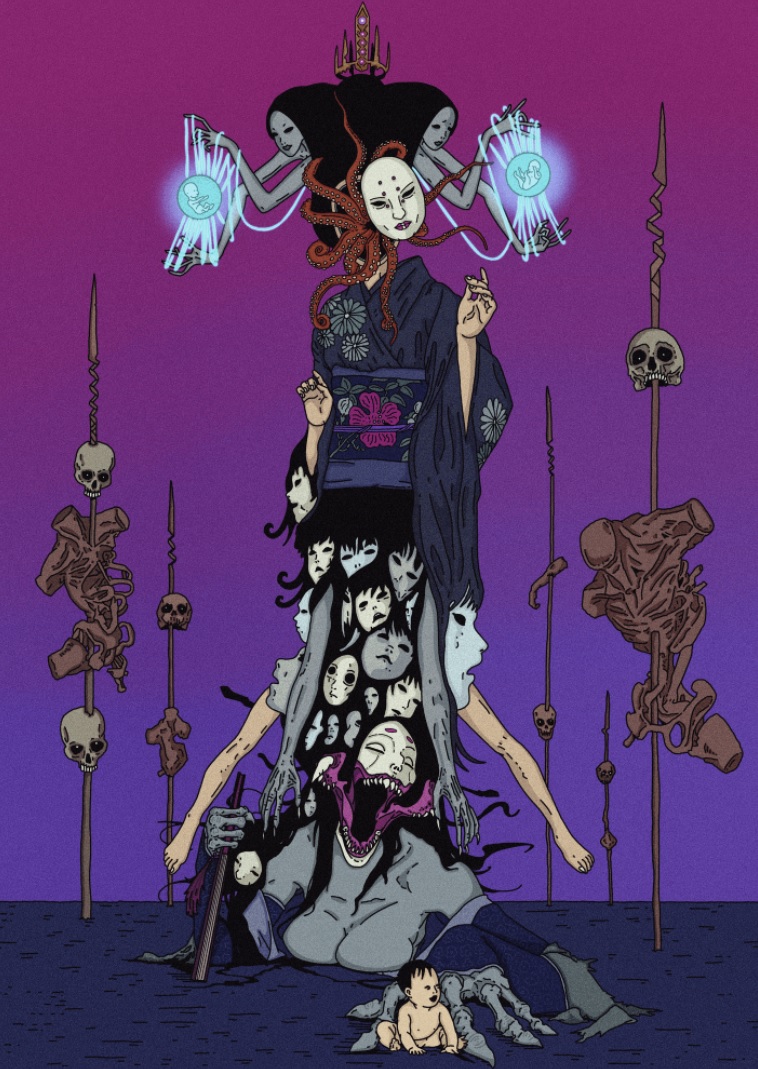
Remembering our friend @_concreteclouds through his art.
Jorogumo (2022) by Benji Connell
@Matteynice @ernestoasch @DtheletterD
3
4
22
294
Apr 2
"Kevin King Midas"
@_concreteclouds
Another favorite from my collection
Apr 1
I spoke with Benji's family this morning and I know a few people already received the news but we lost a really great last week.
Benji Connell @_concreteclouds passed away last week of a previously undiagnosed heart condition.
He was one of the great hallmark artists of our community and has many great collectors. Much of his work was on Known Origin (and a few on superare) as he mostly called KO his home. He found his footing there and the rest is history.
Over the next few days, I am going to be posting my favorite works that he has done within my collection.
Before KO closed down, he gifted me this work he made of himself (with a bear suit on) riding off into the sunset on his chopper with his bag of mints. I thought it would be fitting to post this one first.
Love you Benji.
2
7
171
Mattey nice retweeted

Apr 1
WE LOST A REAL DOPE ASS ARTIST AND FELLOW #TRASHARTIST THIS WEEK. REST IN PEACE @_concreteclouds, YOUR WORKS LIVE ON AND THEY ALWAYS MADE US CRACK UP AS WELL.
25 Aug 2022

A N N O U N C E M E N T:
F.O.M.A :
FUCK-UPS OF MODERN ART
Be quick!
1 of 7 • Now Available for Ξ 0.014
knownorigin.io/gallery/17651…
@KnownOrigin_io
Art by @_concreteclouds
#cryptoart #NFT #cryptoartist #ETH
#trashart #trash #vivalatrash #modernart #nfts #cryptocrash
4
3
43
1,820
Mattey nice retweeted

Apr 1
So sad to hear. Always loved his work, loud an in your face, not afraid at all to mix it up. I didn't realize how much of it I had collected. RIP Benji @concrete_clouds 🫶🫂
Apr 1

I have no clue what to say....
found out yesterday that our dear friend, amazing artist Benji ( @_concreteclouds - @_CIPHERART ) passed last week...
a dear brothART
a brother
a father
a fucking amazing artist and architect
...
you will be greatly missed
but NEVER forgotten...
1
2
3
154
Mattey nice retweeted

Apr 1
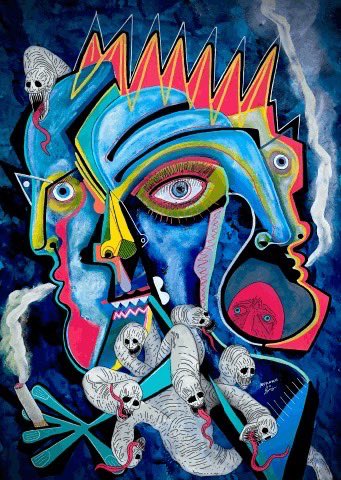
Today I learned of the sad news about Benji @_concreteclouds
This image was a collaboration I had with Benji on Known Origin.
His influence on the nft community won’t be forgotten, a great character and artist that will live on the blockchain for ever.
RIP Benji 🙏🏻
6
13
32
610