
Pentagon reporter @starsandstripes. @UTAustin alum. Email: adams.matthew@stripes.com. Signal: MatthewAdams.45
Joined August 2014
- Tweets 6,077
- Following 1,129
- Followers 968
- Likes 749
443 Photos and videos








Two plaintiffs filed a federal lawsuit Wednesday challenging recent Pentagon actions targeting Stars and Stripes, arguing they “erode its longstanding editorial independence and First Amendment protections.”
stripes.com/theaters/us/2026…
1
3
133
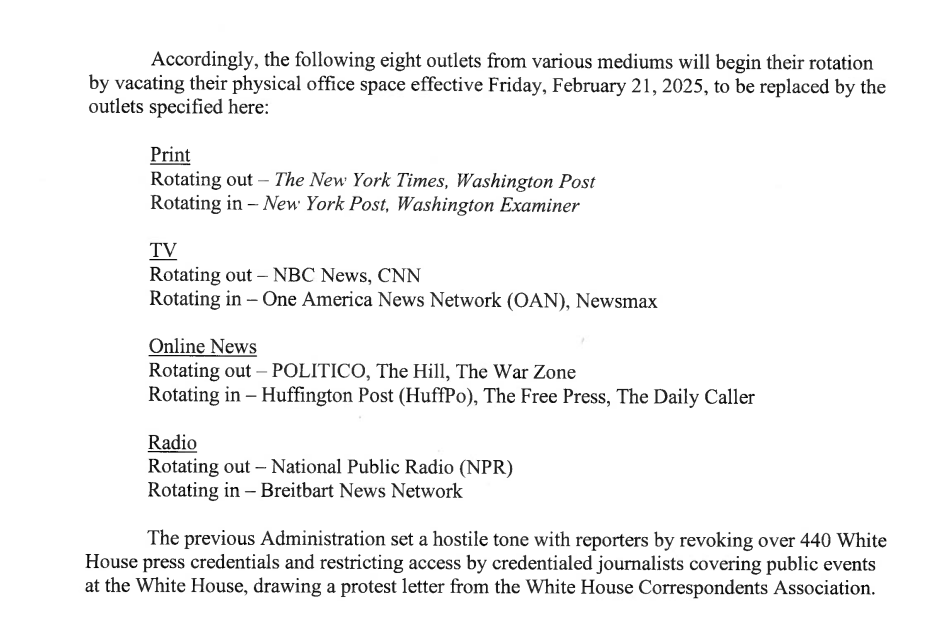
This Pentagon promised to be the "most transparent Department of Defense in history." The latest scenario bans journalists from Pentagon press office.
washingtonpost.com/national-…
1
83
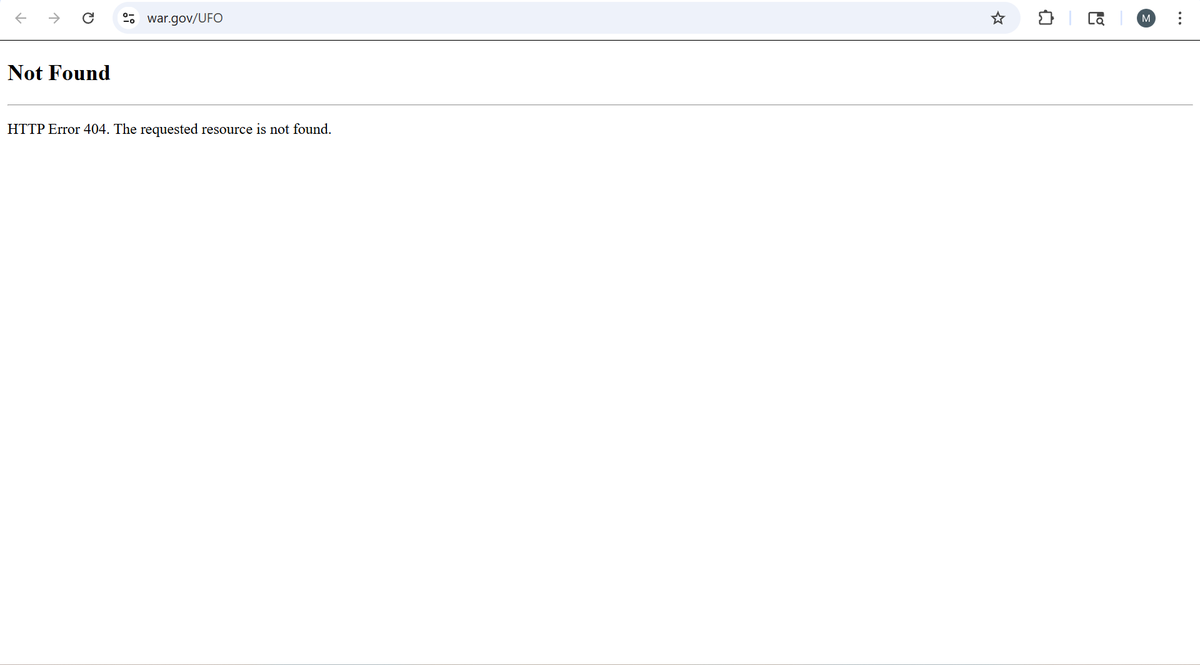
This is what the website looks like if you click the link in the press release.

112

Apr 29
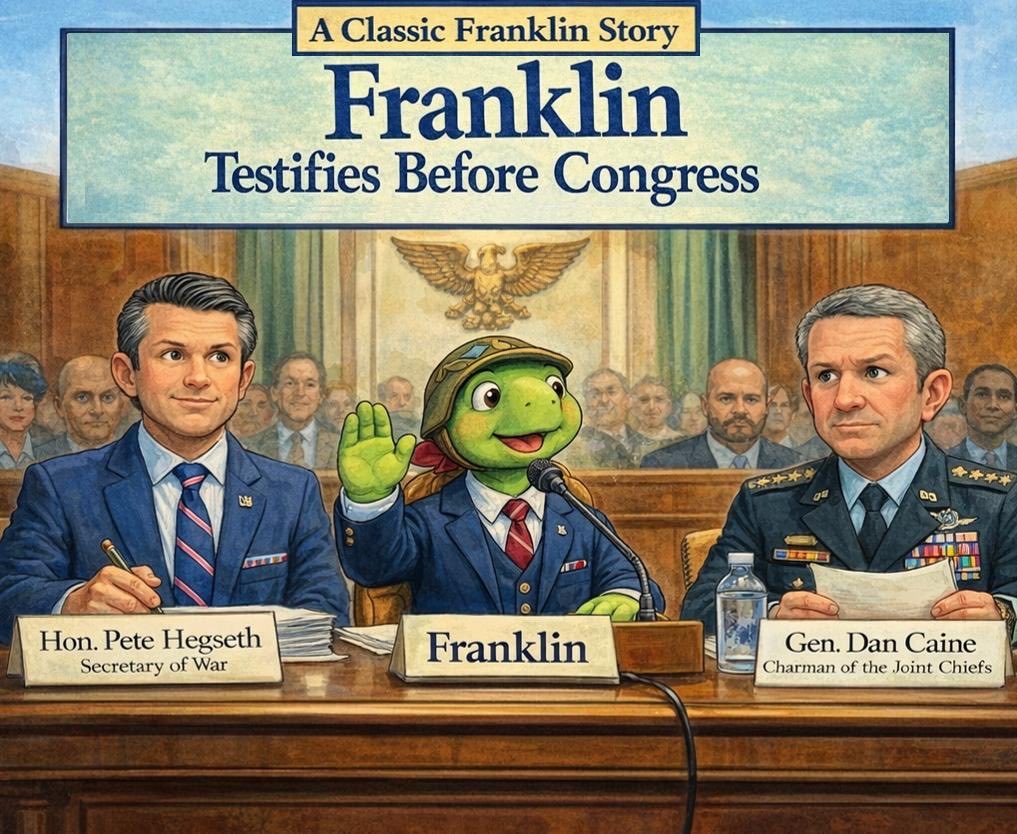
Franklin returns ahead of the Pentagon’s top guys testifying before Congress.
Apr 29

2
162
Mar 19
Stars and Stripes was not approved by the Pentagon to attend this press conference. I will be be watching it on a screen instead.
Seems a bit odd since the Pentagon published a memo with changes to the newspaper, including content overhaul.
ICYMI: stripes.com/theaters/us/2026…
18
254
676
229,207
Mar 13
Now my question is who were the nine other organizations that did not get in? Will photographers be allowed back in the briefing?
Mar 13

Nancy is trying to make herself the story and intentionally misleading the public.
There are only 60 seats available for journalists to occupy in the Pentagon Briefing Room and Nancy was 1 of 10 other reporters we could not accommodate today due to space constraints.
Because the Atlantic has attended every briefing to date since Operation Epic Fury began, we gave the chance for other outlets to also have the opportunity to attend, like the Daily Mail, The Verge, and the Hill who were seated for the first time today.
Nancy was given notice we could not accommodate her on Thursday, and the Atlantic remains welcome at future press briefings.
3
6
589
Now the White House is using football clips for messaging in the early days of this new war.

2
1
1
405
Feb 24
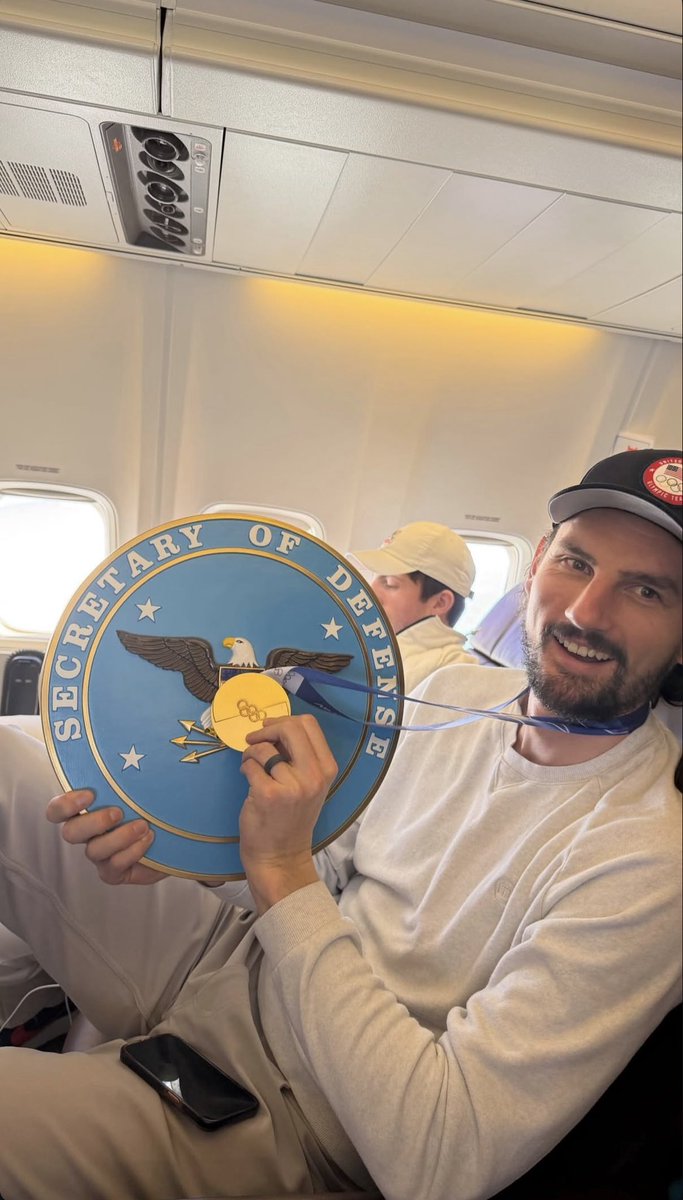
What about Bobby Jones?

419
Feb 23
Does this mean Bobby Jones of the 76ers and Nuggets no longer has this title?
Feb 22
Agreed. 🇺🇸
Now we have a Secretary of War…and a Secretary of Defense!
392
Jan 15
Would appreciate to know what prompted this change? What does it mean for Stars and Stripes moving forward?
Jan 15

STATEMENT:
The Department of War is returning Stars & Stripes to its original mission: reporting for our warfighters.
We are bringing Stars & Stripes into the 21st century. We will modernize its operations, refocus its content away from woke distractions that syphon morale, and adapt it to serve a new generation of service members.
Stars & Stripes will be custom tailored to our warfighters. It will focus on warfighting, weapons systems, fitness, lethality, survivability, and ALL THINGS MILITARY. No more repurposed DC gossip columns; no more Associated Press reprints.
Stars & Stripes has a proud legacy of reporting news that’s important to our service members. The Department of War is committed to ensuring the outlet continues to reflect that proud legacy.
1
1
2
519
1 Dec 2025
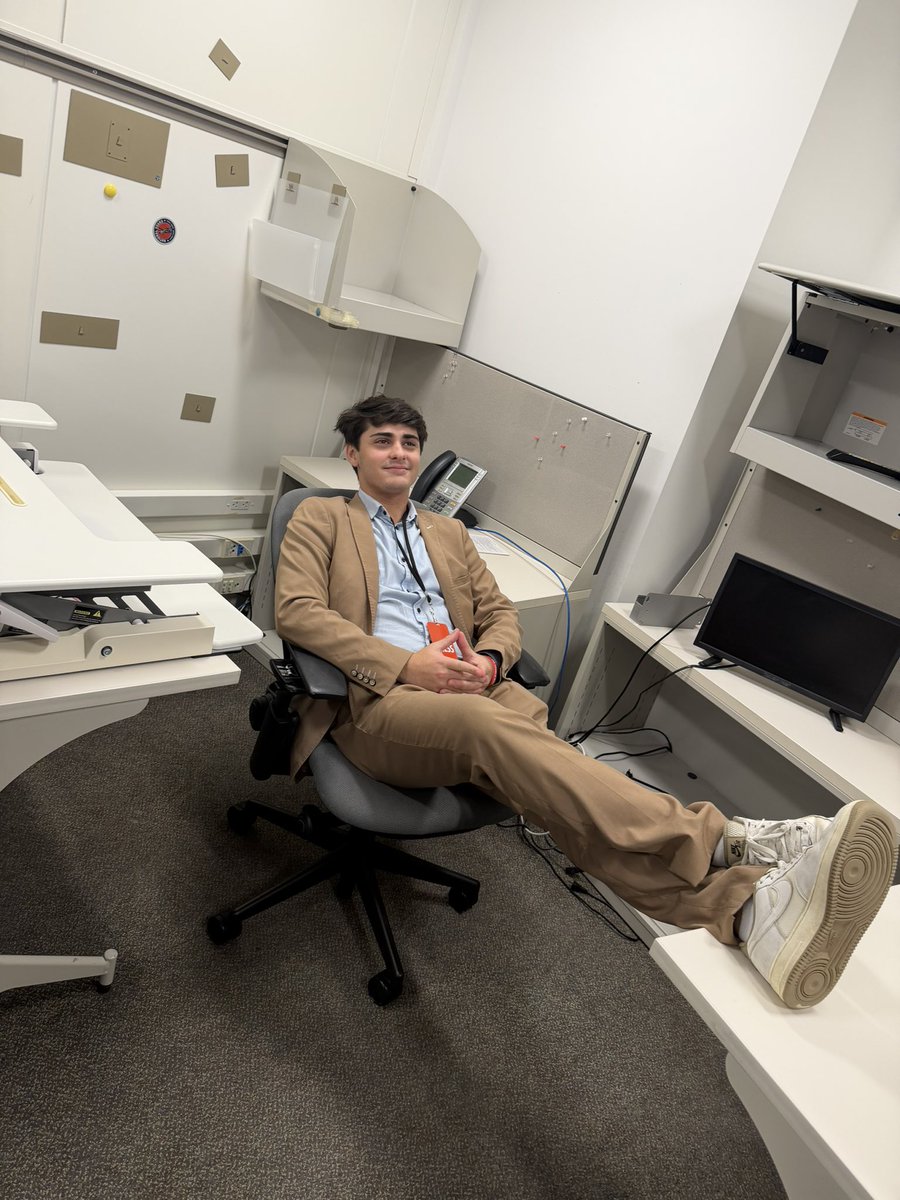
That was not their desk. But now I'm asking myself, did the @washingtonpost have more Pentagon desks than I realized?
1 Dec 2025

.@washingtonpost it feels good to be sitting at your old desk at the Pentagon!
Have fun outside!
387
13 Nov 2025
How much did the sign cost?
213
16 Oct 2025
Don’t worry, the Pentagon press corps is still around. It will continue to do its job.
16 Oct 2025
The self-righteous media chose to self-deport from the Pentagon. That’s their right -- but also their loss. They will not be missed.
The Department of War will make an announcement soon regarding the next generation of the Pentagon press corps.
Stay tuned. The best is yet to come!
316
15 Oct 2025
That sign is outside an entrance at the Pentagon. Will Congress pass legislation to make the Department of War name official?
15 Oct 2025

It is the @DeptofWar, you leftist tool.
289
8 Oct 2025
“Solicit criminal acts.” What do you mean, @SeanParnellASW? Also, how does this help with the Pentagon saying it would be the most transparent?
8 Oct 2025
The Department of War has engaged in good-faith negotiations with the Pentagon Press Association, maintaining open dialogue with its members and accepting many of their suggested edits. Even the New York Times has recognized the Department’s accommodating approach. Congress has made clear that unauthorized release of sensitive information by DOW personnel is a crime. Our policy is also clear: soliciting DOW service members and civilians to commit crimes is strictly prohibited.
Beyond their displeasure at no longer being permitted to solicit criminal acts, the Pentagon Press Association’s objection to our updated media policy is that we require journalists to simply acknowledge they understand our rules protecting information critical to operational and national security. To be clear, we are not asking for their agreement, only confirmation of their understanding of these policies. At the direction of the Pentagon Press Association, many journalists are refusing to acknowledge that they understand our clear policy.
Despite many statements to the contrary, journalists are not required to clear stories with us, they retain robust access to our public affairs offices, the briefing room, and the ability to ask questions, which we continue to answer thoroughly. They can also move freely throughout the building. In sensitive areas where they can’t, they’ll simply need an escort.
The only change is an overdue update to our credentialing process, which hasn’t been revised in years—if not decades—to align with modern security standards. Such procedures are standard at military establishments worldwide, and the Pentagon is no exception.
Access to the Pentagon is a privilege, not a right and the Department is not only legally permitted, but morally obligated to impose reasonable regulations on the exercise of that privilege.
3
865
8 Oct 2025
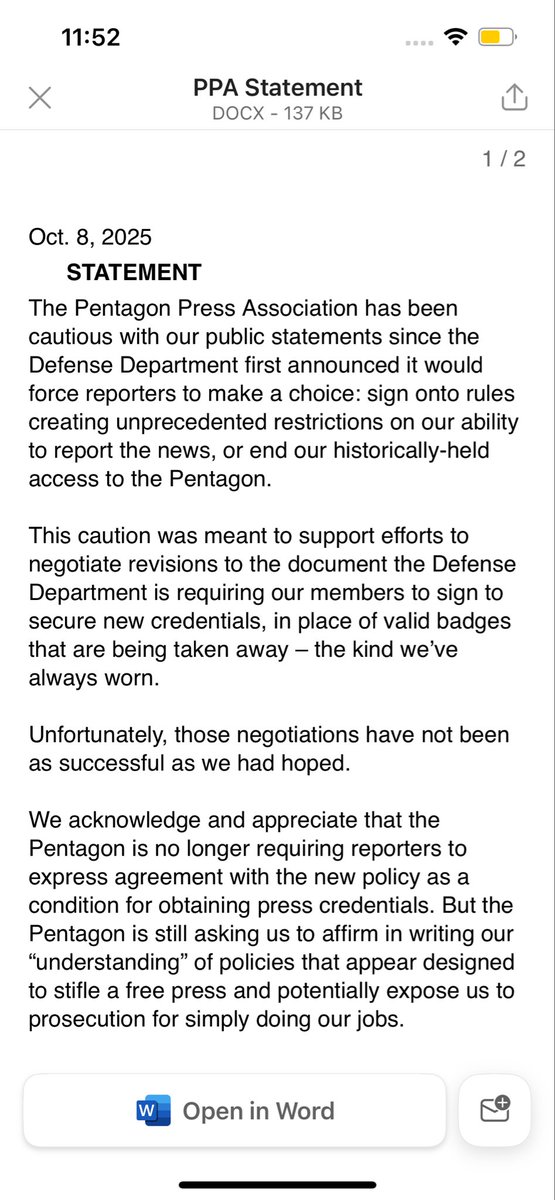
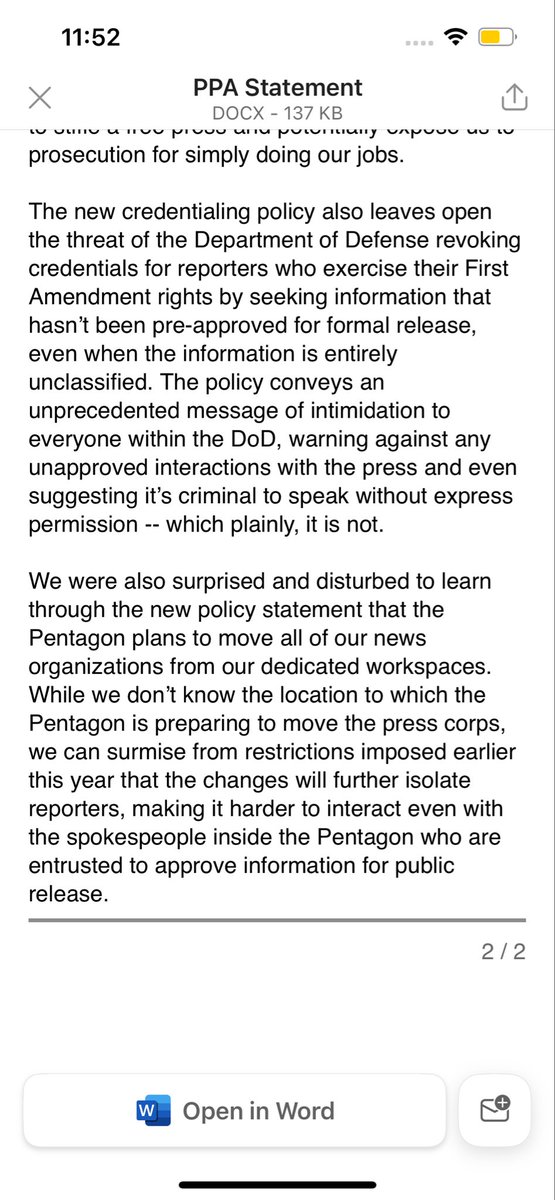
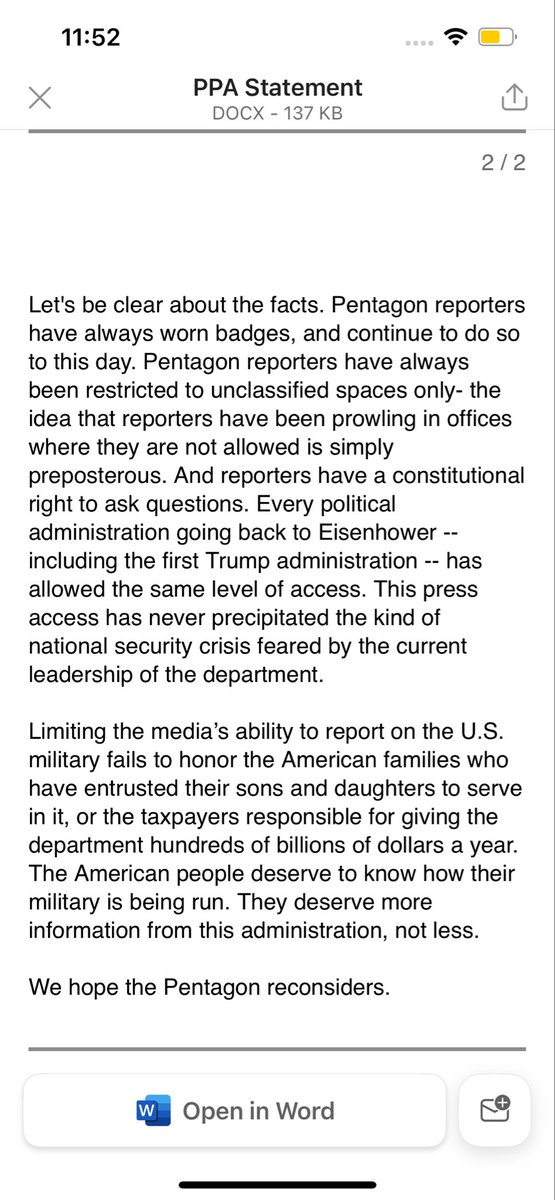
The Pentagon Press Association released a statement on the Defense Department’s new media rules. Take time to read this.
2
469
8 Oct 2025
The Defense Secretary giving his thoughts this morning. Is the Pentagon having any discussions with lawmakers to resolve the shutdown?
8 Oct 2025
T-minus 7 days until @SenSchumer’s vanity shutdown means our great troops won’t get paid.
SELFISH Schumer cares WAY MORE about his own reelection (he’s scared of Socialist @AOC) than he cares about the essential paycheck of our SELFLESS troops.
130
19 Aug 2025
Was this decision reached by @AuburnU? Regardless, it's hard to forget that era of USC football.
19 Aug 2025

There is no doubt in my mind: the 2004 Auburn Tigers were the best team in college football.
The players, coaches, and fans deserve to be recognized as the National Champions.
War Eagle!
1
292

12 Jun 2025
Are other MLB franchises scheduled to visit this season?
12 Jun 2025

From Miami ☀️ to D.C. 🏛️
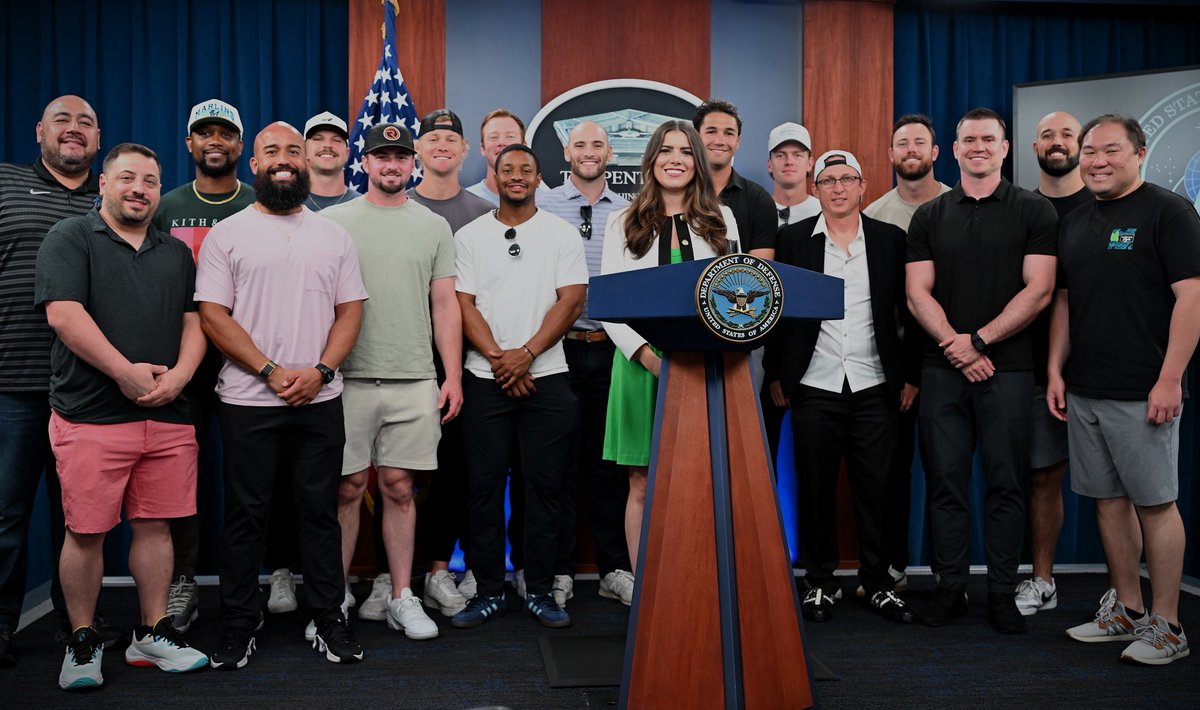
Today we welcomed the @Marlins! They visited the Pentagon for a VIP tour, learned about the history of our military, and met the @PressSecDOD.
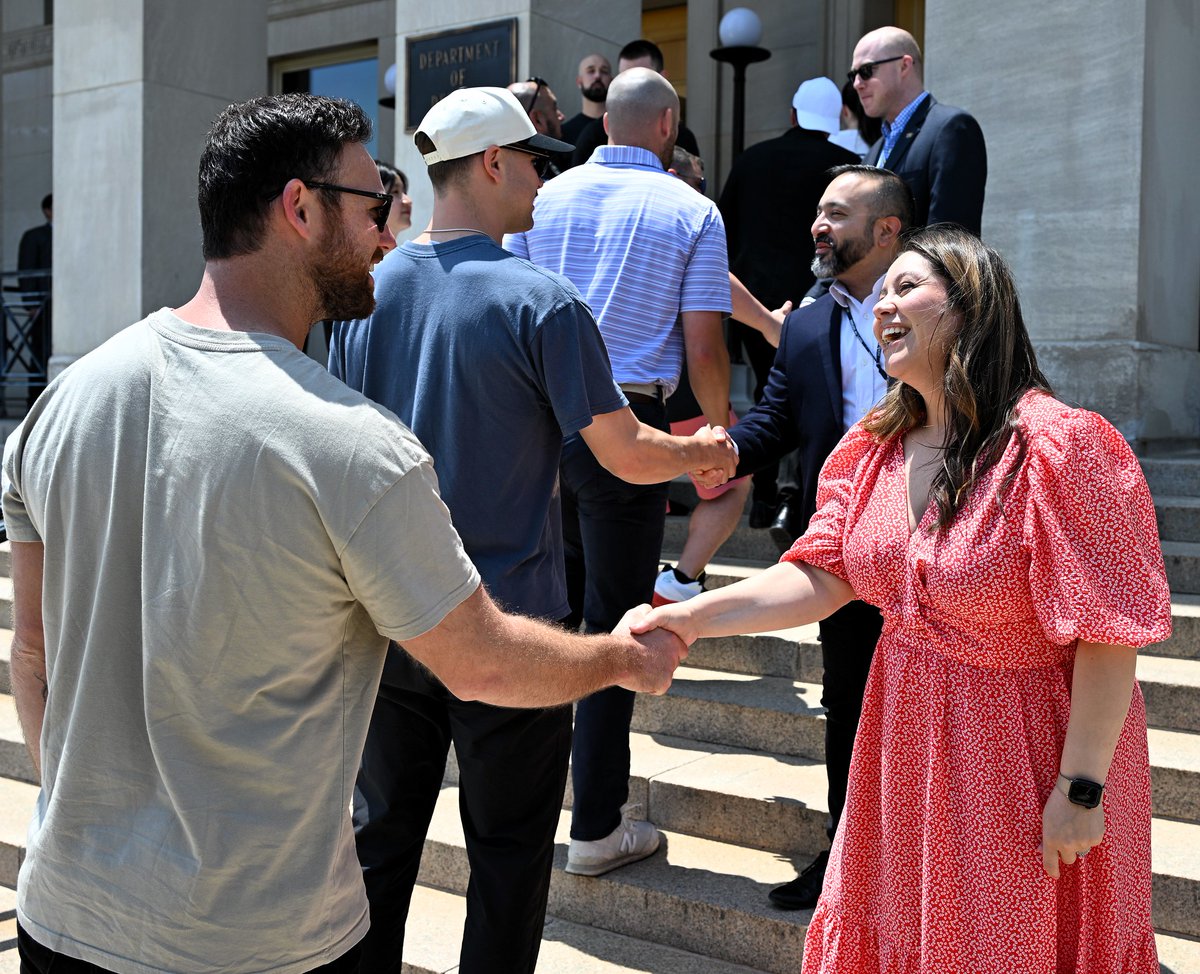
ALT Miami Marlins players visit the Pentagon for a private tour.
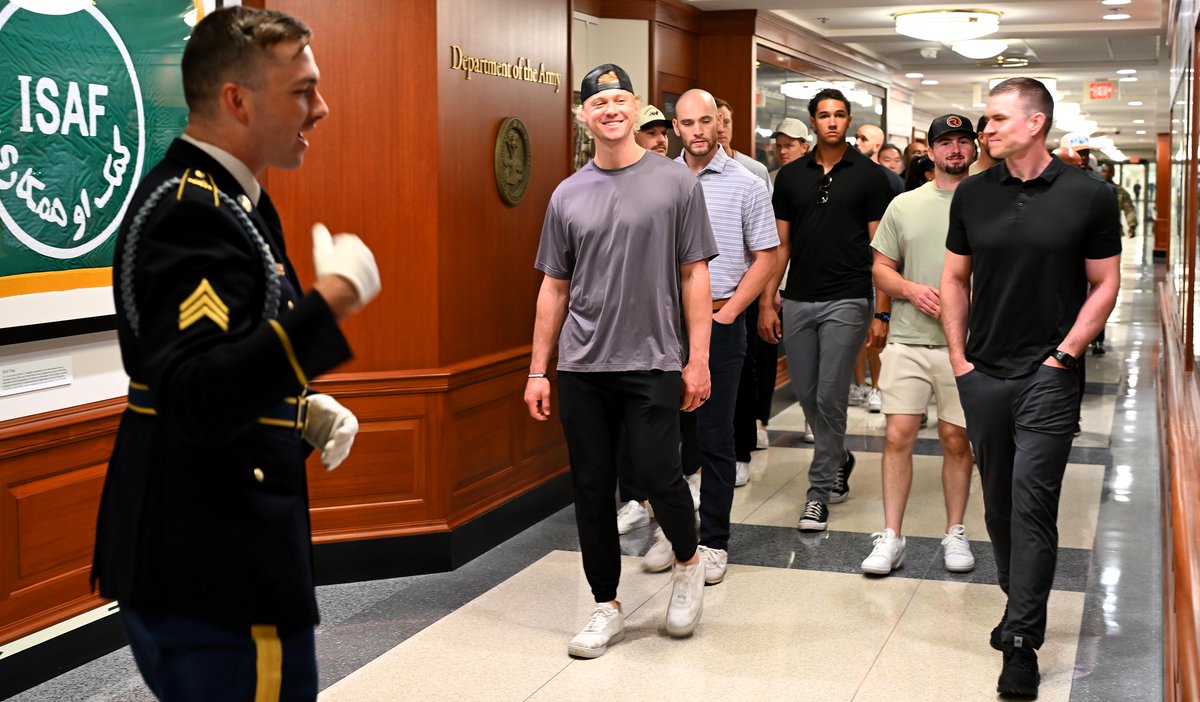
ALT Miami Marlins players visit the Pentagon for a private tour.
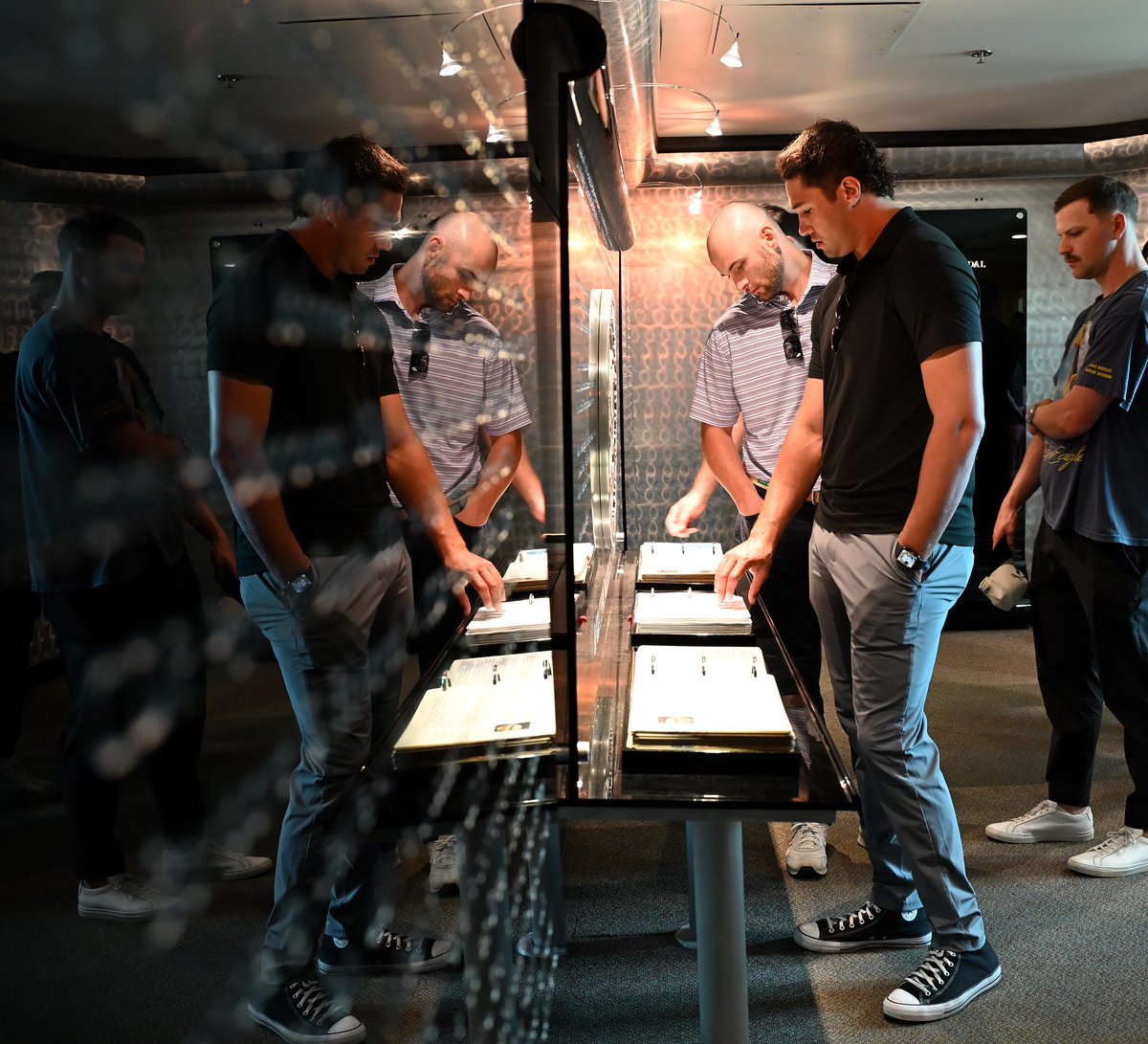
ALT Miami Marlins players visit the Pentagon for a private tour.
1
268