
Carbon, Energy, Urbanism, Bicycles - the rest is noise to me
Joined November 2011
- Tweets 8,803
- Following 598
- Followers 559
- Likes 21,260
990 Photos and videos

Matthew Withy retweeted

Jun 13
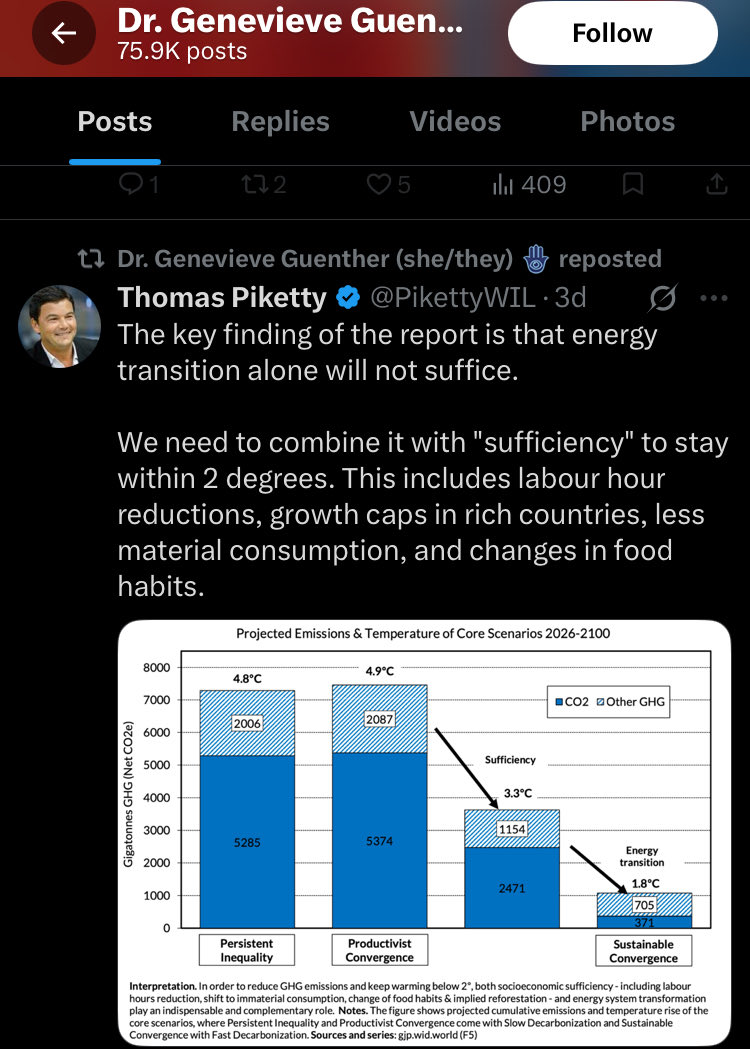
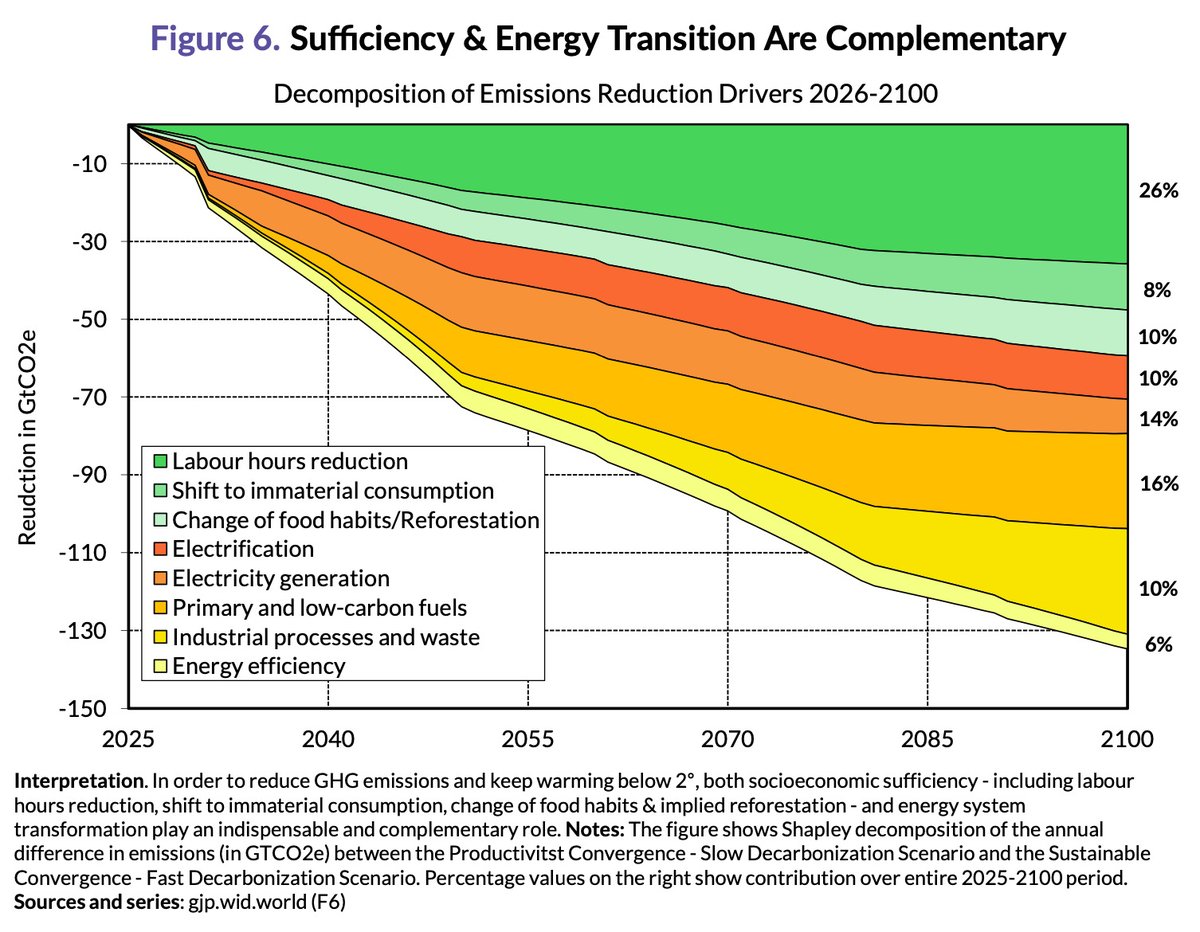
We could just as easily produce an analysis where the 2 degree goal is met primarily through rapid cleaninnovation and zero reductions in labor hours.
These kinds of energy systems/economic projections to 2100 can show any result, and support any conclusion, that modelers want.
Jun 11

2) "The report relies on an unrealistically pessimistic 4.5°C warming scenario."
The report does not use the RCP8.5 scenario. The temperature projections in our “growth-focused macroeconomic scenarios” are based on our own modelling framework and are not supposed to be "business-as-usual" or "current policy" pathways.
Rather, they are designed to illustrate the consequences of a future narrative that prioritizes rapid aggregate growth while failing to accelerate the energy transition or adopt other emissions-reducing policies. Specifically, these scenarios assume continued large-scale economic growth (economy size in 2100 is 8 times today's world economy), an unchanged global sectoral consumption, and energy developments broadly consistent with current-policy trajectories from the International Energy Agency (extended to 2100). This results in very large emission numbers and temperature rise projections. We don’t advocate for these scenarios but simply use them to decompose the emission reduction drivers: sufficiency (reduced labour hours, sectoral change, reforestation) is as important as the energy transition (end to fossil fuels, electrification, improvements in energy efficiency) to stay within 2 degrees.
2
9
30
4,700

Jun 12
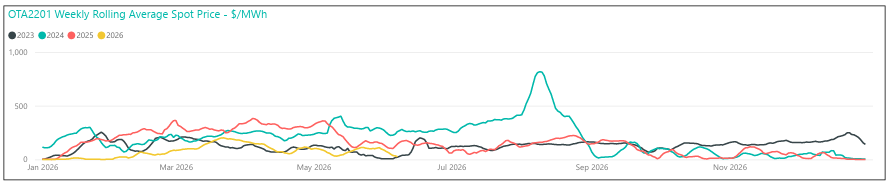
Would really suck if all your hedging expired in July 2024. Good thing nobody would set up that way.
1
5
170
Jun 11
Very kind of the ratepayer to build a nice waterfront facility where the teenagers can skip school have a swim and float around vaping.
1
182
Jun 11
TBH I mostly love it. Better than the waterfront being a wasteland (as it was for many years).
I’m also not so old i can’t remember the fun I had as a teenager. So no judgement here.
126
Jun 10
I would be honoured to get fired for tweets.
I don't want to work for anyone that damn sensitive. Hey Future HR person reading this. Don't bother firing me, I quit already 😂
Jun 9

the worst part of getting fired was the hr lady butchering the delivery while reading my tweets
5
376
Matthew Withy retweeted

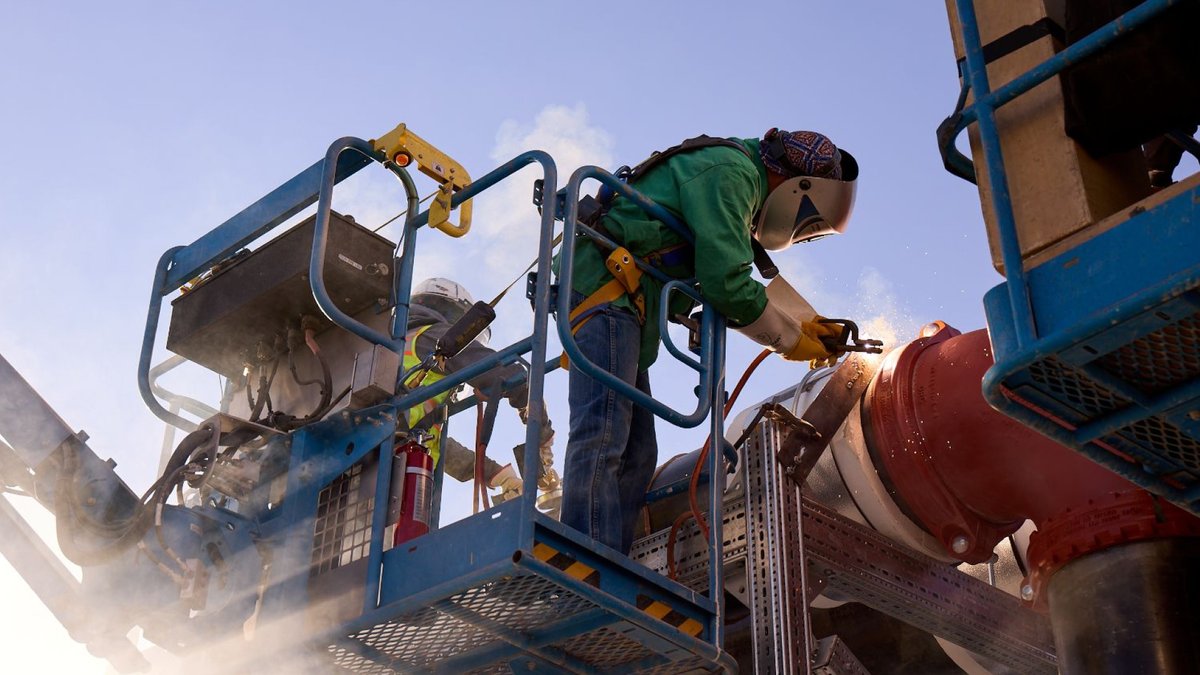
I didn’t have Facebook training welders on my 2005 bingo card

Today we're announcing America's Workforce Academy (AWA), the largest private-sector commitment to the skilled trades in American history, beginning with a $115 million commitment in the first year alone.
This cost-free program supports all participants while they learn and then guarantees a job for all graduates in high-demand fields such as electrical work, mechanical systems and plumbing. Every graduate will be guaranteed a job on a Meta construction site.
Learn more: meta.com/AmericasWorkforceAc…
1
3
9
2,039
I was telling a colleague about the 'fish disco' today. Didn't believe me.
It's so stupid his brain refused to accept it as reality.
1
51
Curiosity trumped my desire to not be petty.
The answer to my question was:
“Of course she did”
1
85
In manufacturing there are shibboleths that are ‘beyond question’ to the point that very few can even explain their purpose.
When you disregard them you sometimes look very smart. More often you discover for yourself why they exist.
1
1
138
Hey Mr Customer. We are complete failures that don’t control our costs.
You should buy our stuff sooner than later. Because think about it, we get worse every year!
Oh and it’s your fault we get worse BTW.
2
10
944
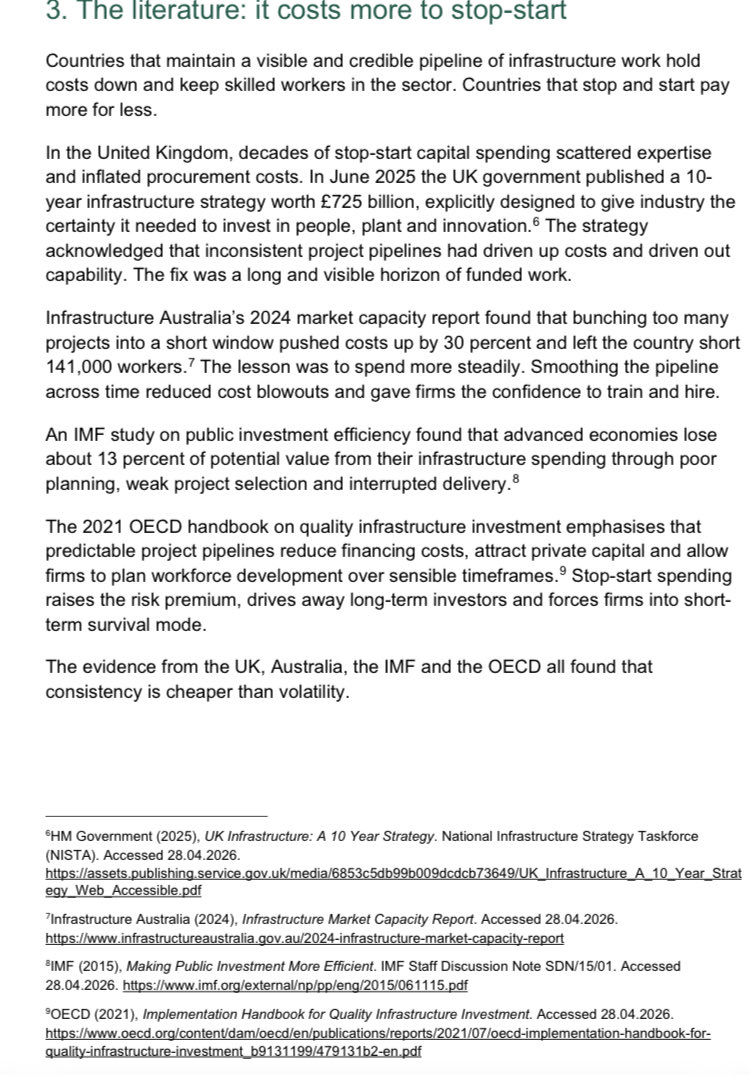
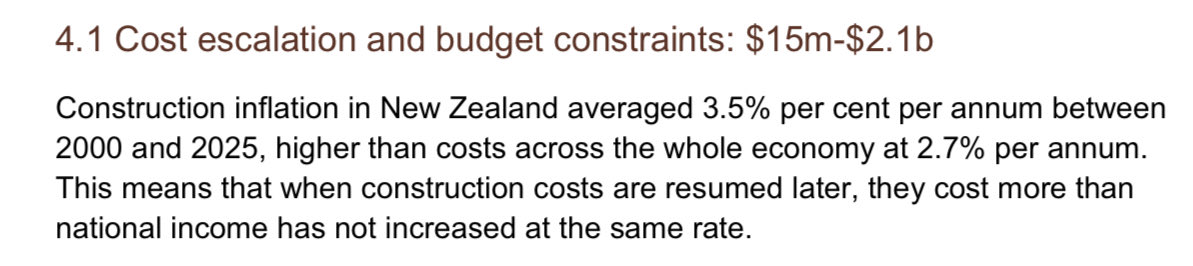
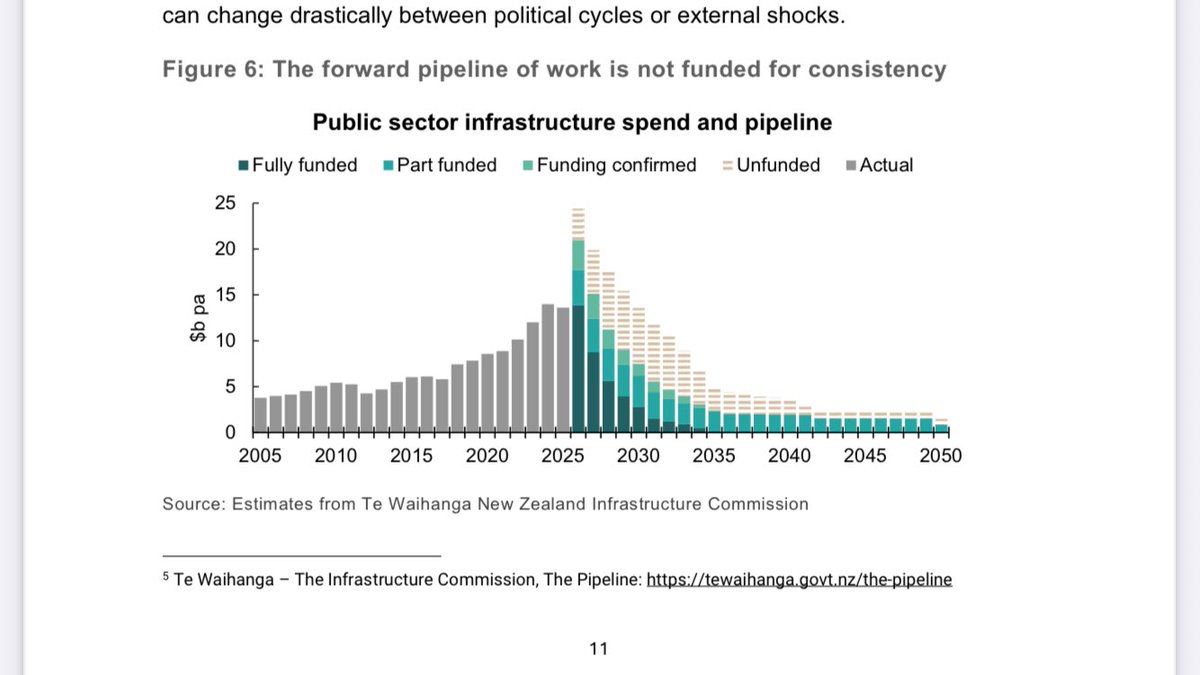
"they cost more than national income has not increased"
Report is riddled with errors like this FWIW.
3
121
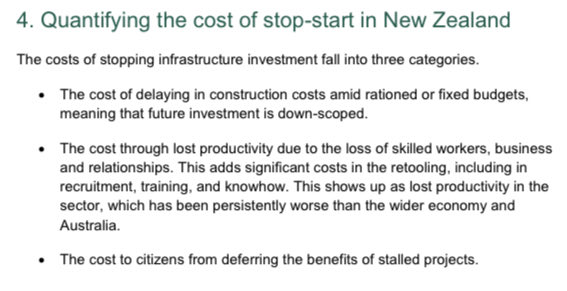
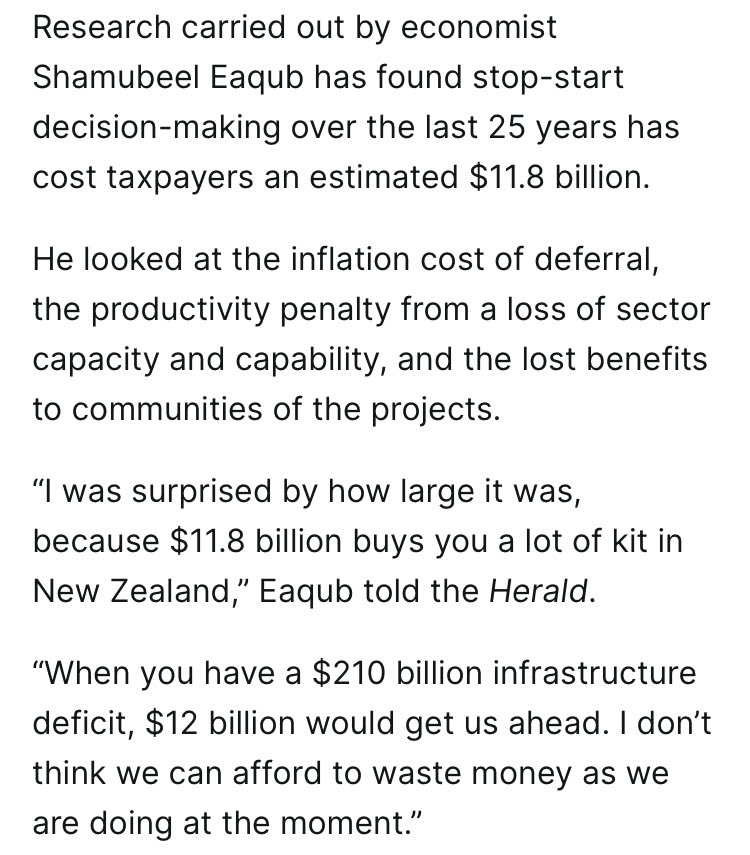
Should I bother reading this report?
Or from the NZ Herald summary do I already know it’s bullshit?
3
6
560
Please someone turn up and tell me I’m wrong.
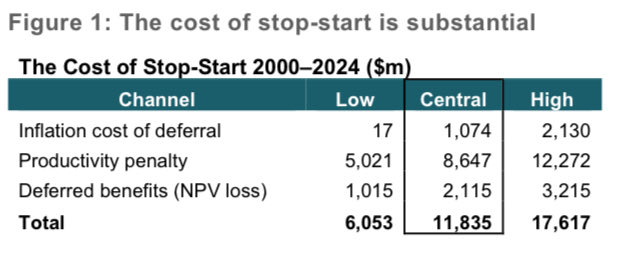
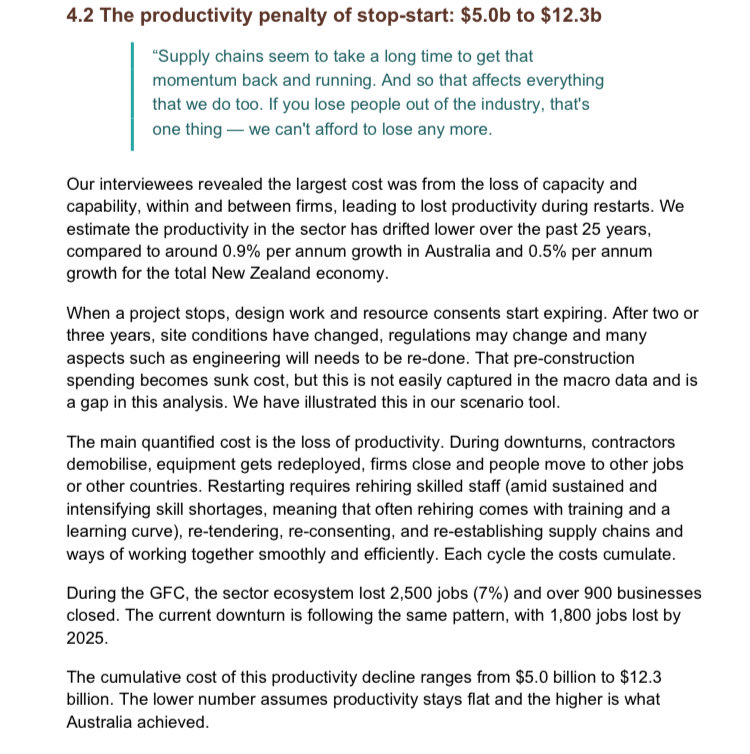
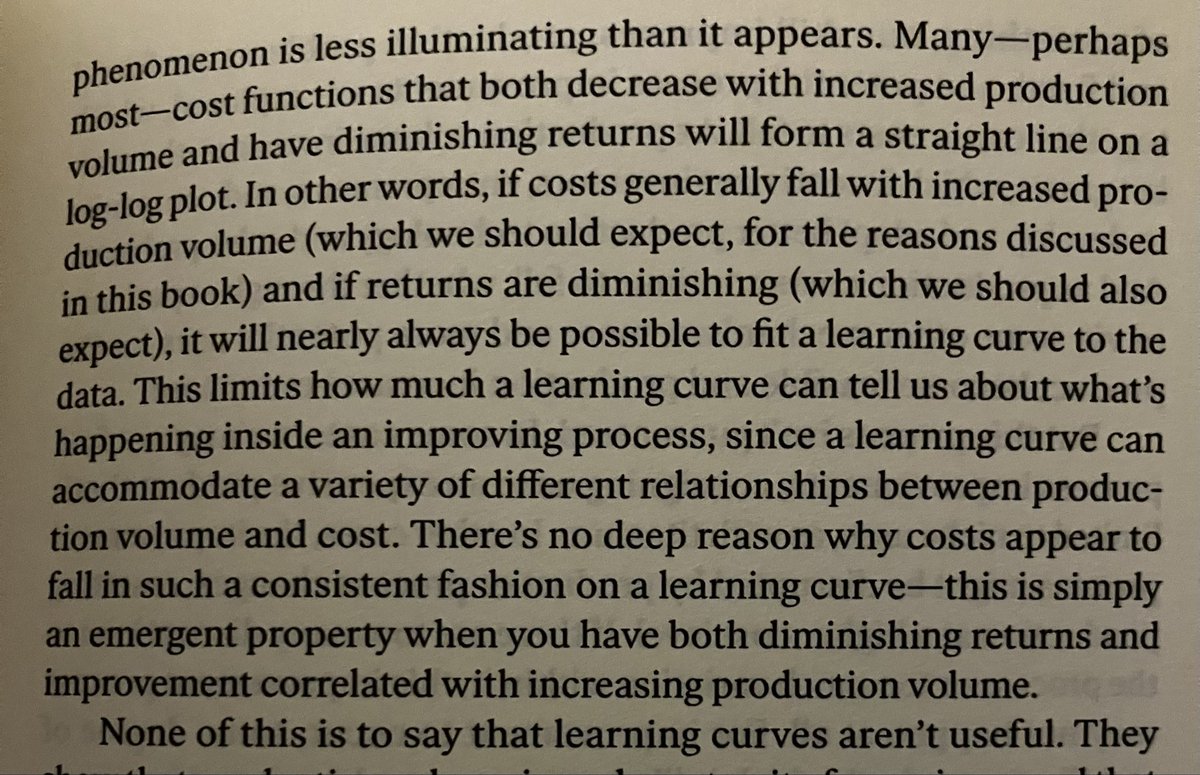
The lions share of the supposed 11.8billion is found by *claiming* (with flimsy or no evidence) that without stop/start the industry would have flatlined productivity.
2
1
111
Today’s advertising message (sorry report) bought to you by our partners.
1
2
91
YES
I asked three questions. I numbered them!
WTF is with your email answering one of them, and just ghosting the other two.

Something that will make you an elite level email communicator:
Answering all questions/responding to all items brought up in an email, rather than picking and choosing and making people continue to track you down.
3
151
Buying transformers.
Originally 32 weeks. Placed order. Now it’s 52. Cancel order.
Place order with competitor. It’s in stock. With lead time 28 weeks (🤷♂️). Inquire what ‘in stock’ means. It means it’s a standard offering and we are accepting orders (🤔).
28 weeks it is.
3
1
7
338