
| Content Creator | Infographics & Video Creator | AMBASSADOR @FoxWallet, @arbitrum. |
Joined March 2023
- Tweets 20,070
- Following 959
- Followers 1,038
- Likes 42,338
3,673 Photos and videos








Pinned Tweet

11 Sep 2024
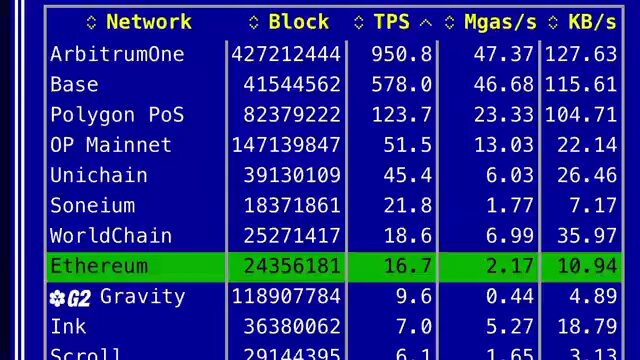
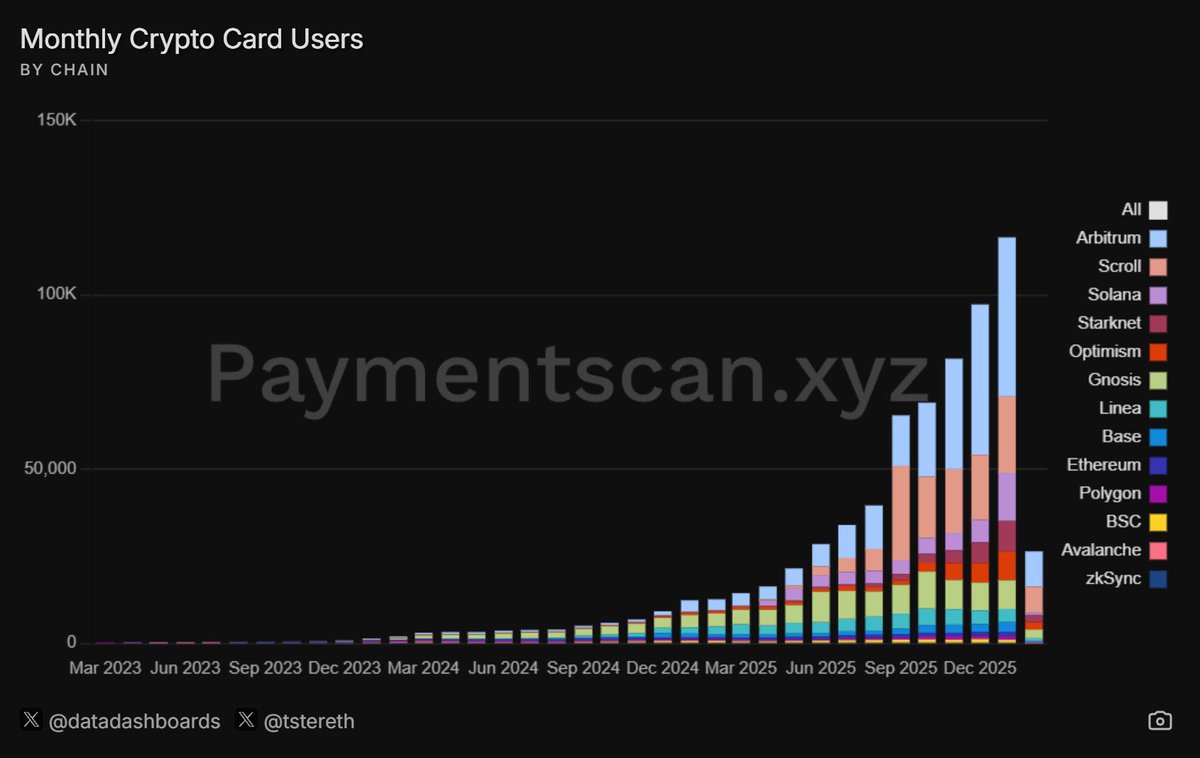
It's no news that @arbitrum is a Layer-2 blockchain designed to scale #Ethereum, right Anon!! 🤔
Since it's inception, Lots of Milestones has been set. ✌️
Today, we would be going back in time to know how it all started.
Here's a🧵 focusing on Arbitrum's History.
👇👇
17
6
62
18,200

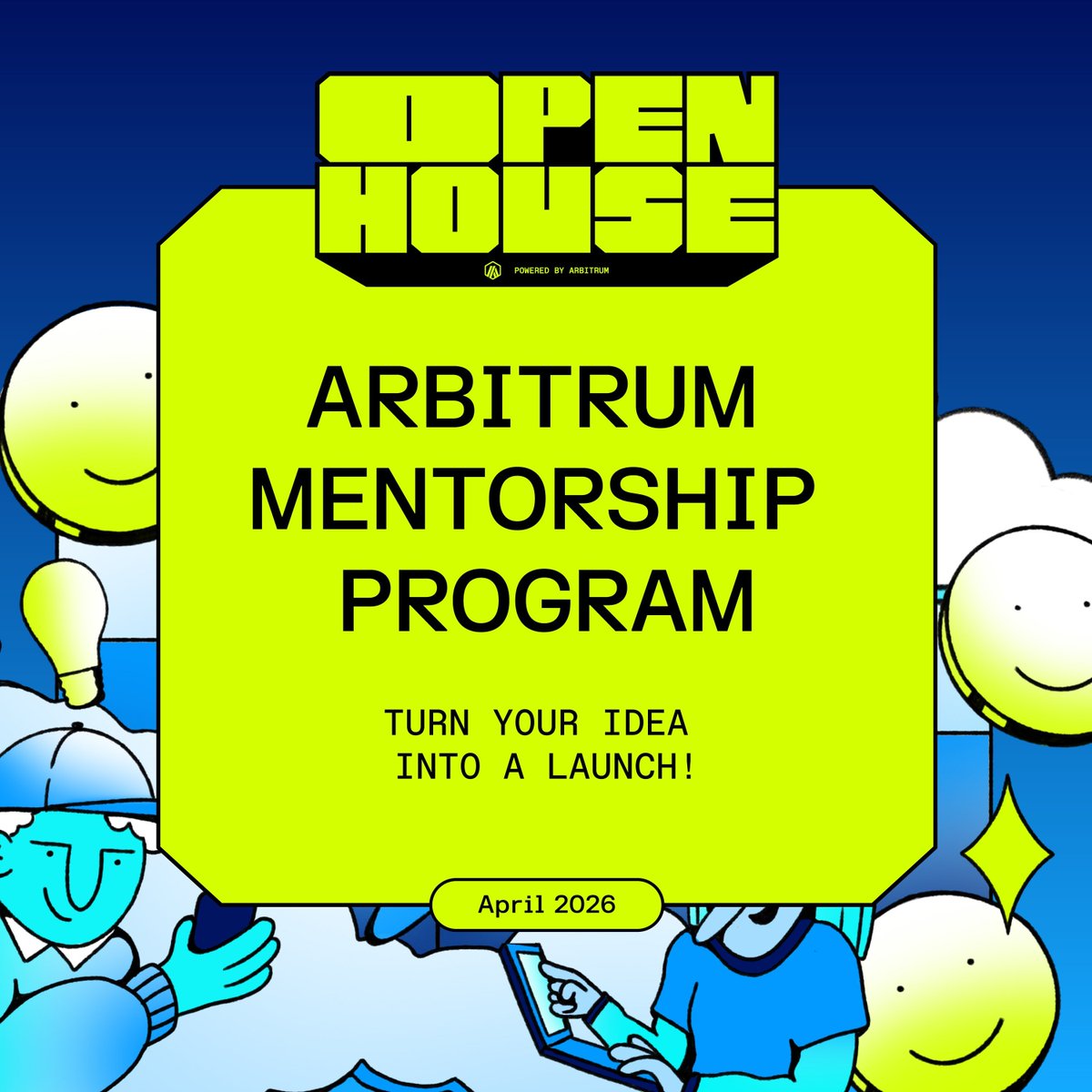
Last call: Applications for the Arbitrum Mentorship Program close today.
Get hands-on support from industry leaders, direct access to capital and $100K in prizes.
Early-stage teams looking to bring new primitives onchain and contribute to the programmable economy should apply.
Learn more below and apply now. 👇
tally.so/r/aQdj2W

Applications for the Arbitrum Mentorship Program close April 7th.
The programmable economy needs new businesses and we’re backing the next gen of onchain businesses with hands-on support from industry leaders, direct access to capital and 100K in prizes.
Here’s why early-stage teams should apply today. 🧵👇
tally.so/r/aQdj2W
15
25
193
18,468
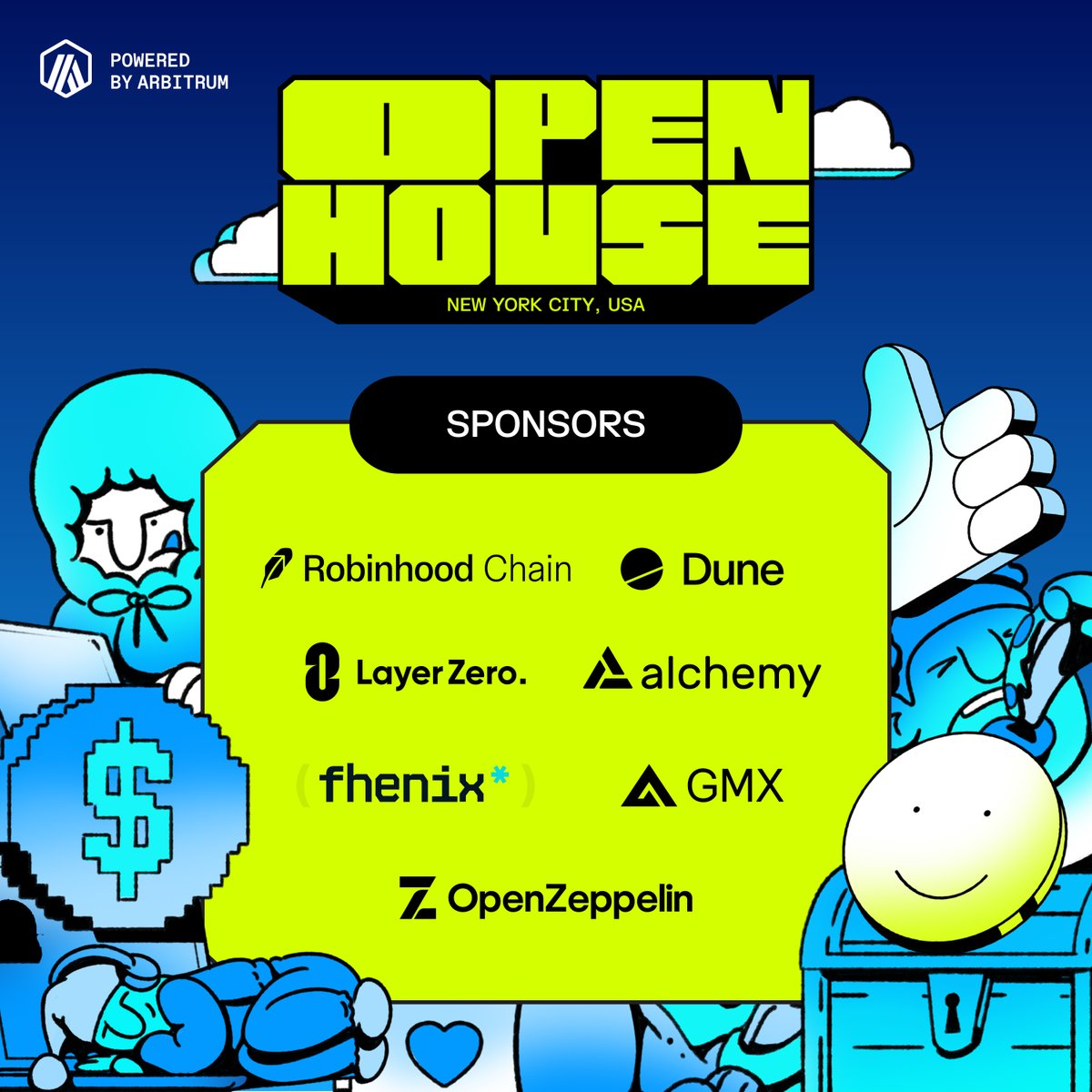
Founder House is made possible by our incredible sponsors helping more businesses get started onchain:
@RobinhoodApp
@LayerZero_Core
@OpenZeppelin
@Alchemy
@GMX_IO
@fhenix
@Dune
If you’re a founder ready to build onchain, apply today for the NYC Founder House starting on March 6th.
luma.com/openhouse-newyork
64
98
407
87,943
Mathias Tom (💙,🧡) retweeted

4
8
24
927
Feb 22
Just applied for the Trenches Ambassador Program
They’re bringing on community members to help grow the ecosystem
with monthly rewards ranging from $50 to $1000.
If you’re interested check reply below 👇
Feb 21

🚨 AMBASSADOR PROGRAM IS LIVE
Get paid to represent Trenches.
What you do:
• Create content (TikTok, X, IG, YouTube - wherever you're strong
est)
• Share the mission
• Grow with us
What you get:
• Direct payment ($50-$1000)
• Early access to features
• Insider updates before anyone else
Spots are limited. Applications reviewed in order.
Apply now: t.me/playtrenchesAmbassadorB…
👇 Drop "🚀" if you're applying
1
1
1
88
Feb 22
Looks like they’re reviewing applications pretty quickly, so it might be worth checking out if you’re active in Web3.
Apply through their bot:
t.me/playtrenchesAmbassadorB…👈🏼
82

Feb 18
. @bulbappio just launched their Ambassador Program 💡
Looks like a solid opportunity for Web3 creators
For anyone already active in content community building, this seems like a smart move to grow early w/ the platform.
Applications are still open👇👇
worth checking out 👀
Feb 17

🚀 BULB Ambassador Program is LIVE!
Want to help grow BULB and become a leader in your community?
Now’s your chance. The BULB Ambassador Program is officially open — and packed with perks 👇
✨ Perks for Ambassadors
• Monthly $BULB rewards
• Free Verified Status on BULB (worth 100K $BULB)
• 3x more Energy to create, post & earn
• Networking Opportunities
• Growth mentorship from BULB core team
If you love Web3, content, and community — this is your moment.
Apply now: forms.gle/zbtkQ57iP3YwGucd6
Application submissions are open from today Feb 17th, 2026 until Feb 24th, 2026.

6
101
Mathias Tom (💙,🧡) retweeted
I hope my gf doesn’t see this, but…
It has always been and always will be @Arbitrum, my true love.
…and @Azuki… and @KaitoAI… oh, and of course my dear fren @cripto_nita_ 🫶
Also, thanks for the rhyme, but since when am I “a bit of a pain”? 😢



Happy Valentine’s Day.
In our industry, it’s the people you build with that matter most.
Peek your love story, onchain:
ctvalentine.com/
Love,
Arbitrum
4
3
26
400
Mathias Tom (💙,🧡) retweeted
🚨Manage your expectations about @RobinhoodApp Testnet
Yes, Robinhood just launched their public testnet using the Arbitrum stack.
Yes, CT is already screaming “AIRDROP???”
And yes… there are a bunch of tasks you can do.
But let’s slow down for a second.
If you’re doing testnet tasks ONLY because you think you’re farming a future possible airdrop, you’re doing it wrong.
Testnets are for:
→ Stress testing the network
→ Finding bugs
→ Giving real user feedback
→ Learning how the chain works
They are NOT an airdrop vending machine.
Should you try it out?
Absolutely.
But do it to:
→ Understand what a testnet vs mainnet actually means
→ Learn how the @Arbitrum stack works
→ Explore what Robinhood might be building
→ Level up your onchain knowledge
Not because someone posted a thread with “POTENTIAL 5-FIGURE AIRDROP 👀”
But if your only motivation is speculation, you’ll either:
→ Burn out
→ Get disappointed
→ Or both
The real alpha?
Education > speculation.
Treat testnets like a classroom, not a lottery ticket.
TL;DR: Participate to learn. Not to farm. Manage expectations.

9
8
38
920
Mathias Tom (💙,🧡) retweeted

Feb 2
📢 Byzanlink Ambassador Program is now LIVE 📢
We’re excited to announce the Byzanlink Ambassador Program, inviting builders, creators, and community members who want to get involved early.
Apply now and help shape how RWAs come onchain.
👉 Apply: forms.gle/xZmS7m8uL8k5gutD7
📄 More details: byzanlink.substack.com/p/byz…

1,656
977
2,388
165,680
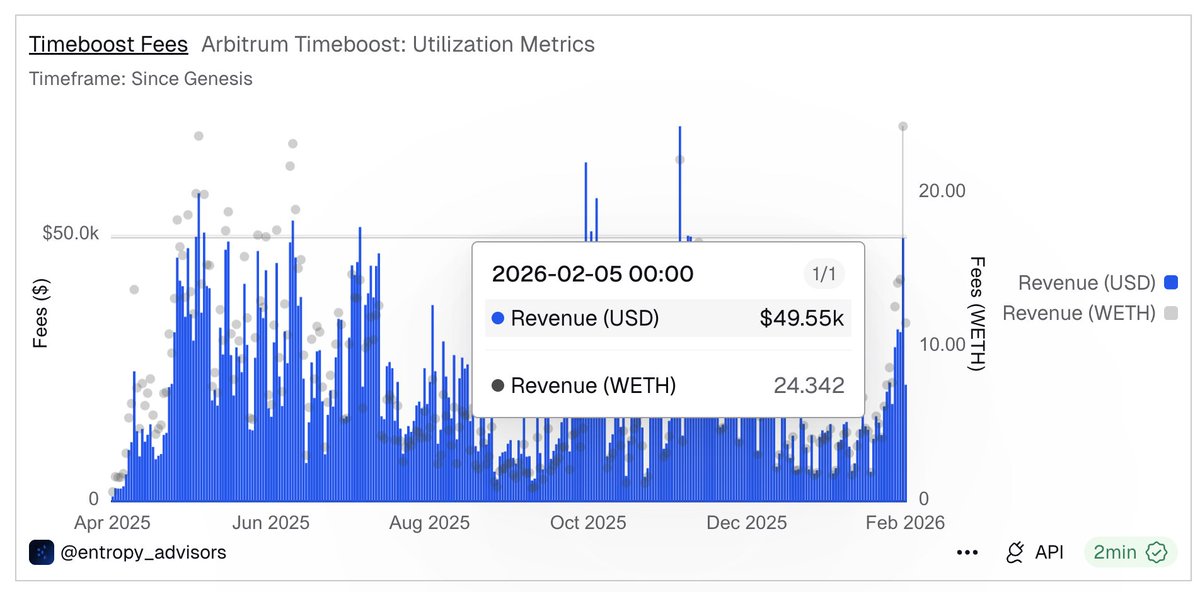
Yesterday was a wild one in crypto. BTC dropped from $73K to $60K in just 24 hours, and if you weren’t paying attention,
you might have missed one of the most interesting parts of the story: Arbitrum’s Timeboost just hit a new record in daily fees.
Shoutout to @EntropyAdvisors for keeping tabs on it
they reported that arbitrageurs took advantage of the volatility to capture MEV revenue, helping the DAO rake in $50K in a single day.
That’s right, while some traders were panicking, others were quietly benefiting from the swings, and the protocol itself got stronger in the process.
Here’s the lesson: crypto volatility isn’t always bad.
On Arbitrum, it’s a playground for smart strategies.
Tools like Timeboost let users capture value in real-time while keeping everything transparent and automated.
Unlike traditional markets, everything happens on-chain, giving traders and DAOs both efficiency and security.
What’s really cool here is how it shows the power of Layer 2s.
Lower fees, faster transactions, and better scaling mean that complex strategies like arbitrage and MEV capture are actually practical.
On Ethereum mainnet, this would have been much harder or cost-prohibitive.
If you want to see the numbers yourself, @entropyadvisors has a live dashboard tracking Timeboost activity and DAO revenue:
dune.com/entropy_advisors/ar…👈🏼
This is exactly why I’m so bullish on Arbitrum.
It’s not just fast and cheap
it’s enabling real, sophisticated financial activity that’s only possible in Web3.
For anyone building, trading, or just trying to understand the ecosystem, this is a lesson in how volatility can be an opportunity when the infrastructure is ready.

Daily Timeboost Fees (in ETH Terms) hit another record high yesterday with BTC dropping from $73k to $60k in a single day.
Arbitrageurs are benefiting from the volatility to capture MEV revenue. As a result, the DAO earned $50K in a single day from Timeboost
1
104
Big congratulations to @huddle01com for hitting a major milestone
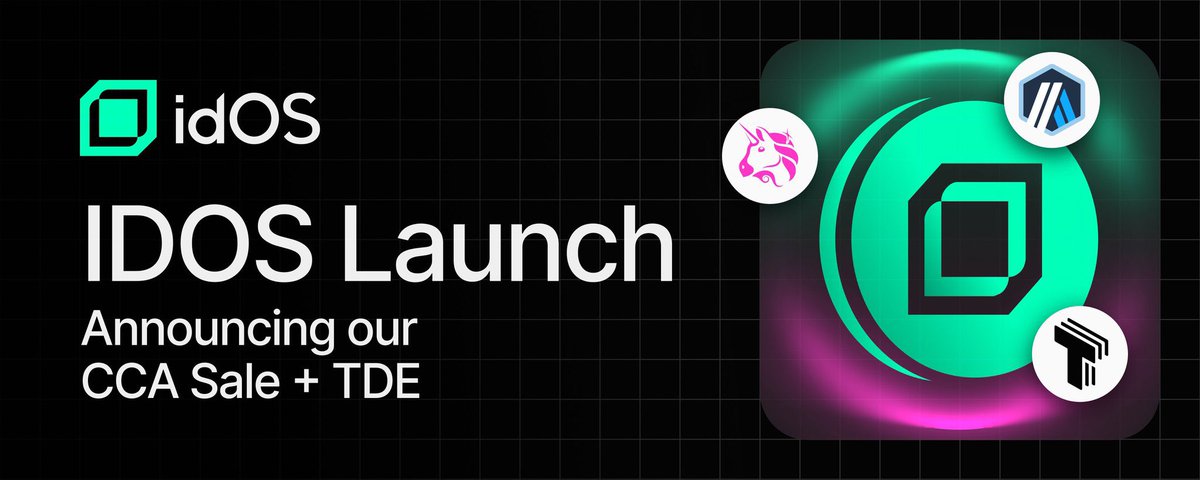
the first-ever CCA (Community Coin Auction) on Arbitrum is officially live on the Uniswap web app! 🎉
In just 24 hours, bids have been rolling in, and the excitement is palpable.
This isn’t just another token launch
it’s a proof of concept for how community-driven auctions can work on a high-performance Layer 2.
With a floor FDV of $20M and 100% unlock at TGE, this auction is giving users a clear, fair, and transparent way to participate.
Some key points to keep in mind if you want to get involved:
- Pre-bidding ends tomorrow, Feb 7th at 1:30 PM UTC make sure you don’t miss your chance to place a bid.
- The auction is fully on Arbitrum, which means low fees, high speed, and smooth execution even during periods of high activity.
- $HUDL is now accessible through Uniswap’s auction interface, making participation easy and intuitive.
What makes this particularly exciting is how it demonstrates Arbitrum’s capabilities for community-first token launches.
Traditional auctions or token sales can be slow, expensive, and frustrating due to gas spikes on Ethereum mainnet.
By leveraging Arbitrum, Huddle is showing how Layer 2 infrastructure can make token distribution more efficient, fair, and accessible for everyone.
For those interested in participating or simply exploring, you can place your bids here:
app.uniswap.org/explore/auct…👈
This launch isn’t just a win for Huddle
it’s a win for the entire Arbitrum ecosystem, showing how builders can experiment with new token mechanics, auctions, and community engagement without being limited by high costs or slow transaction times.
Kudos to the Huddle team for pulling off this landmark launch.
If you’re looking for projects pushing the boundaries of Web3 on Arbitrum, this is one to watch closely.
Feb 6

First-ever CCA on @arbitrum is live on @Uniswap web app!
We're 24 hours in and the bids are rolling in🔥
✅ Pre-bidding ends tomorrow: Feb 7th; 1:30PM UTC
✅ 100% unlock at TGE
✅ Floor FDV: $20Mn
Bid for $HUDL now: app.uniswap.org/explore/auct…
2
79
Big shoutout to @tomwanhh for breaking down some impressive stats from yesterday
Arbitrum really flexed under pressure.
During one of the most volatile hours in crypto recently,
Bitcoin dropped from $70k to $67k in a flash.
For anyone trading or moving funds during that time, network fees would have been a nightmare…
on most chains, at least. Check this out:
- Ethereum’s gas fees skyrocketed 10x, going from $0.142 to $1.78
- Base’s fees jumped 15x, from $0.005 to $0.093
- Arbitrum? Only 3x, moving from $0.002 → basically zero
Yes, even in the middle of extreme markets swings, Arbitrum kept median gas fees under $0.01.
That’s huge. It’s not just about saving a few cents per transaction
it’s about enabling traders, users, and developers to keep operating without fear of being priced out.
Think about what this means in practice:
- Traders can react to market moves immediately without worrying that transaction fees will eat their profits.
- DeFi users can execute strategies, leverage positions, or move funds safely during volatility.
- Developers can build dApps that scale to thousands or millions of users without fear that spikes in activity will break the user experience.
This is the kind of infrastructure Web3 has been asking for:
high throughput, low latency, and minimal cost, all while maintaining security and decentralization.
Arbitrum isn’t just fast and cheap
it’s resilient.
That’s why it’s becoming the go-to Layer 2 for builders who want a real-world-ready blockchain, where users won’t be punished for volatility, and apps can grow sustainably.
It also highlights why the ecosystem keeps expanding here.
From DeFi protocols to NFT marketplaces and cross-chain tools, Arbitrum gives everyone users and builders alike
a reliable foundation to operate on.
This is what we mean when we say: high capacity low fees = Arbitrum.
If you’re a builder or someone who cares about smooth, affordable, and scalable crypto experiences, there’s really no better place to be than Arbitrum.
Dive in and start building or exploring: arbitrum.io

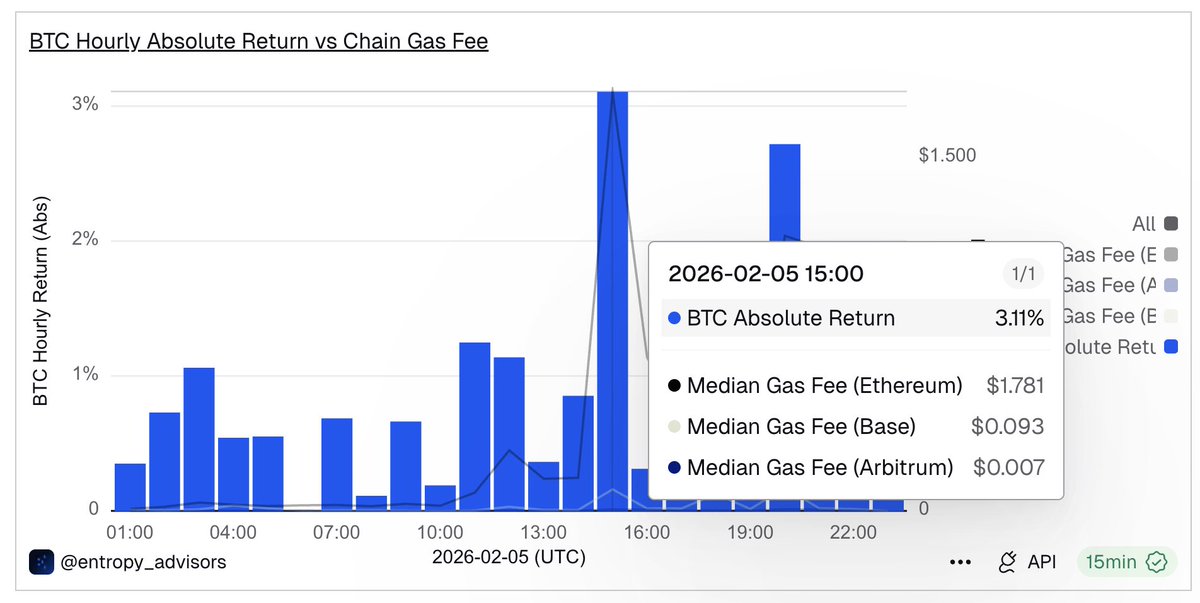
Arbitrum's Median Gas Fee was <$0.01 During one of the most volatile hours yesterday.
During that hour, BTC dropped from $70k -> $67k (-3%)
• Ethereum's Gas Fee 10x from $0.142 to $1.78
• Base's Gas Fee 15x from $0.005 to $0.093
• Arbitrum's Gas Fee 3x from $0.002 to $0.007
105
PEXX is officially live on Arbitrum! 🙌
Now, you can deposit USDT or USDC via Arbitrum, which means faster transactions, lower fees, and smoother interactions across the platform.
But what makes this exciting isn’t just the tech
it’s what PEXX is actually building and solving in the Web3 space.
PEXX isn’t just another crypto platform
it’s a bridge between traditional finance and Web3.
Their goal is to make stablecoins practical for everyday use.
Think of it as a bank account built on crypto, where you can hold USD, USDT, or USDC, make payments, send money across borders in minutes, and even earn yield
all without the friction of traditional banking or complex crypto wallets.
By choosing Arbitrum, PEXX ensures that all user interactions are fast, secure, and cheap.
Arbitrum’s EVM compatibility means that developers can easily build on top of it, and its scalable architecture allows PEXX to handle large volumes of transactions without breaking a sweat.
So whether you’re sending funds to a friend, depositing into your account, or interacting with other Web3 apps, everything feels smooth and seamless.
What really stands out about PEXX is how user-friendly they make stablecoins.
Most people see USDT or USDC as just “crypto tokens,” but PEXX treats them like real money
stable, usable, and earning potential along the way.
This solves one of Web3’s biggest challenges: making digital assets functional for everyday life, not just speculative trading.
Plus, PEXX keeps the experience familiar.
You don’t need to understand blockchain technicalities to use it
the interface feels like a modern bank or fintech app.
Behind the scenes, it’s powered by Web3 infrastructure and Arbitrum’s Layer 2 network, which means you get all the benefits of decentralization, transparency, and security without dealing with gas fees or slow confirmations.
If you’ve ever wished stablecoins could actually function like the money in your pocket easy to send, earn, and use
PEXX on Arbitrum is bringing that closer to reality.
It’s a glimpse at how Web3 is moving beyond speculative markets into real-world utility, and it’s definitely worth exploring for anyone curious about practical crypto.
Check them out here and see how they’re making stablecoins usable for everyday life: 👉 pexx.com
Feb 6

Arbitrum is now live on PEXX 🏌️♂️
Deposit USDT / USDC to PEXX via Arbitrum
PEXX chose @arbitrum for its security-first design, EVM compatibility, and ability to scale user-facing onchain applications
Faster rails. Same PEXX experience
61
OKX CeDeFi is leveling up how we interact with blockchain assets
and now it’s live on Ethereum and Arbitrum, giving users access to millions of tokens across multiple sectors, all gas-free.
Here’s what that really means:
instead of juggling multiple wallets, paying for every transaction, and trying to route funds across different chains,
OKX handles the heavy lifting.
You get one seamless platform where you can focus on building, trading, and earning
while the backend manages all the blockchain complexity.
Now let’s break down what kind of projects you can access:
🔹RWAs (Real-World Assets):
These are tokenized versions of things like real estate, bonds, or commodities.
They let Web3 users earn yield on assets that exist outside the blockchain, bridging traditional finance and crypto.
🔹Perpetuals (Perps):
These are derivative products that allow traders to speculate on crypto prices without expiry dates.
They solve the problem of liquidity and hedging in DeFi, giving more tools to manage risk or profit from market moves.
🔹AI Finance:
These projects use AI to analyze markets, automate trading, and optimize yields.
They solve the problem of complexity in DeFi by giving users smarter tools for decision-making and portfolio management.
By combining all these under one platform, OKX CeDeFi makes Web3 more accessible and frictionless.
Users don’t have to become experts in wallet management, gas optimization, or cross-chain routing.
Instead, you get to focus on capturing opportunities while the platform handles infrastructure and efficiency.
In short, OKX is bridging the gap between traditional finance usability and decentralized finance innovation
all while keeping it seamless and fast. It’s a glimpse of what the next generation of Web3 platforms could look like: powerful, accessible, and integrated.
If you want to explore all these opportunities and see how your capital can move across chains without the usual headaches, check out OKX CeDeFi here:
👉okx.com

OKX CeDeFi now supports Ethereum Arbitrum.
Zero gas. Millions of onchain tokens from projects across RWAs, perps, AI finance, and more.
We handle wallets routing, you catch the opportunities.
44
ArbOS Dia might have seemed like a small update on the surface
smoother fees, better transaction predictability but in reality, it was the first step toward a much bigger vision: Dynamic Pricing on Arbitrum One.
Right now, most blockchains use a single gas fee per transaction, which doesn’t reflect the real cost of network resources.
This can lead to unpredictable spikes, congestion, and frustrated users.
Arbitrum is changing that by making fees a true reflection of demand.
The idea is simple but powerful: instead of charging everyone the same, the platform measures compute, storage, and history growth in real-time, adjusting fees dynamically to match network bottlenecks.
Why does this matter?
Because as more developers and users build on Arbitrum, the network needs to scale sustainably without resorting to the “surge pricing” we’ve seen on older blockchains.
By aligning fees with actual resource usage, Arbitrum ensures that:
- Builders can deploy complex applications without worrying about sudden cost spikes.
- Users experience smoother transactions even during periods of high demand.
- The ecosystem remains predictable and fair, supporting long-term growth.
Dynamic Pricing isn’t just about fees
it’s about building a platform that can grow with adoption, incentivize efficient usage, and reduce waste in the network.
For developers, this is a huge advantage: you can plan and optimize your apps knowing that pricing reflects real network conditions, not arbitrary numbers.
Arbitrum is setting the stage for a more intelligent, scalable, and user-friendly blockchain ecosystem, and ArbOS Dia is just the beginning.
The roadmap ahead shows how they plan to evolve from a single “gas number” to a fully dynamic system, making the platform more robust and sustainable for everyone in Web3.
Dive deeper into the Dynamic Pricing roadmap and see how Arbitrum is redefining the way blockchain fees work:
👉blog.arbitrum.io/dynamic-pri…
ArbOS Dia was just the beginning.
While it brought smoother fees to Arbitrum One, its deeper purpose was laying the foundation for Dynamic Pricing.
The platform is moving toward a system where fees aren't just a single number, but a reflection of real resource demand.
45
Arbitrum is steadily cementing itself as one of the most developer-friendly and forward-looking L2 ecosystems in Web3.
The recent launch of ERC-8004 is another milestone that shows how Arbitrum isn’t just about fast and cheap transactions
it’s about enabling entirely new categories of applications.
With ERC-8004, AI agents on Arbitrum can now have onchain identity, verifiable reputation, and cross-platform discoverability.
In other words, agents aren’t just code anymore, they become accountable, composable participants in the ecosystem.
Developers can build AI tools that interact autonomously, earn trust, and prove their credibility across multiple platforms without relying on centralized infrastructure.
Think about it this way: in traditional software, trust and verification are handled offchain, usually through opaque mechanisms.
On Arbitrum, trust is baked into the protocol itself.
Agents can now operate autonomously, transparently, and reliably, opening doors to applications like decentralized assistants, autonomous market makers, governance bots, or even financial advisors that interact with users and other protocols with measurable credibility.
What makes this truly powerful is Arbitrum’s deep liquidity and neutral infrastructure.
Developers don’t have to compromise on performance, scalability, or fairness
everything is built on a platform designed to support large-scale adoption. With cross-platform discoverability,
AI agents can now find new environments to operate in, creating an interconnected ecosystem of autonomous software that learns, executes, and contributes to value creation without centralized bottlenecks.
This isn’t just a technical upgrade
it’s a shift in how we think about AI in Web3.
Builders now have the ability to design agents that aren’t limited by a single platform or siloed network, all while maintaining transparency, accountability, and trust.
For anyone interested in the next wave of Web3 innovation, this is the perfect moment to explore how AI agents can interact, transact, and create value onchain.
If you’re a developer, researcher, or even a curious enthusiast, now is the time to get hands-on and experiment with these tools.
ERC-8004 gives you the foundation to build real, trustless, and composable AI applications that scale and interact seamlessly in an open ecosystem.
Start building and join the movement shaping the open agentic economy:
👉8004.org/build
ERC-8004 is now enabled on Arbitrum
AI agents now get:
- Onchain identity
- Verifiable reputation
- Cross-platform discovery
Paired with Arbitrum’s deep liquidity and credibly neutral platform, builders can ship trustless AI agents and grow the open agentic economy
57
Arbitrum’s DeFi Renaissance has been an exciting journey, and Season 1 is wrapping up soon.
For users looking to maximize their onchain yield, Epoch 12 represents the final opportunity to optimize rewards through the DRIP program.
DRIP is more than just a yield program
it’s an ecosystem designed to incentivize active participation in DeFi.
By depositing, borrowing, and looping eligible yield-bearing assets, users can boost rewards while contributing to the overall liquidity and efficiency of the Arbitrum network.
What makes DRIP particularly powerful is how it encourages strategic DeFi engagement.
Users aren’t just passively earning
they’re learning about position management, capital efficiency, and the composability of decentralized protocols, all while interacting with one of the fastest and most scalable Layer 2 ecosystems.
If you’ve been participating, Epoch 12 is your last chance to take full advantage before Season 1 concludes.
Whether you’re an experienced DeFi user or just getting started, this is an opportunity to engage with Arbitrum’s growing ecosystem and earn rewards for smart participation.
Don’t miss out
deposit, borrow, and loop today:
👉arbitrumdrip.com
Season 1 of the DeFi Renaissance is ending soon!
Epoch 12 is your last chance to maximize DRIP rewards and opportunities with eligible yield-bearing assets
Deposit, borrow and loop today on Arbitrum
arbitrumdrip.com
38
Kudos to @eulerfinance for showing what institutional-grade liquidation infrastructure looks like in action.
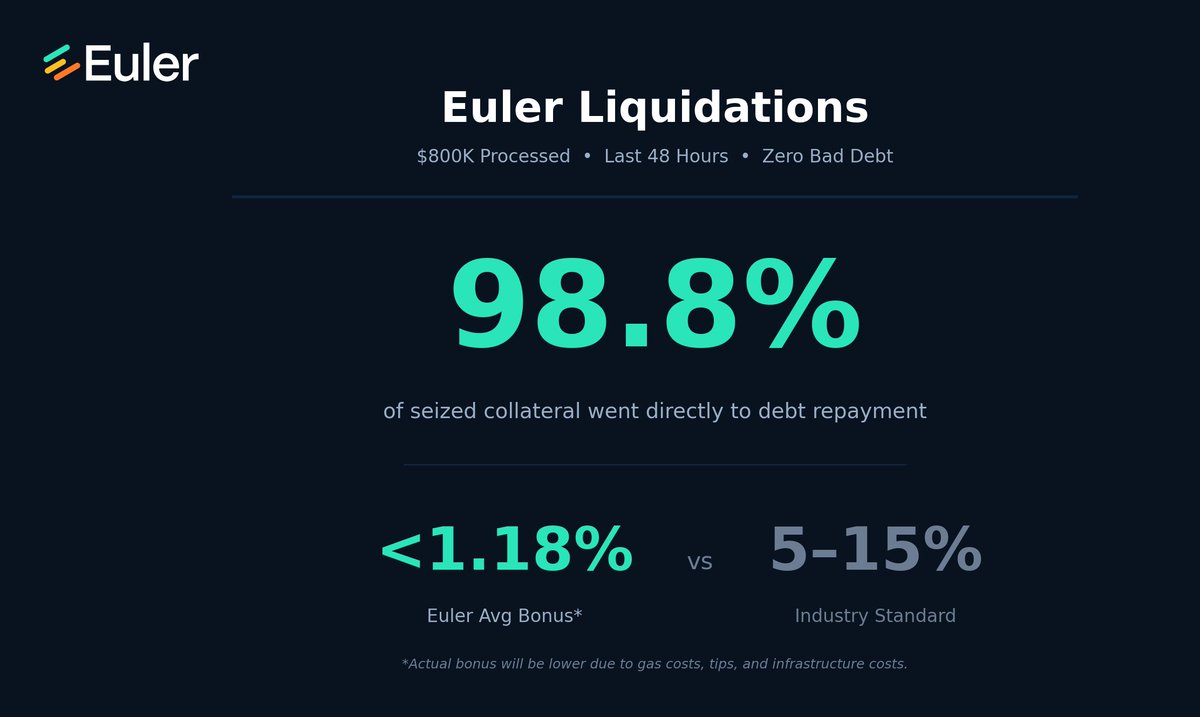
Over the past 48 hours, Euler handled $800K in liquidations with zero bad debt
a feat that sets it apart from most lending protocols.
What’s really striking is how Euler protects borrowers while keeping lenders safe.
On many platforms, liquidations come with harsh penalties, often 5–15% liquidation bonuses that eat into borrower capital.
Euler flips the script: their Dutch auction system lets liquidators compete to close positions at the lowest possible discount,
meaning borrowers lose far less in this case, less than 1.18% on average
while ensuring lenders are fully covered.
98.8% of the seized collateral went directly to debt repayment, highlighting Euler’s focus on efficiency and fairness.
This is a real-world example of how well-designed onchain lending protocols can handle volatile markets without creating unnecessary losses or bad debt.
In short, Euler is not just about lending and borrowing; it’s about building trust, resilience, and user-aligned mechanics in DeFi.
For anyone exploring decentralized lending, Euler is a blueprint for how capital efficiency and risk management can coexist onchain.
Learn more and explore Euler’s platform here:
👉euler.finance
Feb 6

$800K in liquidations over 48 hours. Zero bad debt.
98.8% of seized collateral went directly to debt repayment. Only <1.18% average liquidation bonus vs 5-15% on most lending protocols.
Euler's Dutch auction lets liquidators compete to close positions at the lowest possible discount. Borrowers lose less. Lenders stay protected.
This is what battle-tested, institutional-grade liquidation infrastructure looks like.
63
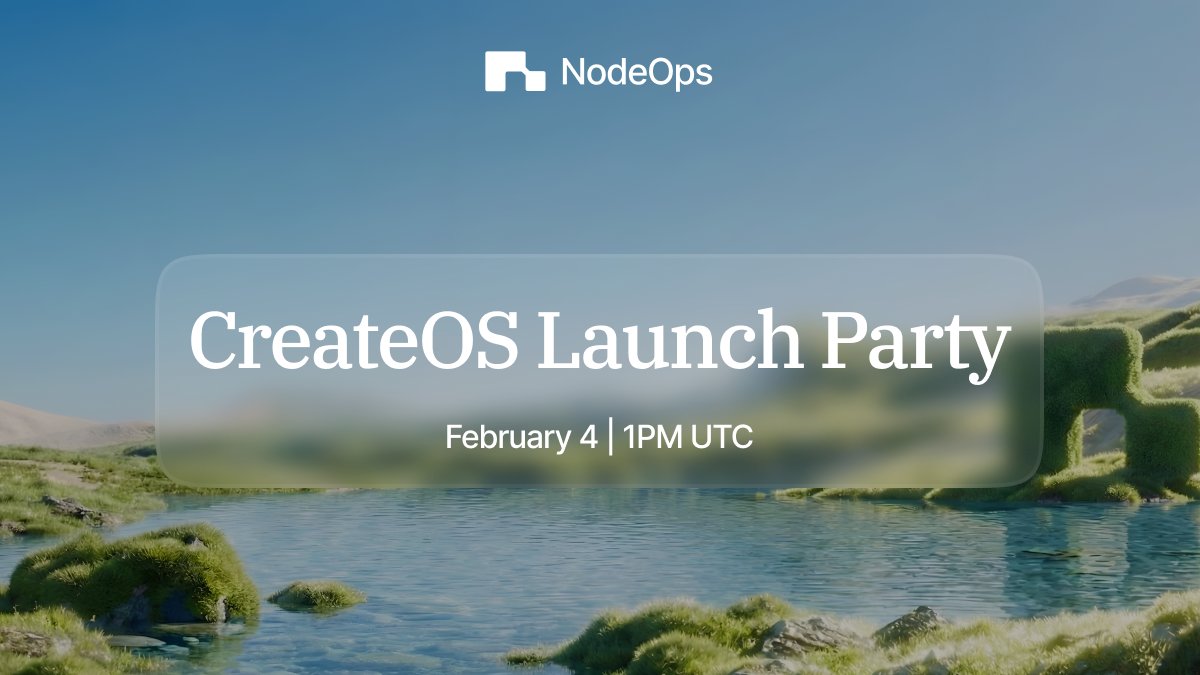
Big congratulations to @BuildOnNodeOps for the official launch of CreateOS on February 4th! 🙌
After months of building, testing, and refining, CreateOS is now live
the workspace where ideas become applications.
This platform isn’t just another tool;
it’s a full intelligent workspace that brings creation, deployment, and operation into one seamless environment.
The goal?
To remove the friction that slows down builders before ideas ever see the light of day.
For the first 24 hours after launch, new signups received 2,000 CreateOS credits, making it the perfect time for early adopters to experiment.
The team also hosted a launch party at 1 PM UTC, streaming live on X and YouTube
a great way to showcase the platform and celebrate this milestone with the community.
From my perspective, what makes CreateOS truly impressive isn’t just the tech
it’s the philosophy behind it.
Web3 builders often struggle not because of their ideas but because fragmented workflows and operational overhead slow execution.
CreateOS tackles this head-on by allowing deployments to flow naturally, templates to handle orchestration, and metrics, privacy, and compliance to live natively in one workspace.
The result?
Projects that once needed dedicated DevOps teams can now move from idea to live product in hours, not days.
Builders can focus on innovation, not on managing disconnected tools.
For anyone serious about building in crypto, this launch is a game-changer.
Check it out and start building:
👉createos.nodeops.network
Once again, huge congrats to @buildonnodeops for this milestone 🤝
the Web3 builder community just got a lot more empowered.

To celebrate today's important milestone we are hosting a CreateOS launch party at 1PM UTC. Live stream will go live on X and YouTube.
We hope to see you there 🫂
1
55