Mayor Nick Long has deep roots in League City. He has a long record of serving the community and pushing forward strong conservative priorities.
Joined December 2024
- Tweets 730
- Following 309
- Followers 239
- Likes 632
193 Photos and videos
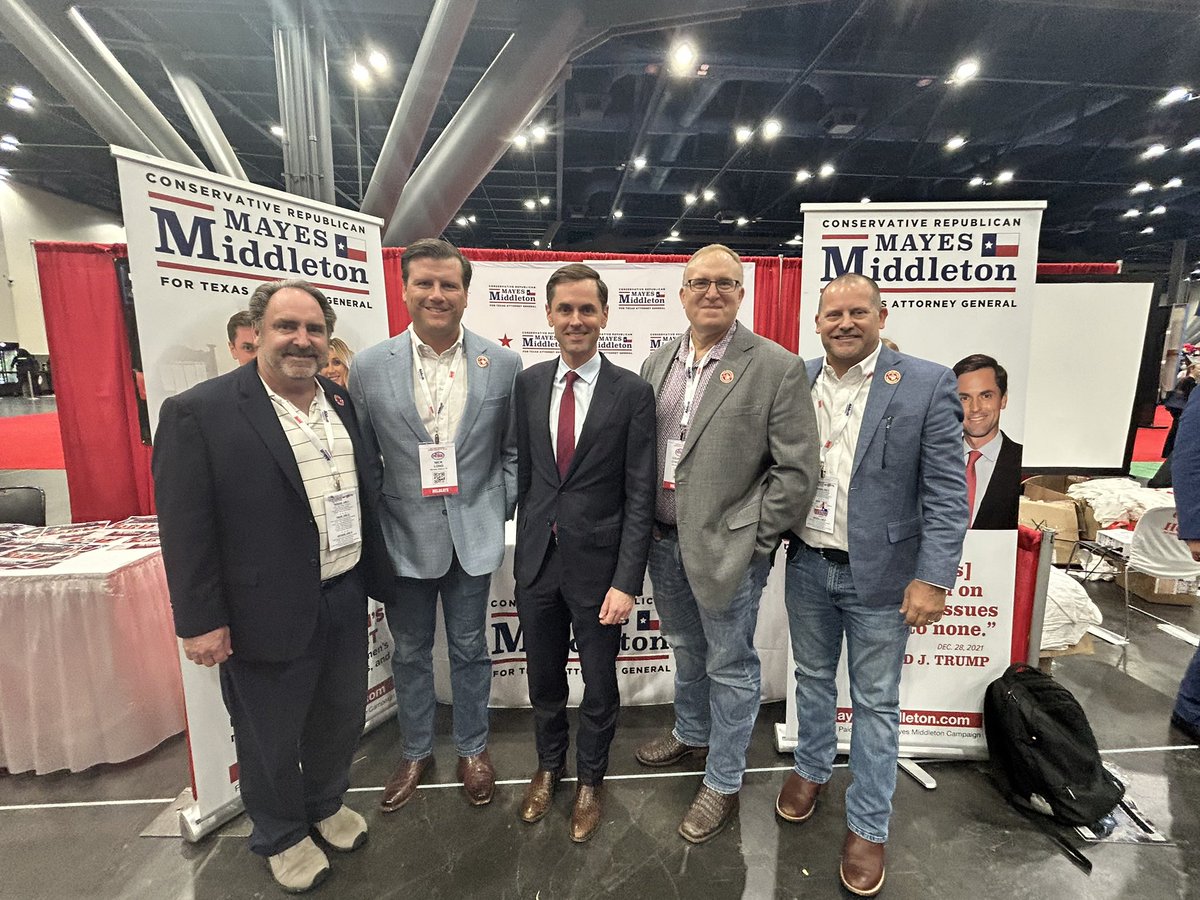
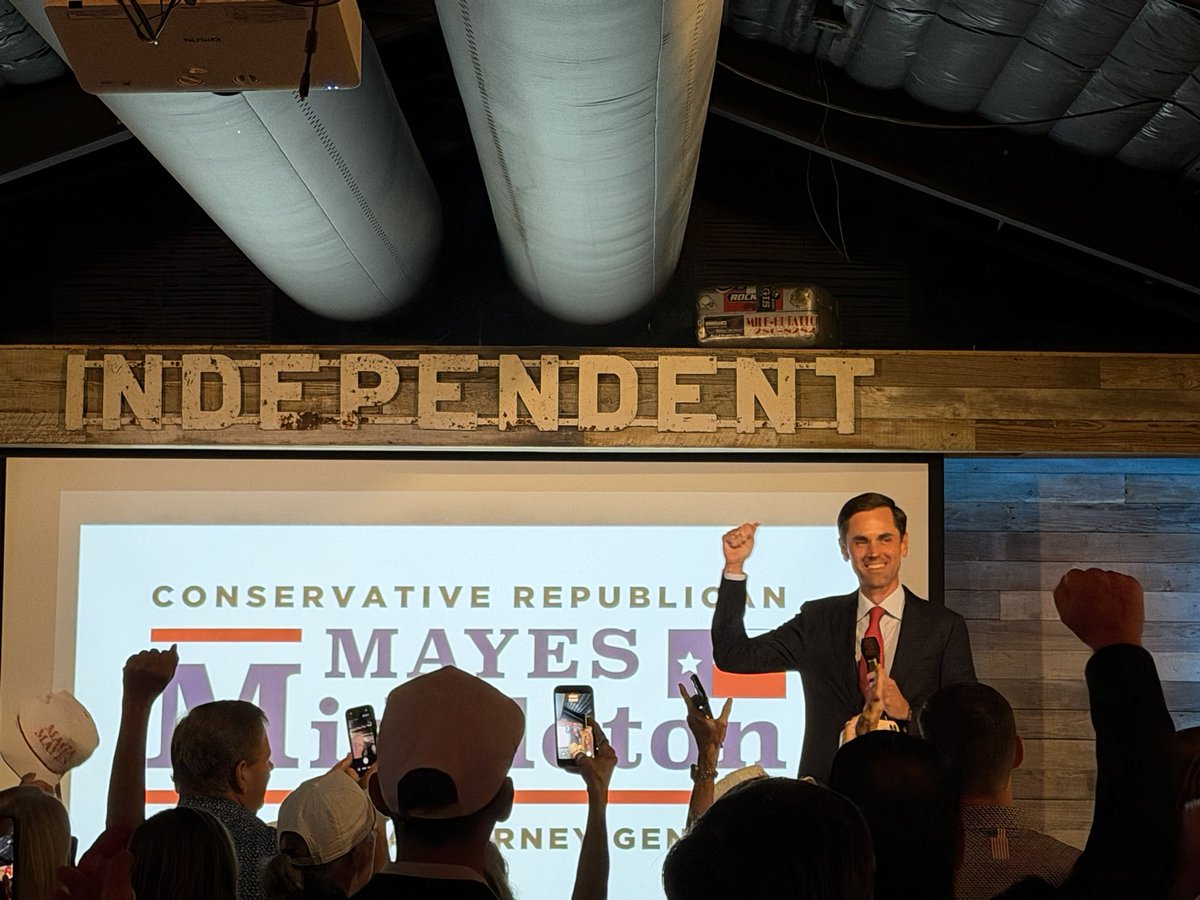
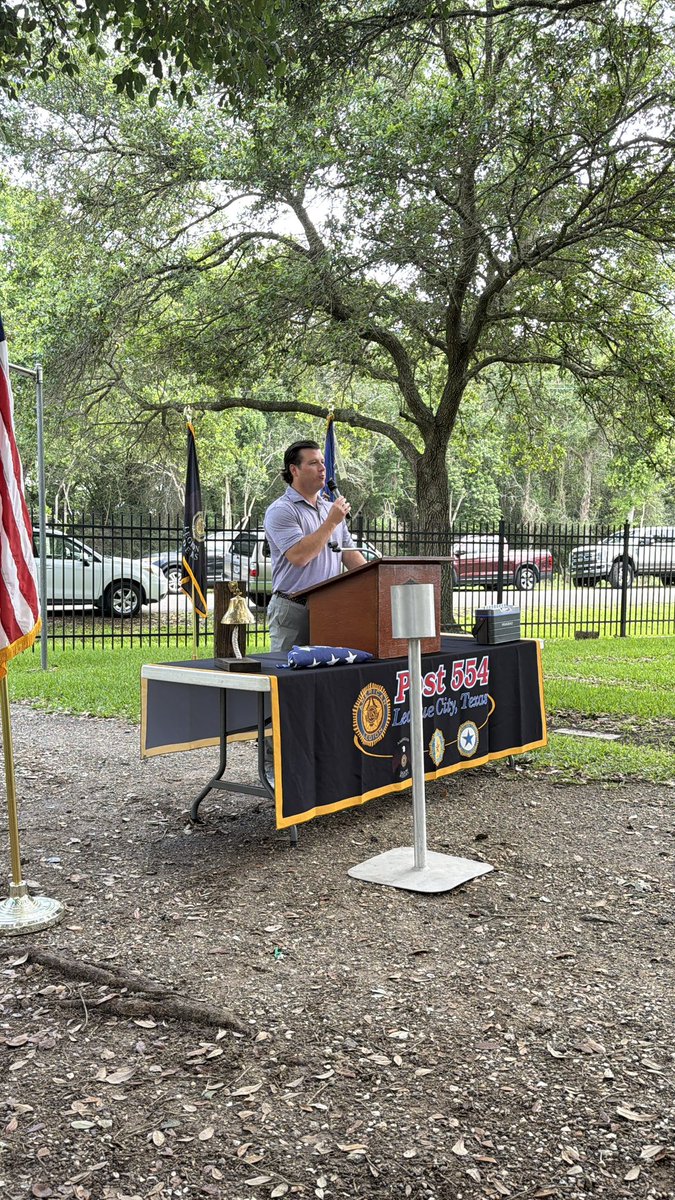

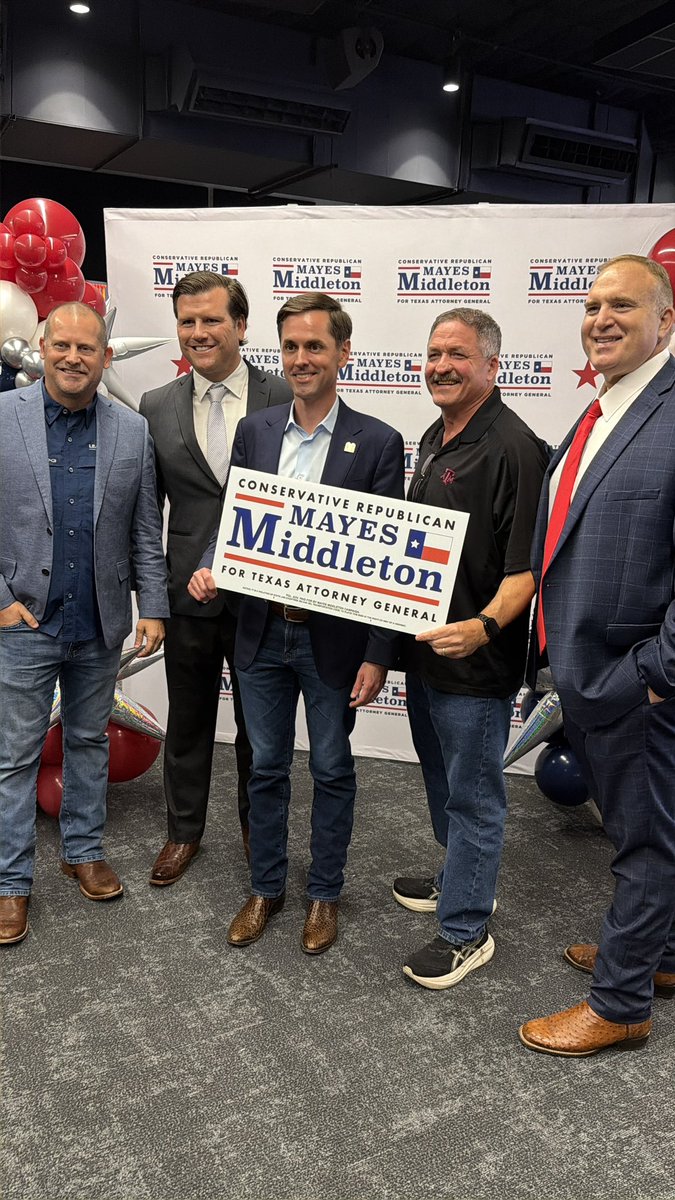

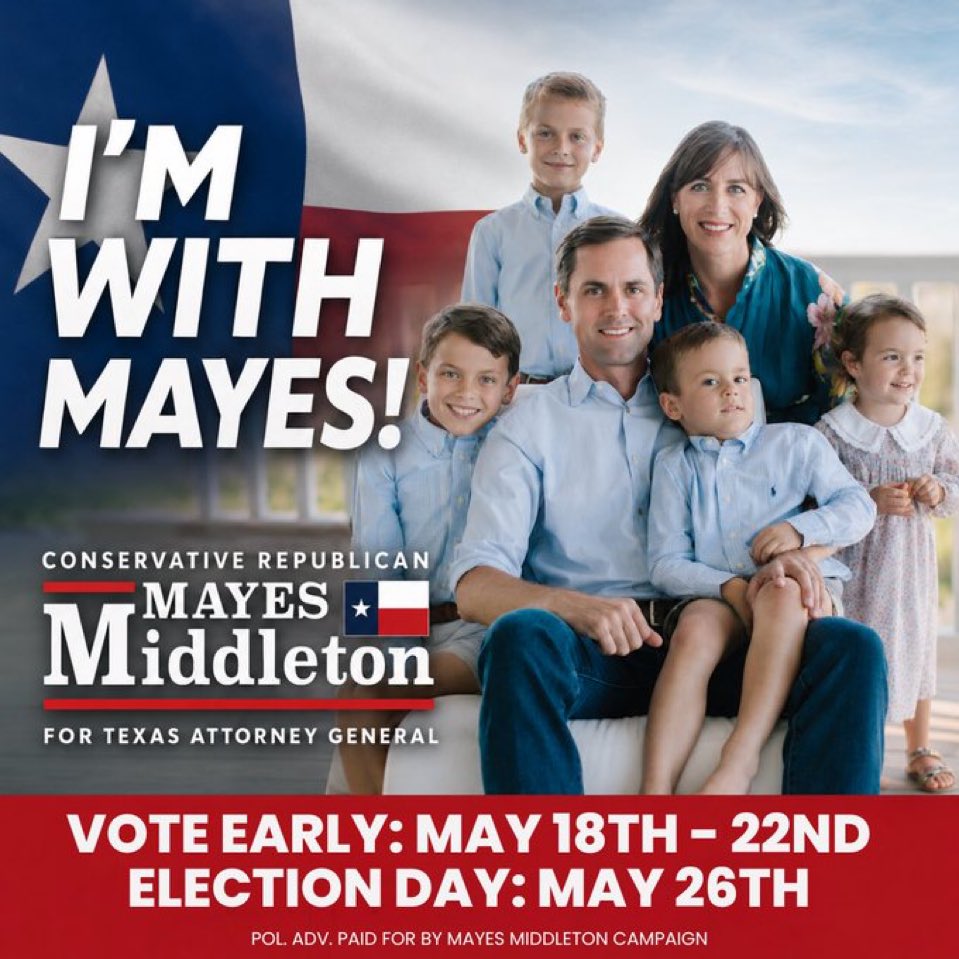


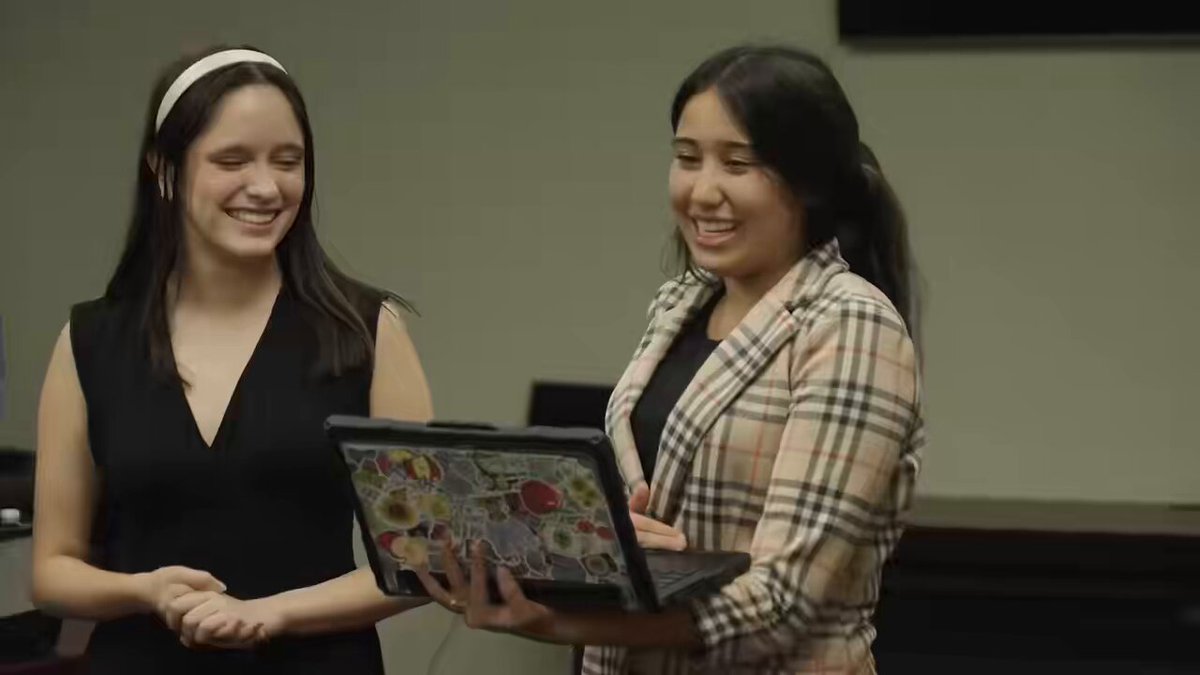
The League City Council and Galveston County were well represented at the Texas GOP convention. @mayes_middleton did a great job on his speech and fired up the crowd!
2
60

Jun 10
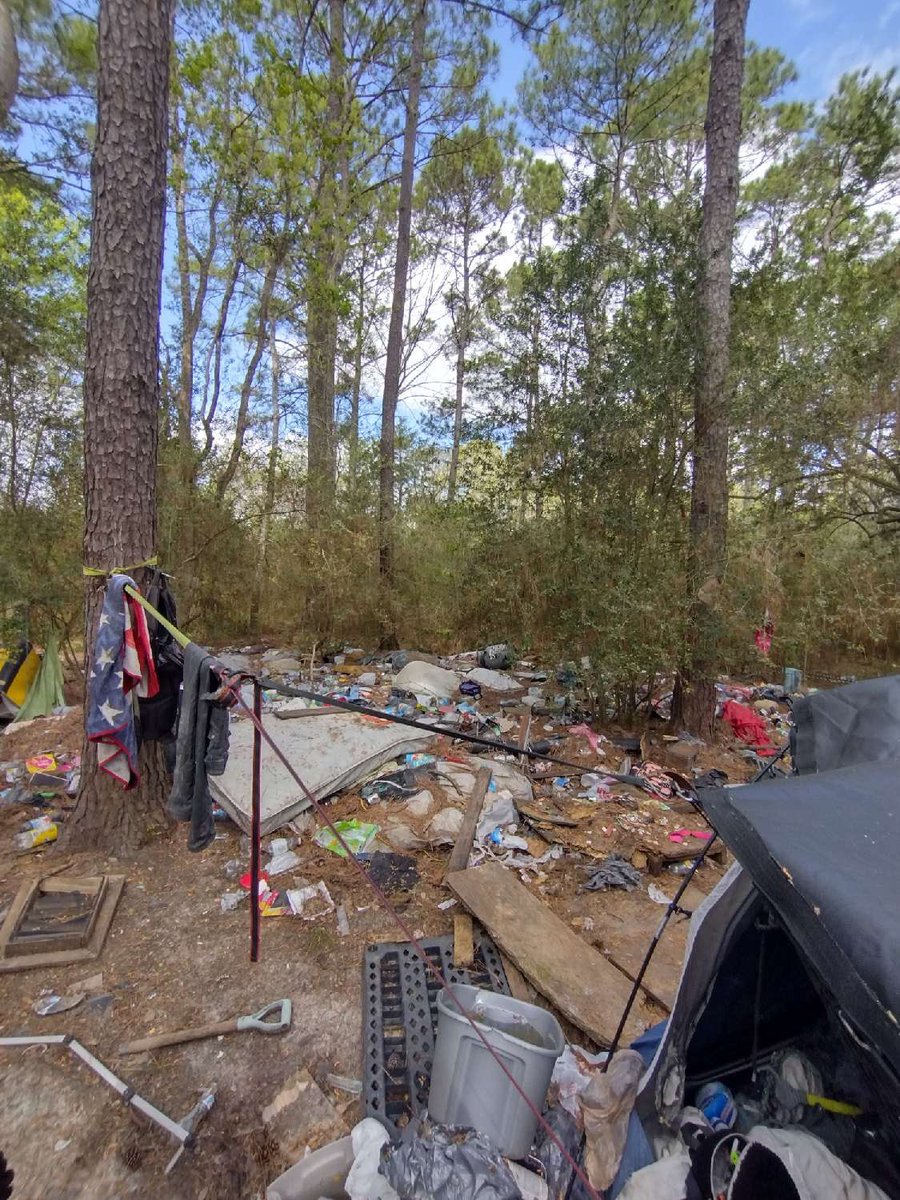
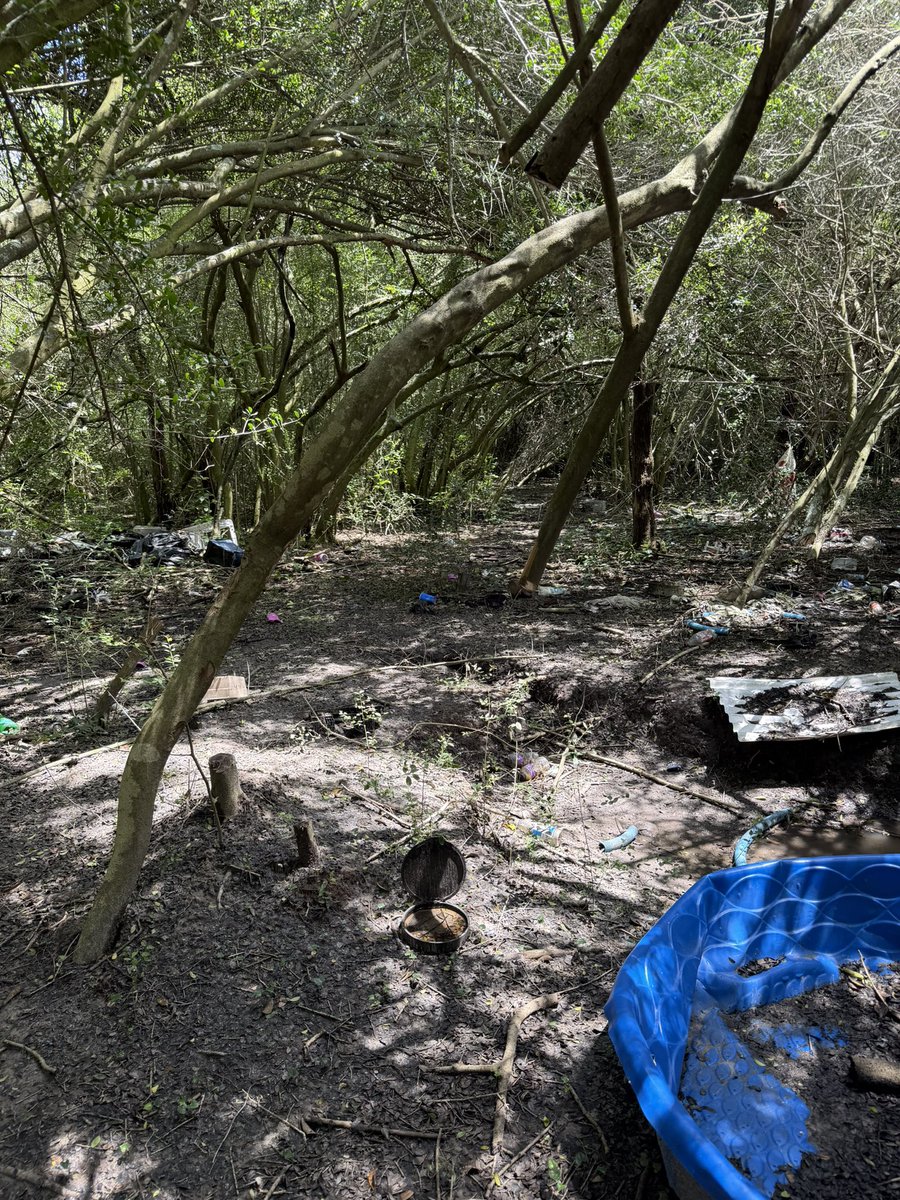
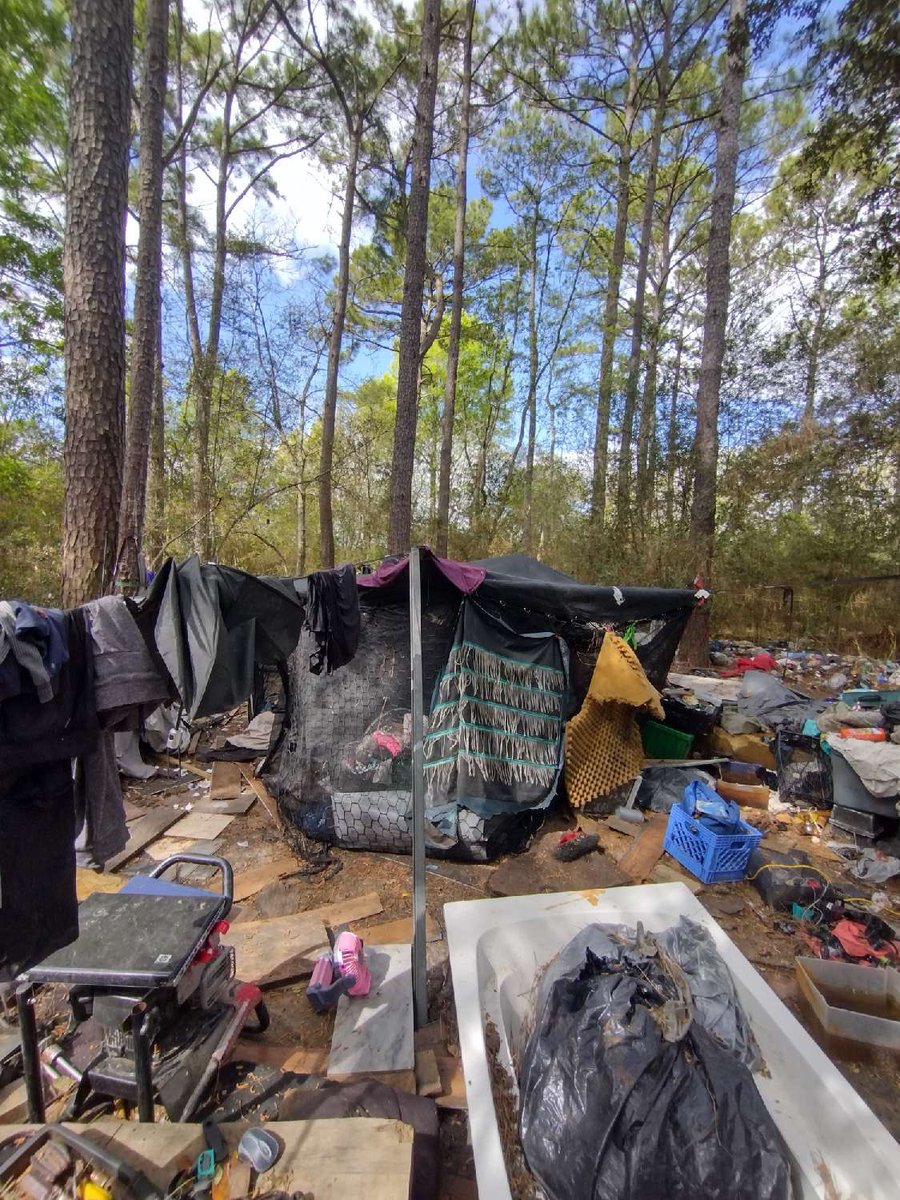
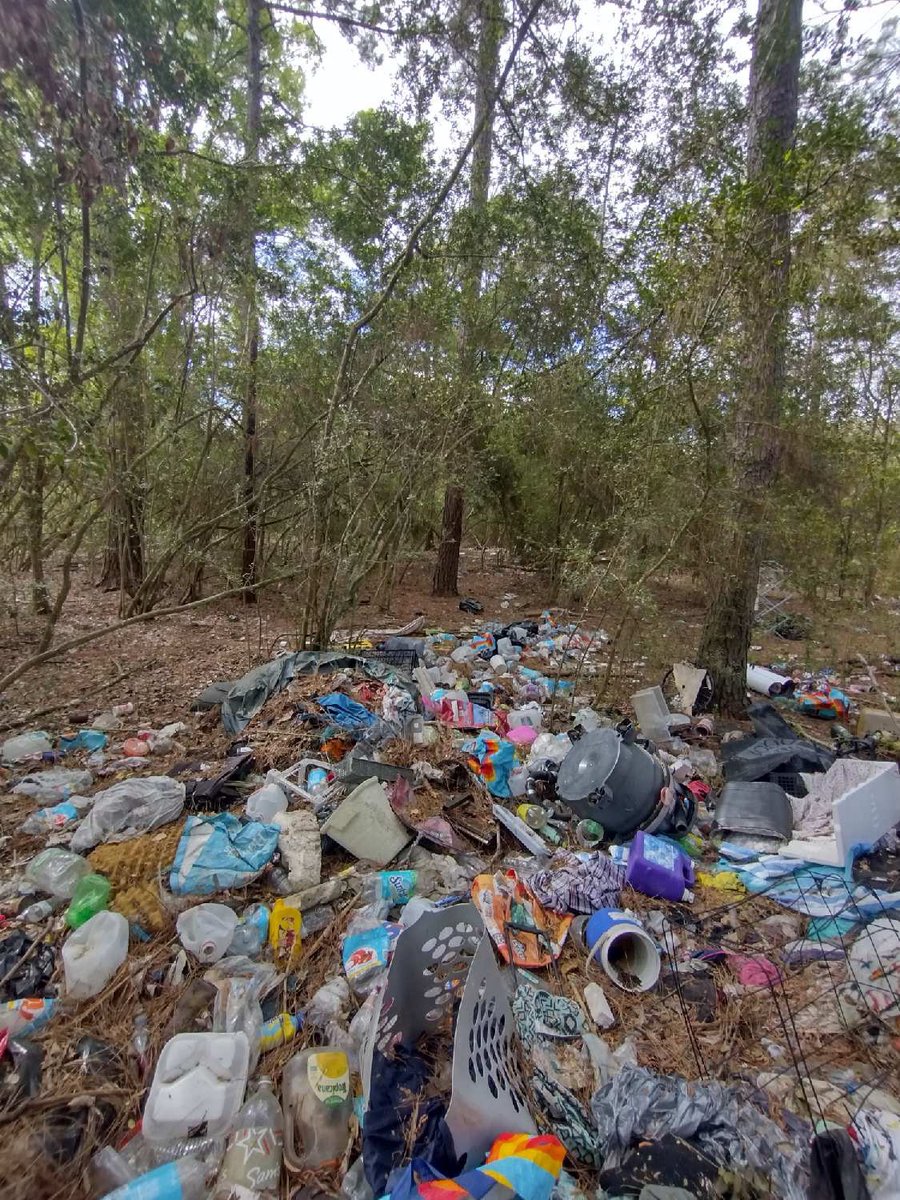
At tonight’s meeting, we passed the Healthy Spaces Initiative. This comprehensive set of ordinances prevents homeless camps and panhandling in League City.
We have one councilman who has consistently denied the existence of a problem. These pictures were taken from one of the recent camps City crews cleaned up. Ignoring the problem does no good for the taxpayers or the homeless.
We have partnered with the County and nonprofits to get homeless people mental health, substance abuse, and permanent housing assistance.
Loving your neighbor is not ignoring them, it is providing real assistance.
1
1
2
90
May 28
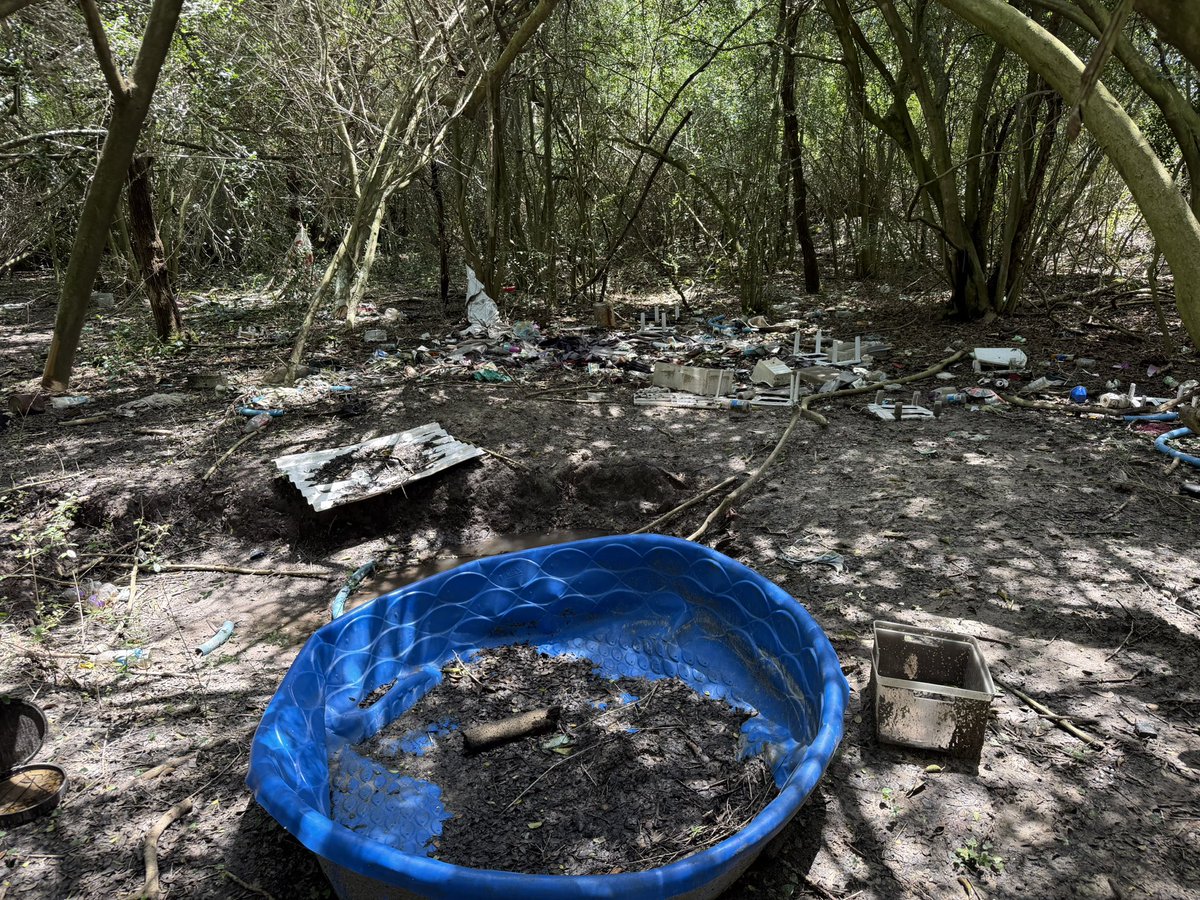
The City removed another abandoned encampment today off of 96. The City’s public works teams will work over the next few weeks to remove all of these illegal camps.
1
5
256
May 27
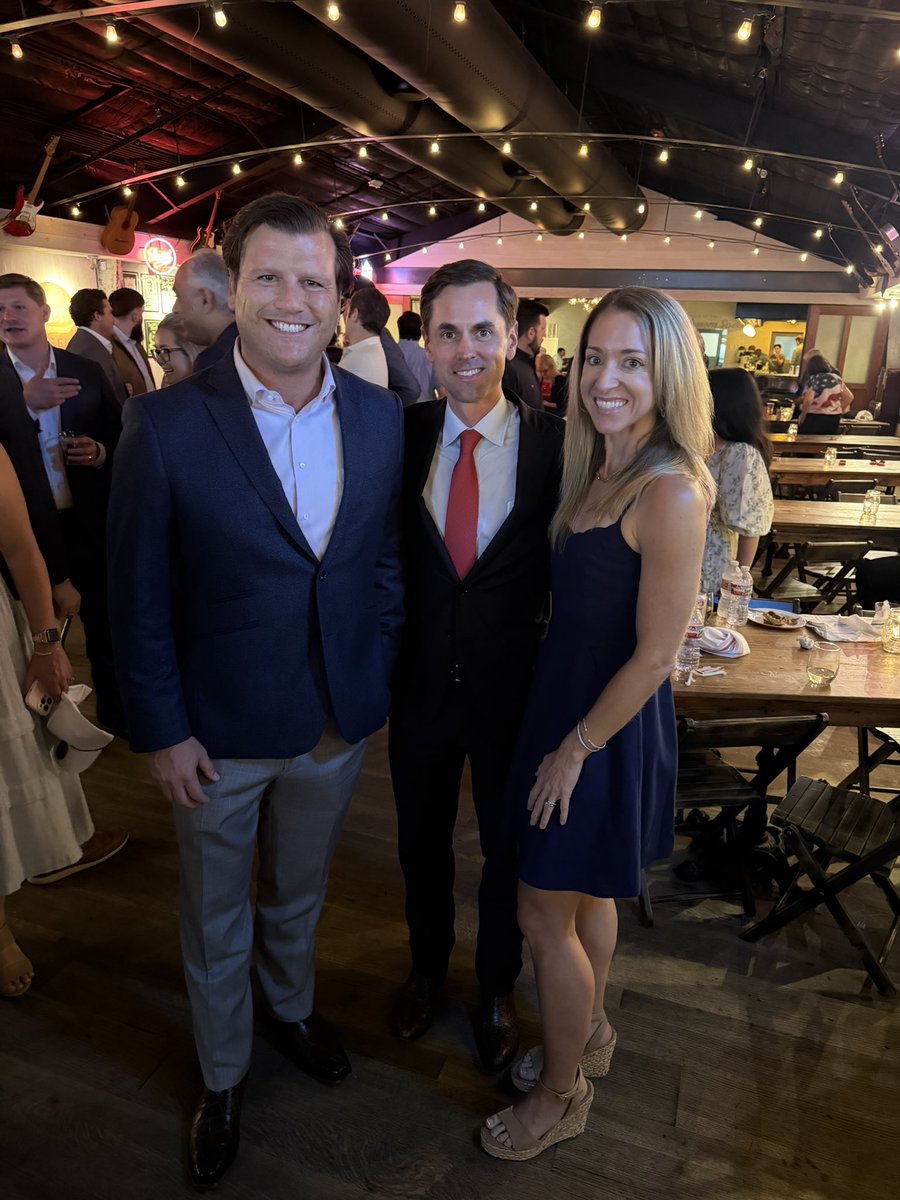
Congratulations to @mayes_middleton on his victory tonight. Texas needs a strong conservative Attorney General and there is no finer man for the job than Mayes!
1
3
27
822
May 26
The secret is out!

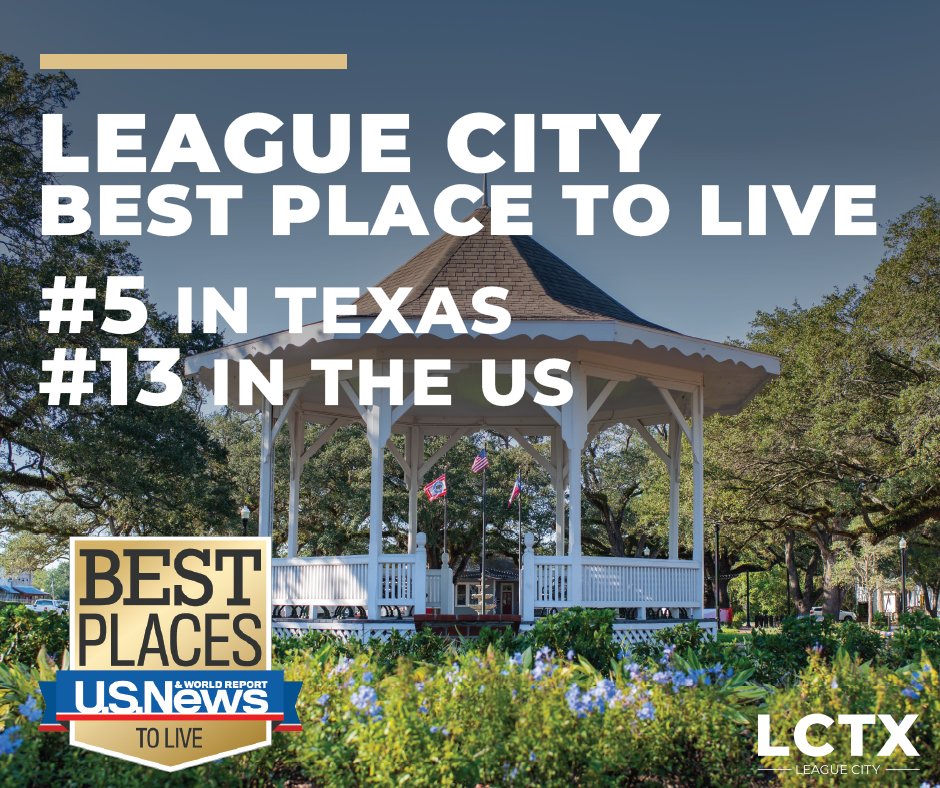
LEAGUE CITY REMAINS A TOP PLACE TO LIVE
U.S. News & World Report has ranked League City No. 13 in the nation and No. 5 in Texas on its 2026-2027 Best Places to Live list, out of 859 cities evaluated.
Full list of rankings: realestate.usnews.com/places…
1
121
May 25
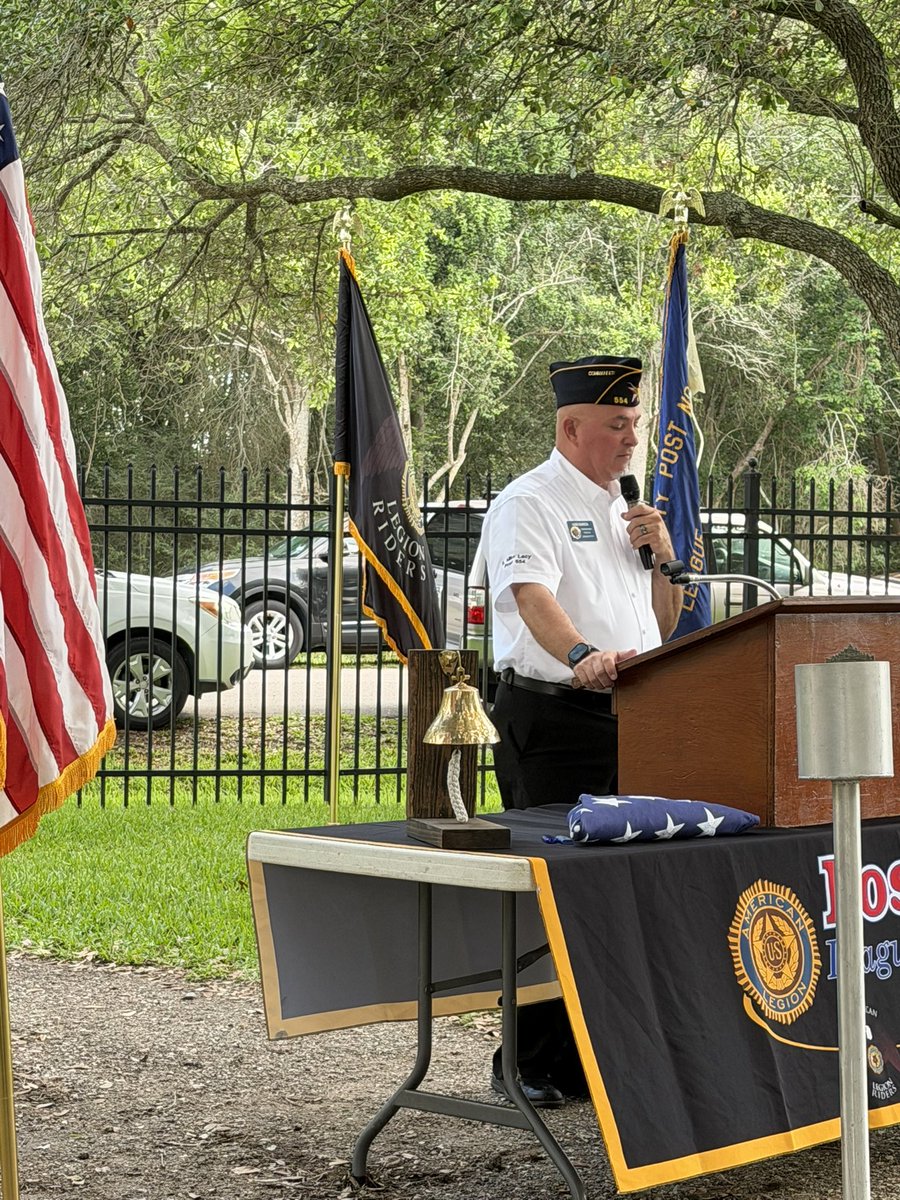
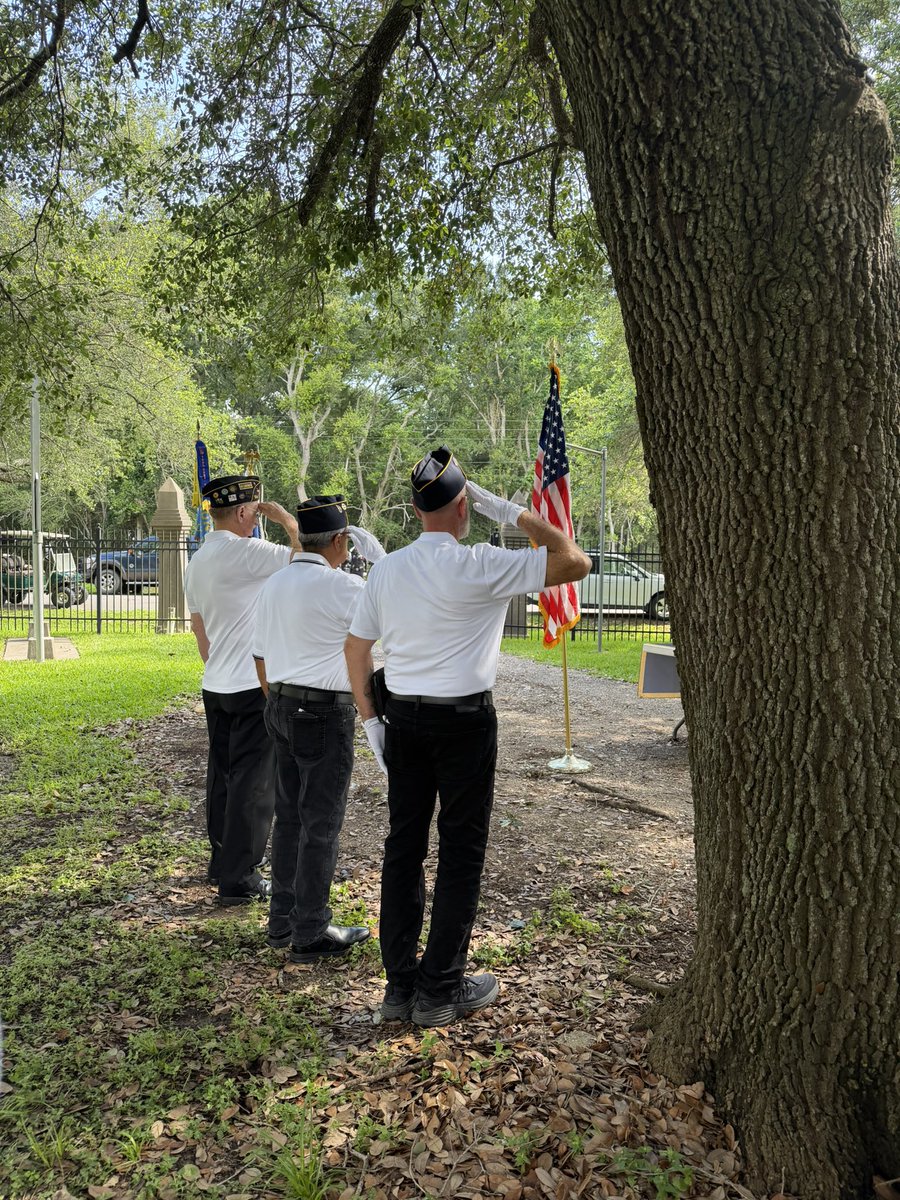
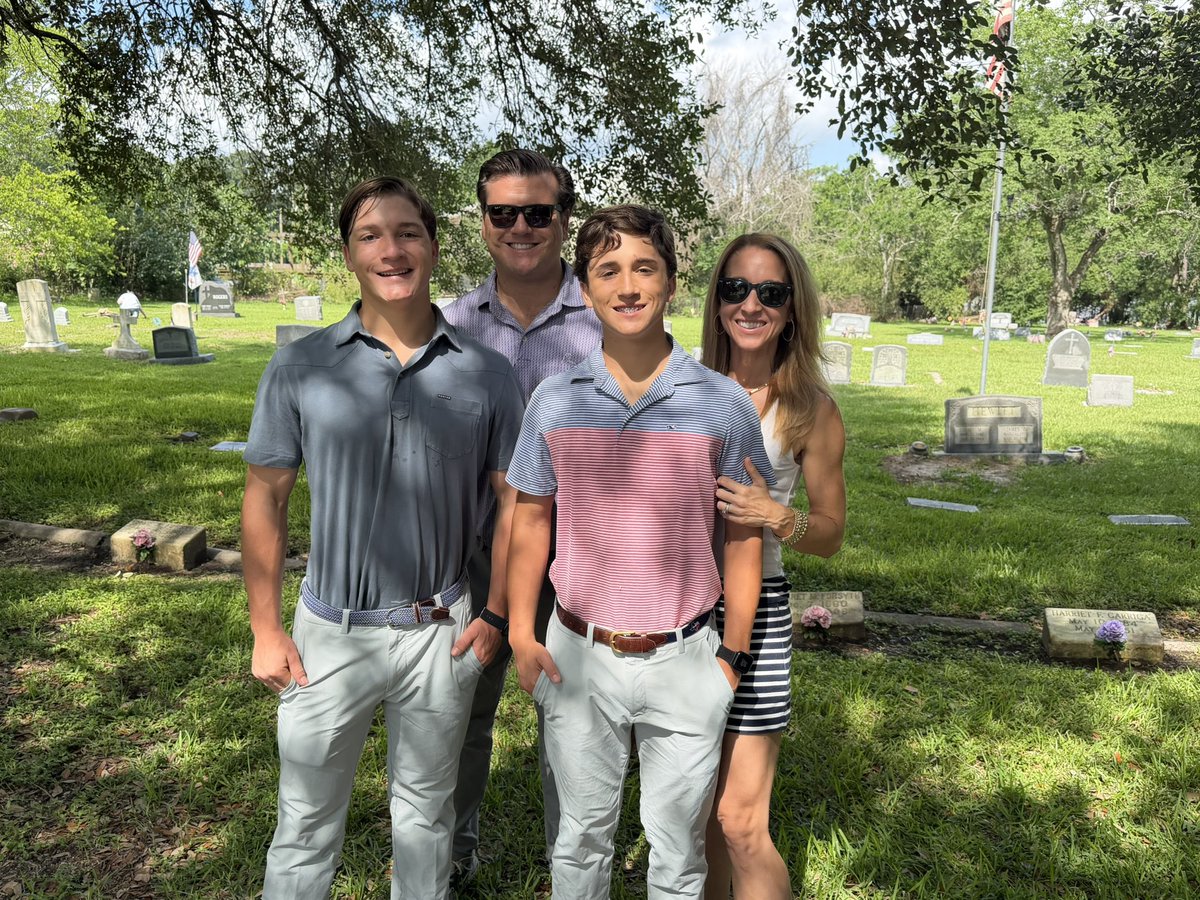
Today, I had the honor of speaking at the Memorial Day ceremony at Fairview Cemetery in League City as we gathered to remember and honor the brave men and women of our armed forces who made the ultimate sacrifice in defense of our nation.
We especially remembered those we have lost in the recent conflict with Iran, including:
Captain Cody Khork of Florida
Sergeant First Class Noah Tietjens of Nebraska
Sergeant First Class Nicole Amor of Minnesota
Sergeant Declan J. Coady of Iowa
Major Jeffrey R. O’Brien of Iowa
Chief Warrant Officer Robert Marzan of Virginia
Sergeant Benjamin Pennington of Kentucky
and their fellow service members who answered the call of duty with courage and selflessness.
As Scripture reminds us in John 15:13, “Greater love has no one than this: to lay down one’s life for one’s friends.”
May we never forget their sacrifice, and may we strive to live lives worthy of the freedoms they fought to protect. God bless our troops, God bless our veterans, and God bless the United States of America.
2
1
2
150
May 24
League City continues to be recognized by national publications as one of the top places to live in the country. This time, US News and World Report ranked League City #13 out of 250 on their list of best places to live in the United States!
2
2
5
220
Mayor Nick Long retweeted

May 23
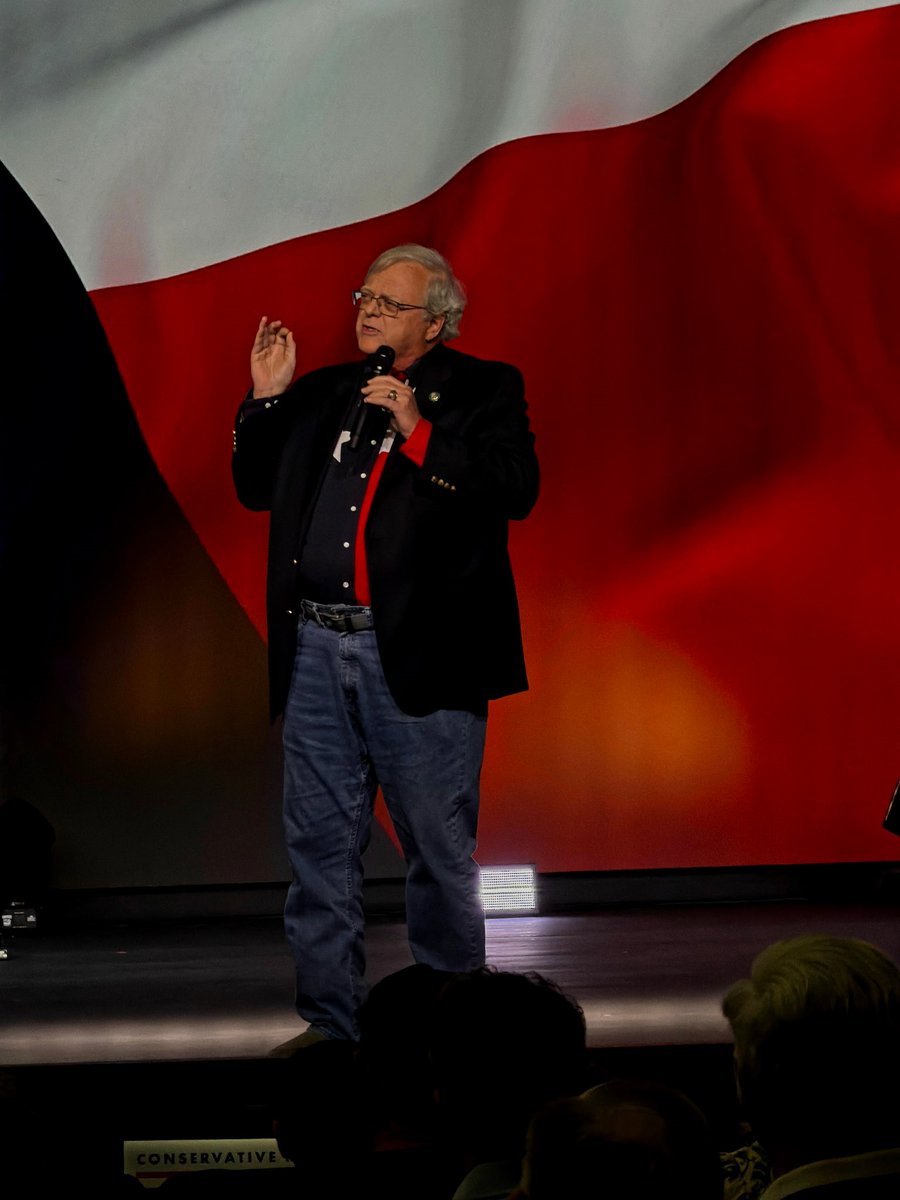
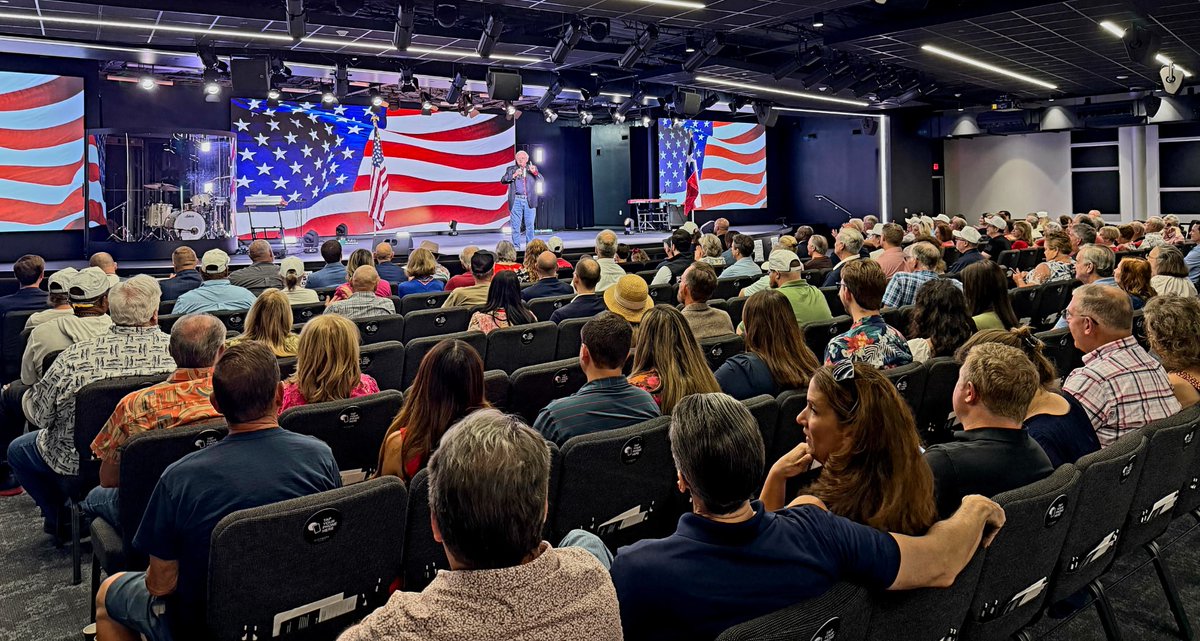
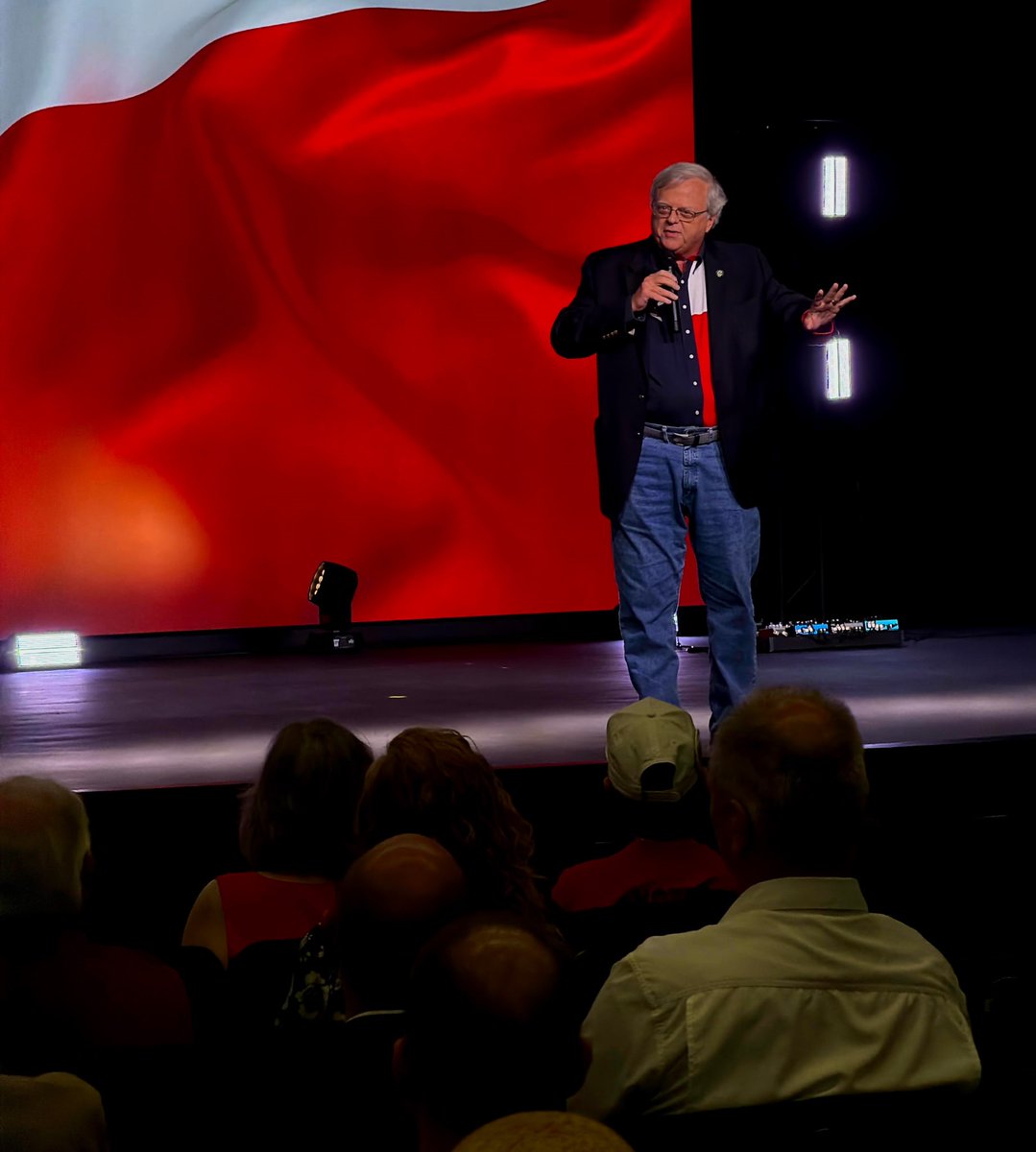
Had a great night supporting @mayes_middleton at his 'Get Out the Vote' rally tonight in League City. Incoming Senators @DennisPaulTexas and Brett Ligon @LigonForTexas were also in attendance, and County Commissioner Pct. 3 for Galveston County, @thehankdugie did an incredible job as emcee for the evening. Everyone needs to do their part and VOTE this Tuesday!
5
16
54
1,756
May 23
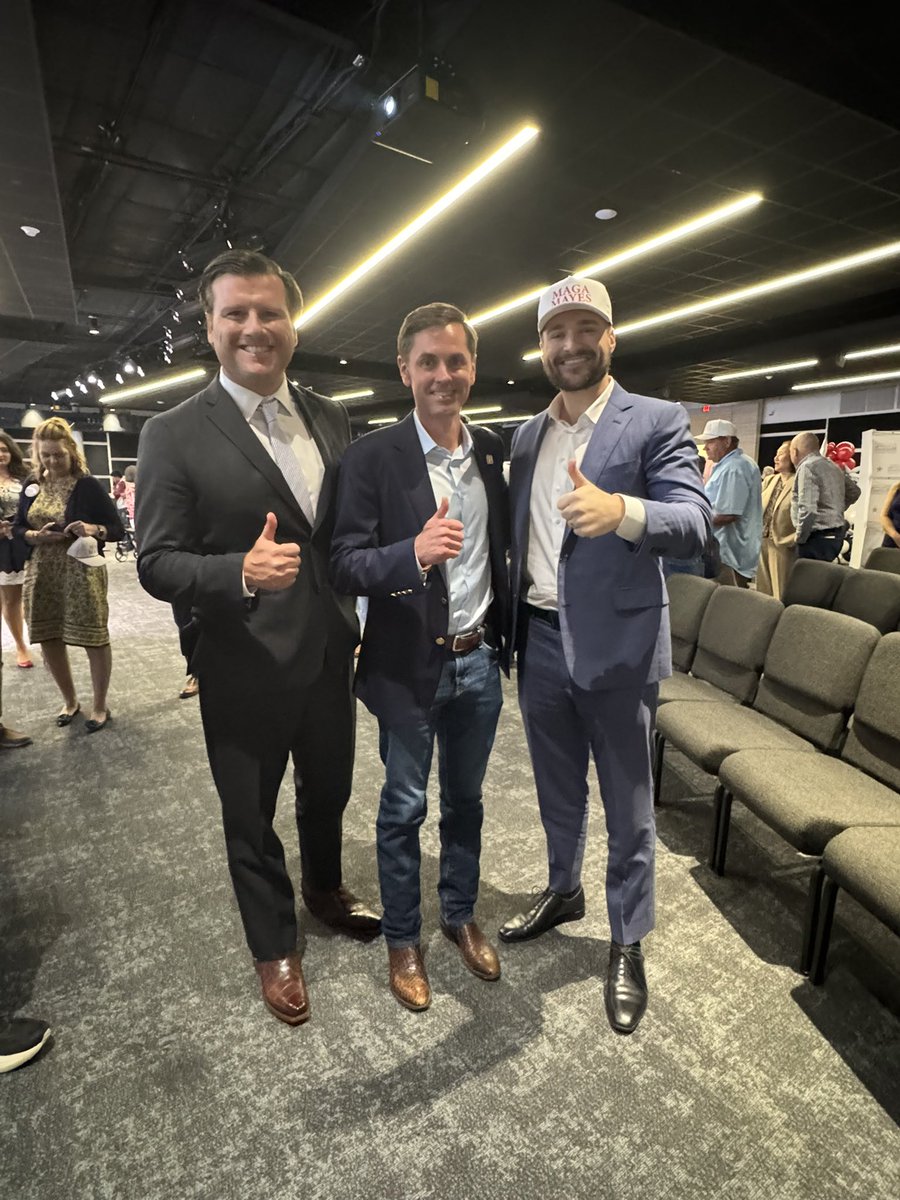
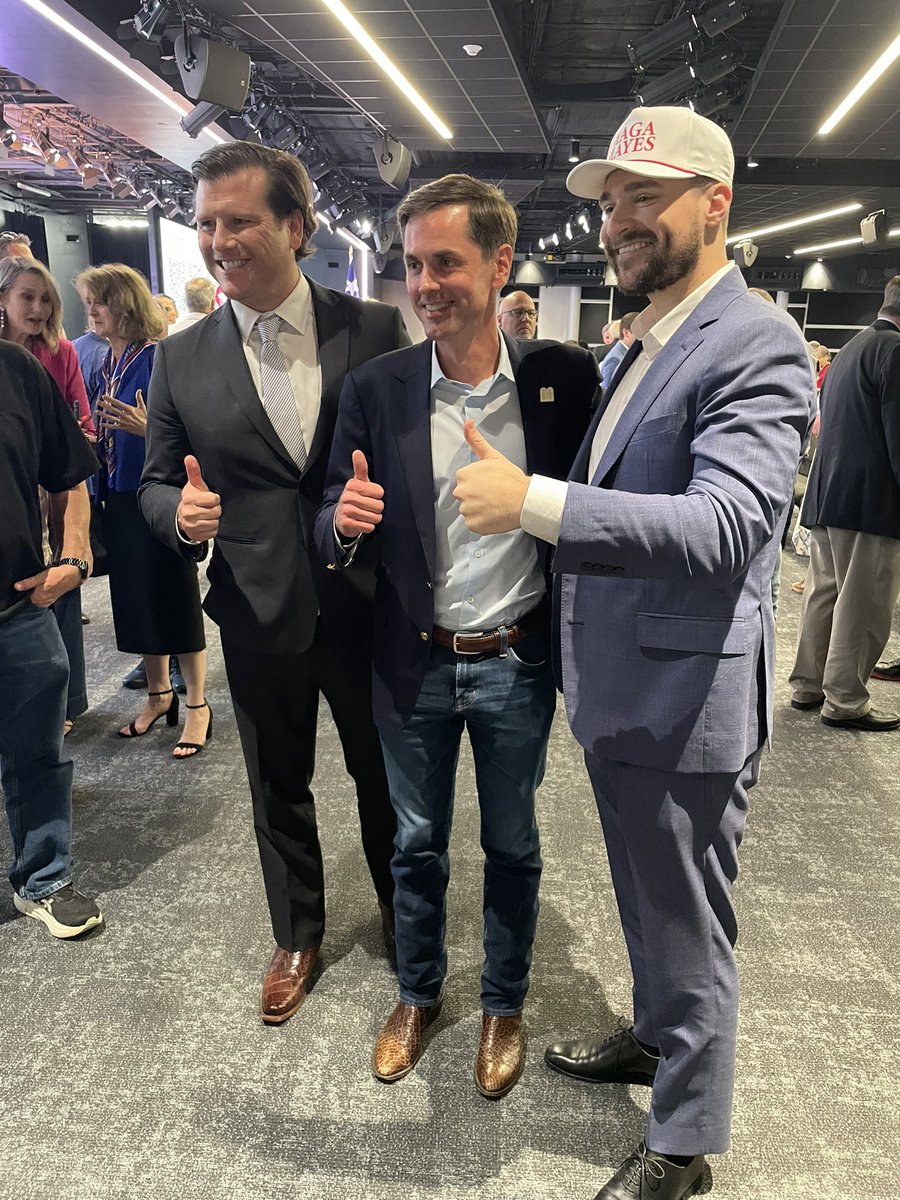
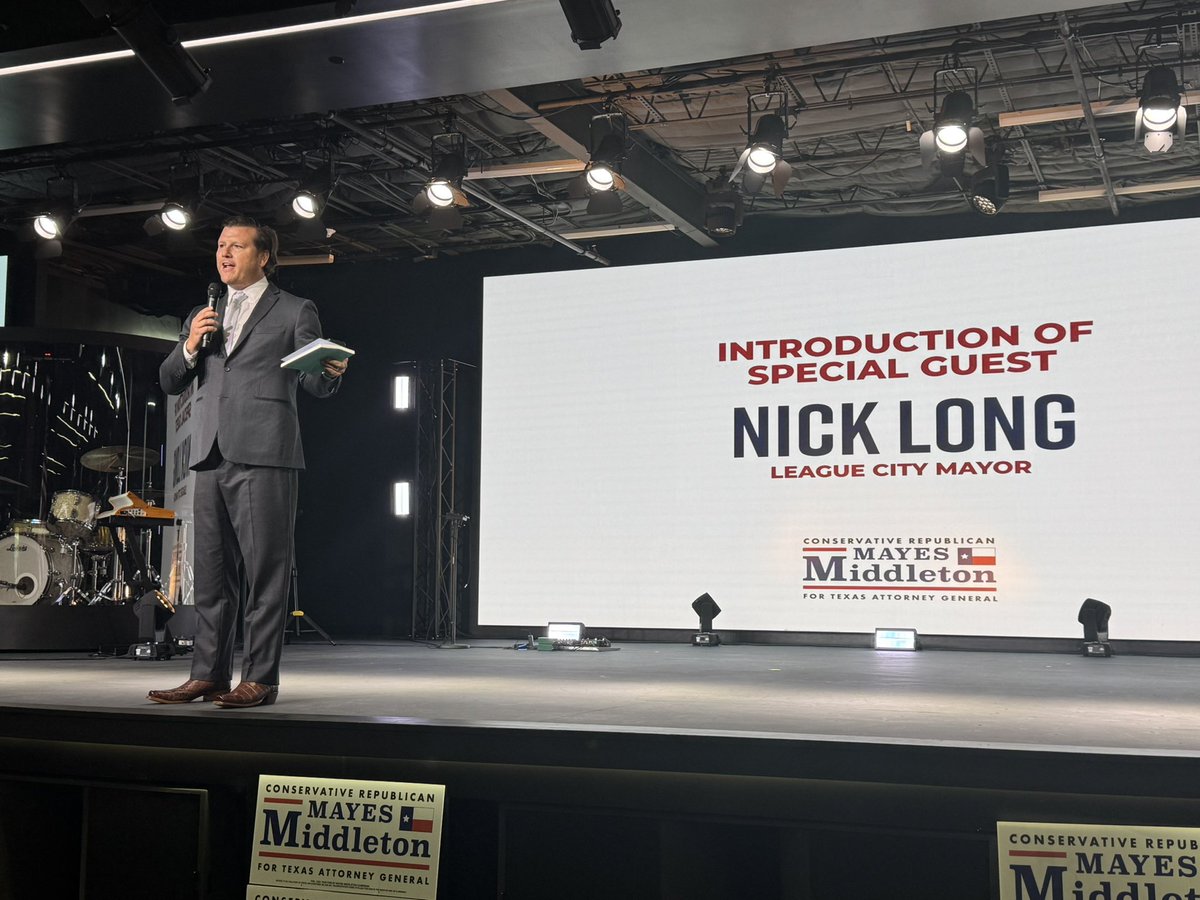
It was an honor to introduce Trump advisor Alex Bruesewitz at the Mayes Middleton rally in League City.
A great crowd came out to support @mayes_middleton and make the final push to make him our next Attorney General.
3
3
16
714
May 21
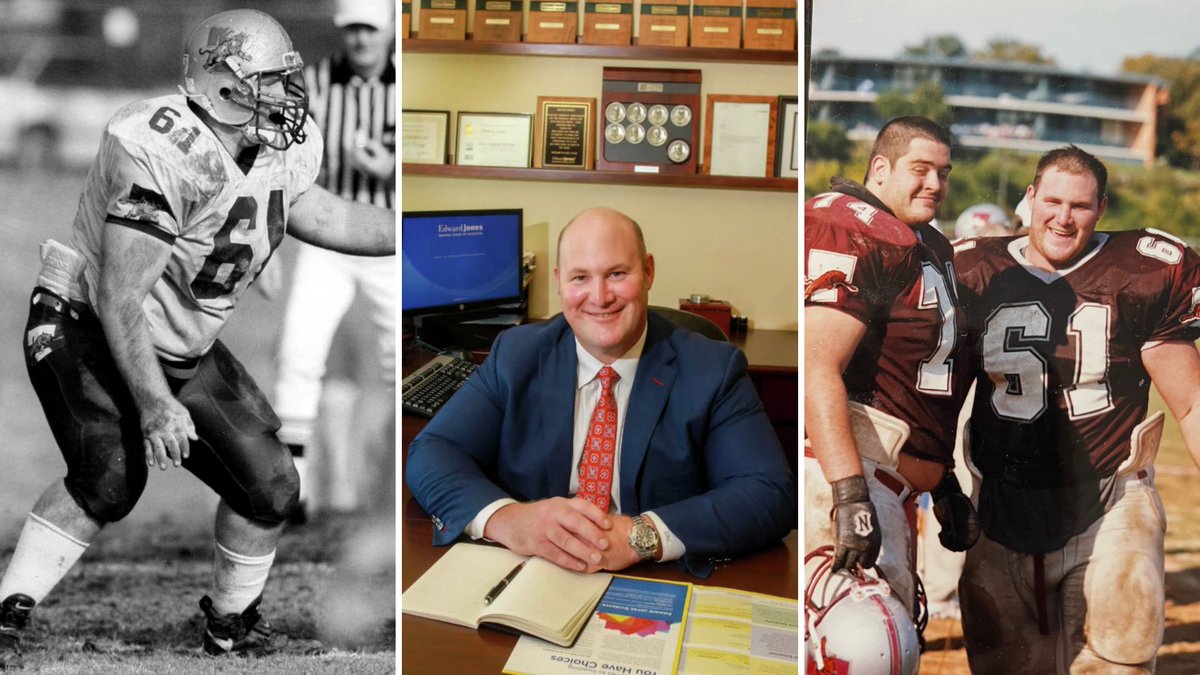
Great guy and even better neighbor. Congratulations David!
May 21

David Coney ’00 will be inducted into the Trinity University Athletics Hall of Fame this fall after a standout college career that included four SCAC championships, multiple All-America honors, and time as principal bassist in the Trinity University Symphony Orchestra. pulse.ly/buffhhs9fe
105
May 21
Please join me Friday at 6PM in League City for a Republican Get Out The Vote Rally ahead of the Tuesday, May 26th runoff election.
Special guest Alex Bruesewitz — top Trump advisor and conservative strategist — will be there with us as we rally support to keep Texas strong and conservative.
📍 CityMark Church
231 W Main St, League City
🕦 Friday 5/22, 6:00pm CT
I hope you’ll come out, bring friends, and help us finish strong to win this race for Texas Attorney General.
1
61
May 20
Congratulations to Victory Lakes Intermediate and my wife Kari and my alma mater, Clear Creek High School, for earning back-to-back @ClearCreekISD Challenger’s Cup honors. A tremendous accomplishment and something the entire community can be proud of.
1
3
366
Mayor Nick Long retweeted

May 18
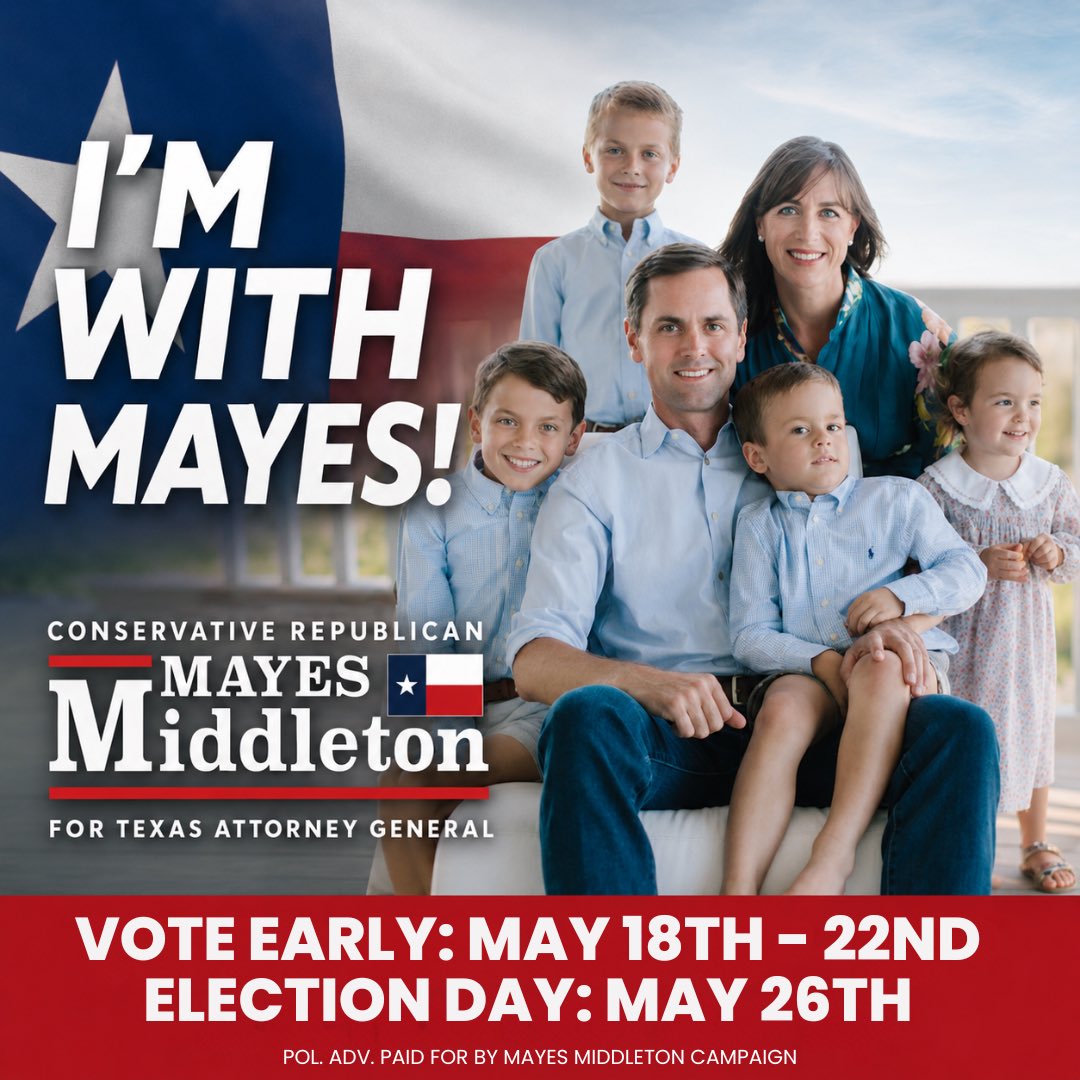
Join me in early voting this week for Mayes Middleton. I served in the House and Senate and saw firsthand the hard work he does to protect the constitution and Texans. #VoteMayes @mayes_middleton
17
15
60
1,205
May 10
Happy Mother’s Day to all moms.
I’m grateful for my mom, Lisa, and my wife, Kari.
Thank you to both, and all mothers today.
46
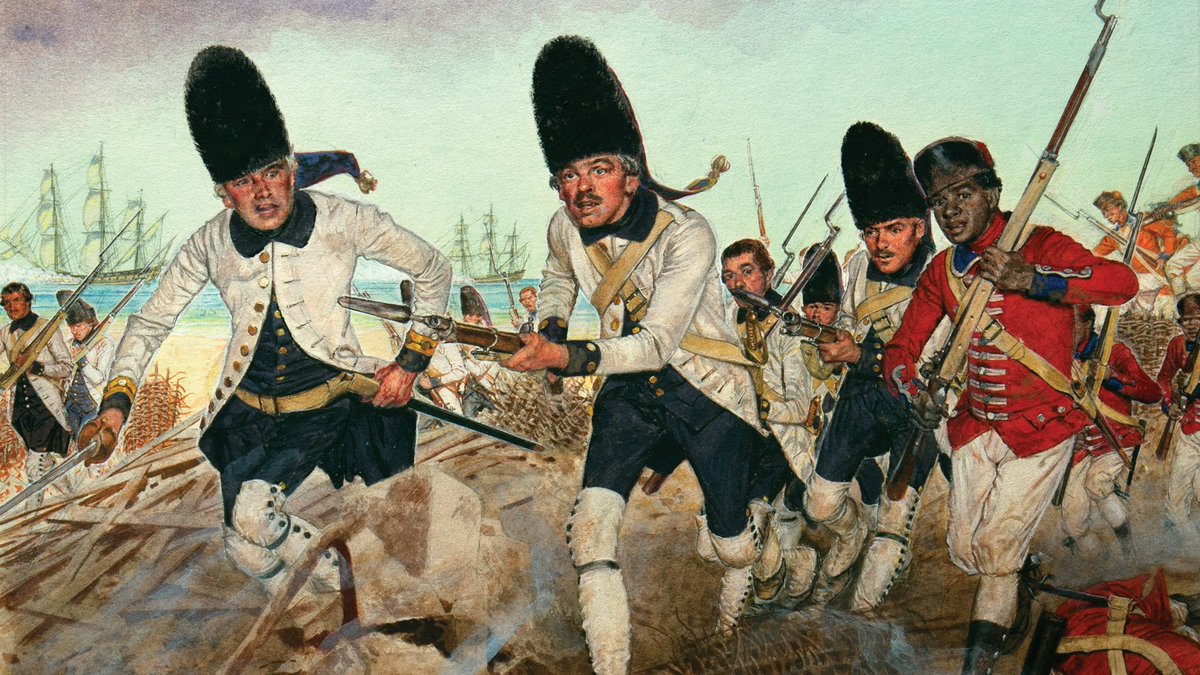
I never knew about the Battle of Pensacola.
May 7

Everyone knows the American Revolution was won at Yorktown.
Almost nobody knows it was also won in Florida, by Spain.
On May 6, 1781, the Siege of Pensacola was in its final, brutal week. For two months, a Spanish army under a 34-year-old general named Bernardo de Gálvez had been grinding down the British capital of West Florida.
Gálvez wasn't just any commander. He was the Governor of Spanish Louisiana, and when Spain entered the war as an American ally in 1779, he immediately went on the offensive. By the time he reached Pensacola, he'd already captured Baton Rouge, Natchez, and Mobile.
Pensacola was the prize. The last major British stronghold on the Gulf Coast, defended by 1,100 troops behind serious fortifications.
Then, on May 8, two days after this date, Spanish artillery scored a hit on the British powder magazine at the Queen's Redoubt. The explosion killed nearly 100 defenders instantly. The British surrendered the same day.
Why does this matter for America?
Because Gálvez's campaign tied down thousands of British troops, ships, and supplies that could have crushed Washington's army. He kept the Mississippi open for American supply lines. He drained the British war machine in a theater Americans couldn't reach.
When the British finally surrendered at Yorktown five months later, it was partly because they had nothing left to give.
Galveston, Texas is named after him. So is a county in Texas. There's a statue of him in Washington, D.C.
But ask the average American who Bernardo de Gálvez was, and you'll get a blank stare.
1
43
Apr 23
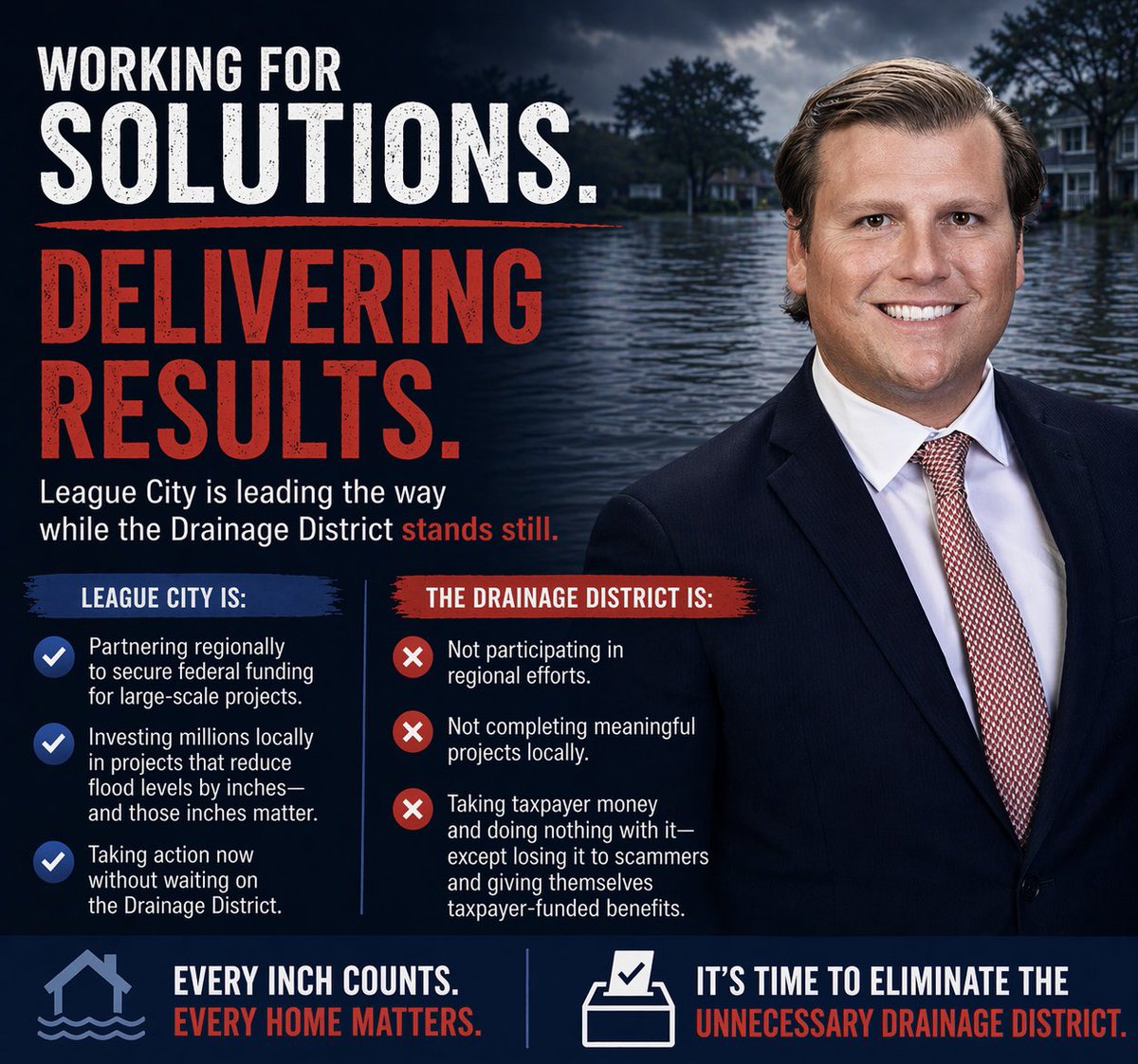
League City has been working with Galveston County and multiple partners around the region on securing federal funding for large scale regional projects. We have also completed millions of dollars in projects locally that will directly lead to inches of decreased water levels during flooding events.
You know who hasn’t participated in these regional efforts, while also not completing any meaningful projects locally - the Galveston County Consolidated Drainage District. They are taking hard-earned money from taxpayers and literally doing nothing with it, except losing it to scammers and giving themselves taxpayer funded health insurance.
Now the Drainage District claims that reducing flood levels by inches doesn’t matter. Tell that to the person who got two inches of water in their house during Harvey, it matters to them. League City and our partners are working towards larger and more impactful projects, something the Drainage District refuses to participate in, but we aren’t waiting on that money. We are doing what we can locally to make a difference.
It’s time to eliminate the unnecessary Drainage District. Vote for Kevin Holland and Jim Gibson.
59
Apr 22
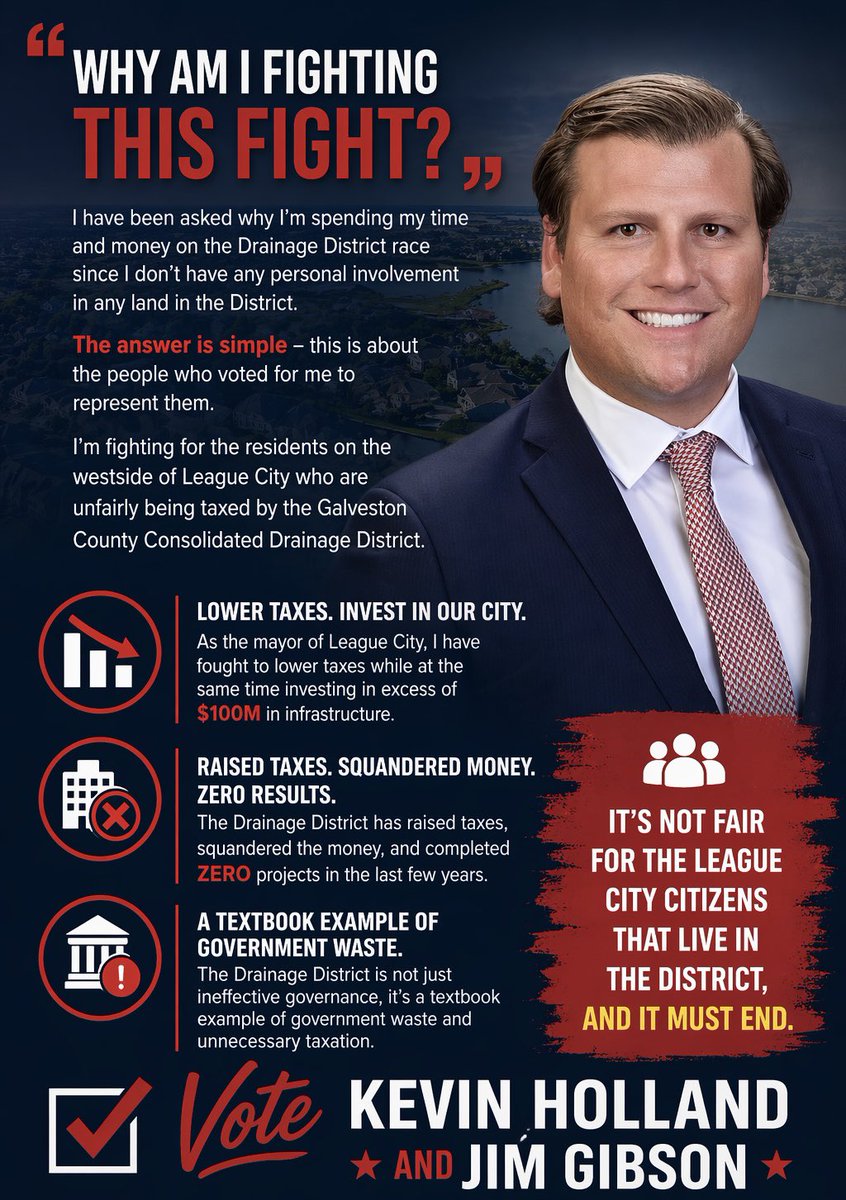
I have been asked why I’m spending my time and money on the Drainage District race since I don’t have any personal involvement in any land in the District.
The answer is simple - this is about the people who voted for me to represent them. I’m fighting for the residents on the westside of League City who are unfairly being taxed by the Galveston County Consolidated Drainage District.
As the mayor of League City, I have fought to lower taxes while at the same time investing in excess of a $100m in infrastructure. The Drainage District has raised taxes, squandered the money, and completed ZERO projects in the last few years.
The Drainage District is not just ineffective governance, it’s a textbook example of government waste and unnecessary taxation.
It’s not fair for the League City citizens that live in District, and it must end.
Vote Kevin Holland and Jim Gibson!
4
116
Apr 22
Amazing donation from the Dell family. Interested to see what this investment returns over the next 20 years
Apr 21

I started @DellTech from a dorm room @UTAustin, and it shaped everything that followed. Building Dell showed me what’s possible when a company grows alongside a top-tier research university in a city that fuels new ideas.
For more than 25 years, Susan and I have partnered with UT on nearly 200 projects to expand educational opportunity, advance research, reinvent medical education, and strengthen life in Austin. Today, we’re making a new commitment to help build what comes next in health and life sciences — bringing our total giving to UT to more than $1 billion.
We’re excited about what this will make possible for people in Austin, across Texas, and far beyond for generations to come. 🤘
onedell.com/utaustin/
1
2
309
Apr 19
Spent the day blockwalking in Westland Ranch with my sons, talking to neighbors about the Drainage District election.
Here’s the bottom line: this district is an unnecessary tax that delivers little to no value.
If you want it gone, vote for Kevin Holland and Jim Gibson—they’re committed to abolishing it.
As Mayor of League City, I’ll keep fighting for taxpayers. That means calling out waste and working to eliminate it—like a drainage district spending $7 million a year just to mow ditches.
1
1
97
Apr 18
We recently had the pleasure of hosting the Clear Springs Mayor’s Advisory Council at City Hall. This group of civic-minded teens delivered thoughtful presentations on how the City can better engage young people in our community.
Partnerships like this are essential to inspiring a strong sense of civic responsibility in the next generation. As we move forward, I would love to see this effort grow to include students from all area high schools, ensuring even more youth have a voice in shaping our community’s future.
33