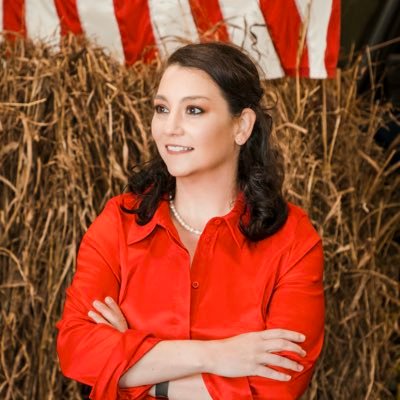
Colleen McCarty is a lifelong Tulsan, a prosecutor-trained attorney, a devoted wife and mother, and a proven fiscal conservative who believes in Tulsa.
Joined January 2026
- Tweets 37
- Following 94
- Followers 39
- Likes 27
13 Photos and videos
McCartyforTulsaDA retweeted

Did you know when a new District Attorney wins they have the ability to request a state audit of the DAs office?
It’s beginning to make sense why there is so much pushback on getting a new DA for Tulsa… Vote McCarty June 16
❤️🤍💙🇺🇸🔥
1
2
12
329

RT @LinchCharity: Darren Blanchard came to a city council meeting to speak against a data center coming to his community. He went over the…
17
McCartyforTulsaDA retweeted

Oklahoma lawmakers sue over Glossip records request A current and former state lawmaker @JJ_Humphrey & claim Tulsa County District Attorney Steve Kunzweiler withheld records tied to Richard Glossip’s death penalty clemency proceedings newson6.com/tulsa-oklahoma-n…
1
1
1
184
Do Tulsans think it’s ok that your elected DA colluded with DAs across the state to ensure an innocent man was executed? And now won’t release the records? @tulsatoday tulsatoday.com/2026/05/14/hu…
1
1
2
467
There’s a reason Steve Kunzweiler doesn’t want to talk about his record of prosecuting crime. His refusal to hold people accountable are the reason our community and our officers are unsafe. Vote McCarty for DA June 16 and support @TotalNewsTulsa #tulsa #crime
7
1
5
1,665
McCartyforTulsaDA retweeted

May 2
JJ explains his endorsement for Colleen McCarty, and how this isn't a democrat or republican issue, this is about helping kids who have been molested and protecting the citizens of Tulsa from the current corrupt DA
15
12
31
1,261

My opponent says I will be soft on crime while he is, in fact, the definition of soft on crime.
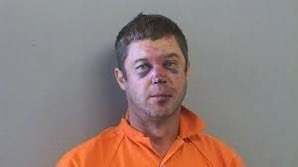
He says public safety depends on his experience. Well, this—the Elliott Binney case—is his experience at work. Experience doesn’t matter when it delivers atrocious results.
Apr 28

This is going to be a little different than my normal stories I report on. Because it hits home, so please excuse my passion and anger.
In 2024, in Bixby, Shelby Binney’s life ended on a road she should have been safe on.
That night didn’t come out of nowhere. It was the result of a chain of decisions that never should have been made, starting with her father, Elliot Binney, getting behind the wheel intoxicated. He had just picked her up from cheer practice, with his wife and other children still in the car, while heavy rain poured down and visibility dropped to almost nothing.
And even in those conditions, he kept going.
At some point during that drive, while arguing with his wife and drinking straight from a bottle of vodka, he chose to pass traffic at high speeds on a rural road where passing wasn’t allowed. When the car hit standing water, he lost control. The vehicle rolled, and Shelby was ejected.
I don’t know if she died instantly, and as a mother, I pray that she did. The alternative is something I don’t even want to fully put into words. The thought of her lying there in the rain while the person who was supposed to protect her made the decision to run is something that will sit heavy with anyone who has ever loved a child.
Because he didn’t stay. He didn’t try to help. He left his injured family behind in that wrecked vehicle, and he left his daughter in the road.
He ran.
He made it to a family member’s house, took another vehicle, and was later found hours away from Bixby.
This wasn’t some isolated mistake that came out of nowhere. It was the result of behavior that had already shown itself before, except this time the outcome was irreversible.
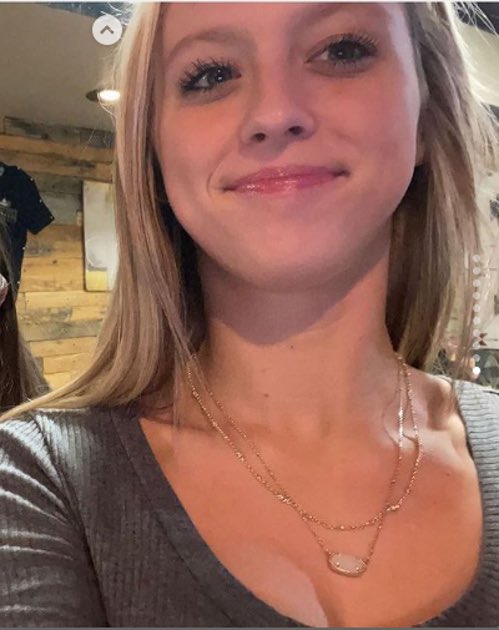
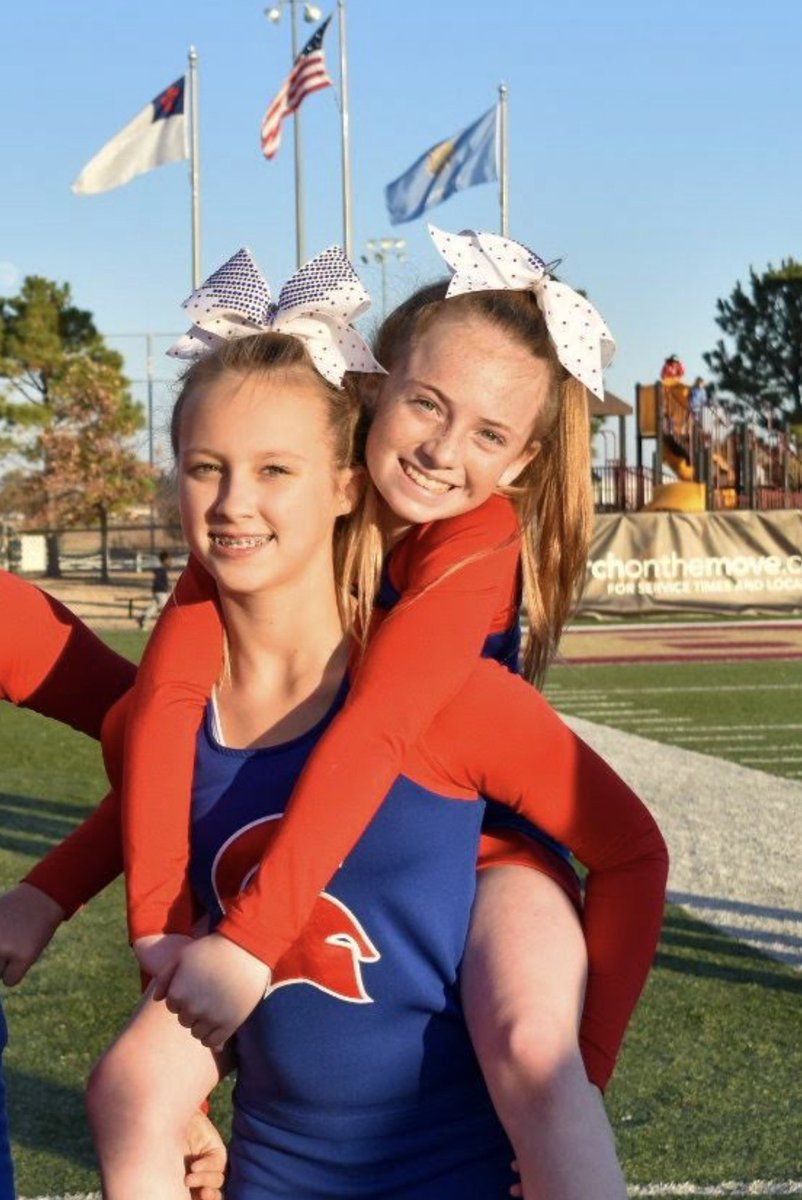
Shelby wasn’t just a name in a report to me. She was part of our lives. She was my daughter’s friend when they were younger, and I coached her in youth cheer. Even as they grew up and went their own directions, Shelby was always spoken about with warmth. She was loved by our community.
Now she’s gone because of decisions that should have been stopped long before that night.
Elliot Binney was charged with first-degree manslaughter, leaving the scene of a fatal crash, two counts of child neglect, reckless driving, transporting an open container, and driving left of center. On top of that, there’s a documented history of reckless driving charges that were repeatedly dismissed.
It was overlooked over and over again. At some point, that’s negligence.
Yesterday, he was offered a plea deal that includes five years in custody, five years of probation, and a judicial review after just two years.
When you read that against what happened that night, it isn’t ok.
A child is dead, and a family is shattered. And we’re already talking about when he might be reviewed for release.
So the question isn’t just about one case. It’s about what this says on a larger scale for our county.
Why does someone with a clear pattern of dangerous behavior get handled this lightly after it escalates to a death?
Why is Tulsa County District Attorney Steve Kunzweiler comfortable signing off on a deal that leaves room for early review in a case like this?
And if, or when, that door opens again, and history repeats itself, who is held accountable for that decision?
Because it won’t be the one who made the deal.
Tulsa, this is where local decisions are so important. These aren’t abstract policies. They are real choices, made by real people, with real consequences.
Kunzweiler is up for re-election, and I’m not sure he deserves it.
If this case doesn’t sit right with you, then don’t let it fade into another story people forget.
1
1
2
199
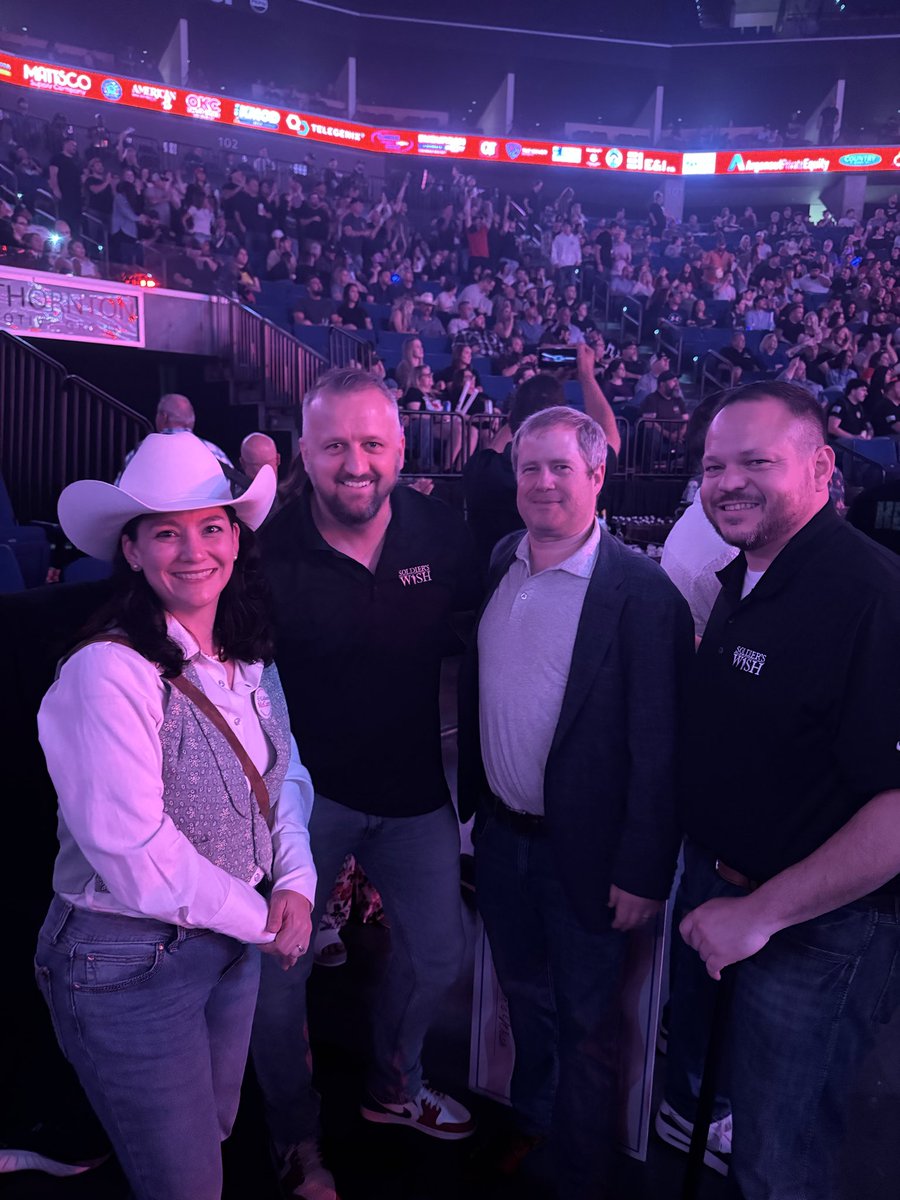
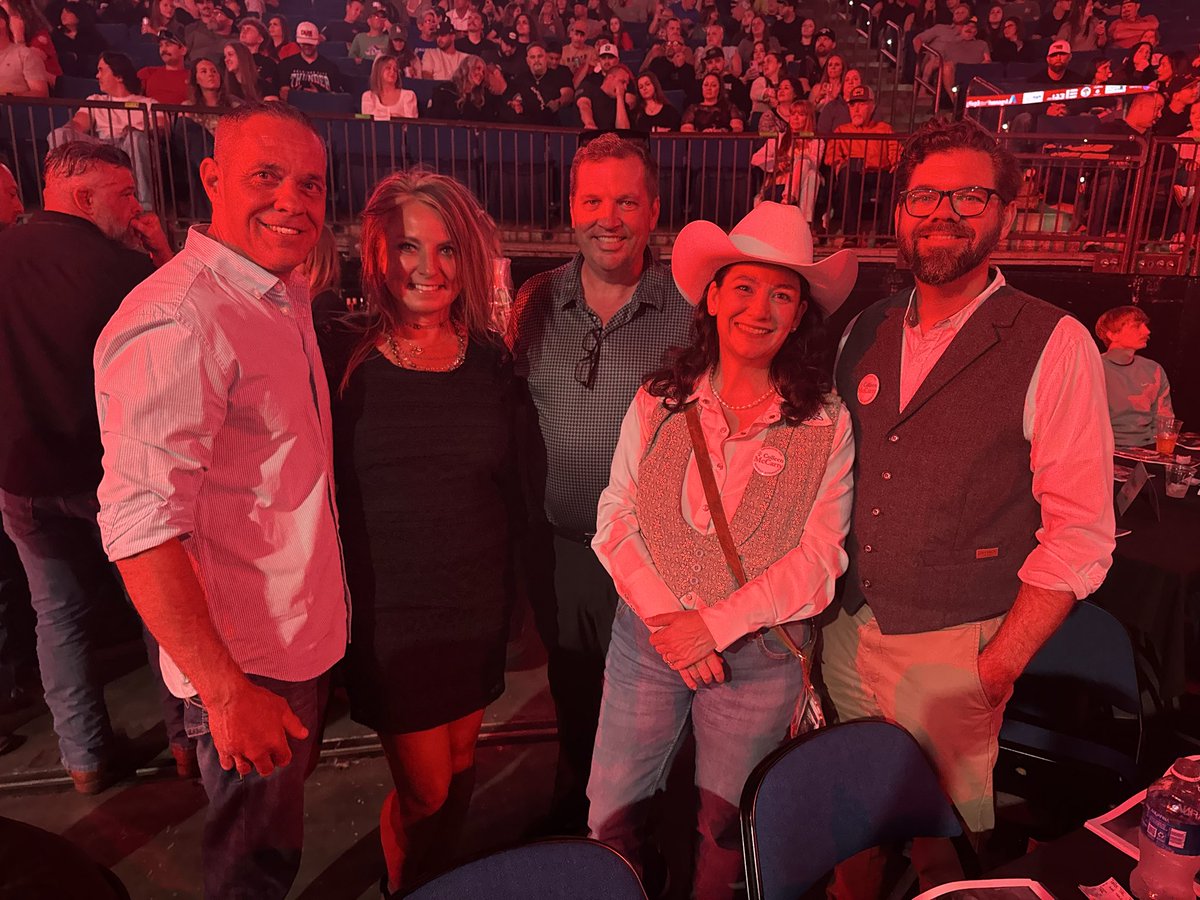
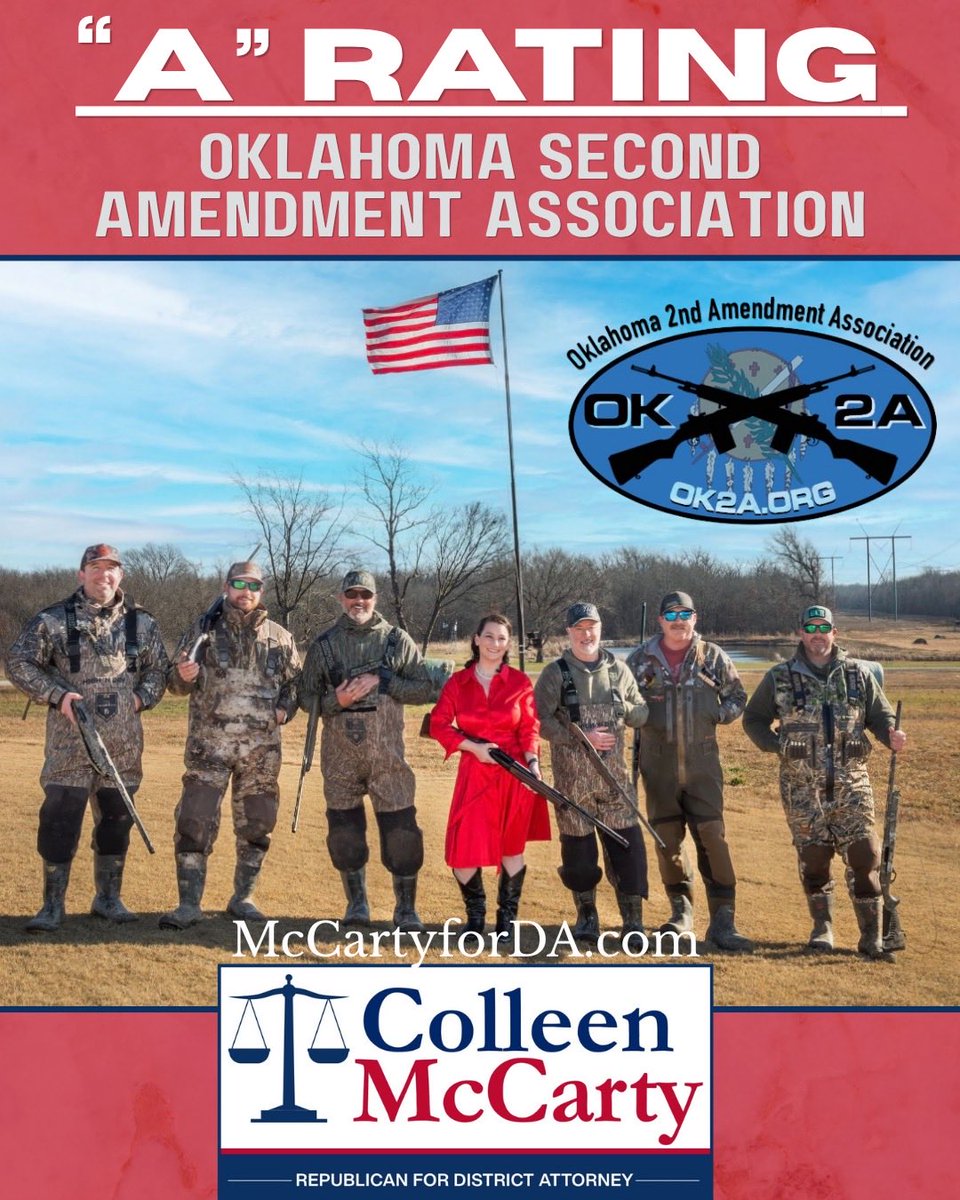
Honored to earn the “A” Rating from @ok2a in the race for Tulsa County DA. I’m the only candidate in the race who is openly committed to the 2nd Amendment. #2A #tulsa #tulsacountyda #votejune16
3
153
McCartyforTulsaDA retweeted

Feb 25
Video: In Depth: Colleen McCarty discusses campaign for district attorney youtu.be/4b9I1WXtts0?si=WaC6… via @YouTube
VOTE OUT STEVE KUNZWEILER
2
208
“Why did you get into this race?” Short answer: No one else was going to. And in my family, we stand up to bullies—even if we stand alone. #mccartyforda
1
150
I took the time to complete @ballotpedia's Candidate Connection survey to share my vision and goals. You'll be able to see the responses on my profile soon.
2
57
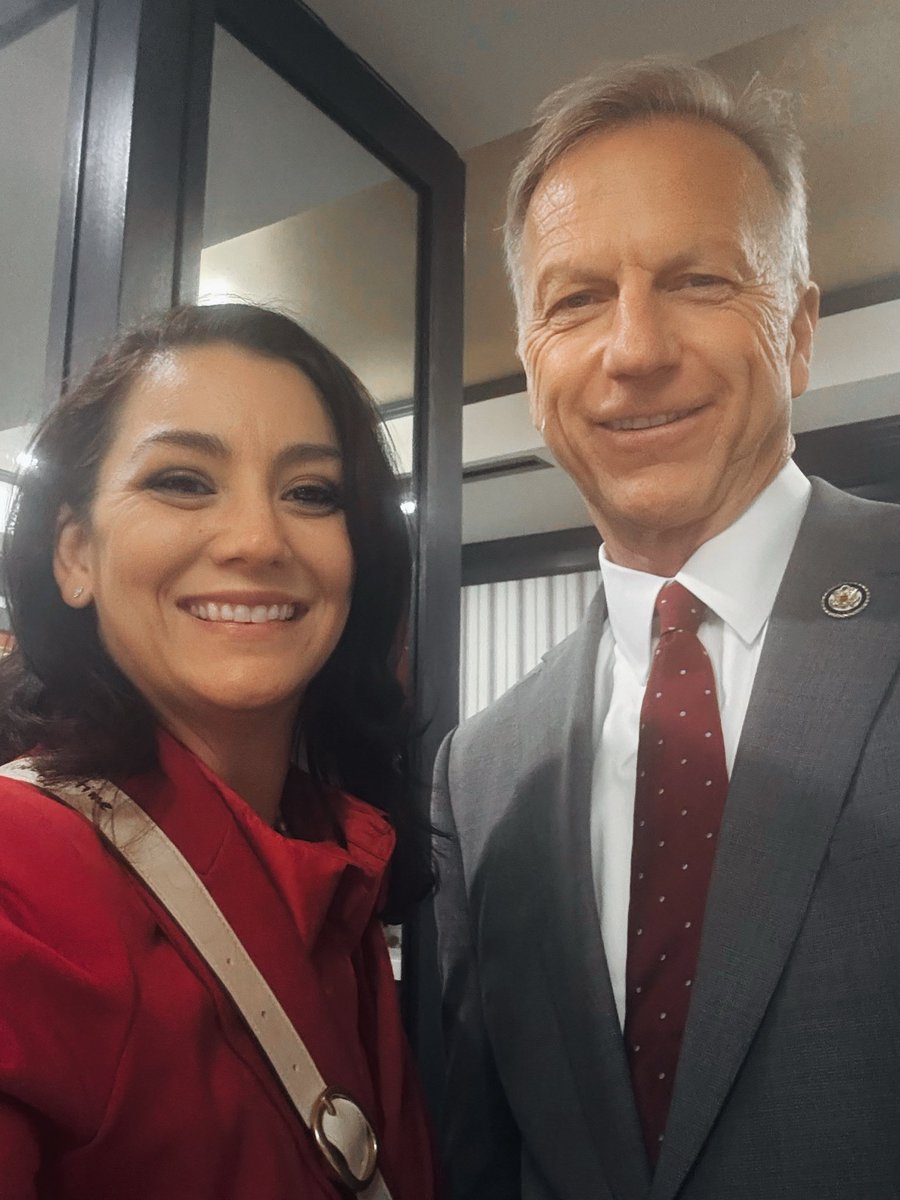
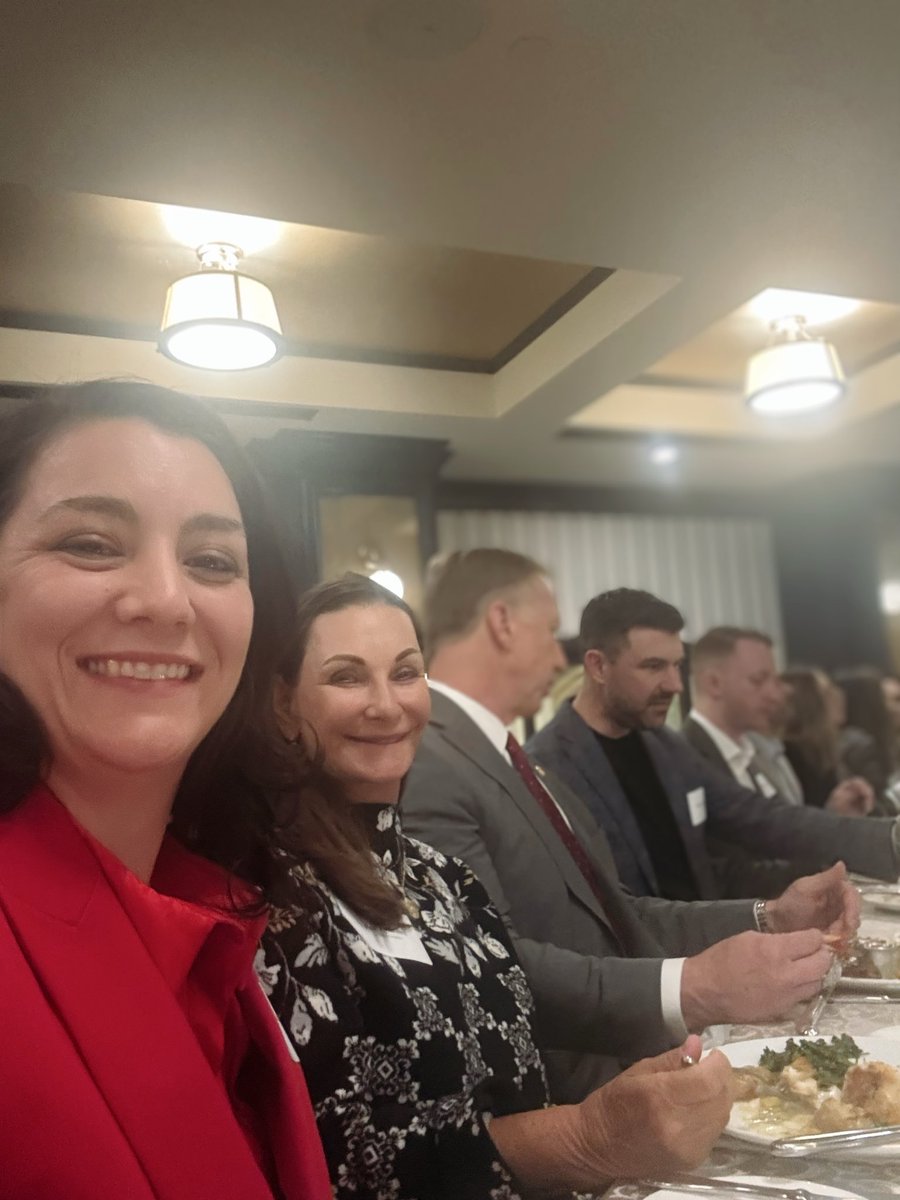
Candidate McCarty had a wonderful evening in Washington, DC supporting @krhern for US Senate. It is important now more than ever that we have strong leaders in DC who can keep Oklahoma safe and prosperous. #tulsaok #votejune16th #mccartyforda #oktodc #tulsa
2
85
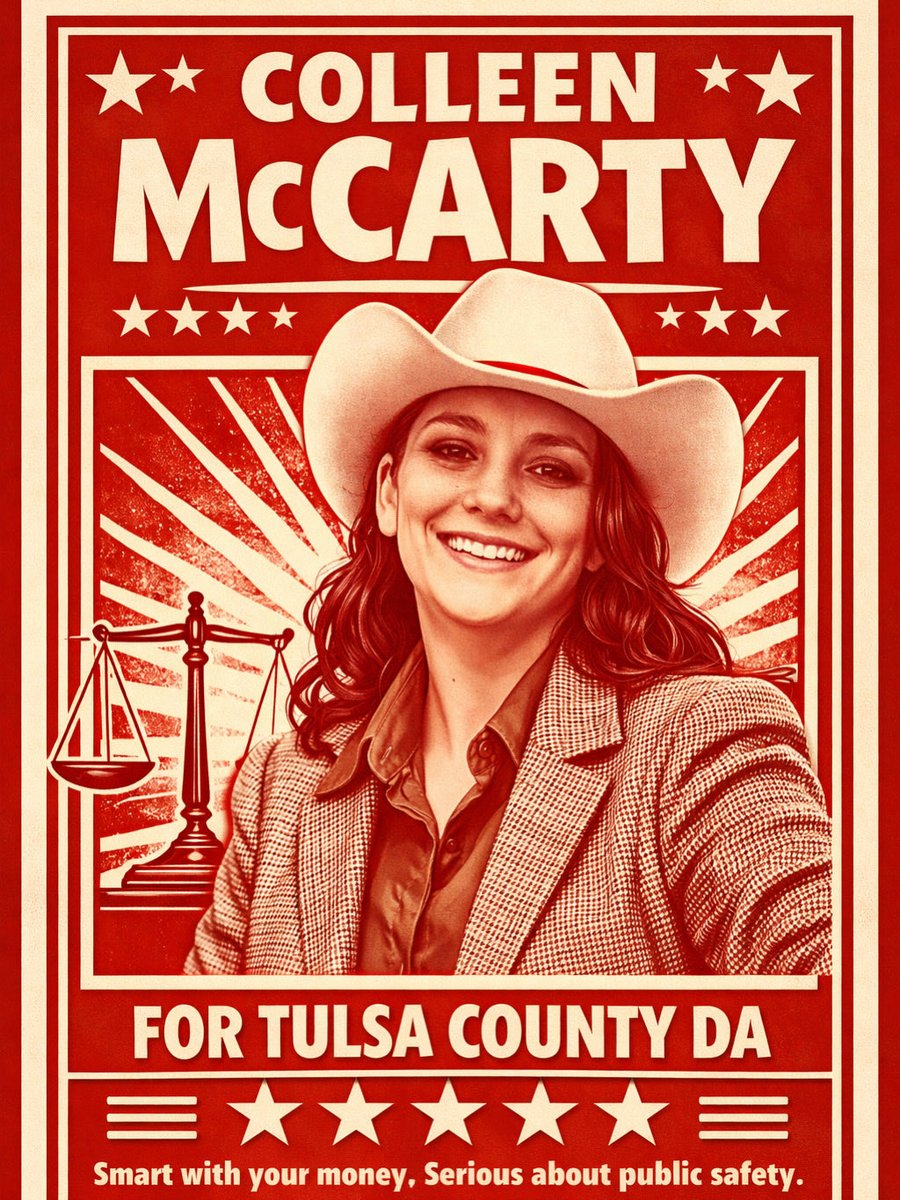
There was a time when justice was simple: tell the truth, do the right thing, and stand up for your community.
Colleen McCarty will be smart with your money and serious about public safety. #mccartyforda #votejune16th #tulsaok #justice #gofightwin
1
1
1
106
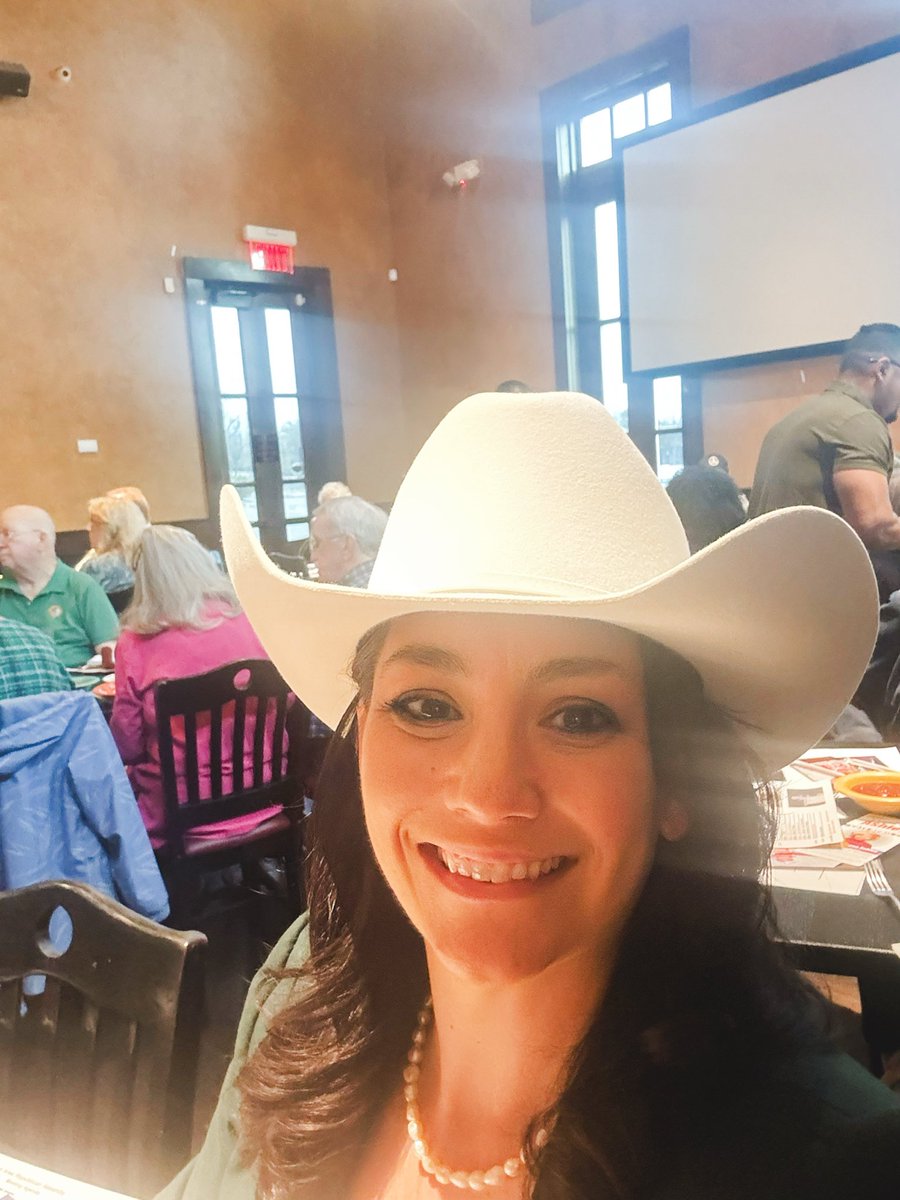
Tonight it was great for Colleen to spend the evening with engaged republicans at TARA. We have so many engaged voters here in Tulsa county. On June 16th, Tulsa can choose public safety, cost savings, and transparency by voting McCarty. #tulsaok #mccartyforda #votejune16th
2
87
“McCarty presents a damning indictment of the current DA’s office, which she characterizes as rife with corruption, misconduct, and a toxic culture.”
arnett.substack.com/p/collee…
#tulsaok #tulsadarace #mccartyforda #votejune16 #tulsa
1
1
88
Honored and privileged to have been able to work with @JonEchols Echols for the last several years on bills that have made Oklahoma more free and more safe. He’s a true champion for the people and he’s running to be our next Attorney General. #freedom
1
2
259
Here are the facts:
1. Tulsa County has been imprisoning people for exercising their 2nd Amendment rights.
2. Tulsa is number one in the state for domestic violence. Oklahoma is number one in the United States for domestic violence.
1
2
83
3. Violent criminals are running free, and OK’s violent crime rates are 17.7% higher than the nat’l average.
We need to drain the corrupt swamp in Tulsa county. You can read more about these issues in today’s story:
propublica.org/article/oklah…
57