
Tracking and analyzing media trends to uncover and expose legacy media's biased reporting, ensuring transparency & accountability in the information you consume
Joined April 2022
- Tweets 2,709
- Following 0
- Followers 20,983
- Likes 599
1,865 Photos and videos
Pinned Tweet
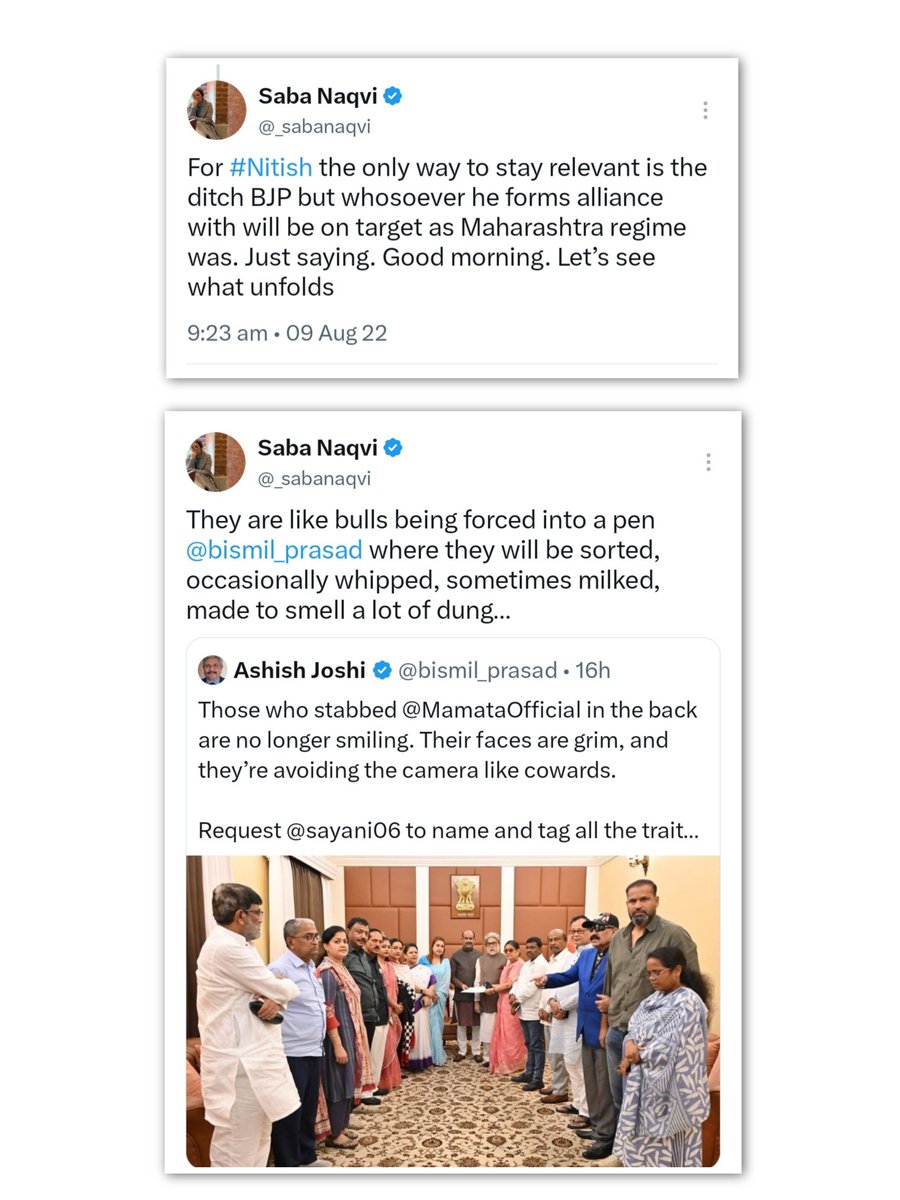
From 'Leave BJP' to 'How Dare You Leave Mamata' - Hypocrisy has a new poster girl....
A few years ago, Saba Naqvi was practically pleading with Nitish Kumar to ditch the @BJP4India , arguing that staying with it would make him irrelevant.
Today, the same @_sabanaqvi is abusing and mocking TMC rebels for daring to ditch Mamata Banerjee.
What changed?
Nothing, except the political convenience of her ecosystem.
Back then, defections were a sign of political wisdom if they weakened the NDA. Today, defections are betrayal because they weaken Mamata Banerjee, the same leader the ecosystem once projected as the great hope against @narendramodi
The real tragedy isn't that leaders are leaving @AITCofficial. It's that the carefully crafted fantasy of @MamataOfficial emerging as Modi's challenger is collapsing before their eyes.
When defections hurt BJP, they're called political realignments. When defections hurt Mamata, they're suddenly treated as a moral crime.
The hypocrisy is as breathtaking as it is predictable.
11
28
659

Jun 11
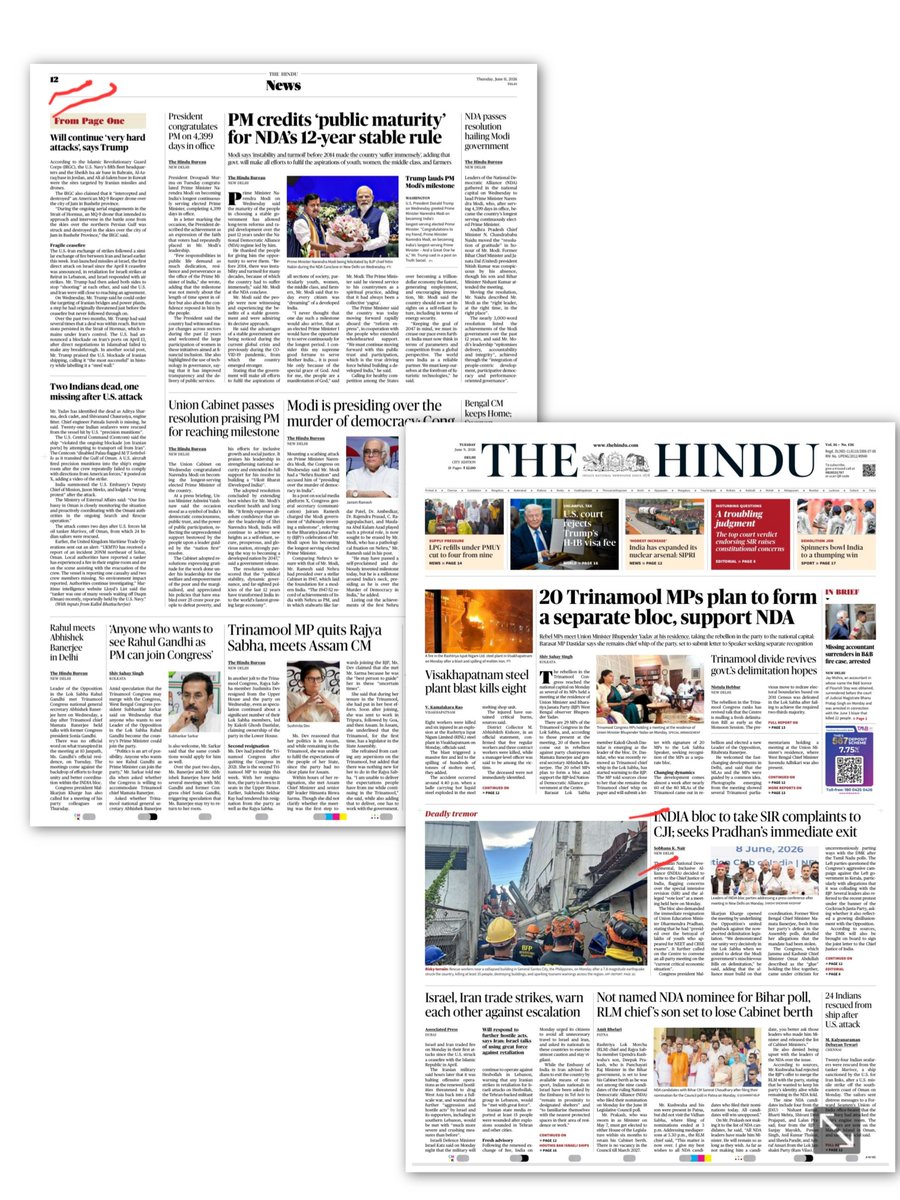
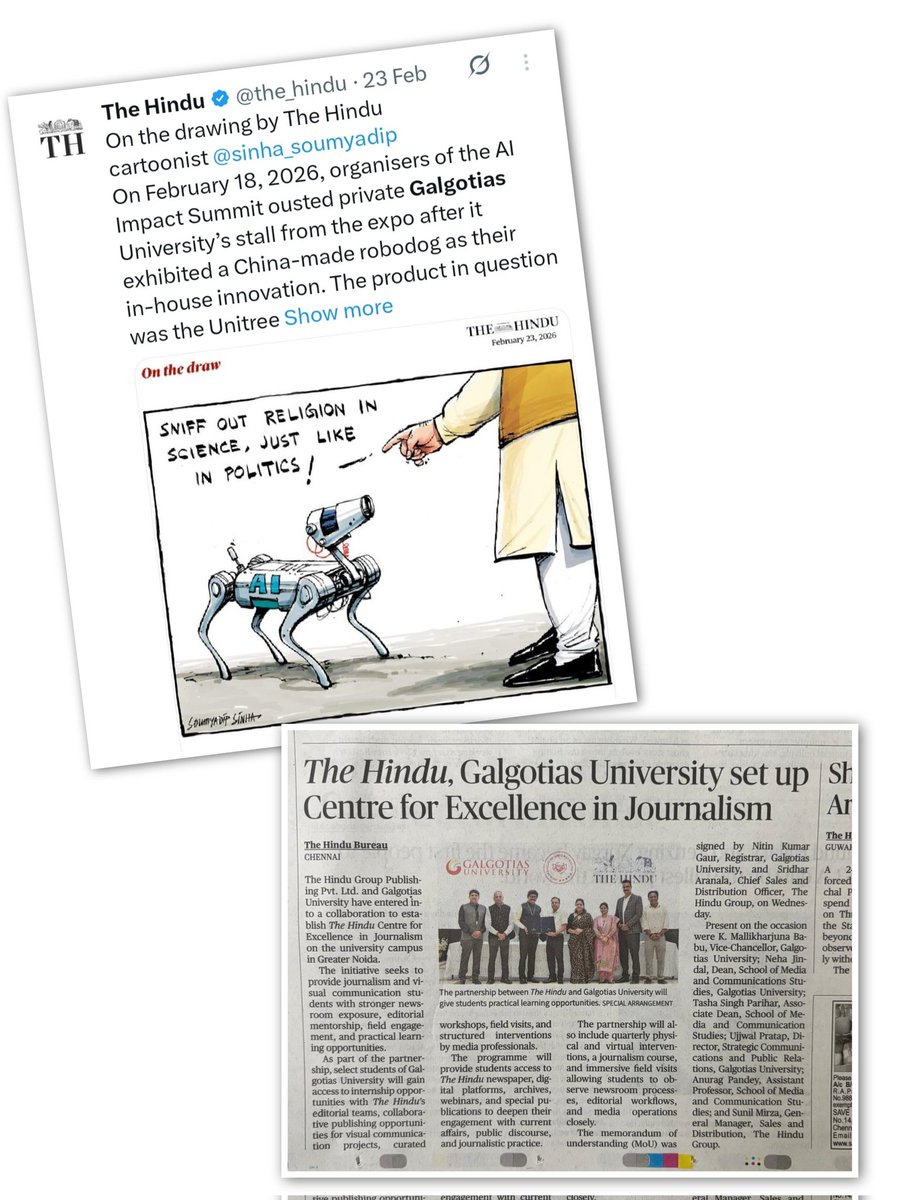
Some Milestones Are Apparently Too Big for The Hindu's Front Page 📰
The contrast is impossible to miss...
On June 9, an INDIA bloc meeting was deemed worthy of the front page.
On June 12, PM @narendramodi becoming India's longest-serving continuously elected Prime Minister - a historic milestone in Indian democracy - was quietly pushed to Page 12.
Notwithstanding the fact that the occasion drew congratulatory messages from leaders across India and the world, including Donald Trump, Giorgia Meloni, Anthony Albanese and several global leaders, besides Indian industry stalwarts and public figures
So yes, @the_hindu did report it.
The way one reports something they wish their readers wouldn't pay much attention to.
Because for some newsrooms, an opposition gathering is apparently bigger news than a democratic milestone that has entered the history books.
Editorial bias isn't always about publishing falsehoods.
Sometimes it's about deciding what deserves a headline - and what deserves to be buried inside the paper.
12
15
1,391
Jun 9
Rajdeep's pain of watching his wife's party falling apart like a castle of cards is eye-watering. Rajdeep, you're flat-out wrong and peddling legal illiteracy.
10th Schedule Para 4: No disqualification if 2/3rd of the LEGISLATURE PARTY (MPs, not the whole party) merges. TMC has 28 LS seats. 20 MPs are well over 2/3 (need ~19). If they merge with BJP tomorrow, that's fully legal.
2023 Shiv Sena judgment left the merger clause untouched. Stop misquoting it to save a sinking ship.
Voters crushed TMC. MPs are walking away from Mamata. Read the damn Constitution. Your narrative is deader than Mamata's chances of becoming a CM ever again.

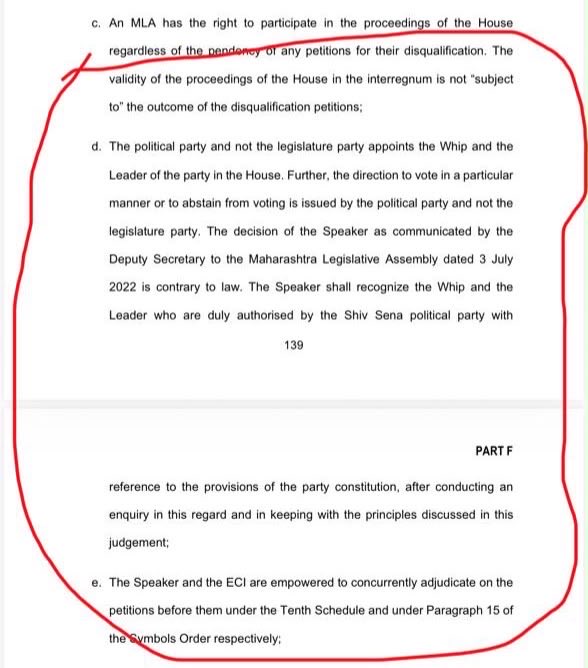
IMPORTANT: Law on splits and defections is clear: Only a merger is possible and for that 2/3rds of the political party has to merge as well. There is no recognition for factions or groups. Subhash Desai vs. Principal Secretary, Governor of Maharashtra (2023) in Shiv Sena case settled this. It was a landmark 5-judge constitution bench verdict. The judgement clearly states that the rights to appoint the Leader of the Legislative Party & the Whip lay solely with the leader of the political party.
Qs: Will TMC breakaway group now merge with BJP and take it closer to 272 mark? Note: NDA is not a political party.
Q: Will LS speaker @ombirlakota and @ECISVEEP follow the case law or not?
Below is operative part of SC judgment (a little reading might help those who write/speak on the issue)
13
204
451
47,186
Jun 7
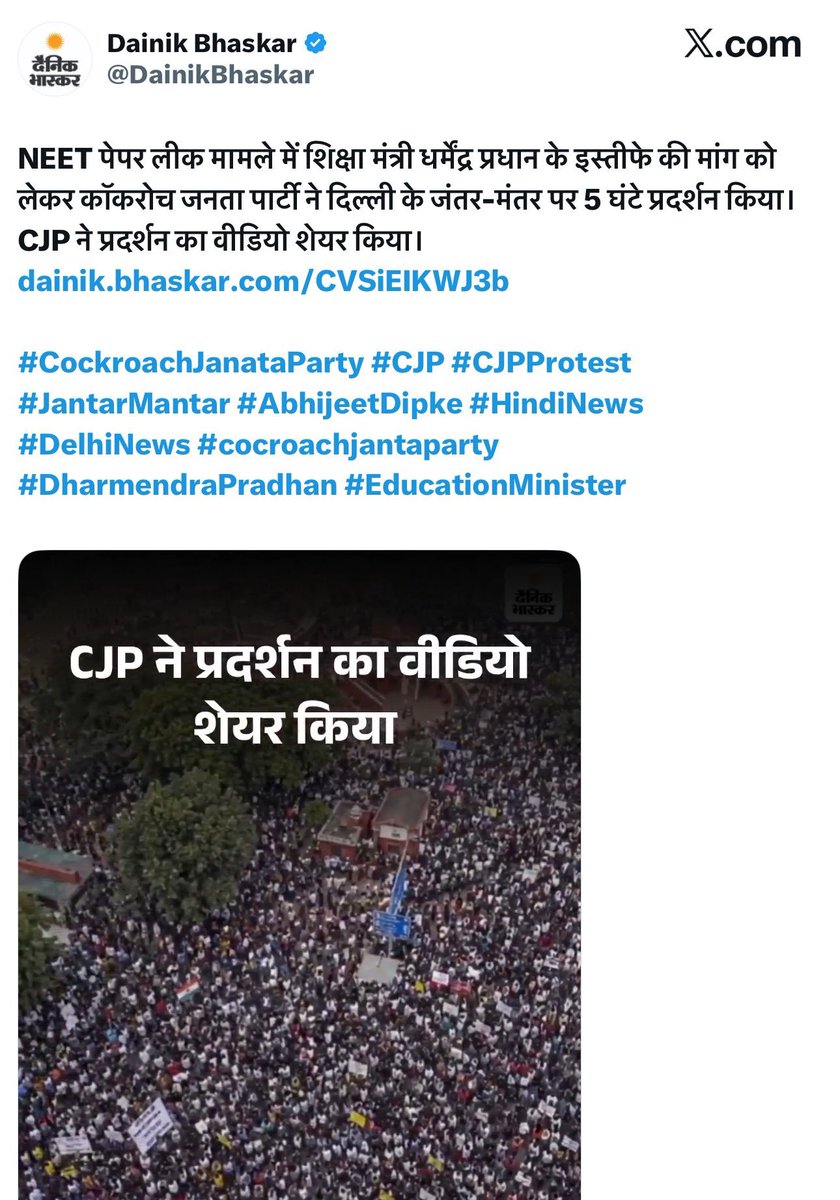
This is the state of so-called mainstream media today.
Dainik Bhaskar posted an AI-generated video made by CJP to show a “huge gathering” at Jantar Mantar yesterday.
After being caught they deleted it.
First, a narrative is manufactured.
Then, AI is used to create the illusion of crowds.
And then media platforms amplify it as if it is reality.
The question is simple:
If the crowd was actually huge, why was an AI video needed?
Journalism is supposed to report facts, not package propaganda.
What we are seeing today is not reporting, it is agenda management with AI tools.
1
64
95
1,030
Jun 7
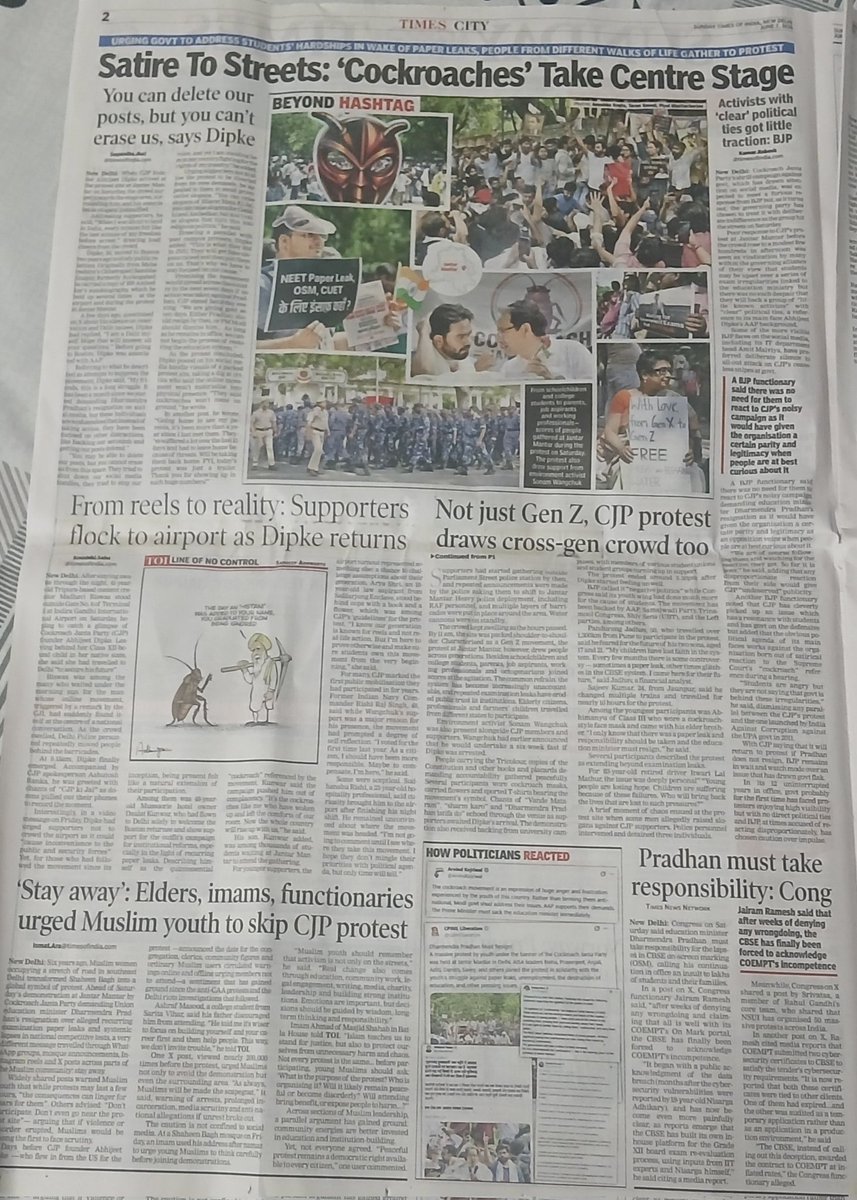
TOI's Full-Page Love Letter to CJP
For a protest whose own ecosystem is admitting drew barely 1,000–1,500 people - including media personnel, security forces and organisers - @timesofindia has devoted an entire page to turning a flop show into a "people's movement."
When a gathering that couldn't generate mass participation receives this level of breathless amplification, it becomes fair to ask:
Is TOI covering the event, or compensating for the crowd?
The protest may have struggled to attract people.
The propaganda, clearly, did not. 🔥
1
30
46
1,647
Jun 6
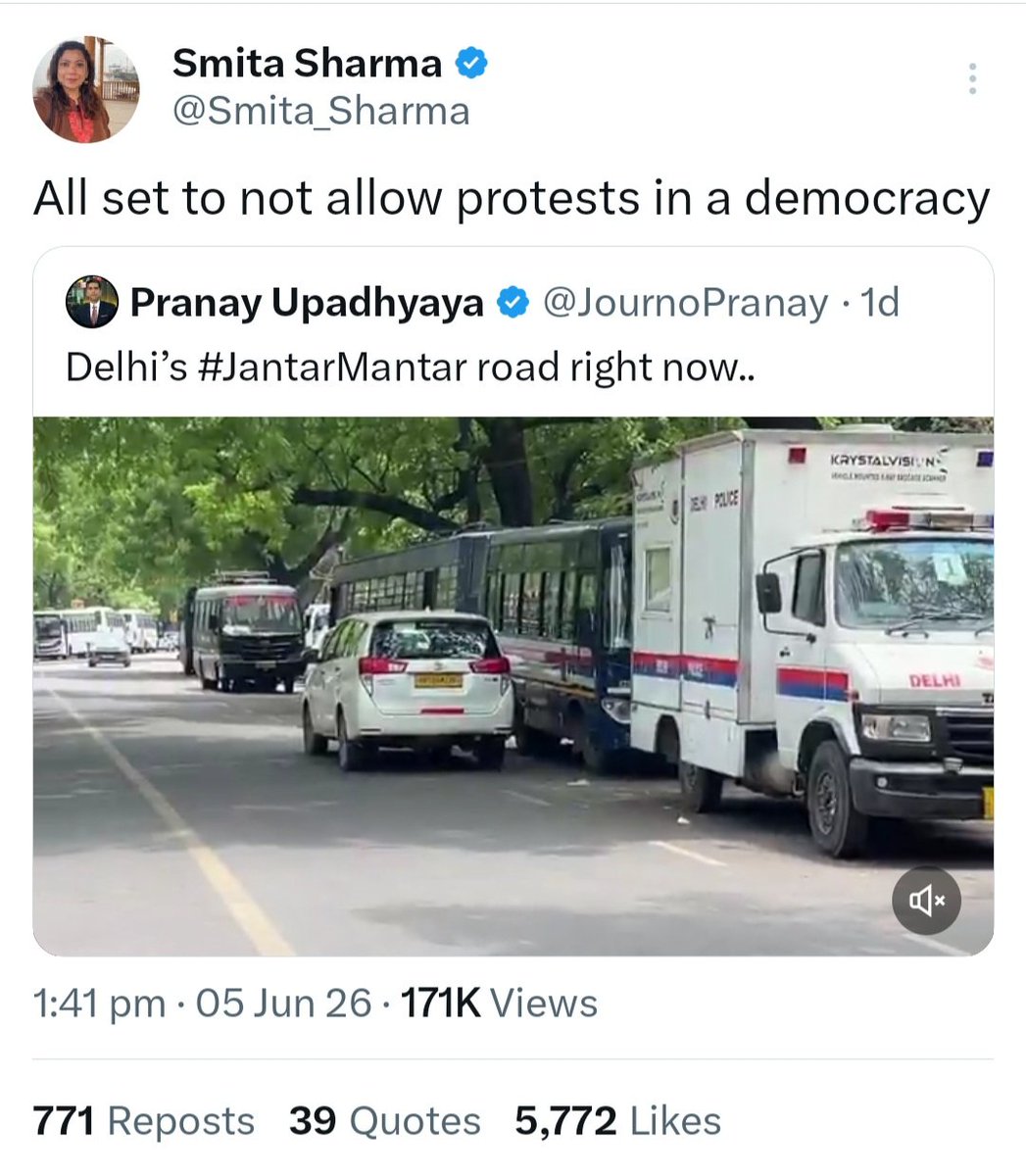
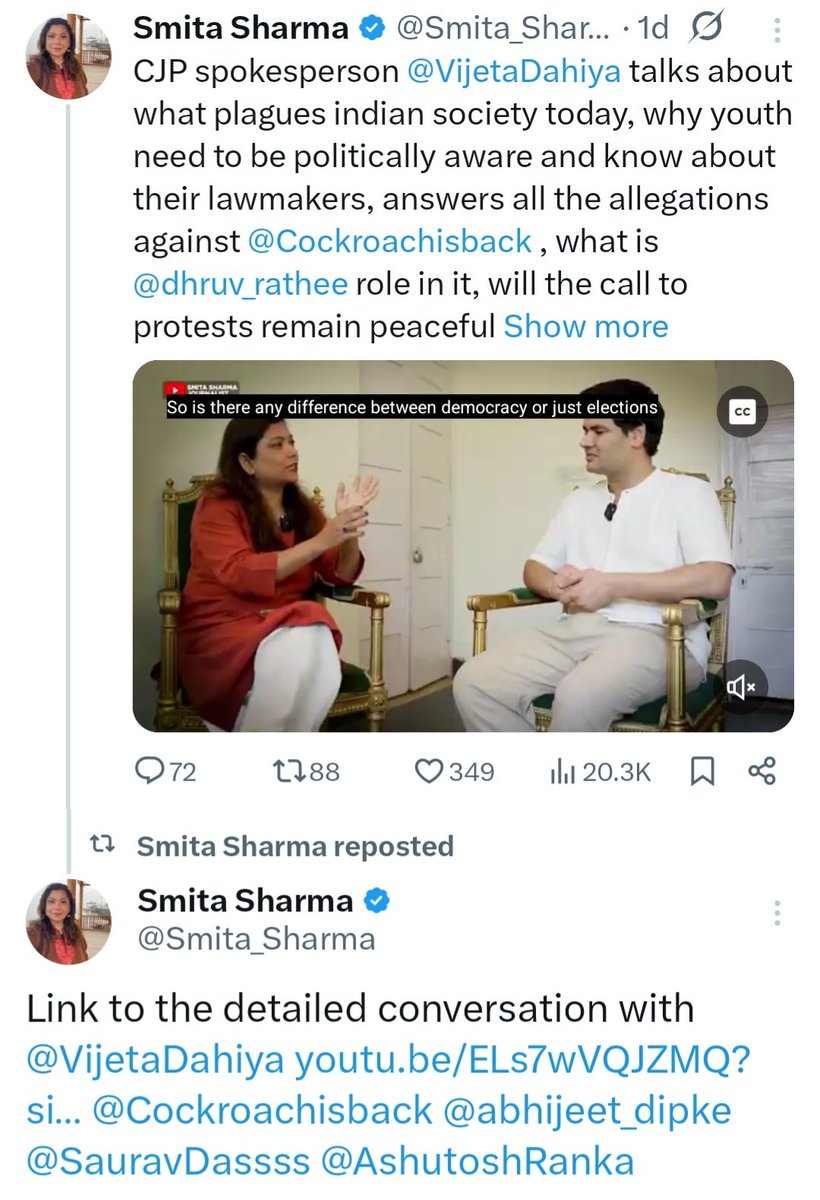
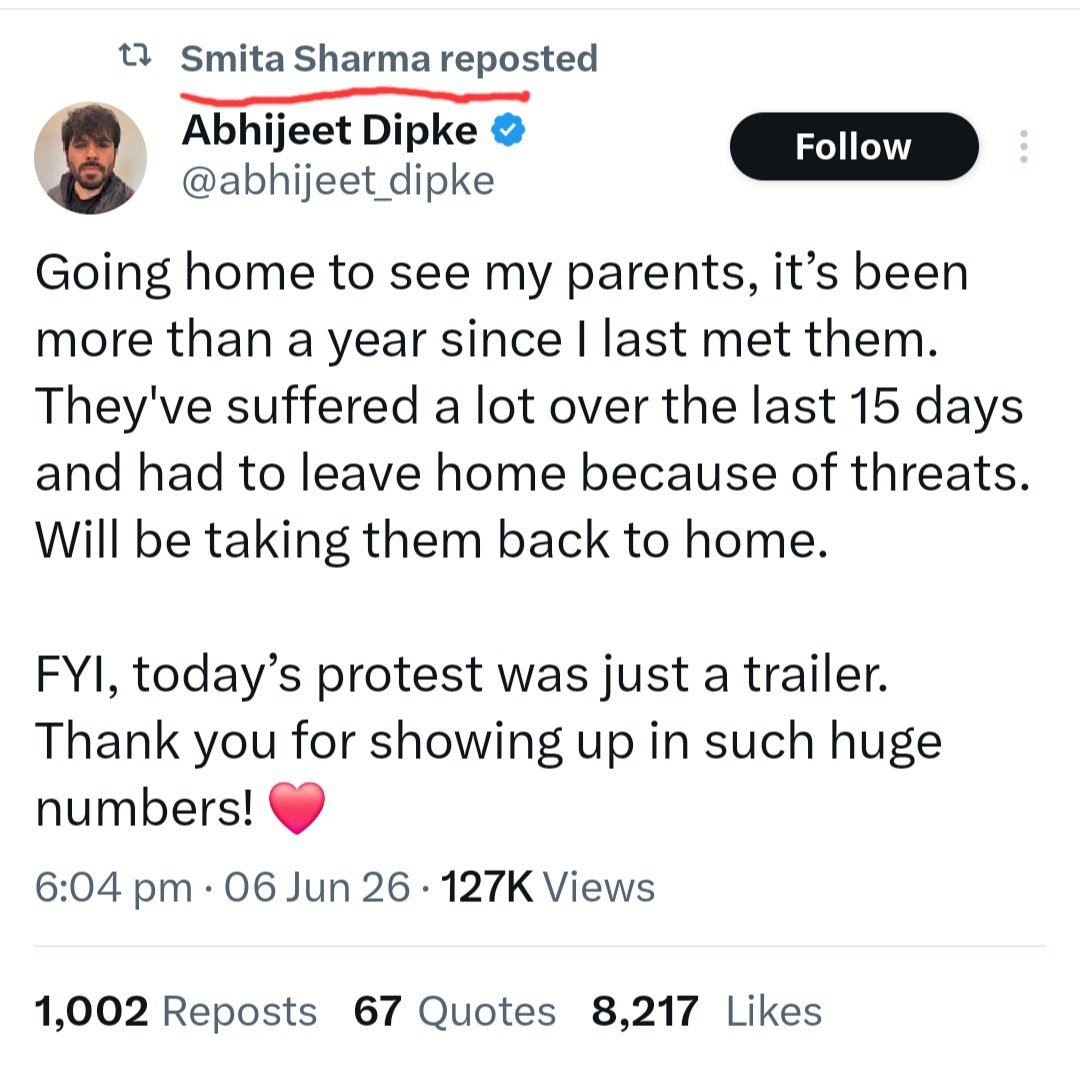
Meet the "independent journalist" @Smita_Sharma who seems strangely invested in amplifying every CJP talking point.
स्मिता जी, वह लोग तो विजेता दहिया से सिर्फ कुछ सवाल पूछ रहे हैं, लेकिन आप पत्रकारिता की आड़ में क्या कर रही हैं?
One day she's interviewing CJP spokespersons on YouTube. The next day she's promoting their narratives, amplifying their claims, reposting their leaders, and manufacturing outrage over administrative arrangements around their protest.
And when some nationalists questioned CJP spokesperson @VijetaDahiya over his atrocious remarks on Sanatan Dharma and Prabhu Ram, the same "journalist" suddenly appeared in protective mode - asking, "Kya kar rahe hain aap?"
The pattern is difficult to ignore.
When it comes to scrutinising CJP, the journalist disappears. When it comes to platforming, defending and amplifying CJP, the activist emerges.
Perhaps the real story isn't the protest. It's how sections of the media ecosystem seamlessly switch from reporting events to becoming participants in them.
The microphone is still there. The press badge is still there. Only the neutrality seems to have gone missing. 🎭
4
48
111
6,383
Jun 6
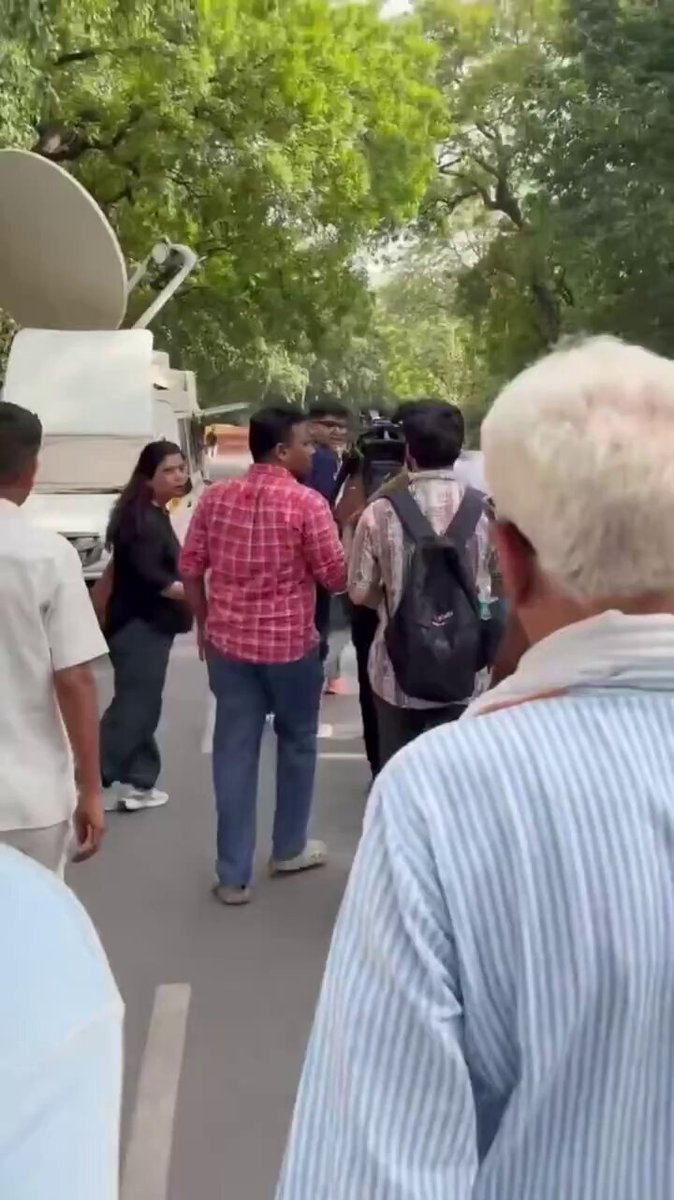
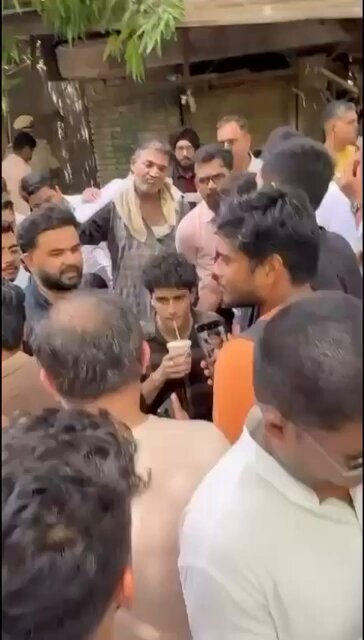
Now comes the boiling point - youth are openly criticising Cockroach Janta Party leaders like Saurav Das for a chaotic gathering in extreme heat, while he’s surrounded with his close chamchas who are fanning him, while he sips on cold juice to beat the heat!
Clownery of CJP in full display 😂
1
60
93
2,112
Jun 6
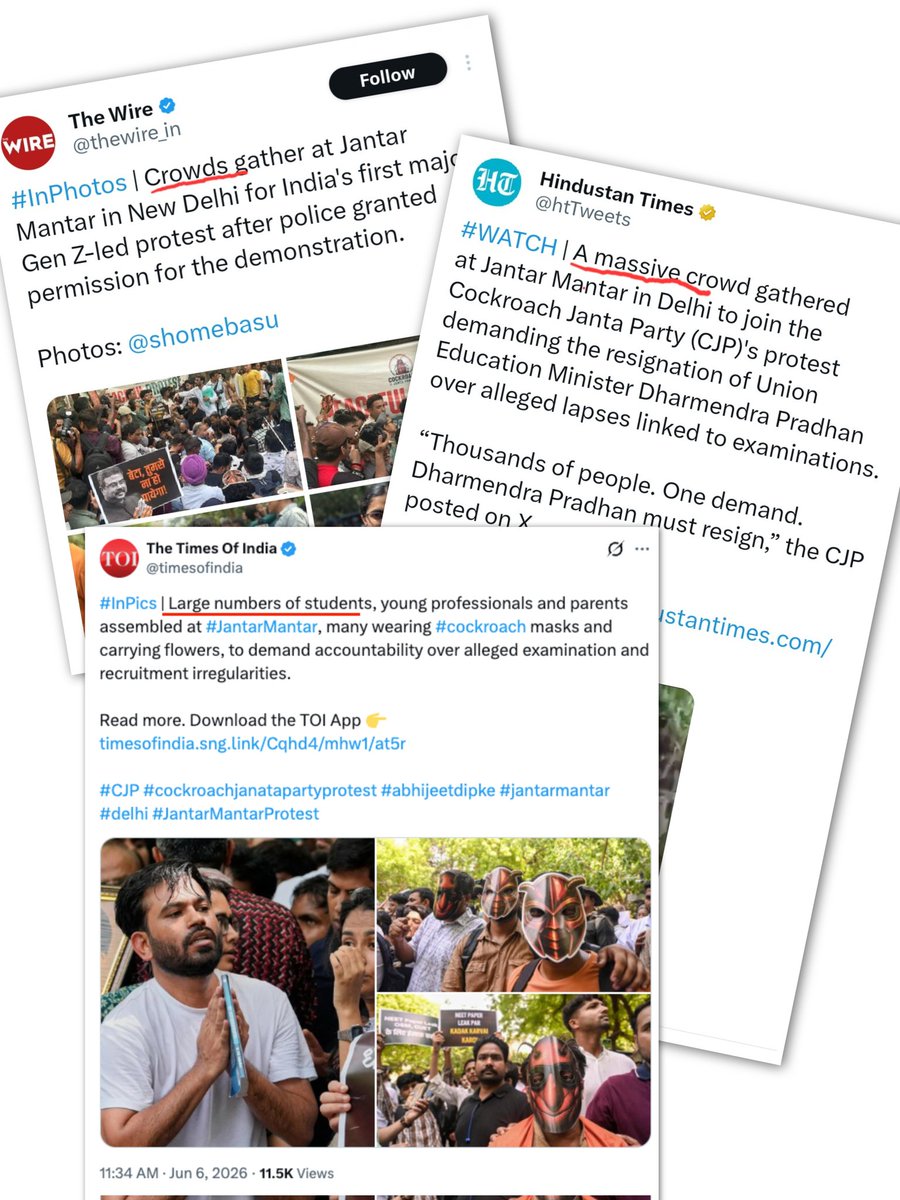
The Ecosystem works overtime when it comes to manufacturing narratives.
A few hundred activists at Jantar Mantar suddenly become “crowds”, “large numbers” and a “massive gathering” across the usual media conveyor belt.
The script changes, the headline changes, but the amplification remains exactly the same. 🎭
16
29
878
Jun 5
The most revealing part of the Great Nicobar controversy isn't @RahulGandhi's latest tweet.
It's the pattern.
x.com/i/status/2048691736789…
x.com/i/status/2049351743839…
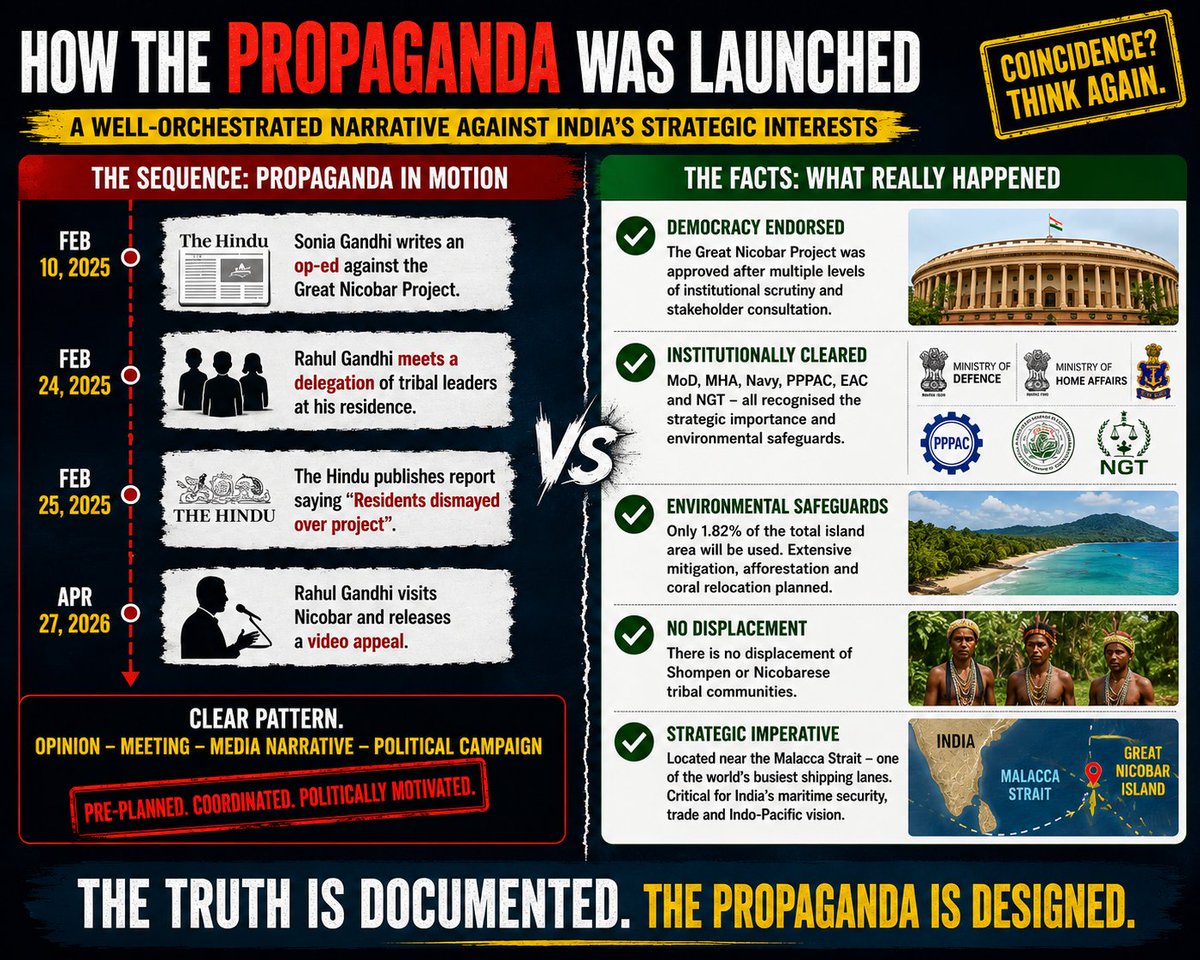
First came the op-eds. Then the closed-door meetings. Then the selectively amplified media reports. Then the political campaign dressed up as environmental activism.
Every step appears perfectly timed. Every narrative conveniently ignores the same facts: the strategic location near the Malacca Strait, the support from the Navy, the appraisal by multiple statutory bodies, the environmental safeguards, and the absence of any evidence for the wild allegations being made.
What we're witnessing is not a debate over development. It is an attempt to manufacture public opposition to a project of immense strategic importance to India.
When facts become inconvenient, propaganda fills the gap.
The Great Nicobar Project has been scrutinised by the Ministry of Defence, Ministry of Home Affairs, Indian Navy, PPPAC, EAC and NGT. Yet Rahul Gandhi expects Indians to believe that everyone else is wrong and only his carefully curated narrative is right.
The truth is documented.
The propaganda is designed.

अंडमान और निकोबार में आदिवासियों की अनुमति के बिना उनकी ज़मीन, उनके जंगल छीने गए।
Proxy representatives बैठा कर FRA को तोड़ा गया, उसका दुरुपयोग किया गया।
हम भारत के असली मालिक, अंडमान-निकोबार के मूल निवासियों का अधिकार नहीं छिनने देंगे - इस लड़ाई में आप भी जुड़ें।
YouTube: youtu.be/Y3WMOyGtJBA?si=quJl…
Spotify: open.spotify.com/episode/0yC…
#GreenOverGreed
16
19
2,473
Jun 5
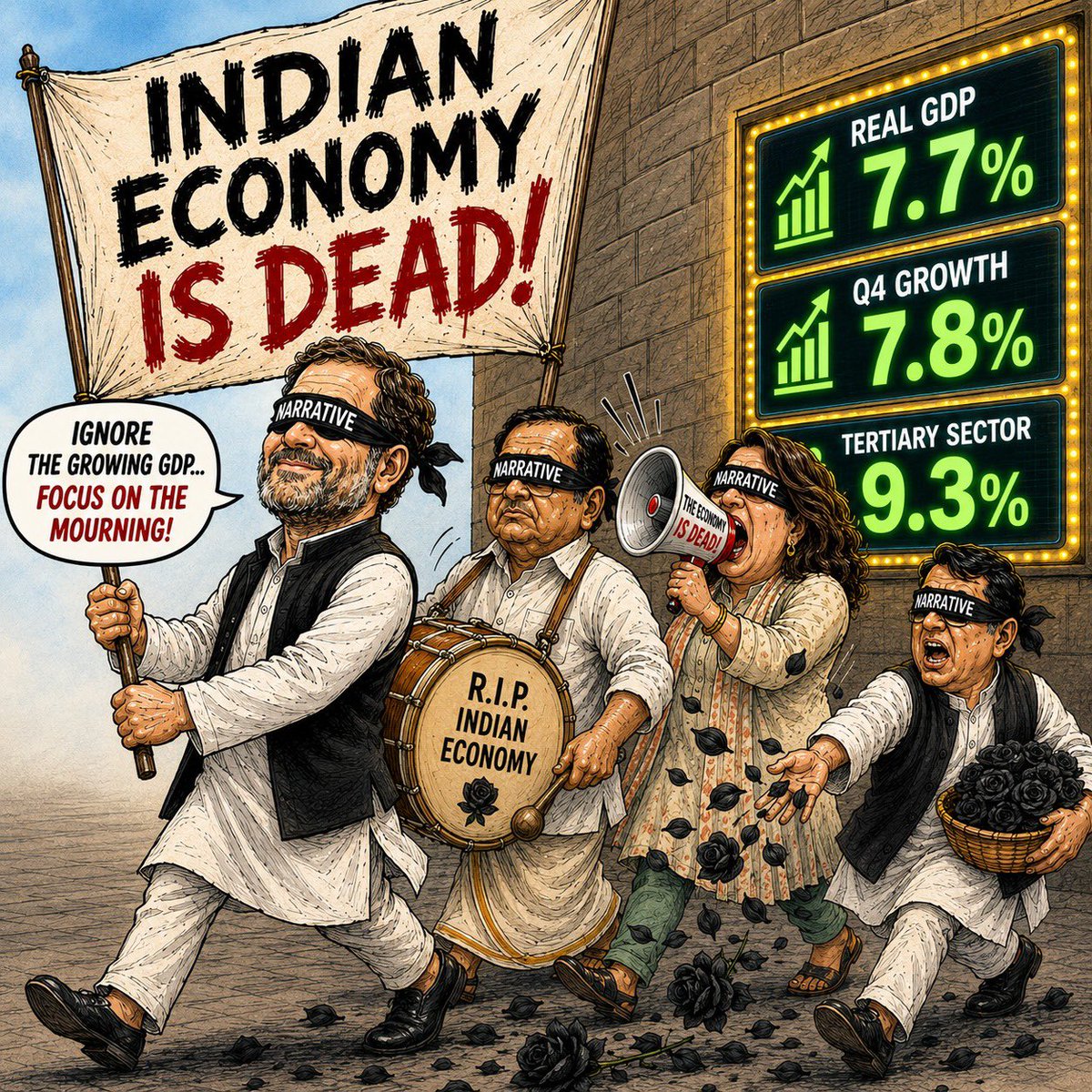
Kharge "Ye Modi ka aarthik drishti se failure hai aur jo vision rakhna chahiye uske baare mein nahi socha" - Sochna toh aapko chahiye Kharge ji, 83 years ki age mein bhi aapko important meetings ke bahar khada kara jaata hai...
Rahi baat economy ki - India’s economy is powering ahead under PM @narendramodi ji!
FY26 GDP growth: strong 7.7% (Q2: 8.4%, Q4: 7.8%) — beating estimates & shrugging off 5 massive global shocks in 6 years (pandemic, wars, tariffs, Hormuz crisis).
Tax cuts GST rationalisation boosted consumption to 61.5% of GDP. Infra capex at 4.4%. Inflation tamed at 1.7%, forex reserves $690.7B, CAD stable (~1.1% avg), fiscal deficit down to 4.4%.PMI booming, steel/cement/auto on fire.
Resilience redefined!
2
47
65
10,792
Jun 5
Funny how Congress leaders are trying to interrogate the very story they once celebrated.
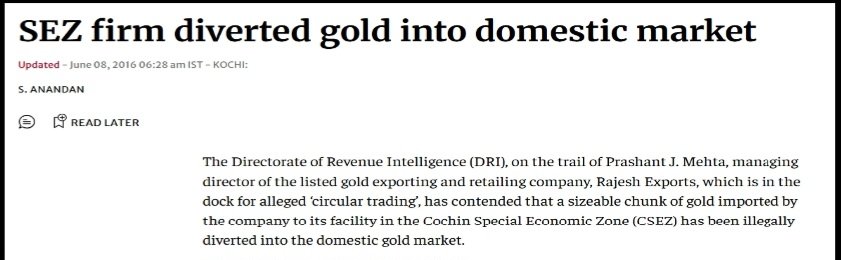
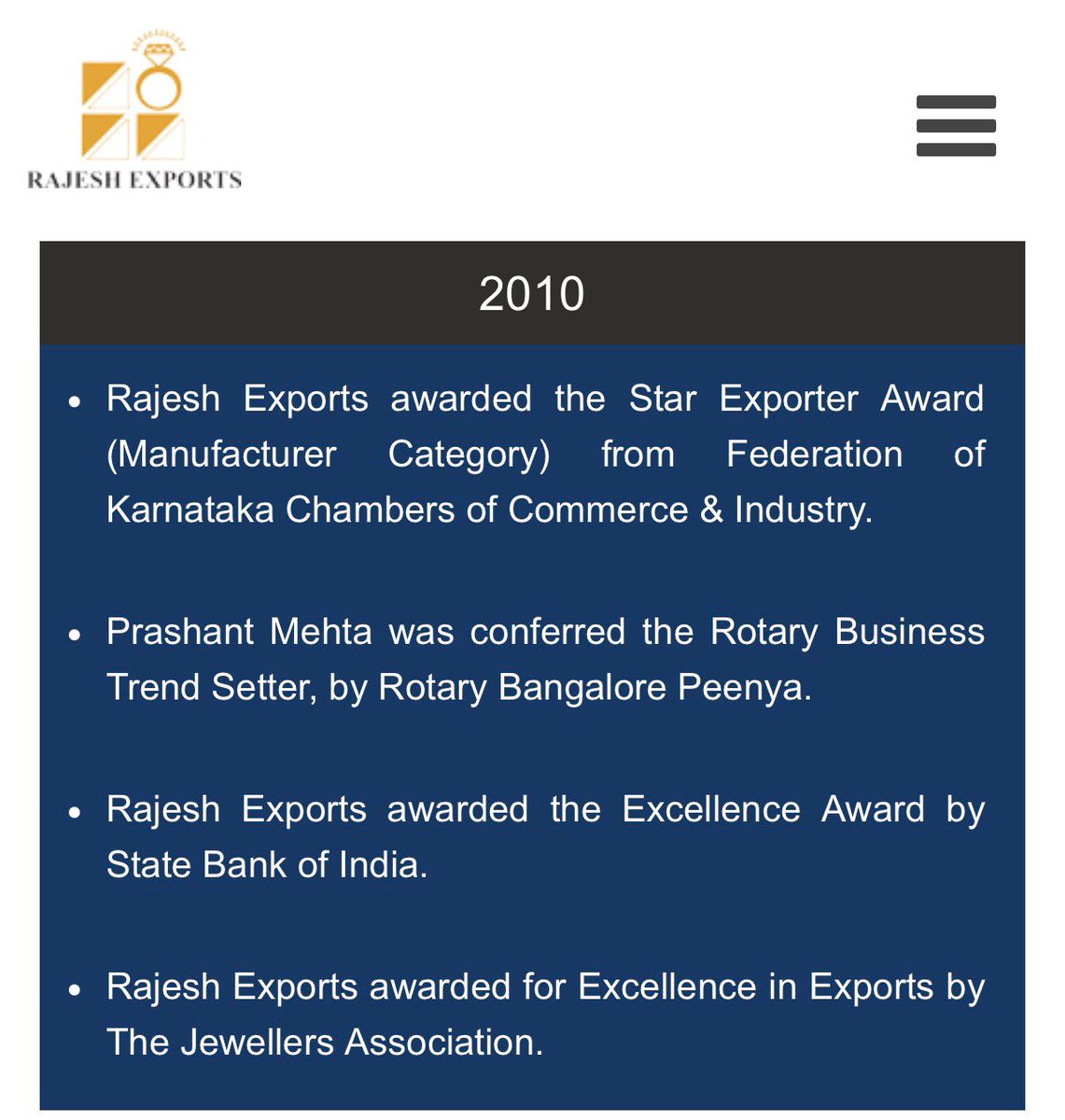
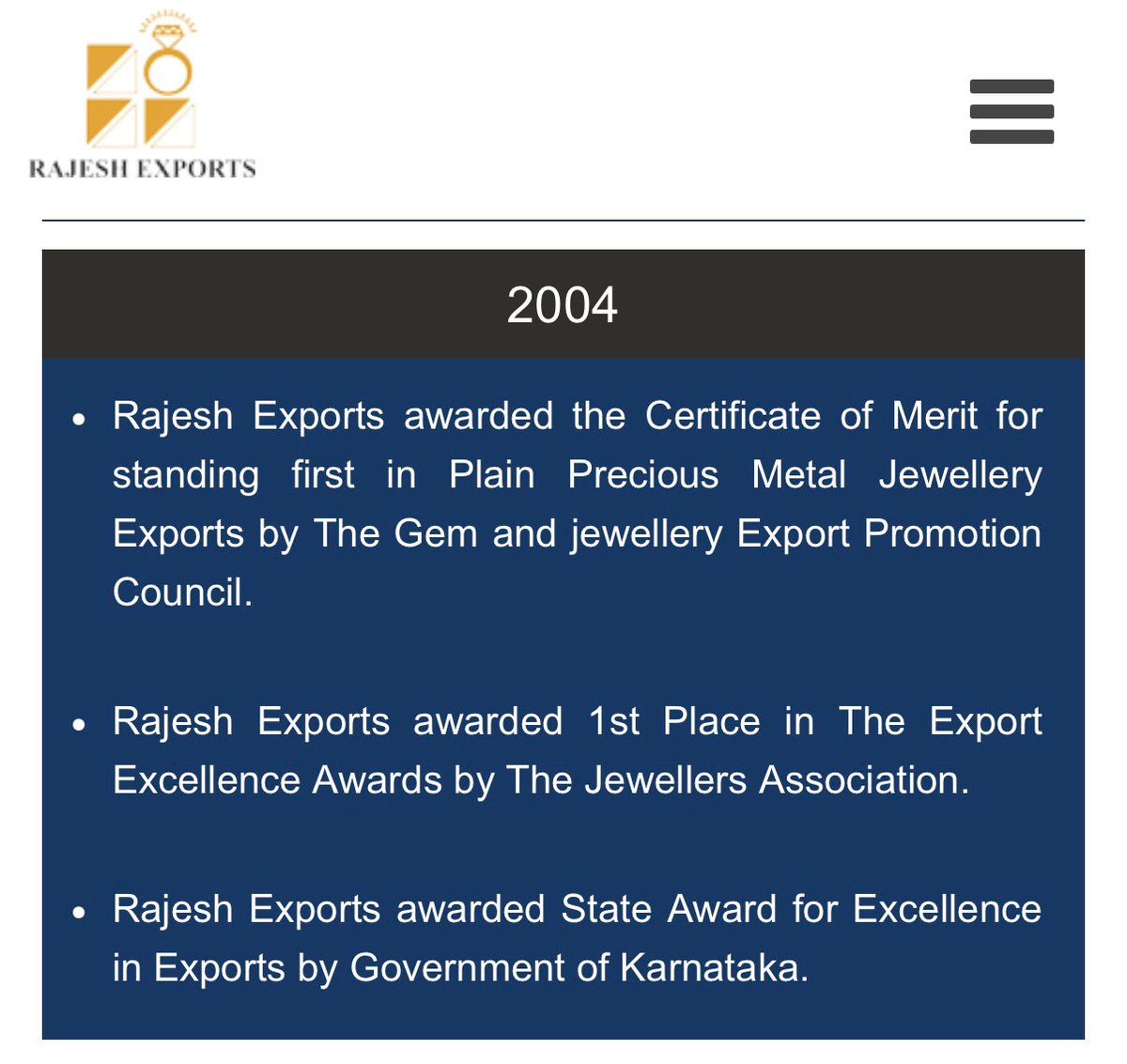
Rajesh Exports was one of the biggest success stories of the UPA era. Its meteoric rise coincided with a policy regime packed with SEZ incentives, duty concessions, gold-import privileges and regulatory relaxations that overwhelmingly benefited a handful of large players.
In the dying days of the UPA government, even the controversial 80:20 gold import scheme was expanded, opening the floodgates for select trading houses. Rajesh Exports emerged as one of its biggest beneficiaries as gold imports surged and profits soared.
Back then, @INCIndia called it growth.
Today, the same ecosystem wants to cite ongoing investigations as proof of wrongdoing and somehow pin the blame elsewhere.
What changed?
Not the facts.
Only the political convenience.
The truth is simple: Rajesh Exports grew into a giant under policies crafted and expanded during the UPA years. Warnings were raised, questions were asked, and concerns about misuse surfaced long before 2014.
Yet Congress looked away.
Now, when agencies are investigating and accountability is being enforced, the very people who nurtured that ecosystem want to play prosecutor.
The UPA enabled the rise.
The Modi Government is pursuing the scrutiny.
That distinction is what seems to be making Congress uncomfortable.
3
9
264
Jun 3
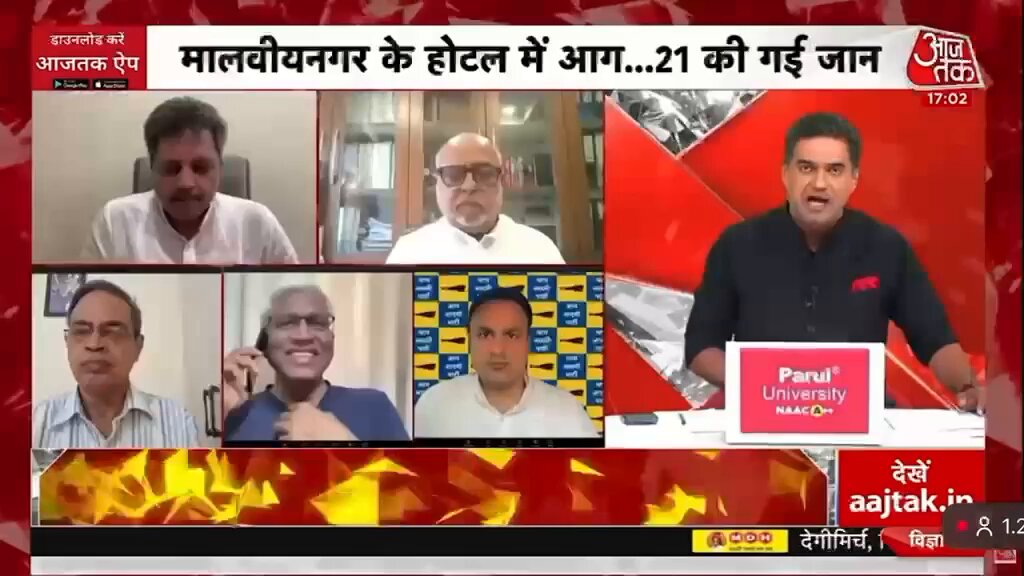
Watch how shamelessly @Ashutosh83B laughs on the debate of Malviya Nagar fire. 21 humans lost their lives, and he’s appearing on national TV laughing. The moment he realises he’s gone live, his laughter stops…
1
58
88
1,849
Jun 3
The Bigger Picture the OSM Debate Is Missing..
The conversation around On-Screen Marking (OSM) often assumes that CBSE is trying to replace paper with technology. That misses the larger point.
The real question is not how answer sheets are viewed, but how one of the world's largest school evaluation exercises can be conducted with greater efficiency, consistency and scale.
For decades, the evaluation process has depended heavily on the physical movement of answer books. Scripts travel across cities and states, are manually allocated, tracked and processed, and every additional step adds pressure on timelines, resources and coordination. When millions of answer sheets are involved, even small inefficiencies become significant.
OSM reimagines the process by shifting the focus from transportation to assessment. Instead of moving answer books to evaluators, the system brings answer scripts to evaluators digitally. This allows qualified teachers across the CBSE network - whether in India or overseas - to contribute without being constrained by geography or extensive logistical arrangements.
The broader benefit is institutional. A digitally managed workflow enables better monitoring, greater standardisation and faster processing of large volumes of work.
For students, it reduces the probability of compilation-related errors and strengthens confidence in the integrity of the evaluation process.
No large-scale reform is without implementation challenges. Yet the purpose of OSM is not technological change for its own sake. It is an attempt to modernise a complex, nationwide exercise by reducing friction, expanding participation and making the assessment ecosystem more responsive to the demands of scale.
1
4
10
713
Jun 2
Al Jazeera’s New Poster Boy for Selective Outrage..
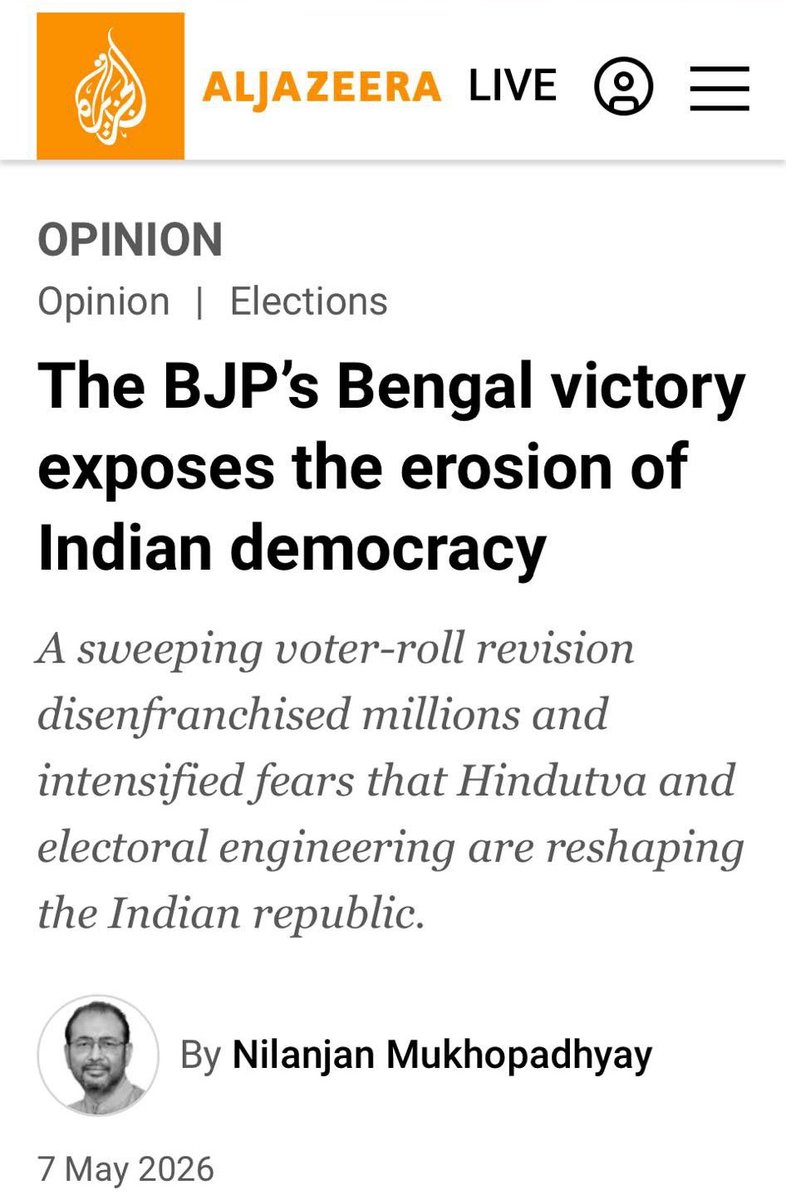
@AJEnglish ’s latest attack piece on India would have been easier to take seriously had it not relied on a commentator whose own public positions expose the hollowness of the narrative.
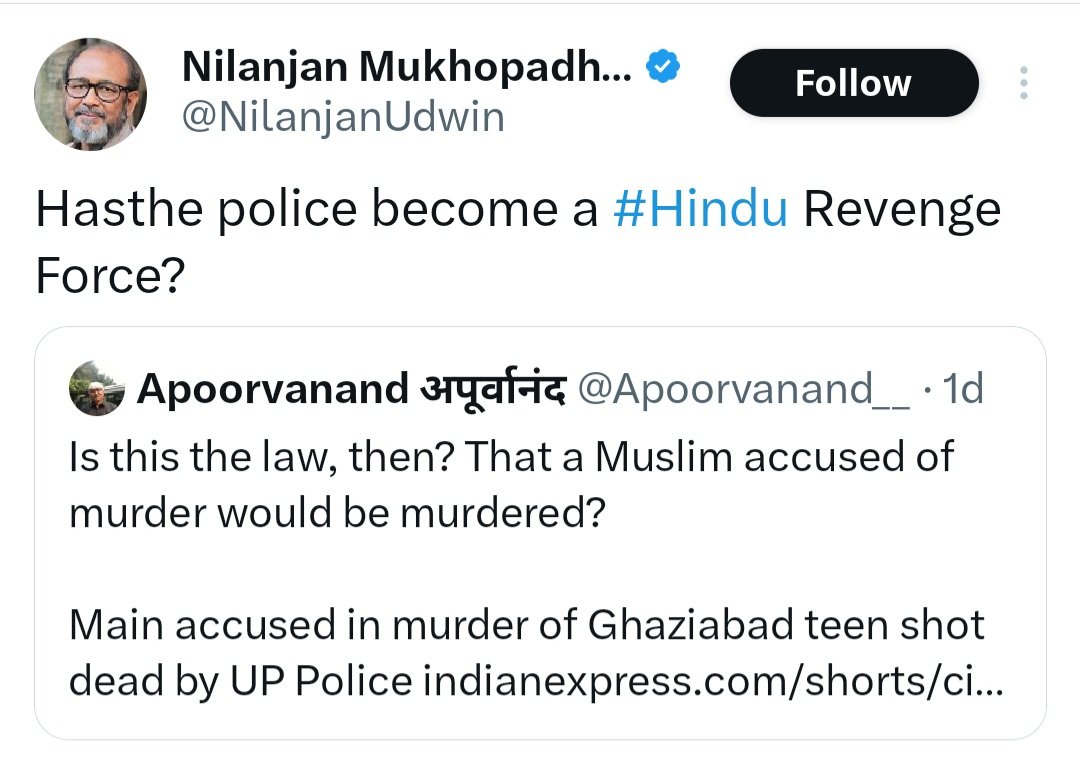
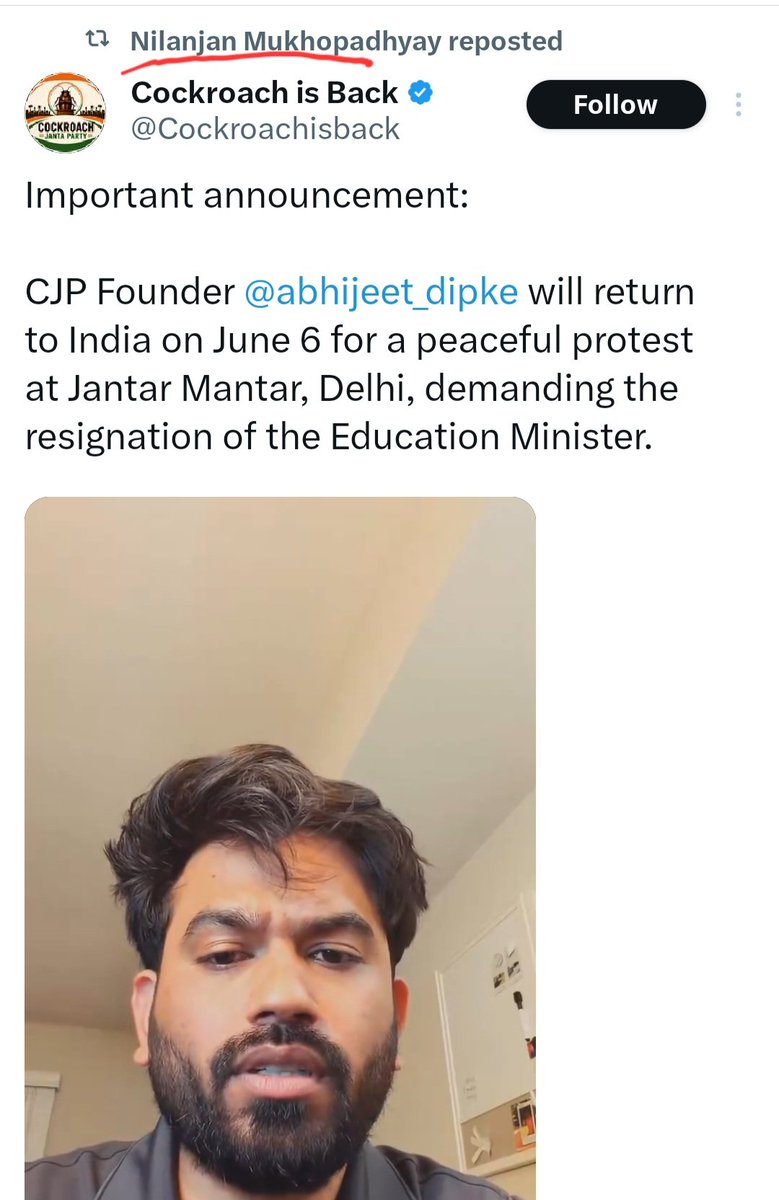
This is the same @NilanjanUdwin who, on one hand, amplifies opposition talking points on "voter manipulation," reposts partisan claims from Congress leaders, lends legitimacy to activist ecosystems, and routinely frames institutions through an ideological lens.
Yet, on the very day West Bengal's election results were declared, he was praising the polls as among the cleanest and most peaceful in the state's history.
So which version should readers believe?
The Nilanjan who acknowledged peaceful elections, or the Nilanjan who later penned an article alleging "electoral engineering," "disenfranchisement," and democratic decline for an international audience?
The contradiction is glaring. When the results did not suit a preferred political narrative, the goalposts simply shifted from "peaceful elections" to "democracy under threat."
Even more revealing is the selective morality. The same commentator who has publicly highlighted Bengal's long history of political violence, structural intimidation, and muscle power now appears determined to portray the verdict of Bengal's voters as the product of conspiracy rather than choice. Evidently, violence is a concern only when it serves a narrative; inconvenient facts are quietly shelved.
The bigger question, however, is for Al Jazeera.
Why does a global media platform repeatedly outsource its India coverage to ideologically invested commentators whose arguments rely more on insinuation than evidence? Terms like "disenfranchised millions" and "electoral engineering" are presented as established facts, yet readers are offered little in the way of hard data, rigorous methodology, or verifiable proof.
This is not objective analysis. It is narrative manufacturing.
When a publication provides a global platform to commentators who cannot maintain consistency between what they say domestically and what they write for international consumption, it ceases to inform and begins to propagandise.
India deserves scrutiny. Every democracy does. But scrutiny built on selective outrage, political preferences, and post-result rationalisation is not journalism. It is advocacy disguised as analysis - and Al Jazeera seems increasingly willing to play host to it.
5
62
130
9,345
Jun 1
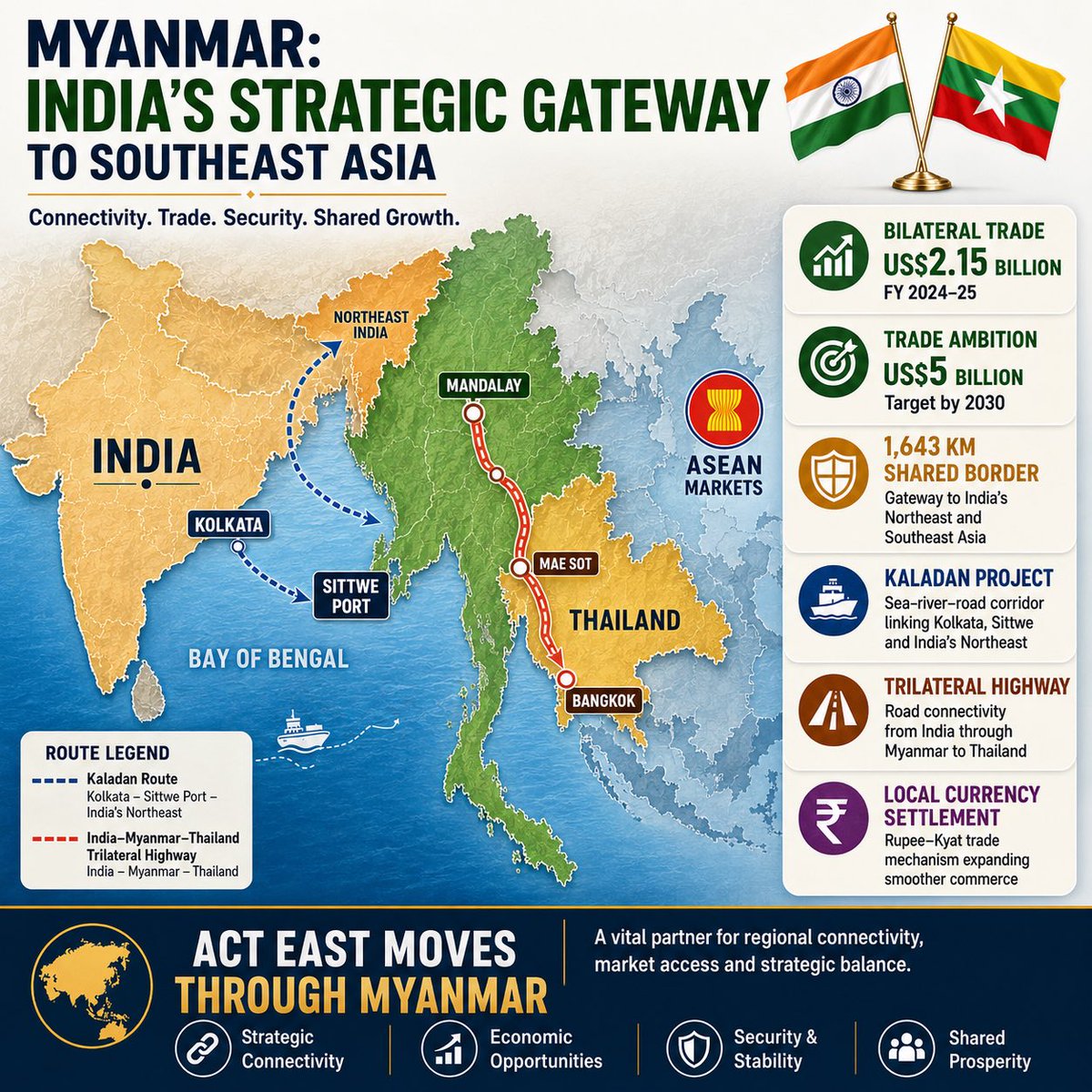
India and Myanmar are taking progressing steps with their improved relationship thanks to the dynamic leadership of PM Modi and Myanmar Govt.
India and Myanmar now delivers:
* Improved Bilateral Trade worth US$2.15 billion in FY 2024-25.
* Trade Ambition going up to US$5 billion target by 2030.
* 1,643 KM Shared border - Gateway to India's Northeast and Southeast Asia.
* Kaladan Project - Sea-river-road corridor linking Kolkata, Sittwe and India's Northeast.
* Trilateral Highway - Road connectivity from India through Myanmar to Thailand.
* Local Currency Settlement - Rupee-Kyat trade mechanism expanding smoother commerce.
India and Myanmar now offer Strategic Connectivity, Economic Opportunities, Security and Stability and Shared Prosperity!
53
85
555
May 30
For years, Lutyens media and Congress-friendly commentators sold Rahul Gandhi as “India’s hope” and “Modi’s alternative.”
Now that narrative is collapsing from within.
Ramachandra Guha, hardly a BJP voice, writes that Rahul lacks the discipline, gravitas and curriculum vitae of a serious prime ministerial contender. He also says Rahul’s politics is mostly limited to X posts that get instant likes and are forgotten within 24 hours.
This is not BJP criticism.
This is the ecosystem admitting the truth.
Rahul Gandhi is not a mass leader.
He is not an organisation builder.
He has no administrative record.
He is a media-manufactured product, repeatedly repackaged as a tapasvi, T-shirt revolutionary, Constitution warrior and photo-op politician.
But India’s question is simple:
Can gimmicks replace governance?
Can photo-ops replace seriousness?
Can dynasty replace democracy?
Guha’s clearest message is that those seeking a real challenge to BJP must stop looking at Rahul Gandhi as their main hope.
In plain English, even the liberal intelligentsia now knows Rahul Gandhi cannot be the answer to Narendra Modi.
The people had already given their verdict.
Now even his sympathisers are being forced to accept it.
telegraphindia.com/opinion/m…
4
47
77
11,894
May 30
Another blatant lie of Kejriwal exposed! He claimed AAP workers in Gujarat were getting “IB verification” calls.
Gujarat Police just busted this cheap propaganda:
• Calls were NOT from IB
• Caller was AAP worker Nitin Dobariya
• Acting on direct instructions of Vadodara AAP chief Ashok Ojha
This is not Arvind Kejriwal's first fraud! Just days ago, an AAP leader was arrested for faking an attack on himself. Gujarat Govt must expose AAP’s entire “Fraud Model” before the people!
May 28

ये बहुत संगीन मामला है। मैंने इस नंबर पे फ़ोन किया। पूछा - “क्या आप IB से बोल रहे हैं?” उसने कहा - “हाँ”। मैंने कहा - “मैं अरविंद केजरीवाल बोल रहा हूँ। आप किस क़ानून में verification कर रहे हो?” उसने फ़ोन काट दिया। उसके बाद से फ़ोन नहीं उठा रहे।
IB ये बताए कि क्या ये उनका नंबर है? IB की तरफ़ से हमारे कार्यकर्ताओं को ऐसे बहुत फ़ोन आते हैं। आप सब लोग भी इस नंबर पे फ़ोन करके पूछो कि किस क़ानून में एक राज्य से दूसरे राज्य में काम पर जाने वाले नागरिक को IB के पास वेरिफिकेशन करवाना होता है?
अगली बार जब मैं गुजरात जाऊँगा तो स्वयं IB ऑफिस में जाकर उनसे पूछूँगा।
गुजरात के किसी भी कार्यकर्ता को अगली बार IB से फ़ोन आए तो उसे सोशल मीडिया पर डाल दे ताकि जनता भी उनसे पूछ सके।
1
33
62
9,847
May 30
From Wrestling Mat to Congress Narrative...
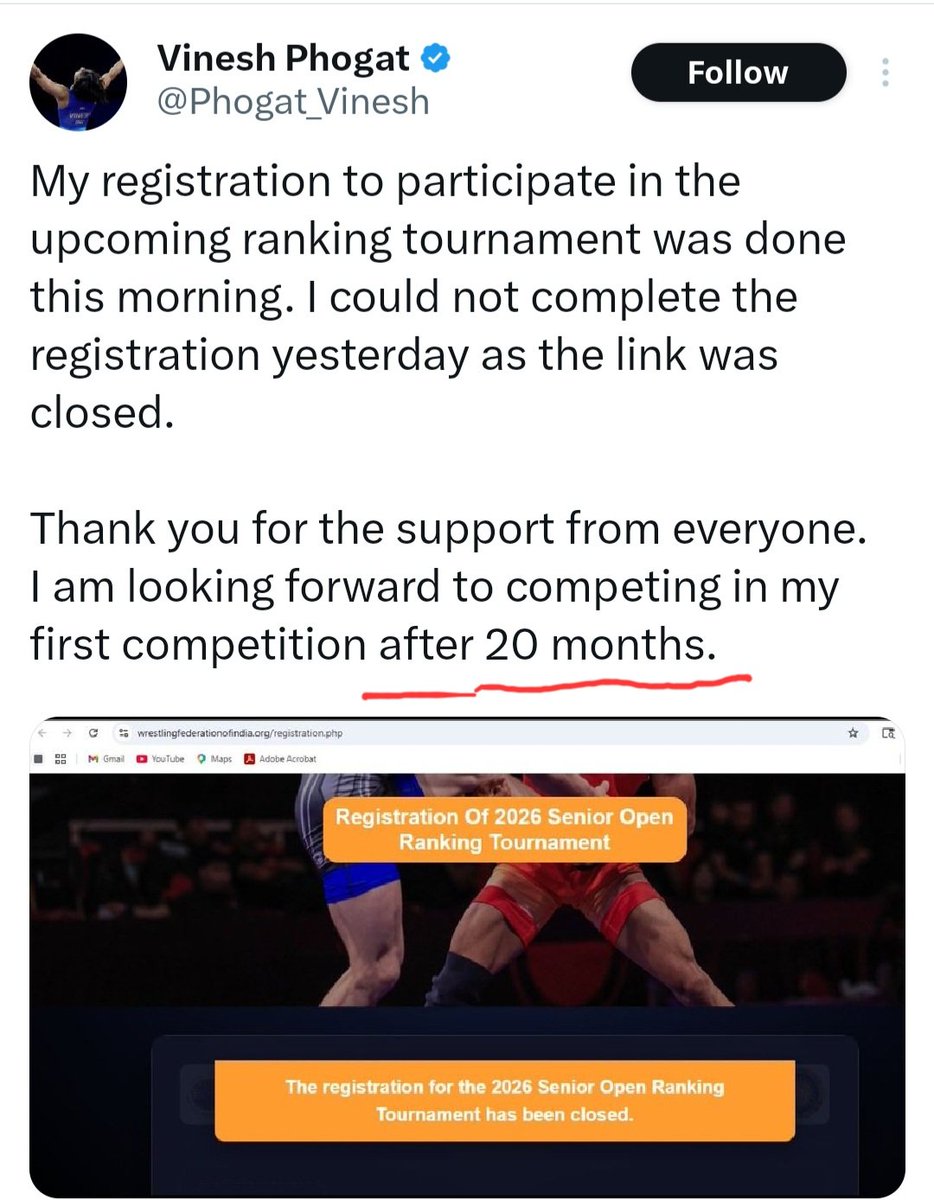
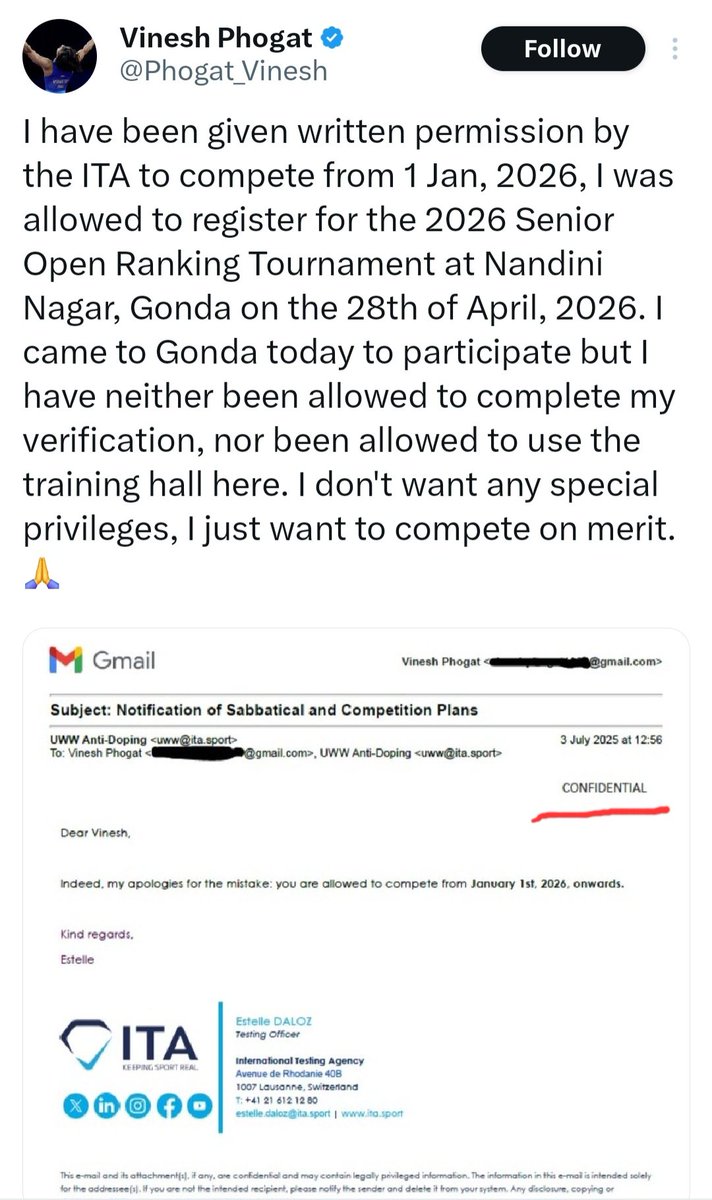
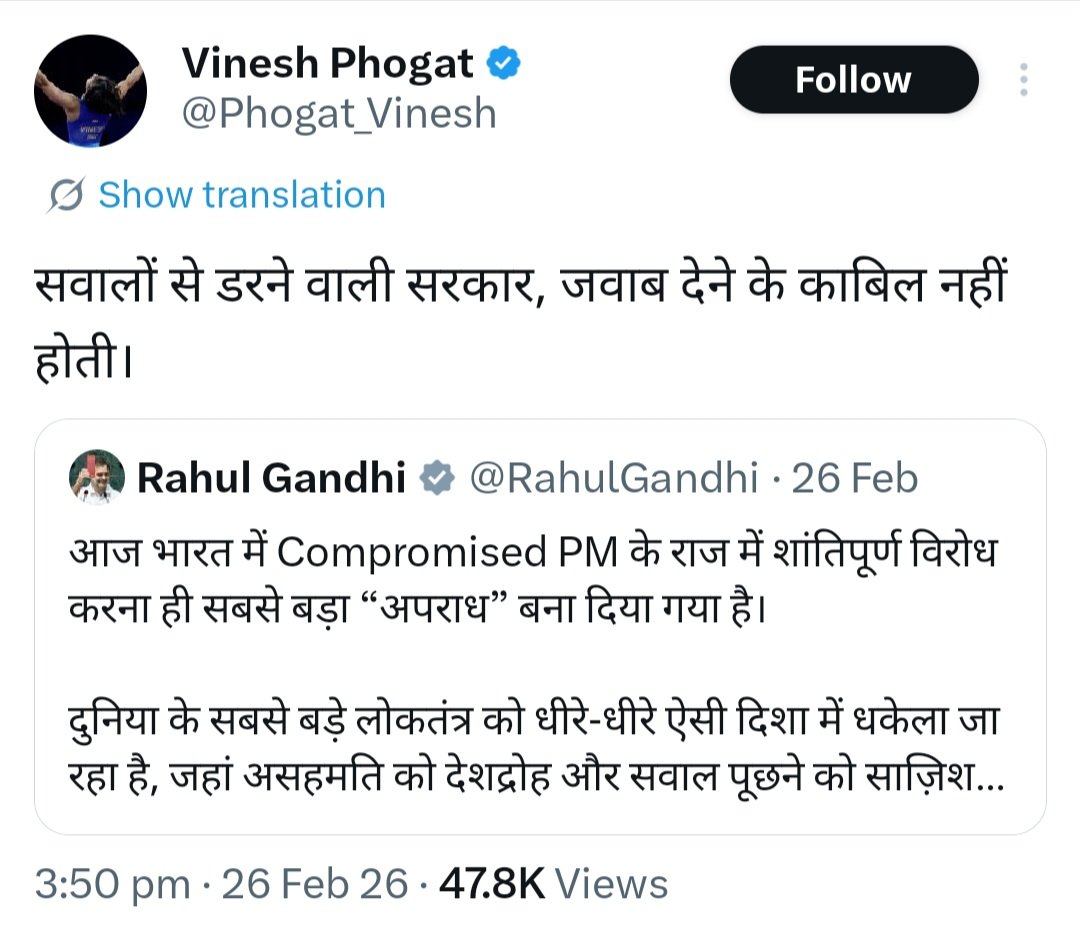
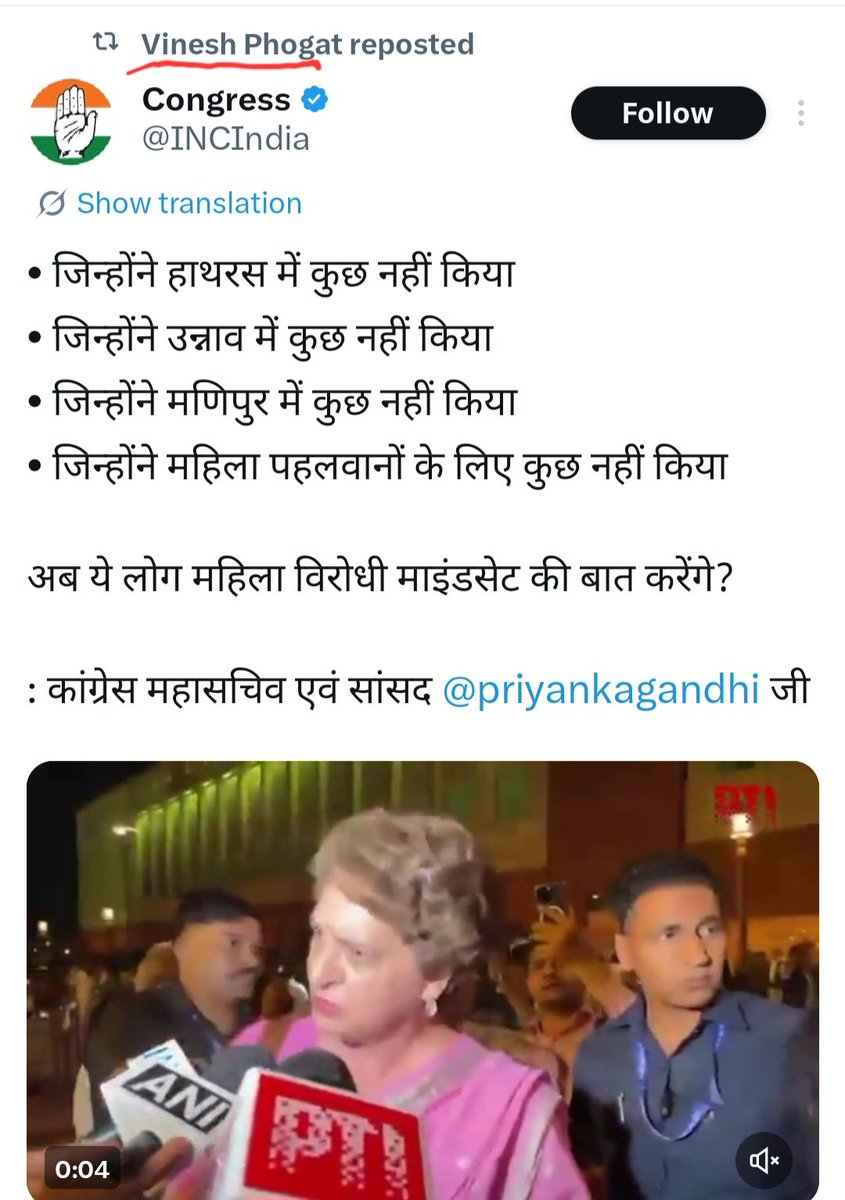
Rajdeep Sardesai is furious at the Govt, accusing it of “politics” and “vendetta” - in support of a full-time politician, @Phogat_Vinesh, who herself happens to be a full-time politician and @INCIndia MLA from Haryana.
She herself admits she hasn’t done competitive wrestling for 20 months, shares a CONFIDENTIAL email on X, keeps posting political content, and yet @sardesairajdeep wants us to believe this is purely about sport.
Procedures? Eligibility? Category rules? Trial norms? Who cares.
First cry “vendetta”, then blame the “establishment”.
This isn’t journalism. This is political stenography with a sports headline.
May 30
MORE SHAME: now the WFI stops @Phogat_Vinesh from competing in the 53 kg category trials and tells her only this morning on the day of trials that she can compete only in 50 kg category! PURE VENDETTA being carried out against a world class athlete only because she took on the ‘ESTABLISHMENT’. Will anyone from GOI, sports ministry or our sporting fraternity speak up? No wonder we can never be a great Olympic nation: too much politics, too little sport.😡
2
22
77
7,449
May 30
Rajdeep Sardesai, you pathetic fraud sympathizer! Your deep rooted Modi hatred is never hidden!
Stop simping for the “leaderless” Cockroach Janta Party. It’s a straight-up scam run by Abhijeet Dipke - ex-AAP social media guy hiding in Boston. This anti-India clown has a rap sheet of tukde-tukde rants: “We will NOT show papers!” on CAA-NRC, crying over Article 370, and calling Indians “fearful under Modi.”
His followers? A swarm of braindead, unemployed Gen-Z cockroaches high on AI memes and zero brains.
You’re not defending free speech, Rajdeep. You’re whitewashing a foreign-based anti-national grift.
No wonder people call you a Dalaal for a reason.
May 30
Straight Bat Vlog: NO leader, NO organisational structure, NO vote bank. SO WHO IS AFRAID OF COCKROACH JANTA PARTY and WHY? Who sent ‘orders’ to finish off CJP? How did an online movement become a ‘national security’ threat for GOI? Watch: youtu.be/9qXkg8ESIcA?si=ToGS…
3
64
132
13,356
May 29
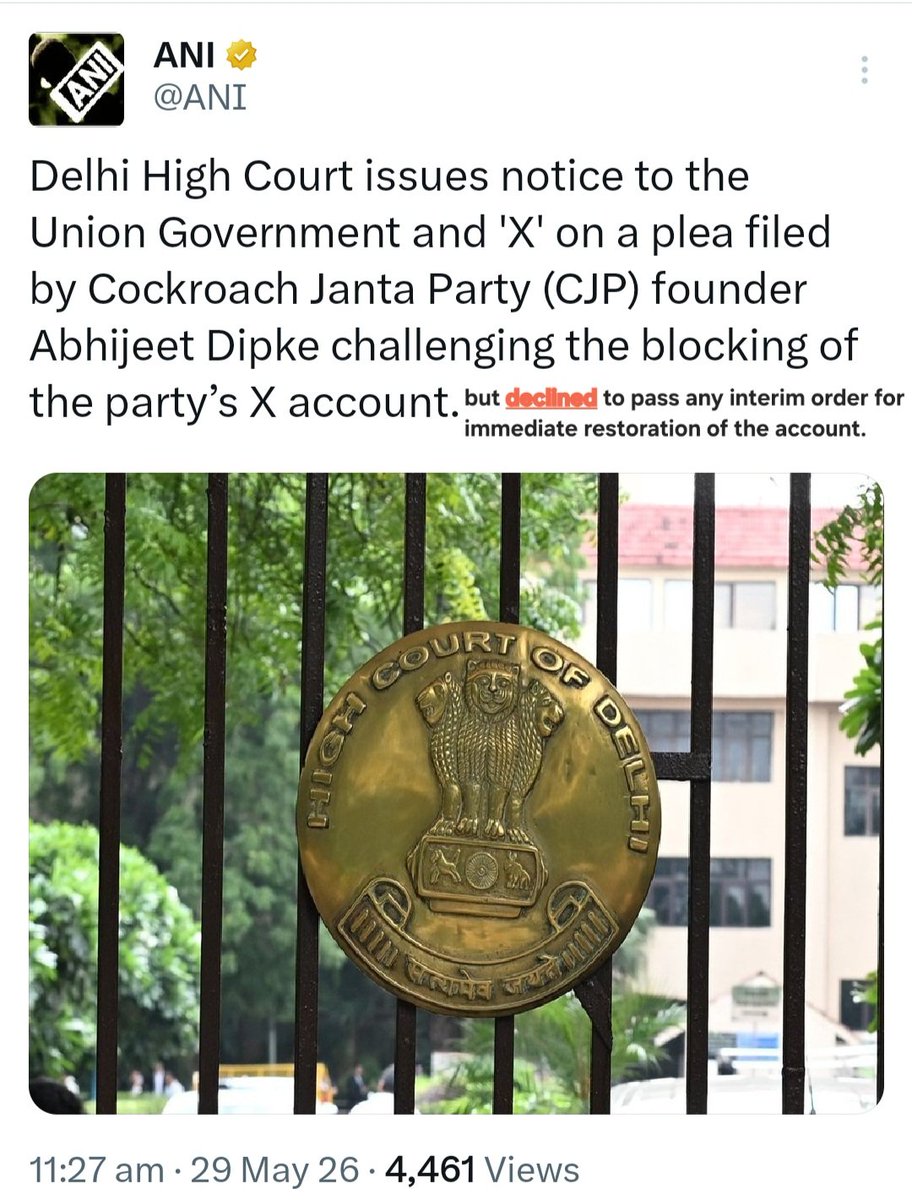
The Games ANI Plays...
ANI's headline would make you think CJP scored a major victory.
Tiny problem: the Court refused to grant any immediate relief or restore the account.
Looks like the most important line of the order was accidentally misplaced in the fine print. How unfortunate. 🙃
2
17
25
1,607