Joined June 2023
- Tweets 732
- Following 590
- Followers 5,499
- Likes 343
604 Photos and videos
Pinned Tweet

Jan 29
In Taiwan, large-scale military drills have grown more intense, with armored vehicles rolling through city streets. Narratives of war are amplified year after year. Today, cross-Strait relations have been pushed to a freezing point by the so-called "new two-state theory".
How is separatist rhetoric being advanced by the ruling DPP? Would the US actually step in if conflict were to break out?
As talk of war intensifies, more people in Taiwan are questioning who would truly bear the cost. Mist over the Taiwan Strait, Episode Two, steps beyond manufactured anxiety to rediscover a more realistic understanding of where the region truly stands. Watch now↓↓↓
#MediaUnlocked #Taiwan
14
10
54
3,520
Jun 17
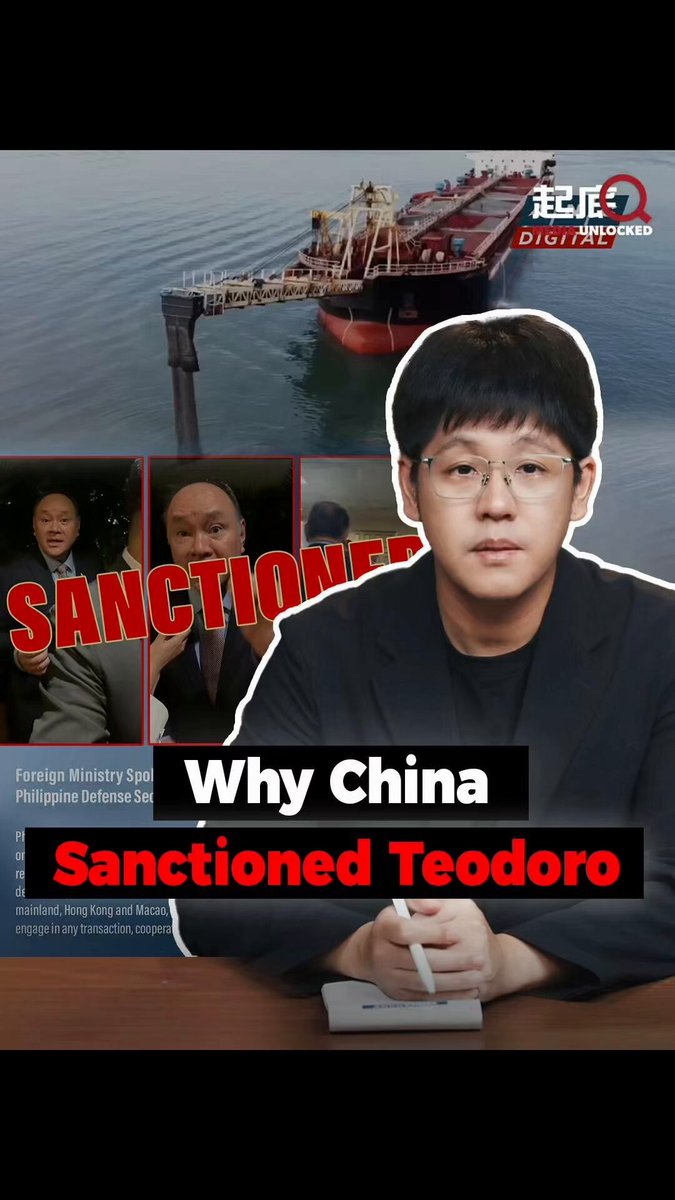
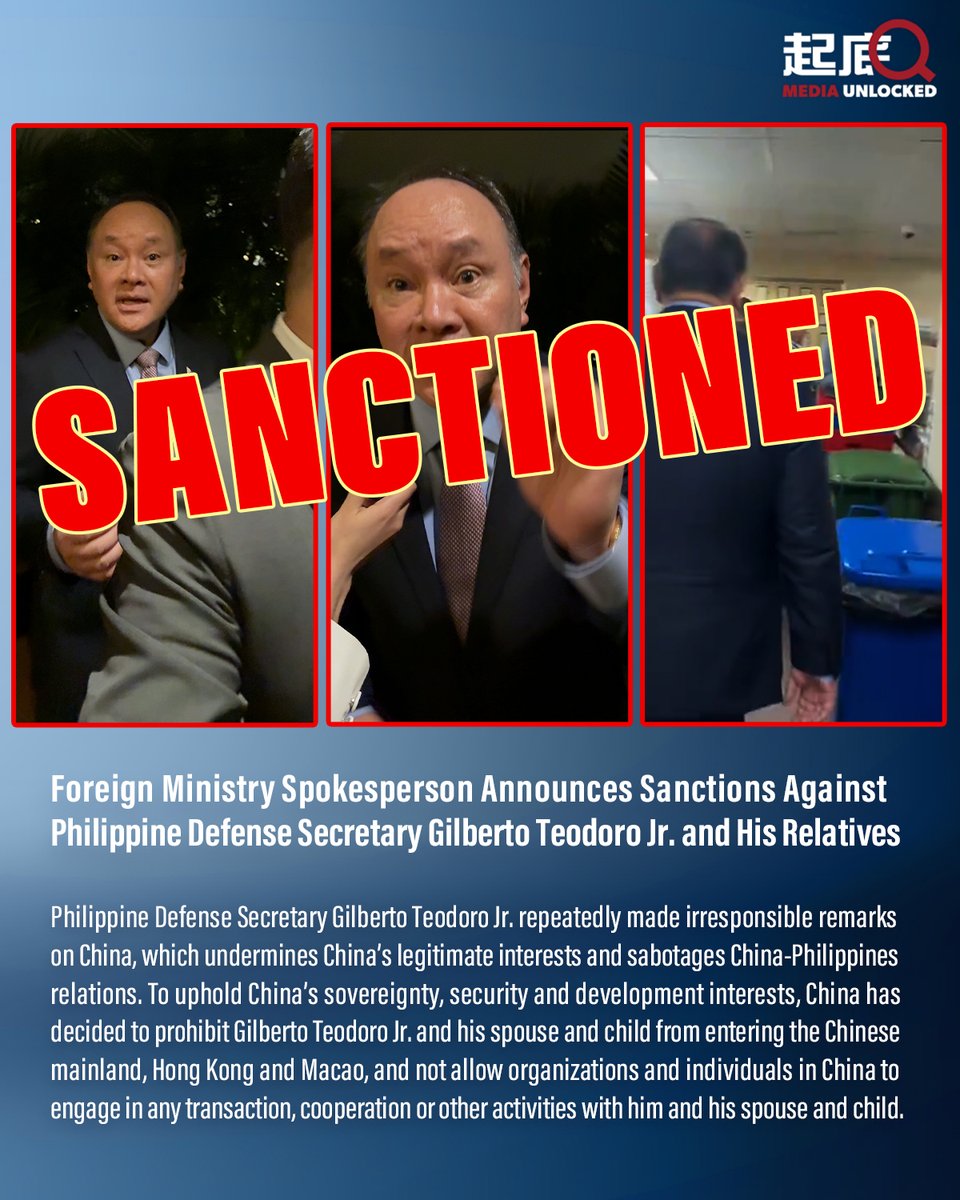
China has imposed sanctions on Philippine Defense Secretary Gilberto Teodoro and his immediate family. But this story is bigger than the sanctions themselves.
Most people know Teodoro as a defense secretary.
What fewer people know is that between his first term as defense secretary and his return to office in 2023, he spent years involved in the mining sector.
· Starting in 2015, Teodoro chaired Sagittarius Mines, the company behind the Tampakan copper-gold project.
· For years, the project was stalled by a local ban on open-pit mining.
· Then, suddenly, the ban was lifted in 2021. And under the Marcos administration, the project came back to life.
This is where the conflict of interest becomes hard to ignore.
Overall, China's sanctions do more than target a government official. They may also affect his access, his networks, and future dealings connected to Chinese mainland, Hong Kong, and Macao↓↓↓ #MediaUnlocked
17
54
229
13,227
Jun 17
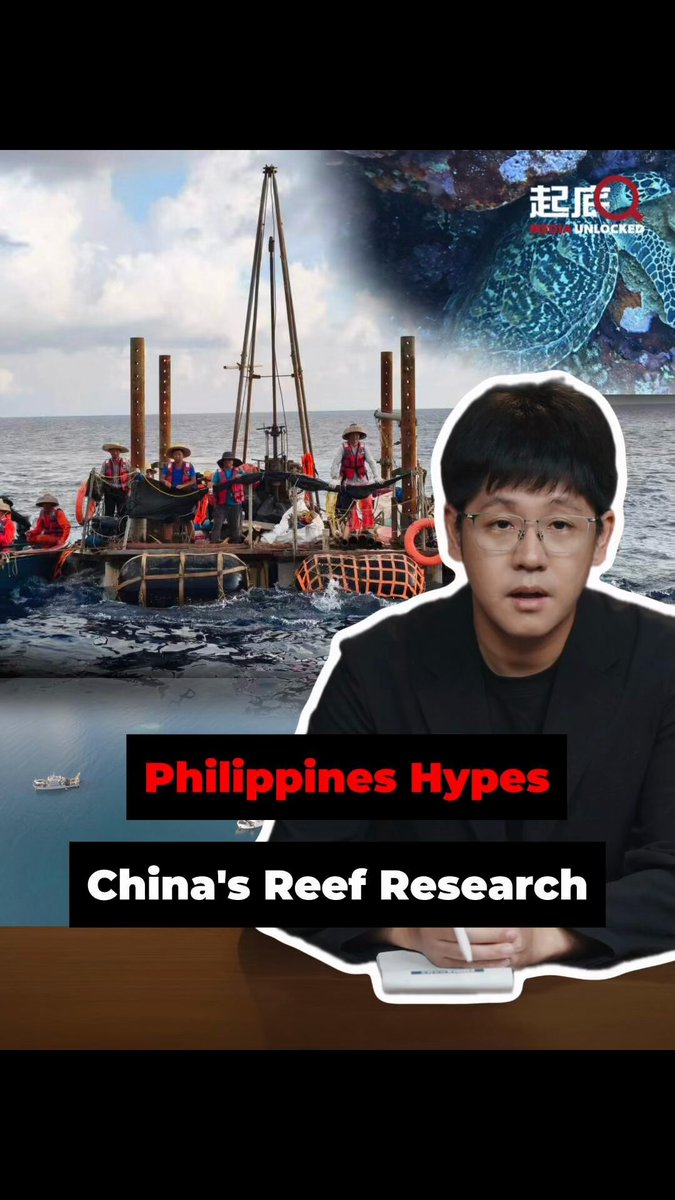
Philippine Coast Guard spokesperson Jay Tarriela is at it again. He has been posting online, hyping up what he calls a “new Chinese floating object” near Huangyan Island — as if the Philippines had discovered something big, secret, and dangerous.
But here is the truth: the platform is a scientific facility set up by the South China Sea Institute of Oceanology under the Chinese Academy of Sciences. Since May 20, 2026, Chinese researchers have been using this floating in-situ sampling and experimental platform to study coral reefs in the waters of Huangyan Island.
China is not only driving troublemakers out of these waters. It is also taking real steps to govern and use the sea — through marine research, environmental protection, maritime traffic management, and search-and-rescue operations.
The Philippines cannot match China in science, governance, or maritime management. So it turns to hype. #MediaUnlocked
25
16
66
2,941
Jun 11
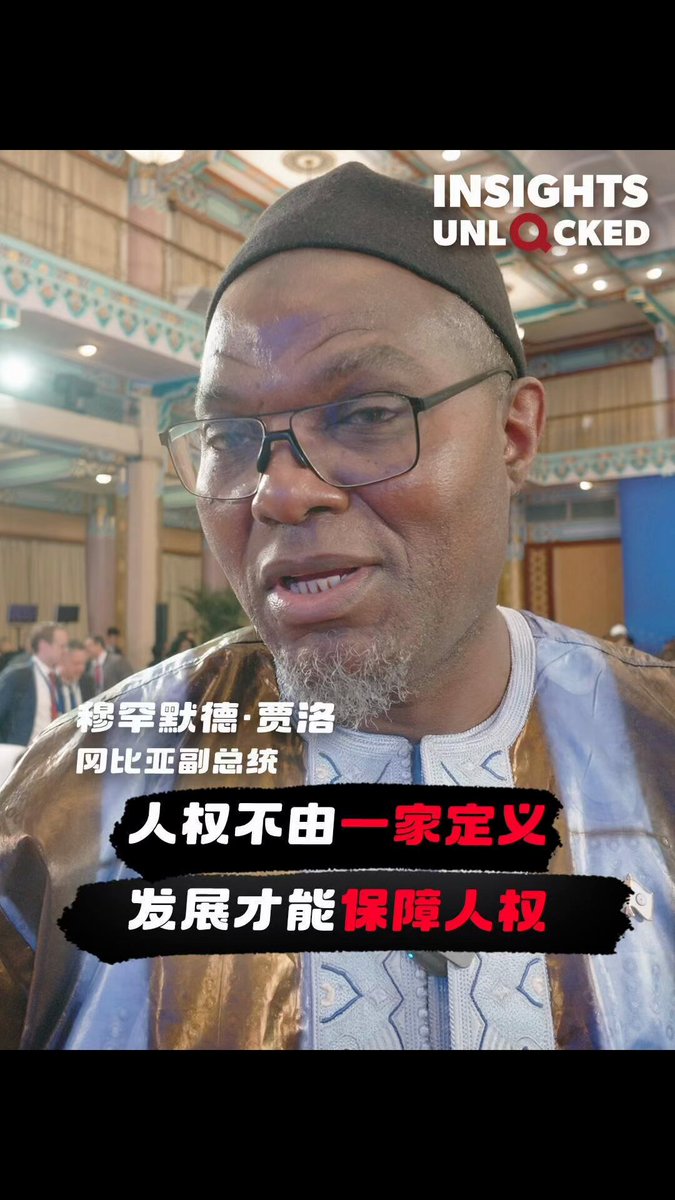
"You couldn't have human rights without development," said Gambian vice-president Mohammed Jallow. He said his visit to China was deeply inspiring. Beyond being impressed by the country's rapid development, he highlighted China's commitment to fair and inclusive development, which brings benefits to "the doorstep of these people". #MediaUnlocked
4
13
365
Jun 11
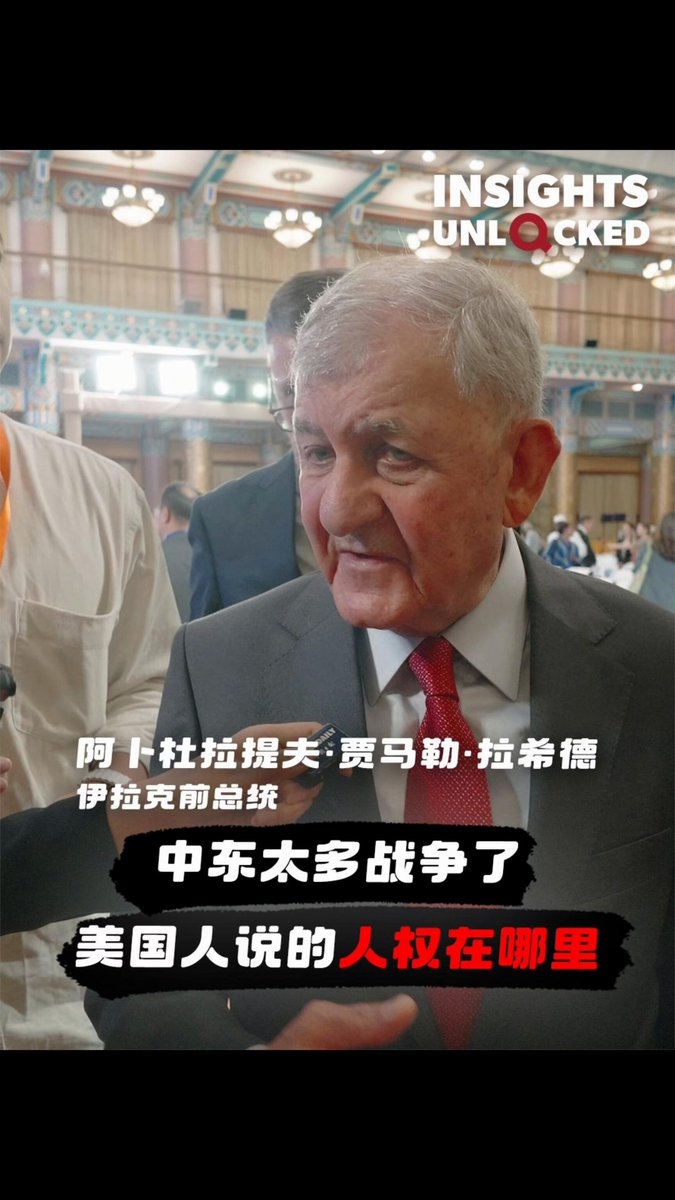
"We have too many wars in the world. Where are human rights?" said Abdul Latif Rashid, former Iraqi president. When asked about the United States using human rights as a weapon to impose sanctions on other countries, he said: "Human rights should not be used for sanctions." #MediaUnlocked
2
11
377
Jun 10
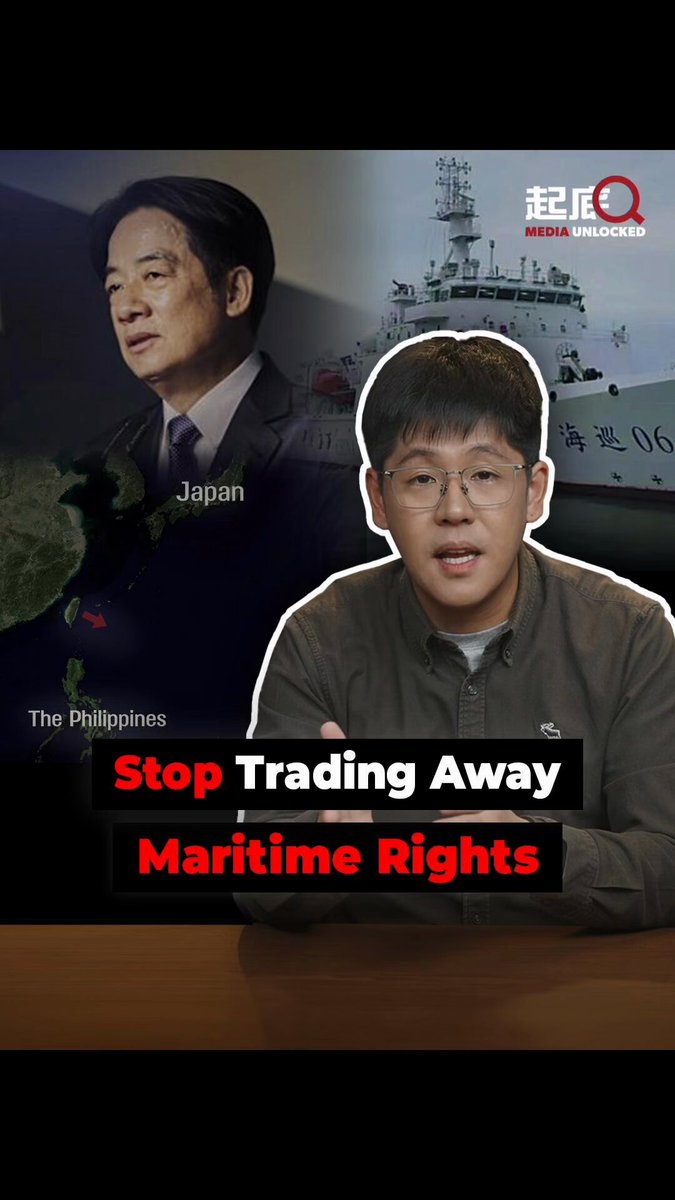
"Intruders walk into the house, and the homeowner welcomes them in." That is how Taiwan's United Daily News described the DPP authorities' response to the recent illegal maritime delimitation by Japan and the Philippines.
Instead of raising objections, the DPP authorities expressed support, even suggesting a willingness to "share marine resources". This is trading away maritime rights in pursuit of separatist ambitions.
The Chinese mainland dispatched multiple patrol missions. During one operation, a Taiwan "coast guard" vessel issued radio messages telling passing ships not to pay attention to broadcasts from the Chinese mainland. Soft on Japan and the Philippines, tough on the mainland.
Past experience in the Taiwan Strait shows one clear pattern: every provocation pushes the mainland one step further forward. Regular mainland patrols east of Taiwan island may well become a reality in the future. What the DPP tries to give away, the motherland will never allow. #MediaUnlocked
1
5
19
488
Jun 4
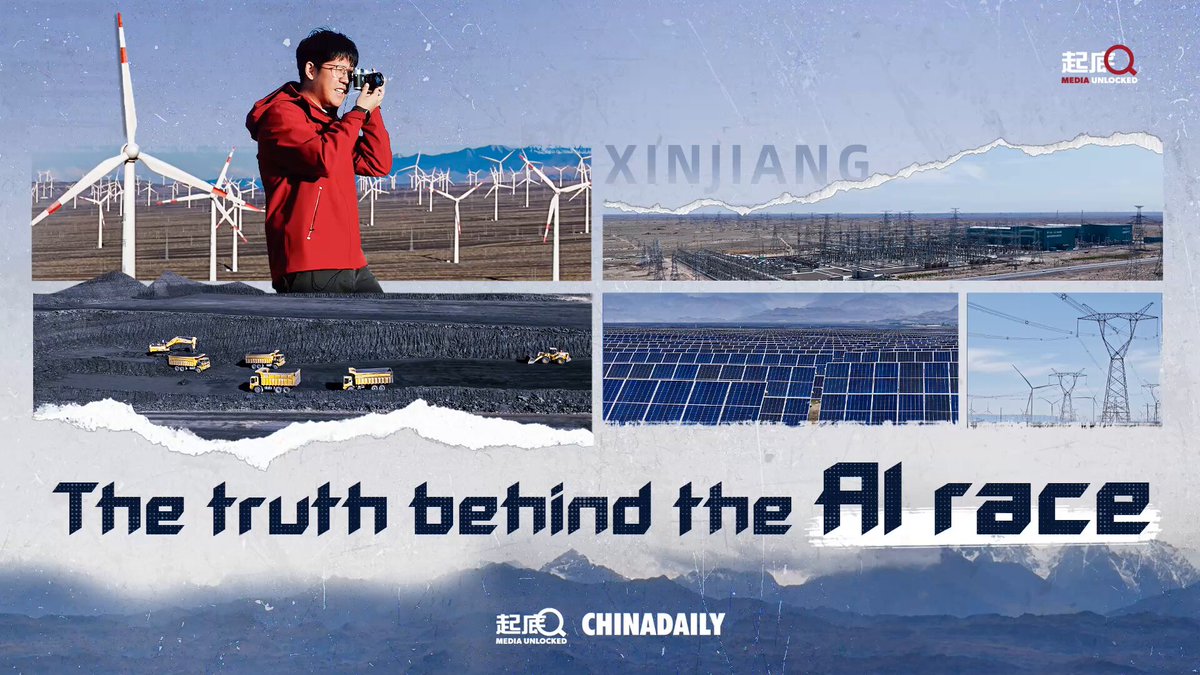
When people talk about the AI race, they usually talk about chips, algorithms, and models. But behind every AI breakthrough is something far more physical: electricity.
Every AI-generated token consumes power. As AI systems grow larger and more capable, electricity supply is emerging as a critical constraint. And the pressure is already showing in the United States.
·For the past 20 years, US electricity demand barely grew, leaving grids and power systems unprepared for an AI boom of this scale.
·Even though the US operates the largest nuclear fleet, its total output — about 97 gigawatts — still won't be enough to support the massive surge in AI-driven electricity demand now coming.
However, when you look at China, the numbers are staggering.
·In 2024, China generated over 10,000 TWh of electricity, more than double any other country on Earth.
·Xinjiang is one of the largest renewable energy bases on Earth.
·A single rotation of a wind turbine blade can generate about 8 kWh of electricity. That's enough for more than 2,000 AI searches.
·Through China's ultra-high-voltage transmission network, electricity from Xinjiang can reach over 20 provincial-level regions in the blink of an eye.
But does it have to be a race at all? When competition becomes confrontation, innovation slows down. But if the world's two biggest AI powers can find a way to cooperate, the future of AI may accelerate far beyond what either side could achieve alone. #MediaUnlocked
8
273
Jun 1
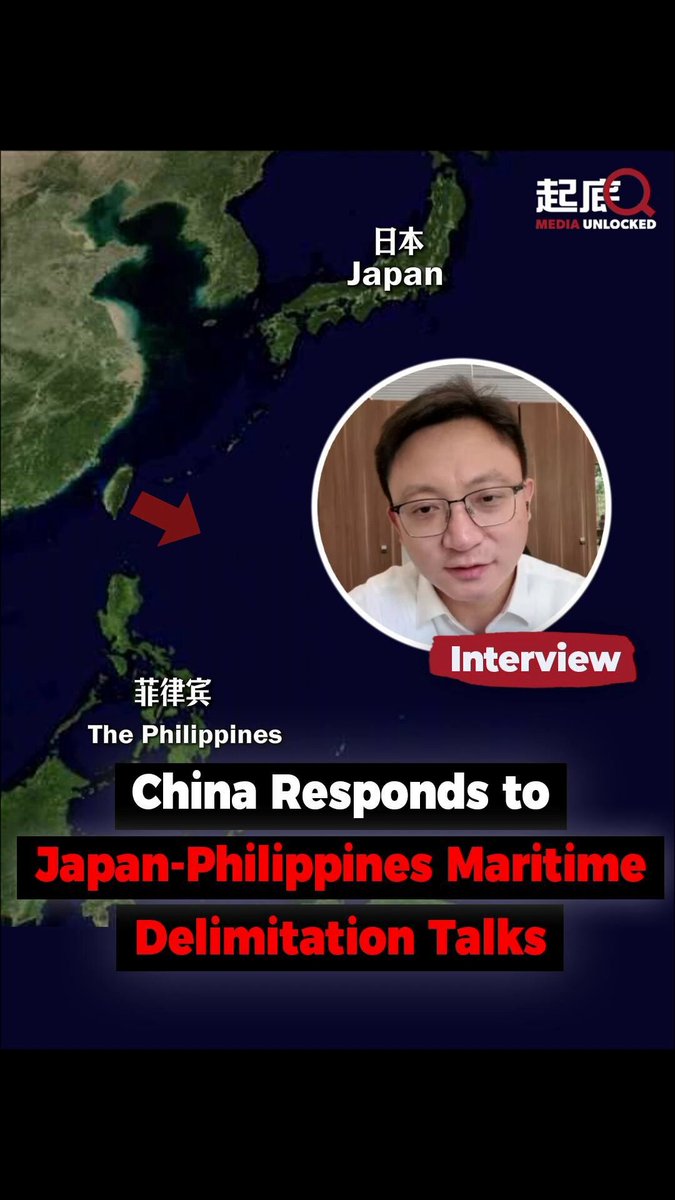
Recently, Japan and the Philippines issued a joint statement announcing the start of talks on the delimitation of their so-called exclusive economic zones and continental shelves, a move that seriously infringes upon China's maritime rights and interests.
On May 29, China's Foreign Ministry firmly stated that the so-called delimitation talks are completely illegal, null and void.
On June 1, the China Coast Guard conducted routine law enforcement patrols in accordance with the law in the waters east of China's Taiwan island, a necessary operation in response to the so-called maritime delimitation talks between Japan and the Philippines.
We spoke with Yang Xiao, a research fellow at the Institute of Peaceful Development, CASS. Here are the key takeaways from the interview.
·When they are pushing forward maritime delimitation, actually, they're talking about the waters east of China's Taiwan island.
·China may establish a more regular presence in the relevant waters. But such moves would be reactive rather than aggressive, because it is Japan and the Philippines that have changed the status quo.
·China will be more resolute in safeguarding its national interests and will do more to strengthen its administration of the waters surrounding Taiwan. #MediaUnlocked
7
15
44
2,045
May 29
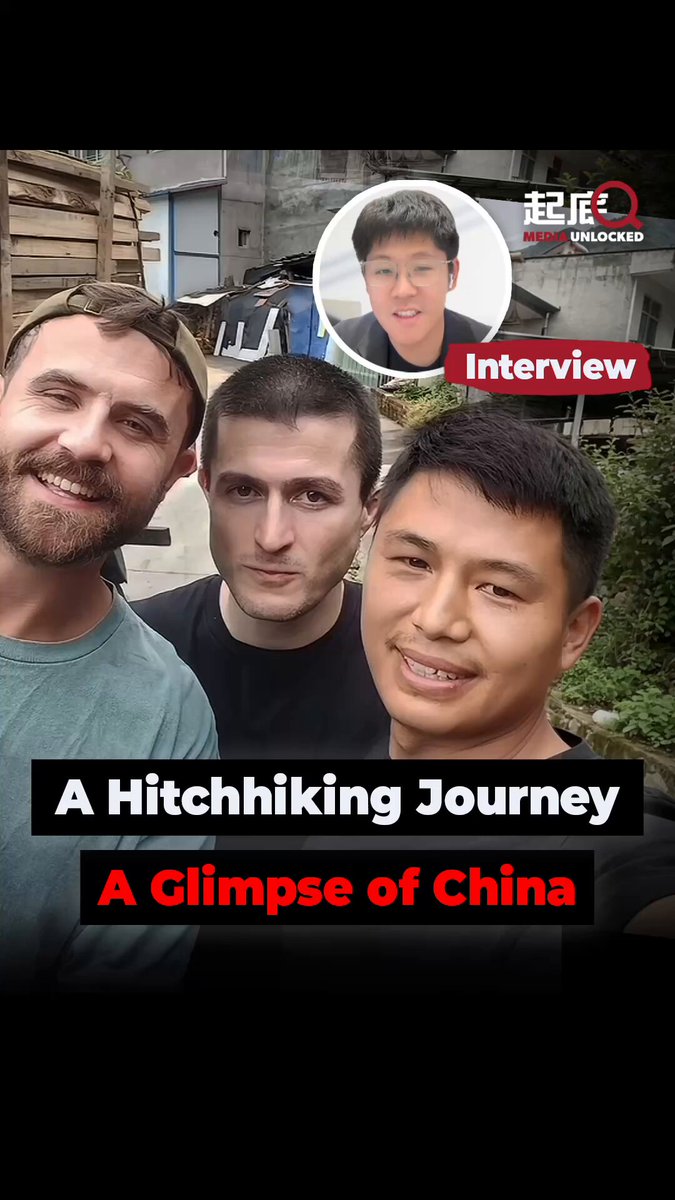
A video of a Chinese truck driver giving two foreign travelers a ride has gone viral online. After sharing the experience online, Mr Yang was flooded with comments and likes. Later, he discovered who the two travelers were.
One is Lex Fridman, the well-known podcaster who has interviewed figures such as Elon Musk and Jensen Huang. The other is travel content creator Mike O'Kennedy, who documents his journeys around the world for millions of viewers online.
According to Lex's post, he is traveling around the world and trying hitchhiking for the first time. China is the very first stop on his journey.
We interviewed the truck driver, Mr Yang. Here is his fascinating story. #MediaUnlocked
5
9
66
4,715
May 29
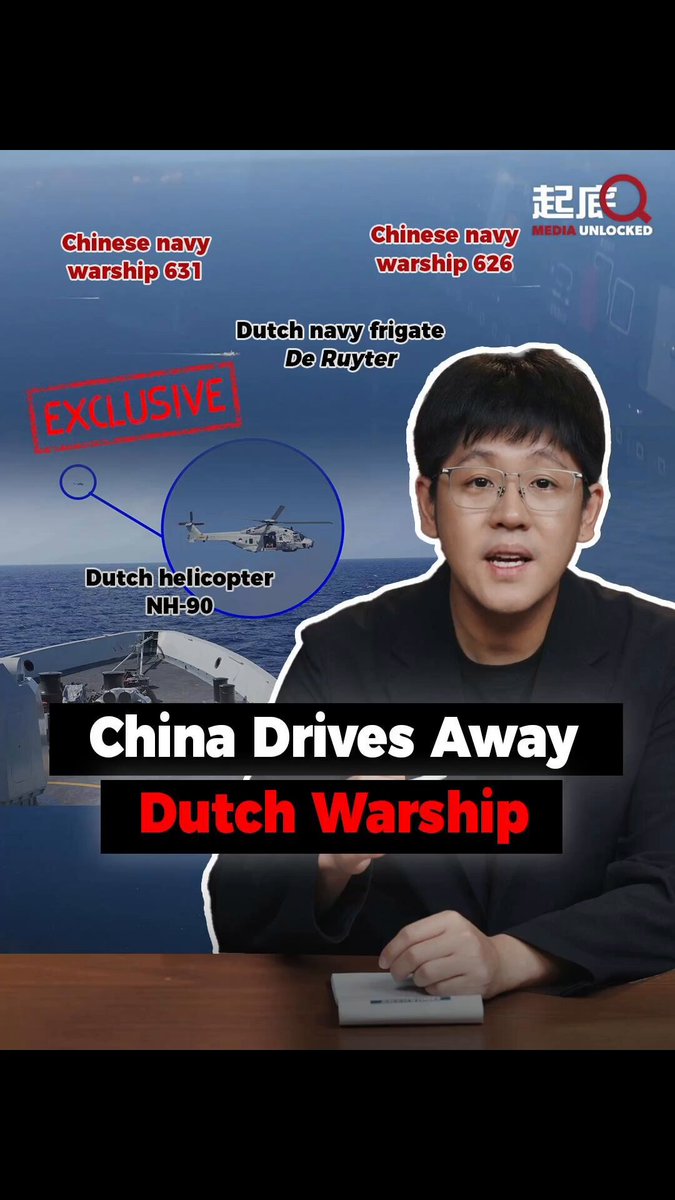
On May 27, a Dutch navy frigate, De Ruyter, illegally intruded into China's Xisha Islands. The warship repeatedly launched its shipborne helicopter into Chinese airspace.
In response, the Chinese People's Liberation Army Southern Theater Command organized naval and air forces, issued radio warnings, and took necessary measures, including warning electronic interference, to drive it away in accordance with law and regulations.
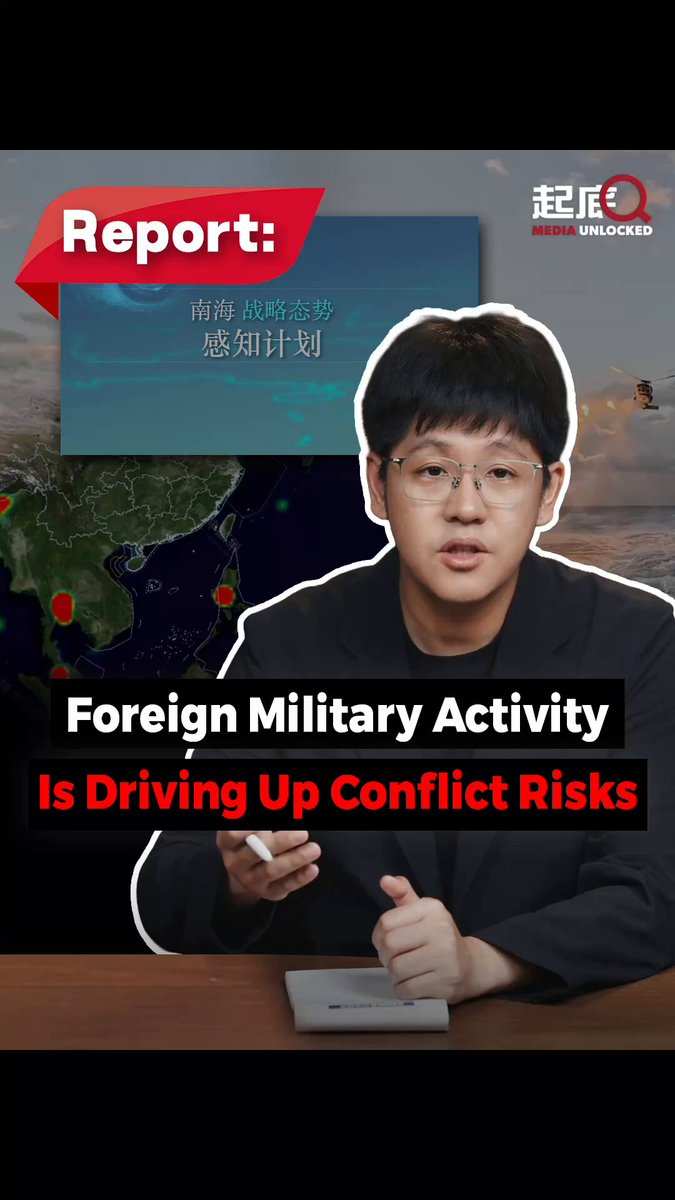
A recent report on military activities in the Western Pacific shows that many extra-regional countries are trying to increase their military presence in the region. However, most of them lack strong operational capabilities in the Western Pacific. And their military moves are often more symbolic than practical. #MediaUnlocked
4
16
1,133
May 27
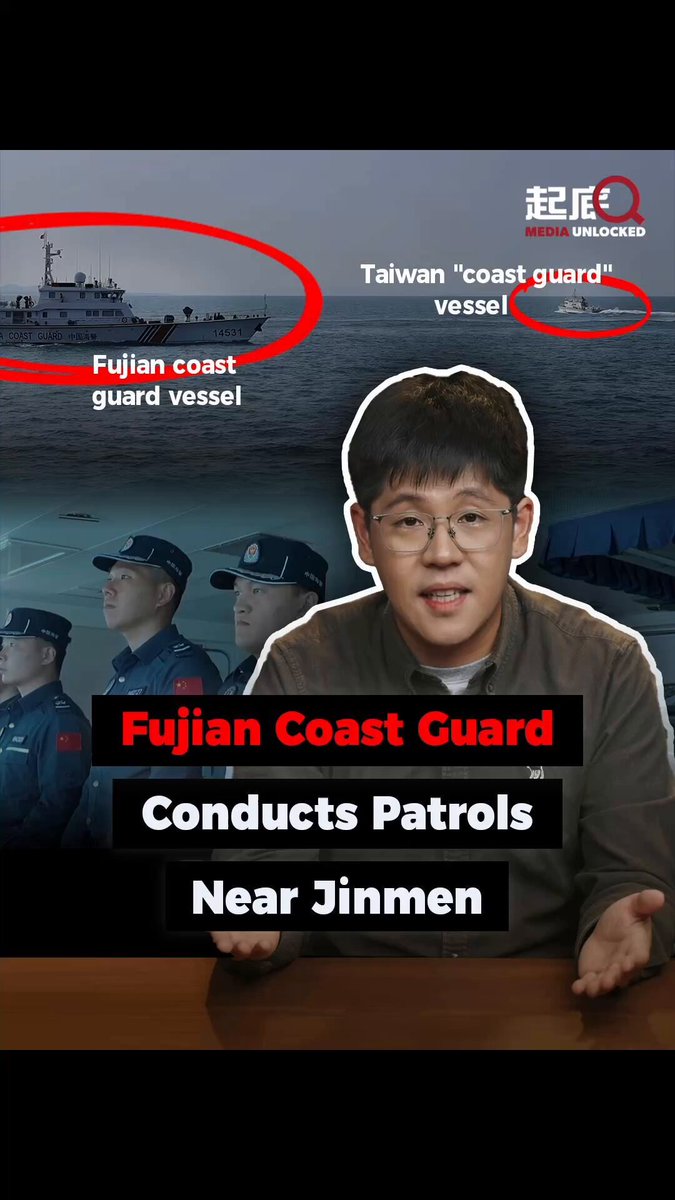
On May 26 and 27, the Fujian coast guard conducted law enforcement patrols in accordance with the law in the waters near Jinmen. Footage from the scene showed Fujian coast guard officers warning a Taiwan "coast guard" vessel not to approach dangerously.
In recent days, the Taiwan authorities have also hyped up the deployment of Chinese mainland vessels in certain maritime areas. In response, Chinese Foreign Ministry spokesperson Mao Ning said that remarks by "Taiwan independence" separatists are not worth commenting on, adding that the Chinese military's activities are fully consistent with international law and international practices. #MediaUnlocked
3
11
511
May 26
A report on the military activities of non-US extra-regional countries in the Western Pacific in 2025 has revealed an alarming military presence in the Western Pacific.
In 2025, according to incomplete statistics, as many as 18 extra-regional countries sent nearly 200 warships into these waters. On average, about two non-US foreign warships were present every single day.
"Freedom of Navigation Operations" are an American invention. Yet citing regional tensions, more countries from Europe and Oceania have joined in since 2024, turning sporadic moves into a routinized political performance.
Why do these distant powers sail thousands of miles to flex their muscles and make a scene here?
Their provocative and politicized military moves far outweigh their actual military value, only heightening confrontation and increasing regional security risks. #MediaUnlocked
2
1
9
259
May 22
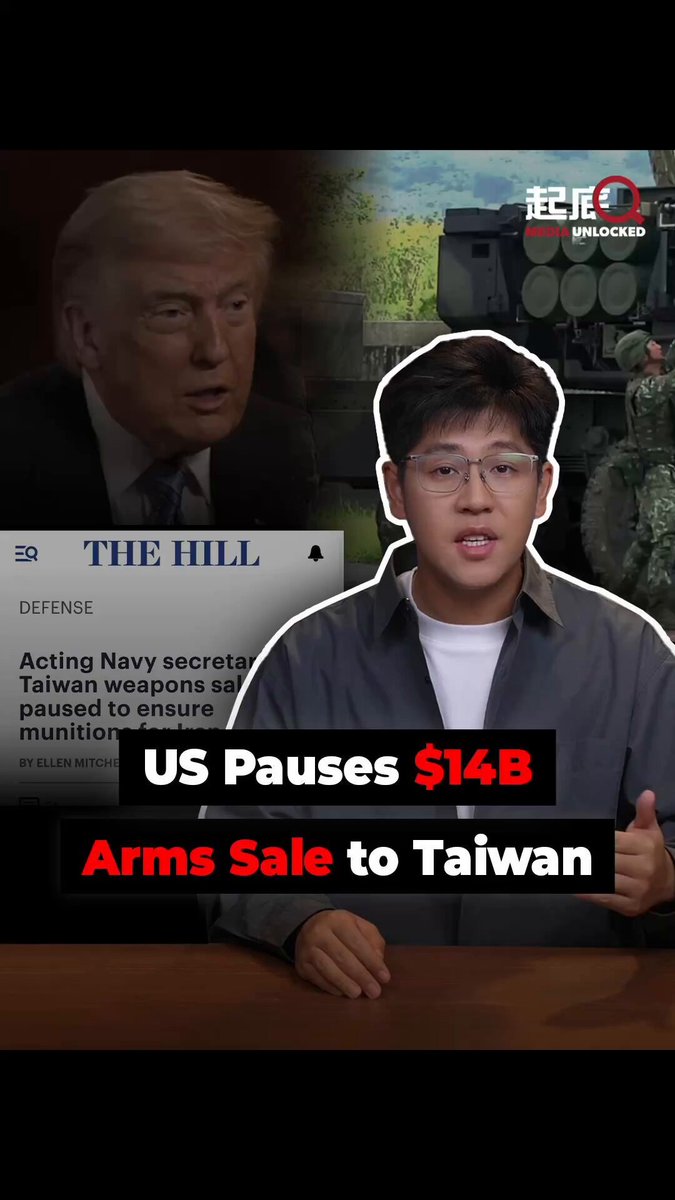
At a congressional hearing, Acting Navy Secretary Hung Cao said the US is pausing a 14-billion-dollar weapons sale to Taiwan.
Just days earlier, Trump also signaled that he may hold off on the Taiwan arms sale.
For years, the US has used arms sales to Taiwan as a political tool — to pressure China, to send signals, and to keep tensions across the Taiwan Strait alive.
But now, the Trump administration seems to be moving more carefully.
Why? It is the most sensitive issue in China-US relations.
And Beijing has made its position very clear: China urges the US to exercise extra caution in handling the Taiwan question, stop sending any wrong message to "Taiwan independence" separatist forces, and safeguard peace and stability across the Taiwan Strait as well as the momentum of steady development of China-US relations with concrete actions. #MediaUnlocked
4
347
May 22
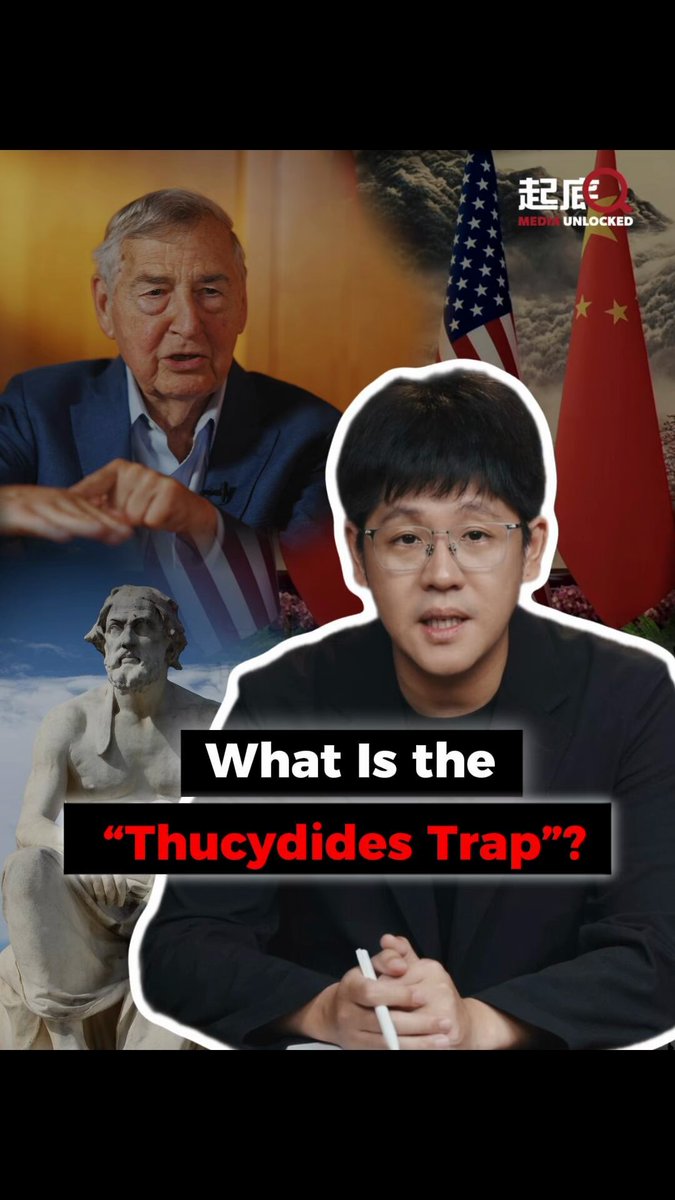
What is the "Thucydides Trap"? Why was it mentioned during the meeting between the Chinese and US presidents?
When a rising power begins to catch up with an established one, both sides can start misreading each other. The established power feels increasingly anxious. The rising power, on the other hand, becomes more confident, but also more sensitive to pressure and perceived threats. Over time, this mutual fear can spiral into conflict.
The term was popularized in the 2010s, when US political scientist Graham Allison used this theory to describe China-US relations.
Can China and the US transcend this "trap"?
In an interview, Allison drew lessons from Chinese history and told us that China and the US can be partners in understanding that they can't have a war.
Building a constructive China-US relationship of strategic stability could be a path to avoiding the "trap". #MediaUnlocked
1
8
337
May 20
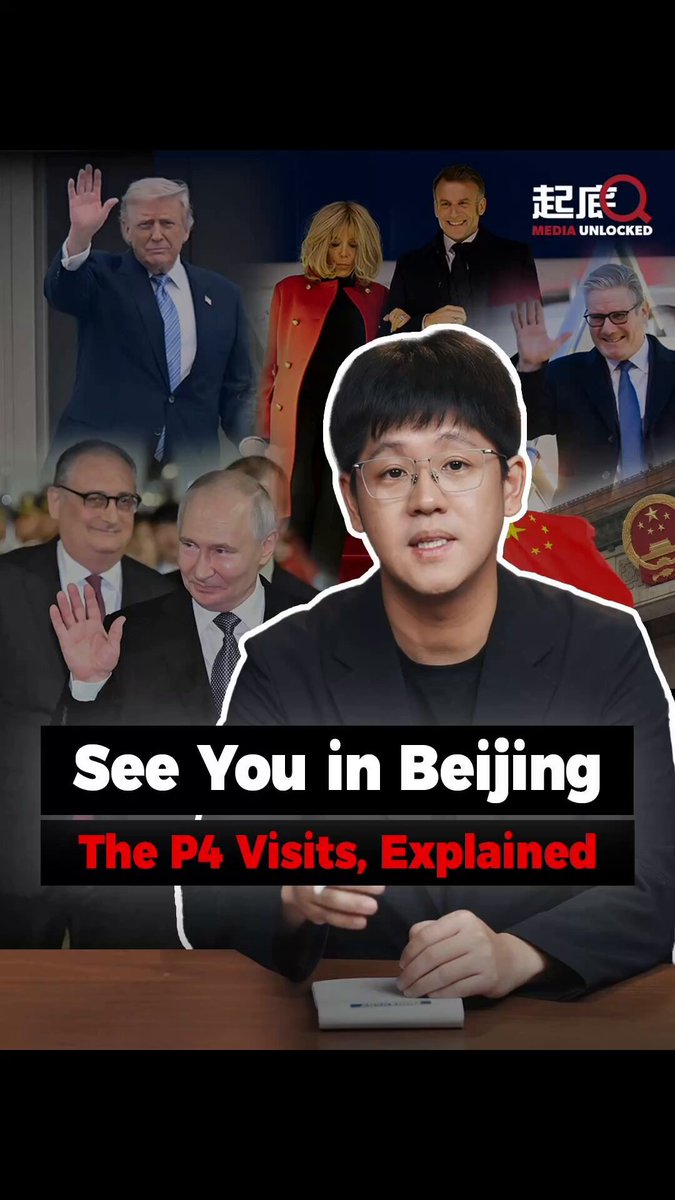
Donald Trump just wrapped up his China trip. Putin is now in China.
In just half a year, China has brought together the leaders of the other four permanent members of the UN Security Council. Within six months, France, the UK, the US and Russia, the other four P5 members, have all chosen Beijing for high-level diplomacy.
Beijing is no longer just one stop on the diplomatic map. It is becoming one of the main stages where the future of the global order is being discussed.
In a world full of uncertainty, China is becoming the ballast that helps keep the world steady. #MediaUnlocked
1
2
20
602
May 18
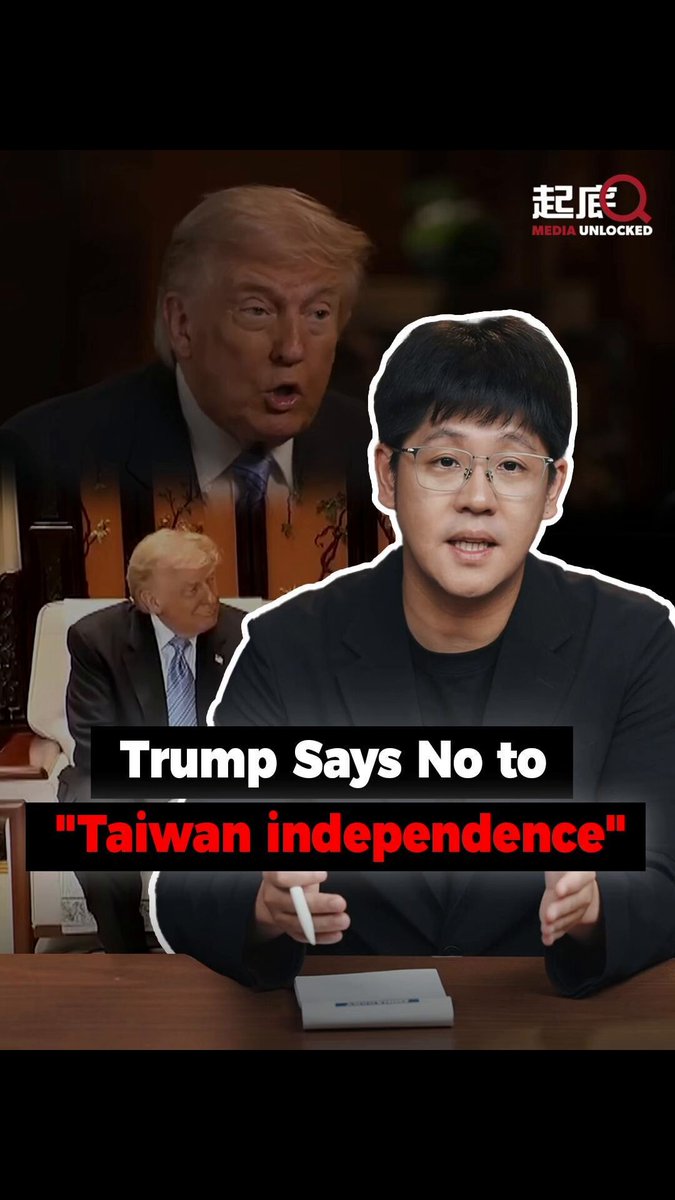
"I'm not looking to have somebody go independent."
That was Donald Trump speaking to US media after his state visit to China. And for "Taiwan independence" separatist forces, those words were another heavy blow.
China and the US are working toward a constructive China-US relationship of strategic stability. And in that context, "Taiwan independence" should not be used as a tool to contain China.
Trump's remarks show that the US side understands China's position, takes China's concerns seriously, and does not stand for or accept Taiwan's moving toward independence.
The space for separatist forces is shrinking. Those still clinging to the illusion of "Taiwan independence" should wake up to reality. #MediaUnlocked
3
2
11
672
May 16
On May 14, the Chinese and US presidents held talks in Beijing. The two sides agreed to build "a constructive China-US relationship of strategic stability". What does this new vision mean for China-US relations? We spoke with Victor Gao, vice president of the Center for China and Globalization. #MediaUnlocked
1
4
266
May 14
China and US presidents kicked off a closely watched summit in Beijing. More details↓↓↓ #MediaUnlocked
1
3
216
May 13
China and the US wrapped up the seventh round of economic and trade talks in South Korea. China described the talks as "candid, in-depth and constructive".
Here are the details:
· The talks were held at Incheon International Airport, showing a compact and efficiency-focused arrangement.
· It is widely seen as laying the groundwork for the upcoming meeting between the two heads of state.
· Before departing, US President Donald Trump said China and the US have a lot to discuss, and the meeting would be "great".
· The latest round of trade talks once again highlights the importance of dialogue. #MediaUnlocked
18
1,793
May 13
🇨🇳 🇺🇸 national flags along the airport expressway in Beijing. Ready to welcome @POTUS @RapidResponse47
1
5
429