Joined August 2018
- Tweets 903
- Following 473
- Followers 278
- Likes 683
318 Photos and videos
Midlands Medical Conferences CIC (Not for Profit) retweeted

This is what our previous delegates have shared.
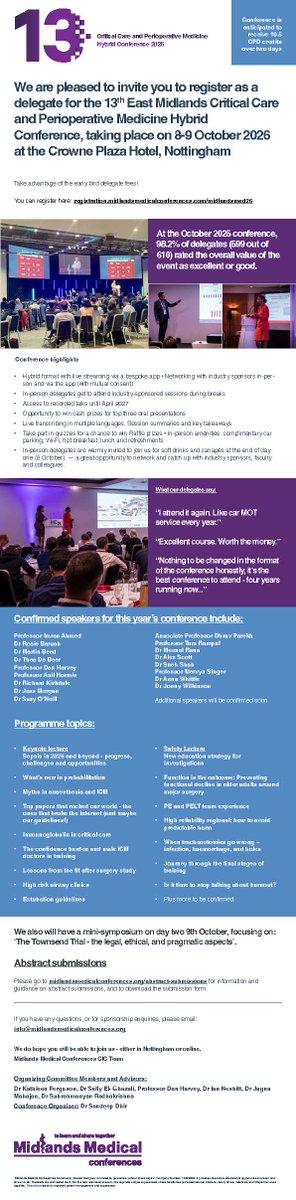
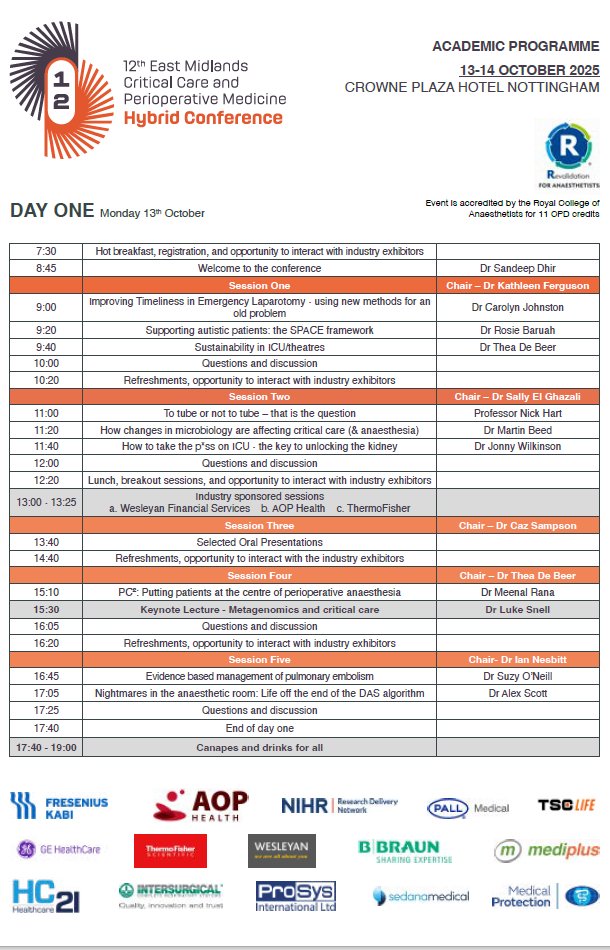
At the October 2025 conference, 98.2% of delegates (599 out of 610) rated the overall value of the event as excellent or good.
- “Nothing to be changed in the format of the conference honestly, it’s the best conference to attend - four years running now...”
- “I attend it again. Like car MOT service every year.”
- “Excellent course. Worth the money.”
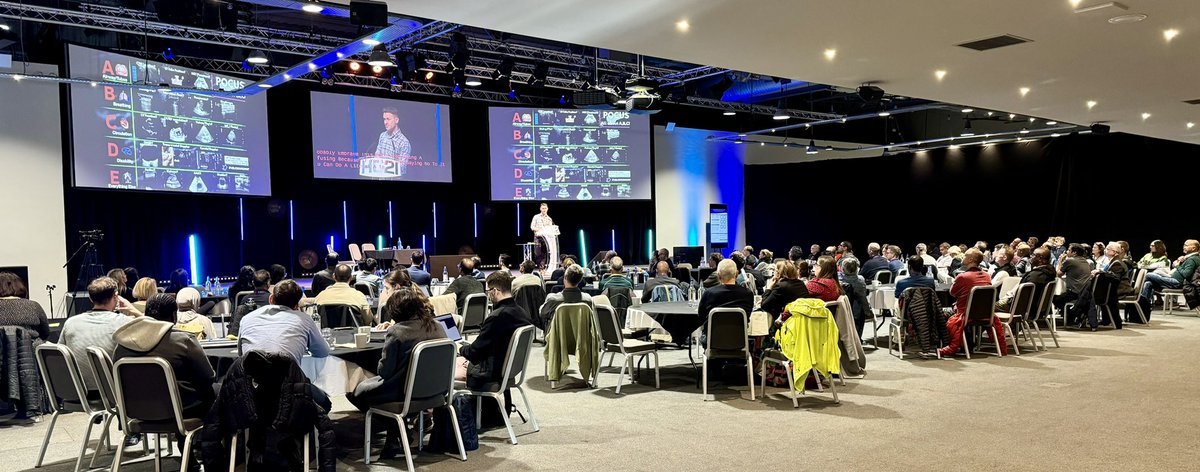
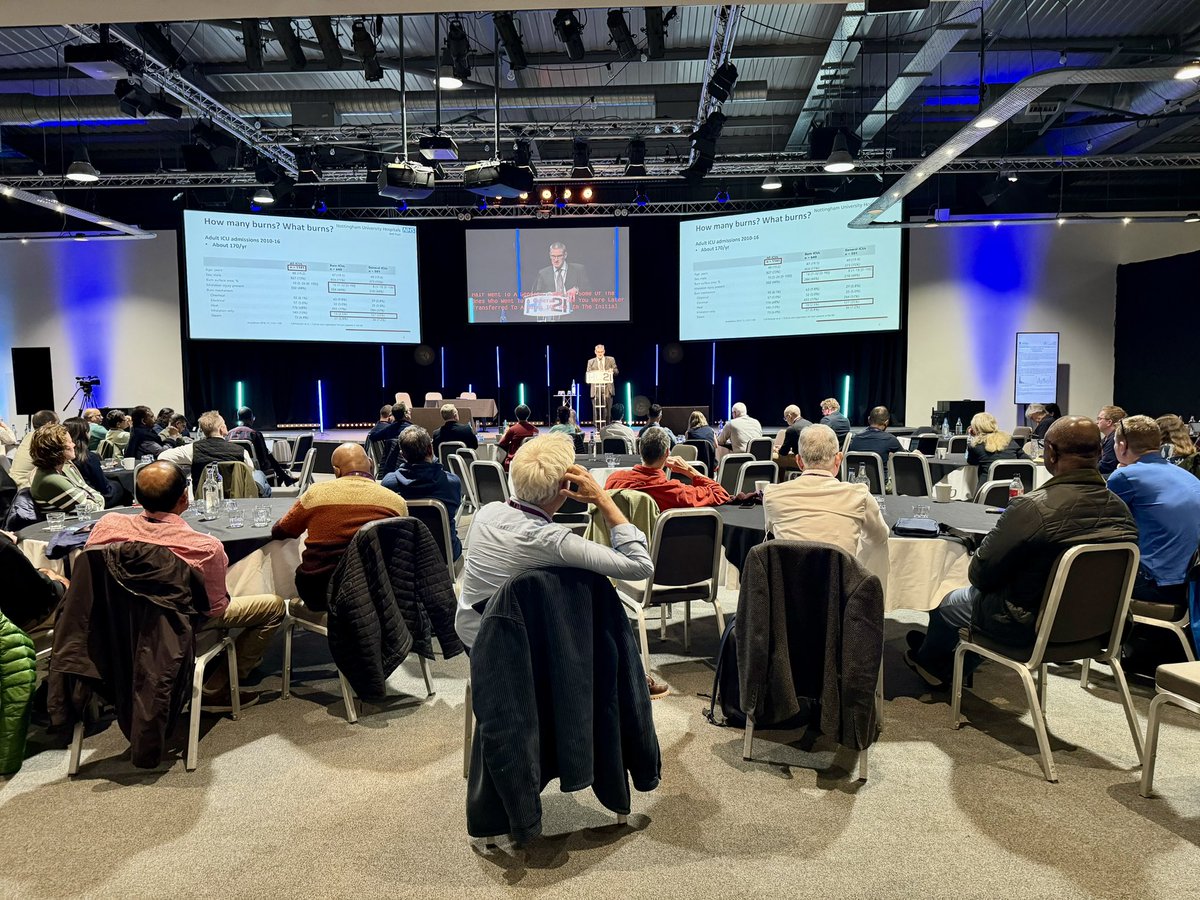
Register now for 8-9 October 2026 conference in Nottingham on perioperative medicine, critical care and anaesthesia, now in its 13th successive year.
Receive early bird discount on delegate fees. Join us in Nottingham or online: registration.midlandsmedical…
Abstract submissions:
Abstract submissions are welcome — guidance and the submission form are available at midlandsmedicalconferences.o…
Coming as a team?
Group discounts and invoice/PO are available (see below).
Group & employer bookings invoice/PO messaging (Oct 2026 conference)
Group discounts apply to delegate tickets booked together on one invoice. Subject to availability.
Group discounts apply to **all ticket types**
- Standard (Live) and Premium (All Access)
- Online and In-person (F2F)
- Group discounts:
- 15% off for 5 delegates
- 20% off for 10 delegates
- Invoice / PO welcome (NHS trusts, universities, and international employers).
To book a group or request an invoice/quote, email **info@midlandsmedicalconferences.org** with number of delegates, ticket type (Online/In-person; Standard/Premium), and billing details.
3
3
339
Midlands Medical Conferences CIC (Not for Profit) retweeted
Dear Colleague,
SAFETY LECTURE
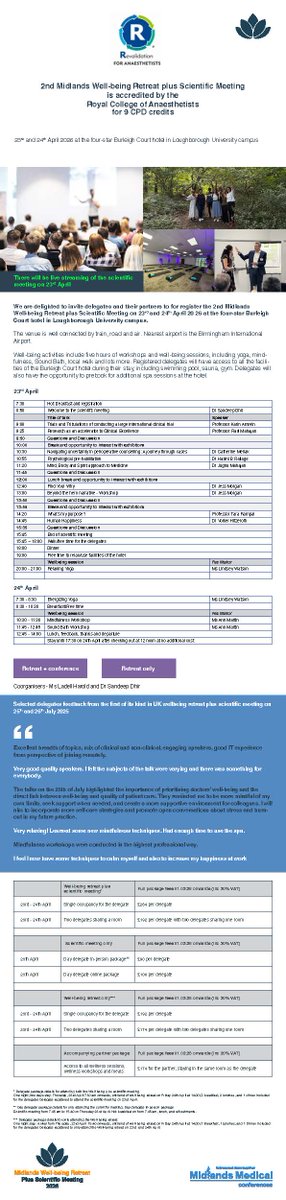
We are delighted to announce that this year’s Professor Ravi P. Mahajan Safety Lecture will be delivered by Mr. Andrew Murphy-Pittock from the Health Services Safety Investigations Body (HSSIB). Mr. Murphy-Pittock will discuss the "New Education Strategy for Investigations."
The hybrid conference will take place on October 8–9, 2026, in Nottingham. Detailed information regarding the schedule, abstract submissions, and delegate registration is available below and in the attached flyer.
Abstract submissions:
Abstract submissions are welcome — guidance and the submission form are available at midlandsmedicalconferences.o…
Register now and join us in Nottingham or online:
registration.midlandsmedical…
For sponsorship enquiries or questions, please email info@midlandsmedicalconferences.org
We look forward to seeing you there.
Best regards,
Midlands Medical Conferences CIC Team
4
5
438
Midlands Medical Conferences CIC (Not for Profit) retweeted

May 16
Thank you for supporting the 22nd Annual Critical Care Symposium and the 15th Ultrasound in Acute Care, held on April 23rd and 24th at MCC/Pendulum Hotel, Manchester. The event was well received by delegates and faculty, with overwhelming compliments.
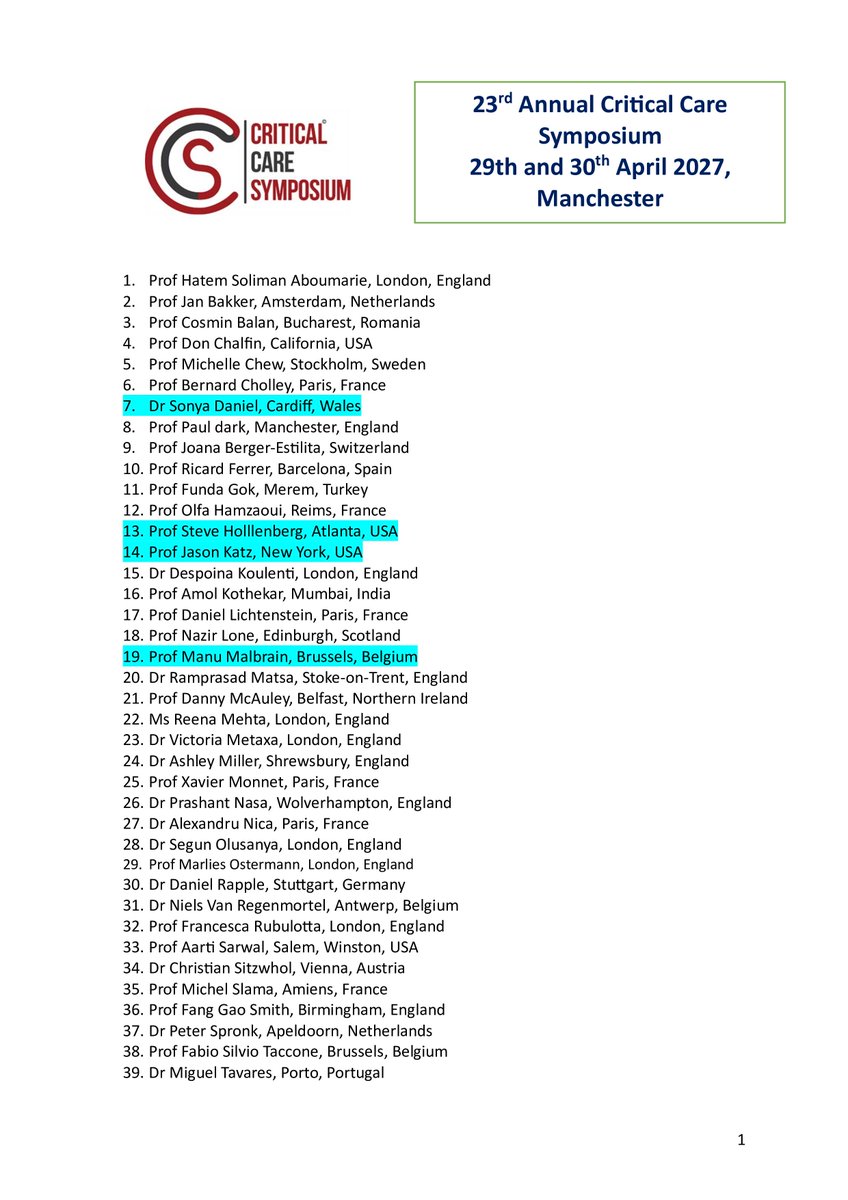
Looking ahead, the 23rd ACCS and 16th UAC are scheduled for April 29th and 30th, 2027, in Manchester, with the venue to be announced later.
We are proud to have nearly 44 top-notch faculty members signed up from the UK, Austria, Belgium, France, Germany, India, Netherlands, Portugal, Romania, Serbia, Spain, Sweden, Switzerland, Turkey, and the USA. Notably, over 30% of our faculty are women, representing the best in their fields.
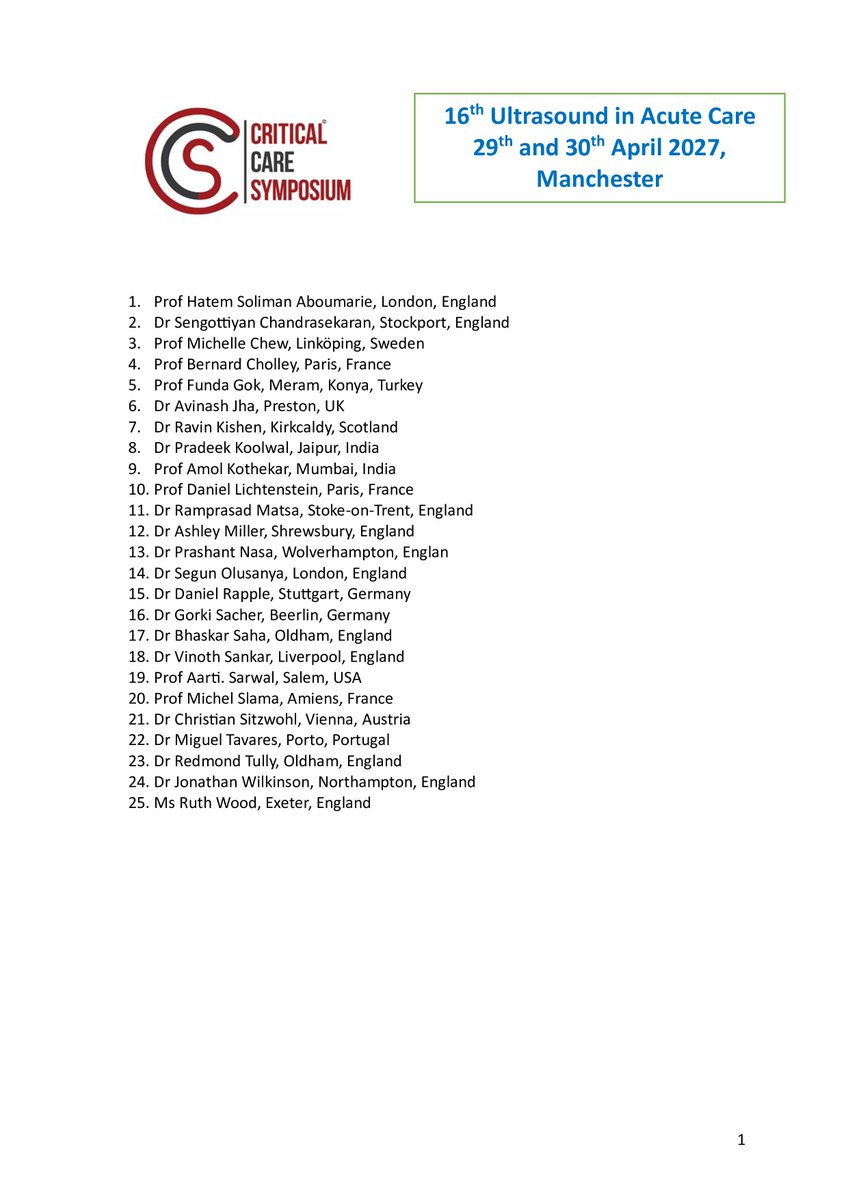
The 16th UAC will feature 25 faculty members from the UK, France, Germany, India, Portugal, Romania, Sweden, Turkey, and the USA.
Don't miss the upcoming IWIN meeting in late June, promoting Women in Intensive Care. Please mark the meeting dates in your diaries. Here is the link: lnkd.in/eNB-uGAV
@SICStrainees @sicsmembers @SICMSG @Welshanaesthes @WelshICS @FICMNews @RCEM15 @OxoSLT @DarkNatter @SCCM_EM @Ed_CritCare_On @CCOT_Kingston @CCOT_Kingston @KingsCritCare @StockportICU @SalfordRoyalCCU @IMSMAXIMS @WaltonCentre @ANWICU @ELHT_DERI @ELHTresearch @OldhamICU @icm_yorkshire @ICULewisham @aartisarwal @aaccmNDDH @QUBCritCareResp @GRIICUQI
3
4
151
Midlands Medical Conferences CIC (Not for Profit) retweeted

May 15
Thanks for reading
What is your opinion on this?
Let me know below.
If you enjoyed this post, follow @karlmehta for more content on AI Safety, Crypto, and Health.
Repost the first tweet to help more people see it:
May 15

Matthew Walker is a former Harvard professor who showed 6-hour nights can push your genes toward heart disease and cancer in 1 week.
On Jay Shetty's podcast, he revealed 10 "normal" habits that wreck your sleep, mood, and brain:
1) Checking your phone right after waking.
8
12
84
101,623
Midlands Medical Conferences CIC (Not for Profit) retweeted

May 14
Health is simple:
- Nurture your important relationships
- Have meaningful goals to work on
- Spend time alone with your mind
- Walk 10,000 steps
- Lift heavy things
- Sleep 8 hours
- Eat real food
- Get outside
These simple habits will put you in the top 1%.
6
6
43
2,291
Midlands Medical Conferences CIC (Not for Profit) retweeted
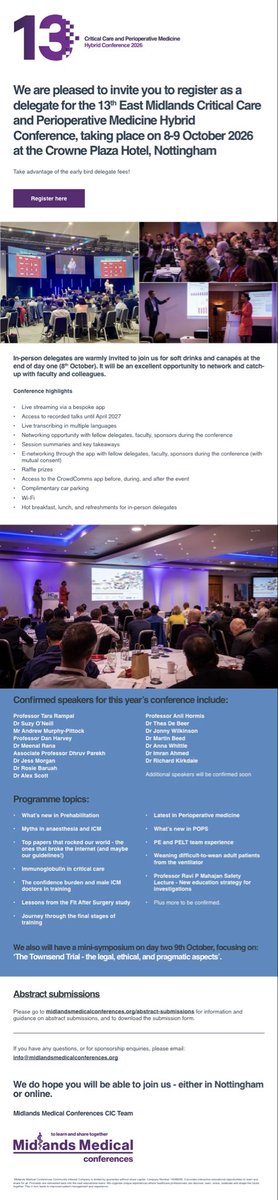
We are delighted to share that delegate registration for the 13th East Midlands Critical Care and Perioperative Medicine Hybrid Conference is now open.
The conference will take place on 8th and 9th October 2026 at the Crowne Plaza Hotel, Nottingham. Registered delegates will be able to watch all the talks until end of April 2027.
Take advantage of the Early bird delegate fees!
Please use the link below to register.
registration.midlandsmedical…
2
2
92
Midlands Medical Conferences CIC (Not for Profit) retweeted
Apr 30
Your body reflects your daily standards.
• How you eat
• How you move
• How you recover
Not what you do occasionally.
People don’t see your effort.
They see the outcome of your habits.
2
5
20
991
Midlands Medical Conferences CIC (Not for Profit) retweeted
Apr 19
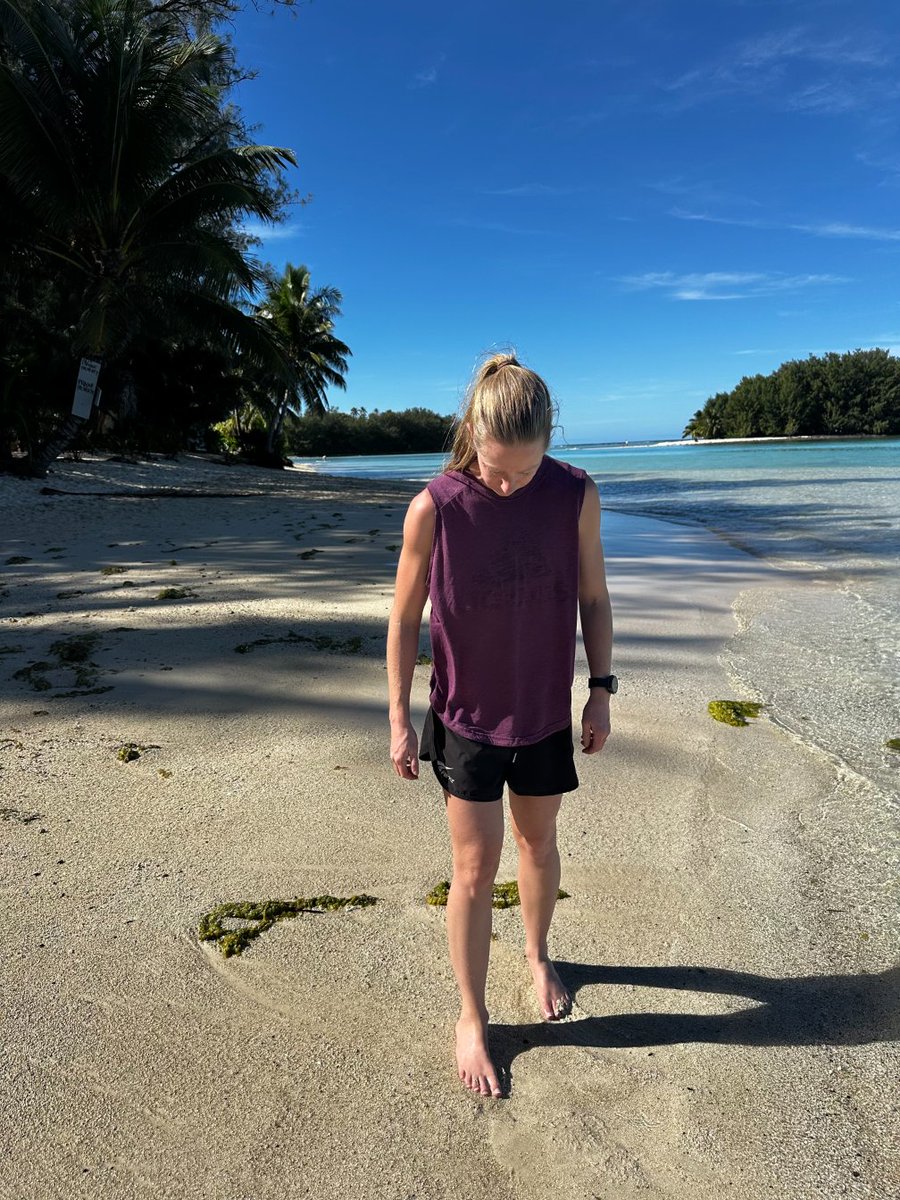
If I woke up 20 pounds overweight and needed to lose it by summer, here is exactly what I’d do (let's make this easy):
7
22
308
258,335
Midlands Medical Conferences CIC (Not for Profit) retweeted

Apr 18
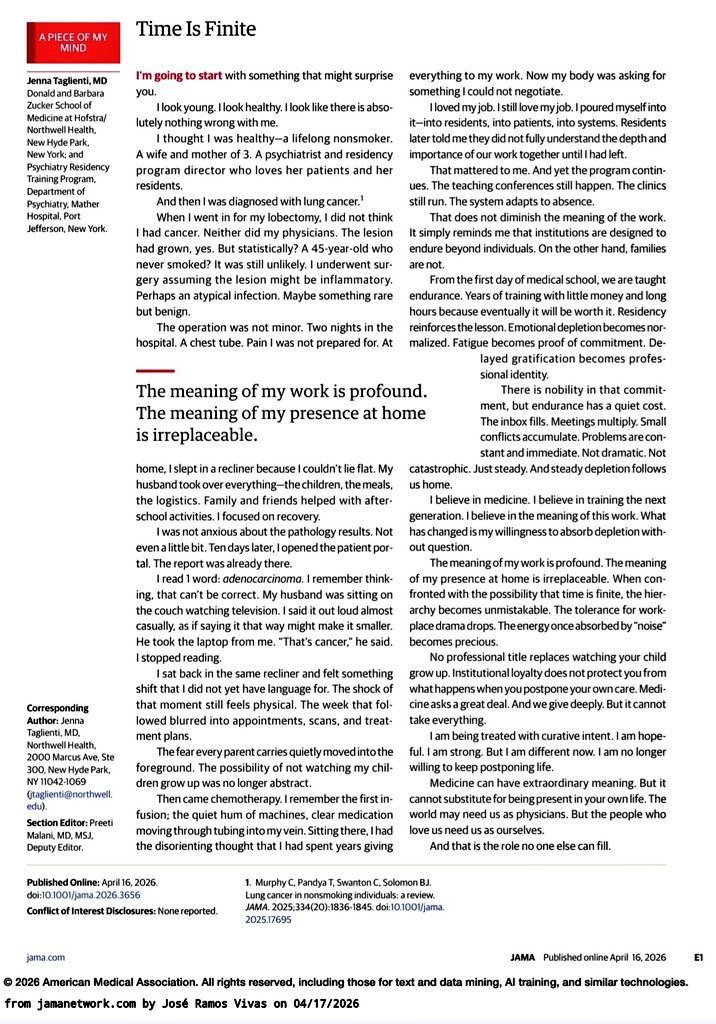
If there was one article you want to read as a clinician?
Read this
Via @jenna_taglienti - an absolutely stunning write in @JAMA_current
"Medicine can have extraordinary meaning. But it cannot substitute for being present in your own life. The world may need us as physicians.
But the people who love us need us as ourselves.
And that is the role no one else can fill."
Brilliant - and much love to you
'Time is Finite"
jamanetwork.com/journals/jam…
20
238
704
72,792
Midlands Medical Conferences CIC (Not for Profit) retweeted
Apr 10
Brain-boosting foods you should be eating:
• Eggs
• Cacao
• Coffee
• Berries
• Green tea
• Lions mane
• Pomegranate
• Fish and other seafood
1
2
34
2,176
Midlands Medical Conferences CIC (Not for Profit) retweeted
The most effective workout for fat loss only takes 2–4 minutes.
(And it's backed by 70 studies.)
Not daily HIIT classes.
Not spending an hour on the treadmill.
Not hitting 15,000 steps per day (although that helps, too).
The research shows something really interesting.
Researchers compared sprint intervals, cardio, and classic HIIT.
Here’s what they found:
• Sprint Interval Training (SIT) produced 91.8% more fat loss than cardio
• SIT produced 39.5% more fat loss than HIIT
• SIT sessions took 71% less time than cardio
What SIT looks like:
• 10–30 seconds of all-out sprinting
• 2–4 minutes of full rest
• Repeat 4–8 times
• 2x per week
That’s it. You don't even need any equipment.
Why it works:
• Activates fast-twitch muscle fibers (the ones that burn the most energy)
• Spikes growth hormone post-workout fat burn
• Preserves muscle instead of breaking it down
• Keeps cortisol lower than long cardio
Most people spend longer deciding what workout to do than this session actually takes.
If fat loss is the goal, Sprint Interval Training is the highest ROI workout you can do.
2–4 minutes of real intensity → leaner, stronger, faster.
---
If you'd like help implementing this (safely) into your training regime, send me a DM saying "Interested" and let's see how I can help.
54
140
1,259
171,829
Midlands Medical Conferences CIC (Not for Profit) retweeted
I’ve dedicated my life to finding the formula for ultimate health optimization.
As a national strength & conditioning coach and health consultant, I’ve seen what works and what doesn't.
Don’t waste the next 10 years of your life trying to figure this out.
I’m giving you the full blueprint in the next 3 minutes:
2
12
48
12,698
Midlands Medical Conferences CIC (Not for Profit) retweeted
Mar 27
Losing 10 pounds might be the worst thing you do for your health.
If 4 of those pounds are muscle, you’ve actually made it harder to stay lean.
The people who stay lean into their 60s aren’t better at dieting.
They’re better at protecting their muscle.
Because when you lose muscle, you don’t just get smaller.
You lower your resting metabolic rate.
You become more insulin resistant.
You increase your risk of frailty, falls, and metabolic disease.
You make future fat loss harder, not easier.
Muscle isn’t cosmetic.
It’s metabolic leverage.
And most people over 40 are dieting it away.
They don’t focus on what kind of weight they are losing; they just worry about the number on the scale.
Your body doesn't just burn fat when you’re in a deficit.
It burns tissue.
And without the right inputs, it will burn muscle along with fat.
Muscle is expensive tissue.
It costs your body significant energy just to maintain it at rest.
It protects you from blood sugar crashes.
It makes you insulin sensitive.
It dictates your posture, your strength, and your hormonal health.
When you strip it away through crash dieting, you aren't just getting smaller.
You are making your body worse at burning fat in the future.
Inside my world, we don't chase "smaller."
We chase Metabolic Integrity.
We do this by sending two specific, non-negotiable signals to the body that tell it to keep the muscle and discard the fat:
1. The Retention Signal (Training)
Most people use exercise to "burn calories."
That’s a losing battle.
We use training to provide a Reason to Retain.
By lifting heavy, meaningful loads 3x per week, we tell the nervous system that muscle is a survival necessity.
When the body is forced to choose what tissue to burn for energy, it keeps the muscle because you’re actually using it.
2. The Preservation Signal (Nutrition)
We don't just eat less.
We prioritize the building blocks.
High protein isn't just for bodybuilders; it’s a metabolic insurance policy.
It has the highest thermic effect of food (it takes energy just to digest it) and it provides the amino acids necessary to repair the "expensive" tissue we want to keep.
The result?
You don't just end up with a smaller version of your old self.
You end up with a body that:
• Performs better under stress
• Has a higher resting metabolic rate
• Stays lean even when life gets busy and you can't be "perfect"
The question isn’t “How much weight did I lose?”
It’s “What did I keep?”
The high-performers I work with don't want to be "thin."
They want to be durable.
They want a body that reflects their discipline, not their deprivation.
Stop trying to be smaller.
Start building a body that is better at being lean.
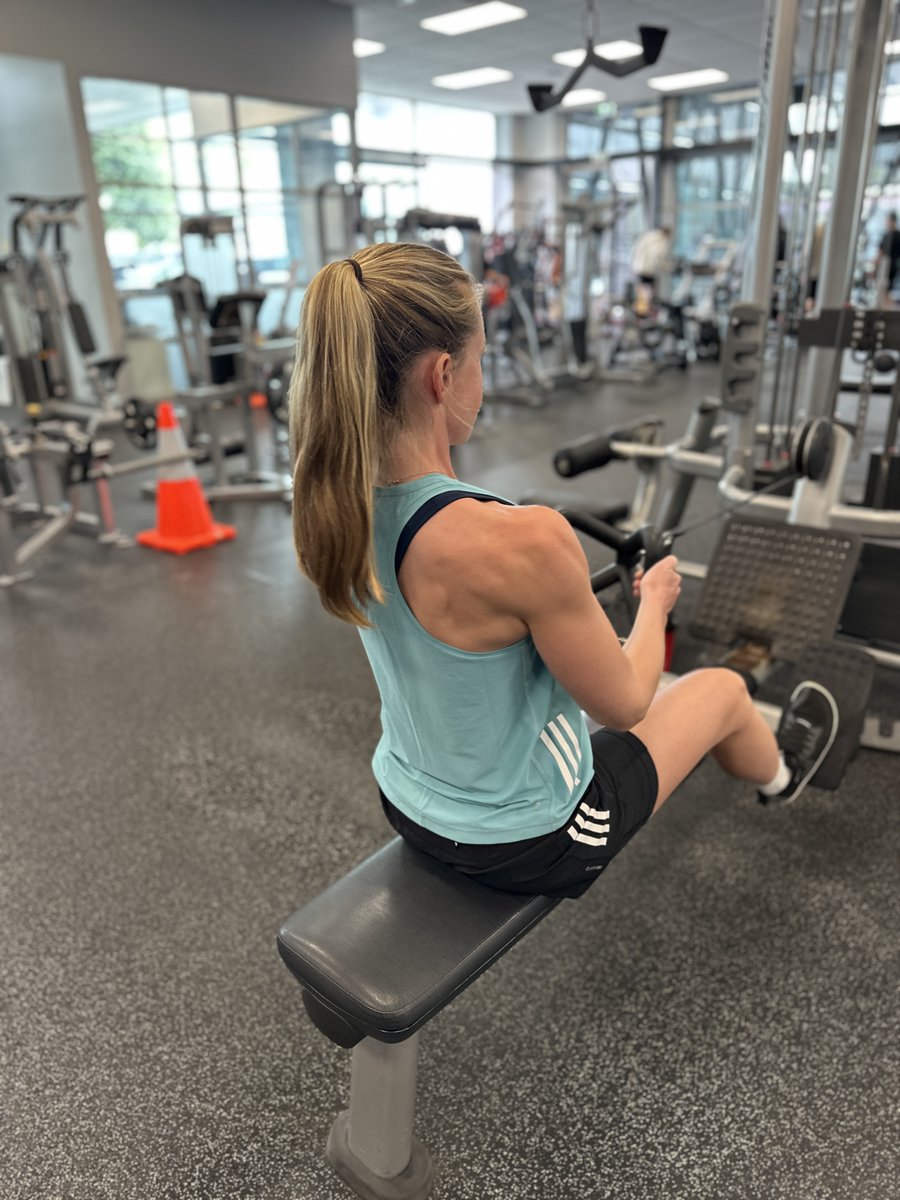
1
3
19
2,445
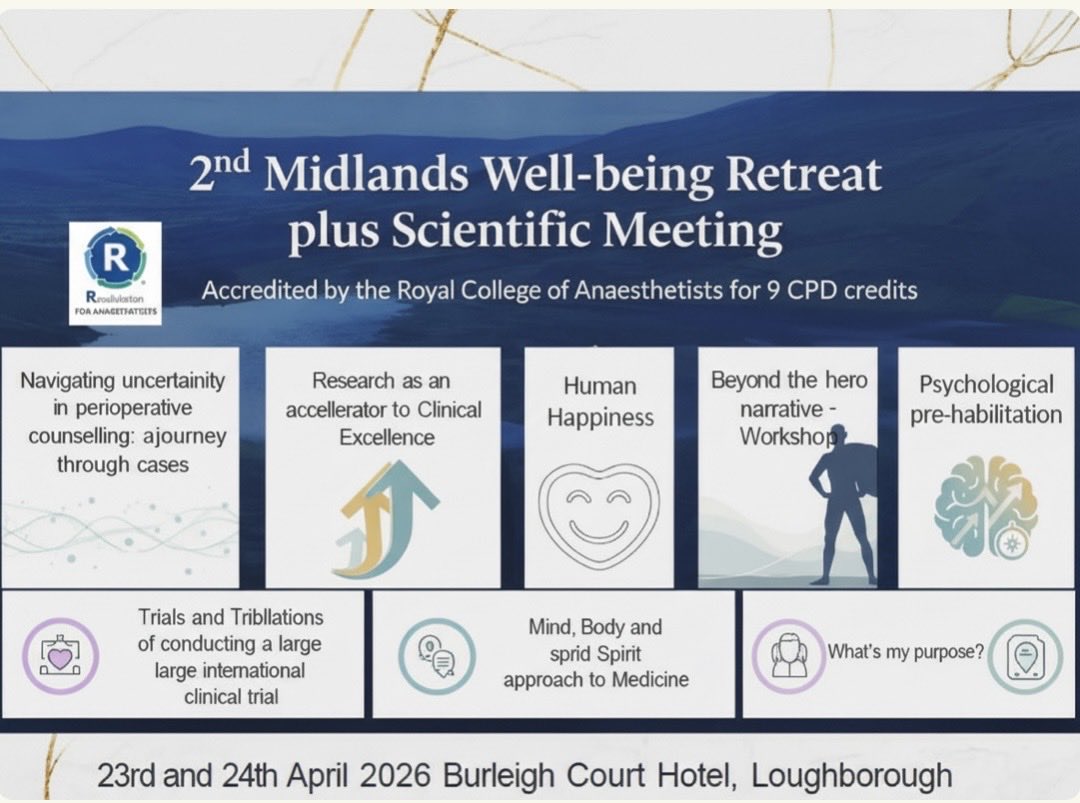
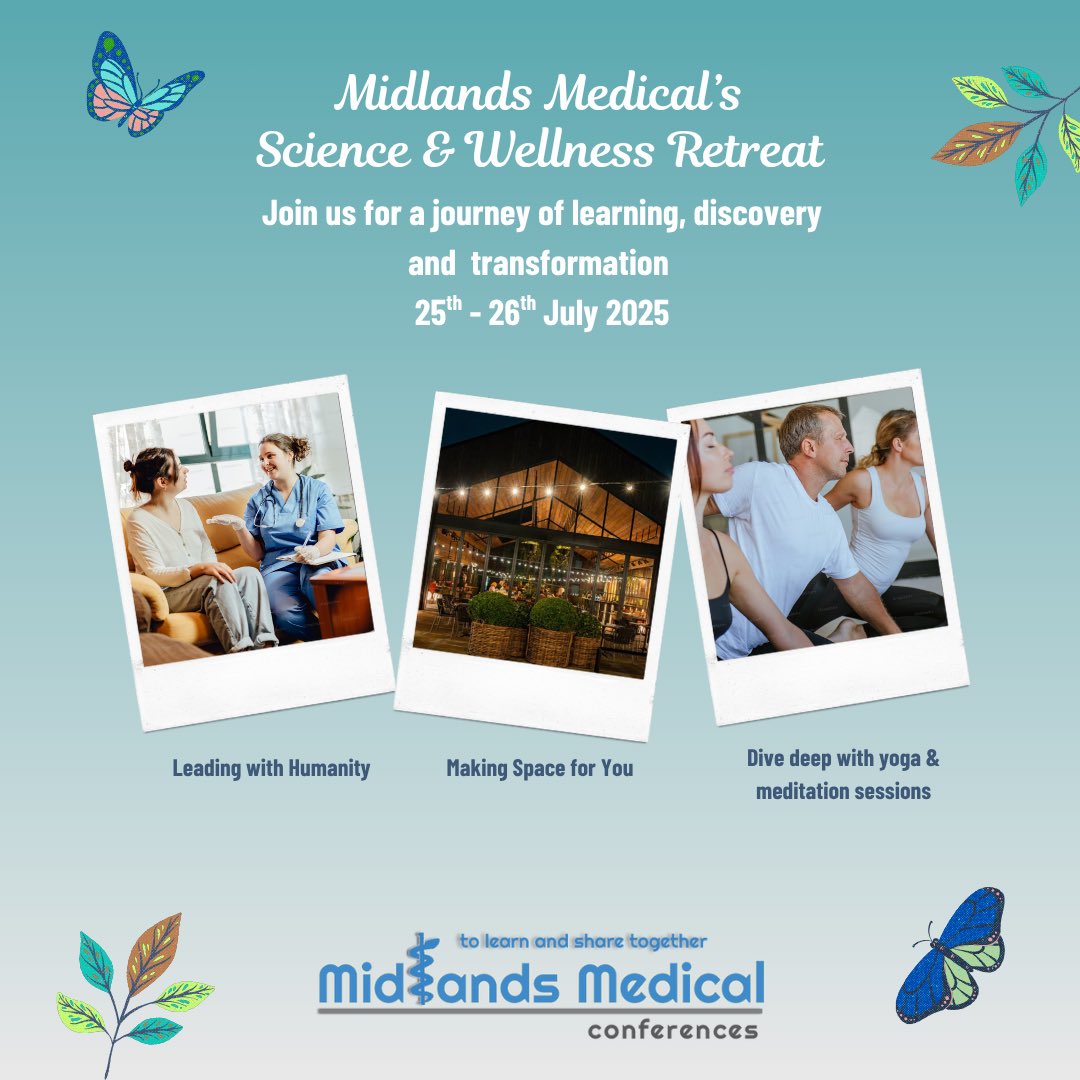
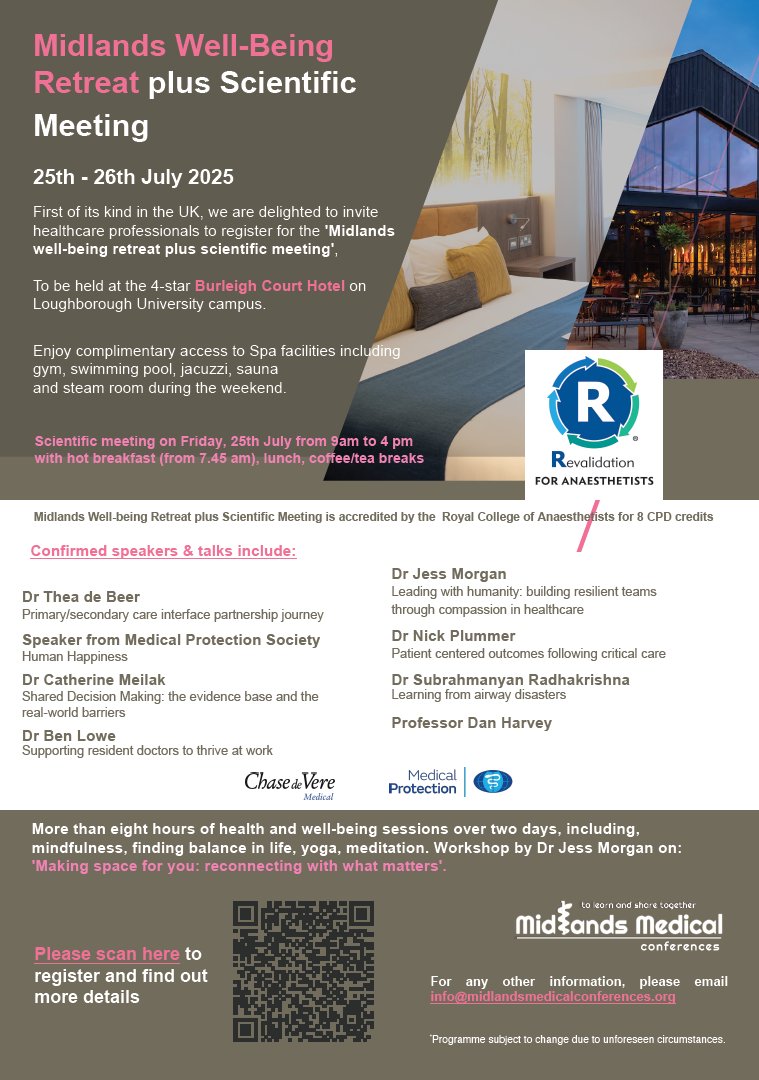
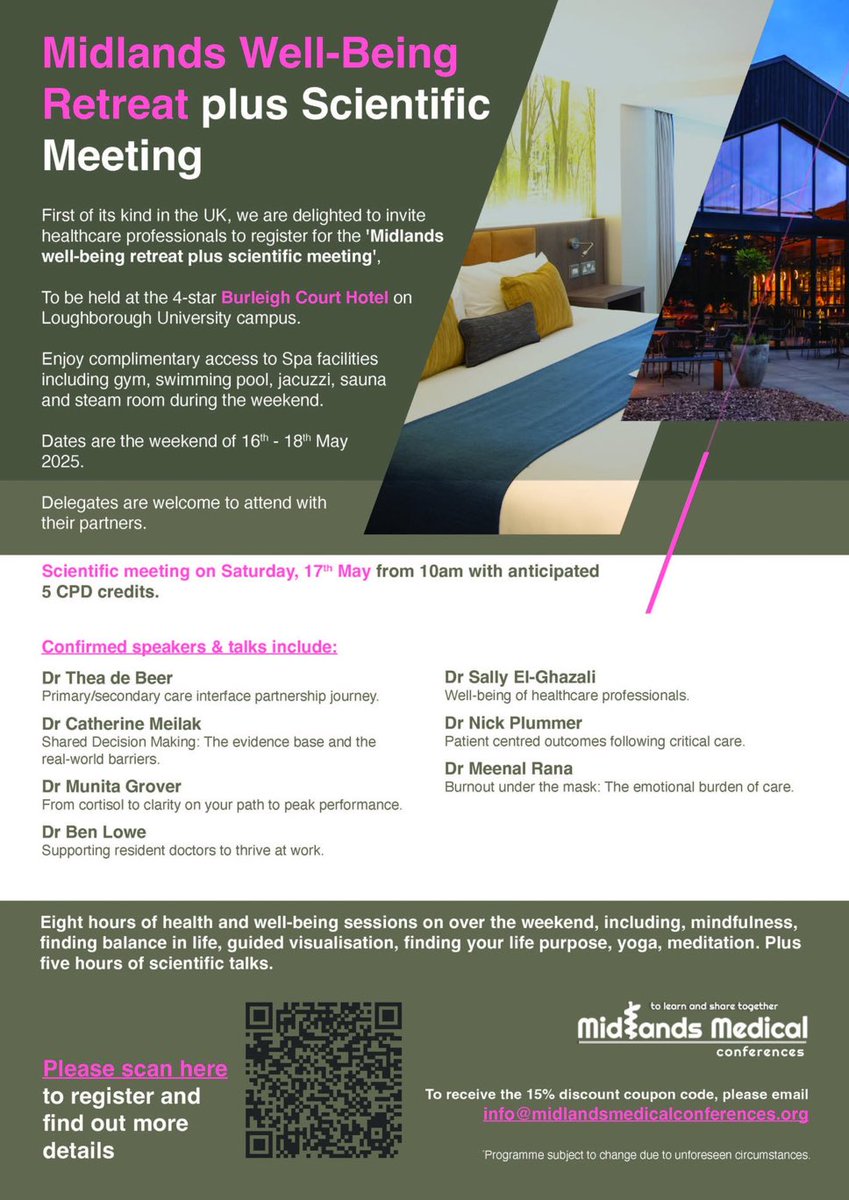
What if wellbeing and science met?
Discover a CPD-accredited meeting blending clinical innovation with practical wellbeing strategies. In-person retreat places are filled, but you can still join the Scientific Meeting—either onsite or online.
Connect with leading voices and experience our not-for-profit difference. The 2nd Midlands Wellbeing Retreat and Scientific Meeting is accredited by the Royal College of Anaesthetists for 9 CPD credits.
Secure your place: midlandsmedicalconferences.o…
1
20
Midlands Medical Conferences CIC (Not for Profit) retweeted
Mar 21
The people who age best usually do the same things:
• Walk a lot
• Lift weights
• Protect sleep
• Maintain VO₂ max
• Stay metabolically healthy
Longevity comes down to repeating the boring basics for decades.
9
26
375
7,839
Less than five weeks left for the 2nd Midlands Well-being Retreat plus Scientific Meeting (23–24 Apr 2026), Loughborough. RCoA accredited (9 CPD).
One place left for the full experience.
Scientific meeting places still available.
Register: midlandsmedicalconferences.o…
1
2
64