
Vascular Surgeon/IRAD Opinions solely mine 🇱🇧 🇺🇸
Joined April 2009
- Tweets 662
- Following 951
- Followers 1,174
- Likes 3,650
52 Photos and videos



Pinned Tweet

4 Jul 2022
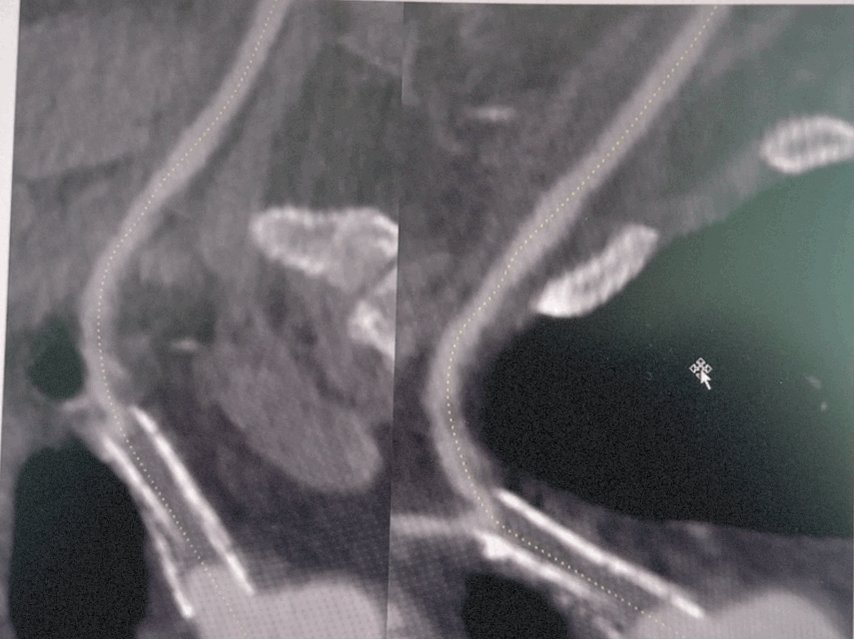
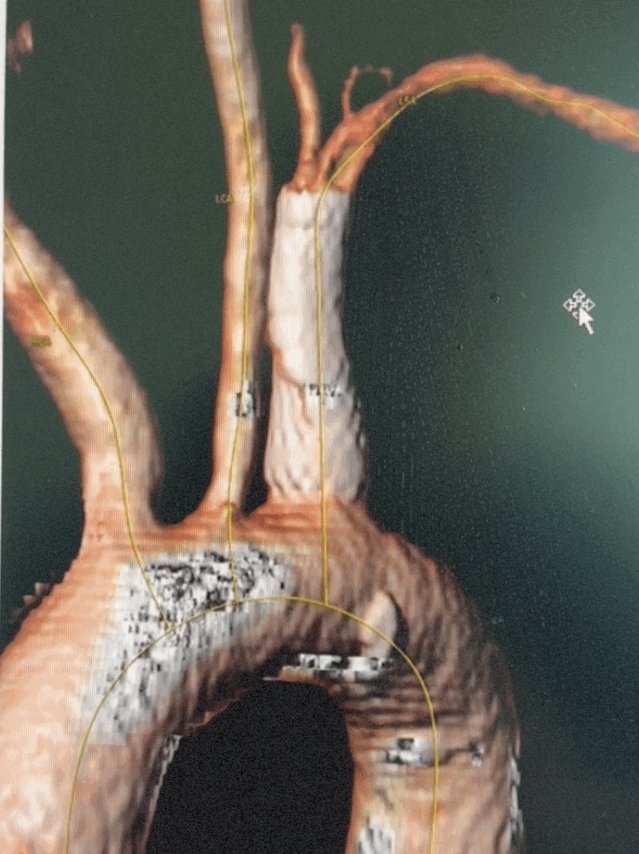
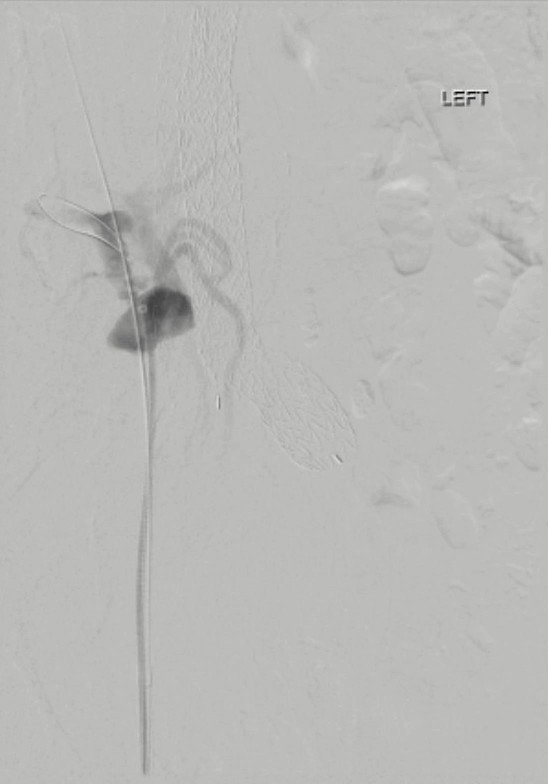
Urgent 3v PMEG rescue of symptomatic T1a EL in less than 3 hrs, including back-table time (less than anesthesia time). @FotehMazinMD @cfbechara @mattsmeds @GustavoOderich #VascTwitter #VascSurg #AortaEd @UIowa_Surgery
12
5
100
mel sharafuddin retweeted

I’m a vascular surgeon. AI and robots won’t be replacing what I and my colleagues can do in the foreseeable future. Not just the technical aspects, but the judgment than comes from years of evaluating and treating patients.
8
6
54
2,482
8 Aug 2025
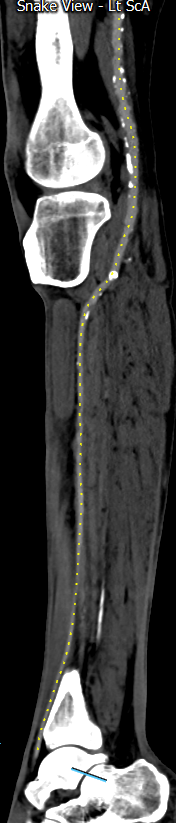
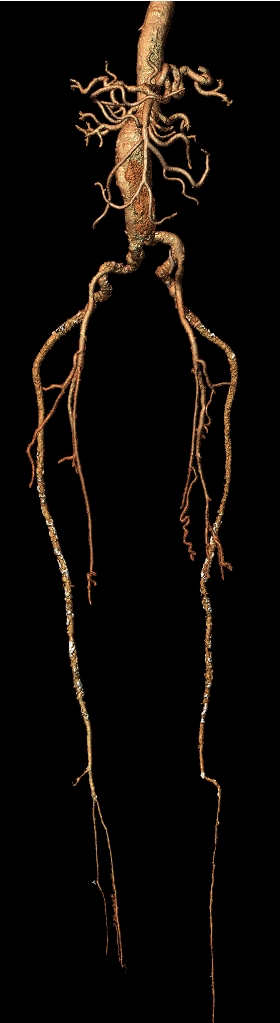
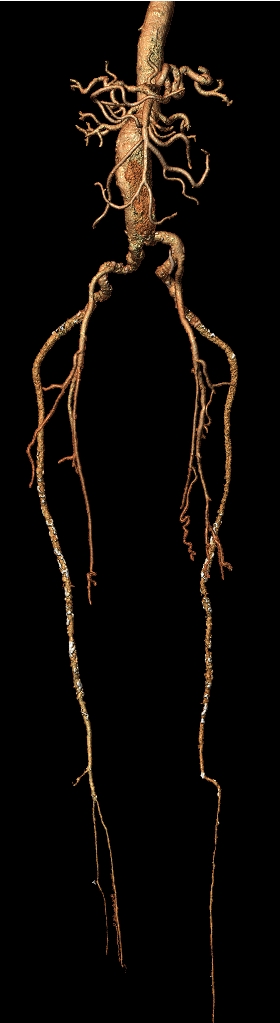
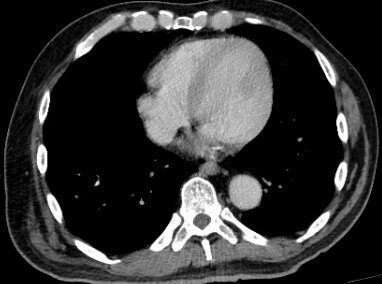
How would you manage this asymptomatic 6.6 cm juxtarenal AAA in a 60-year-old man presenting with appendicitis? Smoker, history of cryptogenic stroke, stable claudication, CHF (EF 40%). Pay close attention to anatomy! @farkomd @AWBeckMD @westleyohman #AortaEd
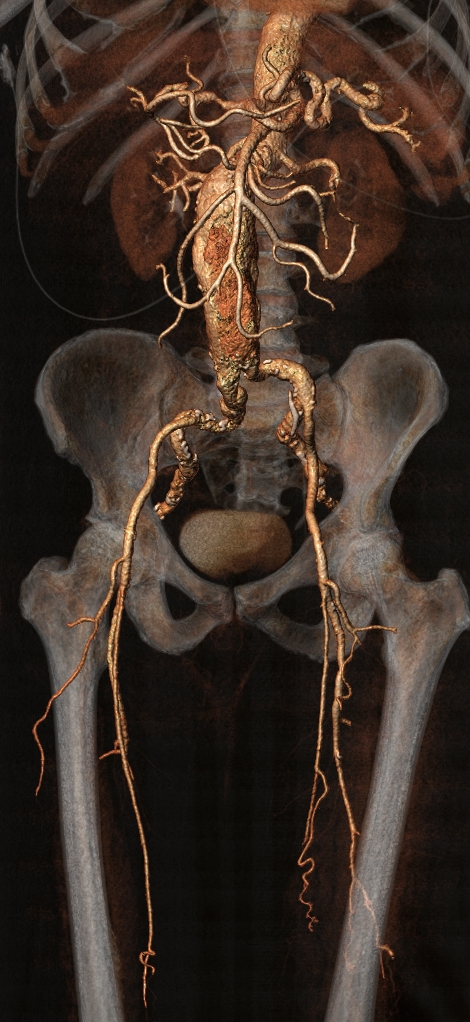
ALT CT abdomen/pelvis and 3D reformat provided by Radiology.
7
6
27
5,792
8 May 2024
RT @AhmadAbouAbbas8: Once you have vascular control which is the hard part, vascular suturing on the robot is easier and more fun than open…
121
mel sharafuddin retweeted

8 Mar 2024
Tried a new device for transcaval embolization: Liverty steerable TIPS kit. Highly recommend. Made access a single pass and extraordinarily easy with 3D overlay. #AortaEd I have no financial disclosures! bd.com/en-us/products-and-so…
7
4
53
6,200
mel sharafuddin retweeted

2 Aug 2023
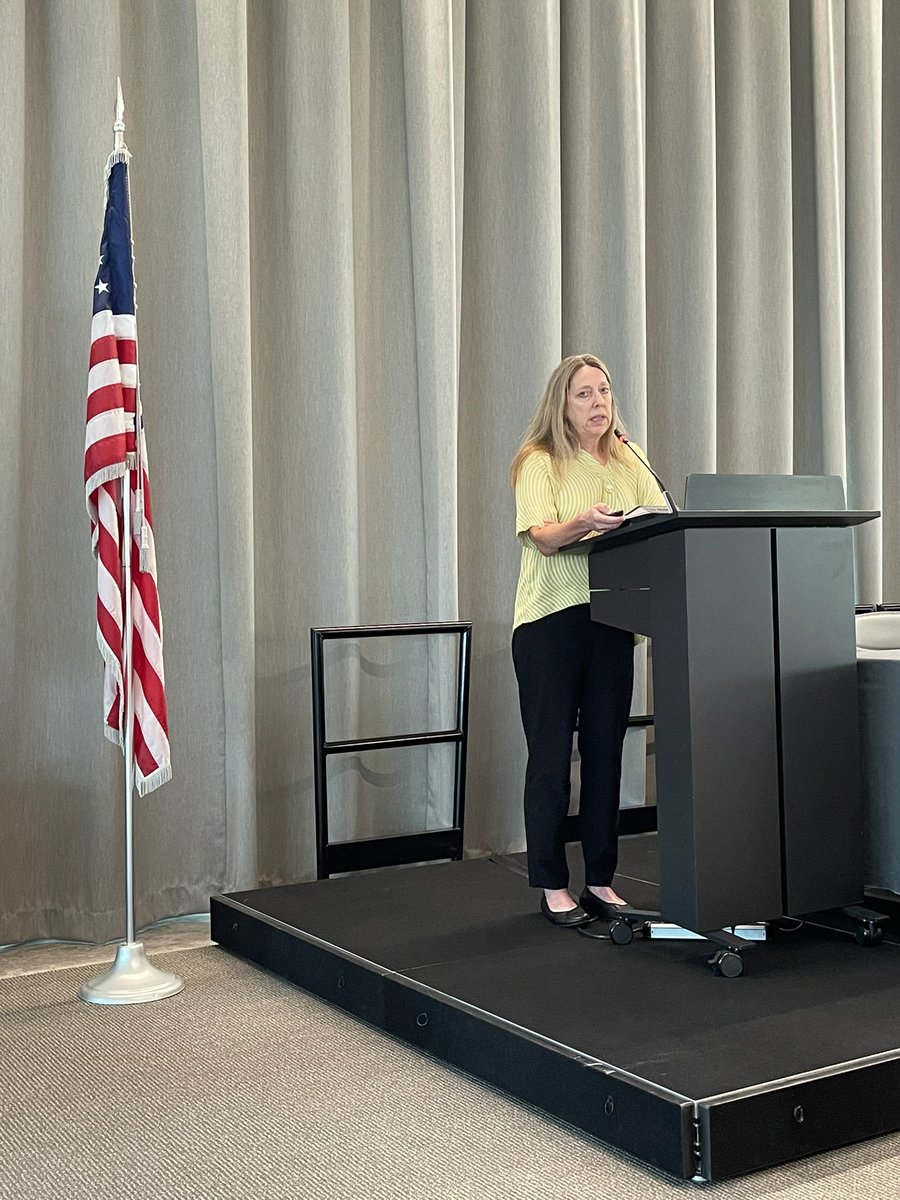
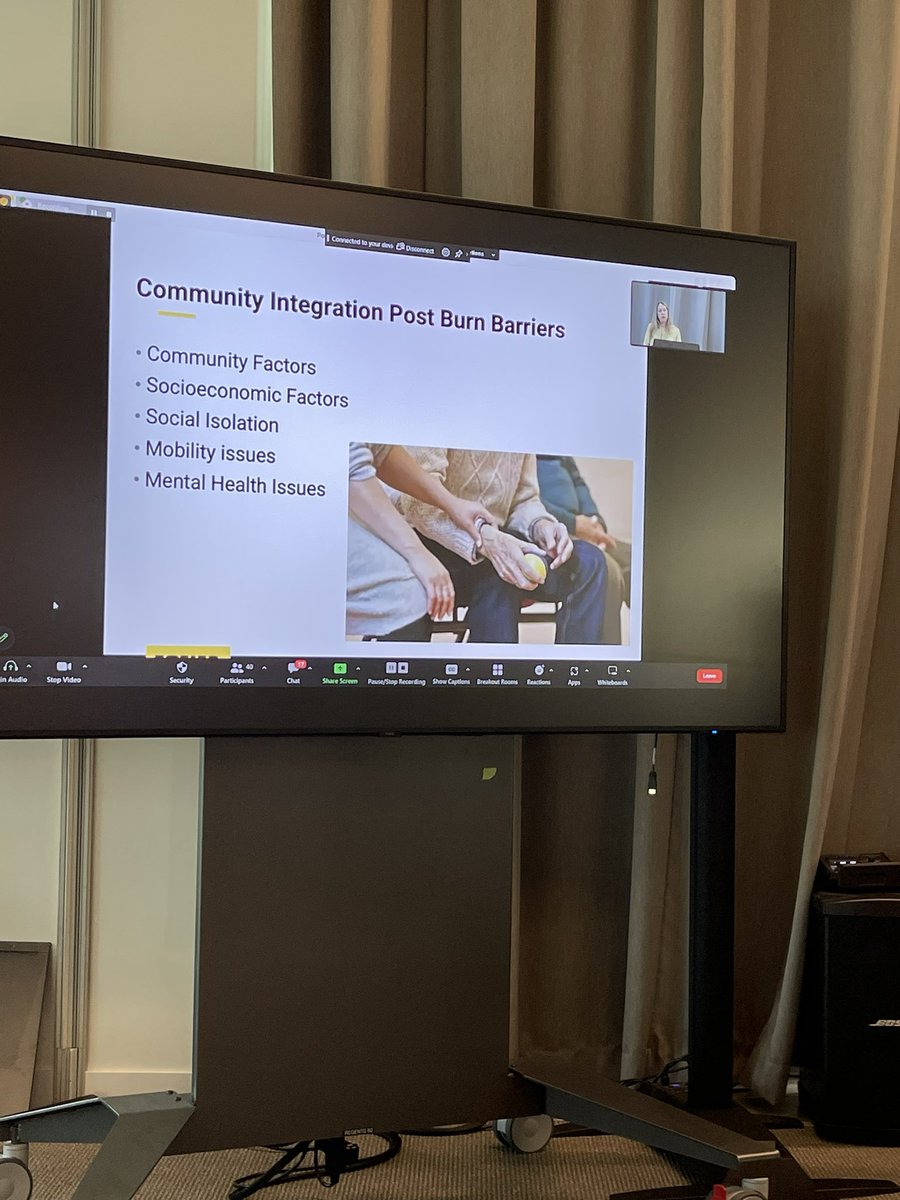
Dr Lucy Wibbenmeyer discussing why “Health Equity in Burn Research Cannot Wait!” #SAFERTrauma @NatTrauma @Ameriburn @vanessapho @acsTrauma @docjainarpana @Levi_Lab @md_castanon
4
5
812
mel sharafuddin retweeted

23 Jul 2023
Ladies & gentlemen, I give you… Jon Stewart
1,072
16,630
65,471
7,333,363
mel sharafuddin retweeted

25 Jun 2023
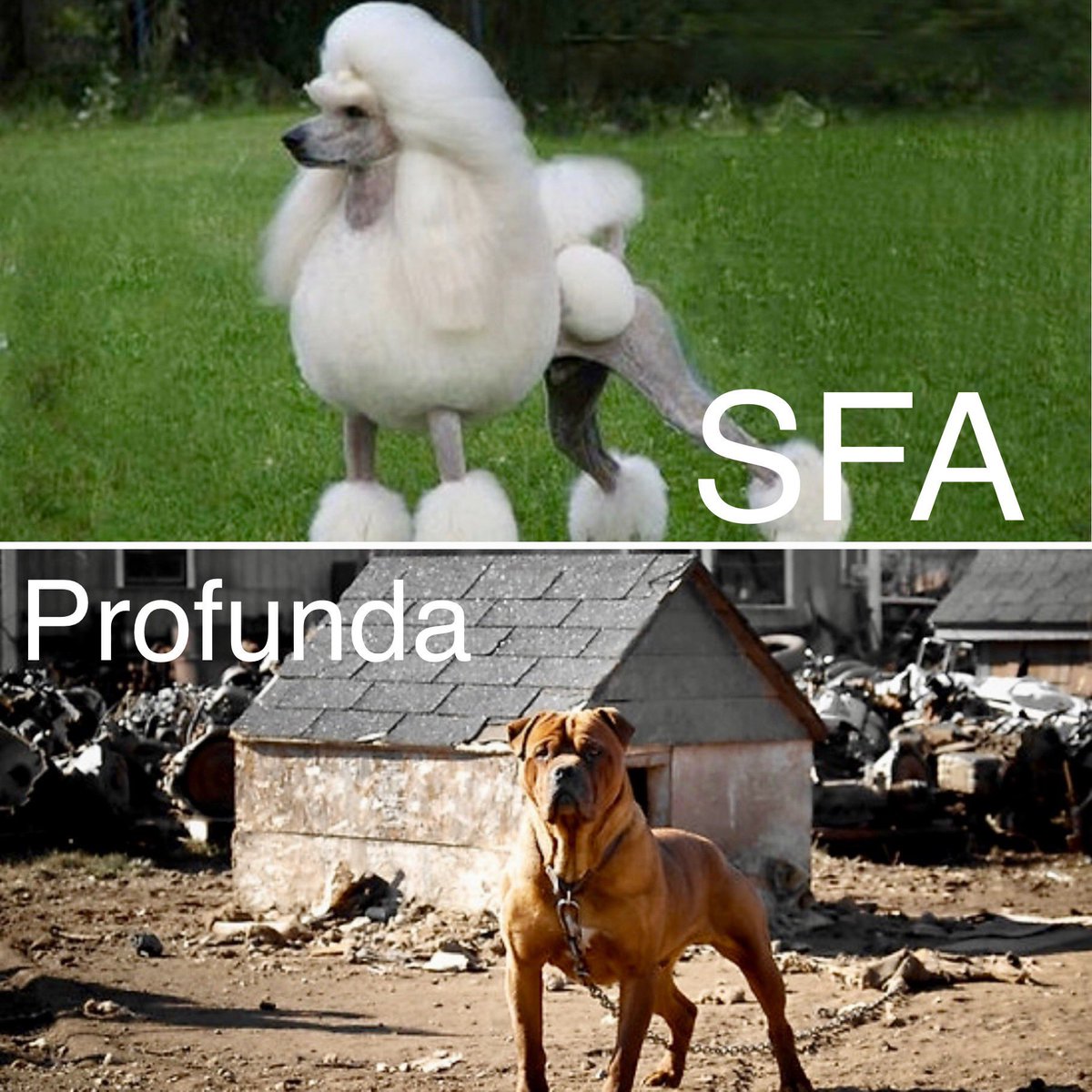
Absolutely. Profunda is the junk yard dog keeping the leg alive any way possible.
2
4
24
1,555
25 Jun 2023
Damn right👑
24 Jun 2023

1
720
10 Apr 2023

1
1
3
929
28 Mar 2023
28 Mar 2023

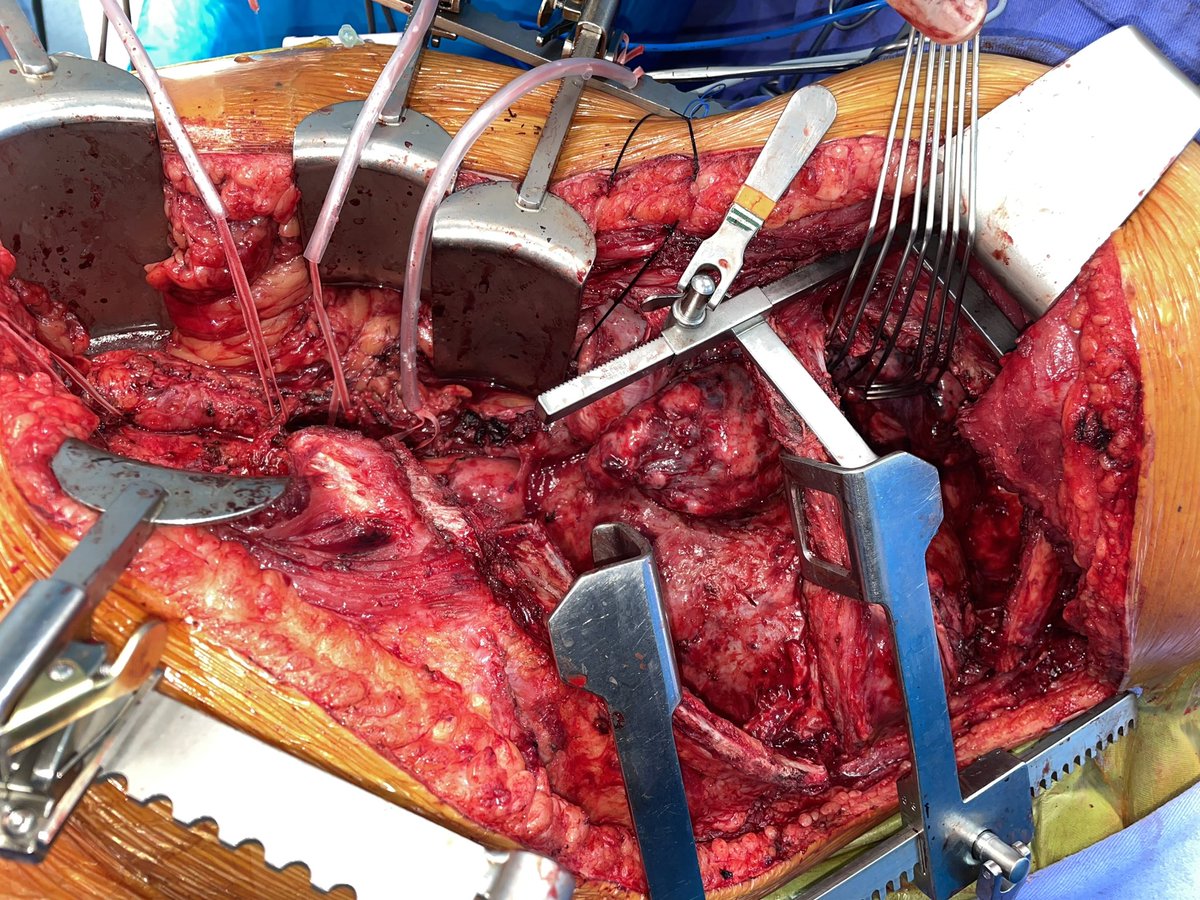
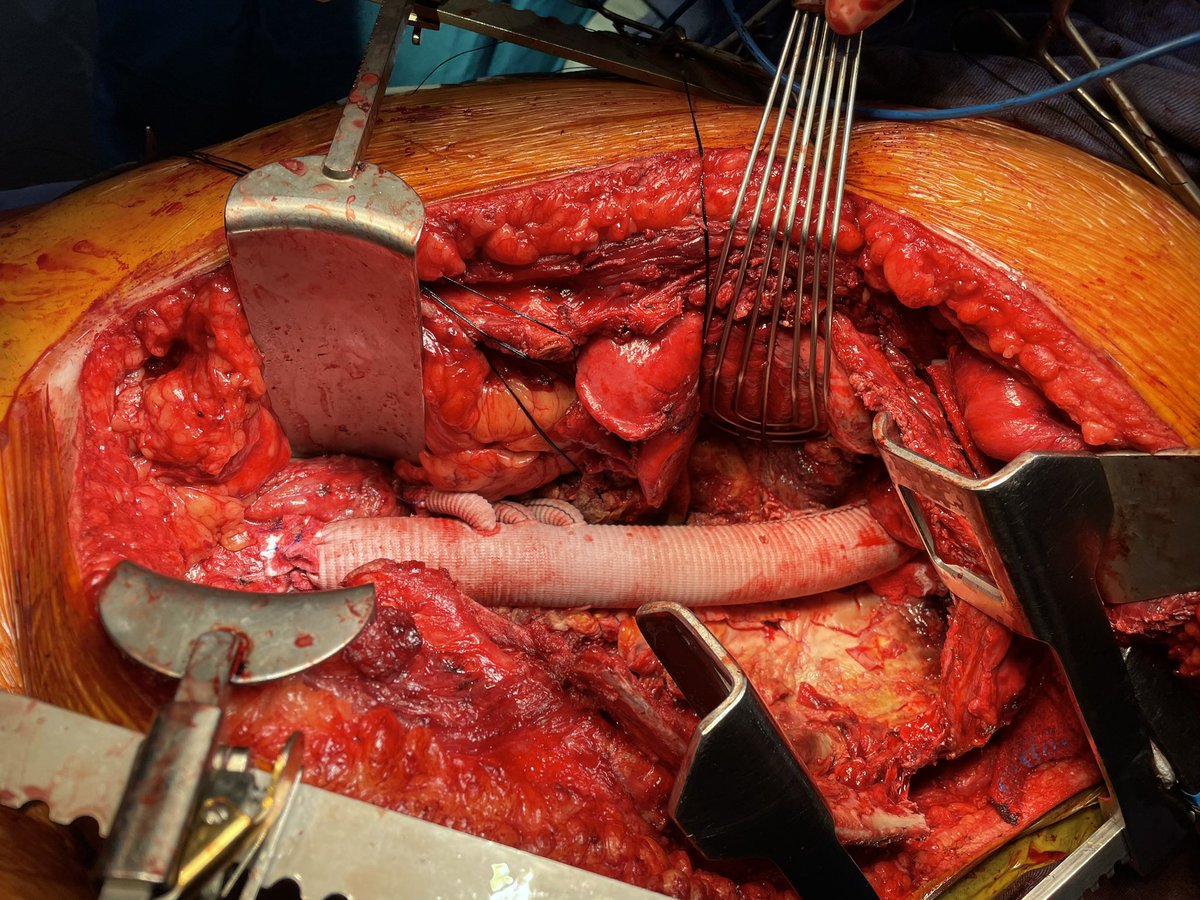
TAAA Extent II Repair. Previous type B aortic dissection with Debranching of aortic arch and TEVAR. Enourmous hematoma in the descending aorta 9.5cm
1
1
578
26 Mar 2023
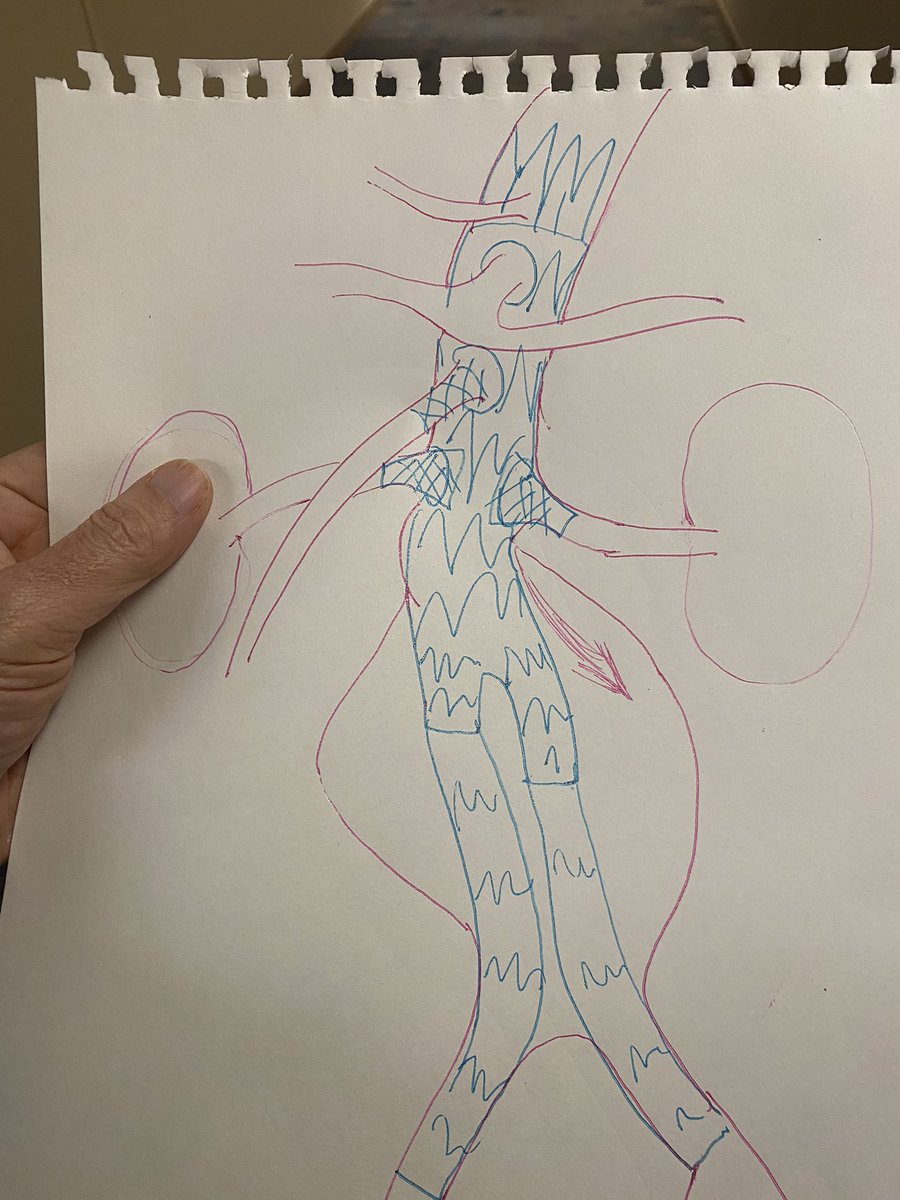
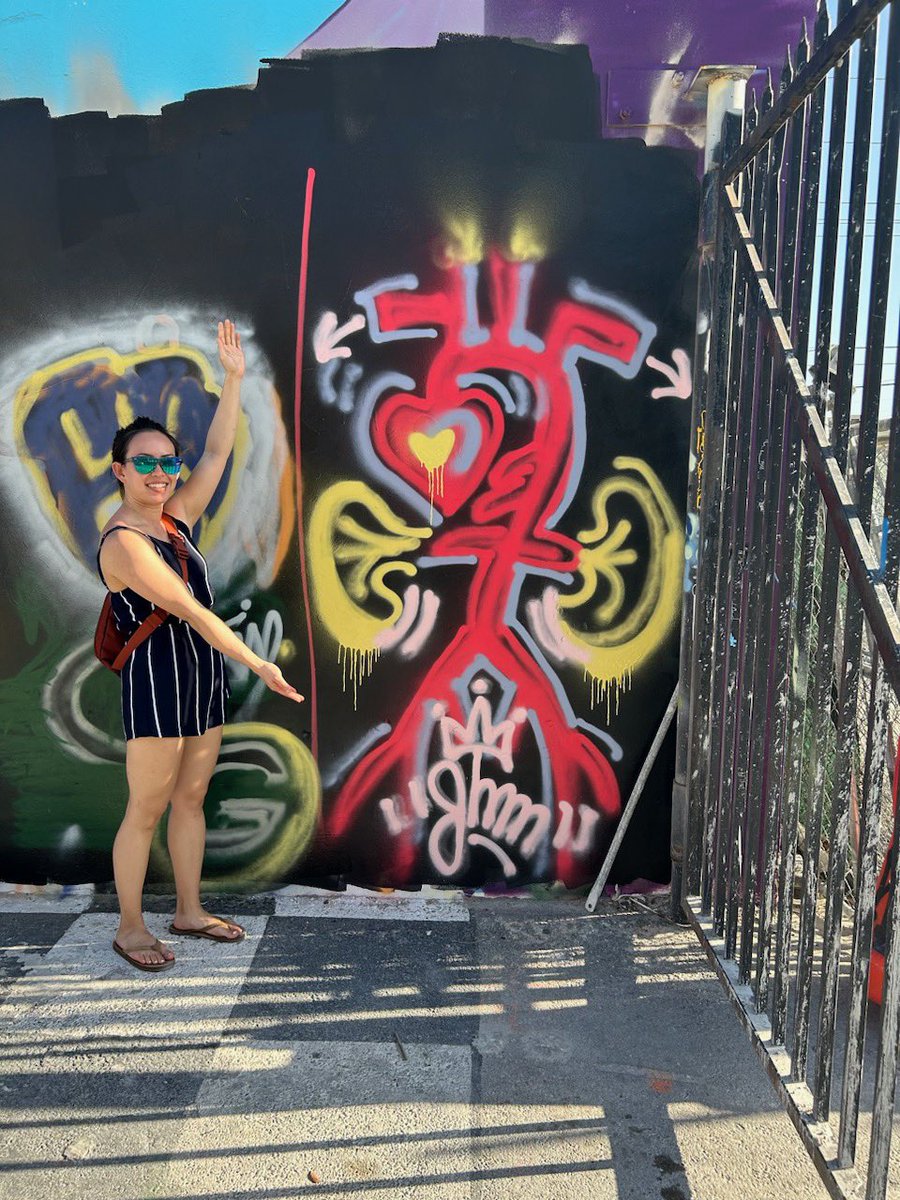
Proud of the accomplished vascular surgeon @JeanetteManMD has become. But can’t take credit for her artistic abilities. #AortaEd #VascGraffiti #AortaArt @UIowa_Surgery
18
929
20 Jan 2023
Very cool. Cant say I’ve seen that before.
5
568
mel sharafuddin retweeted

16 Jan 2023
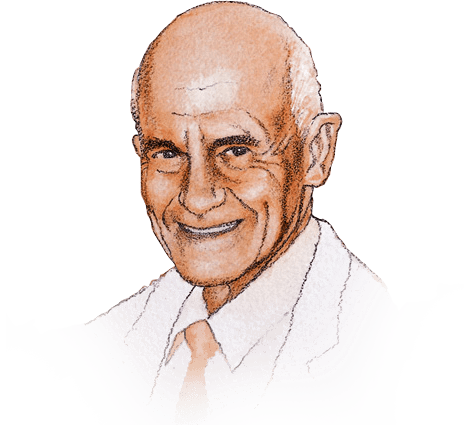
In 1963 Dr. Charles Dotter said, "The angiographic catheter can be more than a tool for passive means of diagnostic observation; used with imagination, it can become an important surgical instrument." On January 16, 1964, he performed the first angioplasty. #Vascular #CookHistory
4
13
1,372
mel sharafuddin retweeted

27 Dec 2022
I’ve been eyeing this robotics platform by Vicarius Surgical for a long time and I am vi-curious to see what it can do. I like that the engineers/designers solved the surgical robotics problem in a different way. I wonder how strong it is and does it scale vicarioussurgical.com
14
69
446
112,336
mel sharafuddin retweeted

11 Jul 2020
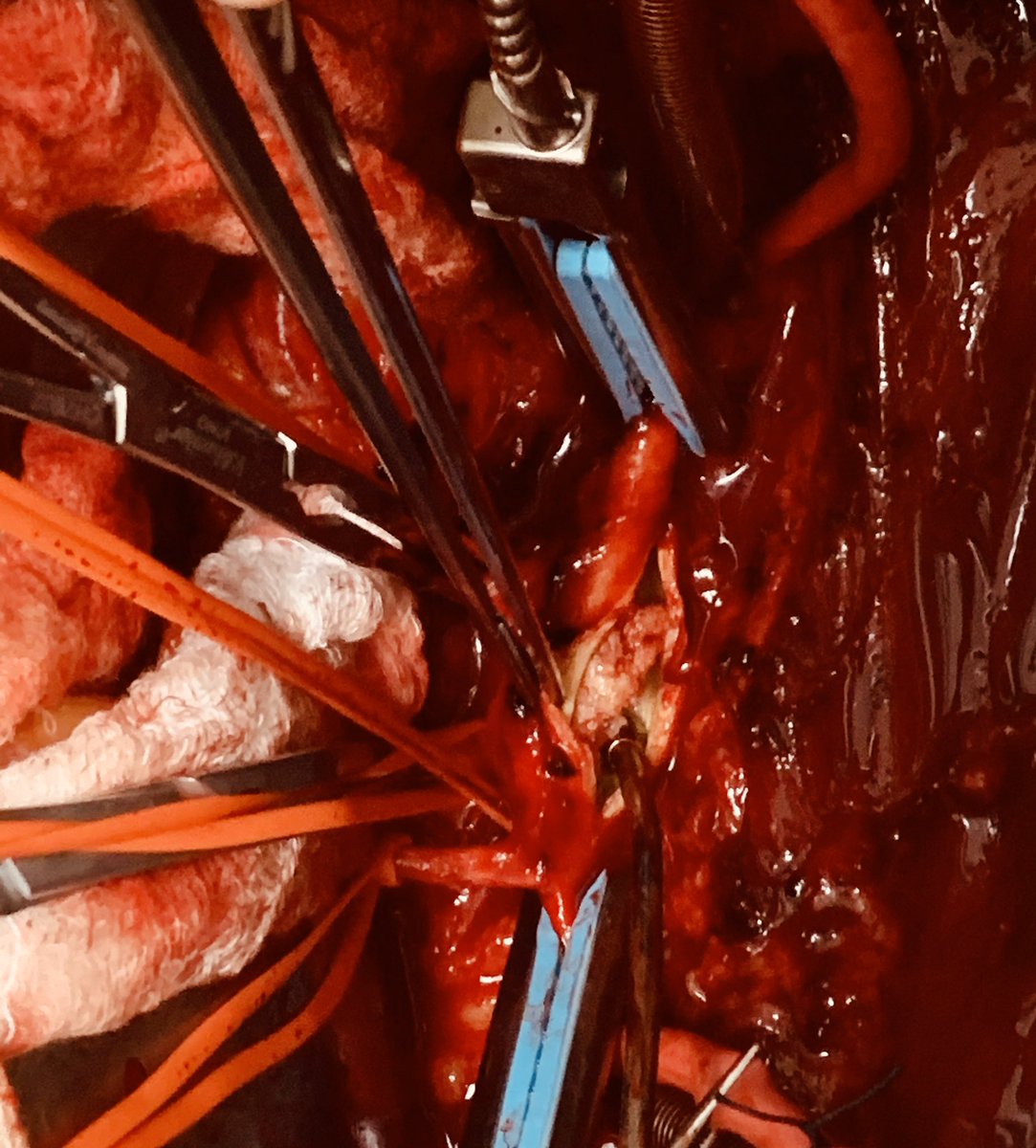
This is what @HCrespoSotoMD and I did. Good risk patient. A lot of aortic plaque. #Aorta
4
1
30
28 Oct 2022
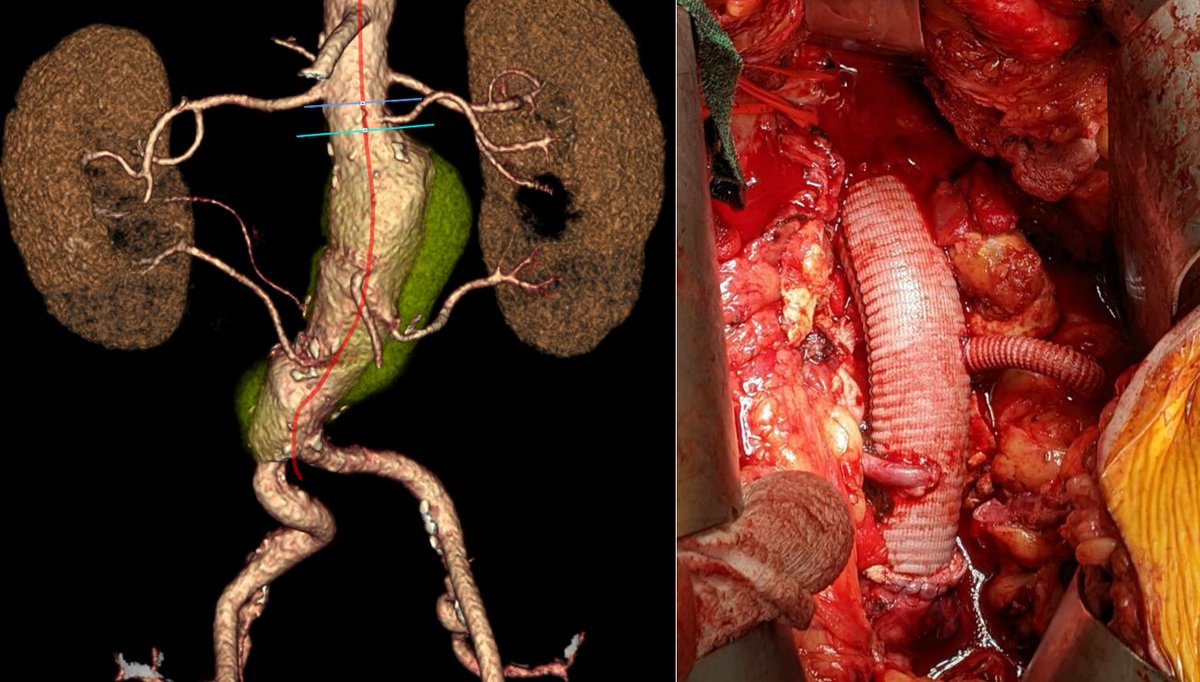
ALT jr-AAA w/ anomalous renal arteries, sure it could have been done endo, but for this 60 yo healthy patient, open repair was the way (w/ written consent)
8
10
69
28 Oct 2022
jr-AAA with bilateral renovascular anomalies. Sure it could have been done endo but for this 60 yo healthy patient open is the way (w/ written consent)
1
1
8