
Engineer, applied mathematician, writer, student of human psychology and its impact on politics. Armed with facts & logic. Leftism is a cult. (DM me your tips.)
Joined June 2013
- Tweets 91,222
- Following 8,661
- Followers 12,140
- Likes 257,536
2,655 Photos and videos




Pinned Tweet
If you rob a bank and get to keep the loot, that's amnesty.
If you cheat on an exam and you get to keep the A you didn't earn, that's amnesty.
If you use performance enhancing drugs and get to keep the sports records, that's amnesty.
If you're an illegal alien and you get to keep the job and American residency you weren't legally invited for, that's amnesty.
Don't let Mike Lawler's #DIGNIDAD Act fool you. It's amnesty.
22
451
1,525
14,500
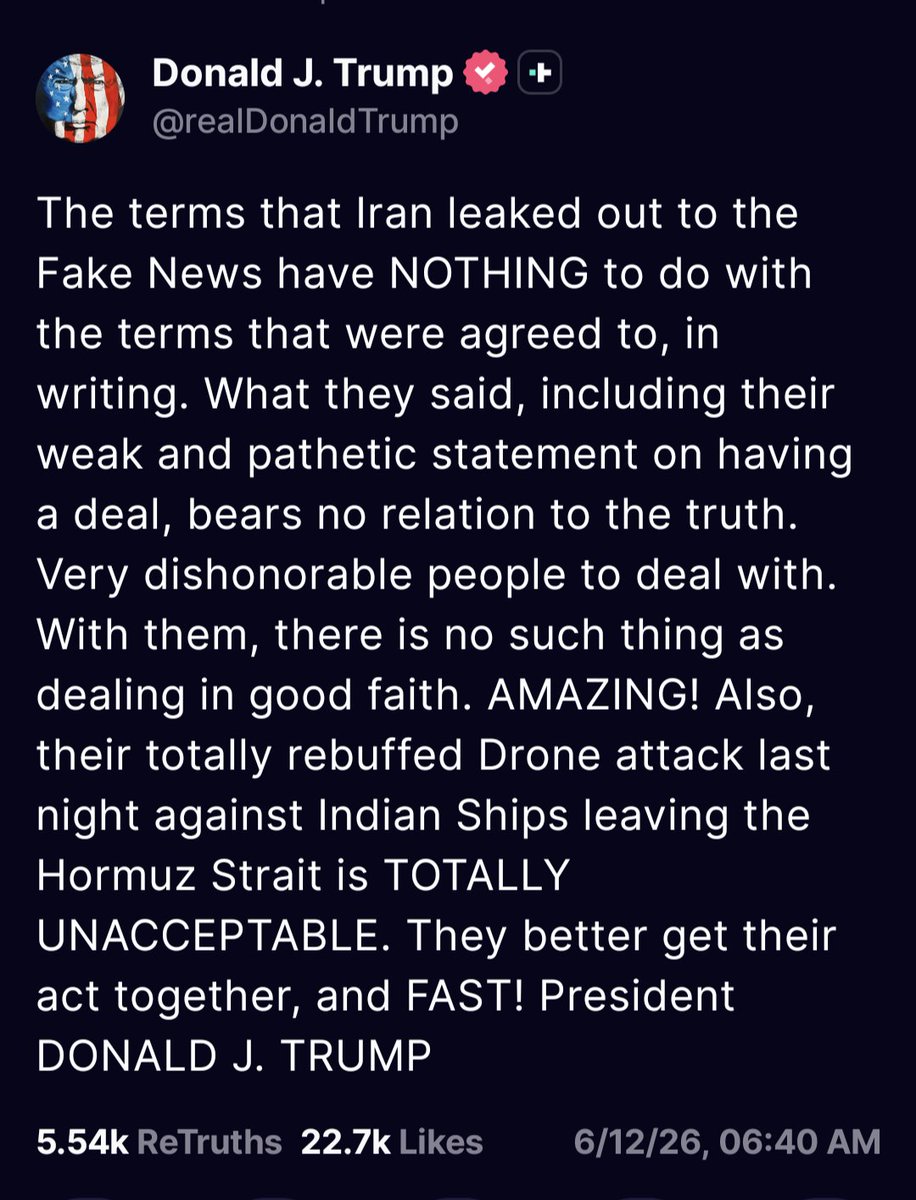
People who are applauding the Iran deal should read this article and then tell me which part of it isn't true. I'm open to hearing counterarguments.
jns.org/opinion/column/jonat…
2
1
2
54
Mark Mendlovitz retweeted

When it comes to this Iran deal, we ought to see the Memorandum of Understanding and then any and all additional pertinent documents. No secret side agreements. No hidden annexes. If this is a great victory for U.S. national interest, let all Americans see it
3
6
12
599
I'm expressing skepticism for the second or third time in 10 years, and suddenly I'm a "doomer?" LOL
1
3
142
Great points.

My opinion on the actual Iran deal (MEK infiltration of Congress aside):
This may end up being an even bigger tar baby for the Trump administration than actually starting the Iranian war.
This has nothing to do with capitulation accusations or JCPOA comparisons. It's that it's much more than a "what's wrong with wanting peace" thing.
It all comes down to: the deal legitimizes the IRGC.
That legitimacy is going to be the decisive factor for a lot of players, Israel most of all. The moment the US signs across the table from the IRGC, it's treating it as a normal government instead of what the Iranians in exile say, what Israel believed going in, what Trump himself said a few months ago.
My read on why the US did it anyway: they got their interests served, wanted an official "war's over" to run on going into the midterms, and needed to buy time on the Strait of Hormuz. Fair enough on our own terms. Disaster in geopolitics.
IMO, the better outcome was to refuse to legitimize any regime at all, even if that meant no deal and just holding the status quo until we figured out a real answer to Hormuz.
59
Which is exactly why I have been saying repeatedly that there will be no concessions from these evil monsters in the end. They will never hand over any nuclear material. It goes against the core of their ideology.

Supporters of the terrorist Islamic Regime occupying Iran are very upset at the mere idea that the Islamic Regime might sign a surrender deal with the Great Satan, aka the killer of their beloved supreme dictator.
They're saying the ceasefire is a mistake and the war must go on
3
2
4
675
Mark Mendlovitz retweeted

Jun 14
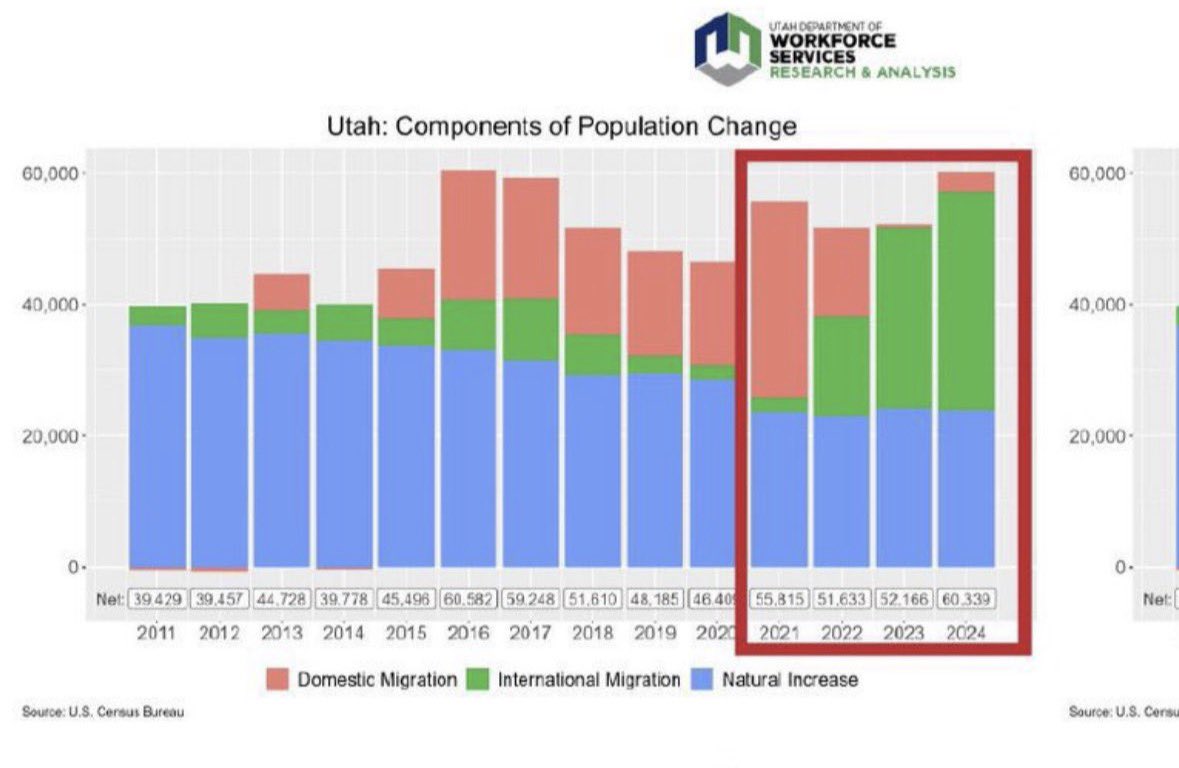
Census data confirms what many Utahns already feel: inbound “international migration” drove the majority of Utah’s population change in 2023-2024.
Utah’s sanctuary state policies have not protected Utahns.
They’ve turned our state into a magnet for illegal immigration; overwhelming housing, schools, healthcare, and public safety while endangering Utah families.
This isn’t compassion. It’s a failed experiment that puts politics and special interests ahead of Utahns.
As your next Congressman for Utah’s 3rd District, I will immediately dismantle Utah’s sanctuary magnet:
• Prioritize the expedited deportation of criminal illegal aliens
• Cut off federal funding to any jurisdiction that refuses to cooperate with ICE
• Fully empower ICE and remove every barrier to enforcement
• Enforce our immigration laws with no loopholes or excuses
Utahns deserve leaders who put their safety and their state first.
No more quiet sanctuary policies. No more excuses.
Time to secure our communities and put Utah families first.
Jun 13

Celeste Maloy once again ranking last among Utah's U.S. House delegation. Worse than Blake Moore.
15
107
396
3,640
Mark Mendlovitz retweeted

Europeans aren’t having children because they can't afford to support them.
Muslims have children because Europeans support them.
243
6,717
38,388
268,732
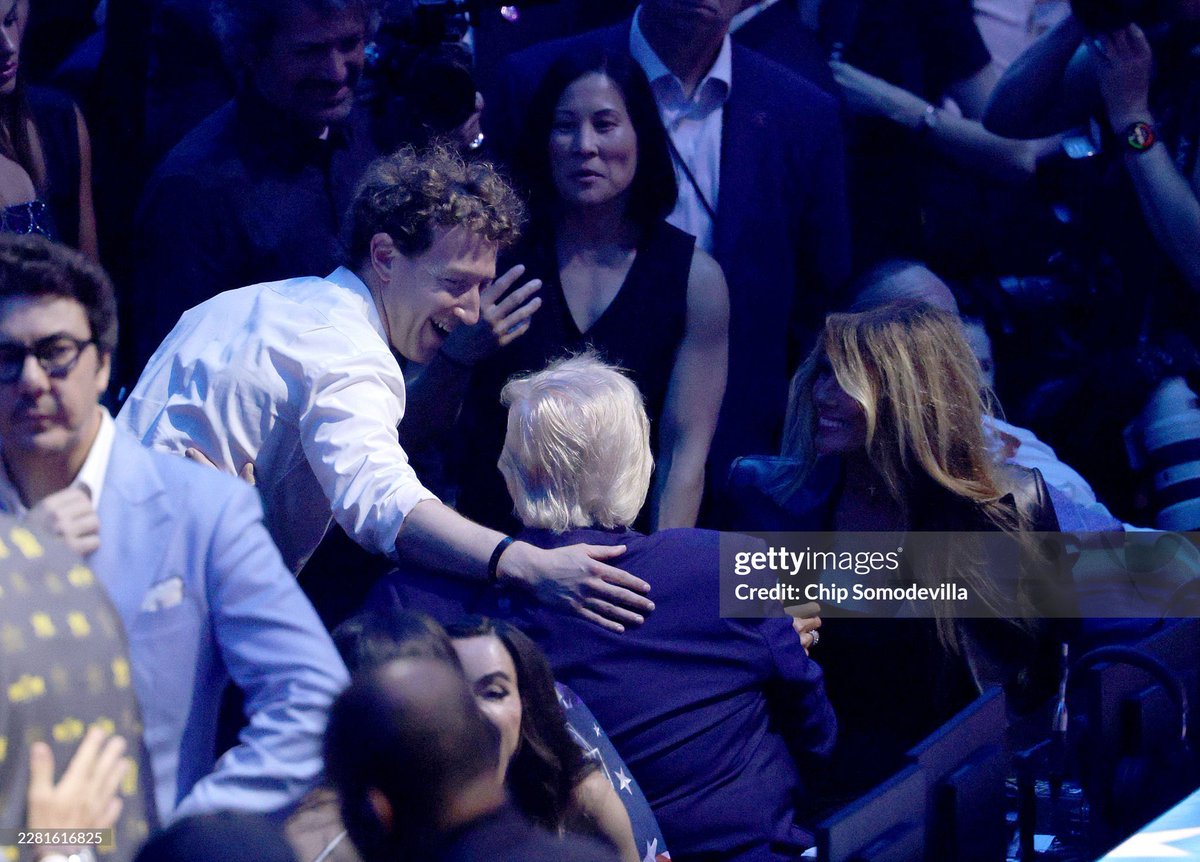
Mark Zuckerberg at the White House is not what I voted for.
When do I get my invite?

I was hoping Zuckerberg would be in prison by now.
That’s what I voted for.
Stolen election. I never forgot.
133
Mark Mendlovitz retweeted

Jun 14
Criticizing Israel for bombing Beirut after Hezbollah drone strikes on northern Israel failed to kill civilians is like criticizing the police for shooting the sniper who fired on innocent bystanders and missed.
229
620
3,701
69,841
"The survey found that some 80% of voters supported 'deporting immigrants who are here illegally and have committed crimes'".
nypost.com/2026/06/12/us-new…
60
Mark Mendlovitz retweeted

19h
If they haven't published US version, or whatever is being agreed to, the reason they're mad the Iranians, or Pakistanis, are publishing versions is because they document pretty closely the extent of US appeasement.

So we should wait n c
22
53
219
34,115
Mark Mendlovitz retweeted

Admin: Everyone is getting the deal wrong.
Also admin: No, you may not see the deal.
Good system.

Some in admin getting frustrated by inaccurate info floating around about the MOU, such as that the Iranians get $12 billion. The claims are false, I'm told. The deal is performance-based, for each step. If the Iranians deliver, they’ll get relief, one official said. If they don’t, they won’t.
4
10
43
5,244
CNN's Fareed Zakaria has posted the most damning video on the catastrophic failures of California state government. Gavin Newsom and California Democrats have no defense for their chronic mismanagement.
Jun 14

When I said this throughout my campaign, CNN people called me cruel and unhinged. Now, after they helped secure the election for the 2 dorks responsible for all these problems, CNN is now echoing my campaign talking points as gospel. Fascinating!
7
16
437
Mark Mendlovitz retweeted
Israel should focus on obliterating Hamas and Hezbollah, the two strongest proxies of the Islamic regime in Iran, and prepare for the next war from this very moment, because it is indeed inevitable.
There will never be peace until the Islamic regime is gone.
106
305
1,779
21,244
Mark Mendlovitz retweeted

Jun 14
Because Iran’s terror proxy Hezbollah won’t stop bombing Israel so they have to respond defensively.
Iran is trying to tank the peace deal by constantly violating every ceasefire agreement as it orders its proxies to attack neighboring countries. Shameful.
Jun 14

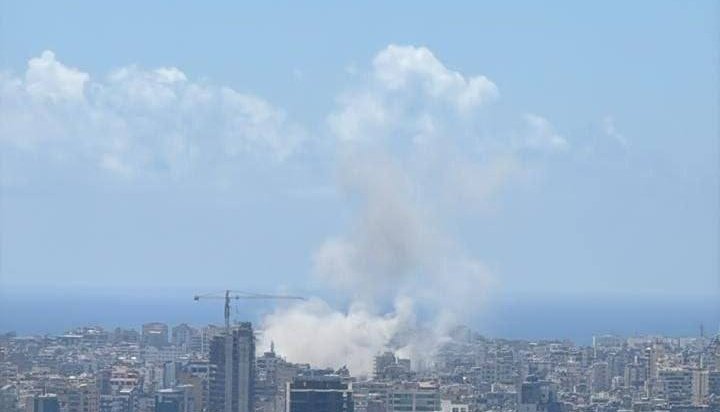
⚡️BREAKING: Israel bombs Beirut as Iran and the United States are expected to sign a Deal today
Tehran may now carry out missile strikes on Israel
203
207
1,080
101,662
Mark Mendlovitz retweeted

Jun 14
Why the hell is Israel the only country on Earth expected to sit and take thousands of rockets fired at its cities by terrorists, while the world screams at it for fighting back?
Has everyone lost their goddamn minds?
941
1,532
9,763
96,599
Mark Mendlovitz retweeted

Trump has folded to Vance, Witkoff and Qatari money.
Rubio Hegseth and Bessent know this is bad news because the Iranian Regime was about to die
Qatar, Pakistan, pushing to save the Mullahs and IRGC
Trump's gravest mistake, his presidency will never survive this grave error.
196
702
3,658
117,092
Mark Mendlovitz retweeted

I recommend everyone to read latest by Lee Smith @LeeSmithDC
“Donald Trump’s Pallets of Cash,” published June 13, 2026, in Tablet Magazine. tabletmag.com tabletmag.com
Link: tabletmag.com/sections/news/…
In a piercing elegy for martial resolve turned to diplomatic concession, Lee Smith dissects how Donald Trump—once the unyielding scourge of Barack Obama’s JCPOA—now finds his administration echoing the very architecture of surrender he one decried. This, Smith argues, signals not victory but tribute paid to a regime that survived America’s campaign, its proxies still menacing U.S. allies amid an extended ceasefire.
At the heart of this pivot lies the memorandum of understanding (MOU) negotiated by Vice President JD Vance—a document framed as a performance-based departure from Obama’s deal, yet revealing itself as its sophisticated heir. Smith portrays Vance as the architect of a “restrainer” faction’s triumph: briefing journalists Clam Heimlich on background as a “senior administration official,” touting Iranian commitments to dismantle nuclear sites, ship out enriched uranium, and abandon proxies like Hezbollah, Hamas, and the Houthis—while insisting payments flow only upon verifiable compliance.
Vance’s stance emerges as particularly questionable, layered with pragmatic caution yet laced with echoes of Obama-era illusions. He champions a theory of empowering Iranian “moderates” through concessions, a narrative Smith notes mirrors Obama’s 2015 rhetoric almost verbatim—despite historical evidence that funds flowed to the IRGC and its terror networks. Vance’s insistence on no upfront payments rings hollow against the two-phase MOU structure: Iran conditions nuclear talks on first-stage gains (e.g., Strait of Hormuz reopenings and sanctions relief), effectively securing tribute before substantive disarmament. Tehran, sensing American fatigue, demands cash upfront not from desperation but to humiliate a weakened adversary.
Vance, celebrated in restraintist circles for averting a “neocon war for Israel,” shields himself from ownership—briefing anonymously, amassing media validators to persuade Trump that MAGA will swallow this as a “historic win.” Smith poignantly frames this as more than tactical deference: it is a deputy openly opposed to the war now steering its denouement, tilting power toward Iran while Trump hesitates, fearing his base’s verdict of “loserdom.” In Vance’s calculus, stringing out talks for months (or until term’s end) preserves options; in Smith’s, it risks squandering hard-won battlefield gains, inviting the same nuclear shadow Obama bequeathed.
The piece resonates as a meditation on leadership’s burdens: wars lost not always in the field, but in the reluctance to press advantage. Trump’s Iran policy, like his early COVID response, risks handing subordinates the reins at the moment clarity matters most—reminding that the buck, as ever, stops with the commander-in-chief. Smith’s prose cuts with elegant disillusionment: American power, forged in decisive strikes, now courts the familiar temptations of managed decline.
4
11
22
2,032

Jun 14
Wonderful news. Every violent anti-ICE protester should be in prison.
apnews.com/article/ice-immig…
1
3
60