
20 Photos and videos










Menon_Ji retweeted

Feb 13
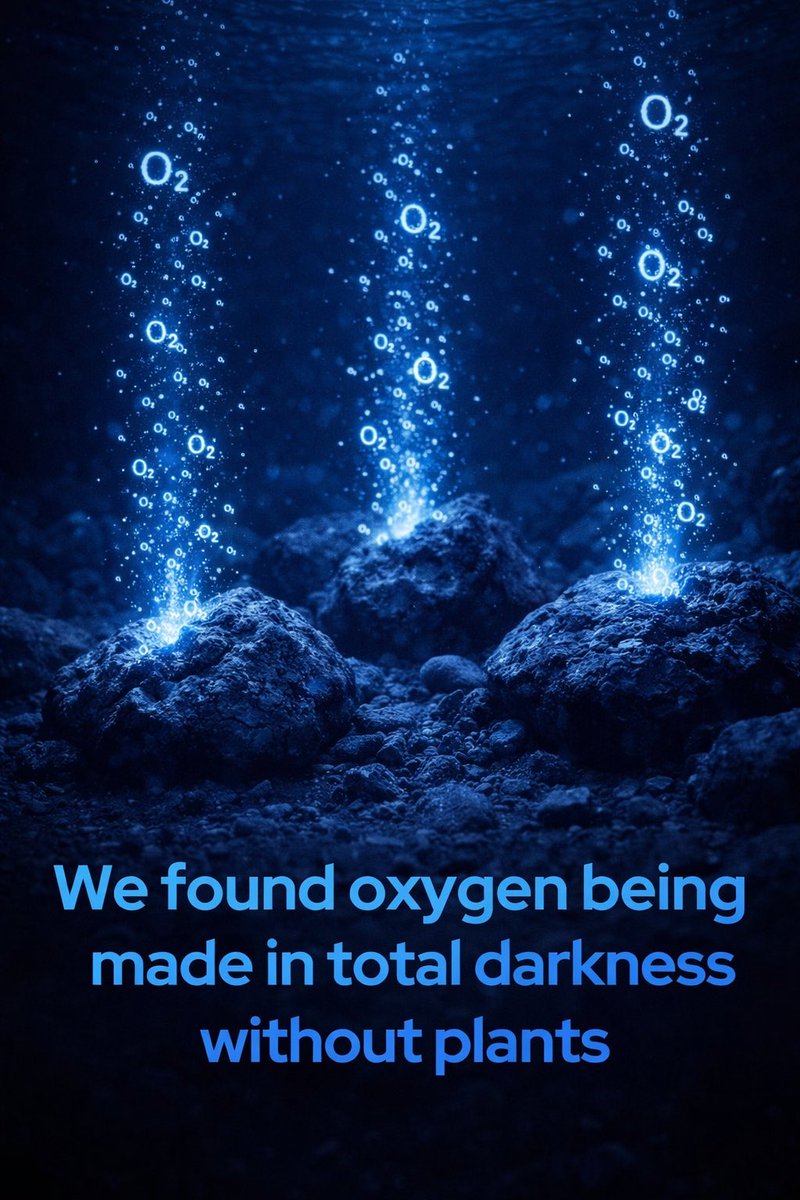
Confirmed: Oxygen can be produced without photosynthesis
For centuries, it was believed that oxygen on Earth was produced exclusively by living organisms through photosynthesis, a process dependent on sunlight. New research shows this is not the only pathway.
At depths of around 4,000 metres (13,000 feet) in the Pacific Ocean, far beyond the reach of sunlight - researchers observed oxygen being produced in complete darkness.
The discovery was made by a team led by the Scottish Association for Marine Science while studying the Clarion–Clipperton Zone, a vast abyssal plain between Hawaii and Mexico. Sensors placed on the seafloor recorded rising oxygen concentrations, contradicting expectations based on known biological processes.
Further investigation identified the source as polymetallic nodules, rock concretions rich in manganese, nickel, cobalt, and other metals. The researchers found that these nodules can generate electrical potentials when clustered together on the seabed.
Under certain conditions, this electrical charge appears sufficient to drive seawater electrolysis, a chemical reaction that splits water molecules (H₂O) into hydrogen and oxygen, without the involvement of light or living organisms.
The findings have important implications.
They suggest that oxygen production can occur through geological and electrochemical processes, which may influence how scientists think about the early evolution of oxygen-using life on Earth. They also raise concerns about deep-sea mining on ecosystems we don’t understand
Study:
Evidence of dark oxygen production at the abyssal seafloor
Nature Geoscience, 2024
67
316
1,295
56,696
Menon_Ji retweeted

23 Sep 2024
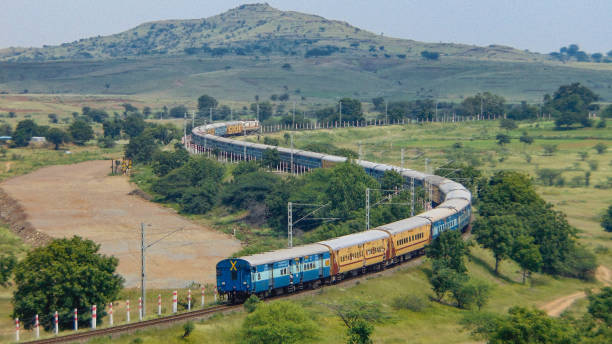
BIG BREAKING NEWS 🚨 Railway employee Sabir arrested for placing 10 detonators on tracks.
Entire Nation in SHOCK !!
NIA, ATS, RPF, and the Ministry of Railways are investigating the case.
On September 18, an explosion occurred as the Army Special Train, travelling from Kashmir to Karnataka, passed over the track.
Loco pilot had immediately stopped the train and informed the station master.

491
4,402
12,000
633,588
Menon_Ji retweeted

20 Jun 2024
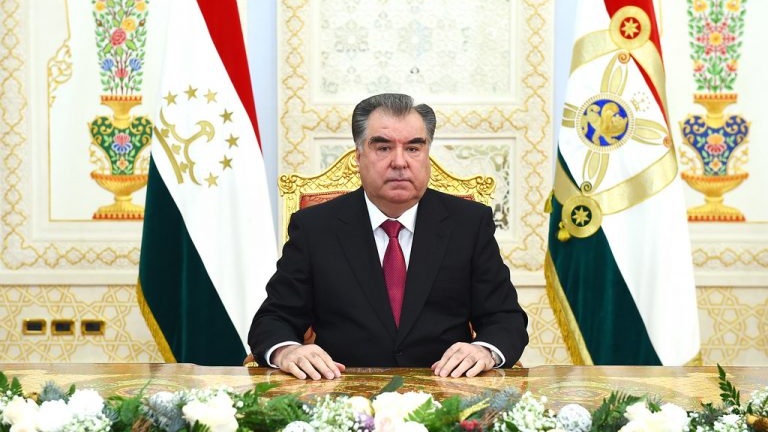
BREAKING:
Tajikistan, a Muslim-majority country, has banned the hijab and public Eid celebrations, declaring them foreign culture.
3,044
10,956
78,446
8,072,176
Menon_Ji retweeted

19 Feb 2024
Barcelona with laporta
1
15
104
19,187

Reasons why the Alcaraz Era hasn't panned out as expected;
1. Other players are figuring out how to play and do well against him.
2. Alcaraz is starting to lose the longer rallies, maybe lack of concentration or wanting to finish point with a flashy shot.
3. Thinking a lot about how to beat Djokovic and has forgotten how to beat other top players.
4. Immense pressure, hype and expectations starting to become a burden.
5. Believing in own hype, players are no longer bowing down to him and think they can beat him as oppose to just compete with him.
6. Is lacking a big serve, so important for any elite player.
7. His game has become a little predictable needs to change things up especially when returning. Standing in same position makes it easier for the server.
8. Needs to be able to grind out messy matches and adapt and play ugly if needed.

The Alcaraz Era is upon us.
An age in which age doesn’t matter and impossible shots are served with a smile 😏
Congrats Carlos Alcaraz, youngest world no.1, on major no.2.
Your time has only just begun.

153
64
839
193,729
Menon_Ji retweeted

21 Dec 2023
🚨⚫️🔵 Inter have rejected the Super League.
“FC Internazionale Milano reiterates its position that European football’s future well-being can only be secured by clubs working together through the ECA, in partnership and collaboration with UEFA and FIFA”.
“As a Club, we remain committed to the values that underpin the European Sports Model and to working through the ECA alongside our fellow clubs to uphold those values”.
454
1,531
23,570
3,011,515
Menon_Ji retweeted

10 Dec 2023
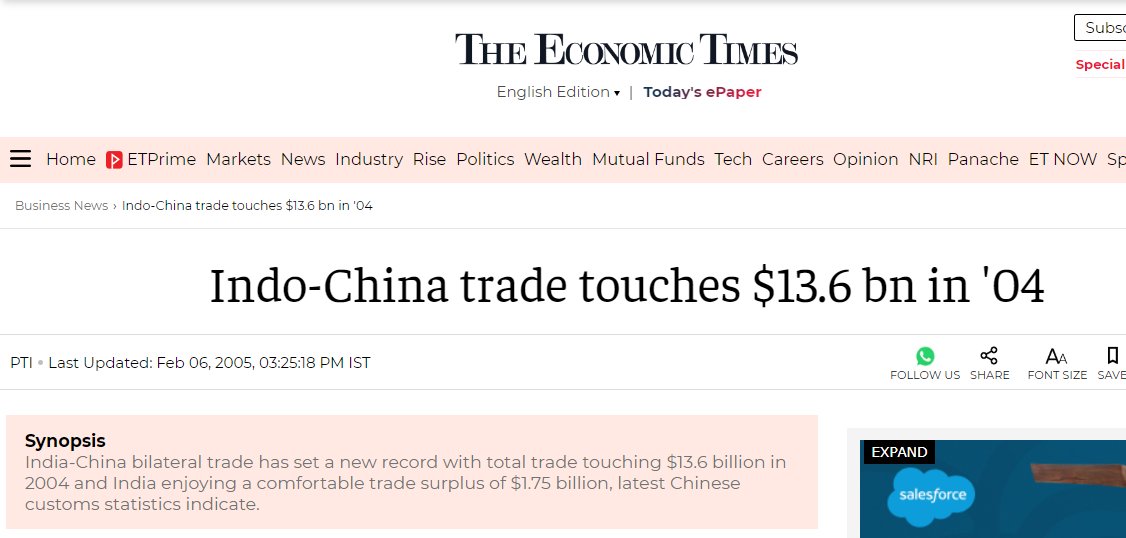
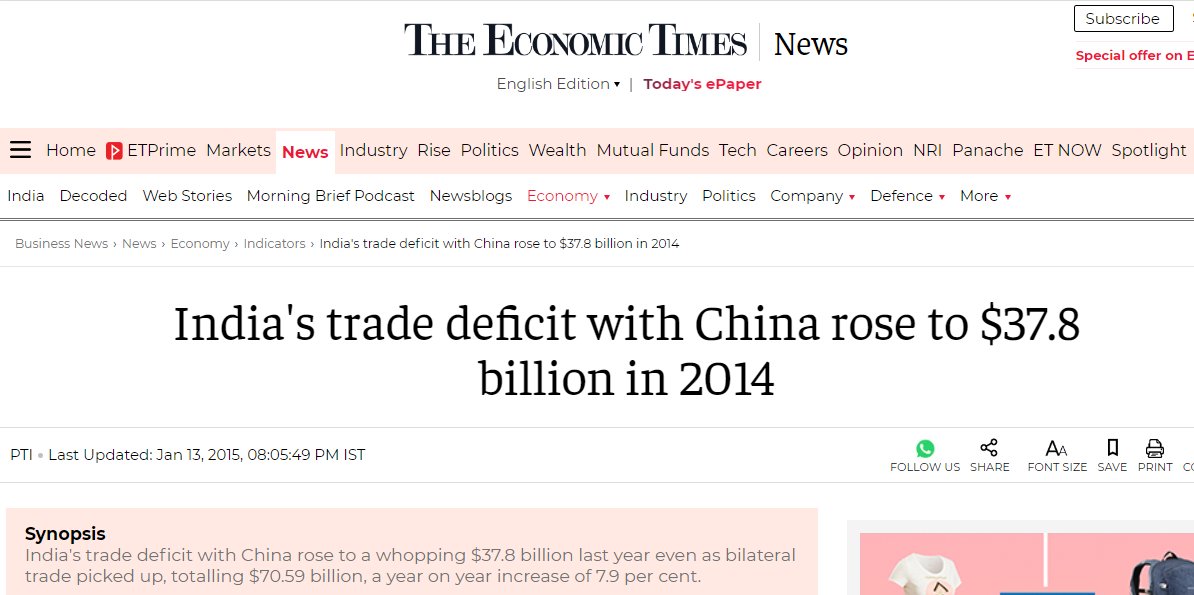
This is absolutely mind blowing : Did you know?
In 2004, India had a trade SURPLUS of $1.75 billion with China
By 2014, India fell into trade DEFICIT of $38 billion with China
This is how Dr. Singh ruined India's economy
Thanks @TrulyMonica for letting me know!
154
1,797
4,531
285,947

Menon_Ji retweeted

11 Nov 2023
I used to think Raghuram Rajan is very smart. Modi and his advisors are dumb.
Then the pandemic happened.
Rajan, Banerjee, Sen etc adviced developing countries to print money like there is no tomorrow
Some of them did that (Pakistan, Bangladesh, Sri lanka etc) but India did not
I was like damn we are getting into trouble, not following expert advice
India came out of pandemic soaring like a phoenix
Countries that followed their advice went bankrupt
Now I am a fan of Modi and his economic policy team.
These people stood against a worldwide trend, did the right thing for the country, and were proven right in the long run.
Rajan deserves the scoffing he is getting
282
2,087
9,606
513,241
Menon_Ji retweeted

24 Sep 2023
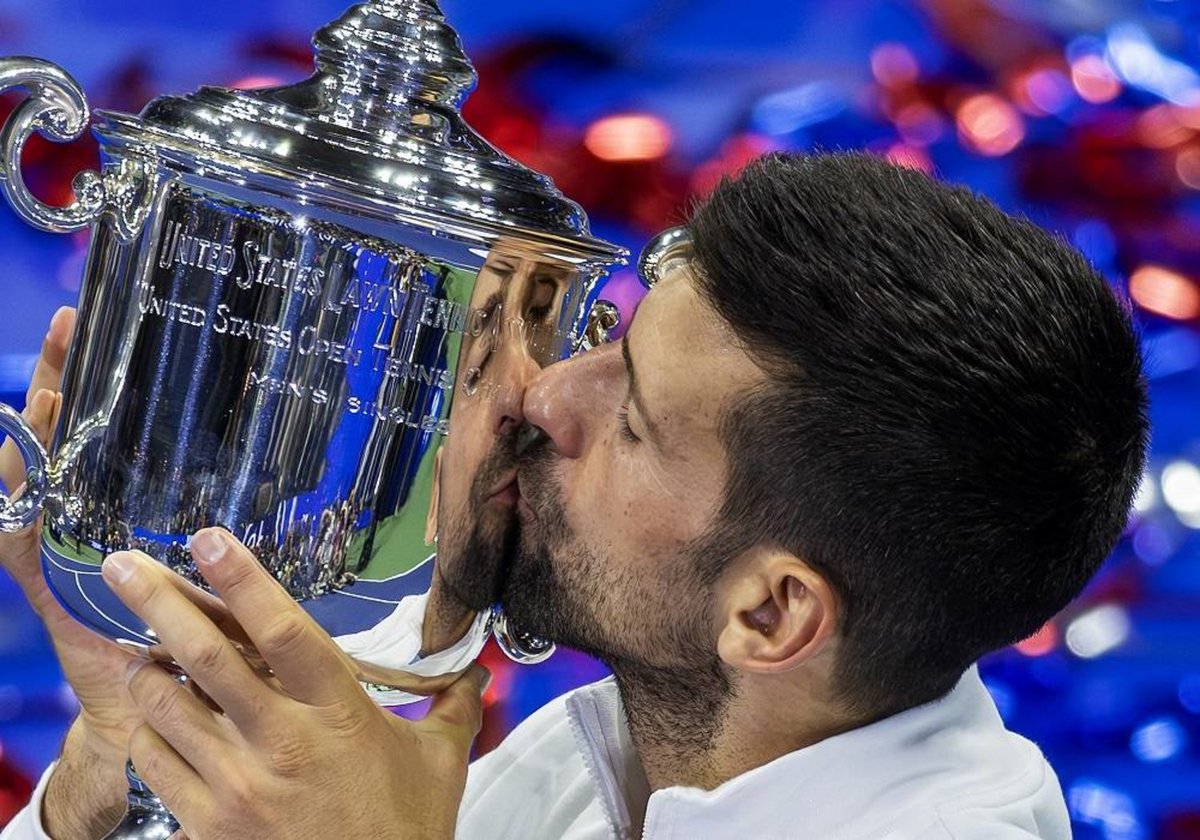
Novak Djokovic starts his 392nd week as the best player in the world today.
That's more than 7.5 years ranked #1. No other man has even been ranked 6 years as #1.
20
98
1,054
34,000
Menon_Ji retweeted
19 Sep 2023
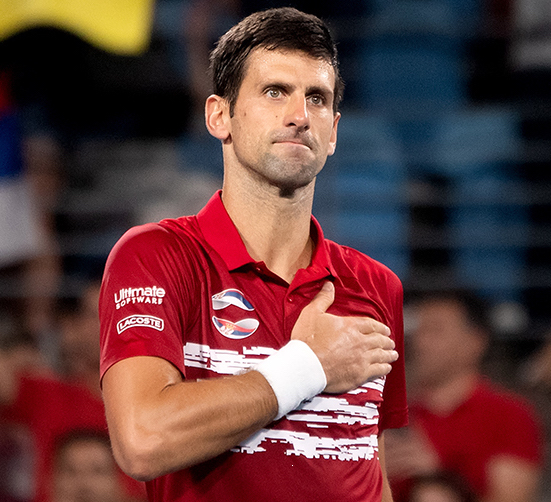
Besides being a better tennis player than Nadal, the biggest differences between Djokovic and Nadal are honesty and integrity.
Novak Djokovic is always honest and real.
That's why we love him. ❤️
121
152
2,037
85,014
Menon_Ji retweeted

20 Sep 2023
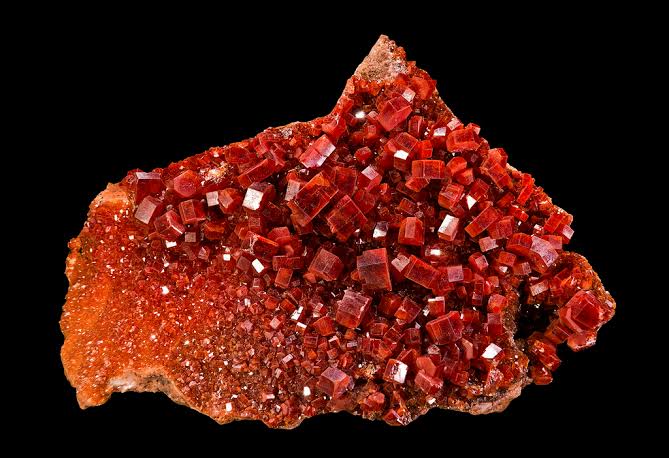
🚨 India seems to have hit jackpot with the discovery of a critical raw material, 'Vanadium' at Gulf of Khambhat, Gujarat. Earlier, India also discovered Lithium in Kashmir.
222
2,439
20,708
986,226
Menon_Ji retweeted

17 Sep 2023
🏆 Asia Cup Winners (ODI Cricket):
1. 🇮🇳 India → 8 titles
2. 🇱🇰 Sri Lanka → 6 titles
3. 🇵🇰 Pakistan → 2 titles
2023: 🇮🇳 India
2022: 🇱🇰 Sri Lanka
2018: 🇮🇳 India
2016: 🇮🇳 India
2014: 🇱🇰 Sri Lanka
2012: 🇵🇰 Pakistan
2010: 🇮🇳 India
2008: 🇱🇰 Sri Lanka
2004: 🇱🇰 Sri Lanka
2000: 🇵🇰 Pakistan
1997: 🇱🇰 Sri Lanka
1995: 🇮🇳 India
1991: 🇮🇳 India
1988: 🇮🇳 India
1986: 🇱🇰 Sri Lanka
1984: 🇮🇳 India
145
1,330
13,392
746,856
Menon_Ji retweeted
11 Sep 2023
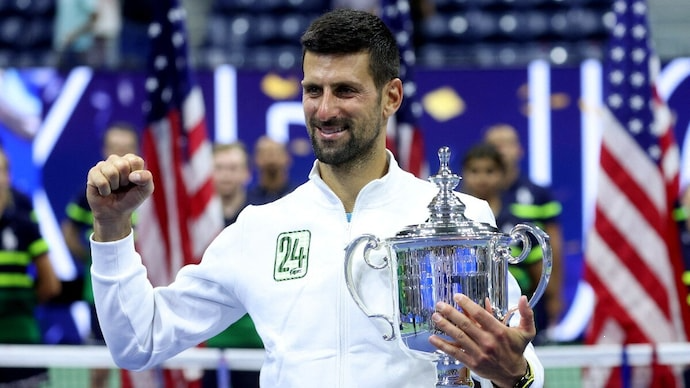
He was denied entry from USA for two years.
He was detained and deported from Australia.
He was robbed of ranking points and titles.
He was humiliated and vilified.
But yet he did not let this injustice stop him.
Bravery. Determination. Strength. 💪🏻
Novak Djokovic 2⃣4⃣
176
1,367
10,282
283,681
Menon_Ji retweeted
11 Sep 2023
NIFTY Benchmarks.
5000 - Sept 2007.
10000 - July 2017.
15000 - Feb 2021.
20000 - Sept 2023.
Will it touch the magical 25000 before elections ?
42
227
2,449
80,950
Menon_Ji retweeted
2 Sep 2023
🚨 Indian Economy in August, 2023.
GST collection - 1.59 lakh crore
Manufacturing PMI - 58.6
Automobile sales - 3,60,897 cars
UPI transactions - 10.58 billion
Coal Production - 67.65 MT
Electricity consumption - 152 billion units
Railway Freight - 126.9 MT
Bank Credit - 19.7% ⬆️
Aviation turbine fuel - 9.5% ⬆️
Overall a very good month for the economy.
98
1,002
8,420
764,033

Chandrayaan-3 Mission:
In-situ scientific experiments continue .....
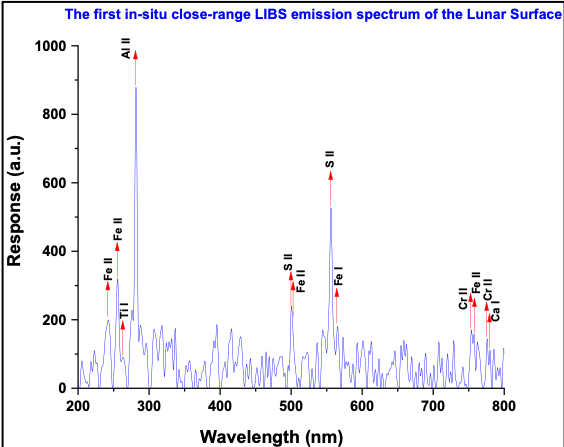
Laser-Induced Breakdown Spectroscope (LIBS) instrument onboard the Rover unambiguously confirms the presence of Sulphur (S) in the lunar surface near the south pole, through first-ever in-situ measurements.
Al, Ca, Fe, Cr, Ti, Mn, Si, and O are also detected, as expected. Search for Hydrogen (H) is underway.
LIBS instrument is developed at the Laboratory for Electro-Optics Systems (LEOS)/ISRO, Bengaluru. isro.gov.in/LEOS.html
isro.gov.in/LIBSResults.html
#Chandrayaan_3
#Ch3
2,004
13,625
89,944
5,928,190
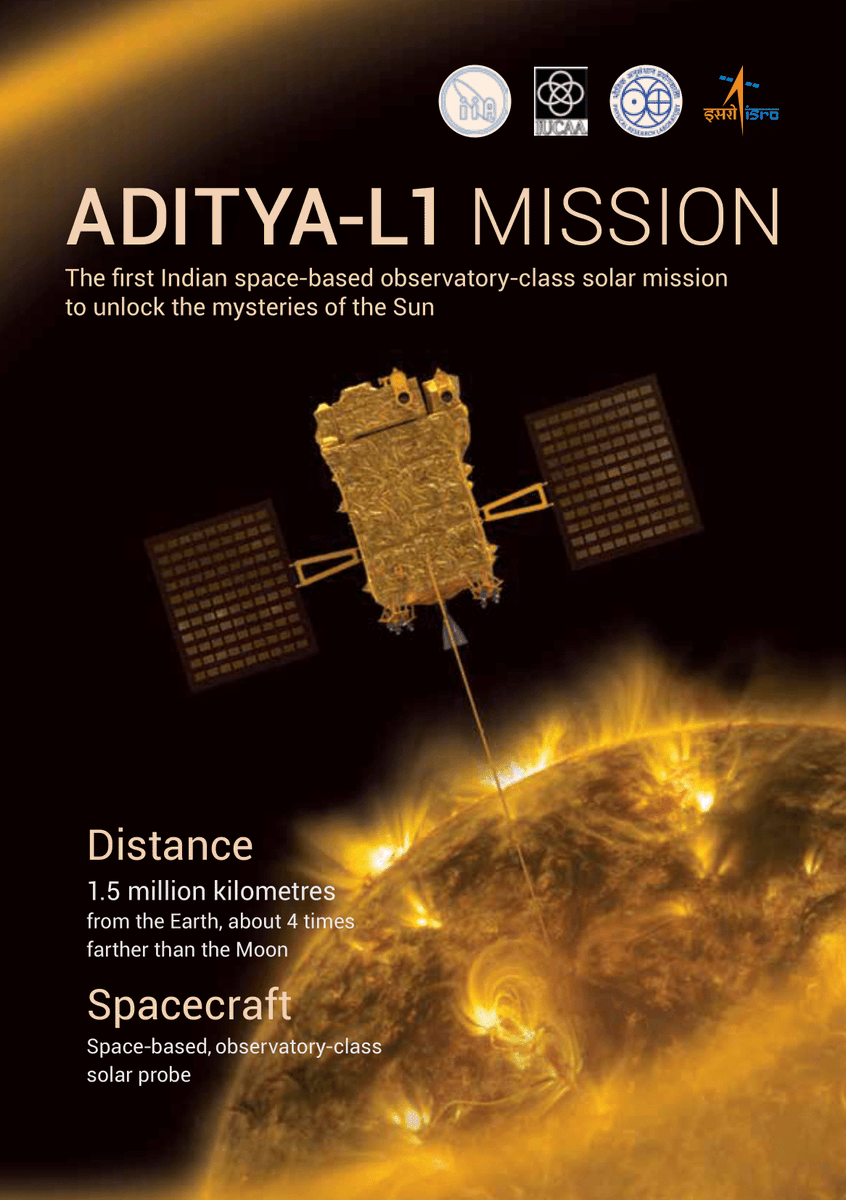
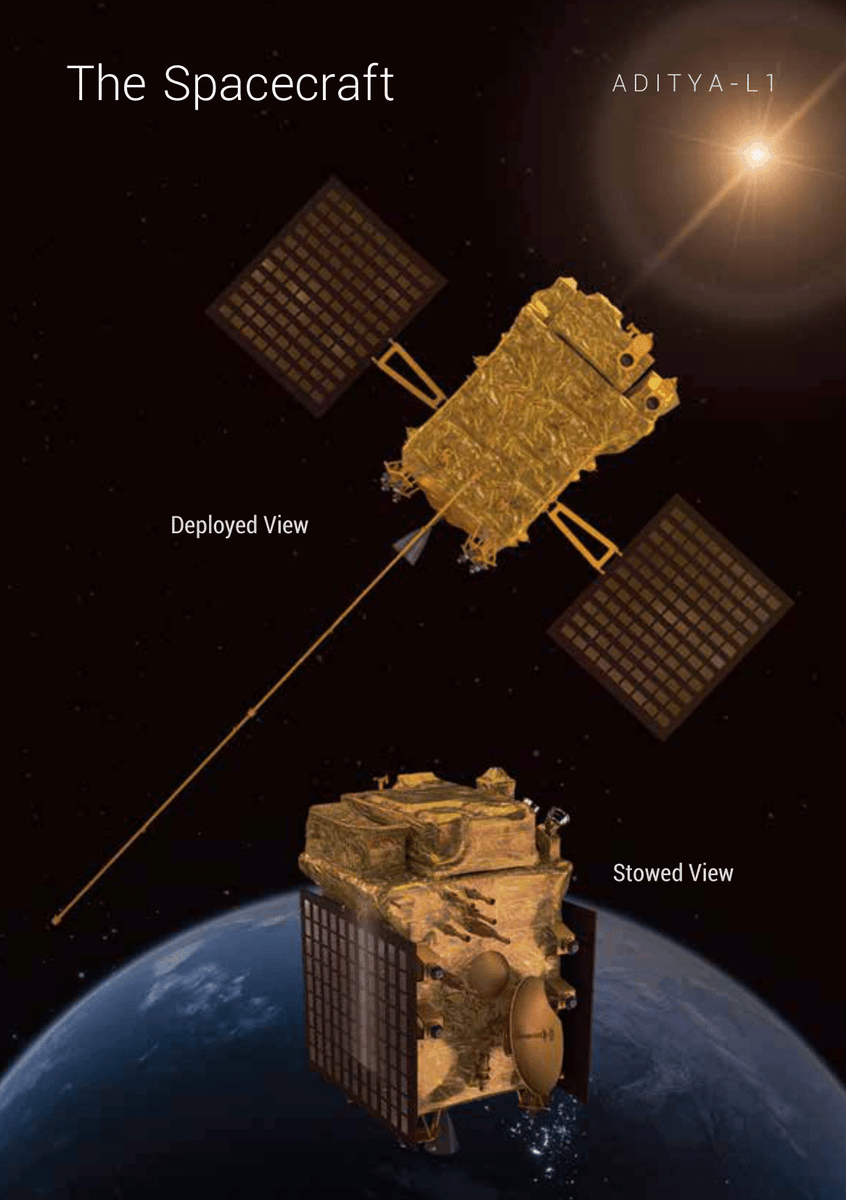
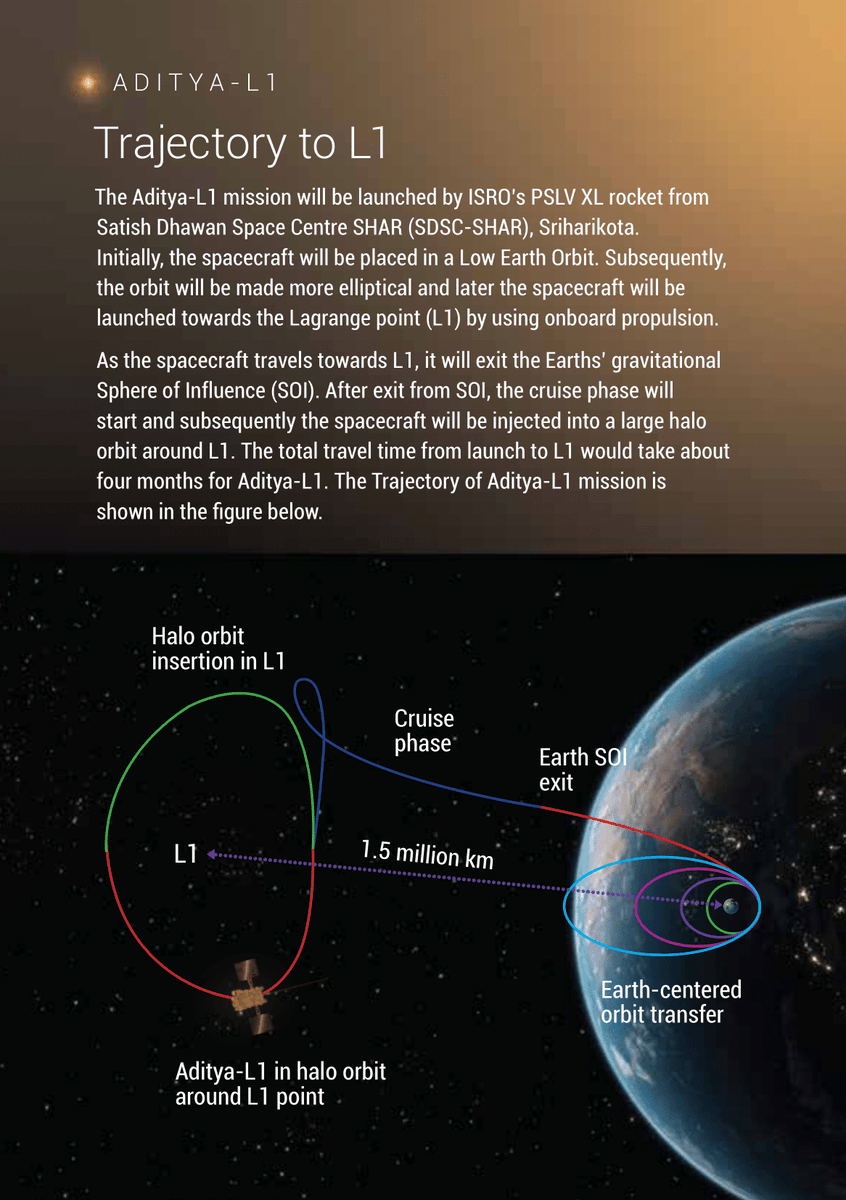
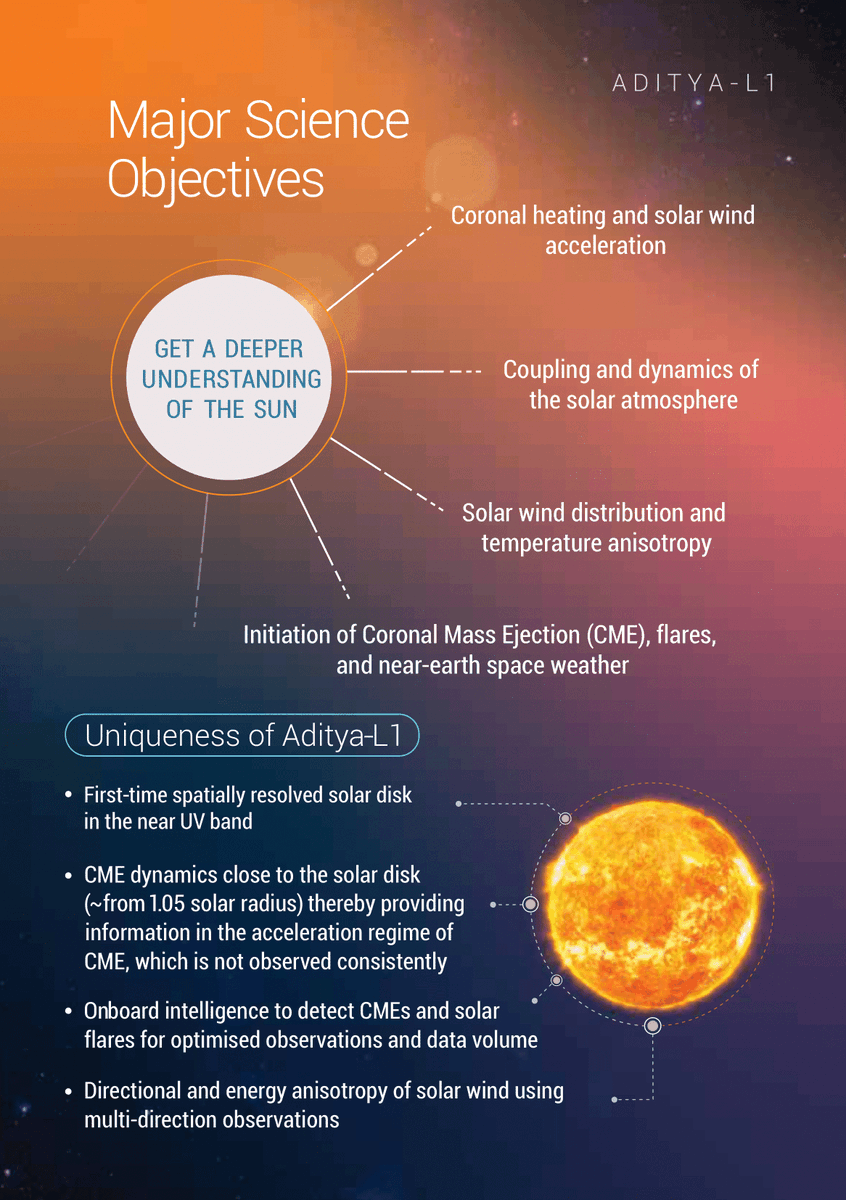
🚀PSLV-C57/🛰️Aditya-L1 Mission:
The launch of Aditya-L1,
the first space-based Indian observatory to study the Sun ☀️, is scheduled for
🗓️September 2, 2023, at
🕛11:50 Hrs. IST from Sriharikota.
Citizens are invited to witness the launch from the Launch View Gallery at Sriharikota by registering here:
lvg.shar.gov.in/VSCREGISTRAT… Commencement of registration will be announced there.
isro.gov.in/Aditya_L1.html
2,535
20,459
115,612
5,706,026