
One of the world’s leading independent energy and commodity groups. Committed to a better energy system balancing reliability, affordability and sustainability.
Joined December 2014
- Tweets 1,026
- Following 250
- Followers 10,337
- Likes 533
401 Photos and videos

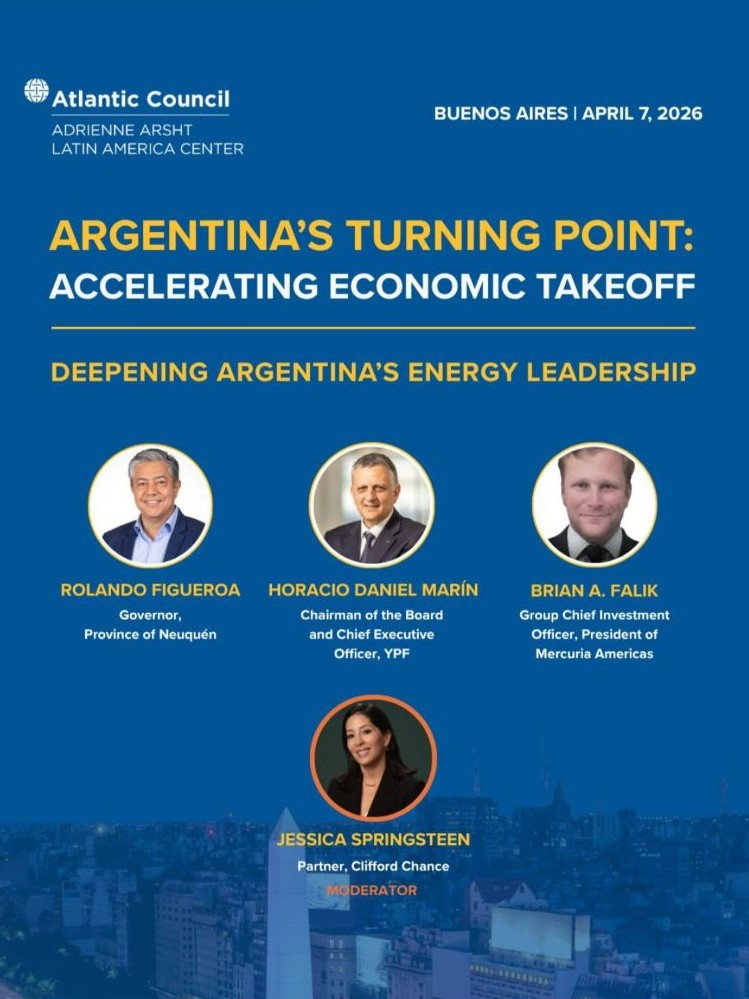

We've signed an agreement to acquire Raízen’s downstream operations in Argentina, including refining, fuel distribution and infrastructure assets.
This reinforces our long-term commitment to strategic investing in global energy markets and Latin America.
bit.ly/3REKBJ8
2
2
13
835
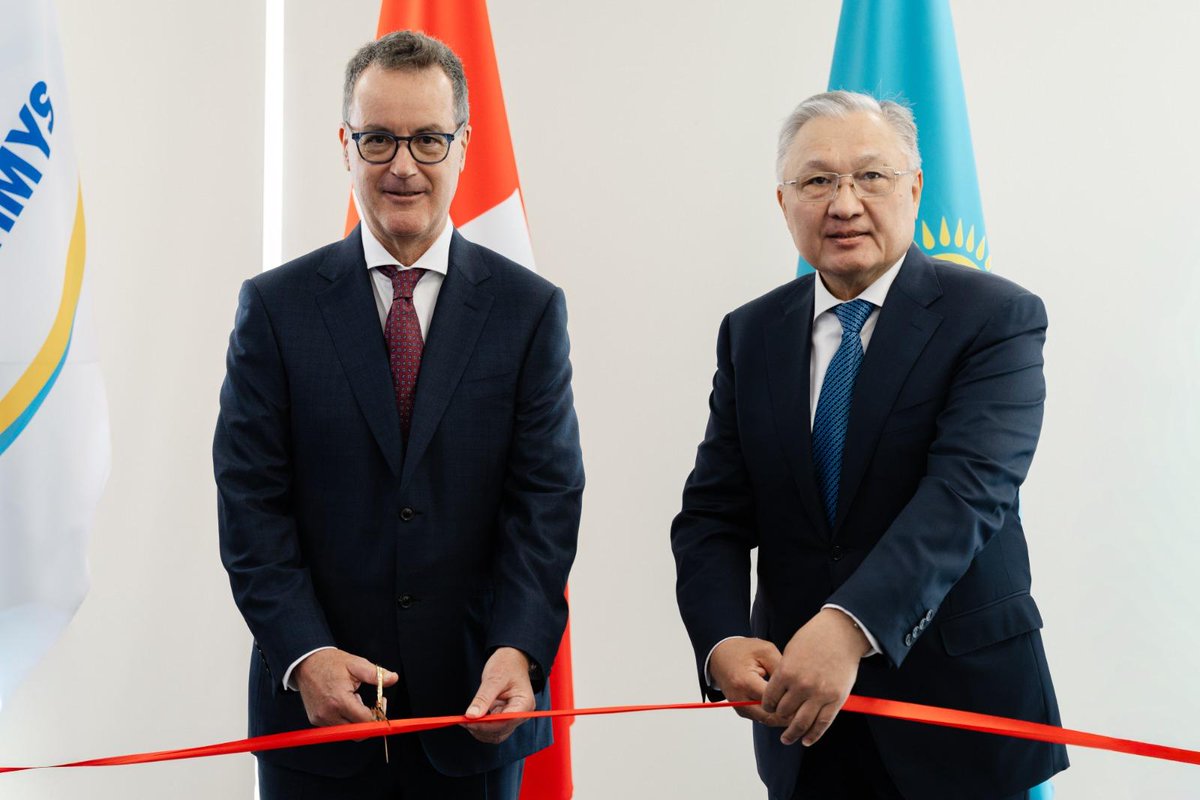
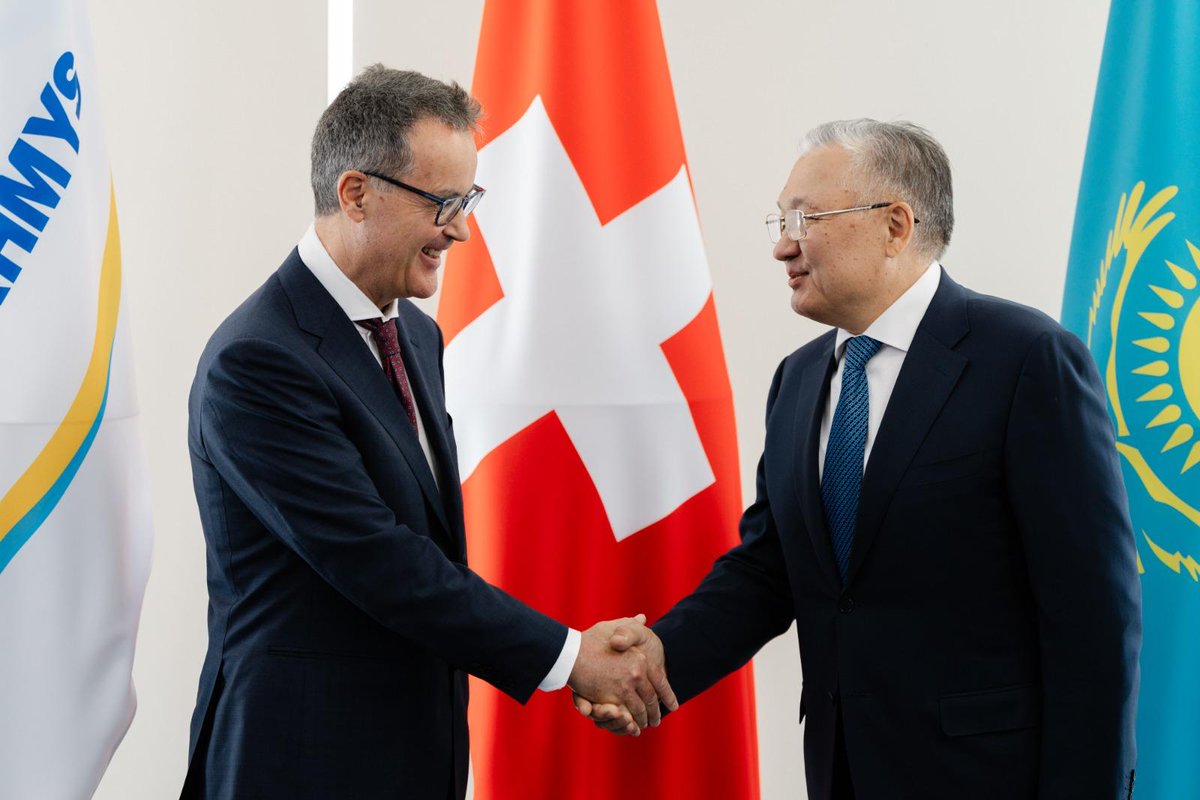
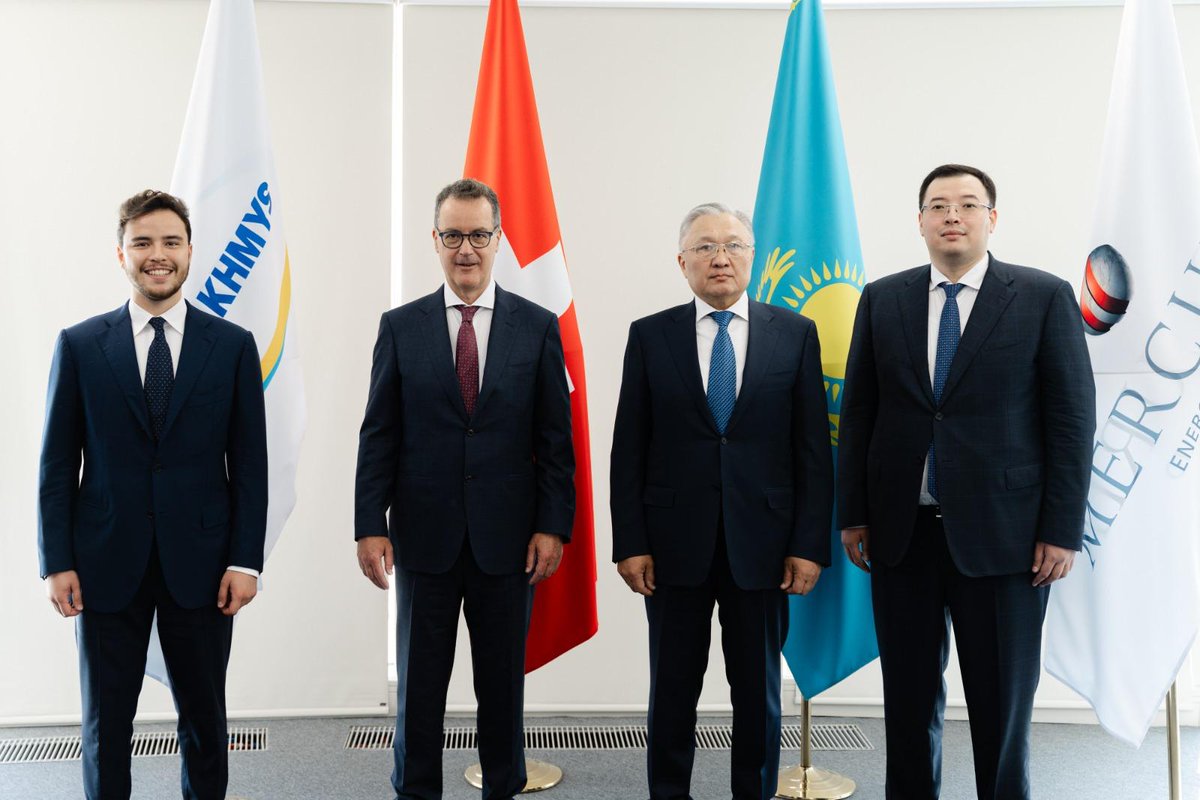
An important milestone for us in #Kazakhstan: the opening of our regional office in Astana, marking a new platform for the development of long-term cooperation in the country.
We look forward to expanding our cooperation, together with Kazakhmys.
➡️ mercuria.com/kazakhmys-and-m…
1
5
480
As gas supply routes continue to diversify, Greece is strengthening its role as an LNG gateway for South East Europe.
We’ve signed an MoU with Motor Oil Hellas to cooperate on LNG supply through the Dioriga Gas FSRU project in Greece’s Saronic Gulf.
👉 bit.ly/4dshqBs
1
2
299
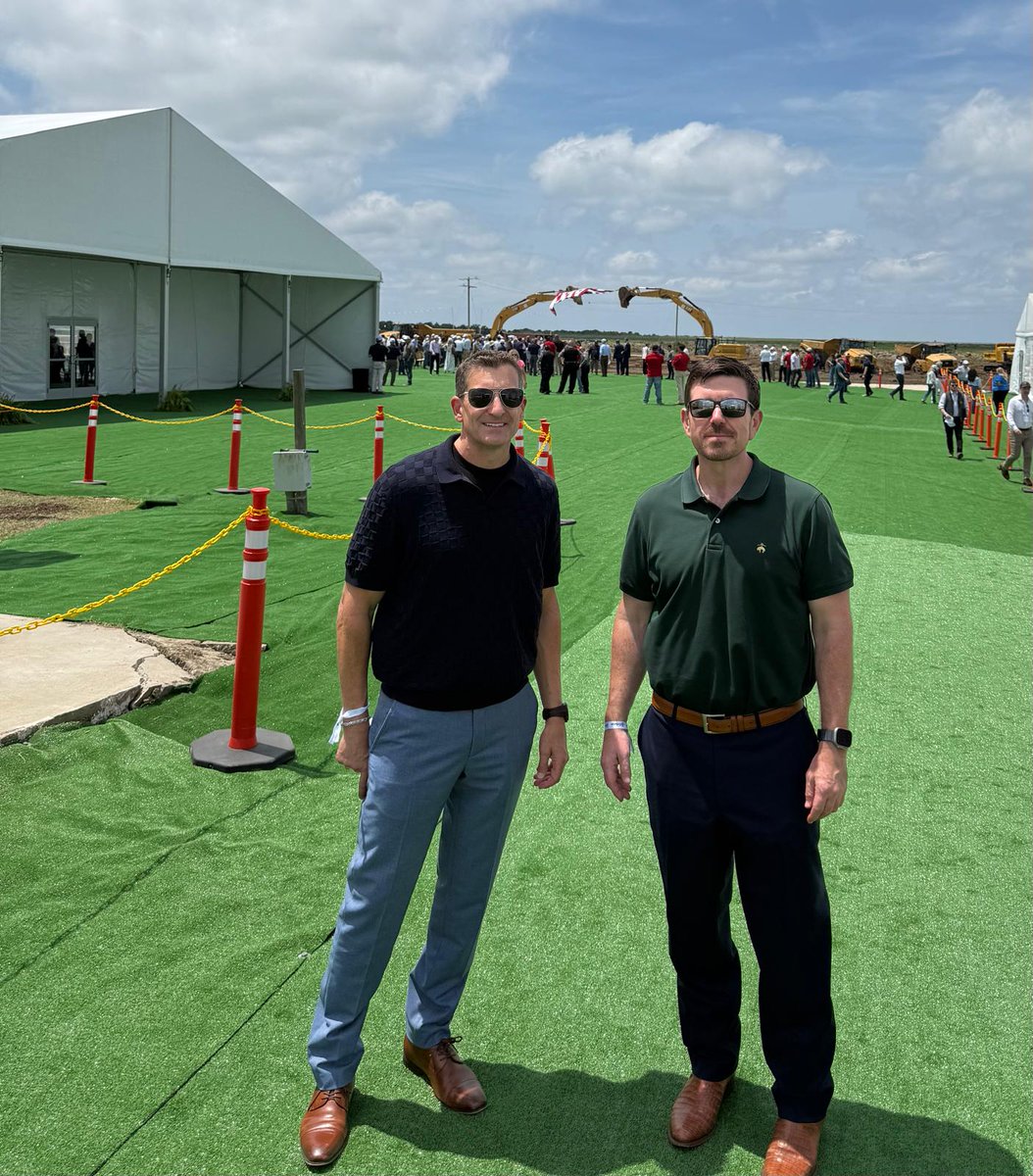
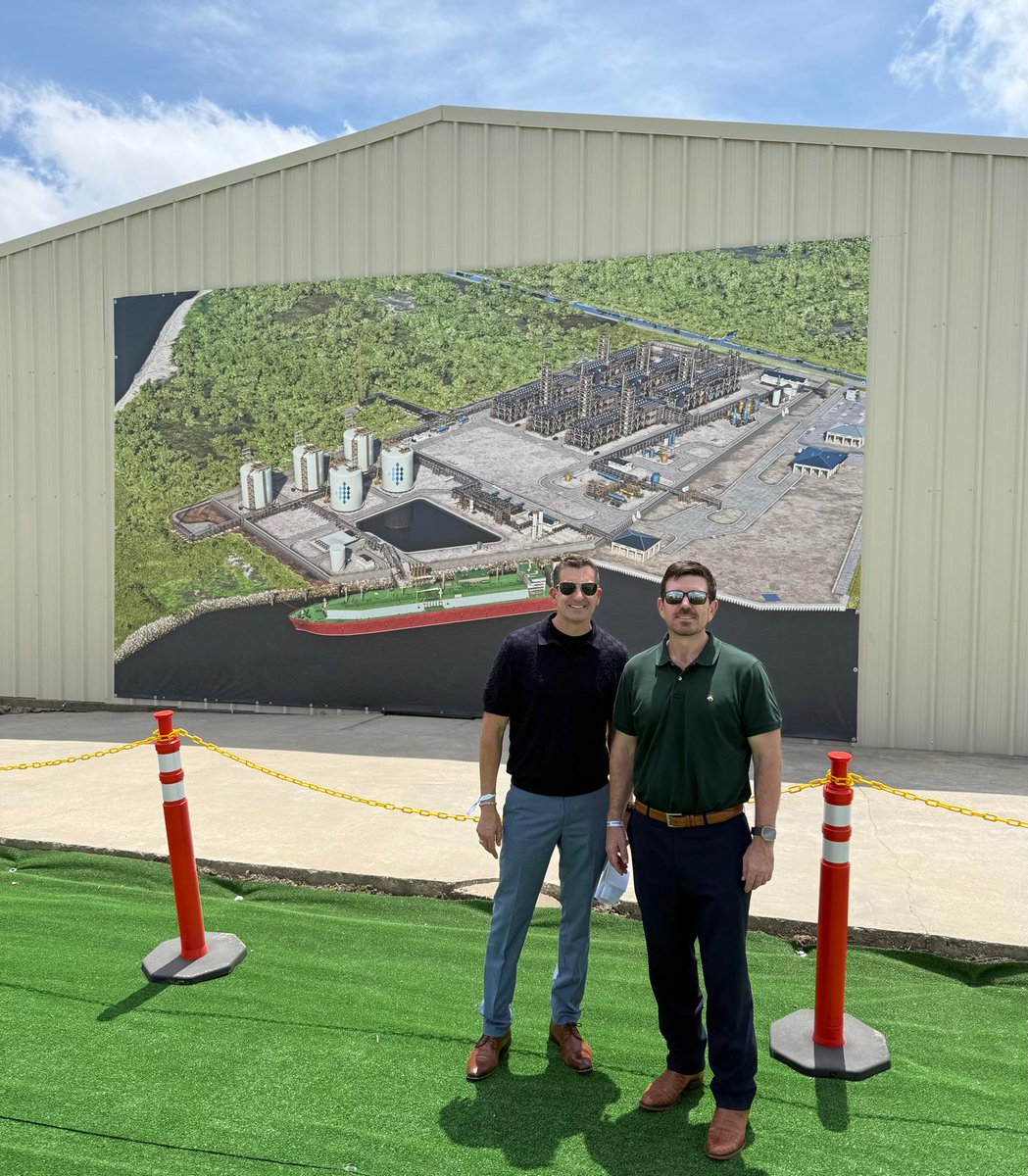
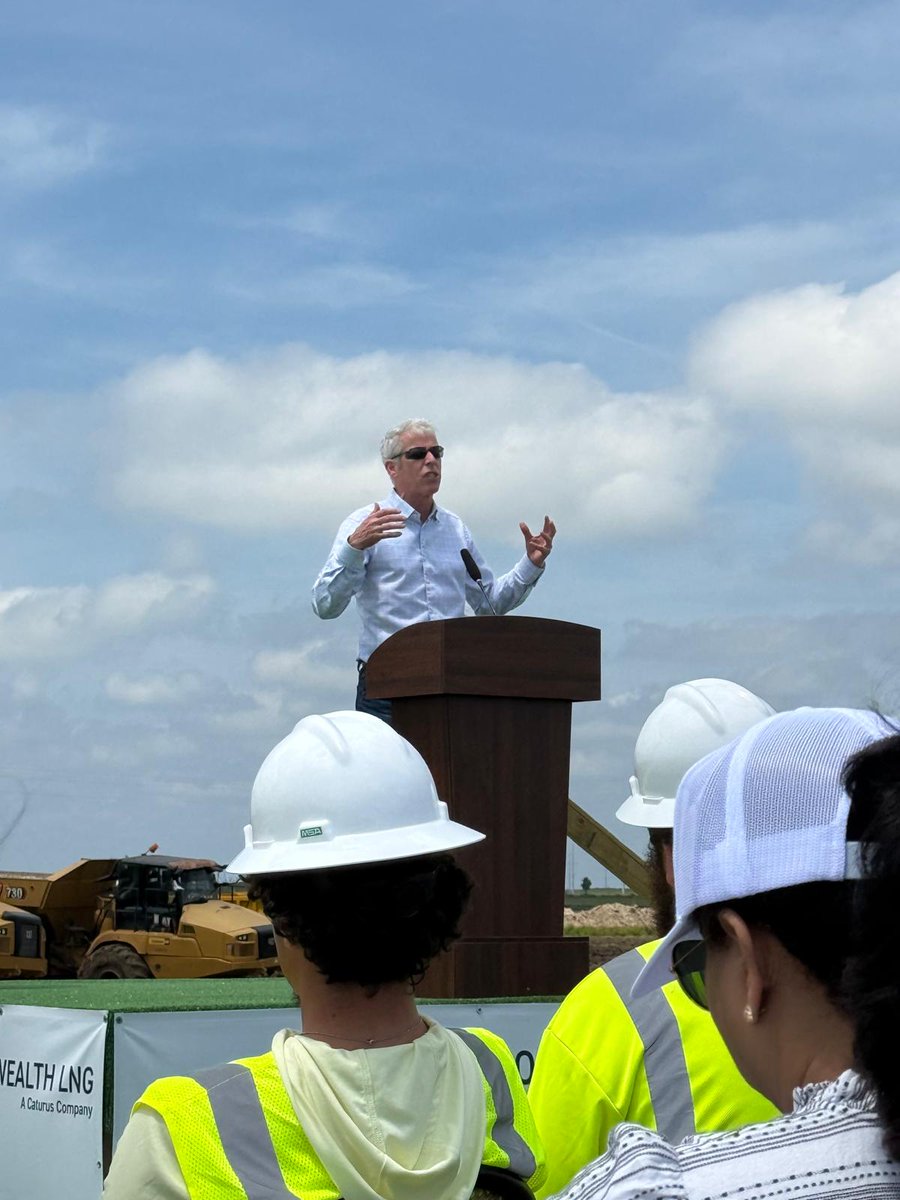
Our Head of Gas & Power Trading, Cody Moore, and Ryan Schleicher from our LNG team attended the
@Caturusenergy & @Commonwealthlng event in Cameron Parish.
Honored to be an off-taker for the project and supporting its development.
#LNG #EnergySecurity #USLNGLeadership
3
257
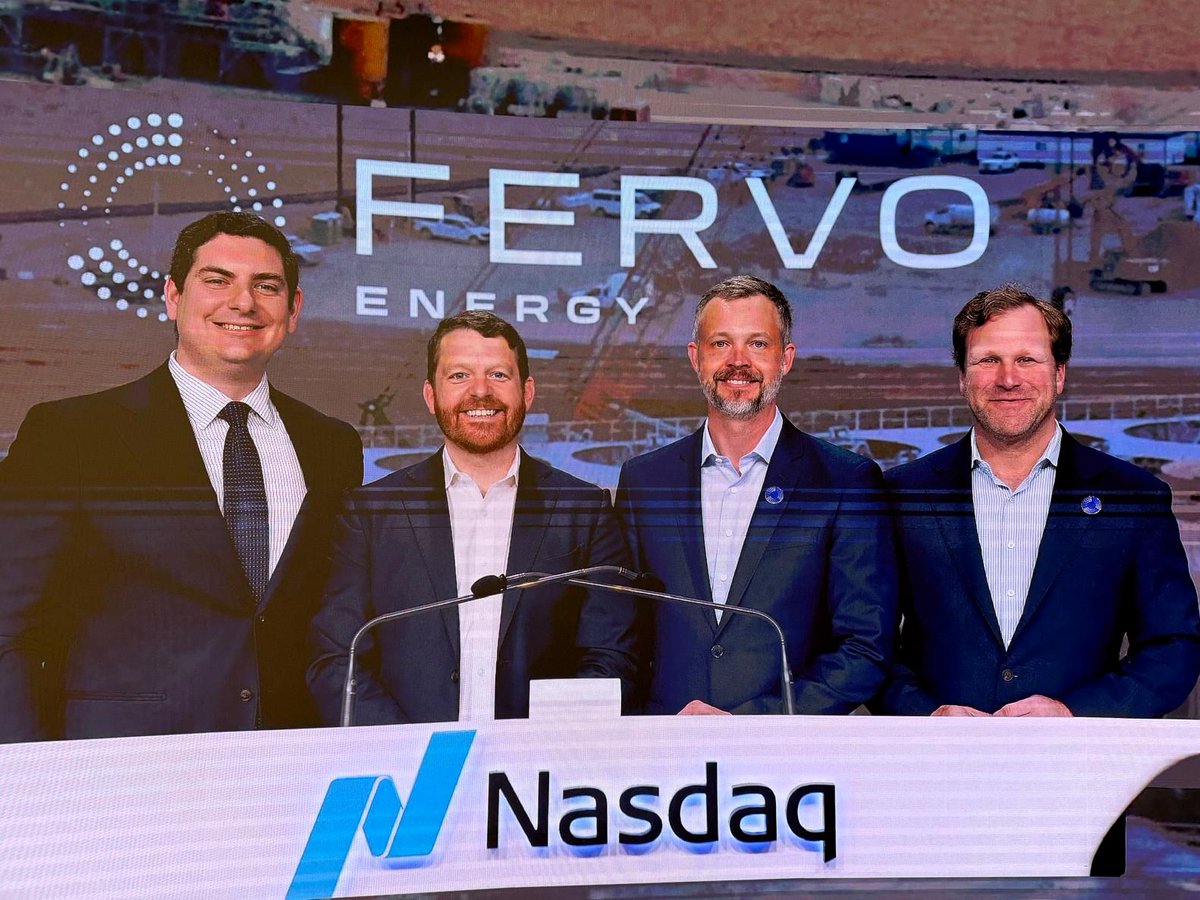
Congrats to the @fervoenergy team on a successful @Nasdaq public listing—an important milestone for next-gen geothermal and 24/7 energy.
We're proud to have supported Fervo's growth as demand rises from AI, data centers, and electrification. #EnergyTransition #Geothermal
2
323
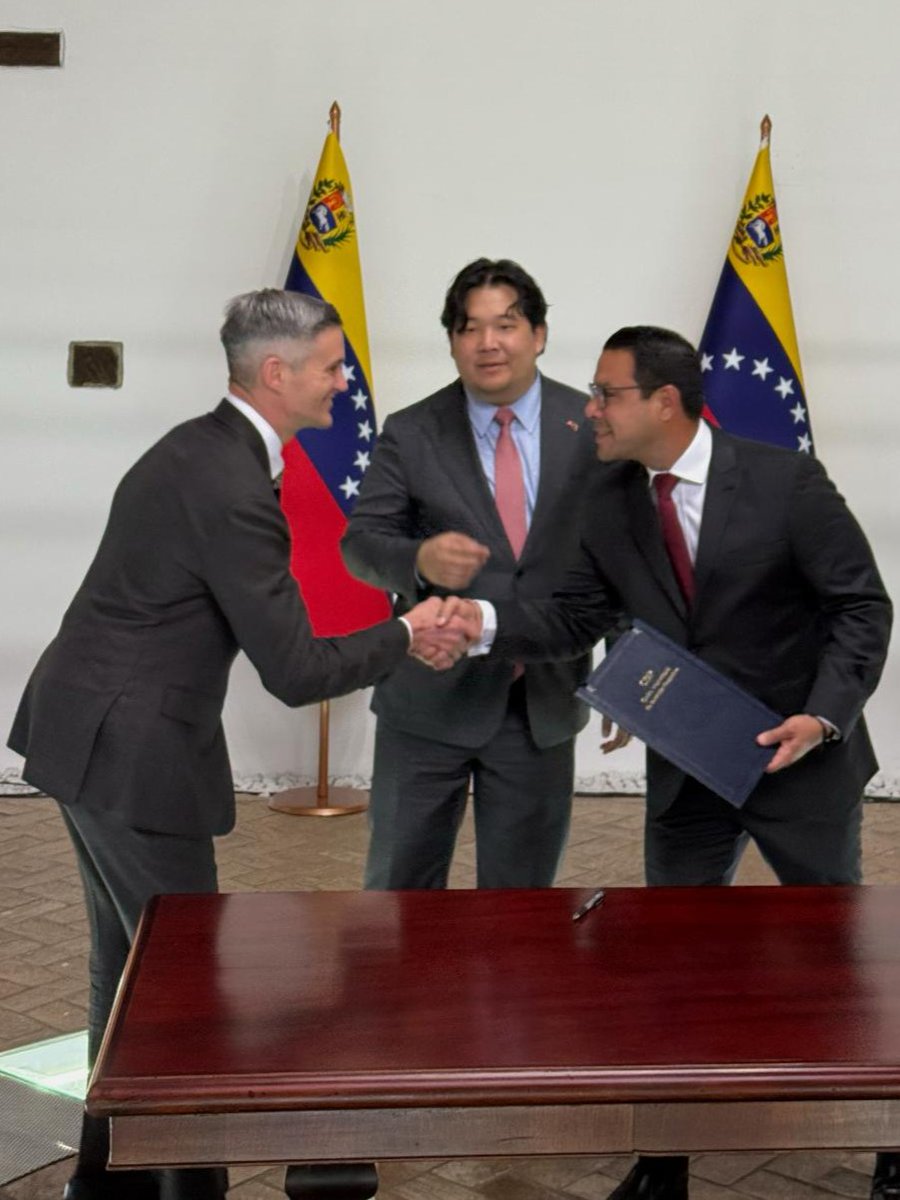
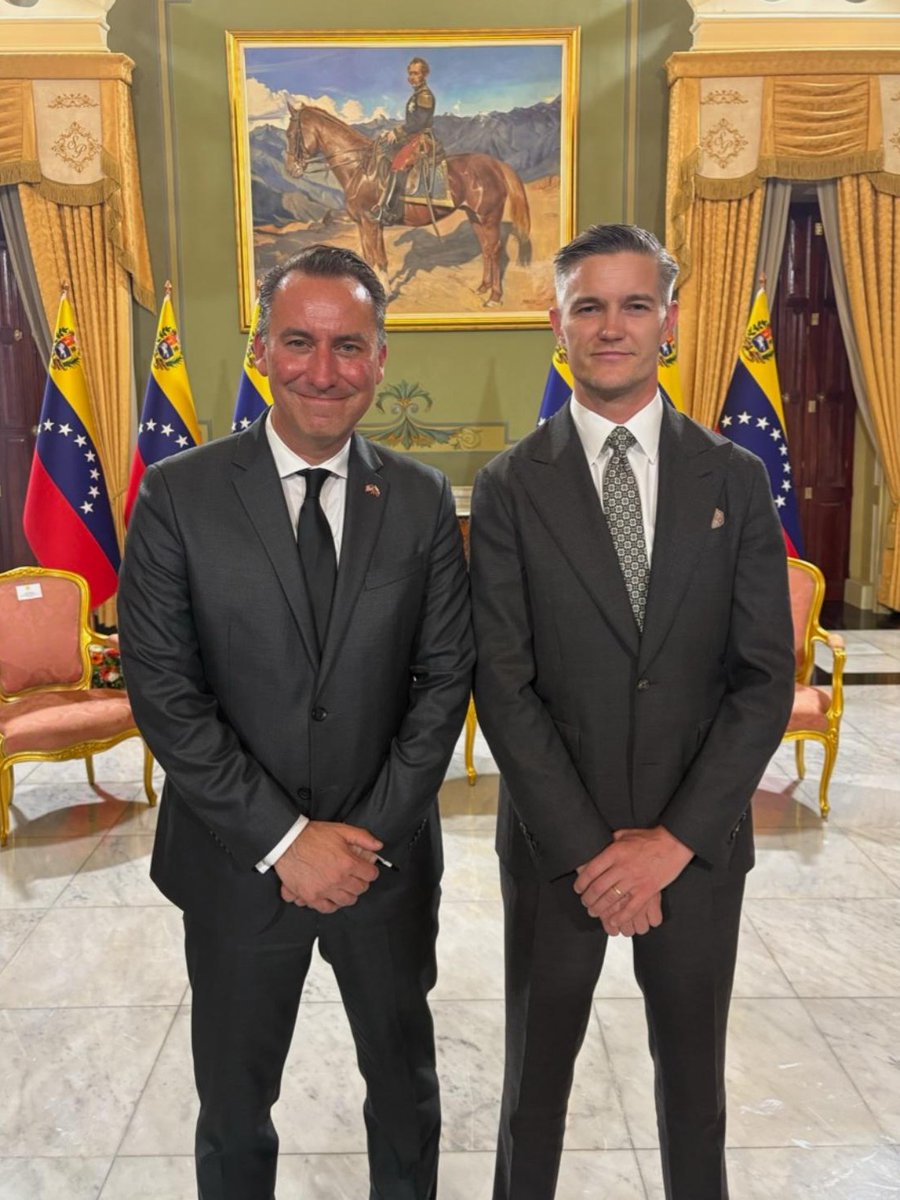
With @HeeneyCapital we have secured offtake agreements in Venezuela, rebuilding energy and mining supply chains.
Thanks to @jarrodagen of the National Energy Dominance Council and H.E. Mr Hector Jose Silva Hernandez, Minister of Mines of Venezuela.
bit.ly/3QAs4gy
1
7
2,435
Mercuria retweeted

1
5
615
Mercuria retweeted
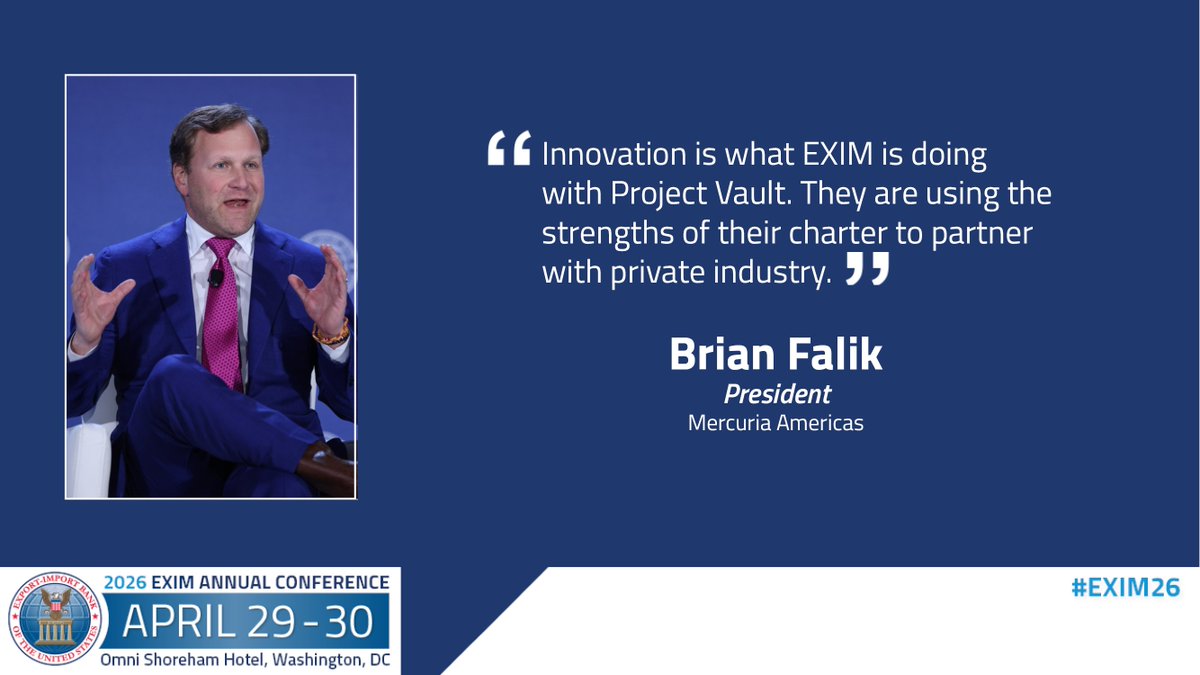
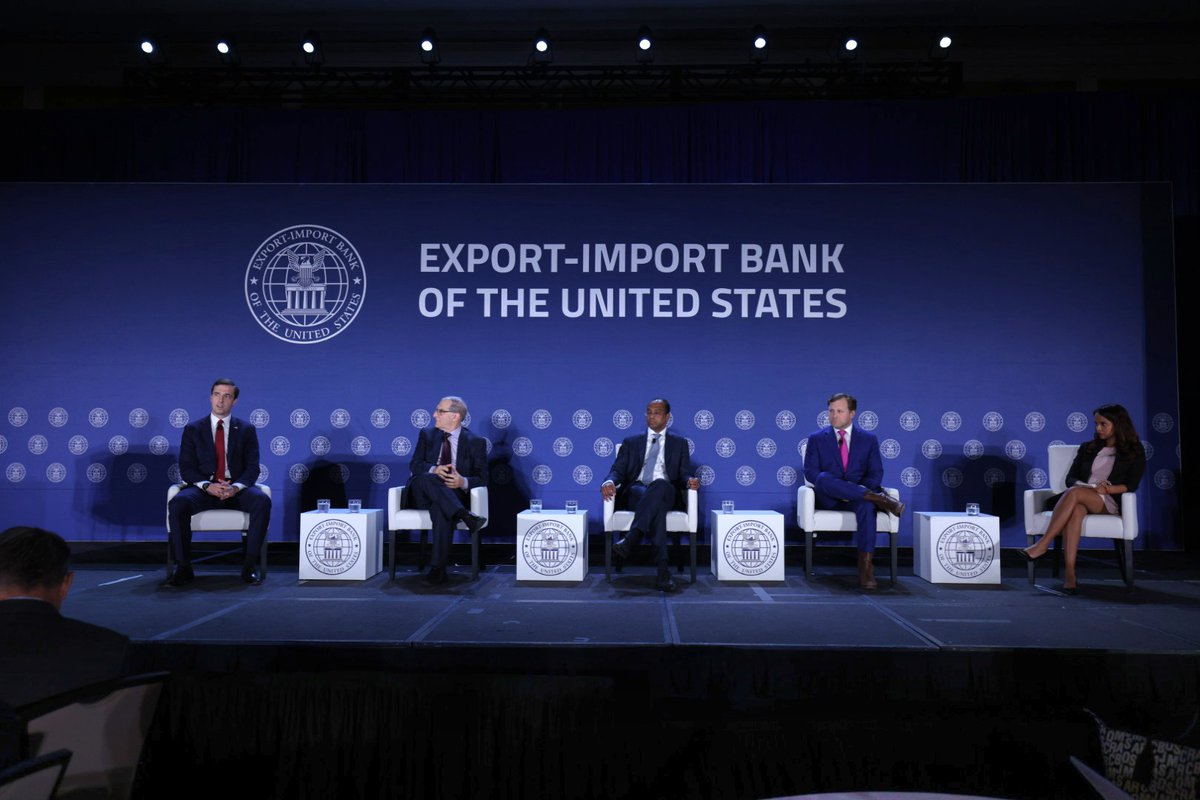
Live at #EXIM26: Securing Strategic Minerals in a Competitive World ⚒️🌍
Leaders across industry and government are discussing how to secure critical minerals, strengthen supply chains, and compete globally.
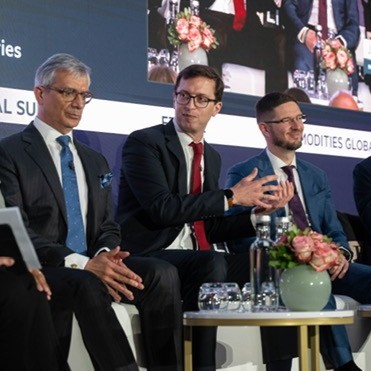
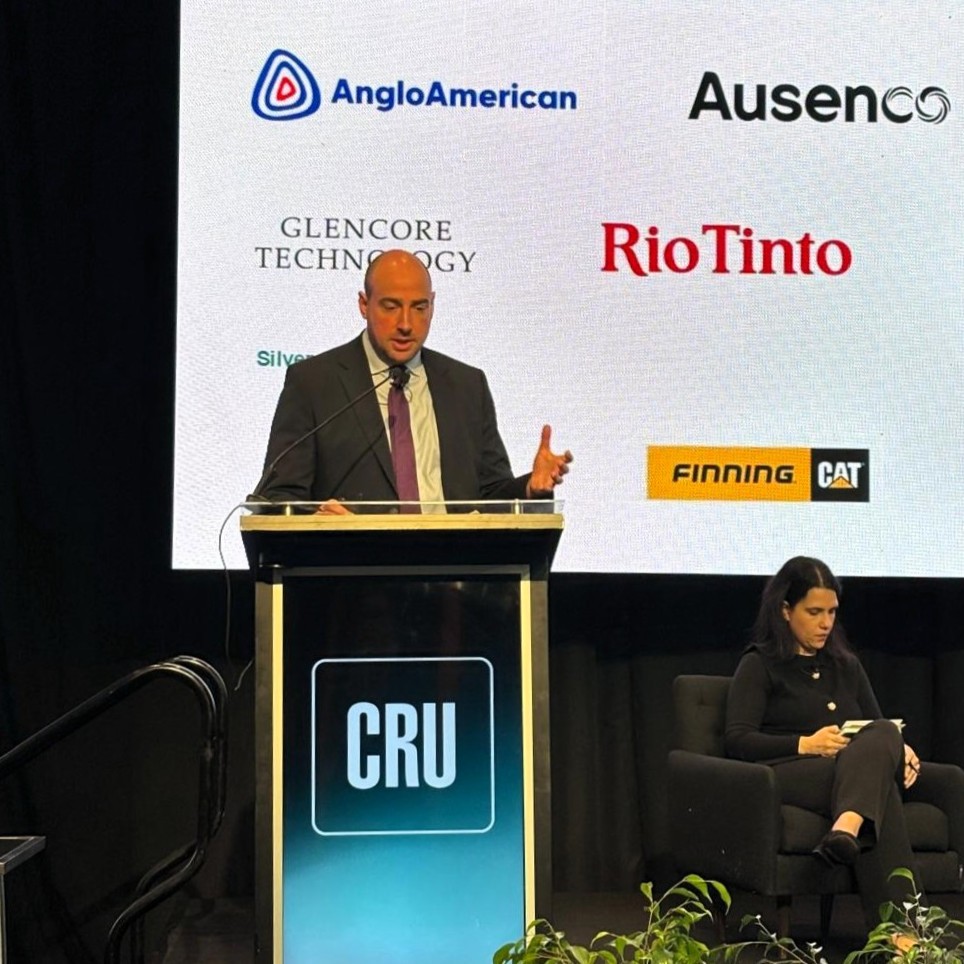
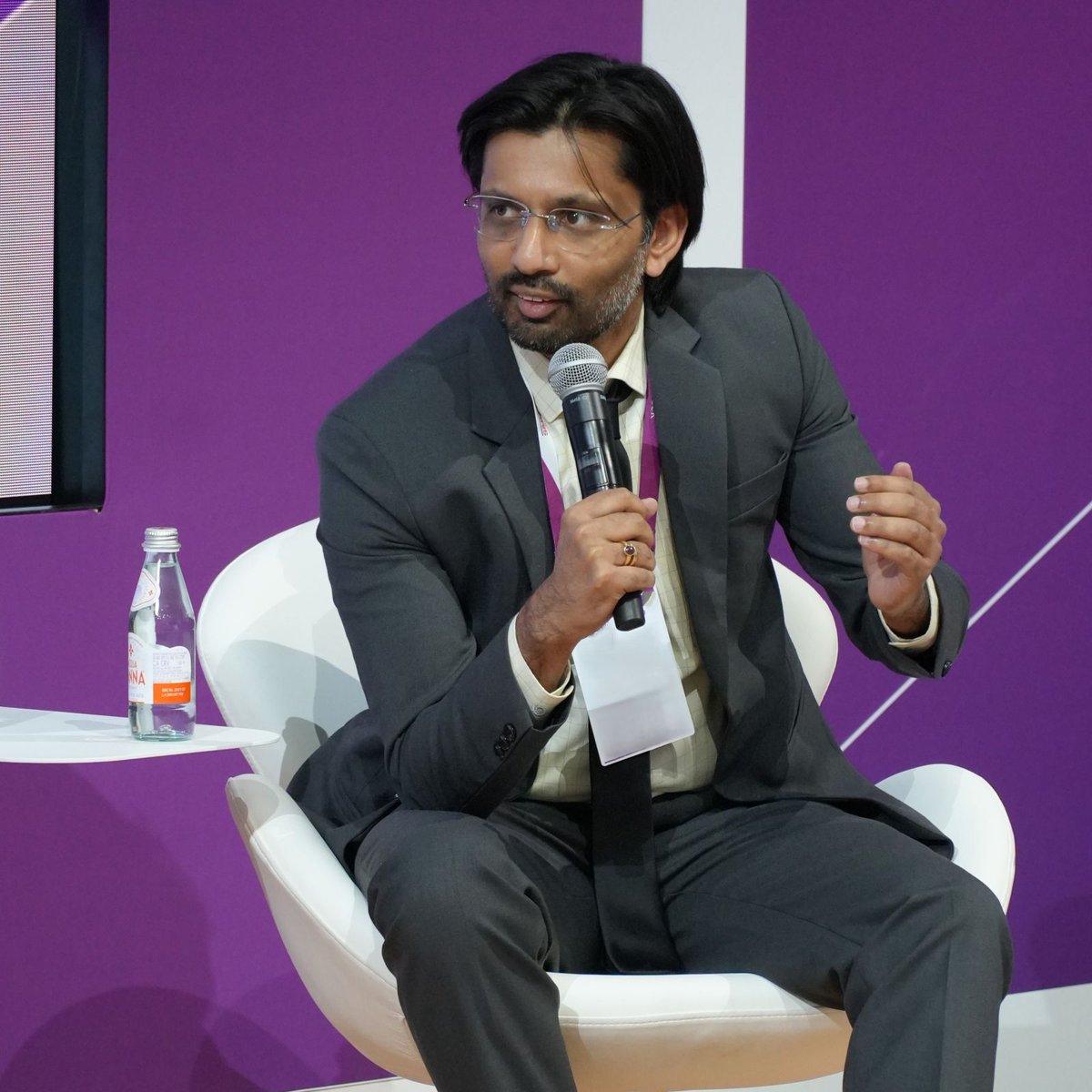
Featuring Brian Falik (@Mercuria), Jyothish George (@Glencore), Steve Hendel (Hartree), and Caleb Orr (@StateDept), moderated by @GraceBaskaran.
4
11
964
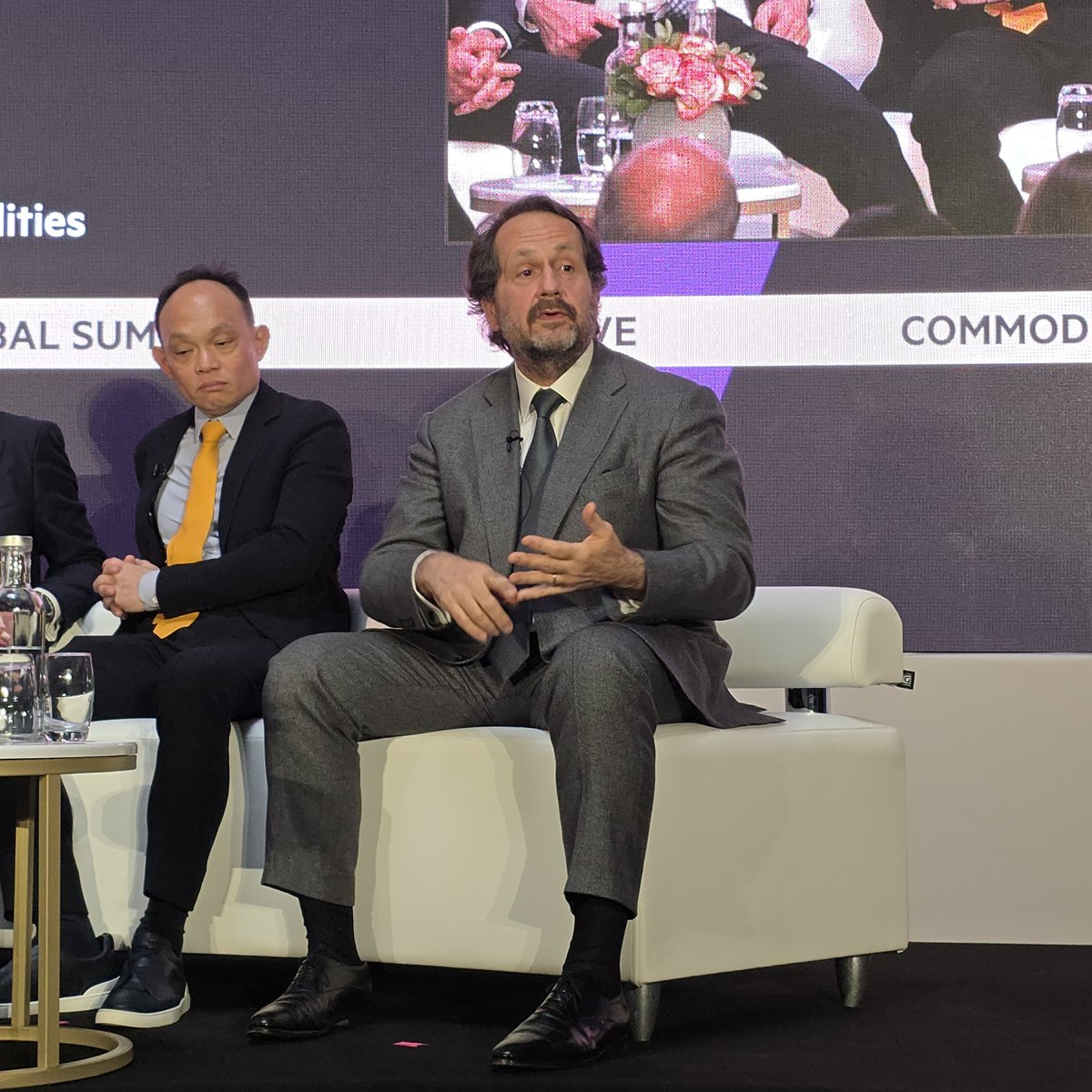
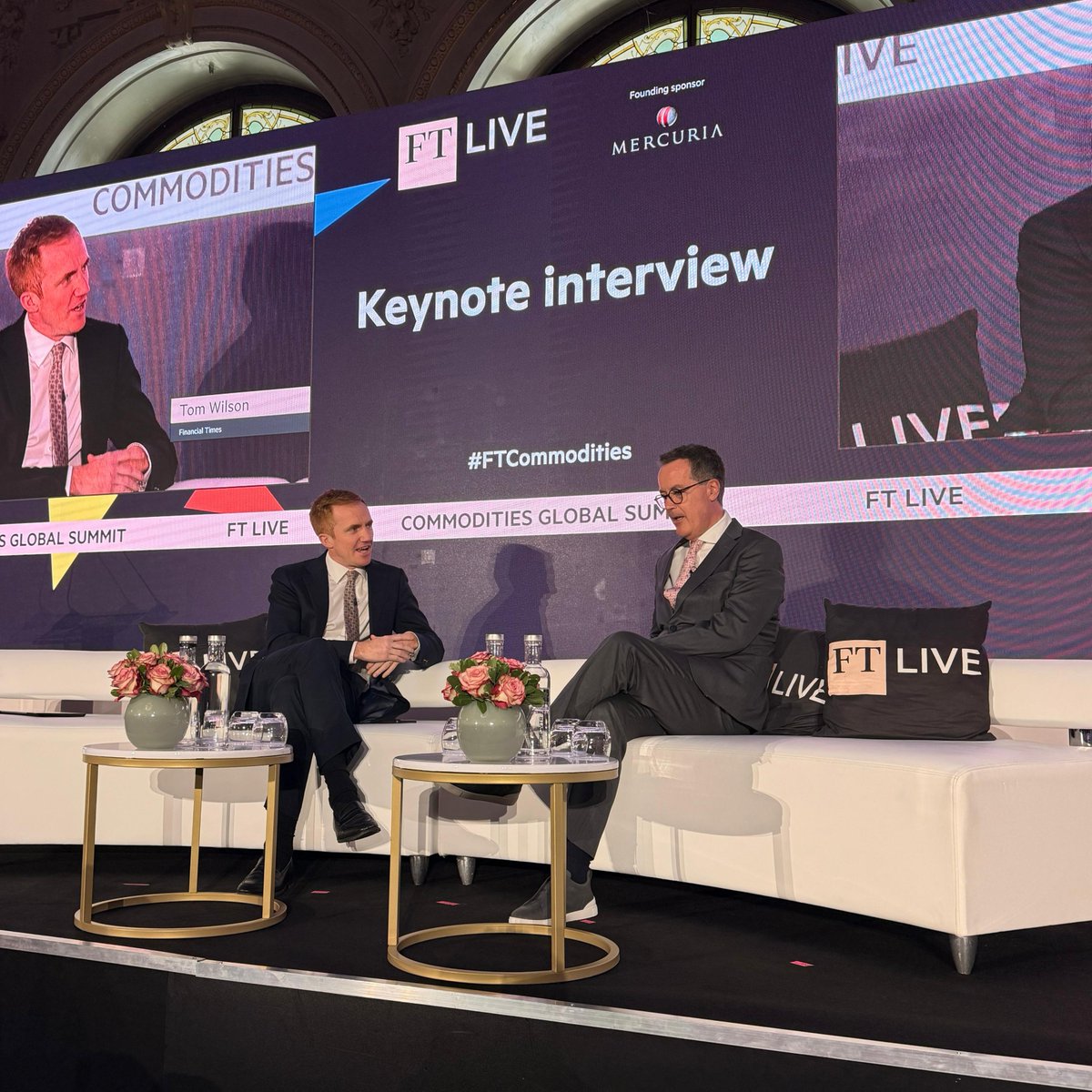
Public institutions use a wider toolkit — financing, regulation, and strategic interventions — that increasingly influences how commodities are financed and traded.
“We welcome this trend — greater clarity and engagement from governments can be positive for the entire ecosystem.”
1
280
He emphasised that this evolution is constructive.
For trading firms, adapting means being more transparent, better understood, and aligned with new expectations — embracing clearer rules that strengthen market confidence.
#FTCommodities #Trading #Finance #Regulation
234
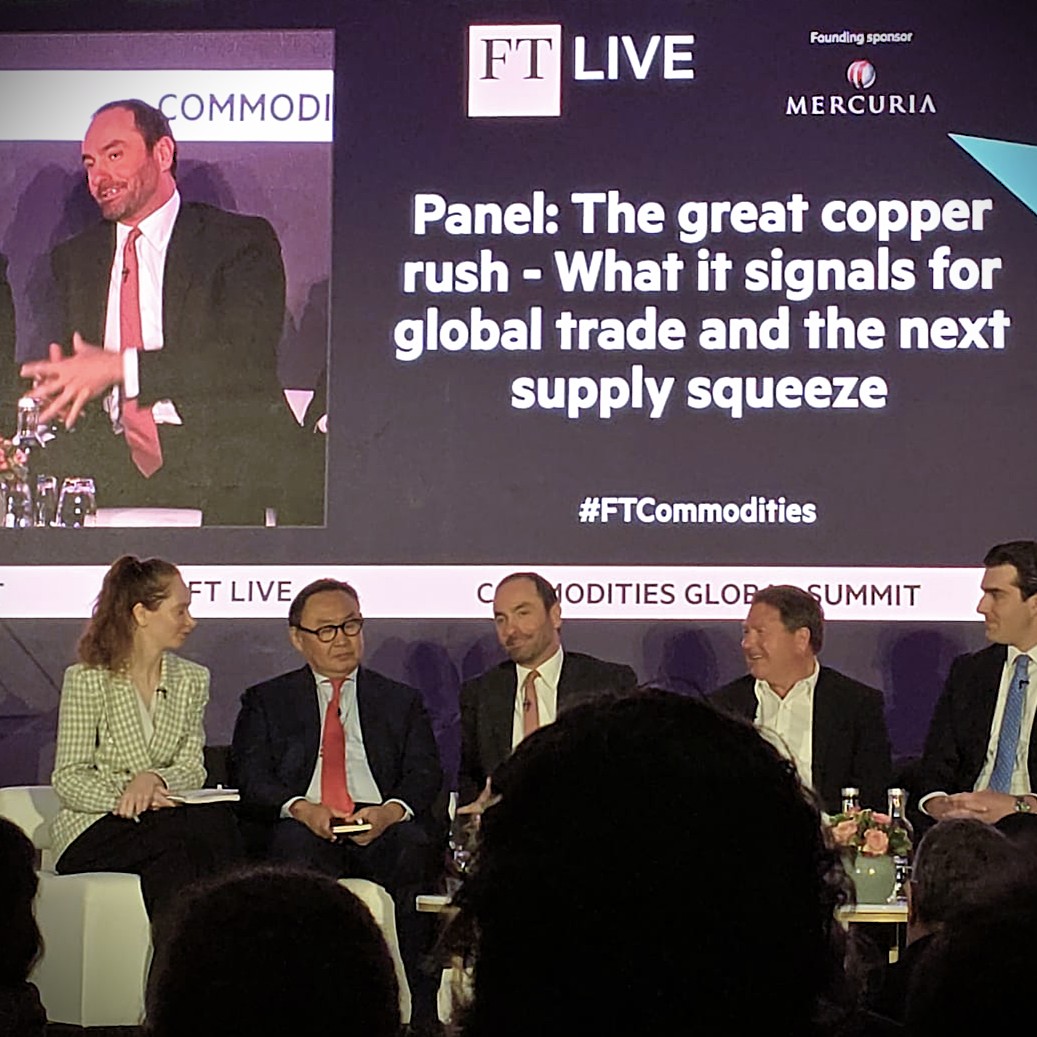
He concluded by stressing that the industry’s role is to give policymakers intelligent guidance — helping ensure that political decisions reflect market realities in an era of structural change and elevated volatility.
#FTCommodities #Mining #Metals #CriticalMinerals
182
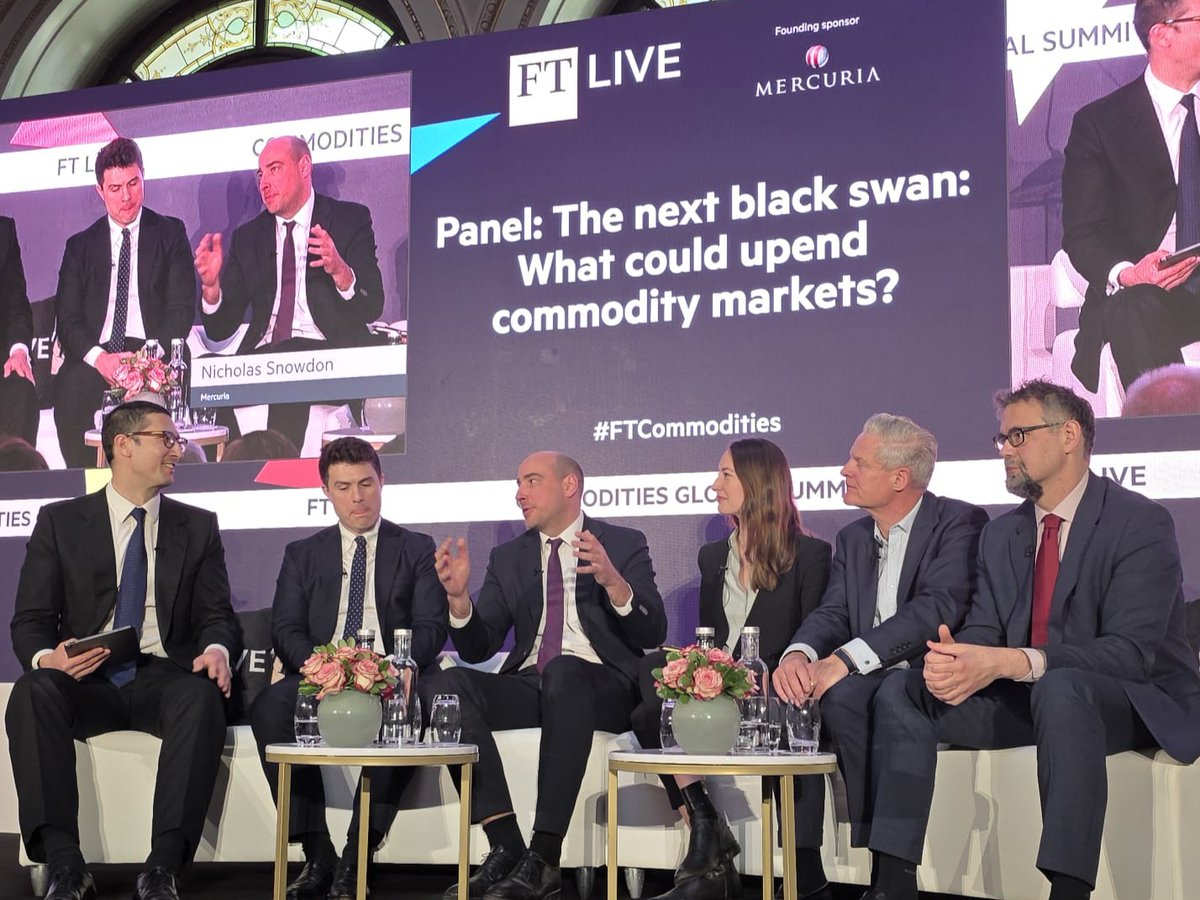
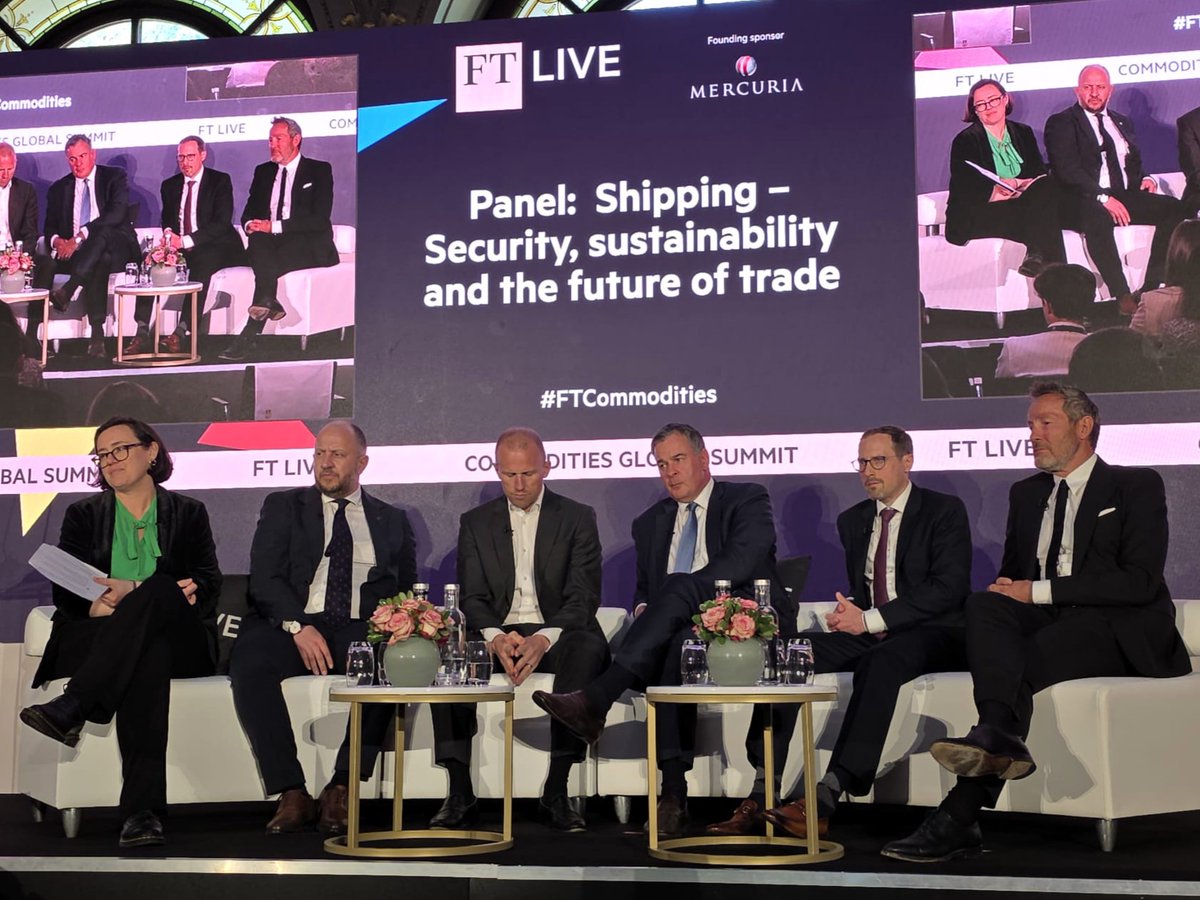
Also at the @ftlive Commodities Summit, our Head of Marine Businesses, Larry Johnson, joined the panel “Shipping – Security, Sustainability & the Future of Trade.”
He discussed how the sector is navigating one of the most complex operating environments in decades.
🧵👇
1
1
3
545
These challenges follow other major disruptions that have tested the resilience of supply chains.
Shipping has acted as a shock absorber, but repeated disruptions are driving a shift toward building resilience, not just efficiency.
#FTCommodities #Shipping #Trade #Marine
1
225