
Metal Expert is a media company, an independent provider of pricing intelligence, news, data, analysis and conferences for the iron and steel industry
Joined November 2020
- Tweets 8,973
- Following 386
- Followers 2,359
- Likes 26
3,669 Photos and videos








May 26
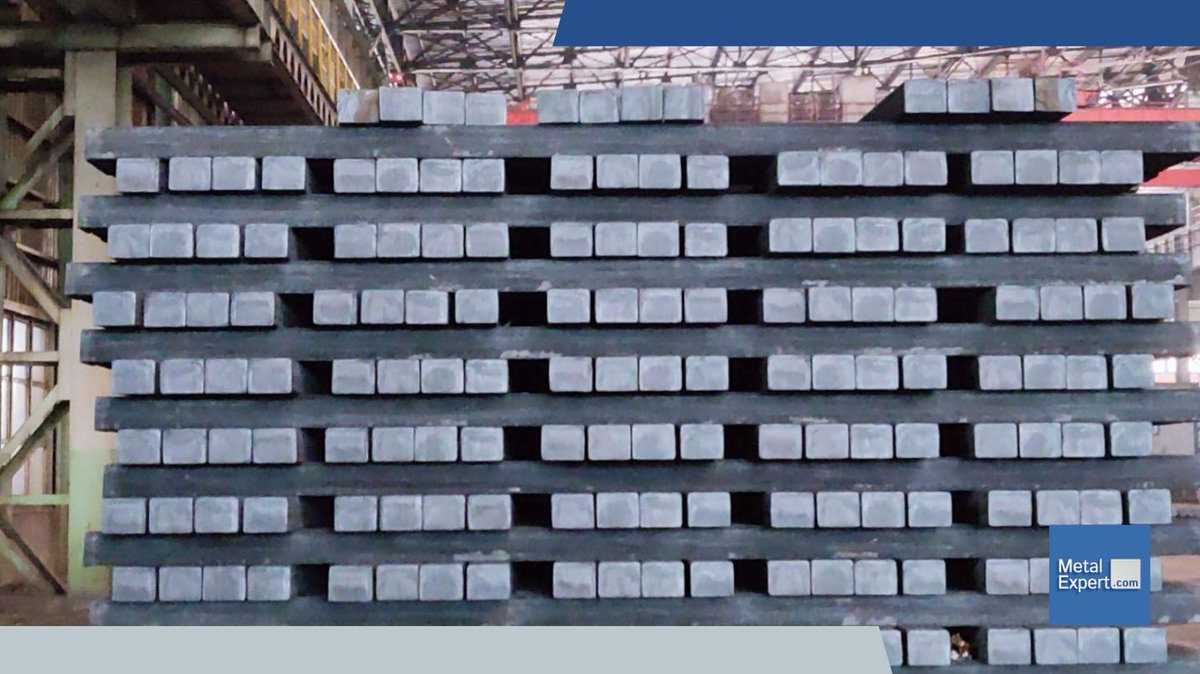
Turkiye significantly expanded its presence in the international billet market during Q1 2026, though the growth was driven by imports.
1
91
May 26
While the country continues to bring massive volumes from Asian and CIS suppliers to feed local long steel production, the export momentum levelled off for Turkish semis sellers compared to the previous year.
67
May 26
Uzmetkombinat plans to enter pig iron segment
tinyurl.com/ypjsf9dn
#Uzbekistan #Uzmetkombinat #pigiron #production #capacity #expansion #investment #BF
1
1
119
May 26
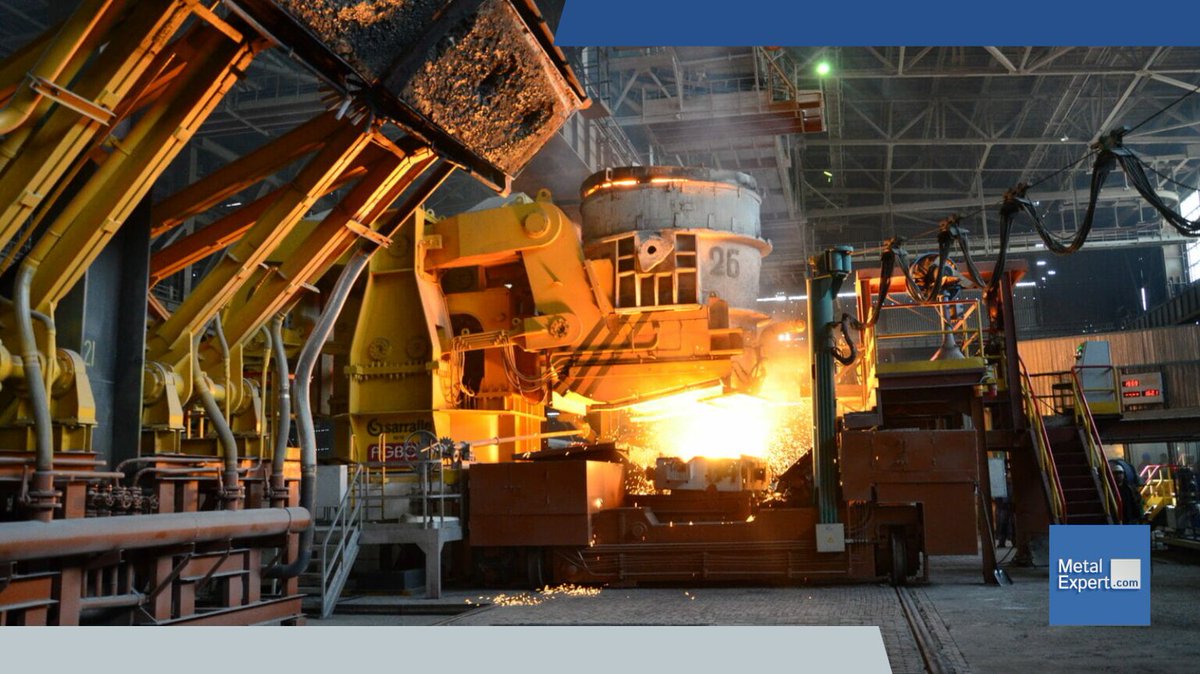
Uzmetkombinat has announced plans to implement a large-scale project for the construction of a blast furnace. At present, the company operates based on EAF technology.
47
May 26
Turkiye’s rebar trade map changes in Q1 2026, volumes stay stable
tinyurl.com/5ec3xfak
#Turkiye #rebar #export #MiddleEast #Europe #LatinAmerica #Africa #CIS #statistics
1
1
83
May 26
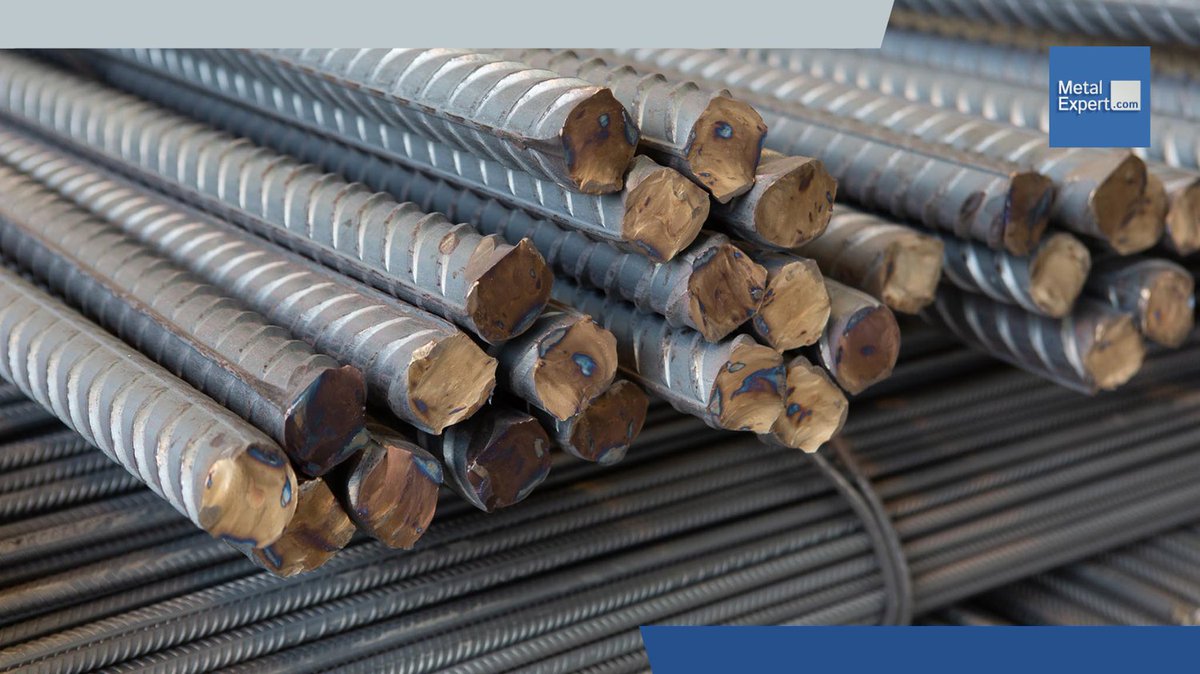
Turkish steelmakers kept rebar exports broadly unchanged in January-March 2026, although shipment geography changed. The strong growth of supplies to Latin America, Africa and the CIS offset weaker demand from traditional Middle Eastern and European markets.
51
May 26
Saudi Arabia accelerates inland logistics corridors after Hormuz crisis
tinyurl.com/3jj9pr3w
#SaudiArabia #steel #rawmaterials #supply #import #logistics #geopolitics #challenges #Hormuz #maritime #disruptions #redirection #transportation #trucks #rails #land #corridors
1
1
75
May 26
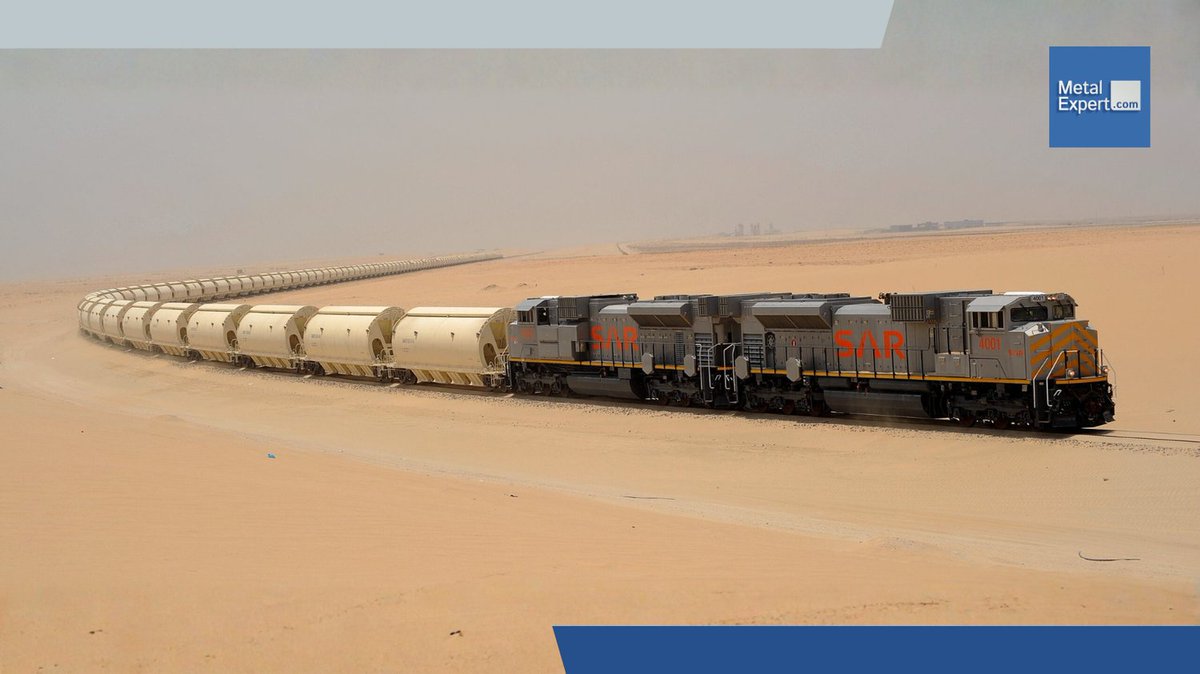
Saudi Arabia continues to accelerate the transformation of its logistics infrastructure following the severe disruption of maritime traffic in the Strait of Hormuz, with railway and inland transport corridors emerging as strategic alternatives to traditional Gulf shipping routes.
1
61
May 26
The latest initiatives introduced by @SARSaudiRailway reflect launched five new rail routes to strengthen the connectivity between its eastern and western seaports, diversify export and import channels, reducing reliance on maritime passages.
51
May 26
Liuzhou Steel to reduce internal competition with Guangxi Steel acquisition
tinyurl.com/mrdttej8
#China #LiuzhouSteel #GuangxiSteel #merger #acquisition #steelindustry #consolidation #steel #production #capacity
1
1
111
May 26
China’s state-run Liuzhou Steel aims to further increase its control over Guangxi Steel to improve operational efficiency across the group.
1
70
May 26
The transaction will mark a major step in the group’s long-term plan to centralise steelmaking operations within Liuzhou Steel, streamlining governance and aligning production, sales, and resource allocation across its subsidiaries.
65
May 26
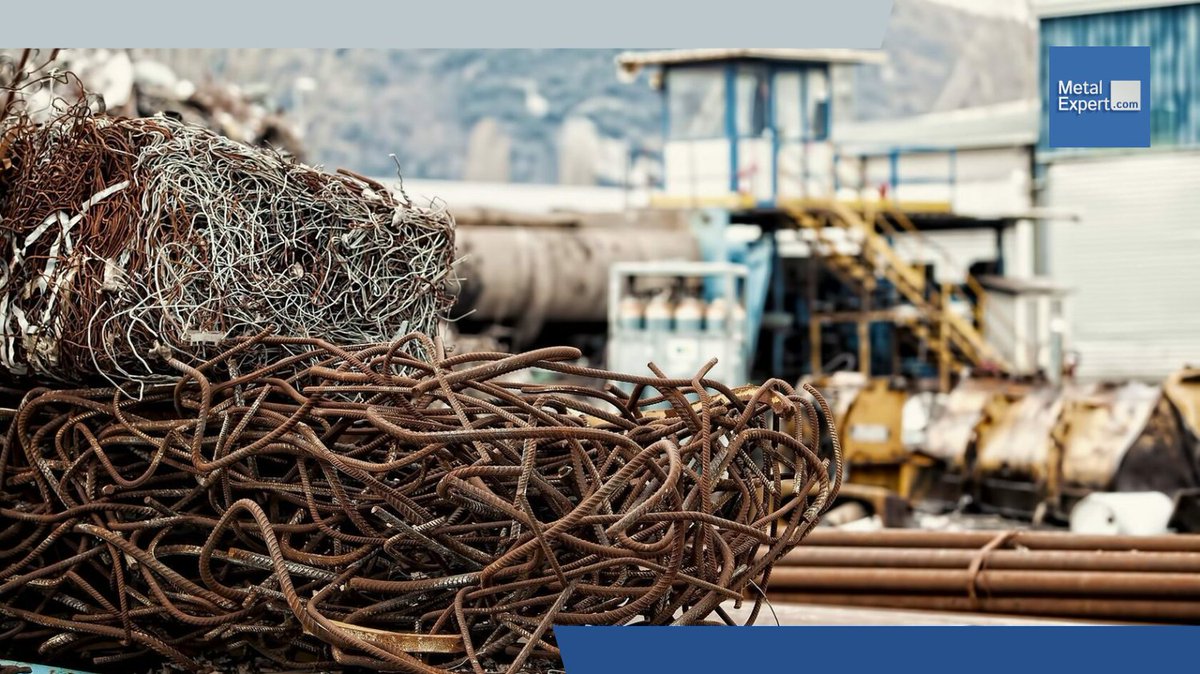
Turkiye keeps scrap imports broadly stable in Q1 2026
tinyurl.com/je49hh7e
#Turkiye #scrap #import #statistics
1
1
2
76
May 26
Turkish steelmakers maintained scrap imports almost at the same level in January-March 2026, despite the weaker deliveries during the last month of the period. Noticeable changes were seen in the suppliers’ structure.
57
May 26
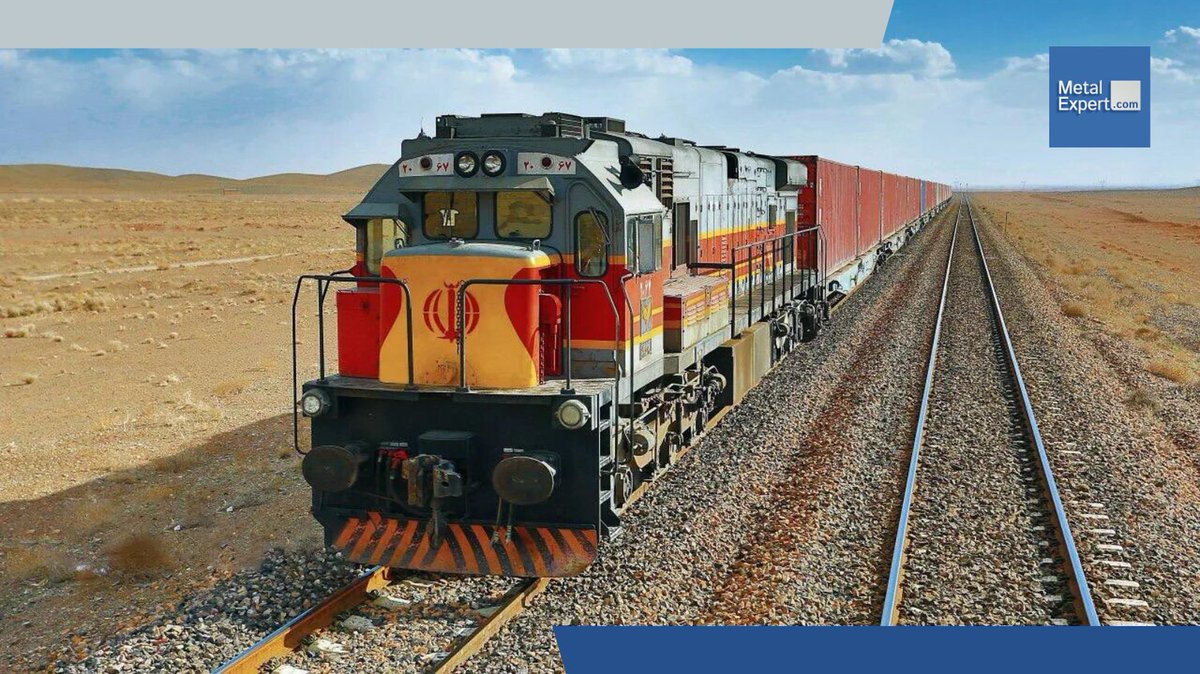
Iran turns to overland logistics as Gulf shipping risks persist
tinyurl.com/4dwtt3vy
#Iran #steel #rawmaterials #export #supply #logistics #geopolitics #challenges #Hormuz #maritime #disruptions #redirection #transportation #rails #land #corridors
1
1
93
May 26
In the current environment of elevated freight risks, insurance constraints and unstable vessel availability, railway links with China are becoming one of the most important options for sustaining trade flows.
1
36
May 26
The growing focus on overland logistics is also consistent with Iran’s broader pre-war strategy of diversifying export channels in order to preserve and expand its position in regional steel markets under sanctions pressure.
24
May 26
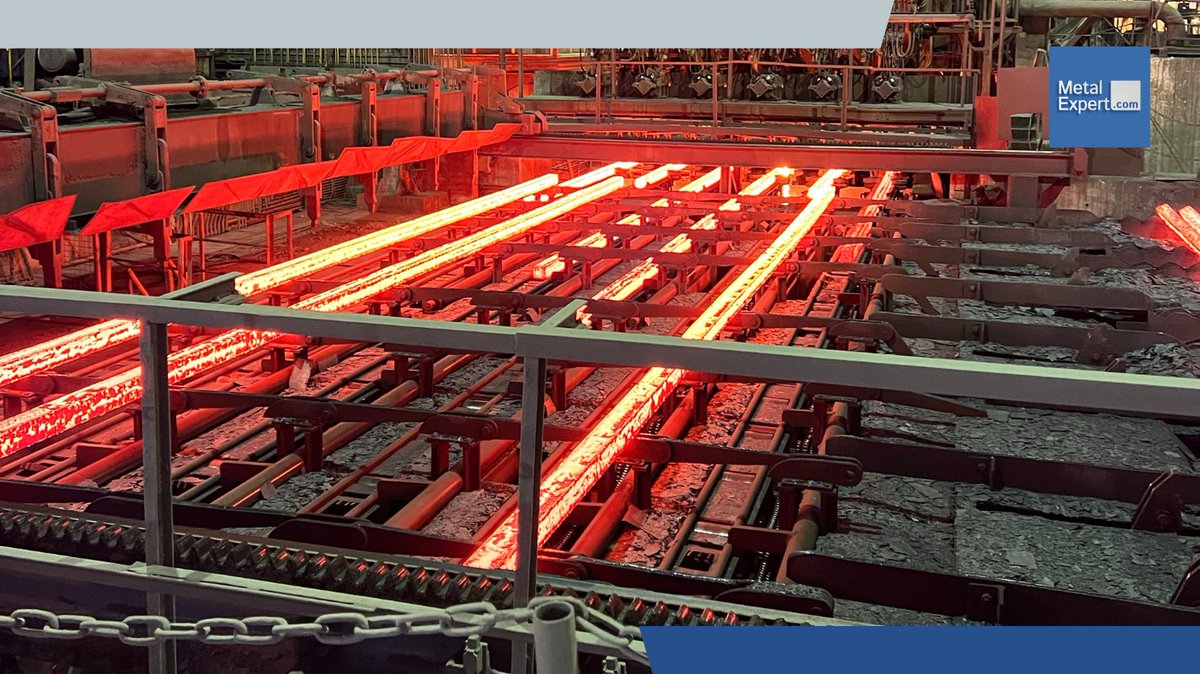
Semis, flats drive strong production results in Iran, but outlook worsens
tinyurl.com/9stnpxj5
#Iran #steel #production #billet #slabs #rebar #wirerod #beams #HRC #CRC #HDG #statistics
1
1
155
May 26
Growing geopolitical and infrastructure-related disruptions are casting uncertainty over Iran’s steel industry despite relatively solid production performance in the past Persian year (March 21, 2025 – March 20, 2026).
1
31
May 26
Market participants are facing weaker visibility as military escalation and energy supply issues continue to pressure production and trade flows.
25