Book writer, Equestrian, Businessman, Global traveler, Believer of check and balance, Conservative, Straight, Arts and History Lover, Gourmet and alcohol liker
Joined June 2020
- Tweets 4,607
- Following 215
- Followers 272
- Likes 7,398
937 Photos and videos

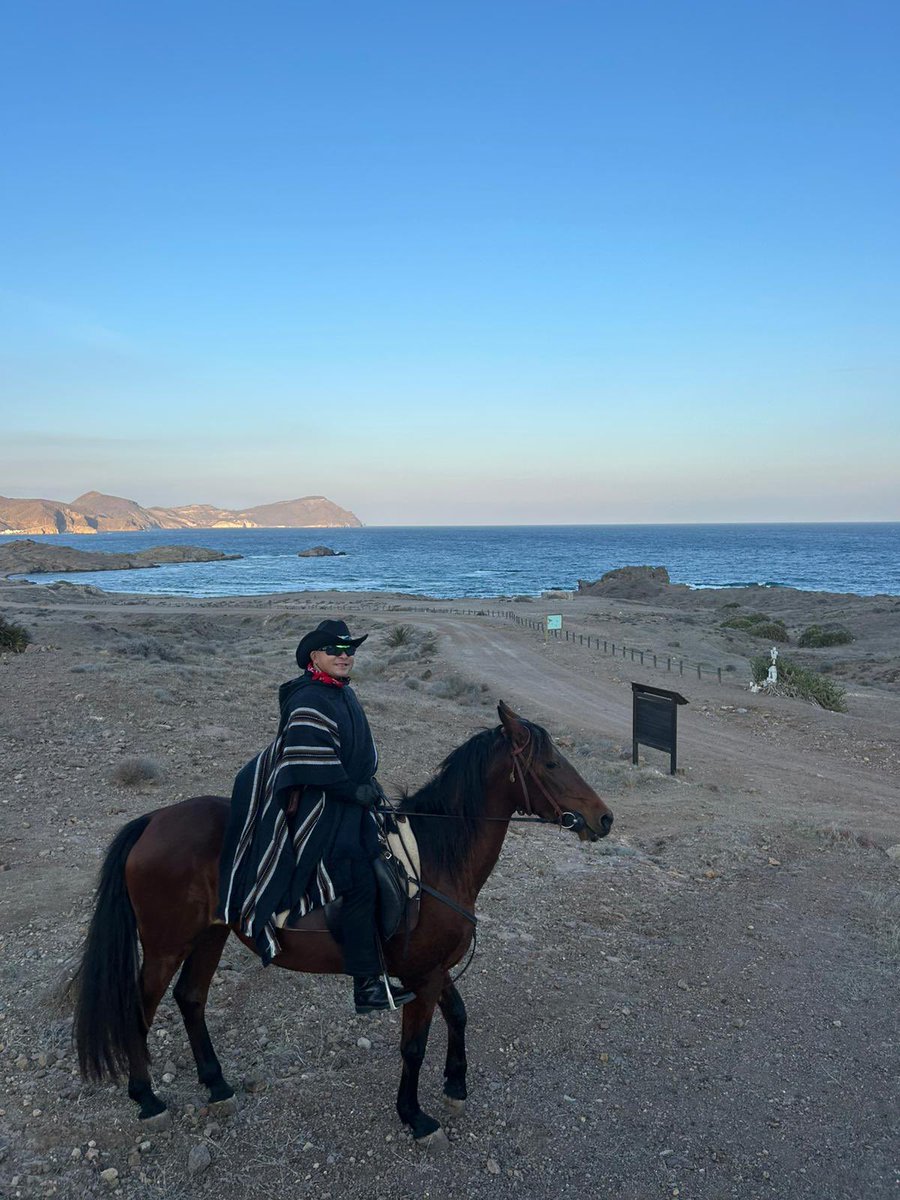

Apr 17
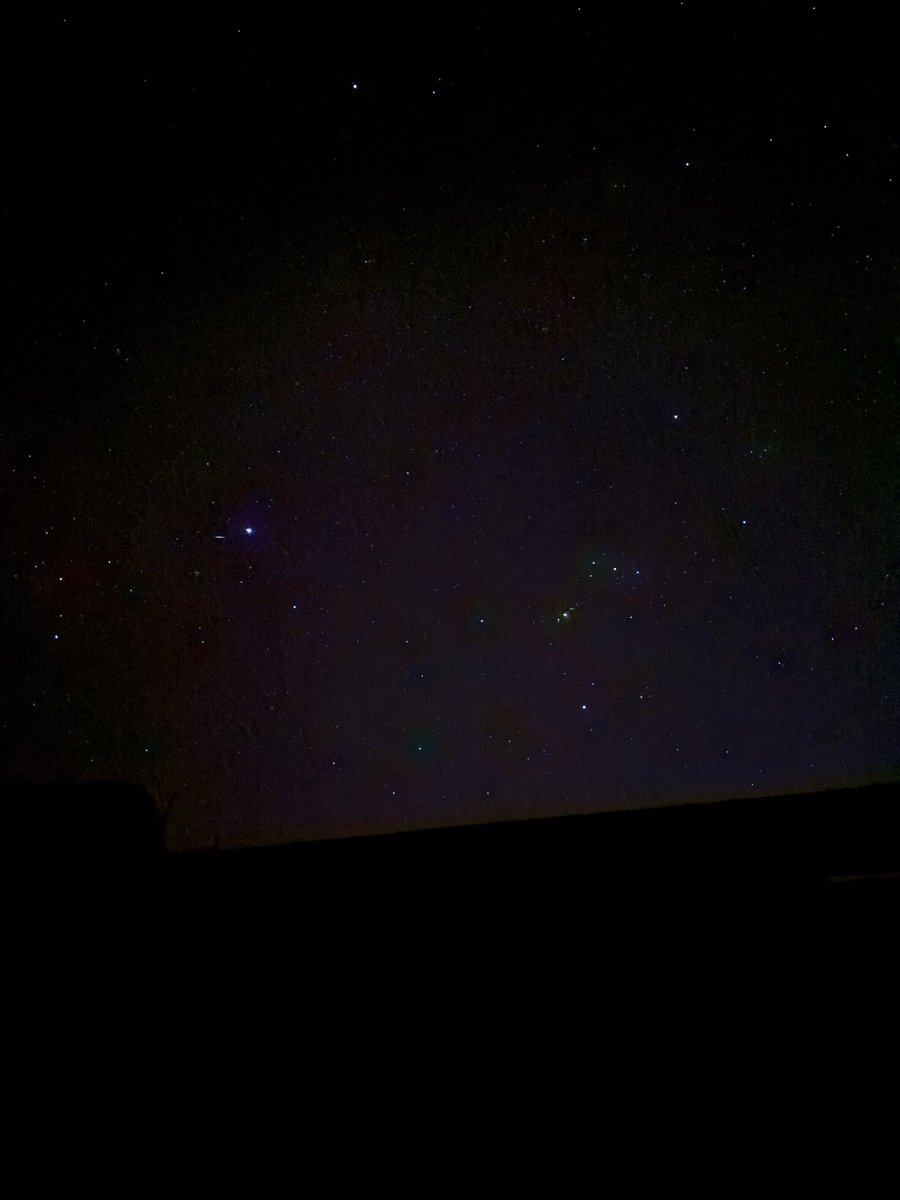
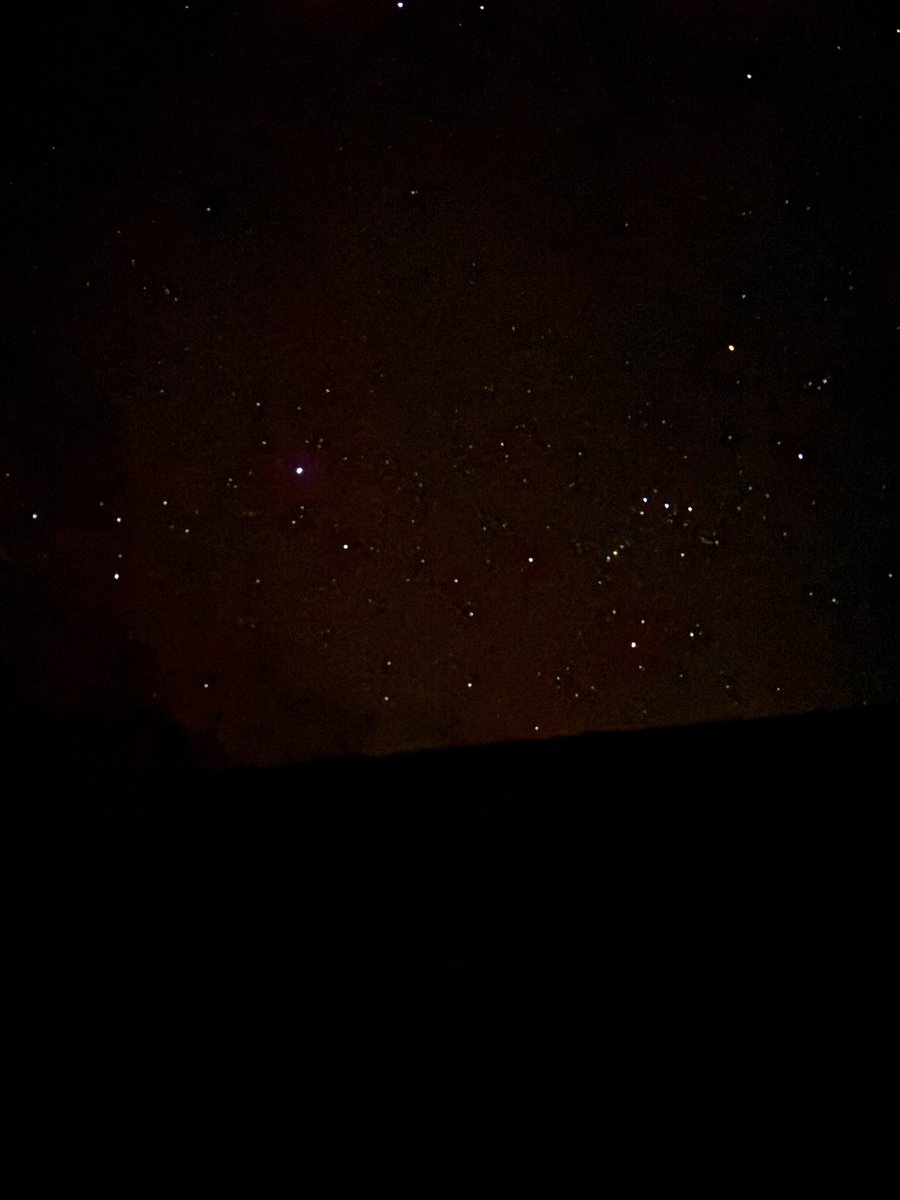
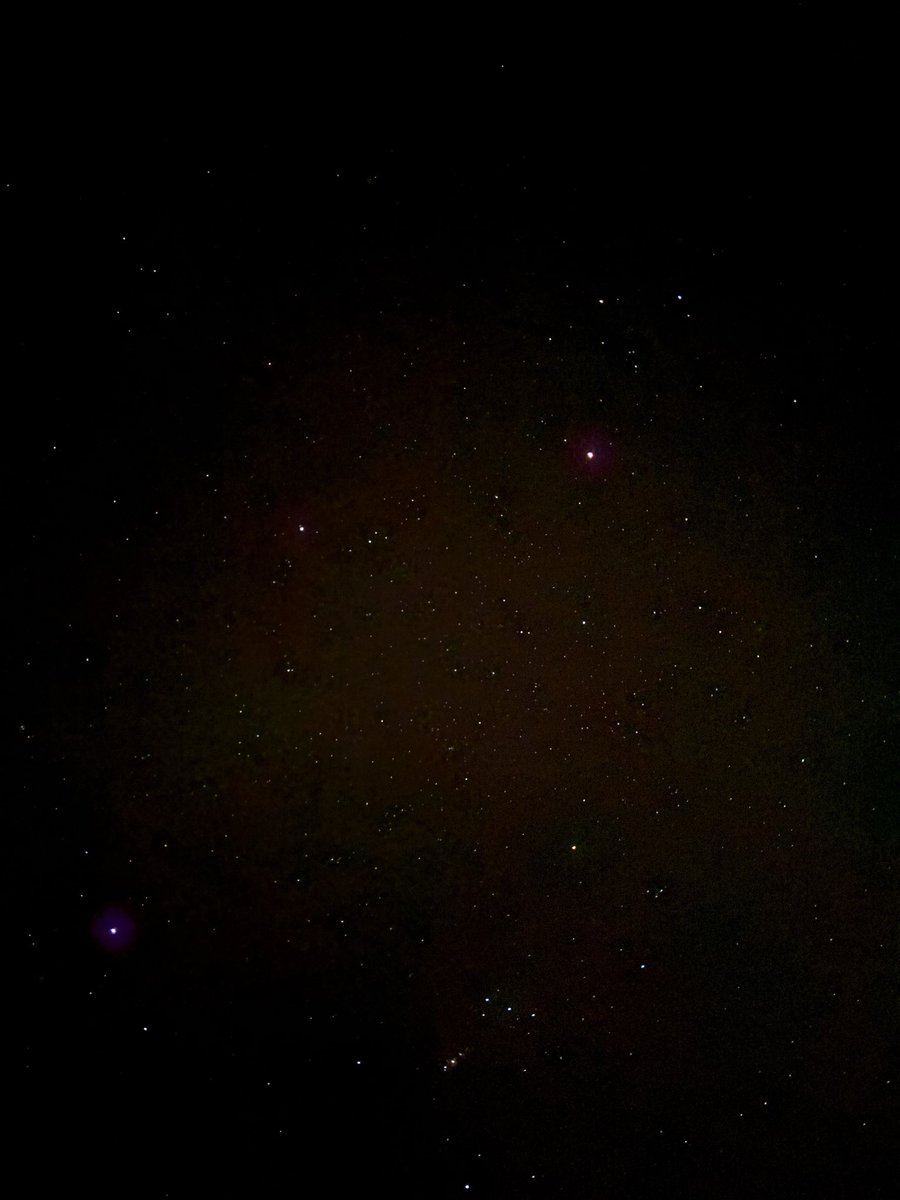
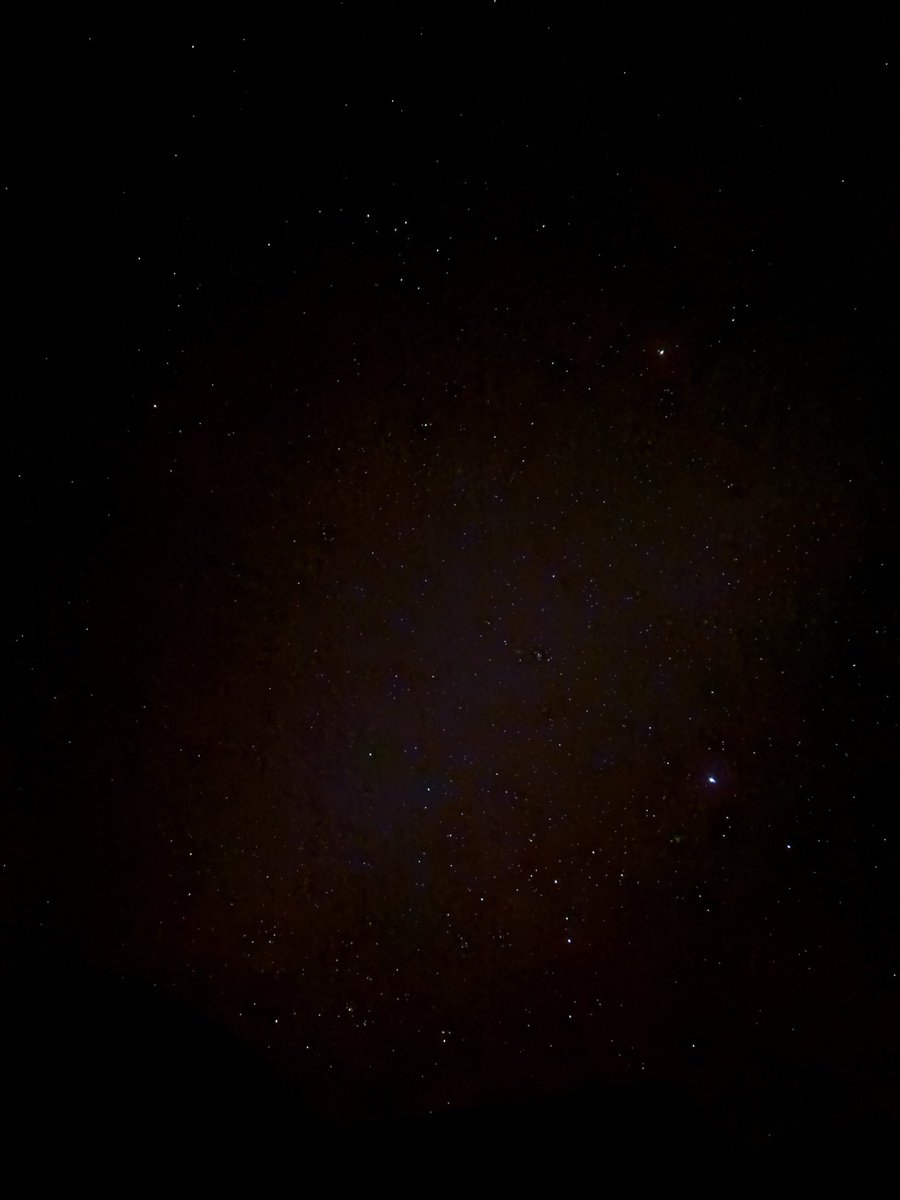
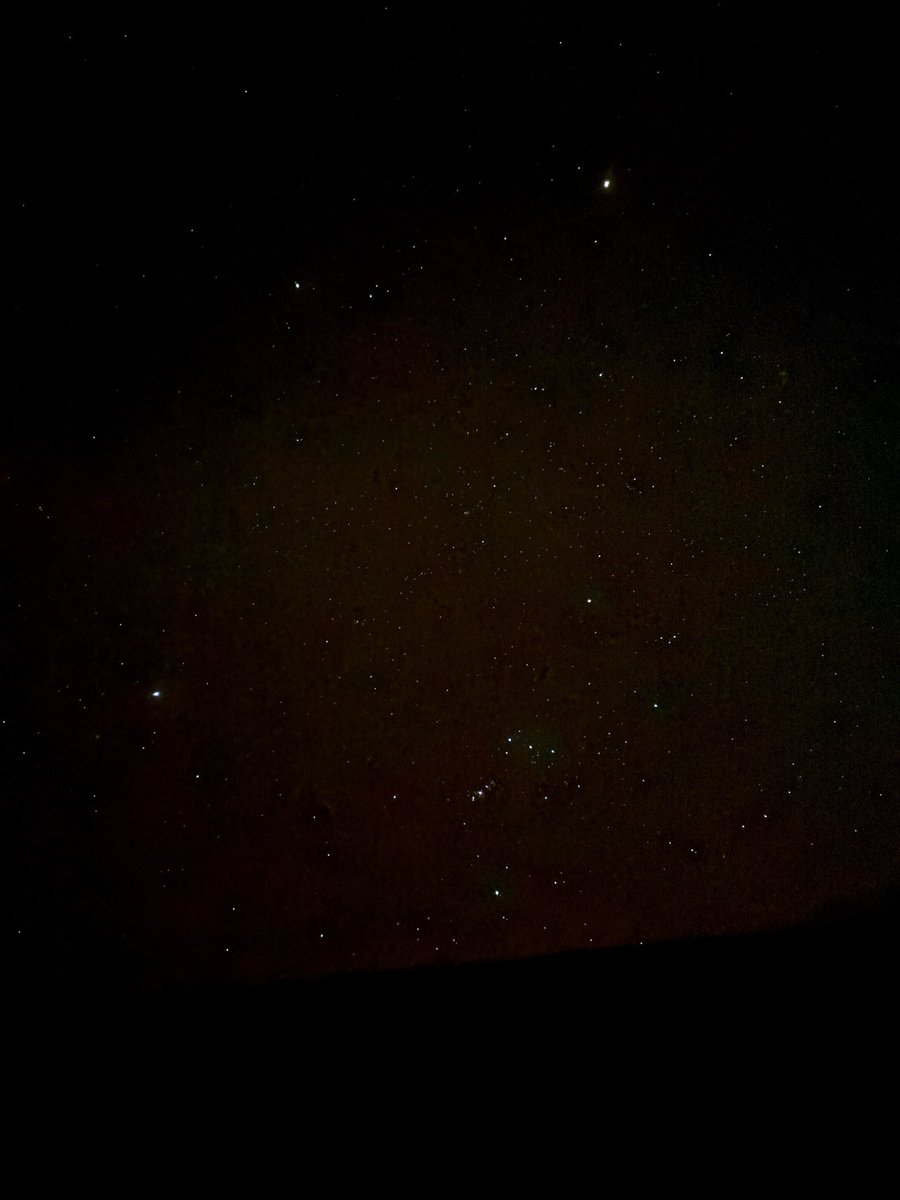
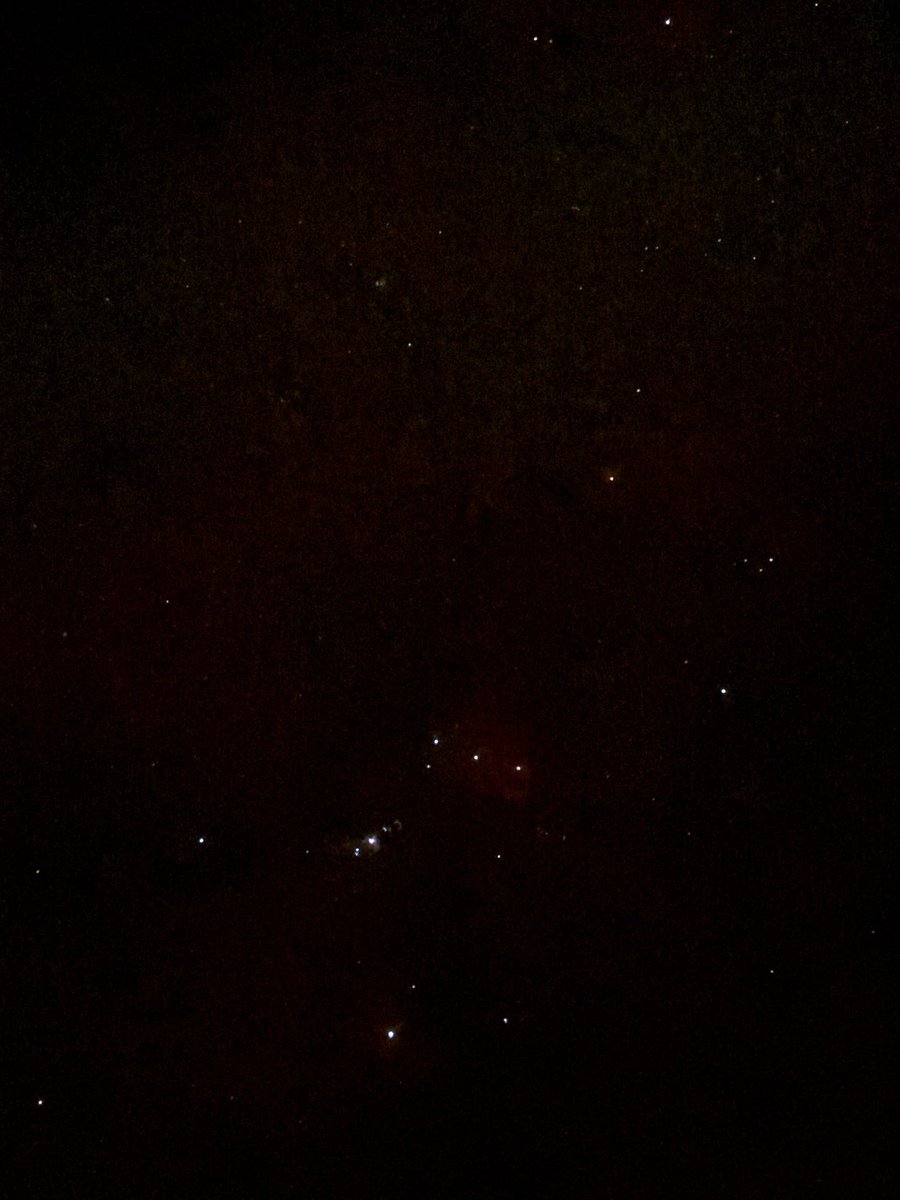
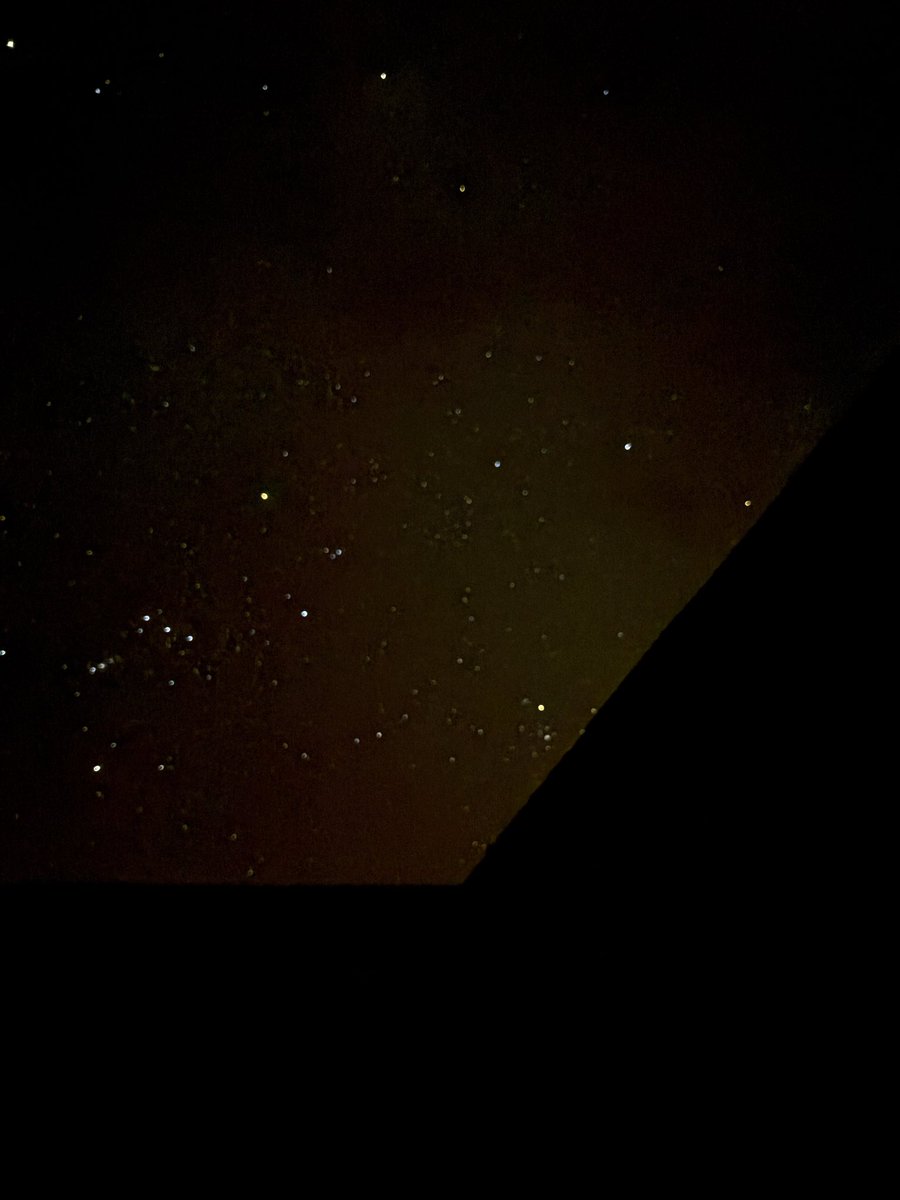
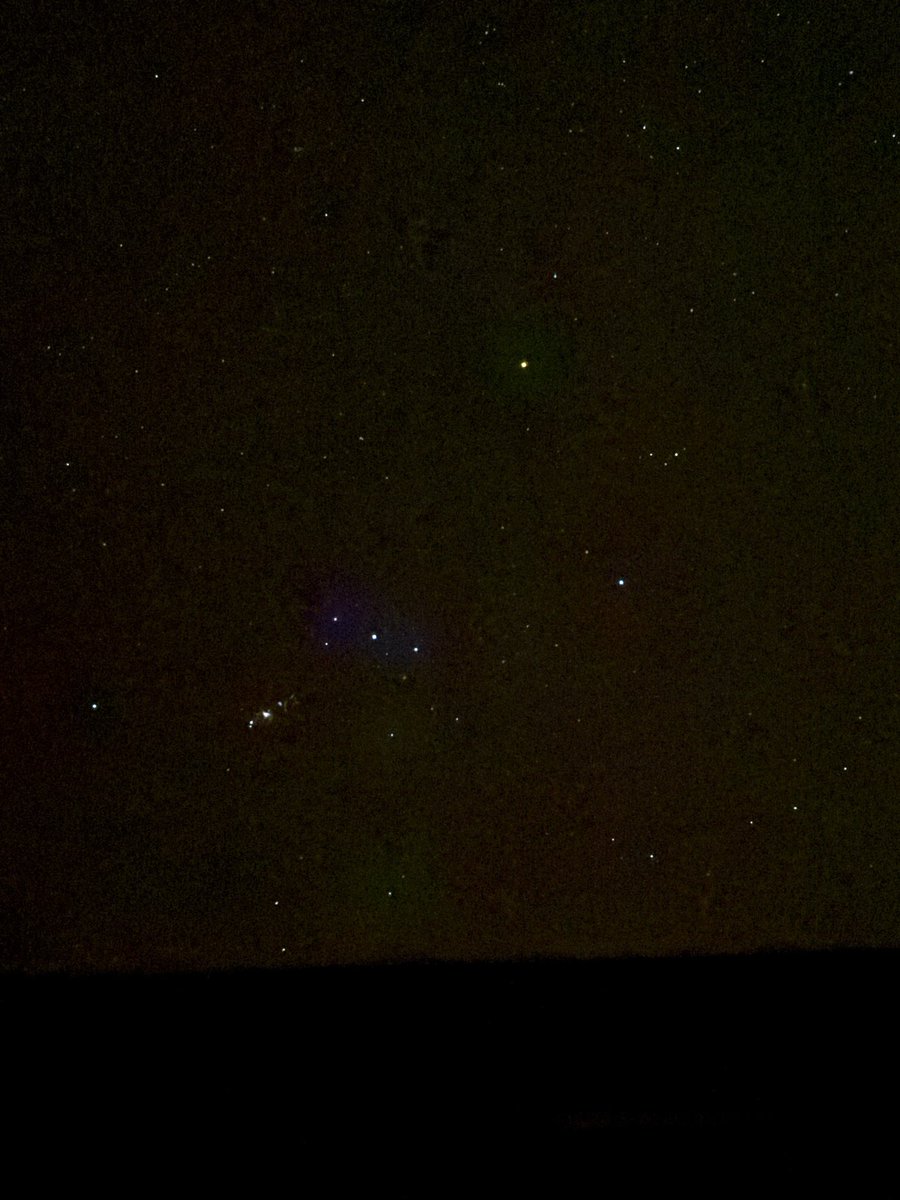
Astonishing! Starry Night at Big Bend National Park tonight, Texas. Shot on my iPhone. It can’t fully capture the breathtaking beauty of this night sky. I hope you can come and see it for yourselves.
1
80
Apr 16
Tonight. Big Bend, Texas, Starry night sky 🌌
Absolutely packed with stars — unreal.
Best stargazing night in April: April 17 (almost no moonlight).
27

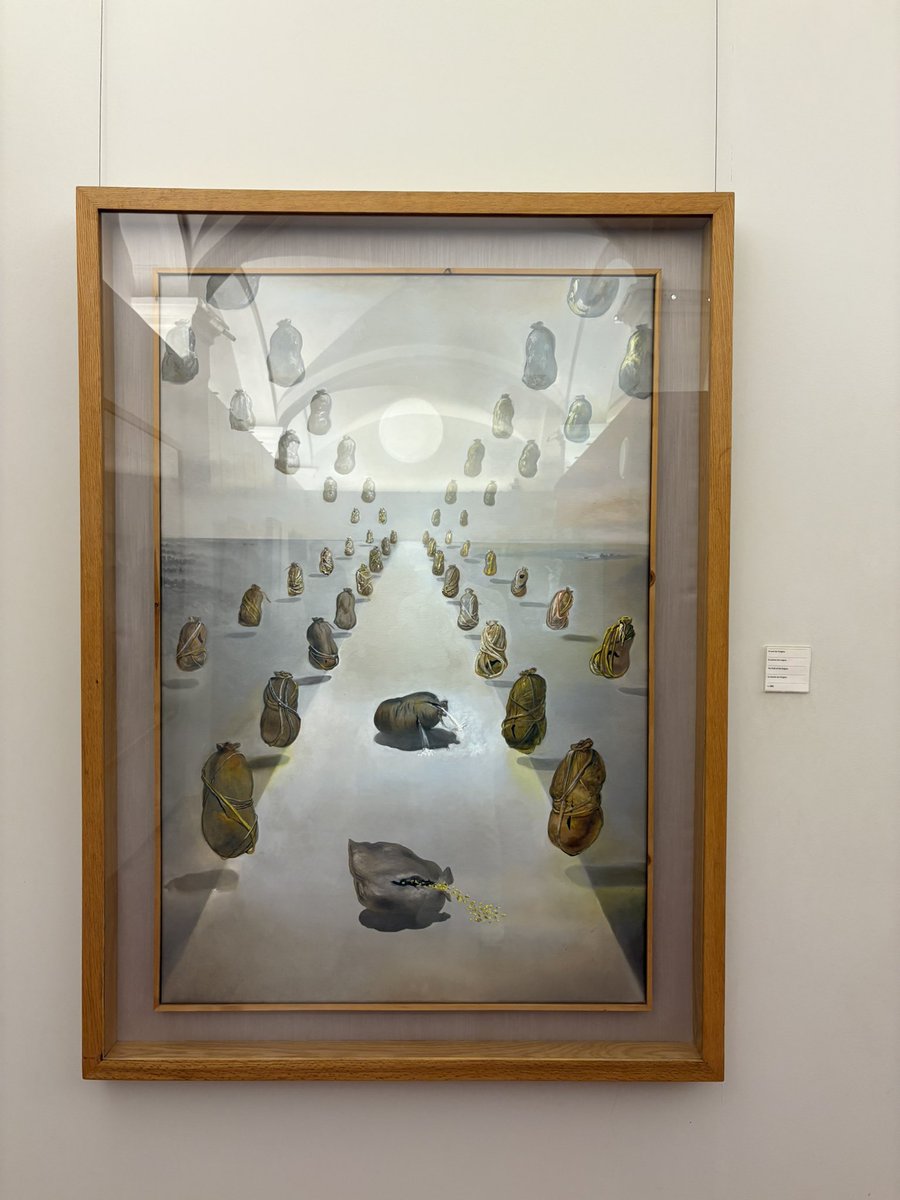
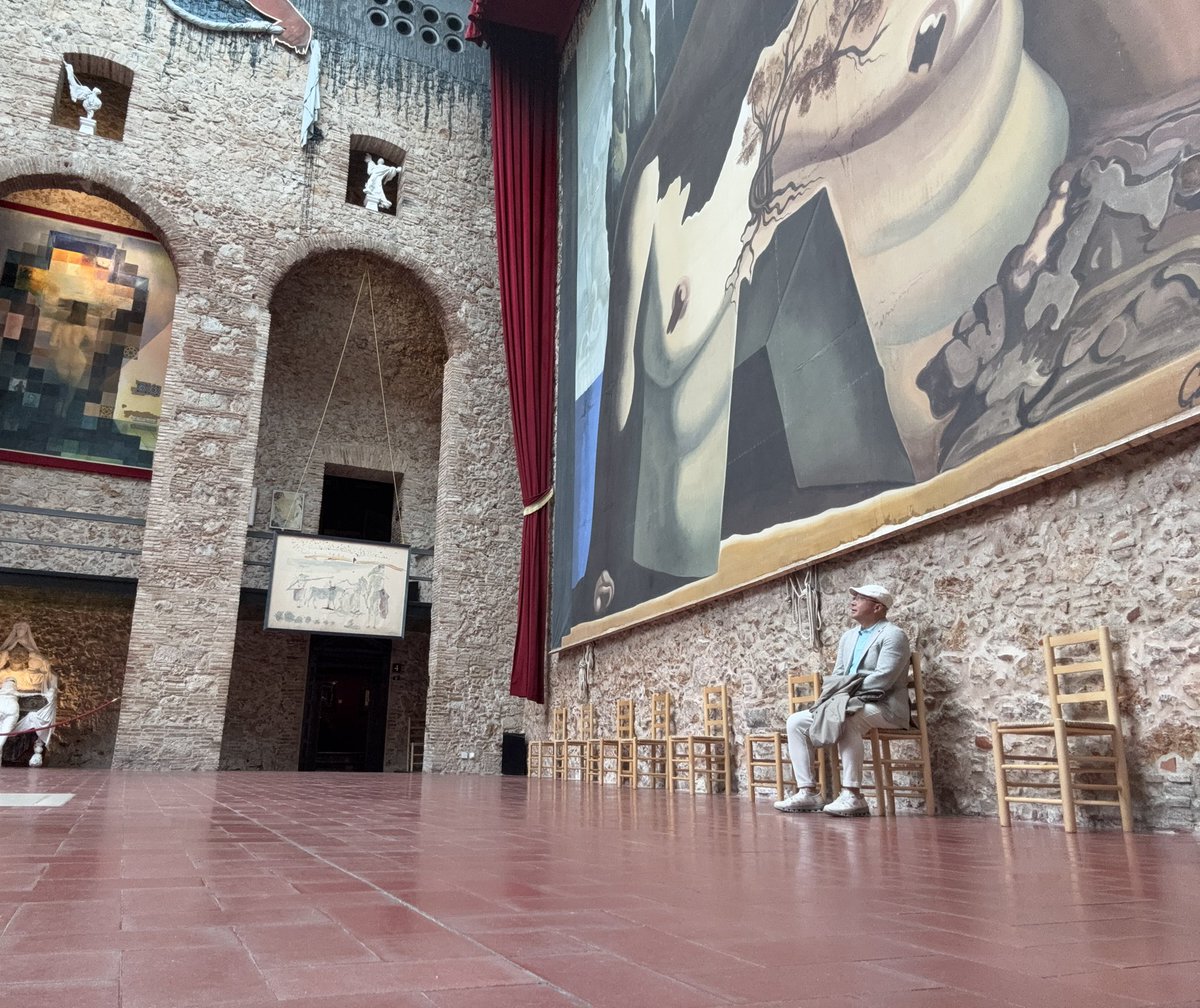
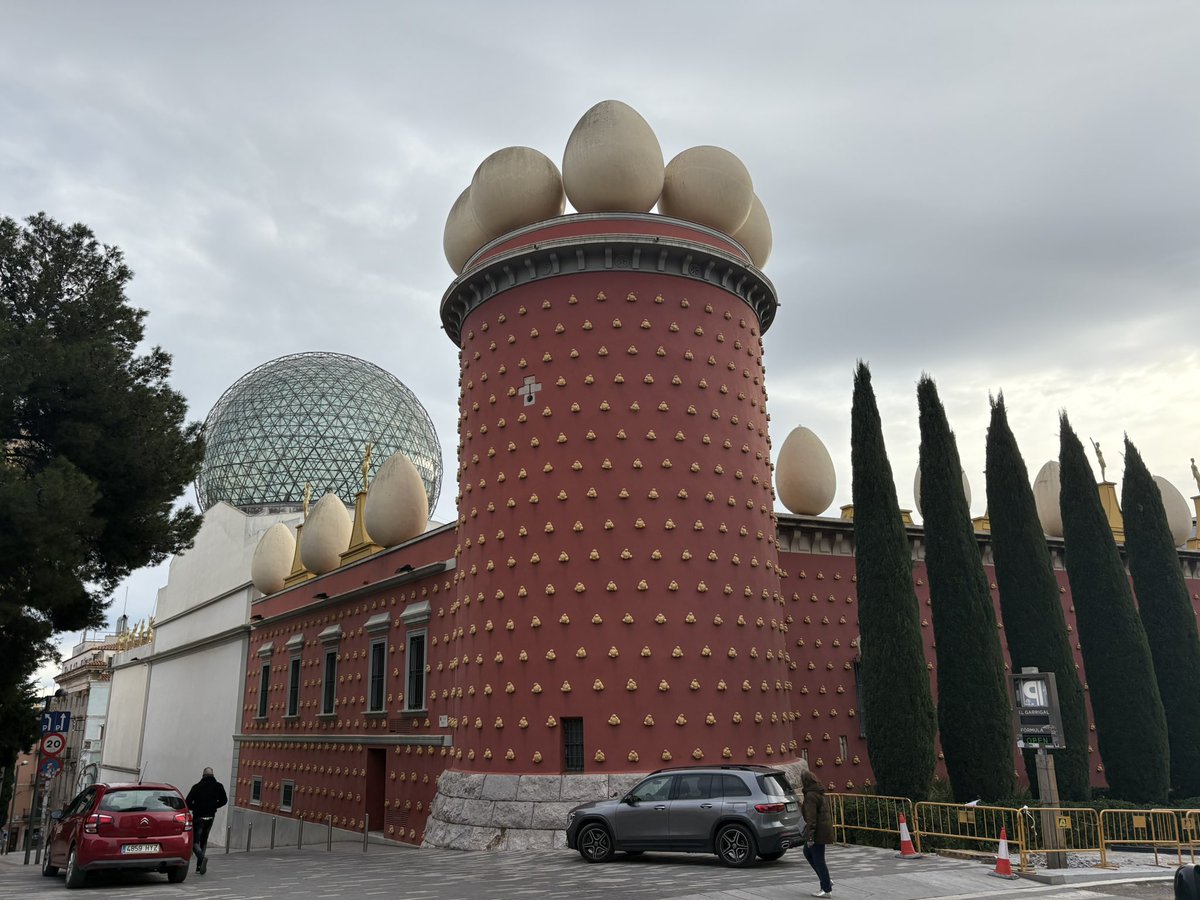
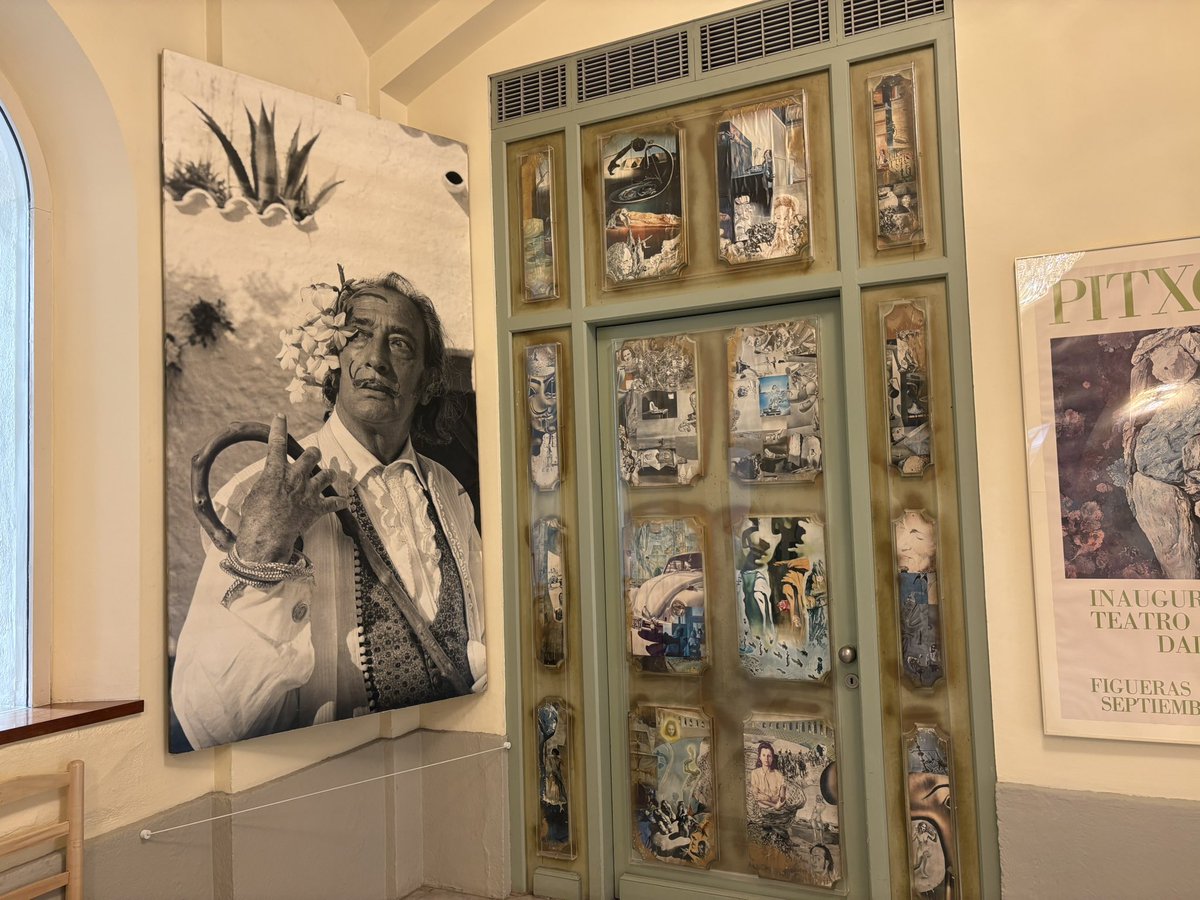
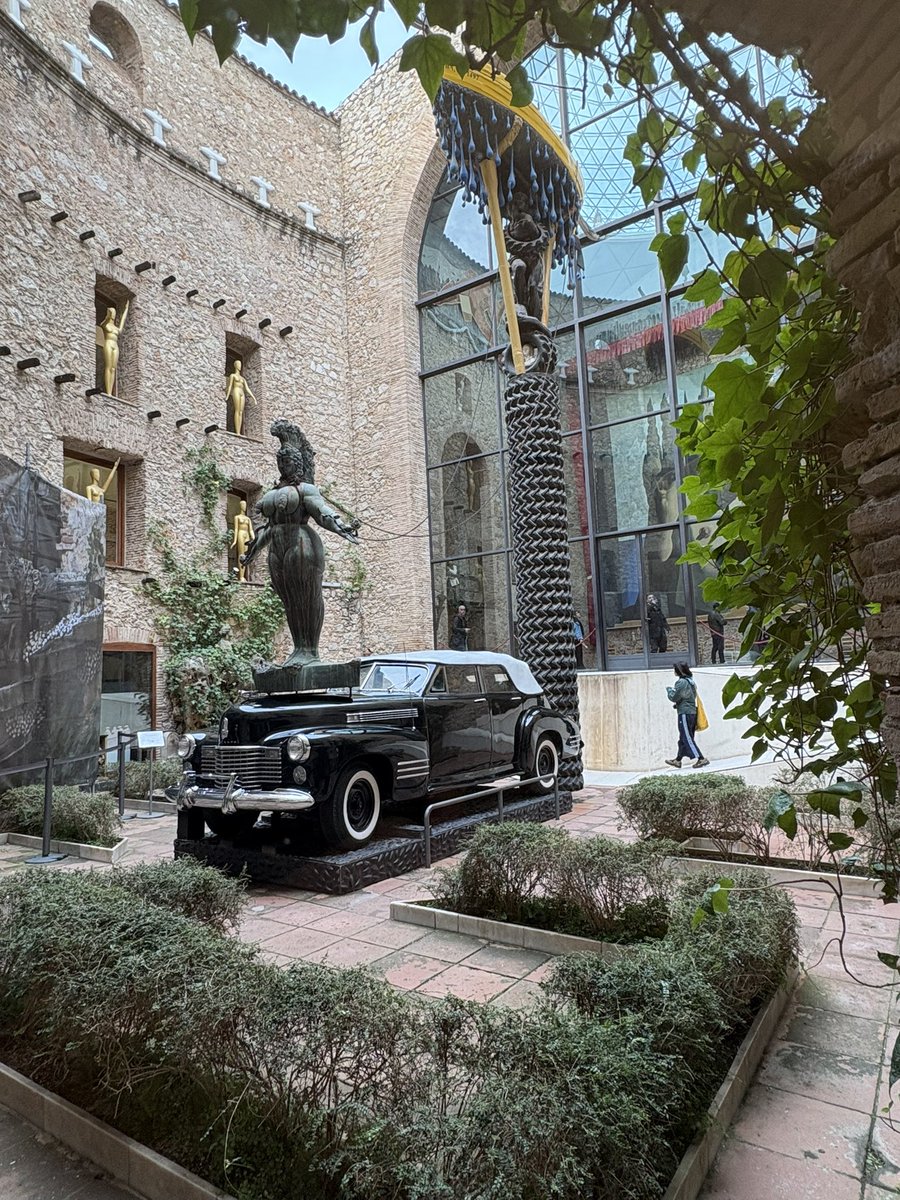
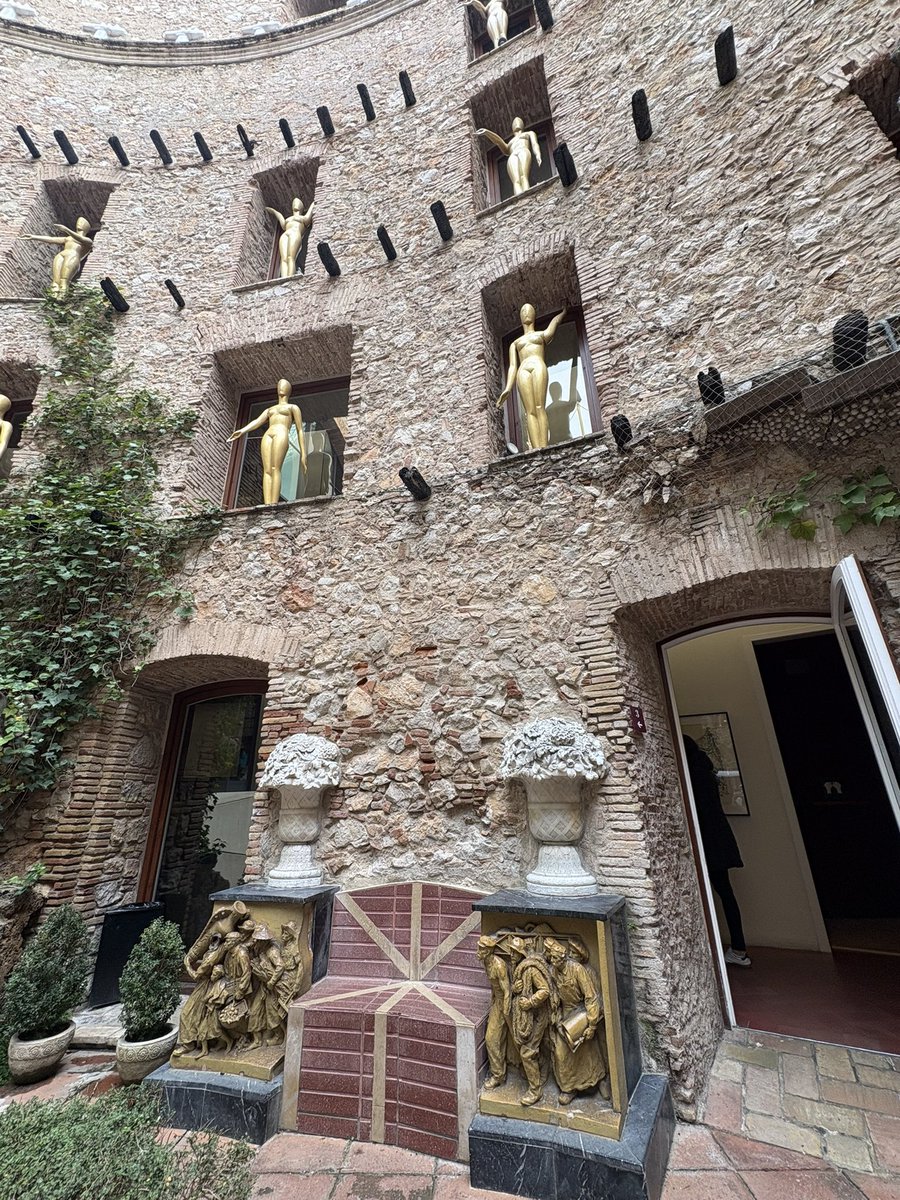
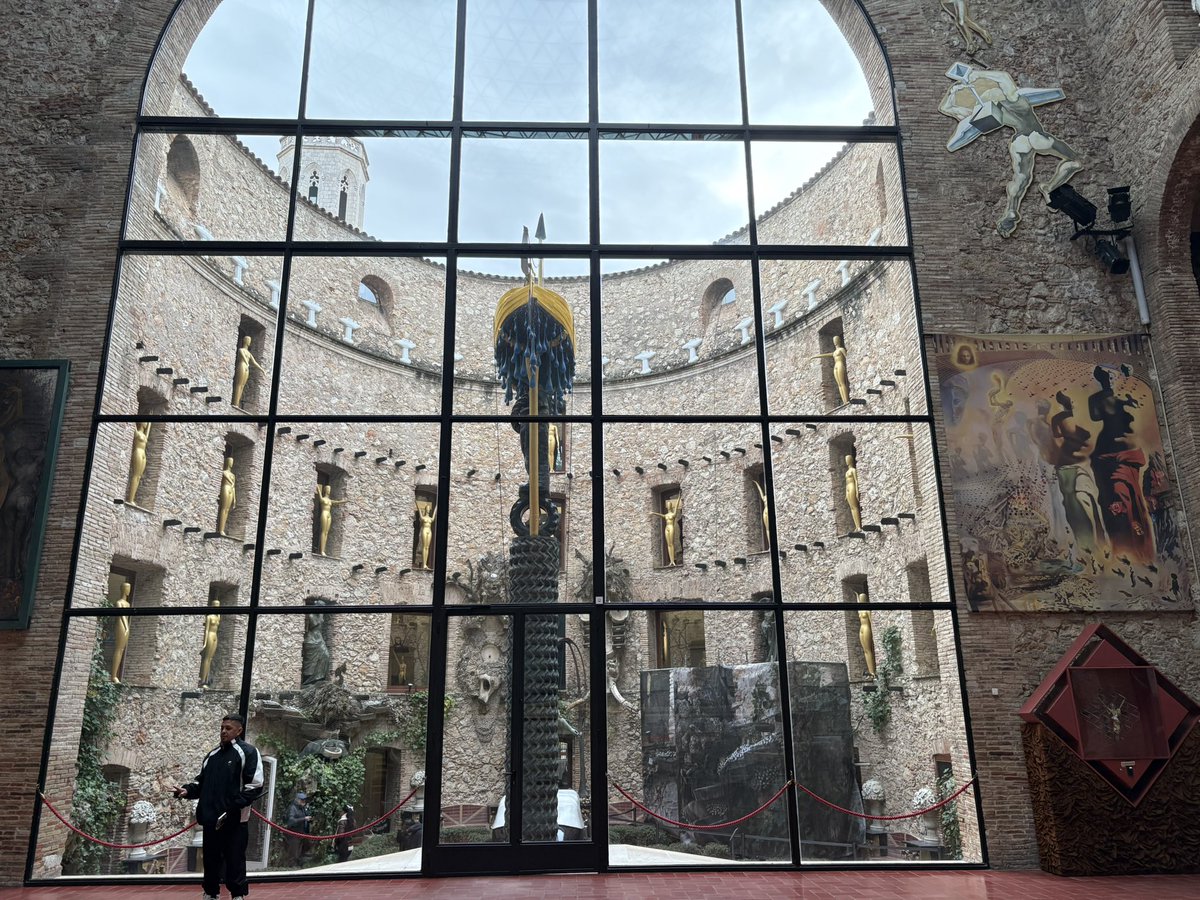
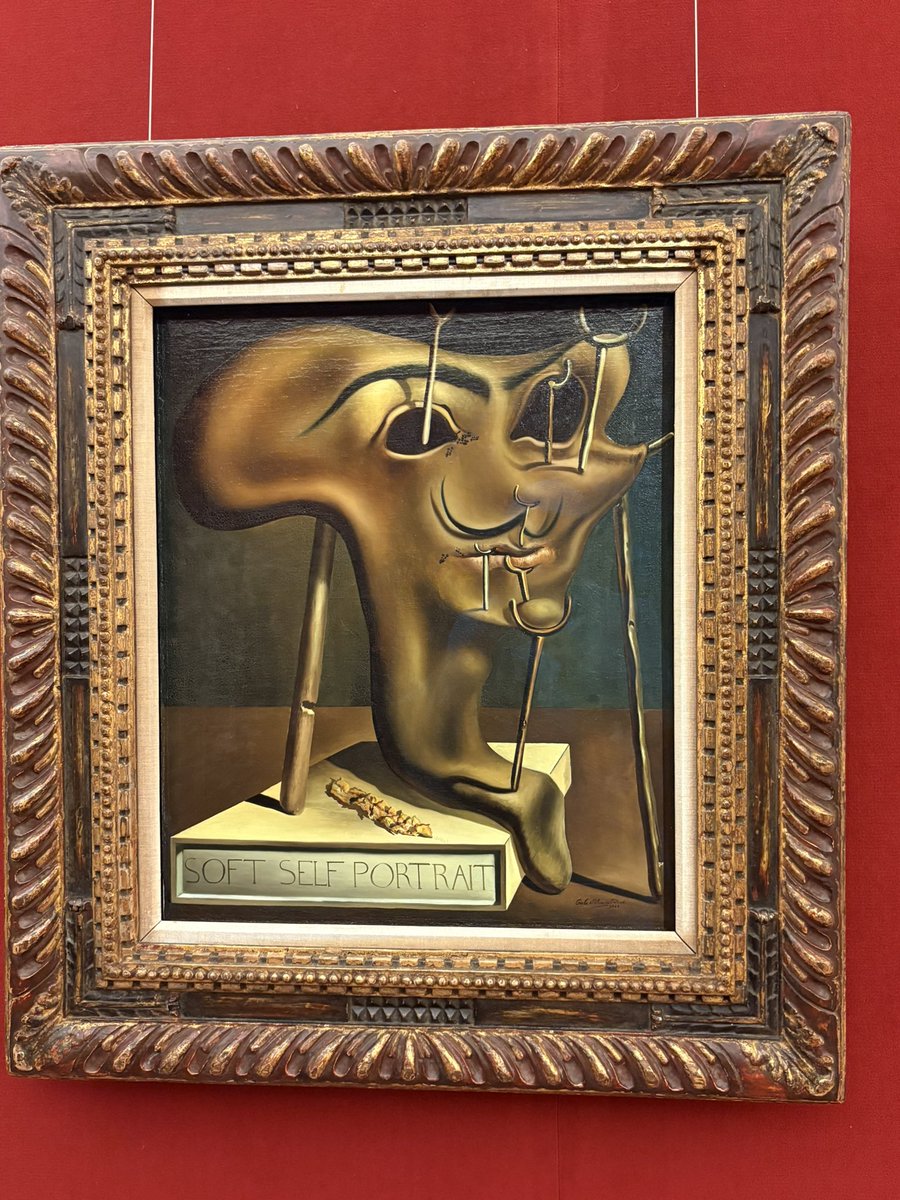
Salvador Dali Theater- Museum. Definitely worth visiting! Figueres, Girona, Catalonia, Spain. January, 2026
1
45
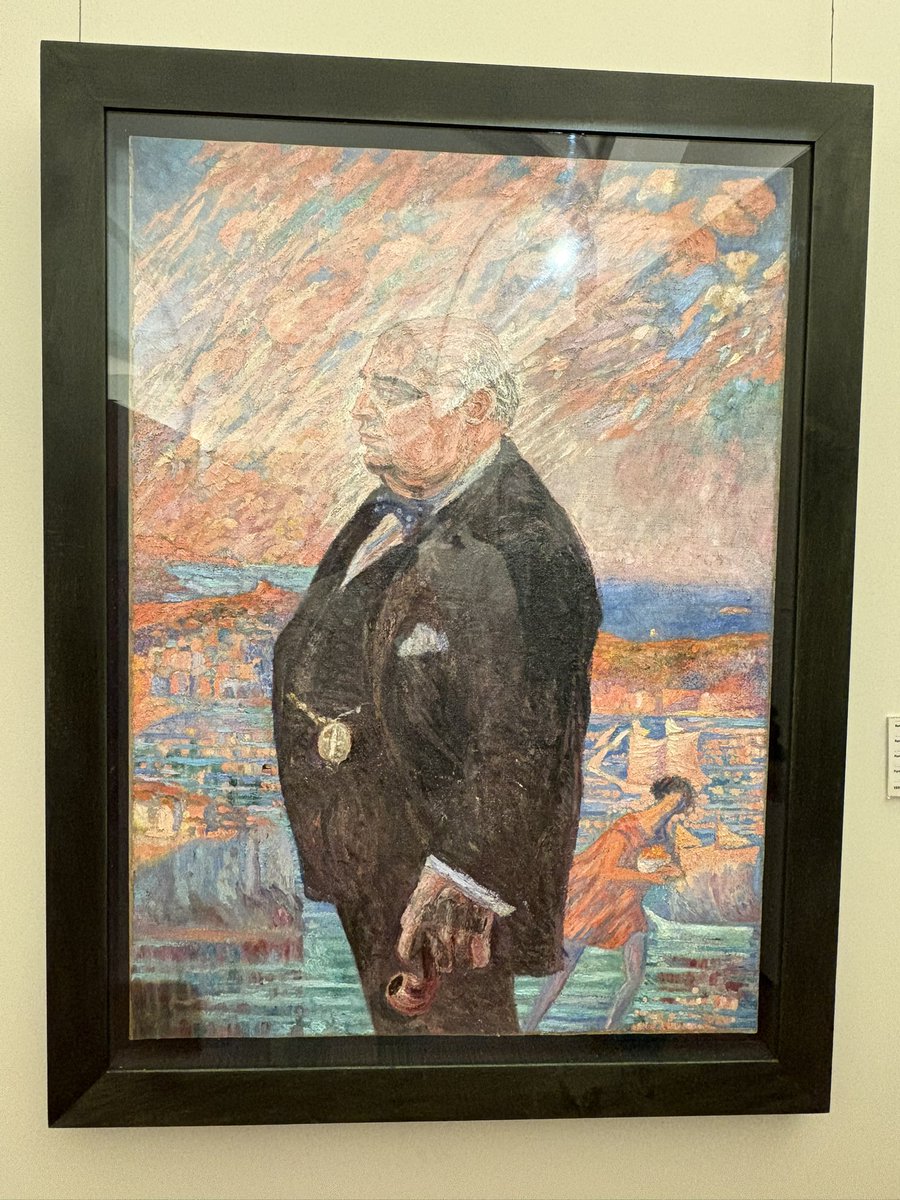
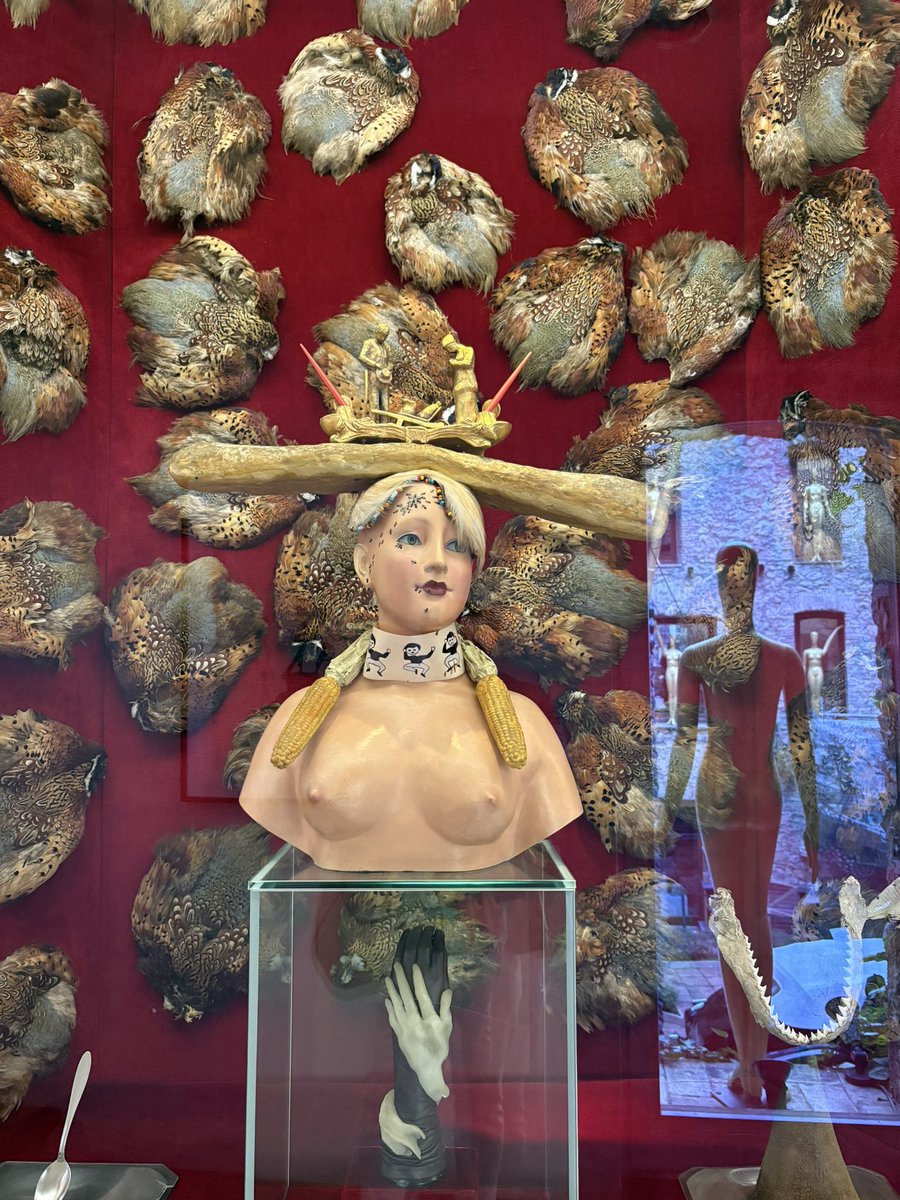
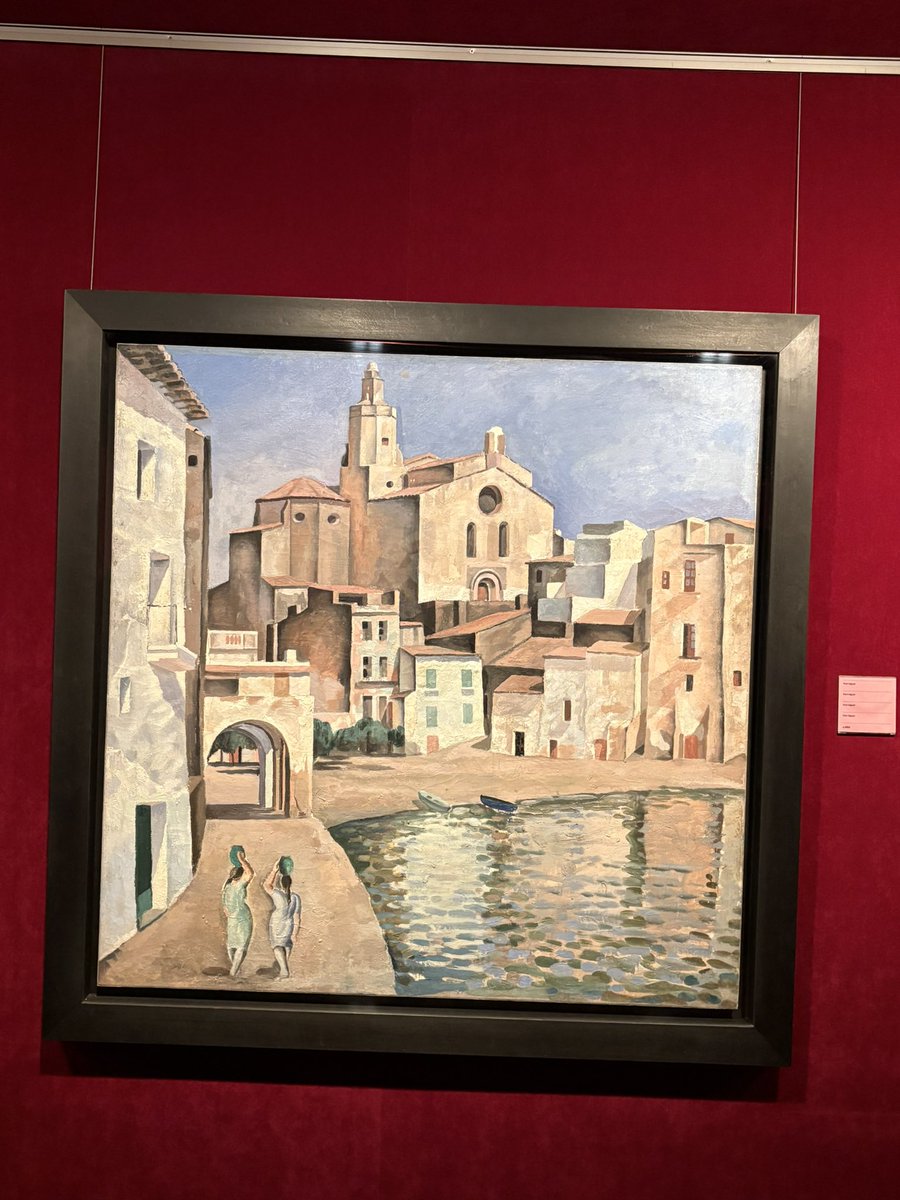
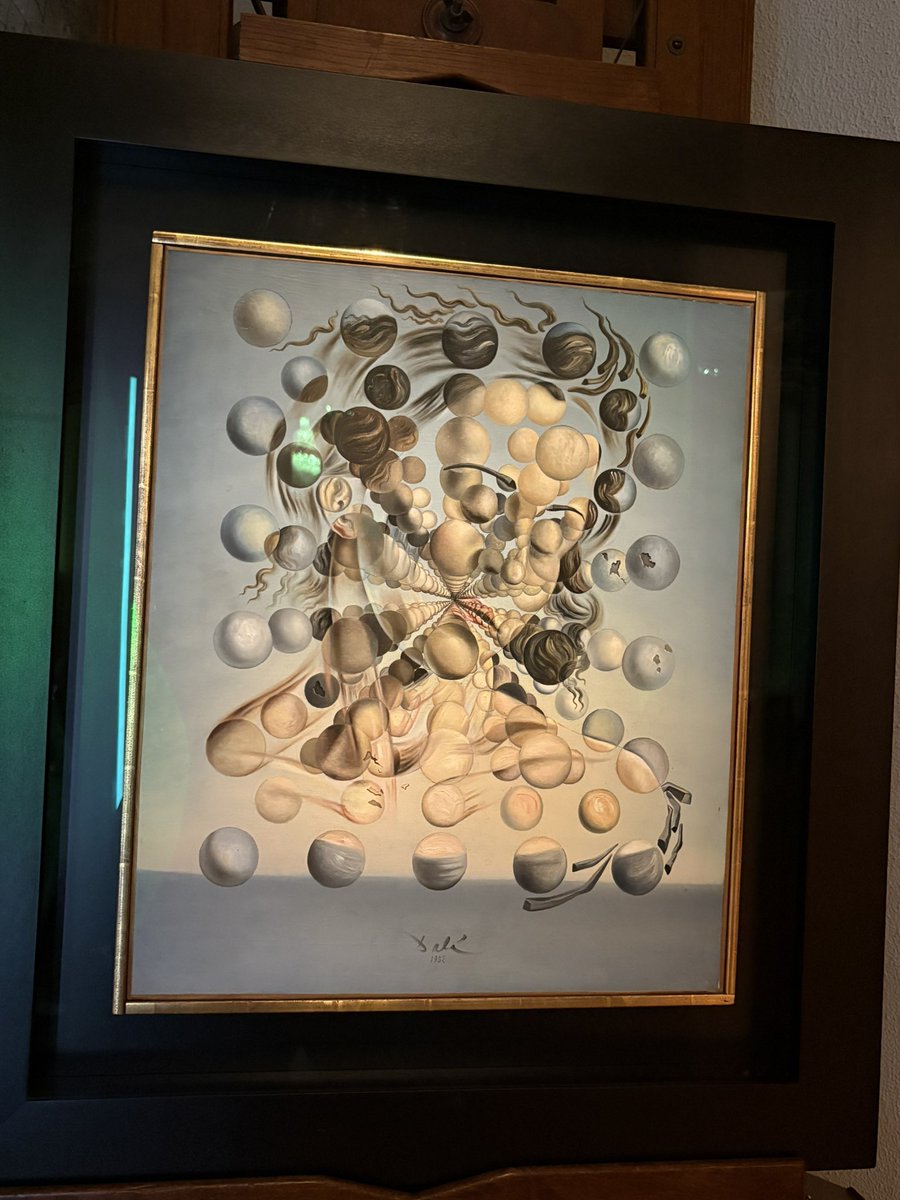
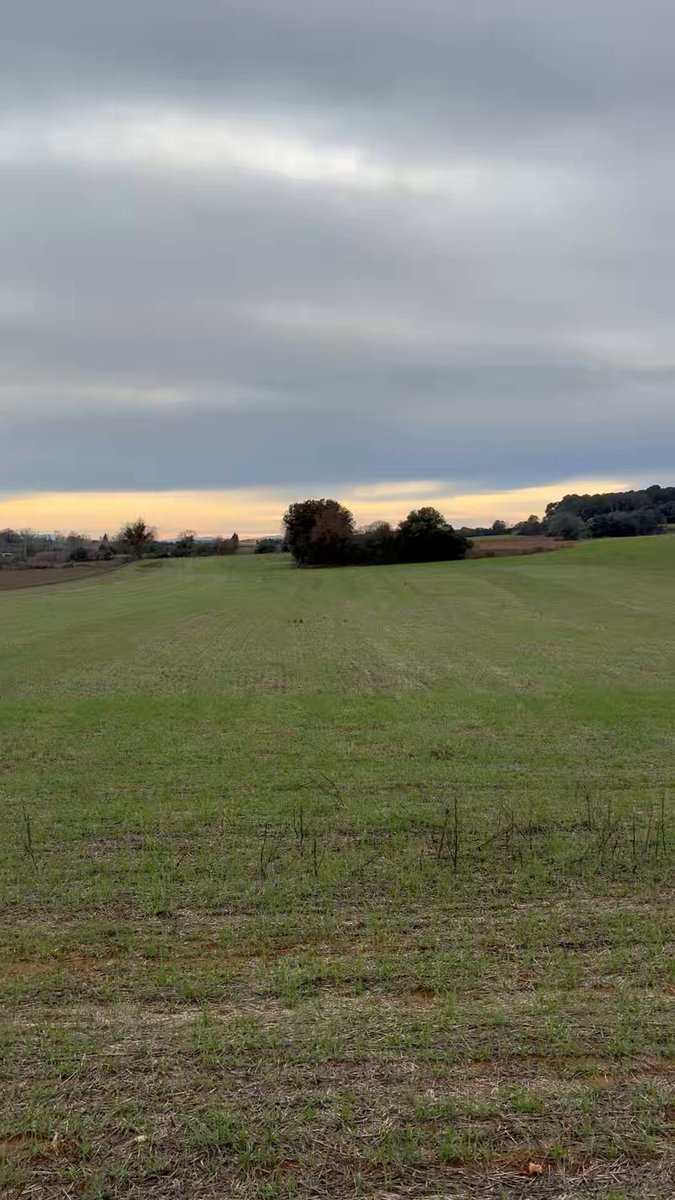
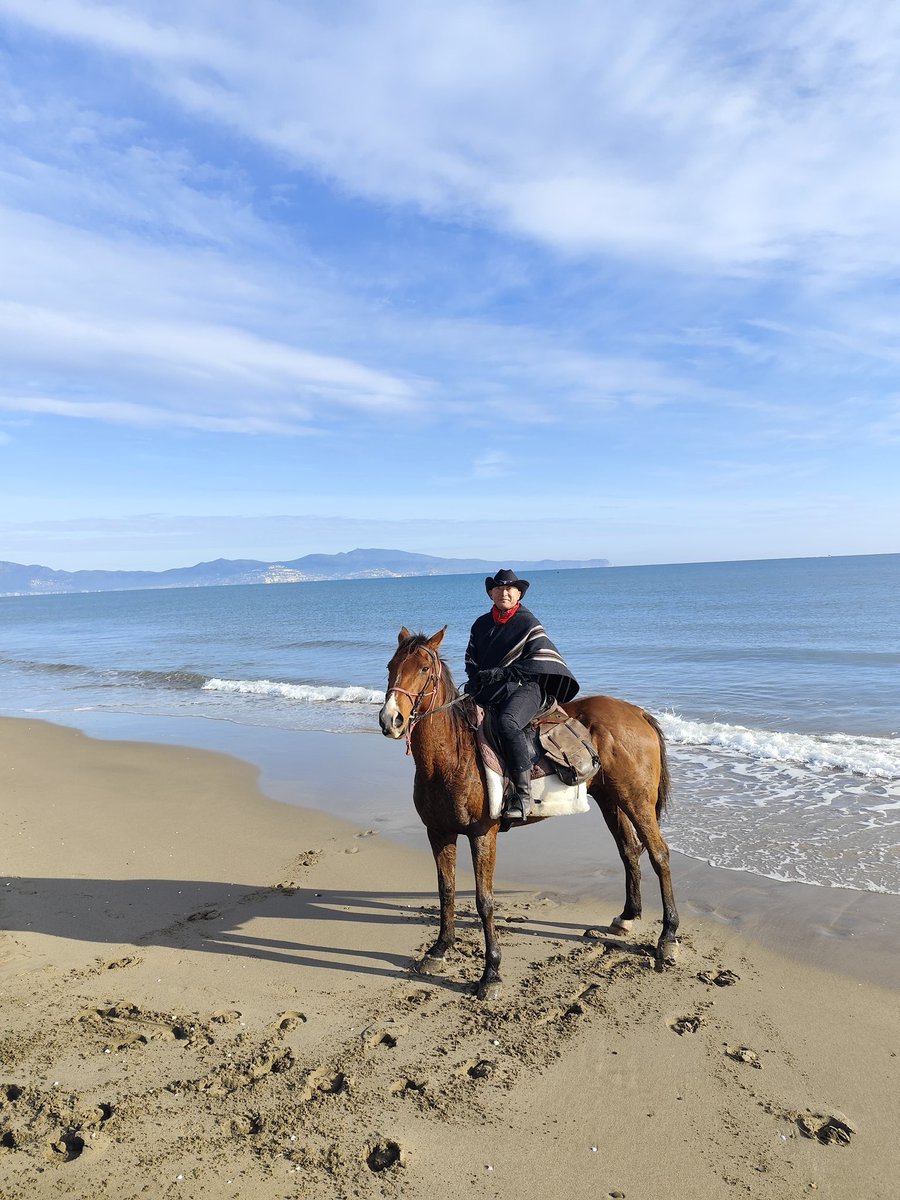
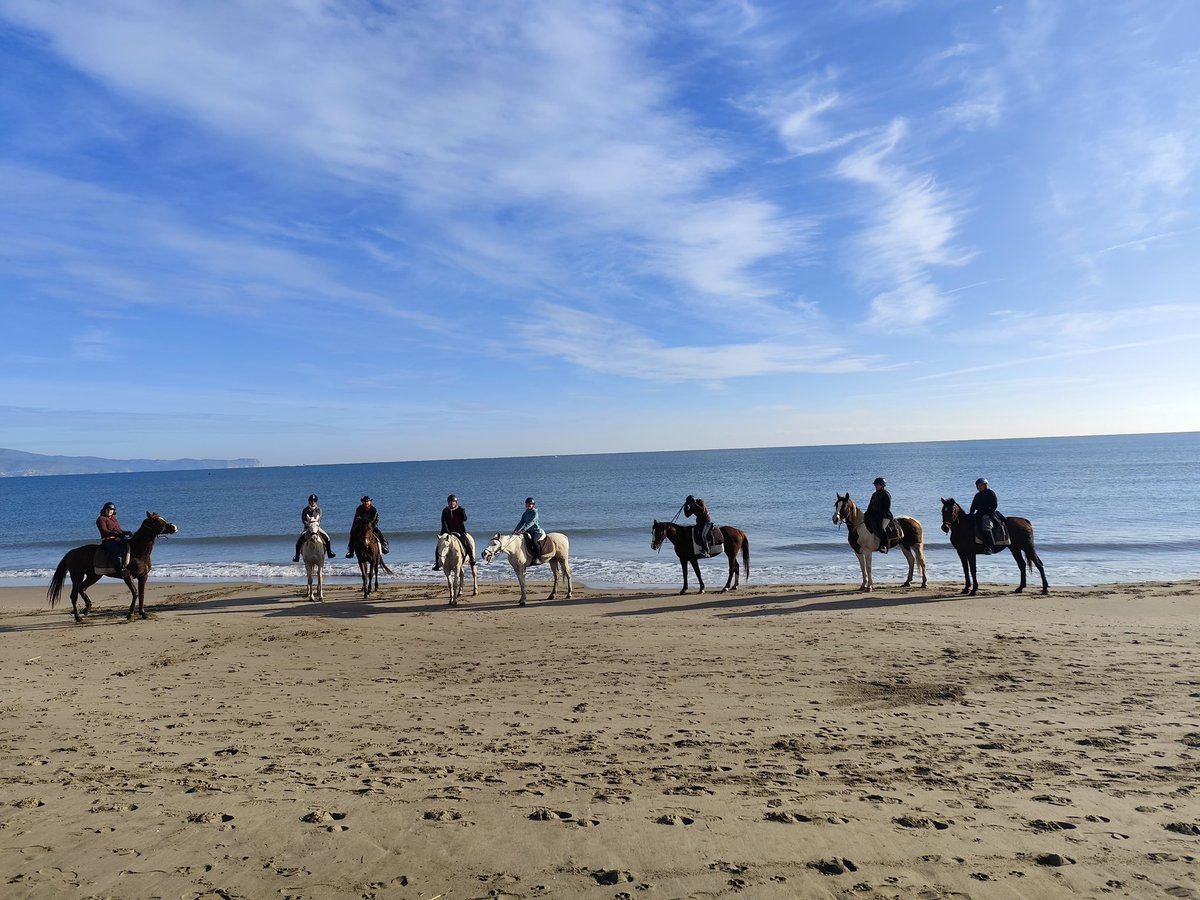
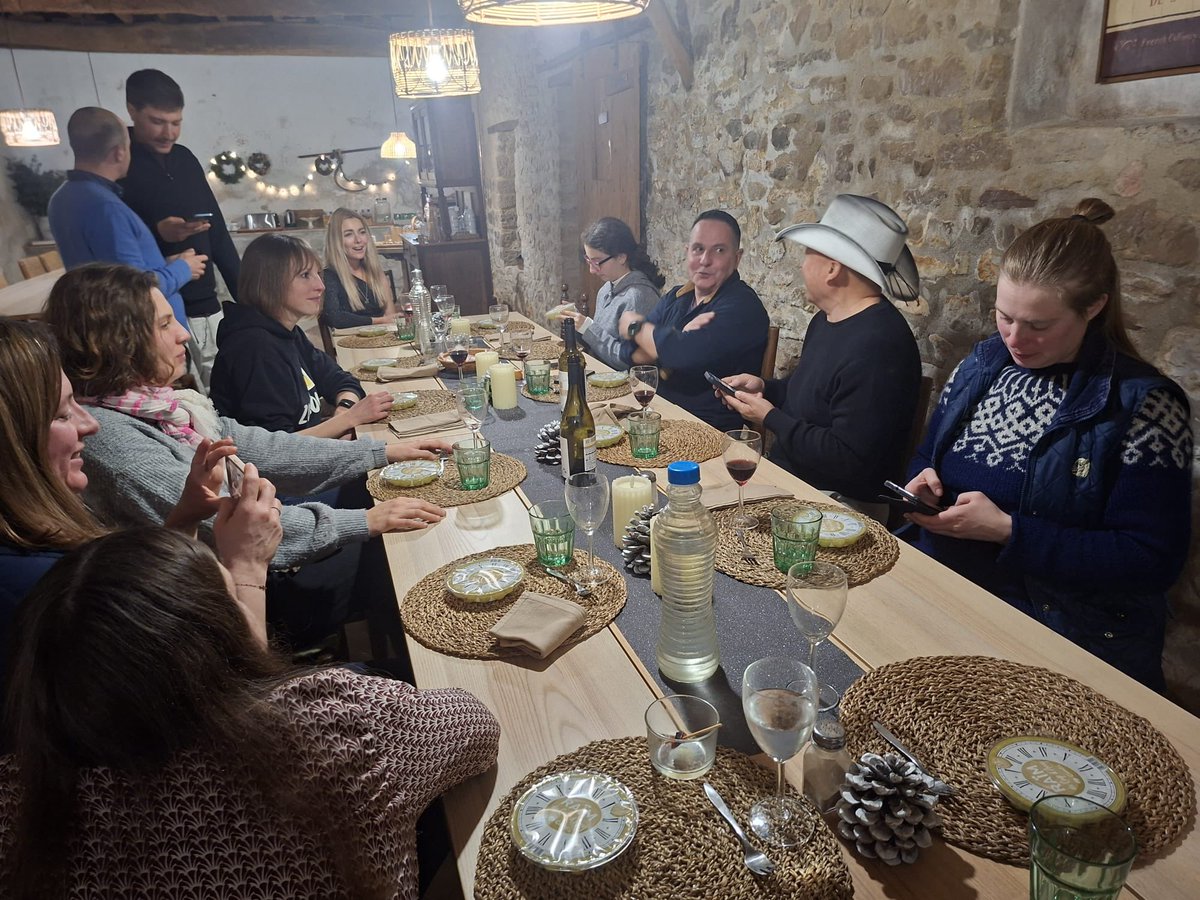
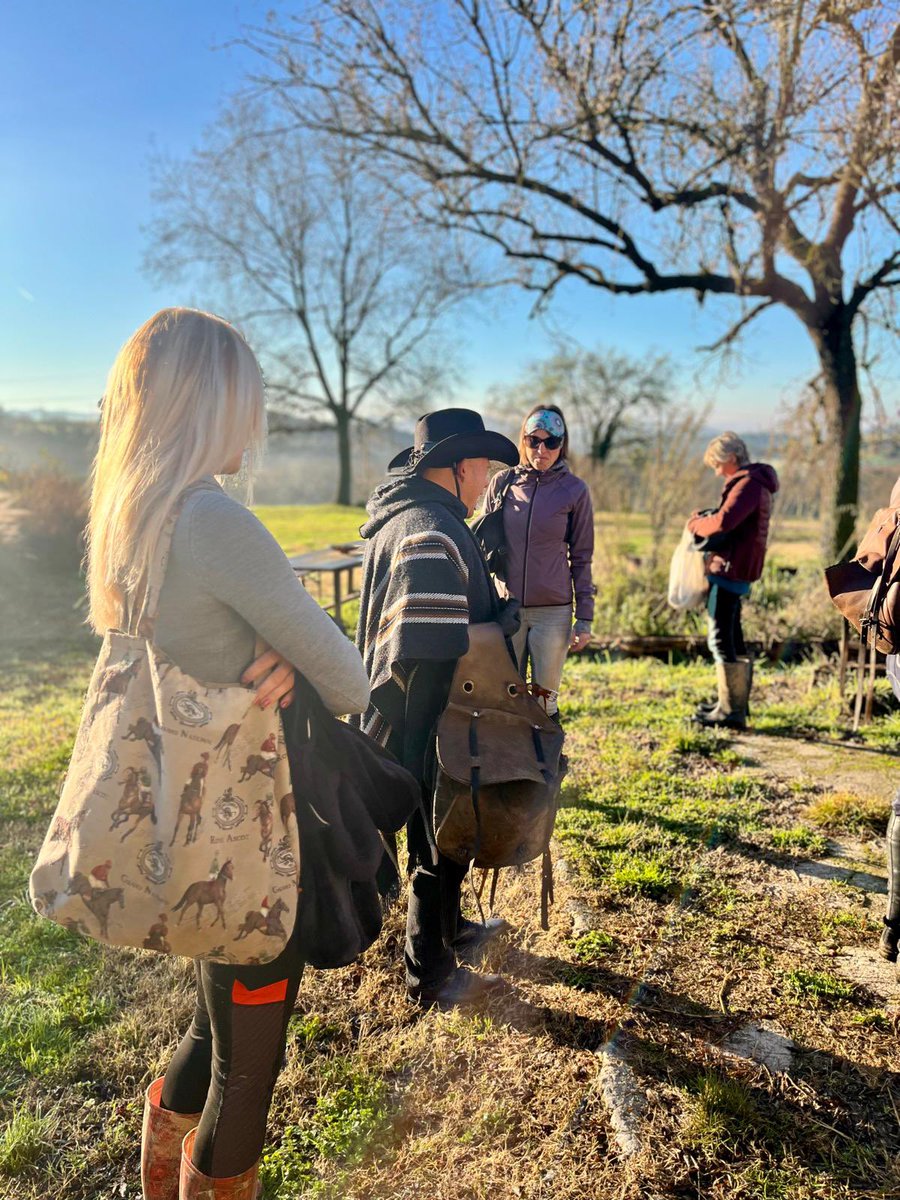
Emporda, Catalonia, Spain. January, 2026. A beautiful place to ride along the Mediterranean coast.
1
31
16
Feb 15
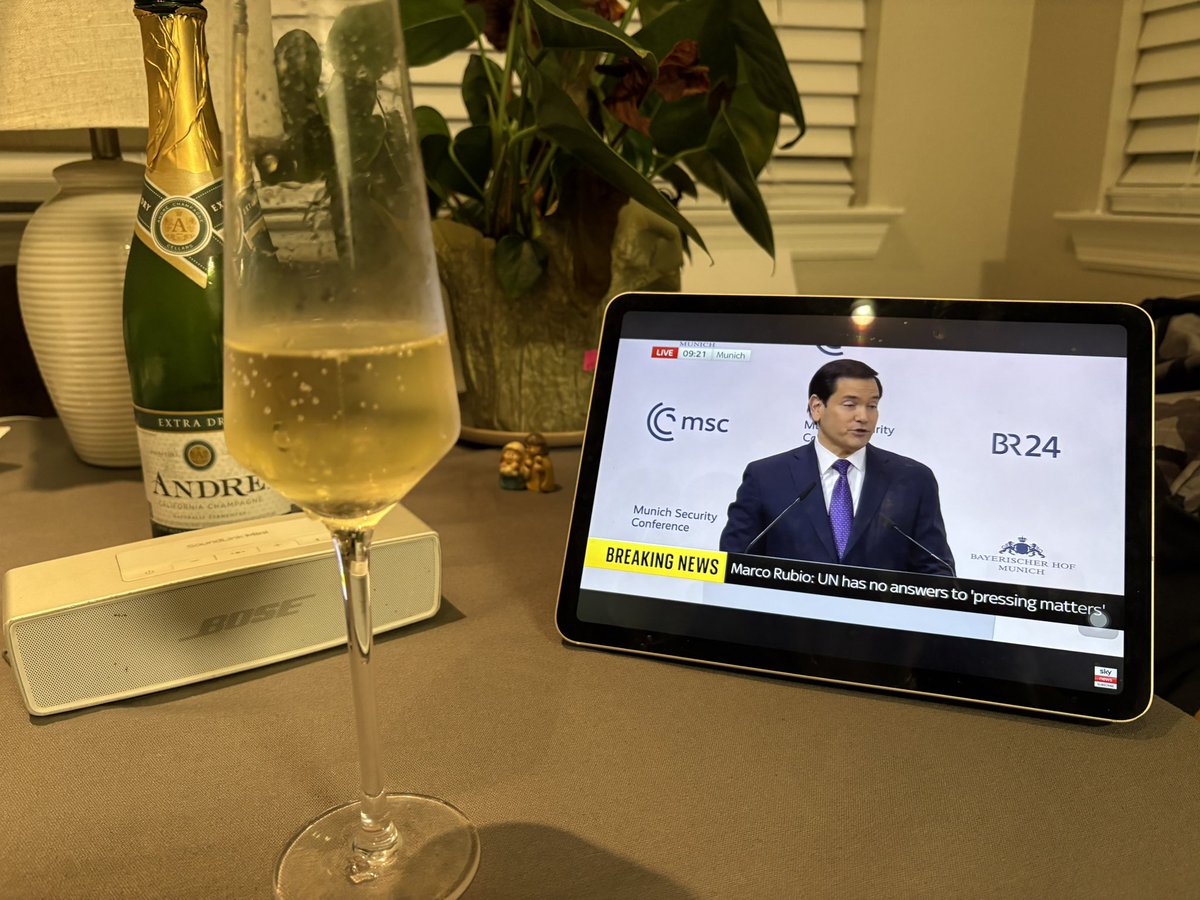
Secretary of State Marco Rubio just delivered a great speech in Munich.
This is what real leadership should look like.
Uniting allies instead of damaging alliances — that’s what the U.S. government should be doing. Bravo!
1
88
25 Dec 2025
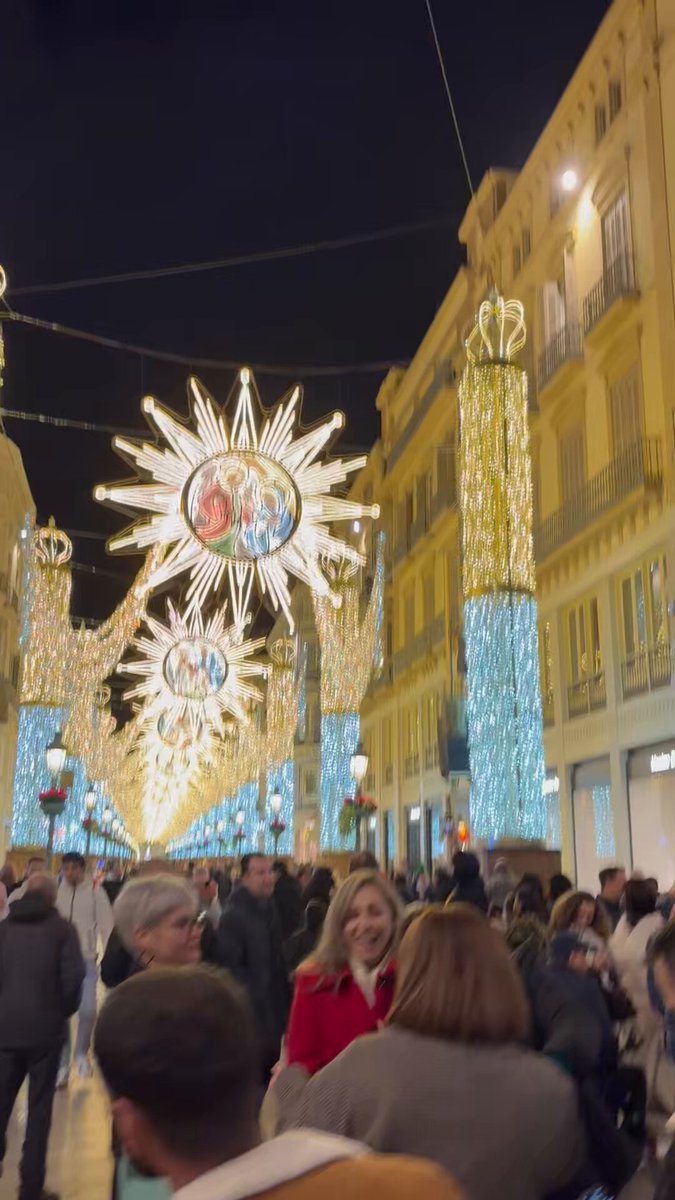
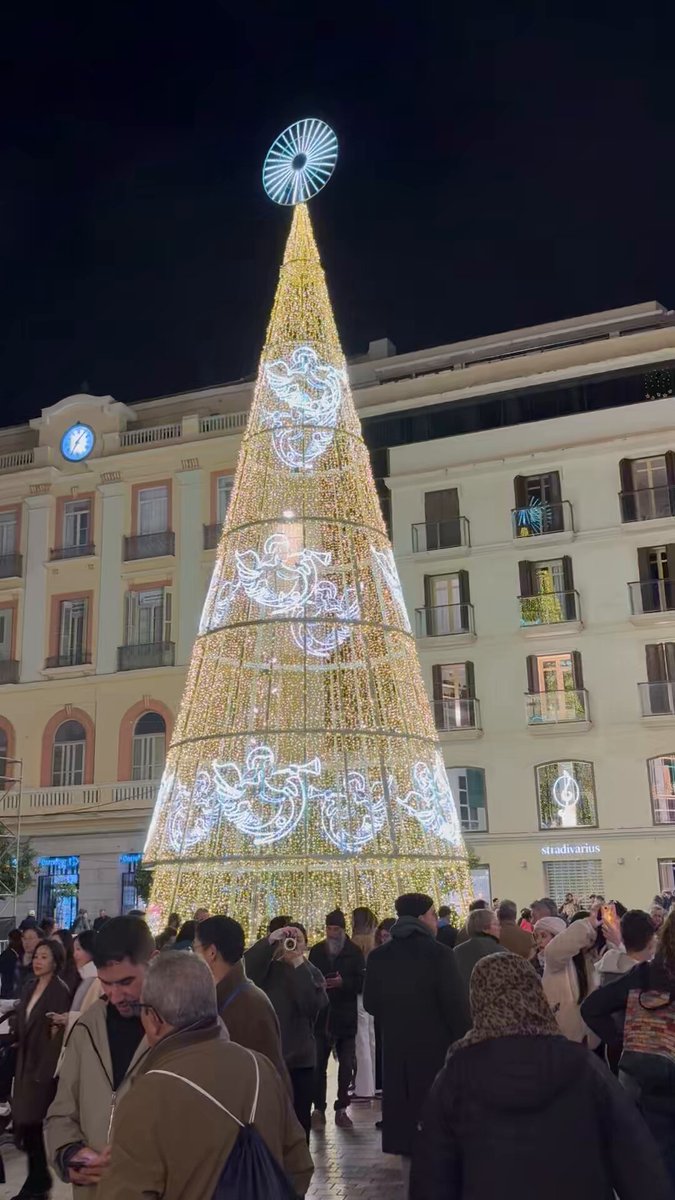
Merry Christmas to all my friends! From Malaga, Spain
1
82
25 Dec 2025
My Impressions of Spain (Part II)
Spain is a fortunate country—and this good fortune is, in many ways, well deserved by the Spanish people themselves.
At critical crossroads in the history of human civilization, Spain was granted favor twice.
The first occurred in 1492. Through the efforts of the Aragonese monarchy, the country brought an end to Muslim rule on the Iberian Peninsula and returned to the path of Christian civilization. This was not merely a change of political power, but a confirmation of civilizational direction—a reaffirmation of the spiritual world to which Spain chose to belong.
The second moment came in the 1930s.
During the brutal and deeply divisive Spanish Civil War, the nation once again stood on the edge of destiny. Left-wing forces in Spain, supported by Soviet Russia, engaged in violent conflict with the right-wing troops led by Francisco Franco. The Soviet Union even called upon leftists from around the world to form the “International Brigades” and join the Republican side in Spain.
At the time, the major democratic powers of Britain and France, weakened by hesitation and indecision, offered no meaningful support to Franco. Left with few alternatives, Franco sought assistance from Hitler and Mussolini. In the end, the forces under Franco’s command emerged victorious, preventing Spain from sliding into Bolshevik totalitarian rule.
Judging from the ultimate historical outcome, this victory at least preserved the possibility for Spain to continue existing as a non-totalitarian state, and allowed it to retain the space to re-integrate into the Western civilizational framework after the war.
More importantly, had Spain fallen into the hands of Bolshevik totalitarianism, the tragedies that unfolded in Soviet Russia would almost inevitably have been repeated on Spanish soil.
The social elite would have been the first targets—systematically purged and physically eliminated. Religious traditions, cultural structures, and moral orders cultivated over centuries would have been denounced as remnants of the old world and destroyed. Relationships once grounded in trust, responsibility, and ethical norms would have been replaced by ideology—betrayal and suspicion becoming the norm, fear seeping into everyday life, and even trust among family members completely collapsing.
Such destruction would not have been a temporary political upheaval, but a deep, intergenerational rupture in society—one whose consequences might remain impossible to fully repair even a century later.
I once believed that Franco himself was the hero of Spain—that it was precisely his firm and resolute leadership that spared the country from becoming the “Soviet Russia of Western Europe.”
But over time, and through my own travels and observations across Spanish land, my view has changed. I am now more inclined to believe that the decisive factor lay not in any single individual, but in the Christian faith deeply rooted within Spanish society as a whole. This faith—embedded in daily life, family structures, and moral order—formed a more fundamental and enduring line of defense, one that made it difficult for extreme ideologies to fully capture the hearts and minds of the people.
Personal authority may alter a political trajectory for a time, but only a stable and internalized system of belief can, at the societal level, resist the corrosion of the soul and human relationships brought about by totalitarianism. This, perhaps, is the deeper reason Spain ultimately managed to avoid the fate of Bolshevik extremism.
In any case, at the crossroads of history, Spain appears profoundly fortunate. May this country—and the people who live here—be able to preserve, for a long time to come, this quiet, composed, and peaceful way of life.
1
68
13 Dec 2025
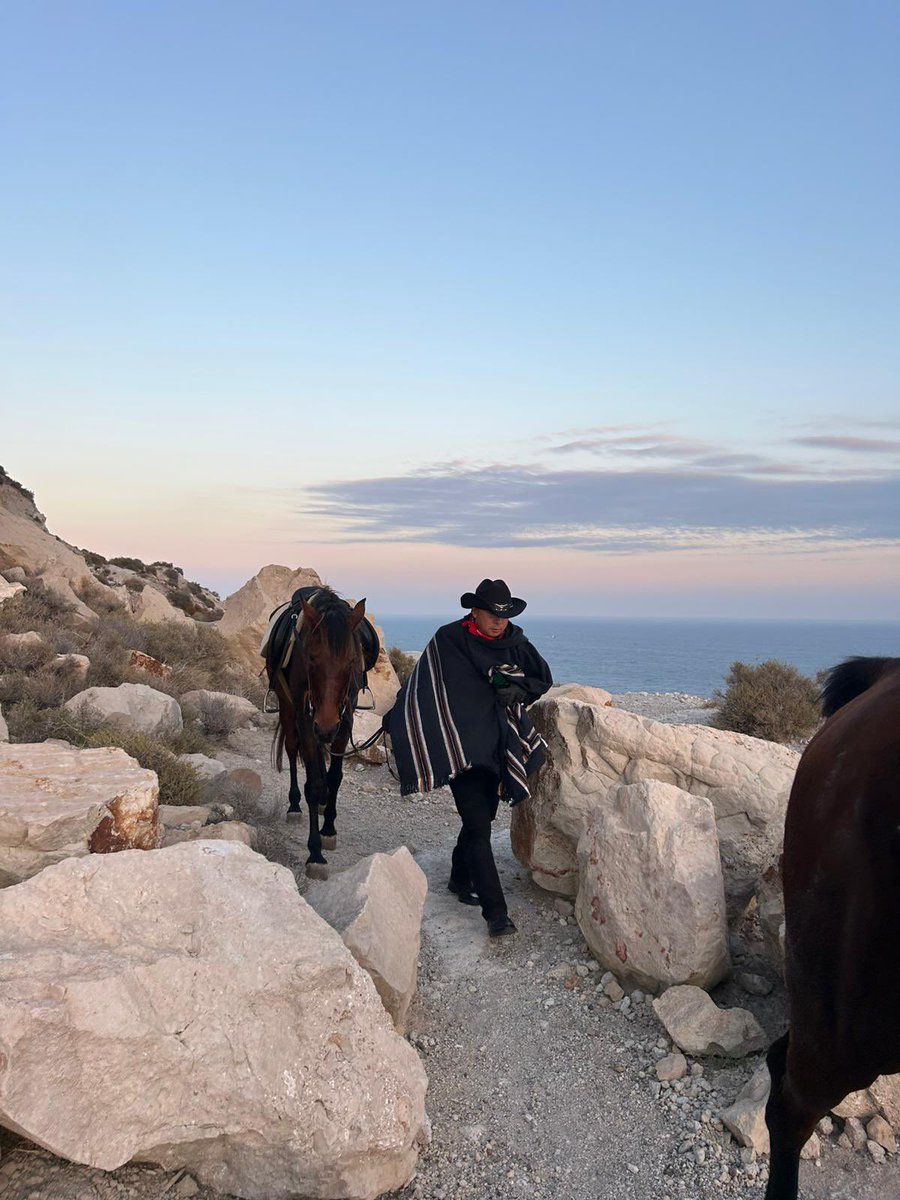
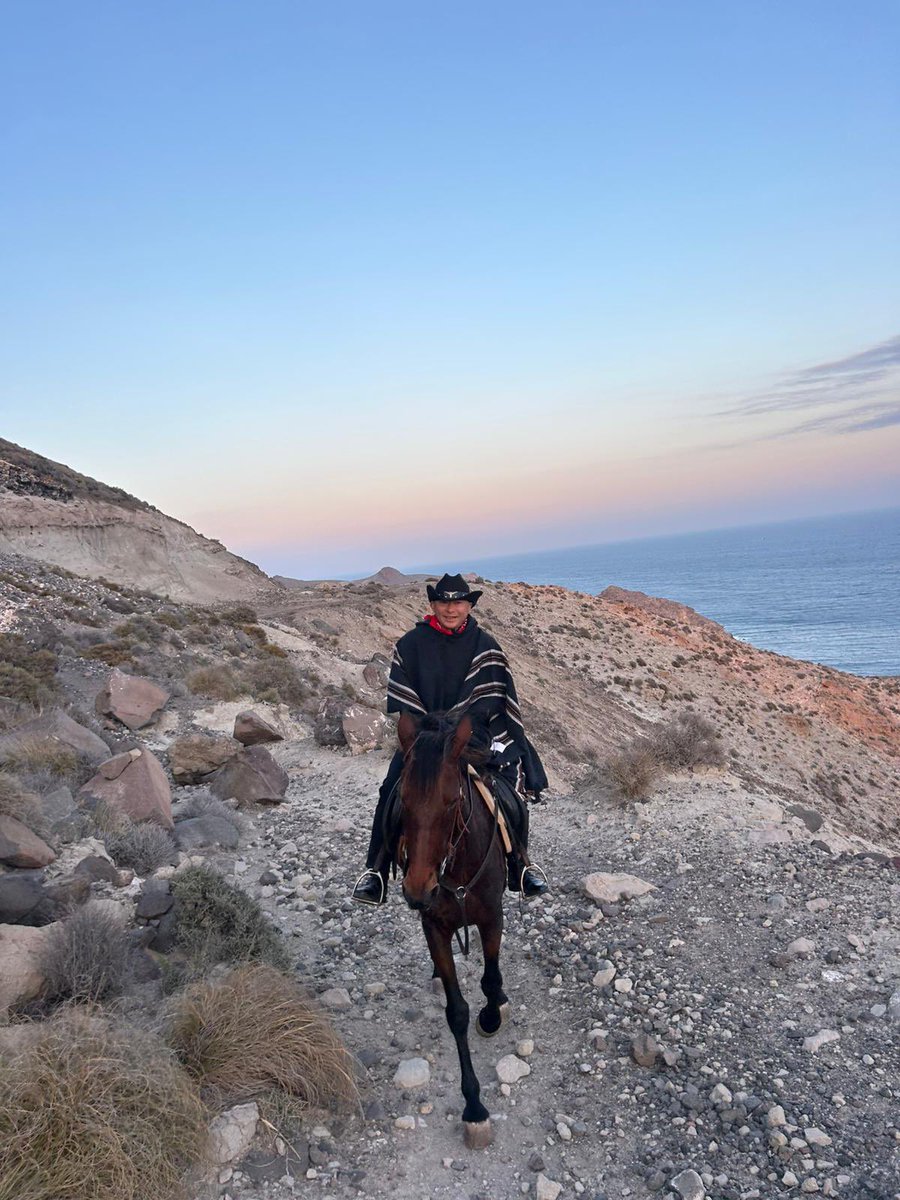
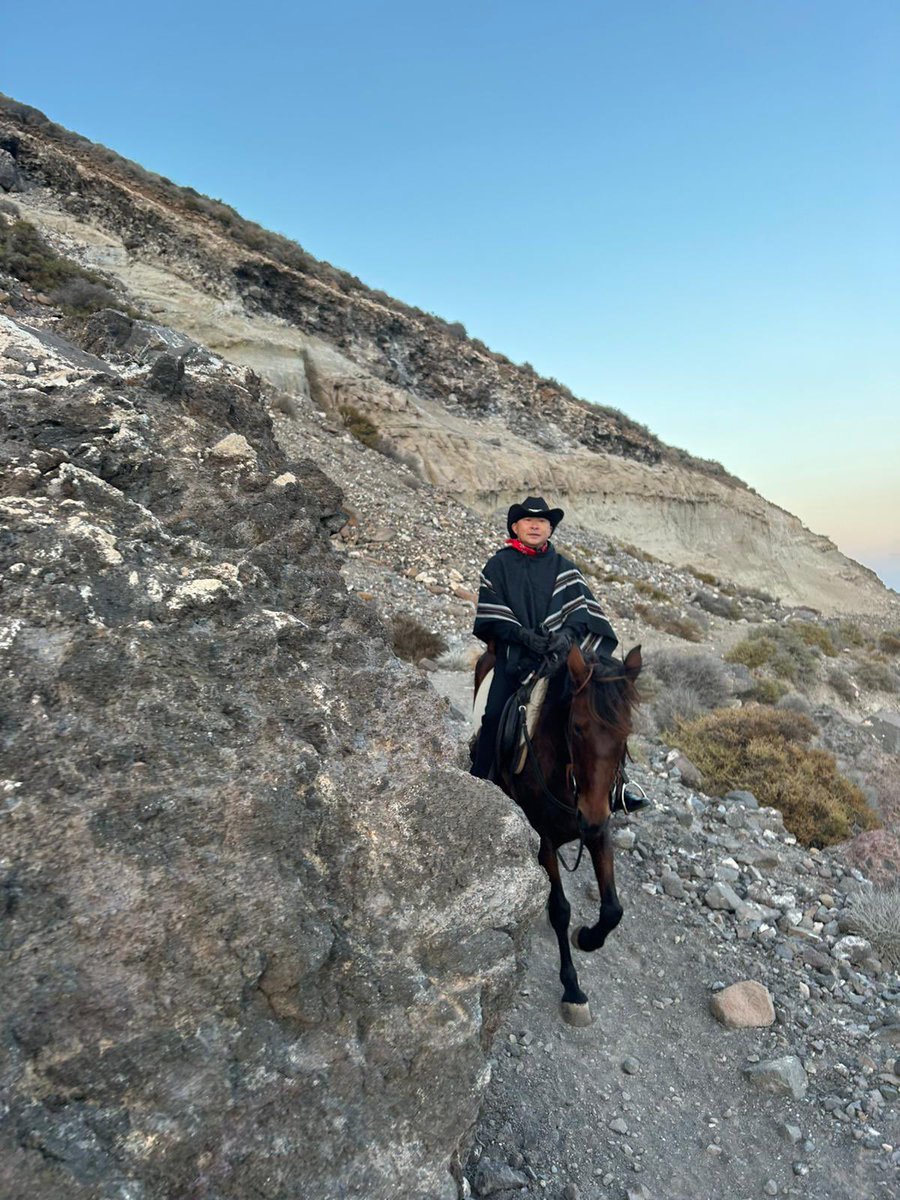
Almeria, Spain. We crossed the mountains and valleys. December 11th, 2025.
1
64
13 Dec 2025
Almeria, Spain. We walked along the Mediterranean coast.
1
64