Joined December 2022
- Tweets 3,968
- Following 127
- Followers 673
- Likes 19,879
125 Photos and videos






Pinned Tweet

Ob als Therapeut oder Designer: Meine Grundhaltung ist Nicht-Wissen. Wer sehen will, muss fühlen. Erst im Aushalten von Unsicherheit entsteht Resonanz – innere Anteile zeigen sich, Zusammenhänge klären sich, Kräfte entfalten sich. Wer alles schon zu wissen meint, bleibt in Schutzstrukturen gefangen.

The quest for certainty blocks the search for meaning. Uncertainty is the very condition to impel man to unfold his powers.
Erich Fromm
3
6
19
4,518
Psychologische Reife besteht nicht in der Einteilung der Welt in Gut und Böse, sondern darin, die Kapazität zu entwickeln, den Spannungsbogen zweier scheinbar entgegengesetzter Positionen halten zu können.

My personal truths as a clinical psychologist:
#297 Polarized thinking reduces anxiety at the cost of nuance.
*Life is complicated. Most people don’t enjoy uncertainty. We want clear answers, clear villains, and clear heroes.
That’s one reason polarized thinking is so attractive.
If your ex was entirely terrible, you don’t have to wrestle with what was good. If your boss is completely incompetent, you don’t have to consider the pressures they’re under. If your political party is always right and the other side is always wrong, you never have to tolerate the discomfort of mixed truths.
But reality is usually messier than that.
Most relationships contain both love and disappointment. Most people have strengths and flaws. Most social problems have more than one cause. Even political leaders we admire make mistakes, and those we oppose occasionally get something right.
Polarized thinking feels good because it reduces uncertainty. It gives us a sense of certainty and control.
The problem is that certainty often comes at the cost of understanding.
Psychological maturity is not seeing everything as good or bad. It’s developing the capacity to hold two truths at the same time.
That’s harder.
But it’s usually closer to reality.
1
4
134
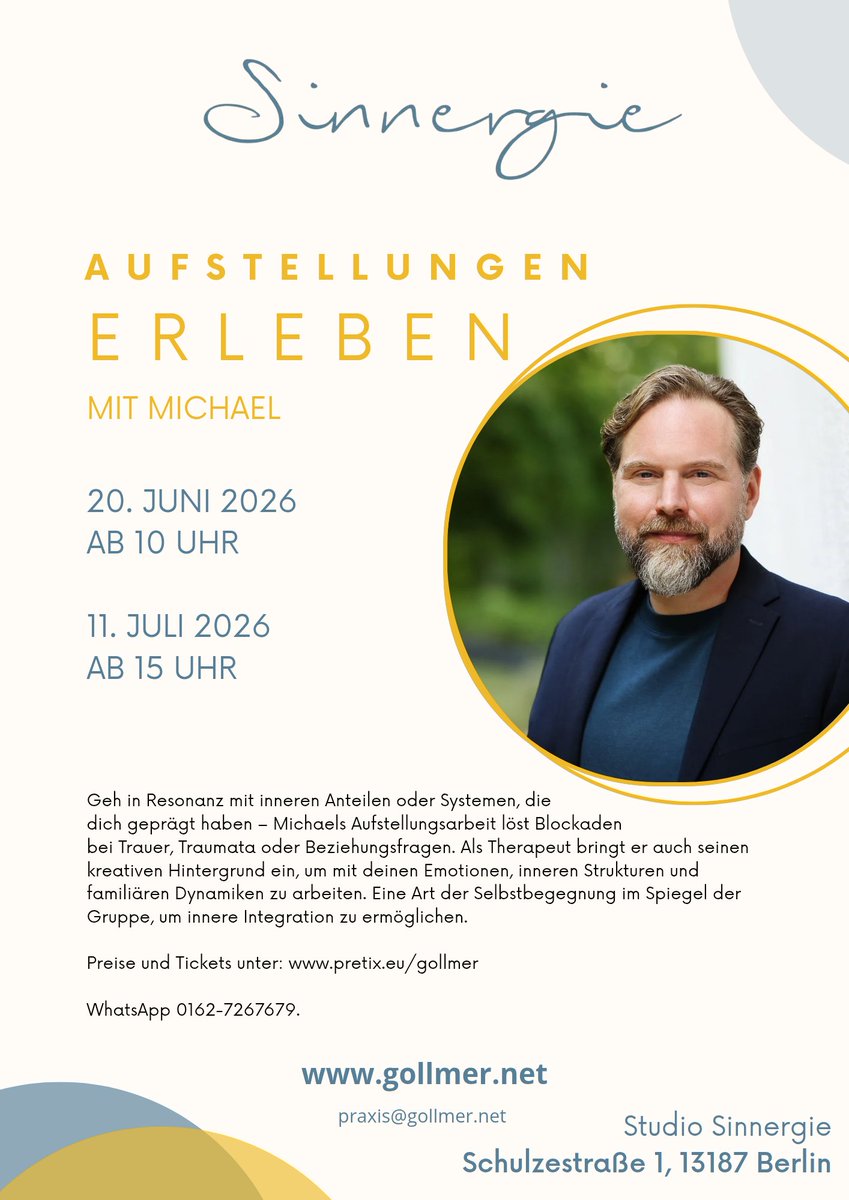
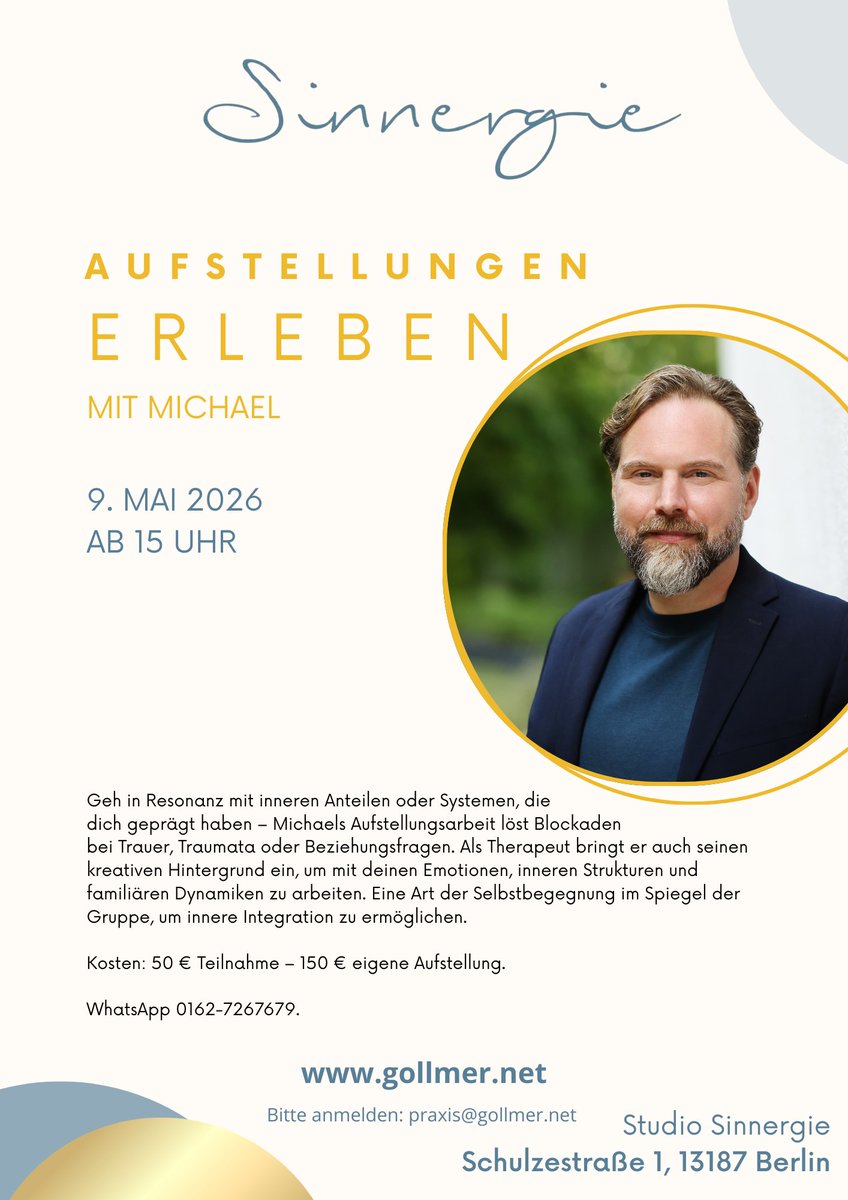
🌟 Aufstellungen bei Sinnergie Berlin
🗓 20. Juni 2026 – ab 10 Uhr
🗓 11. Juli 2026 – ab 15 Uhr
Gemeinsam innere Blockaden lösen, Anteile integrieren und Klarheit finden.
Tickets: pretix.eu/gollmer
Reduzierte Preise auf Anfrage: praxis@gollmer.net
Ich freue mich auf dich!
#AufstellungenBerlin
1
88
Besser verborgen im Garten blühen als entwurzelt auf der Bühne. Die Seele braucht beides: Geborgenheit und Licht, weil sie schließlich auch gesehen werden will.

Wer das eigene Ich zur Handelsware macht, bezahlt den Applaus der Masse mit der Insolvenz der eigenen Seele.
108
Umbrella Review:
Belastende Kindheitserfahrungen prägen Psyche und Körper langfristig.
Deutliche Zusammenhänge mit Kopfschmerzen, Reizdarm, Diabetes und kardiovaskulären Erkrankungen.
doi.org/10.1016/j.eclinm.202…
#ACEs
1
5
218
Aus der Praxis:
Wenn du als Kind erleben musstest, dass deine eigene Mutter deine Echtheit nicht ertragen konnte – und zeitweise vielleicht sogar selbst emotional von dir gestützt werden musste –, dann fällt es dir als Erwachsener schwer, wirklich authentisch zu sein.
Schlimmer noch: Du suchst unbewusst Umgebungen, in denen es gefährlich wäre, echt und verletzlich zu sein.
Dein Überlebens-Ich sucht die bekannte Gefahr als vertraute Orientierung und sieht in seinem Umgang damit die einzige Überlebenskompetenz.
Die Befreiung beginnt, wenn dieses Überlebens-Ich bereit ist, die Kontrolle abzugeben – durch eine klare, ressourcenorientierte Begegnung mit den Gefühlen und Bedürfnissen deines verletzten inneren Kindes.
Ich nenne das die Rücknahme der Identitätsverschiebung. So entsteht eine Authentizität, die sich nicht mehr bedrohlich anfühlt, sondern einfach da ist, echt und lebendig.
#Authentizität #InneresKind #Traumaheilung
2
127
Oft werfen wir anderen vor, sie würden uns nicht verstehen.
Wenn wir genauer hinsehen, merken wir: Wir verstehen uns selbst oft nicht richtig – und genau daher rührt unser Ärger.
Jun 9

before seeking to be understood learn to understand yourself..
4
1
4
532
Michael Paul Gollmer retweeted

If you don't become the ocean, you'll be seasick every day. ~Leonard Cohen
13
121
3,626
Ich entstamme einer Unternehmerfamilie, die zur Zeit des Nationalsozialismus schwere Schuld auf sich lud, Menschenversuche im KZ Sachsenhausen mittrug und aus dem Leid politischer Häftlinge Profit schlug. Ich bin betroffenen Zeitzeugen begegnet, habe ihnen in die Augen geschaut und mit ihnen gesprochen. Ich habe mich dem menschenverachtenden Ausmaß dieser Geschichte gestellt – soweit man das überhaupt kann.
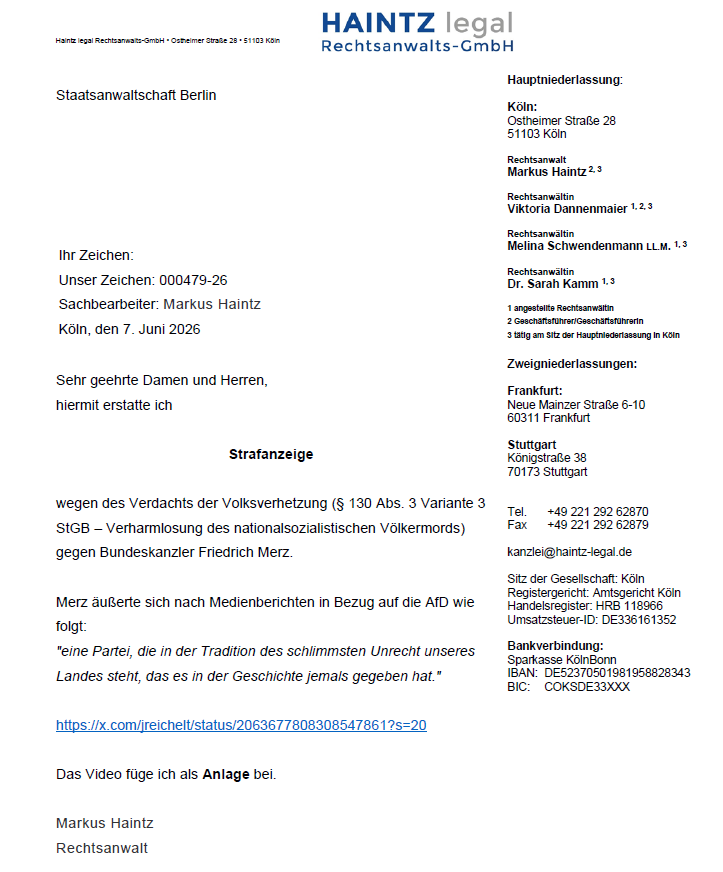
Genau deshalb trete ich jeder Form von Verharmlosung des nationalsozialistischen Völkermords entschieden entgegen. Und genau deshalb unterstütze ich die Strafanzeige gegen Bundeskanzler Merz.

Ich habe den Volksverhetzer @bundeskanzler soeben wegen Volksverhetzung angezeigt, § 130 Abs. 3 Variante 3 StGB (Verharmlosung des nationalsozialistischen Völkermords).
Merz äußerte sich nach dem nachfolgenden Video in Bezug auf die AfD wie folgt:
"eine Partei, die in der Tradition des schlimmsten Unrechts unseres Landes steht, den es in der Geschichte jemals gegeben hat."
170
1,248
6,148
90,983
Opferhaltungen überwindet man durch echte Annahme der eigenen Opfererfahrung.
7
337
Zersplitterung schließt Einheit nicht aus. Gerade in ihrer Herausforderung ruht großes Potenzial.

Beneath fragmentation and dysregulation lies an underlying organizing potential toward coherence.
1
406
Gib der Seele ihr ungelebtes Leben zurück – sie braucht kein neues Ich.

The psyche doesn’t need a new self!! It needs the unlived life returned to it!!
7
531
Wer Chaos braucht, um sich lebendig zu fühlen, wird Frieden verteufeln.

Simply choosing peace will offend people who thrive on chaos.
1
1
4
318
Wahre Stärke zeigt, wer sichere Orte für seine schwachen Seiten sucht.
Jun 6

every strong person is looking for a safe space to be weak.
4
244

Die eigene und die fremde Wut
Es ist wichtig, beides zu unterscheiden. Wir tragen oftmals noch die verdrängte Wut unserer Vorfahren, ohne es uns bewusst zu machen. Diese gilt es zurückzugeben und dafür unsere eigene Wut zu fühlen. Es macht einen Unterschied. Bringt Klarheit.
1
6
344

🎶
Leonard Cohen - Everybody Knows (Official Live in London 2008) youtu.be/xu8u9ZbCJgQ?is=yHMD… via @YouTube
1
2
260
Liebe ist der Ruf zur vollständigen Begegnung mit dem Leben: Freude und Schmerz, Licht und Schatten – ohne auszuweichen.
To love means to open ourselves to the negative as well as the positive - to grief, sorrow, and disappointment as well as to joy, fulfillment, and an intensity of consciousness we did not know was possible before.
Rollo May
1
2
189

💯🎯
Jun 4

The world actually doesn’t need more people who agree with each other. It needs more people who can disagree with others with skill, integrity, clean boundaries and without condemning the other person, punishing them or needing to dominate them.
2
89

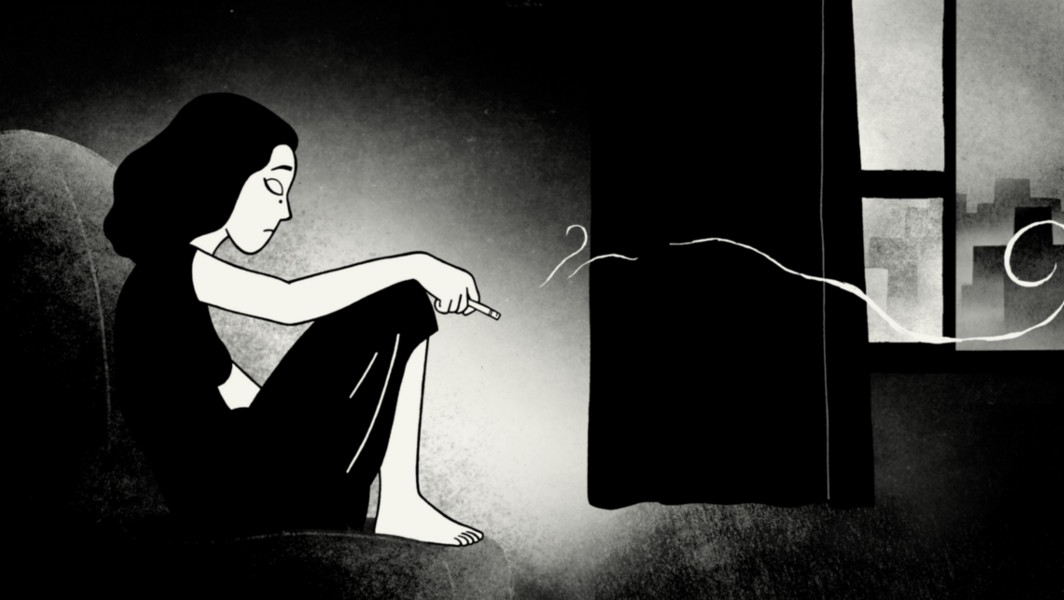
"When we're afraid, we lose all sense of analysis & reflection. Our fear paralyzes us. Besides, fear has always been the driving force behind all dictators' repression. Showing your hair or putting on makeup logically became acts of rebellion."
#MarjaneSatrapi, died of sadness 💔
7
44
866