3,812 Photos and videos




Pinned Tweet

5 Sep 2020
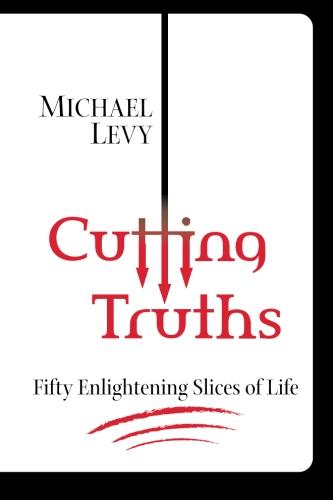
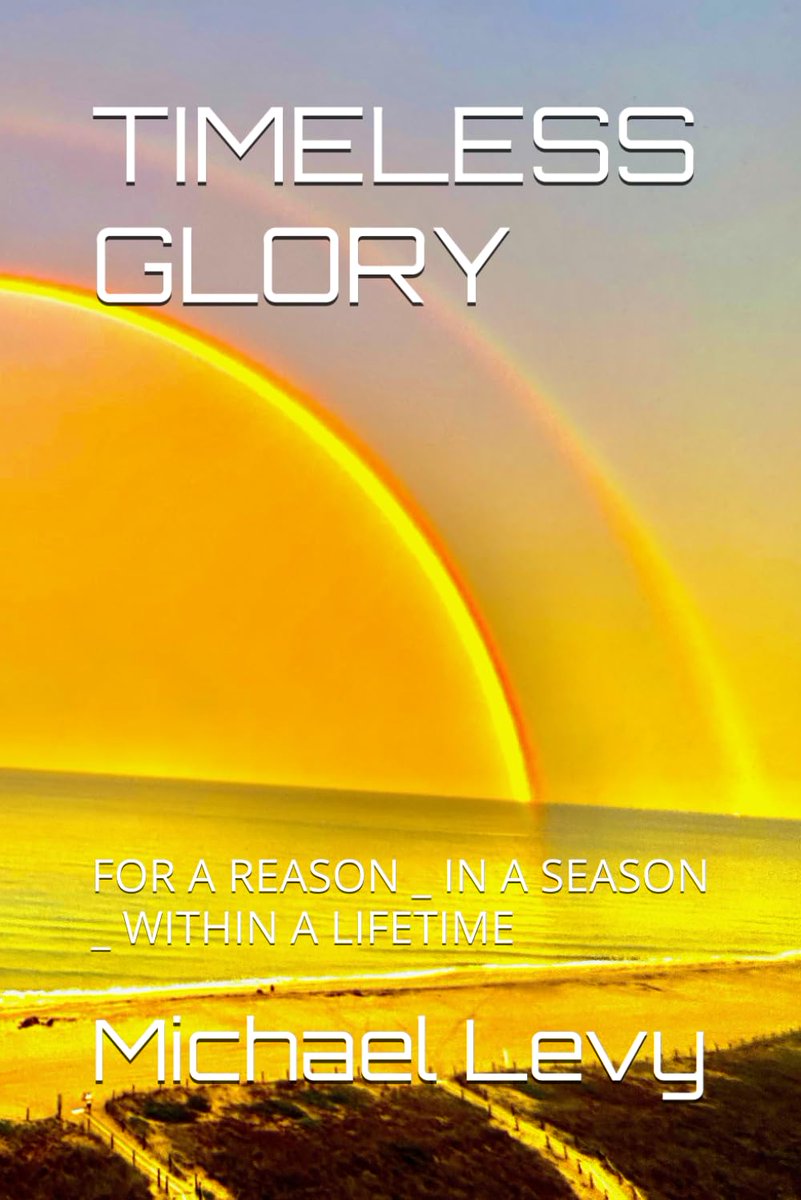
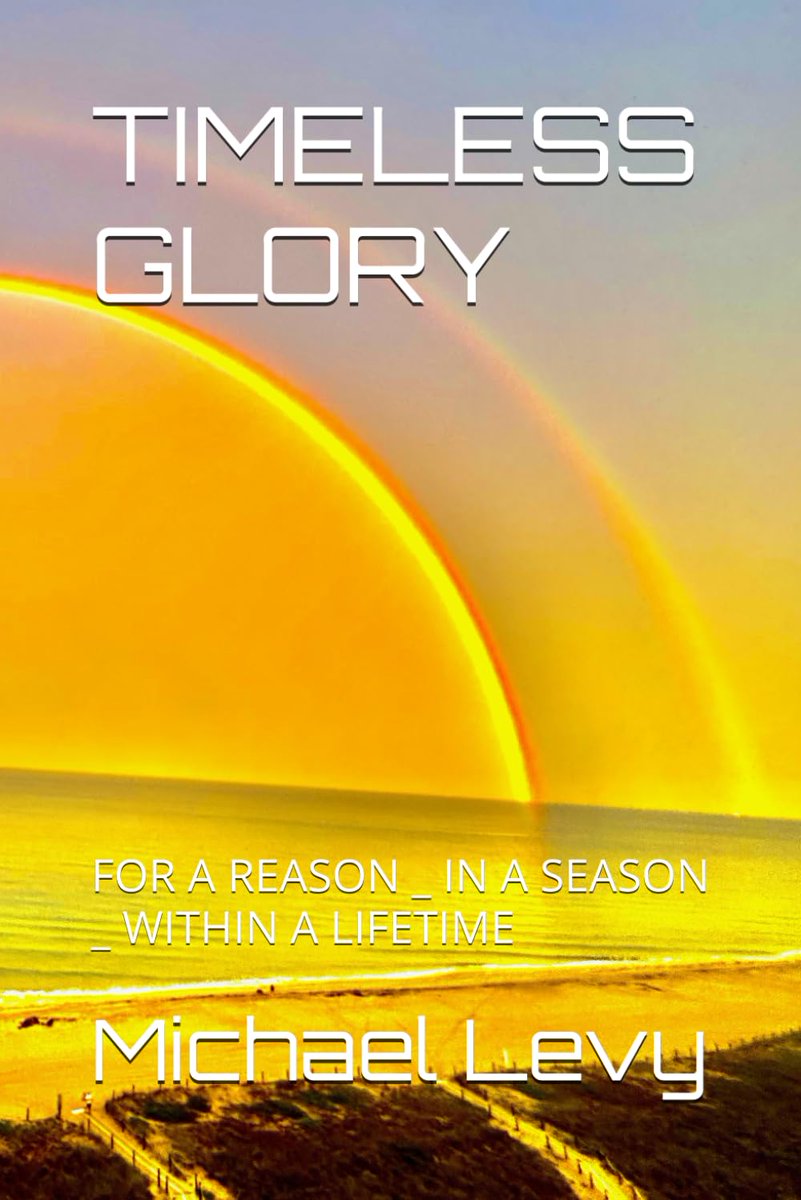
Do you know if you are a prisoner of the mind? Click on the book cover n Listen for 5 minutes and you will find out.
anniejenningspr.com/authorex…
9
57
124
Dualistic thinking is the road to ruin. There is no big or small, good or bad. Life is, what it is. That is why. in a mirror image world, one Ego's meat is an others poison. Contentment with enough, in a mind-set of Love n Joy, is the formular to the greatest, successful living on earth.😇
107
Michael Levy retweeted
May 19
How copilot translated one of my articles.
The Brain, Body, and the Quest for True Self-Discovery
The human brain and body are indeed built from the most fundamental building blocks of existence — atoms, molecules, and cells — each governed by the laws of physics and chemistry. At the atomic level, every particle in your body is part of a vast, interconnected system that underpins all biological processes NIH Intramural Research Program. The brain, in particular, is a complex network of neurons, synapses, and supporting cells, organized into structures like the cerebral cortex, which enable thought, memory, emotion, and perception
While science can map the physical structure and function of these systems, it cannot fully explain the subjective experience of consciousness — the “pure intelligence” you speak of. This is the frontier of neuroscience and philosophy of mind. Theories of consciousness explore how physical processes in the brain give rise to awareness, selfhood, and meaning Nature. Some researchers suggest that consciousness emerges from the integrated activity of neural networks, while others propose deeper, possibly non-local, connections between mind and body.
The idea that self-discovery can reveal truths beyond formal education touches on the nature of human potential. Education and learning provide tools and frameworks, but they are limited by the boundaries of known knowledge. True self-discovery often involves integrating personal experience, intuition, and inner insight — qualities that may be rooted in the body’s own biological and energetic systems. Some alternative perspectives, such as the “Nexus Body” theory, propose that certain organs or systems can translate environmental energy into neurochemical signals, potentially influencing intuition and awareness LinkedIn.
In essence, the journey of self-discovery is both a scientific and a spiritual endeavor. It begins with understanding the physical reality of the brain and body, but it also invites exploration of the subjective, the intuitive, and the ineffable. This synthesis — between measurable science and lived experience — may be where the “answers beyond knowledge” emerge.
1
1
306
Michael Levy retweeted
May 19
Every atom, molecule, cell in brain n body contains pure intelligence. When a person goes on a journey of true self-discovery (not just by thought), they will find answers way beyond their knowledge, learning n education can ever envisage.
2
2
306
Michael Levy retweeted
May 3
If we could do an internal inspection of our intellectual brain, it would communicate that the negative emotions are real and the intellect is the master decision maker. But, if we could do a search on early, past generations, many moons ago, we would probably find there was a time when the brain only contained pure intelligence. The educated, sole intellect/ego was just an idea, waiting to form itself.
We have come a long way since then, but is it progress to sacrifice our happiness and simplicity? Humanity has to accept the true point of life. The intellect-ego is just a learning tool of the mind, to enhance our understanding of universal intelligence and be guided by it.
The brain, in its true form, is open to decode intelligence that has always existed, to create magnificent works, that stand the ravages of time. The intellect/ego should not be a dominant force that shepherd's human life into emotional distress.
The location of our thoughts depend on who's garden we wish to plant the seeds of prosperity. The solo intellects/egos world or Natures/Spirits world, that guides the ego/intellect into living in a paradise on earth.
Time to get out the internal excavator and do a little digging in the fields of authentic thought, located in the exotic gardens of the mind... Reap the harvest of Love n Joy from the authentic seeds spirit planted.
2
1
489
Michael Levy retweeted
May 17
1
1
156
Michael Levy retweeted
May 17
#Mind and #Body awaken each day polished by a sparking soul, visible via your smile. 😇
Just a Moment.
If you could stop
and live in one moment,
which flash would you choose,
The first time you opened your eyes
to behold your mothers graceful face,
Would it be the moment you sat
at your desk, the first day at school,
Was it the first kiss by the
freckle faced moppet you secretly adored,
Could it be the first moment of sexual arousal
whilst puberty began to turn your childhood
into maturity,
Your proud graduation day speech,
when everyone applauded your magnificent efforts,
The first day of your vocation,
the sense of wanting to make a difference,
Your engagement moment when
you found your true sweetheart,
The wedding moment when you said - I do,
Night-time orgasmic bliss,
where two souls meld as one,
in ecstatic ecstasy,
The moment your first baby
opened eyes to gaze at your face,
So many moments to choose from,
you can take but one moment with
on your eternal journey now,
the moment has arrived to make your choice
If you realize they all hold divine bliss
then everyone of your life times moments of bliss
will be your holy infinite possession
as you sit besides the beloved one
who guided your path.
1
1
261
Michael Levy retweeted
2 Aug 2025
Everyone is born pure in mind, so there are no bad people, only bad ideas.
1
1
2
816
Michael Levy retweeted
Apr 21
When we understand and live the true point of life, often we will be ridiculed, while being told we are foolish. Agree whole heartedly with these people and thank them for the compliments.
Sometimes it may seem like a lonely path in a topsy-turvy world but we never walk alone, for the universe hold all the wisdom, intelligence and truth. By living it, we are blessed beyond Be-lie-f. 😇
2
4
848
Michael Levy retweeted
Apr 26
5 Sep 2020

Do you know if you are a prisoner of the mind? Click on the book cover n Listen for 5 minutes and you will find out.
anniejenningspr.com/authorex…
1
1
454
Michael Levy retweeted
May 6
Check out my latest article: From the book- Carpe Diem - Seize the Day by Michael Levy. linkedin.com/pulse/from-book… via @LinkedIn
1
1
167