
Official account of Microbial Biotechnology journal Original research reporting significant advances in microbial applications @microbiotech.bsky.social
Joined March 2019
- Tweets 1,387
- Following 630
- Followers 2,555
- Likes 264
1,091 Photos and videos

Pinned Tweet

24 Jun 2025
MBT has received a score of 9.9 in the latest Cite Score rankings! We are thrilled to be in the top 12% of Applied Microbiology and Biotechnology journals. THANKS to our incredible readers, contributors, staff members, and editors for their unwavering support!!!

4
15
955
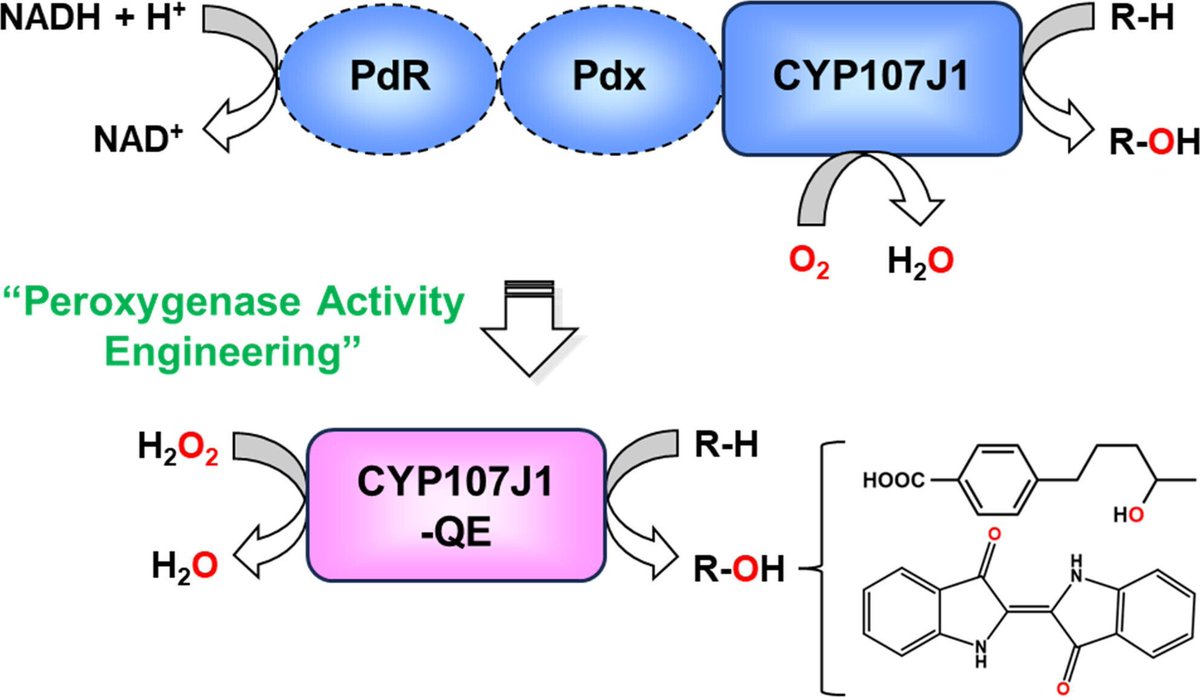
Kato et al (doi.org/10.1111/1751-7915.70…) engineering bacterial P450 into an H₂O₂-driven biocatalyst boosting activity 28-fold & enabled efficient synthesis of valuable compounds, including indigo dye. A simple, powerful strategy to expand sustainable enzyme-driven chemistry.
2
23
895
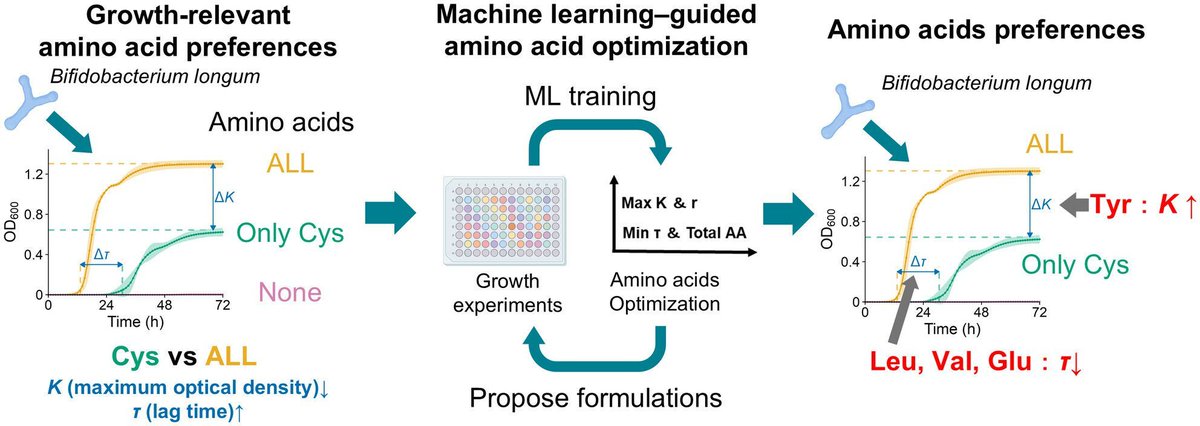
Machine learning meets microbiome science: optimized amino acid formulations for Bifidobacterium longum reduced nutrient inputs by up to 77% while maintaining growth. Kaneco et al reveal key amino acids shaping fitness and enables streamlined media design. doi.org/10.1111/1751-7915.70…
2
6
179
Science conversations are evolving. By analysing interactions on X and BlueSky, Bernal et al highlight the microbiology and biotechnology topics our community cares about most: from precision medicine to synthetic biology and sustainability. doi.org/10.1111/1751-7915.70…
2
4
115
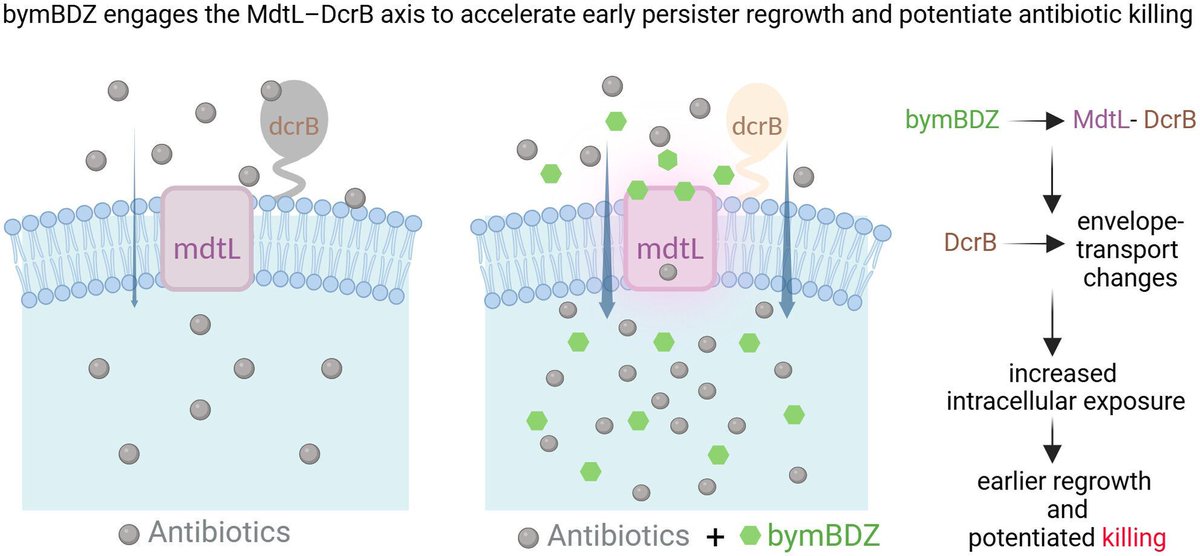
Park et al present ways for fighting antibiotic resistance by targeting bacterial persisters. bymBDZ accelerates persister regrowth & increases antibiotic susceptibility in E. coli, boosting killing during early recovery. doi.org/10.1111/1751-7915.70…
3
3
103
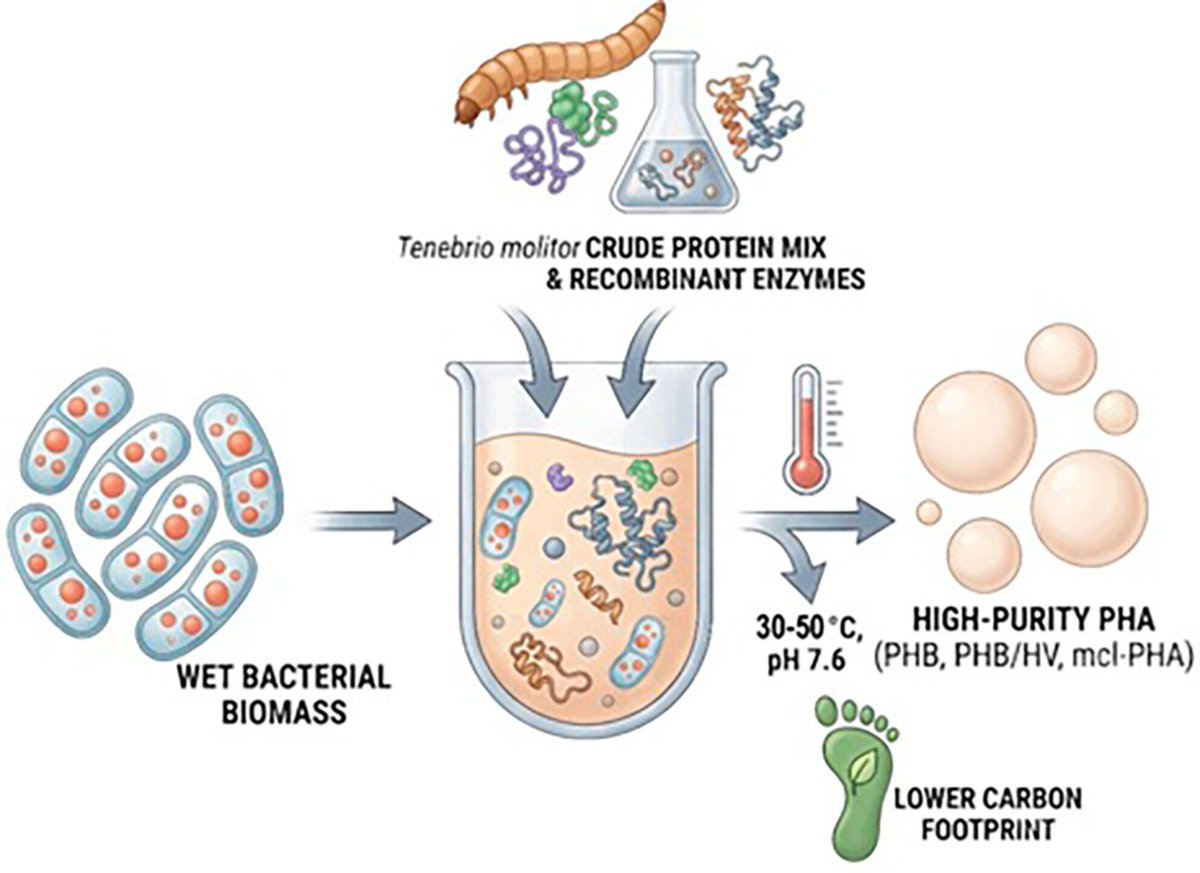
A greener future for bioplastics: near-solvent-free recovery of microbial PHAs directly from wet biomass using insect-derived enzymes. High polymer recovery & material quality, and up to 7× lower carbon footprint without drying or toxic solvents. doi.org/10.1111/1751-7915.70…
2
4
118
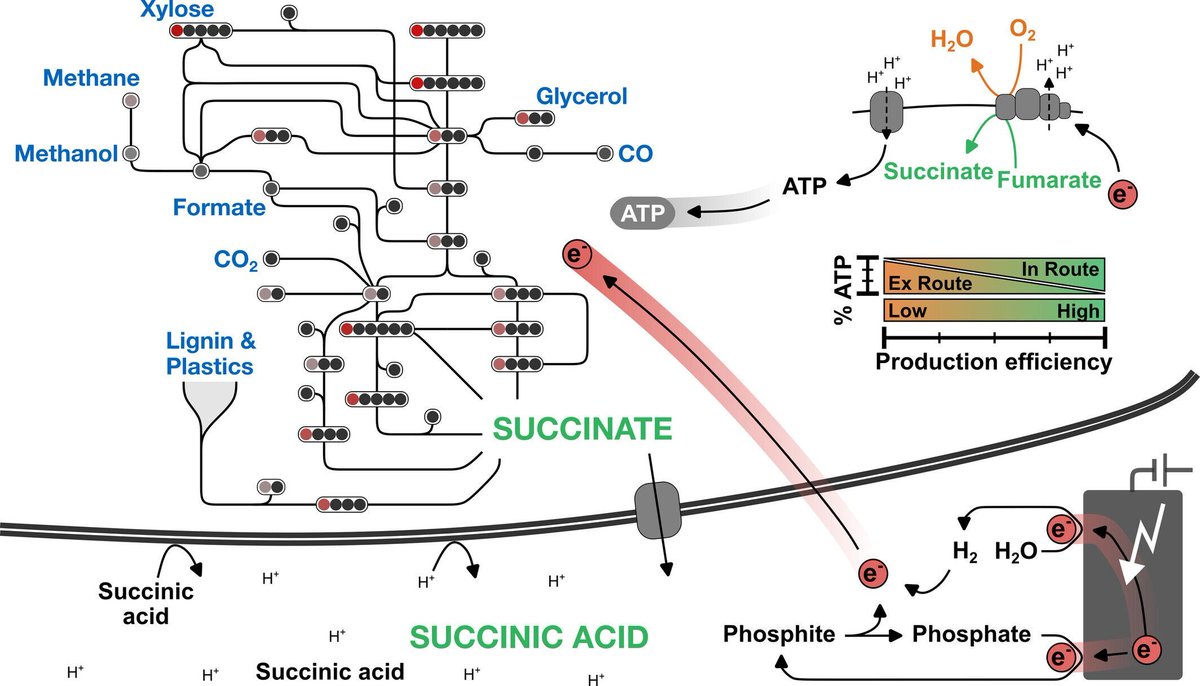
Succinic acid is key for sustainable green chemistry, but cost & sustainability challenges limit scale-up. Gunkel and Blombach explore next-generation feedstocks, low-pH fermentations & novel yeasts to advance competitive succinic acid production. doi.org/10.1111/1751-7915.70…
3
6
118
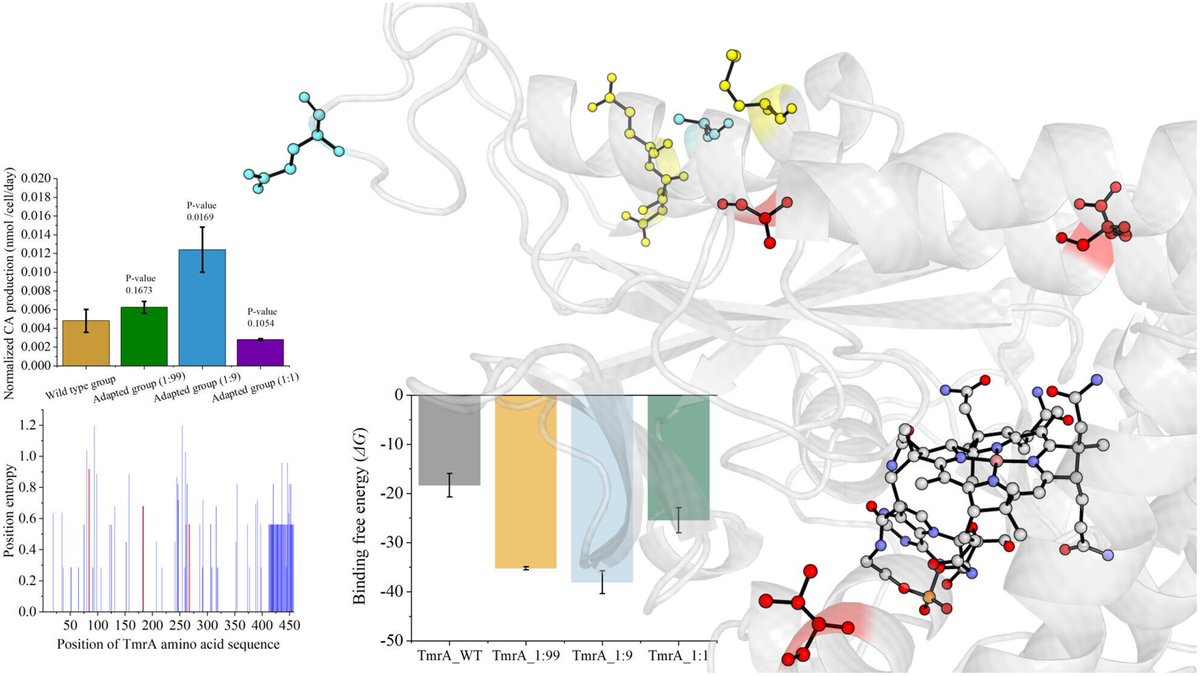
Adapting Bacteria for Better Bioremediation. Evolving Dehalobacter on mixed substrates boosts 1,1-DCA dechlorination. Key mutations in TmrA enhance binding to xenobiotic pollutants, a new path to engineer more efficient cleanup microbes. Read Ren et al doi.org/10.1111/1751-7915.70…
4
8
170
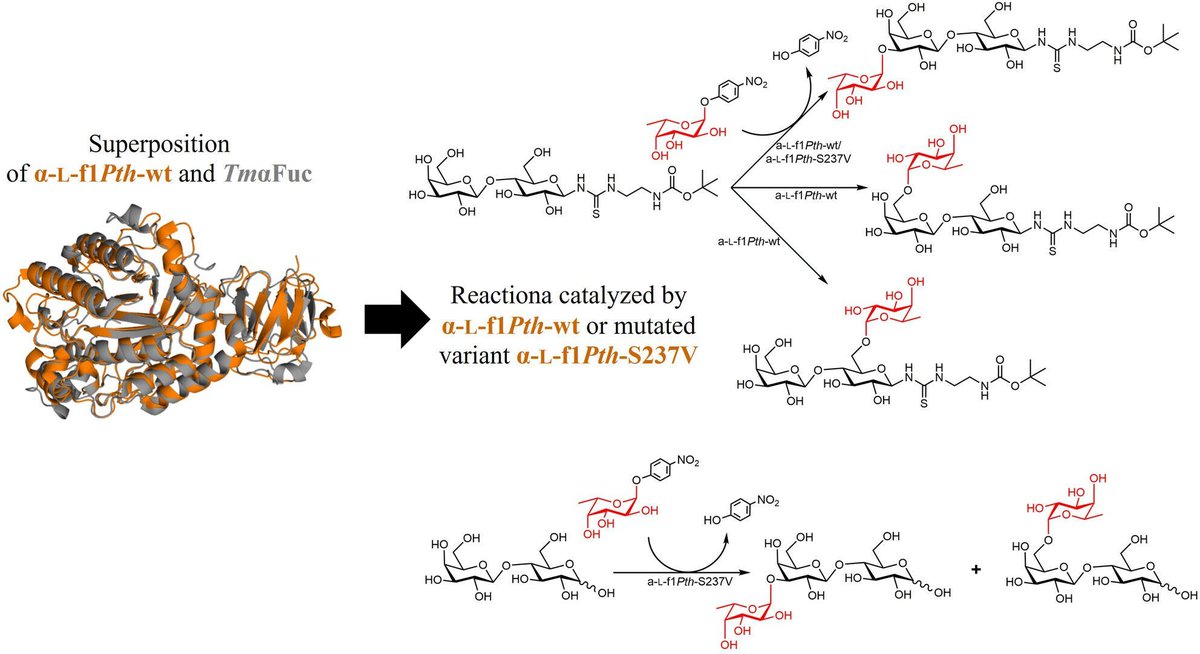
Engineering Better Fucosylation with Enzyme Design. MBT ( doi.org/10.1111/1751-7915.70…) presents a study led by Patricie Vodičková, that boosts transfucosylation >20× via a single mutation (S237V), enabling precise synthesis of fucosyllactose derivatives for biosensors & diagnostics.
3
5
221
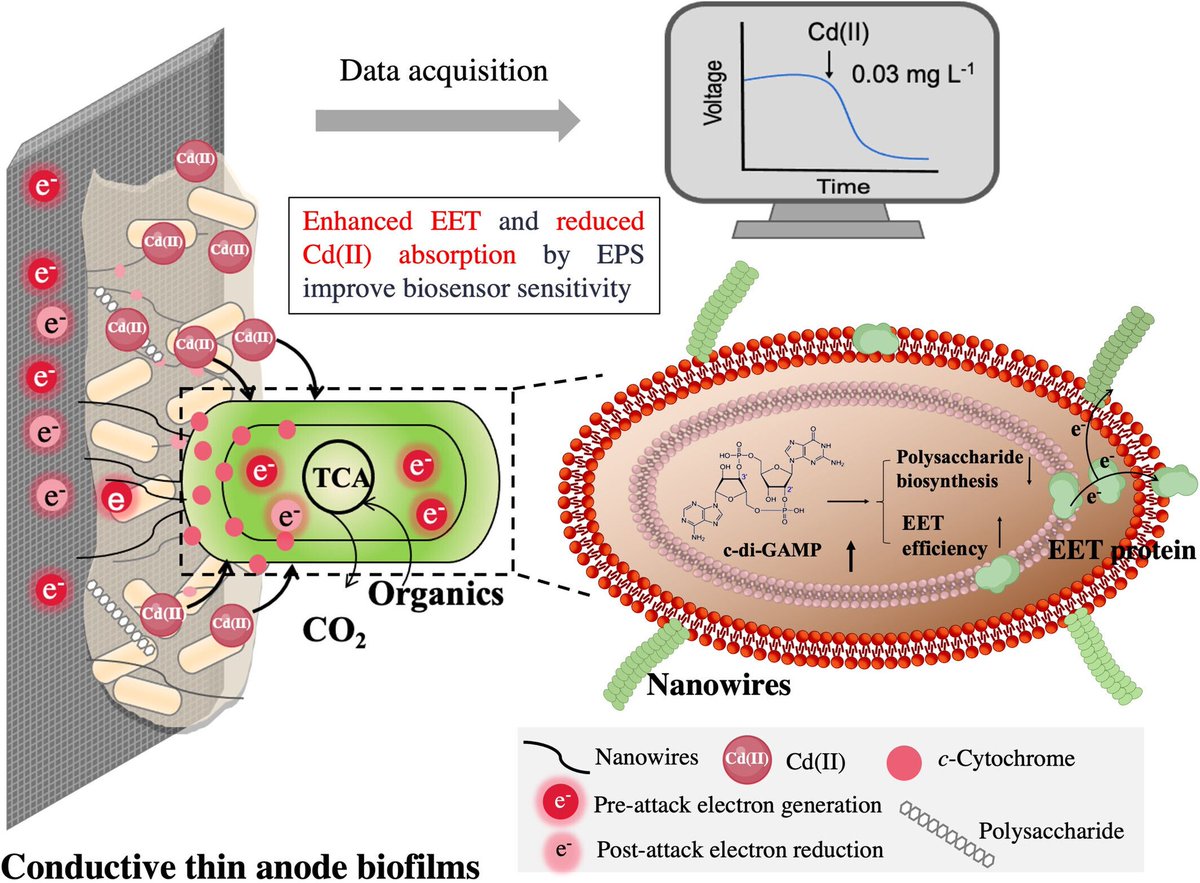
Better Biosensors: Engineering Geobacter biofilms via cGAMP signaling enhances electron transfer, creating thinner, more conductive films. Result: a 20× improvement in Cd(II) detection sensitivity, hence advancing bioenergy and biosensing tech. doi.org/10.1111/1751-7915.70…
3
7
195
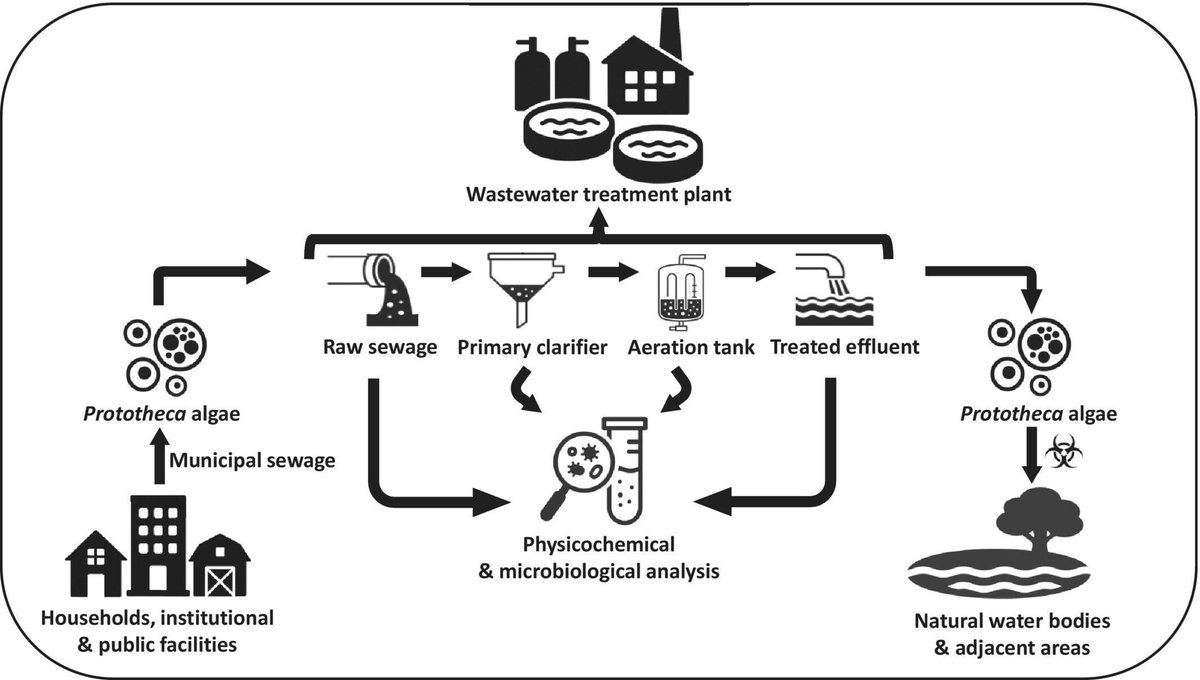
Prototheca, rare pathogenic microalgae, are widespread in wastewater (78% samples). Treatment cuts levels by up to 99.9%, yet detectable cells remain, highlighting WWTPs as potential release routes and the need for routine monitoring safety guidelines. doi.org/10.1111/1751-7915.70…
2
1
99
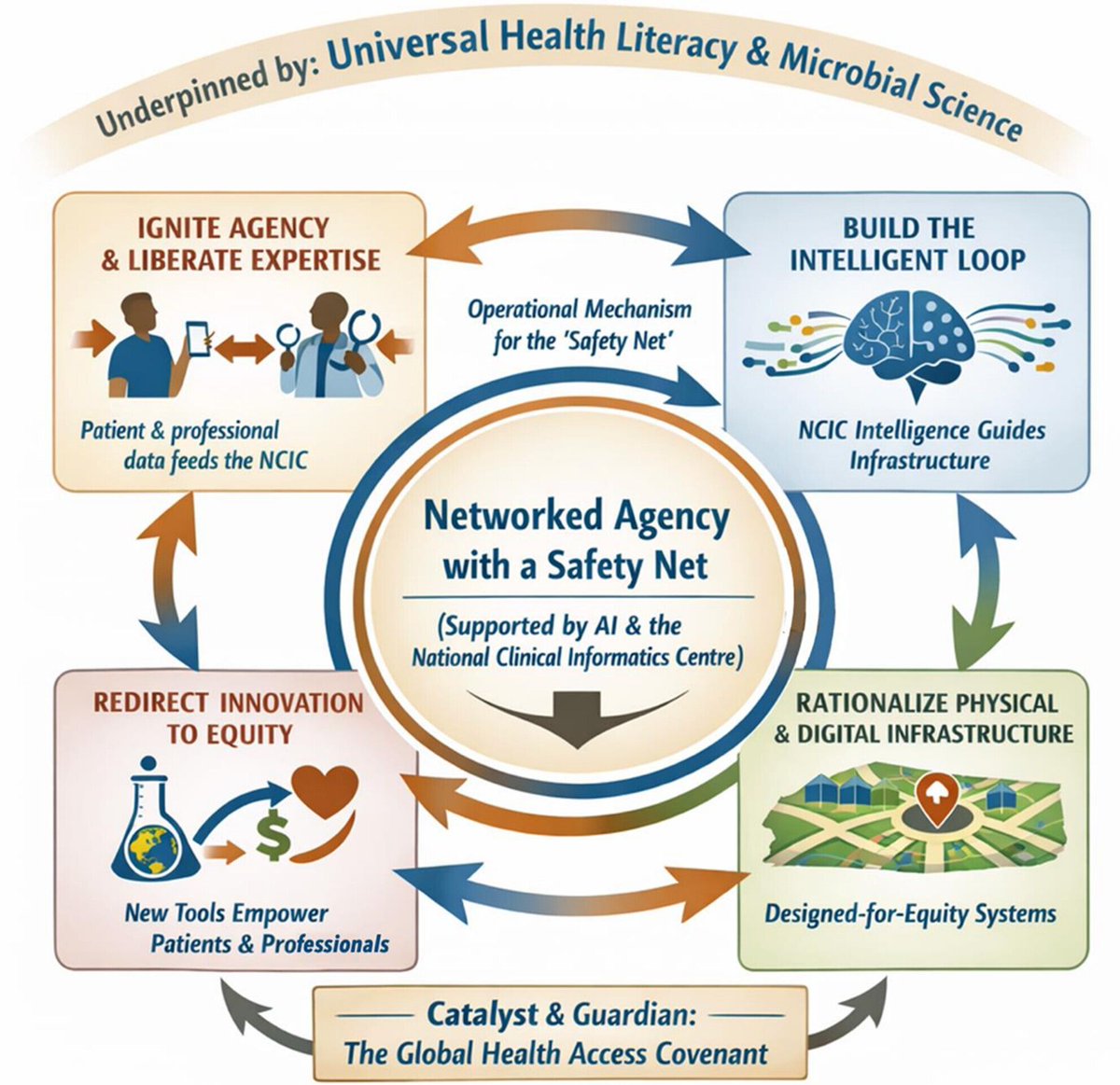
Healthcare systems are failing on access, equity, and resilience. Timmis et al propose a bold reset: patient-driven digital care, microbial tech innovation, and a shift to prevention, reframing healthcare as a public good, not a commodity. Learn more doi.org/10.1111/1751-7915.70…
4
5
163
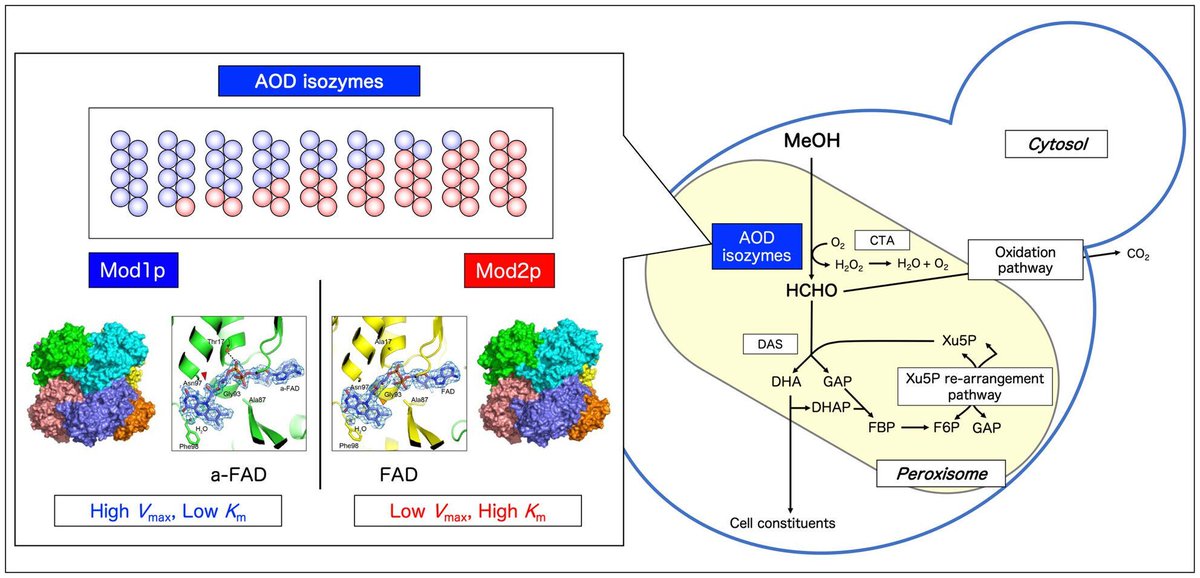
How does a methylotrophic yeast fine-tune methanol metabolism? Cai et al reveal high-res structures of two alcohol oxidase isozymes in Ogataea methanolica, showing distinct cofactor preferences & assembly into functional octamers:biotech protein production doi.org/10.1111/1751-7915.70…
1
2
93
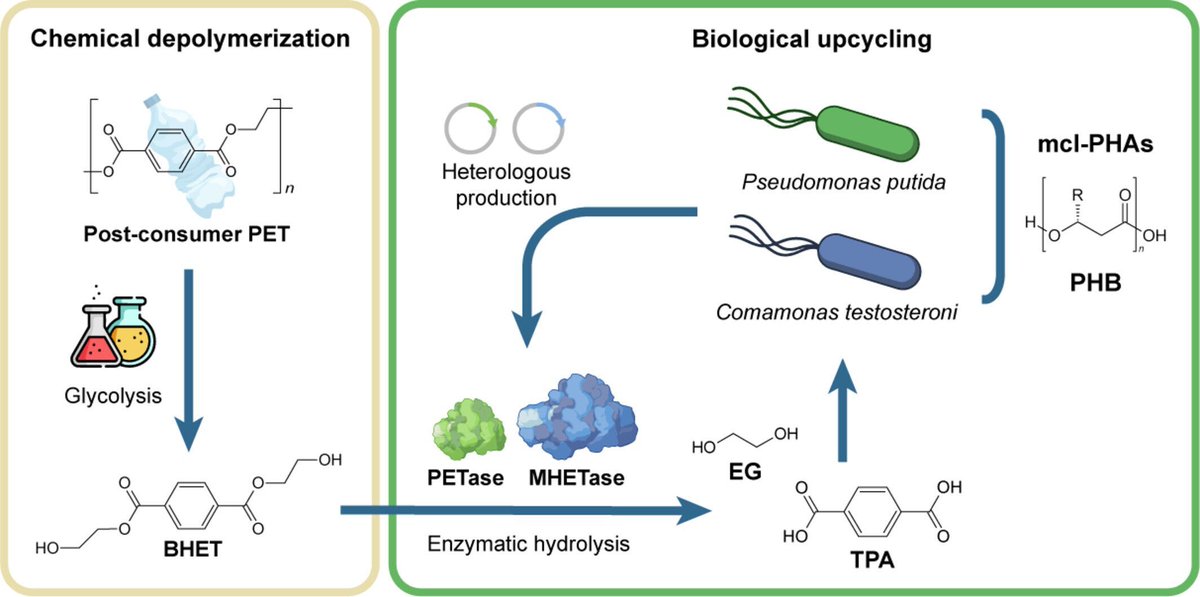
PET waste is tough to recycle, but Barriuso’s group upcycled it into biodegradable PHAs using a hybrid approach: fast glycolysis engineered microbial consortium. By splitting tasks between microbes, they boost efficiency and valorize plastic waste. Read doi.org/10.1111/1751-7915.70…
6
9
448
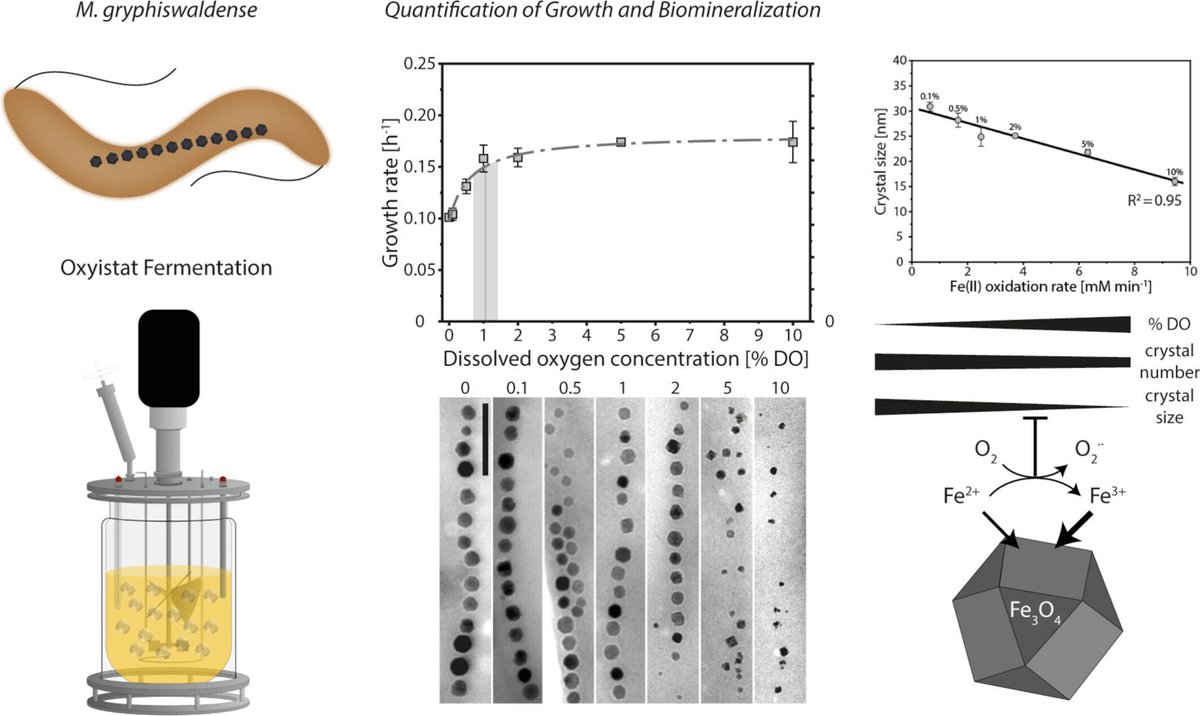
Magnetospirillum MSR-1 produces magnetosomes, ie uniform, magnetic nanocrystals with huge biotech potential. Oxygen levels control their size: more O₂ → smaller crystals. Fine-tuning O₂ could boost scalable production of tailored magnetic nanoparticles. doi.org/10.1111/1751-7915.70…
1
2
113
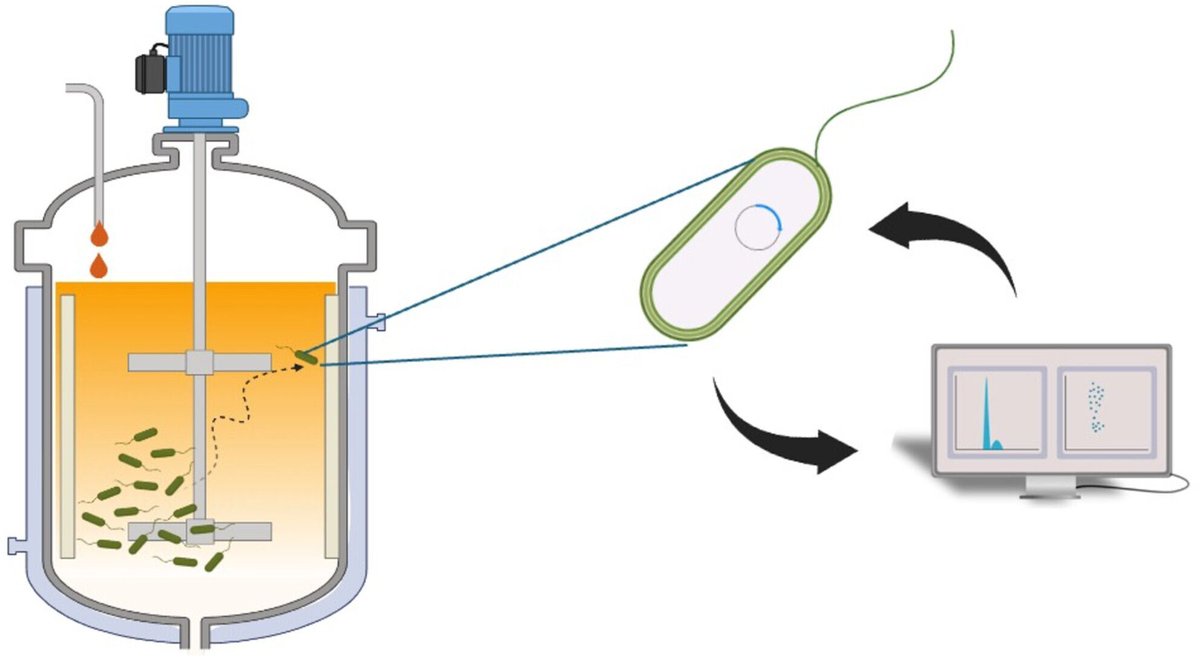
Smarter bioreactors can better control how cells behave under real-world stress. Using real-time monitoring, Delvenne et al show how dynamic environments shape cell response and make biotech processes more reliable, scalable, and efficient. doi.org/10.1111/1751-7915.70…
2
3
304
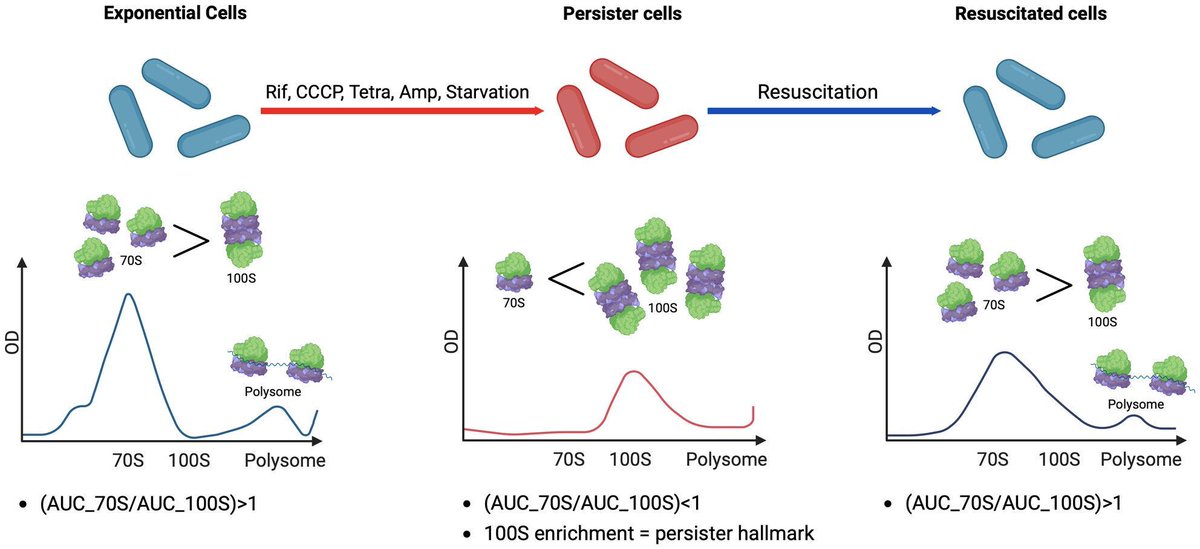
Persister bacteria evade antibiotics by “hibernating” their ribosomes. A shift from active (70S) to inactive (100S) states defines persistence, & reversing this shift drives recovery. Targeting ribosome hibernation could help prevent infection relapse. doi.org/10.1111/1751-7915.70…
1
4
116
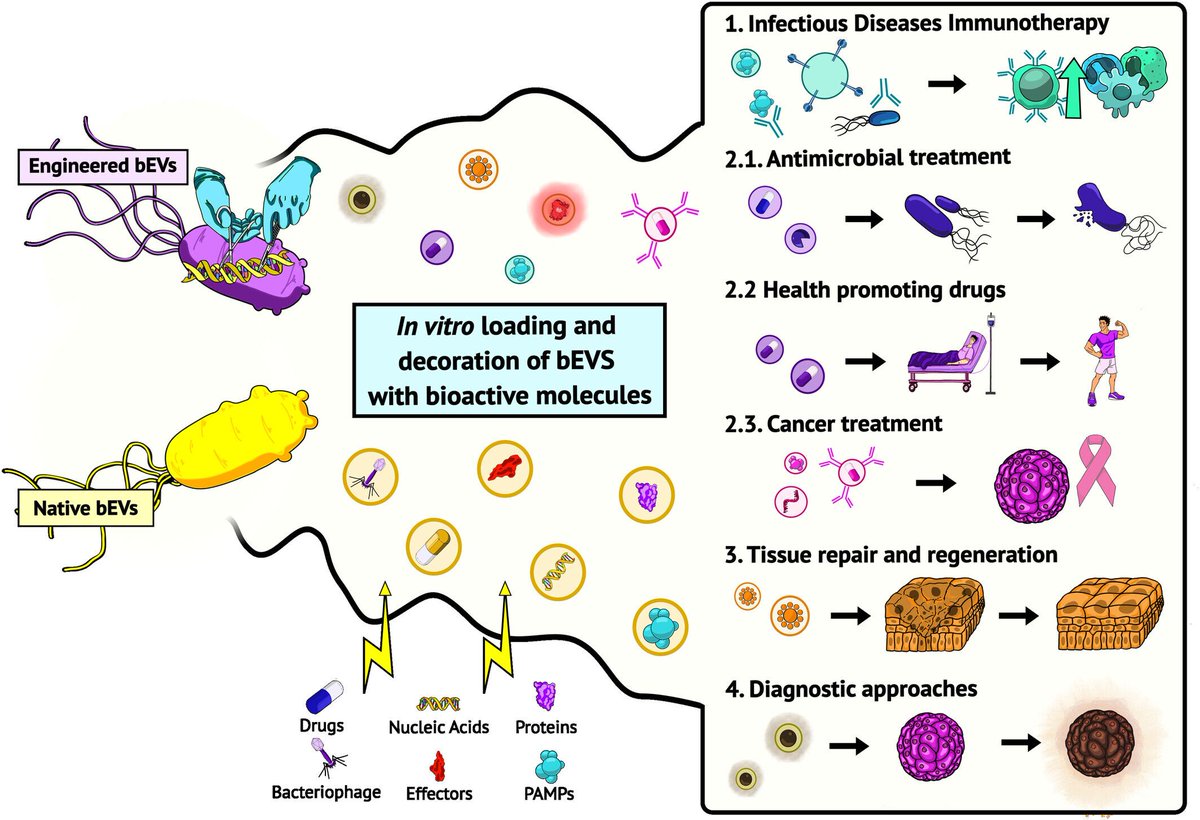
Bacterial vesicles could transform One Health—linking human, animal & environmental health with next-gen vaccines, diagnostics, and drug delivery. Tiny messengers, big impact. Read Arce-Rodriguez et al doi.org/10.1111/1751-7915.70…
1
3
4
147
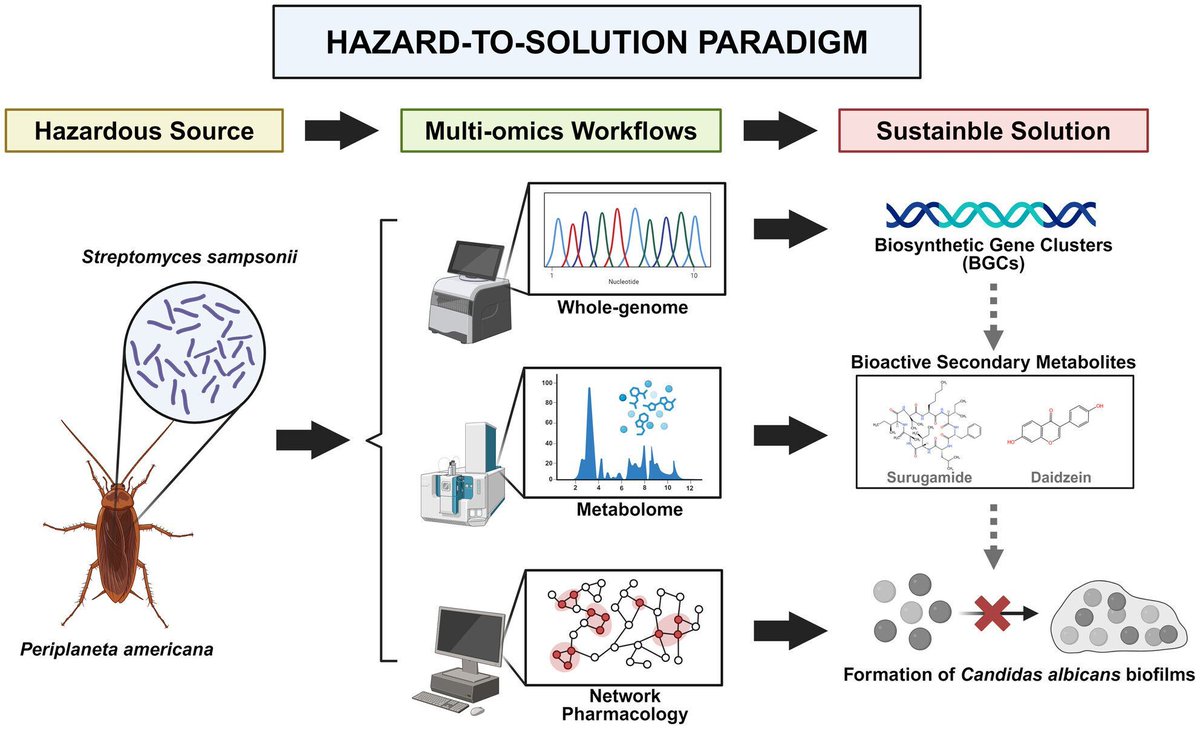
ONE HEALTH: Turning pests into cures. Chen et al show that A cockroach-associated Streptomyces exhibits strong anti-Candida potential, revealing new antifungal compounds via multi-omics—opening ways to fight drug-resistant infections. Find more at doi.org/10.1111/1751-7915.70…
1
1
83
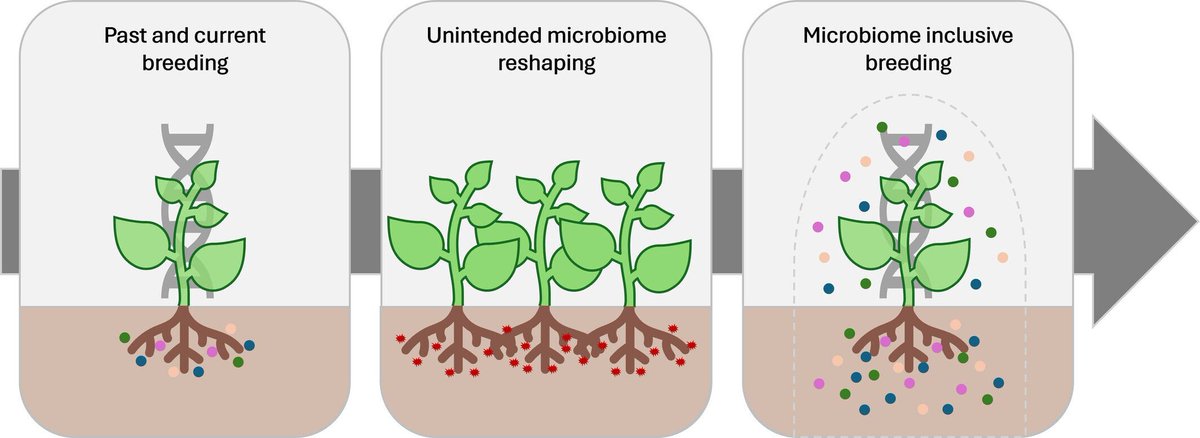
Decades of plant-focused breeding boosted yields, but reshaped (and often reduced) beneficial microbiomes. What if we bred plants and their microbiomes together? By combining rewilding & microbiome-aware genetics. An approach for climate-resilient crops. doi.org/10.1111/1751-7915.70…
1
3
104
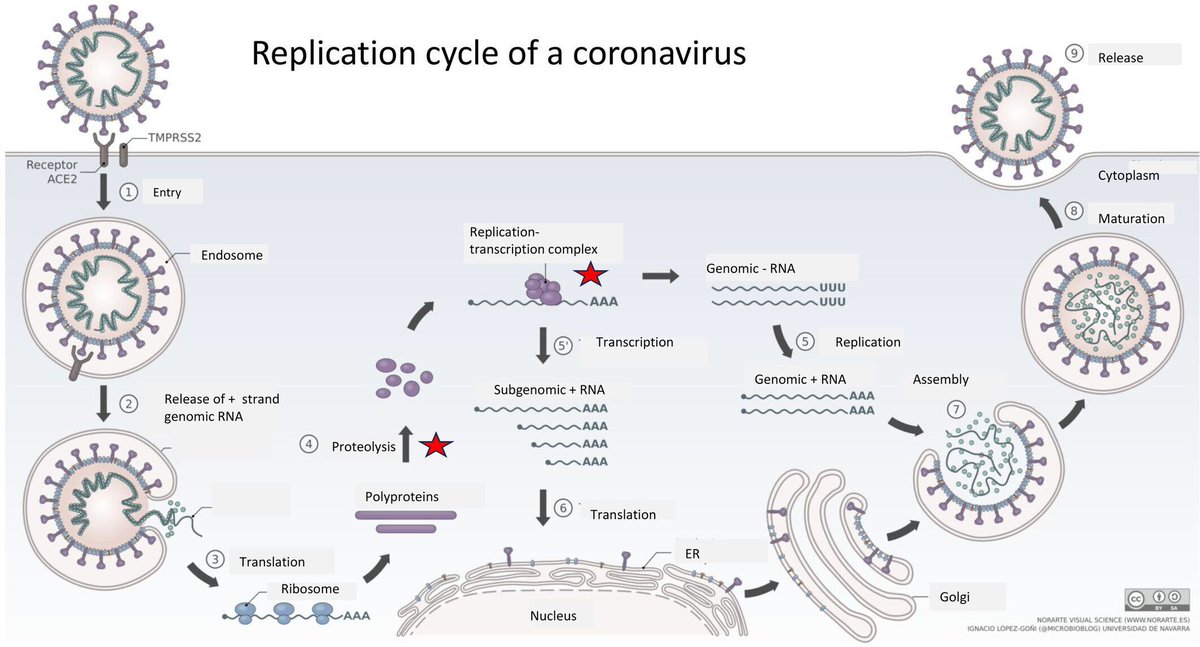
Brüssow reviews COVID-19 antivirals. Remdesivir, molnupiravir & nirmatrelvir show variable benefits-greatest with early use in high-risk patients. Outcomes depend on timing, variants, patient context. Right drug,right time=better impact. Highly recommended doi.org/10.1111/1751-7915.70…
1
2
80