
Agribusiness intelligence analyst / Researcher / Entrepreneur / Farmer / Food System / Climate / Policy / Economics / Health.
Joined August 2022
- Tweets 15,908
- Following 1,191
- Followers 14,160
- Likes 57,382
2,512 Photos and videos
Pinned Tweet

26 Dec 2025
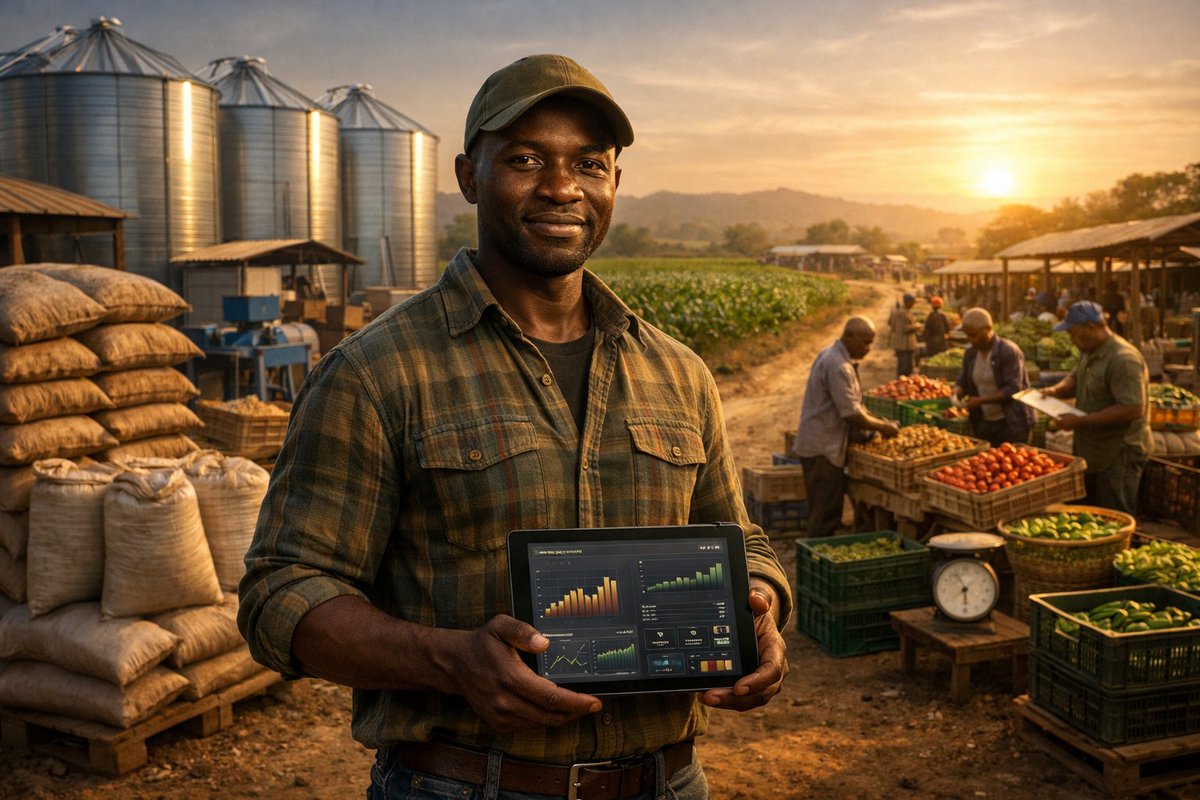
Thread: Where Farmers Should Allocate Their Money in Agribusiness (2026 Strategy) 👇
If I were advising a farmer or agribusiness owner preparing for 2026
I’d say this first:
don’t just spend to produce more — spend to protect, control, and sell better
The game has changed
11
19
37
13,241
Oyeniran Michael retweeted

Application for the 2026 Farmers for the FutureProgram is now OPEN!
Every year, we meet young people with bold ideas and a passion for agriculture. What they need most is opportunity: the chance to learn, connect, and access support that can help grow their agribusiness.
Through the Farmers for the Future(F4F) program, participants will receive mentorship from seasoned industry experts, gain practical guidance to strengthen and scale their agribusiness, and have the chance to access up to ₦10 Million in grant funding.
Nigeria’s future depends on the next generation of agripreneurs.
Could this be your opportunity to make an impact?
Apply now: batnf.net/wealthishere/
#FarmersForTheFuture #F4F #BATNFoundation #Agriculture #Agribusiness #YouthDevelopment #Entrepreneurship #FoodSecurity

2
8
15
665
Oyeniran Michael retweeted

The reason Mosquitoes suck blood is because of the high protein presence in blood...
Give it to animals and watch them grow fresher
1
1
2
120
Oyeniran Michael retweeted

9
9
428
Oyeniran Michael retweeted
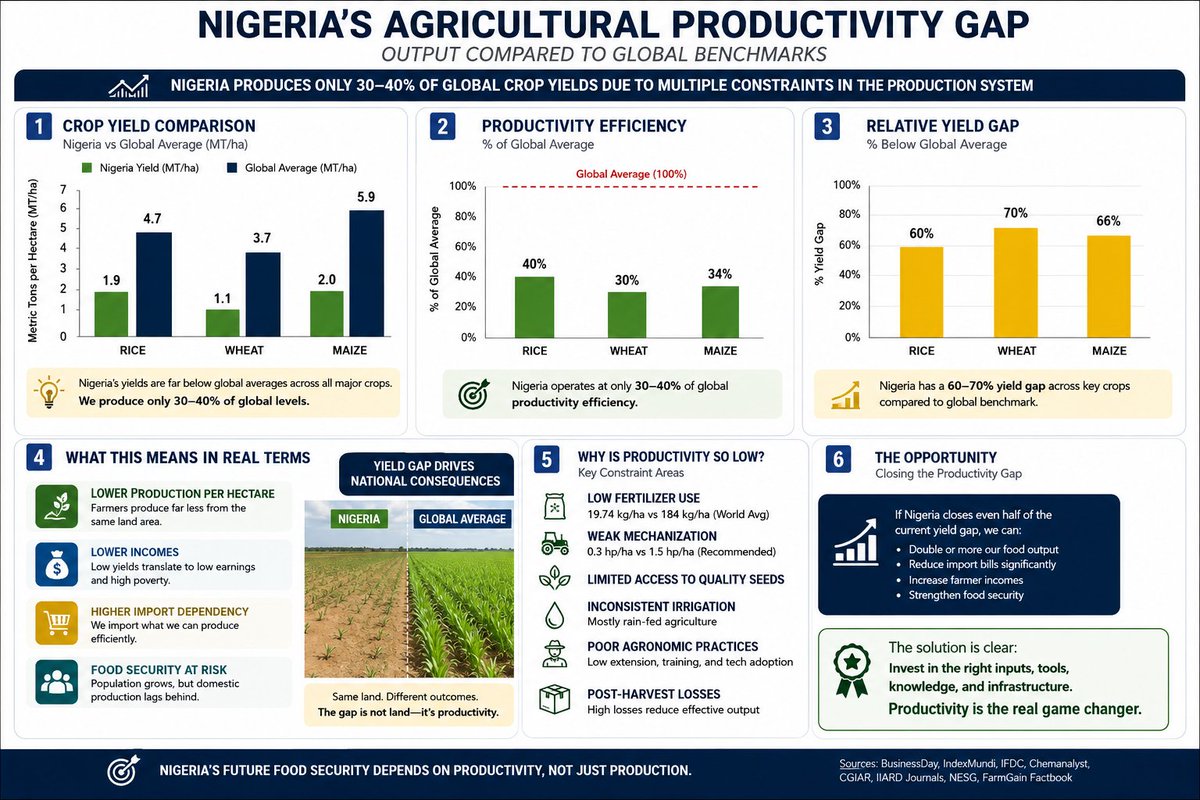
Nigeria's agricultural productivity gap is larger than many people realize.
Look at this data it shows that Nigeria produces significantly less output per hectare than the global average across major staple crops.
🌾 Rice
Nigeria: 1.9 MT/ha
Global Average: 4.7 MT/ha
Nigeria produces just 40% of the global average rice yield.
🌾 Wheat
Nigeria: 1.1 MT/ha
Global Average: 3.7 MT/ha
Nigeria produces just 30% of the global average wheat yield.
🌽 Maize
Nigeria: 2.0 MT/ha
Global Average: 5.9 MT/ha
Nigeria produces just 34% of the global average maize yield.
Looking at the yield gap from another perspective:
• Rice yield gap: 60%
• Wheat yield gap: 70%
• Maize yield gap: 66%
Across these three major crops, Nigeria is operating at roughly one-third of global productivity levels.
This means that for every hectare cultivated, Nigeria captures significantly less output than the global benchmark.
The productivity gap is not a small difference.
It is a structural gap measured in tonnes per hectare.
📊 Summary:
Rice → 1.9 MT/ha vs 4.7 MT/ha
Wheat → 1.1 MT/ha vs 3.7 MT/ha
Maize → 2.0 MT/ha vs 5.9 MT/ha
Nigeria's productivity level: 30–40% of global averages
Yield gap: 60–70% below global benchmarks
The numbers tell a clear story:
Nigeria's agricultural challenge is not only about production volume.
It is also about how much output is generated from every hectare of land.
3
7
22
745
Oyeniran Michael retweeted
If you are a fish farmer and a poultry farmer. Come closer, let me teach you how to cut down the cost of your feeding by 40%
You want to make that huge profit like us, follow this trend carefully and learn. You'd be amazed you came across this post.
Feeding alone takes over 70% of the cost of production and this is why many farmers are saying fishery and poultry aren't worth it
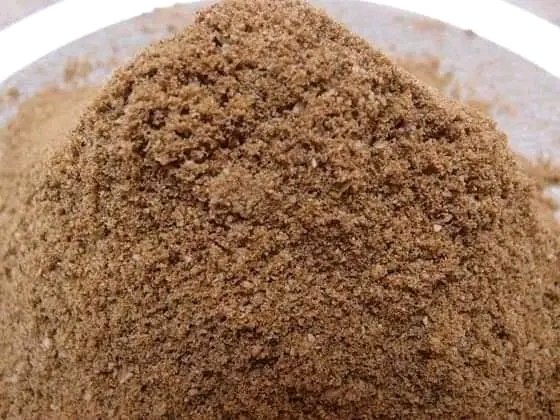
Here, I will teach you how to feed your fishes and birds with blood meal.
Jeffy farms
7
12
33
3,361
Oyeniran Michael retweeted
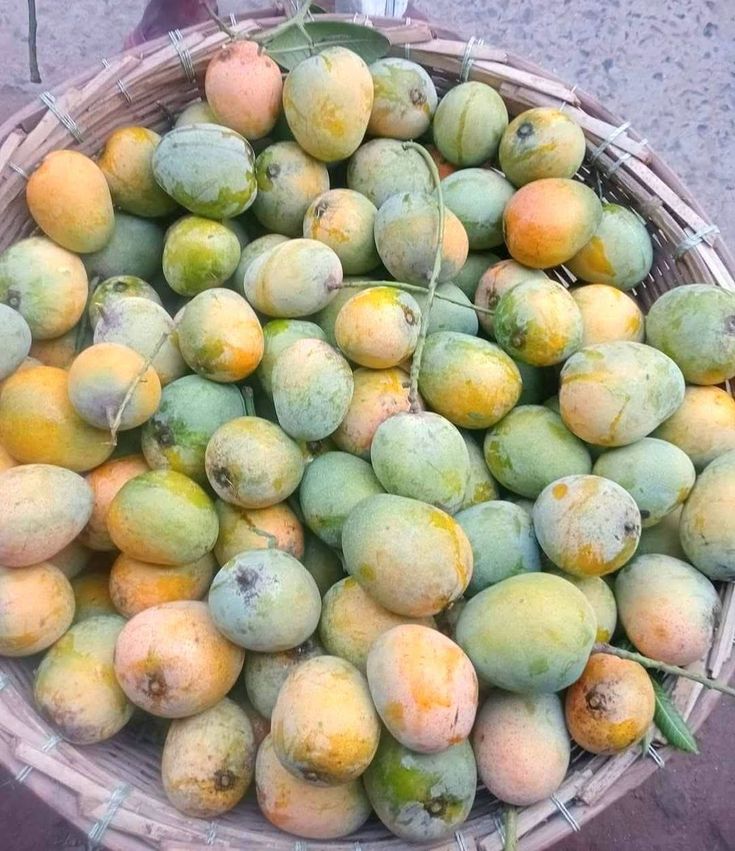
The other day, I went out with some of my colleagues. As we were crossing the bridge and I was about to take a keke, one lady shouted across the road:
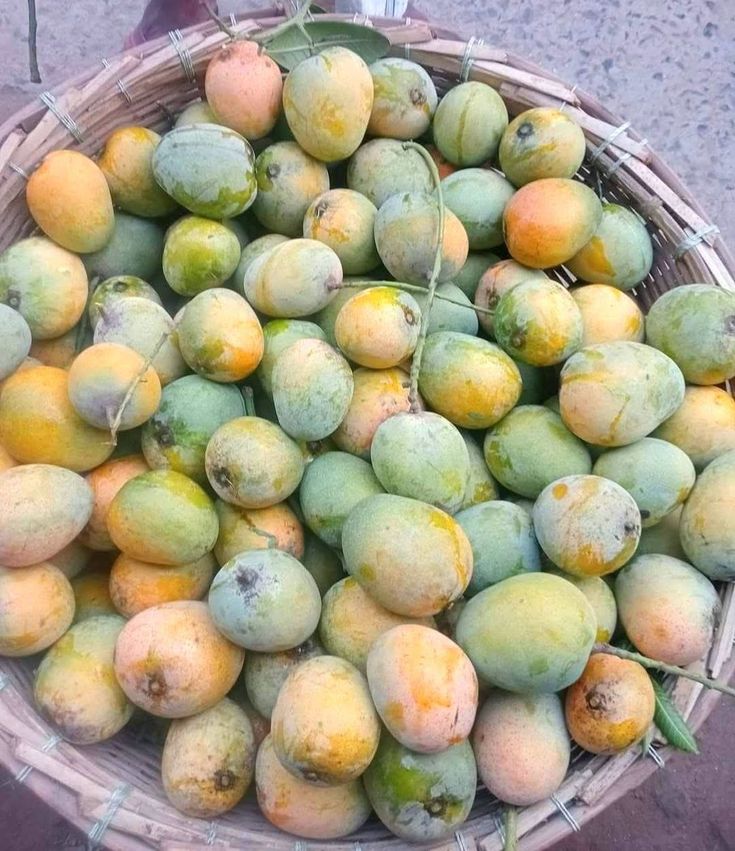
"Ogbomoso mango!"
I looked at my friend and asked, "What's special about Ogbomoso mango?"
She immediately replied, "Ogbomoso mango is the sweetest mango in Nigeria."
Honestly, I disagreed.
I thought she was only hyping it because she's from Ogbomoso. You know how people like to promote anything that comes from their hometown. 😅
The next day, I decided to taste one for myself.
And that's when I confirmed it.
The lady wasn't exaggerating.
That mango was sweet.
Not just sweet, the kind of sweet that makes you pause after the first bite and wonder why nobody told you earlier.
Since then, whenever I hear someone shout "Ogbomoso mango!", I don't argue again.
I just nod my head like someone who has seen the truth. 😂🥭
4
2
13
1,394
Oyeniran Michael retweeted

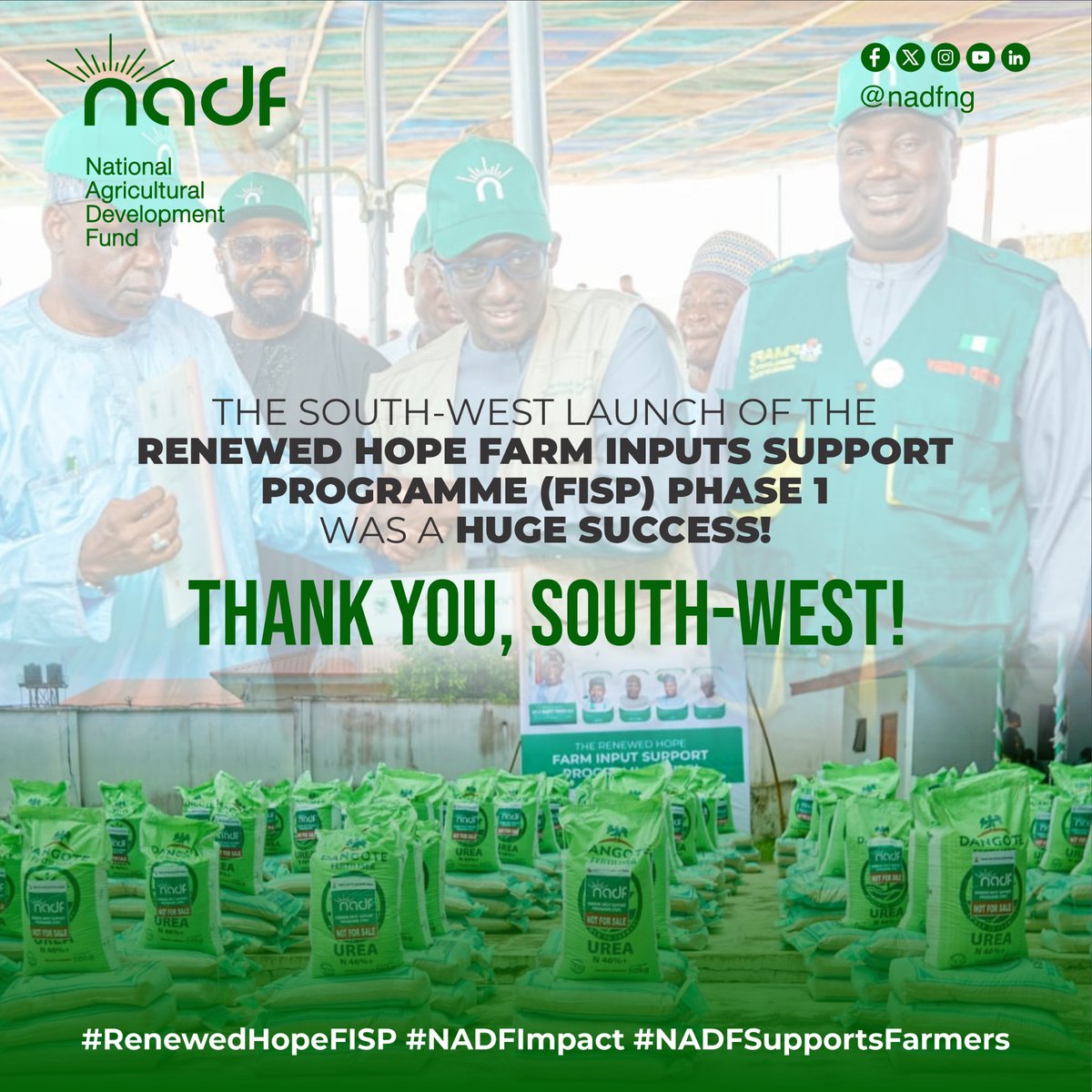
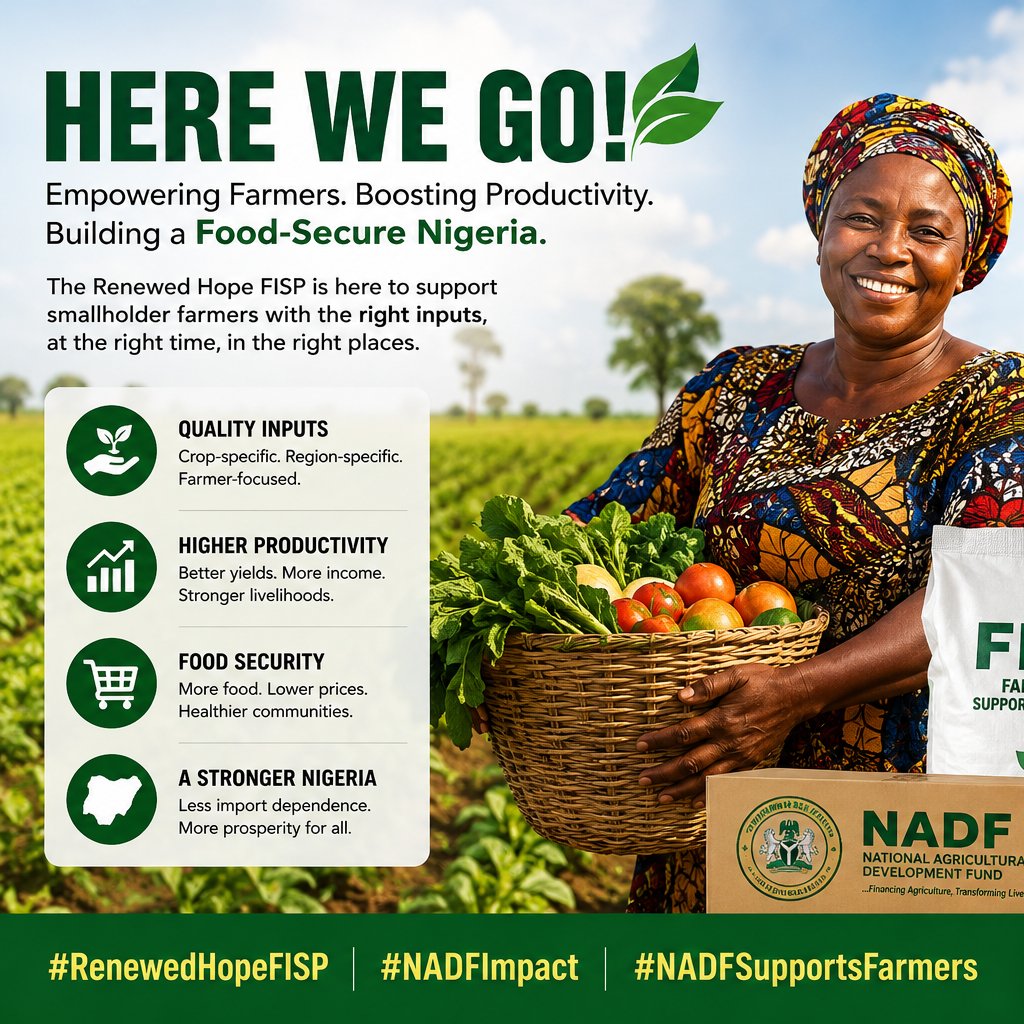
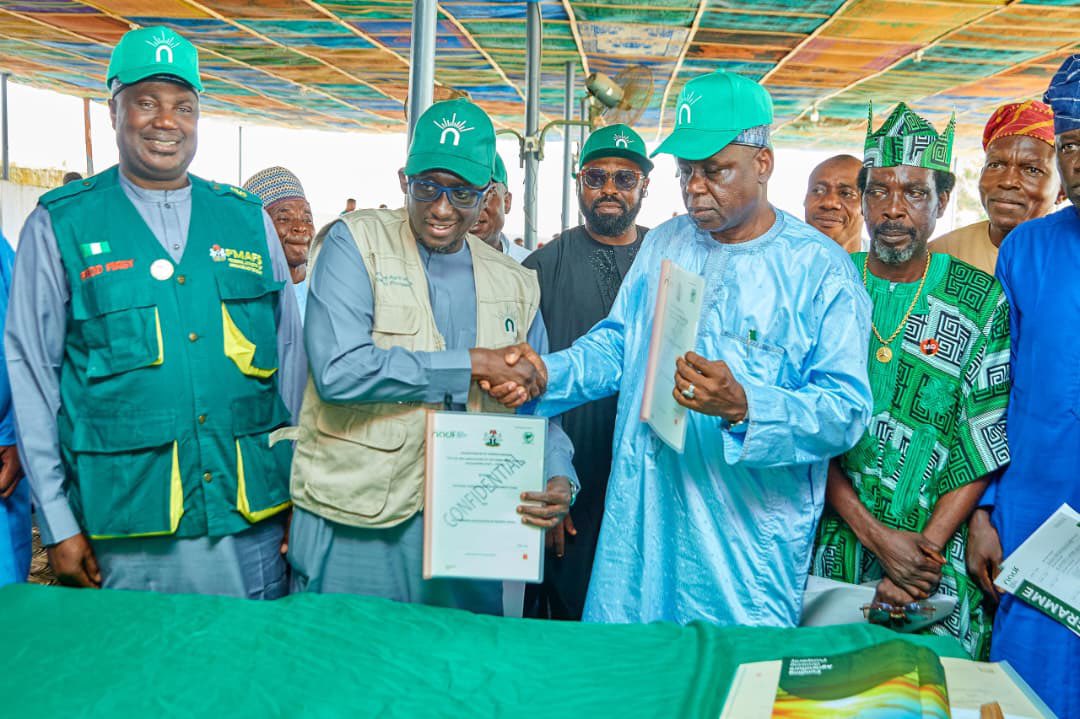
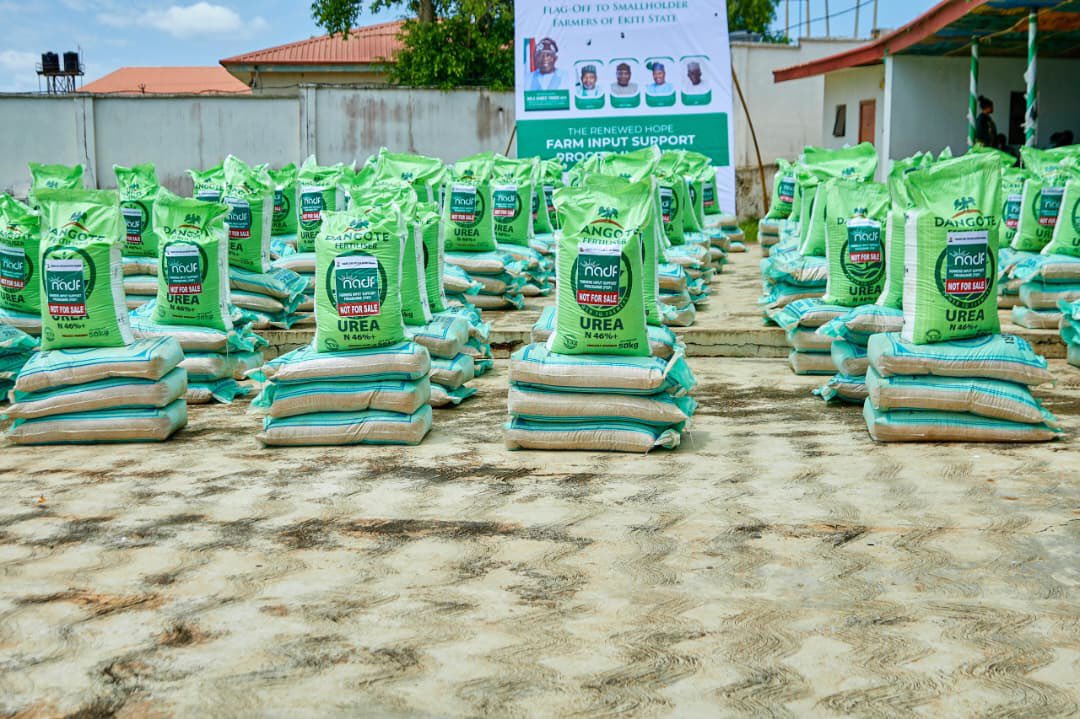
Remarkable success stories continue to emerge from Ekiti State as the Farm Input Support Programme (FISP) delivers real impact to farmers.
Targeted support, increased productivity, and a stronger food security system.
Our farmers need to thrive so we can prosper as a nation. Nigeria must succeed
#RenewedHopeFISP
#NADFImpact
#NADFSupportsFarmers
7
8
109
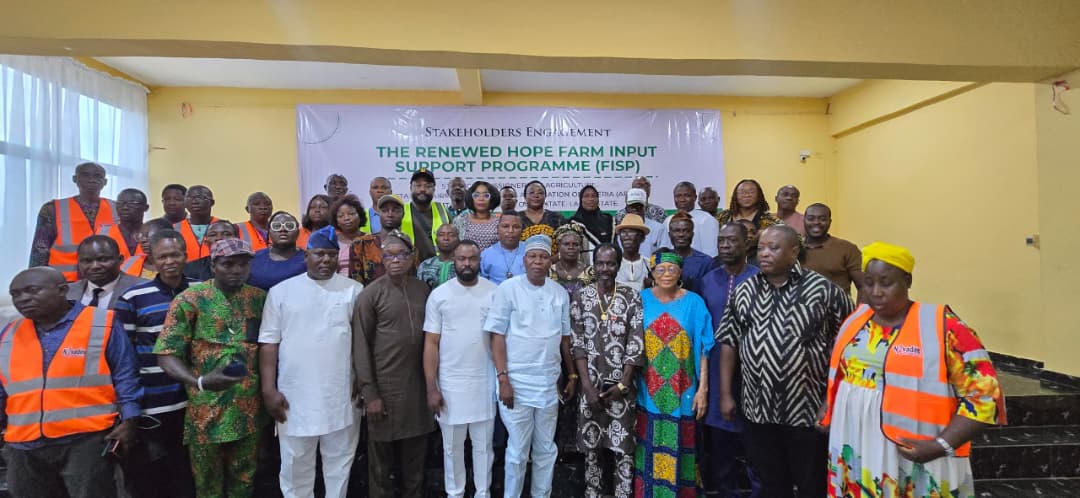
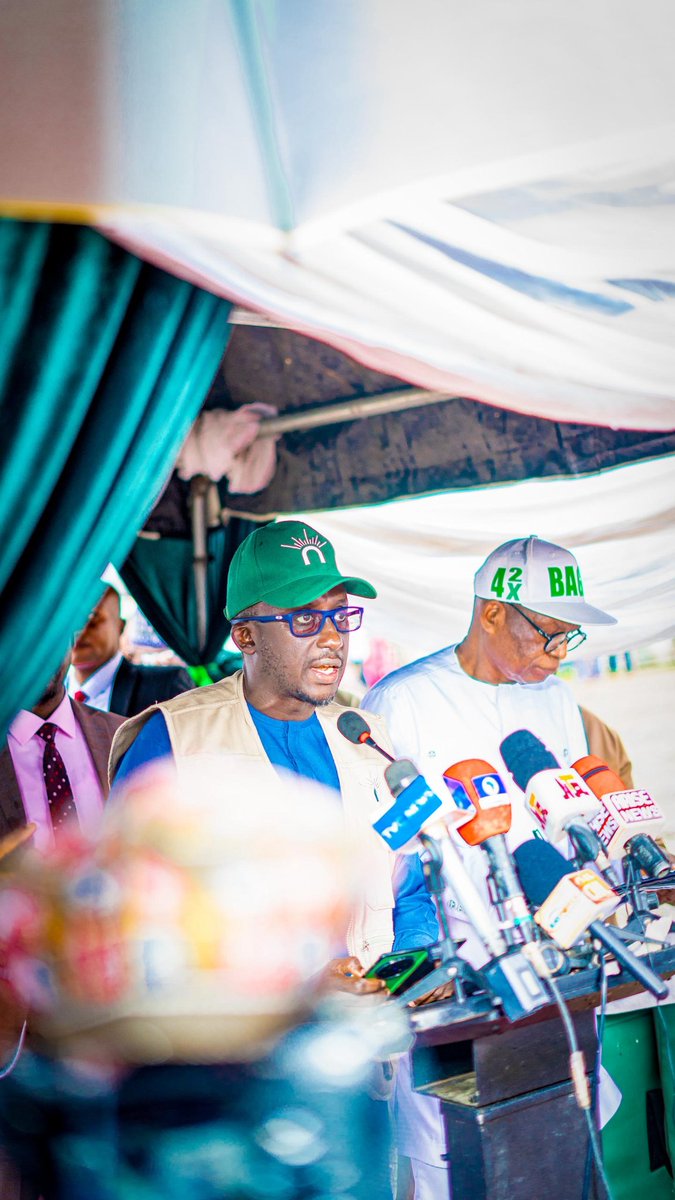
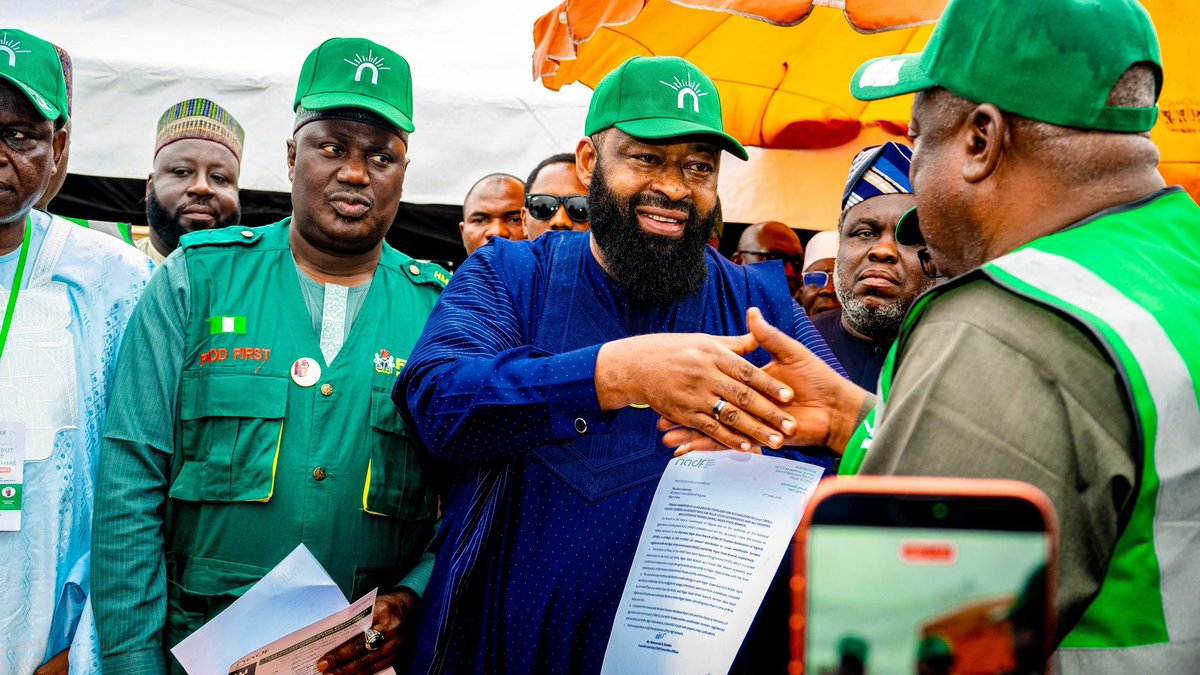
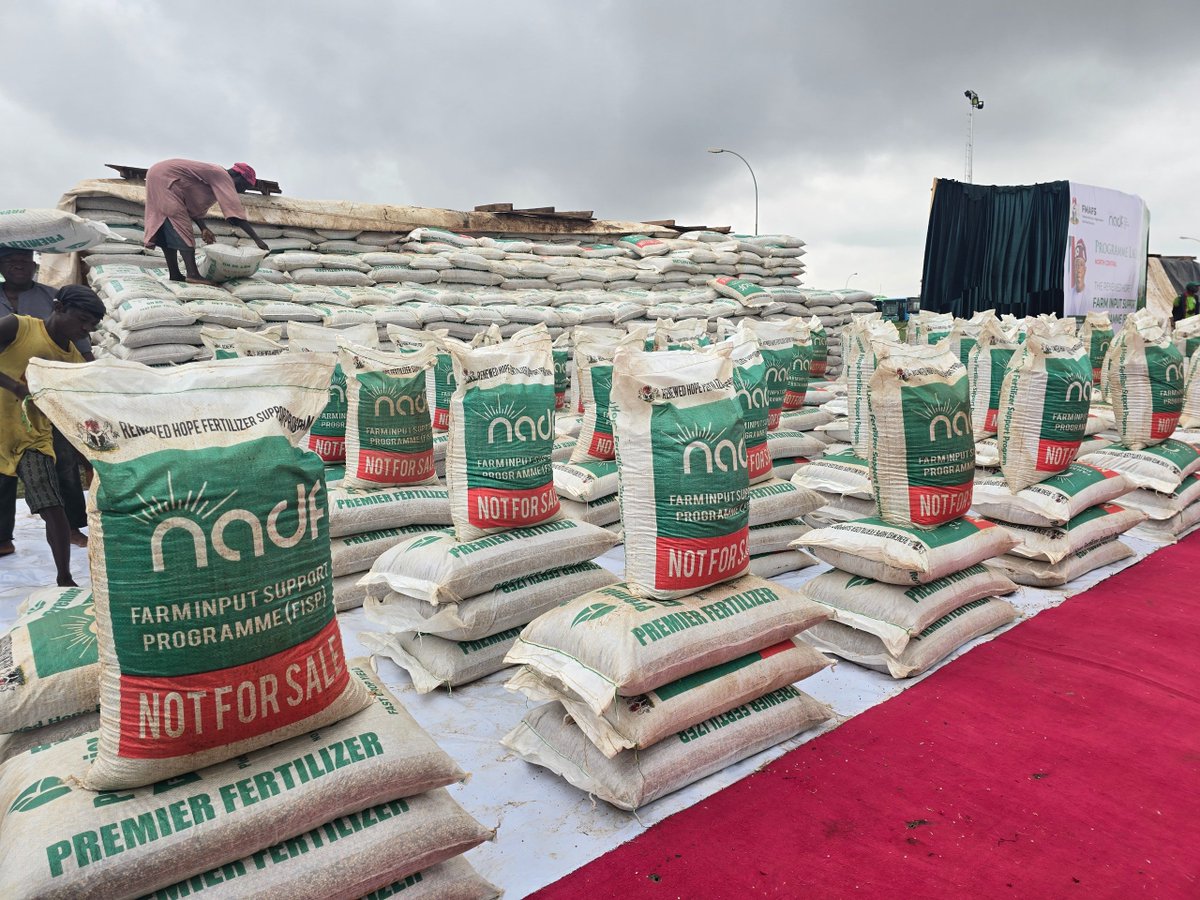
The successful launch of the Renewed Hope Farm Inputs Support Programme (FISP) South-West Phase 1 marks another important step in the effort to support Nigerian farmers with the inputs they need to improve productivity and strengthen food production.
Behind every farmer supported is a stronger food system, stronger rural economy, and a more food-secure Nigeria.
To the farmers, stakeholders, partners, and everyone who contributed to the success of the South-West launch—thank you.
This is what progress looks like when support reaches those who need it most.
#RenewedHopeFISP #NADFImpact #NADFSupportsFarmers
2
9
13
340
If our agricultural system doesn't work like this in 5-10 years .....
4
3
6
306
@ToheebAyomide2 imagine you can grow 10 hectares of ginger with this innovation
1
88
If you are a fish farmer and a poultry farmer. Come closer, let me teach you how to cut down the cost of your feeding by 40%
You want to make that huge profit like us, follow this trend carefully and learn. You'd be amazed you came across this post.
Feeding alone takes over 70% of the cost of production and this is why many farmers are saying fishery and poultry aren't worth it
Here, I will teach you how to feed your fishes and birds with blood meal.
Jeffy farms
7
12
33
3,361
After parboiling the next is the critical part which is drying it to drop the moisture content by 10% or mold will grow.
If you are sun-drying it, you need to break the coagulated blood into small pieces. Spread thin on clean black polythene/concrete. Turn every 2 hours. Takes 2-4 days. Cover at night to avoid dew. Risk: flies contamination.
If you are oven drying it, it's better. Dry at 60-70°C for 6-8 hours until it’s brittle and dark brown/black. If it bends, it’s still wet.
Milling Storage
1. Mill the dried cake into fine powder.
2. Sieve to remove bones/hair.
3. Pack in airtight bags with desiccant. Store cool dry. Shelf life: 6 months max.
1
1
1
497
Go to a nearby abbatoir buy or collect fresh blood from healthy cattle/goats/pigs at sla8ghter. Must be fresh, not mixed with gut contents or urine
Use clean, food-grade drums/buckets. Add anticoagulant like sodium citrate 0.5% if you won’t process within 2 hours. This stops clotting.
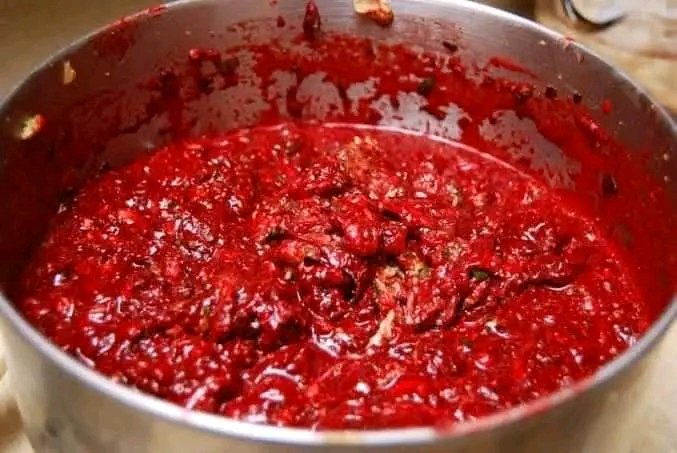
Parboiled the blood to at least 80-90°C while stirring constantly. It will coagulate into a rubbery mass within 5-10 mins. As seen in the picture
This will enable to kïlls pathogens like Salmonella, http://E.coli. pls do not boil the blood at 100°C because it will reduce the protein less digestible for fish.
1
586
You don't know that the blood meal is one of the high-protein feed ingredients for fish and chicken and about 80-85% crude protein.
You can even make it locally from abattoir blood, but hygiene is key or it’ll spoil spread disease.
So, I will be teaching you a steps guide on best way to navigate
3
629
The other day, I went out with some of my colleagues. As we were crossing the bridge and I was about to take a keke, one lady shouted across the road:
"Ogbomoso mango!"
I looked at my friend and asked, "What's special about Ogbomoso mango?"
She immediately replied, "Ogbomoso mango is the sweetest mango in Nigeria."
Honestly, I disagreed.
I thought she was only hyping it because she's from Ogbomoso. You know how people like to promote anything that comes from their hometown. 😅
The next day, I decided to taste one for myself.
And that's when I confirmed it.
The lady wasn't exaggerating.
That mango was sweet.
Not just sweet, the kind of sweet that makes you pause after the first bite and wonder why nobody told you earlier.
Since then, whenever I hear someone shout "Ogbomoso mango!", I don't argue again.
I just nod my head like someone who has seen the truth. 😂🥭
4
2
13
1,394
Nigeria's agricultural productivity gap is larger than many people realize.
Look at this data it shows that Nigeria produces significantly less output per hectare than the global average across major staple crops.
🌾 Rice
Nigeria: 1.9 MT/ha
Global Average: 4.7 MT/ha
Nigeria produces just 40% of the global average rice yield.
🌾 Wheat
Nigeria: 1.1 MT/ha
Global Average: 3.7 MT/ha
Nigeria produces just 30% of the global average wheat yield.
🌽 Maize
Nigeria: 2.0 MT/ha
Global Average: 5.9 MT/ha
Nigeria produces just 34% of the global average maize yield.
Looking at the yield gap from another perspective:
• Rice yield gap: 60%
• Wheat yield gap: 70%
• Maize yield gap: 66%
Across these three major crops, Nigeria is operating at roughly one-third of global productivity levels.
This means that for every hectare cultivated, Nigeria captures significantly less output than the global benchmark.
The productivity gap is not a small difference.
It is a structural gap measured in tonnes per hectare.
📊 Summary:
Rice → 1.9 MT/ha vs 4.7 MT/ha
Wheat → 1.1 MT/ha vs 3.7 MT/ha
Maize → 2.0 MT/ha vs 5.9 MT/ha
Nigeria's productivity level: 30–40% of global averages
Yield gap: 60–70% below global benchmarks
The numbers tell a clear story:
Nigeria's agricultural challenge is not only about production volume.
It is also about how much output is generated from every hectare of land.
3
7
22
745
If Nigeria could close even half of its current yield gap, what would change first:
Lower food prices?
Higher farmer incomes?
Reduced food imports?
Improved food security?
2
5
192
Nigeria's biggest agricultural challenge may not be land availability.
It may be the 60–70% productivity gap between what our farms currently produce and what they could produce under better input and management systems.
The conversation must move from hectares cultivated to tonnes produced per hectare.

Nigeria's agricultural productivity gap is larger than many people realize.
Look at this data it shows that Nigeria produces significantly less output per hectare than the global average across major staple crops.
🌾 Rice
Nigeria: 1.9 MT/ha
Global Average: 4.7 MT/ha
Nigeria produces just 40% of the global average rice yield.
🌾 Wheat
Nigeria: 1.1 MT/ha
Global Average: 3.7 MT/ha
Nigeria produces just 30% of the global average wheat yield.
🌽 Maize
Nigeria: 2.0 MT/ha
Global Average: 5.9 MT/ha
Nigeria produces just 34% of the global average maize yield.
Looking at the yield gap from another perspective:
• Rice yield gap: 60%
• Wheat yield gap: 70%
• Maize yield gap: 66%
Across these three major crops, Nigeria is operating at roughly one-third of global productivity levels.
This means that for every hectare cultivated, Nigeria captures significantly less output than the global benchmark.
The productivity gap is not a small difference.
It is a structural gap measured in tonnes per hectare.
📊 Summary:
Rice → 1.9 MT/ha vs 4.7 MT/ha
Wheat → 1.1 MT/ha vs 3.7 MT/ha
Maize → 2.0 MT/ha vs 5.9 MT/ha
Nigeria's productivity level: 30–40% of global averages
Yield gap: 60–70% below global benchmarks
The numbers tell a clear story:
Nigeria's agricultural challenge is not only about production volume.
It is also about how much output is generated from every hectare of land.
1
1
5
248