
Physio & strength coach dedicated to helping clinicians & students help their patients. Online education & workshops. More info at our website.
Joined October 2013
- Tweets 5,384
- Following 1,914
- Followers 9,482
- Likes 11,740
593 Photos and videos

May 24
1
1,052
May 6
Another great program by @kcrehabguy et al
Apr 27

Time is running out to register for our Sportd Med Symposium on the 9th in Lawrence. Hope to see you there!
eeds.com/portal_live_events.…
1
3
474
May 3
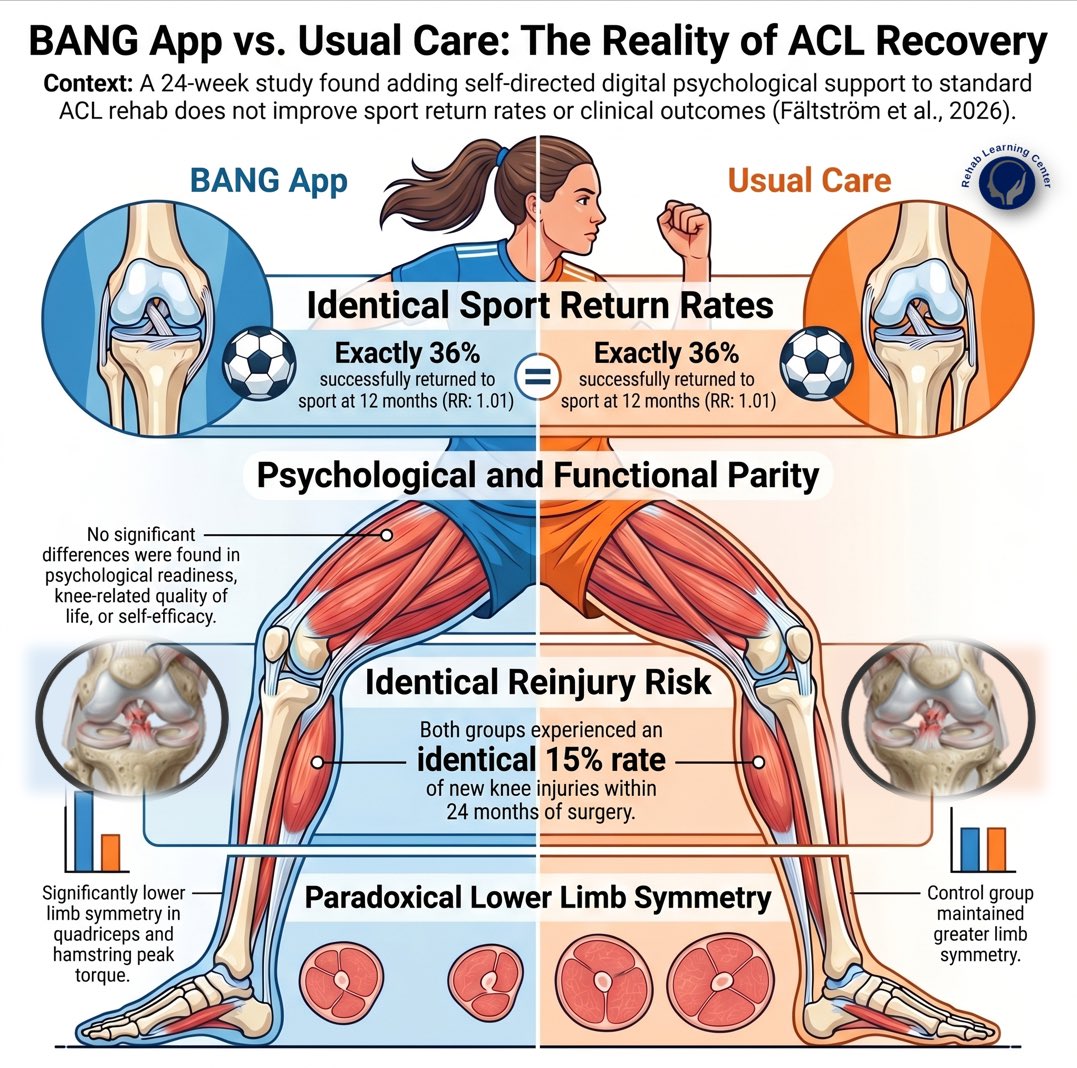
The trial found no significant effect of the BANG intervention on the primary outcome.
RTS Rates: 36% at 12 months.
Psychological & Functional Parity: No difference
Clinical Outcomes: Knee function & hopping performance similar
Injury Incidence: 15% both groups within 24 months
1
1
7
1,134
Apr 23
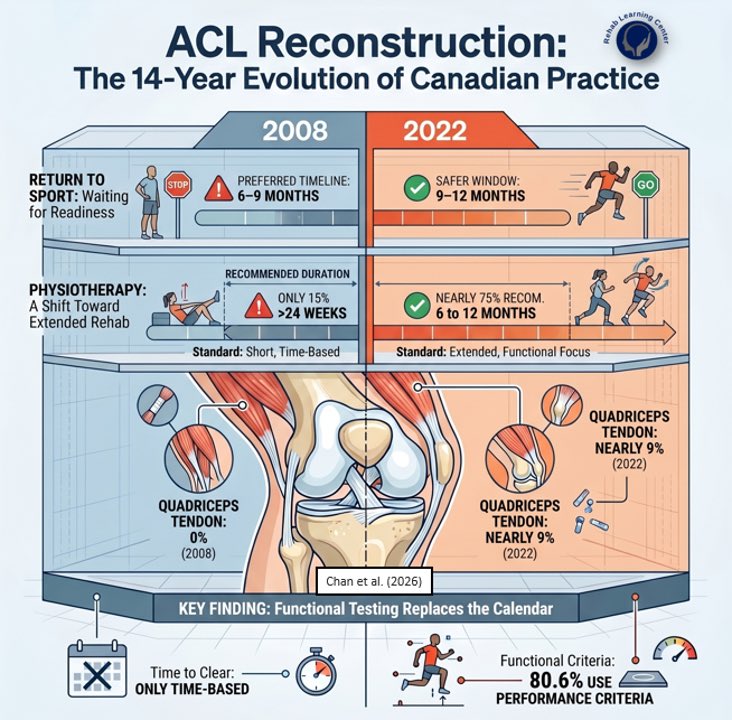
Interesting shifts over 14 years related to ACL surgery and rehab (Canadian surgeons)
👉starting use of QT graft
👍longer rehab
👉less post op bracing
👉81% use functional testing
👇response rate in 2022 than 2008
4
25
1,079
Apr 17
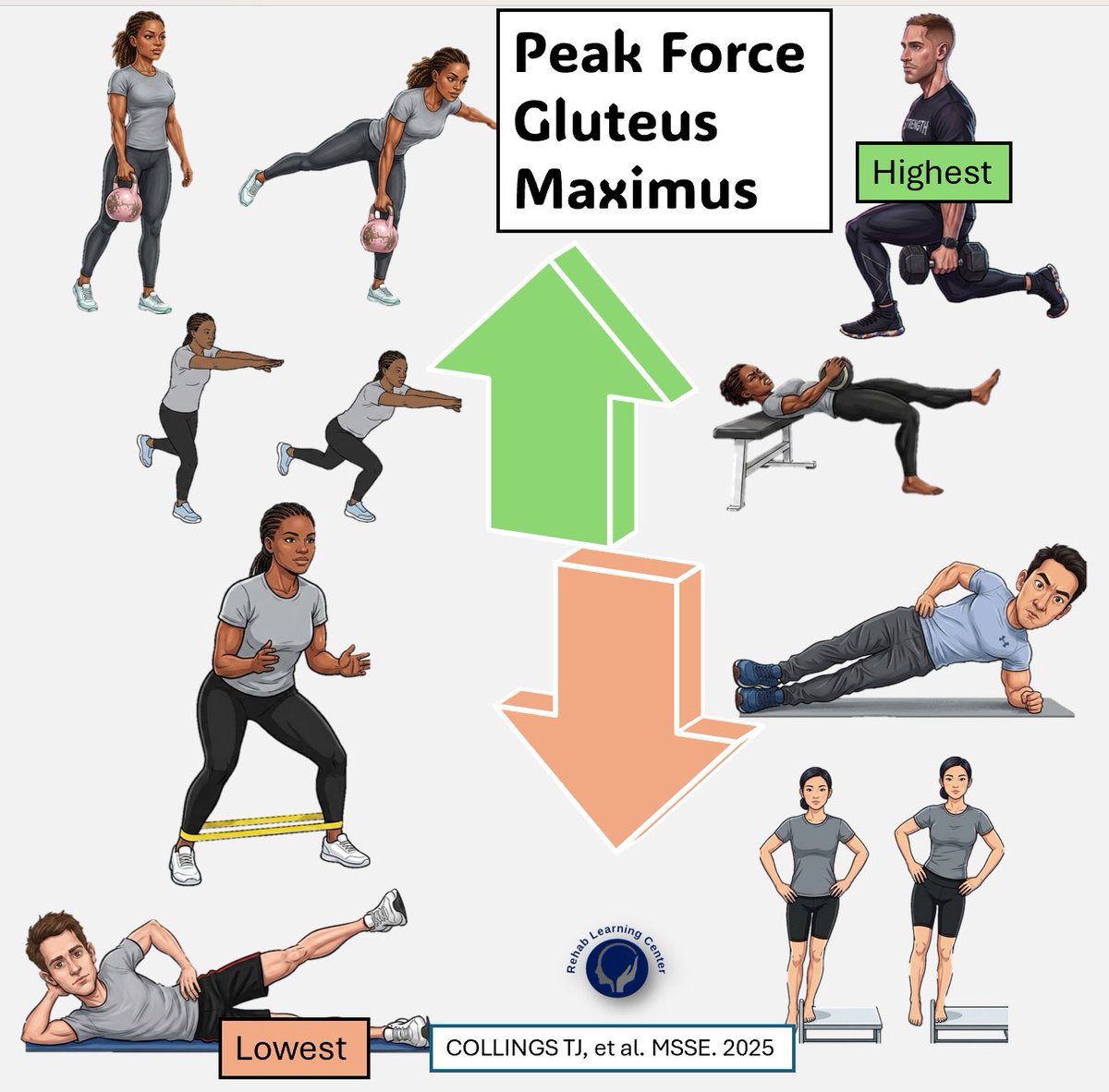
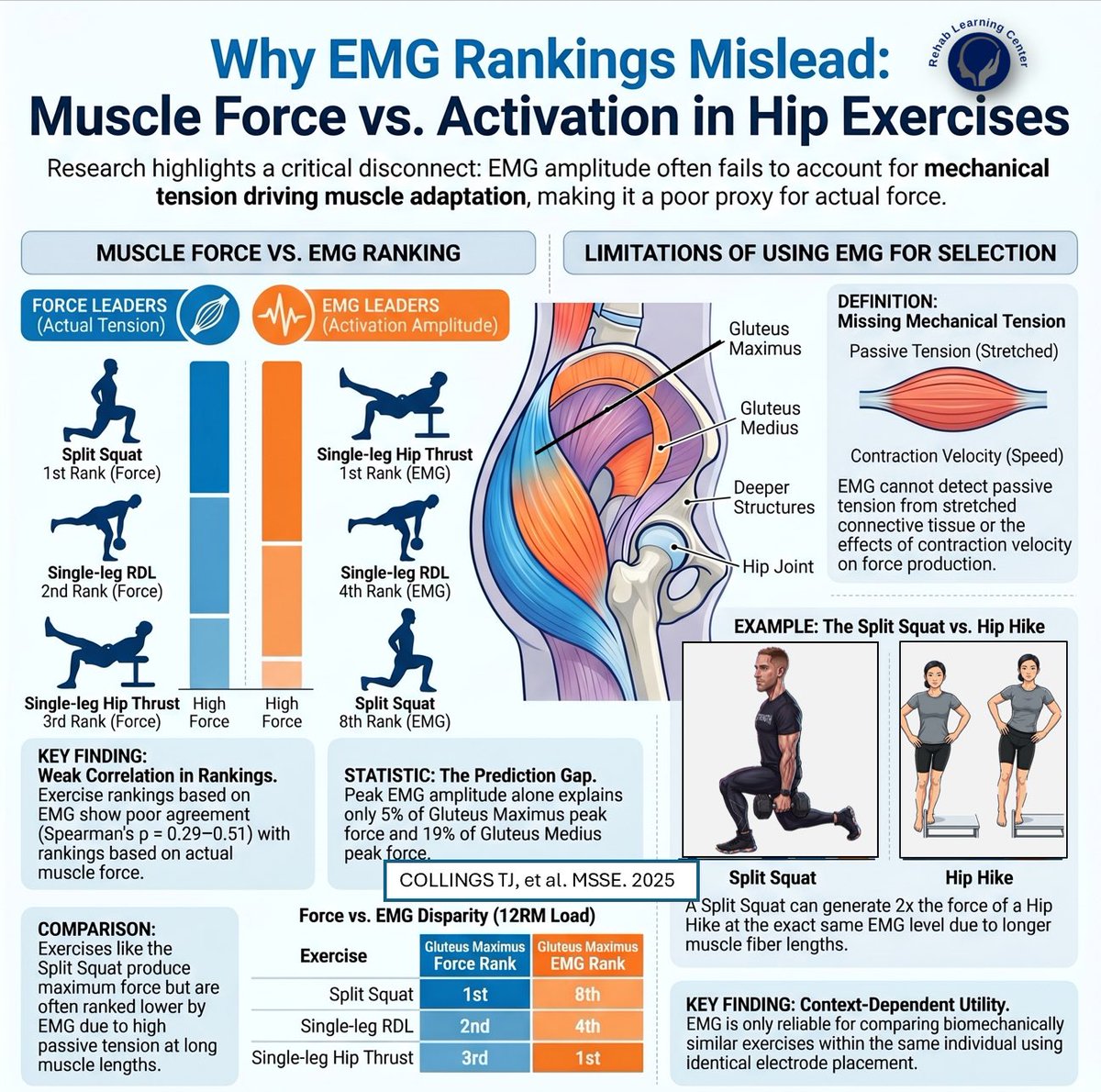
Ranking muscle performance by peak force, NOT EMG
measurement used by Collings et al. is intriguing.
EMG is a poor predictor of gluteal muscle force across different exercise types.
simply rank ordering an exercise is not likely to fit clients the same, nor guarantee outcomes
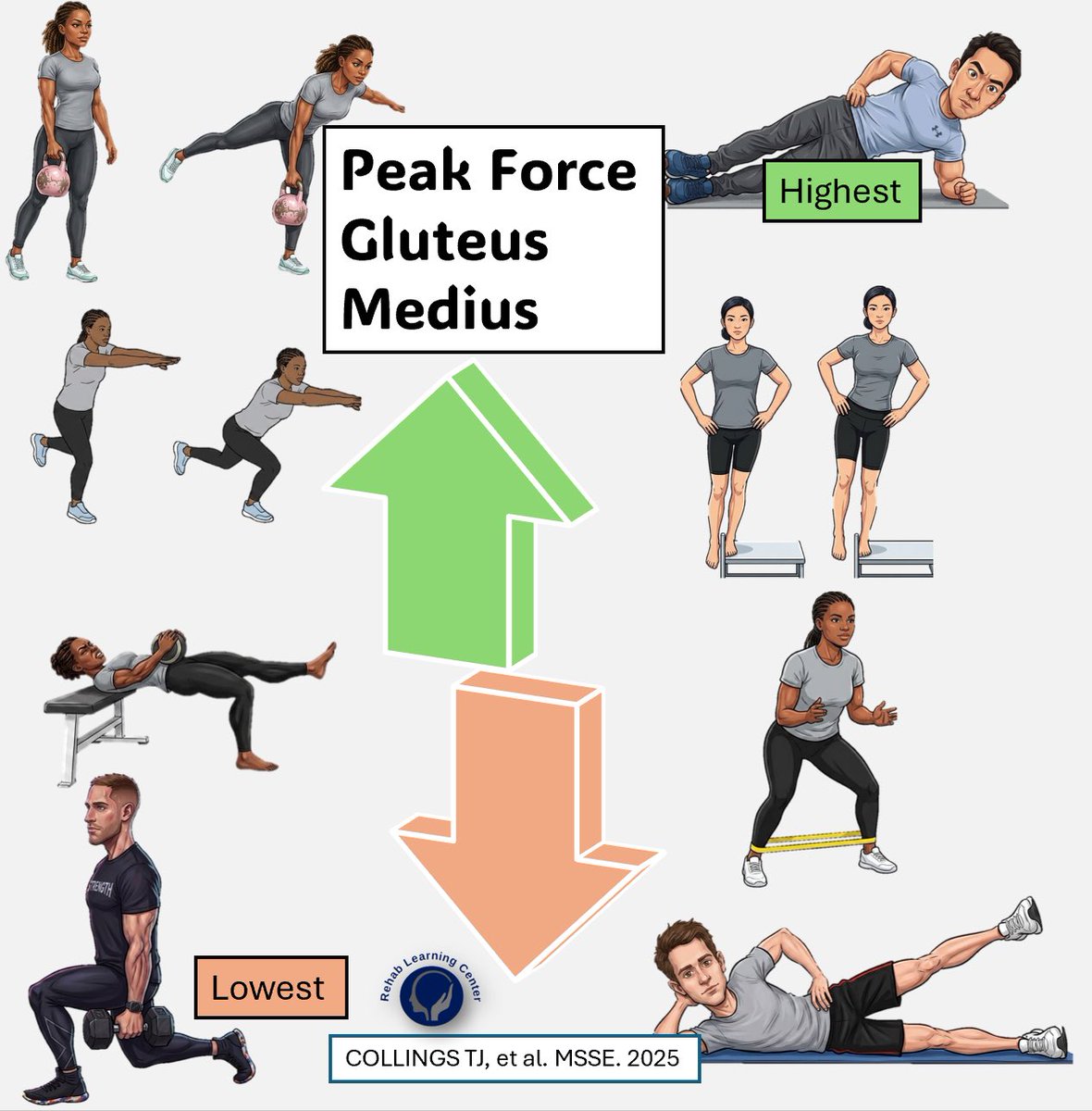
7
51
2,418
Apr 15
“This research is a ‘wake-up call’ for rehab specialists. High EMG amplitude does not necessarily equal high mechanical tension. The split squat and single-leg RDL may be more effective for gluteal strengthening than high-EMG "isolation" exercises”
2
40
165
8,690
Apr 13
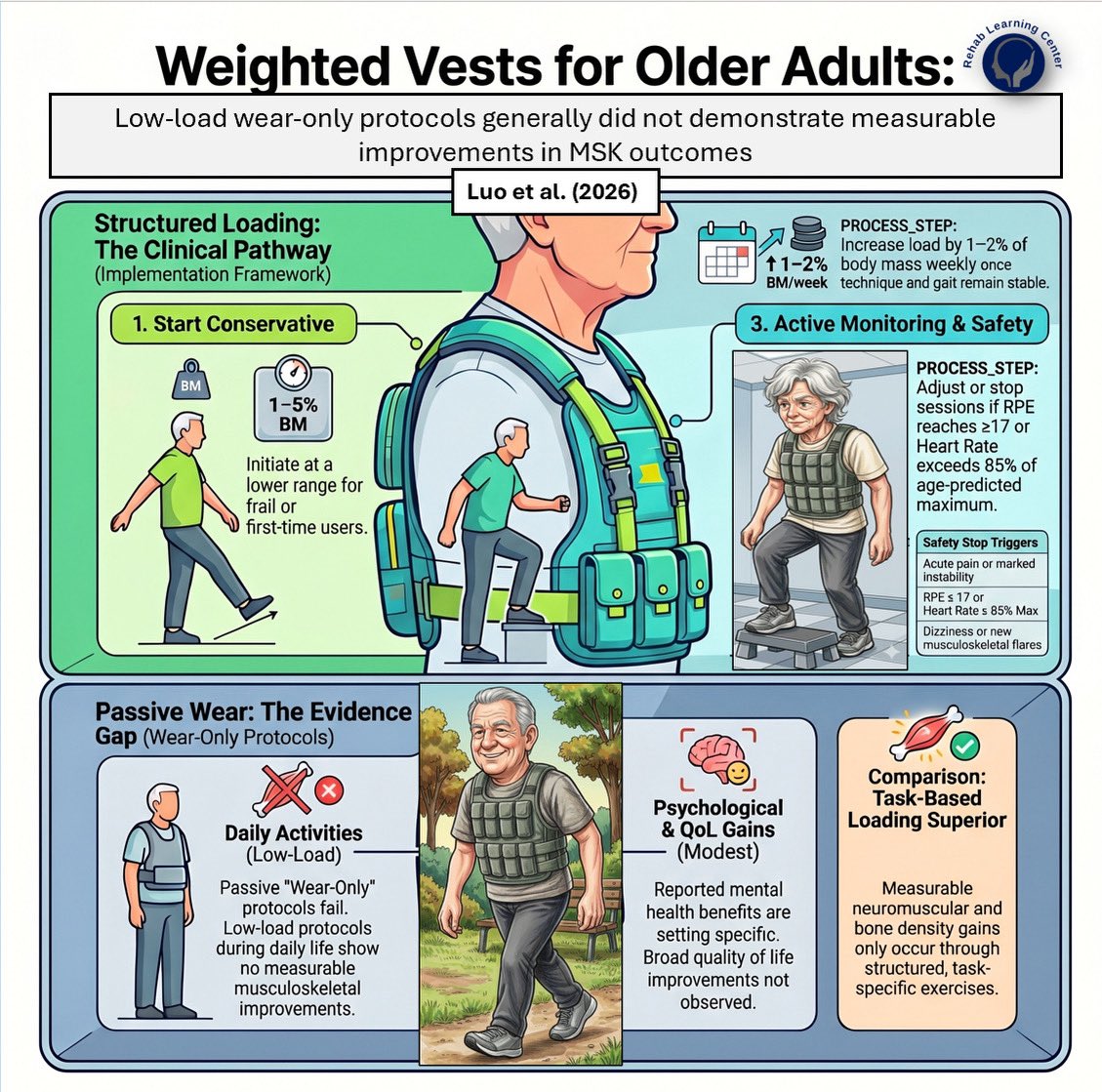
Task-based, progressively loaded WV training is an effective adjunct for improving neuromuscular power & maintaining bone health in older adults. But, the "wear-only" model remains clinically unproven for these outcomes at low loads. a robust implementation framework is needed .
1
14
861
Apr 12
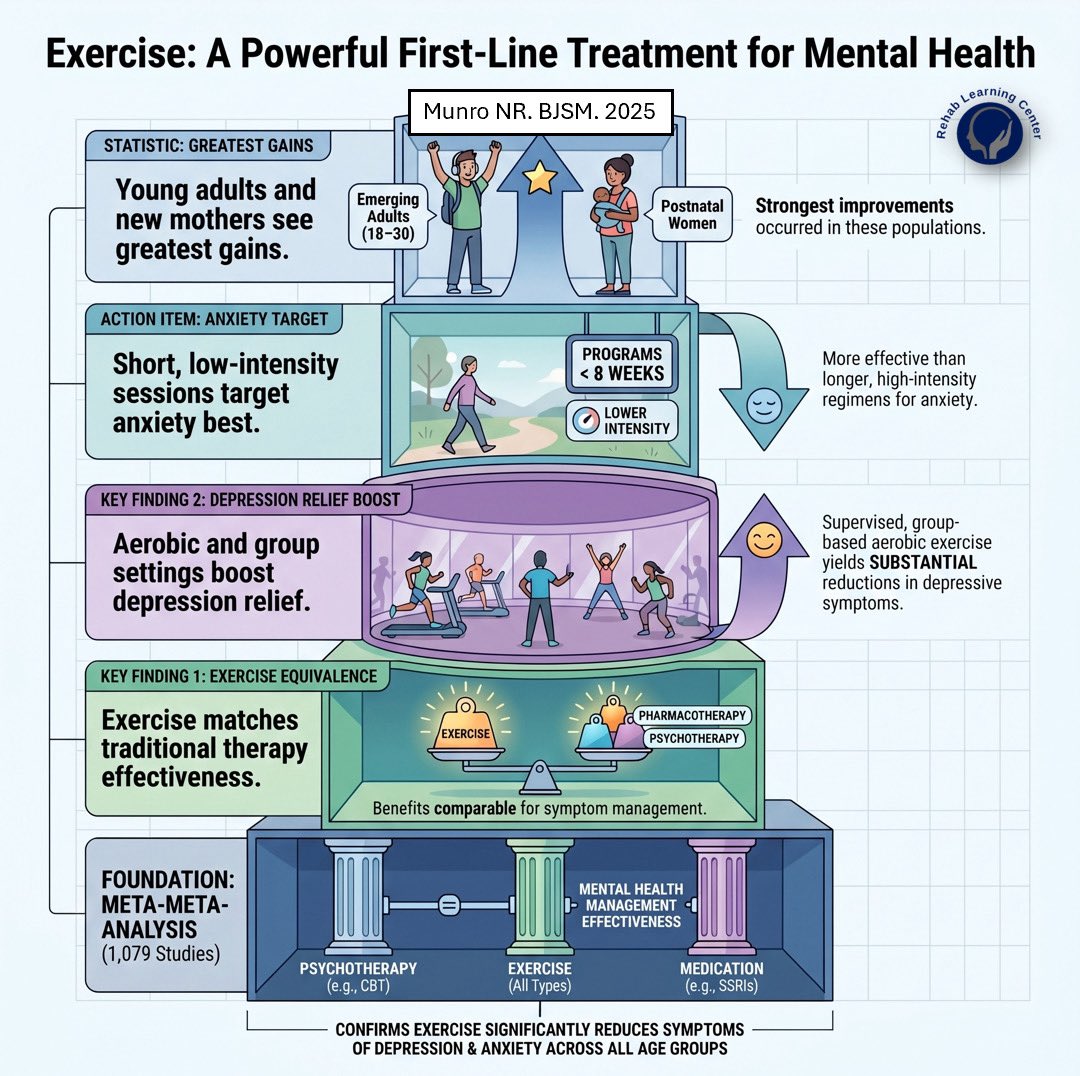
Effect of Exercise on Depression & Anxiety. Munro NR, et al. 2025
Exercise has a significant, small-to-moderate effect on reducing anxiety symptoms. While exercise is effective across various forms & population groups, specific parameters appear to optimize outcomes for anxiety
1
4
12
724
Apr 11
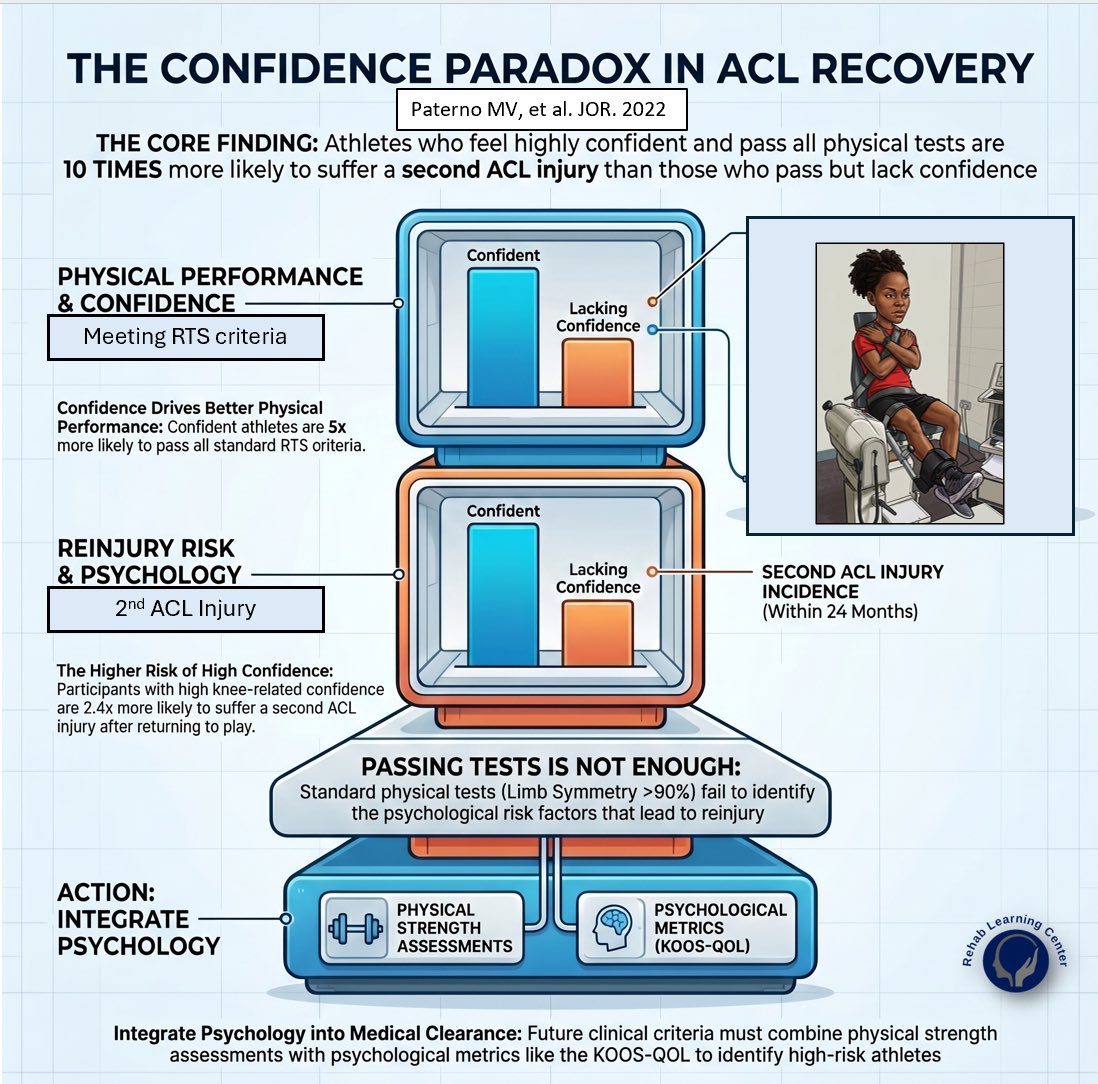
High confidence predicts 10-fold increase in the risk of second ACL injury among those who pass all physical tests:
•Confident athletes are more likely to return to high-demand pivoting & cutting sports with aggressive movement styles.
•lack “fear" or "risk appraisal"
6
28
1,486
Apr 10
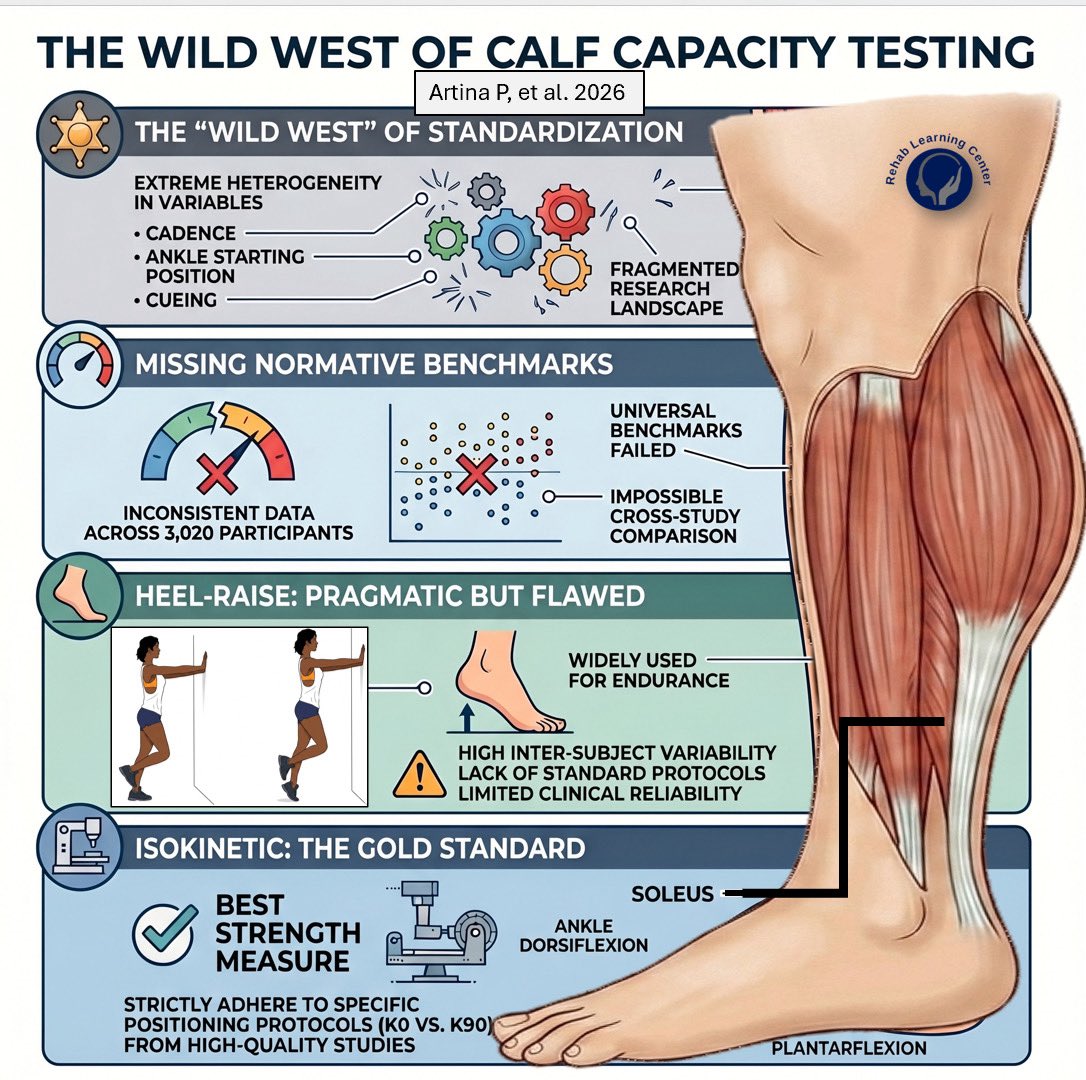
Artina et al. successfully highlight the "Wild West" of calf capacity testing, where a lack of standardization makes cross-study comparison nearly impossible.
1
6
29
1,921
Apr 10
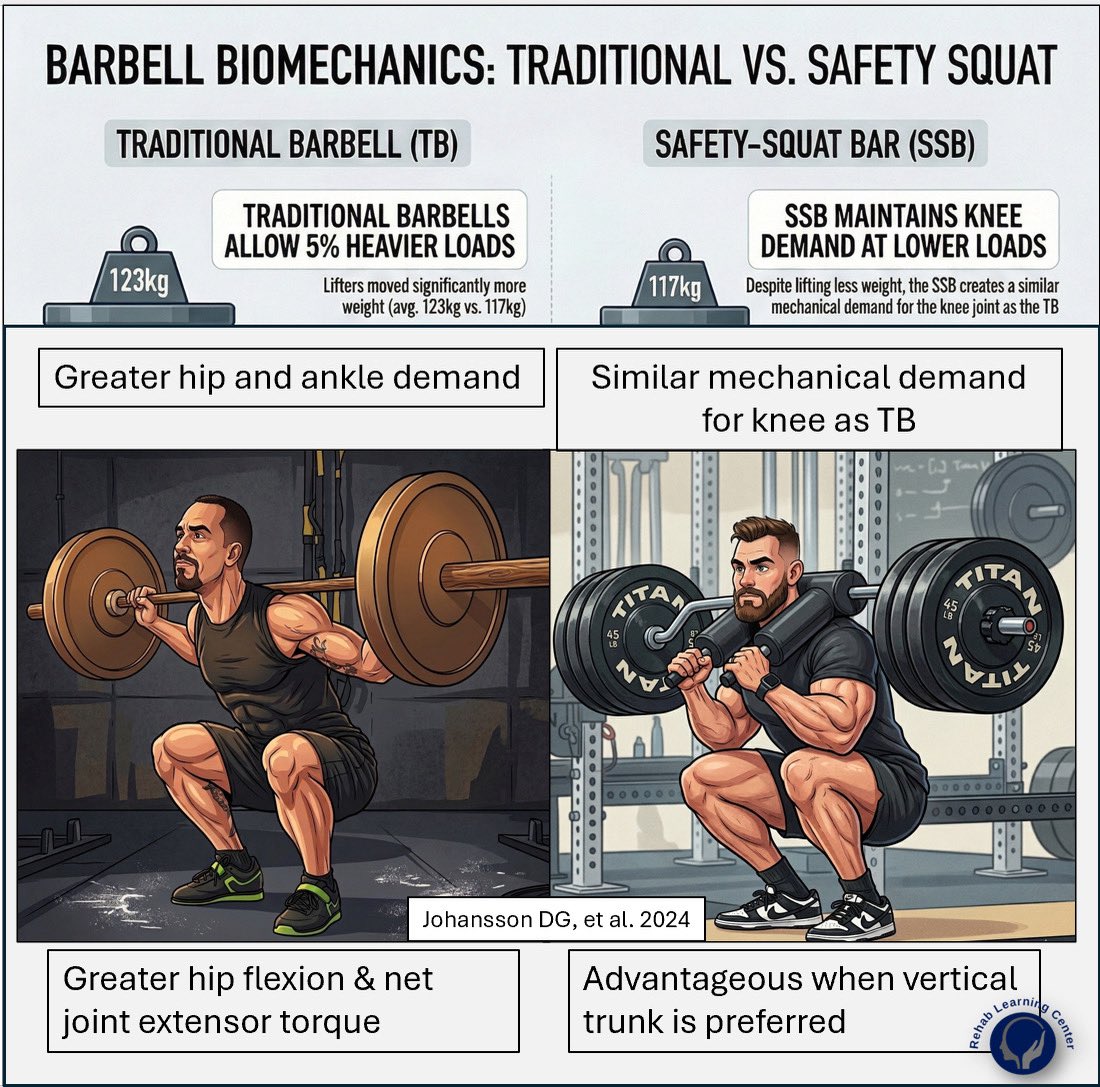
“TB is superior for maximizing absolute load & targeting the hip extensors. SSBr creates similar demand on the knee joint while utilizing a lower absolute load & more upright posture. SSB-excellent tool for rehabilitation contexts where hip-sparing or lower fatigue is required”
14
892
Apr 9
1/4
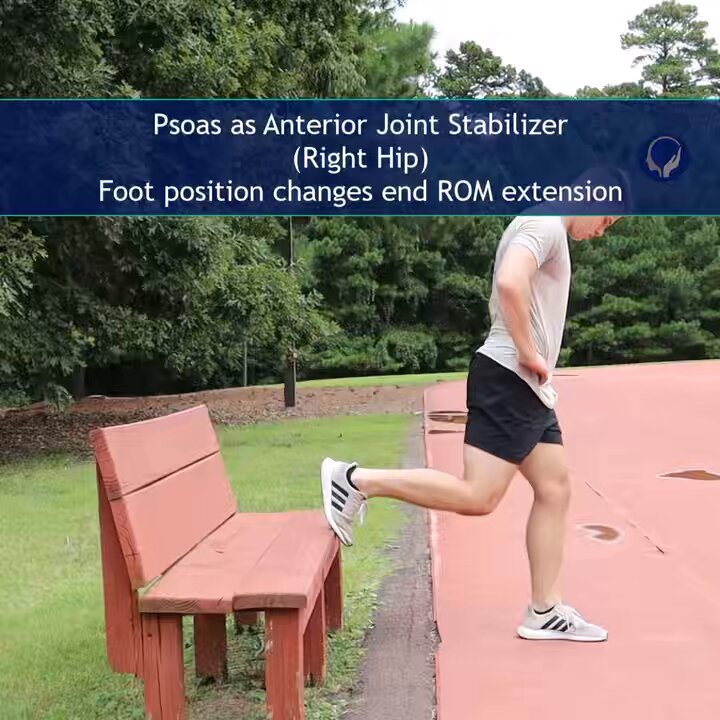
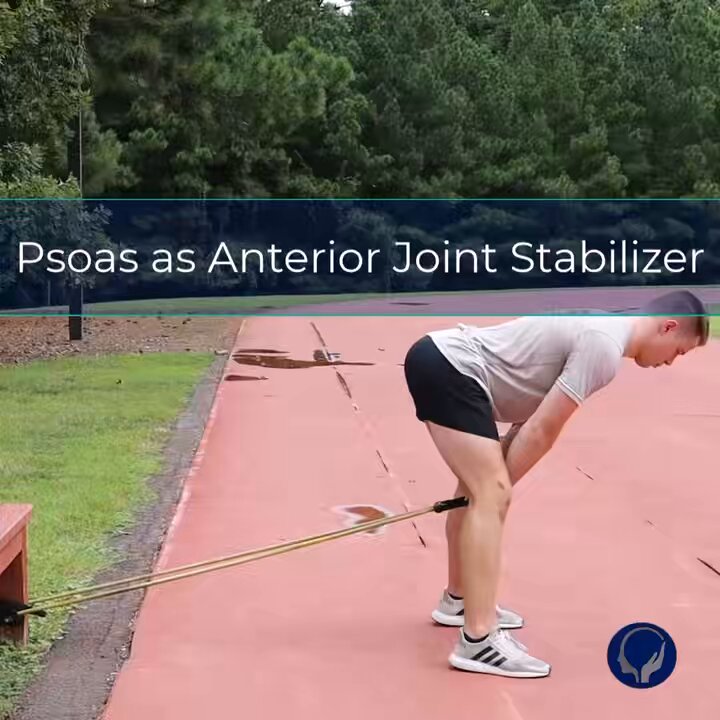
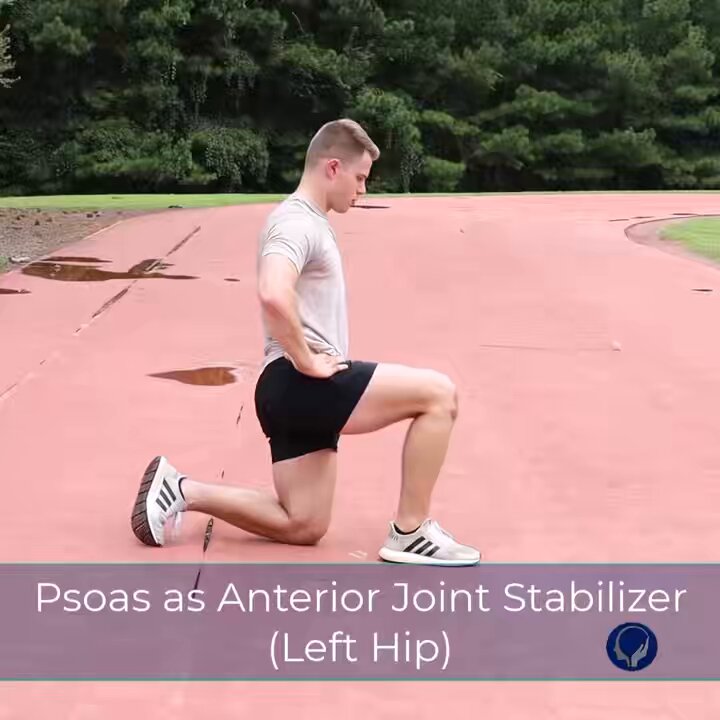
Psoas as an anterior hip stabilizer
Initially, I start in a static position, such as tall kneeling, focusing on the hip in extension
Progression contralateral hip or UE movements to drive the hip into varying degrees of hip extension, depending on tolerance & goal
2
16
102
9,568
Apr 9
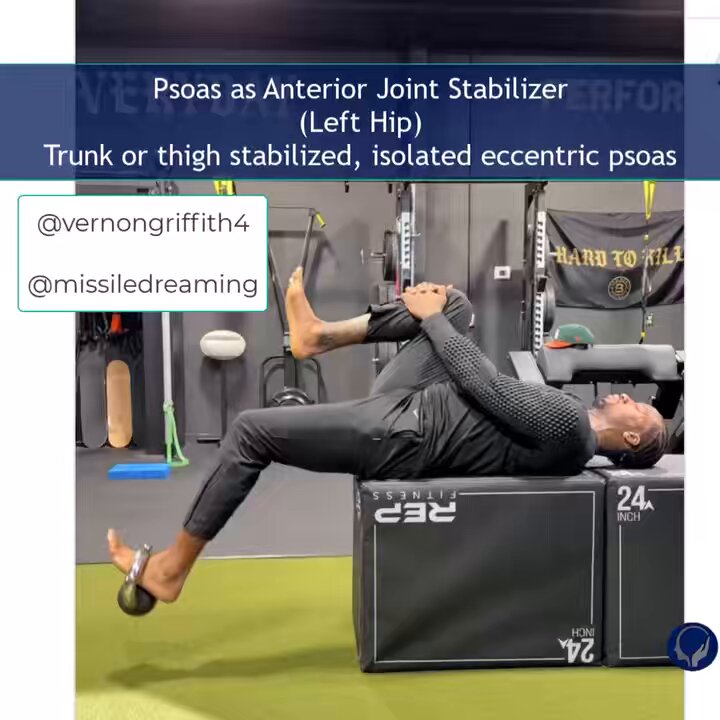
Supine position eccentric hip flexor: greater external stabilization with trunk external resistance can significantly challenge not only the eccentric strength of the psoas, but its tensile dynamic
Credit
@vernongriffith4
@missiledreaming
For additional awesome videos
1
1
6
637
Apr 9
As with all exercises, monitor for symptoms and tolerance.
Credit
@vernongriffith4
@missiledreaming
For additional awesome videos
2
508
Apr 8
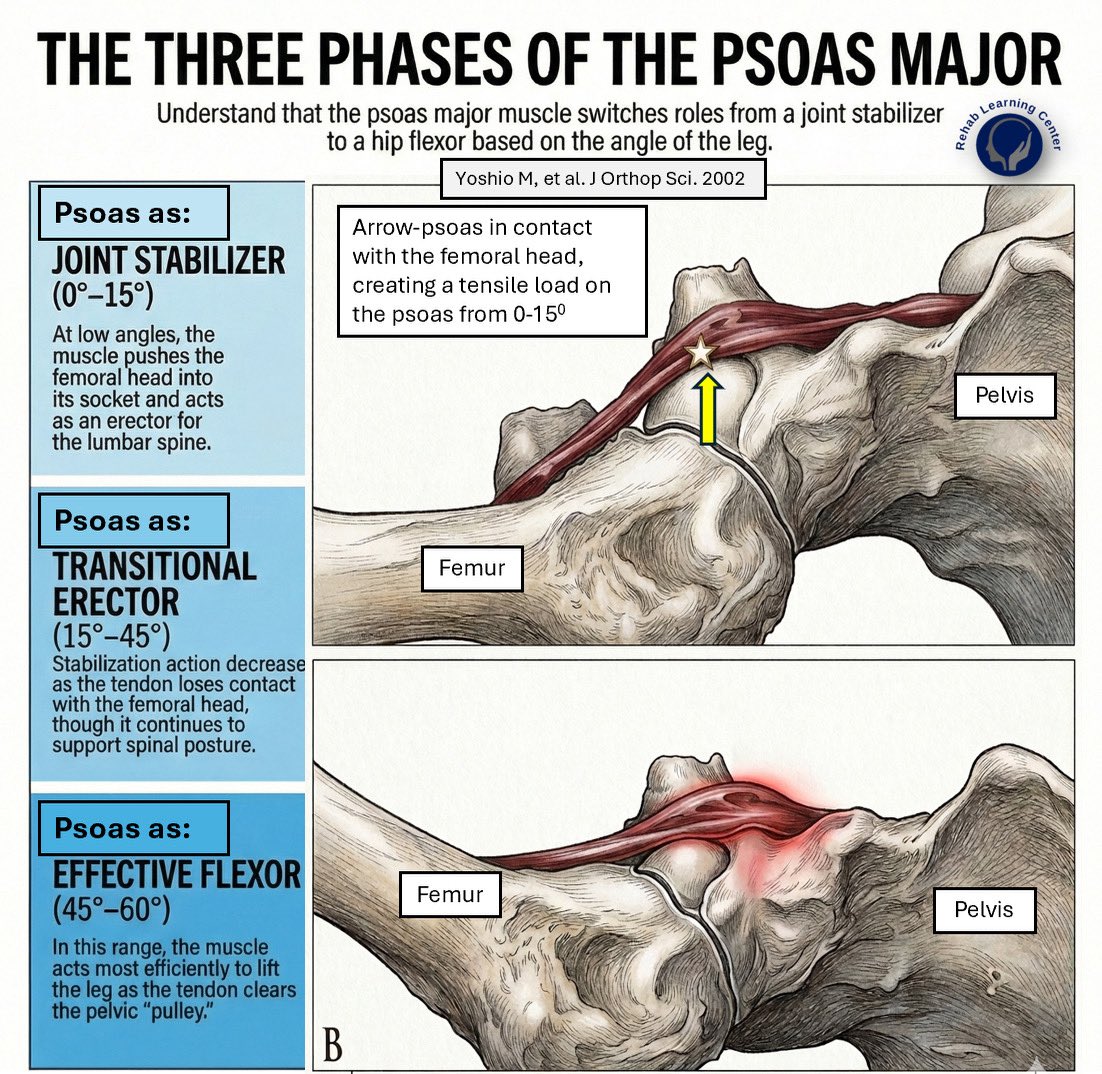
“The psoas major (PM) stabilizes the femoral head primarily by pushing it into the acetabulum during the initial stages of hip movement. This stabilizing function is most effective when the hip is in 0° to 15° of flexion.
This stabilizing action is a "static" function”.
3
47
238
8,401
Apr 6
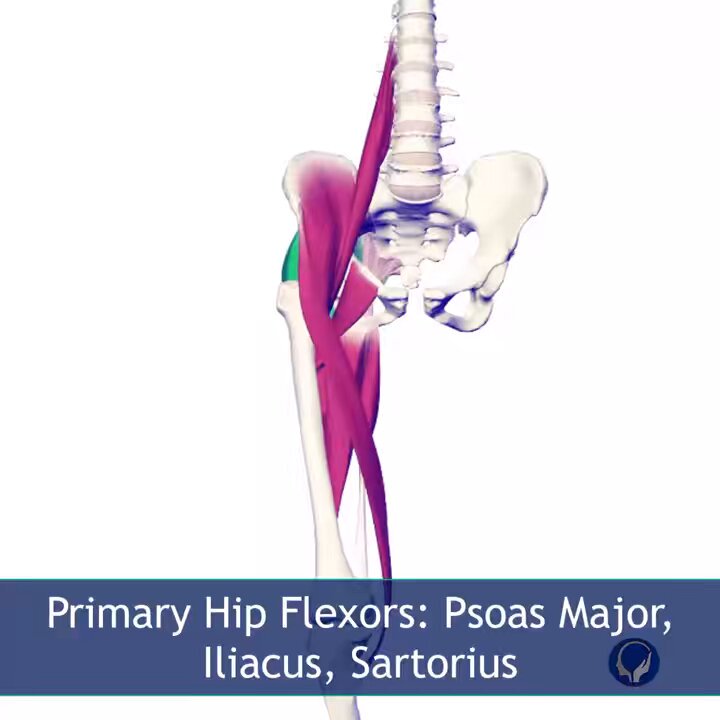
⭐️Psoas major
Searching texts & Dr Google for its clinical relevance you get;
•Commonly associated with lower back pain and hip pain. Tightness in the psoas can contribute to:
◦Lumbar lordosis (excessive curvature of the lower back).
◦Hip flexor strain.
❓Thoughts
2
3
11
1,512
Apr 4
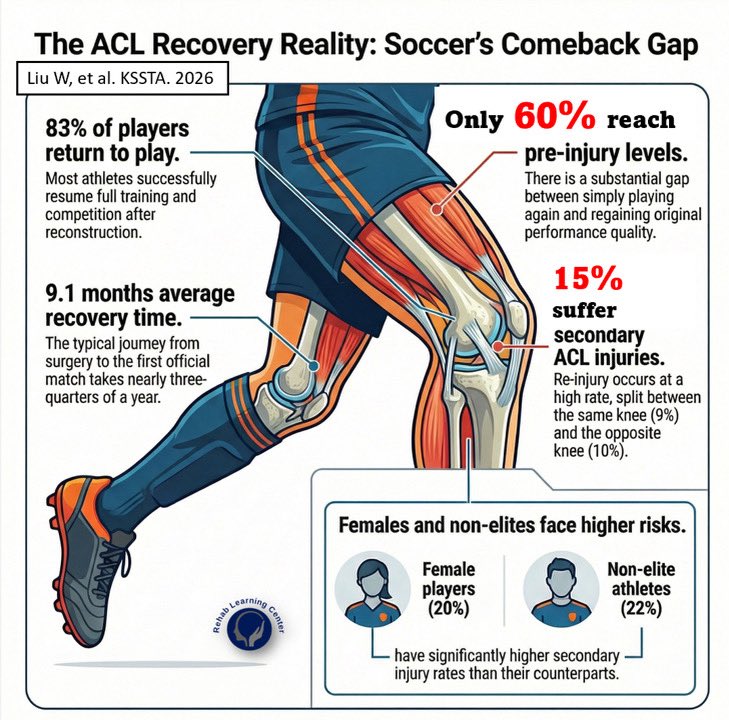
While soccer players have a high probability of returning to play after ACLR, they face a significant "gap" in reaching their pre-injury performance levels.
⭐️RTP decisions must shift from fixed timelines toward individualized, criteria-based assessments
1
15
55
2,677
Apr 3
Key Points
•Vigorous physical activity shows the strongest & most consistent positive association with quality of life in adults with hip/knee OA.
•Smoking & being underweight are modest but significant predictors of poorer quality of life.
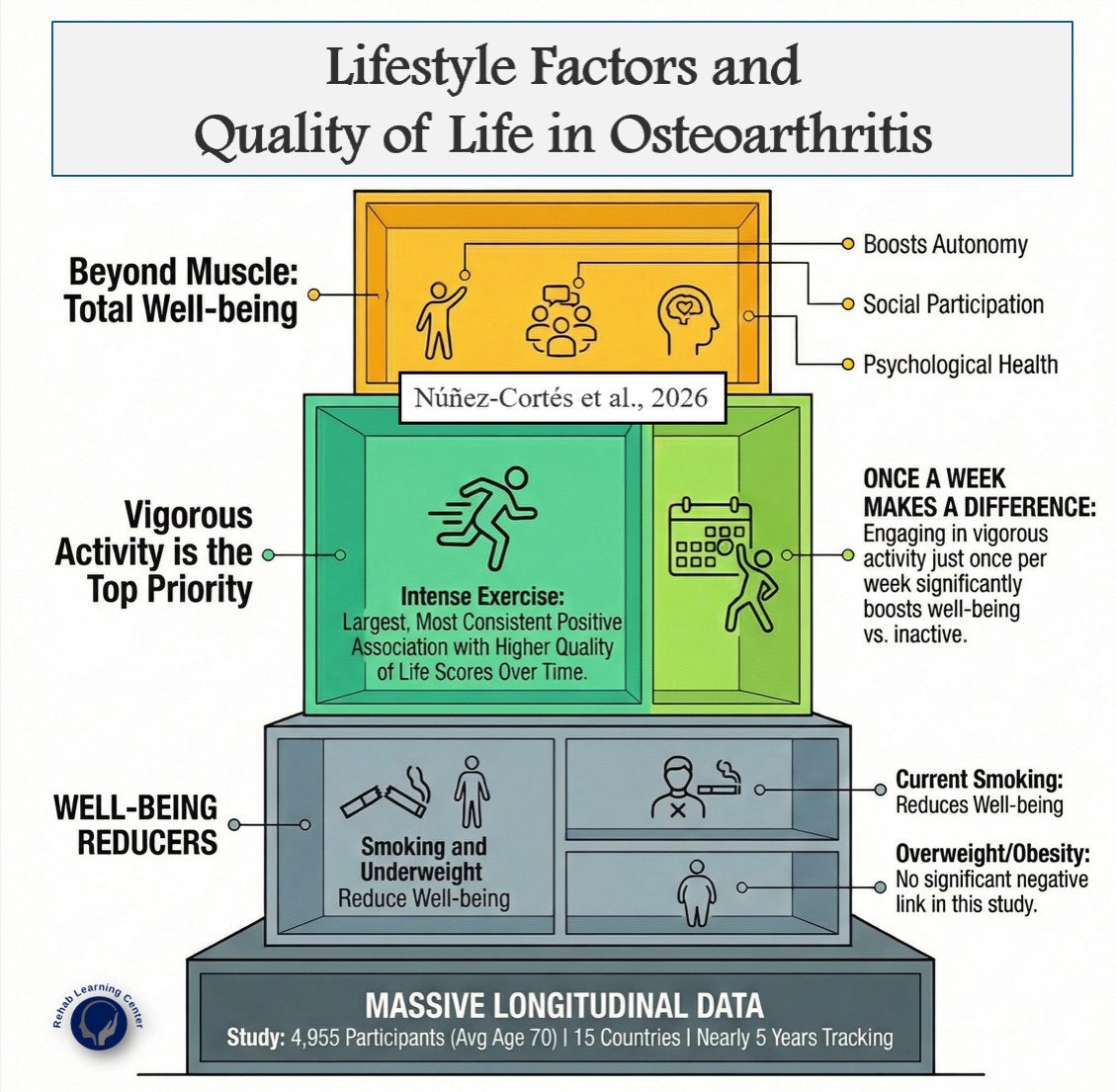
5
25
1,291