Ron Milo's lab at the Weizmann Institute of Science
Joined March 2020
- Tweets 180
- Following 71
- Followers 1,428
- Likes 134
77 Photos and videos

Pinned Tweet

27 Oct 2025
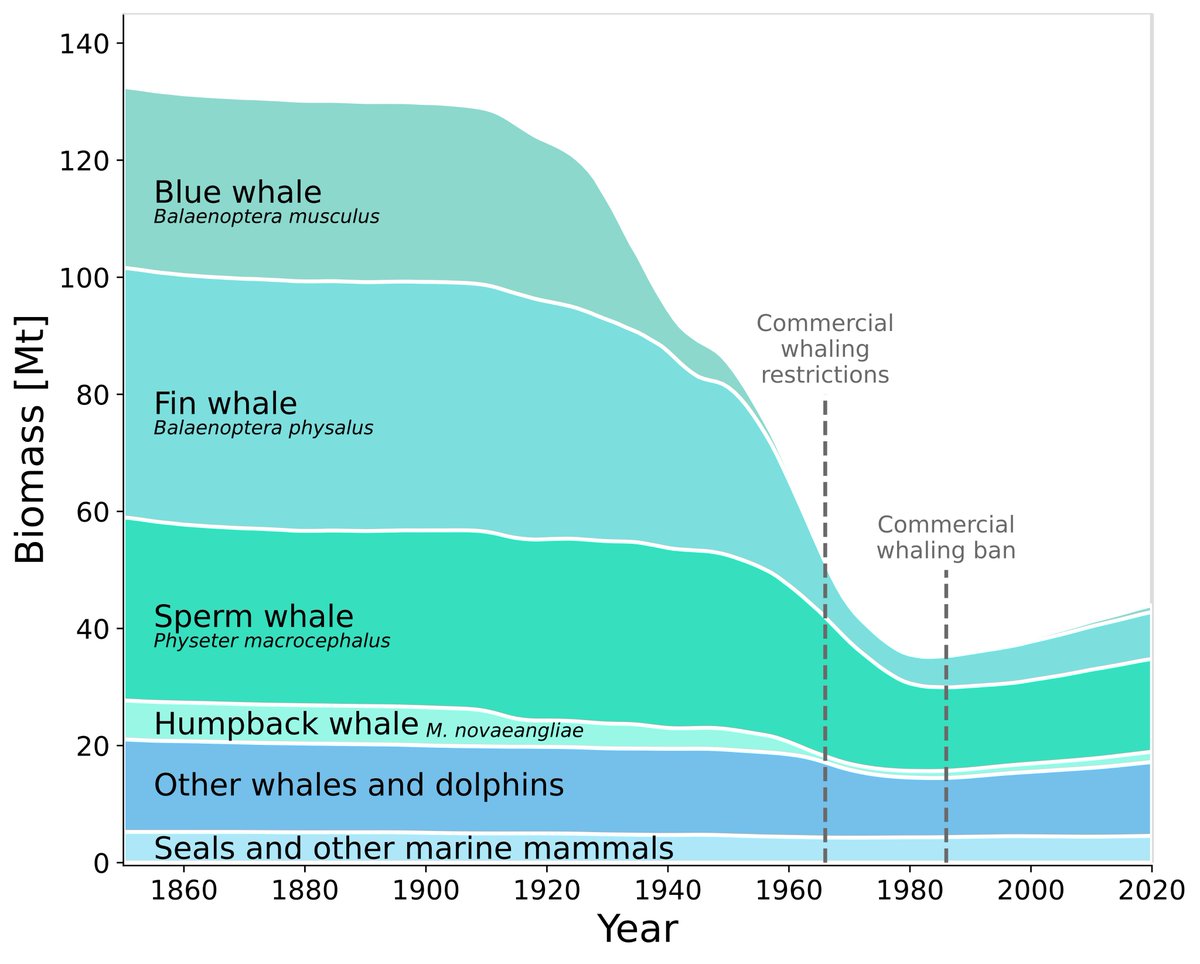
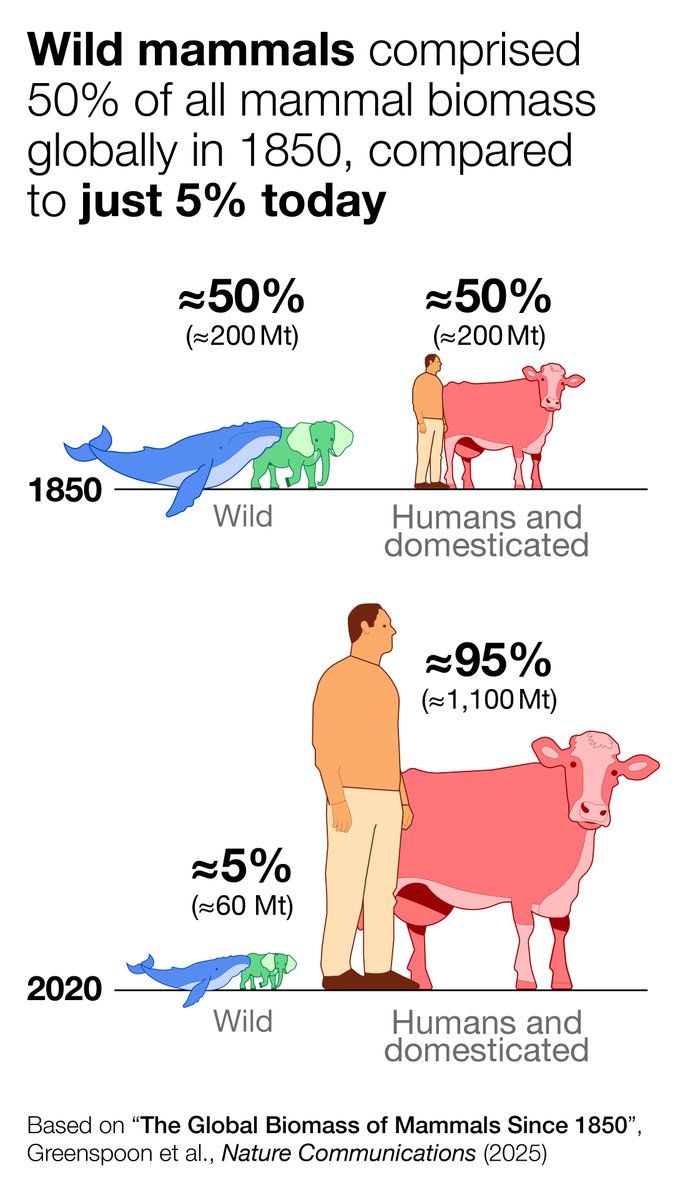
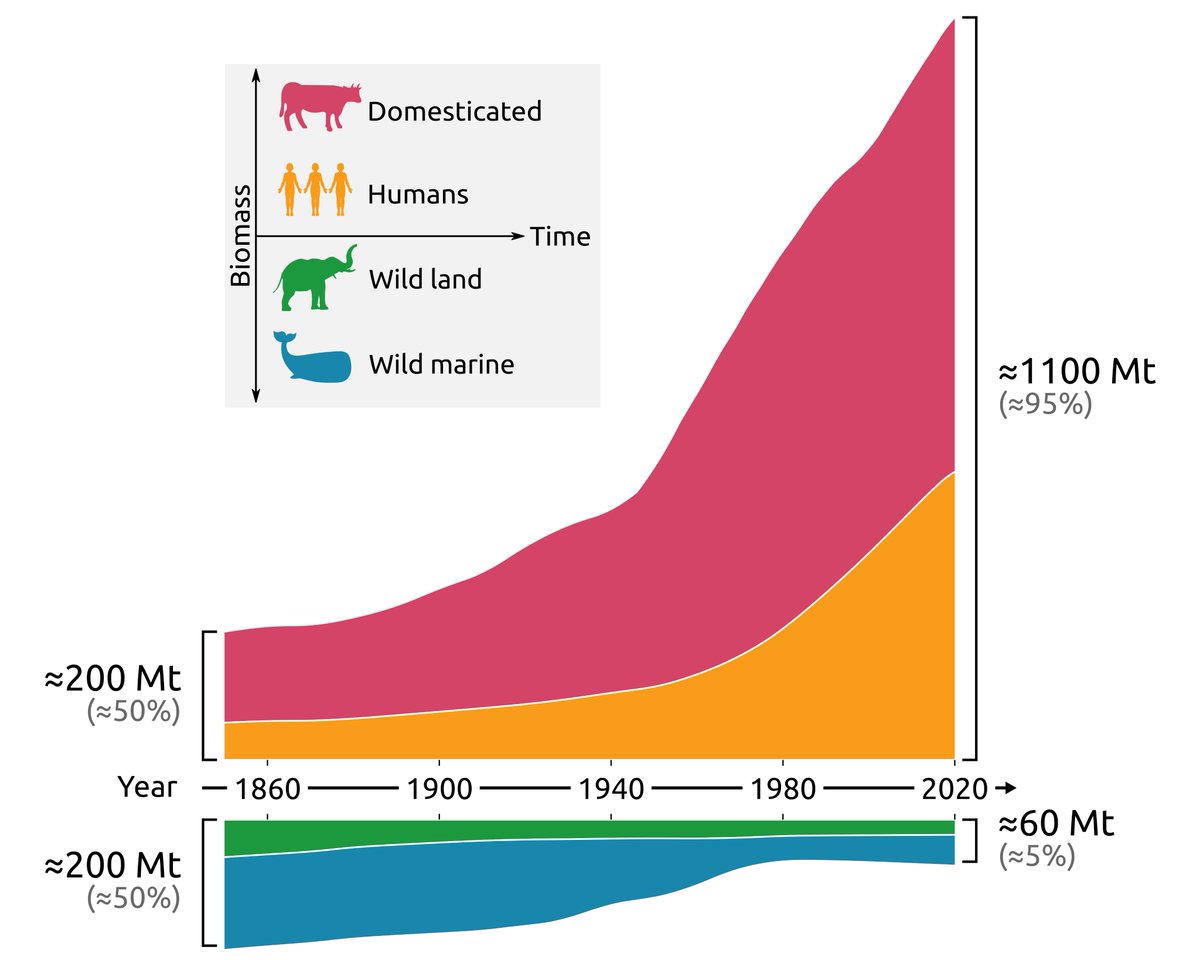
1/ Wild mammals now comprise roughly 5% of mammal biomass globally. How did this come to be? In our new study in @NatureComms, we estimate that in 1850, wild mammals comprised ≈50% of mammal biomass globally nature.com/articles/s41467-0…
1
4
8
823
18 Nov 2025
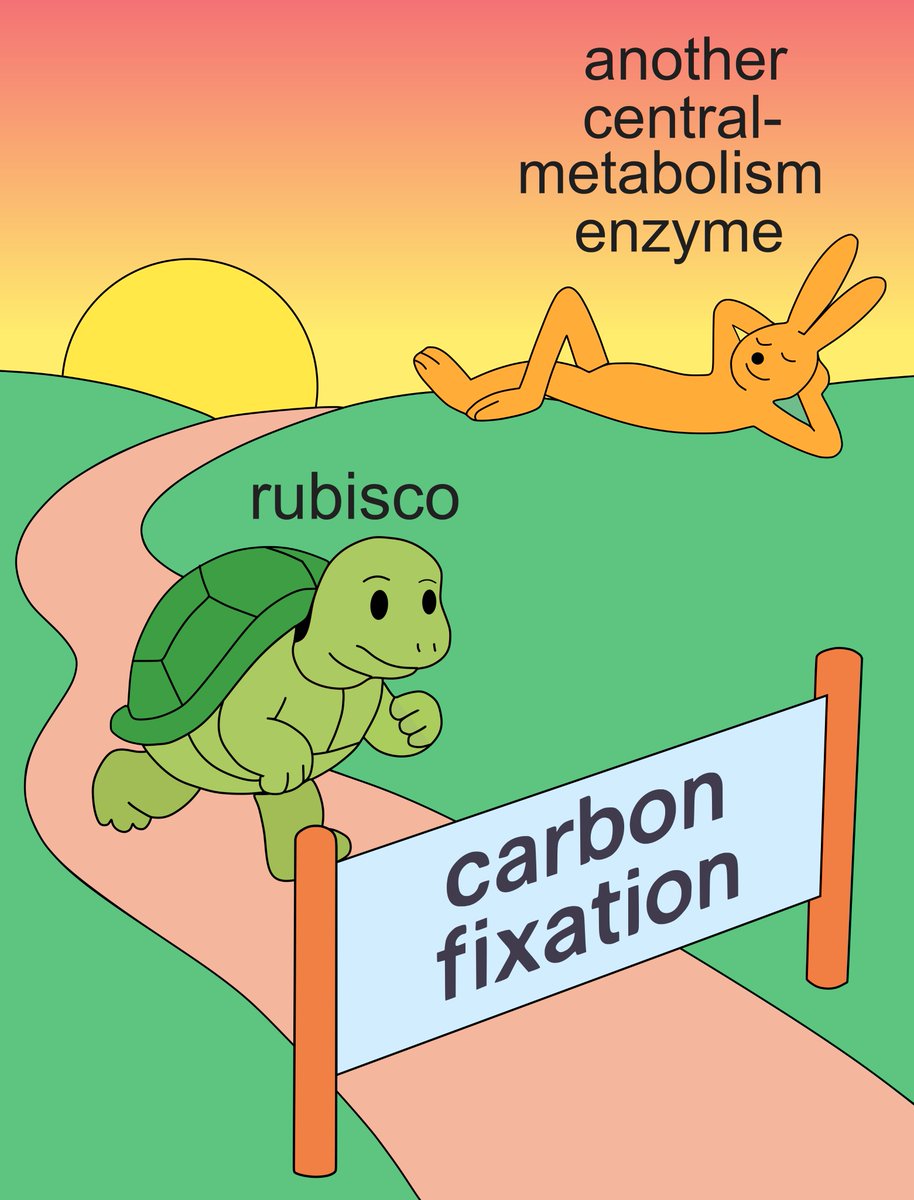
1/ How fast can life’s most important enzyme go?
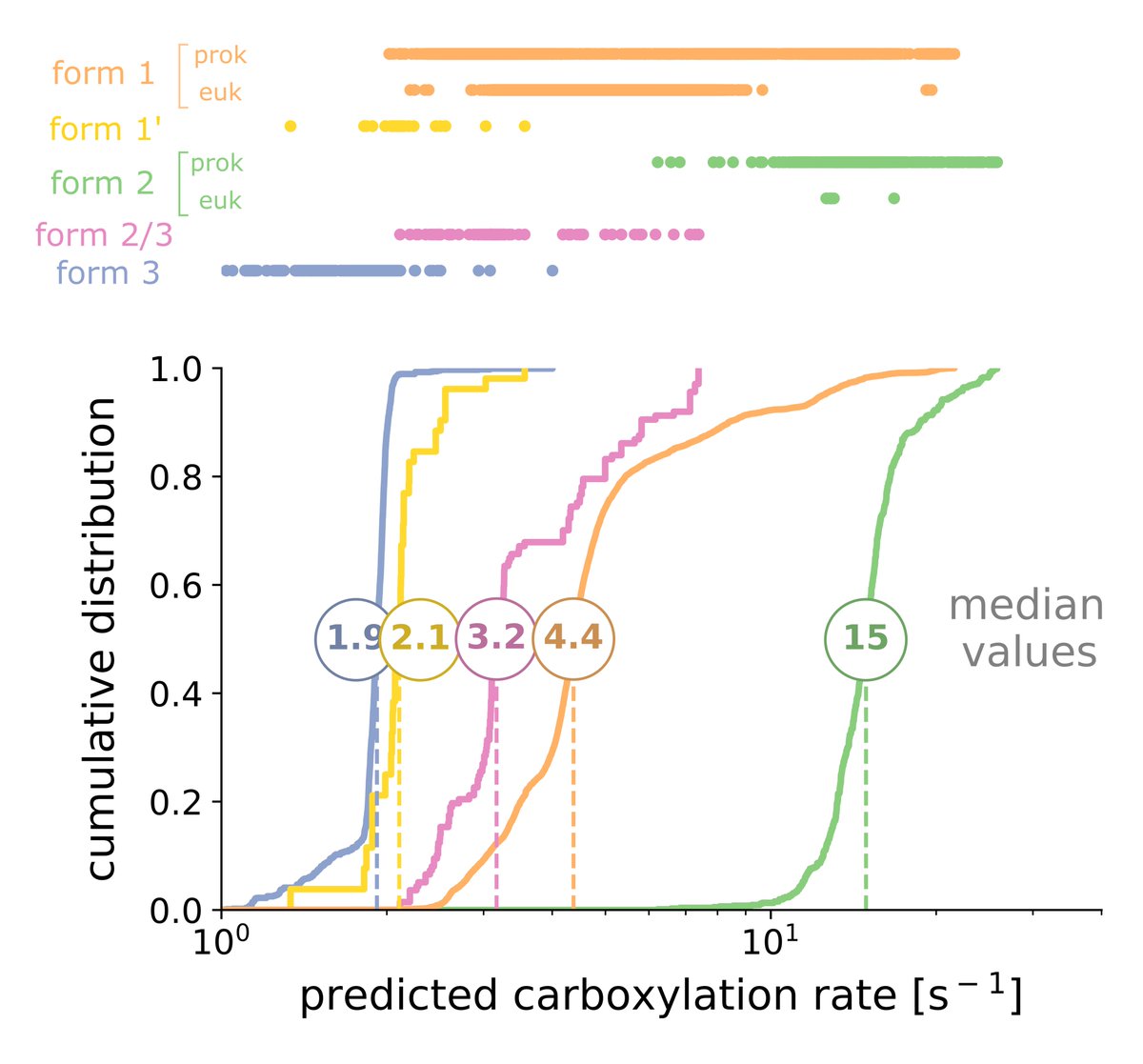
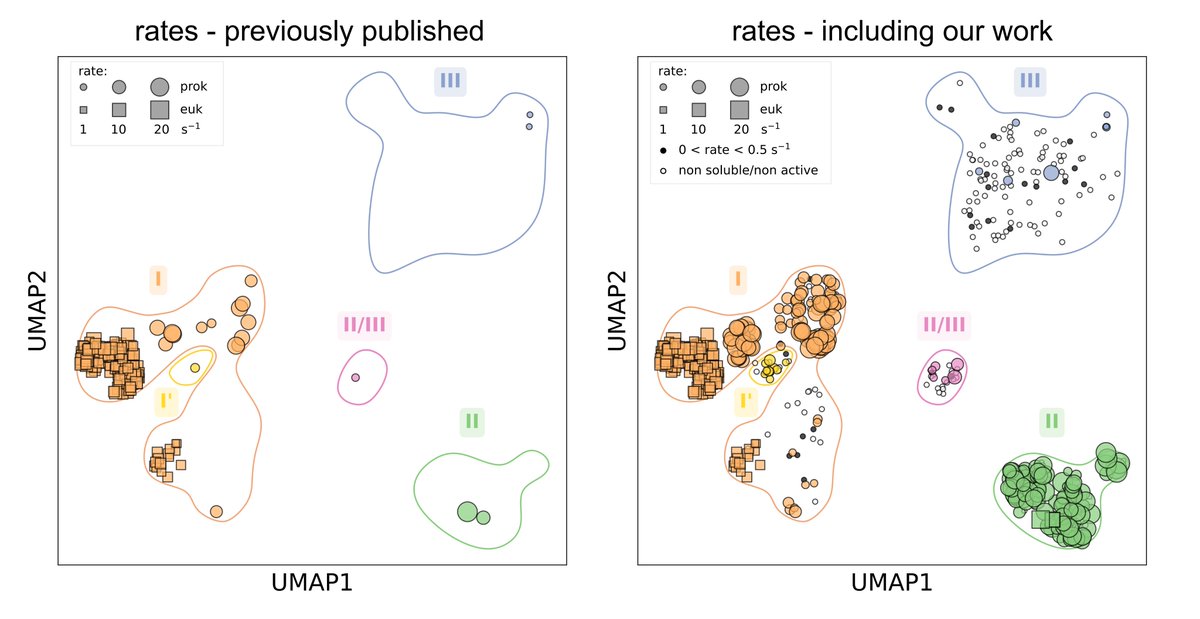
Rubisco catalyzes nearly all carbon fixation on Earth, feeding the biosphere. In our new @PNAS study, we explored ≈500 rubiscos across the tree of life to see if any are actually fast (Spoiler: they aren’t)
pnas.org/doi/10.1073/pnas.25…
1
1
2
226
18 Nov 2025
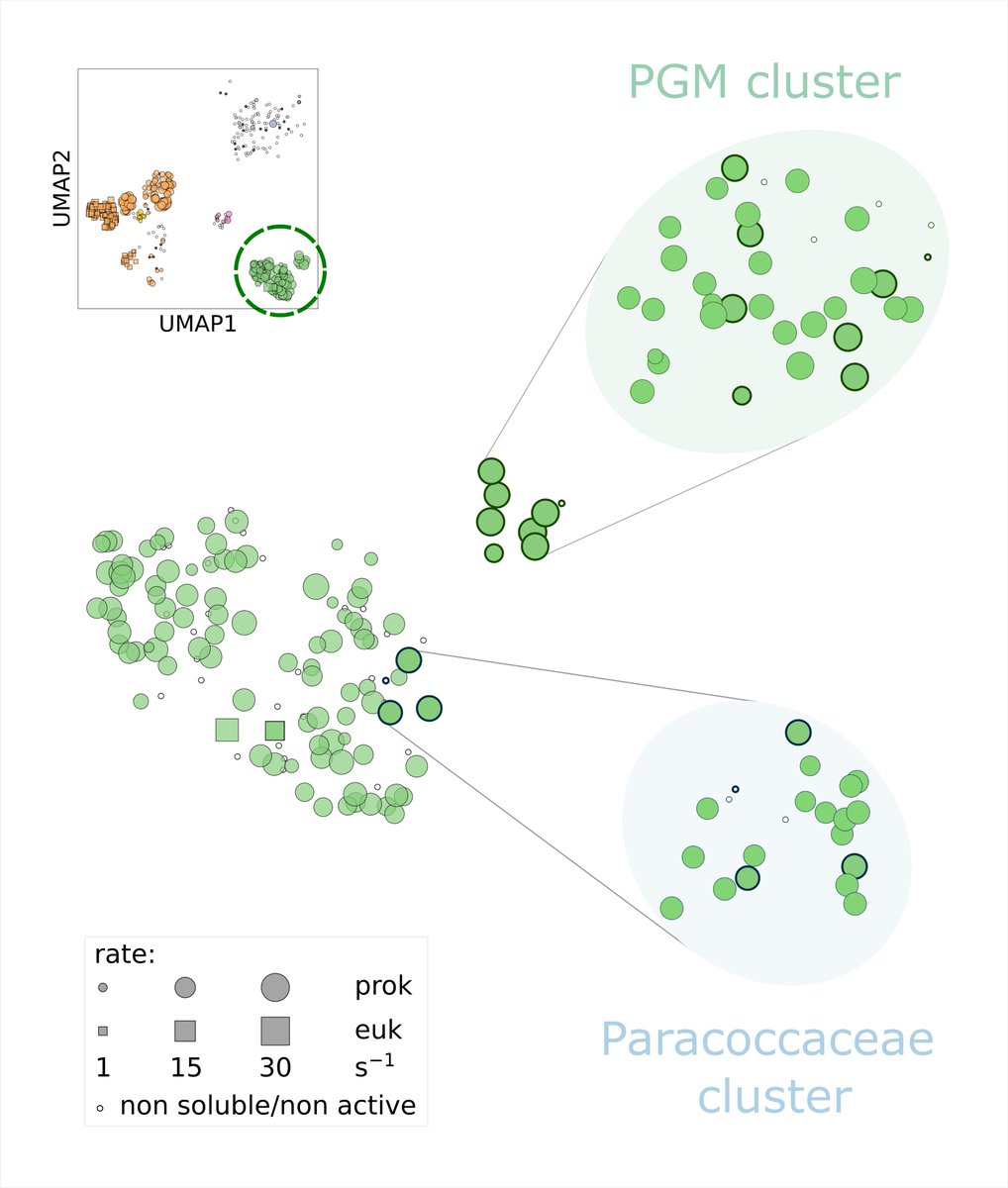
3/ The faster rubiscos (15–30 s⁻¹) are found in a few sequence clusters, usually associated with microaerobic environments or CO₂-concentrating mechanisms. Even exploring these groups further, we find a plateau: no faster variants beyond ≈30 s⁻¹. Has evolution hit a ceiling?
1
90
18 Nov 2025
4/ Using a simple ML model trained on our data, we inferred rates for all ≈68,000 known rubiscos based on sequences. Predictions suggest the same story: after 3.5 billion years of evolution, nature’s carbon-fixing engine runs at best at ≈30 reactions per second… and that’s it.
1
87
28 Oct 2025
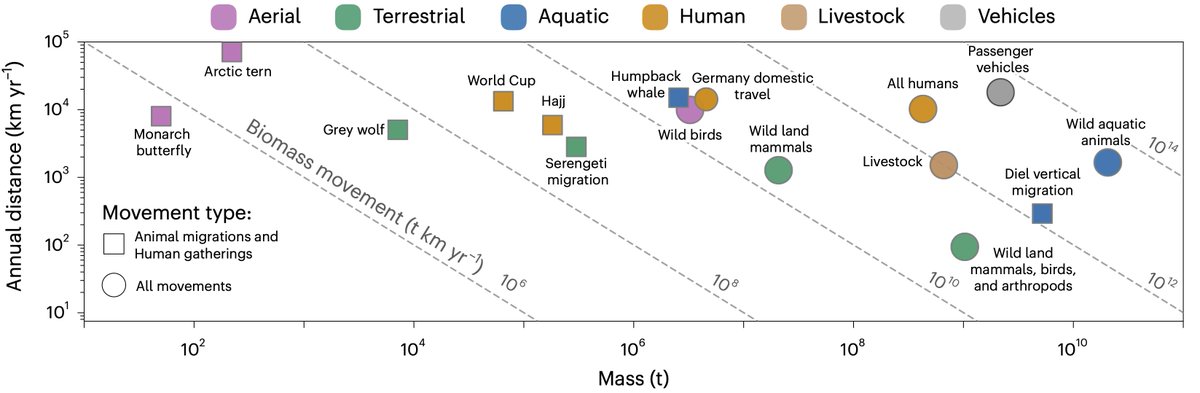
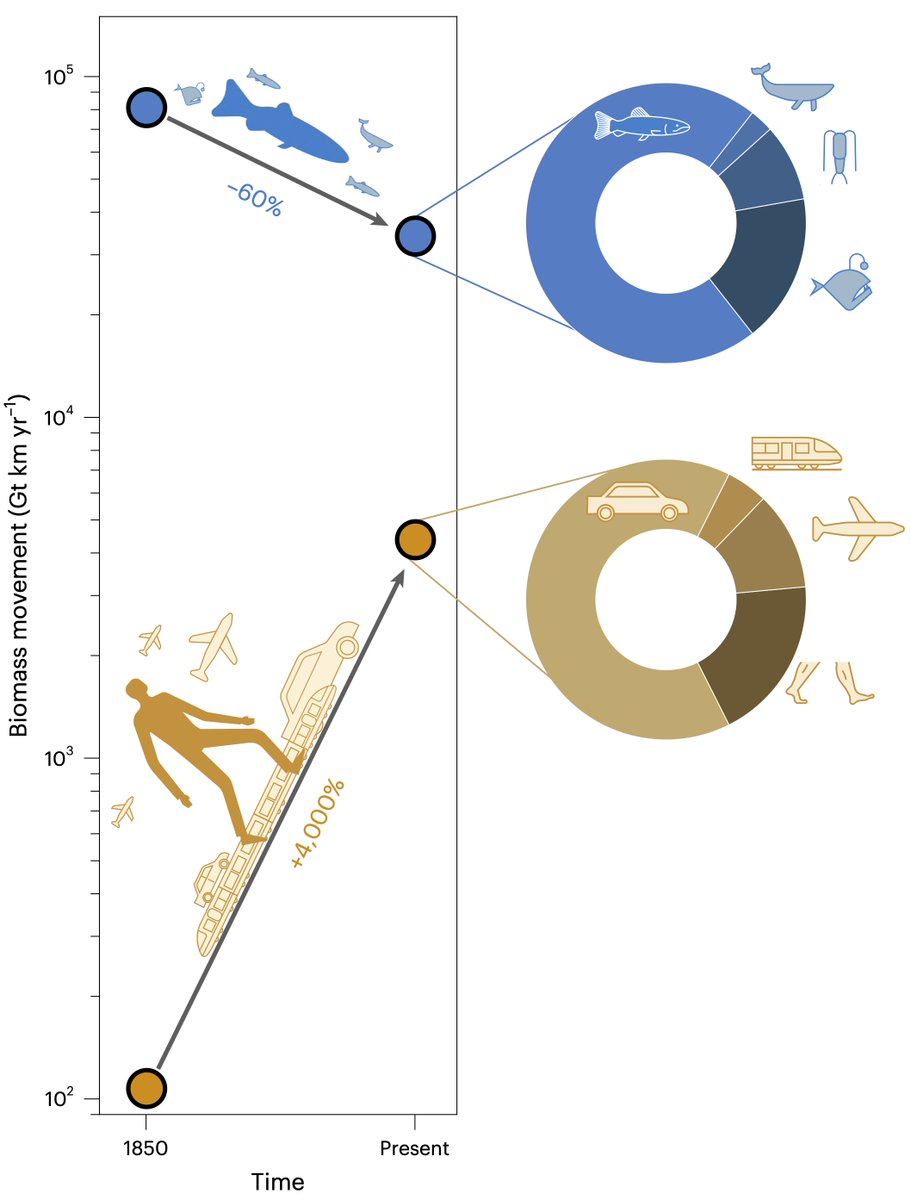
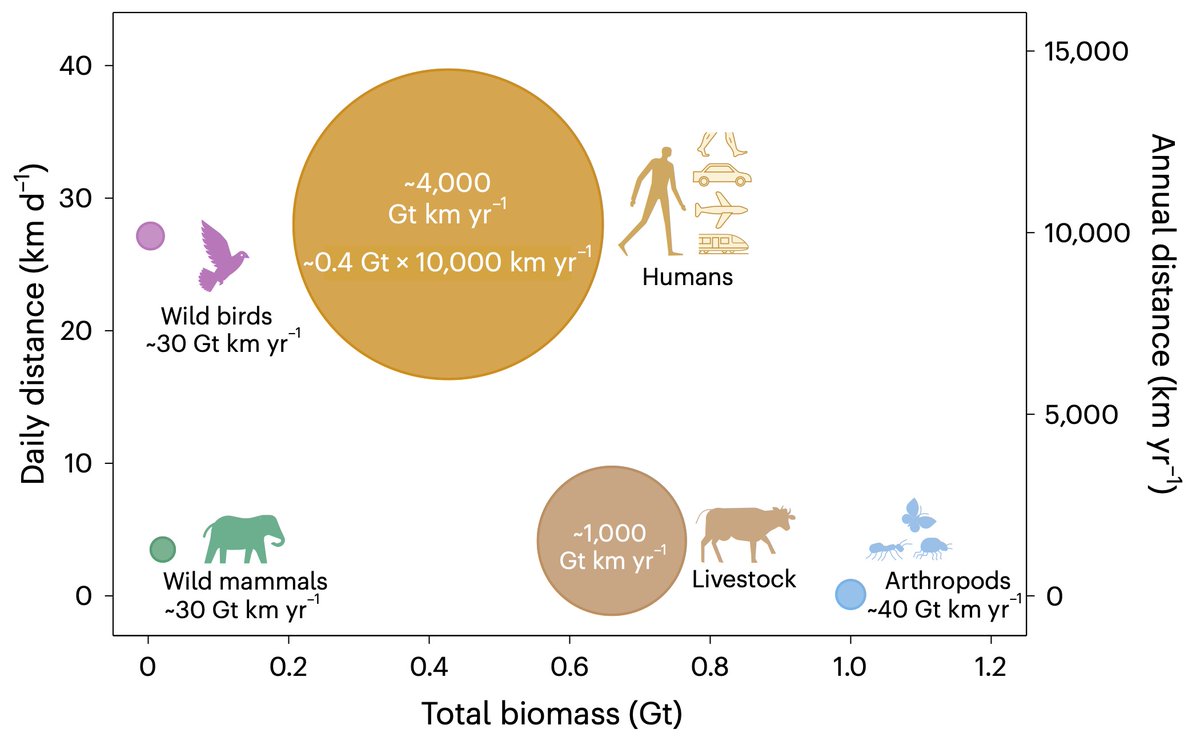
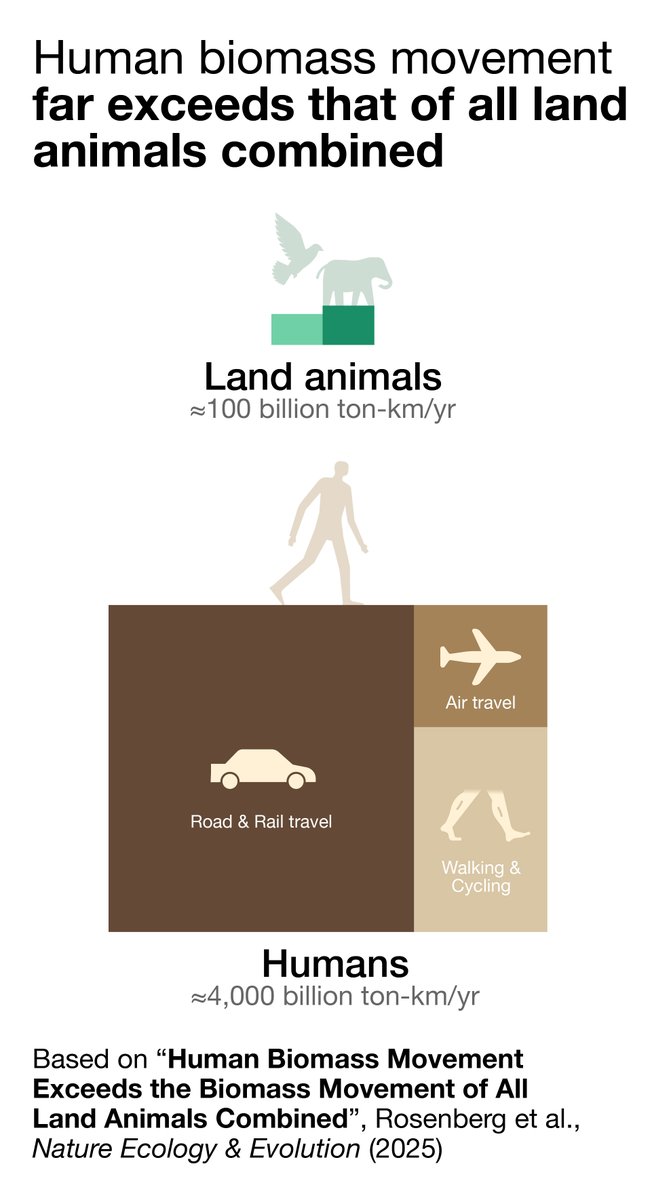
1/ Earth is teeming with life on the move, from whales crossing oceans to humans commuting to work. But how does the movement of animals compare to humanity's?
Our new study in @NatureEcoEvo answers just that!
nature.com/articles/s41559-0…
1
1
2
115
28 Oct 2025
4/ The awe-inspiring African Serengeti migration, with ~1 million wildebeest, zebras & gazelles, barely moves as much biomass as attending the FIFA World Cup or an annual Hajj. But the biggest migration of all? The daily vertical dance of plankton & tiny fish in the ocean.
1
76
28 Oct 2025
5/ Quantifying the biomass movement of all animals and humans reveals the dominant place of humanity on Earth. It is associated with key ecological functions that shape ecosystems and climate, and highlights species whose movement may matter more for conservation.
64
27 Oct 2025
1/ Wild mammals now comprise roughly 5% of mammal biomass globally. How did this come to be? In our new study in @NatureComms, we estimate that in 1850, wild mammals comprised ≈50% of mammal biomass globally nature.com/articles/s41467-0…
1
4
8
823
27 Oct 2025
4/ While historical wild mammal biomass estimates have various uncertainties and caveats, they provide a complementary perspective to species extinctions and other metrics in tracking the status of wildlife
1
90
27 Oct 2025
5/ Quantitative estimates such as these establish historical baselines of wild animal populations, so that we can avoid the shifting baseline syndrome - a gradual change in the accepted norms for the condition of the natural environment.
81
10 Jul 2025
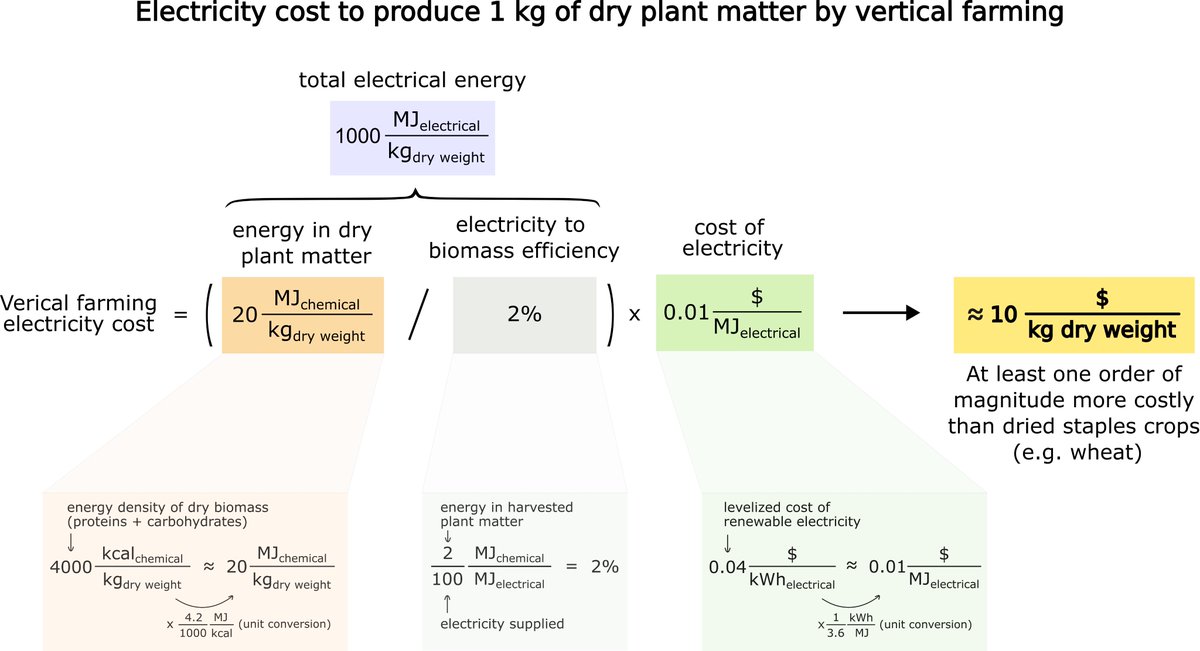
1/ Is the future of sustainable and resilient food production growing plants in skyscrapers? Check out our latest article in @PlantPhys where we explore whether vertical farms are economically viable and offer environmental benefits
doi.org/10.1093/plphys/kiaf0…
1
2
2
366
10 Jul 2025
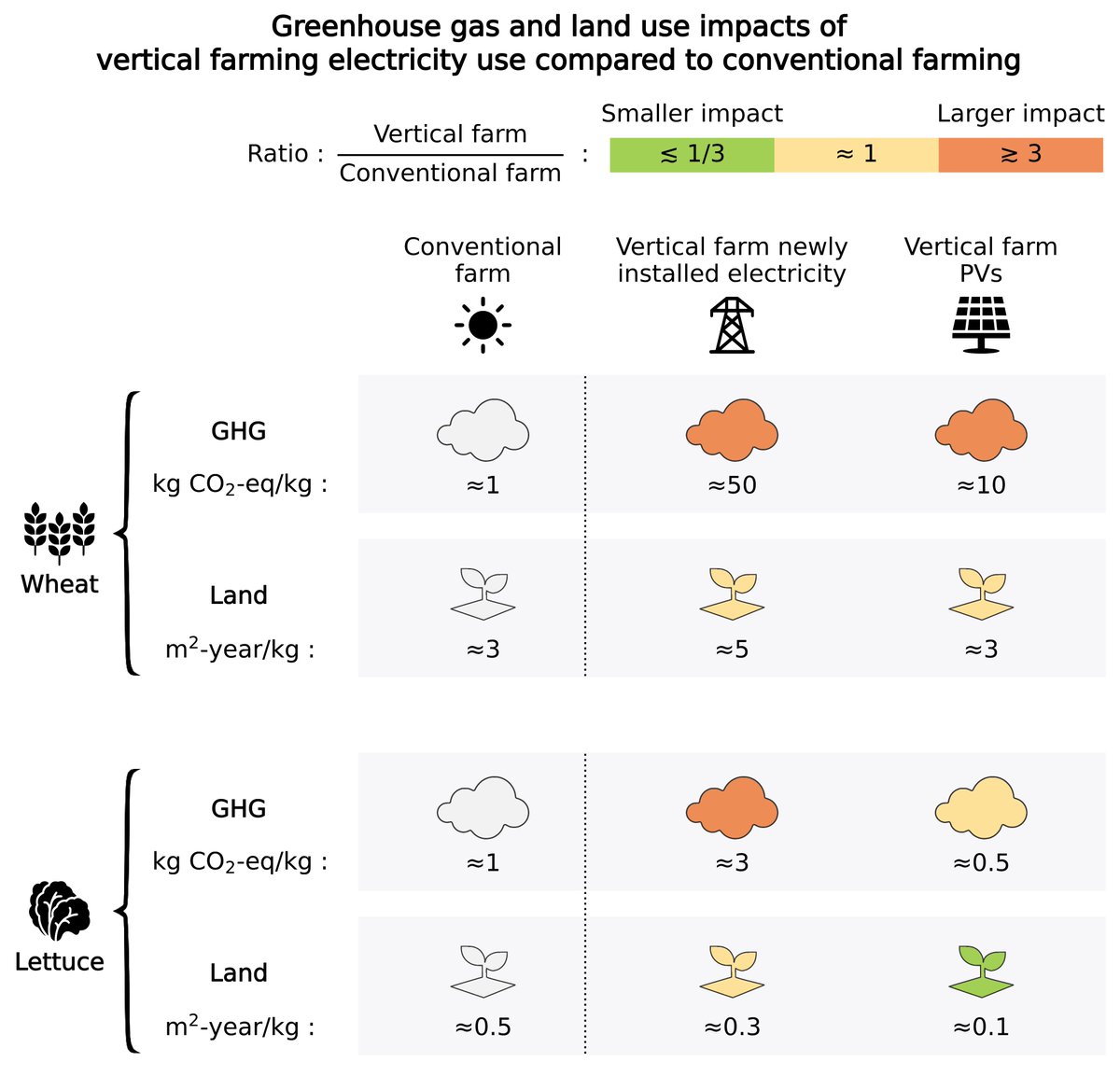
5/ Electricity use alone also leads to substantial greenhouse gas emissions, land use and water consumption. Overall, we find limited environmental benefits afforded by vertical farming with current electricity options
1
122
10 Jul 2025
6/ Advances in efficiency and low-impact electricity sources could improve the future outlook for vertical farming. Ultimately, we need to carefully consider whether and how best vertical farming contributes to sustainable and secure food production roadmaps
112