
Interviews with people who matter. Travel, food & more. Doggies, working out and standing up for what is right. #StarTrek. Ex-Filmfare. @EatStayChill on YouTube
Joined April 2011
- Tweets 19,157
- Following 1,633
- Followers 1,644
- Likes 12,078
2,439 Photos and videos





Sailesh Ghelani retweeted

May 28
Stray dog debate built on fear, not facts: Ban breeding, reward Indie adoption
timesofindia.indiatimes.com/…
45
155
323
15,984

Ahimsa was never meant to stop at humans. A civilisation is measured by how it treats the voiceless. Punjab is being measured right now by every tradition it claims to uphold. #CompassionIsDharma #SavePunjabDogs #BoycottAAP
@APsmindset
103
A mob of 300 men AND women attacked 1 feeder and 5 helpless dogs in Gaur City, Noida. On video. Every face visible. How far have we fallen as a society?
@noidapolice @CP_Noida @myogiadityanath
#StopDogCruelty #DogCrueltyIsACrime #SCMustAct
4
25
28
451
A Supreme Court order carries enormous social power. When language is interpreted as hostility towards community dogs in a country already struggling with cruelty and illegal relocation, the consequences become very real and dangerous. @barandbench @LiveLawIndia
#saveindiandogs
1
119
Sailesh Ghelani retweeted

May 19
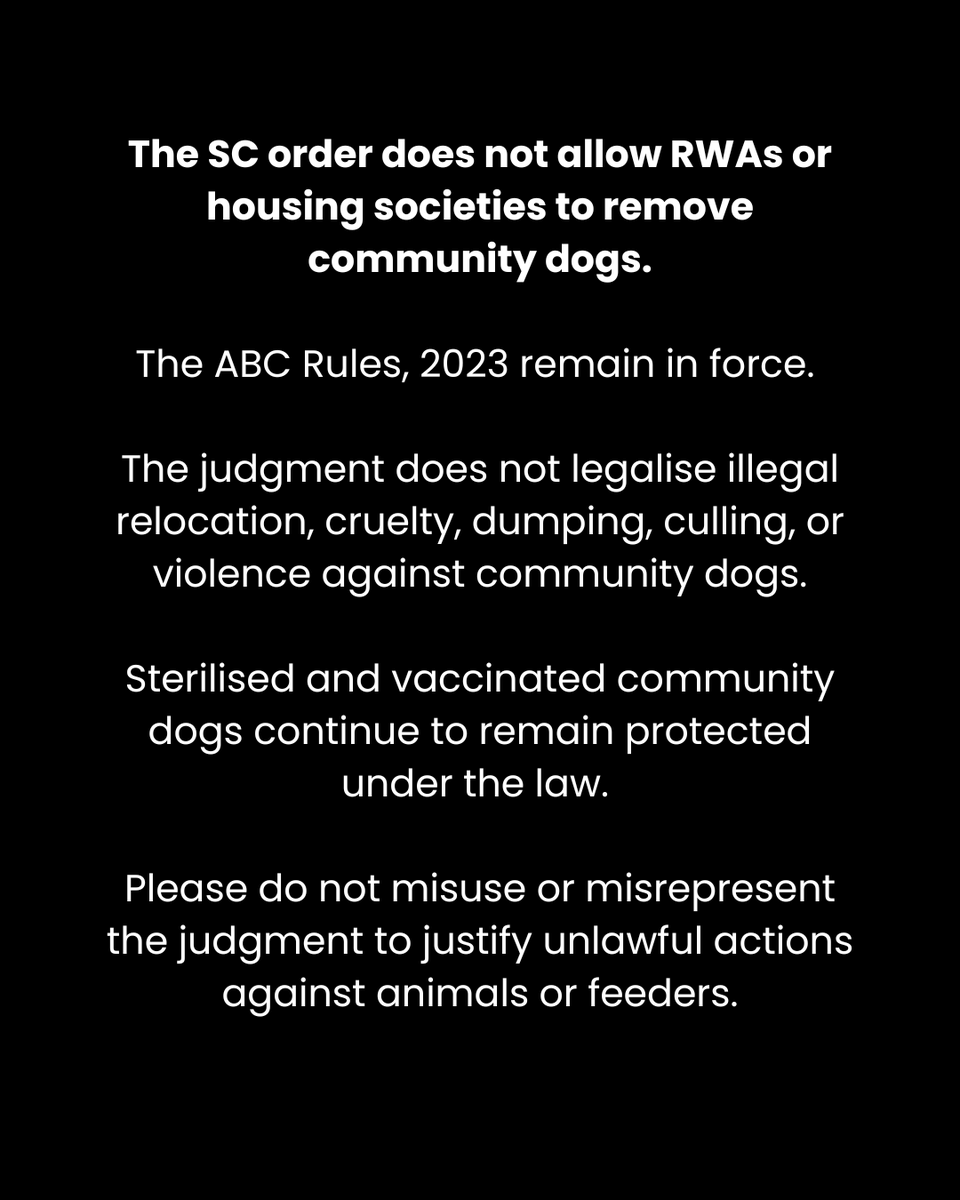
Community dogs are still protected under the law.
The SC order is not a free pass for RWAs or societies to remove, dump, or harm them.
The ABC Rules, 2023 still remain in force.
Please don’t spread fear or misinformation to justify cruelty against innocent animals or the people who care for them.
#SaveIndianDogs #SupremeCourt
5
85
118
2,163
Harassment of women animal caretakers is not “society dispute”
It’s a criminal offence under BNS.
Why aren’t FIRs registered instantly?
@MLJ_GoI @SwatiJaiHind
#WomensReservationBill #WomensSafety #JusticeForIndianAnimals
1
1
130
Two old community dogs
Kaddu (T3) and Dholu/Brownie (T1)
have reportedly been removed from Delhi Airport.
CM Madam, after your assurance, people are looking to you
what happened to these dogs?
@DelhiAirport @gupta_rekha
#BringBackKaddu #StopRelocation
x.com/PunitaS44575106/status…

A dog who has no teeth unable to walk properly has been captured, thrown and no idea whether killed .
False allegations of dog bite
@DelhiAirportGMR @DelhiAirport
U are requested to share the video of dog bites and data with proof .
Relocation , chaining of animals is an offenc

1
199
SPCA was created to PREVENT cruelty, not watch it happen.
Then why are animals still poisoned, burnt, beaten in daily?
Committees exist. Implementation zero, Action doesn’t.
@gupta_rekha @gauri_maulekhi
#AmendPCA #JusticeForIndianAnimals
x.com/i/status/2039730393864…
Apr 2

दिल्ली के सभी एनिमल लवर्स को बताना चाहती हूँ कि सरकार ने 13 के 13 जिलों में Society for Prevention of Cruelty Against Animals initiative शुरू किया है।
अब किसी भी शिकायत पर सख्त से सख्त कार्रवाई होगी, जिसकी जिम्मेदारी डिस्ट्रिक्ट मजिस्ट्रेट संभालेंगे।
जिन्होंने मेरी बजट स्पीच को तोड़-मरोड़ कर पेश किया, उन्हें भी स्पष्ट कर दूं कि पहली बार कोई सरकार कंकाल पड़े हुए वेटरनरी हॉस्पिटल्स को ठीक कर रही है, जहाँ डॉक्टर, दवाइयां और पूरी व्यवस्था होगी।
शेल्टर होम का मतलब इलाज और देखभाल है, किसी को पकड़कर ले जाना नहीं।
153
CAREgivers are the real backbone of coexistence 🚨
They feed, vaccinate, sterilize and care for voiceless animals from their own pockets
Yet RWAs spread hatred against them
Respect age, but no one is above law
#AmendPCA #StopFeederHarassment
118
Looks amazing @LEGO_Group but one of the least enjoyable Speed Champions builds I’ve done. Also don’t know what to do with those two pieces as they didn’t stay. Too many fiddly bits. Ask a designer to let me know please 🙏
1
176

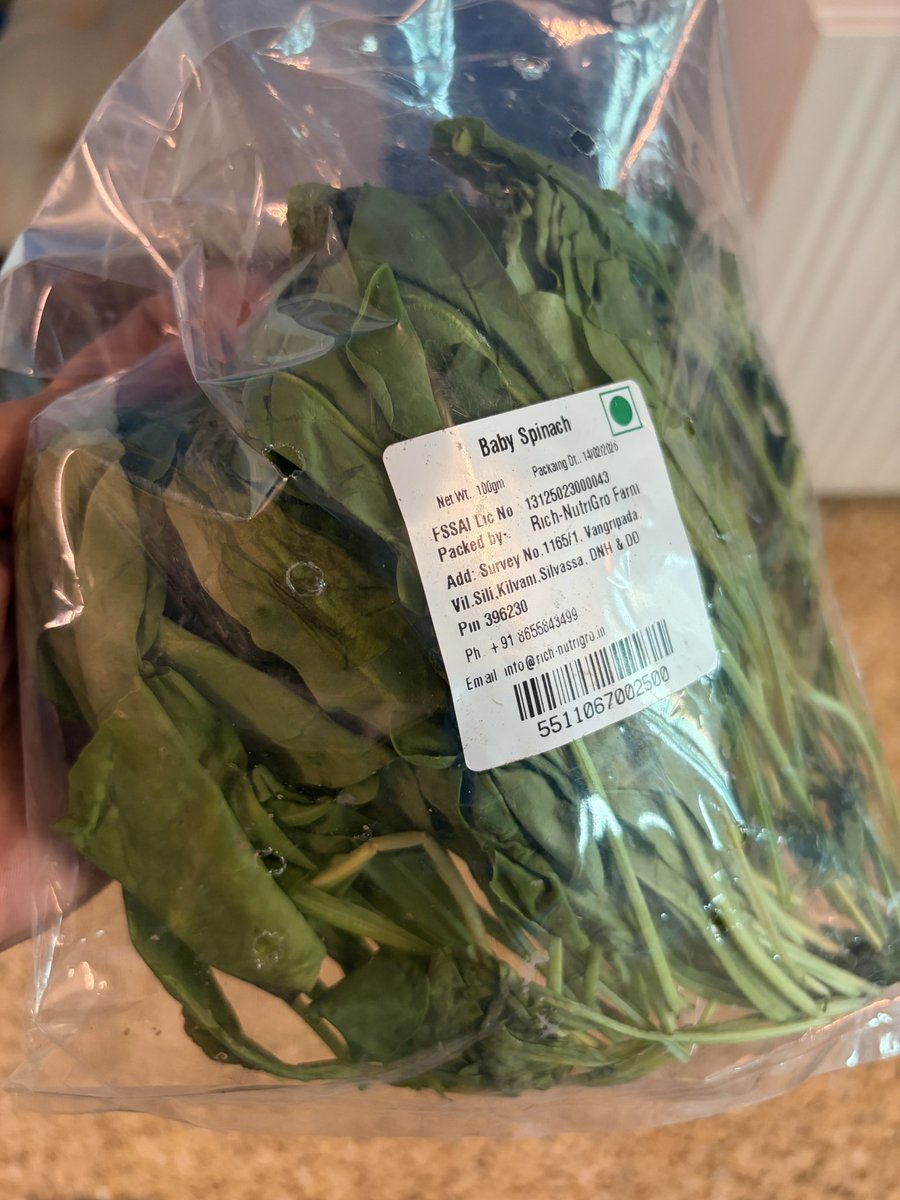
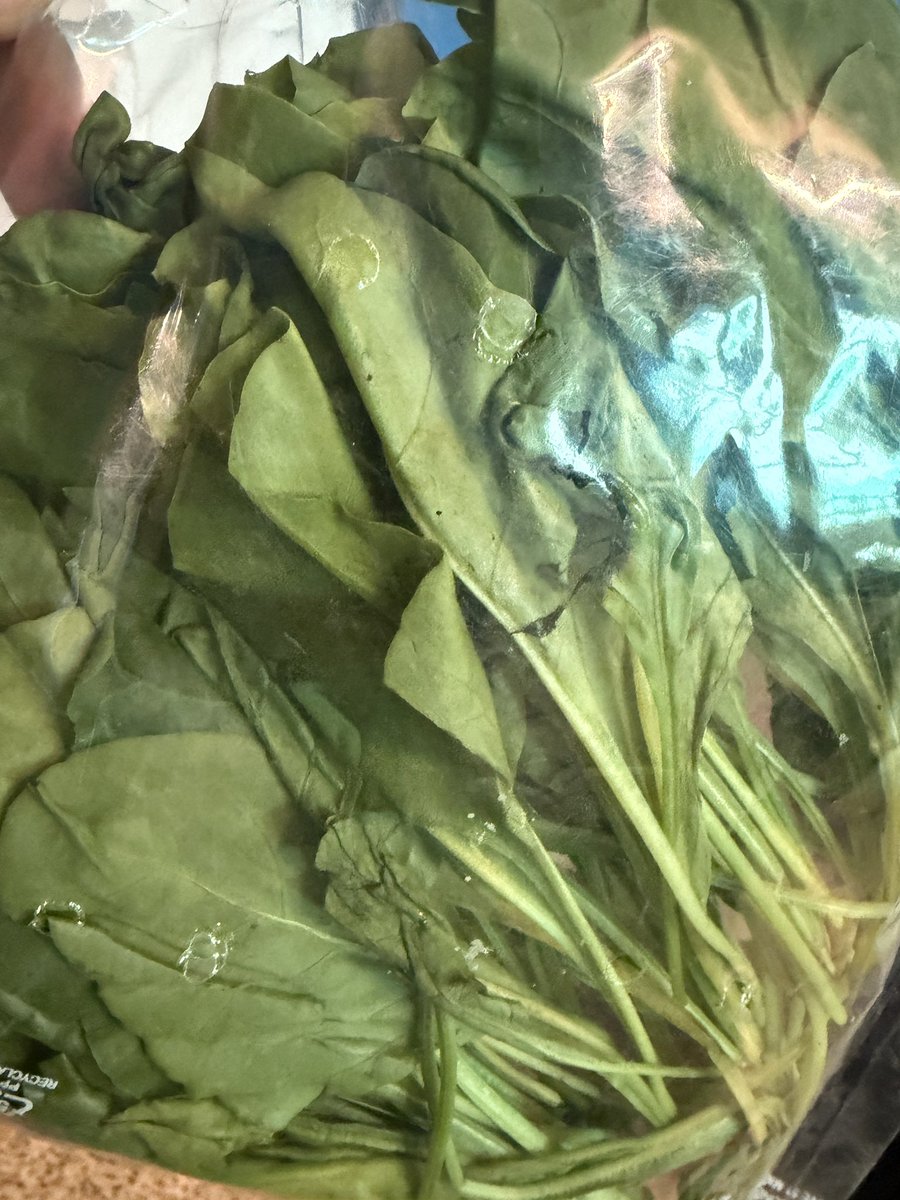
Poor quality baby spinach being delivered by @letsblinkit @blinkitcares straight into the dustbin. Please refund.

2
198
Sailesh Ghelani retweeted

Feb 16
The data is clear, blunt, and inconvenient for the outrage industry. The Lancet, a peer-reviewed medical journal, reports a 75% decline in rabies deaths in India over 20 years, alongside a two-thirds reduction in dog bite incidence. This is not anecdotal. This is rigorous epidemiological fact.
This dramatic success is a testament to systemic public health interventions, not magic or luck:
- Extensive anti-rabies vaccination programs for dogs across urban and rural areas.
- Improved access to Post-Exposure Prophylaxis (PEP) for humans, making treatment available at primary health centers.
- Targeted awareness campaigns educating communities on bite prevention and first aid.
- Better integration of veterinary and human public health systems.
These are hard-won gains, the result of consistent, often unheralded, work by countless professionals. This is the result of selfless volunteering services of millions of dog feeders. It's a victory of science and sustained effort over disease.
So, when the Supreme Court deliberates on policies concerning community animals, the foundation *must* be this scientific evidence. To base policy on amplified media narratives or emotional appeals, ignoring a proven track record of decline, is a dereliction of evidence-based governance. It undermines the very systems that achieved this success.
We have a working model. The solution is to support it, not dismantle it based on manufactured fear. 🔬
Feb 15

As per The Lancet Infectious Diseases survey, one of the world’s most respected peer-reviewed medical journals, there is a
- 75% decline in rabies deaths in India over 20 years and
- a two-third reduction in dog bite incidence.
This is rigorous epidemiological data.
When the Supreme Court deliberates on community animals,
policy must rest on scientific evidence, not amplified media narratives.
Requesting attention from @narendramodi @HMOIndia @KapilSibal @DrAMSinghvi @IndiraJaising @PrashantBhushan @HarishSalve_ @Sanjay_Hegde @GamalEid @AmalClooney @LiveLawIndia @barandbench @PercyBillimoria @JethmalaniM
wellbeingintl.org/the-indian…
#SaveIndianDogs
33
227
284
19,527
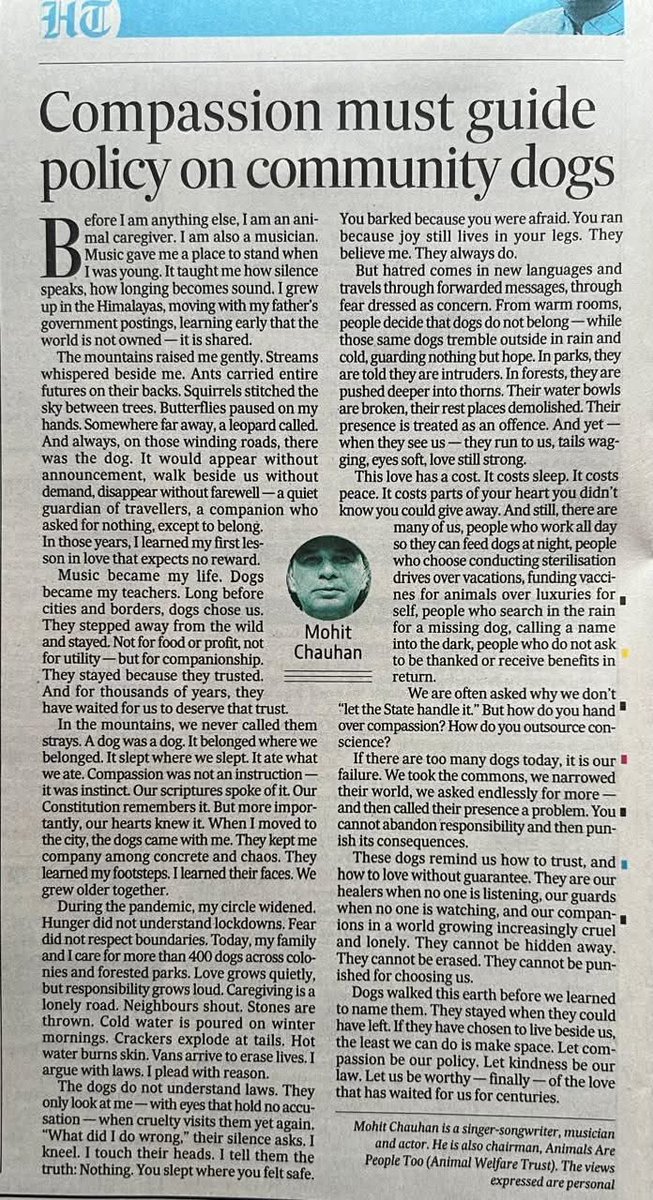
Lovely article about coexistence and humanity by Mohit Chauhan.
#saveindiandogs #coexistence
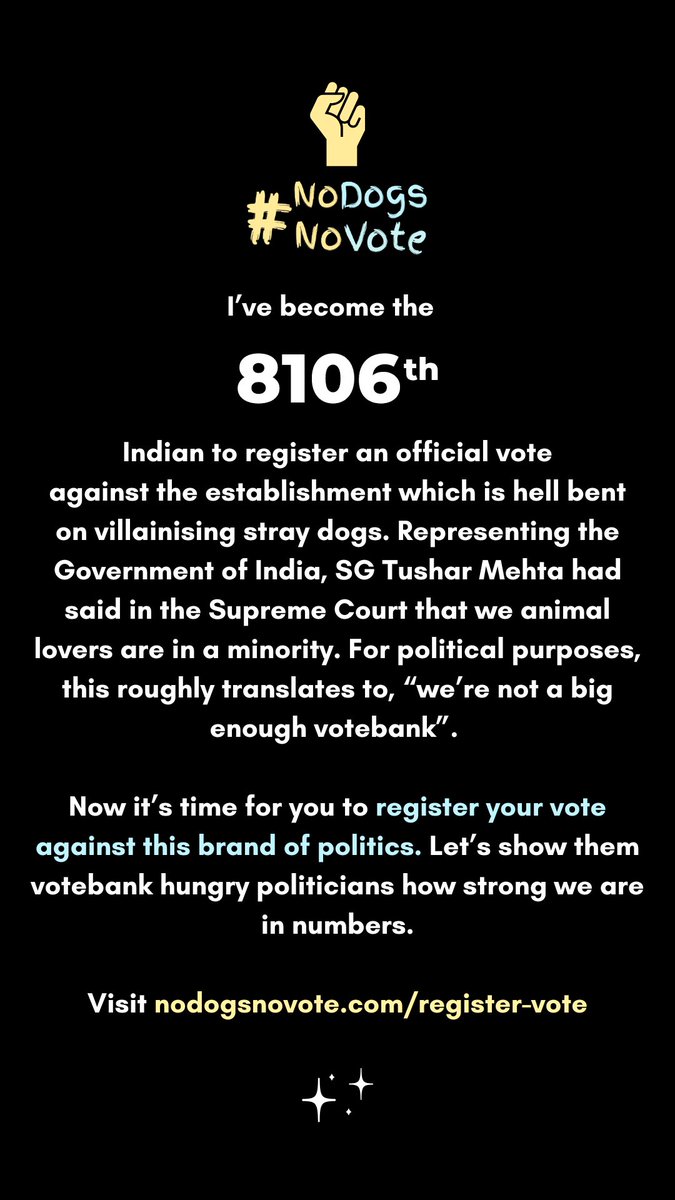
#nodogsnovotes
1
198
RT @MahuaMoitra: Please read this. The Judiciary has a duty to protect all sentient beings - it cannot sound the death knell for man’s best…
209
Sailesh Ghelani retweeted

Jan 28
To sum it up: We didn’t follow ABC Guidelines for 25 years, we ate all the money, we didn’t do anything, we destroyed compassion and for all our mistakes, now we want to throw the dogs out.
#SupremeCourtHoshMainAao
#SupremeCourtofIndia
#AllEyesOnCruelty
#BeKindToAllKinds #BeKindToAllAnimals #SanatanForAnimals
#JudgesMustSee
#JusticeForIndianDogs
#SaveIndianDogs #SaveIndianAnimals #NotAwaraYehHamara
#NoDogsNoVote #SupremeCourtofIndia #SupremeCourtBetraysAnimals #News #Criminals #AnimalCruelty #NotAwaraYehHamara #SheltersofDeath #DictatorSupremeCourt #MediaMenace #AwaraNahiHamaraHai #AdoptDontShop #HumanMenace
#SanatanForAnimals #AllEyesOnCruelty
@aajtak @ndtv @Republic_Bharat @ndtvindia @republic @mannkibaat @ABPNews @DDNewslive @VtvGujarati @ZeeNews @PTI_News @tv9gujarati @TV9Bharatvarsh @bstvlive @timesofindia @htTweets @the_hindu @NewIndianXpress @TheSiasatDaily @PIB_India @moneycontrolcom @EconomicTimes @bsindia @IndiaToday @PTI_News @CNNnews18 @BBCHindi @NewsAlgebraIND @Divya_Bhaskar @sandeshnews
5
60
91
1,675
The evil massacre of dogs must stop. No place for barbarism in a developed country. I hope action is taken and justice prevails.
• @TelanganaCMO
• @revanth_anumula
• @TelanganaDGP
87
As a citizen of India, I ask my Republic why animal feeders and caregivers are treated as criminals while animal welfare system failures are ignored? #IndiaUnmutes
5
4
273
As a citizen of India, I ask my Republic why fear-driven actions against animals are chosen over evidence-based animal welfare solutions that save lives? #IndiaUnmutes
1
2
116
Sailesh Ghelani retweeted
Jan 25
Fear of dogs is often a proxy for deeper cognitive failures, not a rational response to actual risk. The data is clear: dogs are not a primary threat, yet the panic persists.
Irrational fear stems from:
- Isolated incidents amplified by media
- Lack of exposure to well-socialized animals
- Misunderstanding canine behavior cues
- Observational learning from anxious parents or peers
- Vivid, rare negative events overshadowing common positive ones
Overcoming it demands:
- Education on dog body language and training principles
- Controlled, positive interaction with calm, well-trained dogs
- Challenging the sensationalist narratives that profit from fear
It is the job of parents to teach the kids to engage safely with animals like dogs. A lot your parents failed, it shows.
101
107
319
10,760