Thomas Downey High Boys Varsity Basketball Coach
Joined October 2017
- Tweets 4,873
- Following 1,476
- Followers 733
- Likes 13,246
219 Photos and videos
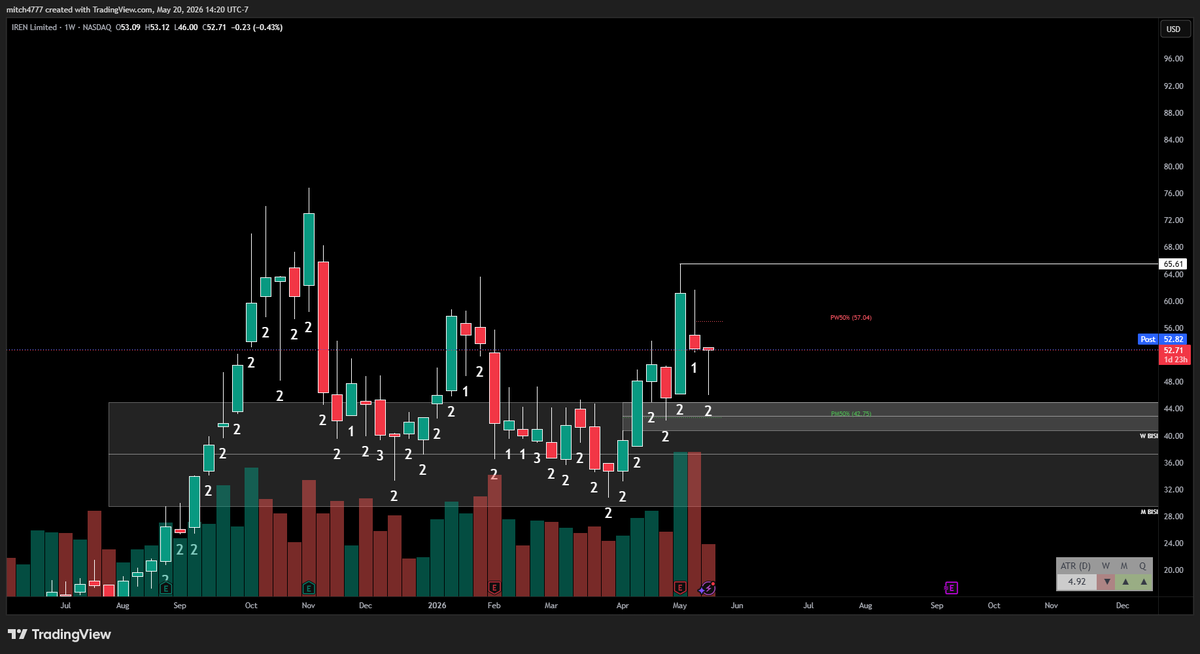
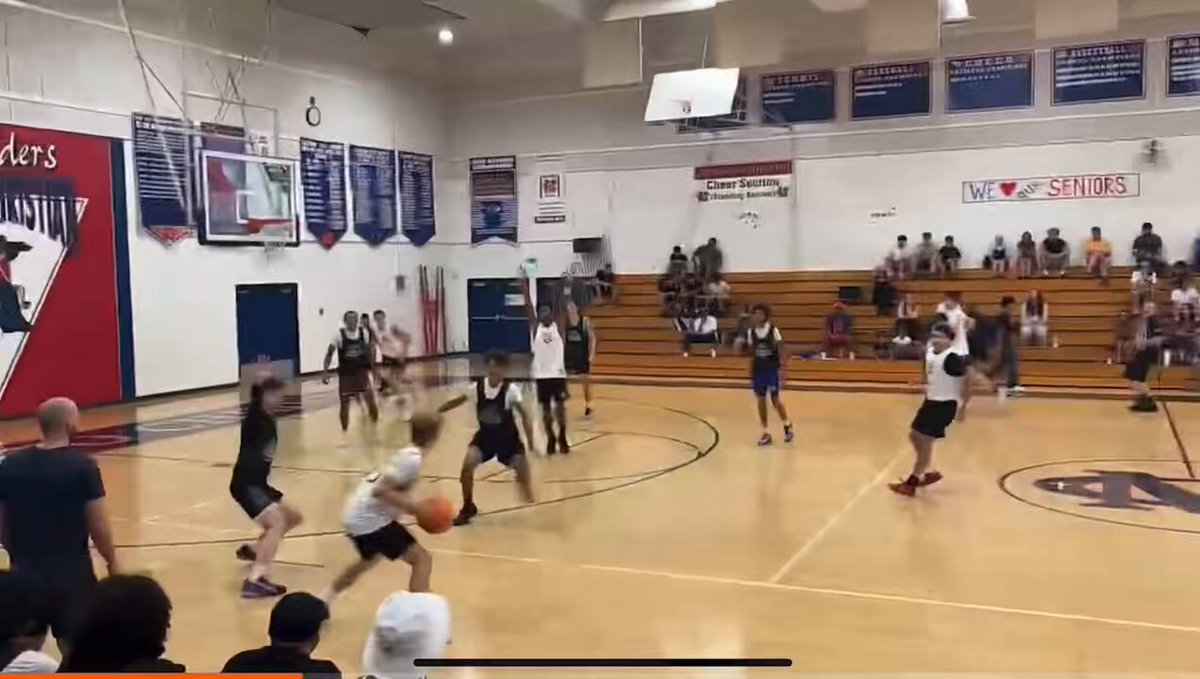
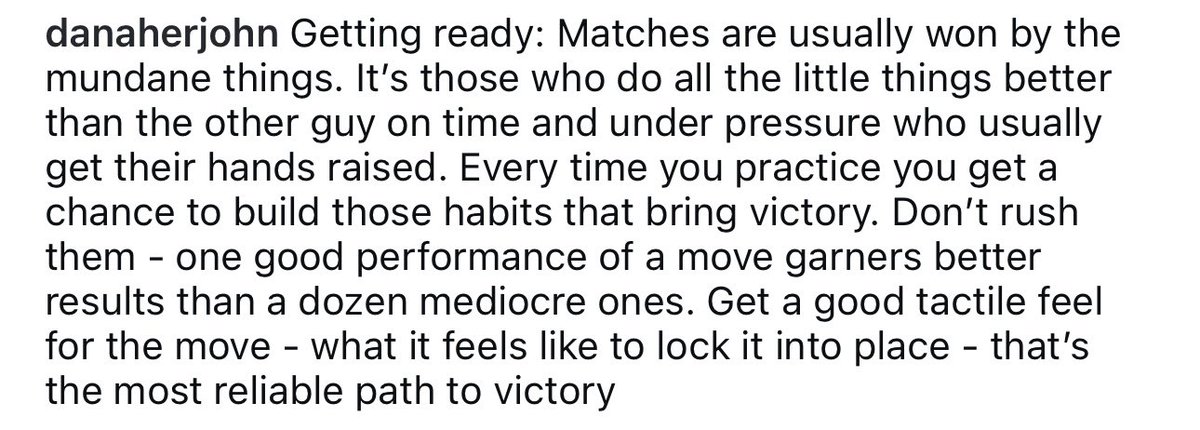



Pinned Tweet

17 Oct 2023
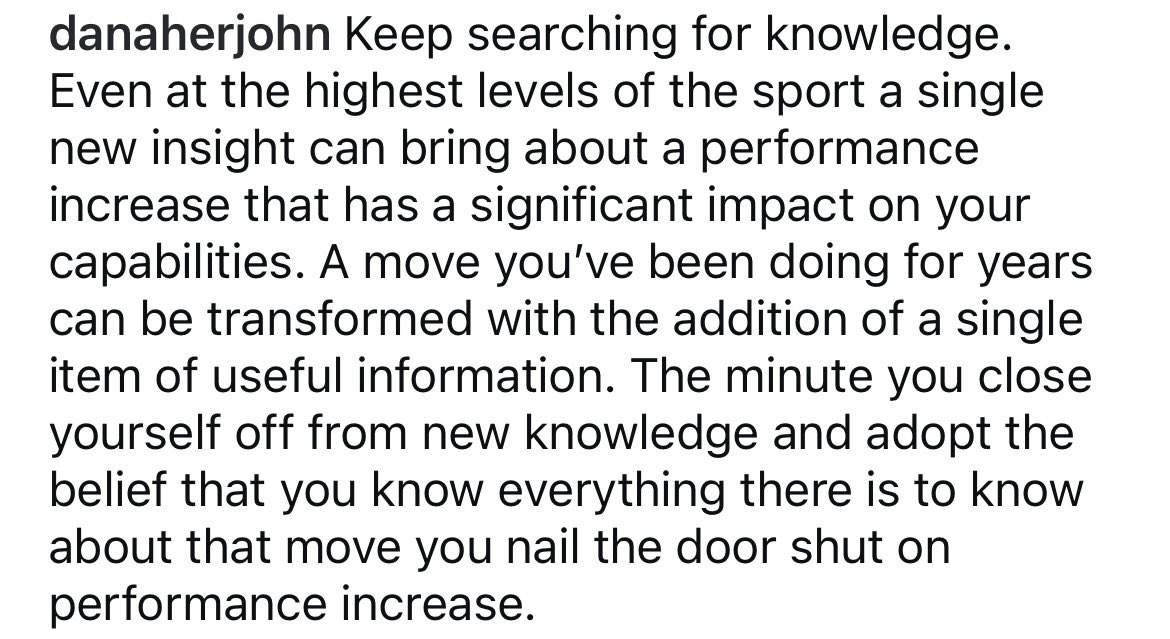
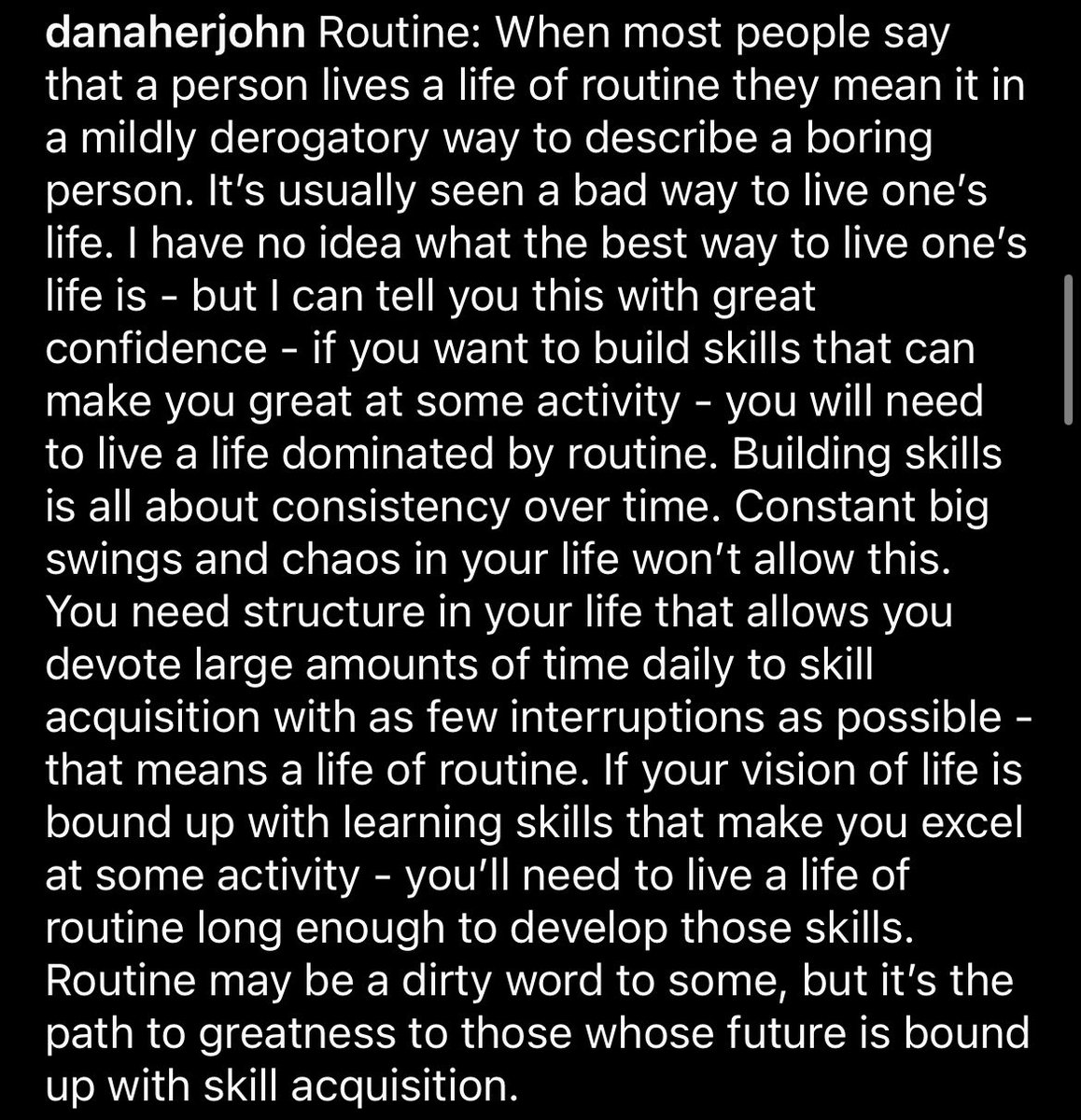
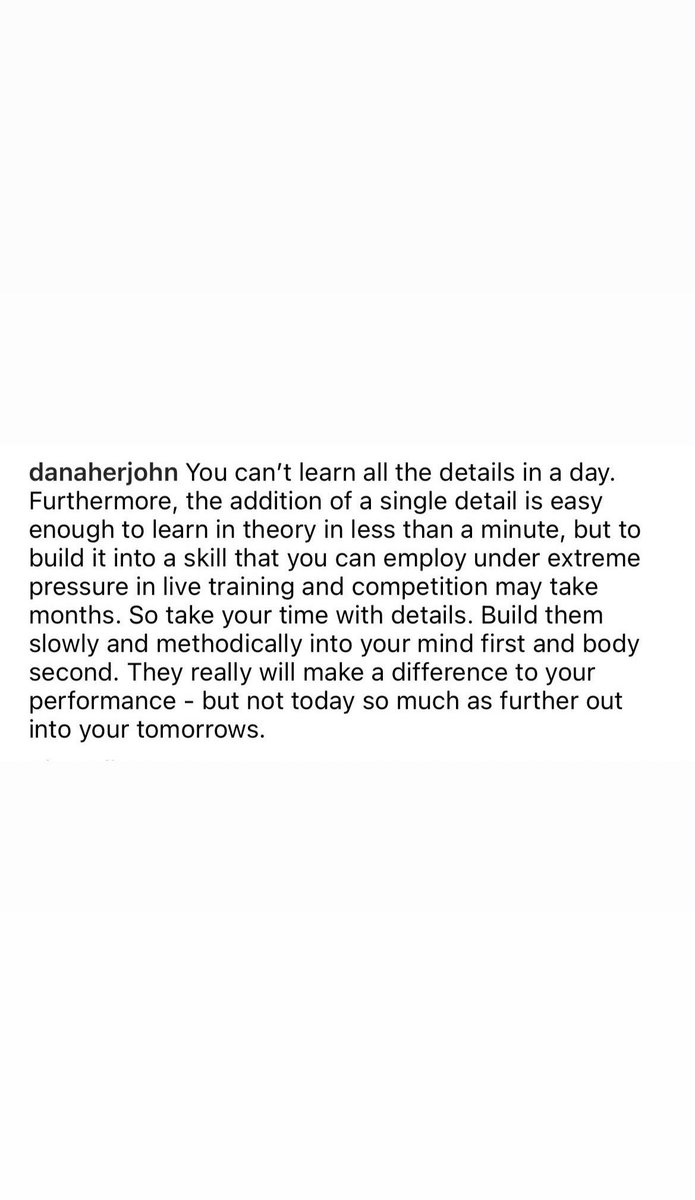
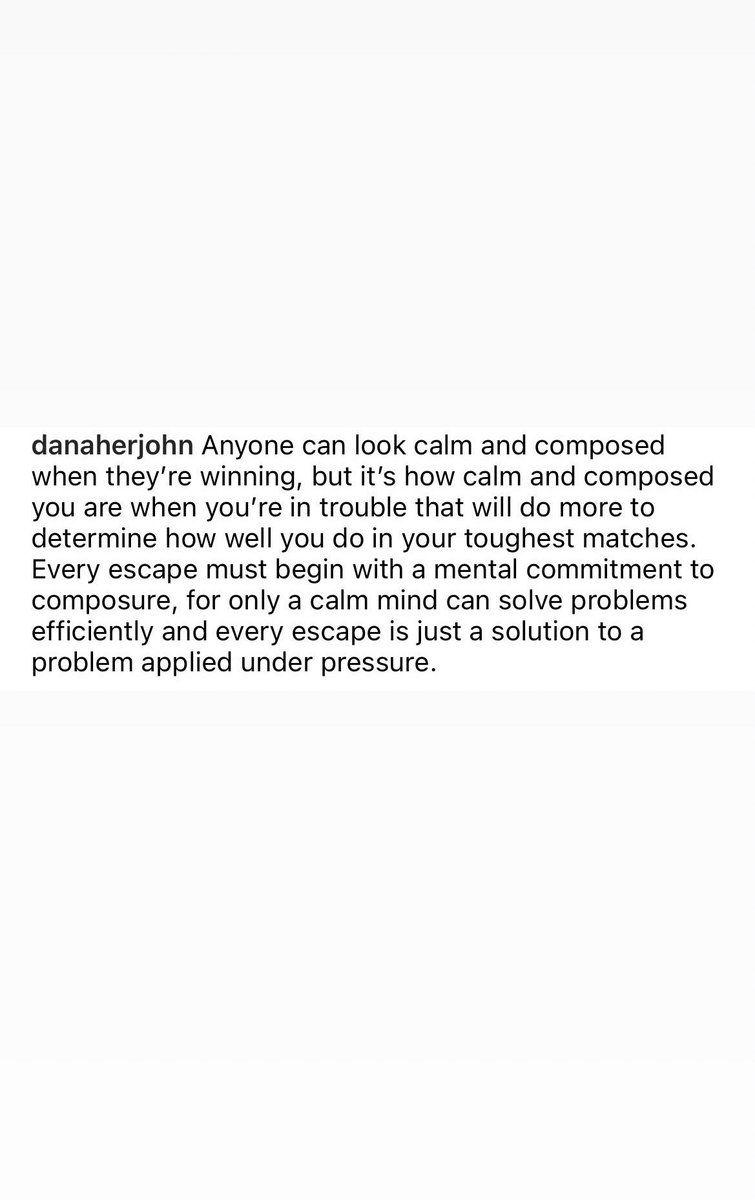
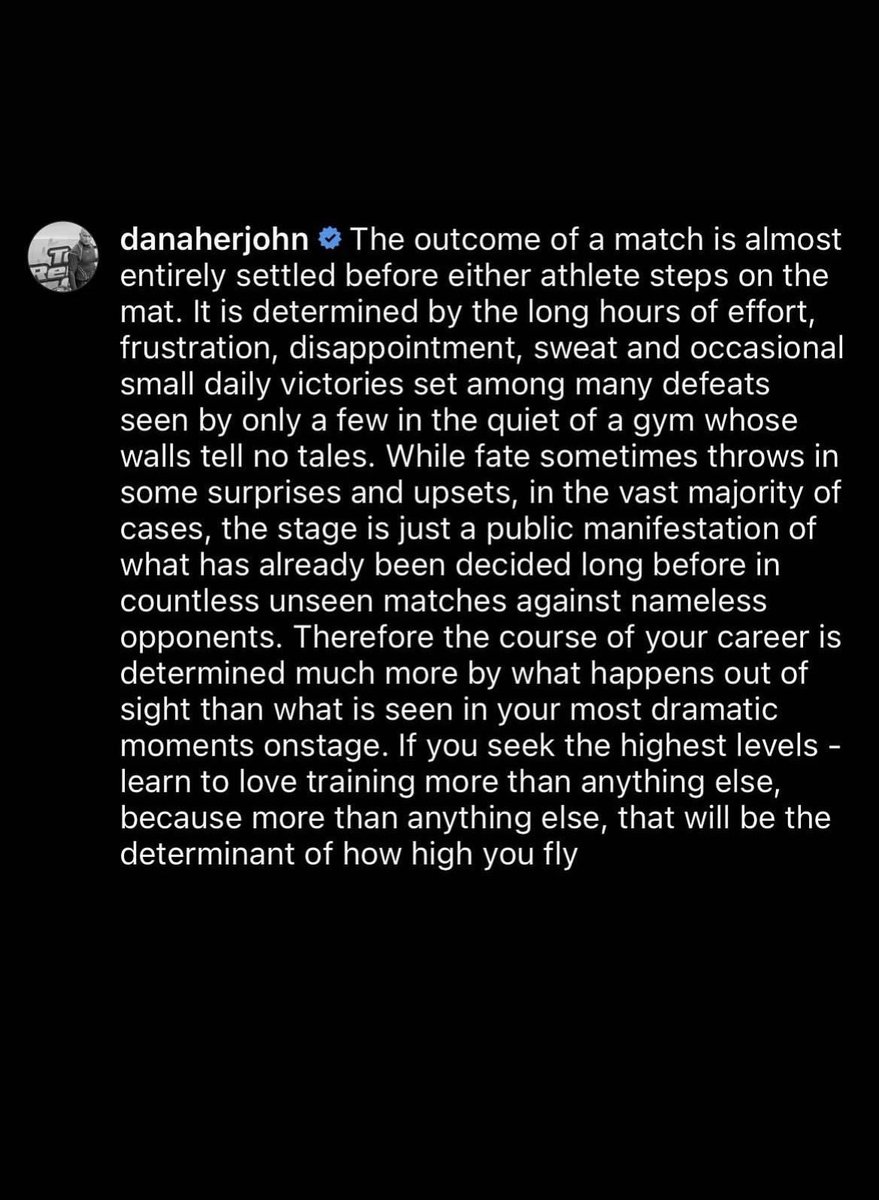
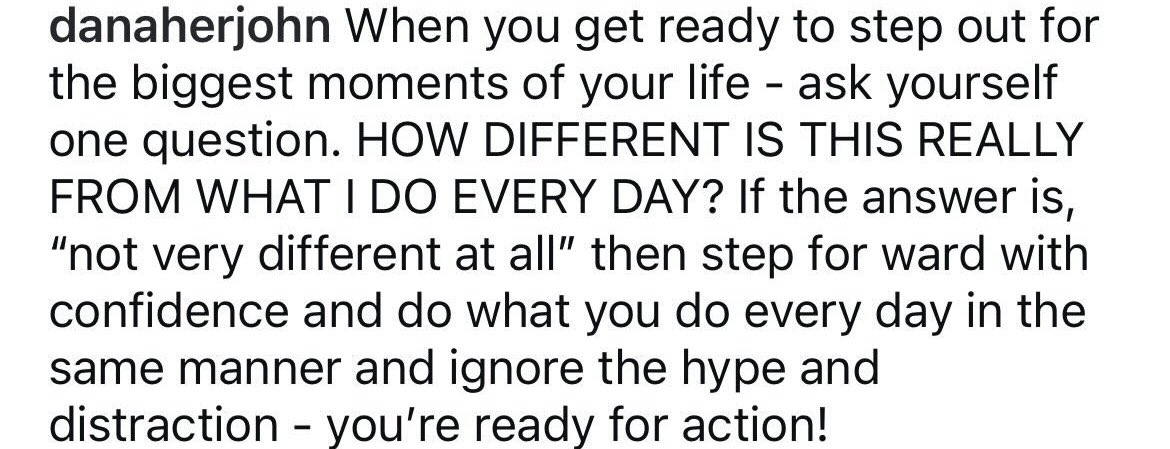
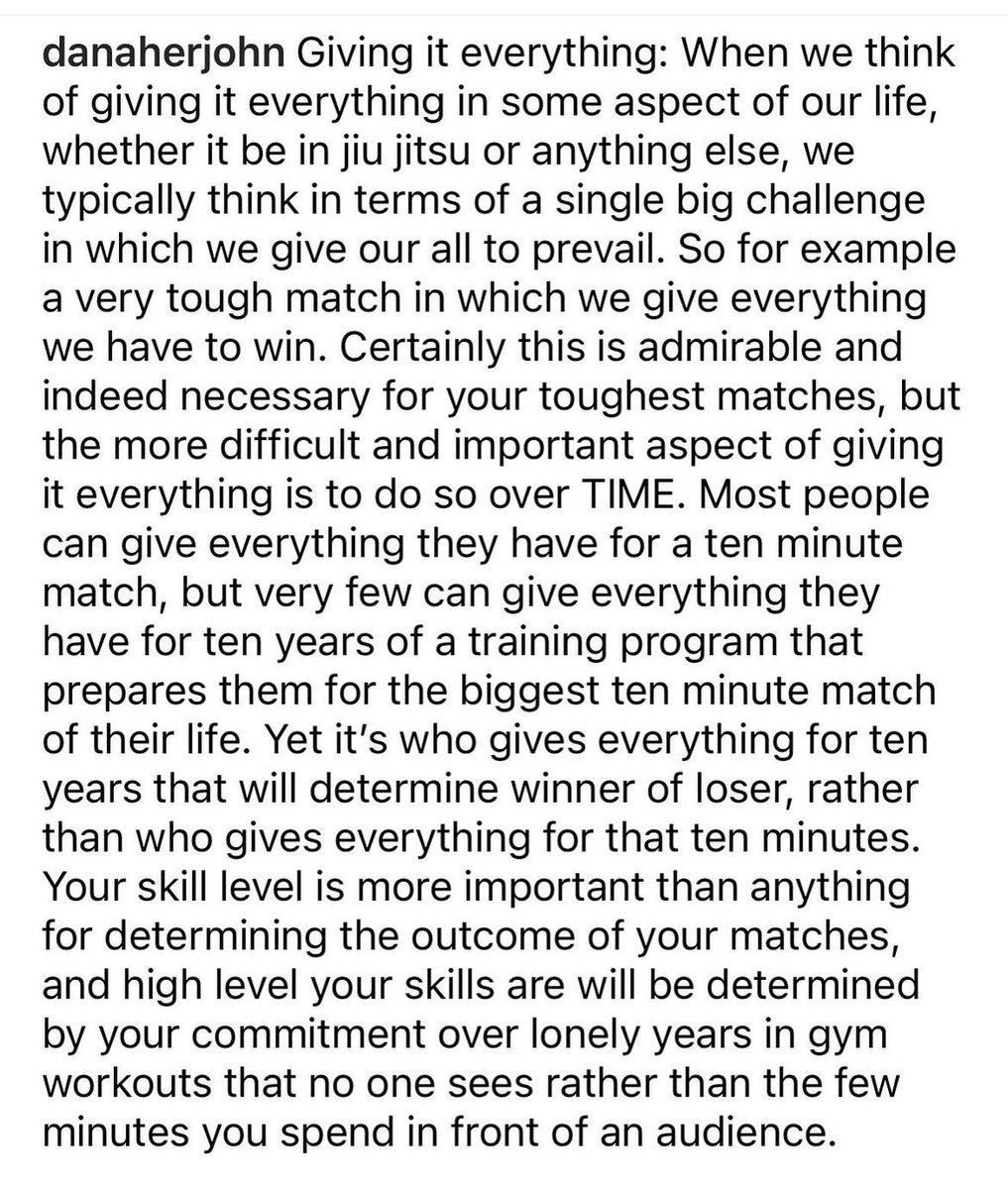
Few ideas I’ve been reminded about lately from the legend John Danaher.
1
7
1,852
Mitch Evans retweeted

Mar 21
Why are we complaining that we get to watch the better teams advance?
46
6
177
47,345
Mitch Evans retweeted

TWO FEET vs. ONE FOOT
Big South Championship
High Point 🟣 2 ft: 80% / 1ft: 33%
Winthrop 🟠 2 ft: 65% / 1 ft: 29%
Footwork is the lifeblood of a basketball 🏀 player
6
162
1,154
161,397
Mitch Evans retweeted

Feb 22
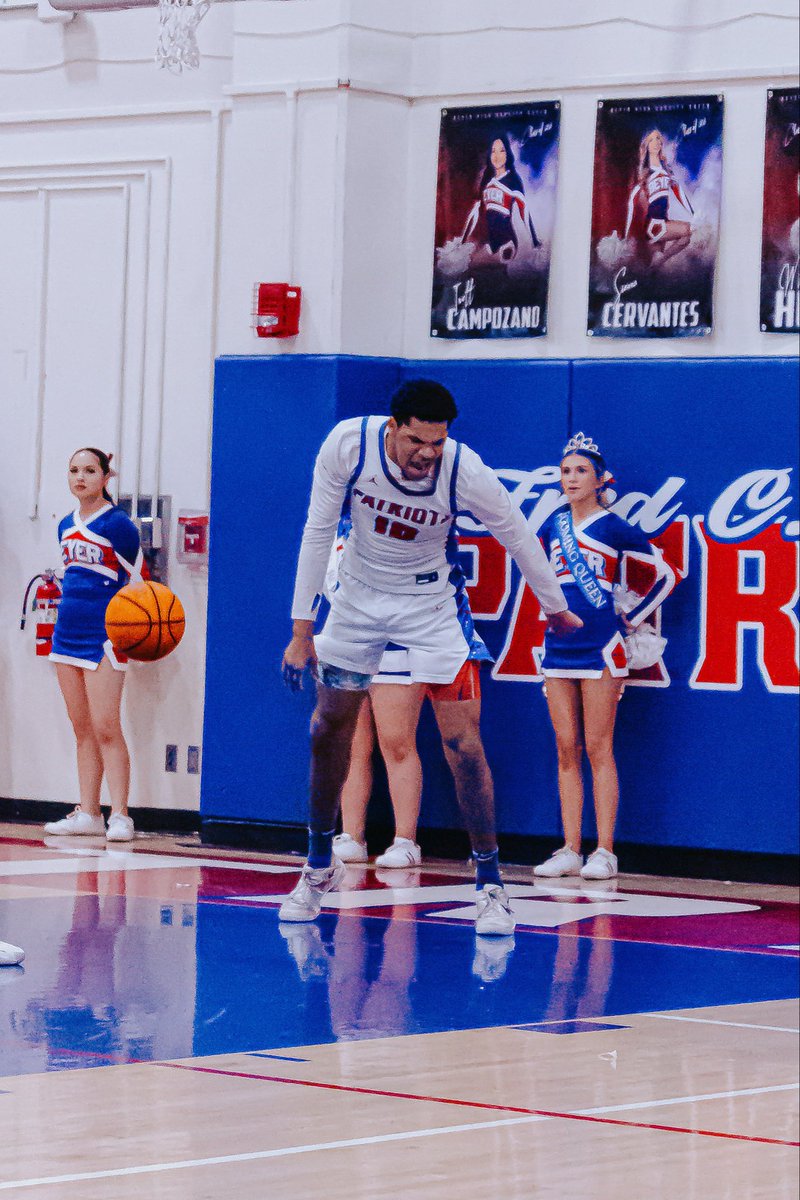
Curtis Harmon proving why he’s on the short list for District Player of the year. 2 blocks short of a triple double dominating both ends of the court.
19 points
11 rebounds
8 blocks
3 charges taken
No player in the district more valuable to his team. 🔴🔵🏀
@Quade1095
3
13
689
He really wrote an essay on how to kill high school basketball. Nobody wants to watch that product or play in that.
Feb 7

Here are the main reasons people (me) consider a shot clock problematic or "bad" for high school basketball:
- It hurts underdogs and creates bigger blowouts — Without a shot clock, a less talented team can slow the game way down (holding the ball for long stretches) to limit possessions and give themselves a better chance at an upset. A shot clock removes that strategy, forcing them to play faster against superior opponents, which often leads to more lopsided scores. This is especially relevant in high school, where talent gaps between teams can be huge (unlike more even college/pro levels).
- It takes away legitimate strategy and coaching creativity — High school basketball is unique in allowing varied styles, including deliberate, slow-paced offenses (e.g., motion sets that take 45–60 seconds). Critics say forcing quicker shots reduces strategic depth and turns the game into something more like college/pro ball, which isn't always the goal at the high school level (where most players aren't heading to college hoops).
- Potential negative impact on player development and fundamentals — Some argue that rushing possessions leads to more bad shots, turnovers, sloppy play, and rushed decisions, especially for developing high school players who may not have the skills yet to consistently create good looks in under 35 seconds. Without the clock, teams can teach patience, ball movement, and better shot selection.
- It can disrupt game flow in the opposite way — Ironically, strict adherence to a shot clock might cause teams to pass up good early shots to "use more clock," slowing the pace artificially (similar to what happened in some college eras with slower, clock-managing teams like old Wisconsin or Virginia styles). This could interrupt natural flow more than occasional stalling does.
- Cost and logistics — Installing and maintaining shot clocks (displays, operators, backups for malfunctions) costs schools thousands of dollars per gym ($3,000–$4,000 estimates in some states), plus ongoing expenses. Many smaller or underfunded programs see this as unnecessary when the game has functioned without it for decades.
- Late-game dynamics aren't always improved — While a shot clock can prevent endless stalling when leading, some say the current no-clock setup (combined with rules like double bonus) already favors the leading team too much via fouling/free throws. But others point out that extreme stalling (e.g., 4-2 games or holding for minutes) is rare and can be countered by aggressive defense instead of changing the rules for.
1
44
Mitch Evans retweeted

Jan 10
Merrimack is 6-0 in the MAAC
Joey Gallo is one of the best coaches in the nation at any level
2
23
273
38,643

Mitch Evans retweeted

16 Dec 2025
Make catch & shoot 3s
Play defense
Finish off two feet
You’ll play.
4
161
857
49,160
Mitch Evans retweeted

15 Oct 2025
Full Name: Adrian Aguirre
School Name: Livingston High
Height: 5’11
Weight: 160
Position: PG/SG
GPA:4.45
Film: youtu.be/mXP5HBtNS6k?feature…
Film: hudl.com/profile/21466925
6
7
453
Mitch Evans retweeted

28 Jun 2025
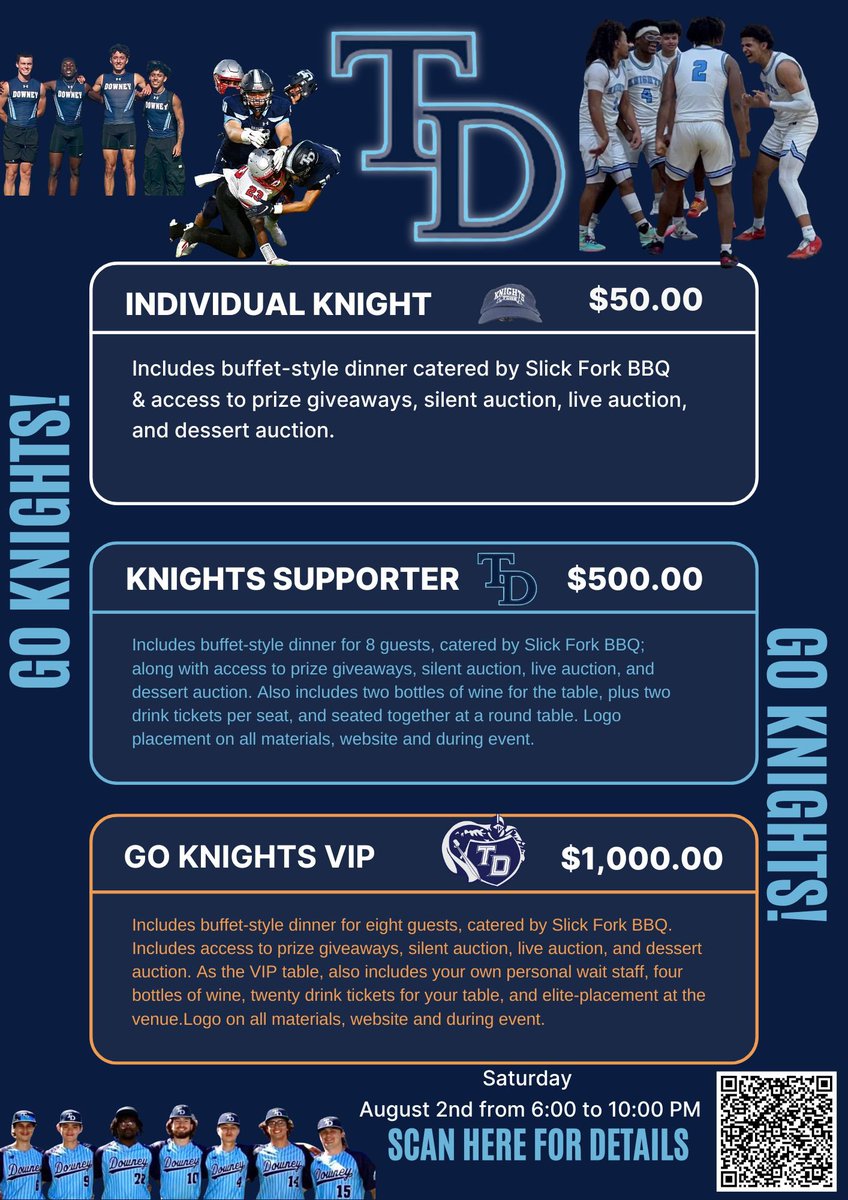
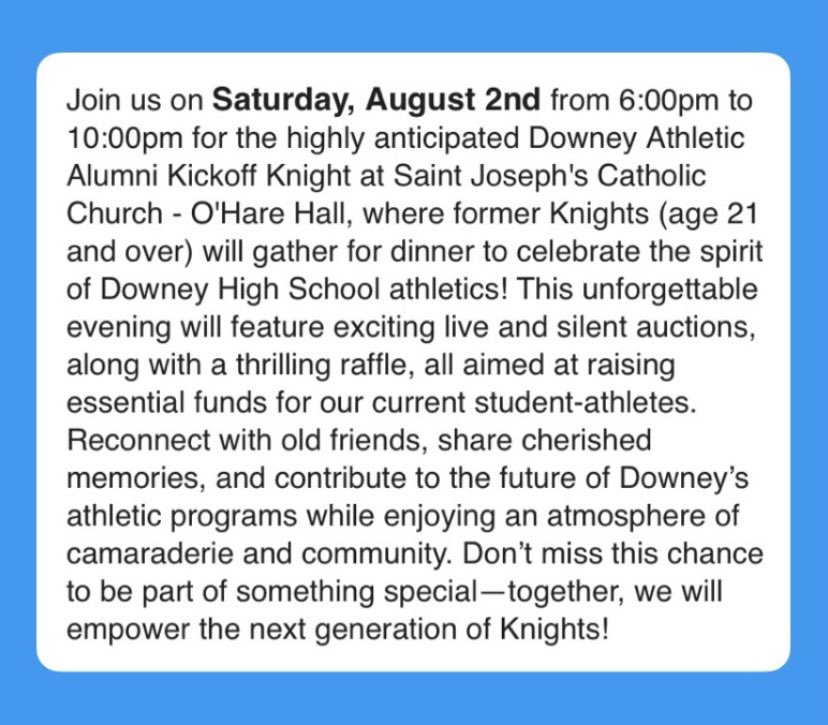
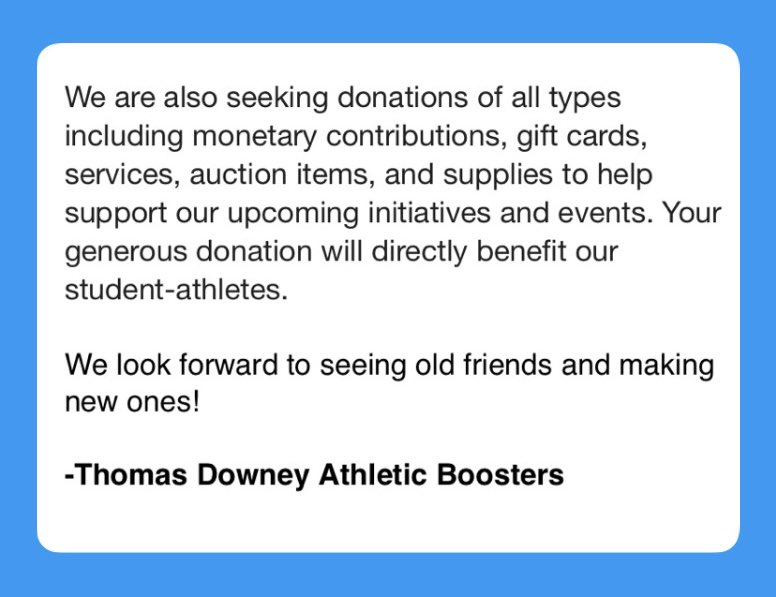
1st Annual Downey Athletic Alumni Kickoff Knight onecau.se/downeykickoff @Tdfootball @MitchellAEvans We look forward to seeing old friends and making new ones!
10
8
1,236
Mitch Evans retweeted

27 Jun 2025
1st Annual Downey Athletic Alumni Kickoff Knight!
Come and Join us!!
Saturday August 2nd, at St. Joseph's
Get your tickets here: onecau.se/downeykickoff
3
4
629
17 Oct 2023
Few ideas I’ve been reminded about lately from the legend John Danaher.
1
7
1,852
Mitch Evans retweeted
2 Jun 2025
I’ll just post this now. Cause it is inevitable. 😂

1
2
846
25 Apr 2025
Hurtado has been a great coach and person over the years. I’ve been lucky to have some fun battles and really respect the work done in that program. Whether it was fall league or a random tournament, he was always a great person to talk to about hoop.
25 Apr 2025

El Capitan boys basketball coach Adrian Hurtado steps down after leading Gauchos to section title game.
@ECapbaseball @GauchoNetwork @ecgauchos @ElCapBasketball @ElCapGirlsBball @ECPrincipalCope @MercedUHSD
mercedsunstar.com/news/local…
1
1,272
Mitch Evans retweeted

23 Apr 2025
NCAA Tournament 2 Foot Finishes
3
100
894
163,238
Mitch Evans retweeted

College Coaches:
Malachi Miller 6’4 210
16.6 ppg
5.7 rpg
2.7 apg
36% from 3
84% FT
Big 8 all conference team
Chabot all tournament team
Get in!!
1
8
27
8,715
Mitch Evans retweeted

18 Feb 2025
If you allow your kid to be coached like this, they can be a part of special teams.
17 Feb 2025

Clip from Vice Sports of Rick Pitino at halftime of the St. John's game at Providence. #sjubb was down big, and rallied to win.
168
992
12,956
2,375,200
Mitch Evans retweeted

2 Feb 2025
imagine being the GM/Front Office who makes a trade so appalling and bad that nobody believes it can possibly be real despite the leagues lead reporter with 2.5 million followers insisting and pleading with everyone that it’s legit
that’s gotta be embarrassing
81
2,881
37,301
1,240,336
Mitch Evans retweeted
4 year coaches!! Malachi Miller is the name to have on your radar!
Leading scorer on a very balanced 10-0 Big 8 leading team (7 players averaging 8ppg)
Conference play
17 PPG
50% FG
40% 3FG
6 REB
3 AST
Tough, WINNER and an absolute gym rat!!
7
20
3,117
23 Jan 2025
Our Varsity boys got a league win over Modesto 65-60 in double OT. Very happy for our guys. Many players stepped up. Freshman Trey Richards led us with 28 pts in a huge effort
1
3
17
1,110