
God First☦️ | All Things Health Optimization, Chronic Illness Help & Sovereign Enlightenment
Joined March 2024
- Tweets 7,292
- Following 504
- Followers 12,693
- Likes 21,512
1,817 Photos and videos




Pinned Tweet

Jun 13
Stop treating iron like a harmless mineral that people can just throw at fatigue.
Iron has a side that is often neglected when it comes to people handing out iron supplements...
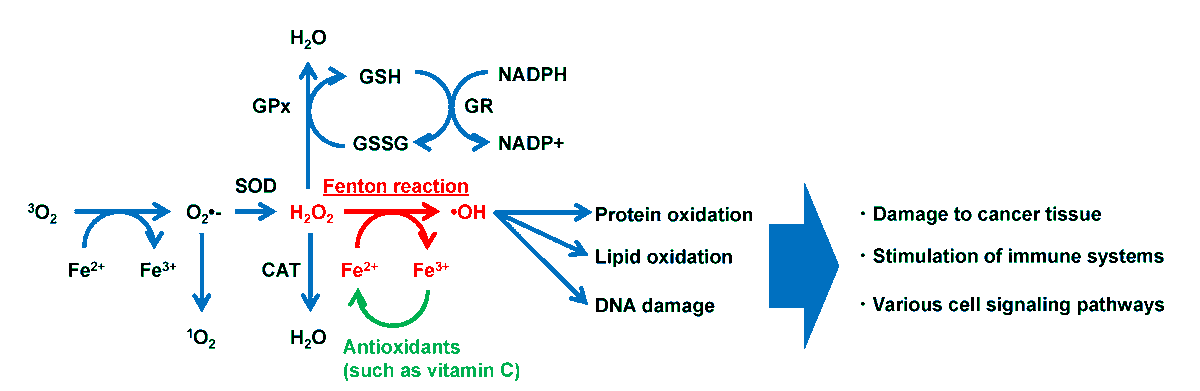
The Fenton reaction.
When ferrous iron meets hydrogen peroxide, it can generate the hydroxyl radical.
And the hydroxyl radical is the problem child.
Free radicals are not all the same. Some reactive species are used by the body for signaling, immune defense, and normal physiology.
The hydroxyl radical plays a different game. It is extremely reactive, short-lived, and aggressive enough to damage lipids, proteins, DNA, and cell membranes when it forms in the wrong place.
That is why your body does not leave iron floating around like spare change.
Iron gets bound to transferrin, stored in ferritin, regulated at the level of absorption, and shifted around during inflammation because redox-active iron needs control.
Iron helps carry oxygen, supports mitochondrial energy, and participates in enzymes that keep you alive. The same redox activity that makes it useful can become a problem when the chemical environment is wrong.
So yes, low iron deserves attention too. Low iron can wreck energy, mood, exercise tolerance, hair, thyroid physiology, and overall resilience.
However, ferritin alone does not tell you everything about inflammation, transferrin saturation, iron handling, copper status, etc.
You are adding a reactive metal into a living redox system.
This is a pretty important consideration when hydrogen peroxide is elevated from mitochondrial stress, inflammation, immune activation, gut issues, poor antioxidant defense, or chronic oxidative burden.
This is also where ferroptosis enters the conversation. Ferroptosis is an iron-dependent form of cell death characterized by lipid peroxidation.
Iron deficiency, iron overload, and iron mismanagement can all exist in real people, and they do not call for the same response.
And this my friends, is why context will always beat supplement reflexes.
If you keep needing iron but never hold onto it, or you feel worse every time you take it, stop pretending the only move is “take more.”
There is physiology to investigate.
3
5
19
1,042
Mitopapi 🧬🕊️ retweeted
A lot of people with iron anemia keep taking garbage iron supplements and wonder why they feel worse.
Constipation, nausea, reflux, black stools... the best iron on paper is useless if your body is screaming after taking it. So what can we do?
Let's start by discussing lactoferrin's role in iron homeostasis.
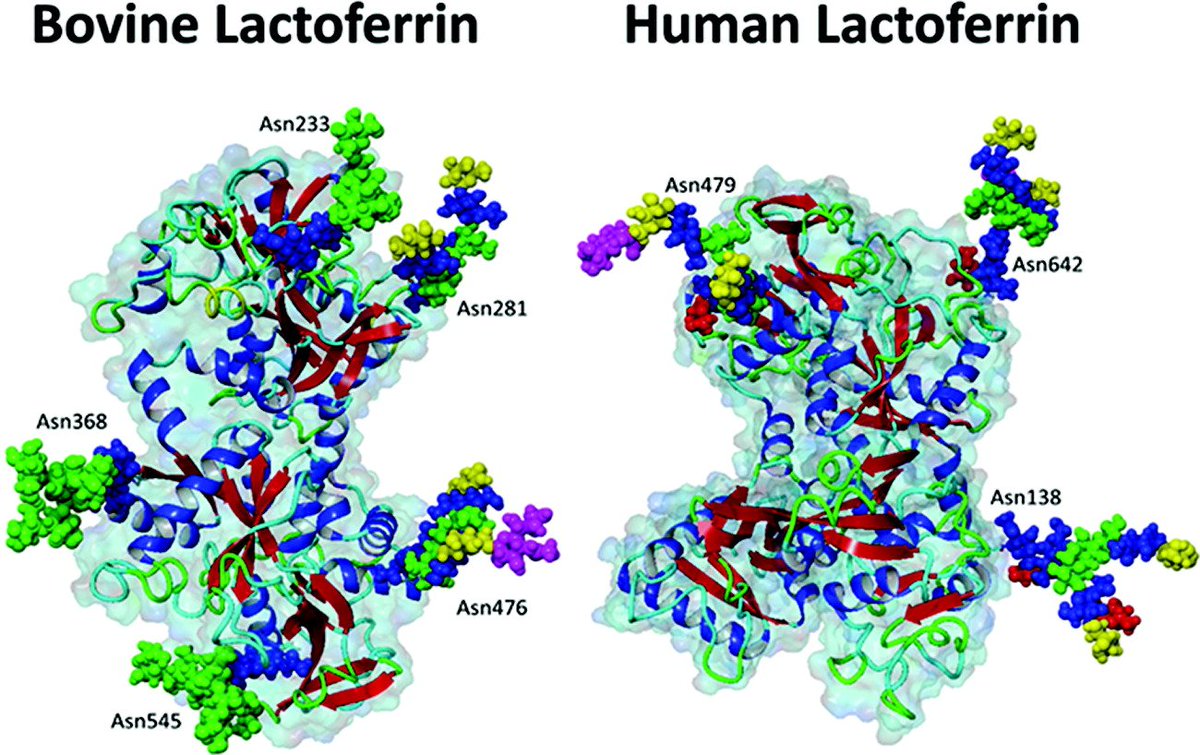
Lactoferrin is an iron-binding protein found in milk and your own secretions. In anemia research, its value seems tied to iron movement, GI tolerance, and inflammatory control.
When IL-6 climbs, hepcidin can climb with it. Hepcidin shuts down ferroportin which is the gate that moves iron out of cells and into circulation. That means iron can be present on paper while red blood cell production still acts underfed.
This is one reason lactoferrin has caught attention in pregnancy-related iron deficiency anemia and inflammatory patterns like IBD. In several studies, lactoferrin improved hemoglobin, ferritin, and serum iron while usually causing fewer GI side effects than ferrous sulfate. Just keep in mind lactoferrin is an iron-binding glycoprotein so the key is to consume enough iron and make sure you are absorbing it via dietary strategy.
If someone has low iron markers, poor tolerance to standard iron, gut inflammation, or labs that look like iron is not moving well, lactoferrin possibly deserves a look.
1
1
16
1,214
Mitopapi 🧬🕊️ retweeted
Jun 13
Stop treating iron like a harmless mineral that people can just throw at fatigue.
Iron has a side that is often neglected when it comes to people handing out iron supplements...
The Fenton reaction.
When ferrous iron meets hydrogen peroxide, it can generate the hydroxyl radical.
And the hydroxyl radical is the problem child.
Free radicals are not all the same. Some reactive species are used by the body for signaling, immune defense, and normal physiology.
The hydroxyl radical plays a different game. It is extremely reactive, short-lived, and aggressive enough to damage lipids, proteins, DNA, and cell membranes when it forms in the wrong place.
That is why your body does not leave iron floating around like spare change.
Iron gets bound to transferrin, stored in ferritin, regulated at the level of absorption, and shifted around during inflammation because redox-active iron needs control.
Iron helps carry oxygen, supports mitochondrial energy, and participates in enzymes that keep you alive. The same redox activity that makes it useful can become a problem when the chemical environment is wrong.
So yes, low iron deserves attention too. Low iron can wreck energy, mood, exercise tolerance, hair, thyroid physiology, and overall resilience.
However, ferritin alone does not tell you everything about inflammation, transferrin saturation, iron handling, copper status, etc.
You are adding a reactive metal into a living redox system.
This is a pretty important consideration when hydrogen peroxide is elevated from mitochondrial stress, inflammation, immune activation, gut issues, poor antioxidant defense, or chronic oxidative burden.
This is also where ferroptosis enters the conversation. Ferroptosis is an iron-dependent form of cell death characterized by lipid peroxidation.
Iron deficiency, iron overload, and iron mismanagement can all exist in real people, and they do not call for the same response.
And this my friends, is why context will always beat supplement reflexes.
If you keep needing iron but never hold onto it, or you feel worse every time you take it, stop pretending the only move is “take more.”
There is physiology to investigate.
3
5
19
1,042
Mitopapi 🧬🕊️ retweeted
Jun 12
Do you know what happens when a mast cell reads the environment as dangerous?
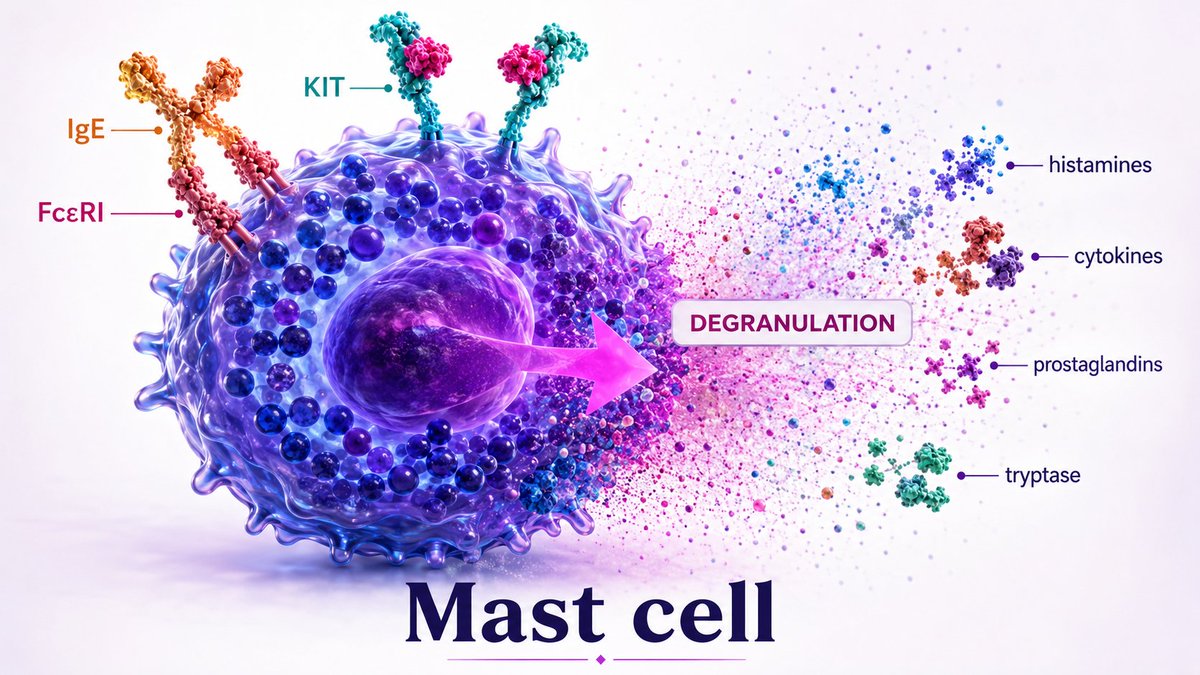
It can release histamine, prostaglandins, cytokines, ATP... and in certain experimental settings, pieces of its own mitochondrial machinery.
In one cell paper using human LAD2 mast cells, researchers found that stimulated mast cells released mitochondrial particles, mitochondrial DNA, and ATP without the cells dying. When purified mitochondria were added back to mast cells, they pushed degranulation and inflammatory mediator release. In the same paper’s rat model, mitochondrial particles were also seen outside degranulated peritoneal mast cells.
Mitochondria are supposed to stay inside the cell, where they help run energy production, redox signaling, calcium handling, and immune coordination. But when mitochondrial DNA, ATP, or mitochondrial fragments show up outside the compartment they belong in... the immune system can read them as danger.
So this begs the question: are mast cells only reacting to allergens, or are they also responding to tissue stress?
Because the triggers can be bigger than the food, pollen, chemical, or supplement people blame:
- IgE signaling
- substance P
- ATP
- oxidative stress
- tissue injury signals
- cytokine patterns
- the local redox environment
The list goes on...
This is why histamine-only thinking can miss the deeper loop. If the cell keeps reading the environment as unsafe, lowering one mediator may calm one output while the danger signal keeps moving through the tissue.
Mast cells are surveillance cells.
And in some settings, part of the alarm may be mitochondrial.
So the better question is: what keeps convincing the immune system that danger is still present?
2
13
57
2,496
Mitopapi 🧬🕊️ retweeted

🏮NEW PODCAST🏮
Our cells run on light.
While chronic disease is exploding: Autoimmune conditions, diabetes, anxiety, infertility, gut disorders, the list goes on.
Modern medicine is looking at all the wrong areas to address it...
6 in 10 adults now live with at least one chronic illness. And the standard answer is another prescription, another specialist, another "your labs look normal."
The actual operating system of your body, the one that runs on sunlight, water, and the earth's magnetic field, gets ignored completely.
This is quantum biology. And it changed everything for me.
Today we sat down with @drcathclinton over @Decentralizedd_ to break this down.
Here's where some of the discussion went.
Your mitochondria do more than make energy. They read signals from your environment.
Morning sunlight sets your circadian clock, which controls your hormones, your metabolism, your immune system, your sleep, your mood. Every system that's breaking down in modern humans.
Now look at how we live:
☀️ We wake up to screens instead of sunrise
💡 We sit under artificial light for 12 hours a day
📱 We blast blue light into our eyes at midnight
👟 We never touch the actual ground
Your body is starving for information. The signals it evolved to receive for millions of years vanished in a single century. And then we act surprised when disease rates climb in every direction at once.
But when stop chasing one root cause and start restoring the conditions your entire body needs to function. All of it. At once.
Dr. Clinton goes deep on the science in this episode. The quantum mechanics happening inside your cells right now. Why your environment is medicine. What to change first.
Check out the full episode below
3
3
18
1,187
Mitopapi 🧬🕊️ retweeted

Jun 12
"I can just make copper peptide serum at home for $20"
Sure
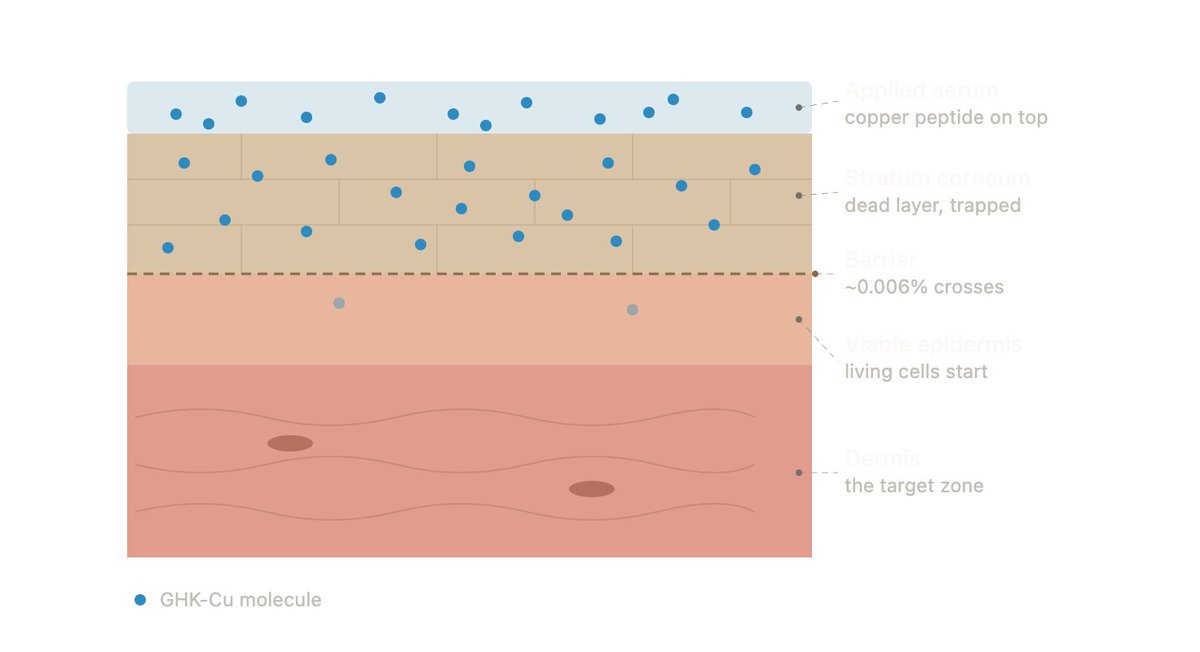
You can make a copper peptide solution with hyaluronic acid serum. Whether it does anything is a different question.
GHK-Cu is a charged tripeptide. On intact skin with no delivery system, it barely crosses the stratum corneum. In the actual penetration studies, the fraction reaching viable tissue rounds to zero.
The rest pools in the dead surface layer and sheds before it ever gets to the cells that respond to it.
Apr 30

Man we cooked on this one
By far the best product ever released.
1% Copper Peptide (liposomal, timed release)
Matrixyl 3000
PAL-150
Gotu Kola
Royal Jelly
Marshmallow Root
Hyaluronic Acid
Shipping next week
2
3
70
10,895
Mitopapi 🧬🕊️ retweeted
Jun 11
Quinones are way cooler than people realize.
I have some chemistry sauce for you that changes the way you will look at mitochondrial health, vitamin K, and oxidative stress:
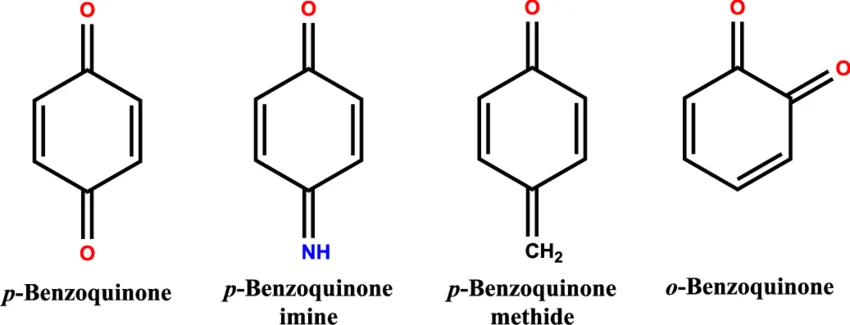
Quinones are redox-active molecules.
That means they can accept electrons, donate electrons, and move between oxidized and reduced forms. This sounds boring until you realize that electron movement is one of the most important parts of being alive.
CoQ10 is one of the best examples. Its oxidized form is called ubiquinone, and it sits inside mitochondrial membranes helping shuttle electrons through the electron transport chain. That electron movement is part of how your cells turn fuel and oxygen into ATP.
Vitamin K is connected to this world too. Its quinone chemistry is part of why it can cycle through different forms and help activate vitamin K-dependent proteins involved in clotting, bone metabolism, and vascular biology.
Then you have quinones involved in redox signaling. Some quinones can support adaptive defense pathways like Nrf2. Others can become stressful when the chemistry, dose, or context is wrong.
That is what makes them so intriguing to me personally.
The same electron-moving chemistry that makes a quinone useful can also make it irritating in the wrong environment.
Quinones are one of the clearest reminders that health is electrical and chemical at the same time. The body is constantly moving electrons, managing oxidation, and deciding whether a signal becomes energy, adaptation, or stress.
Quinones sit right in the center of that story.
1
4
44
1,713
Mitopapi 🧬🕊️ retweeted
Jun 10
The brain is an electrical organ built out of lipids, water, protein, and salts.
If you suffer from brain fog, this is important to know because neural signaling happens across membranes.
The receptors, ion channels, synapses, myelin, vesicle fusion machinery, and signaling proteins all live in a lipid environment that helps determine how cleanly information moves.
If the membrane environment is inflamed, oxidized, rigid, poorly remodeled, or low in key structural lipids, the signal may be affected before the neurotransmitter discussion even begins.
DHA is one of the big players here. DHA is everyone's favorite omega-3 fatty acid.
DHA is highly enriched in neuronal membranes and has been described as affecting neurological function through membrane receptor function, neurotransmission, signal transduction, synaptic plasticity, neuroinflammation, myelination, membrane integrity, and membrane organization.
The form that DHA is carried in, how it gets incorporated into phospholipids, how it reaches the brain, and how it is handled inside neural membranes are all important aspects of this story.
Now let's add a new character to this story: PLASMALOGENS
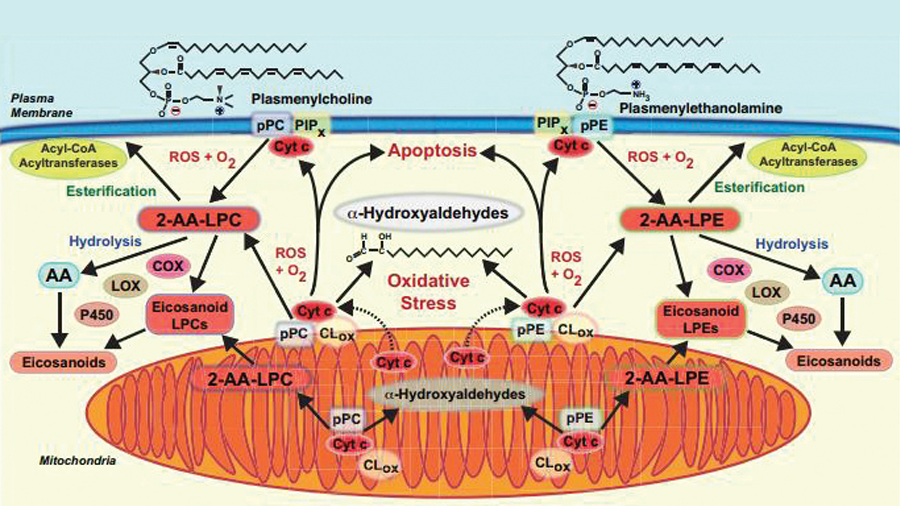
Plasmalogens are specialized ether phospholipids found in high amounts in neuronal membranes.
They are involved in membrane structure, lipid rafts, vesicle behavior, oxidative balance, and signaling. Some plasmalogens also carry DHA or arachidonic acid at the sn-2 position, meaning they can influence both membrane architecture and lipid signaling.
I know I nerd out on you all a lot, so here is the practical point: the brain is not only communicating with chemicals floating around. It is communicating through lipid-rich membranes that have to stay fluid, protected, organized, and responsive.
A brain signal has to be generated, received, transmitted, and interpreted through membranes. If the lipid environment is damaged or poorly supported, the brain may feel foggy even when the classic neurotransmitter conversation looks impressive on paper.
So with brain fog, I would want to think about more than “how do we boost focus?”
I would want to think about membrane quality, DHA status and handling, phospholipid remodeling, plasmalogens, oxidative stress, neuroinflammation, bile flow and fat digestion, peroxisomal function, and whether the person can actually absorb and deploy the fats their brain depends on.
8
26
1,145
Jun 8
A lot of people think about gut health only in terms of digestion, bloating, bowel movements, food reactions, or “inflammation.”
These are important factors, but they are certainly not the whole picture.
One of the more fascinating parts of gut physiology is that microbes can turn food compounds into metabolites that interact directly with the immune system.
That means your gut bacteria are not just sitting there taking up space. Rather, they are metabolically active organisms producing chemical signals that your immune system has to interpret.
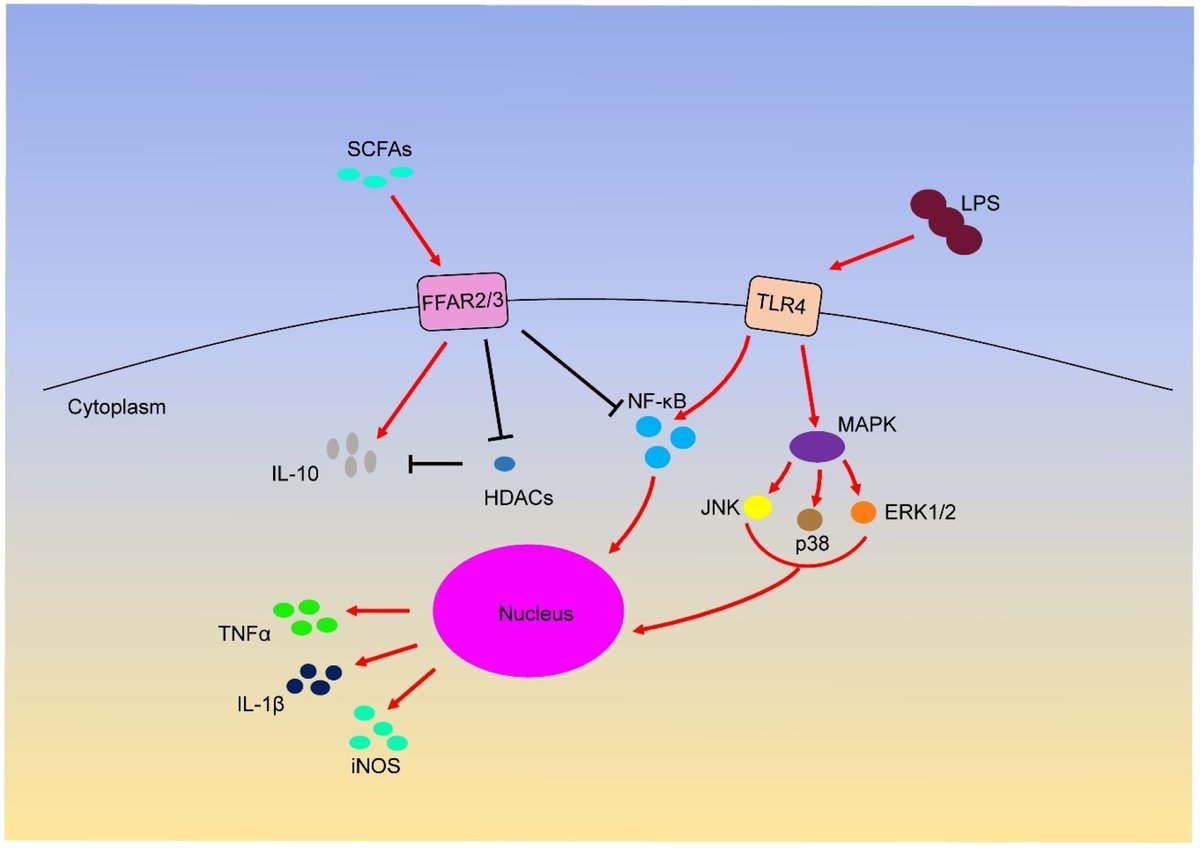
Short-chain fatty acids are a good example.
When certain microbes ferment fibers and resistant starches, they can produce compounds like butyrate, propionate, and acetate. These metabolites can influence the epithelial barrier, immune cell metabolism, inflammatory signaling, and the balance between regulatory and effector immune activity.
Butyrate is especially interesting because it has been shown to support regulatory T cell biology. Regulatory T cells are part of the system that helps keep immune responses from becoming excessive. In simple terms, they help the immune system learn restraint.
That is a big deal because immune health is not just about “boosting” the immune system. A boosted immune system with poor regulation can become a problem. The goal is not maximum activation. The goal is an intelligent response.
Some gut-derived metabolites appear to support tolerance, barrier integrity, and calmer inflammatory tone. Others can push different signaling pathways depending on the context, dose, location, microbiome state, and health status of the host.
This is why I do not love when gut health gets reduced to “take a probiotic” or “kill the bad bugs.”
The deeper thing to ask is, what is the gut ecosystem producing?
A person can have plenty of bacteria present, but if the ecosystem is not producing the right metabolic signals, the immune system may not be receiving the same instructions. That can matter in patterns involving food reactivity, gut inflammation, histamine issues, autoimmunity tendencies, skin flares, allergies, or chronic immune weirdness.
I would want to understand things like:
- Is the person eating enough fermentable substrate to produce beneficial metabolites?
- Are they tolerating those fibers or reacting to them?
- Do they have enough butyrate-producing capacity?
- Are bile acid patterns irritating the gut or supporting signaling?
- Are tryptophan metabolites supporting barrier and immune regulation through AhR signaling?
- Is the gut lining inflamed in a way that changes how these signals are received?
This is where gut health becomes much more interesting than “good bacteria versus bad bacteria.”
The immune system is constantly reading the chemical environment of the gut. Microbial metabolites are part of that language.
If that language gets distorted, the immune system may start behaving differently. Not because the body is broken. But because the instructions changed.
1
5
5
444
Jun 6
A lot of people talk about carbs like the conversation ends at the glucose curve.
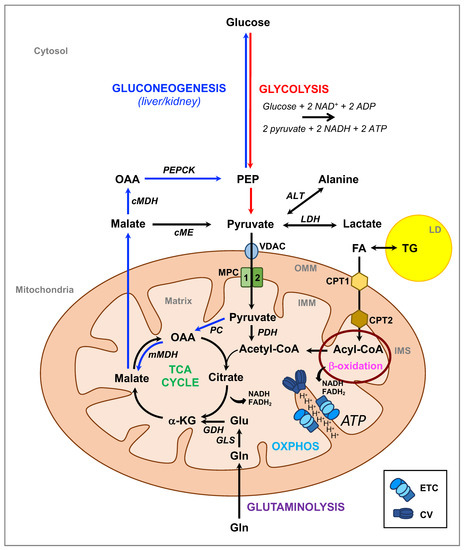
But once glucose gets into the cell and moves through glycolysis, the carbon still has a major decision point. Pyruvate can move toward lactate, alanine, glucose production in certain contexts, or mitochondrial oxidation.
The major gate into that last pathway is pyruvate dehydrogenase (PDH).
PDH converts pyruvate into acetyl-CoA, which allows carb-derived carbon to enter the TCA cycle. This is one reason “carb tolerance” is not only a blood sugar conversation, but also a mitochondrial entry conversation.
The PDH complex is a multi-enzyme system that needs specific nutrient-derived cofactors to do the chemistry:
- Thiamine, B1, as TPP for the decarboxylation step
- Magnesium to support the TPP-dependent E1 step
- Lipoic acid, as lipoamide, to carry the acetyl group
- Pantothenic acid, B5, to make CoA and form acetyl-CoA
- Riboflavin, B2, as FAD for the E3 redox step
- Niacin, B3, as NAD , to accept electrons and form NADH
This does not mean every person with poor carb tolerance needs to slam B vitamins. That is where people oversimplify things. Food exists for a reason. But if you have tons of intolerances, supplementation could be smart.
PDH is also regulated by the state of the cell.
High NADH, high acetyl-CoA, high ATP, fasting physiology, stress chemistry, low oxygen availability, poor mitochondrial demand, and inactivity can all change how pyruvate is handled.
In that context, carbs may get broken down through glycolysis, but the system may not be as ready to move pyruvate through PDH and into the TCA cycle. More pyruvate can then be pushed toward lactate instead of being efficiently oxidized.
That is why two people can eat the same carb and have completely different responses.
One person feels warm, calm, fueled, and stable.
Another person feels heavy, sleepy, wired, craving-driven, or notices poor exercise tolerance when they try to increase carbs.
The food matters, but the pathway receiving the food matters too.
If carbohydrates are going to become mitochondrial energy, they have to pass through the pyruvate dehydrogenase checkpoint.
So when someone says they “do not tolerate carbs,” it's often useful to know more than just the carb source.
Otherwise, the conversation gets stuck at blood sugar when the bottleneck may be deeper.
1
6
428
Mitopapi 🧬🕊️ retweeted
“What did you do to heal?”
This is a question I receive at least 10 times a day…
While it’s a valid question for someone to ask at the beginning of their journey, it may not be the RIGHT question…
Let me explain.
For many chronic conditions, symptoms overlap. On top of that, you can have two people with the same “diagnosis” for two completely different reasons
I’ll give you a personal example:
I was diagnosed with Hashimotos Thyroiditis & TSHDS small fiber neuropathy
Conventional medicine will look at these conditions, their subset of your symptoms and then prescribe you thyroid medication and some form of pain medication to manage them
This template will be applied to every patient with these conditions and subset of symptoms
BUT THIS ISN’T HEALING
NEITHER IS “ROOT CAUSE”
Many people (including myself) will spend months or even years tweedling their thumbs, obsessing on labels, symptoms and root cause - when fundamentally they aren’t asking the first question 👇
“What areas of my weakened physiology lead to this cascade within the whole system in the first place”
When you’re going through a multi systemic disease process - it isn’t about a single variable or pathway
The real investigation begins when you start looking at the individual as a WHOLE, understand their unique background, environment, life events and piece together each area of their physiological development
The Nervous System 👉 Their Light & NnEMF Environment 👉 Nutritional Status 👉 Gut Health 👉 Immune modulation 👉 Mitochondrial efficiency 👉 ETC…
This is why so many “protocols” fail, because they fail to address YOU as the ENTIRE person you are from the get go
When my team works with someone we piece together the patterns from all of these areas of physiology, not blinding ourselves to one silo or another
Begin to change the questions you ask and watch the answers present themselves
2
1
6
567
Mitopapi 🧬🕊️ retweeted
Jun 5
Blueberries are one of the easiest foods to underestimate because they look too simple.
But when you look at human trials, you will slowly start to realize that all of the hype is real:
- They support blood vessel function
- They may improve post-meal glucose and insulin handling
- They may help cognitive performance when the brain is under metabolic strain
- They can influence immune-cell oxidative stress
- They may shift inflammatory cleanup signals after exercise
- They feed gut-derived metabolites that talk to the rest of the body
It's officially blueberry maxxxxxing summer.
3
5
43
1,753
Jun 5
An absolutely incredible podcast episode with my dawgs @jack_schroder_ @Seasonal_Ryan
youtu.be/SgCqaj2Y1kU?si=7JEi…
4
4
25
4,199
Mitopapi 🧬🕊️ retweeted
Jun 4
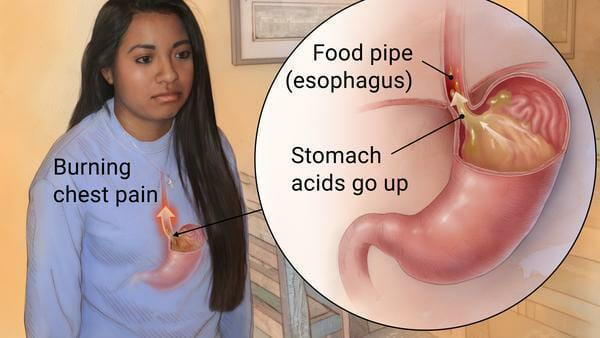
I know what it’s like to have reflux so bad that food feels like a problem.
And one thing I wish more people understood is this:
Reflux is not always solved by throwing one acid-related answer at it.
Some people need a deeper digestive context, such as stress, motility, meal timing, constipation, food tolerance, sleep, medication history, and what changed before the symptoms started.
If someone came to me with reflux, fatigue, and constipation, I’d want to know:
- Are they eating enough?
- Are they having daily bowel movements?
- Are they relying on antacids?
- Do they have undigested food in stool?
- Do they notice a "full" type of bloating?
- Is it tough to digest meat?
- Do they respond well or poorly to acidic foods?
- Do they notice lots of belching?
- Do they have a hiatal hernia?
And even then... I'm sure I would have many other questions!
The real work when looking at something tricky starts with pattern recognition over guessing every time.
1
13
987