
Driving the autonomous vehicle evolution™
Joined March 2009
- Tweets 2,934
- Following 796
- Followers 23,772
- Likes 1,178
1,171 Photos and videos






The future of humanoid robotics faces a challenge: how can a robot learn a new physical task from only a small number of demonstrations?
At the Humanoids Summit 2026, Mobileye’s EVP of Humanoids, @liorwolf, shared insights into our AI approach to humanoid robotics. It begins with a strong investment in simulation and Sim2Real technologies.
The process starts with a small number of human demonstrations, giving @MenteeBot an initial understanding of the task and its objectives. Mentee is then trained in large‑scale simulated environments, where it can encounter a wide range of task variations before facing them in the real world.
We also use curriculum learning to progressively increase task complexity, allowing robots to master prerequisite skills before advancing to more challenging scenarios. Together with strong vertical integration across hardware and software, this approach helps create a scalable path from a limited number of demonstrations to effective real‑world task execution.
See Lior’s talk with the breakdown here:
okt.to/yiftgW
2
2
21
1,419
What comes after feature-by-feature innovation in ADAS?
A move toward integrated systems designed to work together, from sensing and decision-making to driver monitoring and interaction.
In this @Nasdaq article, Mobileye looks at the industry shift toward centralized ADAS platforms and why system-level design is becoming increasingly important as automakers balance safety, regulation, cost, and performance.
Read it here: okt.to/HydQYj
3
4
19
1,356
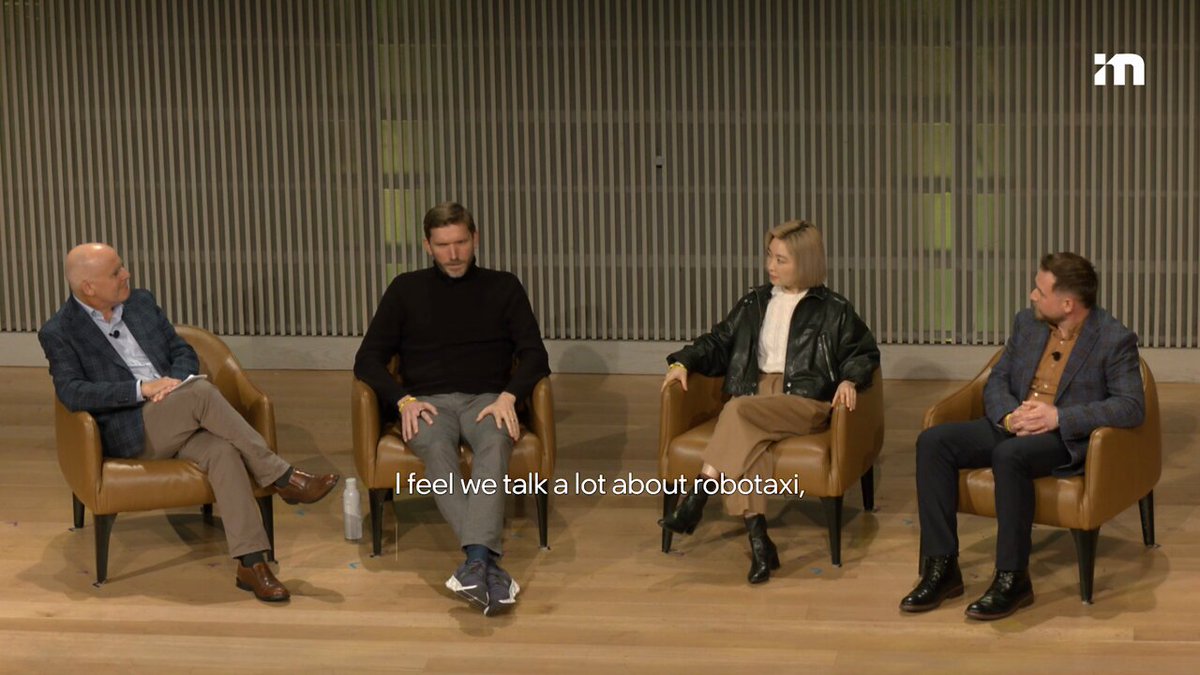
Autonomous technology is a tool. The bigger question is how we use it to make cities better.
Chris Lichtmannecker, Director of Autonomous Mobility at Mobileye, discusses why the future of AV could go beyond robotaxis, toward ride pooling, integrated public transport, and more holistic approaches to mobility.
Watch the full @LetsRideAI panel, “Realizing the Robotaxi Future: Strategy and Execution,” for more: okt.to/2OVtlz
1
5
16
1,394
On June 3 at @CVPR 2026's Workshop on Autonomous Driving (WAD), Mobileye CTO Prof. @shai_s_shwartz will present new research on how AI systems can automatically identify rare but safety-critical failures, understand why they occur, and generate targeted training scenarios to improve performance where it matters most.
His keynote, Driving the Long Tail: Efficient Scaling via Automatic Scenario Discovery, will explore Mobileye's latest work on scaling autonomous driving through systematic failure discovery and targeted learning.
The workshop features researchers and industry leaders from across the autonomous driving community.
📍 Room 603, Colorado Convention Center, Denver
🗓 June 3, 2026 | 3:00 PM MDT
Registered CVPR attendees can also access the workshop virtually.
Read the blog: okt.to/1H8iUt
View the full agenda: okt.to/XWScs2
2
6
12
1,287
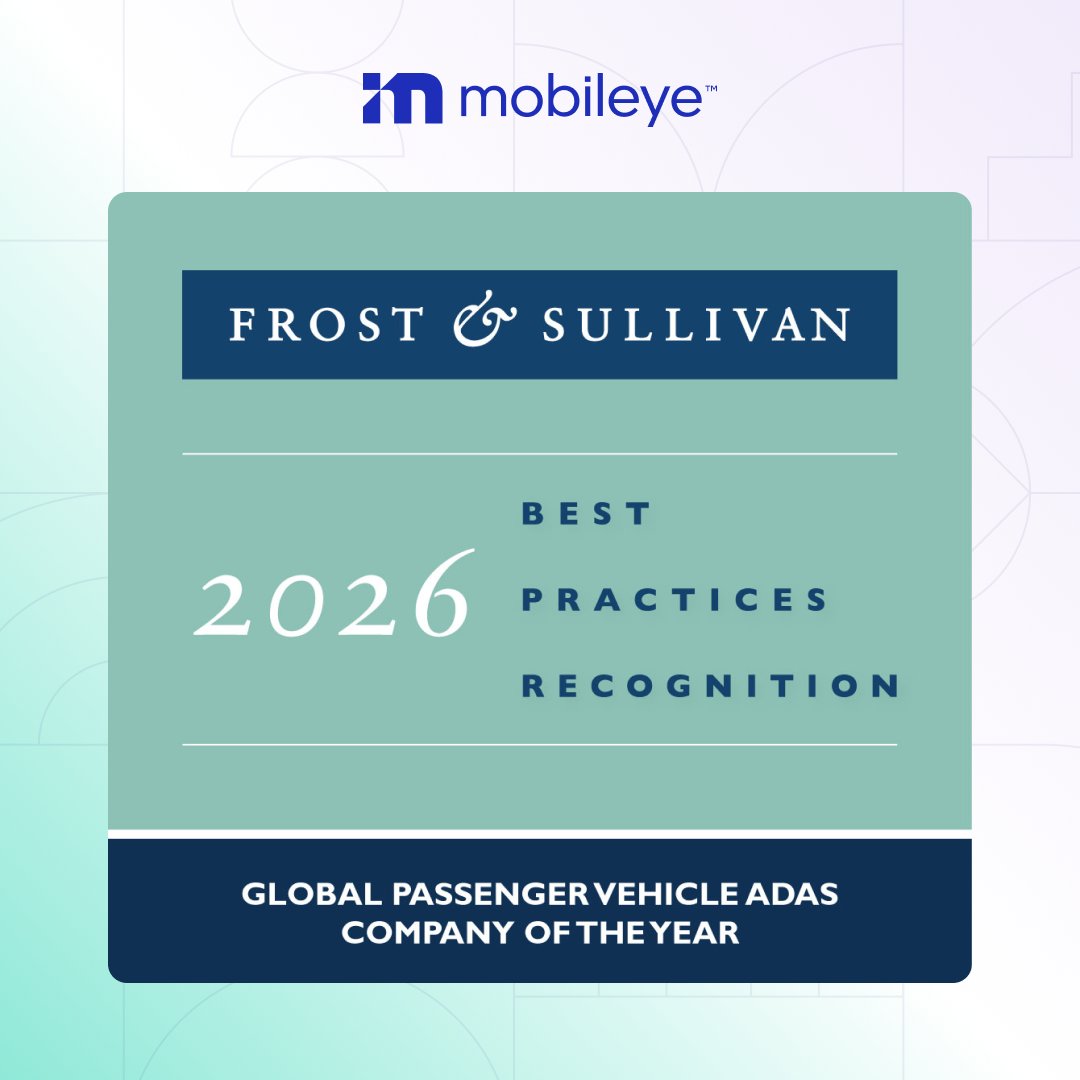
Mobileye is honored to be named @Frost_Sullivan's 2026 Global Company of the Year in the Passenger Vehicle ADAS industry for the Excellence in Best Practices category. The recognition highlights our leadership in AI‑powered ADAS solutions that address the evolving safety and scalability needs of global automakers.
Frost & Sullivan’s analysis found that Mobileye stands out in ADAS by delivering across four critical requirements – scalable architecture, cost discipline, safety credibility, and real‑world validation – through a shared technology backbone spanning from base ADAS to full autonomy.
Proud to help advance safer driving at global scale.
Read more here: okt.to/MRqNtH
1
2
17
1,165
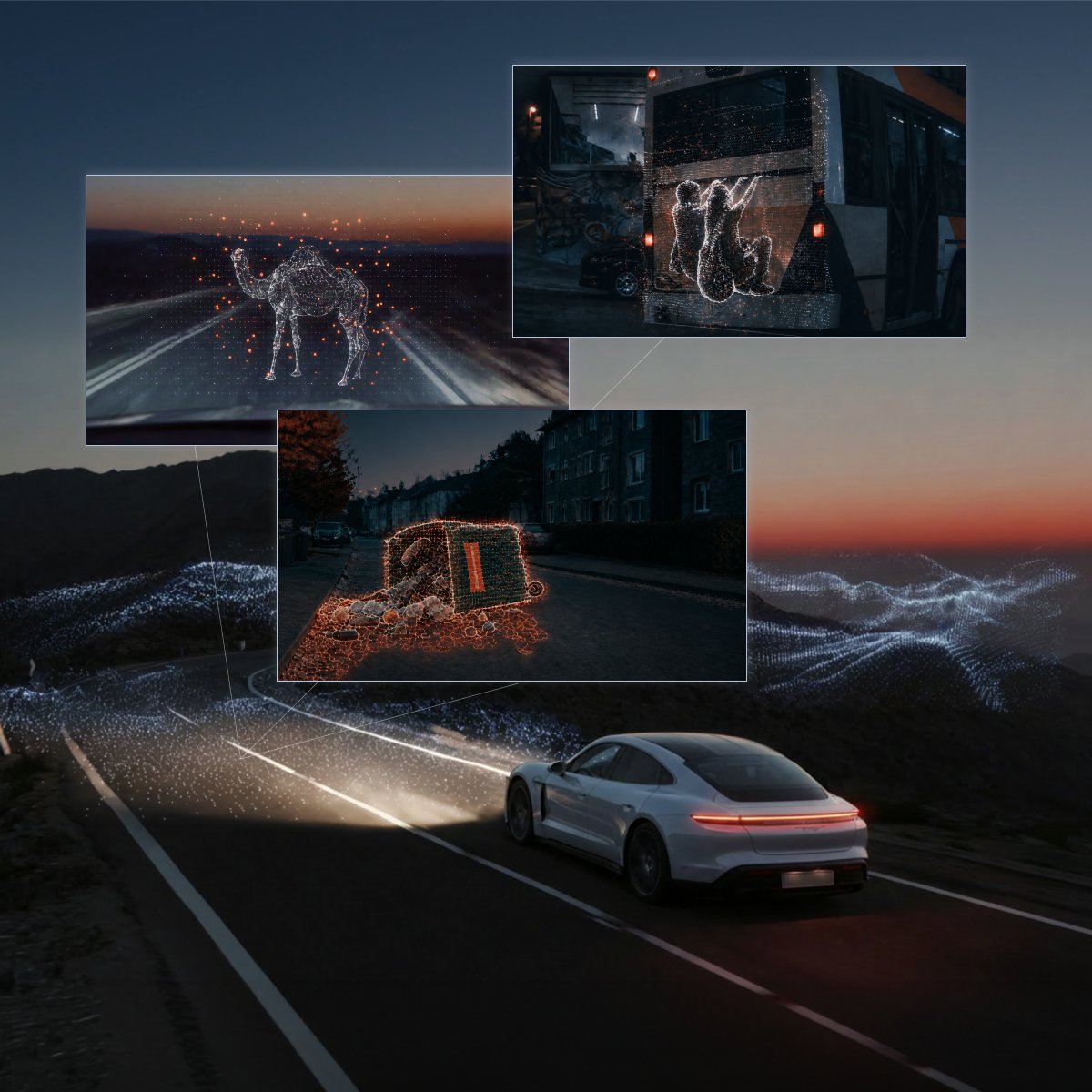
The frontier of physical AI isn't the open road, but the long tail.
Every day there are new examples of edge cases challenging the scaling of autonomous driving. The industry needs a smarter way to scale – systems that are designed to identify the failures that matter most, understand why they matter, and systematically train against them.
Today, we're sharing how Mobileye is tackling the “long tail” problem in autonomous driving with two new proprietary AI tools: Meteor and Genario.
Rather than relying only on more data and compute, these systems are designed to identify rare but meaningful failures, understand why they happen, and systematically generate targeted training scenarios to improve performance where safety matters most.
Read it here: okt.to/GMPCyX
1
6
19
3,098
As safety standards evolve, automakers face growing pressure to deliver higher-performance systems without adding cost and complexity.
Meeting new requirements like FMVSS 127 is not just a technical challenge, but a question of how to scale efficiently.
At Mobileye, we are addressing this with a camera-only approach that simplifies hardware while maintaining the performance needed for next-generation safety.
5
14
1,651
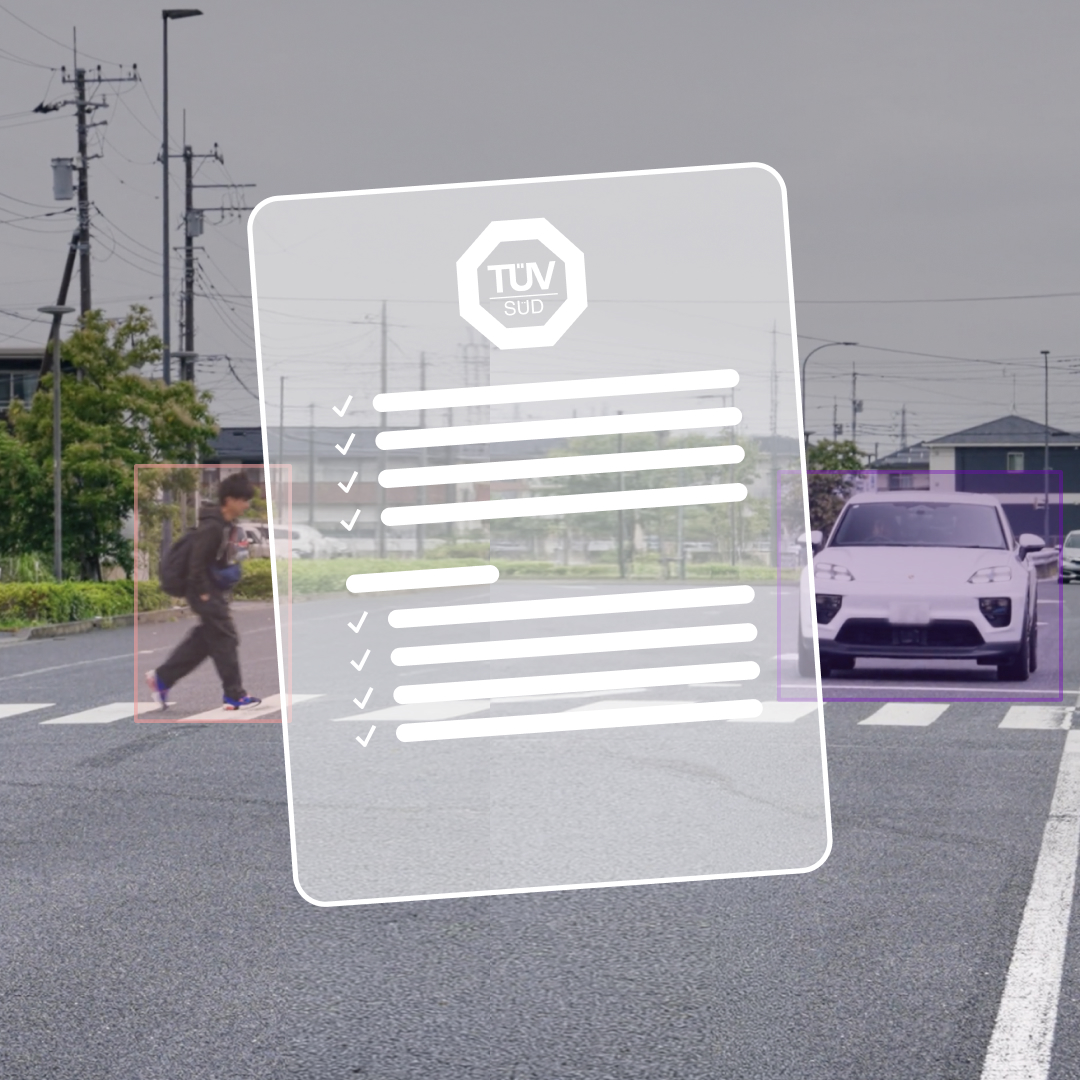
TÜV SÜD, the global testing, inspection, and certification organization, issued a formal recommendation for Mobileye's Safety Management System (SMS) for SAE Level 4 autonomous systems.
The recommendation followed a thorough, year-long review of our processes, policies, and the organization of safety responsibilities across AV development.
Read more here: okt.to/WuvAQT
1
6
23
2,778
Mobileye retweeted

New paper from @Mobileye : Contextual Plackett-Luce (CPL).
The goal: differentiable sequence/subset selection.
Existing approaches are either:
• autoregressive → coherent but memory/latency heavy
• Hungarian matching → parallelizable, but poor at modeling uncertainty
In self-driving, a car approaching a fork in the road must commit to one path, not average across all of them.
CPL gets much of the coherence of autoregressive models at the speed of parallel ones: precompute interactions once, then select with lightweight updates.
@gistdotscience is nice - accessible analogies and clear narrative without losing the technical substance.
Gist: gist.science/paper/2605.0911…
1
4
11
1,876
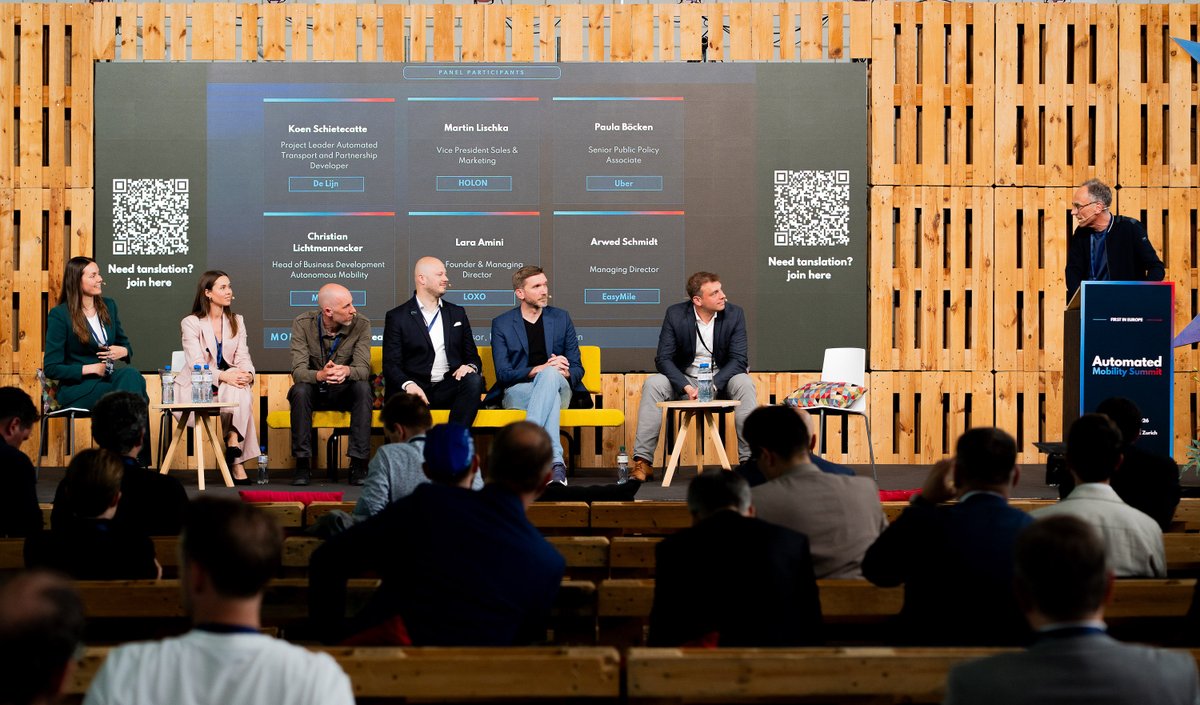
Great discussion at the Automated Mobility Summit on the future business models of automated mobility in Europe.
As Mobileye’s Chris Lichtmannecker shared, scaling autonomous mobility is not just about the technology; it’s about creating services people actually want to use. Useful, accessible AV services have the potential to reduce reliance on privately owned vehicles and reshape urban mobility.
Mobileye is helping enable this transition in Europe by building an AV platform designed to support multiple use cases and services, from robotaxis to public transit applications.
Photo: Automated Mobility Summit
1
10
1,120
Safety regulations continue to advance, setting higher expectations for ADAS performance in real-world conditions. Automakers now need clear, efficient paths to meet standards like Europe’s GSR2 and the U.S. FMVSS 127, shaping how future systems are developed.
Hear more from Yoni Epstein, Senior Director of Technical Business Development at Mobileye.
1
14
1,580
Huge congrats to our CTO, @shai_s_shwartz - what an incredible milestone!
One of the most basic problems of machine learning is what type of problems can be learned from data. For binary classification problems (whose answers are either True or False), the fundamental theorem of learning theory is that the Vapnik-Chervonenkis (VC) dimension fully characterizes learnability. For multiclass problems, like deciding which object appears in an image (and the answer is not simply True or False), this has remained open for decades.
In 2014, Daniely & Shalev-Shwartz introduced the DS dimension (Daniely–Shalev-Shwartz) - a way to measure the complexity of multiclass problems, and showed it’s necessary for learnability.
Now, in a new impressive piece of work by Chirag Pabbaraju, it’s proven to also be sufficient - meaning DS dimension fully characterizes multiclass learnability, just like VC dimension does for binary.
After 12 years, the picture is finally complete.
Daniely-Shalev-Shwartz paper (2014): arxiv.org/pdf/1405.2420
Chirag Pabbaraju paper (2026): arxiv.org/pdf/2604.24749
1
3
22
1,651
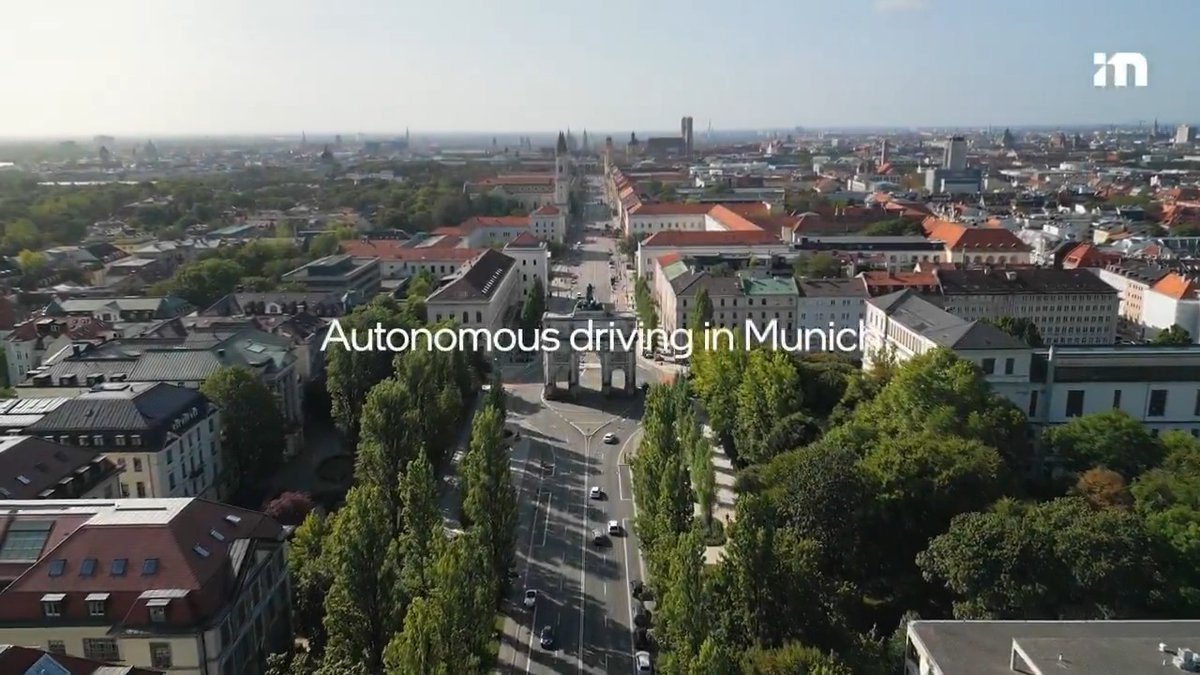
A quick look at hands-off, eyes-on driving with Mobileye SuperVision™ on the highway in Munich 🇩🇪
Built on a camera-first approach to perception.
Learn more here: okt.to/mFUSnl
10
7
57
67,568
Today, Mobileye released its financial results for the three months ended March 28, 2026, and announced a share repurchase program.
Read more here: okt.to/0l5wto
2
5
27
2,721
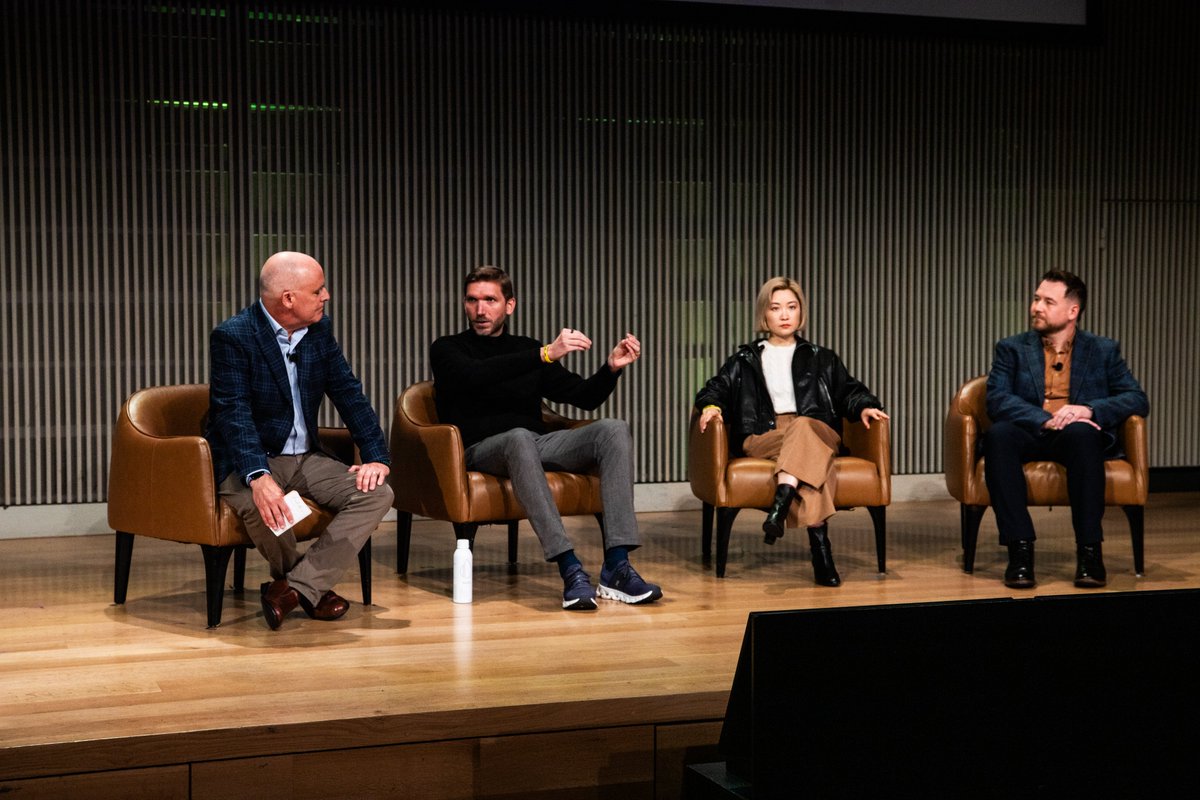
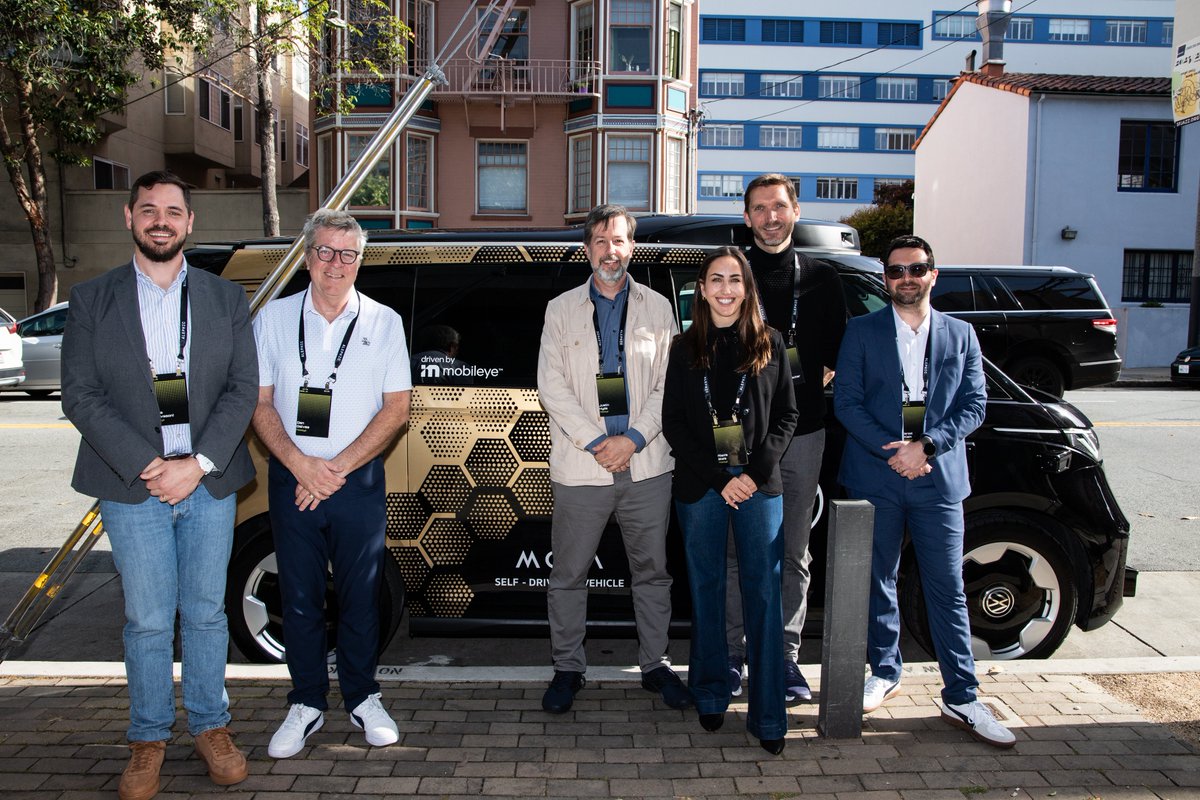
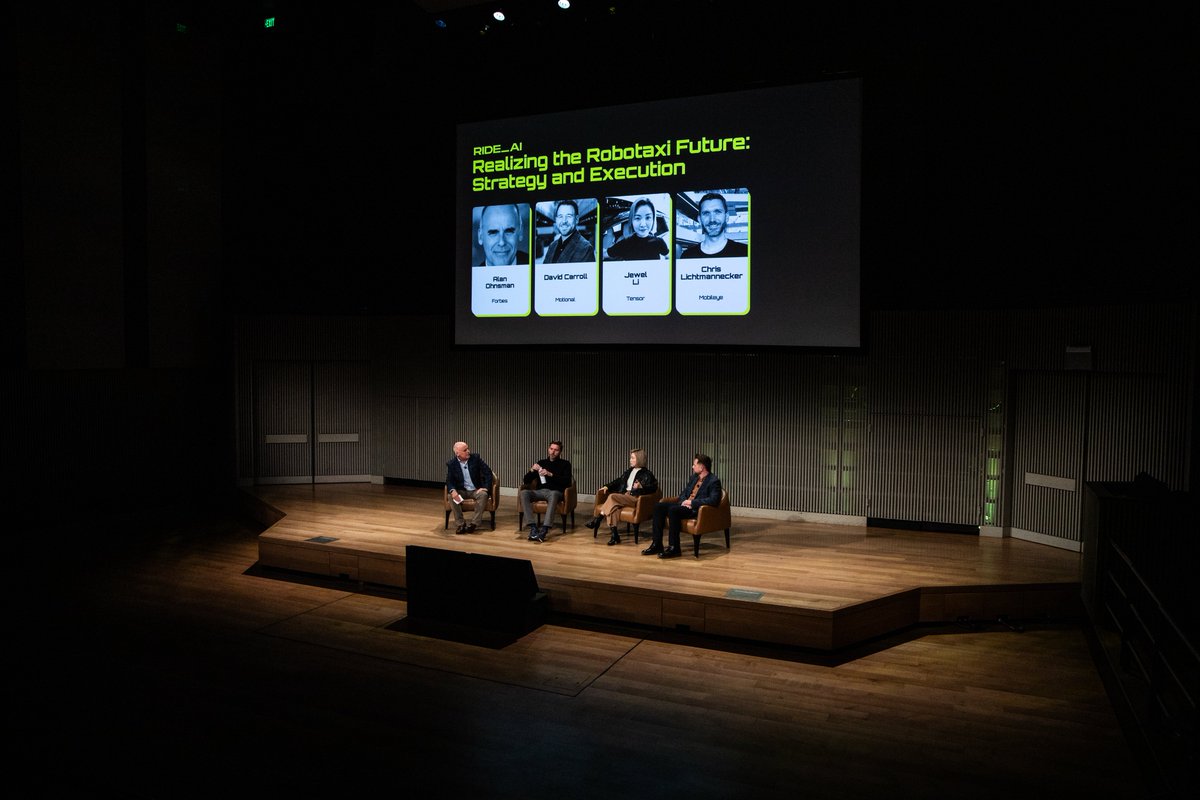
Last week, our team joined industry leaders in San Francisco for Ride AI, bringing together voices from across the autonomous vehicle ecosystem.
At the “Realizing the Robotaxi Future: Strategy and Execution” panel, Mobileye’s Chris Lichtmannecker, Director of Autonomous Mobility, shared a clear perspective: scaling AVs is not about a single breakthrough.
It requires multiple elements to come together in parallel, including:
• Expanding and validating vast ODDs
• Enabling robust, end-to-end service operations processes
• Collaboration across diverse ecosystem stakeholders
• Deploying industrialized, mass production-ready vehicle platforms
Beyond the stage, it was great to connect across the ecosystem and to see MOIA America showcase the autonomous ID. Buzz powered by Mobileye Drive, an example of our approach to production-ready autonomous deployment.
2
2
21
1,693
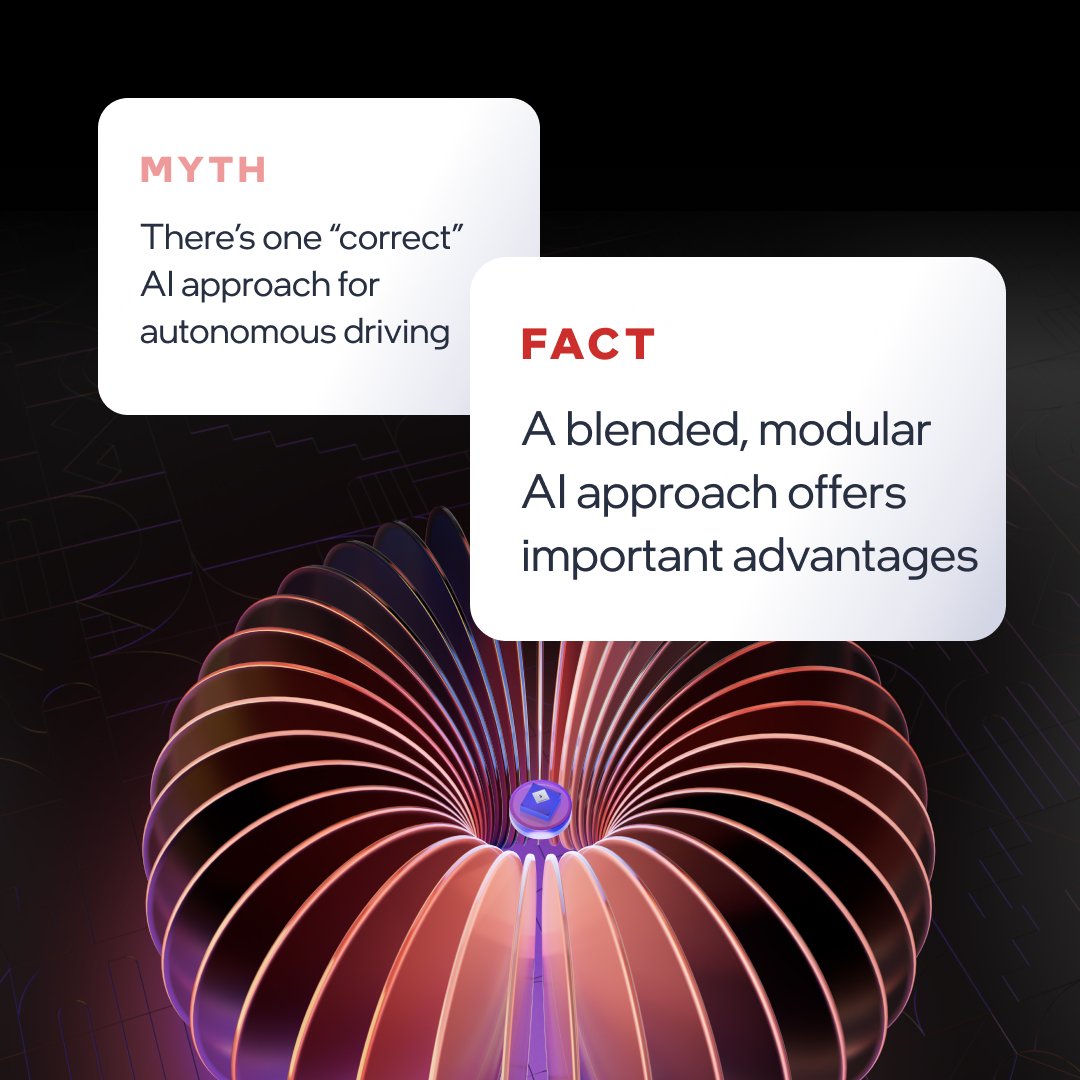
Autonomous driving doesn’t rely on a single AI approach.
Some systems use end-to-end AI trained on raw sensor inputs and data. Others adopt a modular, compound architecture that separates perception, decision-making, and planning.
In our blog, we look at how these approaches differ, and what that means for explainability, validation, and deployment across geographies:
okt.to/Hs7dfx
1
2
15
1,351
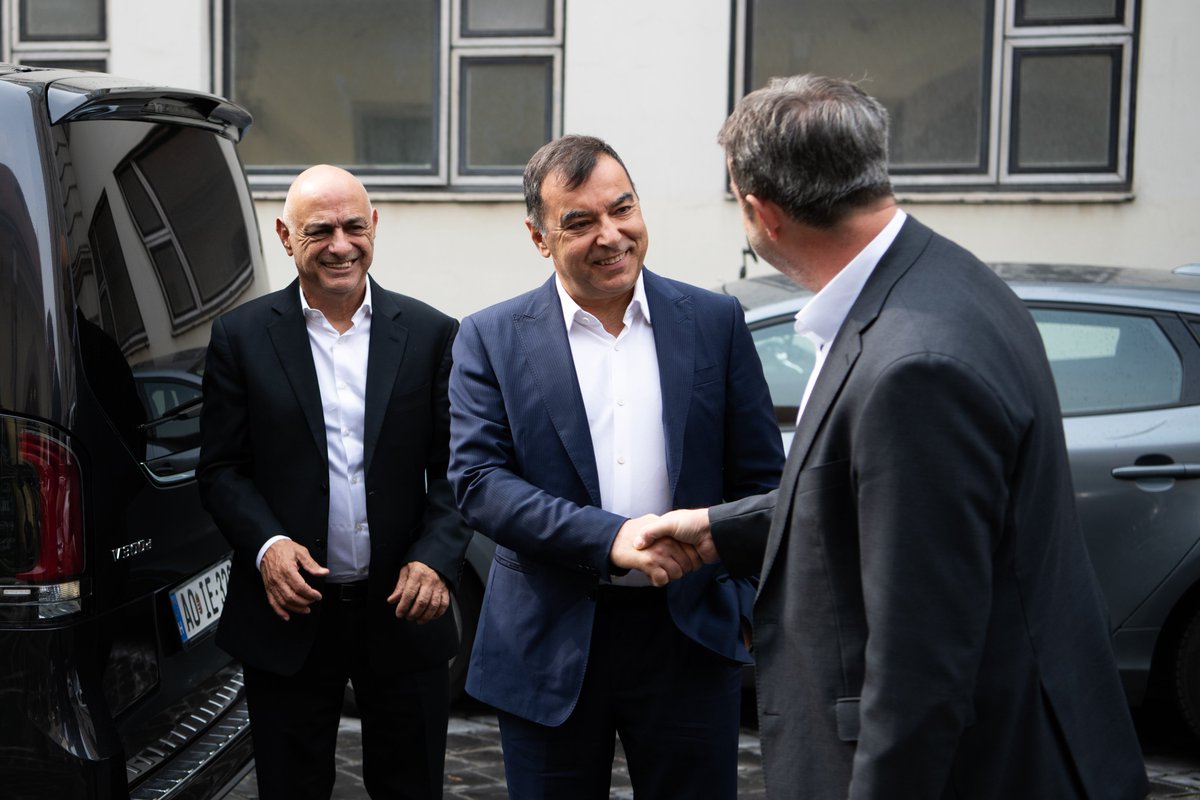
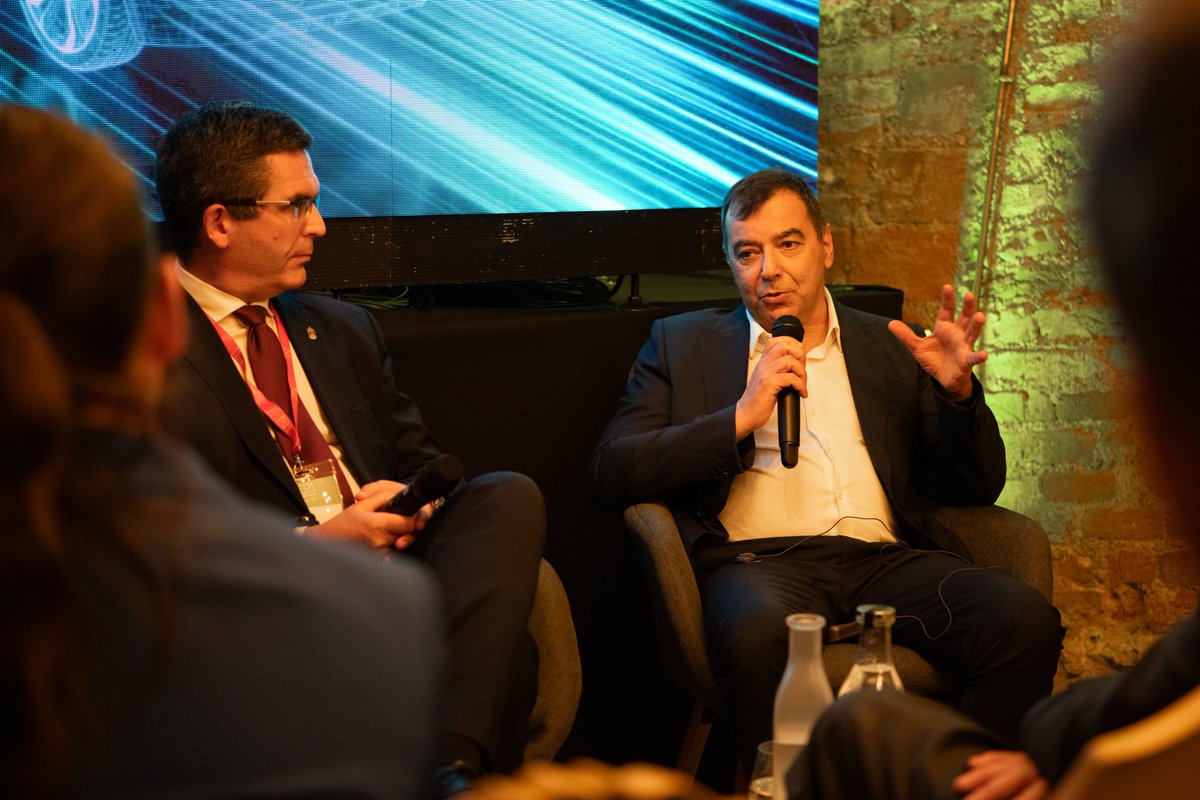
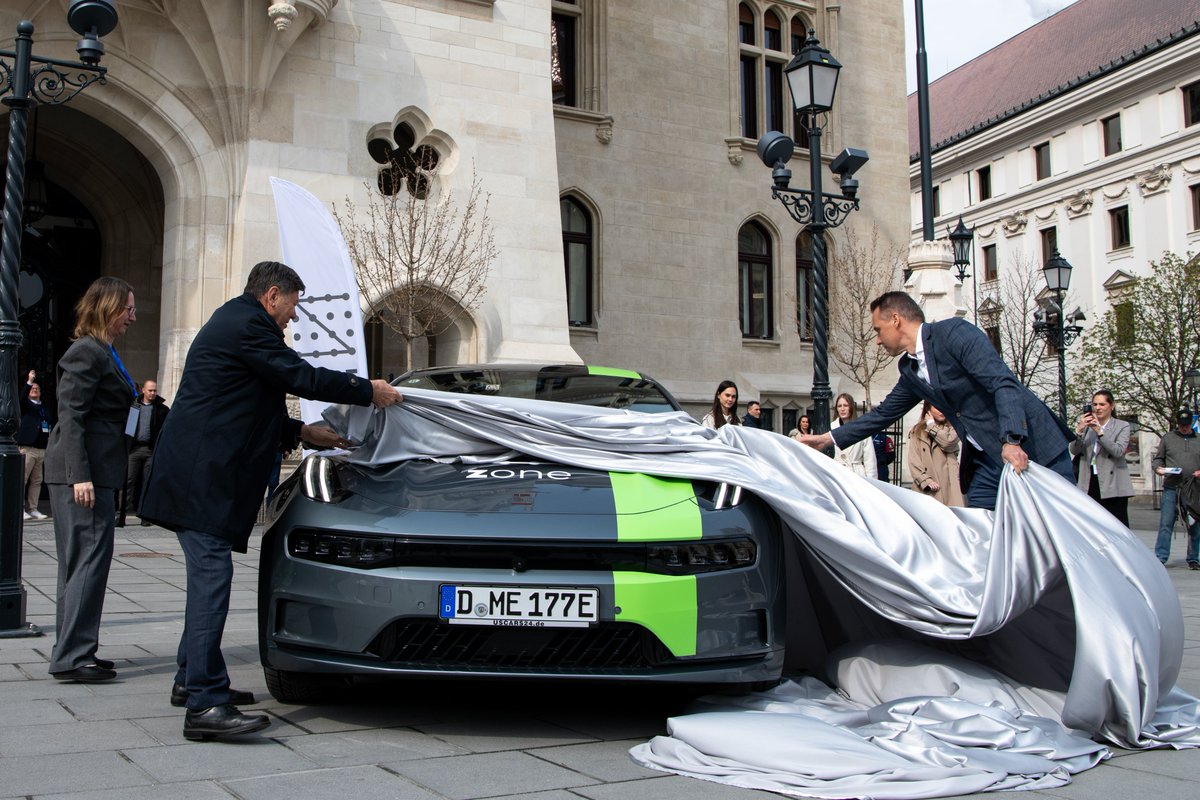
Mobileye CEO Prof. @AmnonShashua participated in an international industry event in Budapest, Hungary, in which the growing role of artificial intelligence in mobility was discussed. The event was hosted by Prof. Laszlo Palkovics, Commissioner for Innovation and AI at the Prime Minister Office of Hungary and Chairman of the ZalaZONE Automotive Association. Part of the event included a demonstration of Mobileye’s technology on the historic streets of Budapest.
Photos: ZalaZONE

1
1
10
1,437