
Joined June 2018
- Tweets 274
- Following 0
- Followers 430
- Likes 79
118 Photos and videos
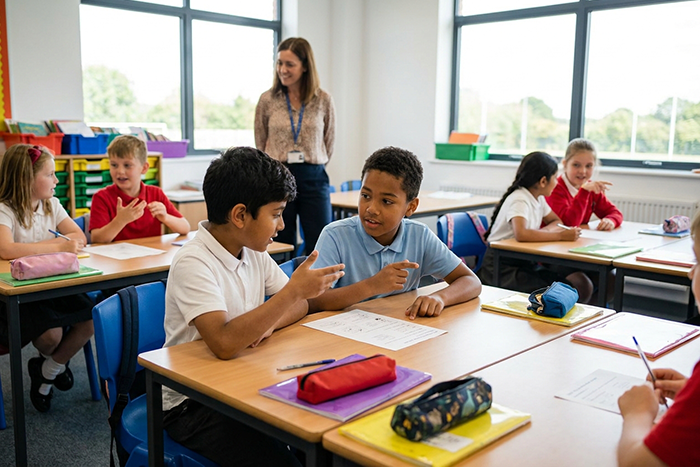











The common Think-Pair-Share is a staple in classrooms everywhere. But a quick turn-and-talk can quietly hide the students who never engaged.
Here's how to get real thinking out of it. 🧵
1
28
Then have students write at each stage. Writing builds individual accountability and gives you something concrete to check while you circulate.
Watch the pairs who agree in five seconds flat. Fast agreement usually means neither student dug in.
1
2
We cover what works at each stage (think, pair, and share), plus ideas to facilitate real academic discussion, in our latest article.
Read it here: modelteaching.com/education-…
#TeachingStrategies
4

Jun 16
Most teachers run think-pair-share. Fewer run it well.
The difference shows up in what students do during the "pair" step. 🧵
1
18
Jun 16
Storey Smith leads it with 15 years in the classroom.
You walk away knowing how to write prompts worth discussing, and what the "pair" step should look like beyond chit-chat.
1
17
Jun 16
9
May 28
We've all seen it: a second-grader counting on her fingers, then making careless mistakes, the second regrouping shows up. 🧵 1/5
1
13
May 28
Five to ten minutes a day is enough.
Brief, focused practice does more than long drill sessions, especially for elementary students. 4/5
1
3
May 28
7
May 22
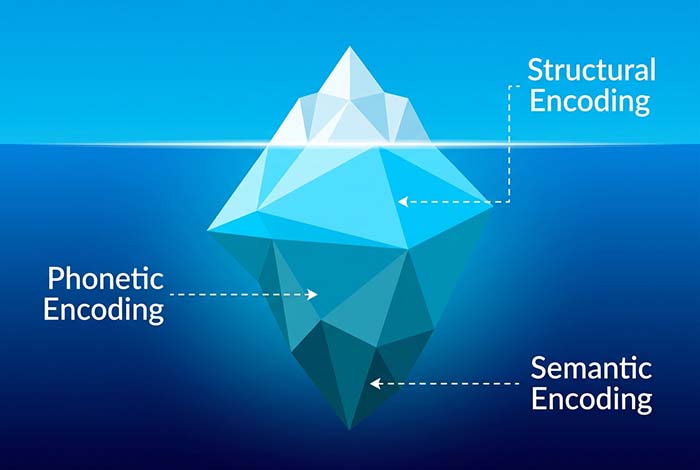
Ever had a student cram for a test, then forget everything a week later?
It's not a study-skills problem. It's a memory-depth problem.
A short thread on the Levels of Processing Theory and what it means for your classroom 🧵
1
15
May 22
The lesson-planning question changes from "did I cover this?" to "did my students process this for meaning?"
Four strategies that push students into semantic encoding: writing summaries, explaining to a partner, building concept maps, and hands-on activities.
1
7
May 22
Full article with classroom examples for each strategy:
modelteaching.com/education-…
#K12 #EdResearch
5