I studied Rome for 10 years. Now I bring it to life. Roman strategy for modern life. Power, discipline, and leadership that still works today.
Joined April 2025
- Tweets 11,616
- Following 227
- Followers 15,790
- Likes 30,564
Photos and videos
Pinned Tweet

Jun 6
Rome fell when nobles stopped reading about their ancestors. Here are 7 biographies every man must read to avoid same fate:
- Life of Sulla by Plutarch
- Da Vinci by Walter Isaacson
- Napoleon by Andrew Roberts
- Augustus by Adrian Goldsworthy
- The Confessions of St. Augustine
- Alexander the Great by Philip Freeman
- Morgan: American Financier by Jean Strouse
What else would you add?
84
183
1,527
355,123
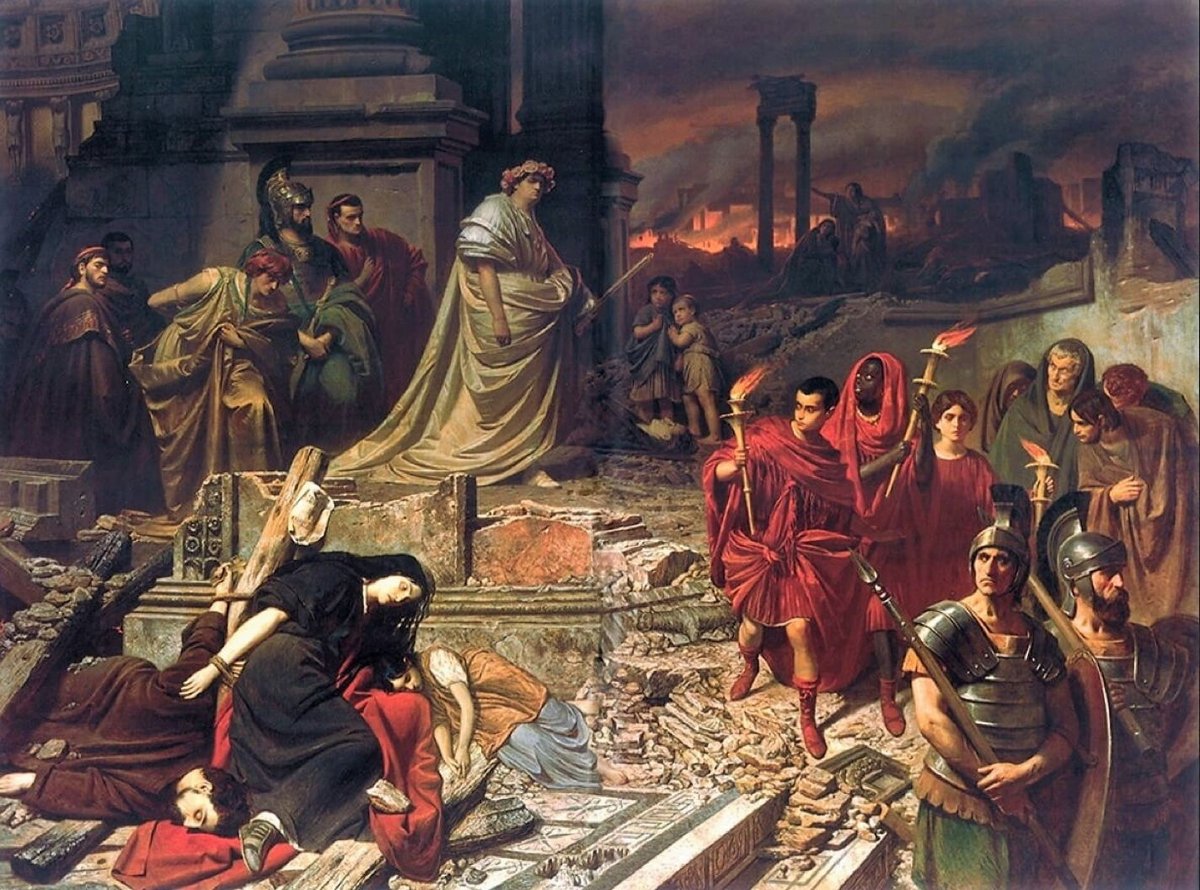
Not funny at all!
Caesar cared for the poor, brought stability to the Republic and destroyed the oligarchy which controled the state for years!
And now people make jokes about his tragic death.

1
2
173
Modern Caesar retweeted

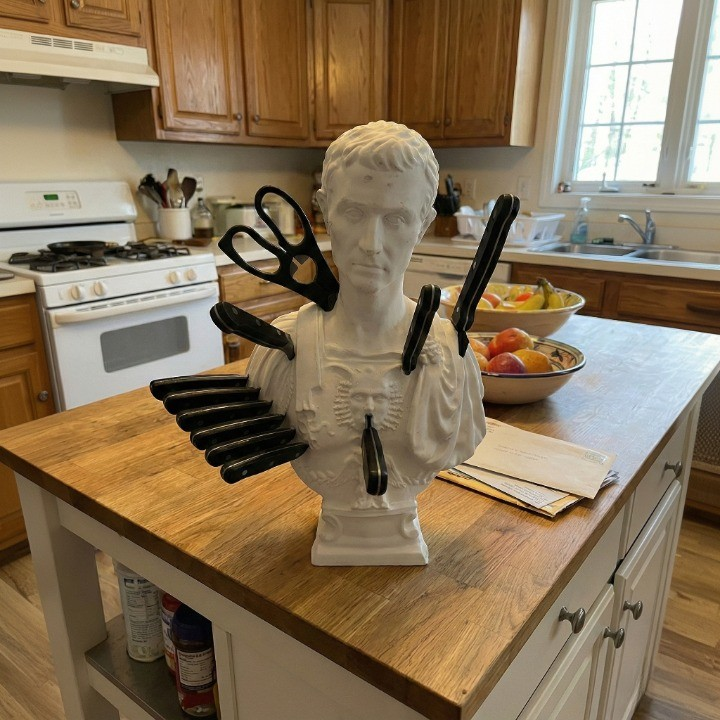
How do you solve a great decline?
With wisdom, will, passion, and sacrifice.

How do you survive a Great Decline?
In third century Roman Empire almost collapsed. The many Civil Wars, barbarian invasions and economic instability put so much pressure on already declining state that was on verge of collapse.
But when everything was on fire and hope seemed to be lost luck returned to Roman side in the form of competent leaders.
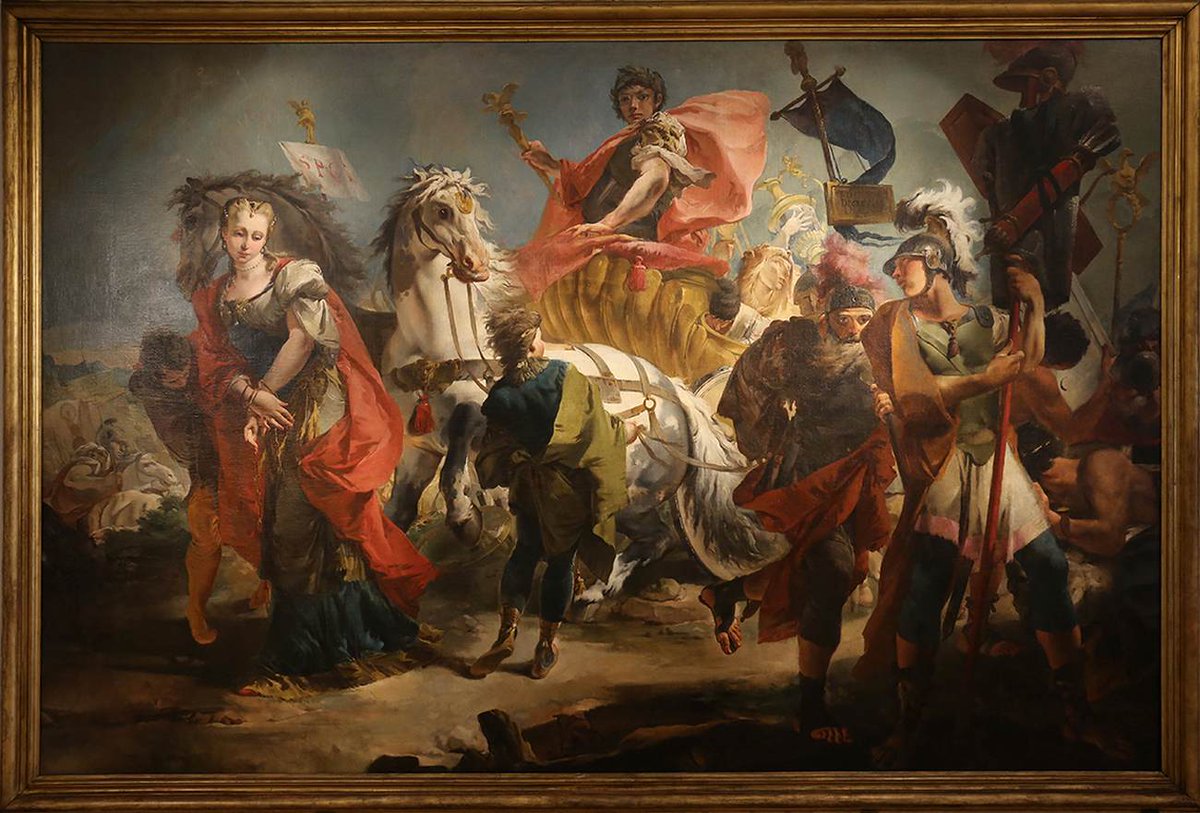
Emperor Aurelian set on campaign to restore Empire from the traitors that carved their own kingdoms amid the crisis. He capture Queen Zenobia in the East and without a long campaign regained Gaul.
Aurelian went even further and restored Roman monetary system.
In few years, Empire went from immediate collapse to a stable force that dominated the world.
In tomorrow's article we will discuss how to survive a Great Decline, how Aurelian restored the world and what lessons can we adapt in modern times.
The article will be available for all paid subscribers on The Modern Caesar newsletter. (Link in bio)
1
3
8
332
Modern Caesar retweeted
How do you survive a Great Decline?
In third century Roman Empire almost collapsed. The many Civil Wars, barbarian invasions and economic instability put so much pressure on already declining state that was on verge of collapse.
But when everything was on fire and hope seemed to be lost luck returned to Roman side in the form of competent leaders.
Emperor Aurelian set on campaign to restore Empire from the traitors that carved their own kingdoms amid the crisis. He capture Queen Zenobia in the East and without a long campaign regained Gaul.
Aurelian went even further and restored Roman monetary system.
In few years, Empire went from immediate collapse to a stable force that dominated the world.
In tomorrow's article we will discuss how to survive a Great Decline, how Aurelian restored the world and what lessons can we adapt in modern times.
The article will be available for all paid subscribers on The Modern Caesar newsletter. (Link in bio)
1
2
20
957
Modern Caesar retweeted
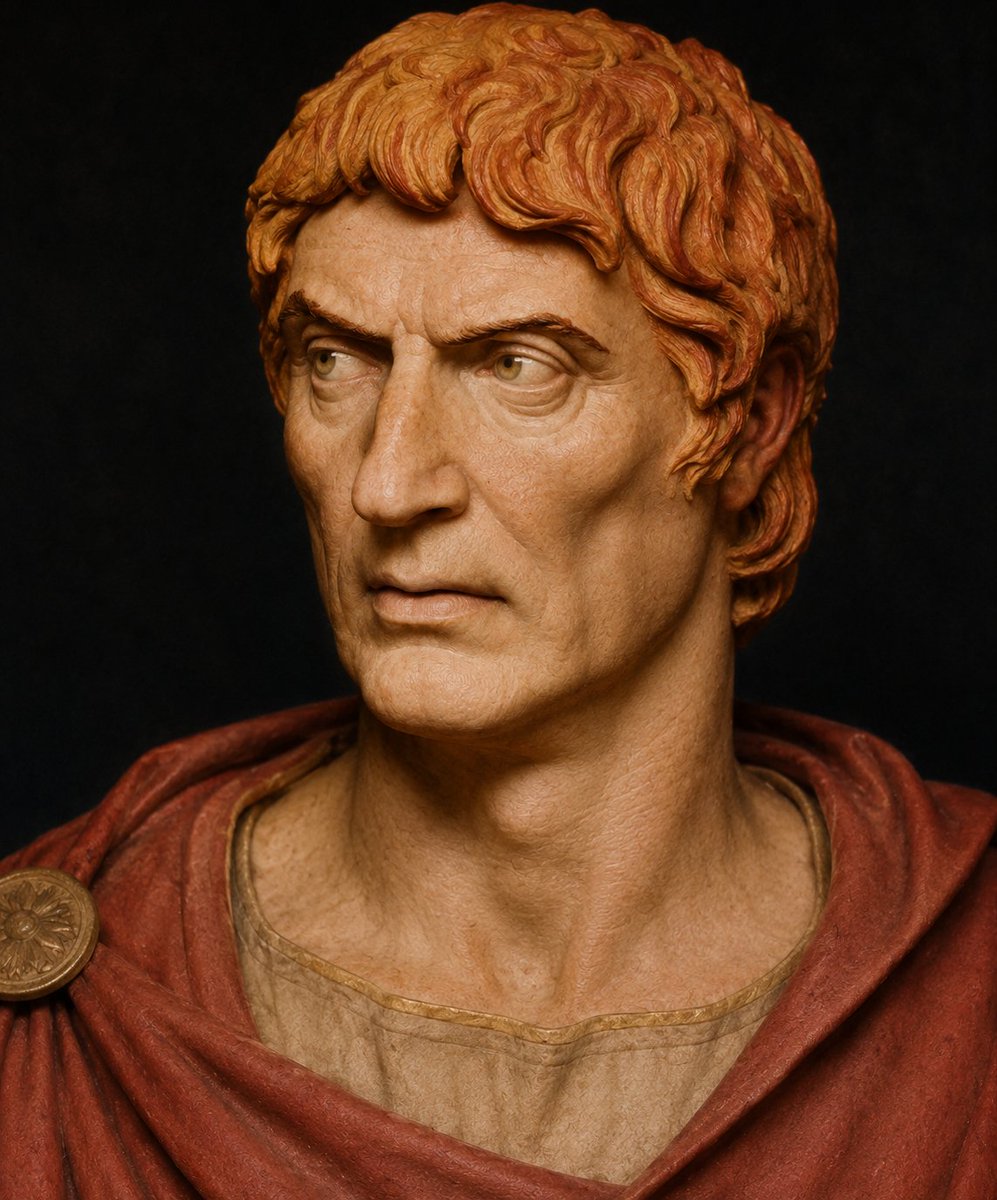
"No friend ever served me, and no enemy ever wronged me, whom I have not repaid in full."
- Lucius Cornelius Sulla
12
68
595
11,675
Modern Caesar retweeted
A great list of account to follow. Especially if you want to learn something new on X, not just feel entertained.

These are the best accounts on X that every single one of you should be following:

1
3
20
4,553
Modern Caesar retweeted
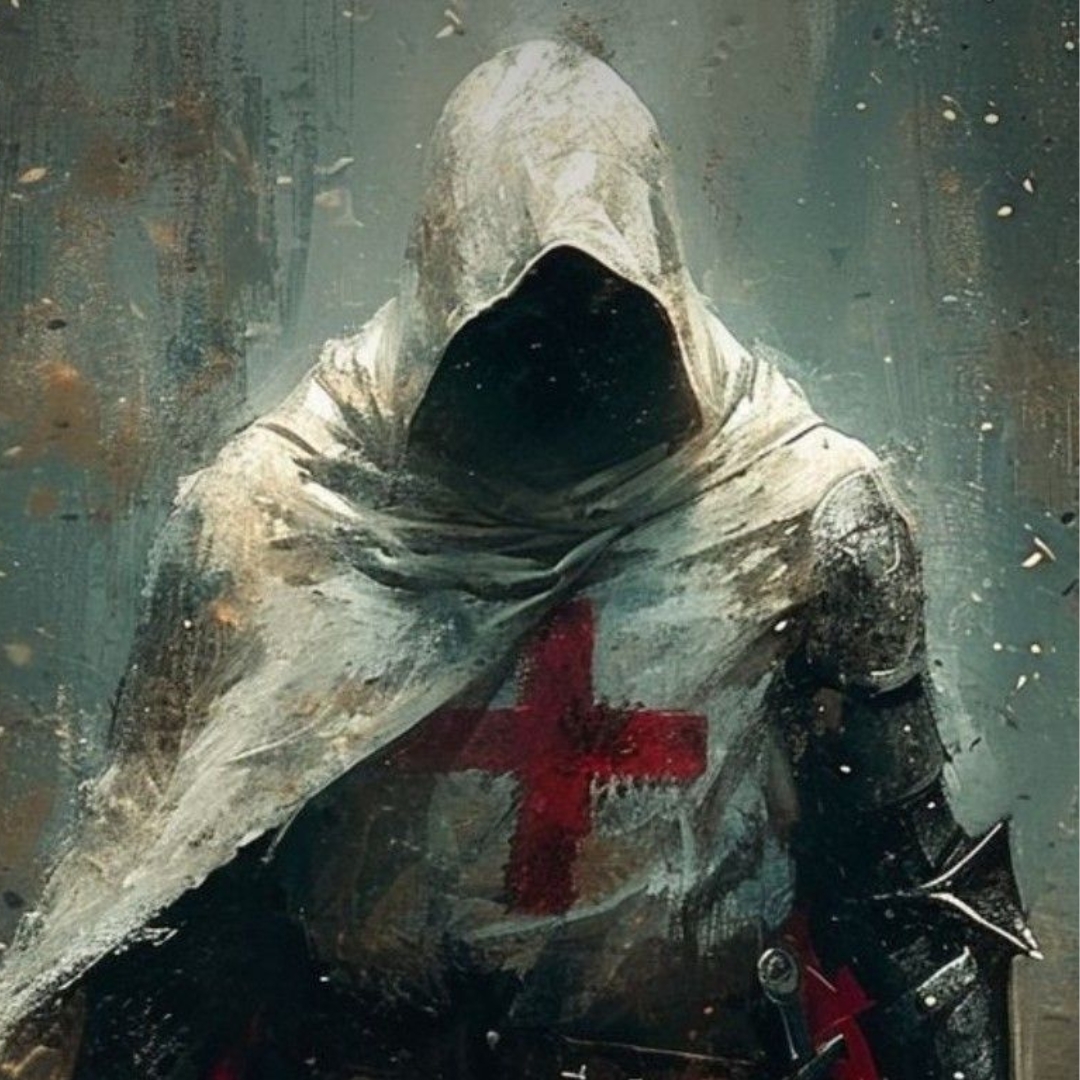
This account exists to defeat the vile legions of hell...
𝘽𝙮 𝙝𝙚𝙡𝙥𝙞𝙣𝙜 𝙮𝙤𝙪 𝙠𝙣𝙤𝙬, 𝙡𝙞𝙫𝙚, 𝙖𝙣𝙙 𝙙𝙚𝙛𝙚𝙣𝙙 𝙮𝙤𝙪𝙧 𝘾𝙝𝙧𝙞𝙨𝙩𝙞𝙖𝙣 𝙛𝙖𝙞𝙩𝙝.
I was an agnostic for 11 years. From early middle school, I went through life pretending not to know what to believe.
𝘉𝘦𝘤𝘢𝘮𝘦 𝘢 𝘱𝘰𝘳𝘯 𝘢𝘥𝘥𝘪𝘤𝘵
𝘚𝘶𝘧𝘧𝘦𝘳𝘦𝘥 𝘴𝘦𝘳𝘪𝘰𝘶𝘴 𝘥𝘦𝘱𝘳𝘦𝘴𝘴𝘪𝘰𝘯
𝘈𝘭𝘮𝘰𝘴𝘵 𝘭𝘰𝘴𝘵 𝘮𝘺 𝘨𝘪𝘳𝘭𝘧𝘳𝘪𝘦𝘯𝘥 (𝘯𝘰𝘸 𝘸𝘪𝘧𝘦)
𝗝𝗲𝘀𝘂𝘀 𝗿𝗲𝘀𝗰𝘂𝗲𝗱 𝗺𝗲 𝗳𝗿𝗼𝗺 𝘁𝗵𝗲 𝘄𝗼𝗿𝗹𝗱'𝘀 𝗹𝗶𝗲𝘀. 𝗧𝗛𝗔𝗧'𝘀 𝘄𝗵𝘆 𝗜 𝘀𝘁𝗮𝗿𝘁𝗲𝗱 𝘄𝗿𝗶𝘁𝗶𝗻𝗴.
I’m here to show YOU how to cut through the lies of the modern world so you too can believe in Christ with courage.
If you want to join me on this journey, follow this account and check out my Highlights and Articles.
11
5
55
1,845
Modern Caesar retweeted
Jun 12
As much as I like the new Pope I can't agree with his view on migrants.
Immigration experiment in Europe has failed. Women and children became targets for rape gangs, while institutions ignore them.
If we want to protect the vulnerable and show human dignity we must stop importing criminals in our lands.
Jesus expelled merchants and other sinners from his father's temple. Europeans must do the same in their homes.
There is nothing un-Christian to defending your home, family and civilization.
Jun 11

The drama of migration must serve as an appeal to the conscience of the nations of origin of the migrants, which must establish conditions for peace, justice and development. It is also an appeal to the conscience of the transit nations, which are called to protect the vulnerable and not leave them in the hands of criminal networks. It is likewise an appeal to the conscience of Europe, which cannot claim to uphold human dignity while growing accustomed to the Mediterranean and the Atlantic becoming unmarked graves, as well as that of the international community, which is called to effective and persevering cooperation. #ApostolicJourney vatican.va/content/leo-xiv/e…
22
17
91
3,273
Modern Caesar retweeted
Jun 12
Elon Musk now possesses the same level of wealth that once was held only by Augustus or Genghis Khan.
One man's work is now worth more than entire countries and provinces. This is insane to think about. Modern Empires are not measured by territory, but by vision and work.


3
4
47
1,586
Modern Caesar retweeted

Jun 11
My goal is to remind people that civilization was built by those who refused to make the world ugly.
St Conan’s Kirk captures that mission perfectly.
A small village in Scotland could have settled for plain stone, cheap function, and forgettable walls.
Instead, someone gave it arches, towers, carvings, memory, and wonder.
That is my vision.
To find the places, paintings, buildings, books, and stories that prove beauty was once treated as a duty. To show that culture grows when people build beyond their own lifespan.
To remind us that the world becomes smaller when we stop expecting greatness from ordinary places.
St Conan’s Kirk stands in a remote corner of Scotland, but it carries the ambition of a civilization.
That is the kind of world worth preserving.
Become part of the movement and follow @CultureExploreX….
29
397
1,984
32,926
Modern Caesar retweeted
Jun 11
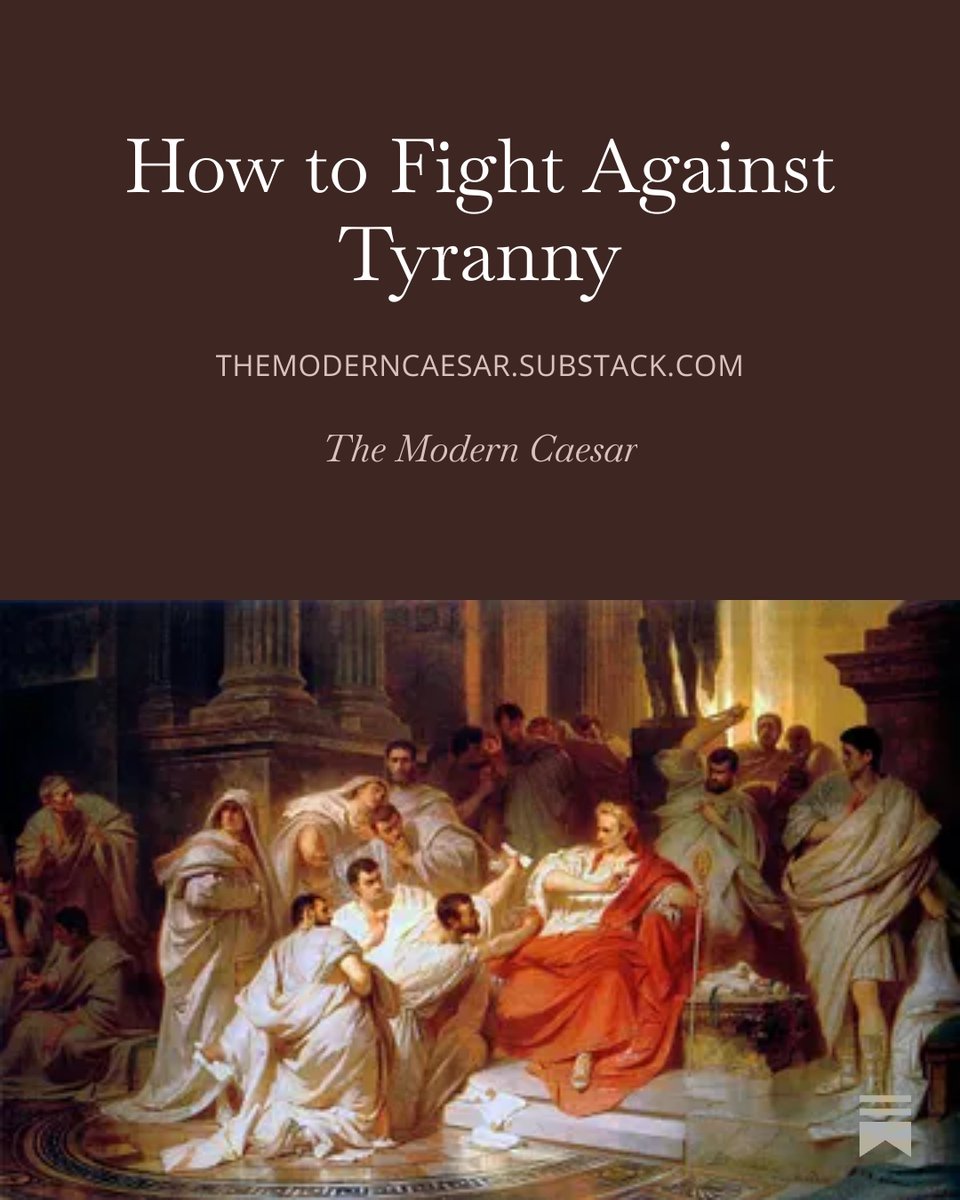
In the late Roman Republic, a faction seized power through a legal procedure used as a weapon.
Sulpicius, a tribune of the plebs allied with the aging general Gaius Marius, pushed through a popular assembly a vote to strip Sulla of his command against Mithridates of Pontus. A command the Senate had already assigned to him was handed to Marius instead. The move was legal, but It also became a raw seizure of power dressed in republican attire.
And Sulla was not the man to sit with this conspiracy.
He marched his legions on Rome, the first Roman general to do so in the Rome’s history.
Marius and Sulpicius fled the city.
Sulla proceeded to restored order, repealed the offending legislation, and left for Greece to fight the war against Mithridates, who managed to take Greece already.
The moment he was gone, the other side struck back.
Cinna, as one of the consul, and the returning Marius retook Rome by force.
Appian describes in his Civil Wars that this seizure of Populares was a tyranny, rather than a liberation. Many senators were killed, property of nobles and aristocrats was seized or burned down, opponents of this coup were driven into exile or executed.
He expands by saying that Rome was treated as if conquered by foreign power:
“Cinna and Marius… treated the city as if it had been captured by an enemy. There were ruthless and indiscriminate massacres of citizens… Some were proscribed, others banished, property was confiscated…”
Populares later declared Sulla as the public enemy of Rome. Moreover, his houses were burned, and an army was dispatched to arrest him while he was in the middle of fighting Rome’s enemies in the East.
Today we will dive deeper into one of the darkest periods in Roman history, and see what we can learn from it about fighting the tyranny.
Only on The Modern Caesar newsletter:
themoderncaesar.substack.com
1
2
22
1,240
Modern Caesar retweeted

Jun 11
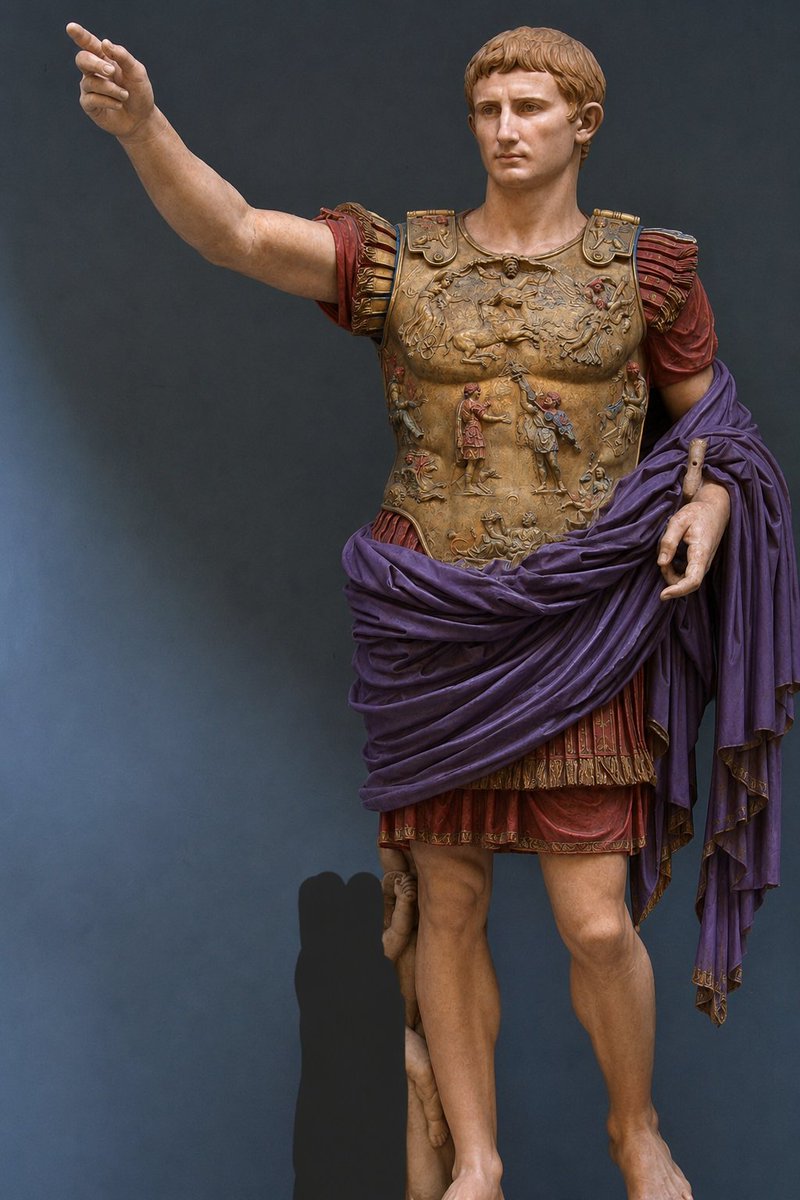
Roman emperor Augustus’s statue colorized.
A colorized and lifelike restoration of the statue of Augustus, with realistic skin, and subtle human texture added to bring the ancient statue closer to life, while still respecting the original sculpture.
15
22
159
11,015
Modern Caesar retweeted
Jun 11
We should start investing in Real Data Centers.

Jun 11

“A library is not a luxury but one of the necessities of life, because it is there that a civilization stores its memory and teaches the next generation how to think.”
— Henry Ward Beecher

6
9
62
1,767
Jun 10
RT @ModernCeasar: If you ever wondered what it was like to live during the Fall of Rome just look at Europe.
The same thing is now happeni…
14