Histoire politique et militaire de l'Afrique, 1948-à nos jours.
Joined April 2013
- Tweets 13,235
- Following 1,201
- Followers 5,523
- Likes 4,187
9,183 Photos and videos
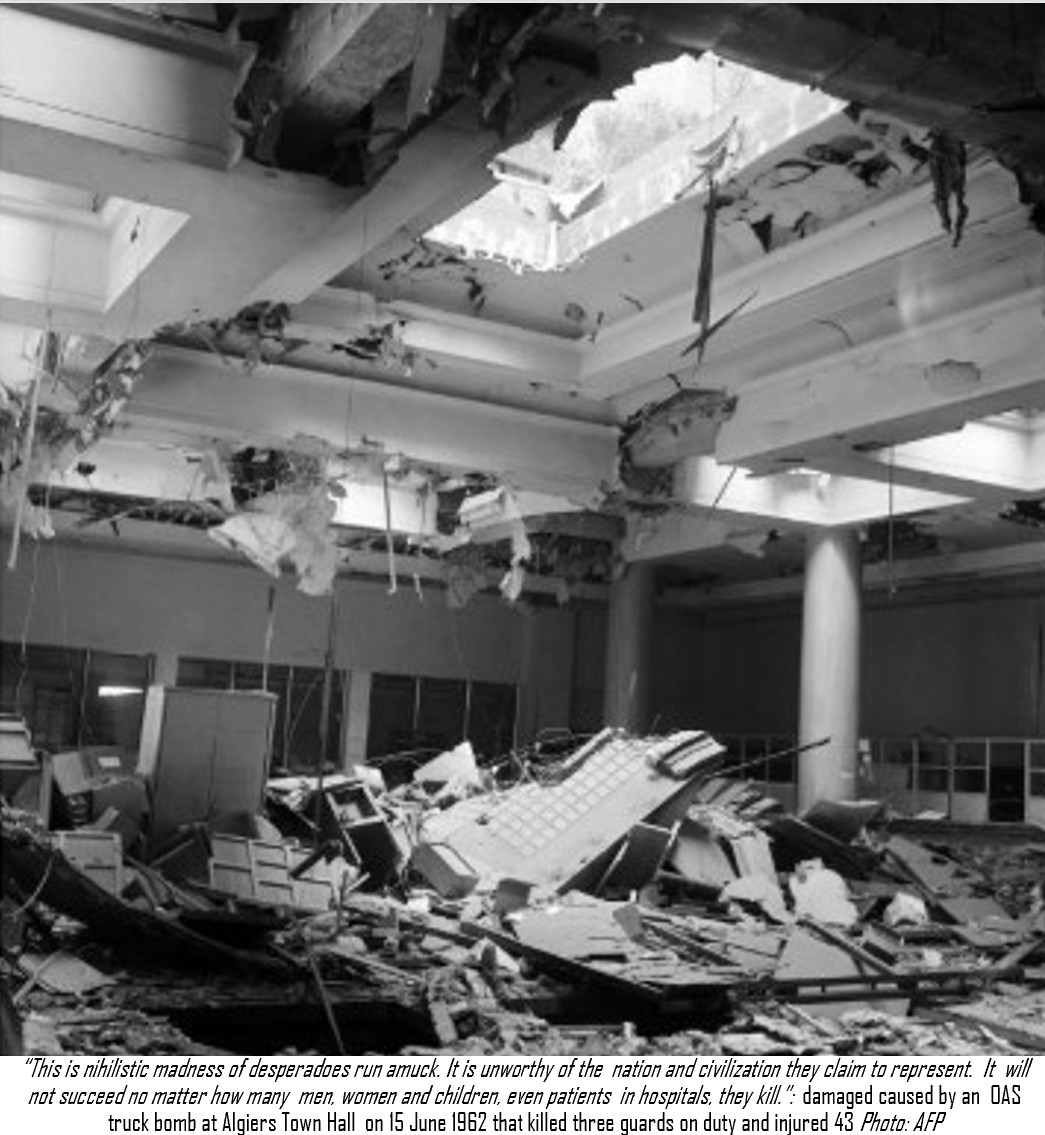

"This is nihilistic madness of desperadoes run amuck. It is unworthy of the nation and civilization they claim to represent. It will not succeed no matter how many men, women and children they kill”: damaged caused by an OAS truck bomb at Algiers Town Hall on 15 June 1962
3
109
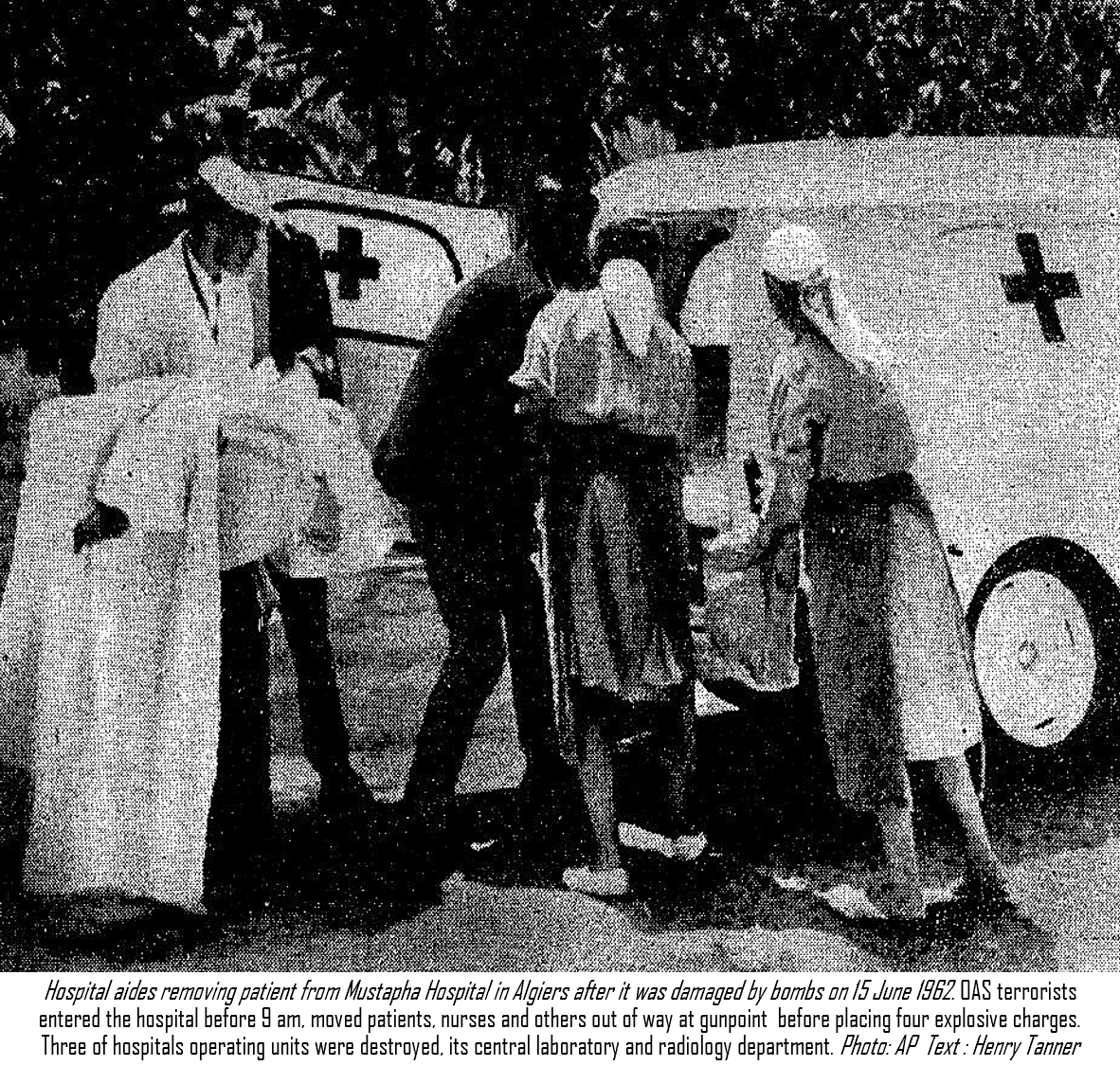
Hospital aides removing patient from Mustapha Hospital in Algiers after it was damaged by bombs on 15 June 1962. OAS terrorists entered the hospital, moved patients, nurses and others out of way at gunpoint before placing four explosive charges.
67
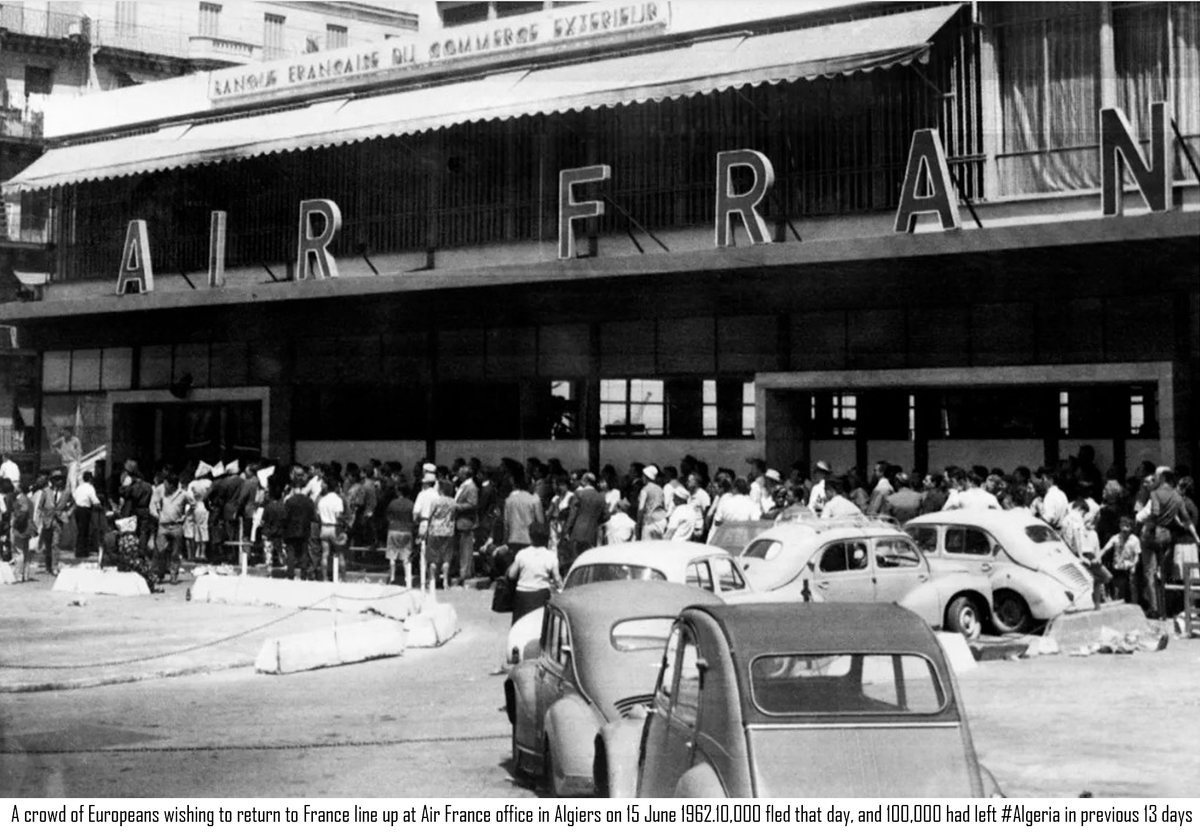
A crowd of Europeans wishing to return to France line up at Air France office in Algiers on 15 June 1962. 10,000 fled that day, and 100,000 had left #Algeria in previous 13 days
1
5
120
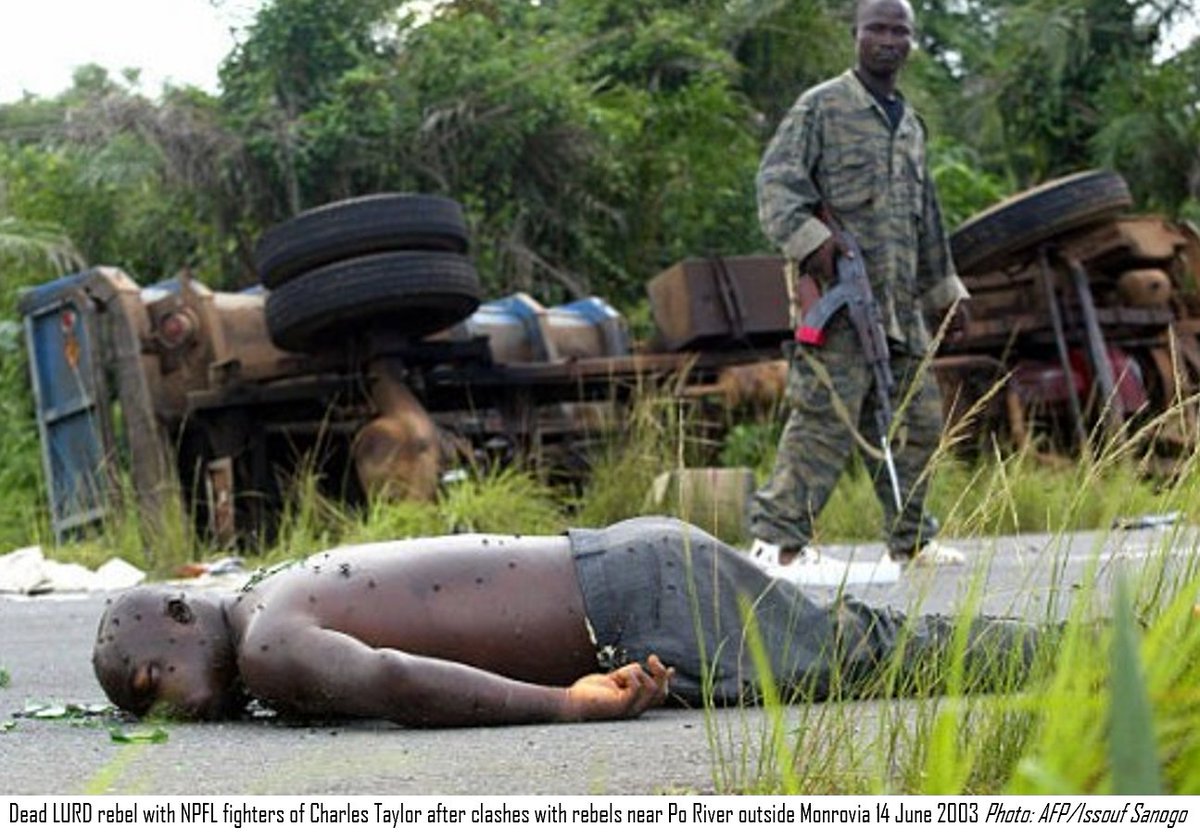
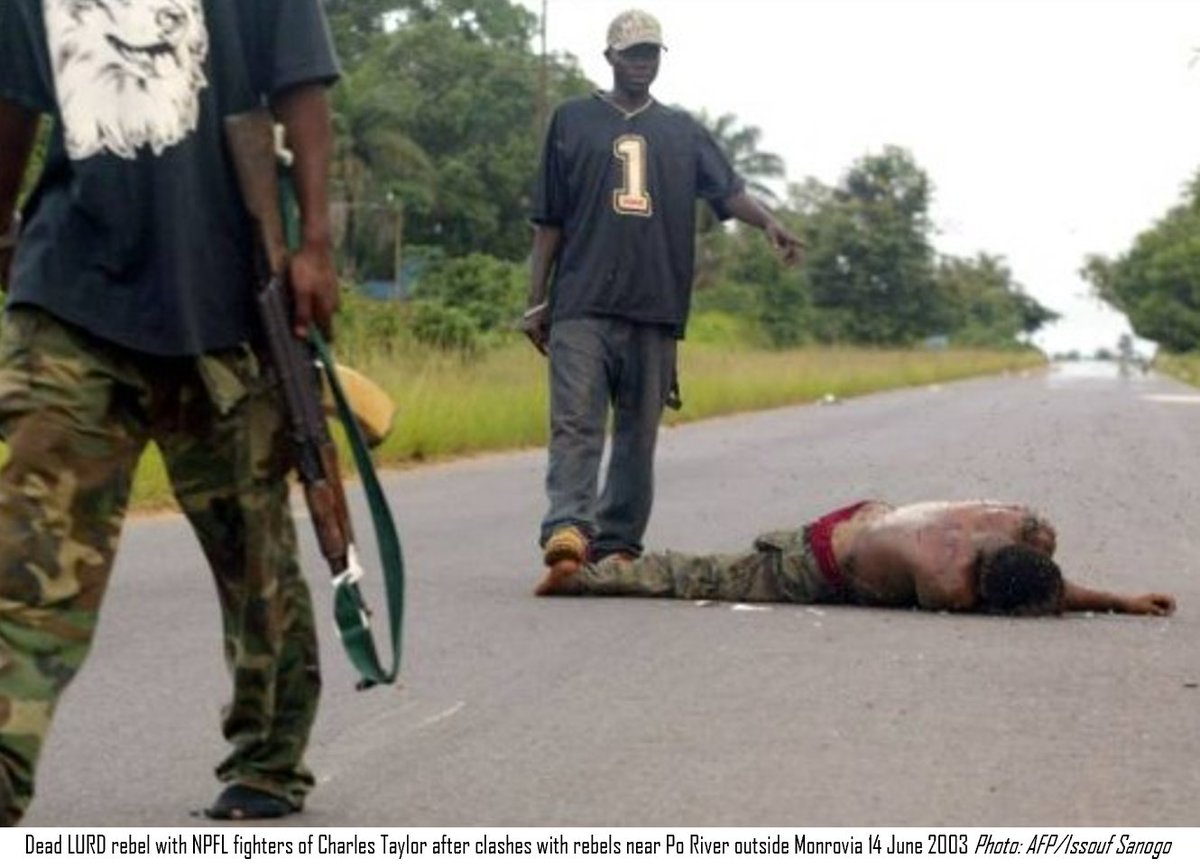
Dead LURD rebel with NPFL fighters of Charles Taylor after clashes with rebels near Po River outside Monrovia, 14 June 2003 (two photos)
1
3
238
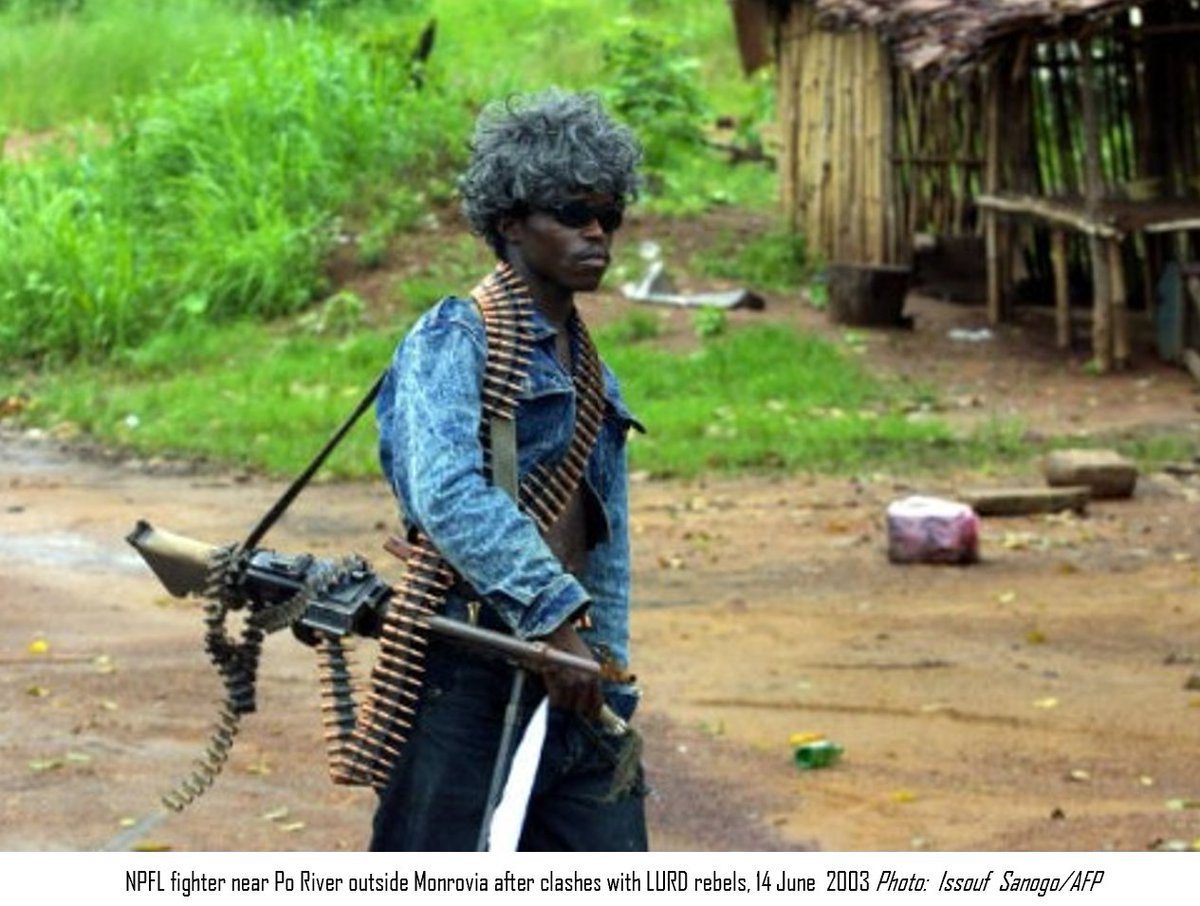
NPFL fighter near Po River outside Monrovia after clashes with LURD rebels, 14 June 2003
1
2
19
484
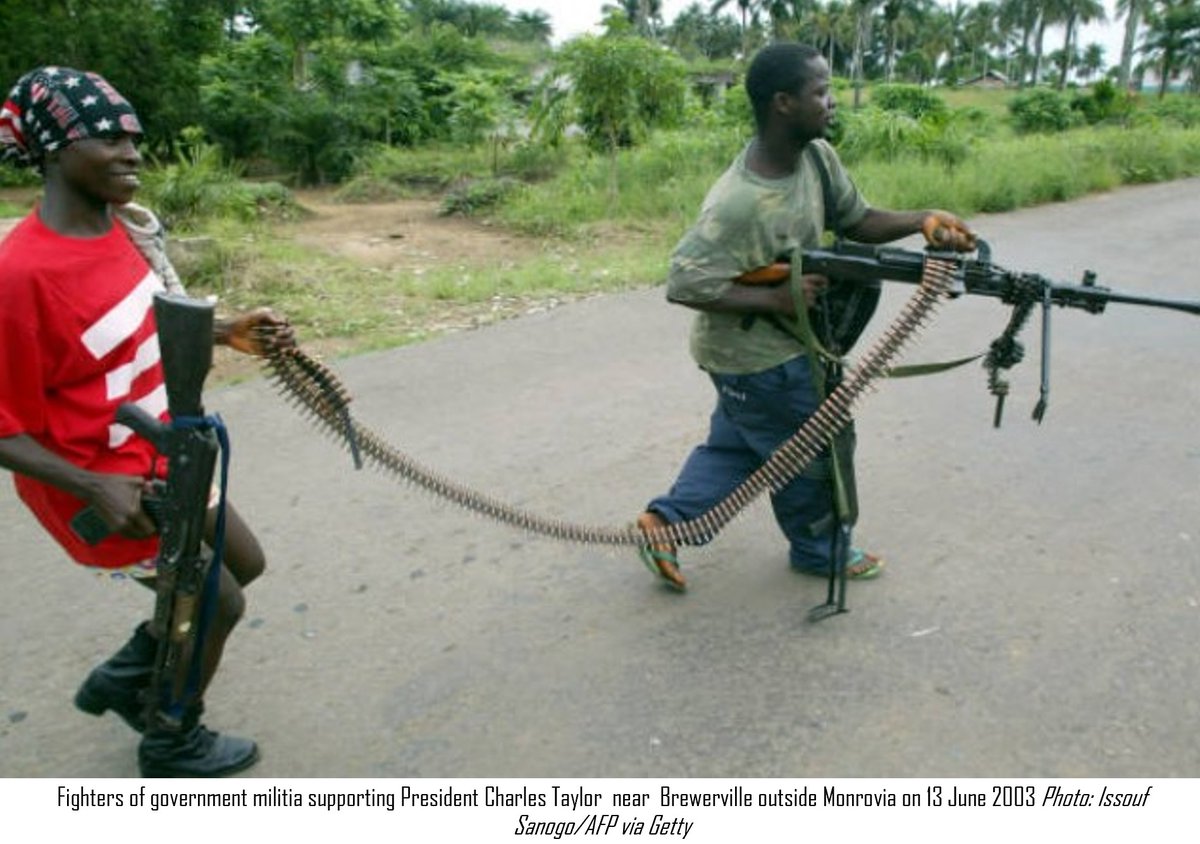
Fighters of government militia supporting President Charles Taylor fighting LURD rebels near Brewerville outside Monrovia on 14 June 2003
3
23
739
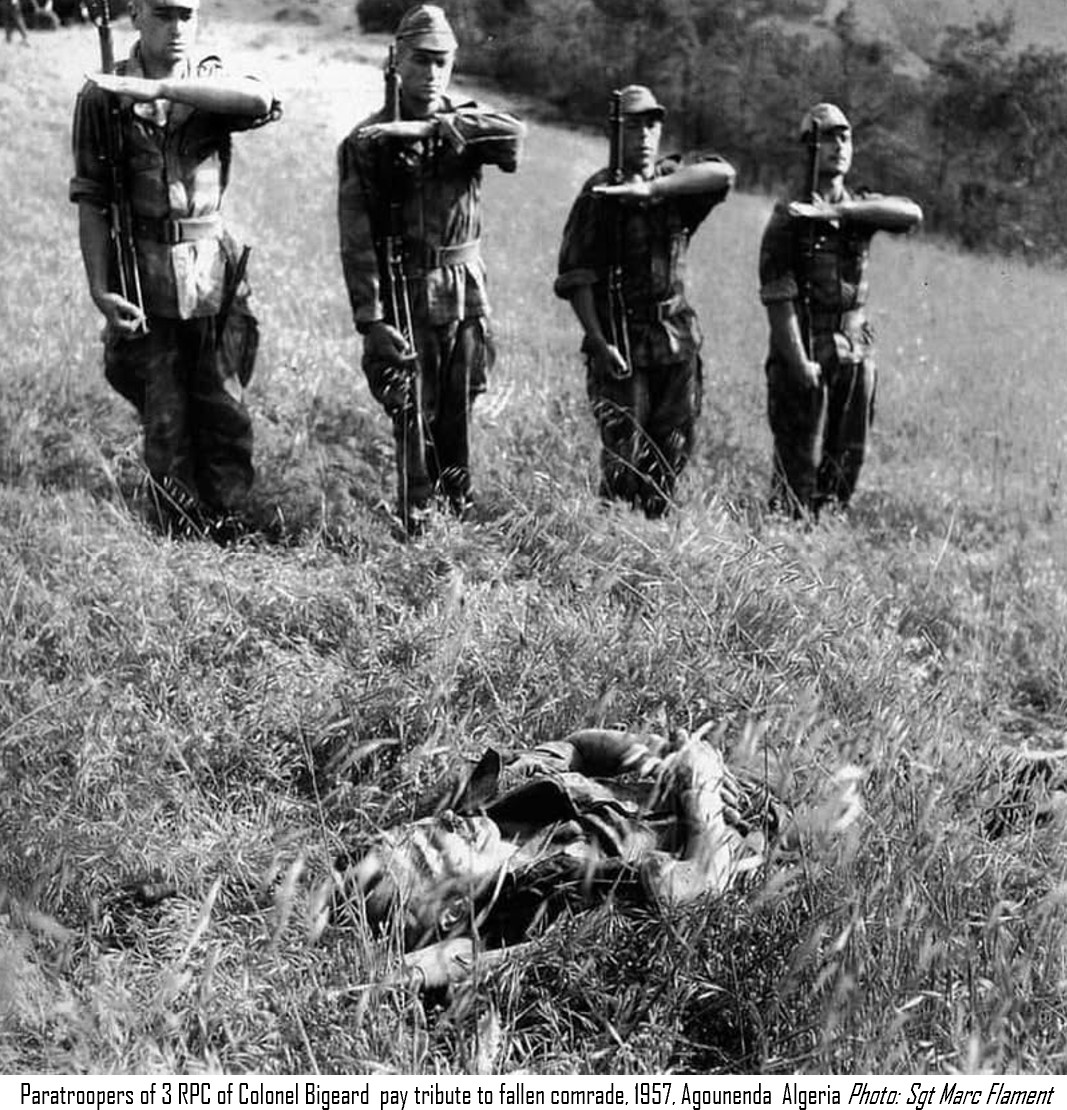
Paratroopers of 3 RPC of Colonel Bigeard pay tribute to fallen comrade, 1957, Agounenda Algeria
1
11
148
4,306
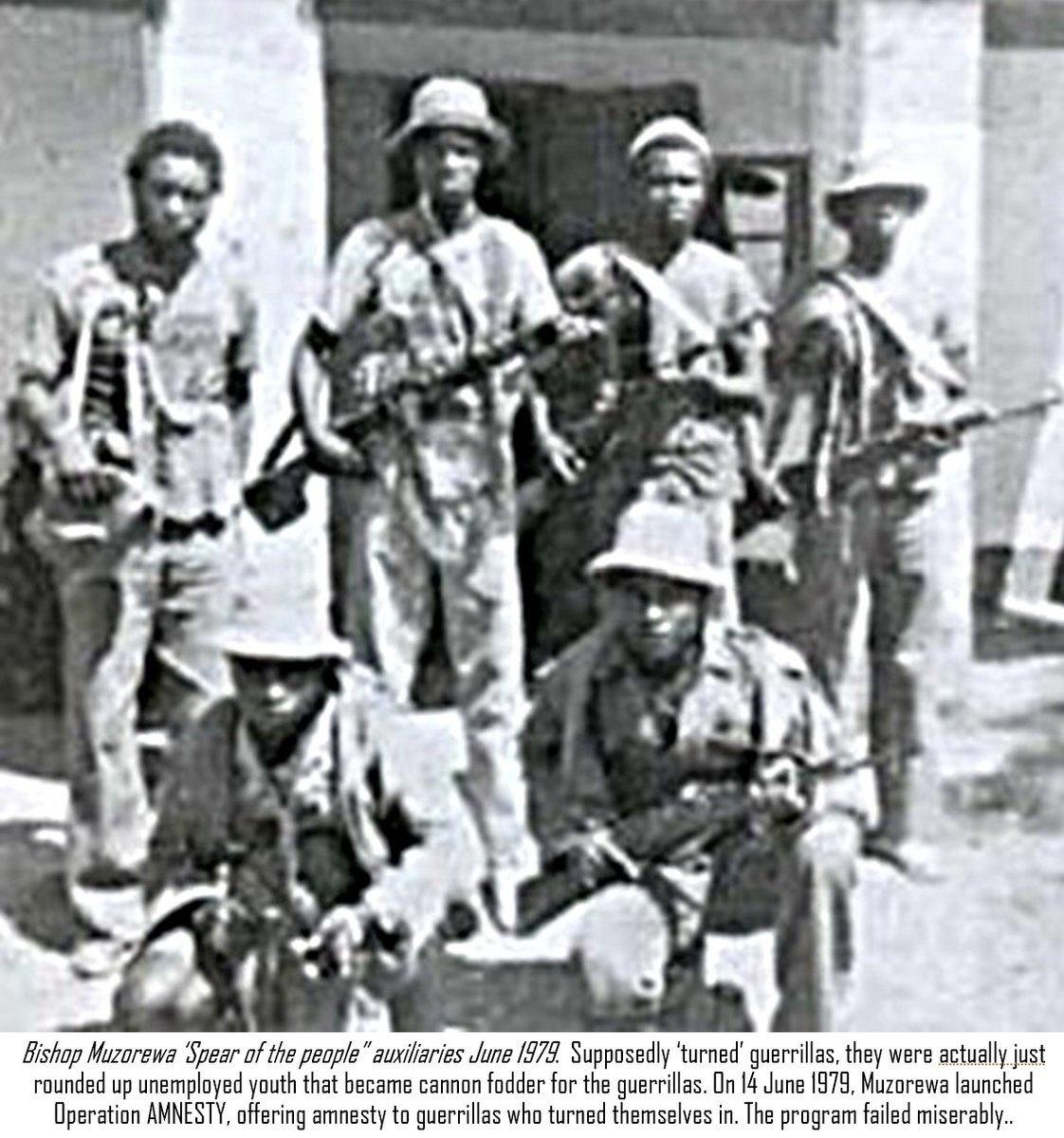
‘Spear of the people” auxiliaries June 1979. Ostensibly ‘turned’ guerrillas, they were actually rounded up unemployed youth that became targets for the guerrillas. On 14 June 1979, Muzorewa launched Operation AMNESTY, offering amnesty to guerrillas. The program failed miserably
4
135
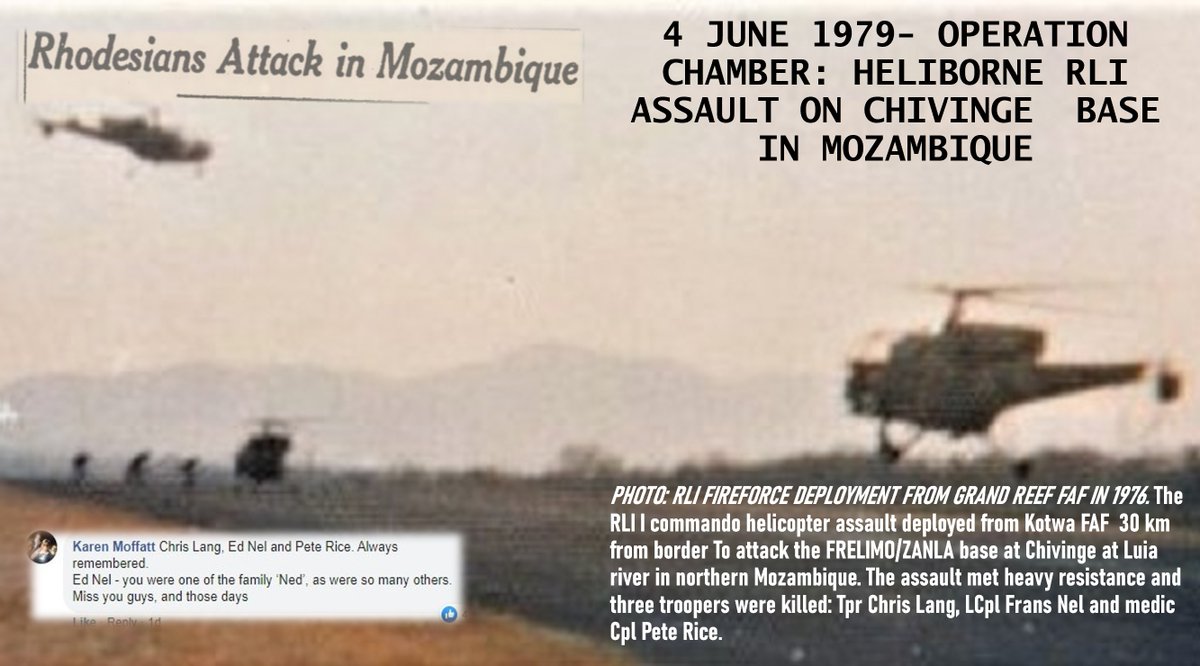
4 June 1979- Muzorewa's First Strike: Operation CHAMBER, heliborne RLI assault on ZANLA Chivinge base in Mozambique
1
3
191
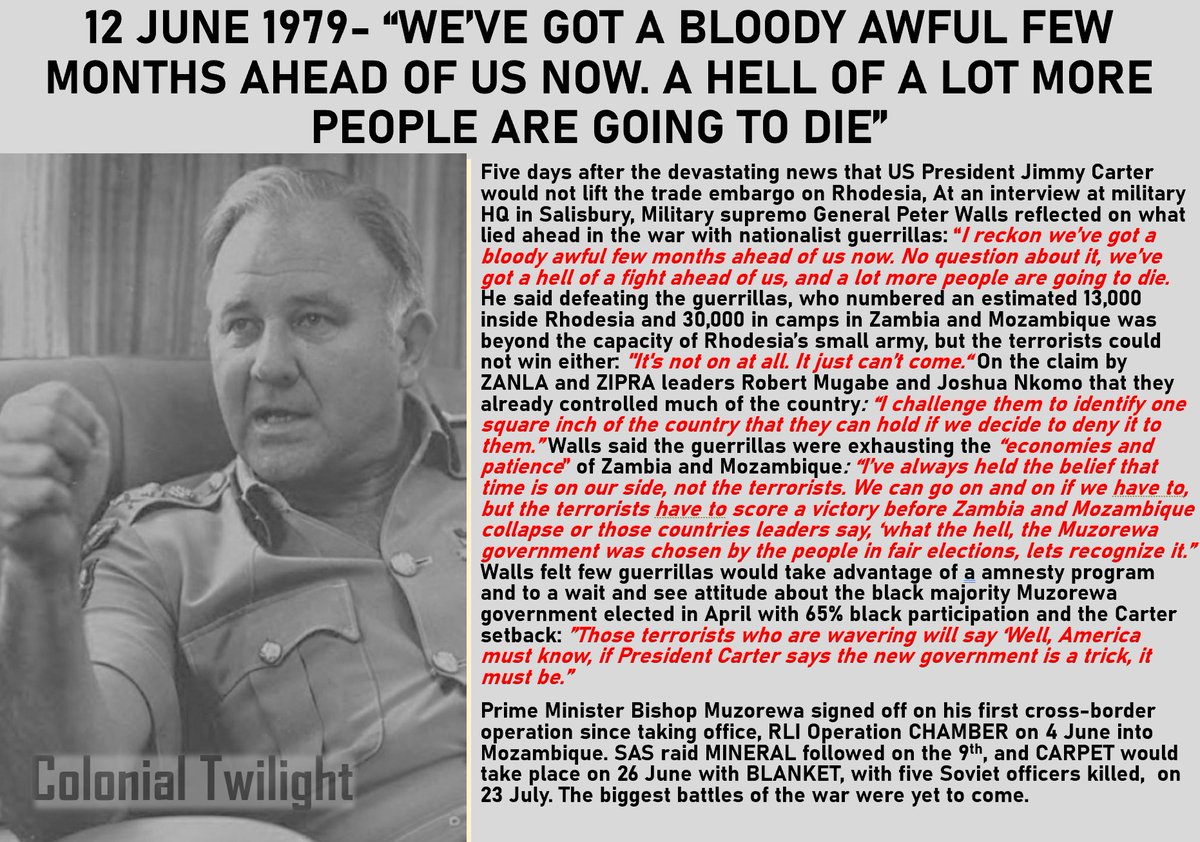
12 June 1979: " We've got a bloody awful few months ahead of us now. A hell of a lot more people are going to die"
4
164
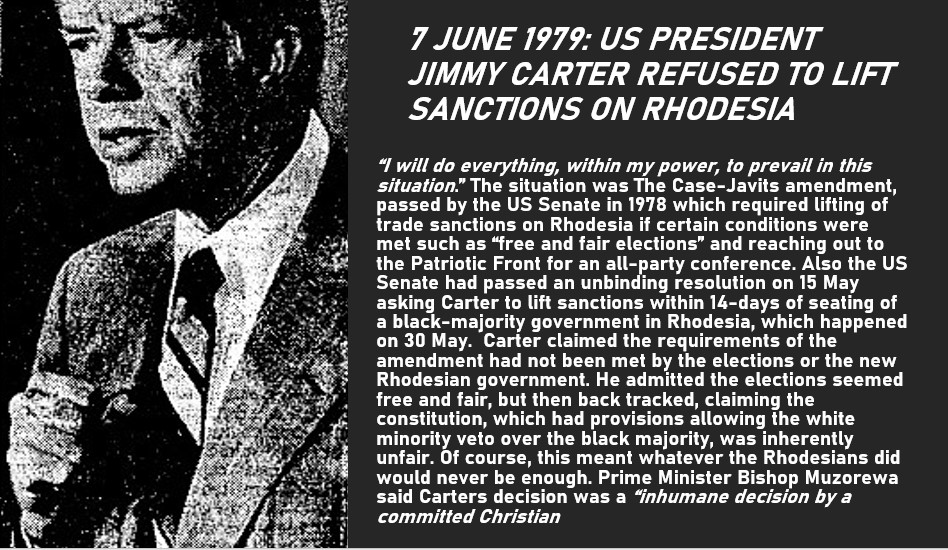
7 June 1979- "An inhumane decision by a committed Christian": President Jimmy Carter ignores congressional amendments, and refused to lift sanctions on Rhodesia
2
118
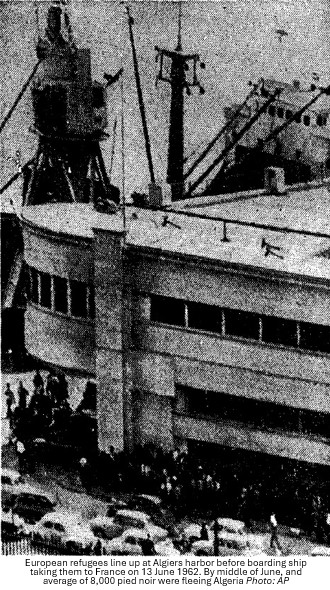
European refugees line up at Algiers harbor before boarding ship taking them to France on 13 June 1962. By middle of June, and average of 8,000 pied noir were fleeing Algeria
3
116
Colonial Twilight retweeted

Jun 14
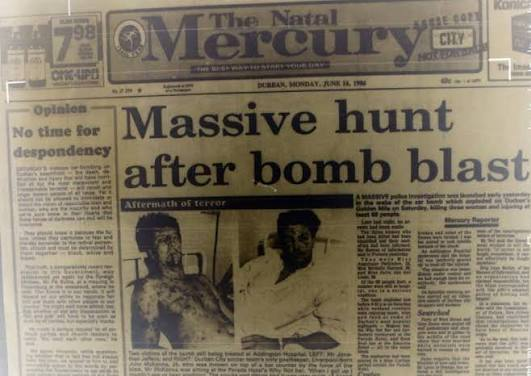
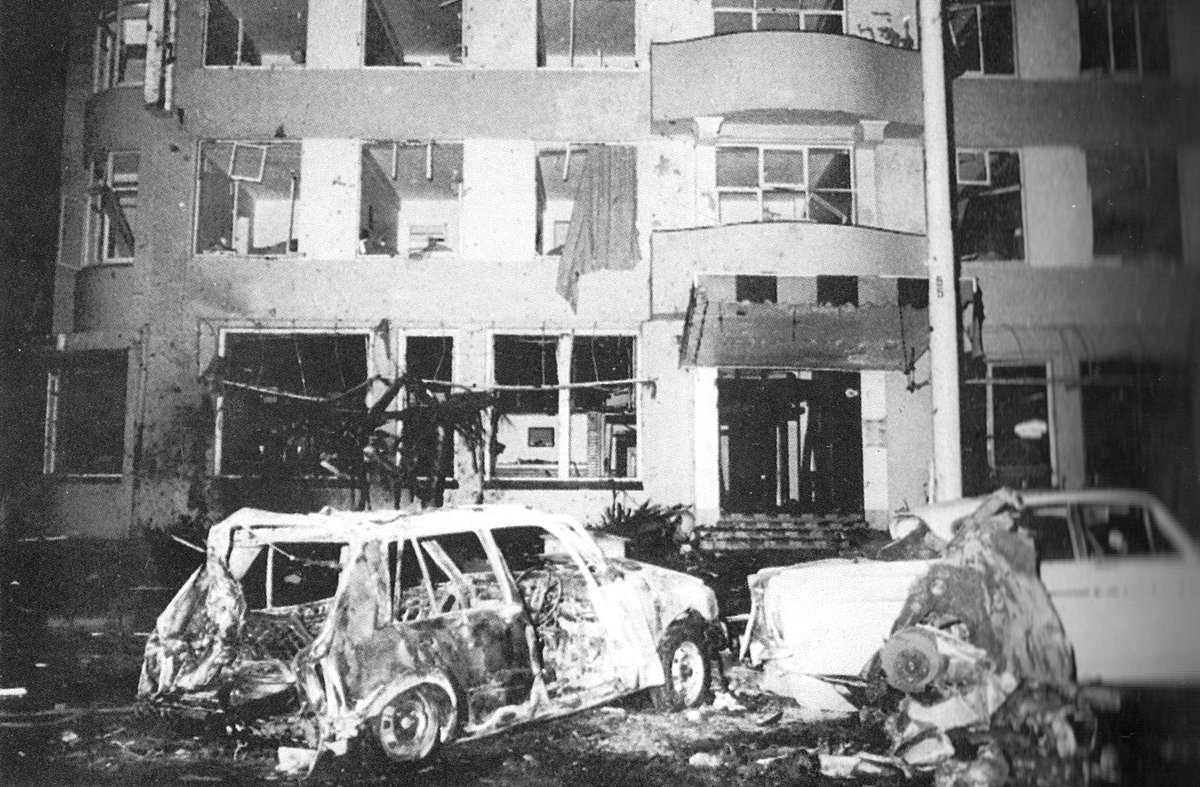
On June 14, 1986, operatives of the African National Congress (ANC) armed wing, Umkhonto we Sizwe (MK), detonated a car bomb outside the popular Why Not Bar and Magoo’s Bar on Durban's Marine Parade, South Africa. The blast killed three women and injured at least 69 other people.
The Target Motivation: The MK cell led by Robert McBride specifically targeted Magoo’s and the Why Not because the venues were known to be popular hangouts for off-duty South African Security Police and military personnel.
The Incident: On the night of June 14, 1986, a car laden with explosives was parked directly outside the bars. The resulting detonation completely devastated the establishments.
CasualtiesThe bombing resulted in the deaths of three white civilian women:
Angelique Pattenden, Marchelle Gerard, Julie van der Linde.
Additionally, at least 69 patrons and pedestrians, primarily civilians, were wounded in the attack.
Conviction and Aftermath:
Trial: Cell leader Robert McBride was arrested, tried, and sentenced to death three times for murder, along with serving multiple prison terms for other terrorism counts.
Amnesty: Following the collapse of the apartheid regime and negotiations led by Nelson Mandela, McBride was spared from execution. He and other operatives later applied for and were granted amnesty by the post-apartheid Truth and Reconciliation Commission (TRC).
Legacy: The bombing became one of the most controversial and prominent operations of the armed struggle. It gained intense historical and public attention because the victims were white civilians, while the attacker, McBride, was a "coloured" (mixed-race) anti-apartheid operative, making the event a stark symbol of the escalating and brutal violence of the era. McBride eventually went on to serve as a diplomat and government official in the democratic South Africa
4
16
50
1,816
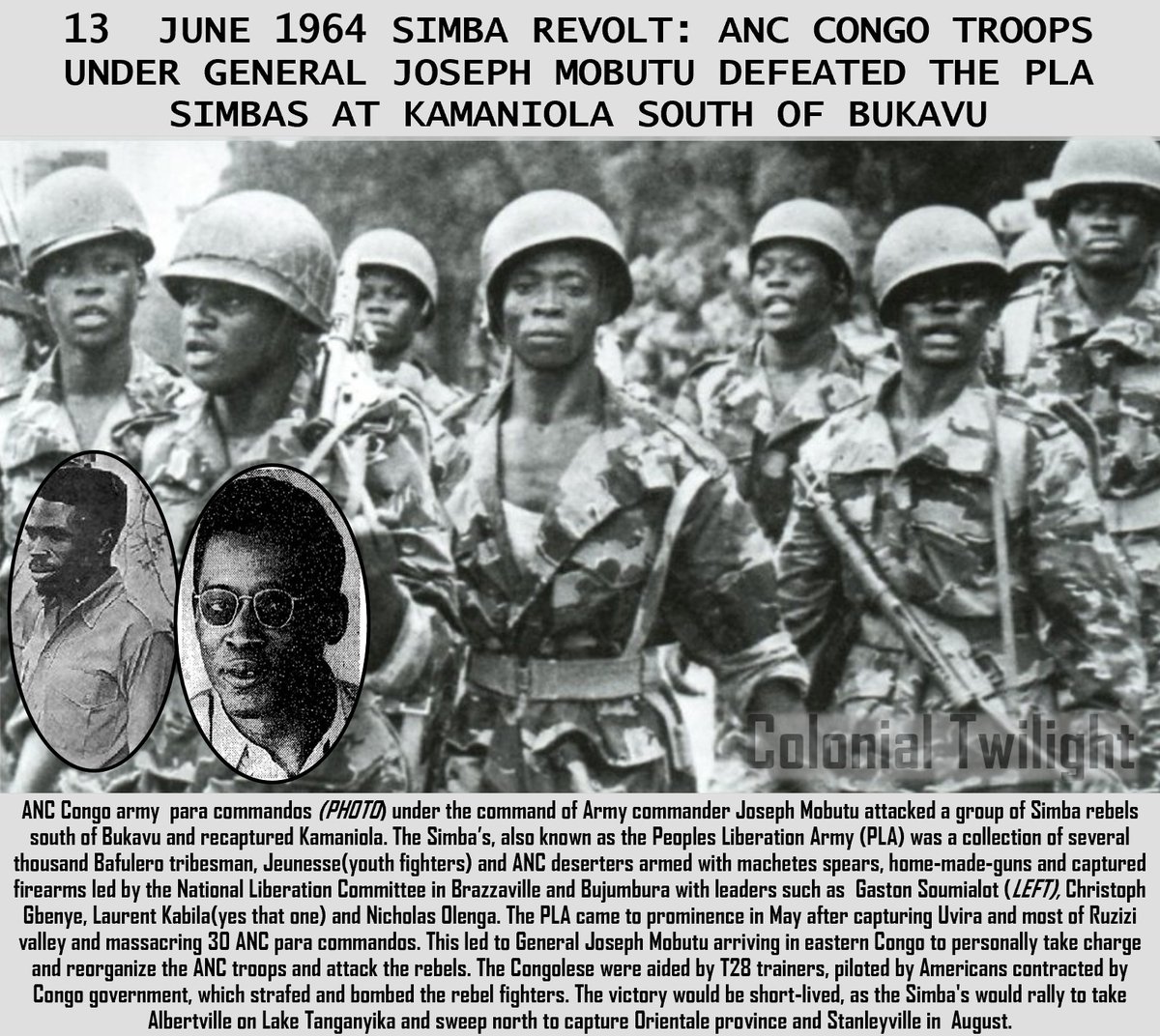
13 June 1964- Simba Revolt: Congo ANC troops under General Joseph Mobutu defeated the PLA Simba rebels at Kamaniola south of Bukavu in eastern #Congo
5
148
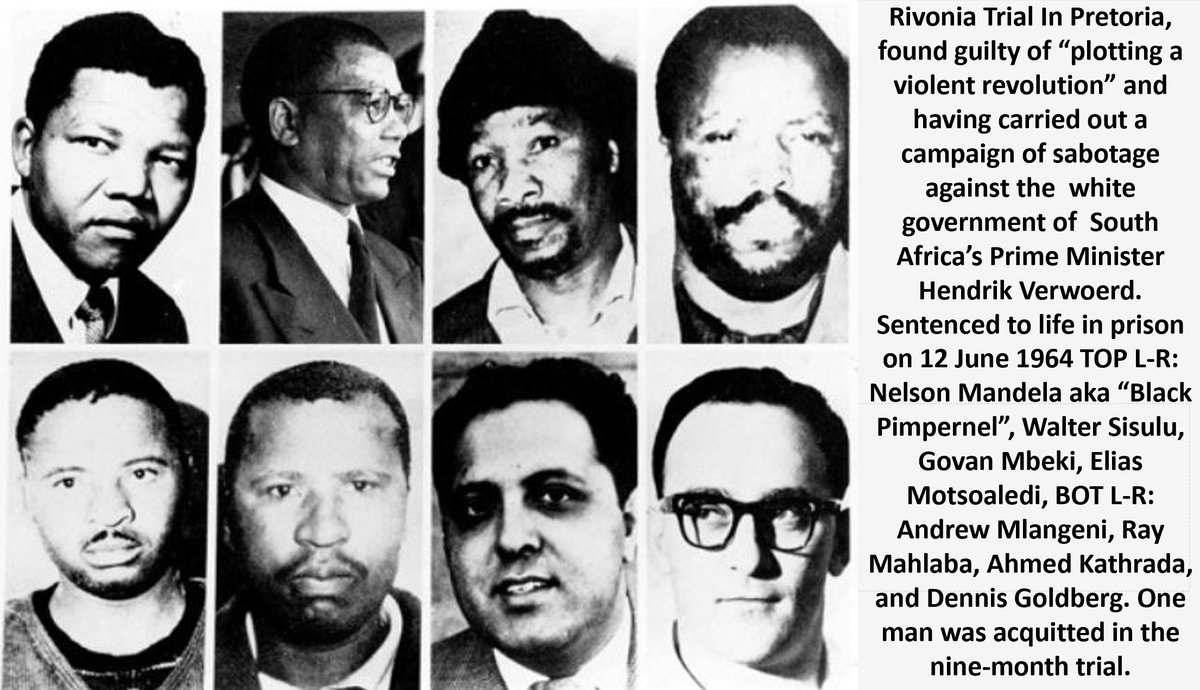
12 June 1964- Rivonia Trial: eight nationalist leaders in South Africa found guilty of plotting "violent revolution" and sentenced to life in prison
1
88
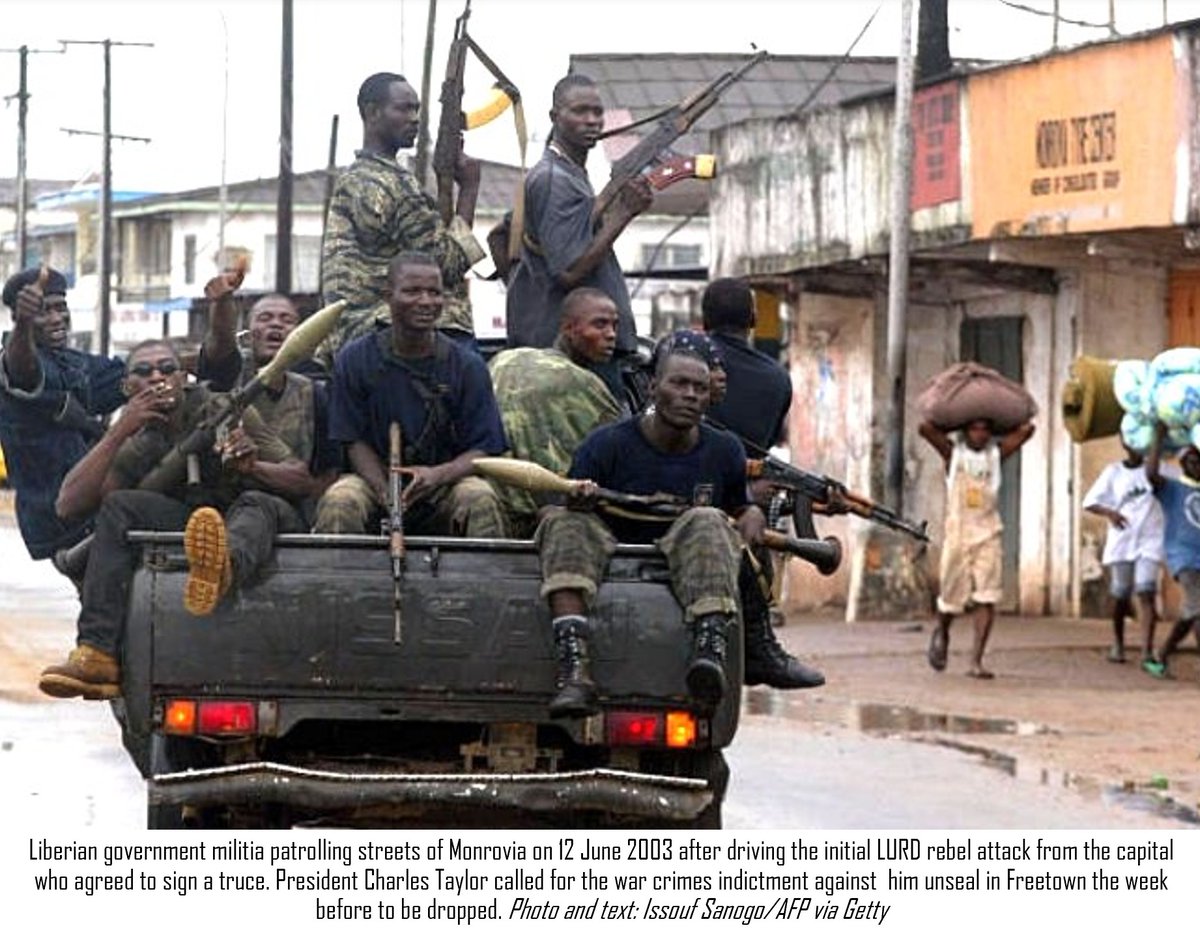
Liberian government militia patrolling streets of Monrovia on 12 June 2003 after driving the initial LURD rebel attack from the capital, who agreed to sign a truce. President Charles Taylor called for the war crimes indictment against him unsealed the week before to be dropped
1
8
316
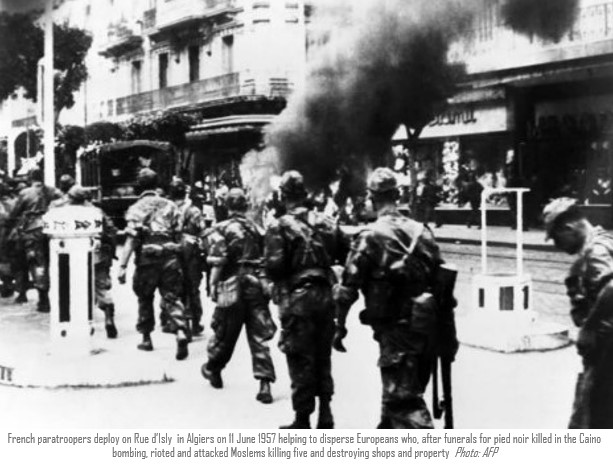
French paratroopers deploy on Rue d’Isly in Algiers on 11 June 1957 helping to disperse Europeans who, after funerals for pied noir killed in the Caino bombing, rioted and attacked Moslems killing five and destroying shops and property
8
184
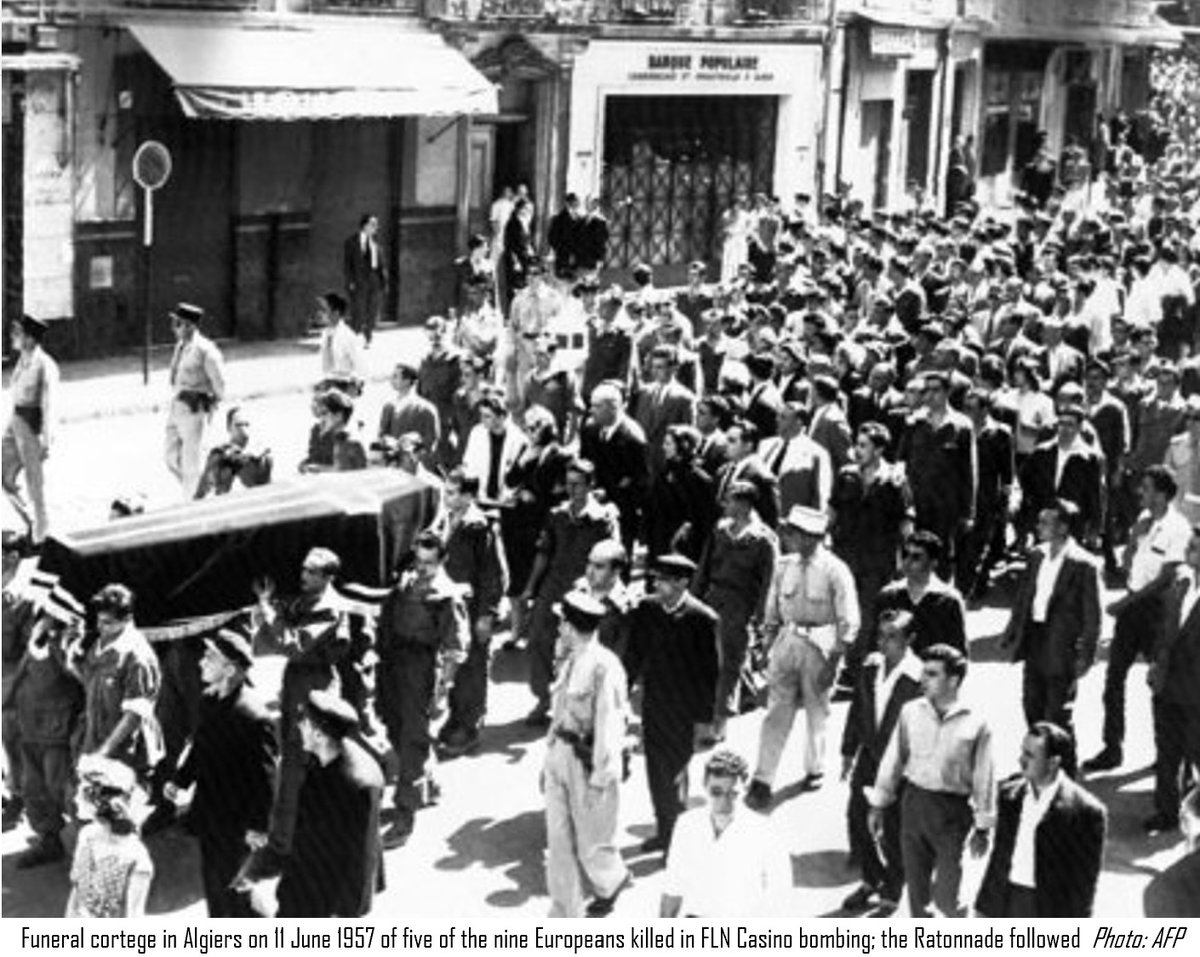
Funeral cortege in Algiers on 11 June 1957 of five of the nine Europeans killed in FLN Casino bombing; the Ratonnade followed
4
141
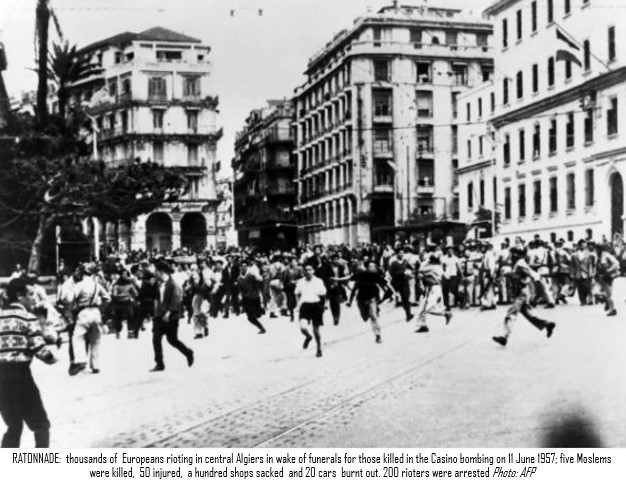
RATONNADE: thousands of Europeans rioting in central Algiers in wake of funerals for those killed in the Casino bombing on 11 June 1957; five Moslems were killed, 50 injured, a hundred shops sacked and 20 cars burnt out. 200 rioters were arrested
5
137
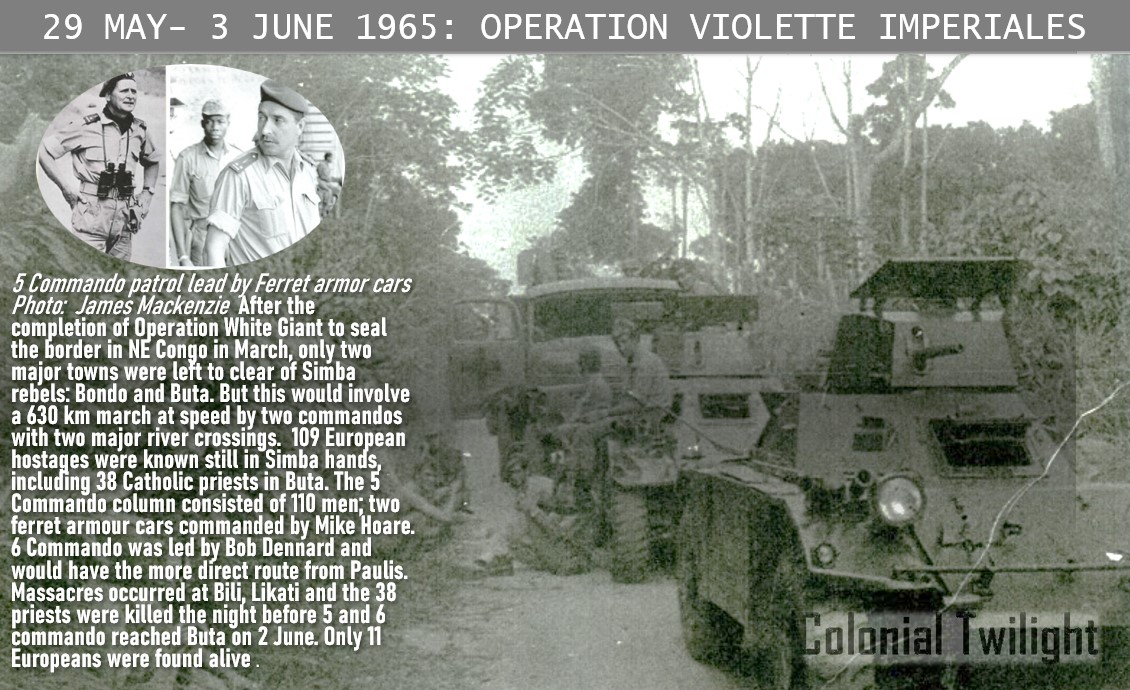
29 May/3 June 1965- Operation VIOLETTE IMPERIALES: Mike Hoare and Bob Denard led mercenary commandos to capture last Simba strongholds and free remaining European hostages
1
6
251