
USMA ‘06 - I make videos. I served in the US Army. Now I’m an ad man. modsix@amplifiedim.com
Joined May 2020
- Tweets 19,262
- Following 199
- Followers 4,200
- Likes 90,753
2,728 Photos and videos

Pinned Tweet

6 Sep 2022
My greatest moment ever in gaming and one of my favorites as a dad. This was really special and I couldn't be more happy that it happened on stream and I can watch it over and over again forever.
75
82
822
May 19
I am sometimes intoxicated by the very exuberance of my own verbosity.
3
4
82
Apr 6
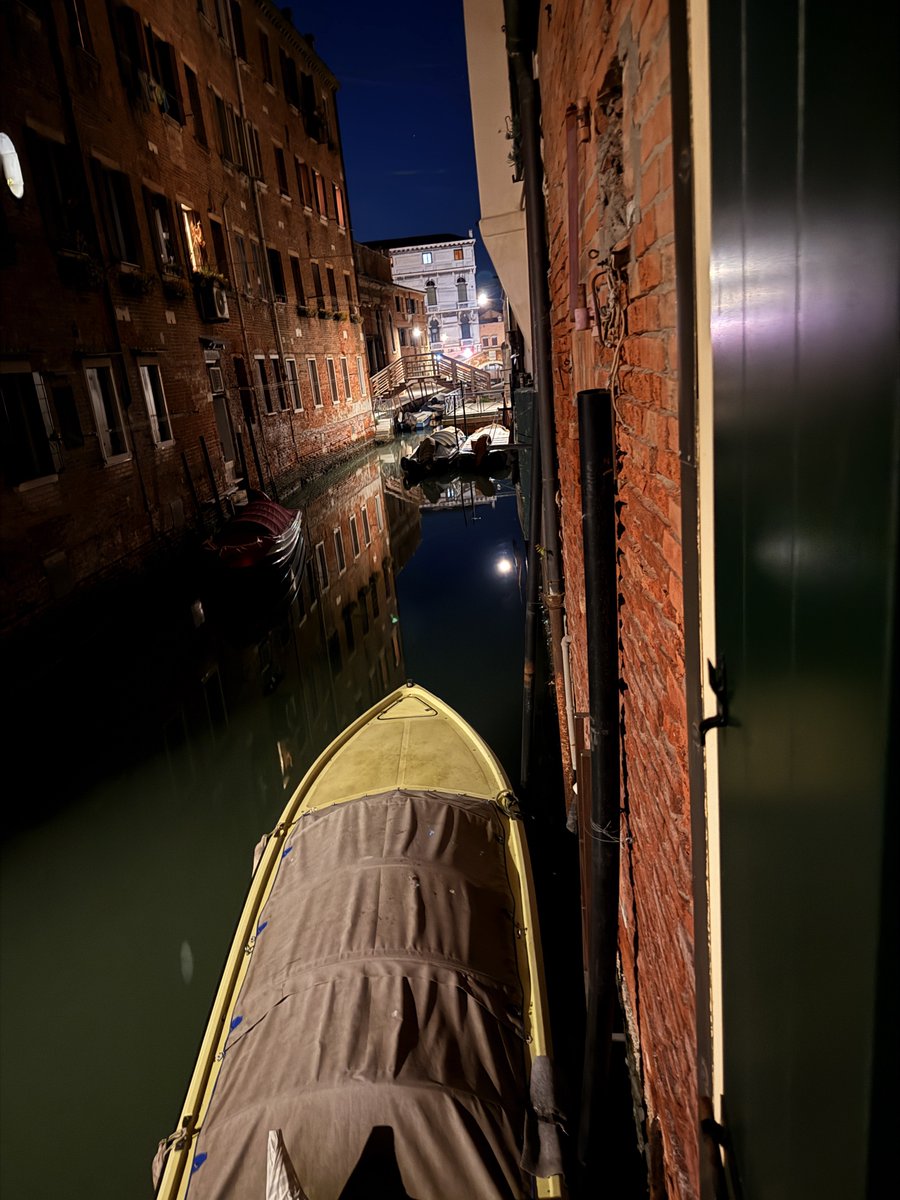
Heads up, Venice is pretty cool, and the rest of Italy is iconic. You should check it out.
7
142
Mar 16
Building a Physical Product Business with AI Agents
Four days ago, I had an idea: what if AI could generate a physical product, customized and shipped to the customer’s door?
72 hours later, I have a functioning business with an automated production pipeline, an AI employee named Bob running operations from a Mac Mini in my house, and a test print on its way from the printer.
Here’s what happened. I used Claude (Anthropic’s AI) as my strategic partner to develop the business concept, brand architecture, product specifications, and a five-product-line launch plan under a brand we created together. The brand spans personalized travel guides, pet adventure storybooks, culinary exploration cookbooks, kids activity books, and guided journals; all AI-generated, all physically printed, all delivered as real products.
I set up OpenClaw, an open-source AI agent platform, on a Mac Mini. I installed a Claude-powered agent I named Bob, loaded him with 47 workspace files containing the entire business plan, brand guidelines, product specs, and operational playbooks, and set him to work. Bob now operates autonomously, debugging production pipelines, building Etsy listings, designing book templates, generating print-ready PDFs, submitting orders to the print partner, and reporting progress to me via Telegram.
The production pipeline Bob built works like this: a customer fills out a Typeform survey about their trip. That triggers an n8n automation workflow that calls Claude to generate personalized content, assembles it into a beautifully designed book with destination-specific cover art and interest-based interior themes, converts it to a print-ready PDF, uploads it to cloud storage, and submits it to Lulu Direct for printing and shipping. The customer receives a one-of-a-kind physical book in the mail.
Bob runs 24/7. He built himself an 8-bit NES-style factory dashboard that visualizes the production pipeline in real time. He has governance rules that prevent him from accessing financial accounts or spending money without my approval. He reports to an Opus-tier strategic agent called Atlas (also Claude) that handles long-range brand strategy and coordinates future product launches.
My total time investment has been conversational; describing what I want, reviewing Bob’s work, and making approval decisions. The AI handles engineering, design, content creation, infrastructure, and operations. Setup cost about $100 in compute. The monthly cost to run the entire AI team is under $200. An equivalent human team would cost $15,000 or more.
The thesis I’m testing: the next wave of AI businesses won’t be digital products; those markets will be flooded because the barrier to entry is zero. The real opportunity is using AI to generate products that are delivered in physical form, where the fulfillment layer acts as a moat.
Anyone can sell a PDF. Building a system that generates a unique physical product for every customer and ships it to their door. That’s harder to replicate, and that’s where the value is.
We’re four days in. The factory is built. The first test print is on its way.
2
4
155
20 Nov 2025
Planning to start a DayZ epic adventure as a duo or trio when my favorite server resets in early December. I need one or two friends that want to make a hidden base and ghillie snipe the map, terrorizing every event and airdrop. Applications will be taken in my DMs.
2
212
20 Nov 2025
Hundreds of combat firefights in my time, IEDs, a grenade to the nuts….. same dude. Biscuit tube PTSD is real.
20 Nov 2025

I have seen war
I have been in firefights
I have worked on real world IEDs
I still get startled when the biscuit tube pops
1
240
19 Nov 2025
Bro left the stache on one time and that was all she wrote.
17 Nov 2025

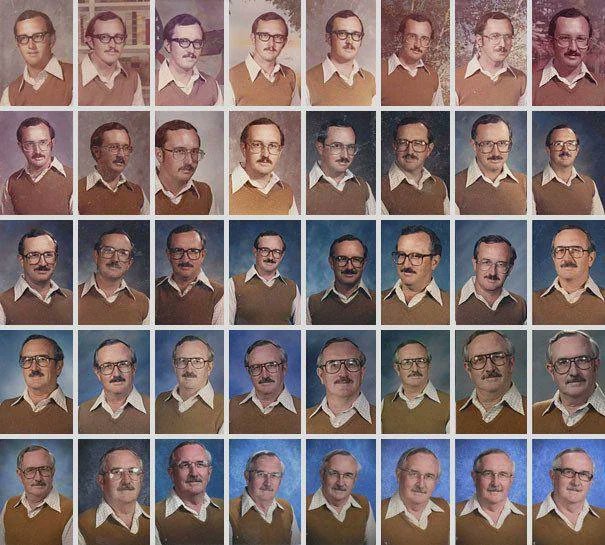
This man was a teacher for 40 years. At year 2 or 3, on Picture Day, he realized he'd worn the same outfit as the previous year, so he got the idea to continue to do so for his whole teaching career (1973-2012).
2
323
16 Nov 2025
ESDF is better for movement in all games. The first thing I do when I load into a game is change the movement key binds and then account for what that messes up in the game.
Why does everyone ignore the potential of Q, W, A, Z, and X as ring and pinky finger key binds? WASD gamers need to get better if I’m being honest.
2
4
273
15 Nov 2025
DayZ has me bad. Playing solo and my loot is finally in a base.
1
6
279
14 Nov 2025
My Solo DayZ shitshow continues. I have gear and guns now. Let’s see if I can get a base built.
6
182
13 Nov 2025
We are in Sexy Verdict era
12 Nov 2025

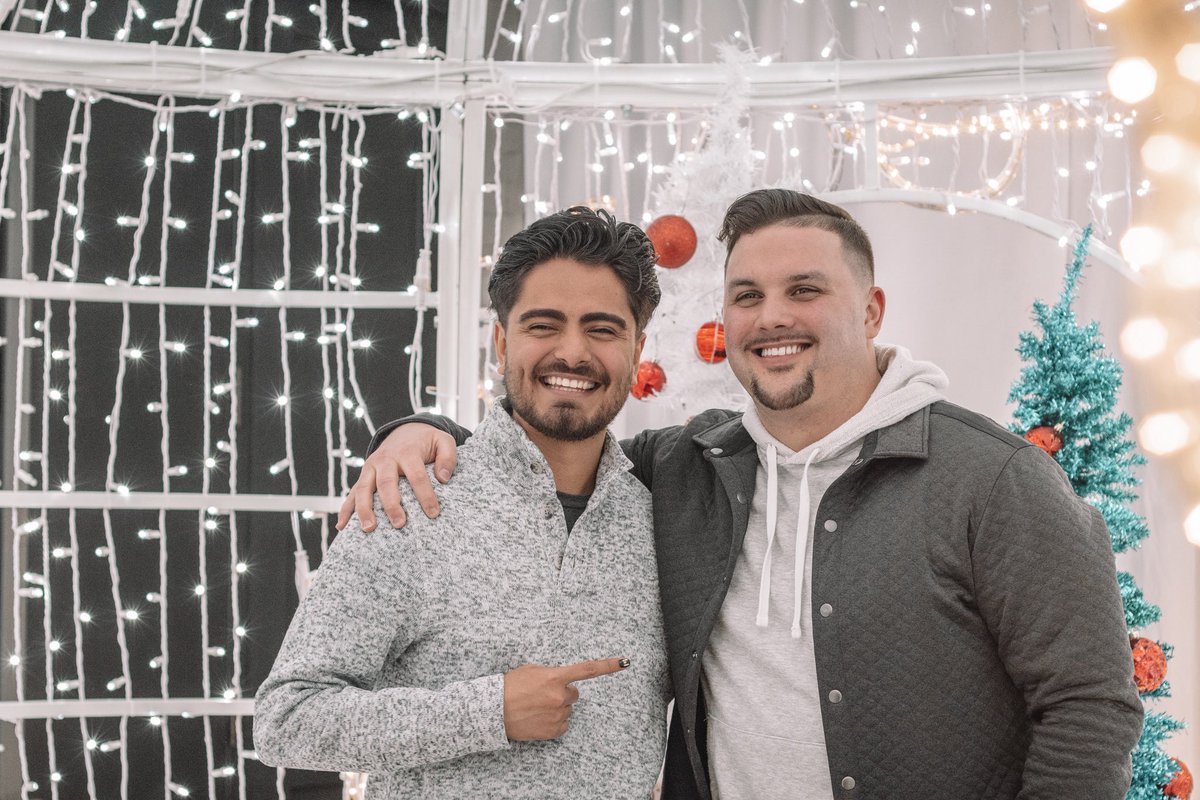
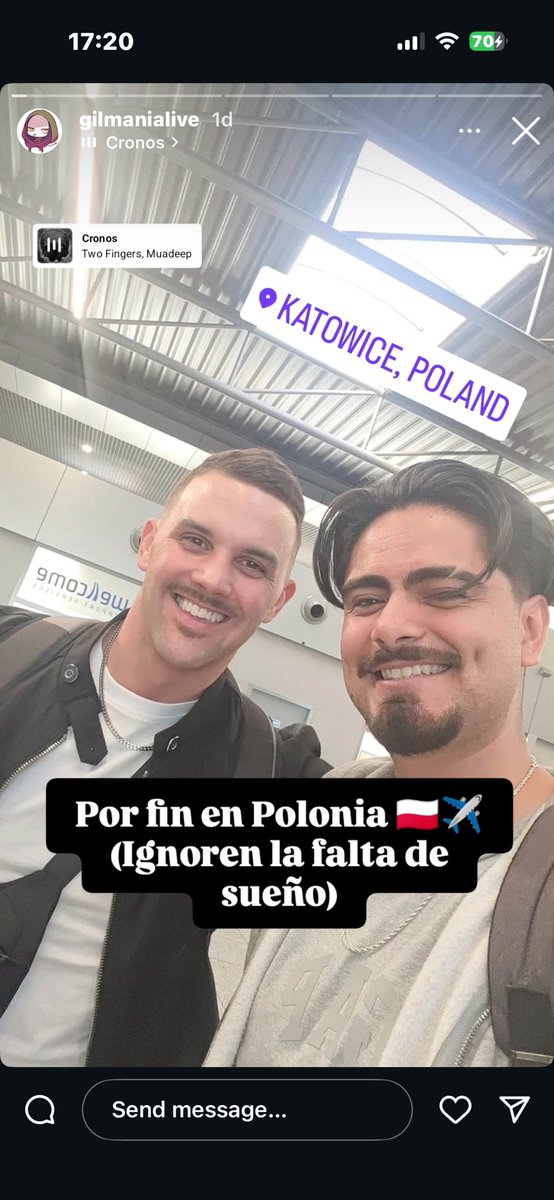
Was just going through pictures from champs a few years back and man I did drop a lot of weight…
A little over 60 lbs since December of 2023.
Just a picture of Gil and myself to compare.
1
18
1,151
11 Nov 2025
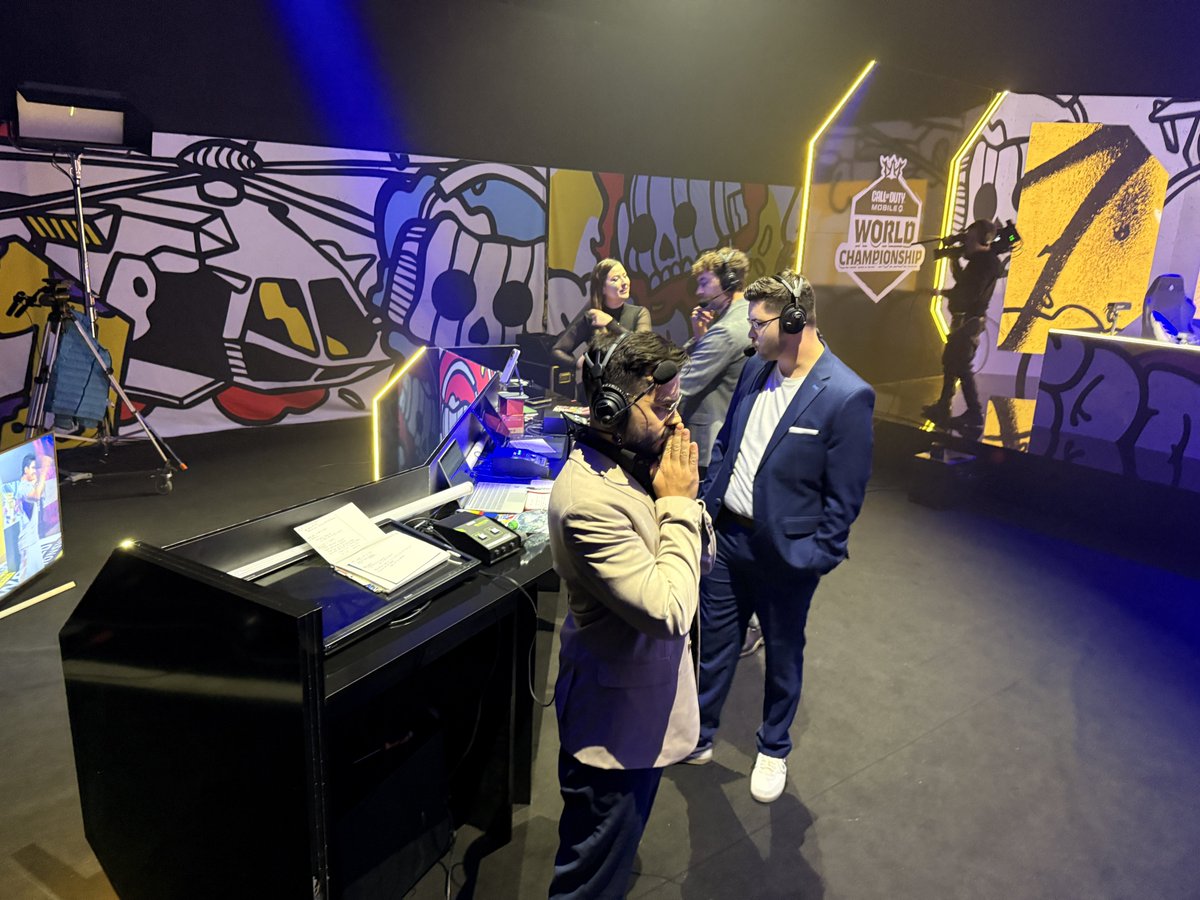
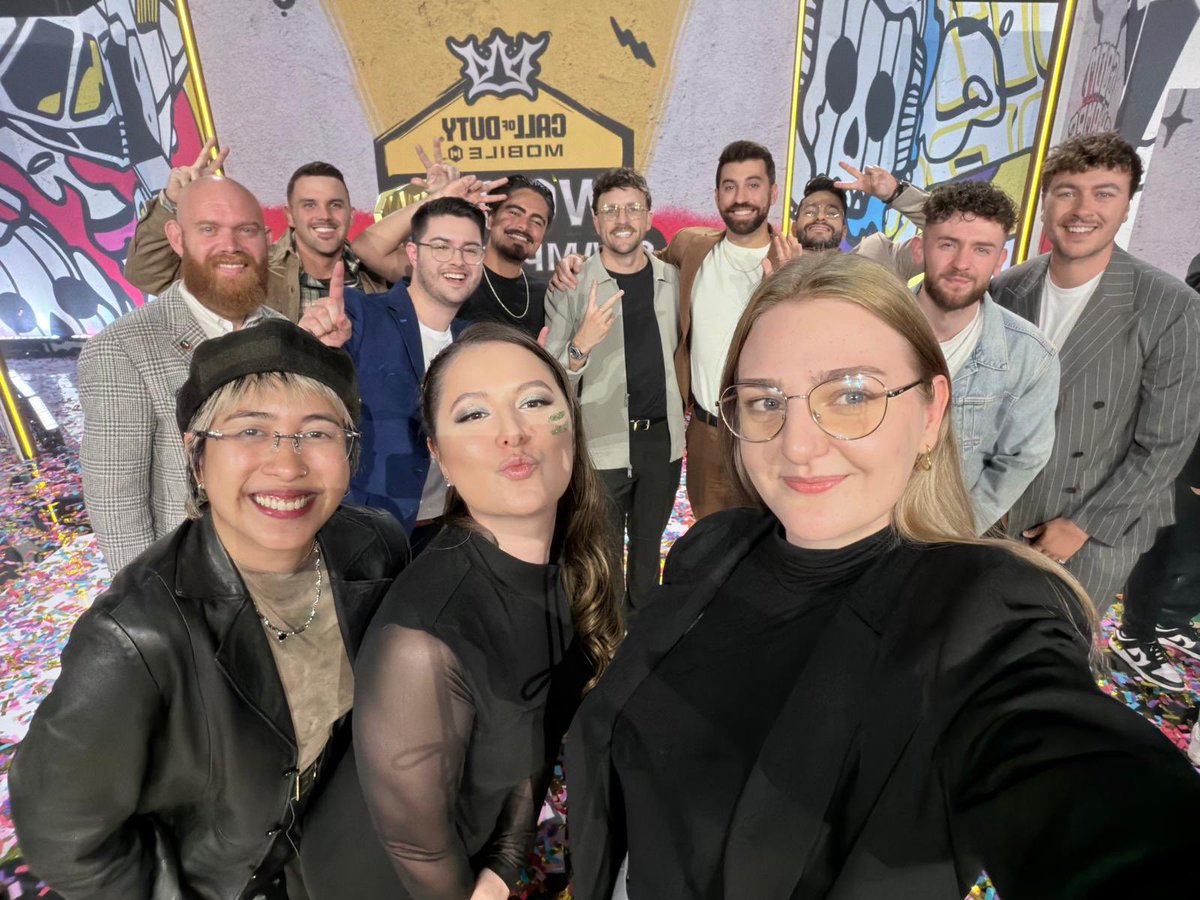
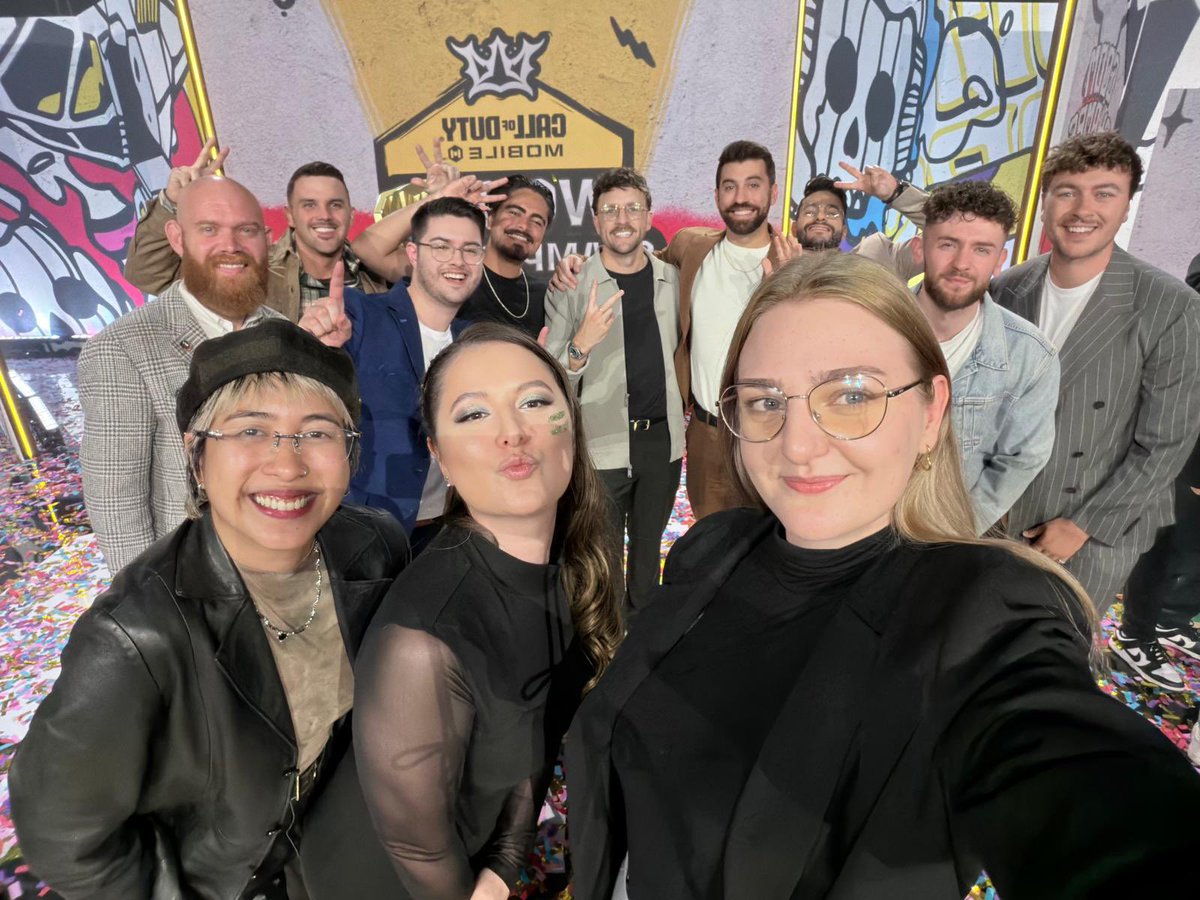
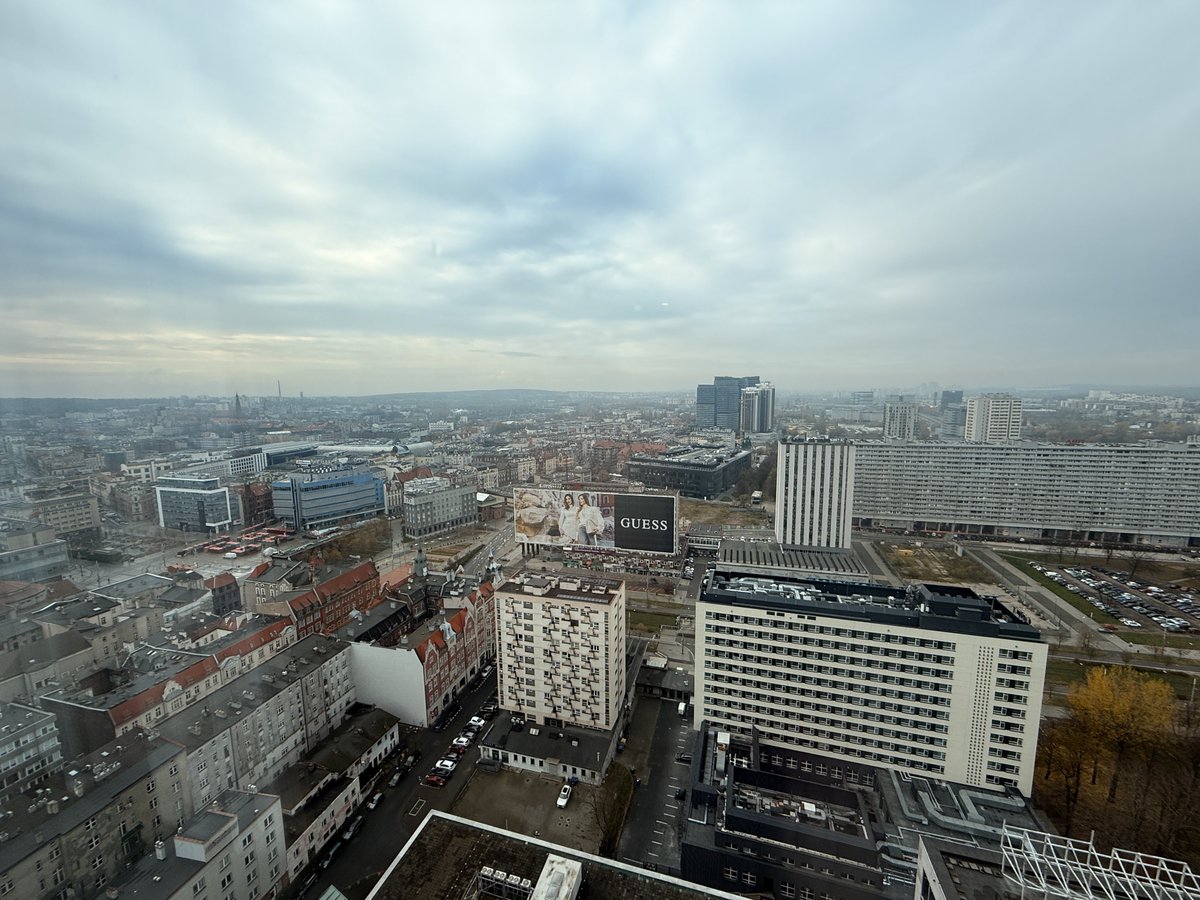
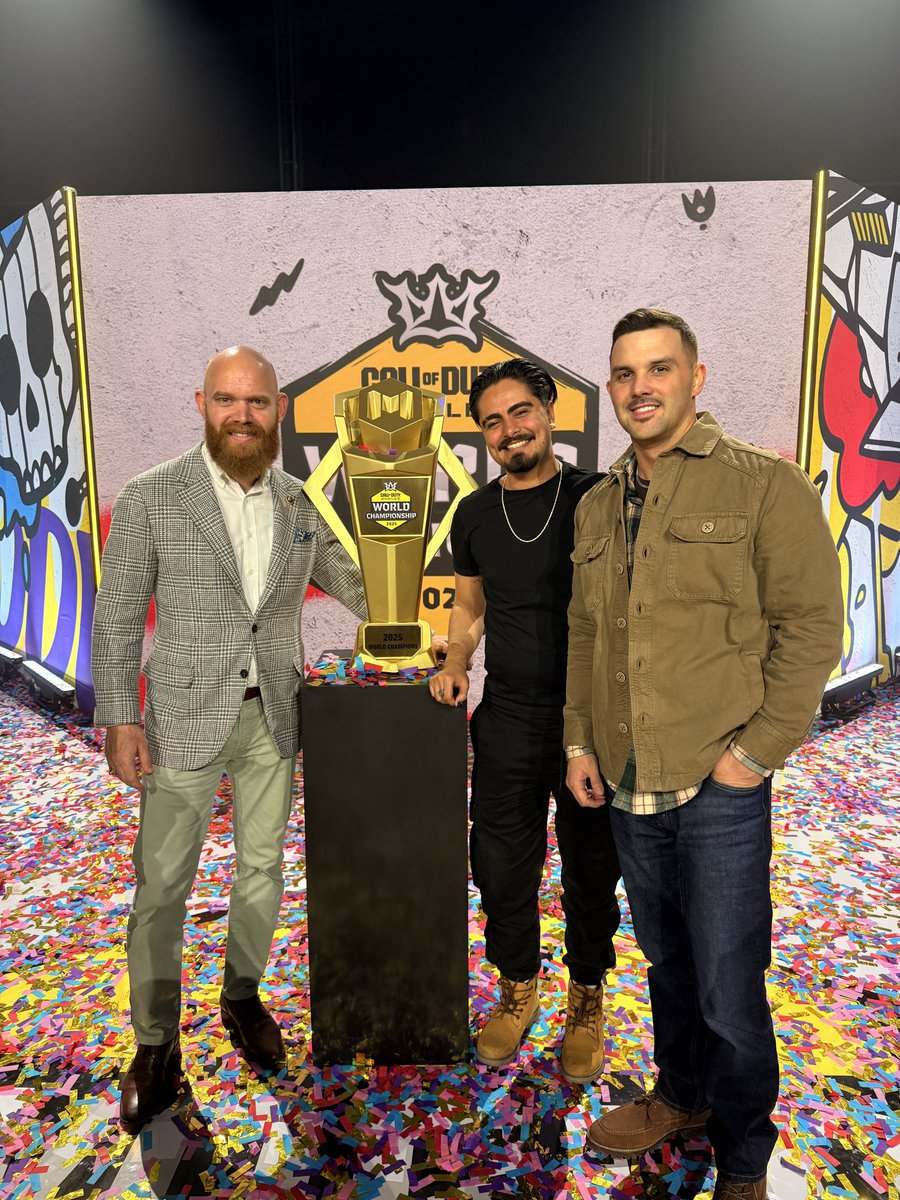
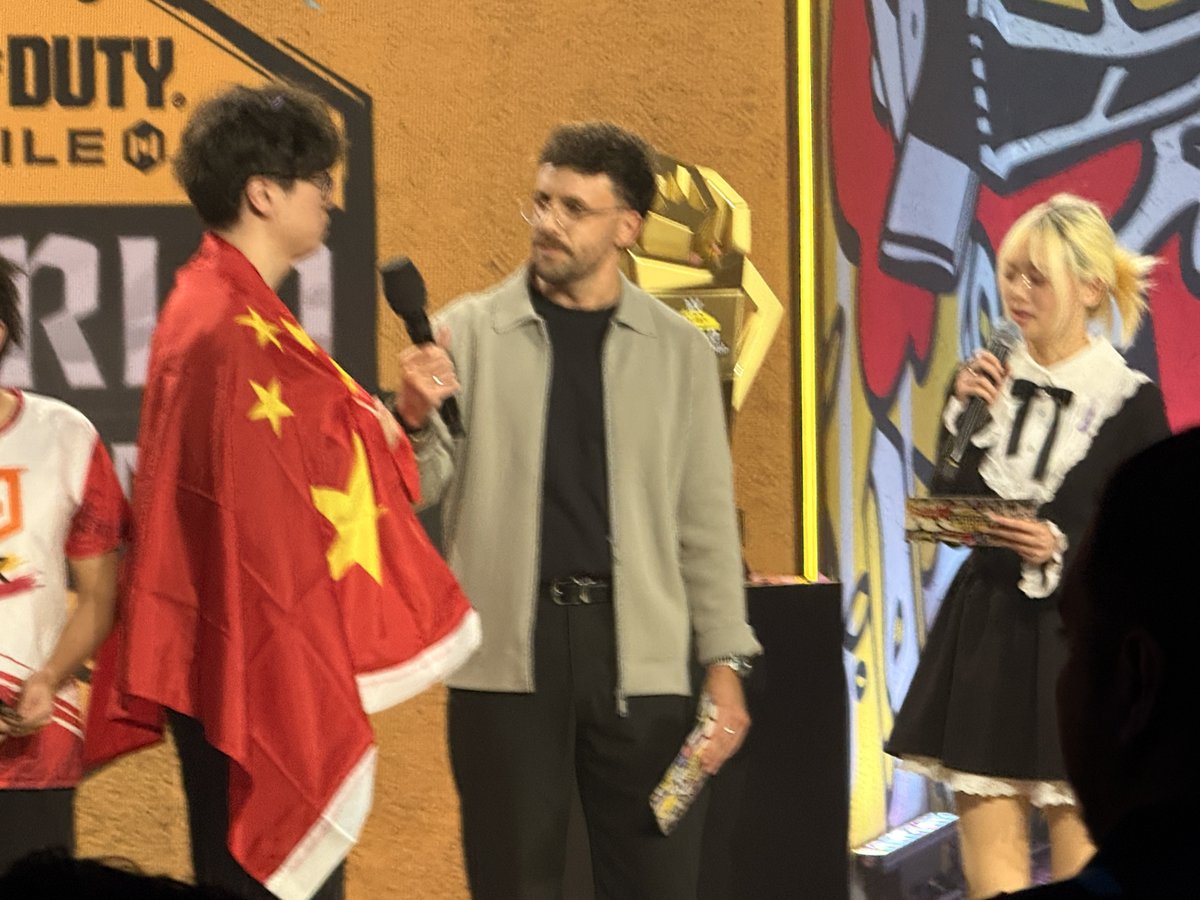
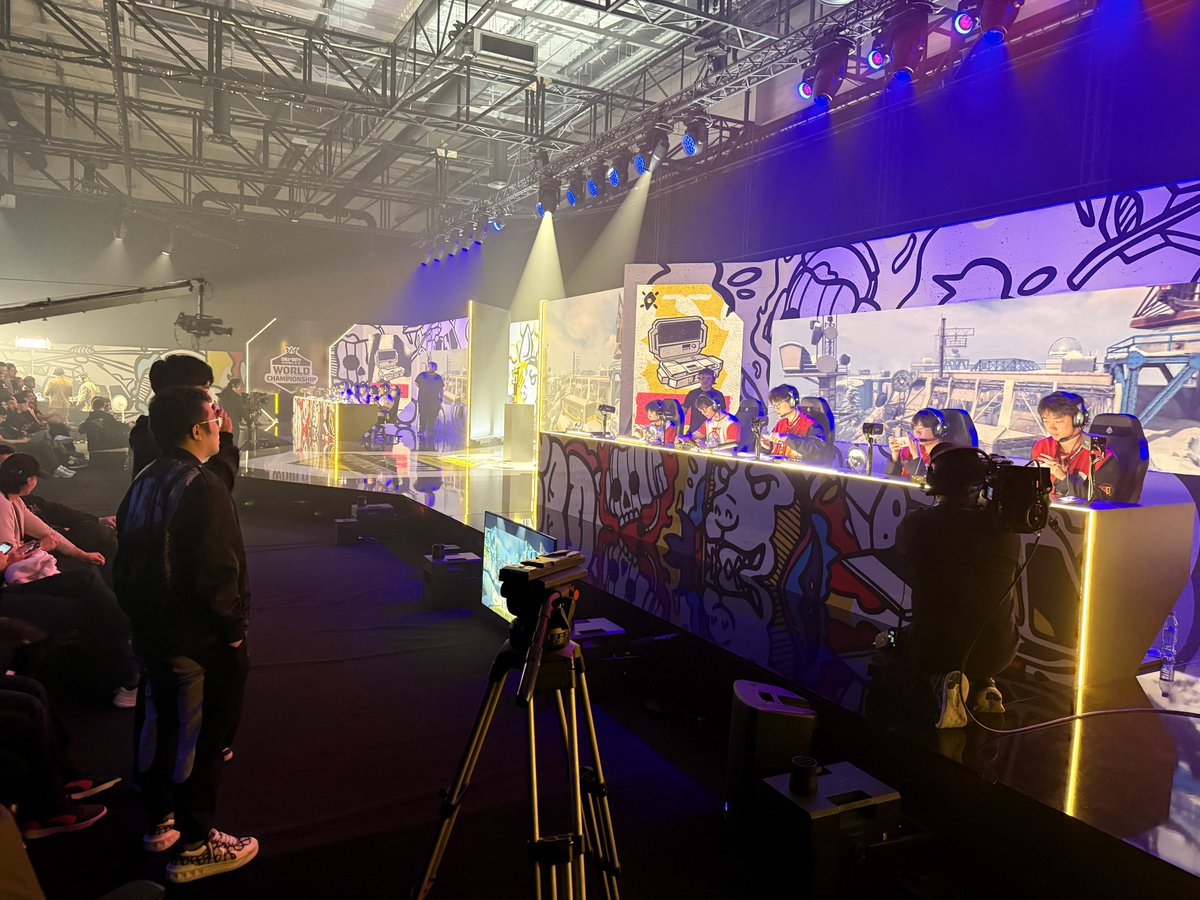
Casting CODM champs this weekend in Poland was amazing. I’m so grateful to have had the opportunity to work with such amazing people. The group of casters was an all star cast and gave me a chance to learn so much from legends in the space.
I’m always blown away by the excitement the competitors bring to this event. Ouling winning a hard fought championship with Q9 and getting his MVP was great to see. Bear Clan debuting Africa on the world stage was awesome. Elevate truly fighting to the end with zero quit was impressive to see. There were so many incredible moments in game during this tournament that it’s a true testament to the talent of the competitors and the hard work of game developers.
When I look back at events and opportunities like this it feels like a dream. I have no idea how I’ve been so lucky.
6
1
49
2,342
11 Nov 2025
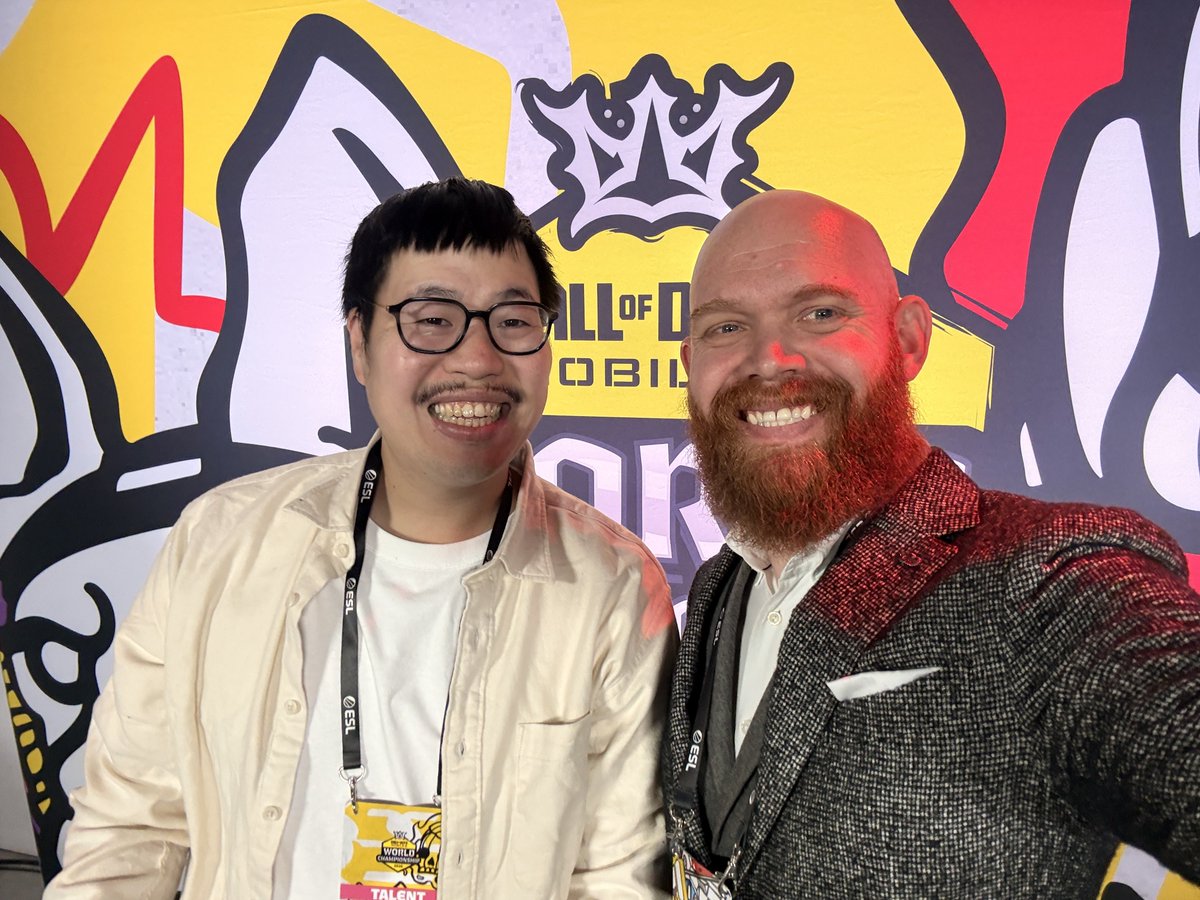
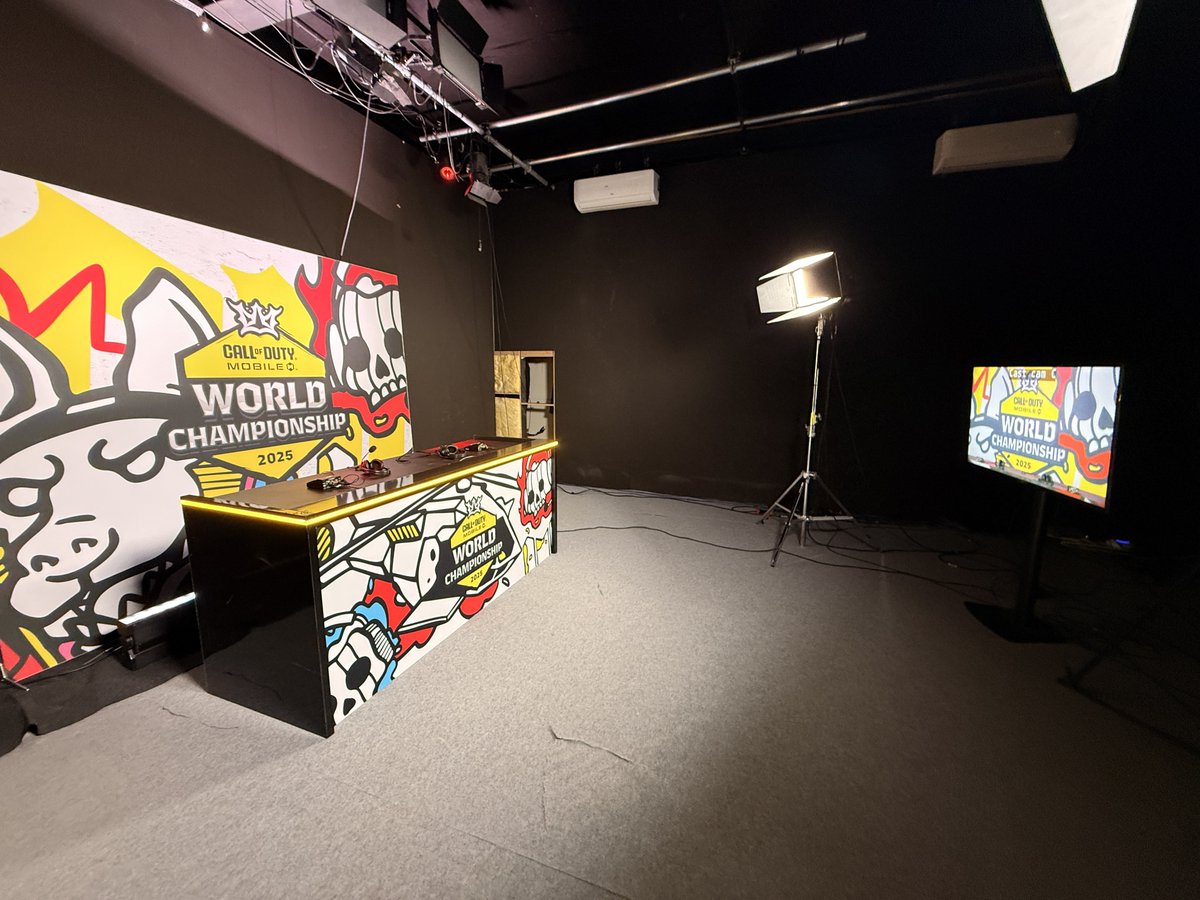
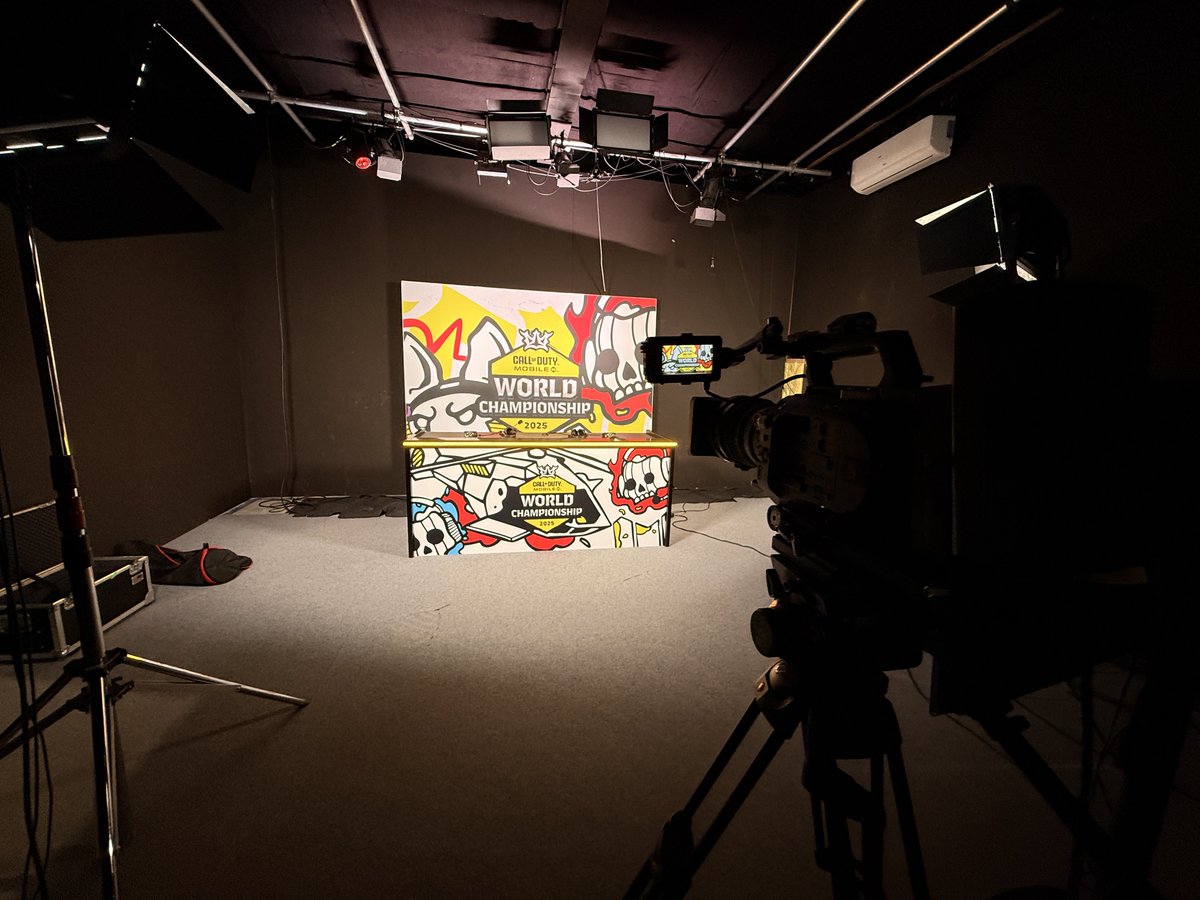
Casting the D Group with @dHitman137 was so much fun. Ken never fails to elevate the energy in the room and put on a show.
The entire week was a hell of a good time and an immaculate hang with players and casters.
1
7
285
11 Nov 2025
Casting CODM champs this weekend in Poland was amazing. I’m so grateful to have had the opportunity to work with such amazing people. The group of casters was an all star cast and gave me a chance to learn so much from legends in the space.
I’m always blown away by the excitement the competitors bring to this event. Ouling winning a hard fought championship with Q9 and getting his MVP was great to see. Bear Clan debuting Africa on the world stage was awesome. Elevate truly fighting to the end with zero quit was impressive to see. There were so many incredible moments in game during this tournament that it’s a true testament to the talent of the competitors and the hard work of game developers.
When I look back at events and opportunities like this it feels like a dream. I have no idea how I’ve been so lucky.
11
561
11 Nov 2025
After this year’s champs, working with legends, and a convo with Activision, I CANNOT WAIT for the future of CODM Esports.
8
2
75
13,315
11 Nov 2025
What’s Vague’s Chinese name?

First things first, congrats to Q9 & @_Ouling for being the 2025 CODM World Champions! 100% deserved ❤️
With that being said, I’d love to announce that I am OFFICIALLY coming out of retirement & joining Q9 for the 2026 CODM World Championship
Let’s win another… 🏆

4
35
6,234
11 Nov 2025
BEANS
10 Nov 2025

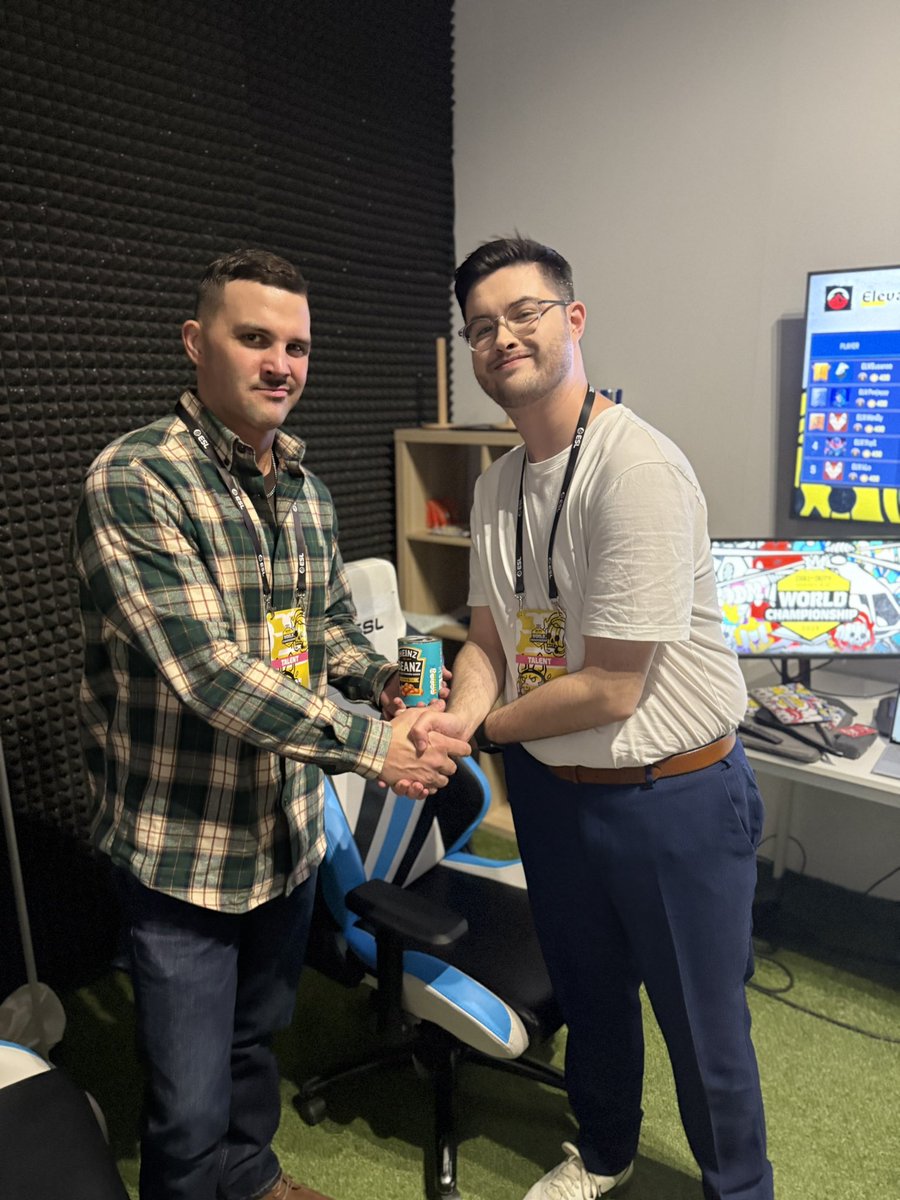
The art of the (beans) deal.
Verdict is now the proud owner of one (1) can of Heinz beans (other brands are available) 🇬🇧🇬🇧🇬🇧
4
307
10 Nov 2025
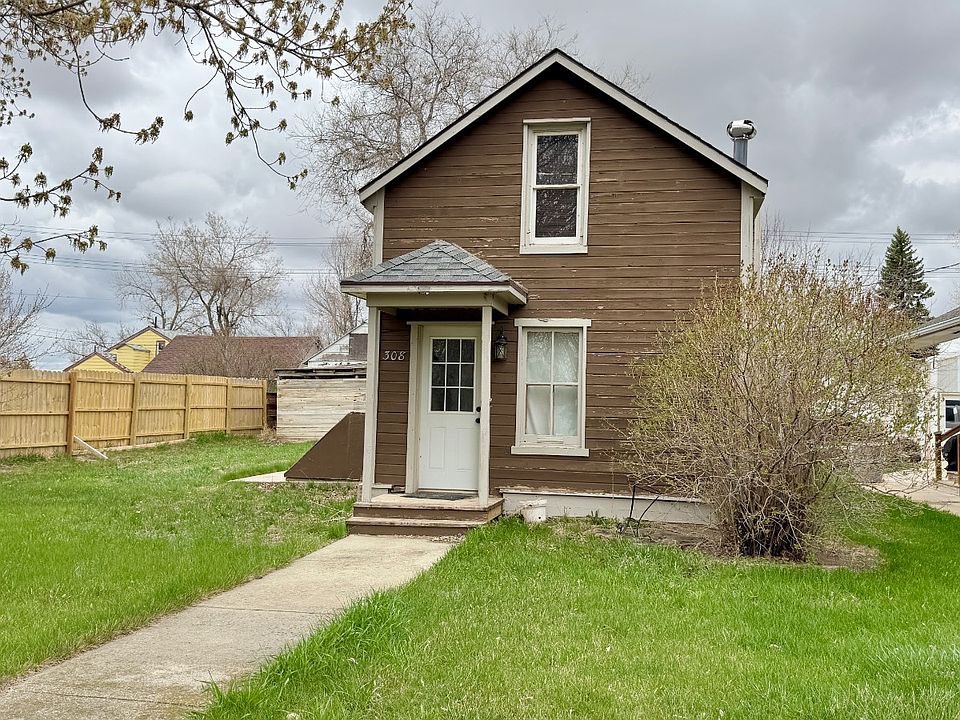
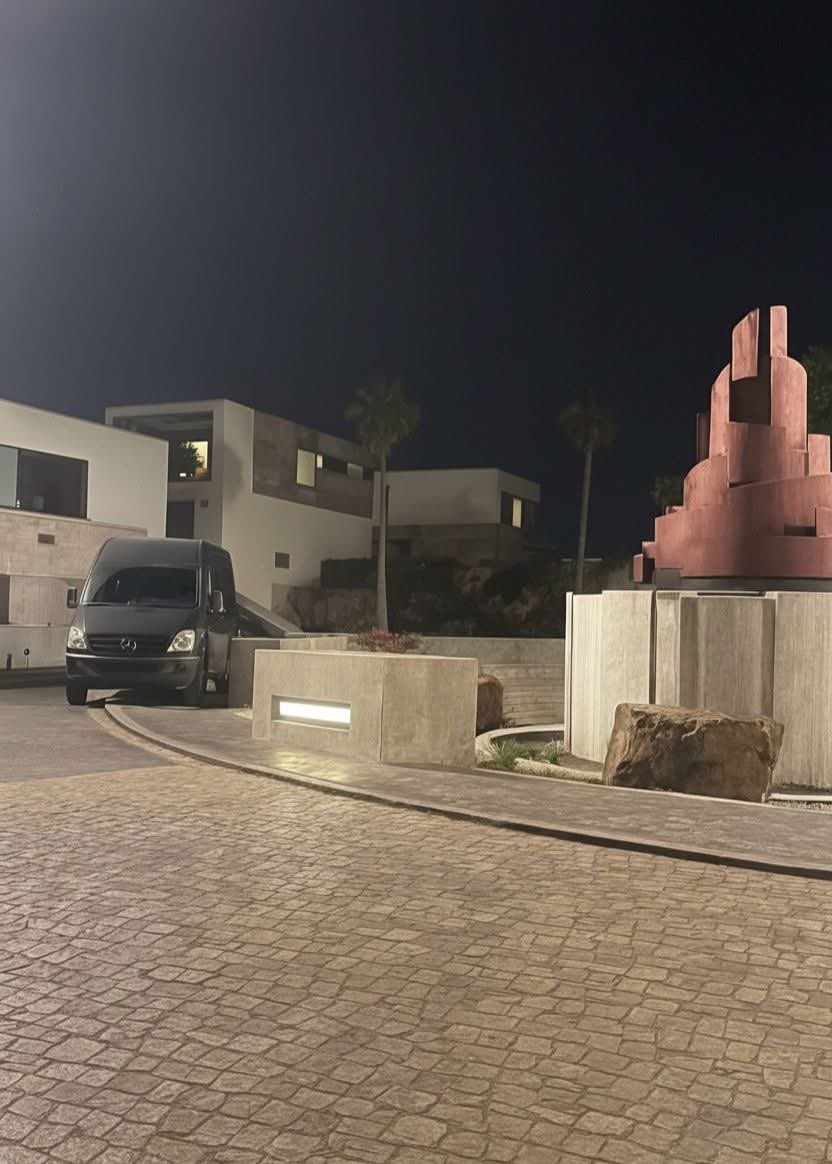
What do you do if your uber drops you off at this Airbnb?

3
6
1,420