
Monash University Sleep and Circadian Medicine Laboratory - leading Australian sleep research. Follow to find out the latest findings in sleep!
Joined May 2017
- Tweets 544
- Following 384
- Followers 1,651
- Likes 918
98 Photos and videos


MonashSleepLab retweeted

24 Oct 2023
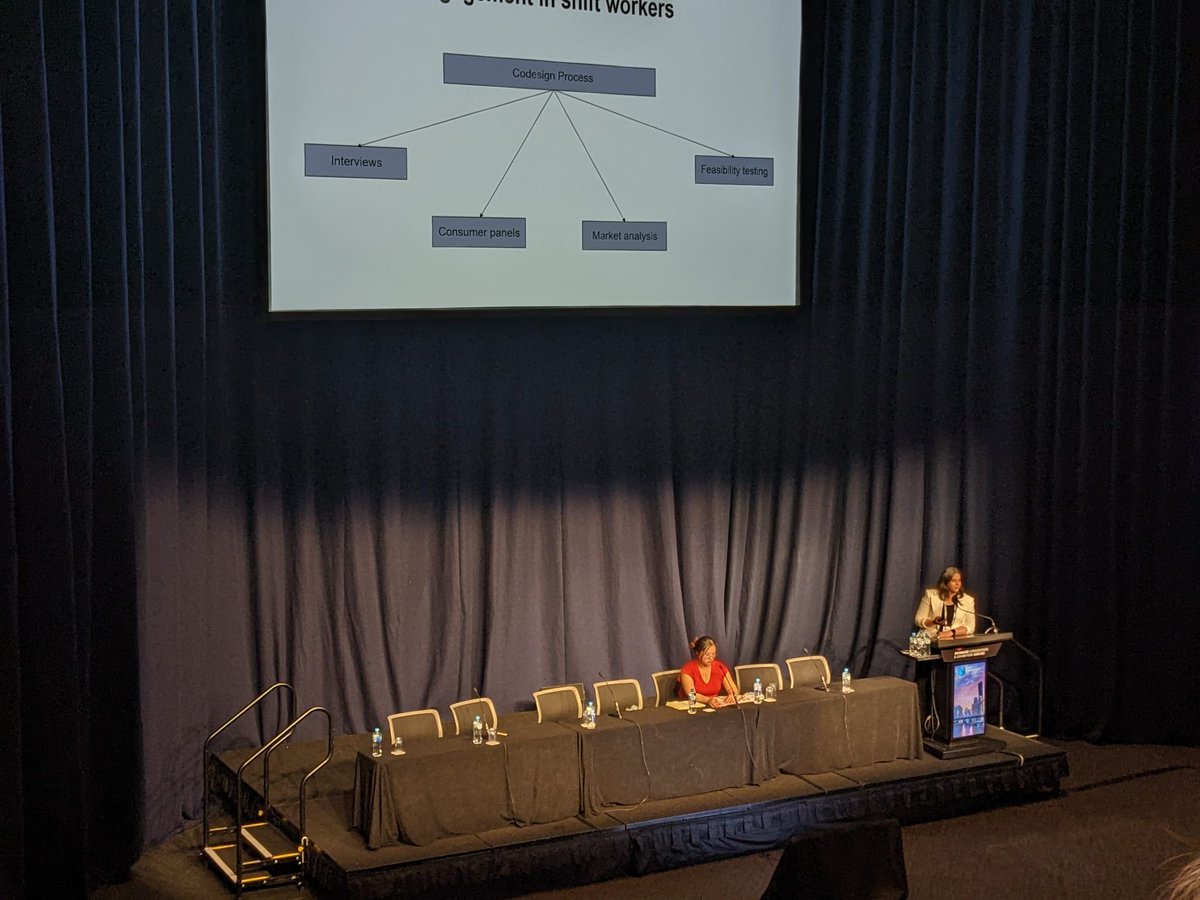
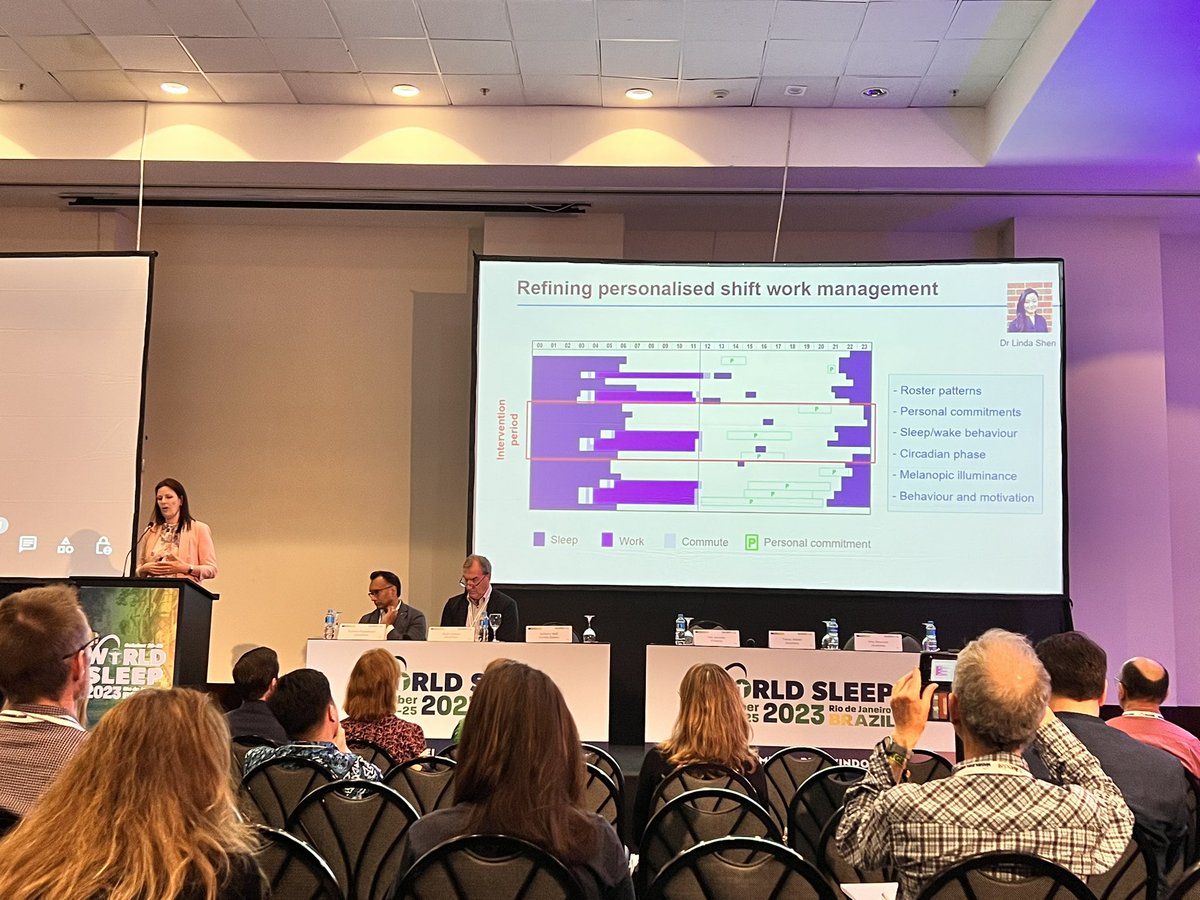
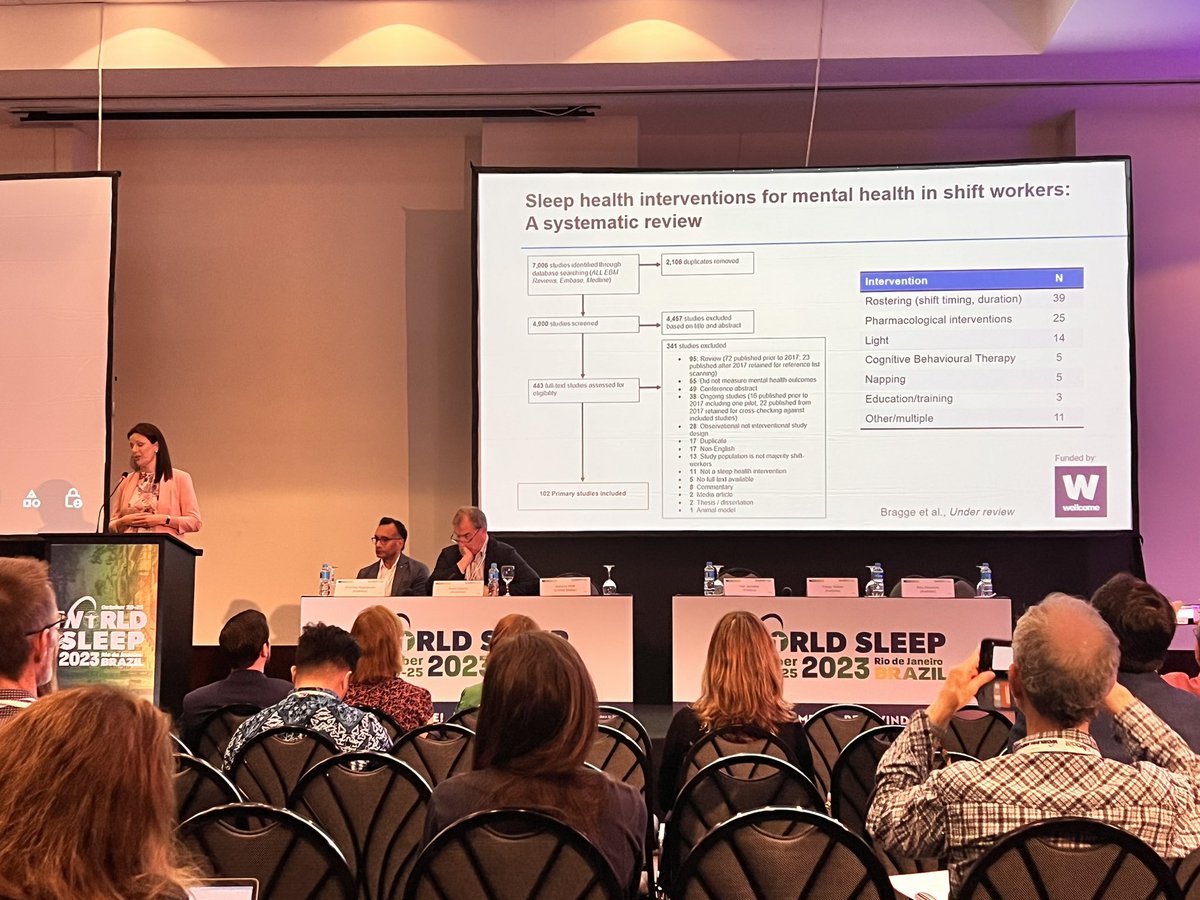
@tracey_sletten at @_WorldSleep discussing why we need to tailor intervention for shift workers and how evidence-based interventions can be implemented in practical ways
1
1
14
1,037
MonashSleepLab retweeted

24 Oct 2023
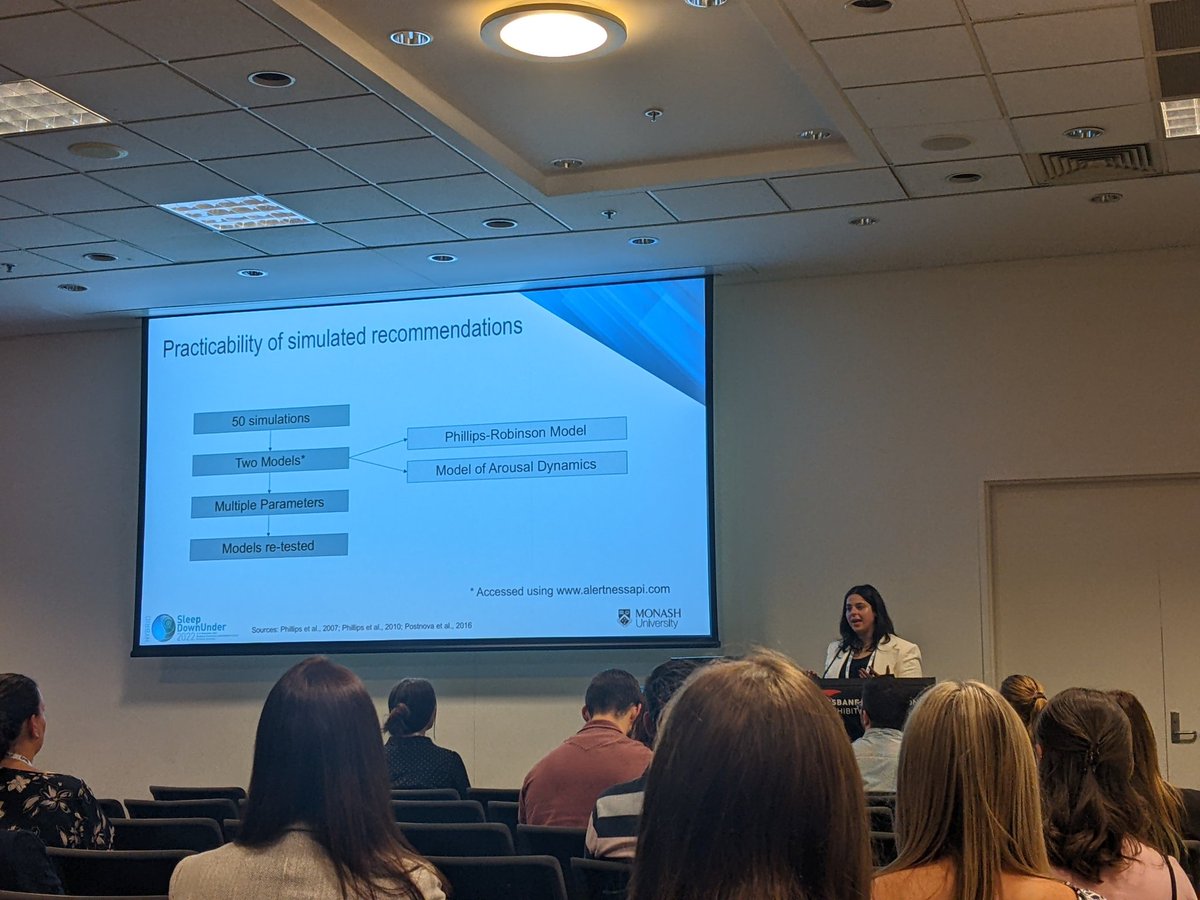
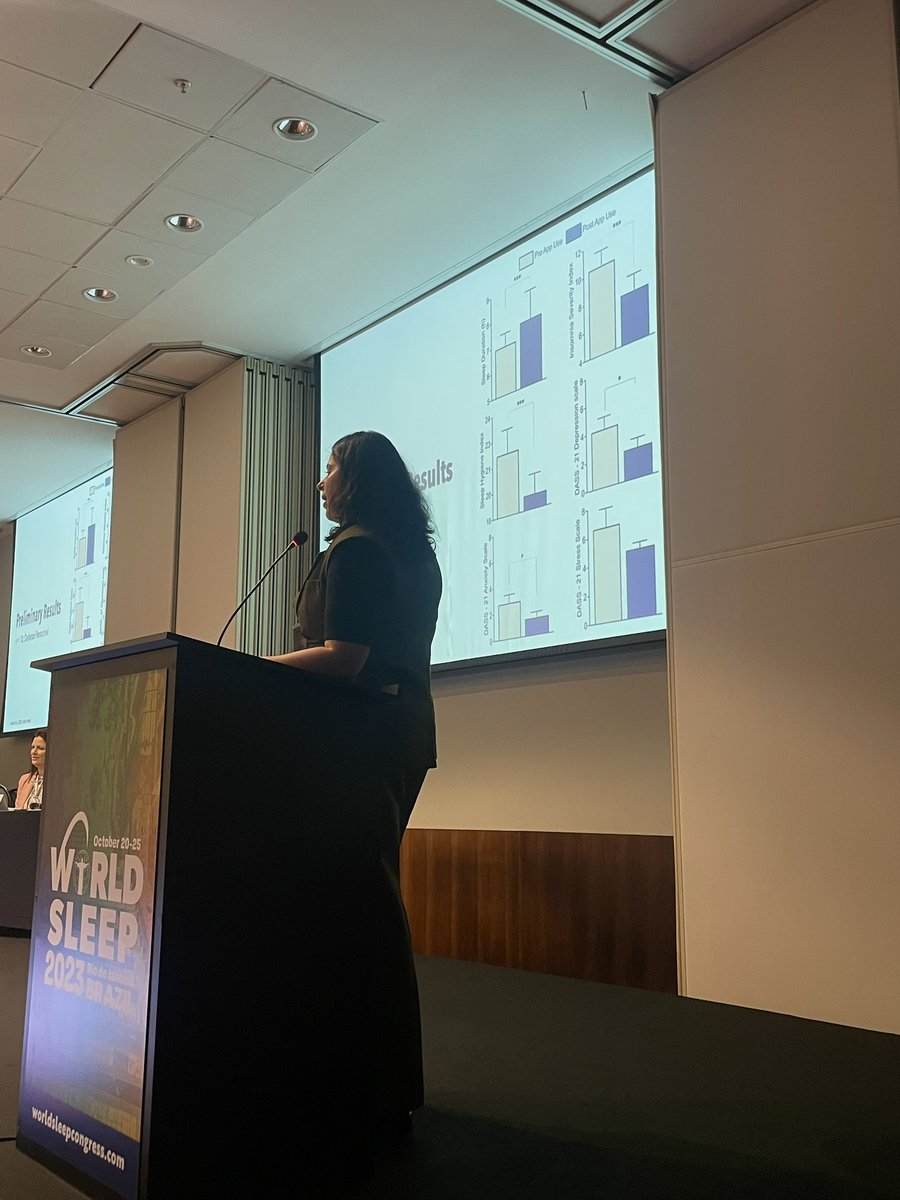
Really exciting talk by @PVarma_sleep on using biomathematical modelling to co-design sleep recommendations with real shift workers. Shift worker perspectives are so important for intervention sustainability! @_WorldSleep

1
18
485
MonashSleepLab retweeted

9 Oct 2023
Our latest study! Published in Nature Mental Health today, we show that bright days and dark nights are of fundamental importance for mental health. Individual light exposure data from >85,000 people…14 million hours of light data. Epic!
Led by @anguscburns with @circadianumbers, Dan Windred, and a great team!
nature.com/articles/s44220-0…
9
56
188
43,102
MonashSleepLab retweeted

3 Oct 2023
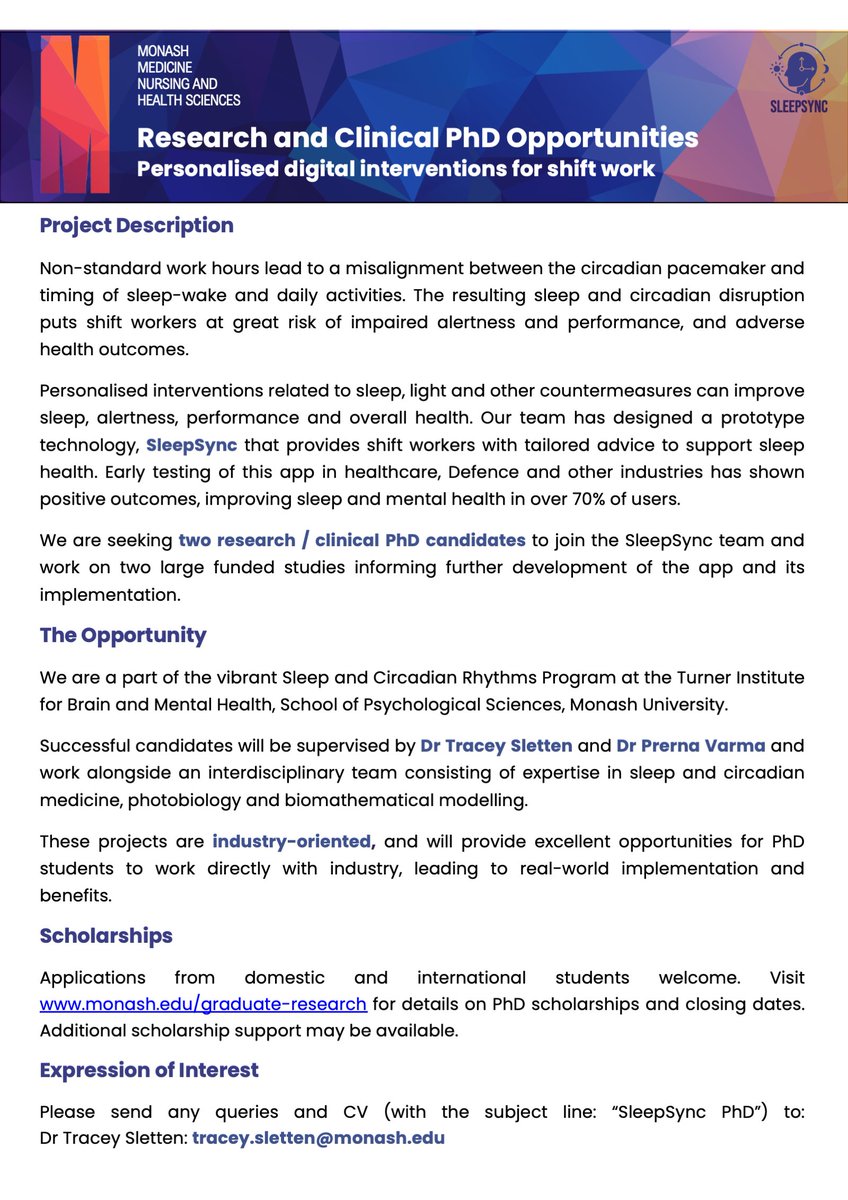
Great PhD opportunities to work with @tracey_sletten & @PVarma_sleep at @MonashSleepLab ! Wonderful group doing cutting edge research targeting sleep health in #shiftworkers

1
5
14
712
MonashSleepLab retweeted

22 Sep 2023
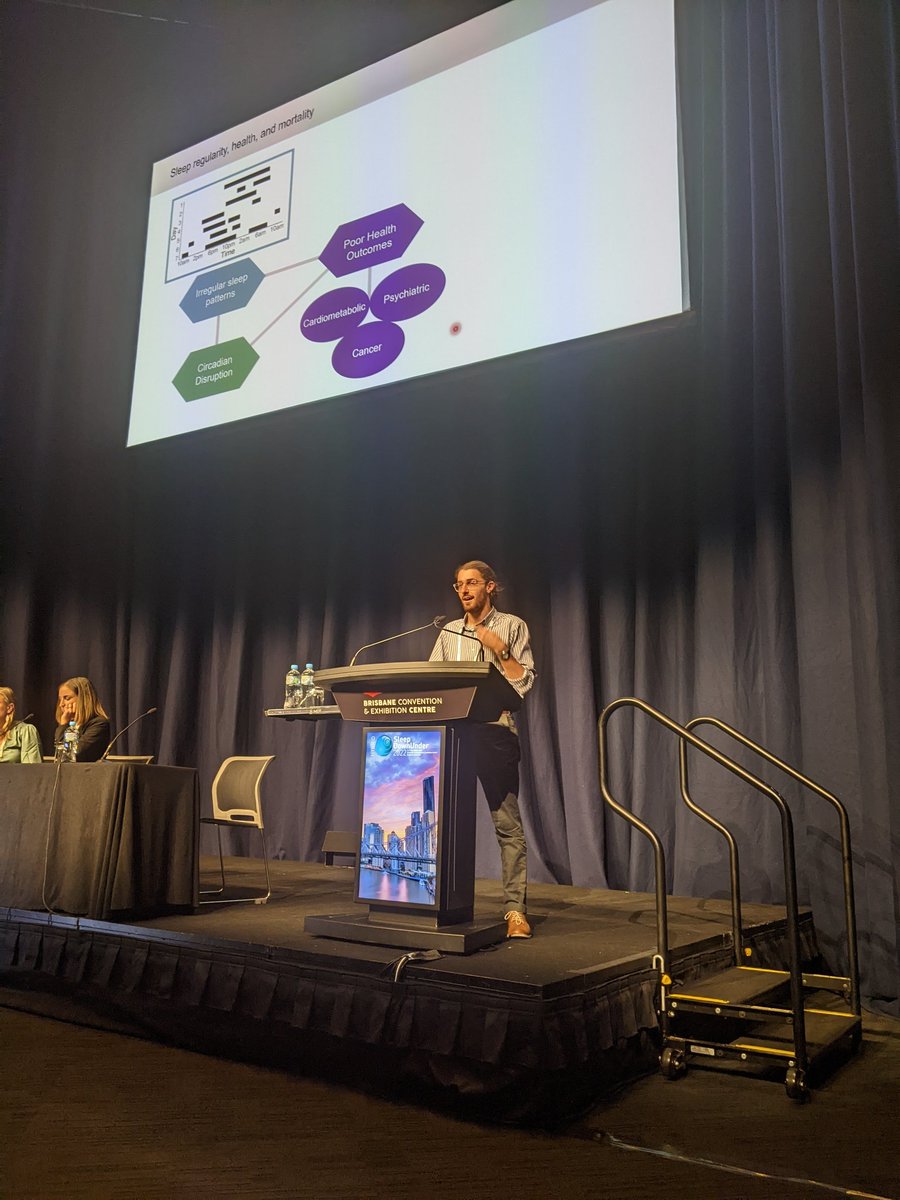
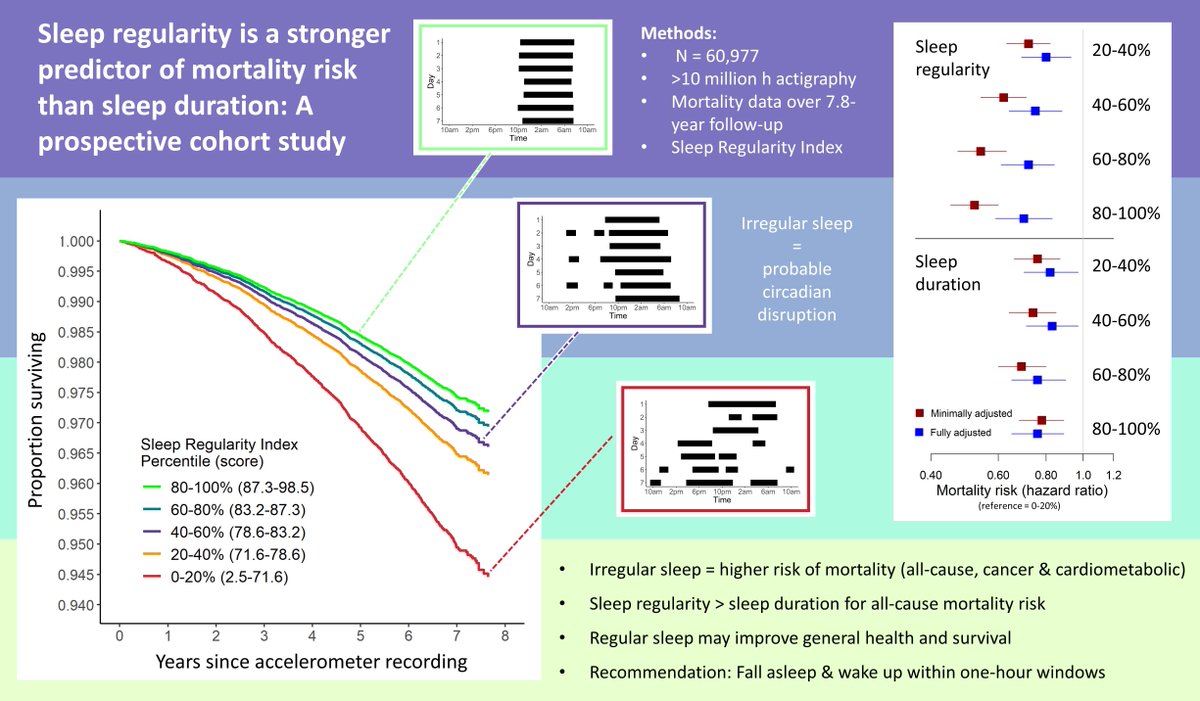
We've known for a while that short sleep leads to earlier mortality. Now, we've found that irregular sleep is actually an even stronger predictor of mortality.
Why? Probably circadian disruption.
We may need a rethink on which dimensions of sleep matter the most for health.
21 Sep 2023

Using objective measures of sleep in a cohort of >60,000 individuals the authors found people with more irregular sleep patterns have a higher risk of premature mortality & that sleep regularity is a stronger predictor of mortality risk than sleep duration ow.ly/LHWv50POsB9
4
35
95
16,353
MonashSleepLab retweeted

24 Sep 2023
Welcome to #SleepHealthWeek 2023!
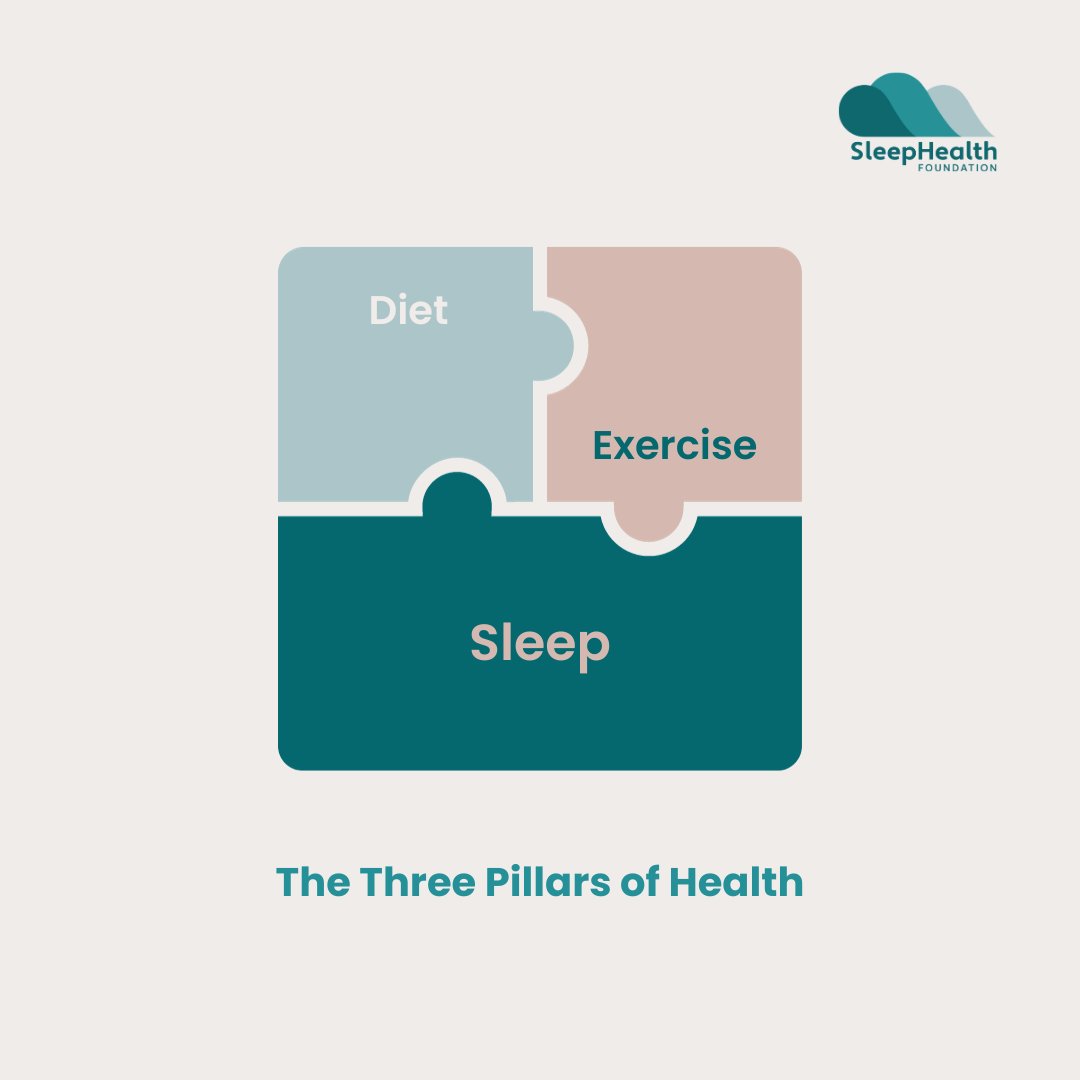
Alongside diet and exercise, sleep is one of the three pillars of health. This week, we'll be highlighting the pivotal role sleep plays in health, and how this is embodied in this year's theme: Better Sleep. Better Health.
#sleephealth
16
52
4,812
MonashSleepLab retweeted
22 Sep 2023
PhD Opportunity
Interested in leading industry-wide change in sleep, performance and health? Join our team @MonashSleepLab on projects related to personalised sleep programs, digital interventions in workplace. Please spread the word.
@turnerinstitute @tracey_sletten
2
7
23
2,535

13 Sep 2023
New work from our lab! Light exposure patterns analysed in >88k people. Those with exposure to brighter night light had higher mortality risk in following years. Explained by disrupted circadian rhythms. doi.org/10.1101/2023.09.08.2…
2
9
554
MonashSleepLab retweeted
11 Sep 2023
We analyzed light exposure patterns in >88k people in the UK Biobank. People with more night light exposure had higher mortality risk over the following years. This relationship was explained by modeling the effects of light on the circadian clock.
medrxiv.org/cgi/content/shor…
2
19
53
4,775
7 Aug 2023
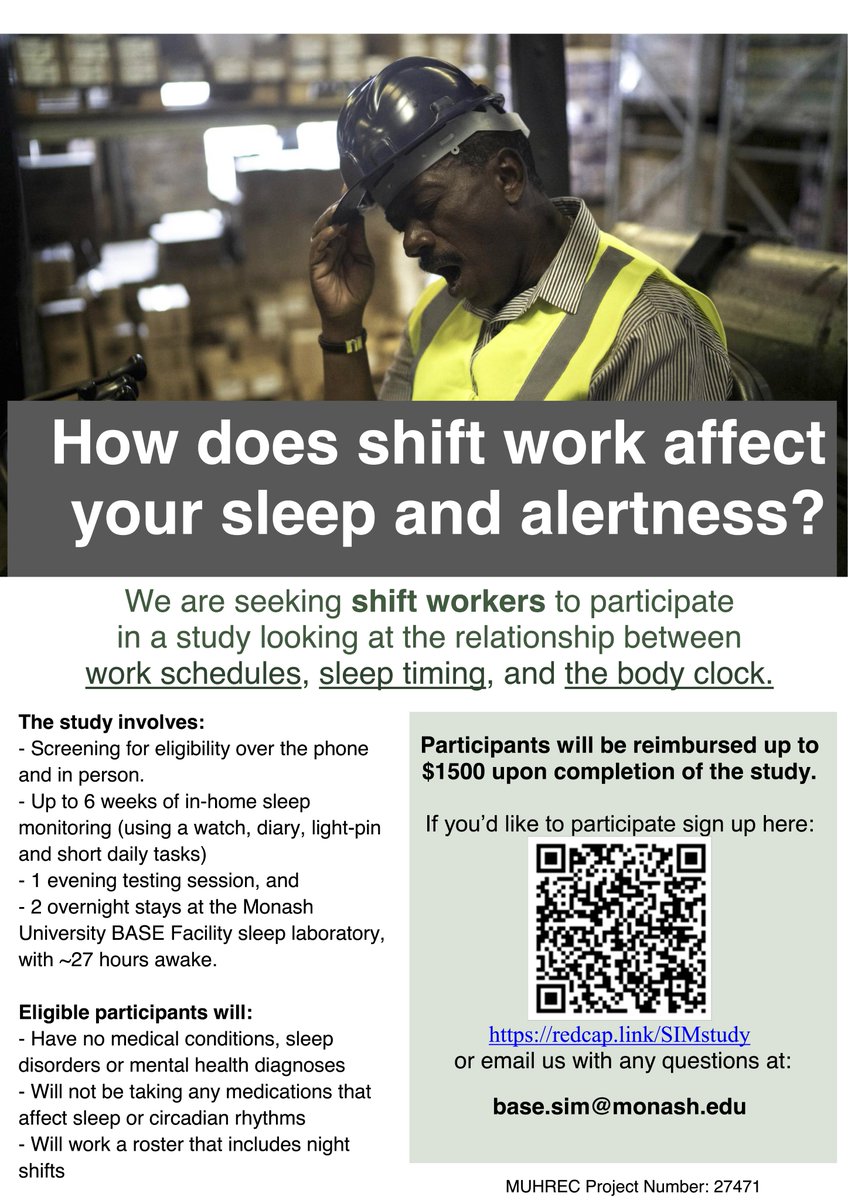
Are you a #shiftworker?
We have a research study seeking shift workers, aged from 20 to 50 years, to participate in a study investigating the relationship between work schedules, sleep timing, and the body clock.
Find out more here redcap.link/SIMstudy
#work #sleep
4
15
909
MonashSleepLab retweeted

17 Jun 2023
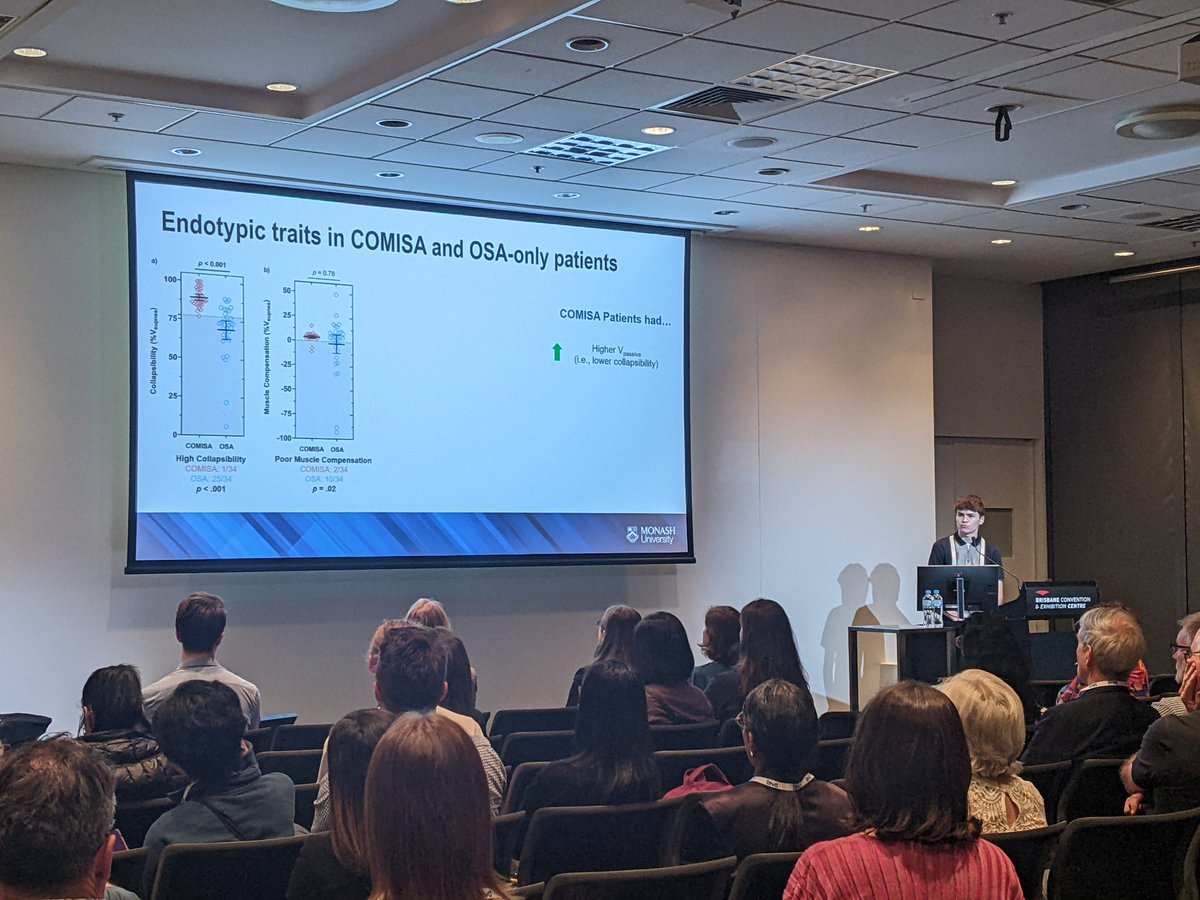
My paper elucidating the physiological contributors to #OSA in patients with interstitial lung disease now published in #AJRCCM. Thanks Blue journal for excellent peer review process which enhanced this work.
@Bradwards_81
@MonashSleepLab
pubmed.ncbi.nlm.nih.gov/3731…
2
2
10
1,025
MonashSleepLab retweeted

21 Mar 2023
If you're performing laboratory-based interventions to study the non-visual effects of light in humans, check out our new preprint on a consensus-based reporting checklist & guidelines for such studies! Very proud of this wonderful collaboration🤩
21 Mar 2023

💡☀️ How to report light interventions in a systematic way?
We are proud to present the consensus-based ENLIGHT Checklist and Guidelines.
New work with @LauraKervezee, @LokRenske, @elisemcglashan, @ray_najjar, and the ENLIGHT Consortium.
Preprint: biorxiv.org/content/10.1101/…
1/4
1
3
16
2,118
MonashSleepLab retweeted
21 Mar 2023
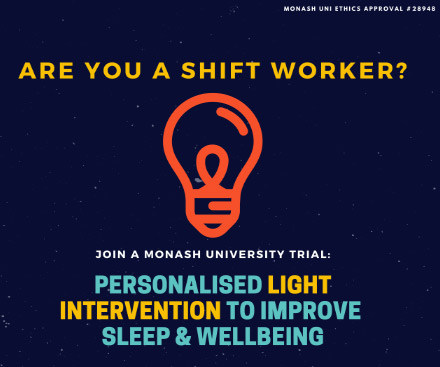
Monash University is currently seeking volunteers for a study exploring personalised sleep & light intervention to improve shift worker’s sleep and alertness.
Find out more information, including eligibility, here: sleephealthfoundation.org.au…
2
11
13
1,143
MonashSleepLab retweeted

24 Jan 2023
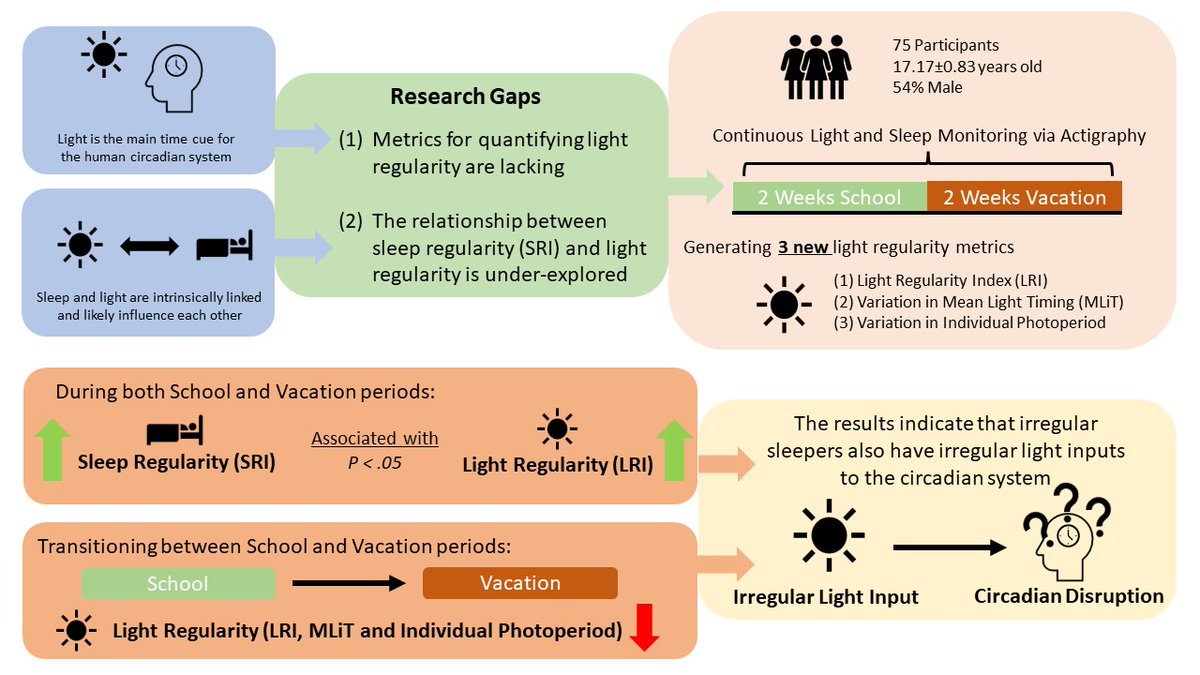
Very excited to share my first paper from my PhD!
Using new metrics for measuring light regularity we show that irregular sleepers also have irregular inputs to the circadian system, which likely contributes to circadian disruption. bit.ly/3Hzb03D
4
20
103
13,551
MonashSleepLab retweeted

10 Jan 2023
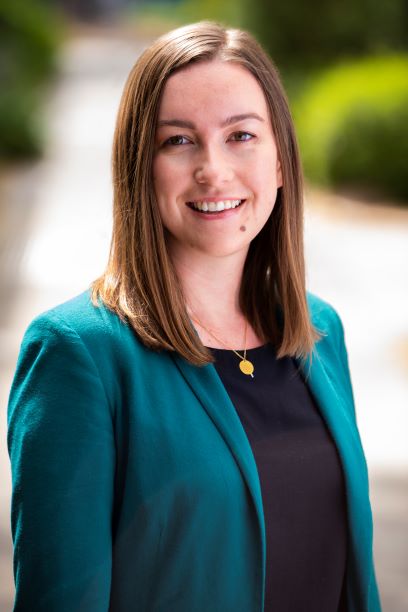
Read about PeerJ Award Winner @JStone_247 research into circadian disruption. Julia won a PeerJ Award at @AustChronoSoc 2022.
bit.ly/3Qpw0wp
1
9
644
MonashSleepLab retweeted
19 Dec 2022
Great way to end the year with a paper in Neuroscience & Biobehav Reviews from @EKavaliotis's PhD, w/ @VerdejoGAntonio @johannaboardman &#ProfSeanDrummond.
@EHCSMonash @TurningPointAU @MonashSleepLab @MonashAddiction
bit.ly/3FZGKxM
5
9
727
MonashSleepLab retweeted

14 Jan 2023
Celebrating #circadian clocks in India with @Shrie_007 @profrnb @SandipanRay14 Sean D @kgmu_medical @SRBR_Outreach @SHFAustralia @EbrsOfficial @MonashSleepLab @cogsleep @SleepOrgANZ
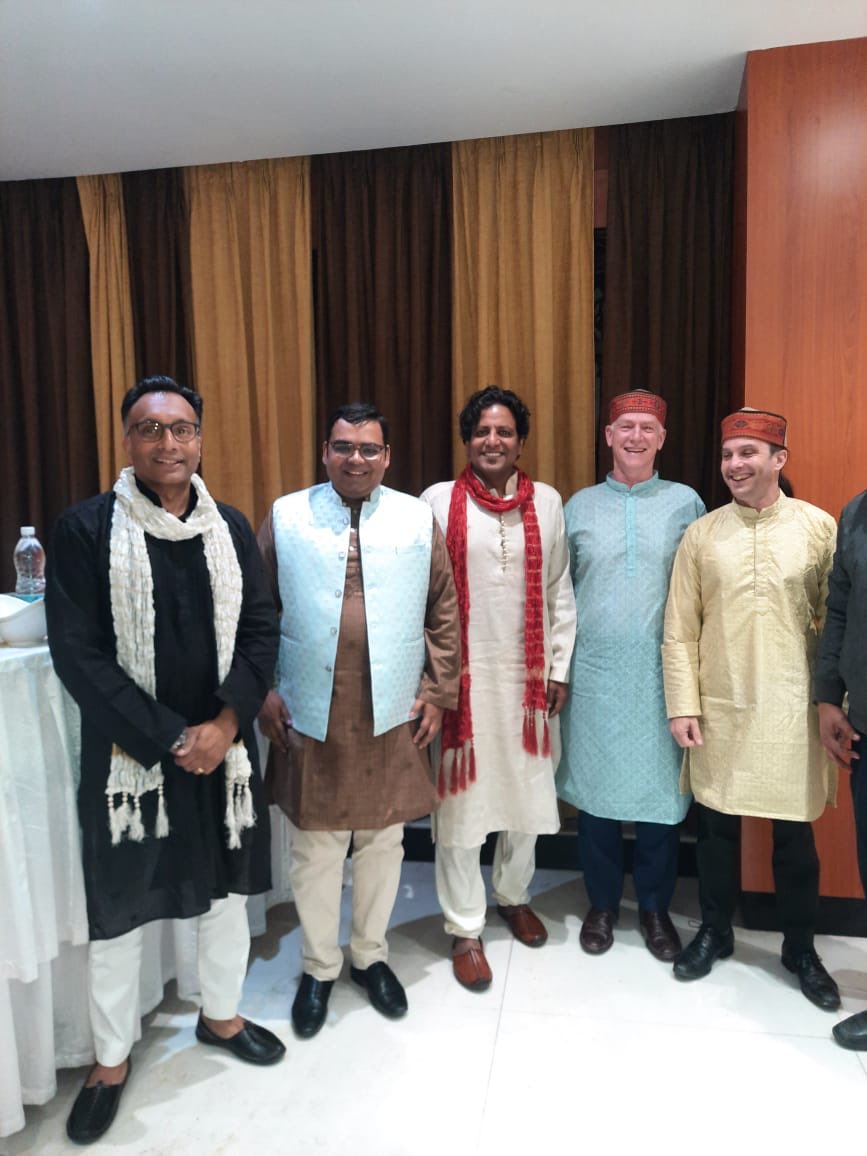
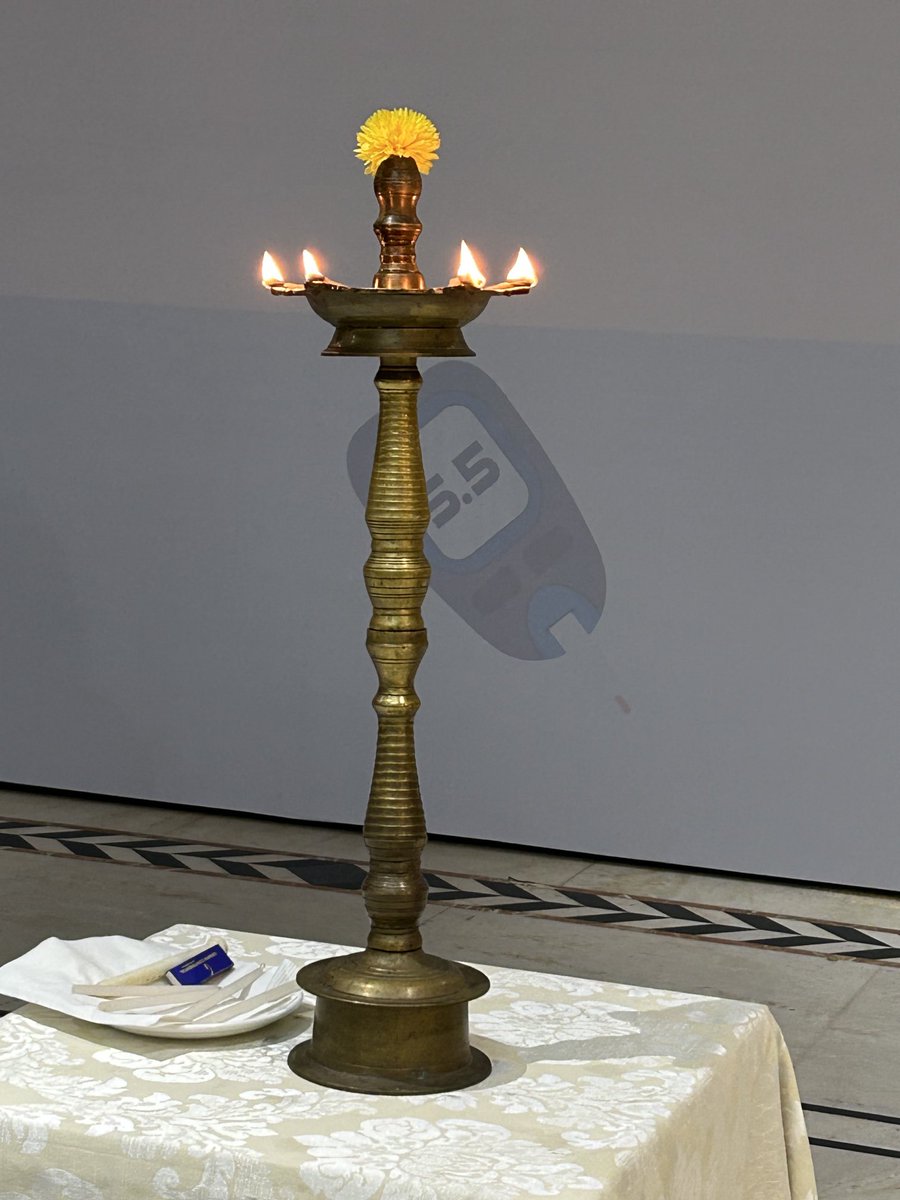
1
4
23
1,515
MonashSleepLab retweeted

We have two vacant committee positions. Please contact Edith Botchway if interested!
1
4
4
MonashSleepLab retweeted

28 Nov 2022
‘Light is like a drug’: How to reset your circadian rhythm @circadian247 @Woolcockmedical smh.com.au/lifestyle/health-…
7
14
MonashSleepLab retweeted

22 Nov 2022
5
21