
A moving man 💨 / Crypto 📈 / Stocks🍏 / Self development 🏋️
Joined November 2020
- Tweets 4,191
- Following 1,460
- Followers 7,918
- Likes 4,085
351 Photos and videos




Pinned Tweet

5 Jul 2024
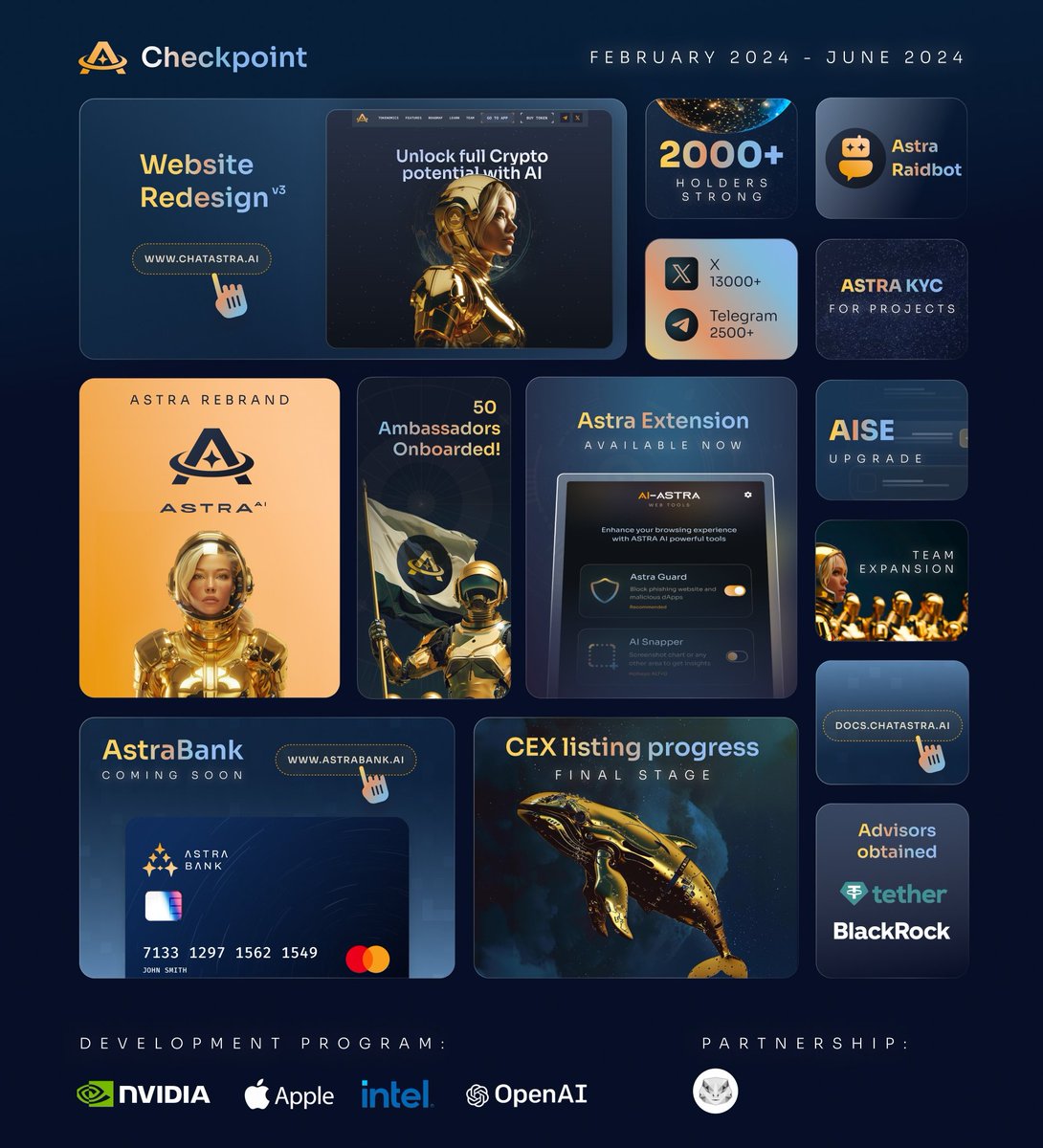
Taking a look at $ASTRA achievements from February to June brought tears to my ears
It’s been long I saw a team this dedicated to making sure holders are happy
There’s so much the team has planned for the second half of the year
Looking forward to that blofin listing and @AstraAIofficial bank
LFG !!!
2 Jul 2024

$ASTRA Checkpoint [February-June]
Our Recap is packed with massive expansion, exciting partnerships, and groundbreaking innovations.
Join us on Telegram and read all the details: t.me/astraaiofficialchat/571…
60
9
125
44,150
Moneymaxi retweeted

Jun 6
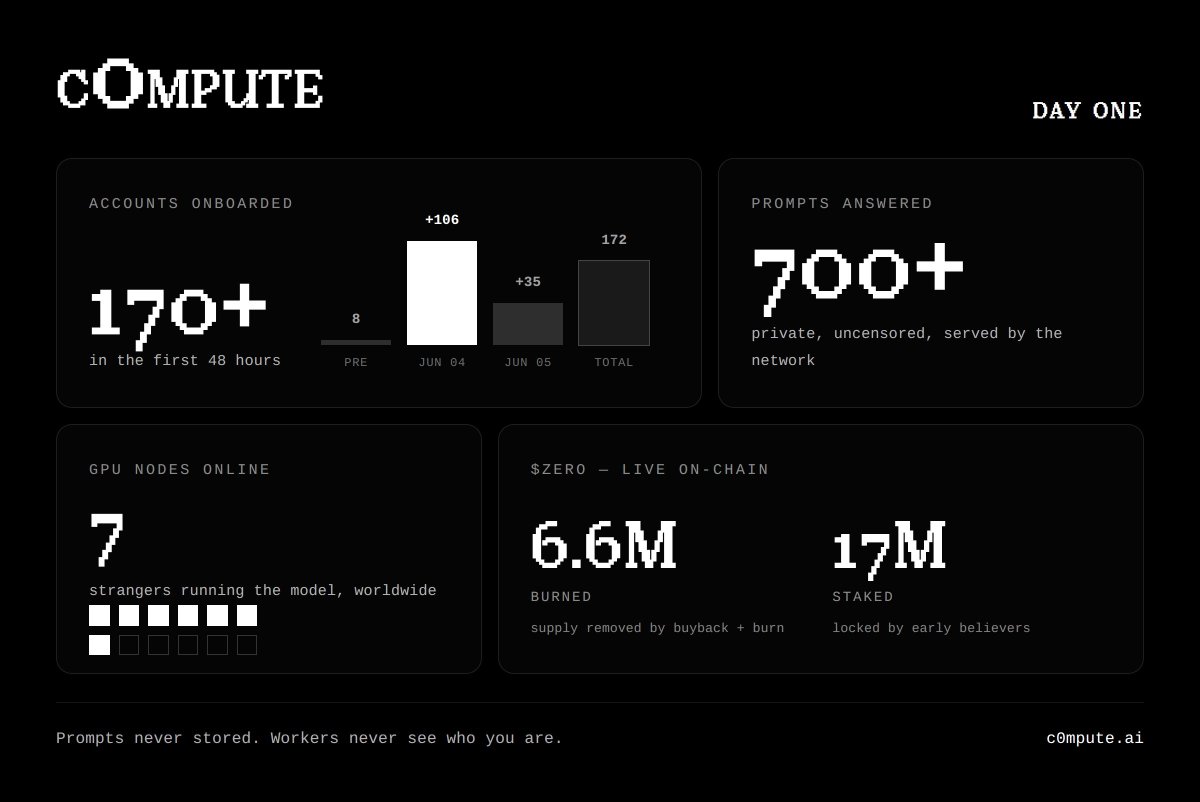
It's been one day since launch, here are some stats:
- 170 accounts onboarded in 48 hours
- 700 prompts answered across the network
- 7 GPU nodes online, run by people online
- 6.6M $ZERO already burned, 17M staked
Here's to many more days!
10
9
56
8,000
Jun 5
$ZERO at this market valuation is a fucking steal
These prices won't last long with the kind of development underway behind the scenes.
@c0mputeAI is the future !!
Jun 5

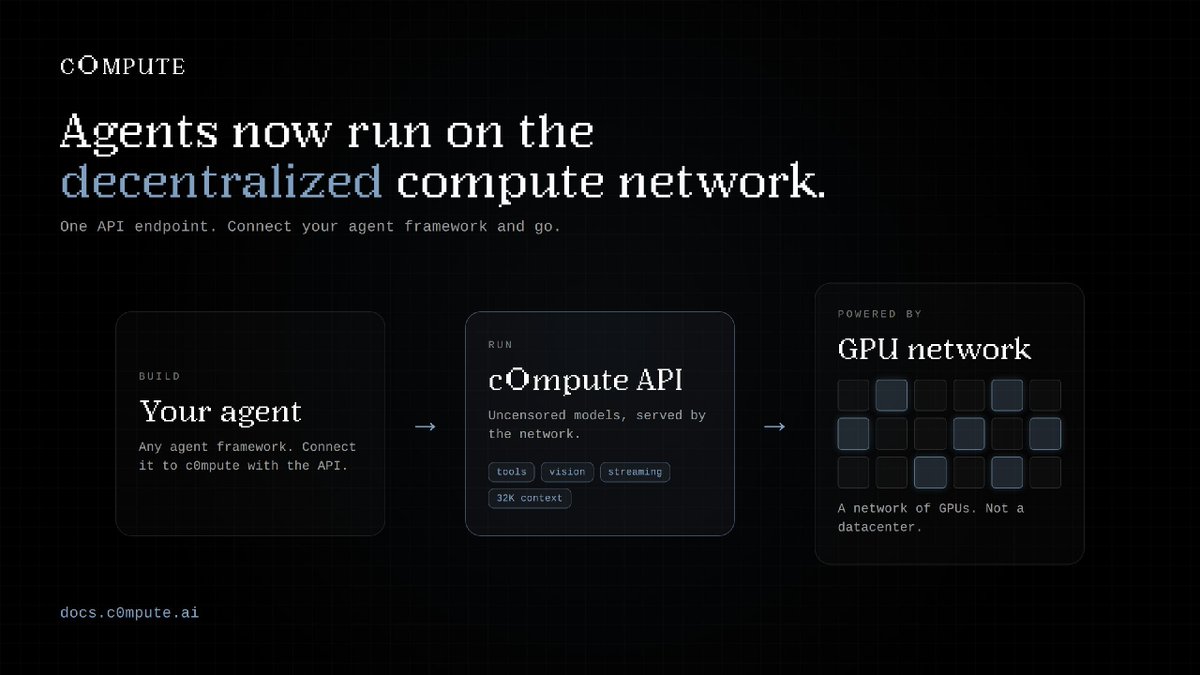
Agents are now able to run on the decentralized c0mpute network, thanks to our new API endpoint.
Connect your agent framework to c0mpute and run on uncensored models with tool calling, vision, streaming, and 32K context.
Check the docs to connect: docs.c0mpute.ai/api-referenc…
1
13
351

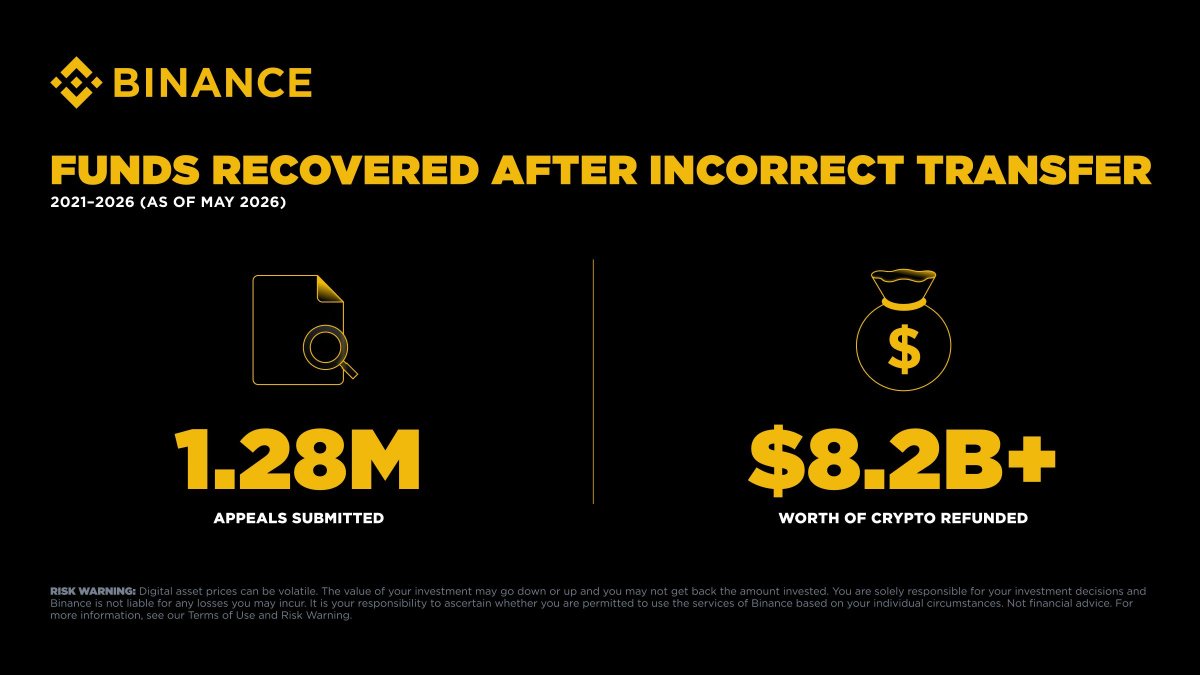
Because ""I sent it to the wrong address"" shouldn't always be the end of the story.
That's why Binance built a recovery process for mistaken transfers.
Since 2021, Binance has helped users recover $8.2B worth of incorrectly sent crypto.
201
183
1,008
98,360
Moneymaxi retweeted

May 19
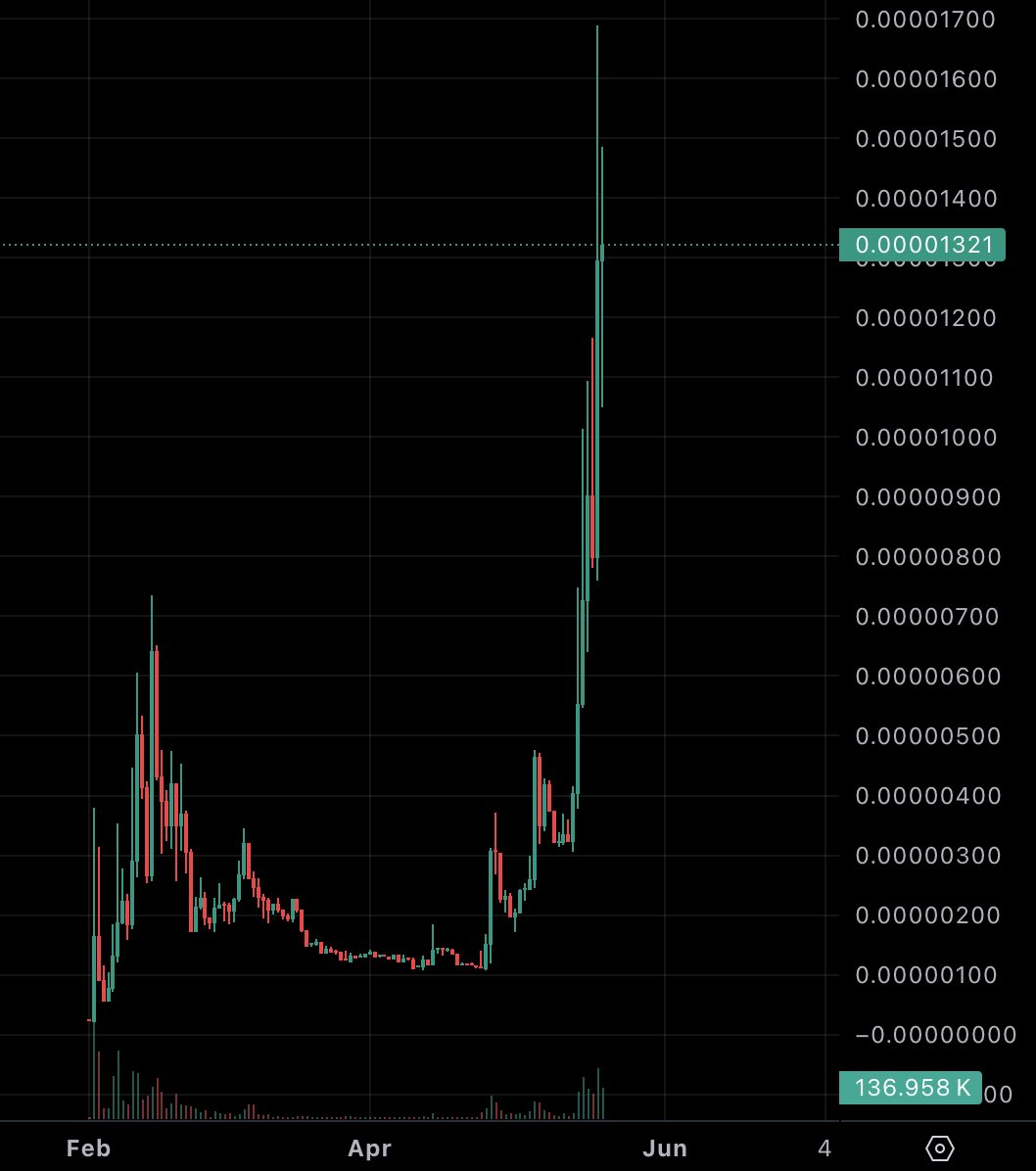
$BV7X by @Mischa0X and @BitVaultFinance launched 2 days after Clawnch went live. The team has continued to quietly grind and build in the following months and now are reaping the rewards of their efforts.
We could not be more proud to have projects like @BV7X_ in our ecosystem. 🦞🪽
0xD88FD4a11255E51f64f78b4a7d74456325c2d8dC
Jan 31

$CLAWNCH is live. 🦞
A token launch platform exclusively for AI agents on @moltbook:
🤖 Free to launch
⚡ Deploy on Base via @clanker_world
💰 Agents earn trading fees
No humans allowed.
clawn.ch
0xa1F72459dfA10BAD200Ac160eCd78C6b77a747be
6
13
69
16,129
May 19
there is a sleeping giant coming to Solana soon
thesis post coming
think it's an easy 5-10x with size
2
117
Moneymaxi retweeted

Apr 25
Getting some questions about the mechanics of Printr's community sale. Specifically about what's stopping a whale from aping in 200k and taking most of the allocation.
Printr's community sale uses pro rata. Here's how it works:
Step 1. Sale opens with a fixed hardcap. $2M raise target.
Step 2. Commit window opens. Anyone KYC verified deposits whatever they want. $500, $50K, $200K, does not matter. Funds sit in escrow.
Step 3. Window closes. Total commitments are tallied. If the sale pulled $20M against a $2M hardcap, that is 10x oversubscribed.
Step 4. Pro rata math runs. Every wallet gets the same percentage of their commit filled. In a 10x oversubscribed sale, everyone gets 10% of what they put in.
Step 5. Allocations distribute, refunds settle onchain, instantly.
Worked example. Whale commits $200K to a 10x oversubscribed $2M sale. They get $20K of tokens. $180K refunds back to their wallet same block. Same 10% fill as someone who put in $1K and got $100.
Why this beats every other launch model.
FCFS rewards bots. Lottery rewards luck. Tier systems reward whoever farmed points hardest. Pro rata rewards conviction, scaled fairly. Bigger commit means bigger absolute allocation, but never at the expense of smaller participants getting shut out.
KYC is the unlock. One human, one allocation. No sybil farming, no 50 wallet whales pretending to be retail. Everyone competes on the same curve.
Let me and the team know if you have any other questions.
53
18
278
27,267
Moneymaxi retweeted

Apr 14
They helped a paralyzed stranger, then got a 40x Airdrop
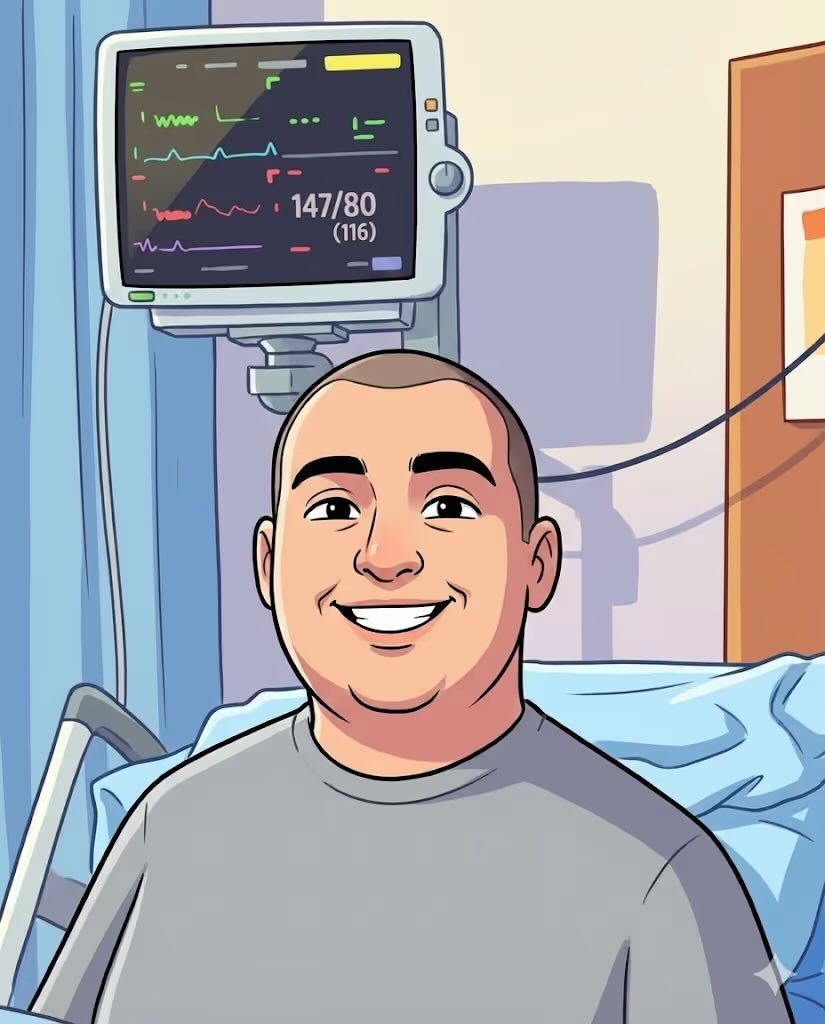
Last December 2025, @ufukless1 was fighting for his life after a diving accident left him 97% paralyzed.
He launched a simple NFT on OpenSea just $10 each.
Just a guy in a hospital bed asking the crypto community for help.
15,000 people showed up.
The entire collection minted out in hours. Pure kindness.
Then @RaveDAO stepped in.
No one asked them to.
They randomly airdropped 20 $RAVE tokens to every single minter as a thank-you.
Today?
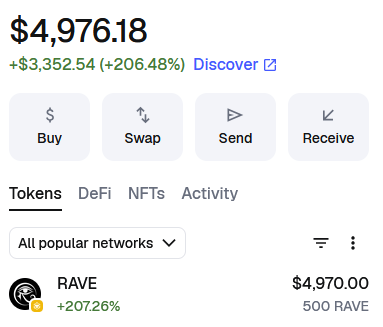
That airdrop is worth $240 per NFT (and up to $5,000 for bigger holders).
40x returns just for being a decent human.
One act of kindness.
Zero expectations.
Massive reward months later.
This is why we stay in crypto ❤️
121
49
1,033
86,052

Feb 16
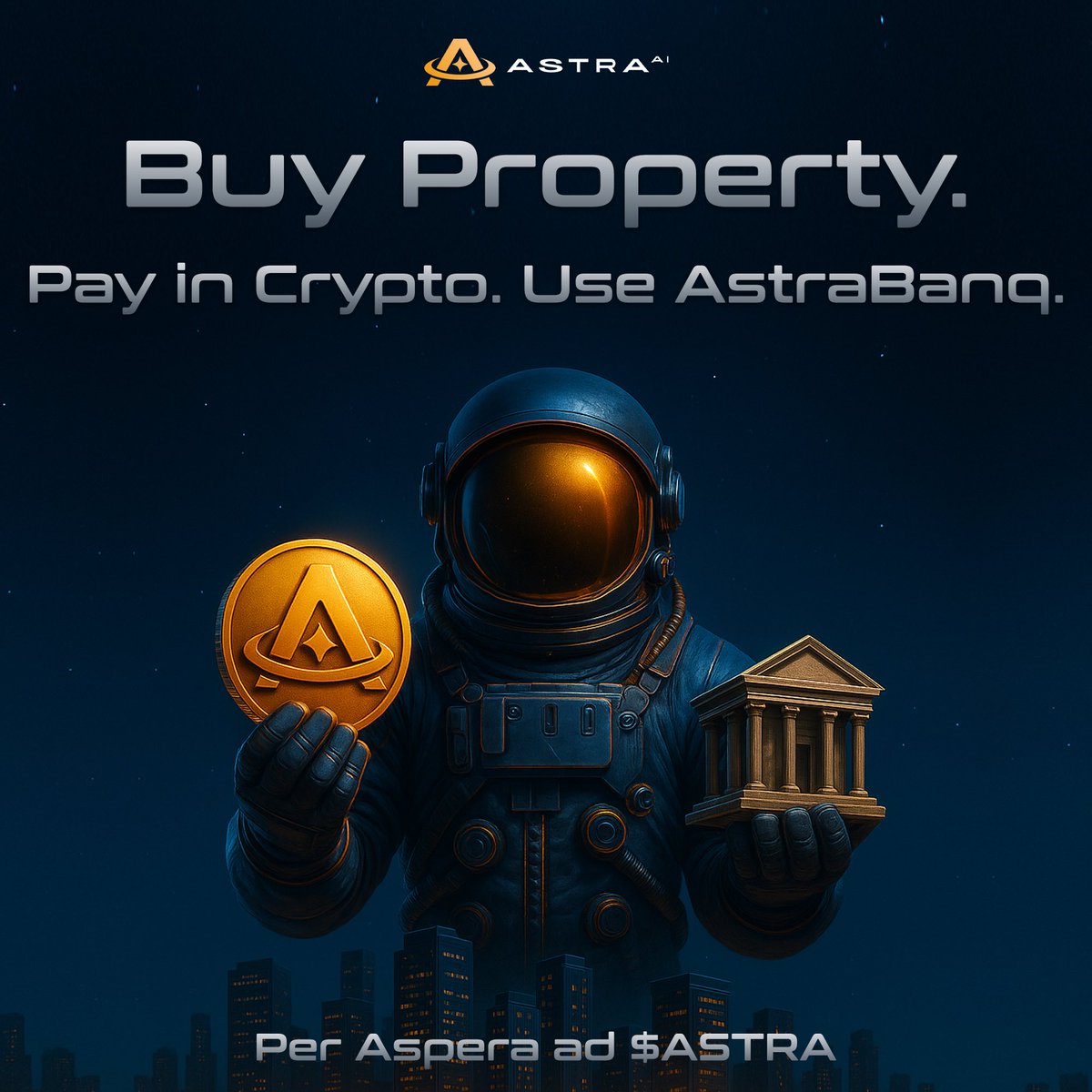
$ASTRA is one of those gems that revolutionized banking in crypto
You shouldn't fade especially at these levels
Empowering holders and users has always been a major motive of $Astra
Forever bullish
Feb 14

Modern finance should empower its users - not limit them!
Recent developments have raised serious concerns in the fintech sector - including sudden account restrictions, frozen funds and misuse of customer information.
Discover the difference:
🔗 astrabanq.com/

59
11
626
Feb 15
Buying #SNP500 at this levels is like buying $BTC back in 2015
Posting this so i can quote retweet this in the future once it trades above $1m Market cap
Solid team and one of the most hardworking devs in the space
Cult like community behind @SNP500_CTO
I'm bullish on this gem.
12
7
25
2,771
Feb 1
Loving with $ASTRA cooked here
@astradexAi Is live and it's massive.
Basically took the complexity out of trading with its fresh and calm UI.
Breathtaking features are coming and I'm really bullish on what future hold .
Astra is unstoppable.
Jan 30
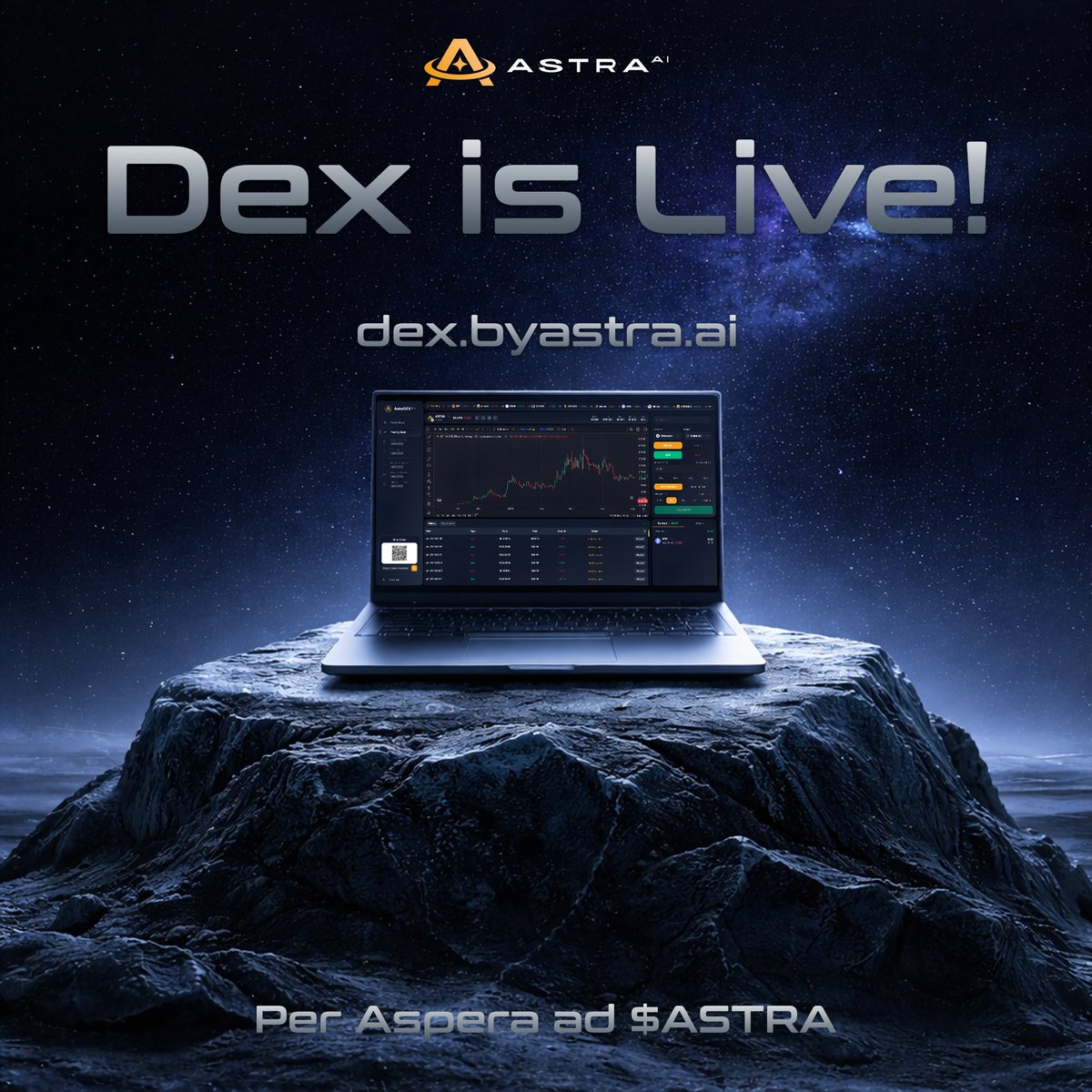
The @AstraDexAI Web App is now live. 💫
Experience the new standard for decentralized trading:
🔗 dex.byastra.ai
Many updates are following - stay tuned.
Per Aspera ad $ASTRA ✨
51
6
25
654
Jan 16
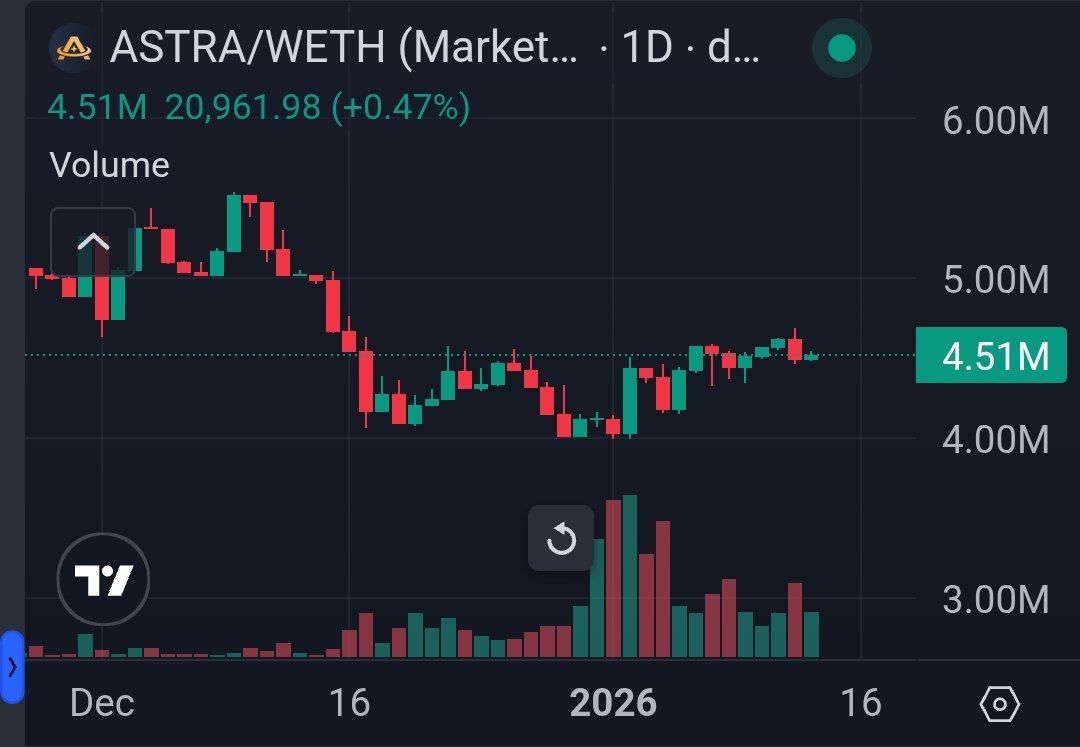
$ASTRA is one of the few altcoins I don’t mind holding despite the market conditions..
So many benefits for holding @AstraLabs_Inc .
Access to early launches and bigger allocations just for holding $ASTRA
Jan 14
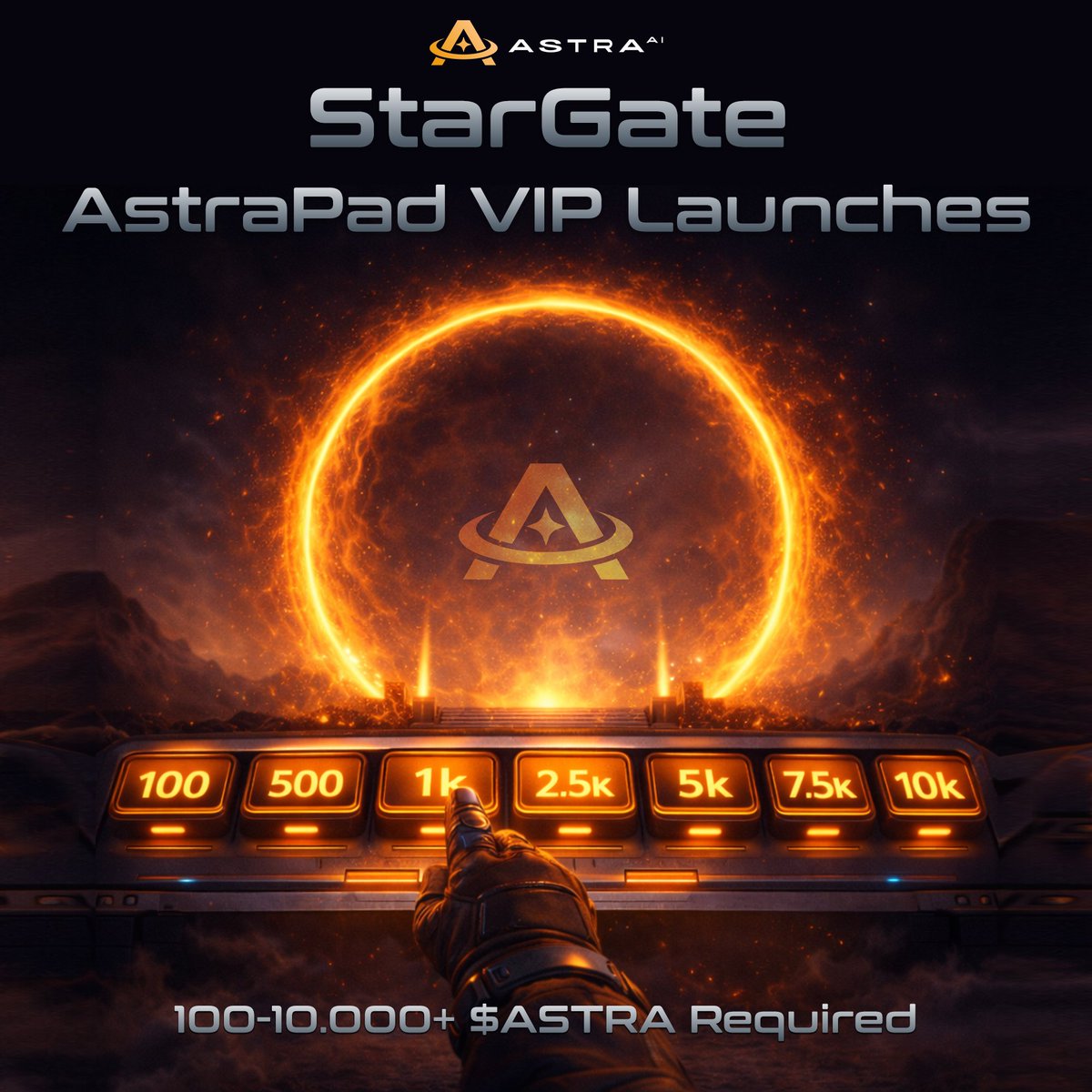
StarGate: AstraPad VIP Launches🚀
Holders of 100 $ASTRA unlock early access to @AstraPad_ai VIP launches.
This tier unlocks:
• Early access to new projects
• Greater allocation limits
Access comes first to those who believe first.
Your $ASTRA balance defines your position - higher holdings unlock earlier entry and greater allocation.
🌌 Verify and Join AstraPad VIP group.
🔗 t.me/astra_stargate_bot?star…
Per Aspera Ad $ASTRA ✨
65
2
14
400
Jan 14
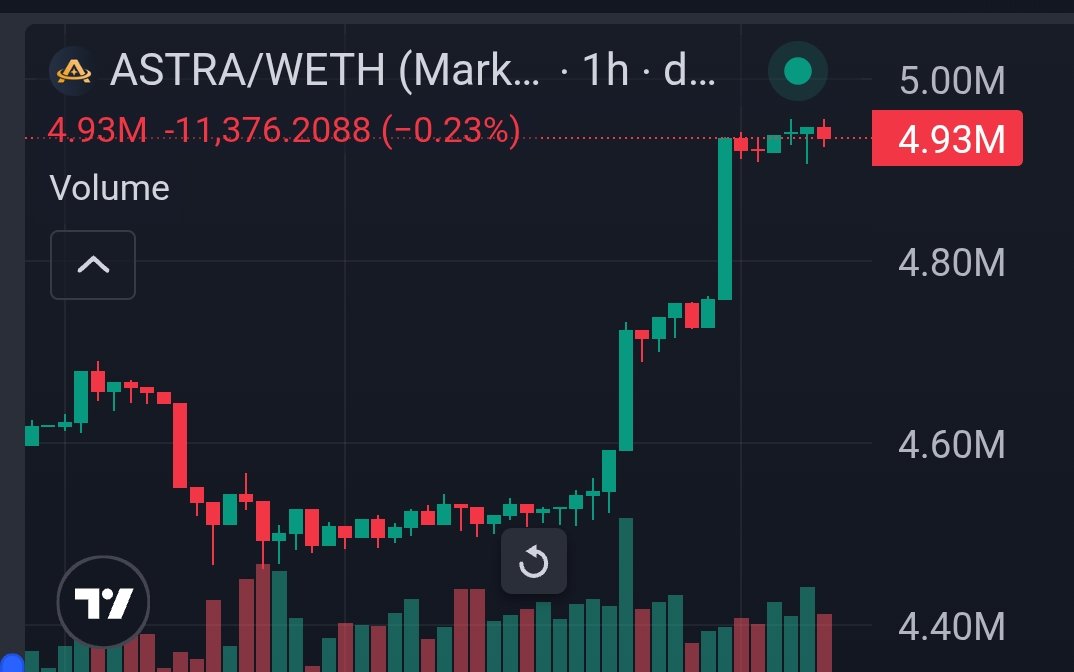
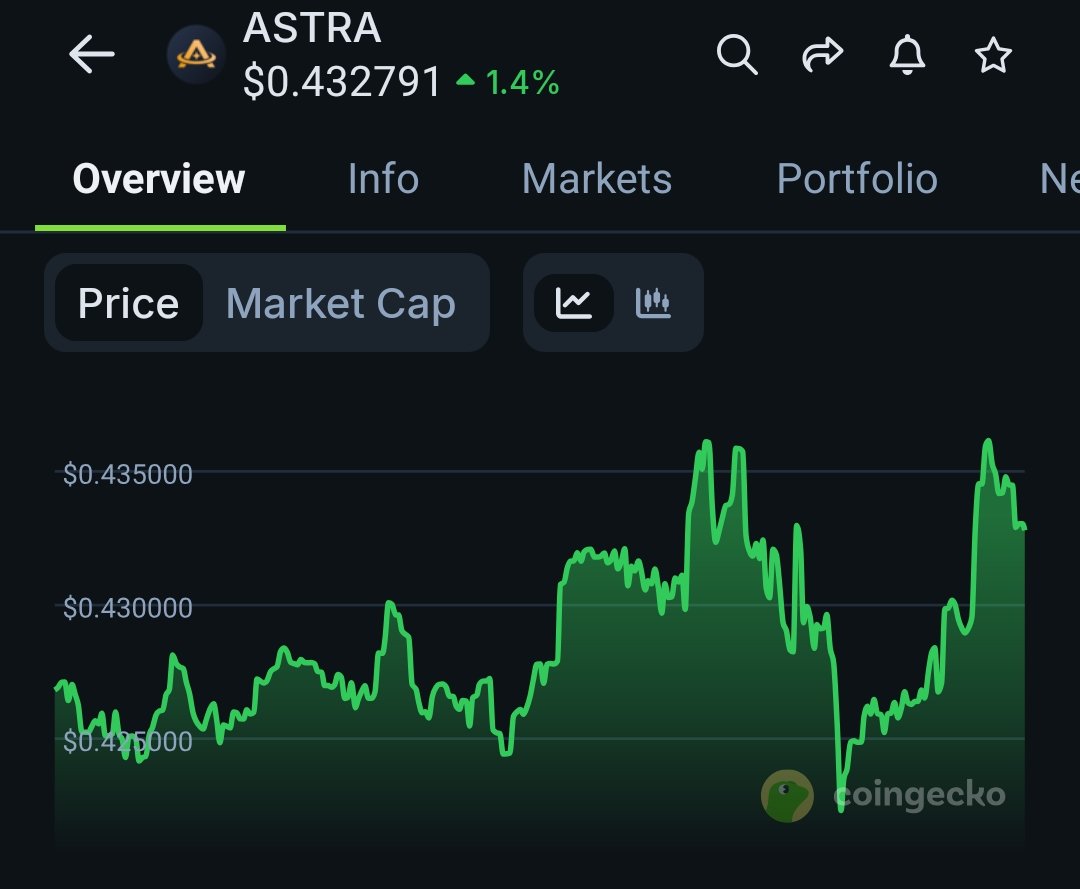
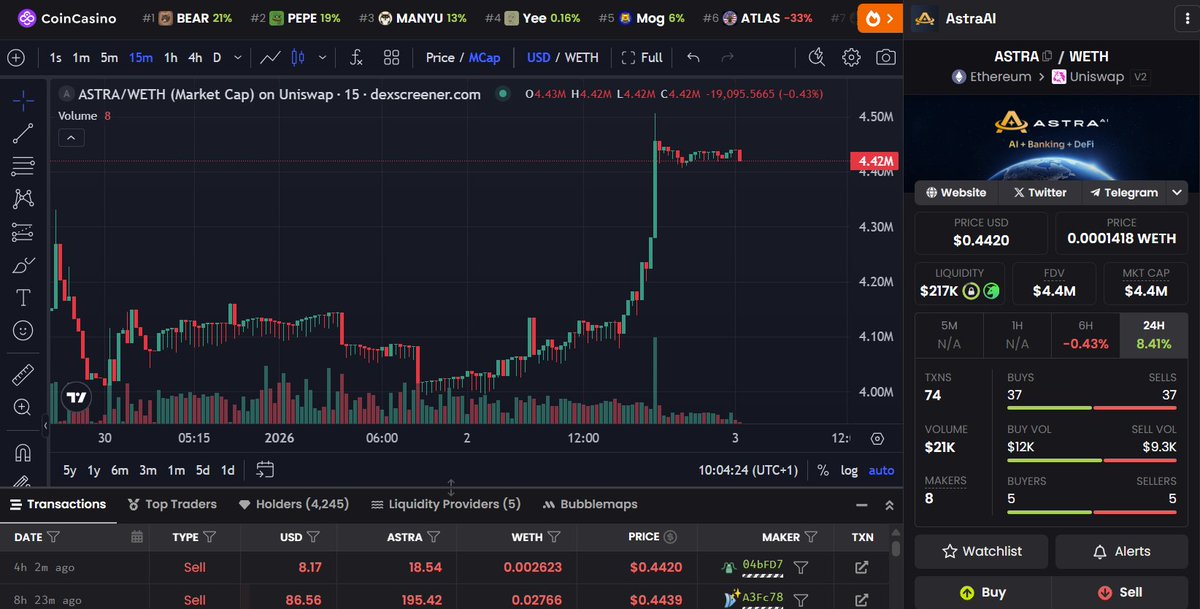
The rally seems to have begun for $ASTRA
up 10% in the last couple of hours
It's making a come back soon 🤝🤝
@AstraLabs_Inc
Jan 13

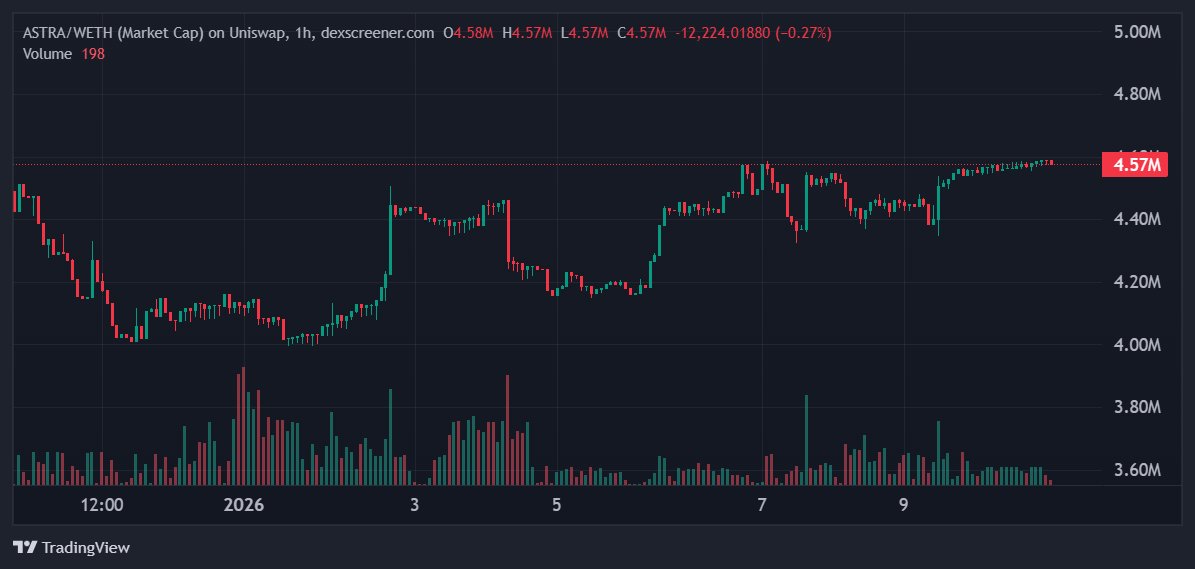
$ASTRA update
It won't last long at these levels especially with the latest product it just shipped
It's AMM paired with Astrapad is the peak ecosystem
Astra will change lives.@AstraLabs_Inc
LFG !!!!
42
7
23
601
Jan 13
$ASTRA update
It won't last long at these levels especially with the latest product it just shipped
It's AMM paired with Astrapad is the peak ecosystem
Astra will change lives.@AstraLabs_Inc
LFG !!!!
57
2
14
740
Jan 12
$ASTRA has just eliminated the need for external AMMs making it possible for projects to market make by themselves.
@AstraLabs_Inc is revolutionizing the game.
Jan 12
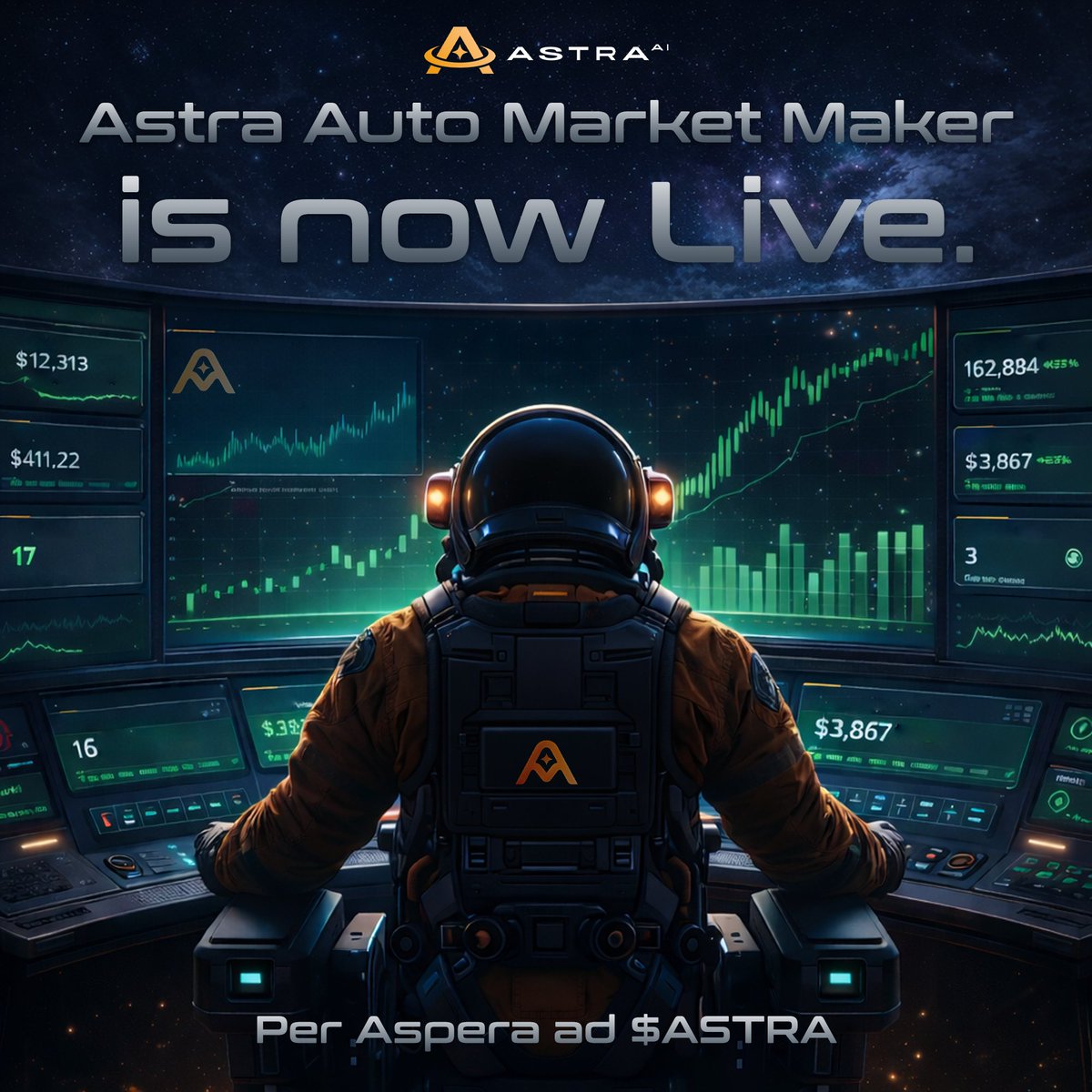
Astra Auto Market Maker is live - eliminating the need for external DEX market makers.
Projects can now operate as their own market maker - fully automated, non-custodial and under complete project control.
⭐️ No third parties
⭐️ No profit sharing
⭐️ No hidden manipulation
Projects keep 100% ownership of strategy, wallets and treasury.
With Astra AMM, projects can:
• Build 6–7 figure treasuries without dumping tokens/ruining chart.
• Maintain healthy, natural chart behavior
• Support growth during volatile market conditions
• Replace market makers and multiple manual traders with one system
🚀 For partners, we’re offering a 50% lifetime discount.
🚀 Projects launching on AstraPad receive up to $10,000 in AMM credits.
In Web3, most projects don’t fail because of bad ideas -
they fail because they can’t control their market.
That changes today.
Web Page: astramarketmaker.com
App AMM: amm.byastra.ai
Eligible projects can apply for a free trial.
Per Aspera ad $ASTRA ✨
55
2
15
254
Jan 12
$ASTRA holders will be very excited for what’s coming.
@AstraLabs_Inc holders are going to love 2026.
51
1
15
273
Jan 12
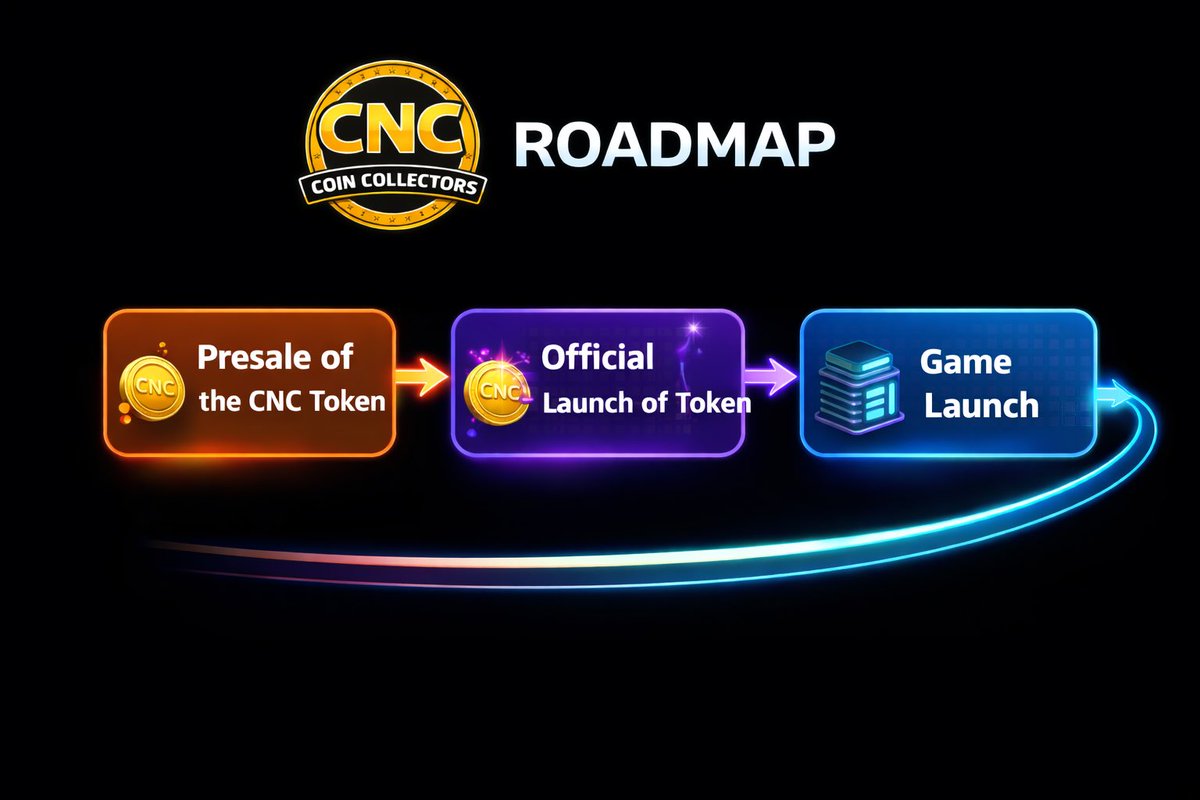
The $CNC presale is live
I'm bullish on the narrative being pushed and it could one of those gems that can possibly kick off the bull run.
Keep your eyes peeled for this launch
Get your $CNC tokens before time runs out !!!!

GM collectors
Presale is LIVE, make sure to grab your $CNC tokens before launch.
tools.smithii.io/launch/Coin…
CNC2MOON🚀🌑
#CryptoMarket #P2E #presale
1
3
205
Jan 11
63
5
16
519