Your place to get daily info on clinical, regulatory, and quality management solutions, industry news, and GxP tips for cloud compliance in the life sciences.
The quality buffs out there will get it:
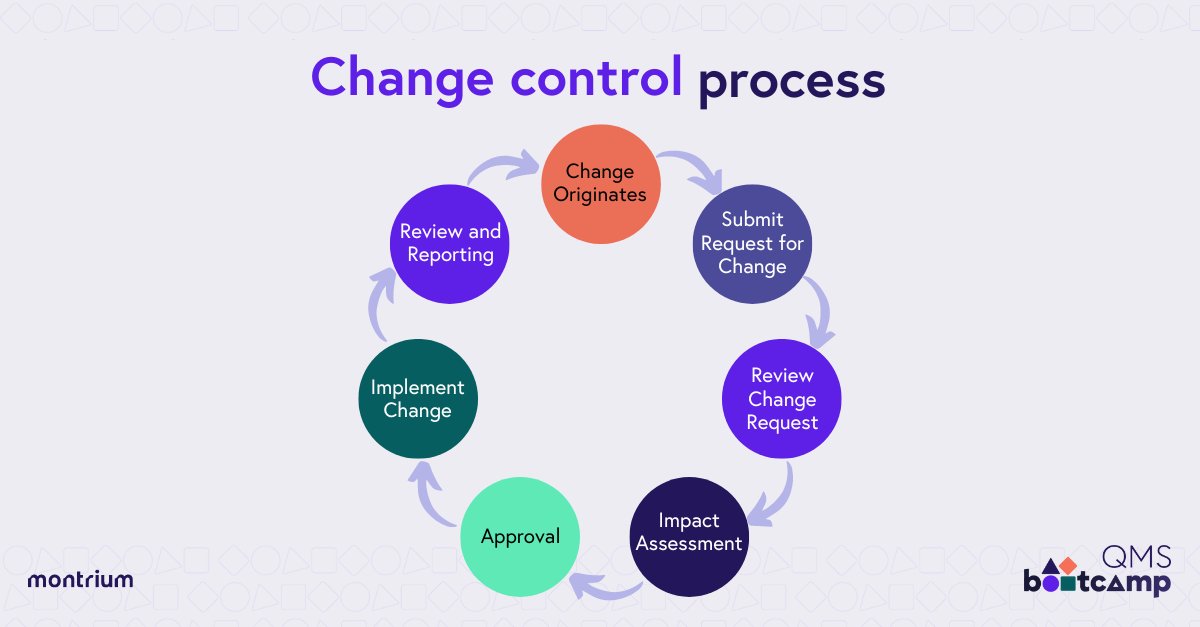
It’s easy to go off the rails with change controls.
But we’ve got you covered.
Keep your peace of mind and steal our change control process cheat sheet. 👇
Complicated quality processes often lead to 2 key issues:
❌ Underreporting
❌ Confusion
Dawn shares how to keep it simple and what you should be looking for in a root cause analysis. 👇
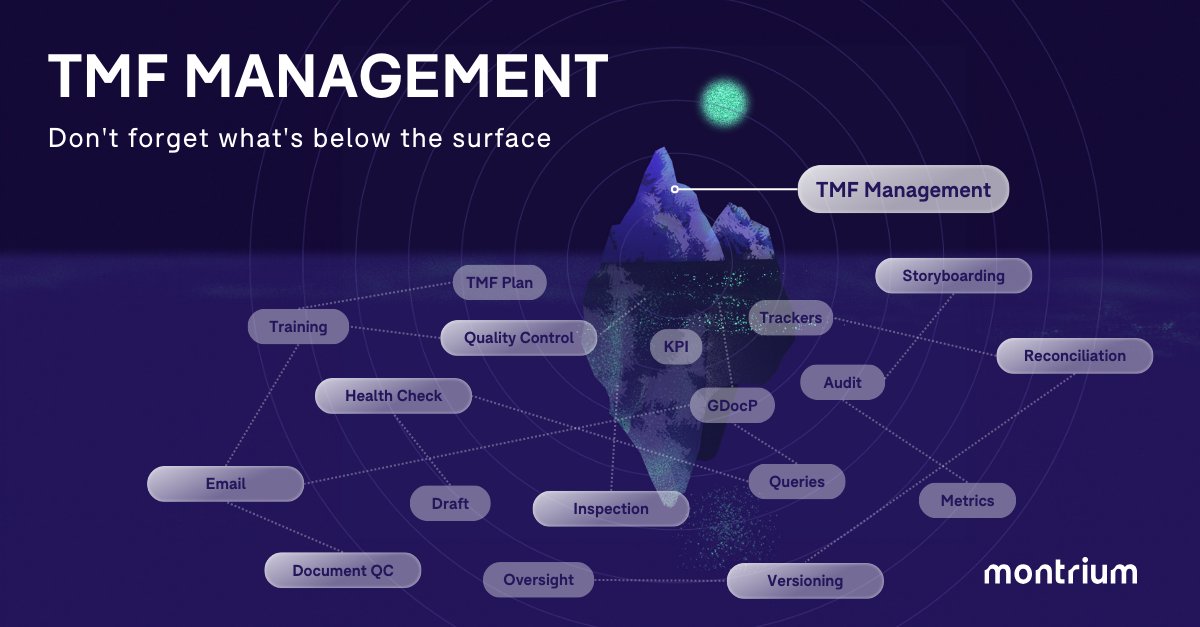
Stop underestimating your TMF.
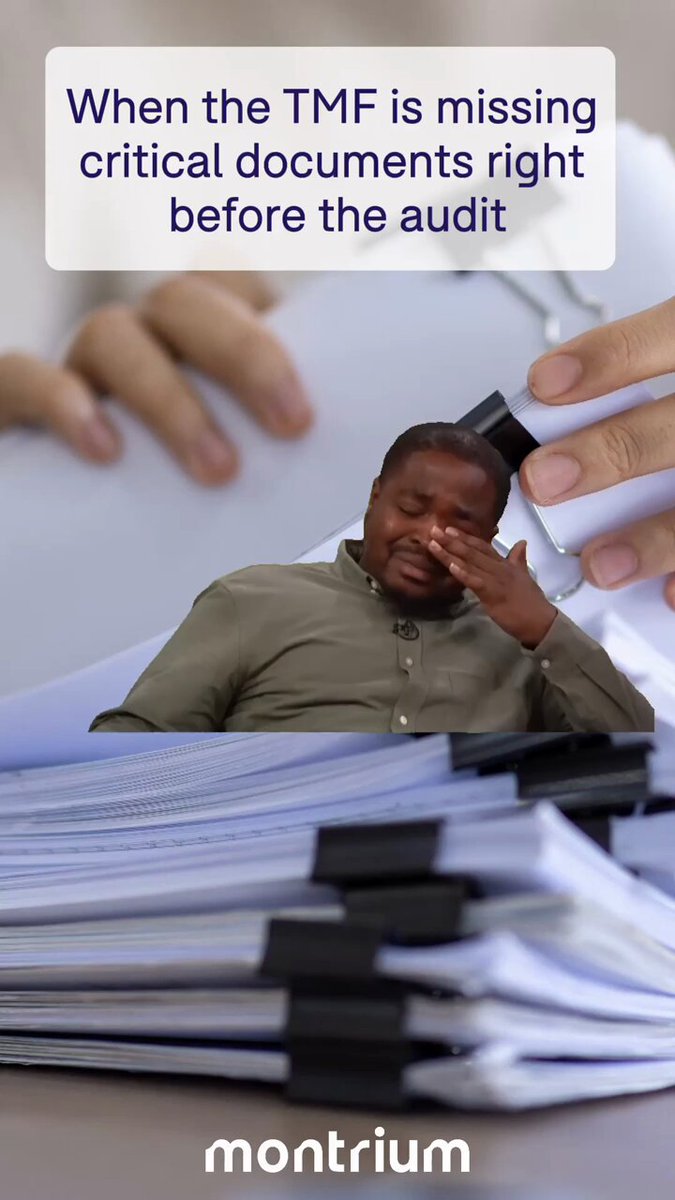
We know, it’s easy to get in the habit of filing away documents until it’s inspection time.
But the TMF is more than meets the eye.
And it deserves to have proper processes in place to deal with the fundamental documents within it.
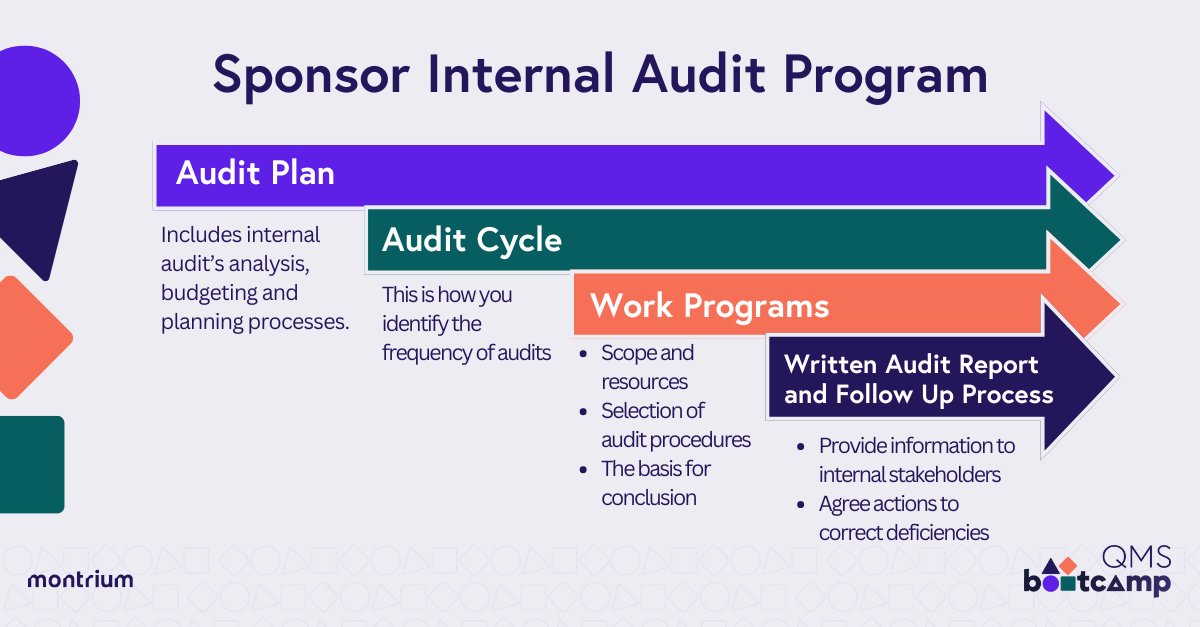
Assessed a vendor to be medium or high-risk?
It’s time for an audit.
Here’s a quick guide to help you develop your own internal audit program—from creating the plan to beginning the follow-up process after the report is written.
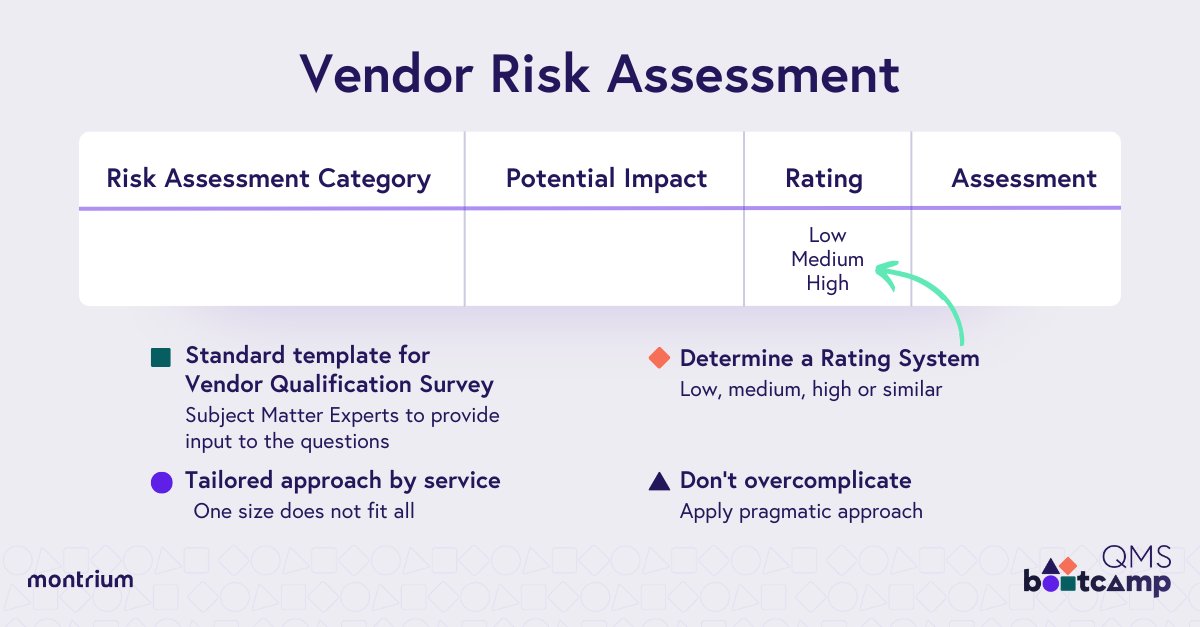
Vendor risk assessments don’t have to be complicated.
In fact, the best way to conduct vendor risk assessments is to be as pragmatic as possible.
Don’t get bogged down by creating unnecessary categories and complex scoring conventions.
One common misconception about the ICH M11 protocol is:
It will be finalized in the distant future.
But that’s far from the truth.
Karen and Paul share why it’s important to get ahead of the curve with ICH M11.
When the discussion involves digital TMF, it’s almost certain to include ICH M11.
And ICH M11’s impact on TMF is going to be BIG.
Paul Fenton-Carter gives a summary of the key things you need to know about ICH M11 right now.
The CDISC TMF Reference Model V4 is SO much more than just an upgrade.
It’s the first-ever digital TMF standard.
Karen Roy explains what embracing digital TMF will mean for the way we work, data management, and our beloved Excel spreadsheets.
What’s your quality system going to look like?
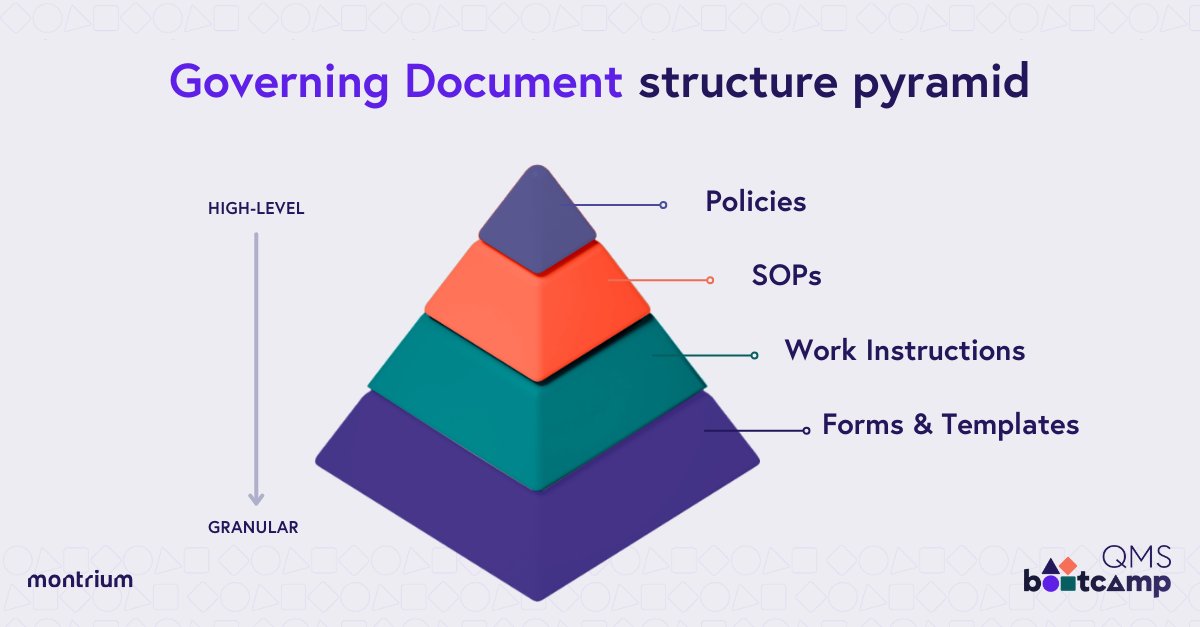
When fleshing this out, it’s vital to remember these 3 components.
🗂️ Structure
👩💻 Key roles
📝 SOPs
What’s your experience with building quality systems? Did we miss anything?
Audit trail reviews 🤝 data integrity
Managing a TMF? You should consider audit trail reviews.
Audit trail reviews will help you uncover anomalies standing in the way of the data integrity you want to ensure.
Here’s what Donatella has to say. 👇
Biopharma companies large and small face similar challenges when it comes to their quality systems.
Here are the ones Christy thinks deserve the most attention:
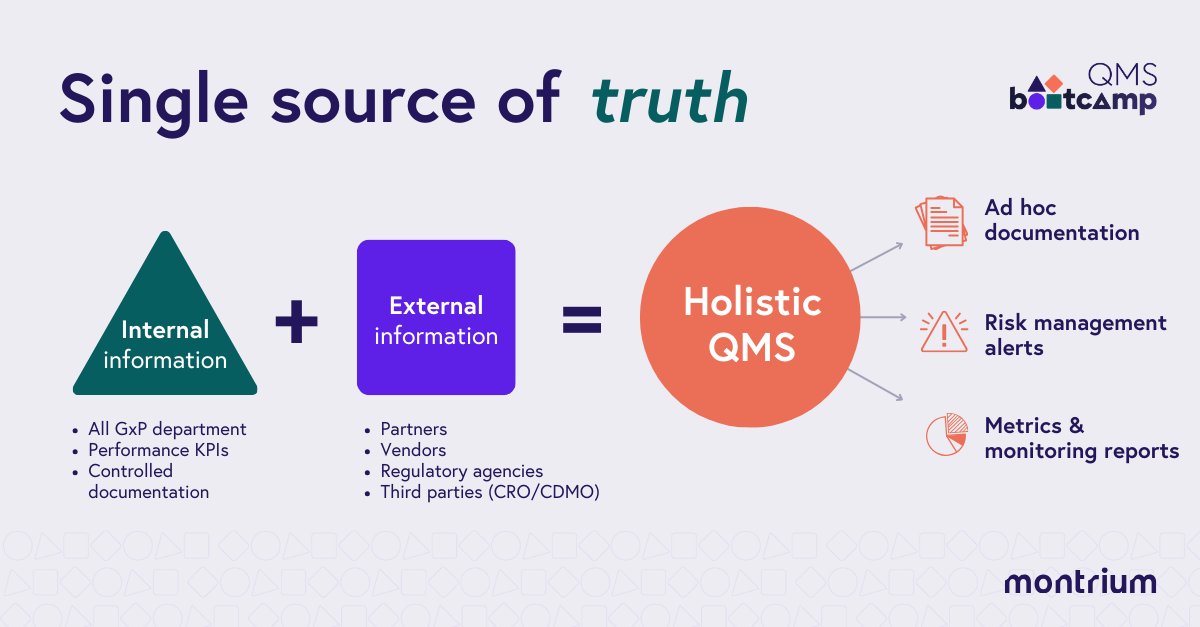
There are A LOT of moving parts in a quality system.
Having a holistic, bird’s eye view of the system will enable you to promote proactive, data-driven decision making & better support your organization’s quality culture.
Here’s what a single source of truth should look like:
Biopharma companies tend to overlook this 1 thing:
Business continuity.
What’s your plan for ensuring continued access and communication in the event of an emergency, transfers, or turnover?
Dawn shares her experience. 👇
If you’re looking to set up new quality team members for success, consider this:
Setting clear expectations for their role from the get-go.
Maria discusses how you can set expectations and help new staff avoid any unpleasant surprises at annual reviews.
Do you ever find yourself wondering:
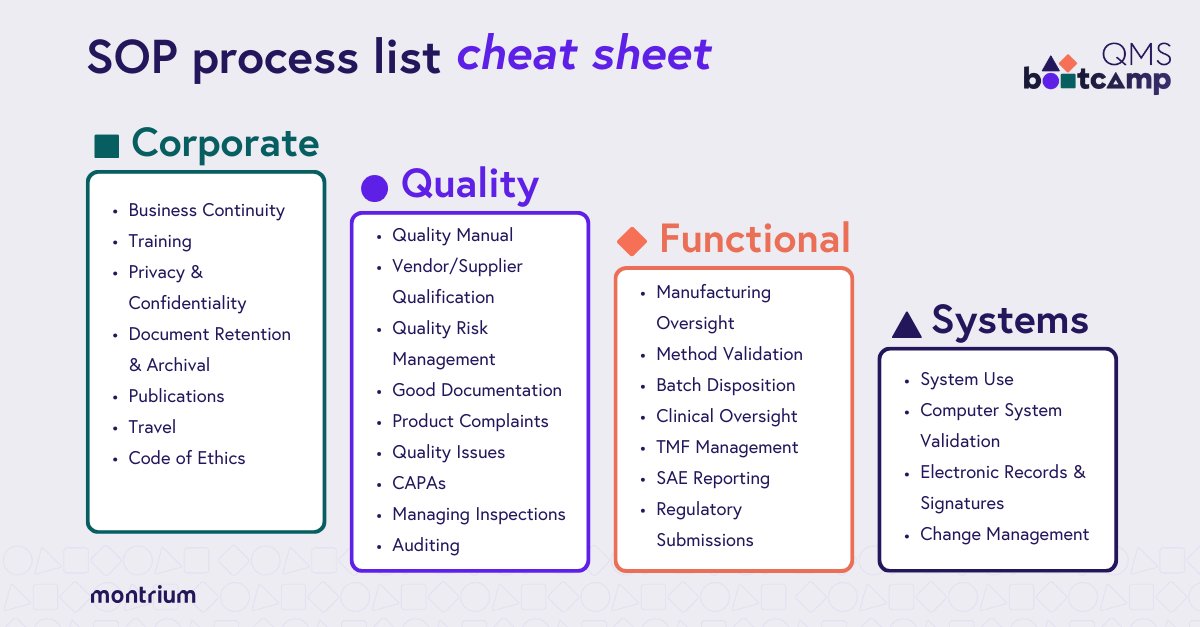
“How am I going to develop the key processes that will give structure to my organization?”
If you said “yes,” the best place to begin is with process lists.