
🟦❤️🇺🇸💙🇮🇱❤️ 🎗️ American Patriot- Israel Supporter -Against Terror Supporters- #IStandWithIsrael #StandUpToJewishHate, DM🚫
Joined November 2023
- Tweets 14,561
- Following 11,428
- Followers 12,421
- Likes 10,547
6,916 Photos and videos
Pinned Tweet

Feb 25
10 points where Palestinian propaganda has gone too far and damaged its own credibility
“You can fool some people sometimes, but you can’t fool all the people all the time.”
Often attributed to Abraham Lincoln
👉 Snow in Gaza
Those AI generated videos showing children crying in heavy snow were a mistake. People are not stupid. They have phones and can check. Gaza is a coastal city with a desert climate. There has never been anything close to a meter of snow there in recorded history. When people catch an obvious lie, they immediately ask themselves, if they’re lying about this, what else are they lying about.
👉 “Starvation”
You can’t use images of children with congenital or genetic conditions that make them appear severely emaciated and claim mass starvation, while at the same time showing healthy mothers sitting next to them. You can’t interview overweight Gazans about hunger. You can’t allow videos of markets full of food to circulate. These contradictions punch holes in the story.
👉 “The kids suffering”
If you stage fake food distribution scenes, bring children to cry on camera, film them screaming and begging, and claim there is nothing left, you can’t then show videos of the same kids smiling and laughing moments later. You can’t show photographers with professional equipment standing next to “starving” children. You can’t show a child crying while girls behind him are laughing. I’ve even seen a video of a boy crying and eating sand. Sand. This emotional overreach costs credibility.
👉 The billions
You need to hide this better. You can’t have leaders of the resistance sitting on generational wealth while your audience openly hates capitalism and wealth. Anyone can Google the net worth of the leaders of the Palestinian cause. More credibility lost.
👉 Beautiful before, or open air prison?
When you want to emphasize war damage, Gaza was beautiful before the war. When you want to argue that it didn’t start on October 7th, Gaza was an open air prison. These two narratives directly contradict each other. Inconsistency erodes trust.
👉 Hostages
You claimed to treat hostages well, then released videos of emaciated hostages digging what looked like their own graves. If credibility was the goal, you would show them healthy and strong. The staged goodie bags and forced affection scenes only made things worse. Are we really expected to believe this after those same “freedom fighters” murdered their families?
👉 The flotilla stunts
These were poorly executed PR stunts. Too big. Too theatrical. They lacked authenticity. One small flotilla, a few civilians, soldiers intercepting them, strong images for international media, and you’re done. Going big exposed it as performance.
👉 The $7,000 claim
You can’t seriously expect people to believe that every pro Israel voice online is paid $7,000 per post. This talking point insults the intelligence of the public.
👉 American podcasters
The podcasters cooperating with you are too aggressive and too openly anti Israel. The coordination is obvious. They need to offer something beyond anti Israel rhetoric. When it’s that transparent, people stop listening.
👉 Bots
Bot farms exist. In countries like Pakistan and Bangladesh, one person can run, let’s say, 200 phones, managing fake profiles with a few friends each. These accounts flood pro Israel posts with the same memes, comments, and emojis. The problem is repetition. Khazars. Poland. Hasbara. Over and over. This frequency doesn’t build credibility, it destroys it.
There are more examples, but you get the point.
This campaign is overdosing on emotion at the expense of credibility. It may feel effective in the short term, but it damages the long term game. If I were you, I’d dial it down significantly to remain believable.
🇮🇱 The Nation of Israel Lives❤️
7
10
26
7,188
Jun 10
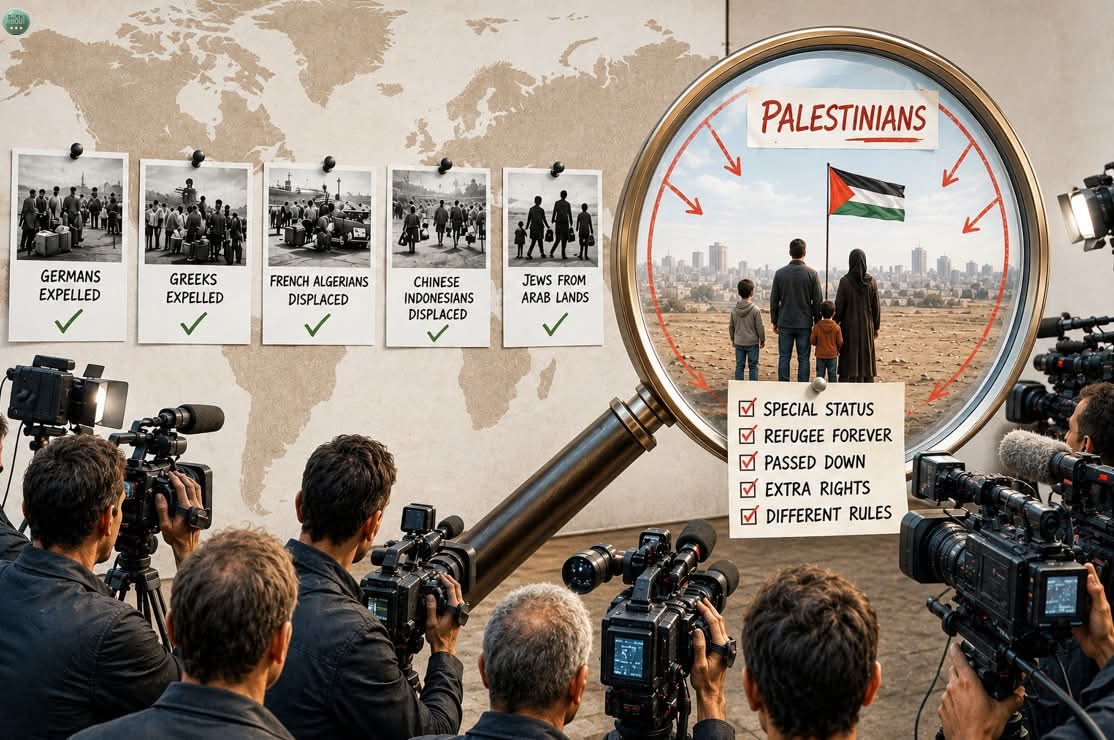
Only the Palestinians.
Millions were displaced in the 20th century.
Germans. Greeks. French Algerians. Chinese Indonesians. Jews from Arab lands.
None kept refugee status for generations.
None passed it down to their grandchildren.
Only the Palestinians have these special conditions.
Three guesses why...
75
The truth revealed.
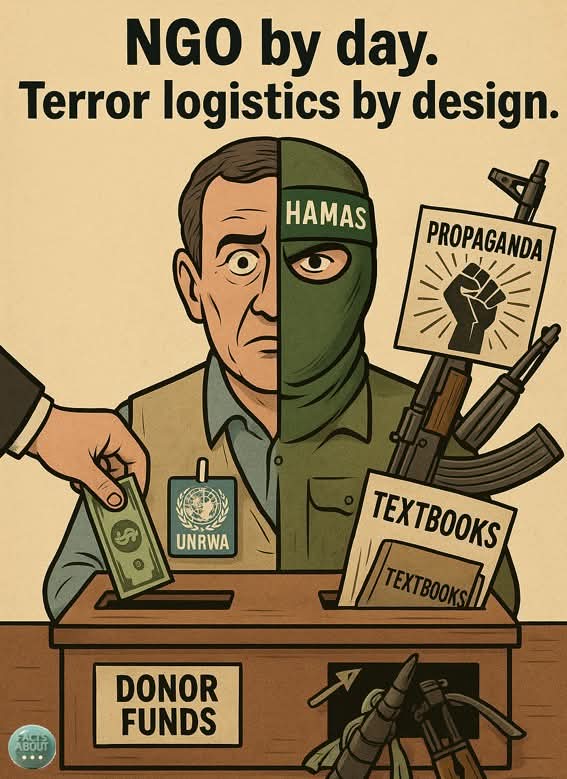
Israel’s Ministry of Diaspora Affairs released a report saying people tied to Hamas and Palestinian Islamic Jihad were found inside major humanitarian organizations operating around Gaza.
Not just activists.
Not just sympathizers.
People accused of having real operational links.
Aid work is supposed to protect civilians.
But when terror groups hide behind humanitarian labels, they put everyone at risk - Israelis, Gazans, and the aid workers who are actually there to help.
4
18
41
10,015
Moral Blindness retweeted
This is why Israel exists.
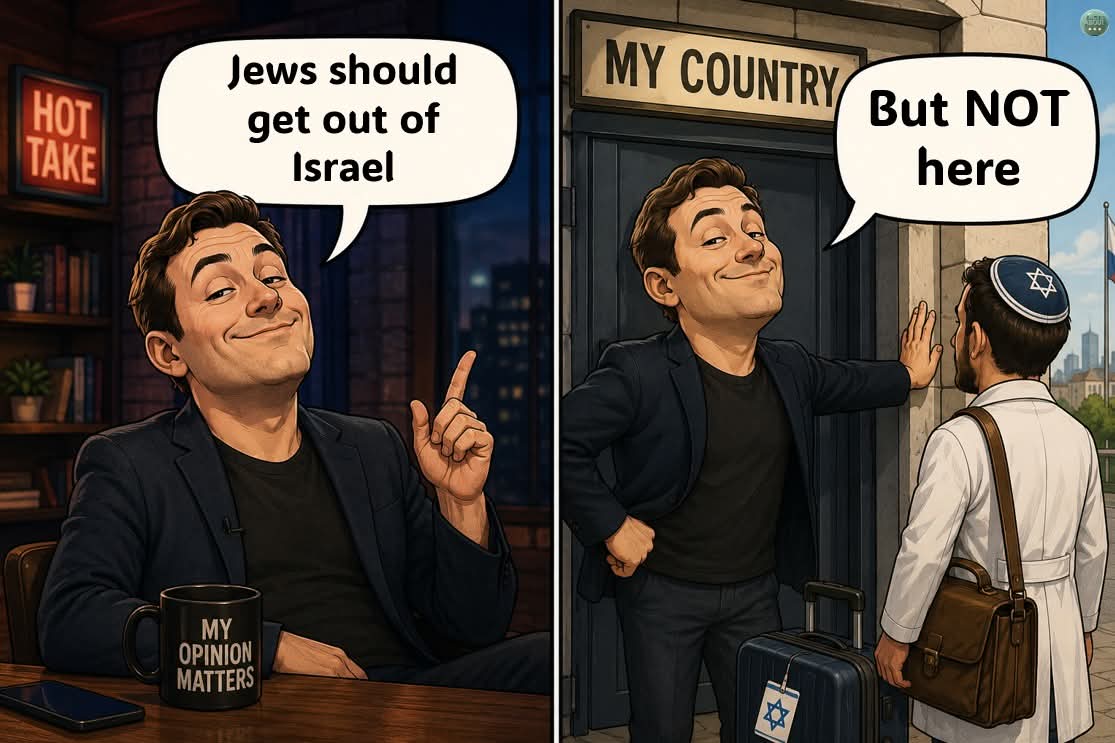
A Jewish doctor in London says his colleagues told him they would purposely let an Israeli patient die in their care.
Not because of what he did.
Because of what he is and where he was born.
The doctor is now leaving Britain for Israel.
When people ask you why Jews need their own country - show them this story.
Jews need Israel because the world keeps proving safety can disappear overnight.
And when even a hospital becomes a question mark, the answer is clear.
1
2
5
144
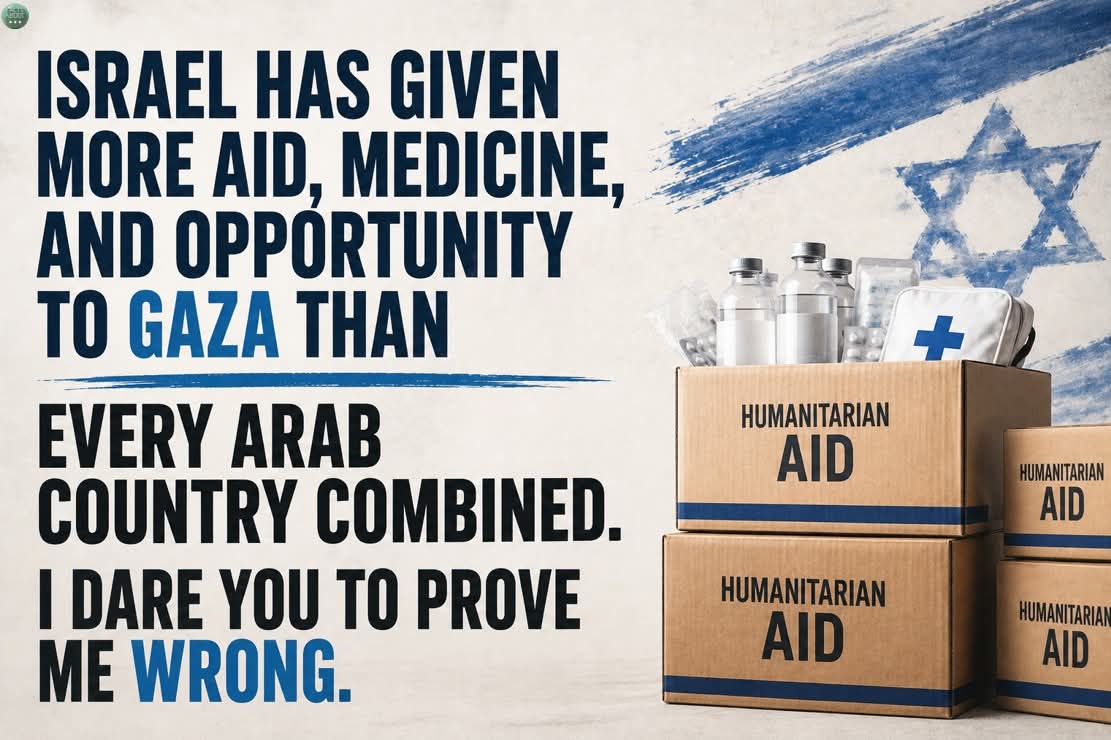
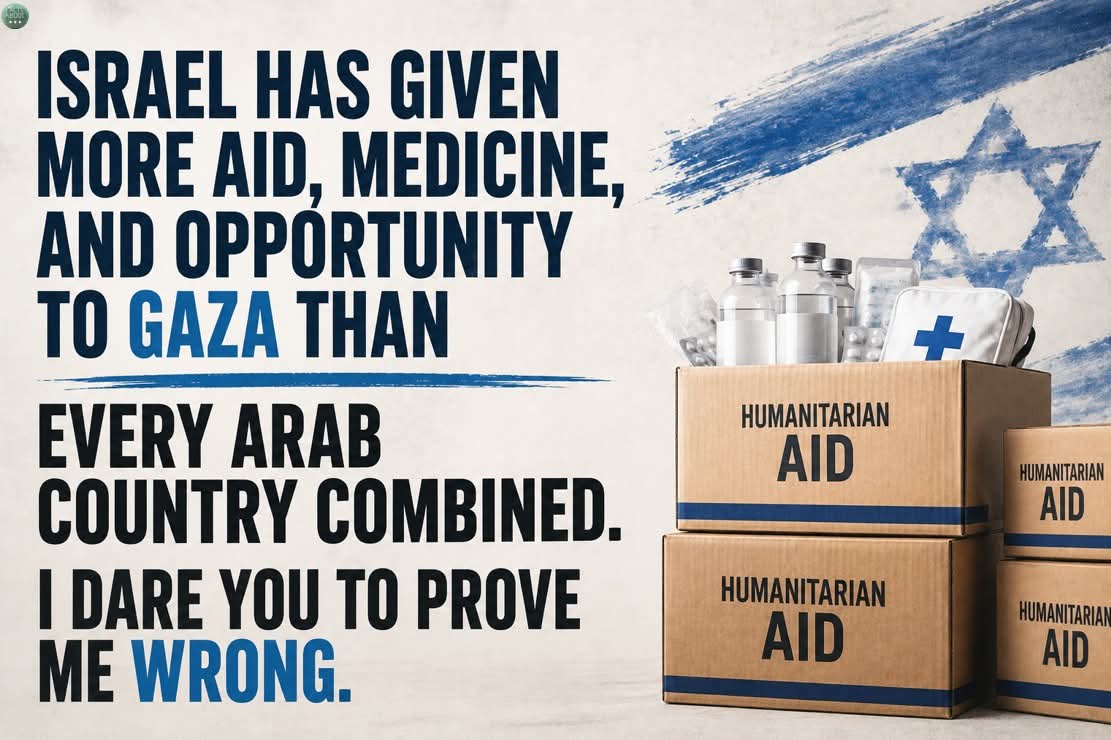
For years, Israel supplied Gaza with electricity, water, medical treatment, work permits, and humanitarian aid. Even while rockets were being fired at Israeli civilians, and even after the massacre of October 7th.
Facts matter.
6
20
41
1,130
For years, Israel supplied Gaza with electricity, water, medical treatment, work permits, and humanitarian aid. Even while rockets were being fired at Israeli civilians, and even after the massacre of October 7th.
Facts matter.
3
22
50
6,843
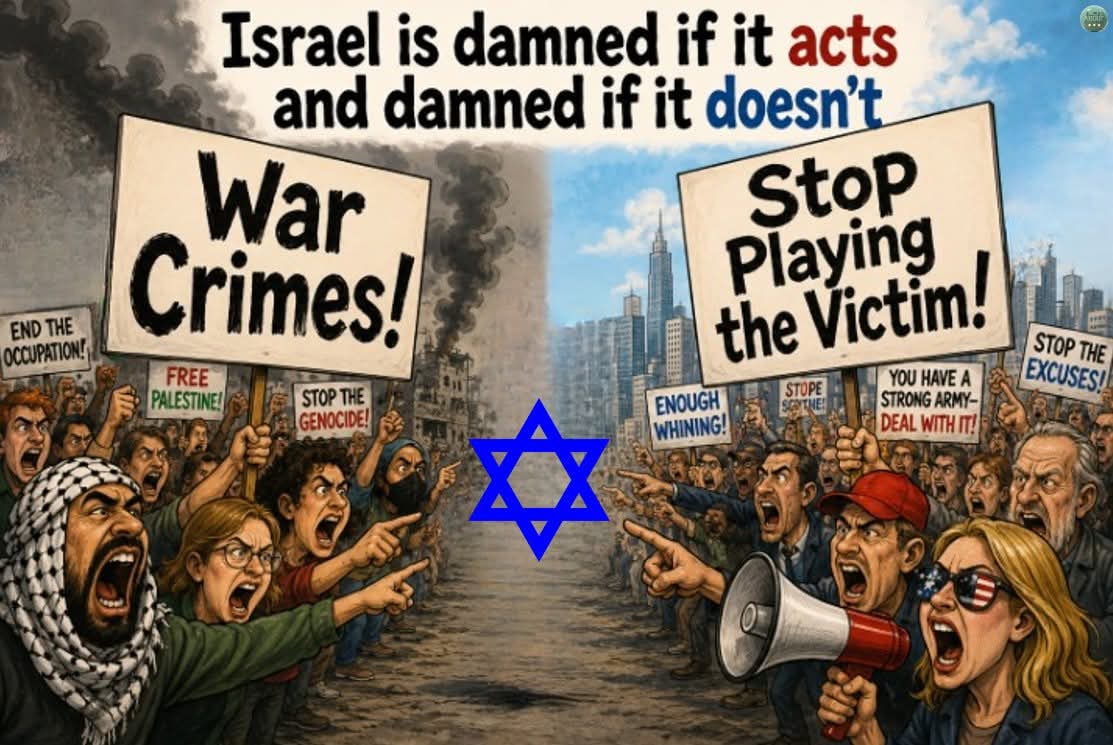
Damned either way.
If Israel responds, it's called aggression.
If Israel doesn't respond, it's called weakness.
So here's a genuine question:
What should Israel do when every option is condemned?
4
4
25
5,413
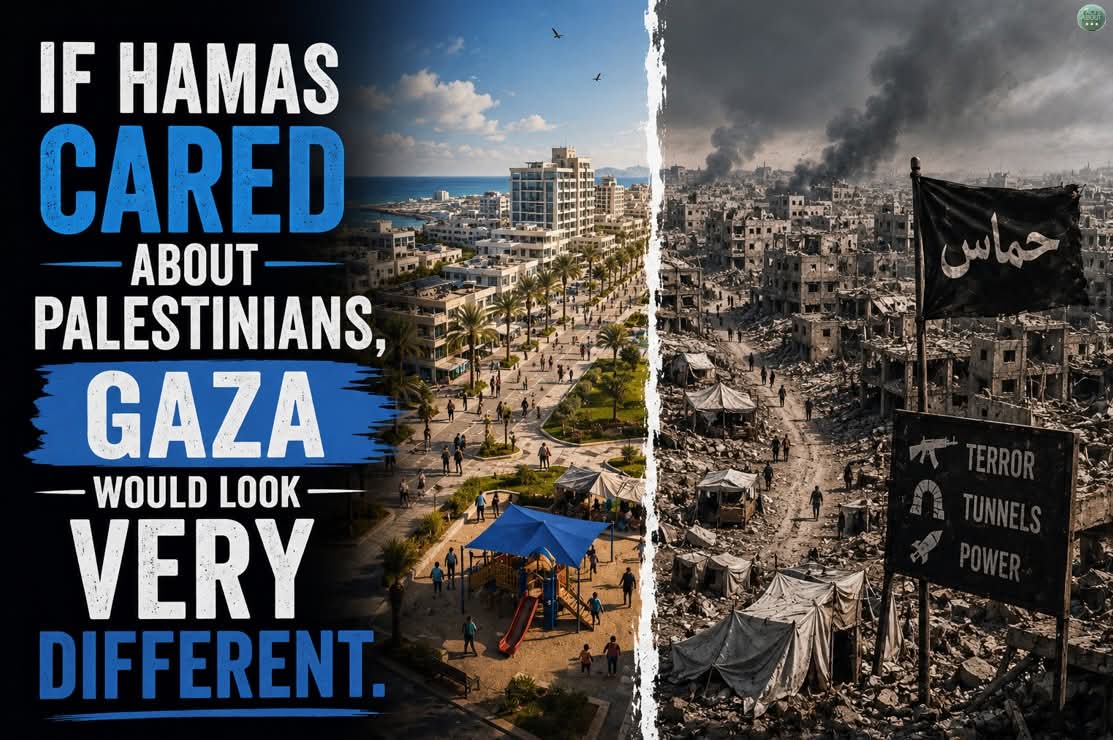
For nearly two decades, Gaza received billions of dollars in international aid.
Imagine if that money had gone into schools instead of tunnels.
Hospitals instead of rockets.
Jobs instead of war.
Do you think Gaza would look different today if its leaders had chosen development over conflict?
7
10
28
5,028
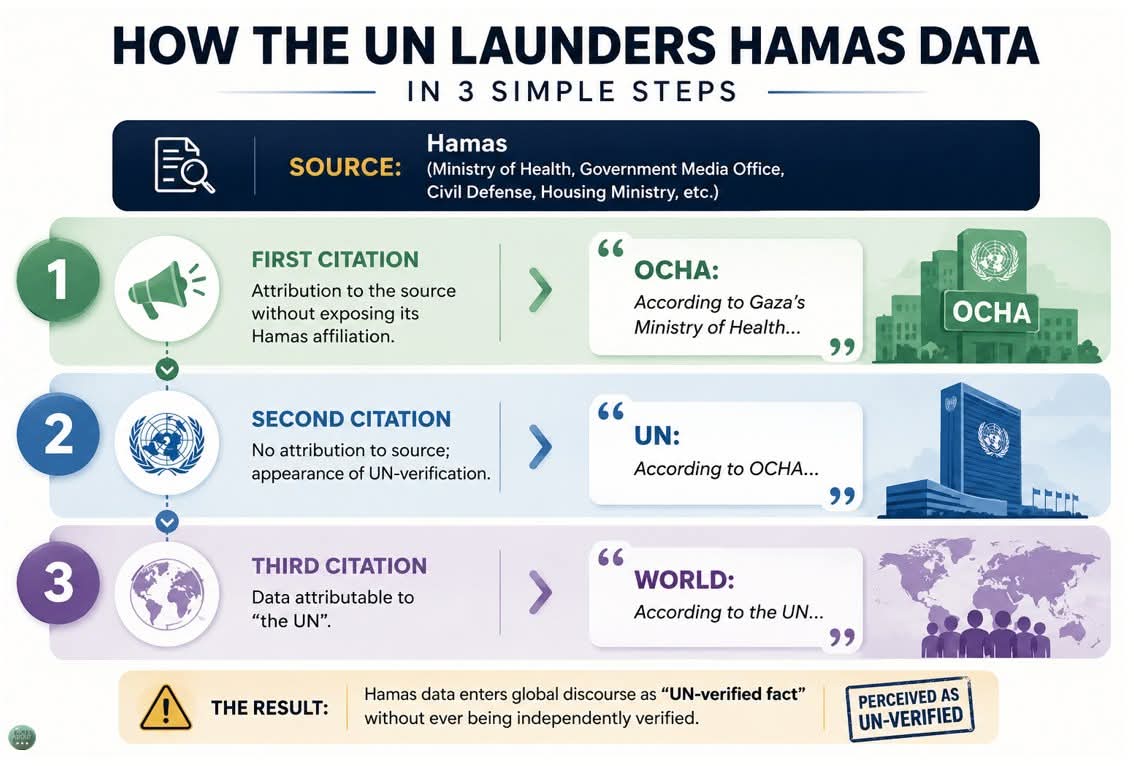
Three steps.
A claim is made.
A citation is repeated.
A narrative becomes accepted fact.
Independent verification never enters the process.
2
22
45
5,474
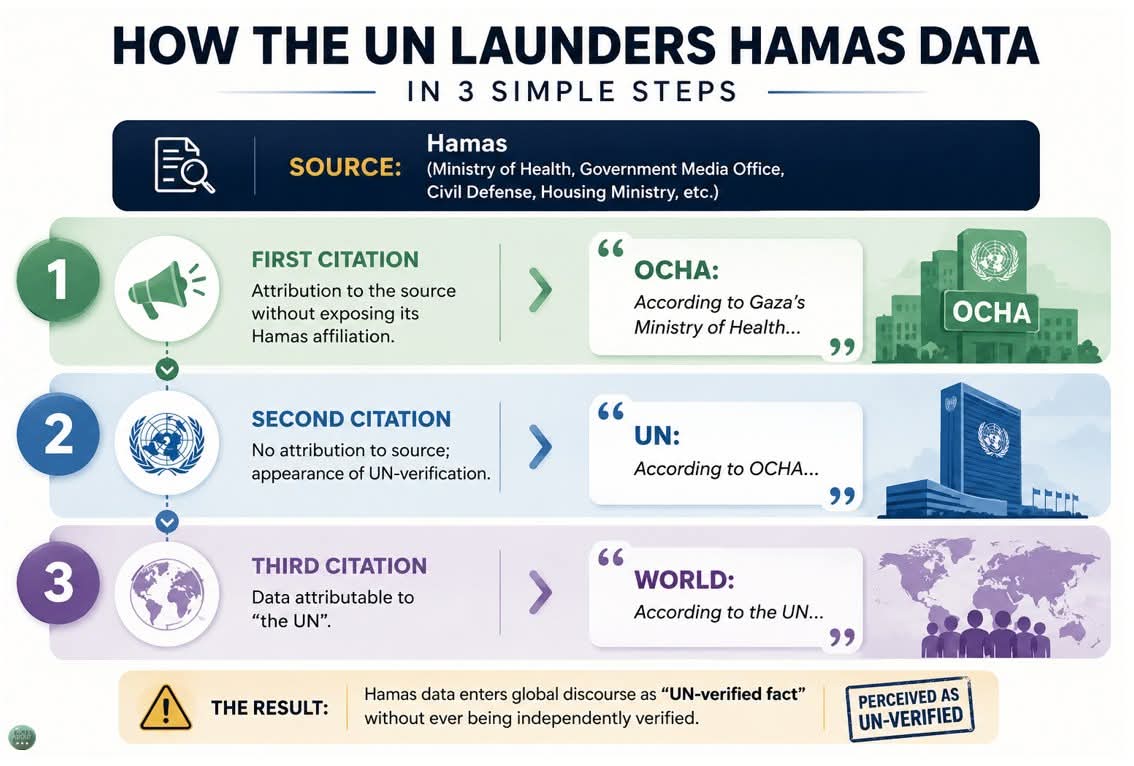
Three steps.
A claim is made.
A citation is repeated.
A narrative becomes accepted fact.
Independent verification never enters the process.
2
9
15
493
May 30
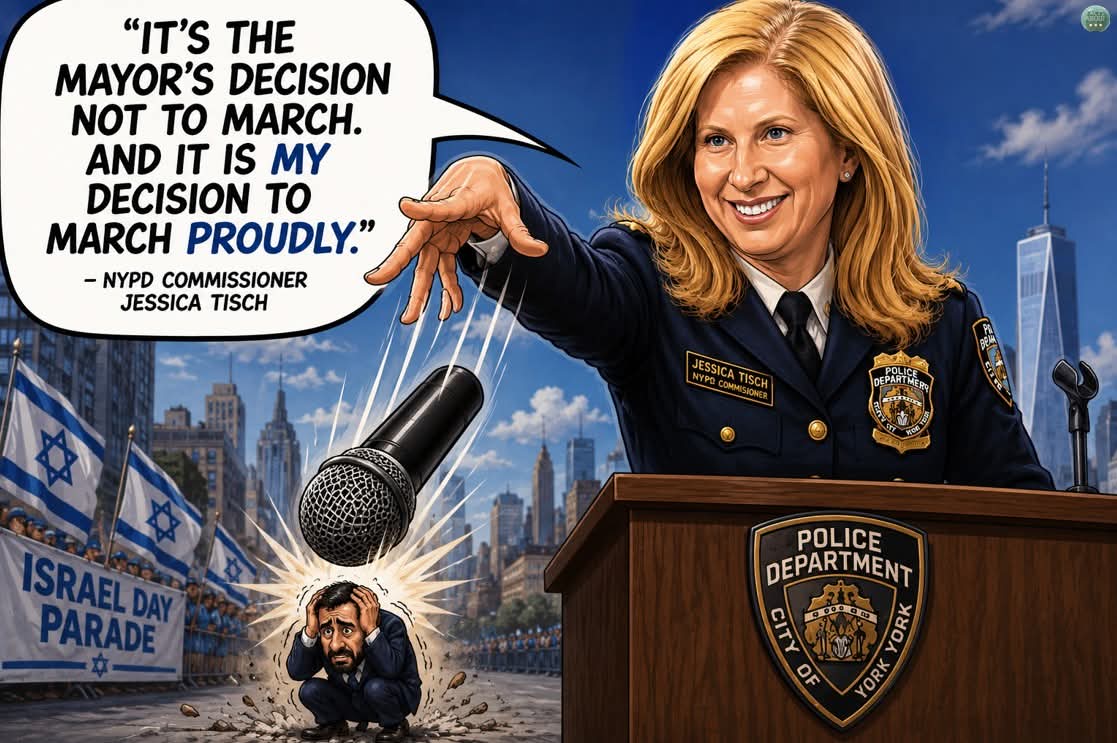
Mic. Dropped.
Asked about Mayor Mamdani skipping the Israel Day Parade, NYPD Commissioner Jessica Tisch had a simple response:
"It’s the mayor’s decision not to march.
And it is my decision to march proudly."
Sometimes one sentence says everything.
15
20
59
8,734
Moral Blindness retweeted

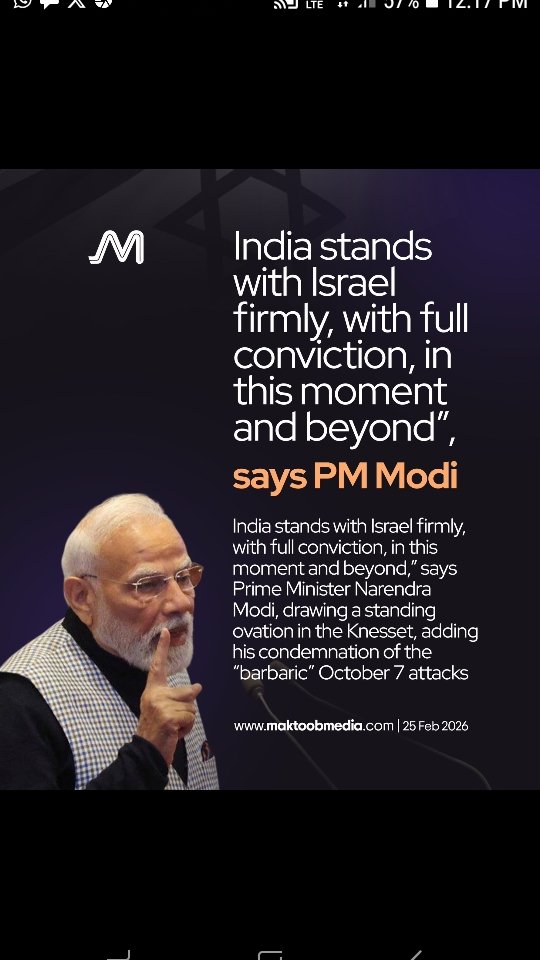
India stand with humanity
India stand with justice
India stand with victim
India stand with great people
India stand with great religion
India stand with great ancient civilization
India stand with Israel 🇮🇳♥️🇮🇱🙏🙏 #IsrealInIndia #Israel #Eliemirate #LizaRosen
1
4
5
54
May 28
“From the river to the sea, New York City will be free...”
Jewish groups lead protest outside Mamdani’s residence - In first Jewish protest at mayor’s mansion, crowd chanted "Mamdani’s got to go,,," amid increasing frustration in the Jewish community with City Hall
_________________________________________________________________________________
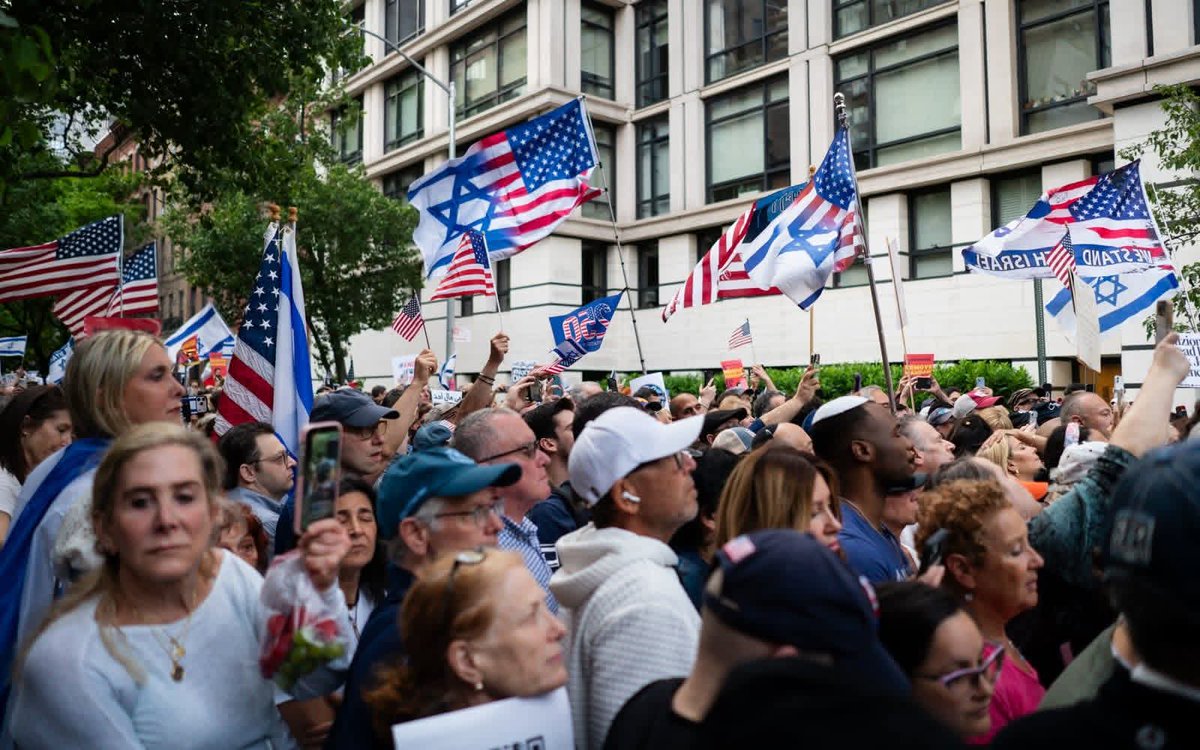
NEW YORK — Hundreds of Jewish New Yorkers and supporters protested last night outside the official residence of New York City Mayor Zohran Mamdani. Mamdani has long been at odds with the mainstream Jewish community due to his antagonism toward Israel, but yesteray’s protest was the first Jewish community rally at his residence, Gracie Mansion, on the Upper East Side of Manhattan.
The activist group EndJewHatred organized the rally with the backing of groups including the Israeli American Council, the Catholic League and the Zionist Organization of America. Organizers said the protesters were demanding Mamdani’s removal from office over his failure to address rising radicalization and anti-American extremism in New York City.
The crowd waved American and Israeli flags and chanted: “USA,” “Zohran Mamdani’s got to go,,,” and, “From the river to the sea, New York City will be free.”
1
3
17
1,011
May 27
Now it makes sense.
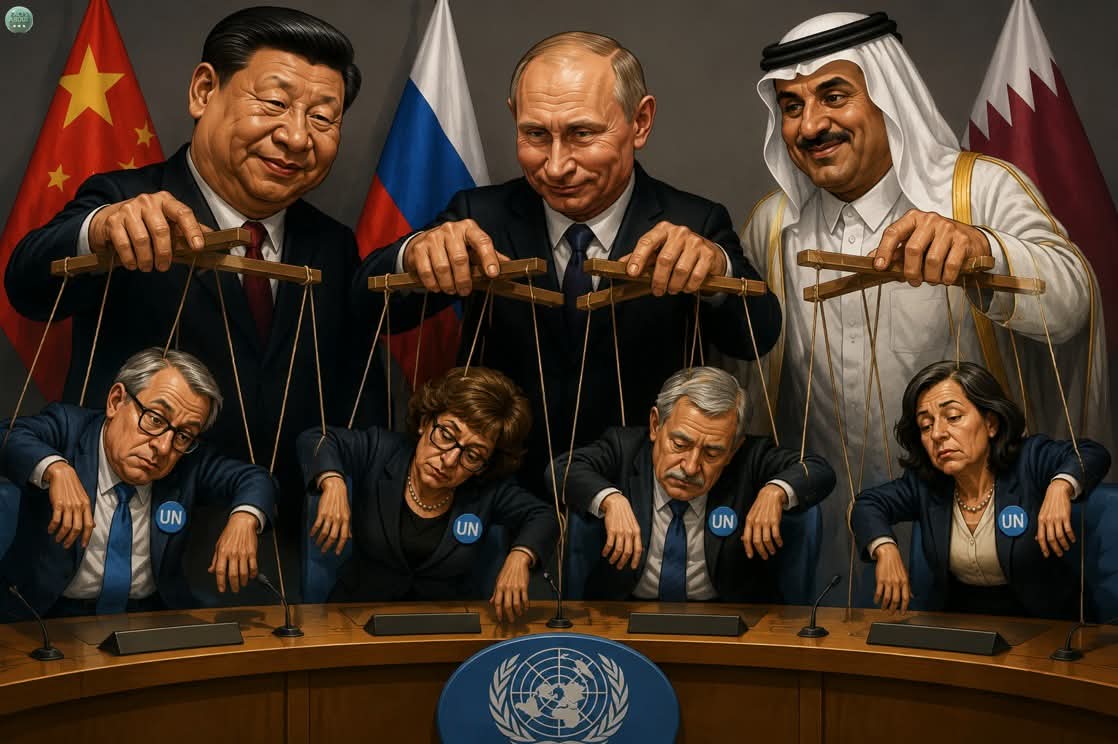
For years, people wondered why some UN officials seemed obsessed with condemning democracies while ignoring dictatorships.
Now a new report shows how millions of dollars flowed from authoritarian regimes like China, Russia, and Qatar to UN “experts” who repeatedly attacked Israel and the USA.
The height of hypocrisy: claiming neutrality and lecturing democracies about morality while being completely corrupt.
Read the full report from UN Watch : unwatch.org/wp-content/uploa…
3
15
31
5,443
Moral Blindness retweeted

May 25
🇨🇦 In Canada, the anti-Israel group Mtl4Palestine displayed a flag of professional ice hockey team Montreal Canadiens, next to what appears to be an effigy of a Jewish man wearing a kippah hanging from a noose.
138
238
736
62,043
May 24
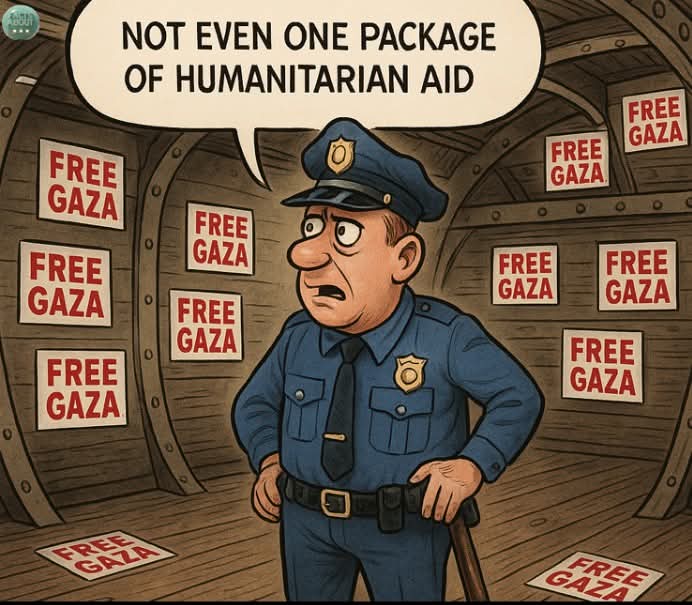
Every few months, another “freedom flotilla” makes headlines.
Cameras? Ready.
Activists? Ready.
Hashtags? Ready.
But somehow, almost no humanitarian aid.
Because the goal was never feeding civilians.
If it were, they’d coordinate deliveries through the existing crossings that move actual aid every day.
This is political theater disguised as compassion.
And the people of Gaza deserve better than another floating photo joke...
6
14
32
6,854
May 20
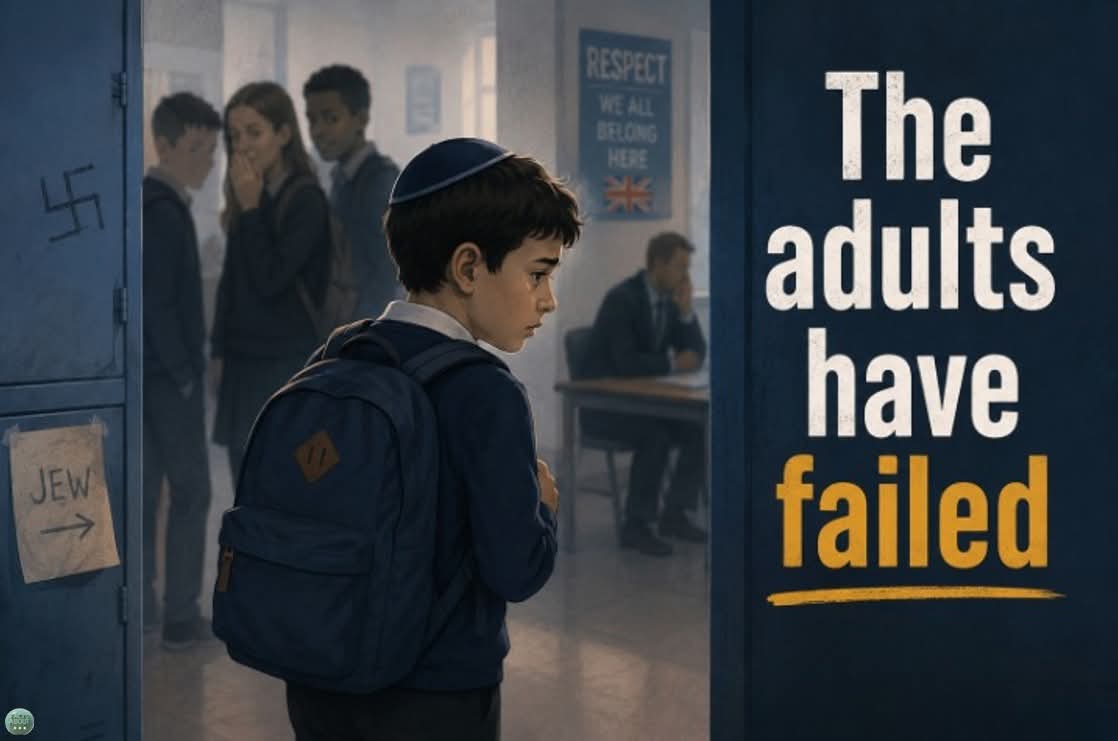
They’re children.
Jewish pupils in Britain are reportedly facing Nazi salutes, swastikas, threats, and antisemitic abuse inside schools - serious enough that more than 100 verified accounts have now been submitted to a government review.
No child should have to walk into a classroom wondering whether their identity will make them a target.
This is not “politics.”
This is cruelty being normalized in places meant for learning, safety, and childhood.
1
2
7
112
May 20
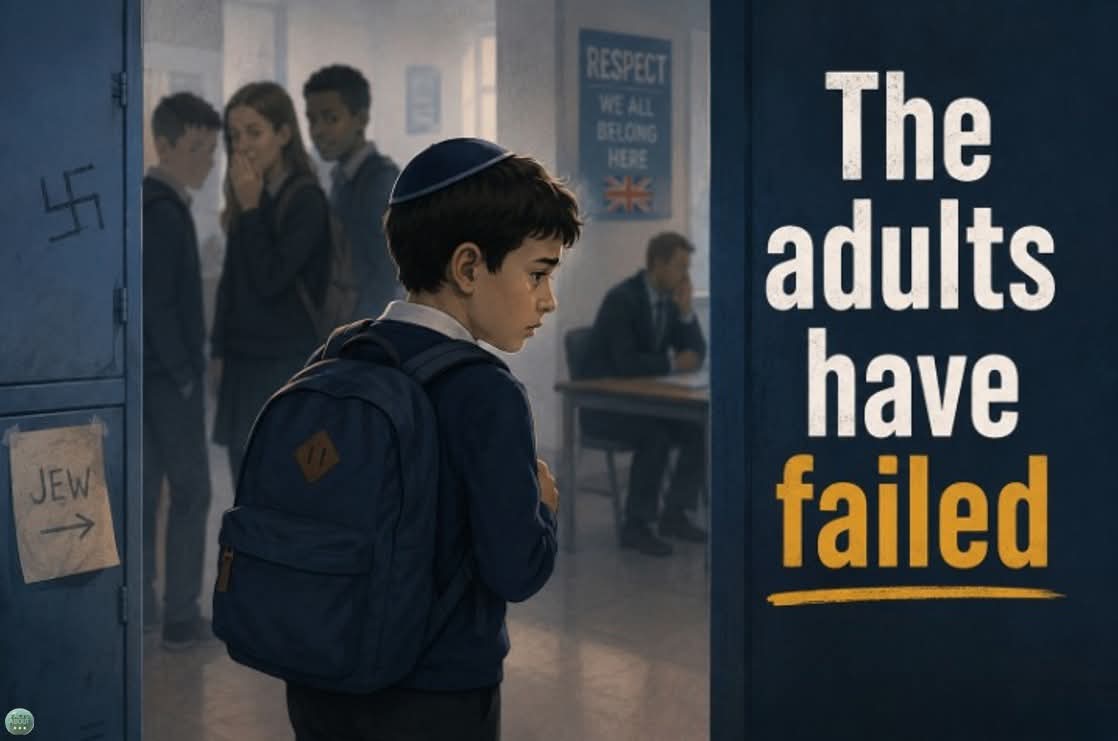
They’re children.
Jewish pupils in Britain are reportedly facing Nazi salutes, swastikas, threats, and antisemitic abuse inside schools - serious enough that more than 100 verified accounts have now been submitted to a government review.
No child should have to walk into a classroom wondering whether their identity will make them a target.
This is not “politics.”
This is cruelty being normalized in places meant for learning, safety, and childhood.
6
16
27
6,509