
Health advocate, an entrepreneur, a motivational speaker, a Philanthropist & a socialist Politician, Pan Africanist, sapiosexual
Joined May 2015
- Tweets 1,861
- Following 855
- Followers 895
- Likes 4,054
136 Photos and videos




Pinned Tweet

@DennisMiracles
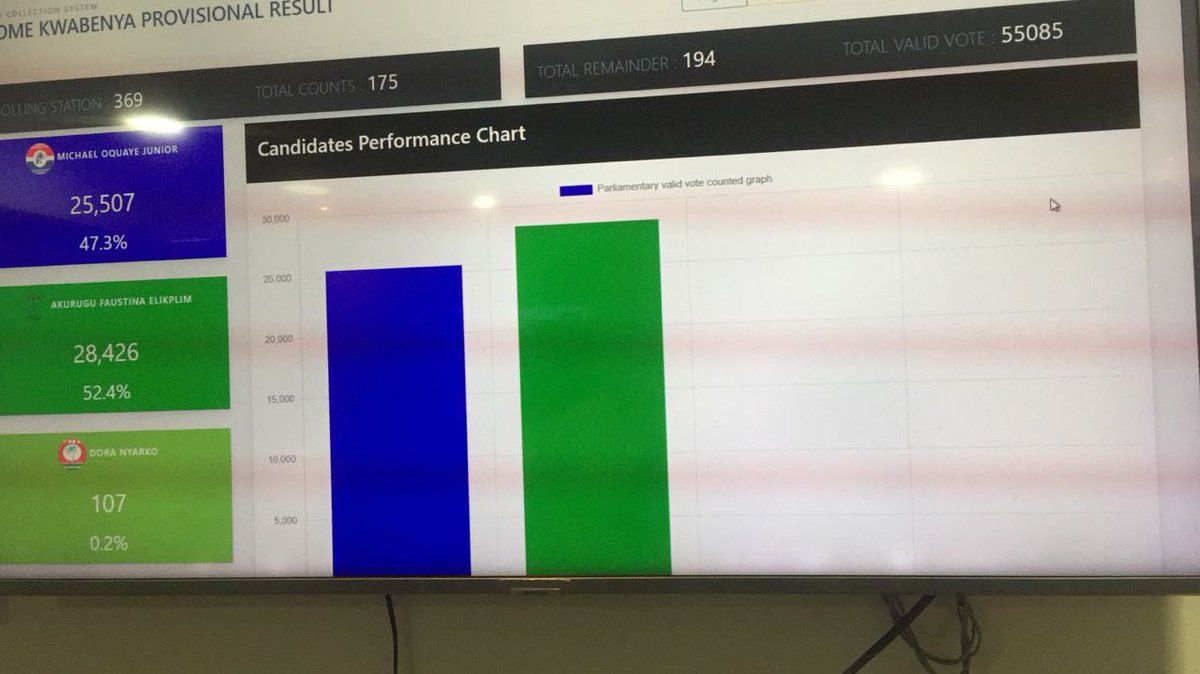
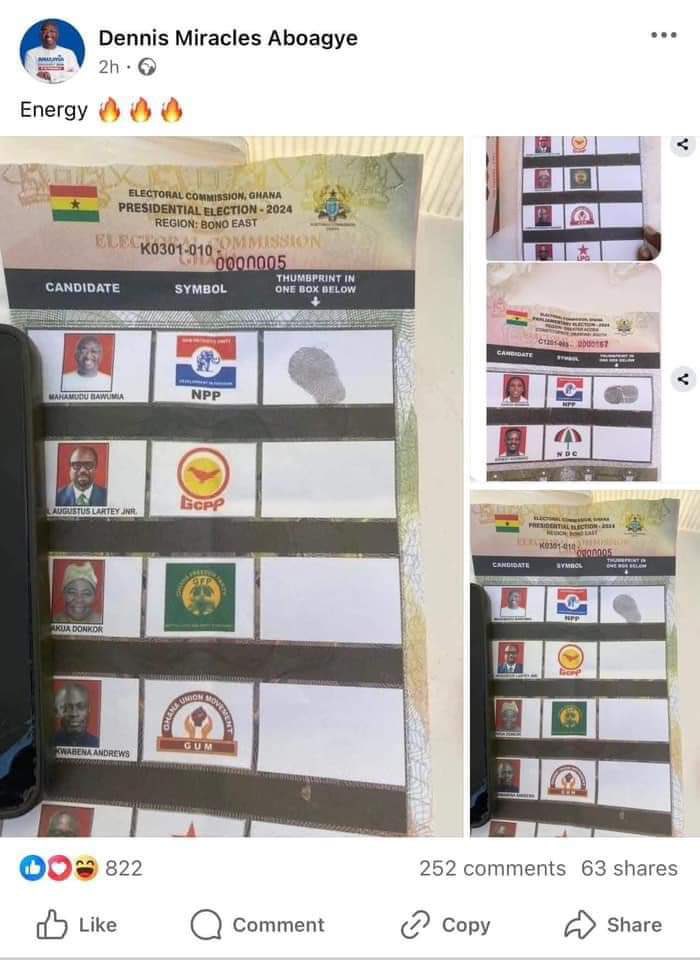
You think you’re smart until you realize how stupid you are. After being educated on the effects of your cluelessness you run to delete the post.
You can run but you can’t hide. This post will be scrutinized and all the forensic tests will be conducted on it and you will face the laws after December 7th.
1
1
1
486
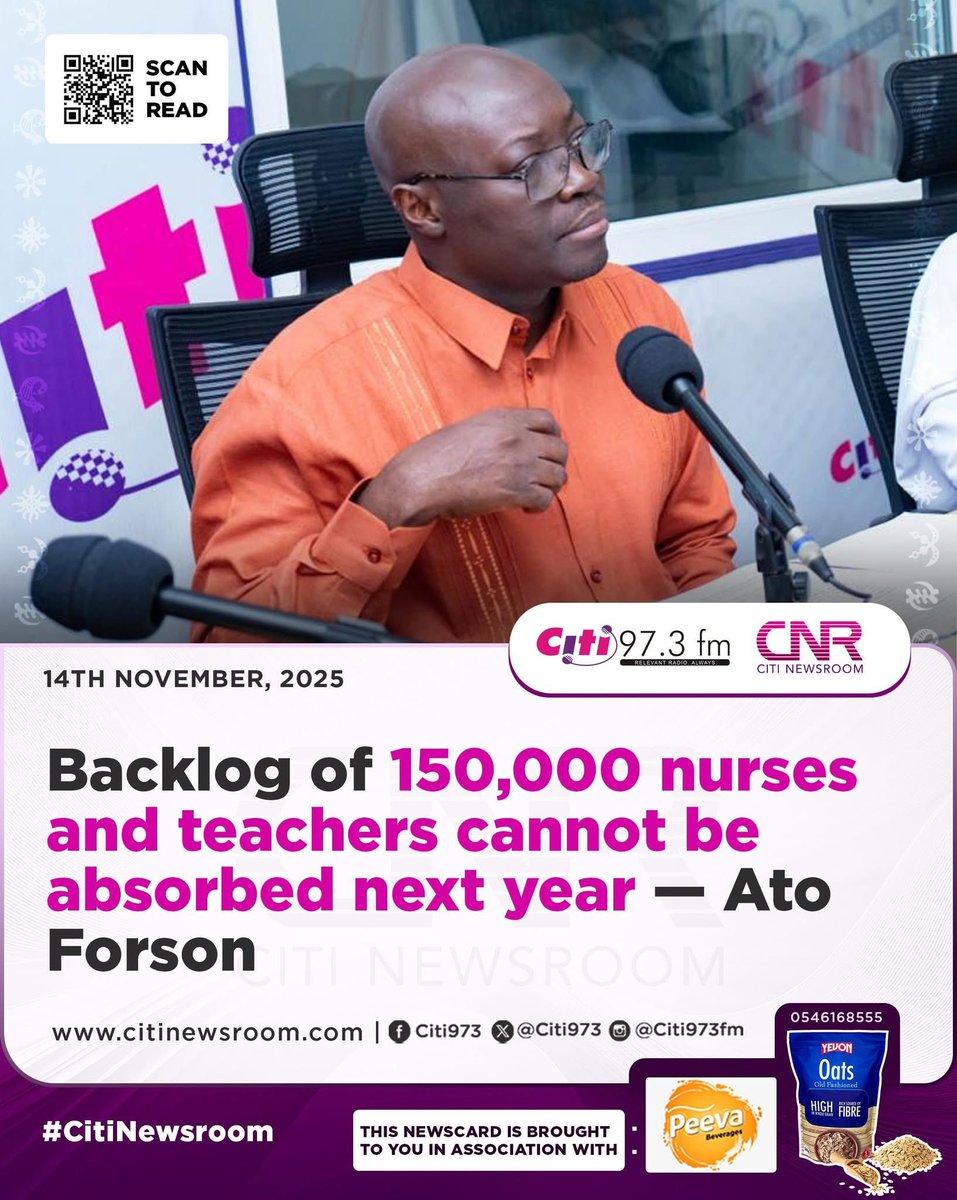
When I see things like this, I ask myself if indeed we are ready to build this country.
We allocate millions of Ghana cedis to trainees in training colleges as training allowances, only to get them trained and make them jobless after all the money spent.
Where exactly is our conscience and where exactly is our sense of moving away from policies that have over lived their purpose. @JDMahama @Cassielforson @tv3_ghana
35
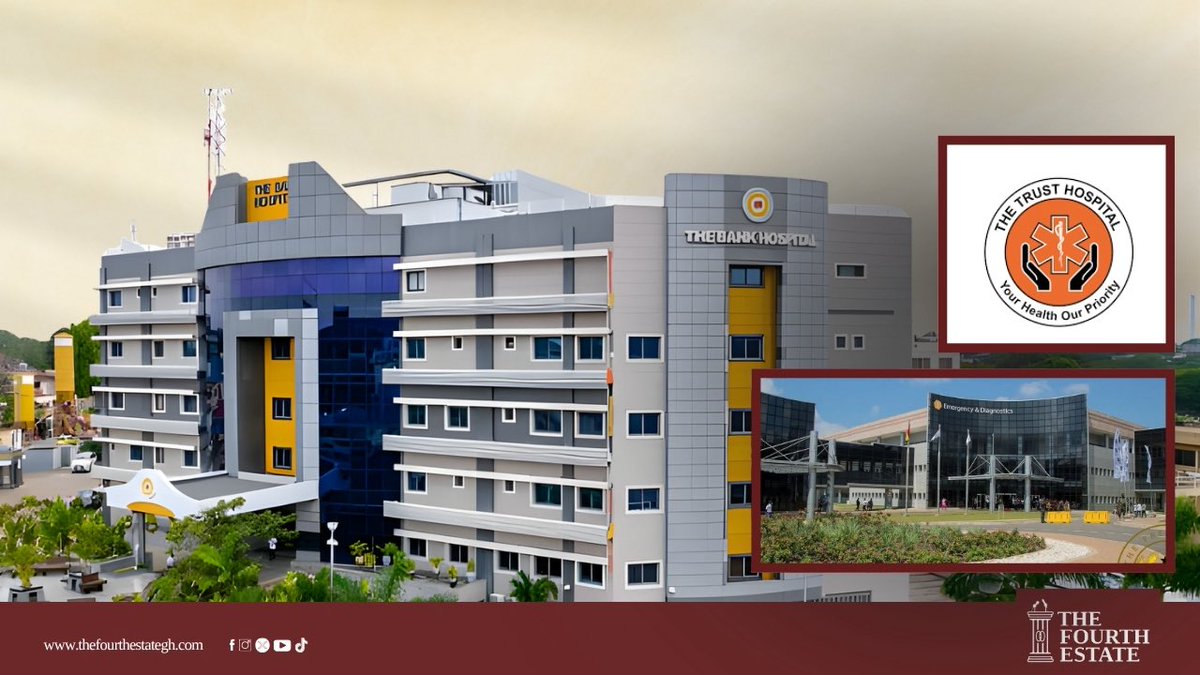
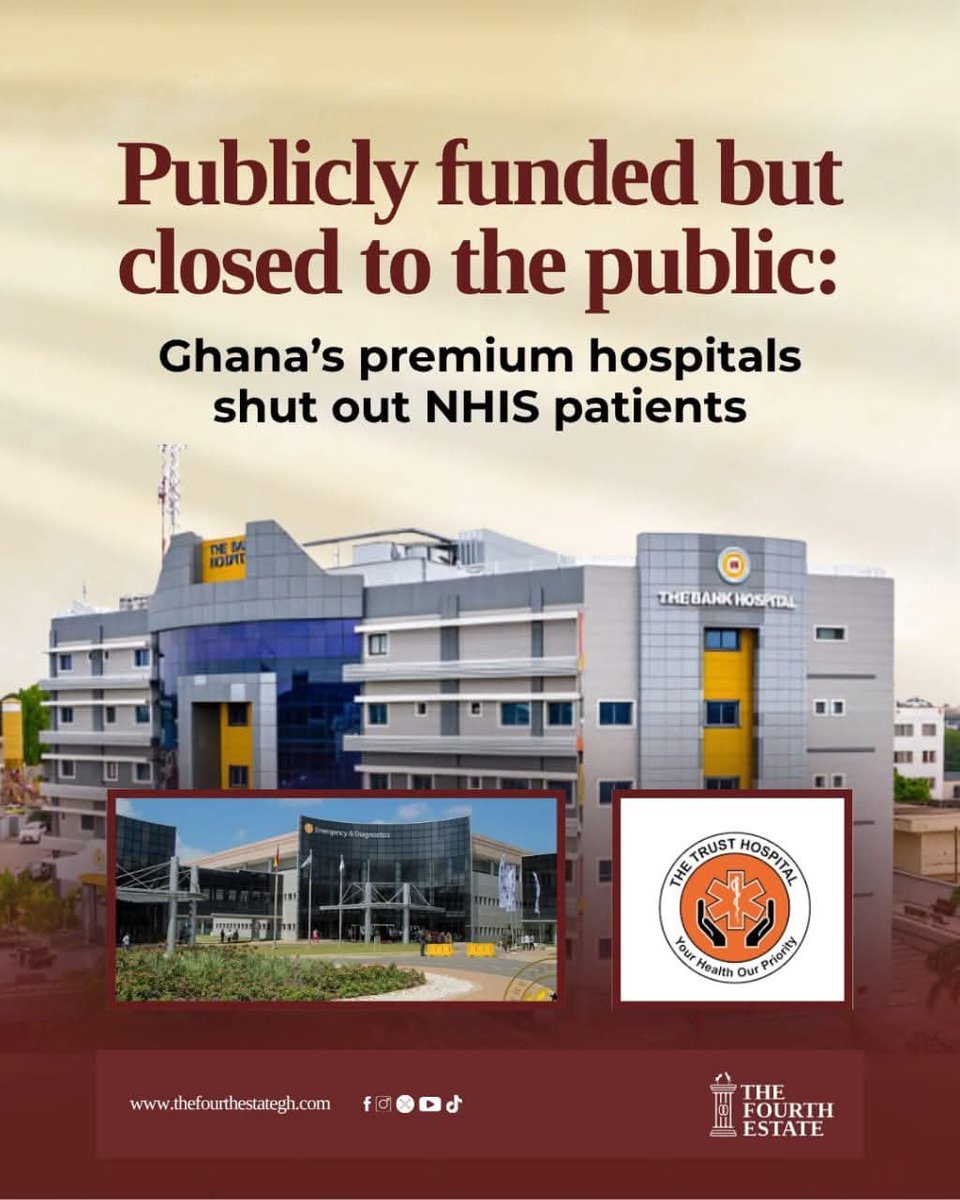
Turning Away NHIS Patients from Publicly Funded Premier Hospitals in Ghana: A Step Backward for Public Healthcare 🇬🇭
In recent times, reports have emerged that some of Ghana’s most advanced hospitals, the University of Ghana Medical Center (UGMC), the Bank of Ghana Hospital, and the TRUST hospital are turning away patients holding the National Health Insurance Scheme (NHIS) cards. This development, if true, represents not just a policy misstep but a worrying sign of growing inequity within Ghana’s healthcare system.
These hospitals, built and equipped with public funds, were established with the aim of strengthening Ghana’s healthcare infrastructure, providing world-class medical services, and ensuring that every citizen, regardless of income, could access quality care. Denying NHIS patients access undermines this vision and contradicts the very principles of social justice and inclusivity that underpin national health policy.
Public Funds, Private Access: A Contradiction
The University of Ghana Medical Center, the Bank of Ghana Hospital, and the TRUST Hospital all benefited immensely from state funding and public resources money that came from the taxes and contributions of ordinary Ghanaians. It is therefore disheartening to see these same citizens, many of whom rely on the NHIS for affordable healthcare, being excluded from accessing the very facilities their contributions helped to build.
This practice effectively transforms these public investments into semi-private institutions, serving only those who can afford out-of-pocket payments or private insurance. It creates a dangerous divide between the wealthy and the poor, eroding the foundation of universal healthcare Ghana has long sought to build.
Undermining the Purpose of NHIS
The National Health Insurance Scheme was introduced to ensure that no Ghanaian is denied healthcare because of financial constraints. It was a revolutionary policy designed to reduce the catastrophic impact of out-of-pocket spending on households. However, when leading public hospitals refuse to accept NHIS, the credibility of the entire scheme is put at risk.
Such actions send a discouraging message to the public that NHIS is not “good enough” for top-tier healthcare. This could erode trust in the system, decrease enrollment, and weaken the national drive toward universal health coverage. Moreover, it creates a bottleneck effect, overcrowding regional and district hospitals that do accept NHIS, thereby reducing overall quality of care across the country.
The Broader Impact on Health Equity
Excluding NHIS patients from premier facilities widens the inequality gap in healthcare delivery. Wealthier patients enjoy access to modern diagnostic tools, specialist care, and comfortable recovery environments, while ordinary citizens are left with overstretched facilities and limited services.
This two-tier system perpetuates social and economic inequality and violates the constitutional right of Ghanaians to equitable healthcare access.
Furthermore, it demoralizes healthcare workers who entered the profession to serve all citizens, not just those who can afford private fees. It also hampers training opportunities for young medical professionals, who should ideally learn and practice in inclusive, public-oriented healthcare environments.
A Call for Policy Redirection
It is time for the Ministry of Health, the National Health Insurance Authority (NHIA), and the management of these hospitals to revisit this policy. If funding or reimbursement challenges exist between the NHIS and the hospitals, they must be addressed through transparent dialogue not through the exclusion of patients.
A sustainable partnership between NHIS and major health institutions is vital for the system’s credibility. The government must ensure that any hospital built with public money remains accessible to all Ghanaians, especially those who depend on NHIS for healthcare.
1
214
Conclusion
Turning away NHIS patients from premier hospitals built with taxpayers’ money is not only unfair but unjustifiable. It undermines public trust, weakens the national healthcare framework, and deepens inequality. Ghana has made commendable progress in expanding healthcare access, but policies like these threaten to reverse those gains.
True progress in healthcare is not measured by how advanced our hospital equipment is, but by how accessible those hospitals are to every citizen , rich or poor.
I call on all stakeholders, government agencies, hospital administrators, the NHIA, civil society groups, and the general public to urgently intervene and bring an end to this ill practice before it further erodes the core values of Ghana’s healthcare.
@tv3_ghana @ghonetv @KMAkandoh @JDMahama @Manasseh_Azure @The fourth estate.
32
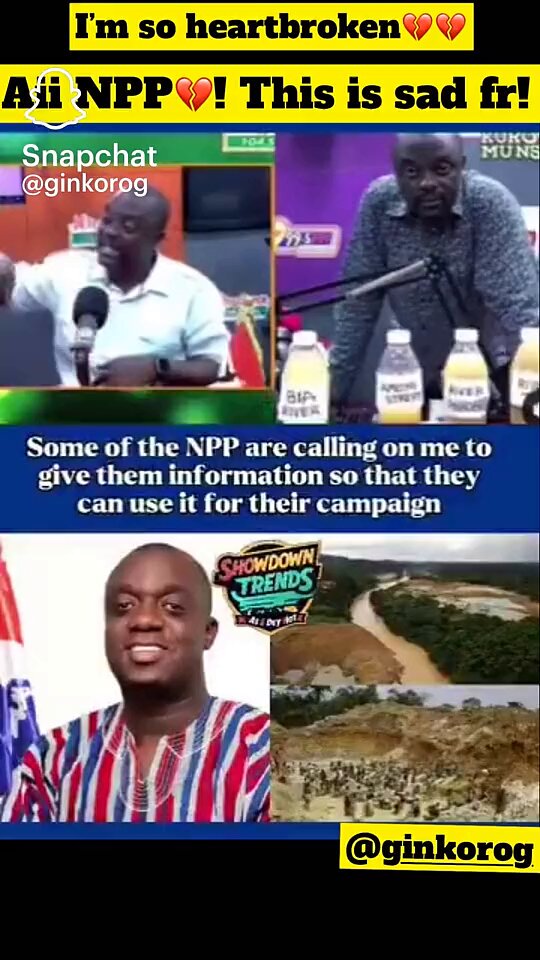
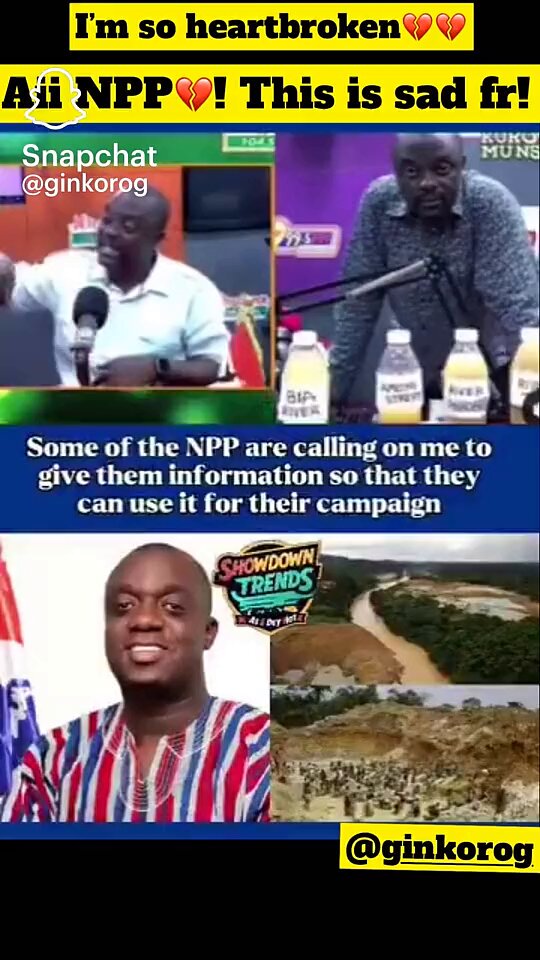
If there were to be any sensible individuals in the current NPP with dignity and character, the best when it comes to galamsay effects on the water bodies is to be keep mute. @DennisMiracles
21 Sep 2025

Now the evidence has been “telecasted”.
82
MorganGroups🌉 🇺🇸 @Joshua Morgan S. Maana retweeted

3 Sep 2025
Hello everyone 🤍🤍
x.com/i/spaces/1ypKdqzRegRGW
16
15
23
473
MorganGroups🌉 🇺🇸 @Joshua Morgan S. Maana retweeted

3 Sep 2025
🗣️ Comment what you want below. Show yourself to gain active moots 🤝💯
45
44
64
1,327
MorganGroups🌉 🇺🇸 @Joshua Morgan S. Maana retweeted

3 Sep 2025
Drop your X handles let’s gain massively 🫐🍍
64
39
59
1,731
MorganGroups🌉 🇺🇸 @Joshua Morgan S. Maana retweeted

3 Sep 2025
Connect with all reposters ✍️✍️
🤸Here we go
38
37
49
1,117
MorganGroups🌉 🇺🇸 @Joshua Morgan S. Maana retweeted

3 Sep 2025
comment below let's grab you 👥
123
64
89
2,699
Connect with your TL, repost and like 👍
38
44
46
1,533
MorganGroups🌉 🇺🇸 @Joshua Morgan S. Maana retweeted

3 Sep 2025
Unleash your beautiful handles for a quick elevation!!——💥
Stay active!!❤️
50
51
53
1,392
MorganGroups🌉 🇺🇸 @Joshua Morgan S. Maana retweeted

3 Sep 2025
Share your handles let's be permanent moots🇺🇸
68
45
68
1,474

MorganGroups🌉 🇺🇸 @Joshua Morgan S. Maana retweeted

3 Sep 2025
Just follow for a swift follow back
20
28
25
556
MorganGroups🌉 🇺🇸 @Joshua Morgan S. Maana retweeted

3 Sep 2025
I follow back in zero seconds 💖🤍
77
53
81
1,797