
deep learning research bio applications
Joined December 2021
- Tweets 70
- Following 127
- Followers 97
- Likes 877
22 Photos and videos



21 Feb 2025
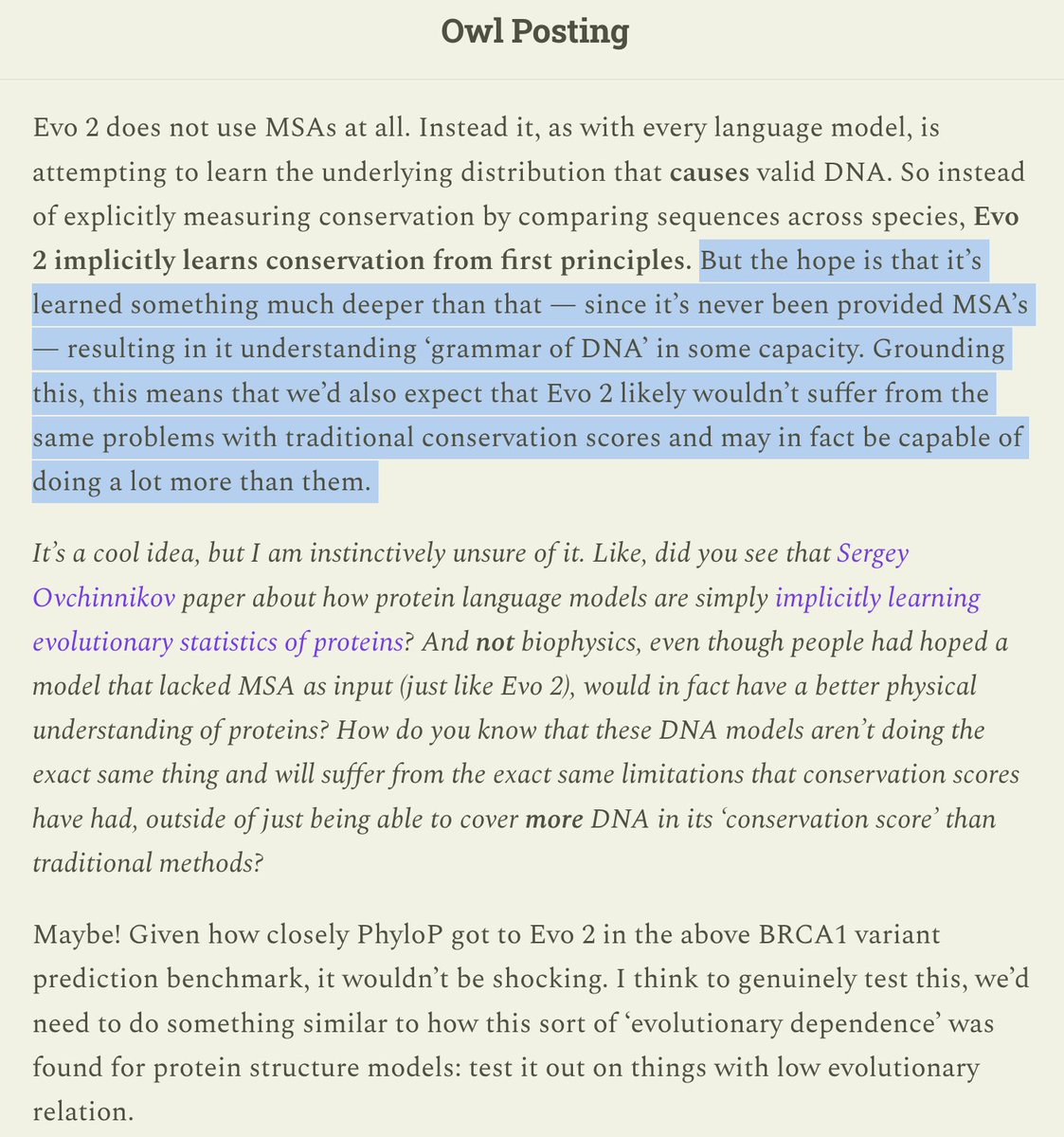
Adding to @owlposting's remark on the capabilities of Evo 2:
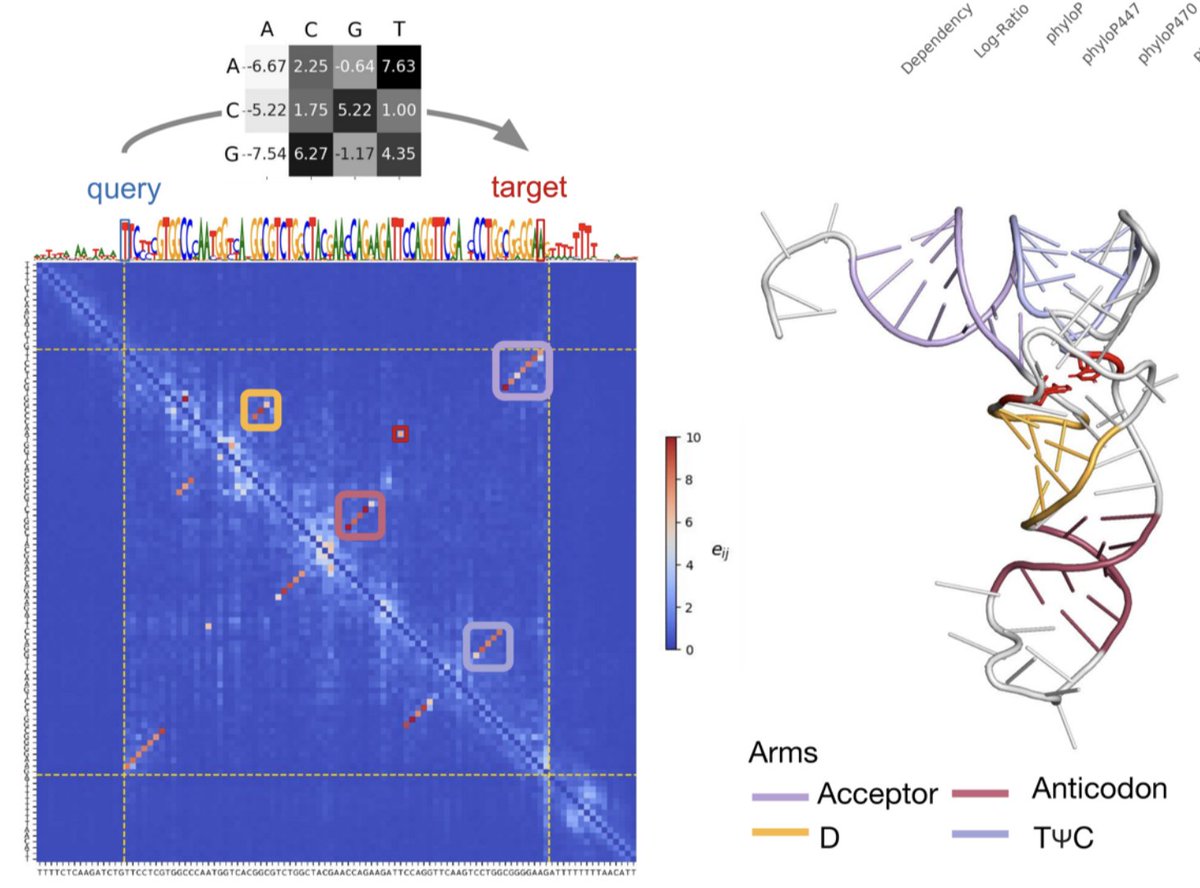
There's a great paper by @gagneurlab showing that DNA LMs implicitly learn Watson-Crick base pairing from tRNA DNA.
biorxiv.org/content/10.1101/…
20 Feb 2025

A socratic dialogue over the utility of DNA language models (Part 1 of 2)
here's the link: owlposting.com/p/a-socratic-…
and here's a longpost of why i wrote this:
i think the effort that went into Evo 2 is very cool and its clearly a very comprehensive paper
but the excitement over it made me realize that i didn't understand a more basic concept: what's the point of a DNA language model? it felt like all the instinctive 𝕏 takes i read about them were just...wrong at worst, and overly optimistic at best. im sure a Real Genomics person would instinctively understand the utility of such a type of model. but i do not!
this is made worse by everyone i know irl agreeing that they too dont really get the point of models like these
this essay is an attempt to rectify my own understanding and hopefully help others too. i interleave in my own instinctive questions with the answers i stumbled across as i researched more. unfortunately, i have many dumb questions, but hopefully some smart ones too
part 1 is specifically focused about variant pathogenicity prediction using these models
i should note that this essay is not about Evo 2 specifically. Evo 2 is referred to heavily, specifically their pathogenic variant discovery results, but i do not spend much time on the data/model/etc results. it is intended to be more broad than that
2
3
21
2,480
21 Feb 2025
Upon mutation of one of two each-other-binding nucleotides, the DNA LM adapts its probability for the other one according to Watson-Crick.
But of course, MSAs co-variation analysis detects the same yet require explicit analysis and more effort, so the DNA LM has some benefit.
1
1
163
21 Feb 2025
Thread by @anshulkundaje on the paper:
x.com/anshulkundaje/status/1…
29 Jul 2024

Really awesome paper from @gagneurlab on a new, clever interpretation approach showing that local DNA language models (trained on pre-defined functional elements across species) are capable of learning regulatory & structural syntax.
biorxiv.org/content/10.1101/…
1
164
9 Feb 2025
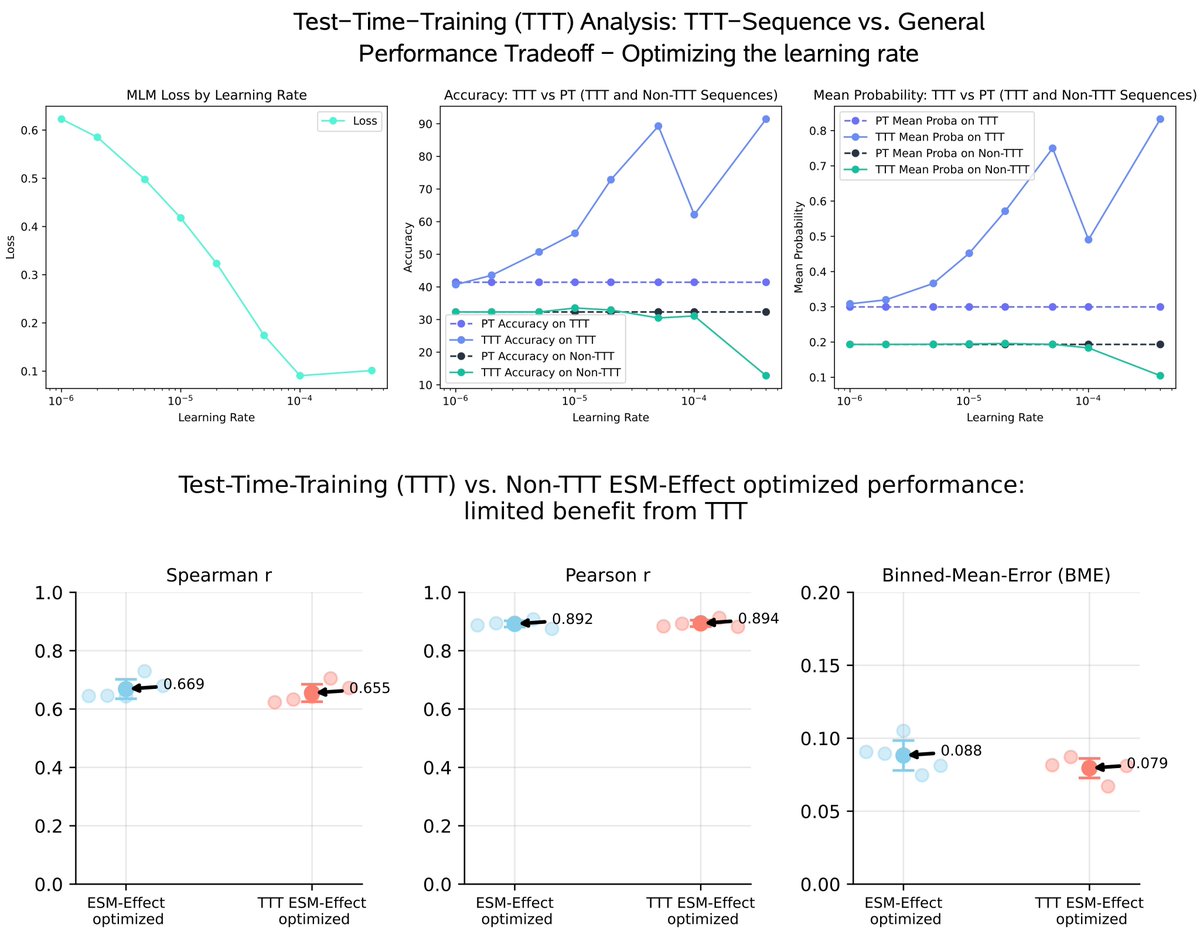
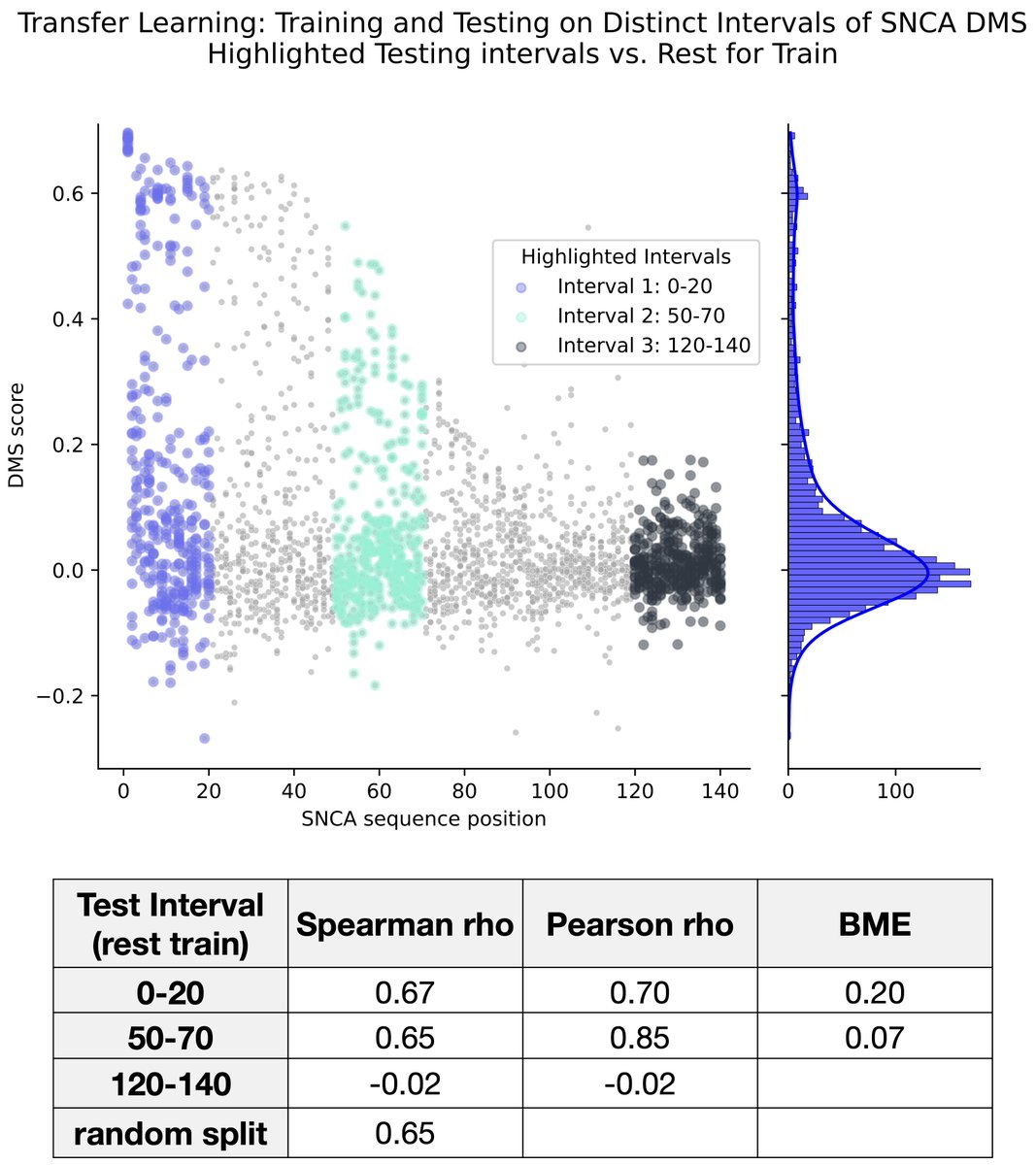
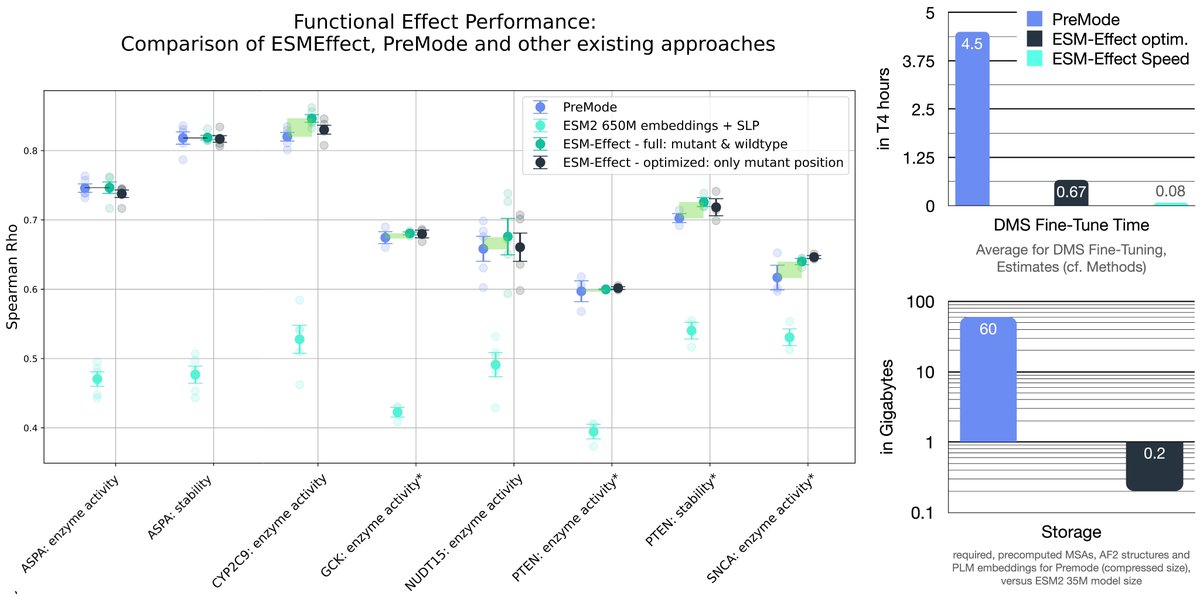
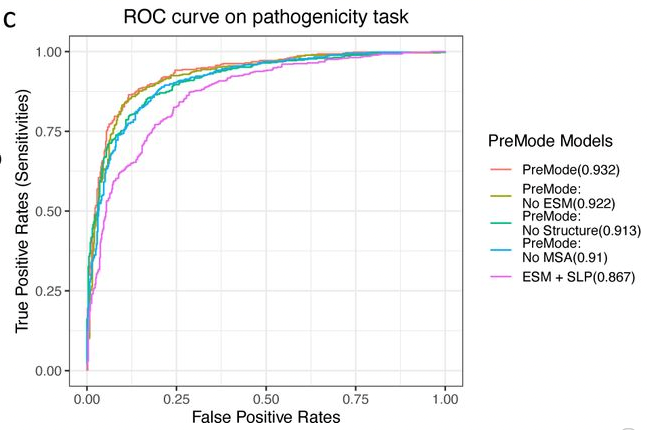
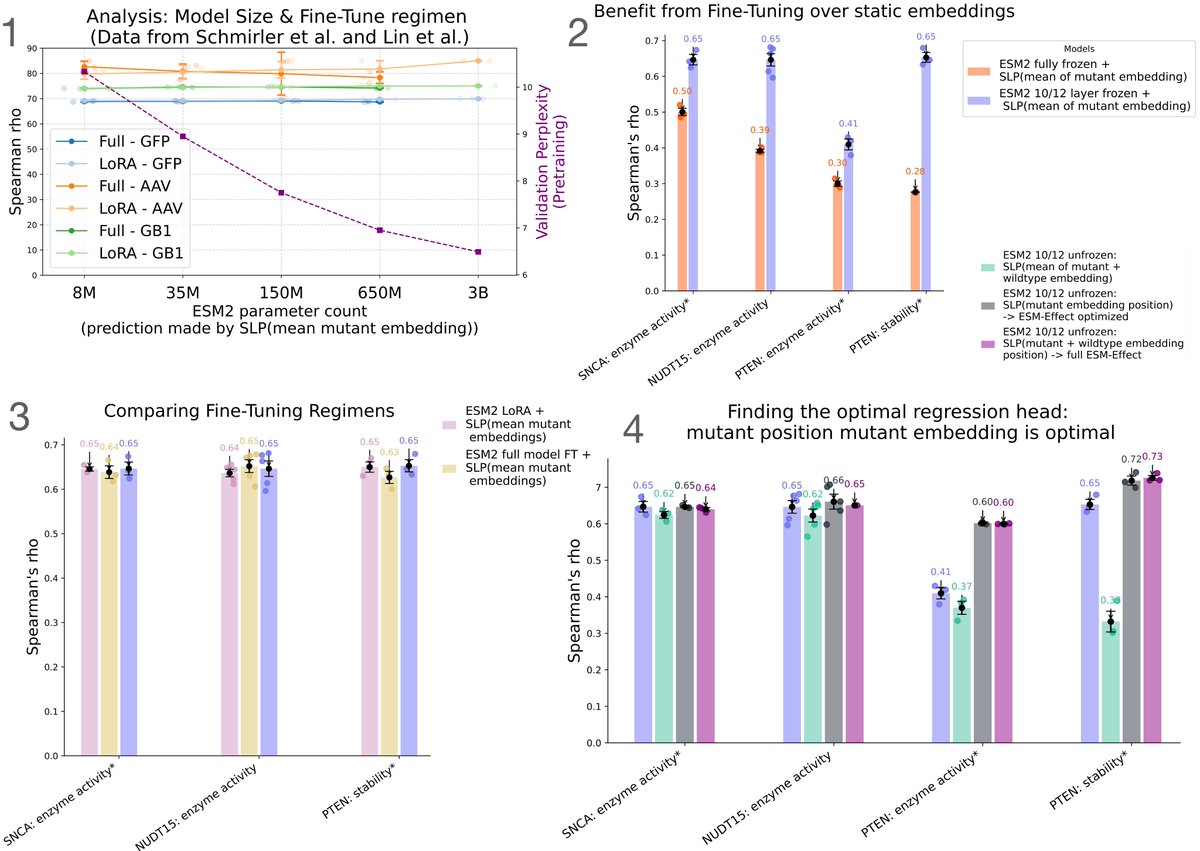
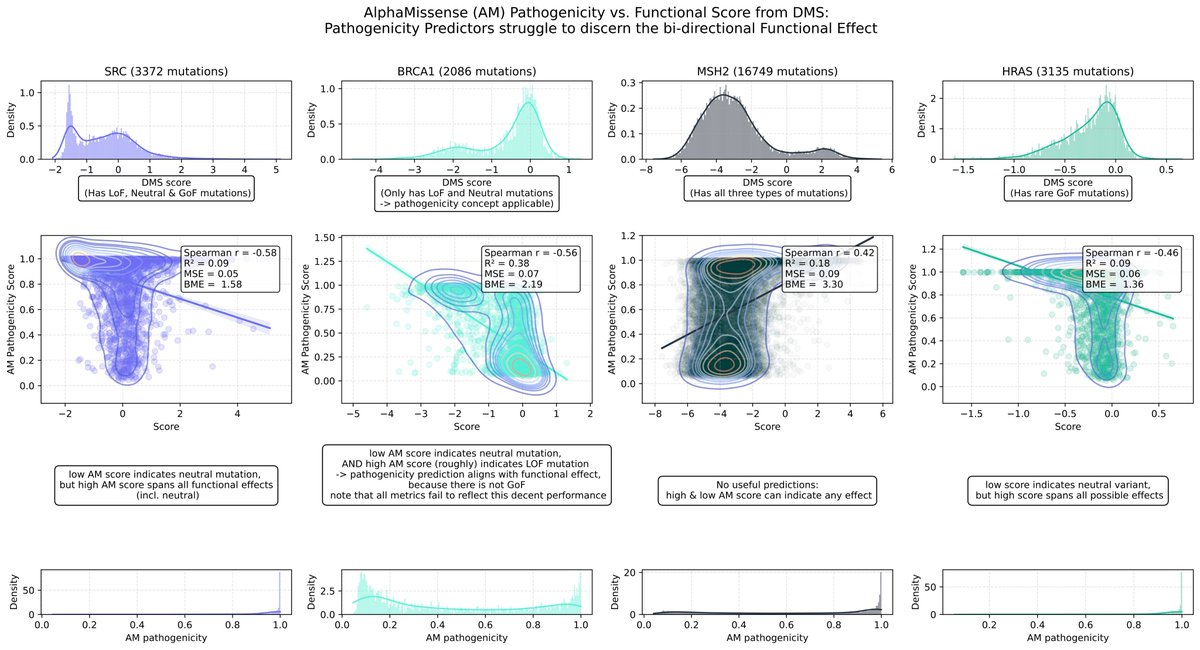
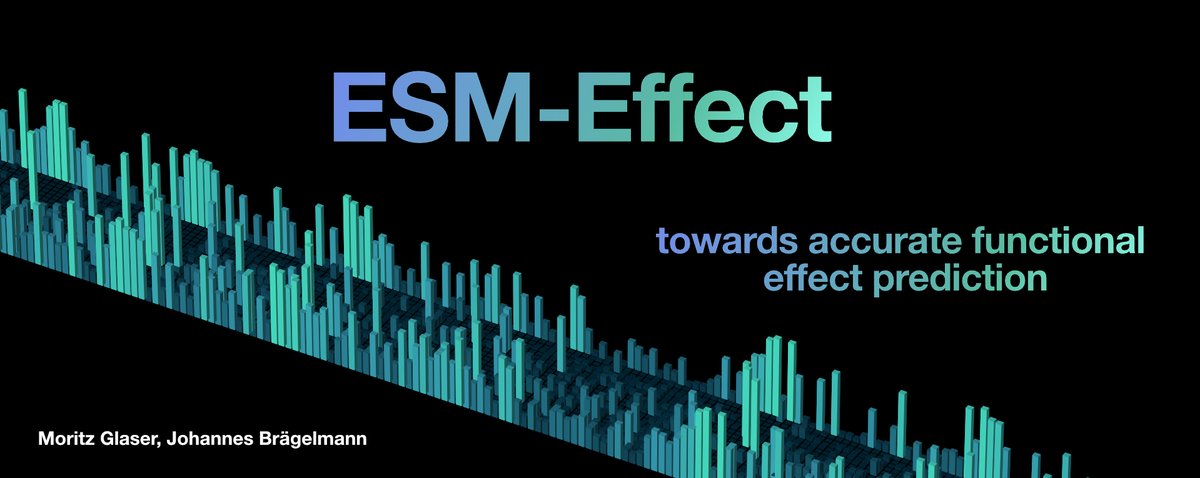
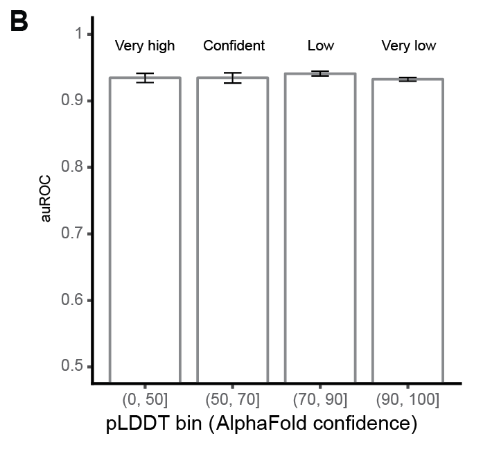
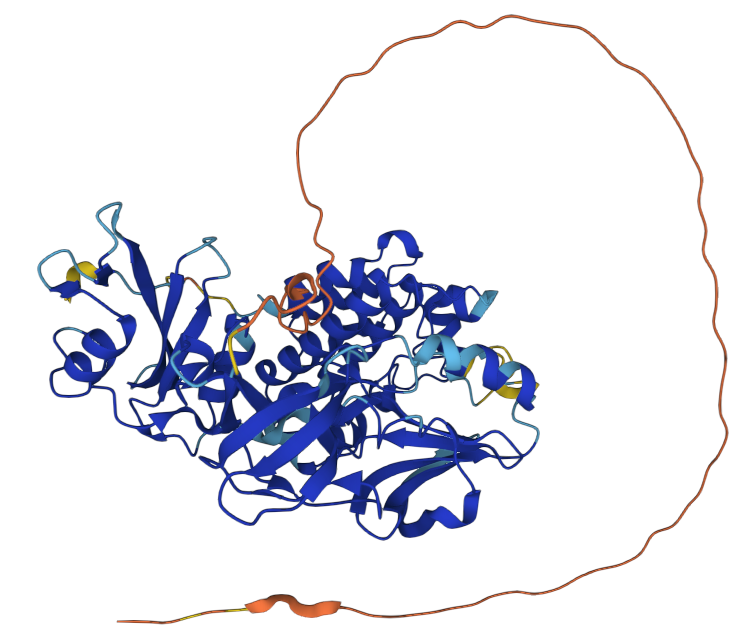
PLMs are great at mutation pathogenicity prediction, but how about functional effects like enzyme activity?
--> PLMs don't work for functional effects, but can be fine-tuned with an inductive bias regression head to perform better
biorxiv.org/content/10.1101/…
Our findings - 1/n:
3
12
79
7,935
9 Feb 2025
-> New pre-training objectives with deeper biological insights
Sequence & structure was the first frontier.
But biology lives & dynamically interacts and modelling that is the next frontier imo
Paper relating to that, by @francescazfl & @KevinKaichuang:
biorxiv.org/content/10.1101/…
1
5
281
9 Feb 2025
And a big thank you to @braegelmannlab for the thoughtful discussions & review of this work!
Also thanks to @GoogleColab for providing the free (yet old) GPUs I used for this project😅
3
230
17 Sep 2024
To what extent can we integrate o1 like CoT „reasoning“ and test-time compute into PLMs/ESM3? @amelie_iska @alexrives
I guess it would improve performance likewise e.g. for conditioned generation
1
258