
it's time to fight for the children they are the only thing that truly matters. prepare for civil war the time has come.
Joined May 2020
- Tweets 13,121
- Following 2,207
- Followers 888
- Likes 8,035
2,678 Photos and videos


Pinned Tweet

27 Sep 2022
Worked at NASA STI program and an R&D engineer/physics/ theoretical physics/Earth,Space,Spiritual science/ no red no blue only red white and blue 🇺🇸/Carpentry/ I post a bit of everything.
8
2
43
Jun 12
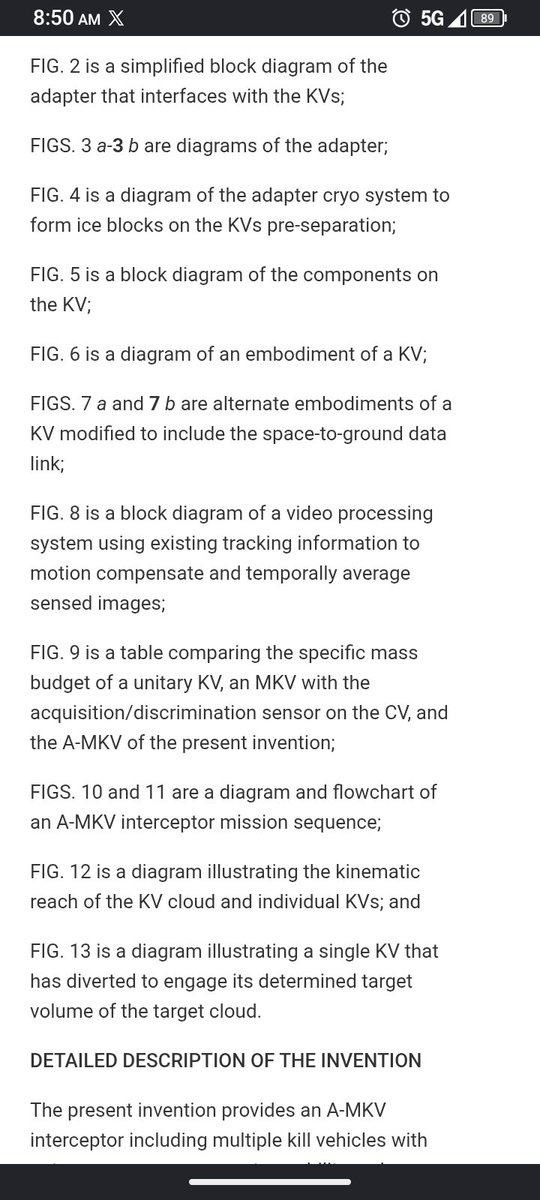
The only aliens trump has ever met are the aliens he keeps deporting.
1
2
527
Justin Williams retweeted

Jun 12
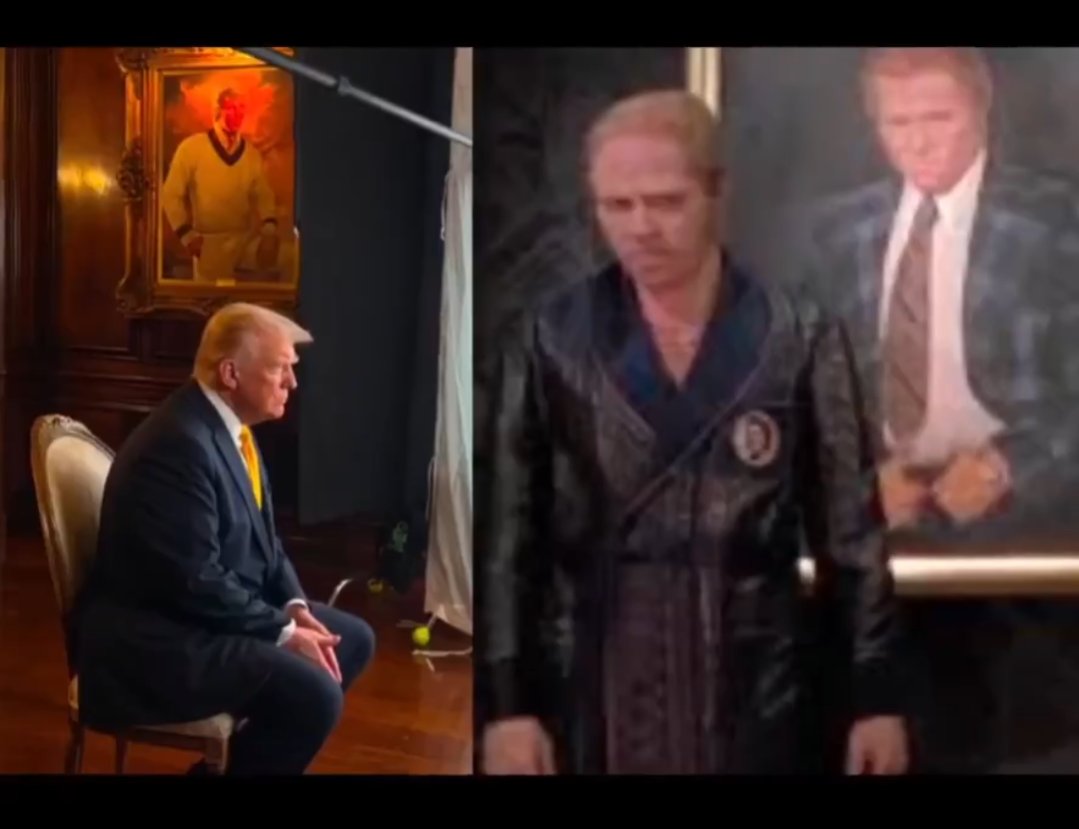
How big of a conspiracy theorist are you?
Me:
57
82
769
24,342
Justin Williams retweeted

Jun 12
Today, I’m releasing never before seen intelligence revealing new evidence of past US government funding for more than 120 biolabs in over 30 countries, including Ukraine.
In support of President Trump‘s Executive Order to end federal funding of dangerous gain of function research around the world, and increase transparency and accountability, ODNI will continue working with partners across the Administration to identify where these labs are, what pathogens they contain, and what “research” is being conducted.
odni.gov/index.php/newsroom/…
12,708
67,937
228,050
16,673,484
Jun 12
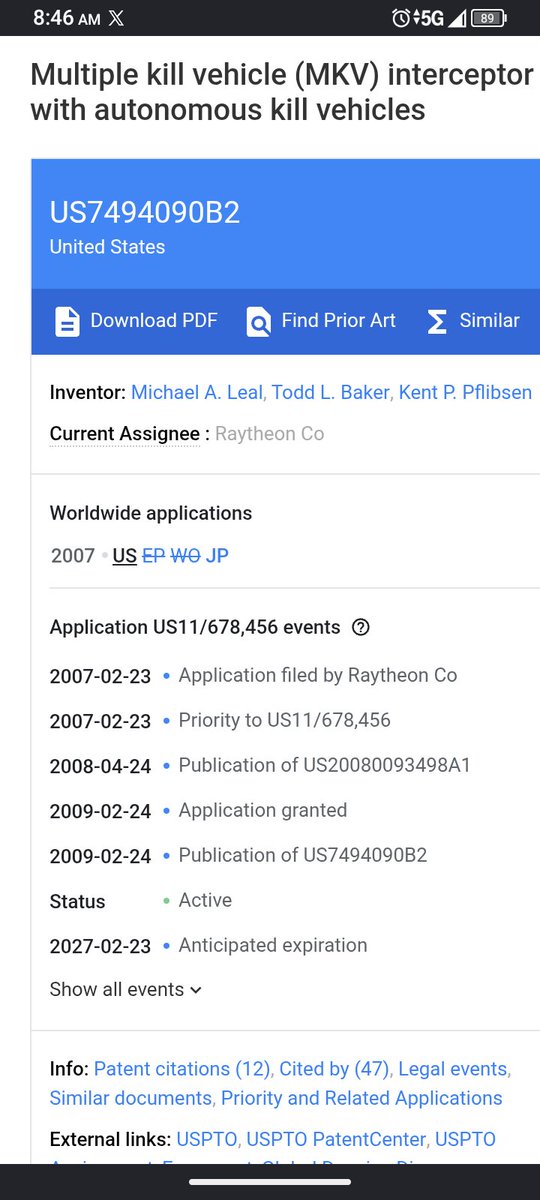
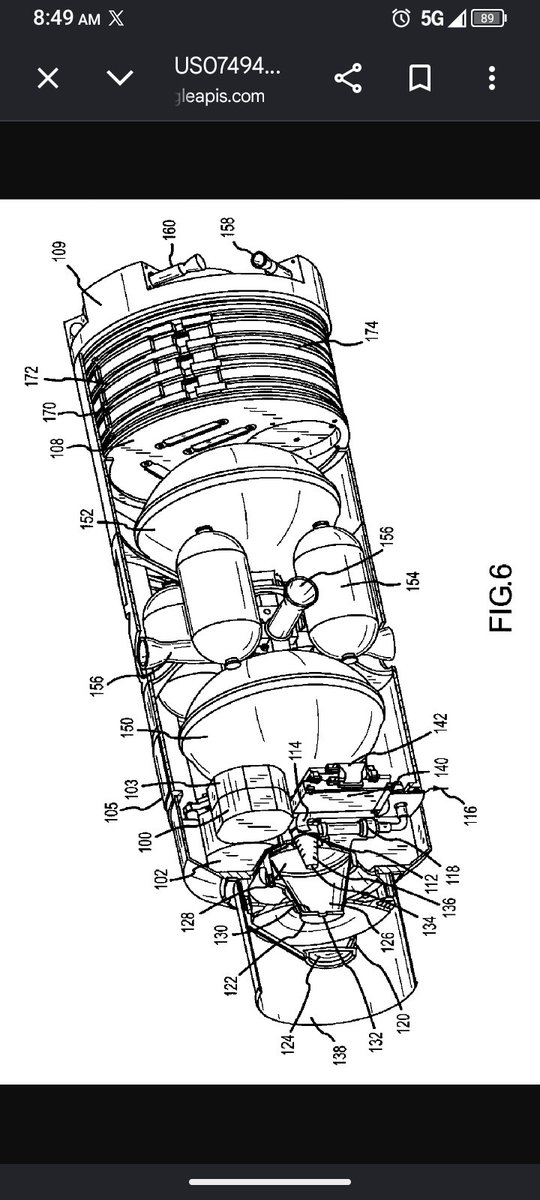
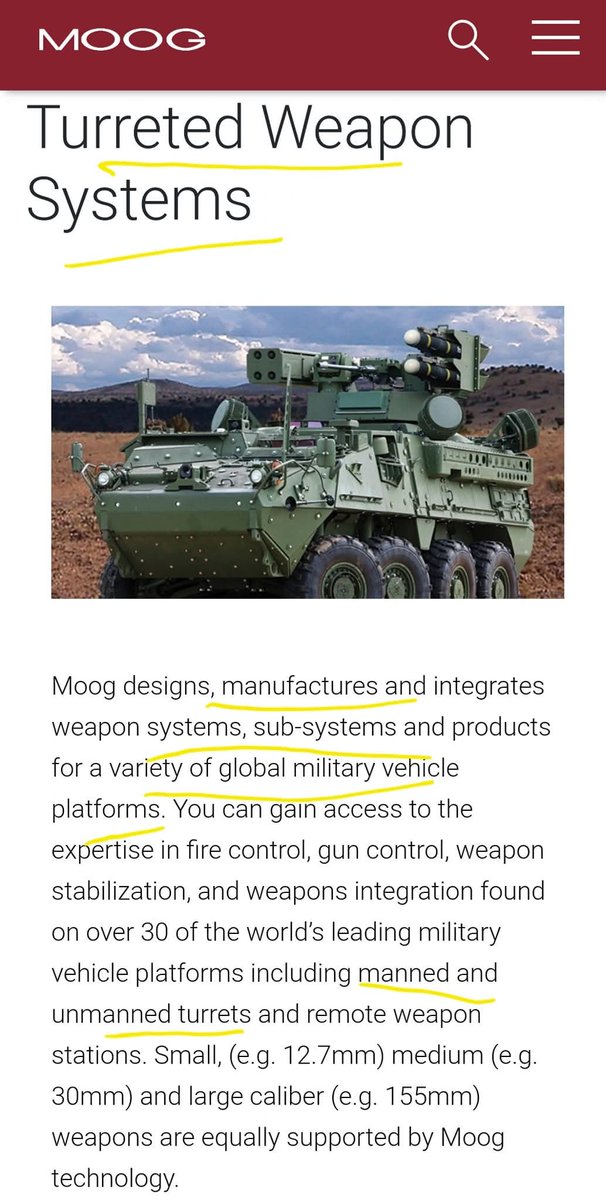
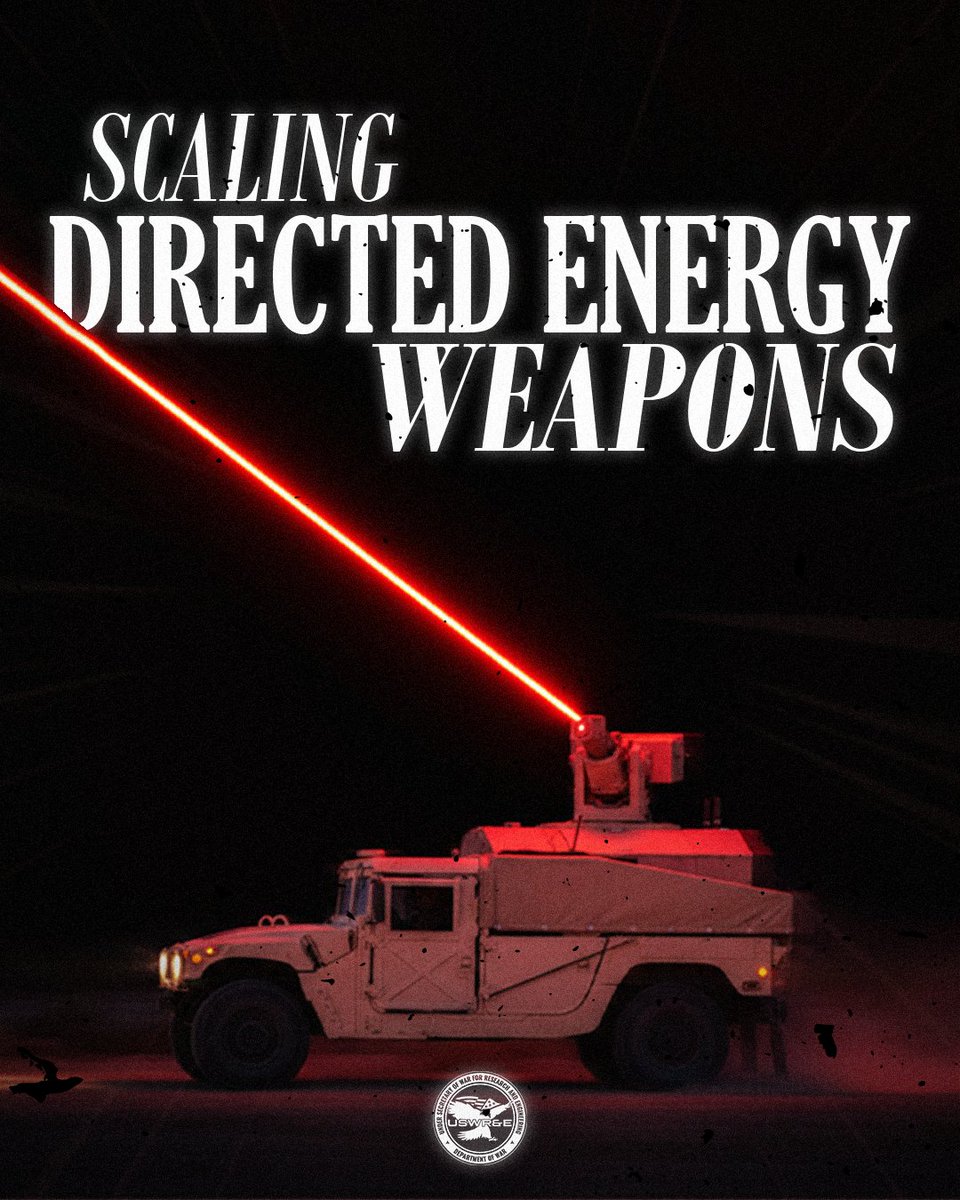
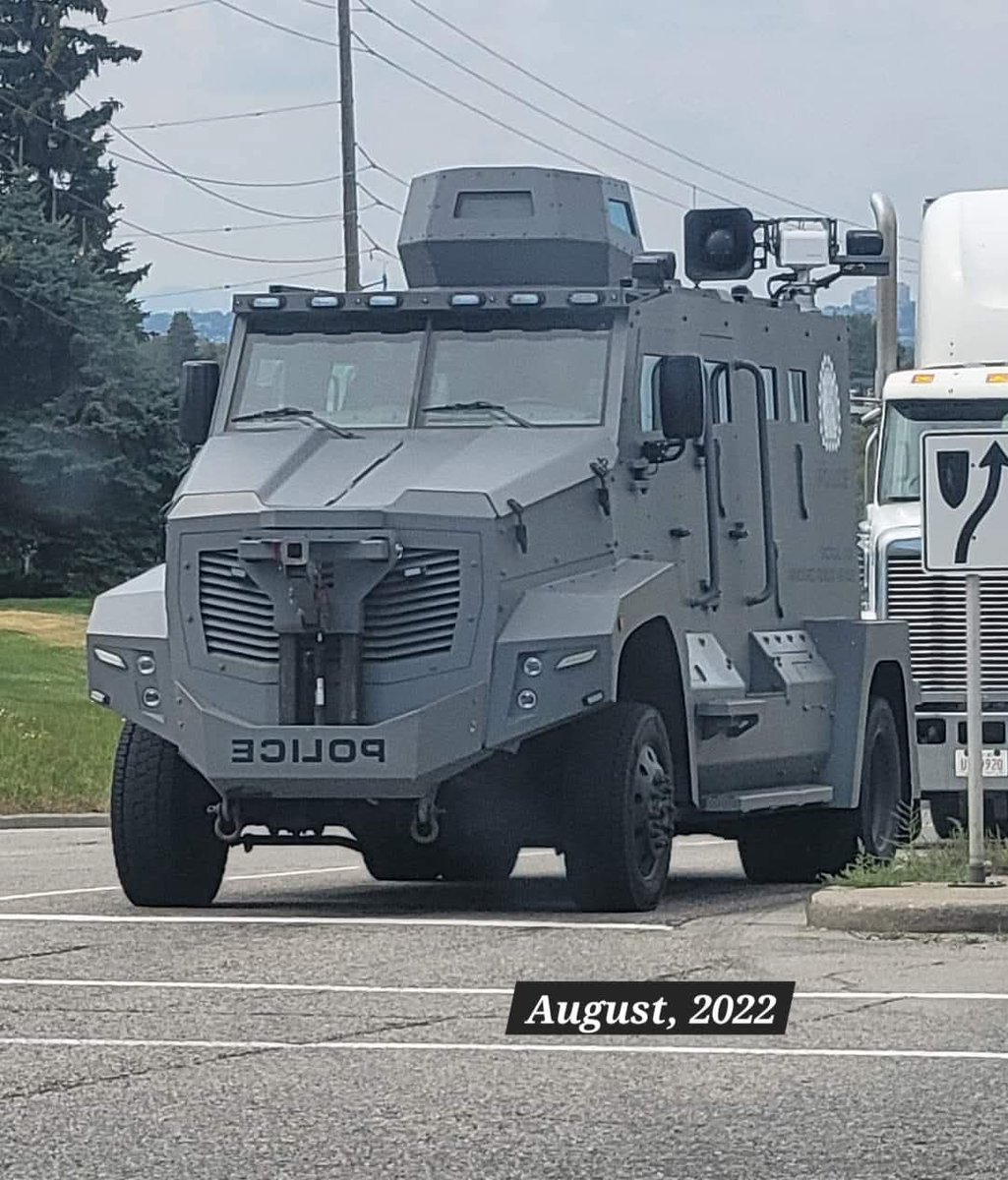
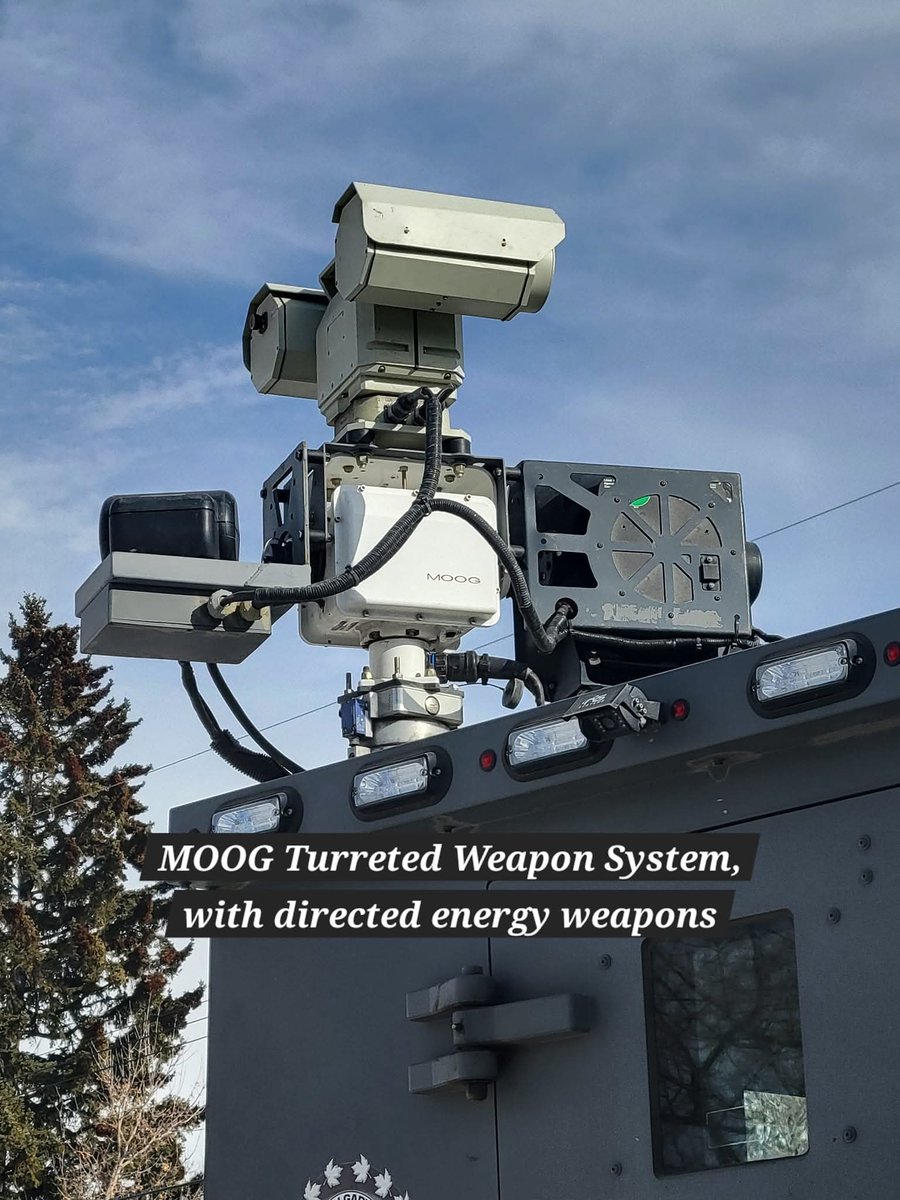
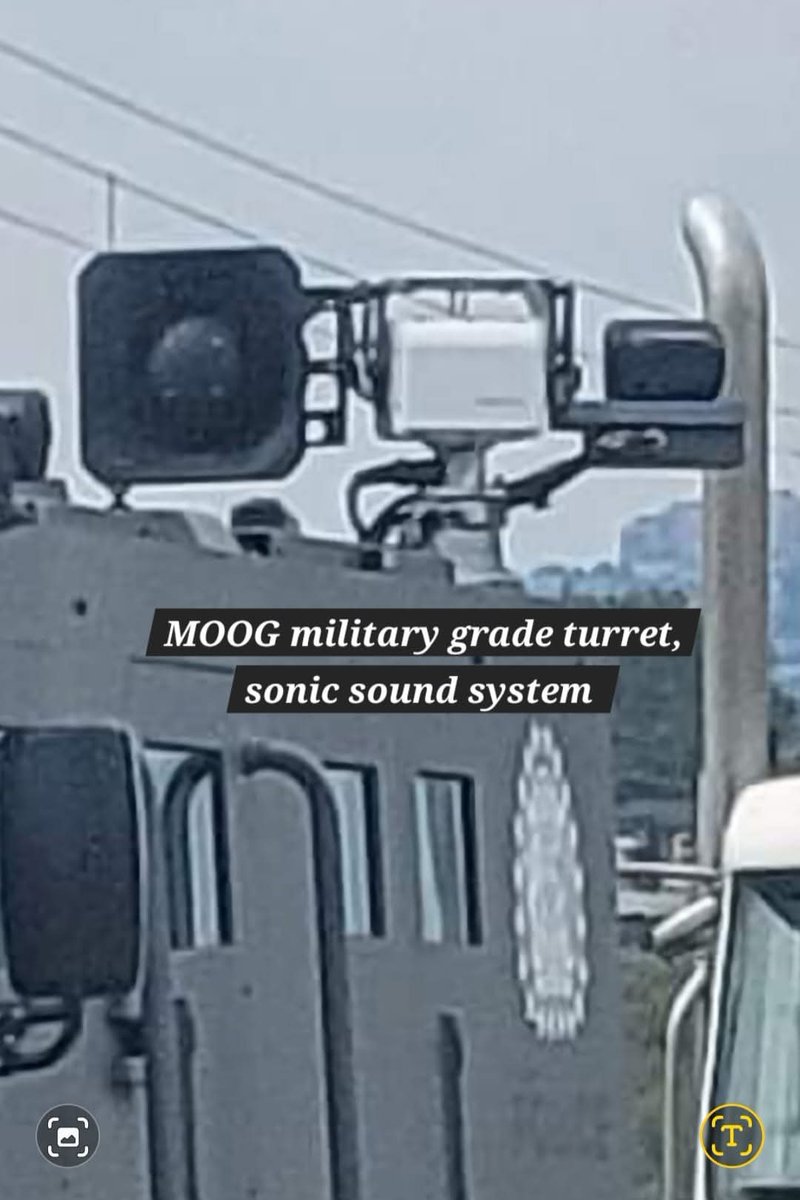
DEWs that are used are American citizens is a war crime and a crime against humanity #directenergyweapons #DEWs #warcrime #crimeagainsthumanity


2
130
Jun 12
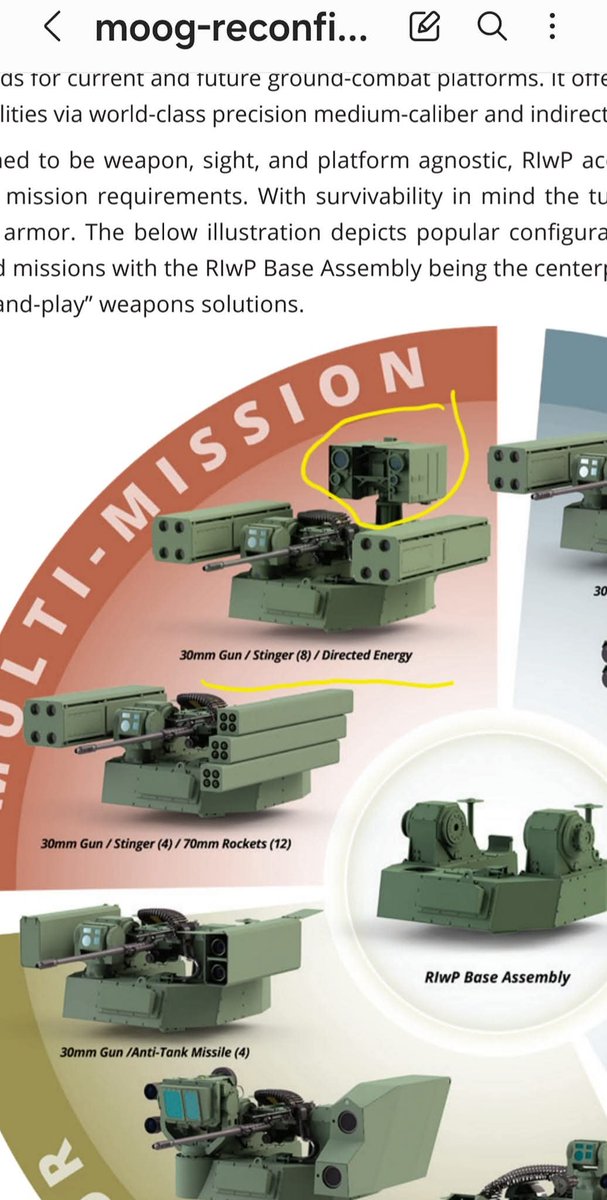
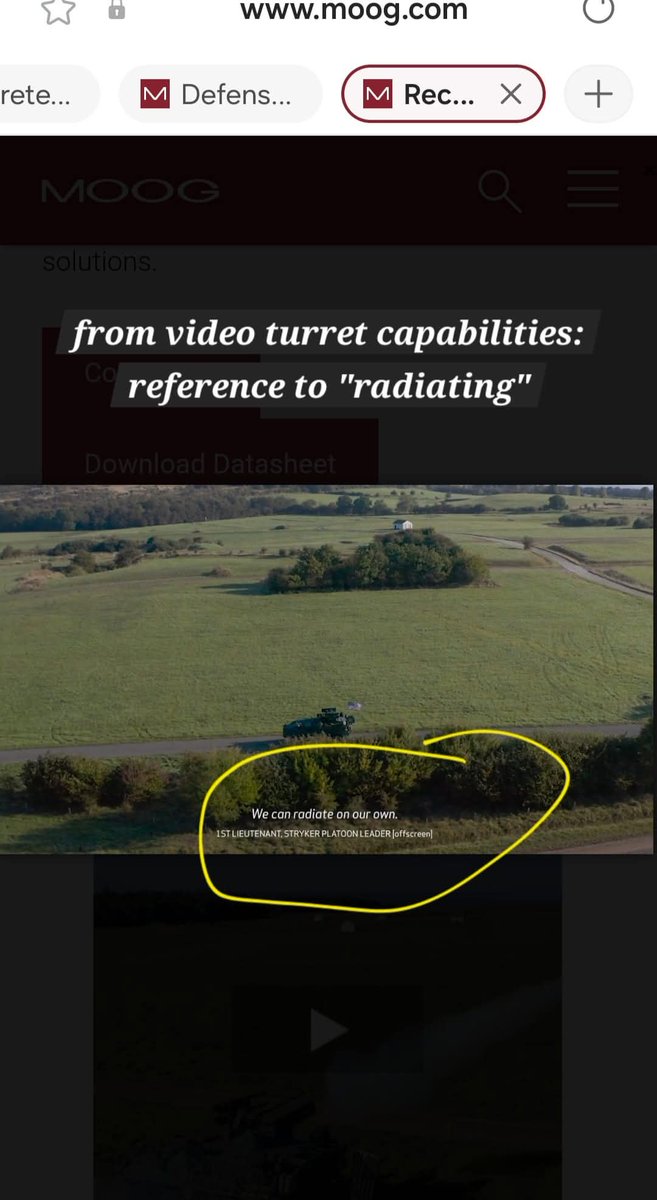
DEWs that are used are American citizens is a war crime and a crime against humanity #directenergyweapons #DEWs #warcrime #crimeagainsthumanity

2
121
Jun 12
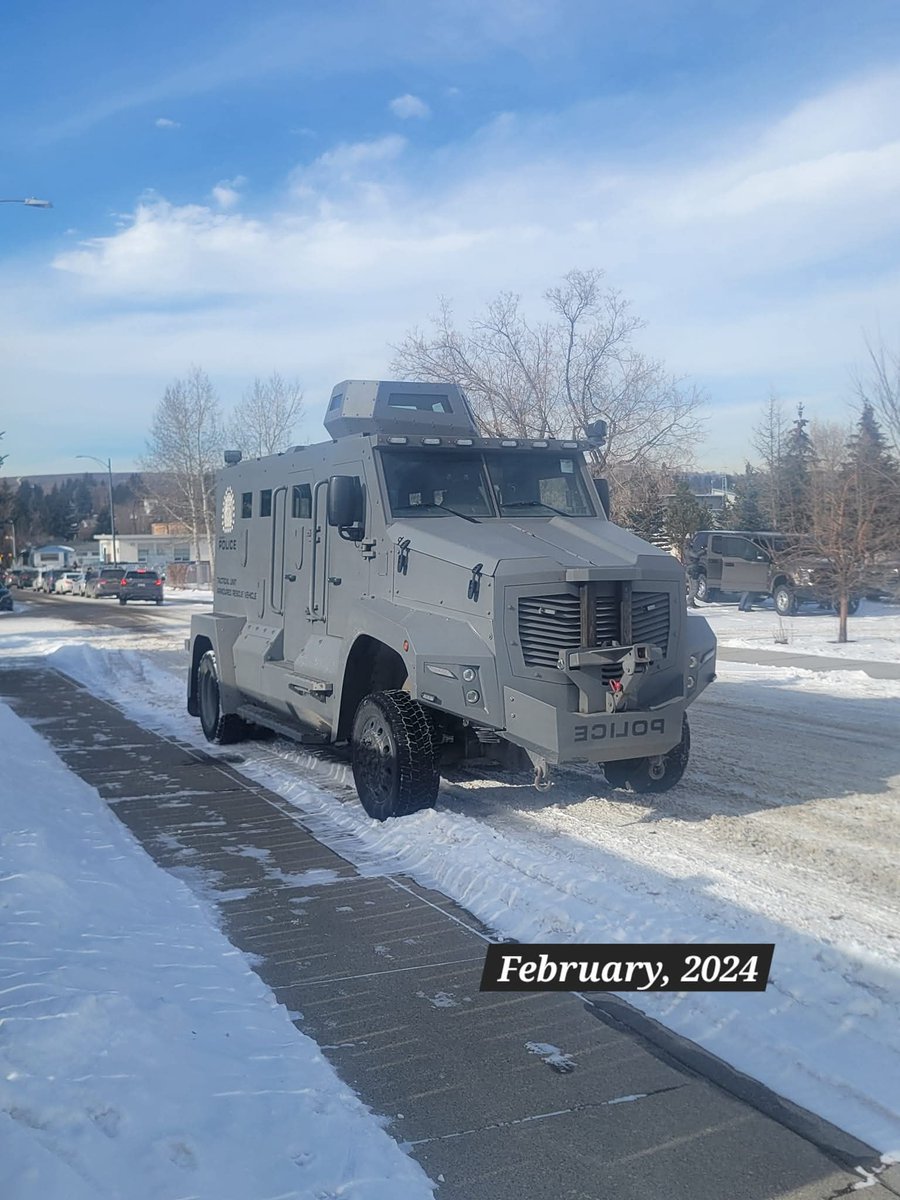
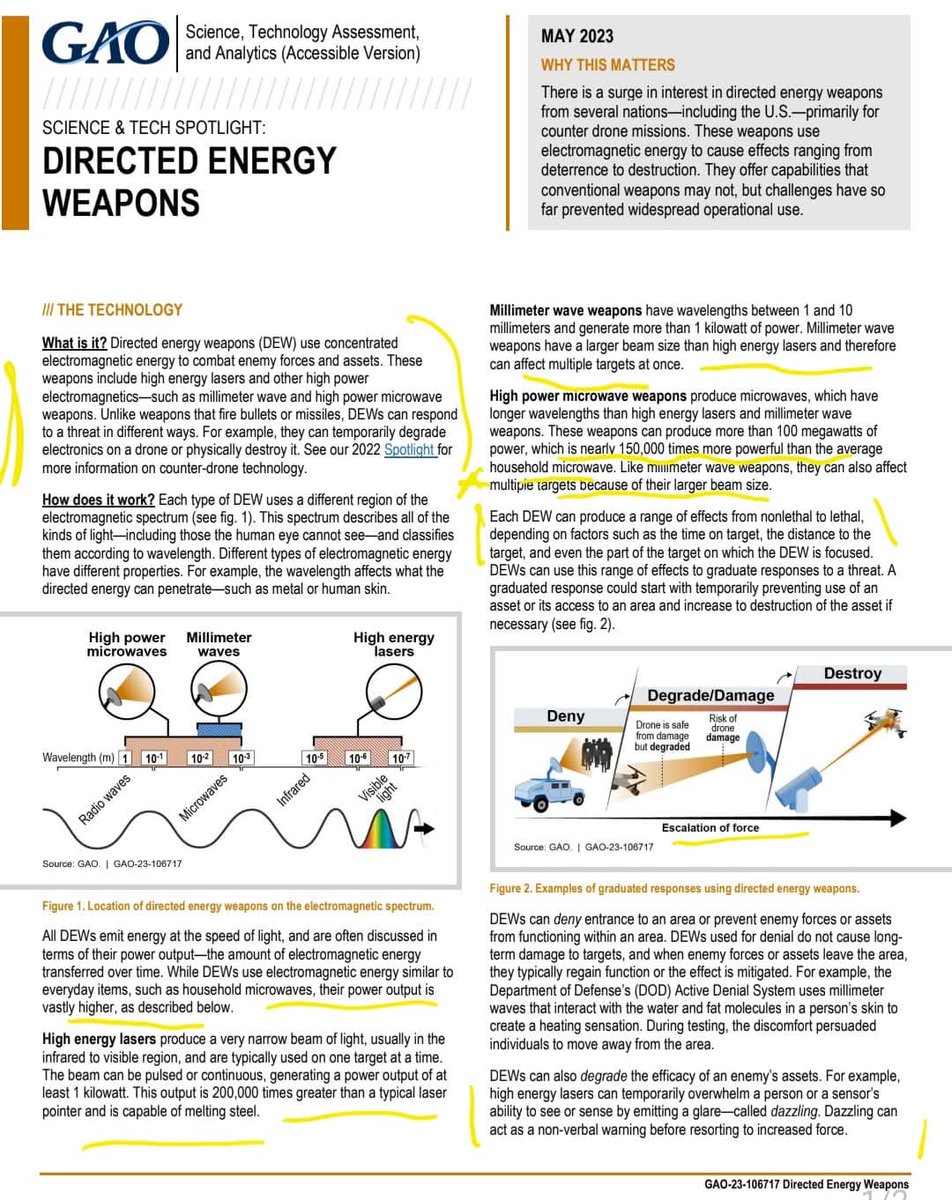
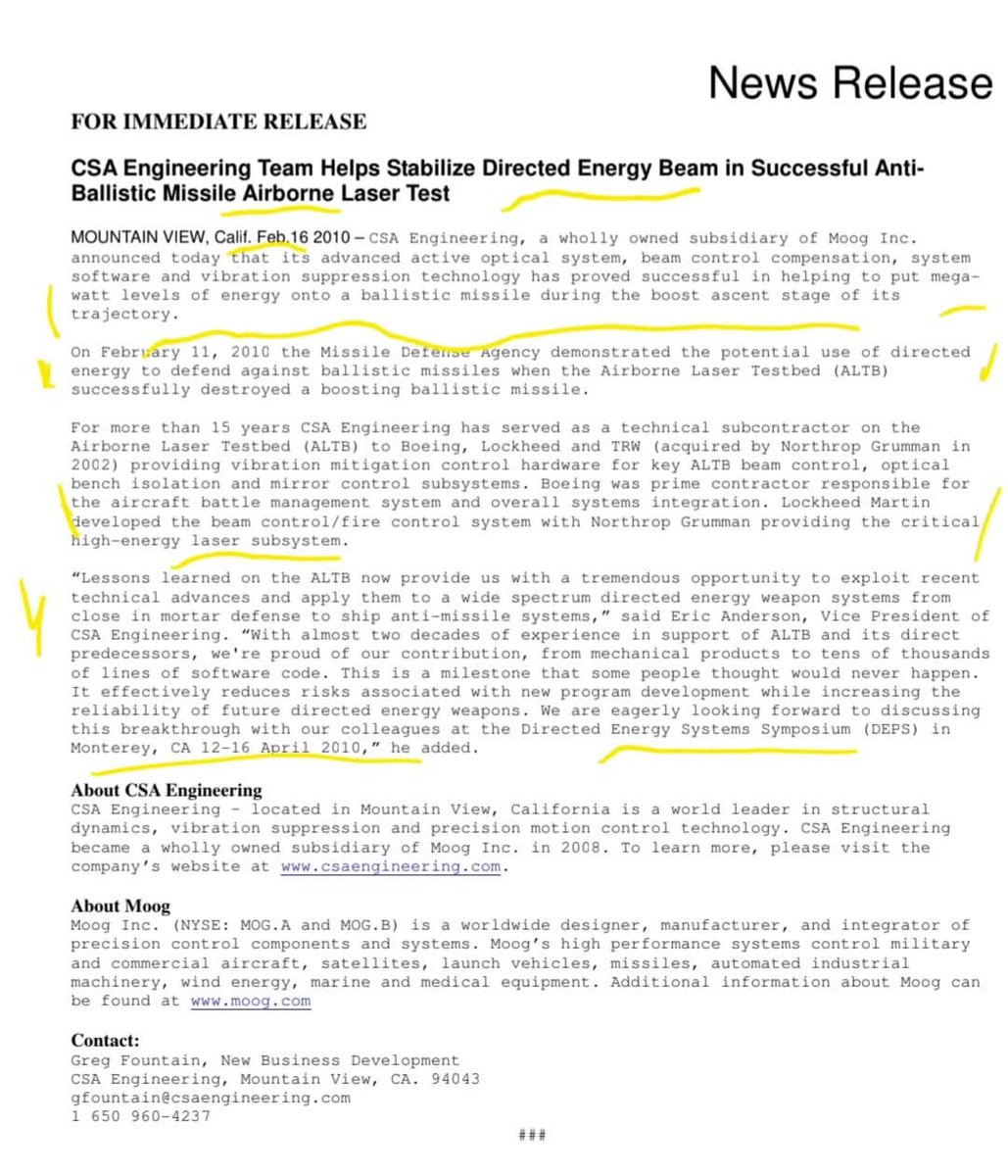
DEWs that are used are American citizens is a war crime and a crime against humanity #directenergyweapons #DEWs #warcrime #crimeagainsthumanity

4
121
Jun 12
DEWs that are used are American citizens is a war crime and a crime against humanity #directenergyweapons #DEWs #warcrime #crimeagainsthumanity
1
86
Justin Williams retweeted

Jun 8
🤯 LE SYSTÈME N’A JAMAIS ÉTÉ CONÇU POUR QUE TU GAGNES.
🚨On t’a mis à l’école pour mémoriser des choses que tu n’utiliseras jamais.
💥On t’a appris à lever la main, à attendre ton tour, à suivre les instructions.
😱Puis on t’a dit : « Trouve un travail, fais 40 heures par semaine, donne la moitié en impôts, et si tu as de la chance, tu pourras prendre ta retraite à 67 ans. »
Ce n’est pas une vie.
C’est un script.
Et la plupart des gens ne le remettent jamais en question… parce qu’ils sont trop épuisés à le vivre.
Une fois que tu vois le script, tu ne peux plus le défaire.
Tu as deux choix :
Briser le script… ou rester coincé dedans.
#QuestionTout
26
468
913
19,289

Justin Williams retweeted
Jun 8
😱 REGARDEZ BIEN CE QUI SE PASSE.
🚨Un chasseur tire un rayon laser rouge intense et détruit sa cible en vol.
💥Puis on voit un système d’arme à énergie dirigée au sol… et soudain, dans une ville, une explosion violente apparaît de nulle part, avec un flash lumineux.
🤯« Tf was that ?? »
Ce ne sont plus des théories.
Ce sont des **Direct Energy Weapons** (DEW).
Des armes qui tirent de l’énergie pure, sans projectile, sans explosion classique, et qui peuvent frapper avec une précision chirurgicale.
La question n’est plus « est-ce que ça existe ? »
La question est : **où et contre qui sont-elles utilisées aujourd’hui ?**
#QuestionTout
9
113
234
13,519
Justin Williams retweeted

Jun 6
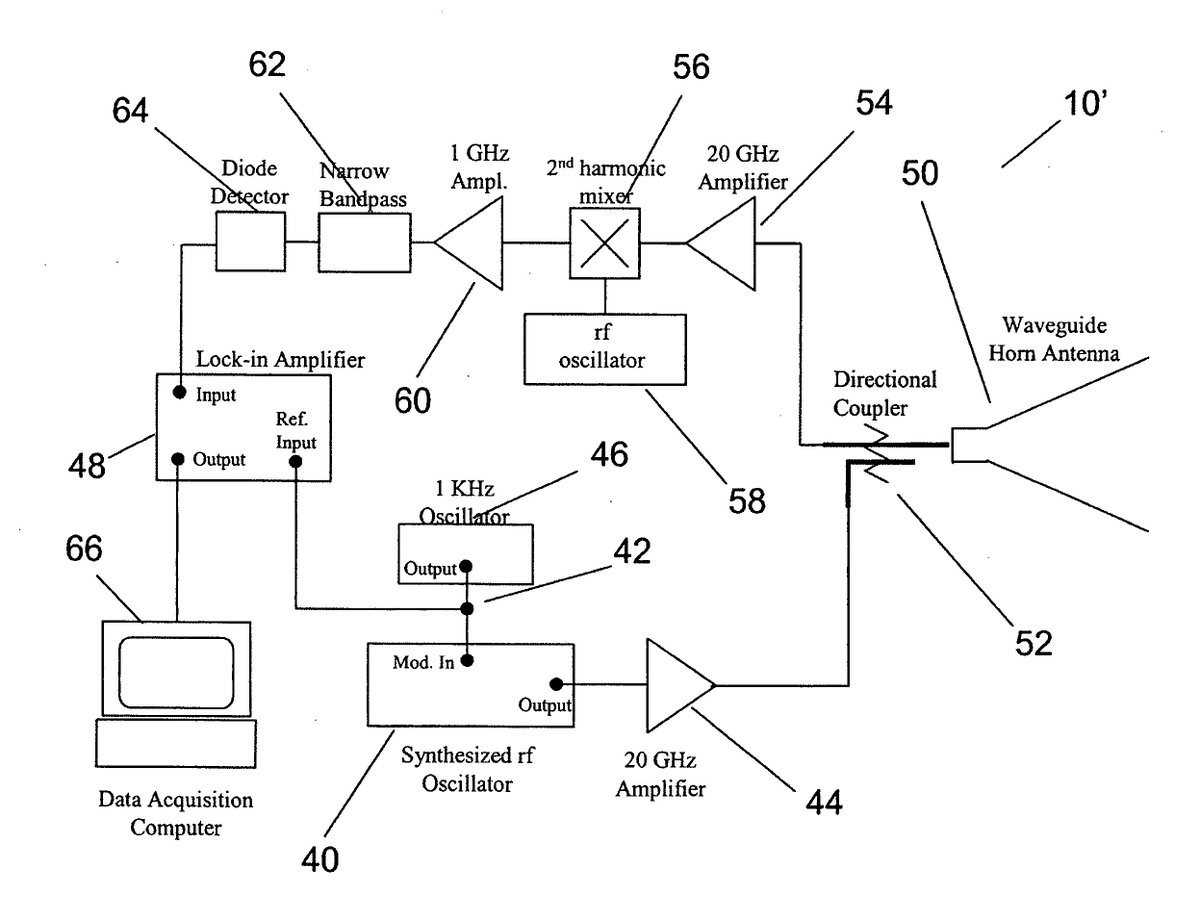
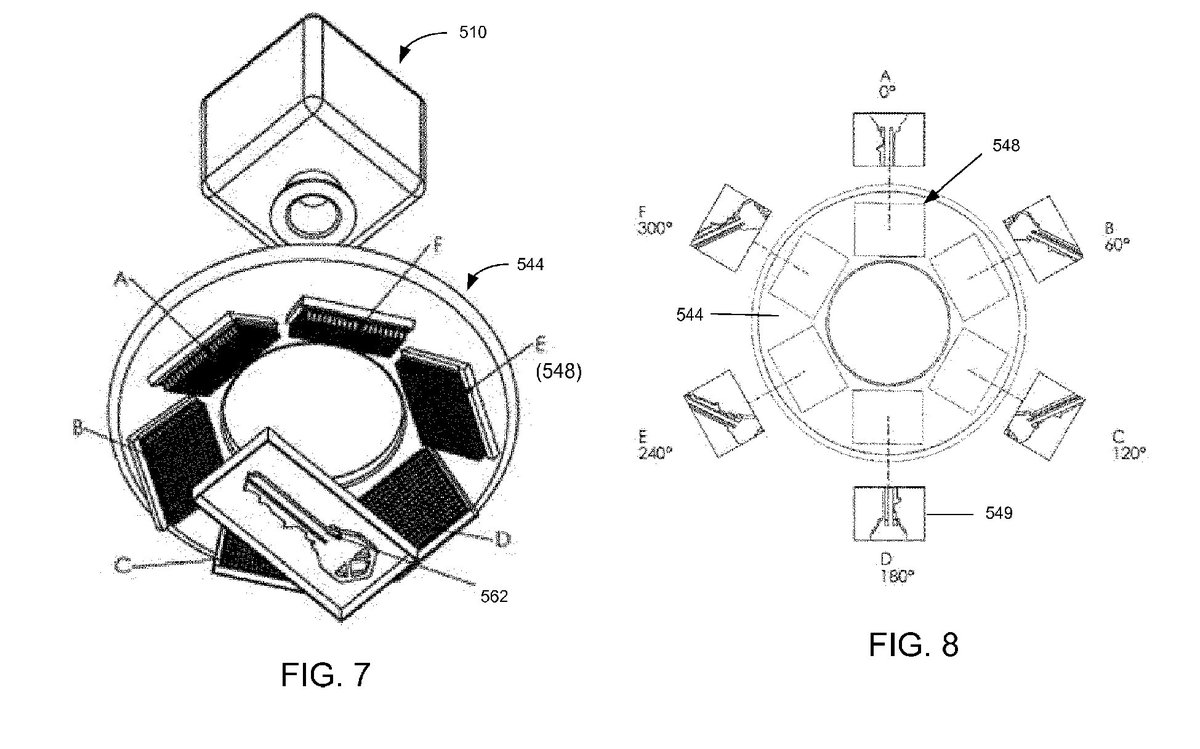
WiFi signals penetrate walls and enable through-wall detection of motion, coarse interior mapping, and in advanced cases, human pose or breathing estimation — without cameras or line-of-sight.
Key patents include:
• US9696421B2 (2017, SRC Inc.): Handheld monostatic WiFi/cellular radar system. Transmits at 2.4 GHz (or cellular bands), analyzes reflected signal entropy/variance to detect human activity perturbations behind walls. Supports portable devices and networked multi-unit coordination for localization.
• US9185528B2 (granted 2015; app. US20140004874A1, Northrop Grumman): Multi-transceiver setup using RSSI and tomographic backprojection for structure mapping plus motion detection via EM field disturbances from moving bodies. Incorporates building construction priors; designed for COTS WiFi hardware in urban/first-responder scenarios.
MIT’s 2013 Wi-Vi demonstrated low-power WiFi reflections tracking people through walls. Later CSI AI work (e.g., Carnegie Mellon) has reconstructed body poses/shapes. Commercial routers and smart devices now ship basic WiFi sensing for presence/motion.
4
51
91
2,470
Jun 7
66
Jun 7
A conscious crystal intelligence is watching the whole world right now can't help but to feel bad that we are making it see all the bs. If people knew the truth they wont sleep well ever again #lookingglass #itisalive
1
76
Justin Williams retweeted

Jun 5
Candy floss talent at the food show who remembers this?
144
318
11,682
57,965
Justin Williams retweeted

Jun 6
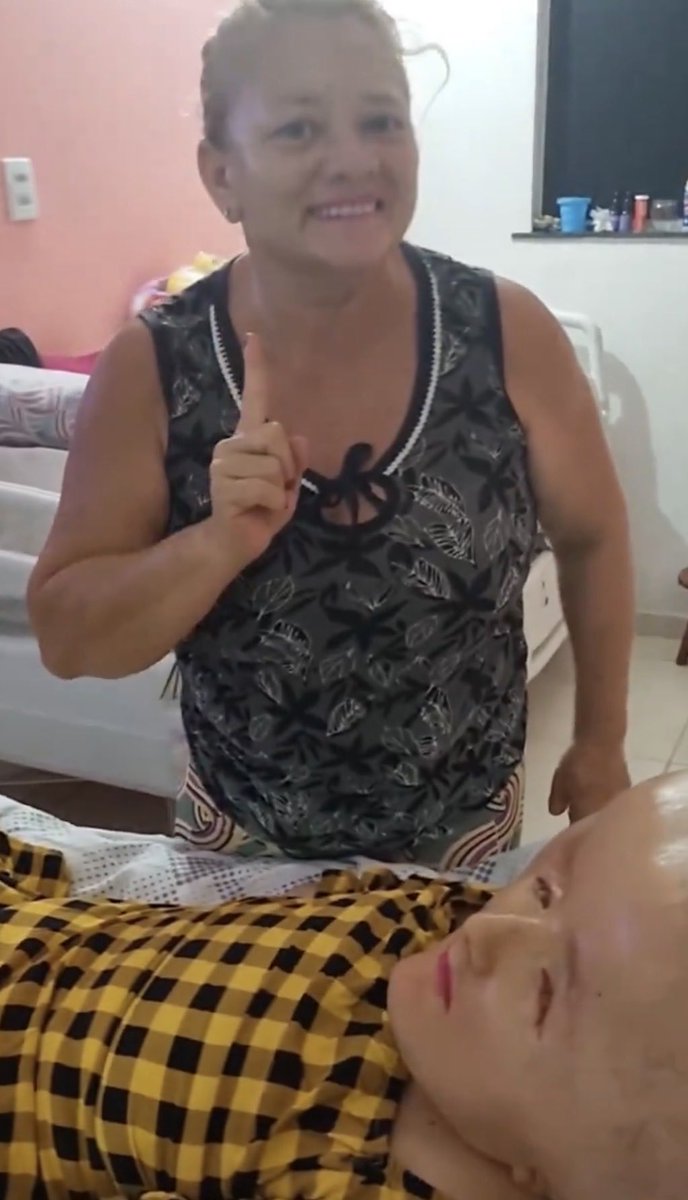
True motherly love has no conditions.
That Nigerian mother has carried, lifted, and cherished her severely disabled daughter for 31 years with pure devotion and smiles.
Meanwhile, some YouTubers abort their baby the moment they hear Down syndrome. One sacrifices everything for love. The other ends the life for convenience.
Real love doesn’t screen for perfection it embraces and endures.

111
10
175
218,186
Justin Williams retweeted

Female TARGETED INDIVIDUALS Ti Cynthia Robinson Finds Location Of Her Gangstalking Military Cia Freemasons By State
1
16
38
1,290